

Veneto · Treviso
Vittorio Veneto
Two old towns fused under the Cansiglio, where the October 1918 battle ended the First World War on the Italian front.
Known for
BATTLE OF 1918
October 1918 offensive that broke the Austro-Hungarian line; the Armistice of Villa Giusti took effect 4 November and the town was renamed in 1923.
TITIAN ALTARPIECE
Virgin with Saints Peter and Andrew, painted by Titian and kept in continuous use in the 1755 Duomo di Serravalle.
CANSIGLIO
Beech and fir plateau north of the town, the Republic of Venice's timber reserve, now a regional park reached in fifteen minutes drive.
When to visit
Best · Apr–Oct
- J
- F
- M
- A
- M
- J
- J
- A
- S
- O
- N
- D
- Best
- Hot or crowded
- Quiet
- Mostly closed
The festa: Tiziano di Oderzo, 16 January
Why come
Vittorio Veneto sits at the foot of the Cansiglio plateau, seventy-five kilometers north of Padova. The commune was formed in 1866 by merging Ceneda on the plain and Serravalle in the narrow valley above, named for King Vittorio Emanuele II. The two centers kept their own identities.
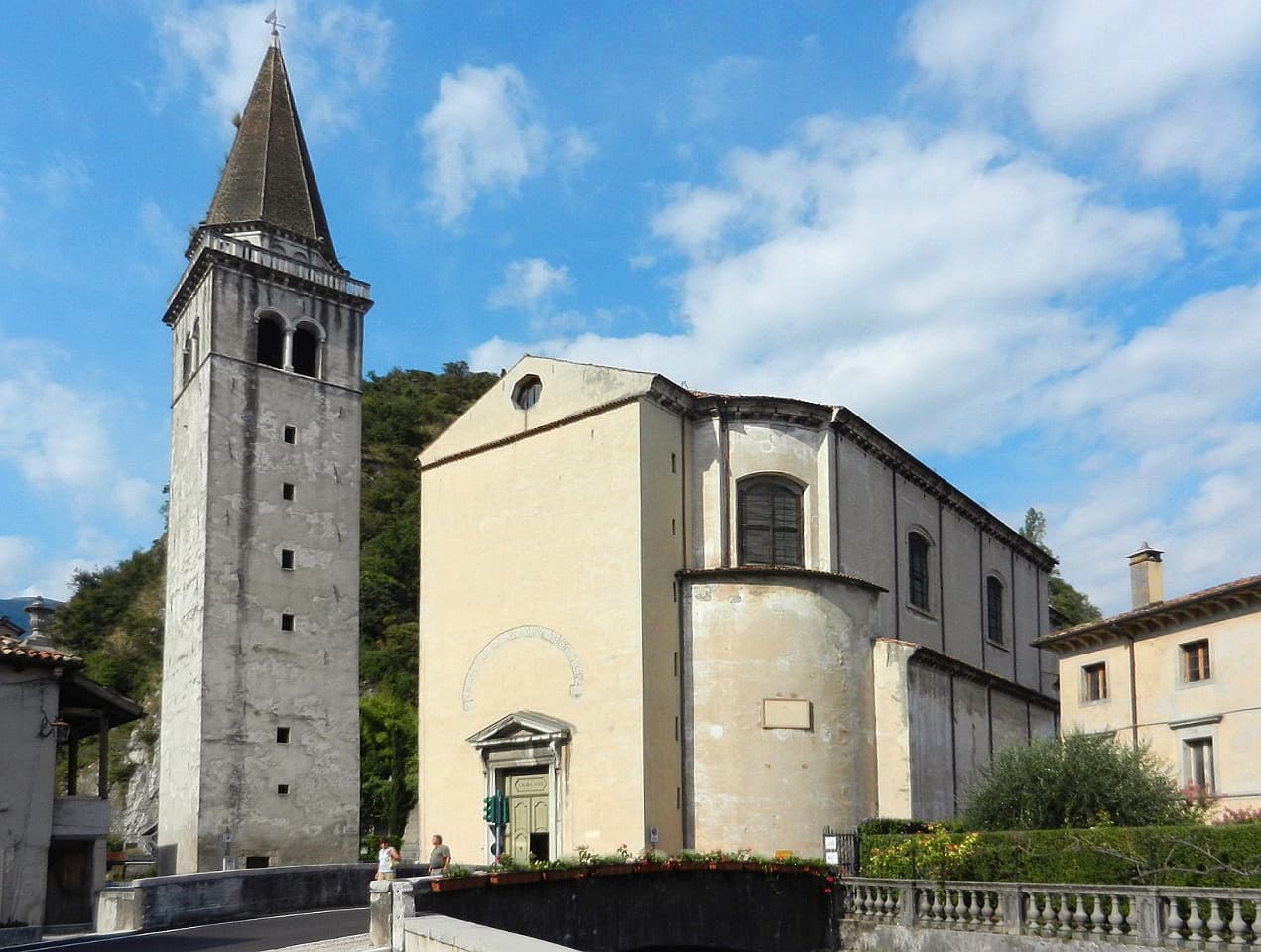
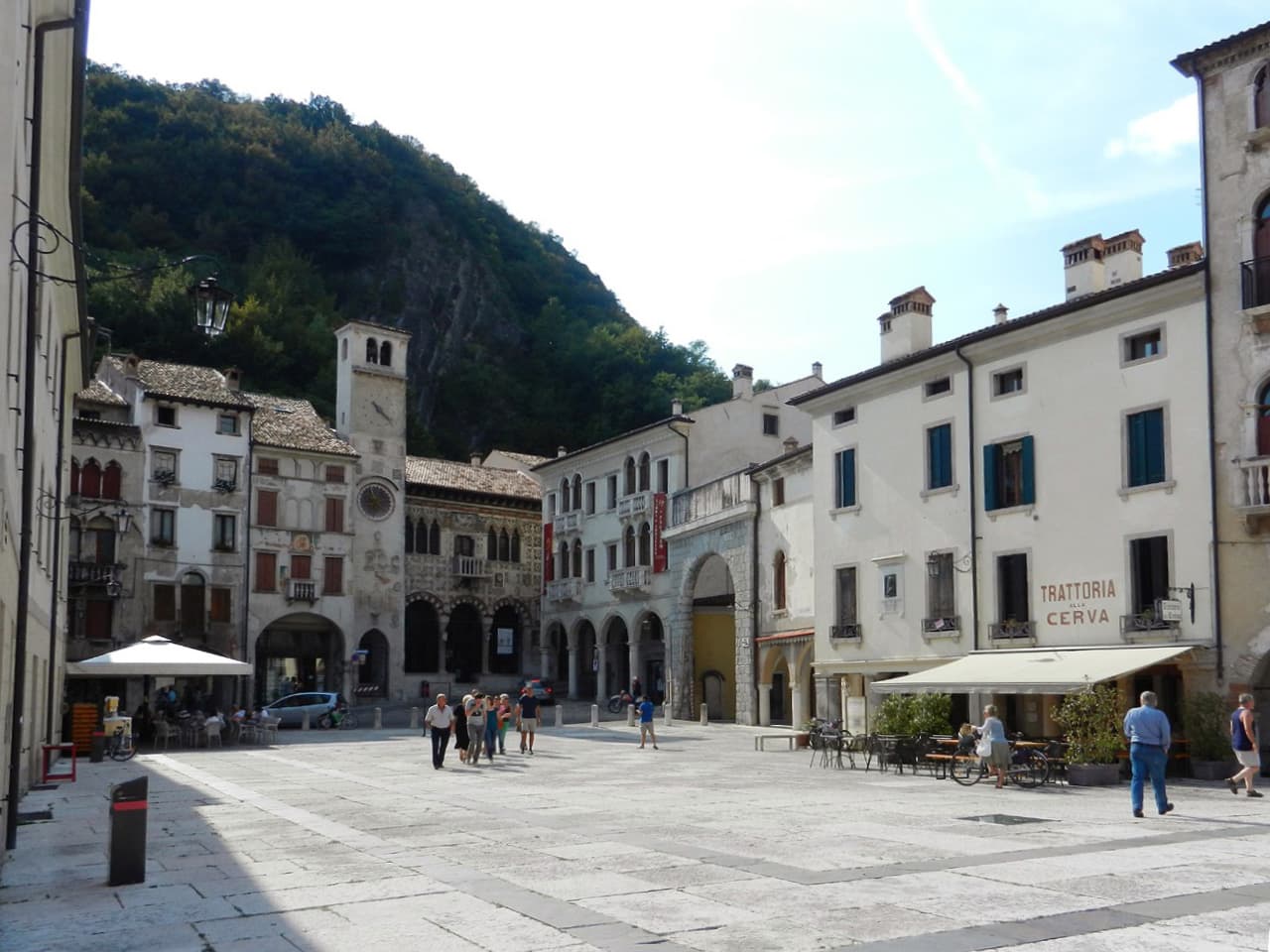
Serravalle is the older, walled district, with sixteenth-century houses, a 1755 cathedral holding a Titian altarpiece of the Virgin with Saints Peter and Andrew, and the 1462 Loggia Serravallese. Ceneda lower down has an eighteenth-century cathedral and the ruins of the fifteenth-century San Martino castle. The Loggia of the Comunità di Ceneda, built 1534-1538, houses the Museo della Battaglia, dedicated to the offensive launched on 24 October 1918 that broke the Austro-Hungarian line.
The Austrian-Italian Armistice of Villa Giusti effective 4 November closed the war on this front. In July 1923 the town was renamed Vittorio Veneto after the battle that took its name. The Cansiglio forest and the Lago di Revine sit fifteen minutes drive to the north.
The Sunday letter
We haven’t written Vittorio Veneto’s letter yet.
One town every Sunday, with the photo, the food, the festa. Be there when this one comes up. Free, by Peter & Sophia from Pietrasanta.
By subscribing you agree to Substack’s Terms of Use, our Privacy Policy and our Information collection notice.
What to see
Duomo di Serravalle
Cathedral rebuilt in 1755 holding the altarpiece of the Virgin with Saints Peter and Andrew by Titian, in the upper walled centro storico.
Museo della Battaglia
Museum of the 1918 battle in the Loggia of the Comunità di Ceneda, built 1534-1538, with relics and documents of the offensive that ended the war.
Serravalle
Northern walled district above Ceneda, with sixteenth-century arcaded houses along the Meschio and the 1462 Loggia Serravallese.
Castello di San Martino
Fifteenth-century castle ruins above Ceneda, residence of the bishops of Ceneda, with surviving towers and walls on the wooded hill.
Santuario di Santa Augusta
Sanctuary on Mount Marcantone above Serravalle, dedicated to a fourth-century martyr, reached by a monumental staircase from the upper town.
Foresta del Cansiglio
Beech and fir forest plateau north of the town, the historic timber reserve of the Republic of Venice, now a regional park.
The slow-trip planner
Building a trip? Find where Vittorio Veneto fits in a slow Italy circuit.
Answer five questions. We will shape a geographically coherent slow trip from the 1,000 Italian towns most travelers skip. Yours to save and share.
Living here
- Population 27,078
- Commuter belti
- Pharmacy in town
- High school within a 30-minute drive
- Train station in the comune
- Nearest airport Venice, 51 min drive
- Regional capital Venezia, 59 min drive
Tags & datadesignations · numbers · sources
Recognised as
The numbers
- Elevation: 138 m
- Population: 27,078
- Surface area: 82.8 km²
These figures were compiled from public directories — ISTAT, OpenStreetMap, Wikidata — and from the official listings of the guides named on this page. Town details change; verify with official sources before you travel.
Featured on
Vittorio Veneto appears on this themed pick from our Collections:
Close by
More towns near Vittorio Veneto
Conegliano
Province: Treviso
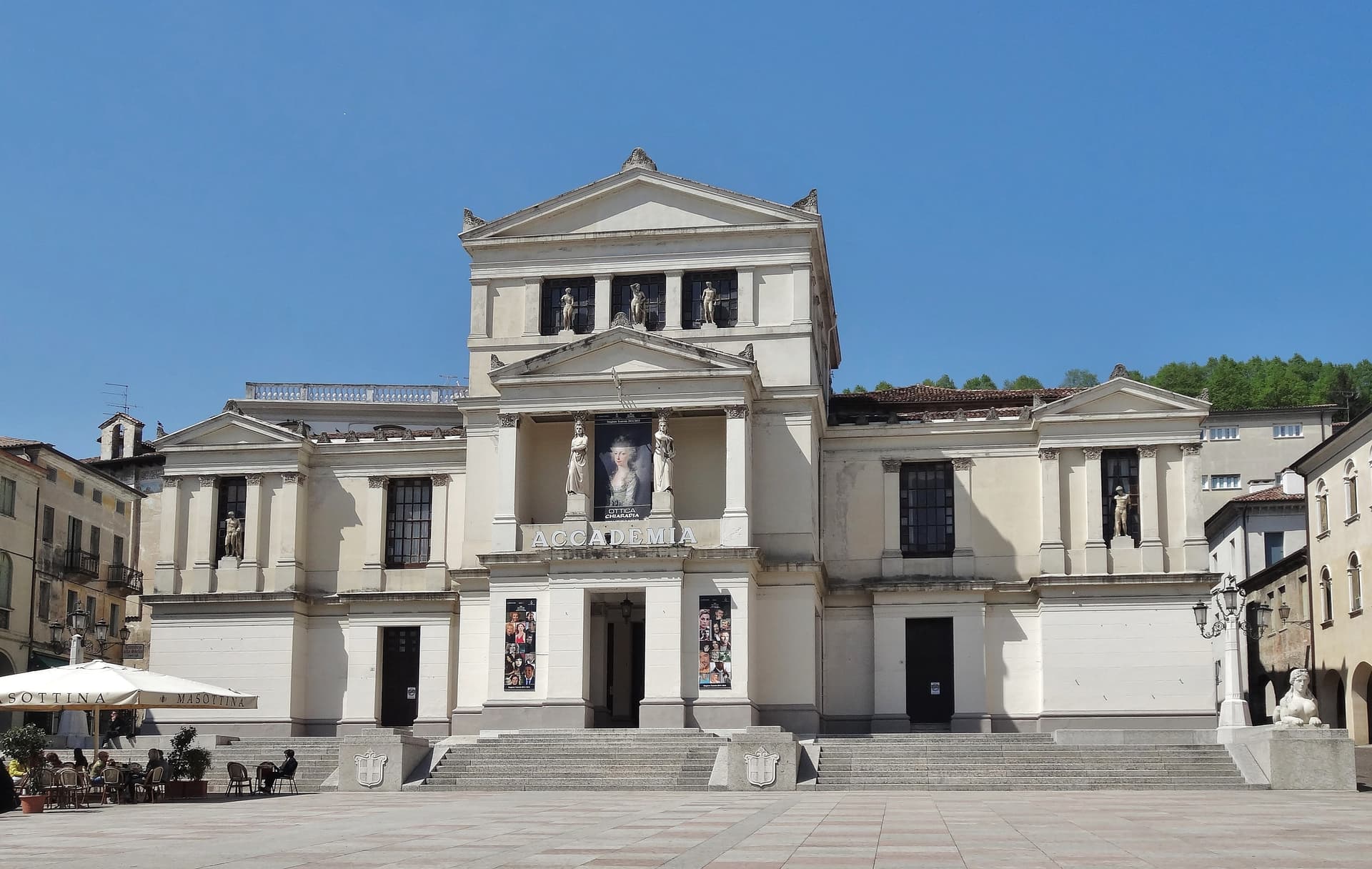
The Prosecco capital at 65 meters, birthplace of the painter Cima and home of Italy's first oenology school, opened in 1876.
Follina
Province: Treviso
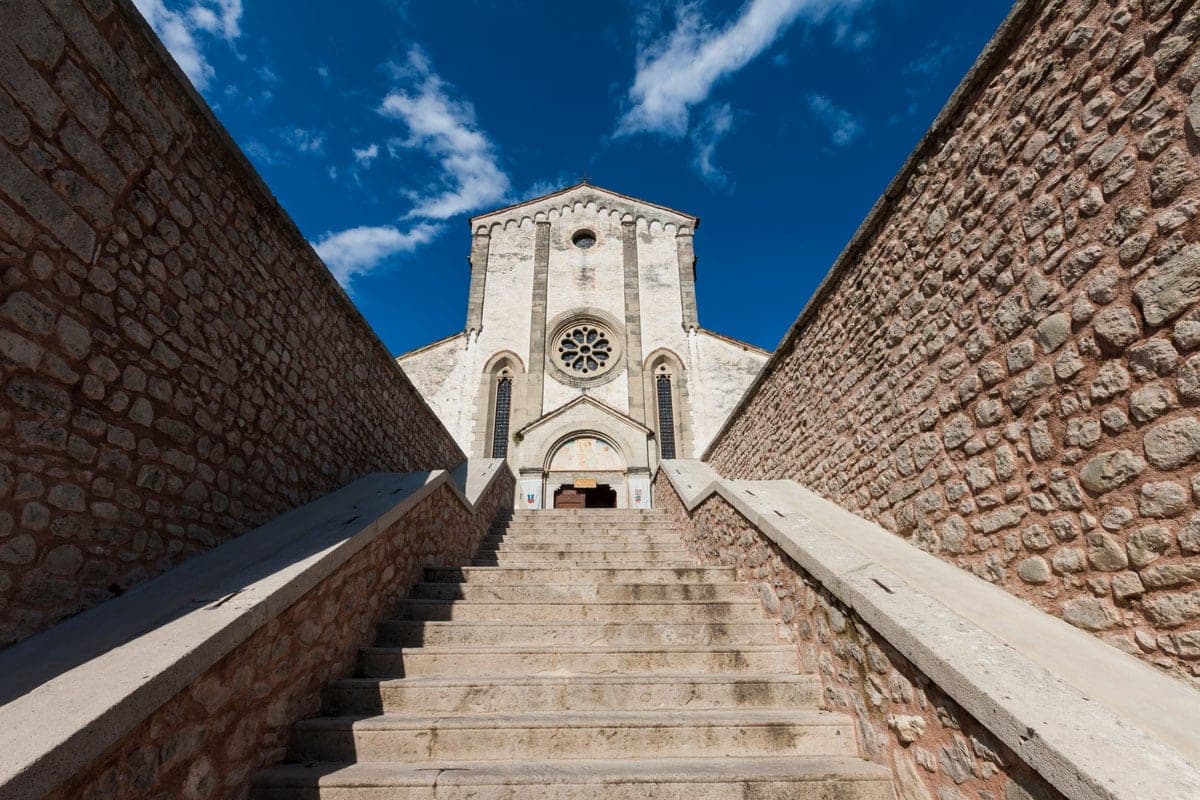
A Prosecco-hills borgo at 191 meters around the Cistercian Abbey of Santa Maria, with a cloister finished in 1268.
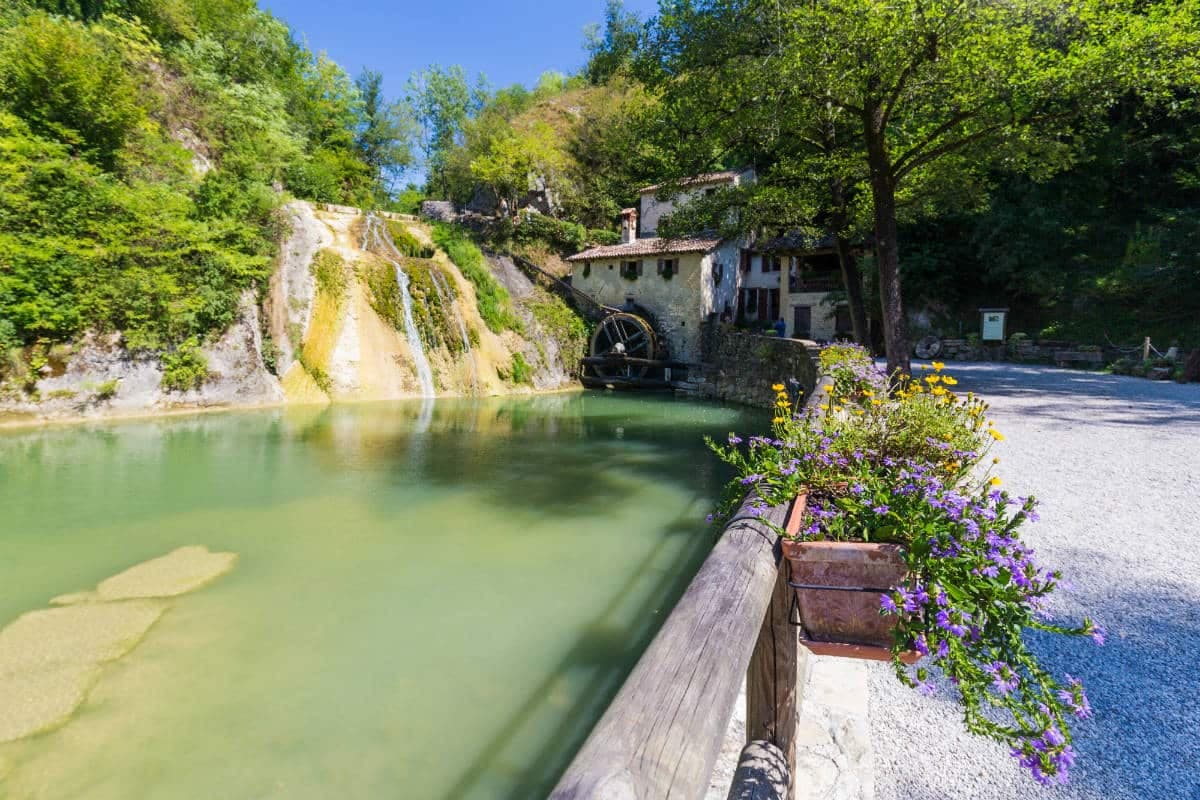
Pieve di Soligo
Province: Treviso
The market town between the Soligo and Lierza rivers in the Prosecco UNESCO zone, birthplace of the twentieth-century poet Andrea Zanzotto.
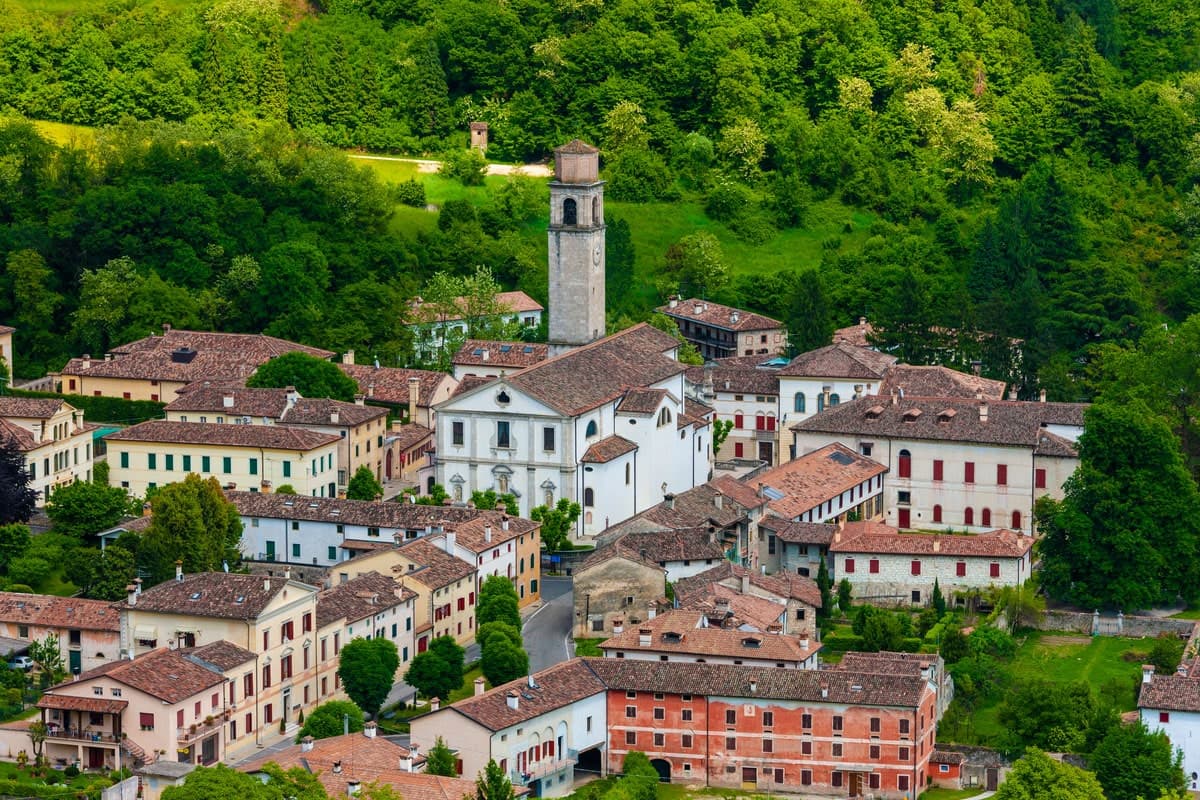
Cison di Valmarino
Province: Treviso
A Prosecco hills borgo at 261 meters under the dolomite rock of CastelBrando, the largest inhabited castle complex in Europe.
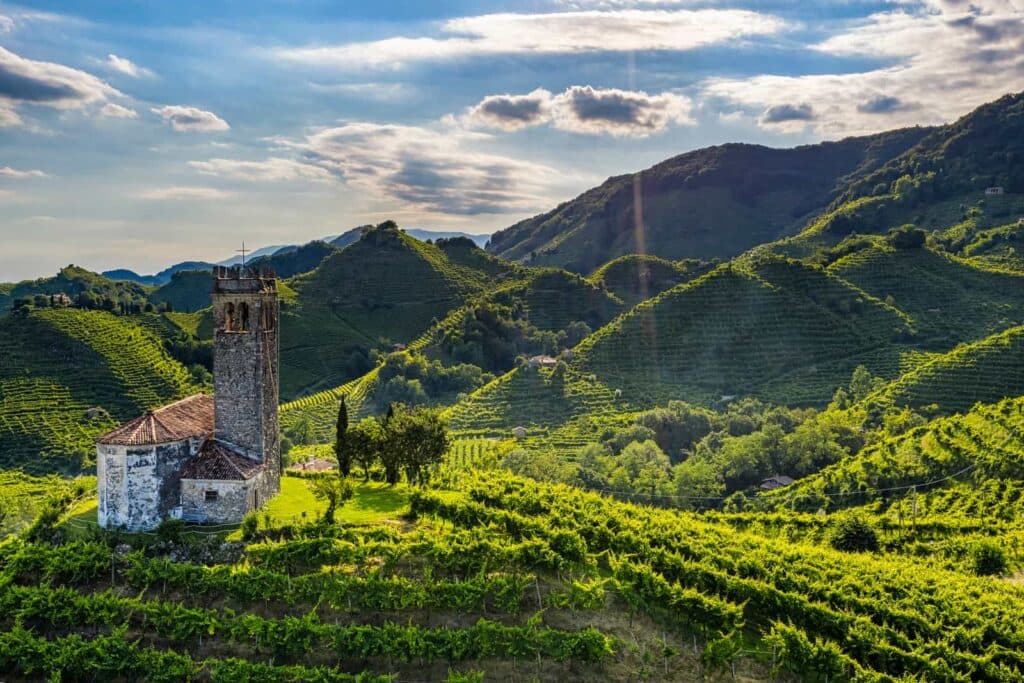
Farra di Soligo
Province: Treviso
The heart of the Prosecco Hills UNESCO landscape — an 8,477-resident comune in the Conegliano-Valdobbiadene DOCG zone (UNESCO World Heritage since 2019), with the three medieval Torri di Credazzo crowning a hilltop above its vineyards, Cittaslow + Città del Vino signals, and direct walking access to the most photographed stretch of the hogback ridge.
🏛️ UNESCO
More UNESCO towns in Veneto
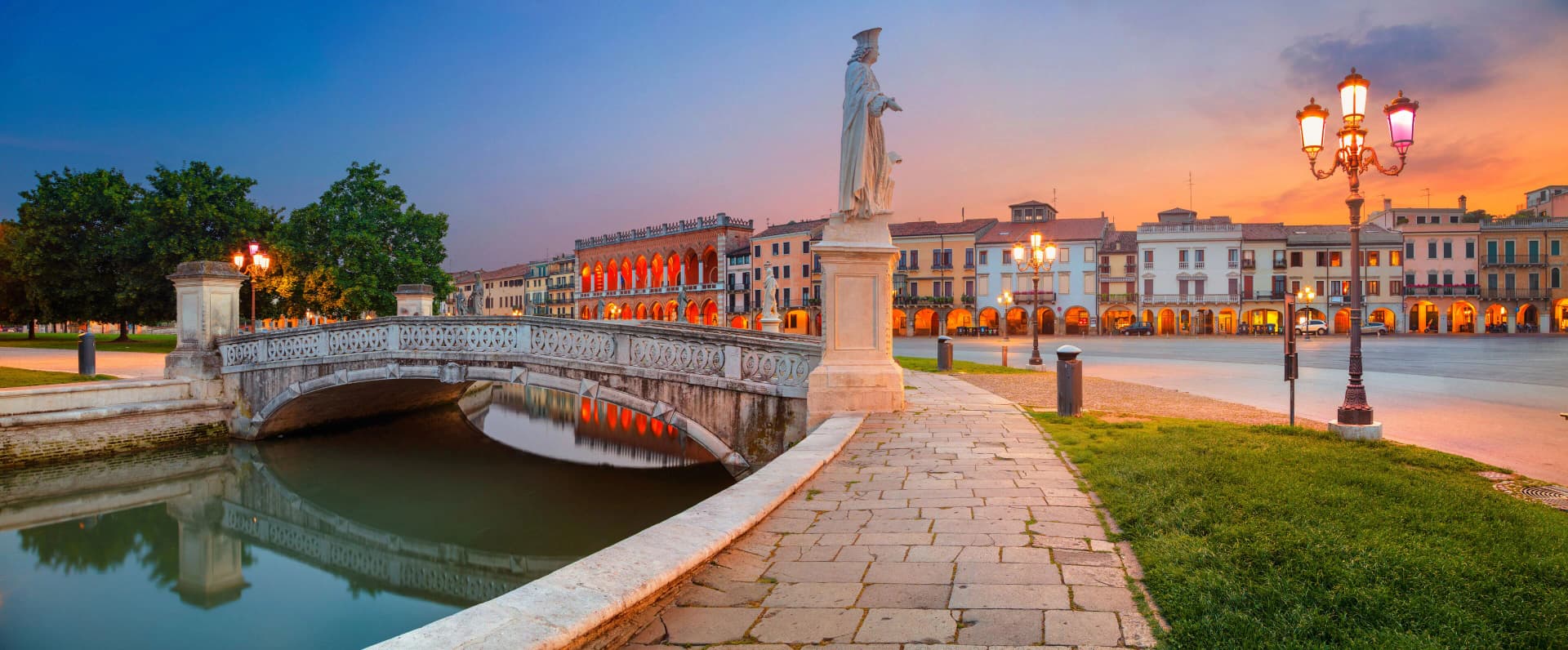
Padova
Province: Padova
The university town that gave Giotto a chapel and the world a science of plants — TWO UNESCO inscriptions inside one city (Padua's 14th-century fresco cycles + the 1545 Orto Botanico, the world's first), plus Prato della Valle, Italy's largest piazza, and Galileo's old lecture hall.
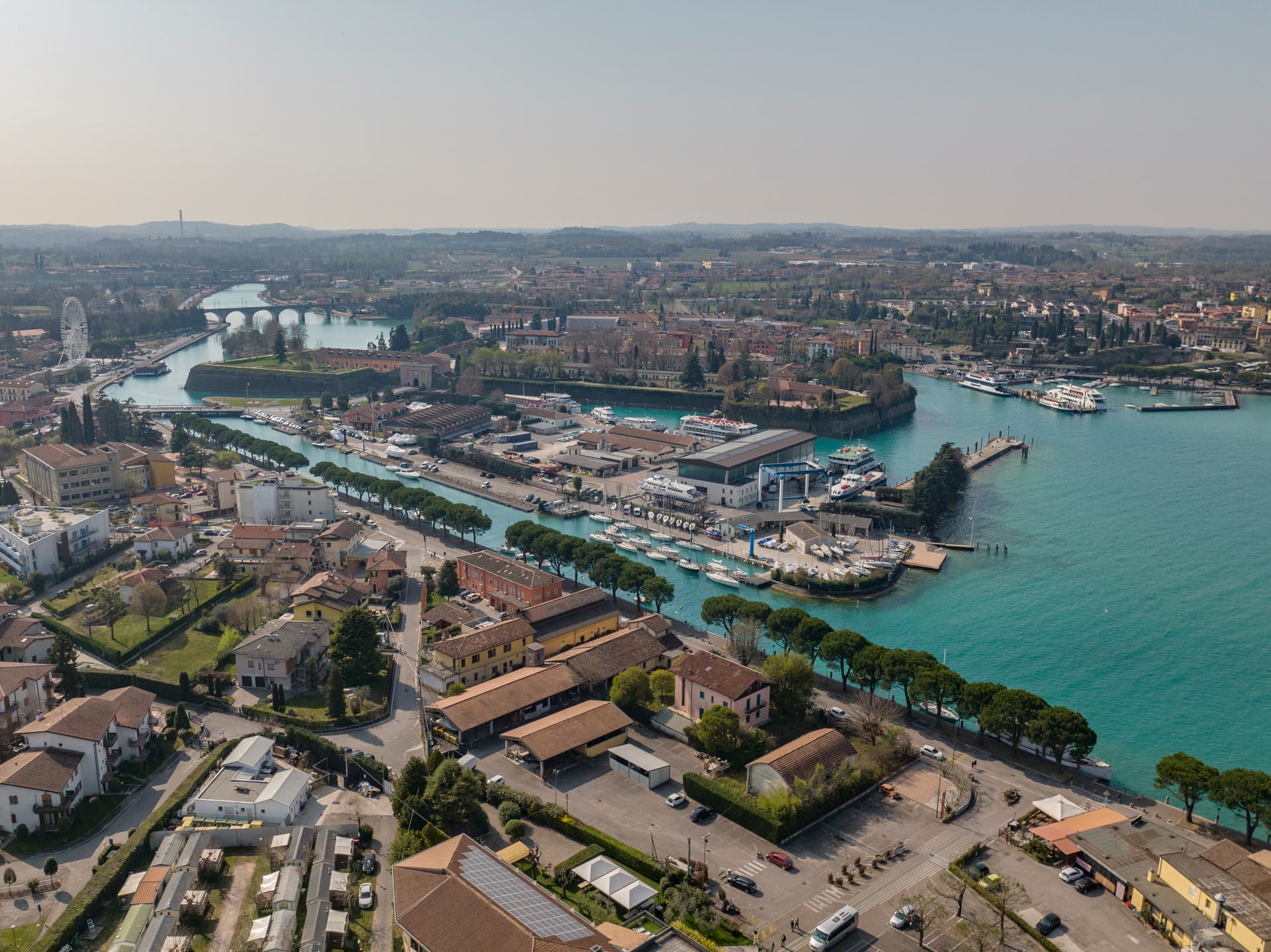
Peschiera del Garda
Province: Verona
The Venetian fortress town on a Mincio island at the southern outlet of Lake Garda, UNESCO-listed in 2017 for its Sanmicheli bastions.