

Veneto · Vicenza
Bassano del Grappa
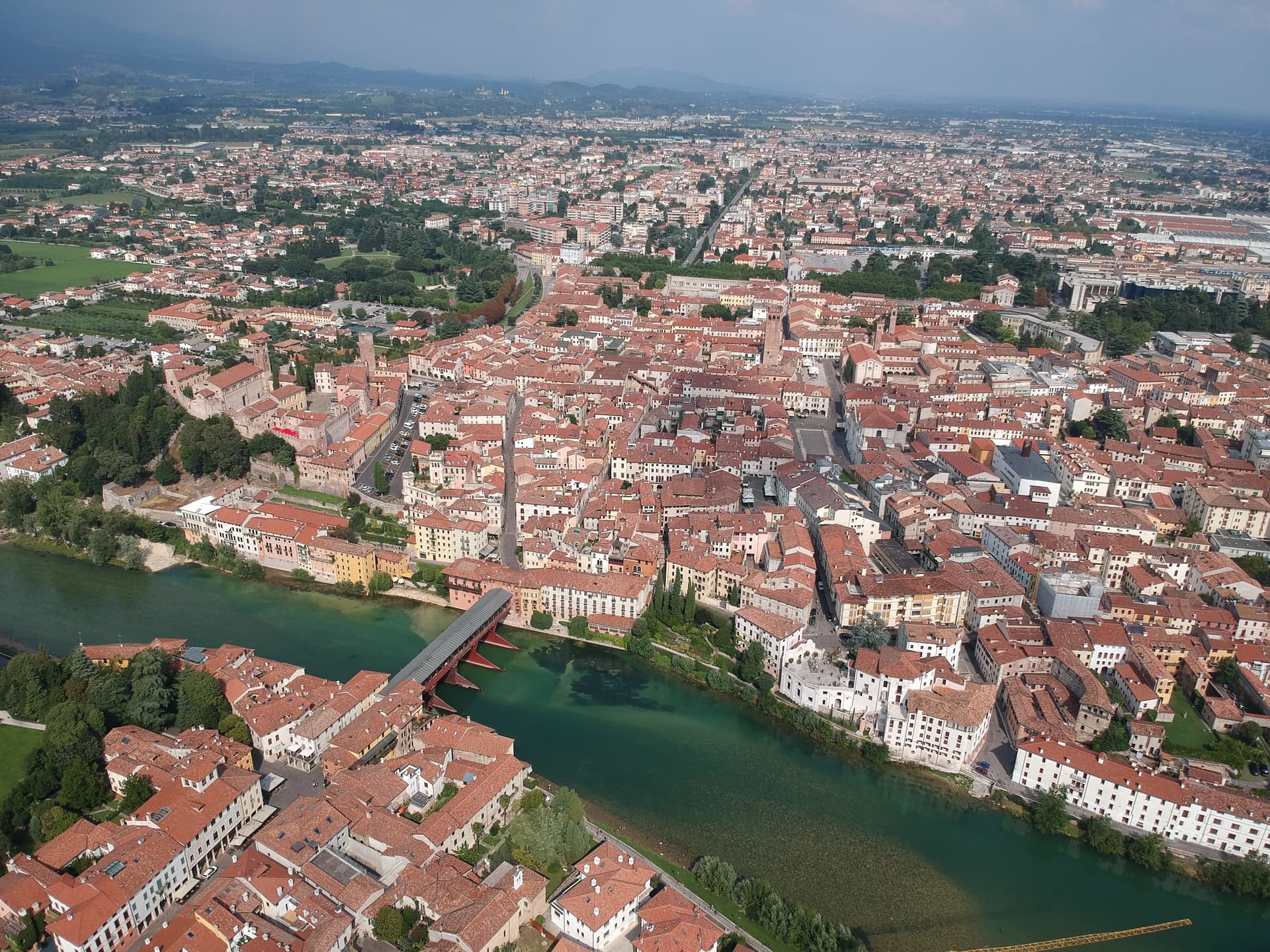
The Brenta River town where Palladio drew the covered bridge in 1569 and Nardini has been distilling grappa since 1779.
Known for
PONTE DEGLI ALPINI
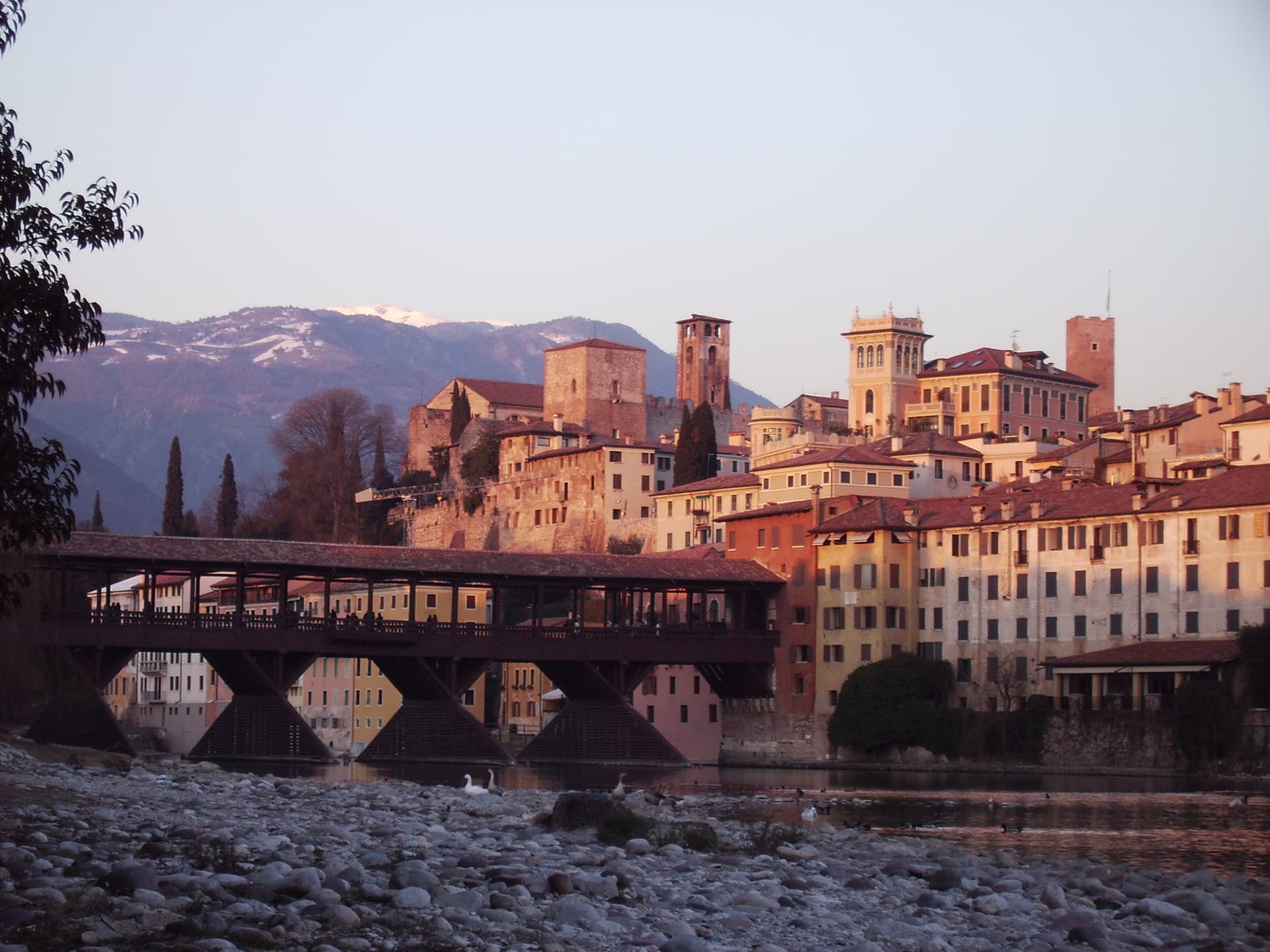
Palladio's 1569 covered wooden bridge across the Brenta, adopted as the symbol of the Alpini in 1918 and rebuilt seven times.
GRAPPA NARDINI
The oldest grappa distillery in Italy, founded on the bridge in 1779, still distilling and pouring at the same address.
CERAMICS
Bassano-Nove production tradition from the sixteenth century, documented at Palazzo Sturm and still made by Veneto studios.
When to visit
Best · Apr–Jun, Sep–Oct
- J
- F
- M
- A
- M
- J
- J
- A
- S
- O
- N
- D
- Best
- Hot or crowded
- Quiet
- Mostly closed
Why come
Bassano sits on the Brenta, where the river breaks out of the Alpine foothills onto the Veneto plain forty-five kilometers north of Padova. A Roman estate gave the town its name in the second century BC; a pre-Roman bronze sword found here in 2009 dates to the seventh century BC. The medieval city is first mentioned in 998.
Andrea Palladio designed the covered wooden bridge across the Brenta in 1569, replacing an older bridge documented since 1209. Floods and wars destroyed it repeatedly; the current version, inaugurated 3 October 1948 with Alcide De Gasperi present, was the seventh build. The Alpini, the Italian mountain troops, adopted the bridge as their symbol in the First World War.
Nardini opened its distillery on the bridge in 1779, the oldest grappa house in Italy; Poli is its main local competitor. The city also kept the ceramics trade that flourished here from the sixteenth century, sharing the tradition with neighboring Nove. Piazza della Libertà, with its fifteenth-century loggia and clock, holds the historic center together.
The Sunday letter
We haven’t written Bassano del Grappa’s letter yet.
One town every Sunday, with the photo, the food, the festa. Be there when this one comes up. Free, by Peter & Sophia from Pietrasanta.
By subscribing you agree to Substack’s Terms of Use, our Privacy Policy and our Information collection notice.
What to see
Ponte degli Alpini
Covered wooden bridge designed by Andrea Palladio in 1569, rebuilt seven times after floods and wars, current version inaugurated 1948.
Piazza della Libertà
Main square of the centro storico, overlooked by the Palazzo Municipale with its fifteenth-century loggia and clock tower.
Grapperia Nardini
Founded 1779, the oldest grappa distillery in Italy; the tasting room on the Ponte degli Alpini still operates daily.
Museo Civico
Civic museum on Piazza Garibaldi with works by Jacopo Bassano and the painter dynasty that took the city's name as their own.
Museo della Ceramica
Ceramics museum at Palazzo Sturm, documenting the Bassano-Nove tradition from the sixteenth century to contemporary studios.
Duomo di Santa Maria in Colle
Cathedral on the hill above the bridge, with a Romanesque core, Renaissance restructuring and a campanile of the eleventh century.
The slow-trip planner
Building a trip? Find where Bassano del Grappa fits in a slow Italy circuit.
Answer five questions. We will shape a geographically coherent slow trip from the 1,000 Italian towns most travelers skip. Yours to save and share.
We recommend
Where to eat and stay
Not our picks, but places the guides put their name to — a Michelin star, a Gambero Rosso fork, a Slow Food snail, a Michelin Key for the hotels. Worth a table, a counter, or a night when you pass through.
Ca' 7Ristorante
Ca' 7 carries a spot in the Michelin Guide.
Distilleria NardiniDistilleria
Distilleria Nardini holds a place on Italy's historic-locali register.
Ristorante Birraria OttoneRistorante
Ristorante Birraria Ottone carries a place on Italy's historic-locali register.
Living here
- Population 42,395
- A local hubi
- Pharmacy in town
- High school within a 30-minute drive
- Train station in the comune
- Nearest airport Venice, 1 h 4 min drive
- Regional capital Venezia, 1 h 19 min drive
Tags & datadesignations · numbers · sources
Recognised as
The numbers
- Elevation: 129 m
- Population: 42,395
- Surface area: 47.06 km²
These figures were compiled from public directories — ISTAT, OpenStreetMap, Wikidata — and from the official listings of the guides named on this page. Town details change; verify with official sources before you travel.
Close by
More towns near Bassano del Grappa
Marostica
Province: Vicenza
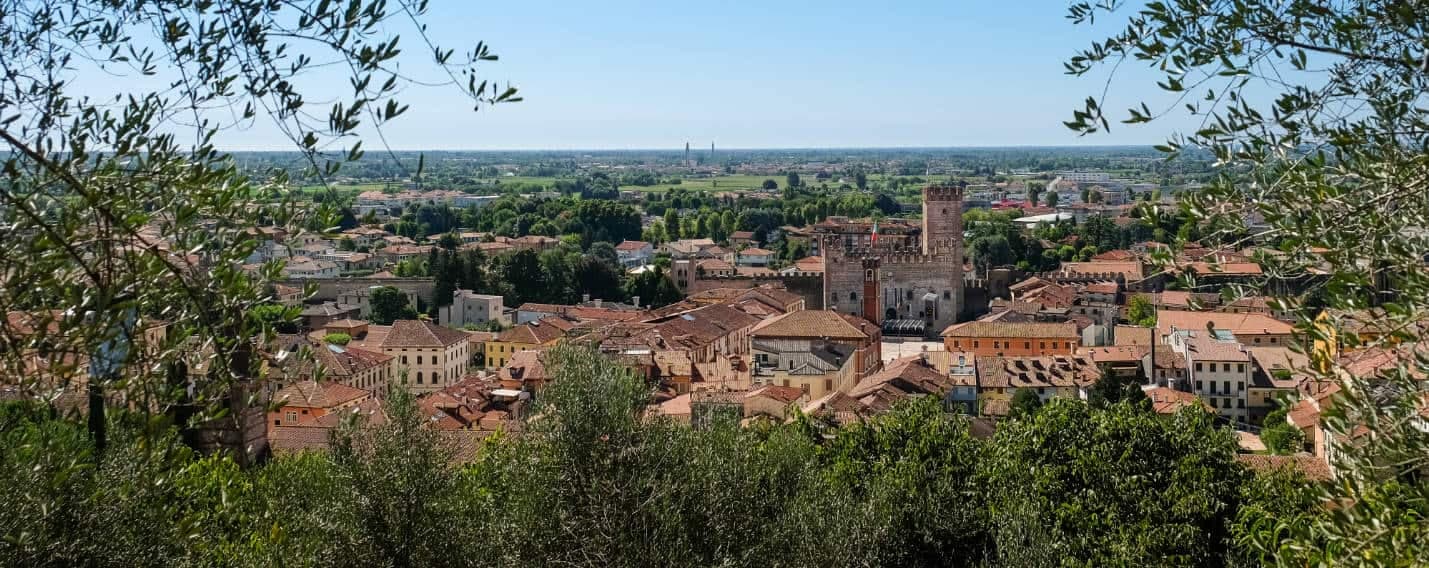
The walled chess town below Vicenza, where two castles linked by a hill rampart stage a costumed reenactment of a 1454 match every two years.
Asolo
Province: Treviso
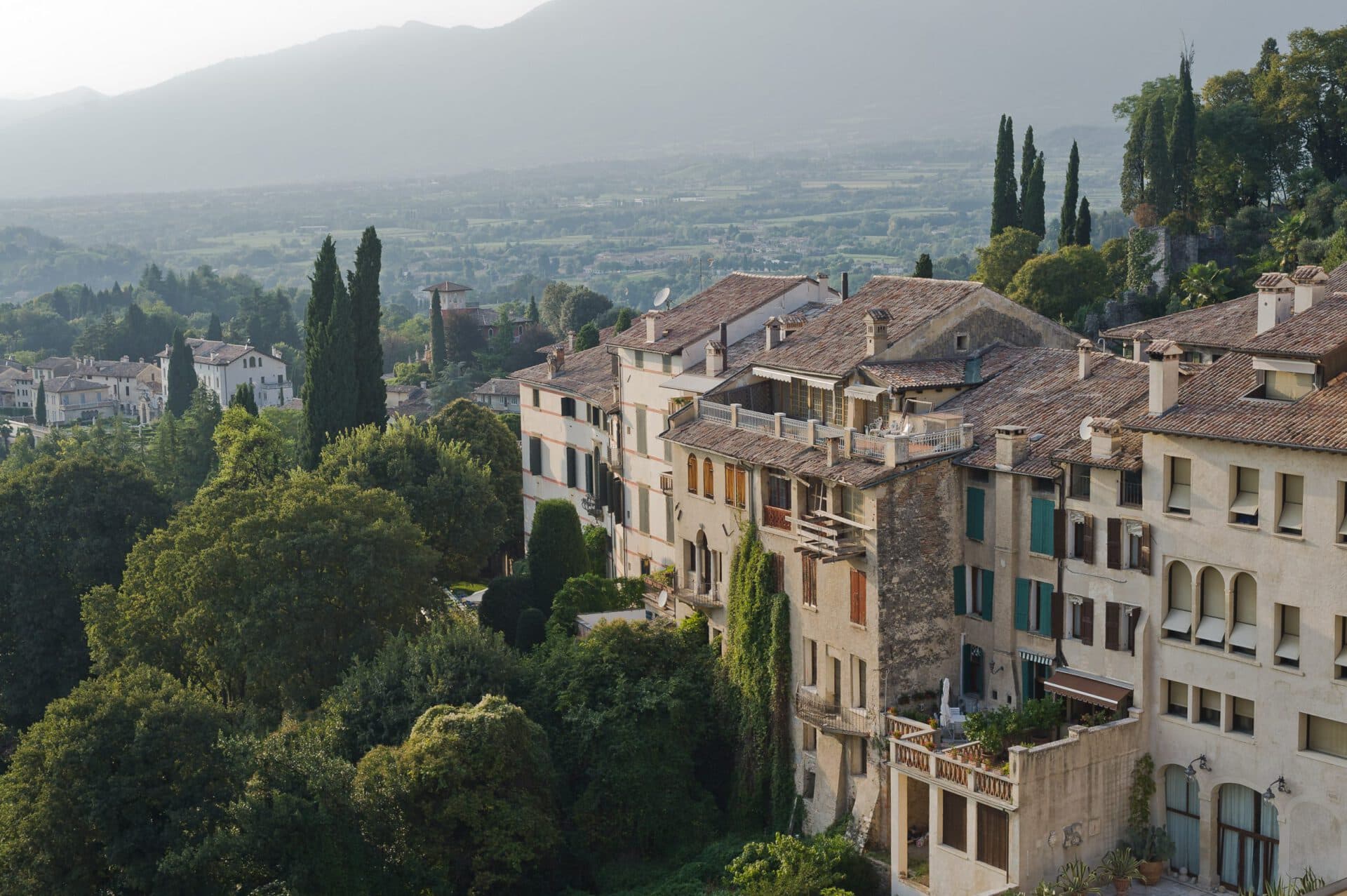
A walled hill town at 205 meters that Caterina Cornaro ran as her court after trading Cyprus to Venice in 1489.
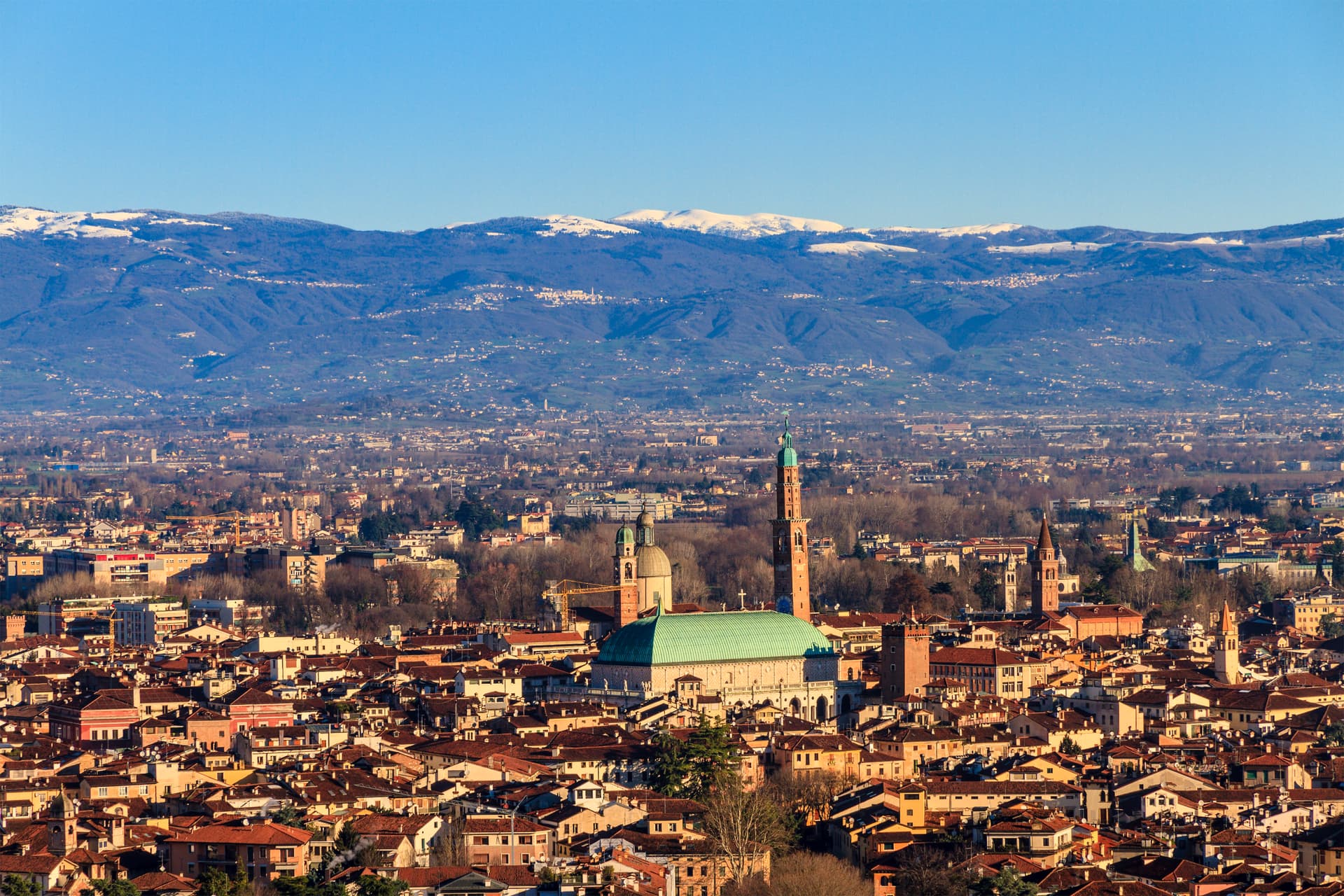
Vicenza
Province: Vicenza
Andrea Palladio's home city — a UNESCO-inscribed open-air museum of the architect who reshaped Western architecture, with 23 Palladian buildings inside the centro and the Villa Rotonda + Teatro Olimpico just outside it.
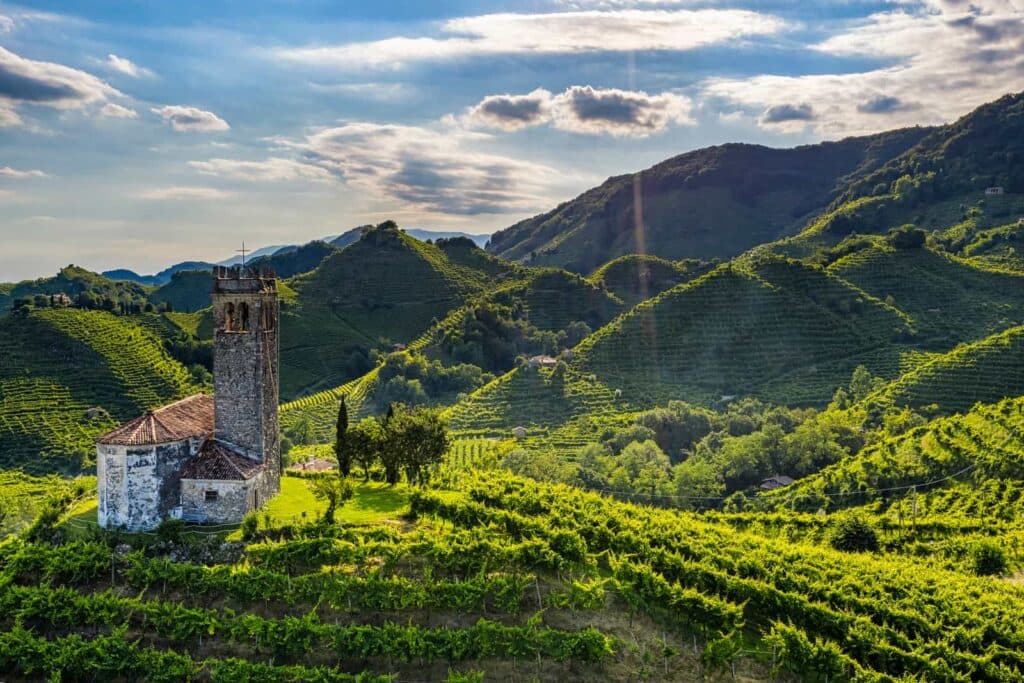
Farra di Soligo
Province: Treviso
The heart of the Prosecco Hills UNESCO landscape — an 8,477-resident comune in the Conegliano-Valdobbiadene DOCG zone (UNESCO World Heritage since 2019), with the three medieval Torri di Credazzo crowning a hilltop above its vineyards, Cittaslow + Città del Vino signals, and direct walking access to the most photographed stretch of the hogback ridge.
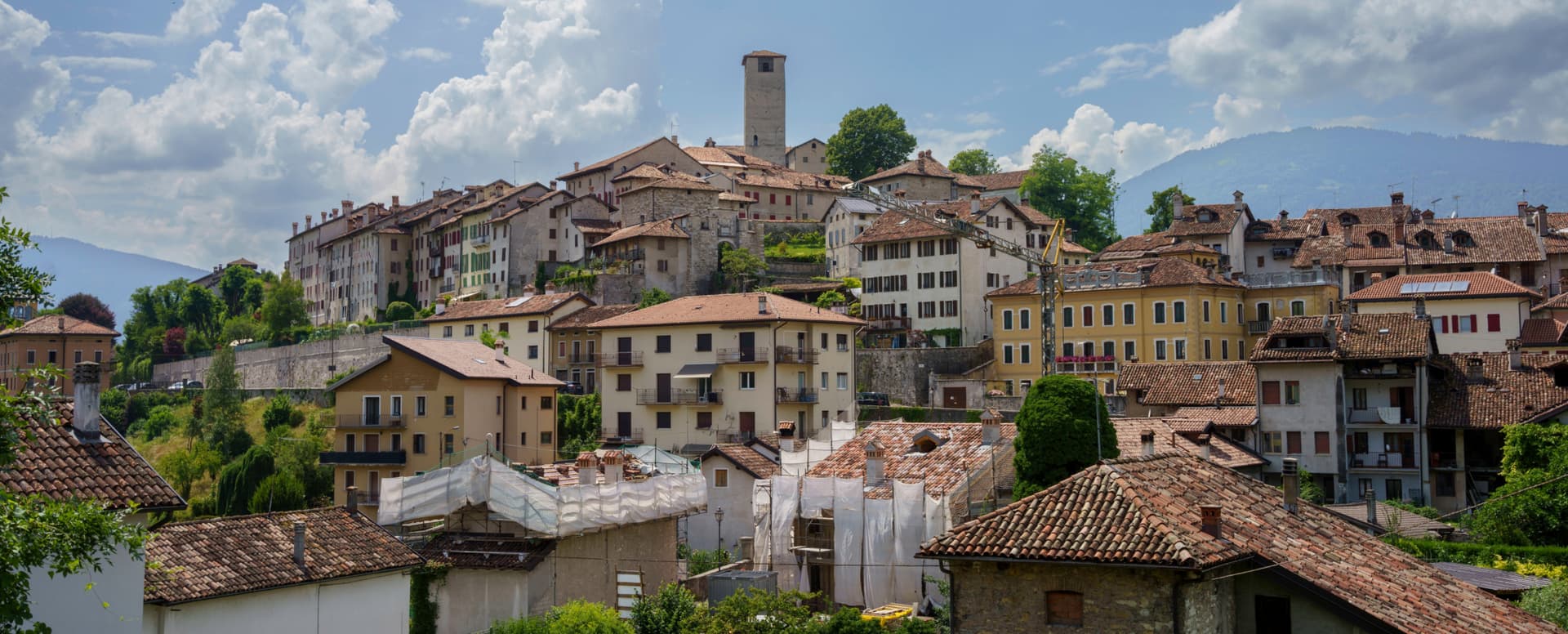
Feltre
Province: Belluno
A Renaissance city at 325 meters in the Belluno Prealps, sacked in 1510 by Habsburg troops and rebuilt as the vertical village it remains.
🌳 Parco Regionale
More Parco Regionale towns in Veneto
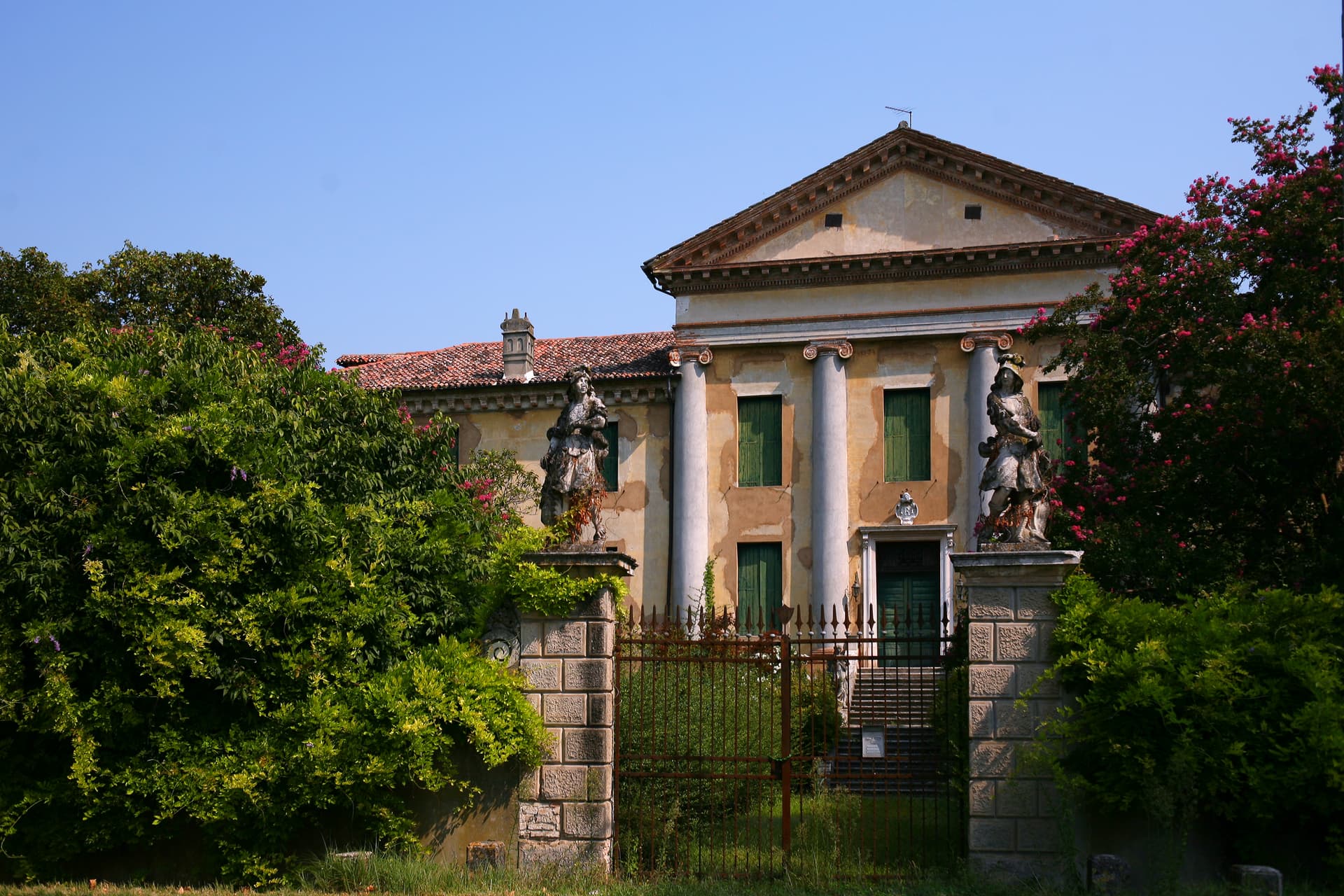
Abano Terme
Province: Padova
Europe's oldest thermal town on the Euganean Hills' eastern slope, where 80°C bromo-iodine springs have been drawing bathers since the eighth century BC.
Arquà Petrarca
Province: Padova
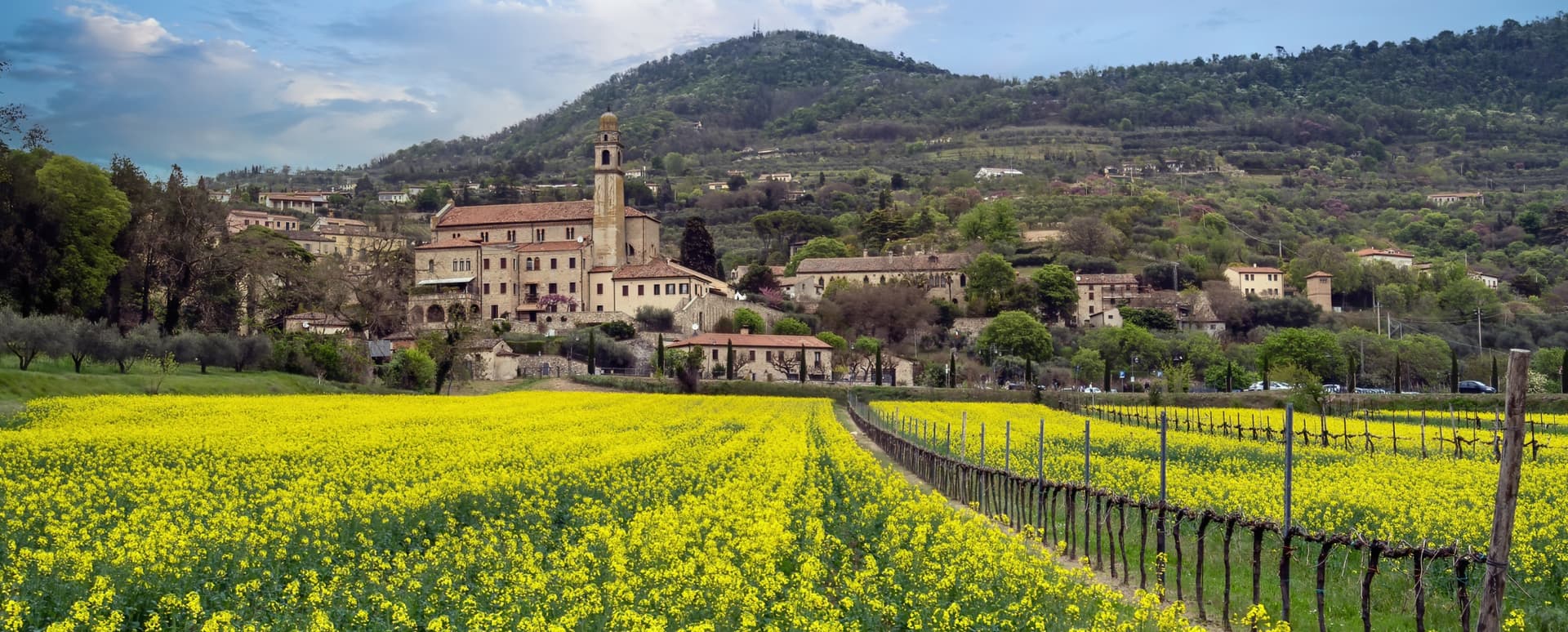
The Euganean Hills village where Francesco Petrarca spent his last four years and died in 1374, renamed in his honor in 1868.
Battaglia Terme
Province: Padova
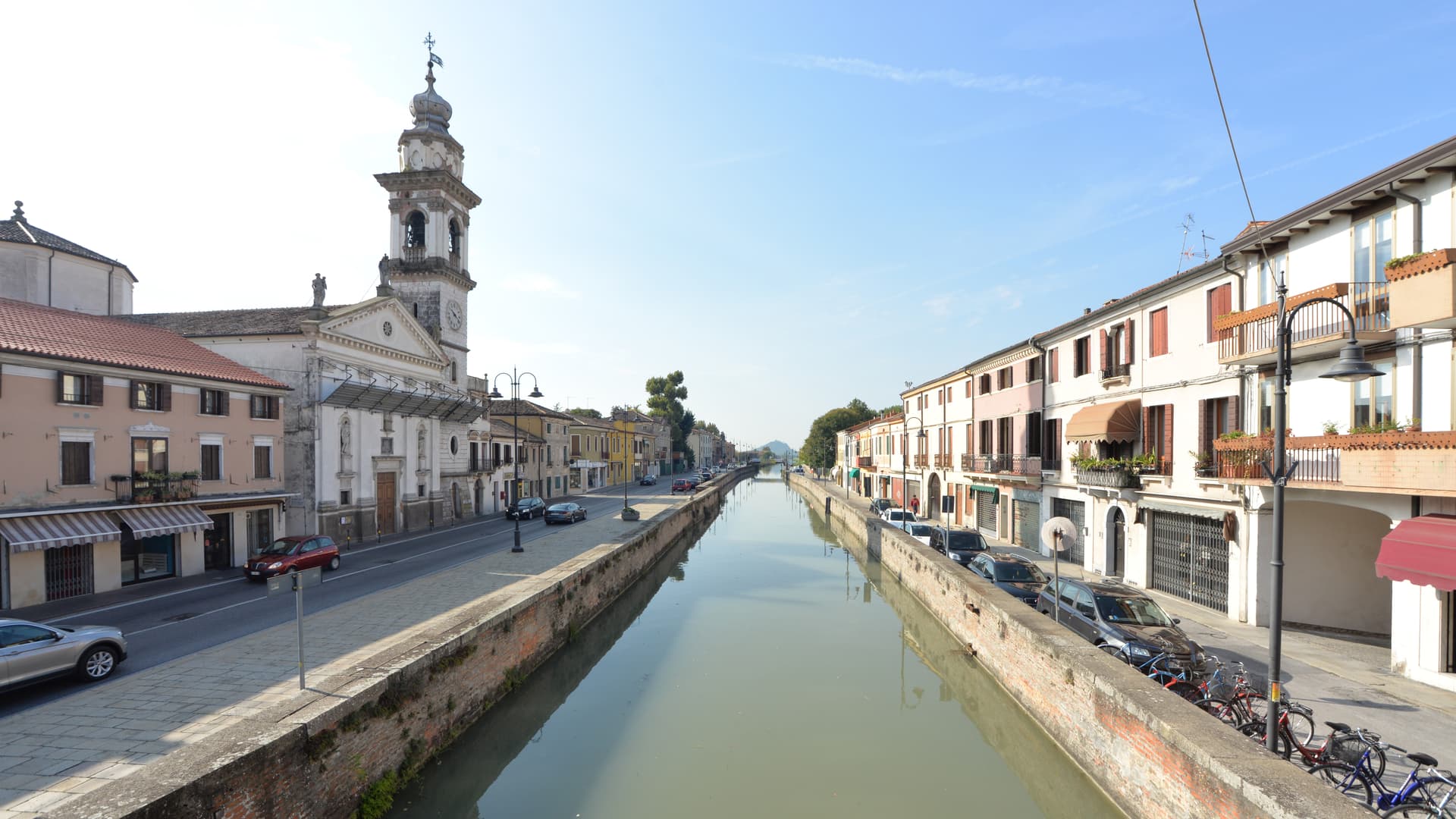
A barge village at the foot of the Euganean Hills, built around the 1201 canal and Italy's only river navigation museum.
Cortina d'Ampezzo
Province: Belluno
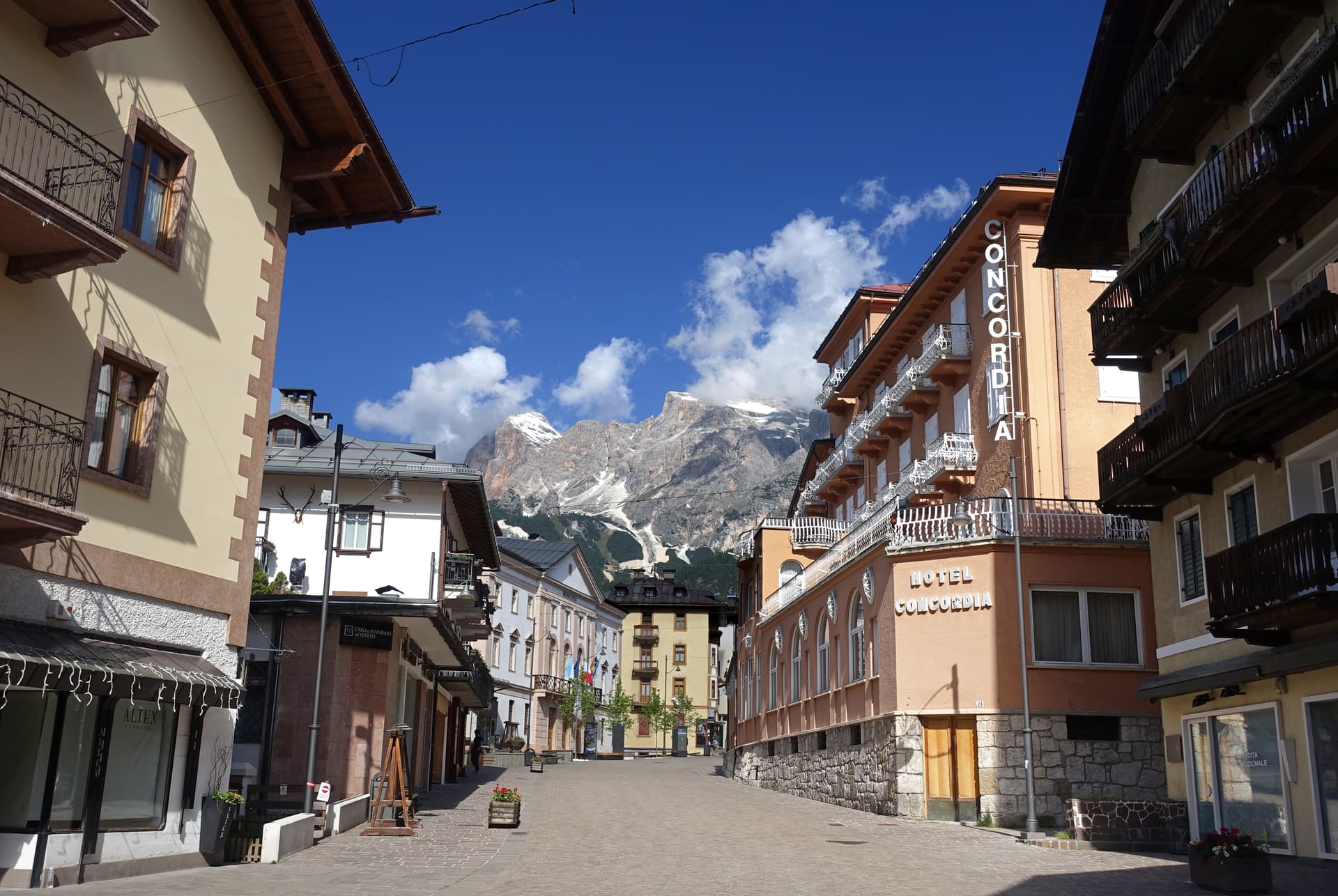
The Queen of the Dolomites at 1,224 meters, host of the 1956 Winter Olympics and co-host of Milano-Cortina 2026.
Rosolina
Province: Rovigo
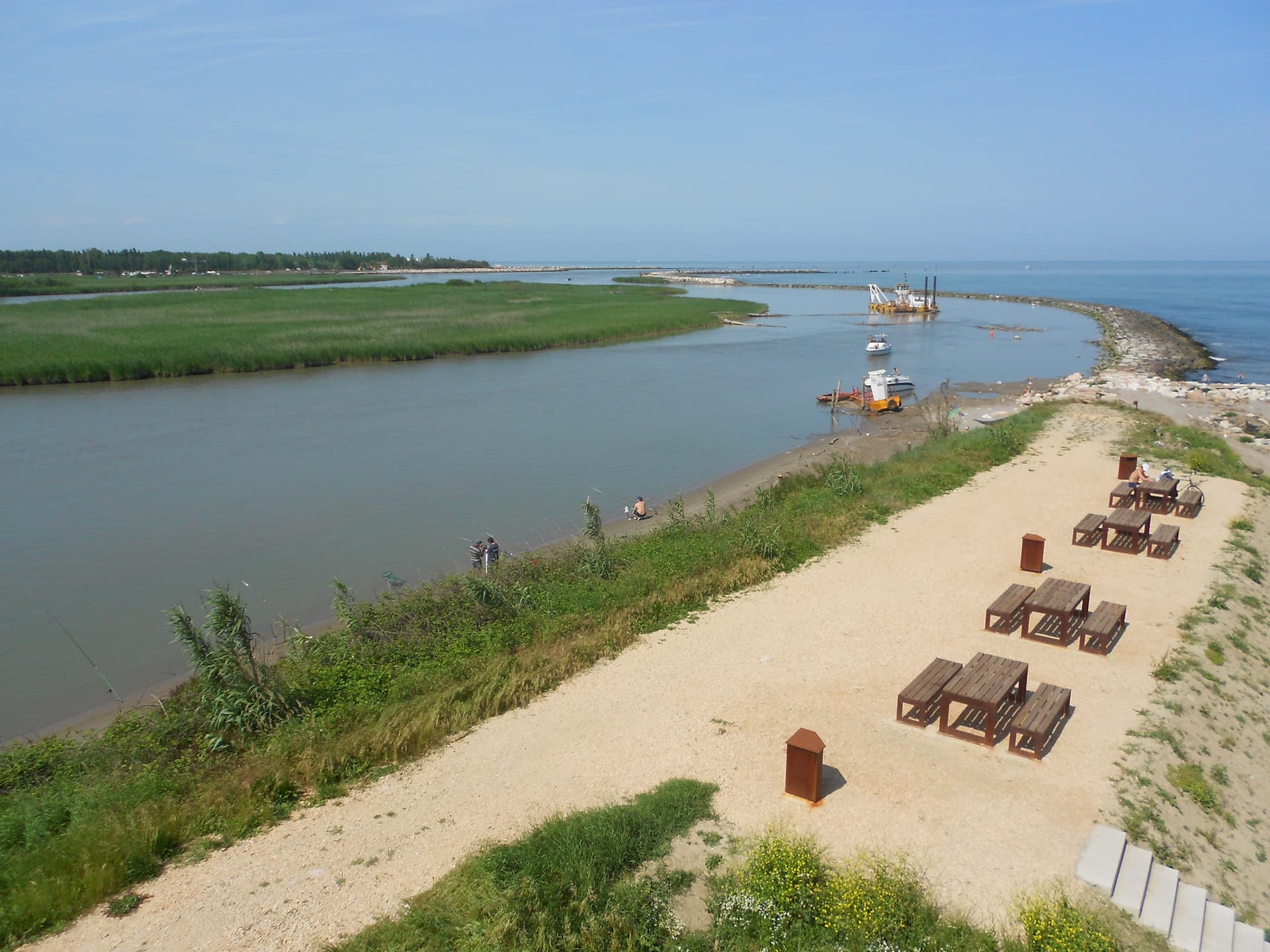
A reclaimed Po Delta commune where a nine-kilometer beach and a maritime pine forest sit between the Adige mouth and the Adriatic.