

Veneto · Vicenza
Marostica
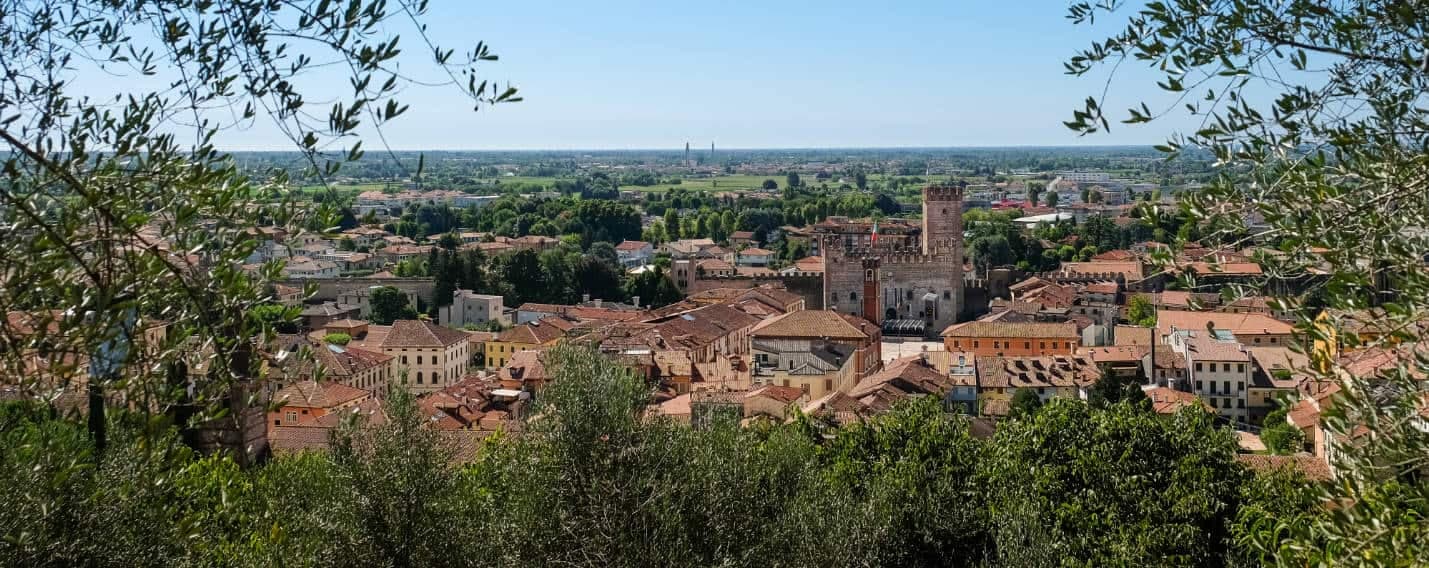
The walled chess town below Vicenza, where two castles linked by a hill rampart stage a costumed reenactment of a 1454 match every two years.
Known for
LIVING CHESS
The Partita a Scacchi, played on the square between the two castles every even-numbered September, reenacts the 1454 duel-by-chess for Lionora Parisio.
TWO CASTLES
Cangrande della Scala's lower fortress on the plain and the upper ruin on Monte Pausolino, linked by two kilometers of wall and twenty-four towers.
CILIEGIA IGP
Ciliegia di Marostica, first Italian cherry granted IGP status in 2002, grown on the slopes north of the walls and used in the local cherry crostata.
When to visit
Best · Apr–Oct
- J
- F
- M
- A
- M
- J
- J
- A
- S
- O
- N
- D
- Best
- Hot or crowded
- Quiet
- Mostly closed
Why come
Marostica sits at the foot of the Asolan hills, forty-five kilometers northwest of Padova. Cangrande della Scala took the town in 1311 and built the Castello Inferiore on the plain and the Castello Superiore on Monte Pausolino above it, linking the two with a two-kilometer wall studded with twenty-four towers and four gates. The Cangrande Keep of the Castello Inferiore rises 44 meters over Piazza Castello.
The Upper Castle was destroyed by Venetian artillery during the War of the League of Cambrai in 1510 and stands as a ruin. The square between the two castles is paved with a permanent chess board: every two years on the second weekend of September the Partita a Scacchi reenacts a 1454 match between Vieri da Vallonara and Rinaldo d'Angarano for the hand of Lionora Parisio, daughter of the Venetian governor. Marostica also grows the Ciliegia di Marostica IGP cherries used in the local crostata.
The Sunday letter
We haven’t written Marostica’s letter yet.
One town every Sunday, with the photo, the food, the festa. Be there when this one comes up. Free, by Peter & Sophia from Pietrasanta.
By subscribing you agree to Substack’s Terms of Use, our Privacy Policy and our Information collection notice.
What to see
Castello Inferiore
Lower castle on Piazza Castello, built by Cangrande della Scala from 1311, with the 44-meter Cangrande Keep and a museum on the chess match traditions.
Castello Superiore
Upper castle on Monte Pausolino, ruined by Venetian artillery in 1510, reached by a footpath through the walls with views over the Brenta valley.
Mura di Marostica
Two kilometers of fourteenth-century walls linking the two castles, with twenty-four towers and four gates; the parapet walk is open to the public.
Piazza Castello
Main square between the lower castle and the parish church, paved with a permanent chess board for the biennial Partita a Scacchi held the second weekend of September.
Partita a Scacchi
Costumed reenactment of a 1454 chess match between Vieri da Vallonara and Rinaldo d'Angarano, staged with five hundred performers in Renaissance dress on even-numbered years.
The slow-trip planner
Building a trip? Find where Marostica fits in a slow Italy circuit.
Answer five questions. We will shape a geographically coherent slow trip from the 1,000 Italian towns most travelers skip. Yours to save and share.
We recommend
Where to eat and stay
Not our picks, but places the guides put their name to — a Michelin star, a Gambero Rosso fork, a Slow Food snail, a Michelin Key for the hotels. Worth a table, a counter, or a night when you pass through.
MadonnettaRistorante
A Michelin Bib Gourmand for Madonnetta, and a Slow Food snail.
La RosinaRistorante
La Rosina holds a spot in the Michelin Guide.
Living here
- Population 13,940
- Commuter belti
- Pharmacy in town
- High school within a 30-minute drive
- Nearest airport Venice, 1 h 9 min drive
- Regional capital Venezia, 1 h 19 min drive
Tags & datadesignations · numbers · sources
Recognised as
The numbers
- Elevation: 103 m
- Population: 13,940
- Surface area: 36.53 km²
These figures were compiled from public directories — ISTAT, OpenStreetMap, Wikidata — and from the official listings of the guides named on this page. Town details change; verify with official sources before you travel.
Close by
More towns near Marostica
Bassano del Grappa
Province: Vicenza
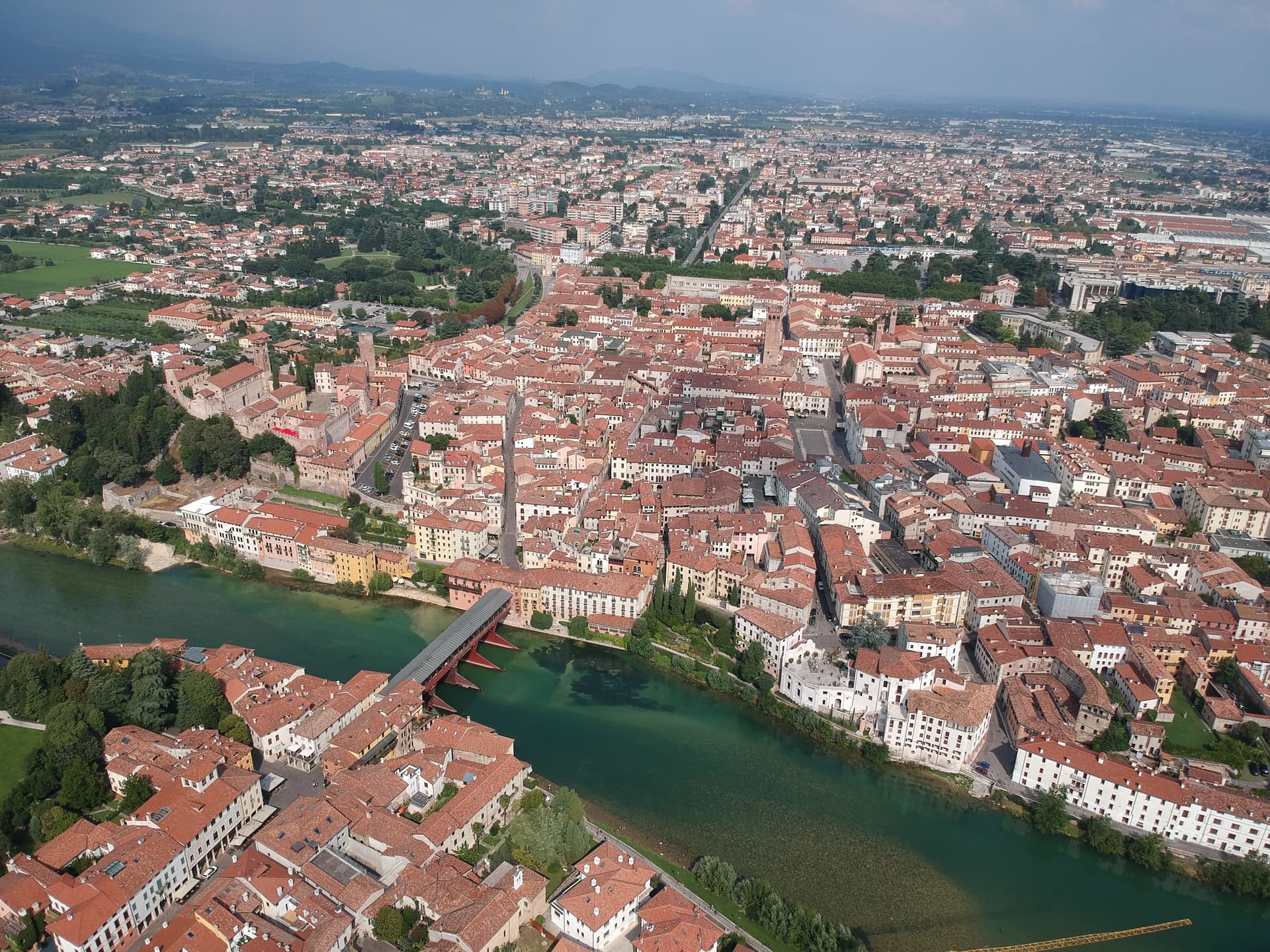
The Brenta River town at 129 meters where Palladio drew the covered bridge in 1569 and Nardini has been distilling grappa since 1779.
Asolo
Province: Treviso
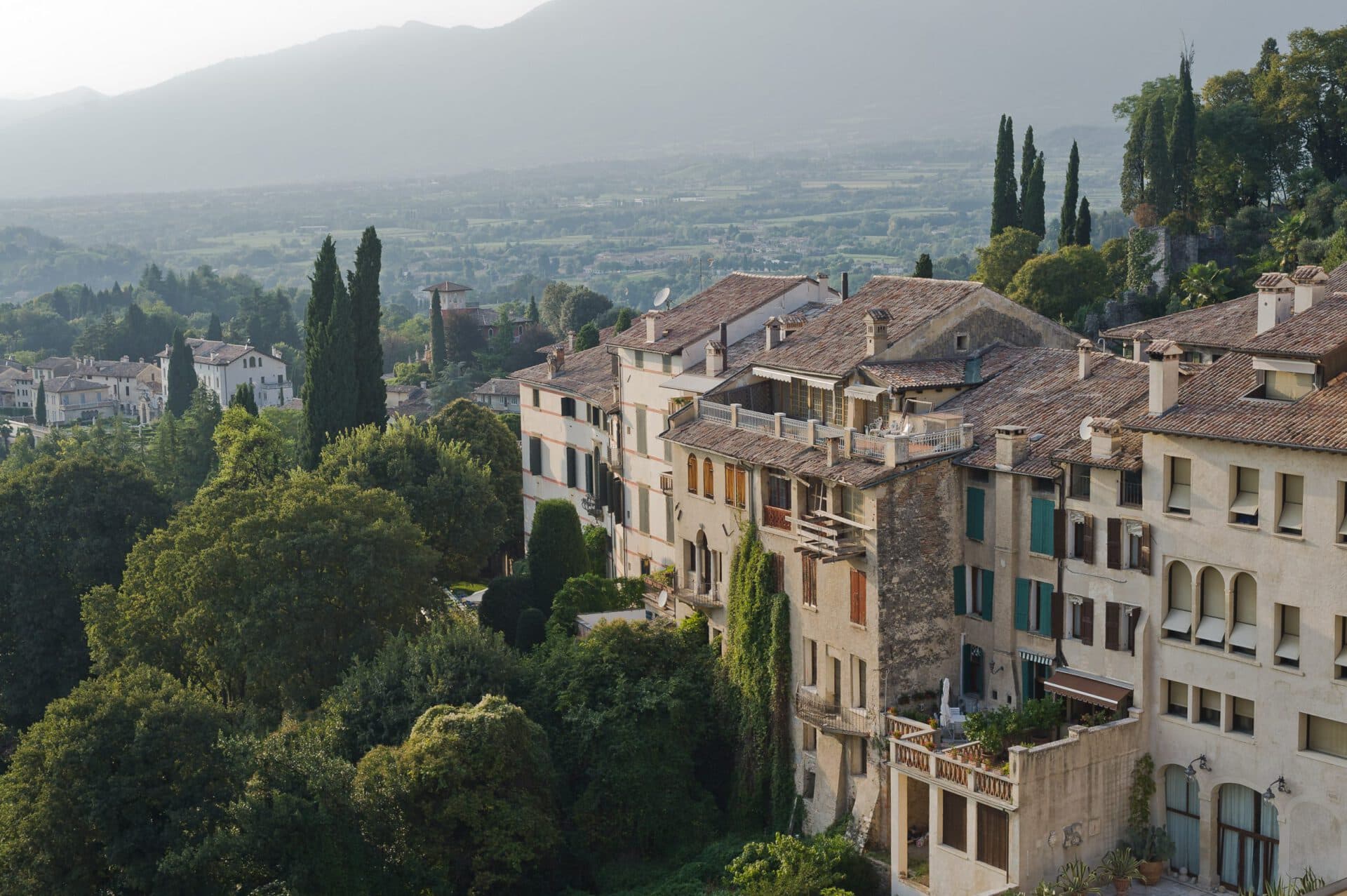
A walled hill town at 205 meters that Caterina Cornaro ran as her court after trading Cyprus to Venice in 1489.
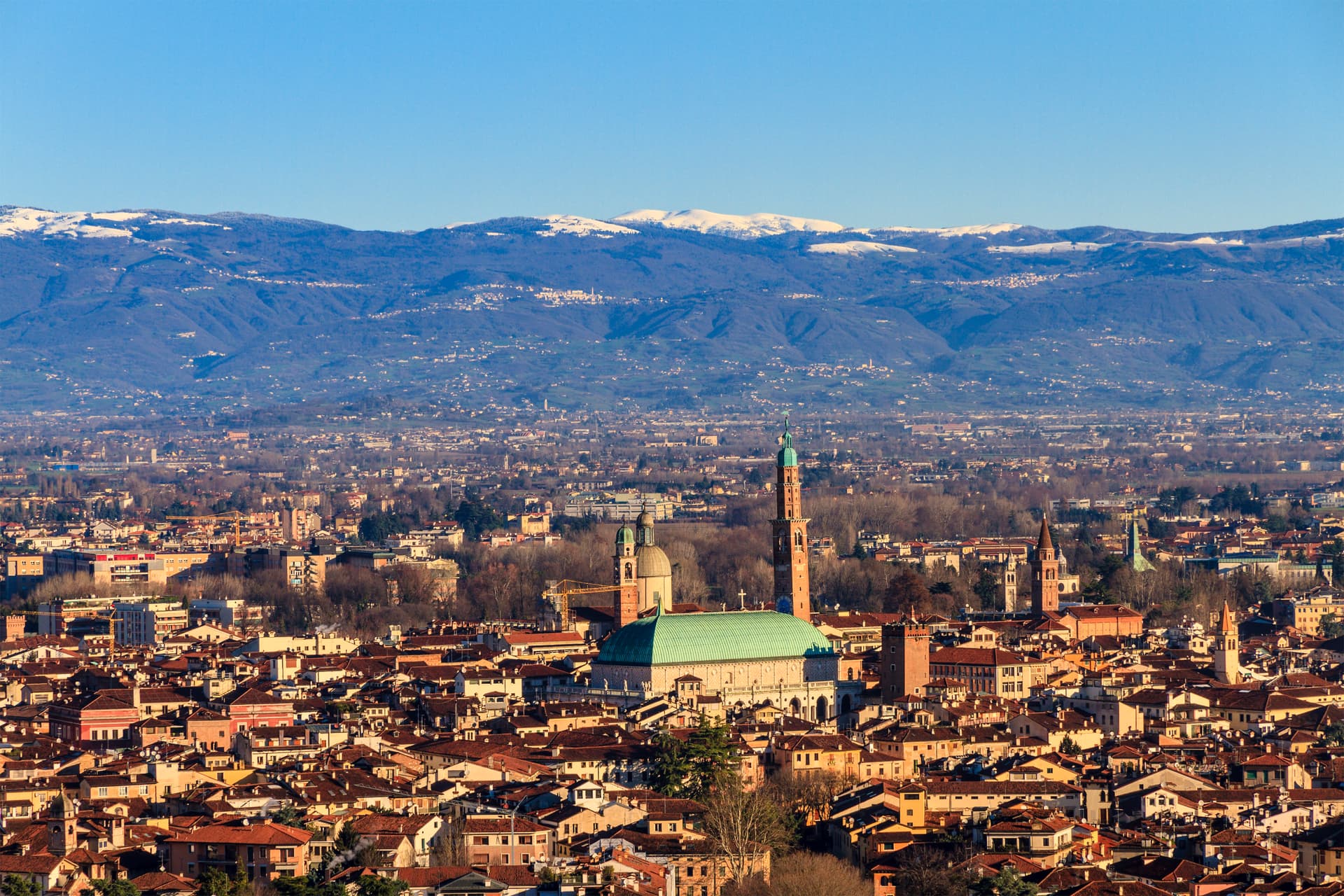
Vicenza
Province: Vicenza
Andrea Palladio's home city — a UNESCO-inscribed open-air museum of the architect who reshaped Western architecture, with 23 Palladian buildings inside the centro and the Villa Rotonda + Teatro Olimpico just outside it.
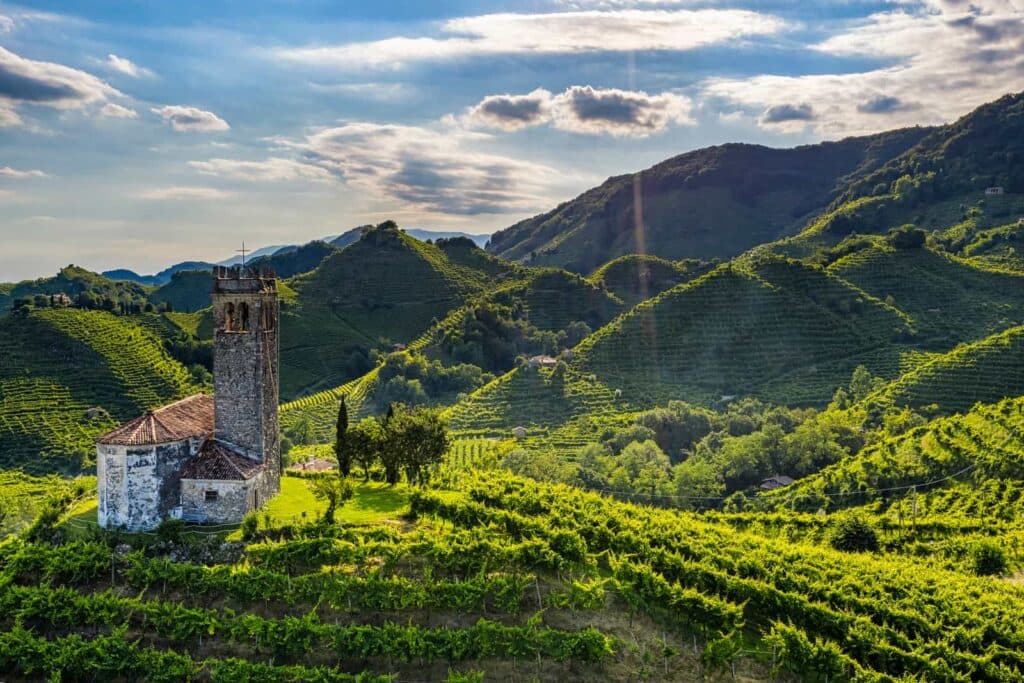
Farra di Soligo
Province: Treviso
The heart of the Prosecco Hills UNESCO landscape — an 8,477-resident comune in the Conegliano-Valdobbiadene DOCG zone (UNESCO World Heritage since 2019), with the three medieval Torri di Credazzo crowning a hilltop above its vineyards, Cittaslow + Città del Vino signals, and direct walking access to the most photographed stretch of the hogback ridge.
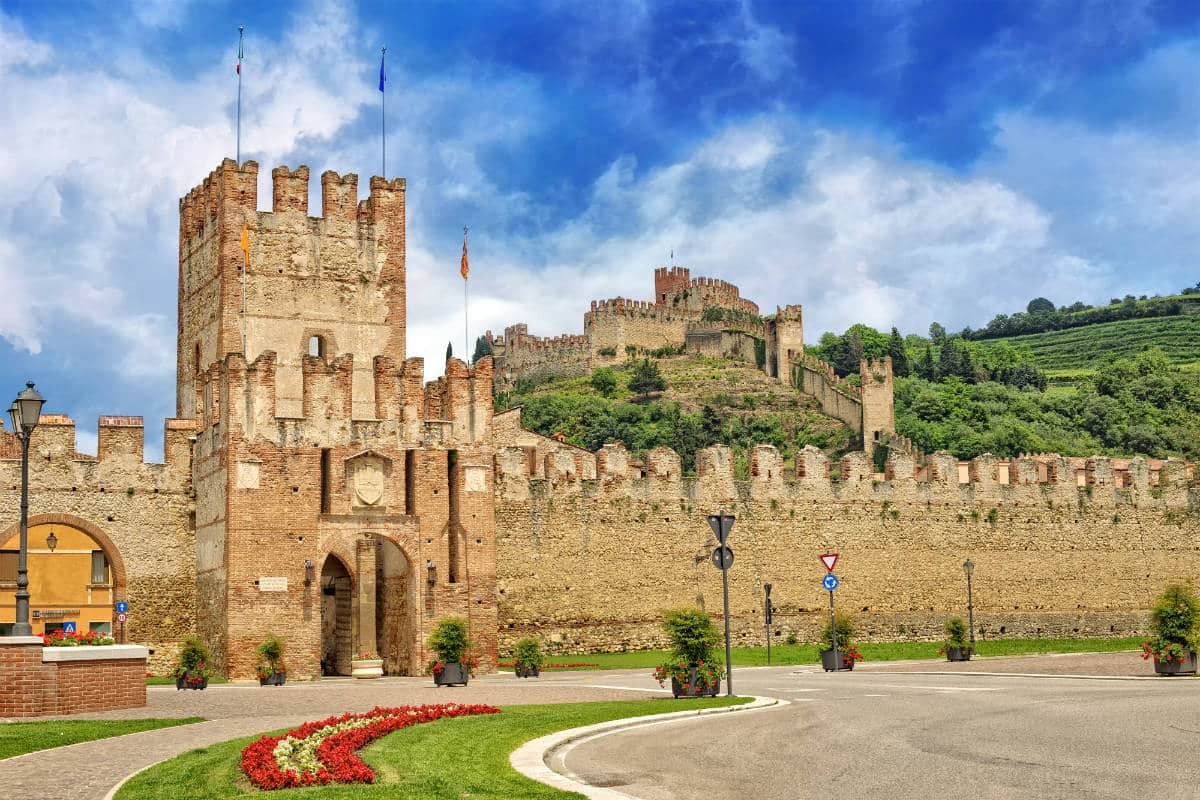
Soave
Province: Verona
A walled wine town twenty kilometers east of Verona, 2022 Borgo dei Borghi winner, where Garganega vineyards climb to the Scaligeri castle on Colle Tenda.
🟠 Bandiera Arancione
More Bandiera Arancione towns in Veneto
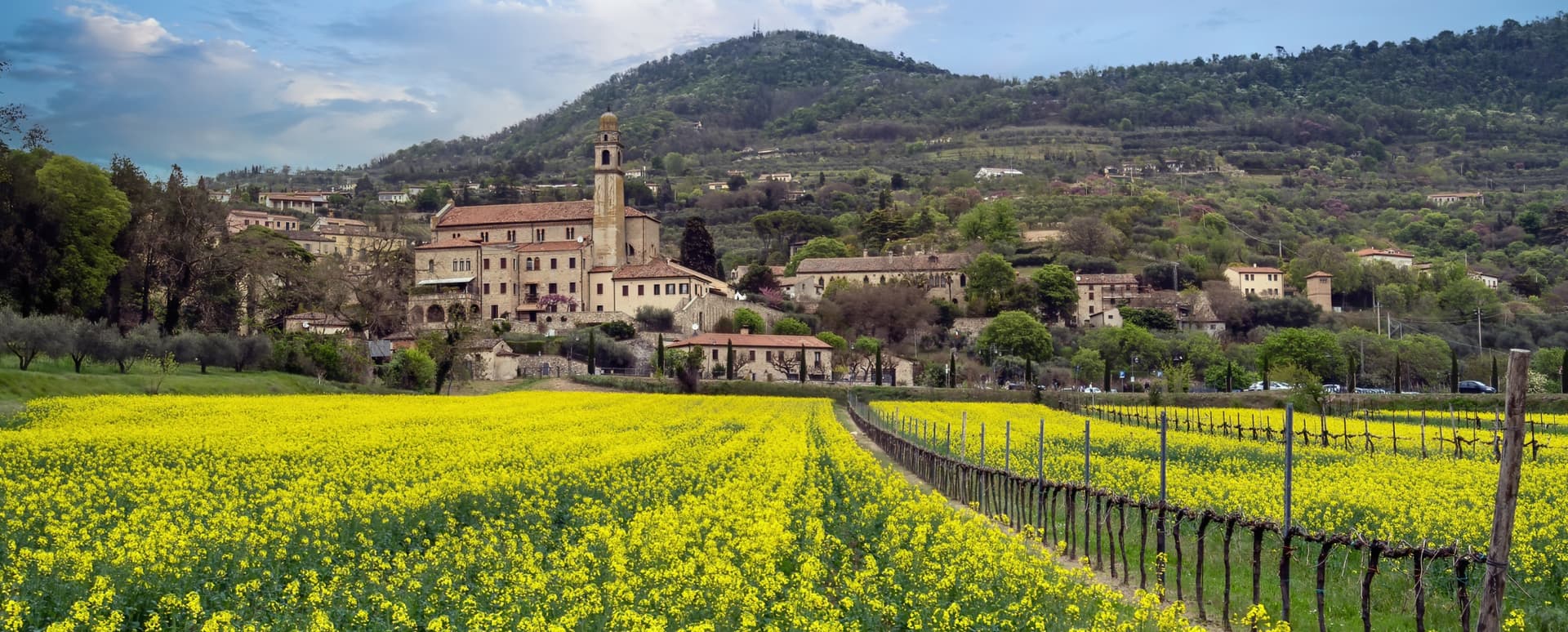
Arquà Petrarca
Province: Padova
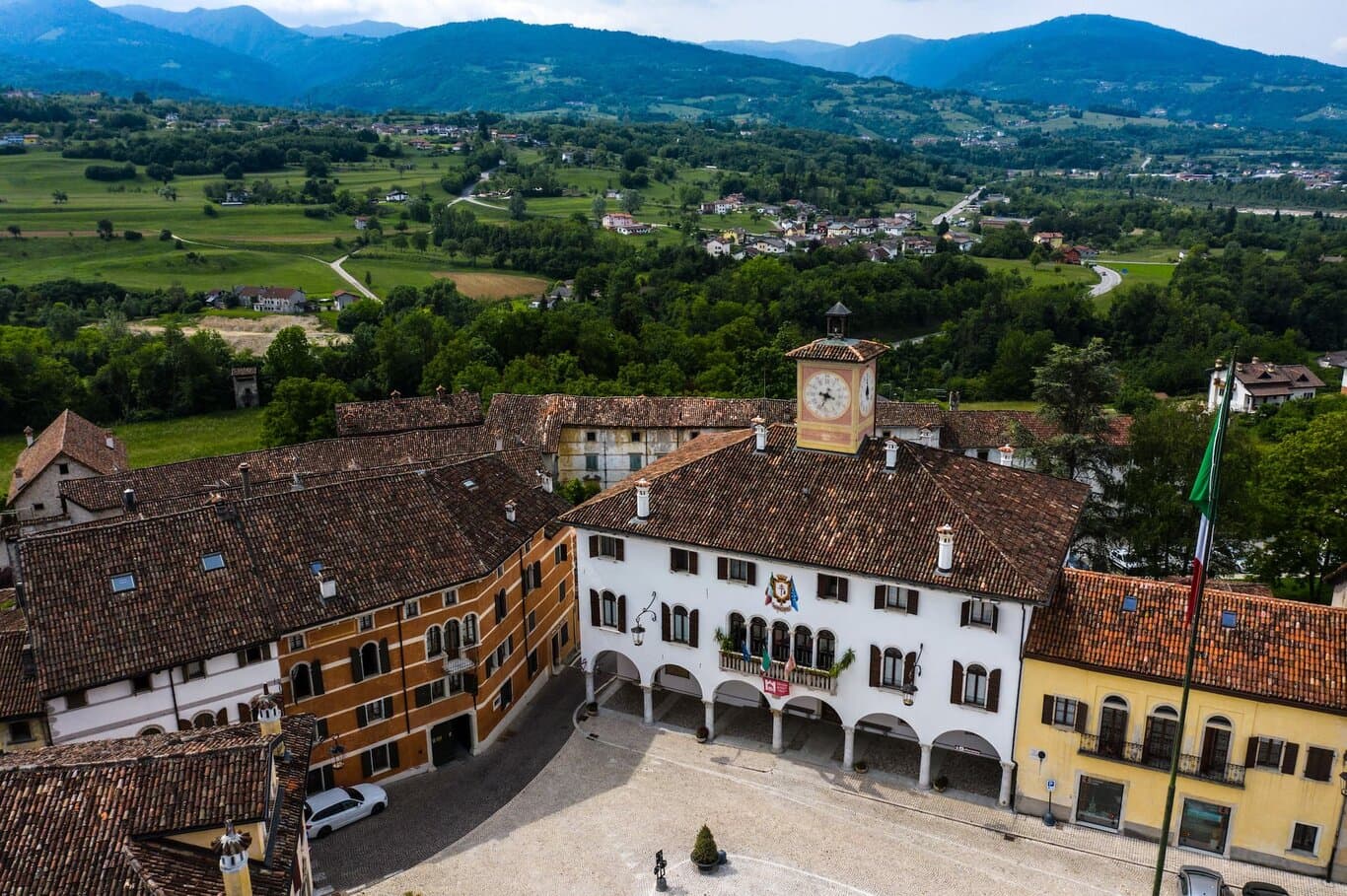
The Euganean Hills village where Francesco Petrarca spent his last four years and died in 1374, renamed in his honor in 1868.
Borgo Valbelluna
Province: Belluno
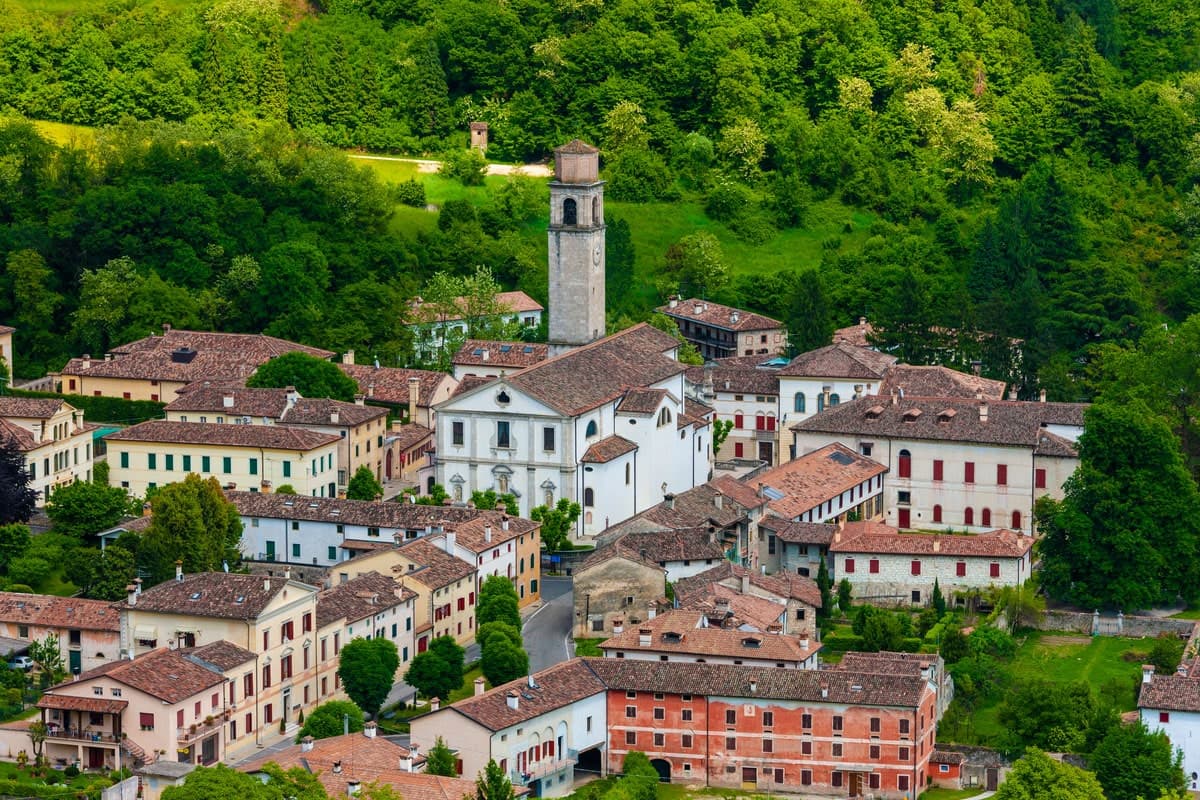
Veneto's youngest comune anchored by an old Borgo — a 13,410-resident comune formed in 2019 by the fusion of Mel + Trichiana + Lentiai in the Belluno-province pre-Dolomite Piave valley, with the BPB-inscribed Mel centro storico (a perfectly preserved 16th-c Venetian terraferma piazza) and the 11th-c Castello di Zumelle on a forested ridge above.
Cison di Valmarino
Province: Treviso
A Prosecco hills borgo at 261 meters under the dolomite rock of CastelBrando, the largest inhabited castle complex in Europe.
Follina
Province: Treviso
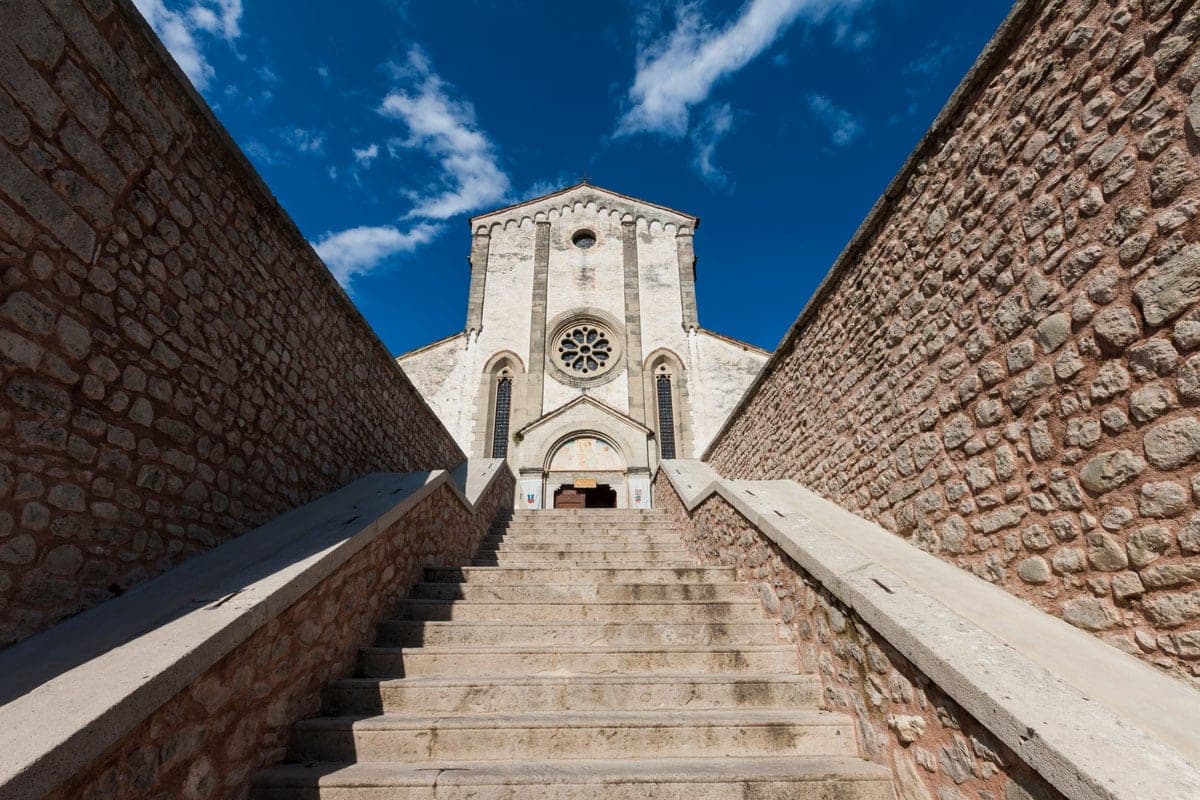
A Prosecco-hills borgo at 191 meters around the Cistercian Abbey of Santa Maria, with a cloister finished in 1268.
Malcesine
Province: Verona
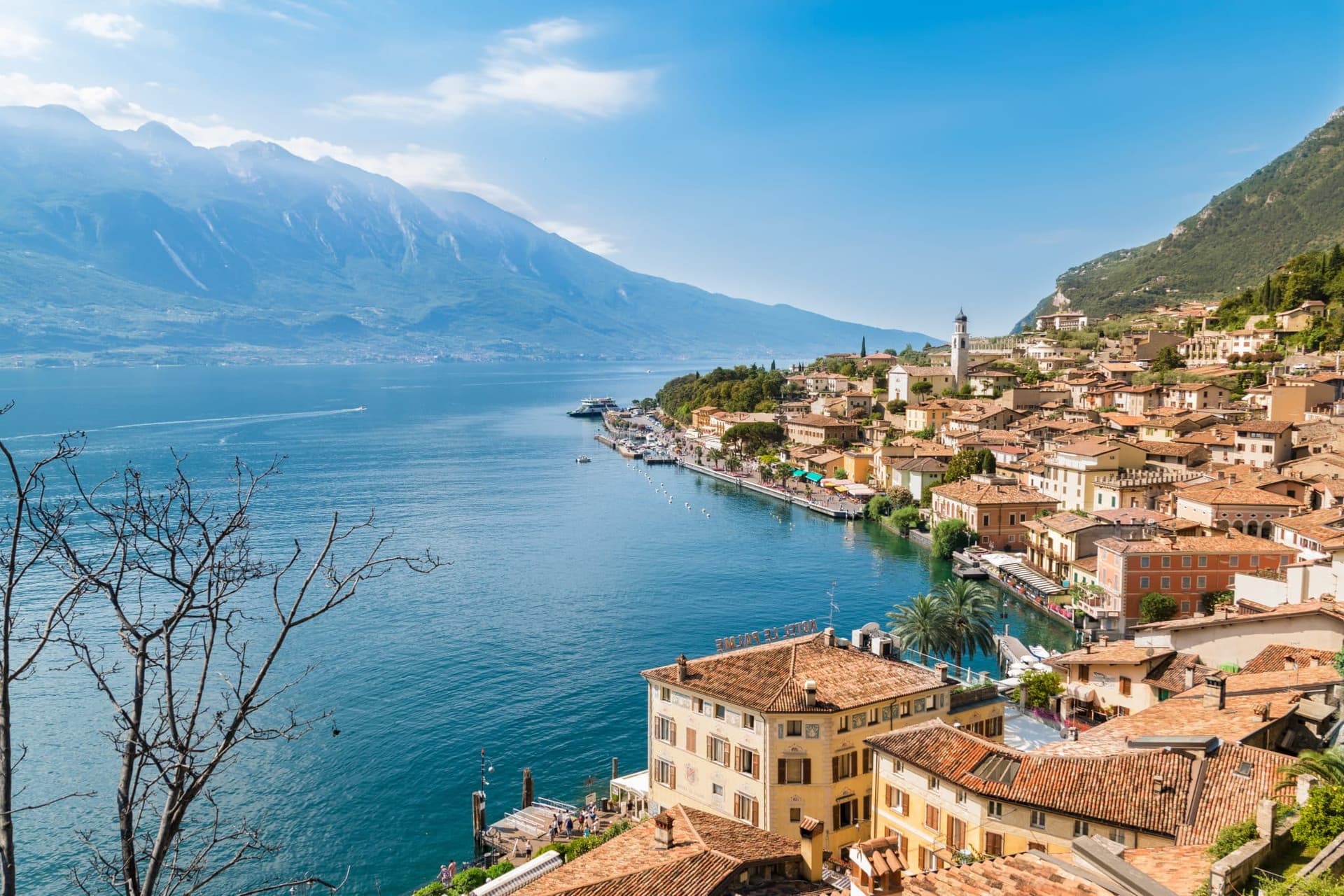
The northernmost Veneto town on Lake Garda, where Goethe was nearly arrested for sketching the Castello Scaligero in September 1786.