

Veneto · Belluno
Feltre
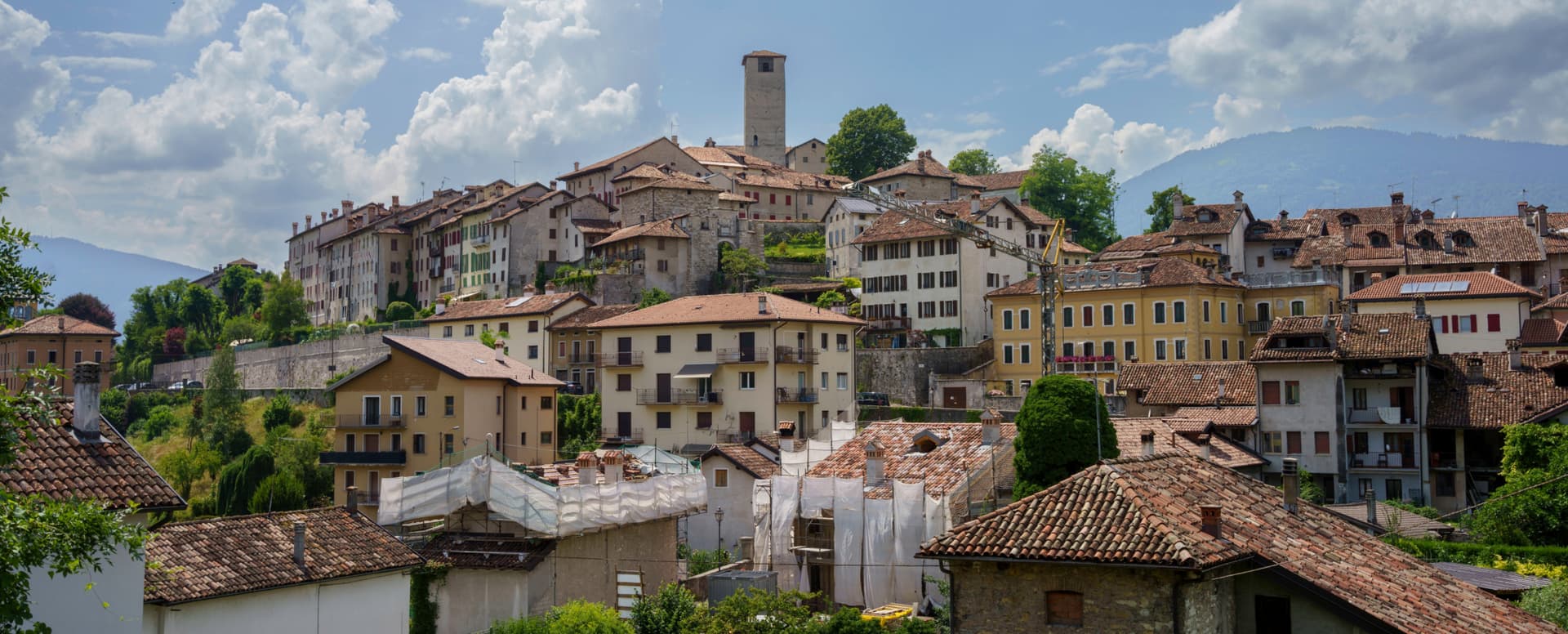
A Renaissance city in the Belluno Prealps, sacked in 1510 by Habsburg troops and rebuilt as the vertical village it remains.
Known for
RENAISSANCE CITY
Sacked in 1510 during the War of the League of Cambrai and rebuilt over sixty years in coherent sixteenth-century style.
PALIO DI FELTRE
First weekend of August, with five rioni in Renaissance costume, archery and a horse race around Piazza Maggiore.
DOLOMITI BELLUNESI
National park covering 32,000 hectares of the Vette Feltrine and Monti del Sole, headquartered in the city.
When to visit
Best · Apr–Oct
- J
- F
- M
- A
- M
- J
- J
- A
- S
- O
- N
- D
- Best
- Hot or crowded
- Quiet
- Mostly closed
The festa: Vittore e Corona, 14 May
Why come
Feltre sits on a hill above the Stizzon, near its confluence with the Piave, seventy kilometers north of Padova. Roman Feltria was a municipium on the Via Claudia Augusta. The defining episode in the city's appearance is 1510: during the War of the League of Cambrai, troops under Maximilian I of Habsburg sacked the town after the Venetian defeat at Agnadello, burning most of it.
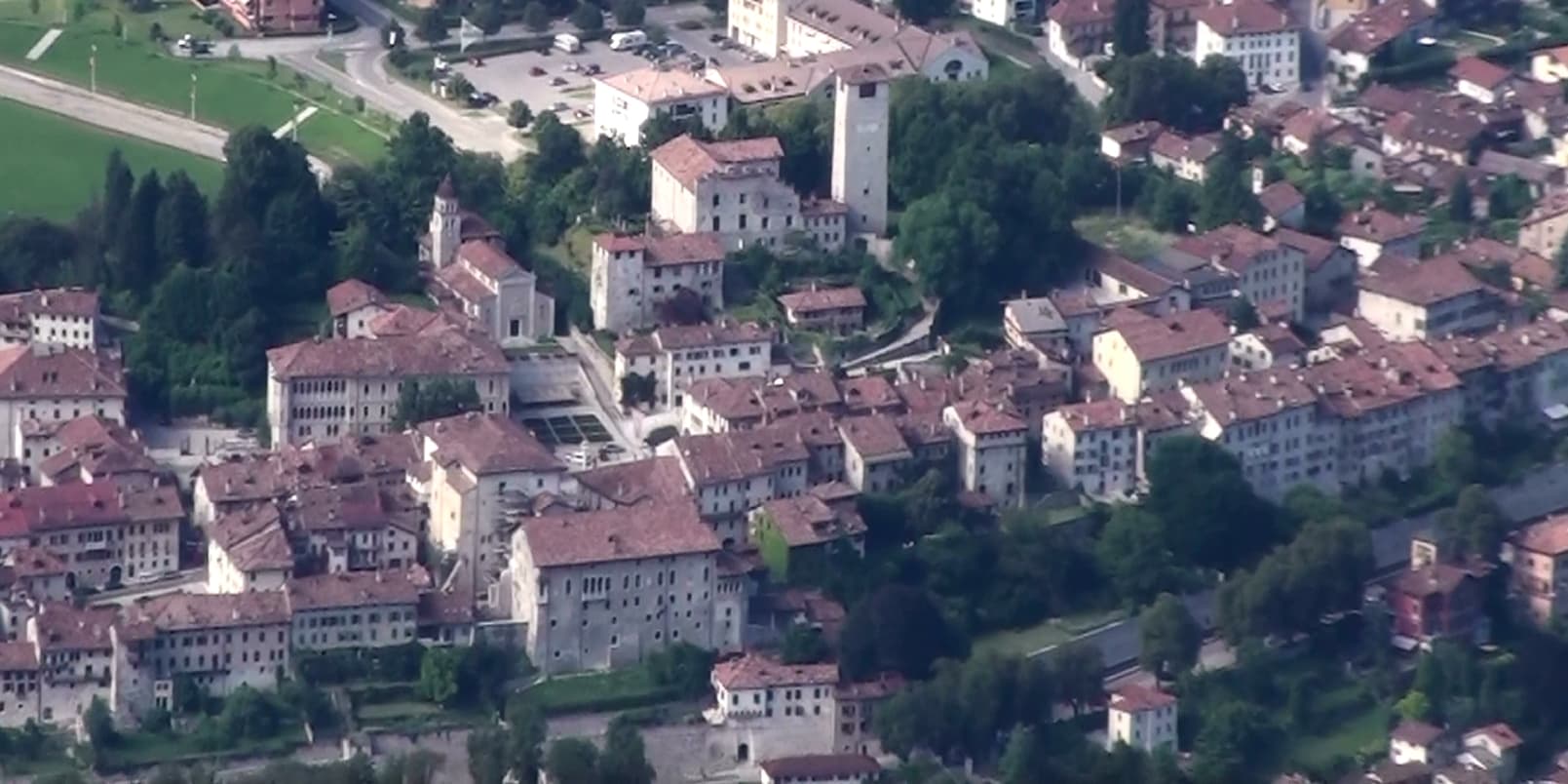
Feltre rebuilt over the next sixty years in coherent sixteenth-century Renaissance style, which gives the historic core its remarkable uniformity. The upper city, the citadel built around Piazza Maggiore, holds the Palazzo della Ragione with its Palladio-attributed loggia, the Castello di Alboino with its medieval keep, and the church of San Rocco. Via Mezzaterra, the long arcaded street through the lower city, is the spine of the Renaissance reconstruction.
The Parco Nazionale Dolomiti Bellunesi headquarters is in the city. The Palio di Feltre runs the first weekend of August with five rioni in costume, archery and a horse race in Piazza Maggiore.
The Sunday letter
We haven’t written Feltre’s letter yet.
One town every Sunday, with the photo, the food, the festa. Be there when this one comes up. Free, by Peter & Sophia from Pietrasanta.
By subscribing you agree to Substack’s Terms of Use, our Privacy Policy and our Information collection notice.
What to see
Piazza Maggiore
Main square of the upper city, at the highest point of the centro storico, surrounded by Renaissance palaces and the citadel walls.
Palazzo della Ragione
Sixteenth-century town hall on Piazza Maggiore with a loggia traditionally attributed to Andrea Palladio.
Castello di Alboino
Medieval keep above the centro storico, named for the Lombard king Alboin, with views across the Piave valley to the Vette Feltrine.
Pinacoteca di Palazzo Villabruna
Civic gallery with works by Morto da Feltre, Cima da Conegliano, Gentile Bellini and Pietro Marescalchi.
Via Mezzaterra
Arcaded street through the lower city, the spine of the sixteenth-century Renaissance reconstruction after the 1510 sack.
Parco Nazionale Dolomiti Bellunesi
National park headquartered in Feltre, covering 32,000 hectares of the Vette Feltrine and Monti del Sole north of the city.
The slow-trip planner
Building a trip? Find where Feltre fits in a slow Italy circuit.
Answer five questions. We will shape a geographically coherent slow trip from the 1,000 Italian towns most travelers skip. Yours to save and share.
We recommend
Where to eat and stay
Not our picks, but places the guides put their name to — a Michelin star, a Gambero Rosso fork, a Slow Food snail, a Michelin Key for the hotels. Worth a table, a counter, or a night when you pass through.
AuroraRistorante
Aurora has a spot in the Michelin Guide to its name.
Enoteca ContemporaneaWine Bar
Enoteca Contemporanea carries one Gambero Rosso bottle.
Living here
- Population 20,369
- A local hubi
- Pharmacy in town
- High school within a 30-minute drive
- Train station in the comune
- Nearest airport Venice, 1 h 15 min drive
- Regional capital Venezia, 1 h 34 min drive
Tags & datadesignations · numbers · sources
Recognised as
The numbers
- Elevation: 325 m
- Population: 20,369
- Surface area: 99.79 km²
These figures were compiled from public directories — ISTAT, OpenStreetMap, Wikidata — and from the official listings of the guides named on this page. Town details change; verify with official sources before you travel.
Close by
More towns near Feltre
Borgo Valbelluna
Province: Belluno
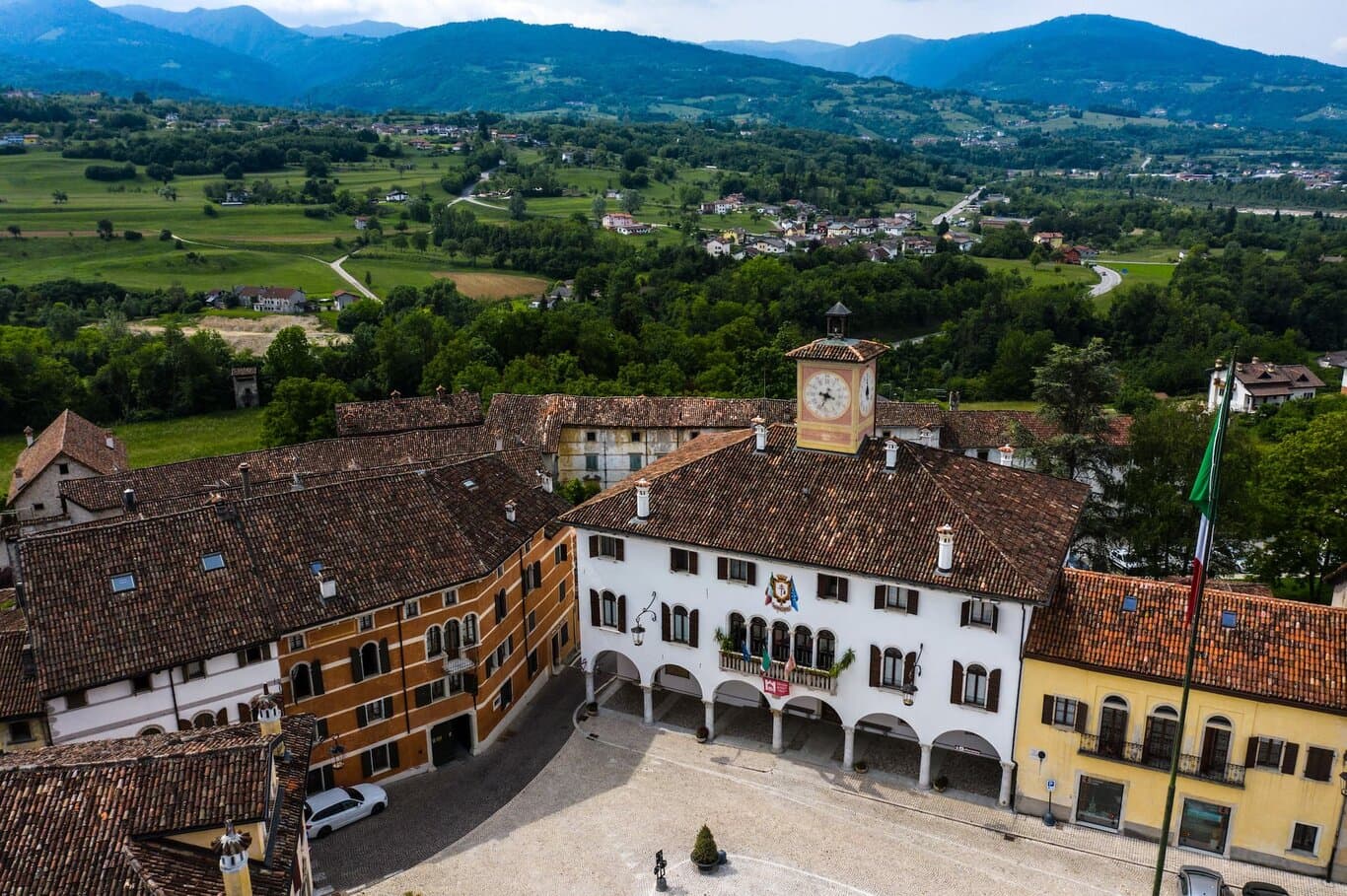
Veneto's youngest comune anchored by an old Borgo — a 13,410-resident comune formed in 2019 by the fusion of Mel + Trichiana + Lentiai in the Belluno-province pre-Dolomite Piave valley, with the BPB-inscribed Mel centro storico (a perfectly preserved 16th-c Venetian terraferma piazza) and the 11th-c Castello di Zumelle on a forested ridge above.
Valdobbiadene
Province: Treviso
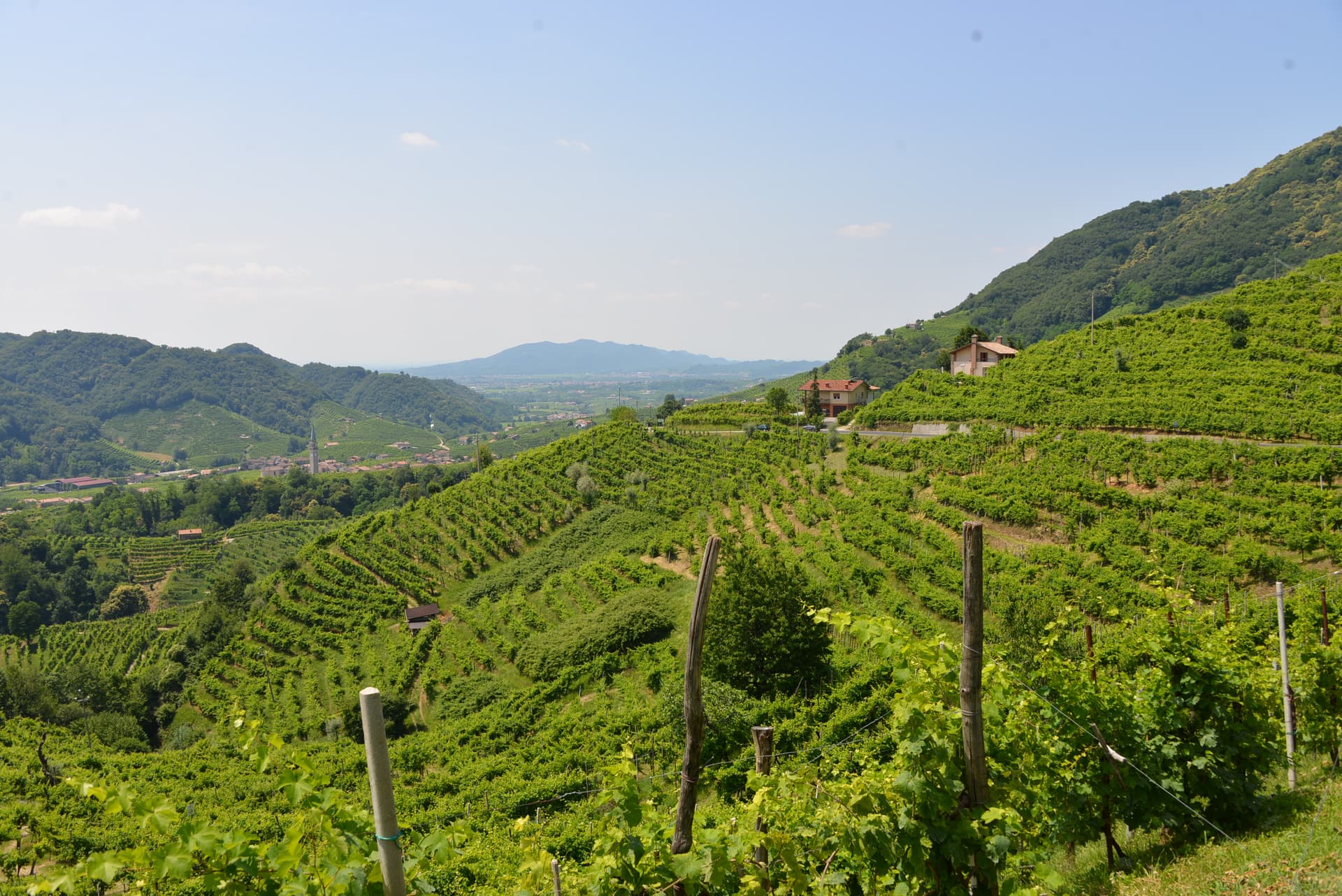
The Prosecco Superiore capital at 253 meters in the Treviso Prealps, where Glera grown on Cartizze's 108 hectares produces the most expensive Italian sparkling wine.
Farra di Soligo
Province: Treviso
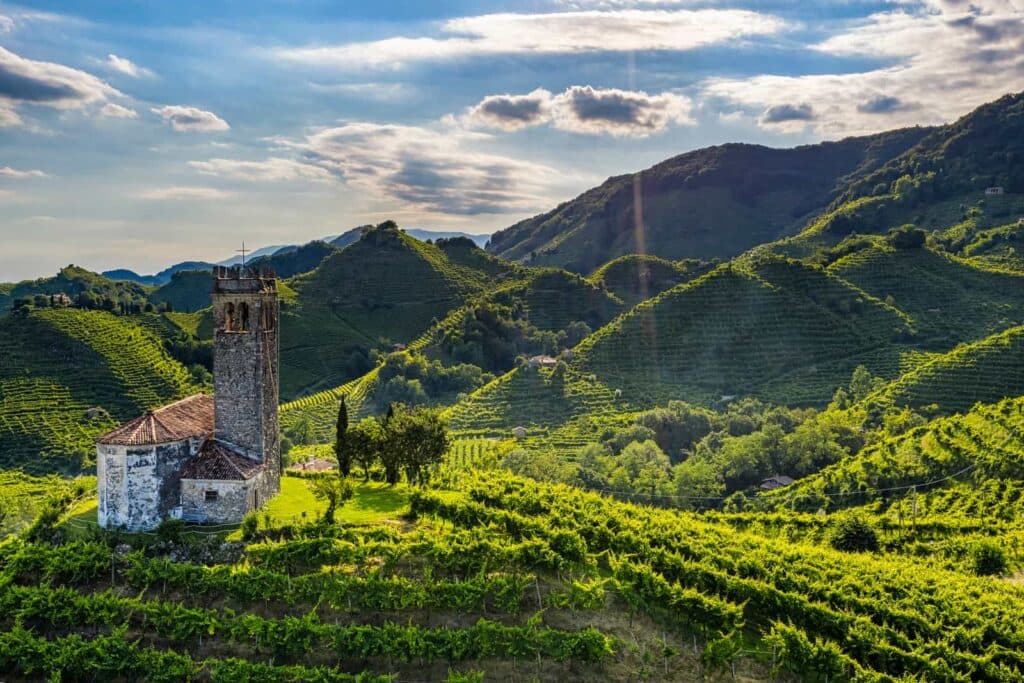
The heart of the Prosecco Hills UNESCO landscape — an 8,477-resident comune in the Conegliano-Valdobbiadene DOCG zone (UNESCO World Heritage since 2019), with the three medieval Torri di Credazzo crowning a hilltop above its vineyards, Cittaslow + Città del Vino signals, and direct walking access to the most photographed stretch of the hogback ridge.
Asolo
Province: Treviso
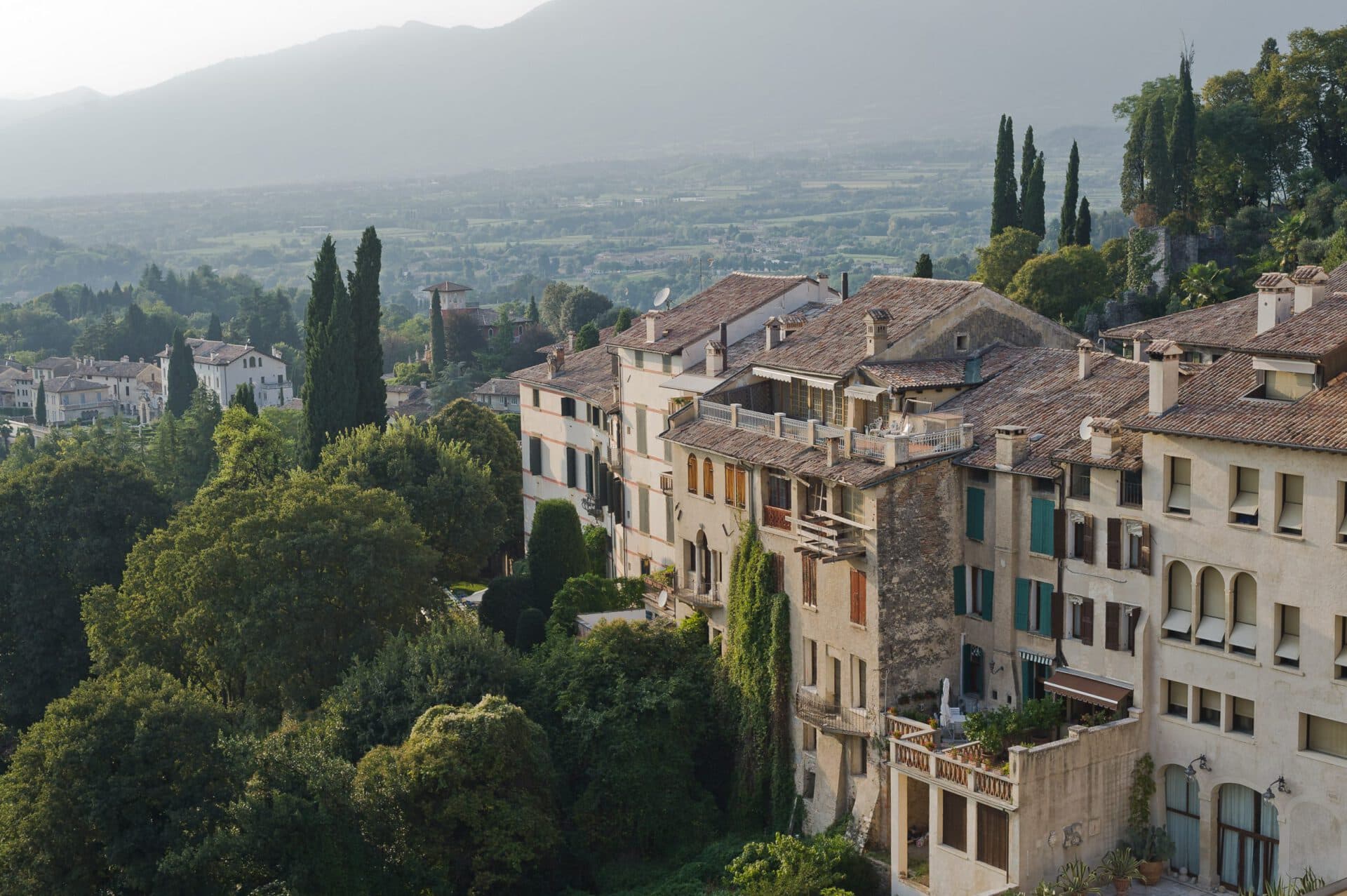
A walled hill town at 205 meters that Caterina Cornaro ran as her court after trading Cyprus to Venice in 1489.
Follina
Province: Treviso
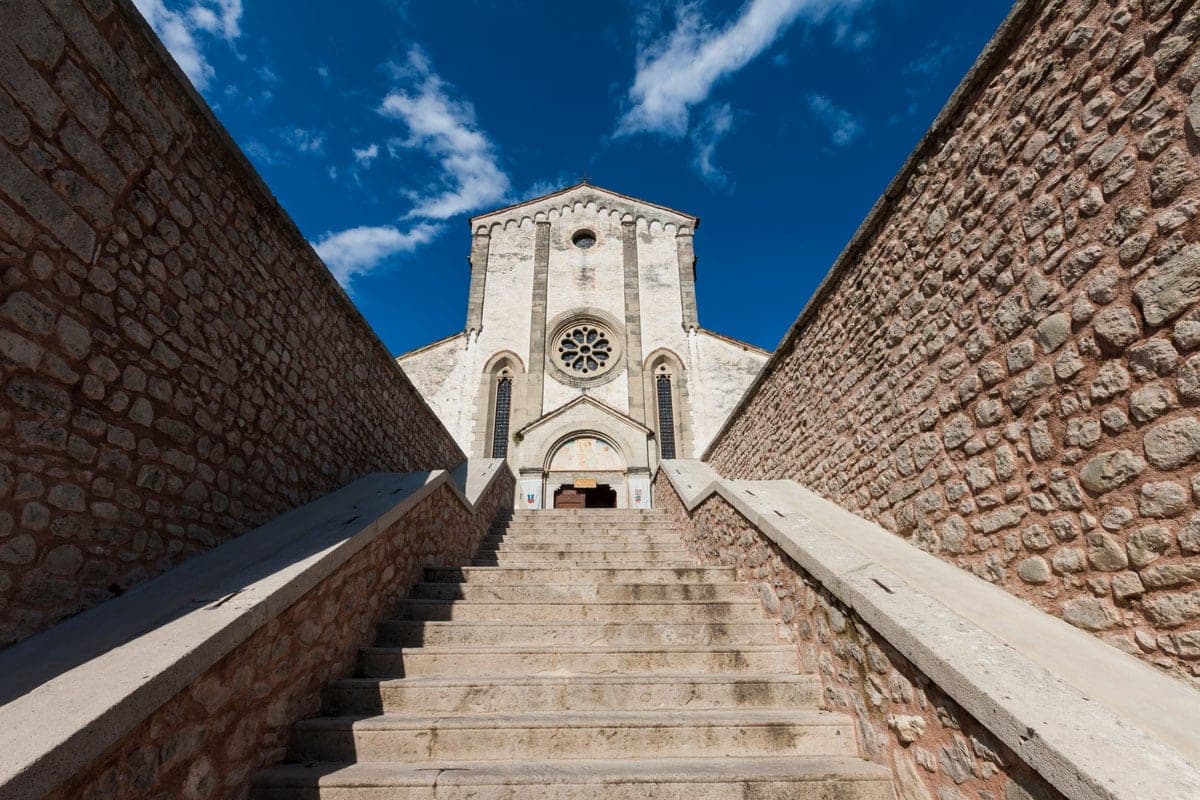
A Prosecco-hills borgo at 191 meters around the Cistercian Abbey of Santa Maria, with a cloister finished in 1268.
🌲 Parco Nazionale
More Parco Nazionale towns
Alfedena
Province: L'Aquila
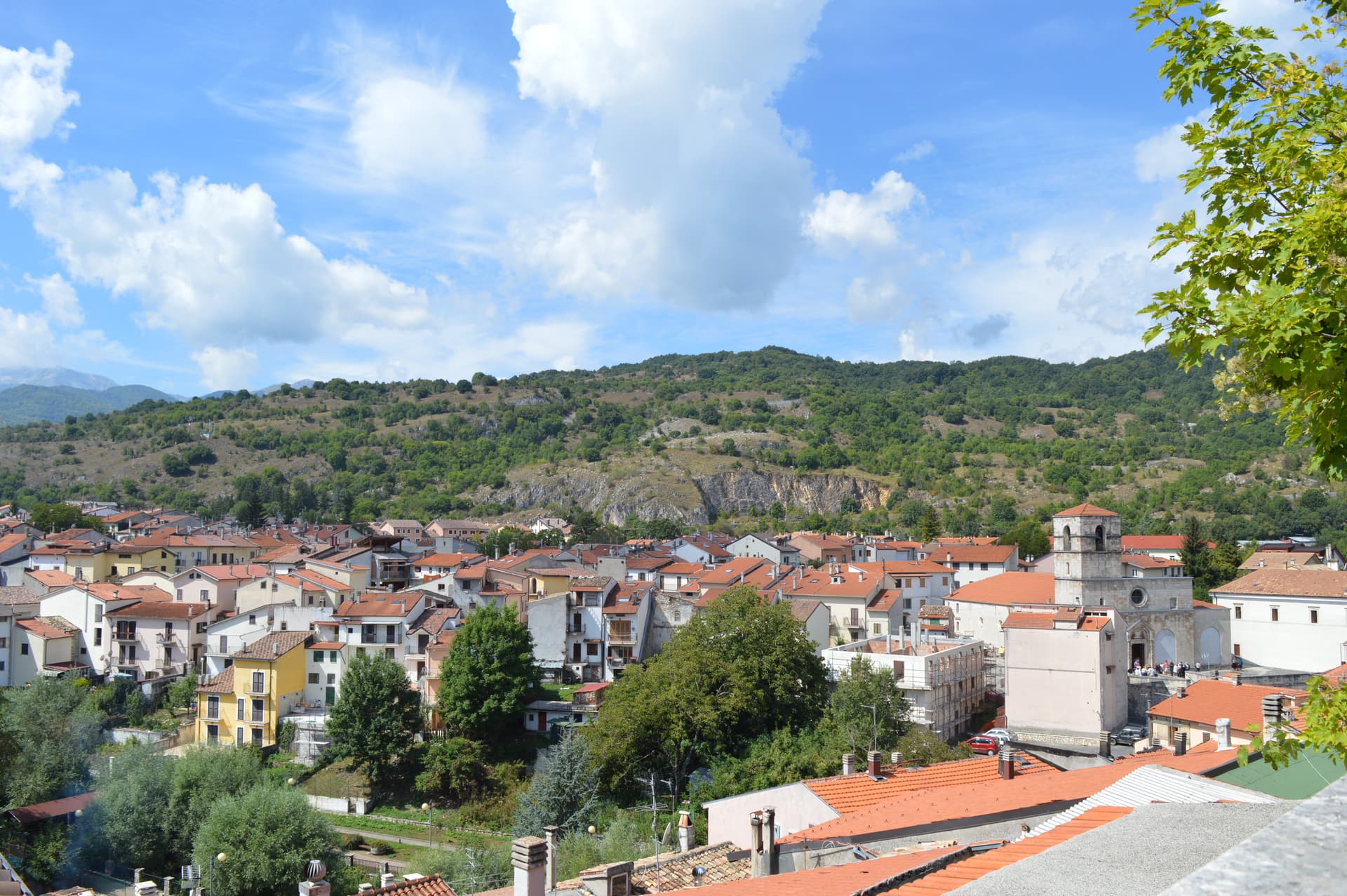
At 914 meters at the head of the upper Sangro valley, the Samnite Aufidena, with a 15,000-tomb necropolis and a Roman conquest in 298 BC.
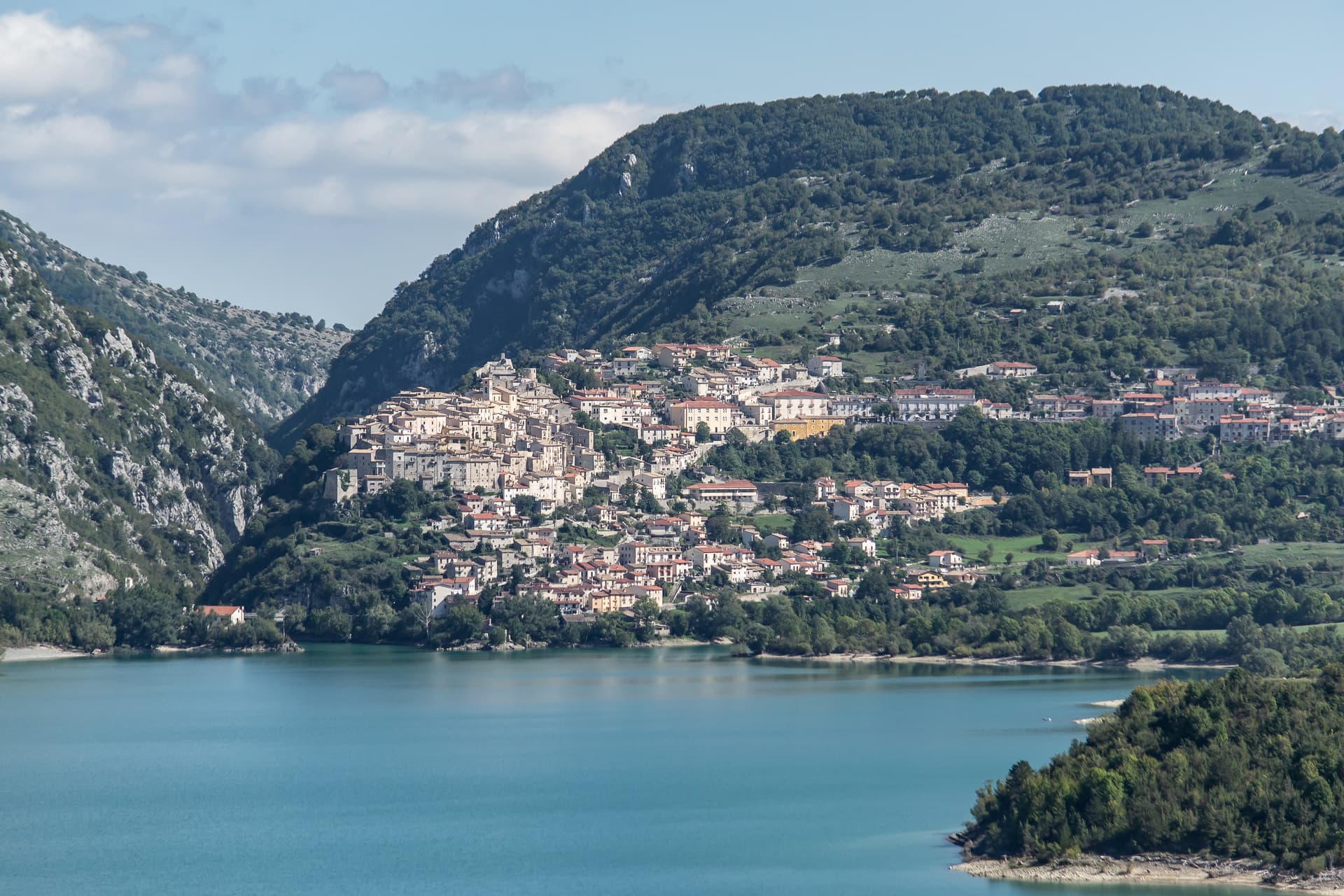
Barrea
Province: L'Aquila
A 1,066-meter spur above an artificial lake at the heart of the Abruzzo National Park, with a Samnite necropolis and an 11th-century di Sangro castle.
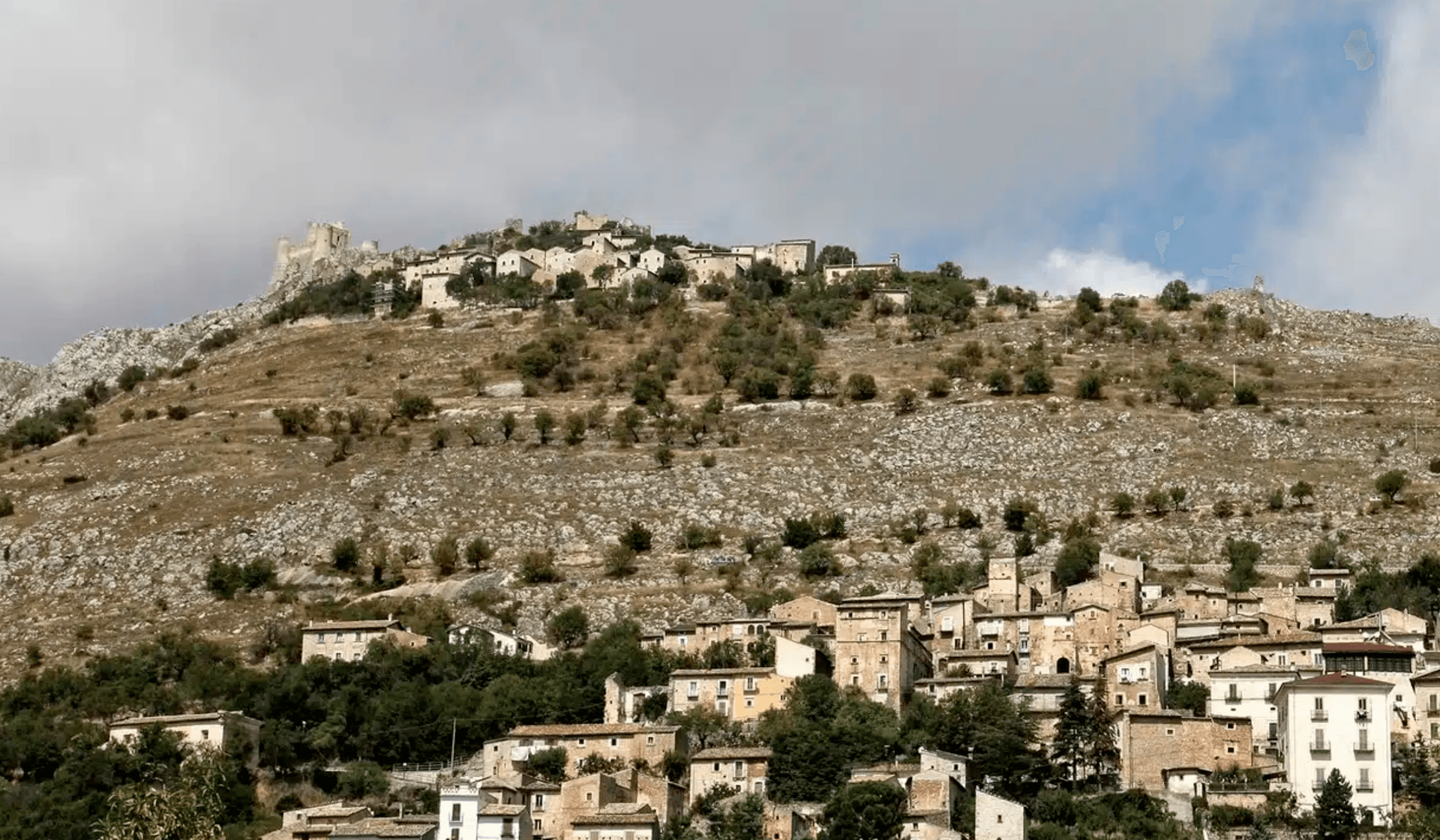
Calascio
Province: L'Aquila
At 1,200 meters under the highest castle in the Apennines, a village of 125 people that played the monk's refuge in Ladyhawke.
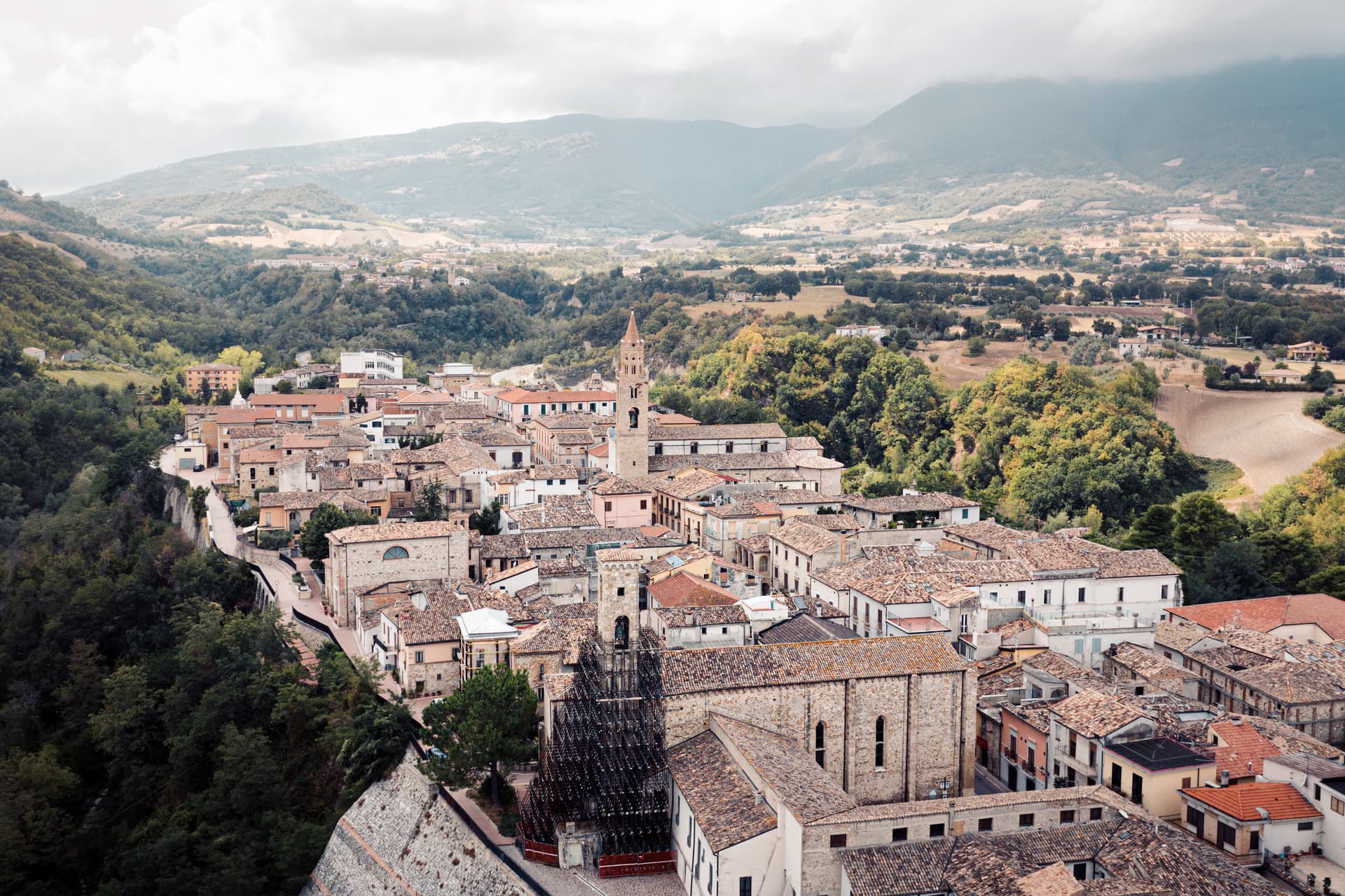
Campli
Province: Teramo
A 393-meter town under the Monti della Laga, held by the Farnese for two centuries, with a Scala Santa carrying papal indulgence.
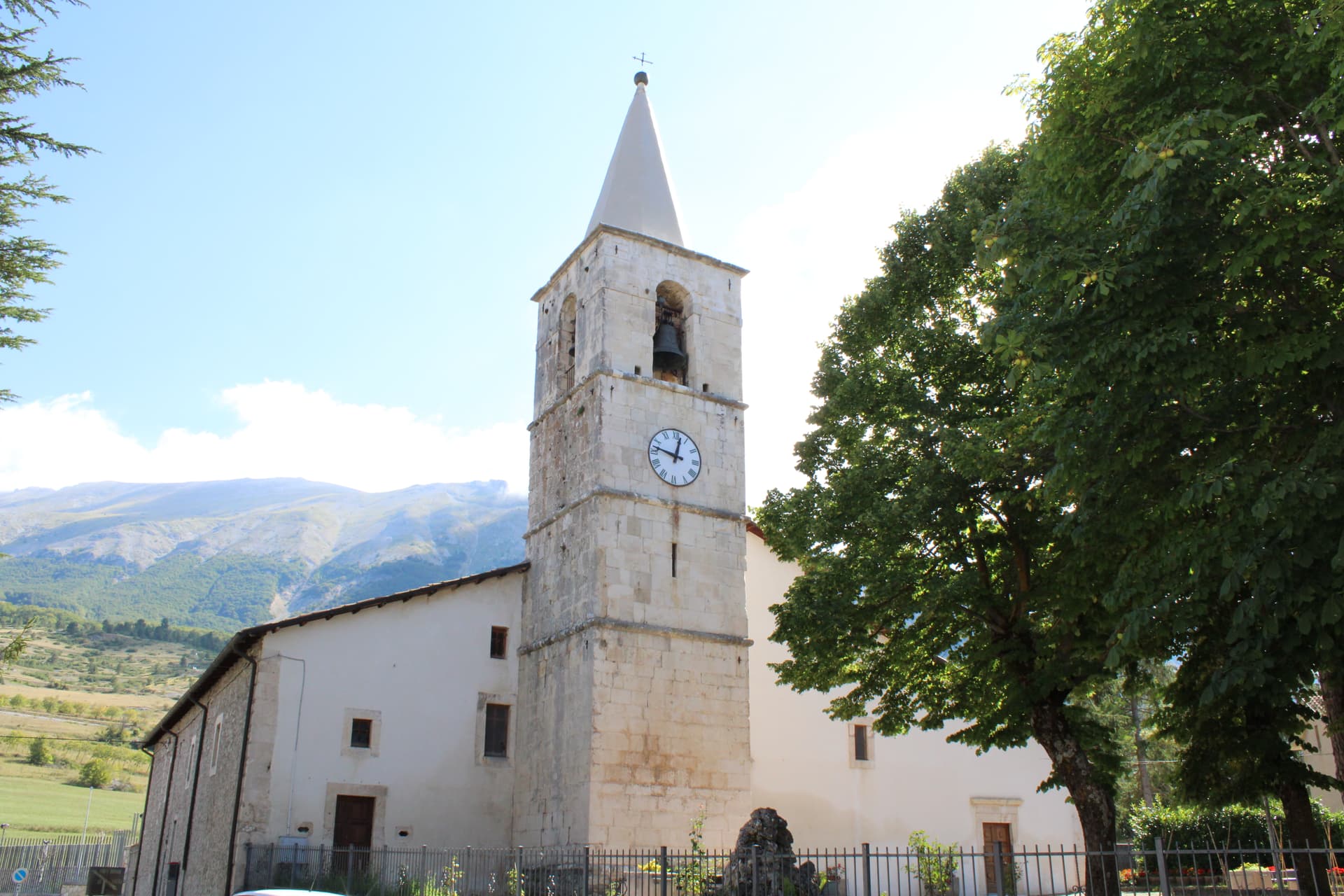
Campo di Giove
Province: L'Aquila
At 1,064 meters under the southwestern Maiella, the highest village in the park, named for a Roman temple to Jupiter.