
Sicily · Trapani
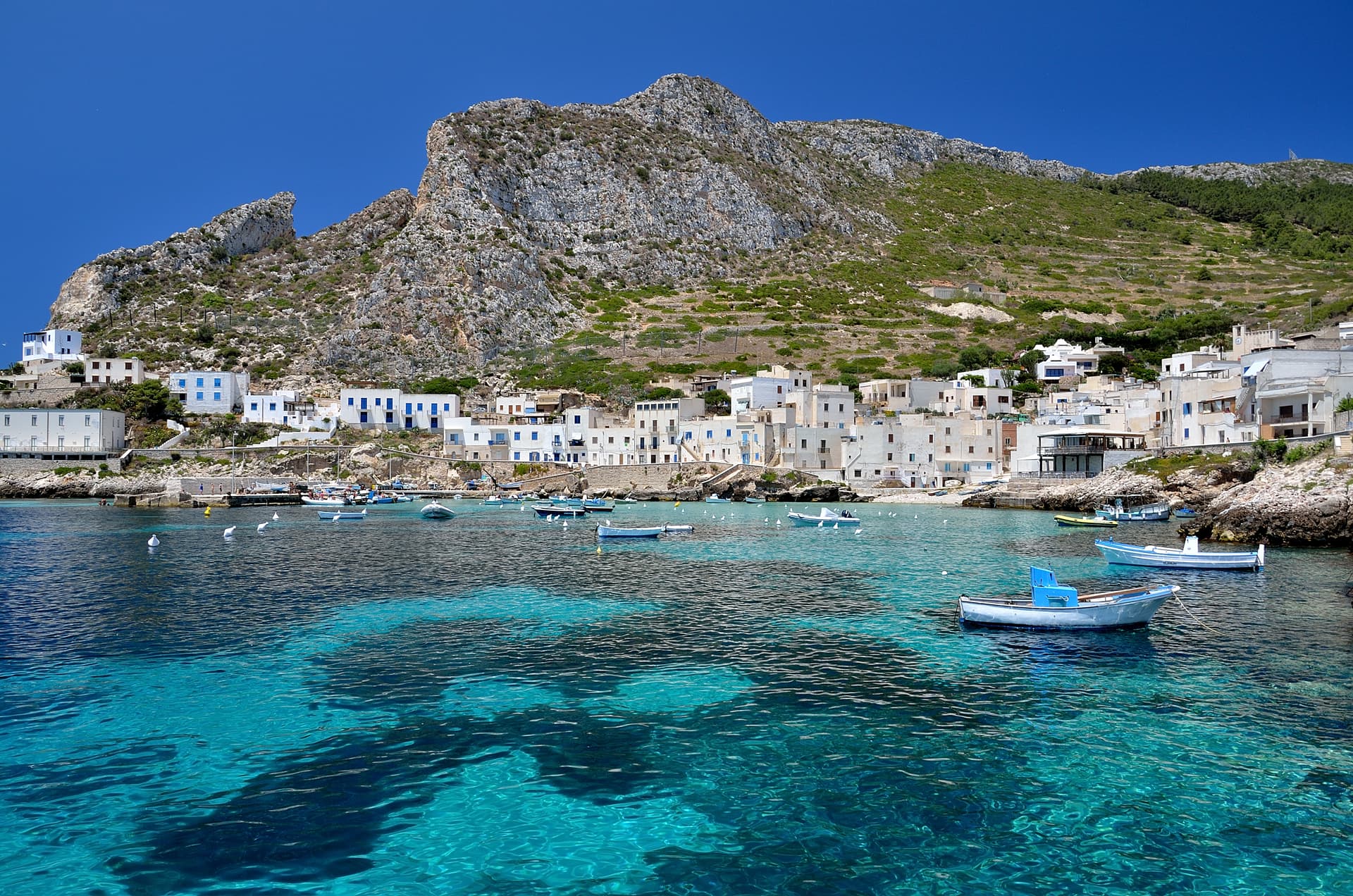
Favignana
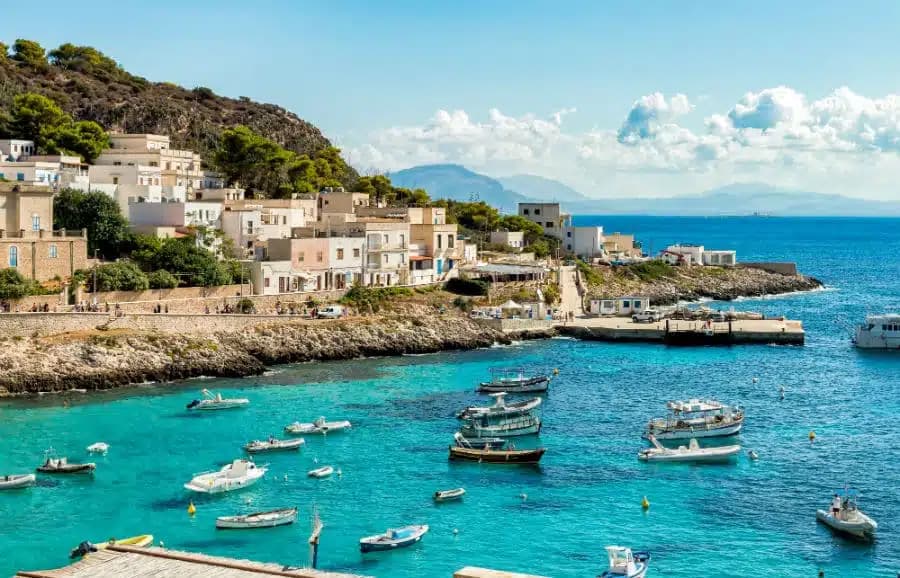
The largest of the Egadi Islands off western Sicily, anchored by the Florio family's late-19th-century industrial tonnara that ran one of the Mediterranean's most famous tuna fisheries, with calcarenite cliffs above turquoise sea (Cala Rossa, Cala Azzurra, Bue Marino) instead of beaches.
Known for
TONNARA FLORIO
1859 industrial tuna fishery built by Ignazio Florio — once the Mediterranean's largest. Mattanza ended 2007; complex is now a museum.
CALCARENITE
Soft cream-coloured limestone quarried locally for centuries — the defunct quarries (Cala Rossa, Bue Marino) are now the island's swimming spots.
FLAT BIKE-ABLE
Flat 19-km perimeter — the standard way to circle the island. Bike rentals at the harbour for a half-day.
When to visit
Best · Apr–Oct
- J
- F
- M
- A
- M
- J
- J
- A
- S
- O
- N
- D
- Best
- Hot or crowded
- Quiet
- Mostly closed
Why come
Favignana is the largest of the three Egadi Islands off western Sicily, 15 km by ferry from Trapani. Shaped like a butterfly (Punta Marsala forms one wing, Punta Sottile the other), the island is built on calcarenite — the soft cream-coloured limestone that was quarried locally for centuries, producing Sicily's stock church-and-palazzo material. The defunct quarries are now its signature swimming spots: Cala Rossa, Cala Azzurra and Bue Marino are flooded former quarries, the rectangular pits filled by the sea, with turquoise water at the bottom of vertical limestone cliffs (cliff-jumping discouraged but practiced).
The town centre is dominated by the Stabilimento Florio delle Tonnare — the industrial tuna processing complex built by Ignazio Florio in 1859 to run the Mediterranean's most famous mattanza tuna fishery. The mattanza itself ended in 2007 but the Stabilimento is now a museum tracing the fishery's history through original equipment, the bluefin-tuna ritual, and the company history of the Florio dynasty. The Forte di Santa Caterina above town offers the wide view to Marettimo and Levanzo, the two smaller Egadi neighbours.
The Sunday letter
We haven’t written Favignana’s letter yet.
One town every Sunday, with the photo, the food, the festa. Be there when this one comes up. Free, by Peter & Sophia from Pietrasanta.
By subscribing you agree to Substack’s Terms of Use, our Privacy Policy and our Information collection notice.
What to see
Cala Rossa
Flooded former calcarenite quarry on the east coast — turquoise water at the bottom of vertical cream-stone cliffs. Sicily's most-photographed swimming spot.
Stabilimento Florio delle Tonnare
1859 industrial tonnara built by Ignazio Florio — once the Mediterranean's largest tuna fishery, now a museum tracing the mattanza ritual, the bluefin tuna history, and the Florio dynasty.
Forte di Santa Caterina
12th-century Aragonese fort on the highest point of the island (over 300 m), with views to Marettimo and Levanzo across the Egadi archipelago.
Giro dell'isola in bici
Favignana is flat and 19 km around the perimeter — the standard way locals and visitors get around. Bike rentals from the harbour.
Cave di tufo
The abandoned calcarenite quarries that shaped the island's coastline. Several can be visited on foot or by boat, with surreal geometric rock formations and turquoise pools.
The slow-trip planner
Building a trip? Find where Favignana fits in a slow Italy circuit.
Answer five questions. We will shape a geographically coherent slow trip from the 1,000 Italian towns most travelers skip. Yours to save and share.
Living here
- Population 4,525
- Off the beaten pathi
- Pharmacy in town
- Nearest high school over ~30 minutes away
- Regional capital Palermo, 2 h 15 min drive
Tags & datadesignations · numbers · sources
The numbers
- Elevation: 6 m
- Population: 4,525
- Surface area: 38.32 km²
On the map
These figures were compiled from public directories — ISTAT, OpenStreetMap, Wikidata — and from the official listings of the guides named on this page. Town details change; verify with official sources before you travel.
Close by
More towns near Favignana
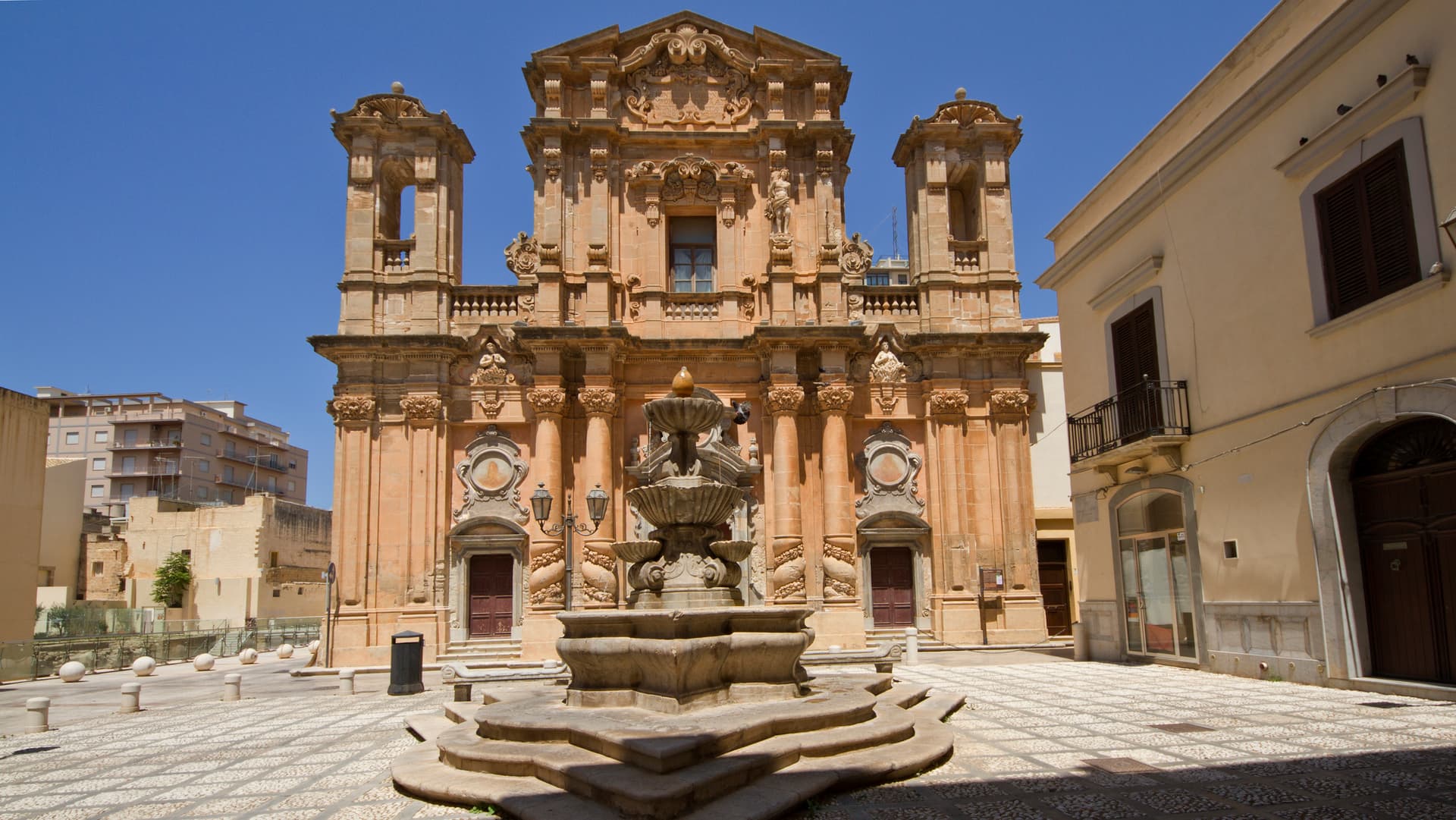
Marsala
Province: Trapani
Sicily's westernmost city, born from the Phoenician refugees of Mozia, where Garibaldi landed in 1860 and English merchants invented Marsala wine.
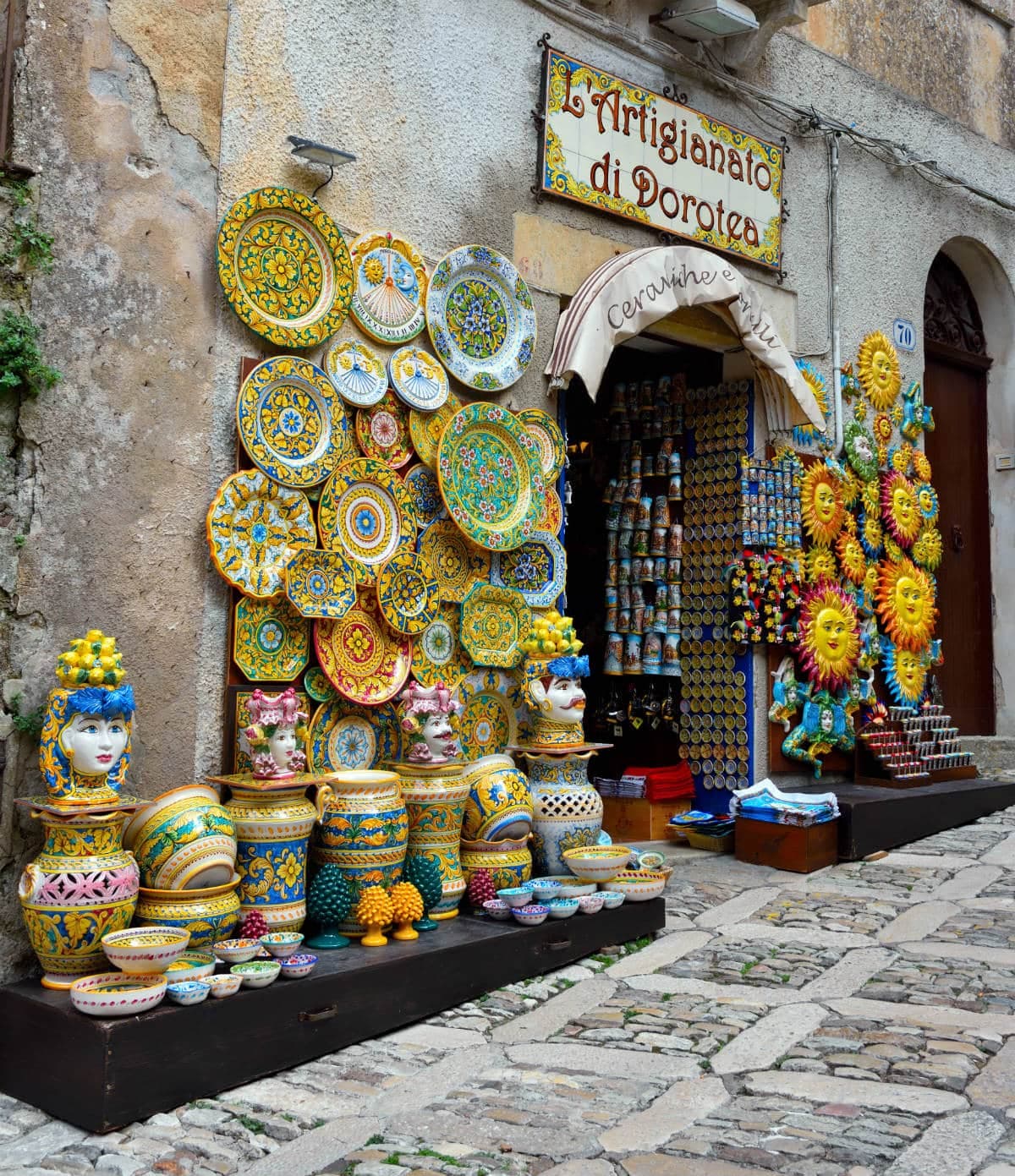
Erice
Province: Trapani
An Elymian mountaintop city at 751 meters above Trapani, with a Norman castle on the site of the temple of Venus Erycina and a Cold War physics centre.
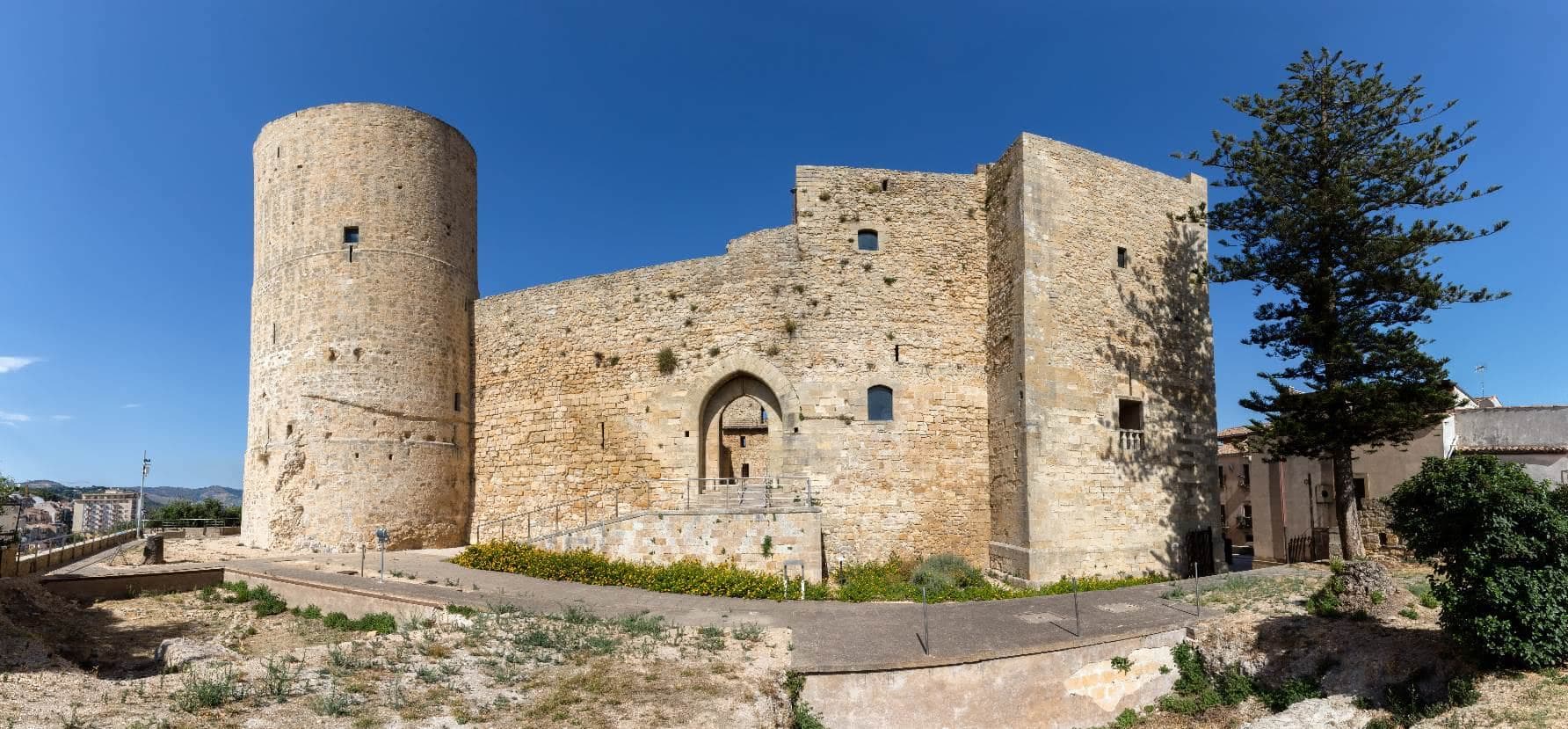
Salemi
Province: Trapani
The Belice Valley town where Garibaldi raised the tricolor on 14 May 1860 and proclaimed Salemi the capital of Italy for a day.
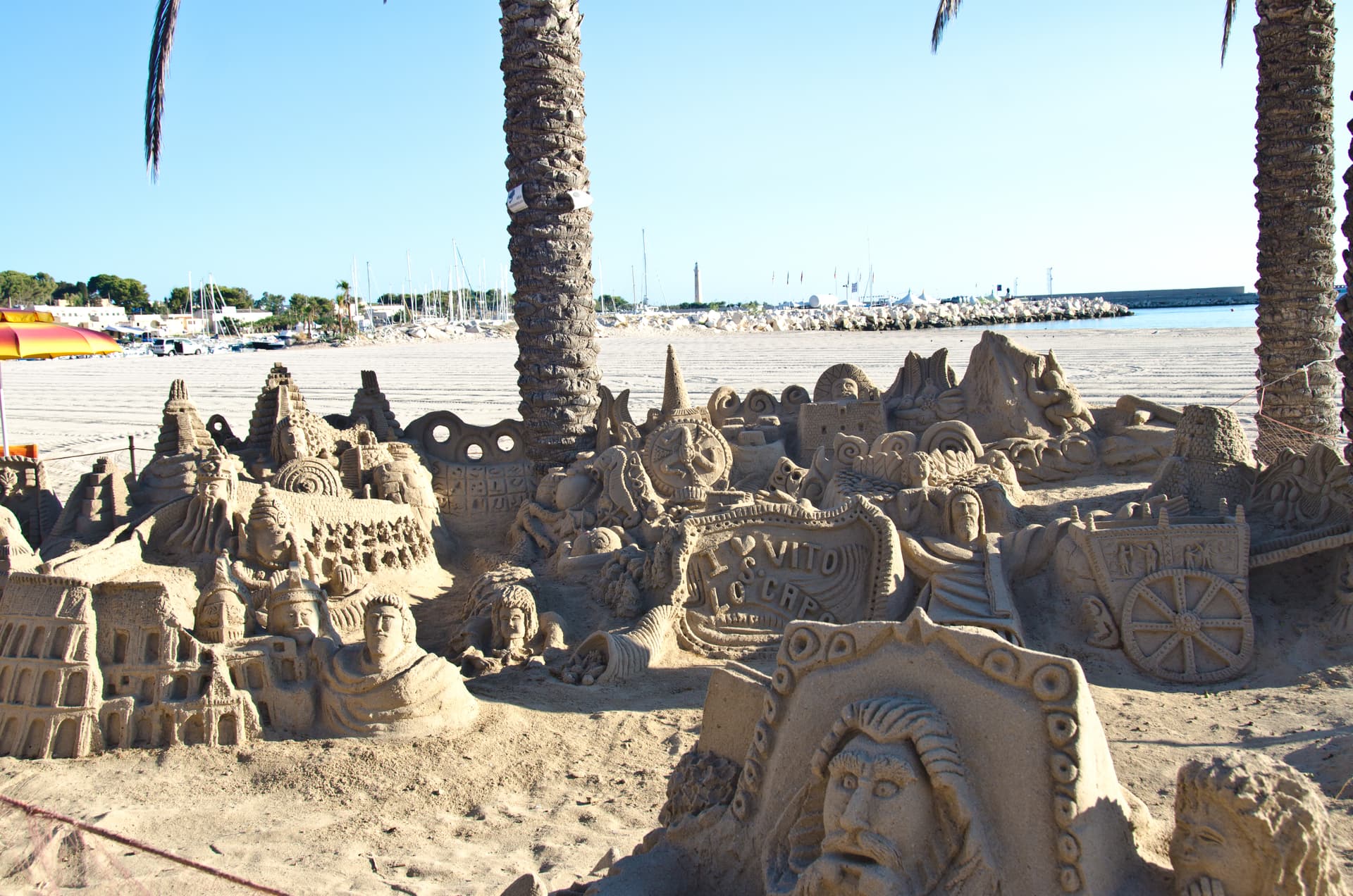
San Vito Lo Capo
Province: Trapani
A three-kilometer white-sand beach under Monte Monaco at Sicily's northwest tip, the town that turned cous cous into a September festival.
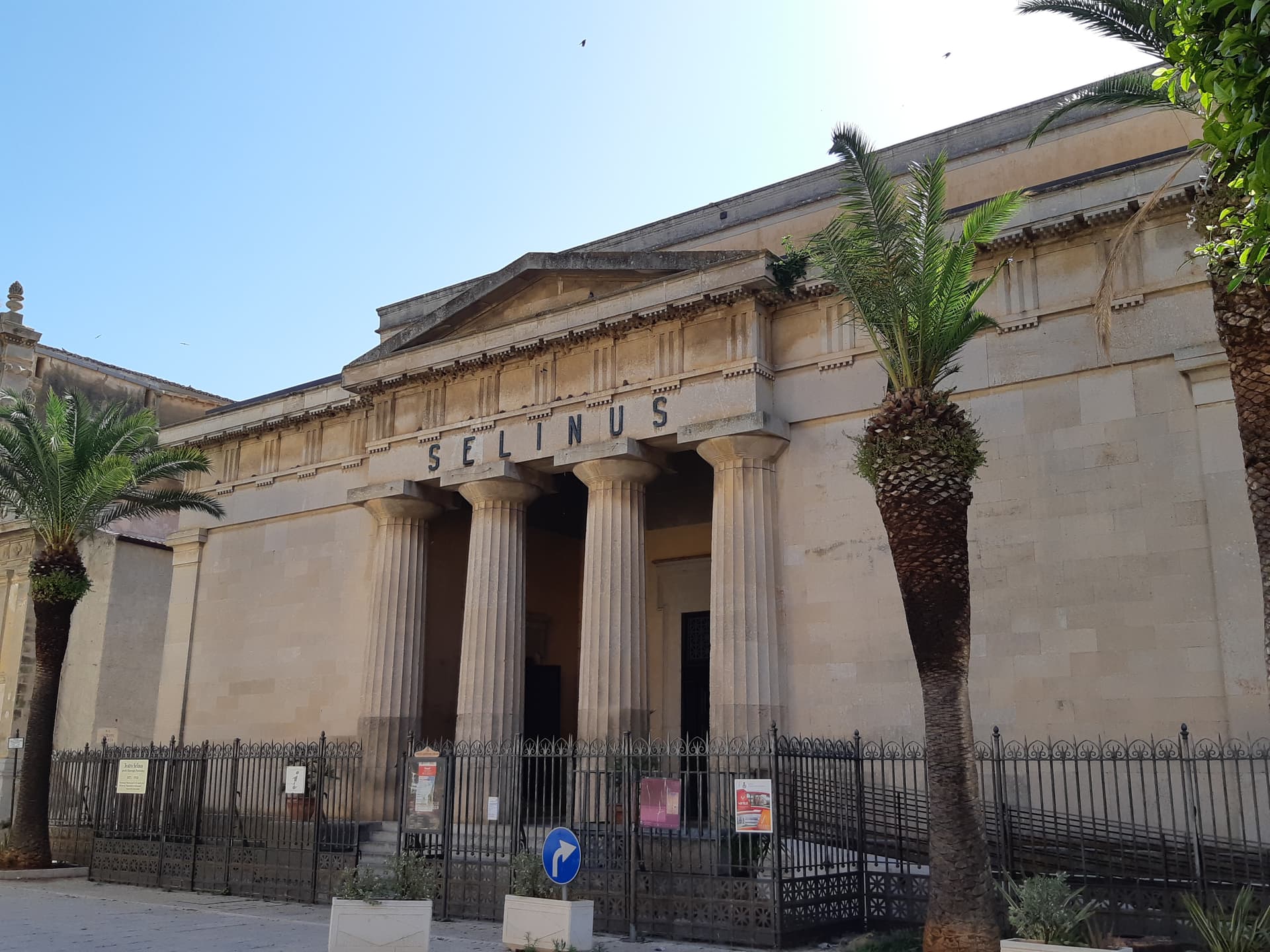
Castelvetrano
Province: Trapani
The Belice valley town that owns Selinunte, the largest archaeological park in Europe, and bakes black bread from grain found in its tombs.