
Bandiera Blu
Bandiera Blu in Campania
12 towns
Campania holds 12 Bandiera Blu sites inside our catalogue. They cluster in the Salerno and Napoli provinces.
The three most recognised in our catalogue are Positano, Ascea, and Massa Lubrense. 9 more towns carry the mark alongside them.
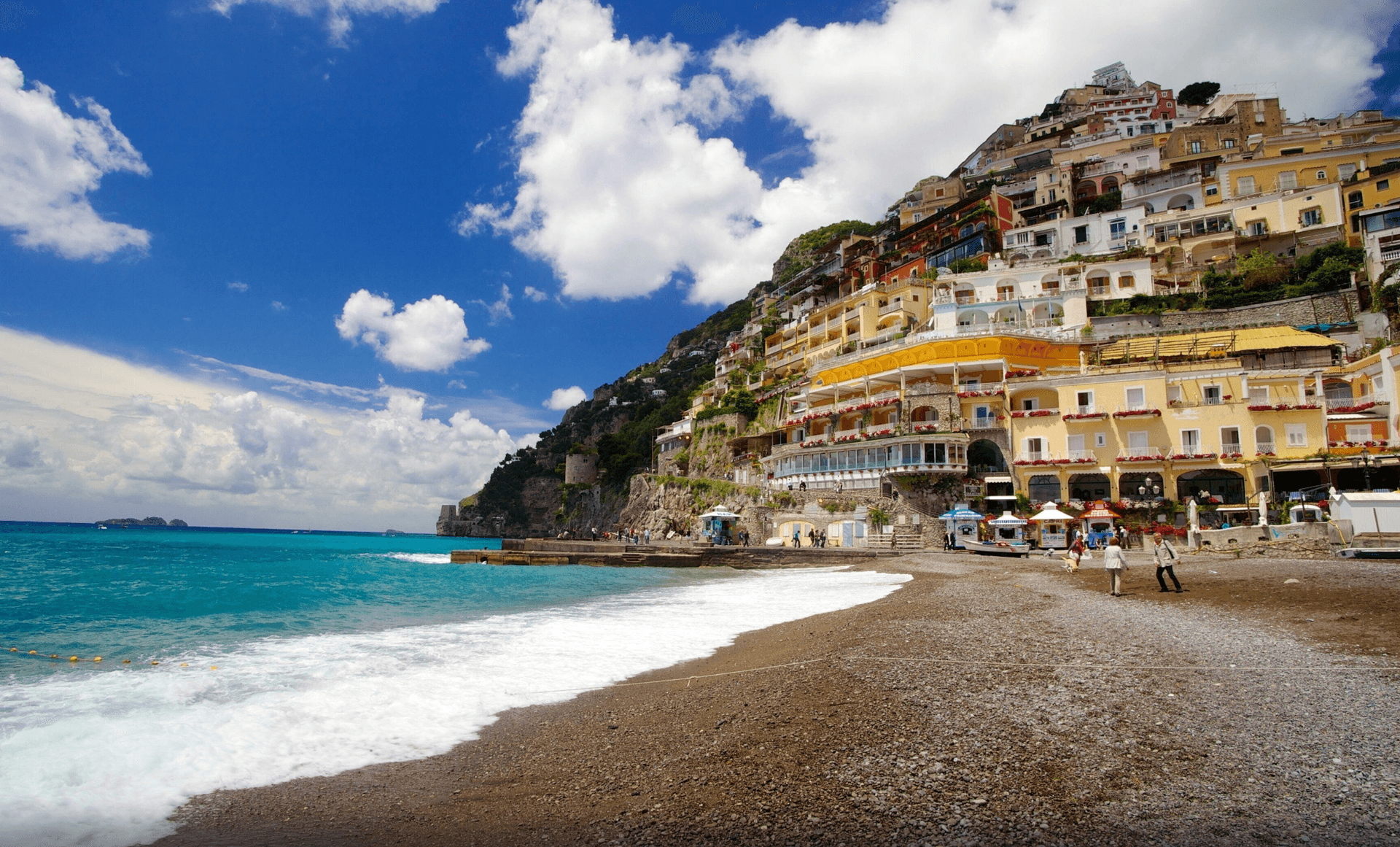
Positano
Province: Salerno · 30 m
The vertical village of the Amalfi Coast, terraced houses climbing four hundred meters from Spiaggia Grande to the Lattari ridge under a tiled Byzantine dome.
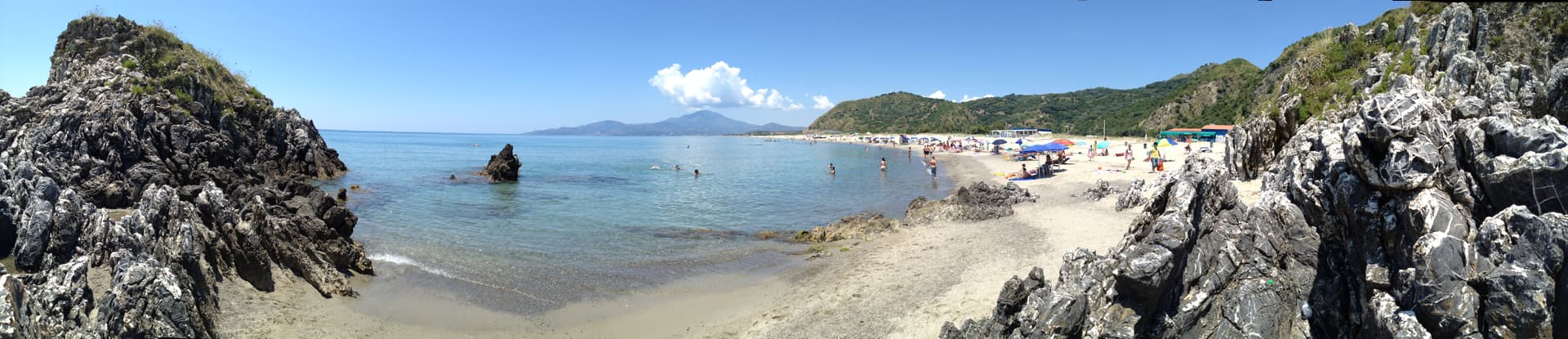
Ascea
Province: Salerno · 230 m
Two villages, a hilltown at 230 meters and a Cilento marina, with Parmenides and Zeno's Eleatic school in the ruins of Greek Velia below.
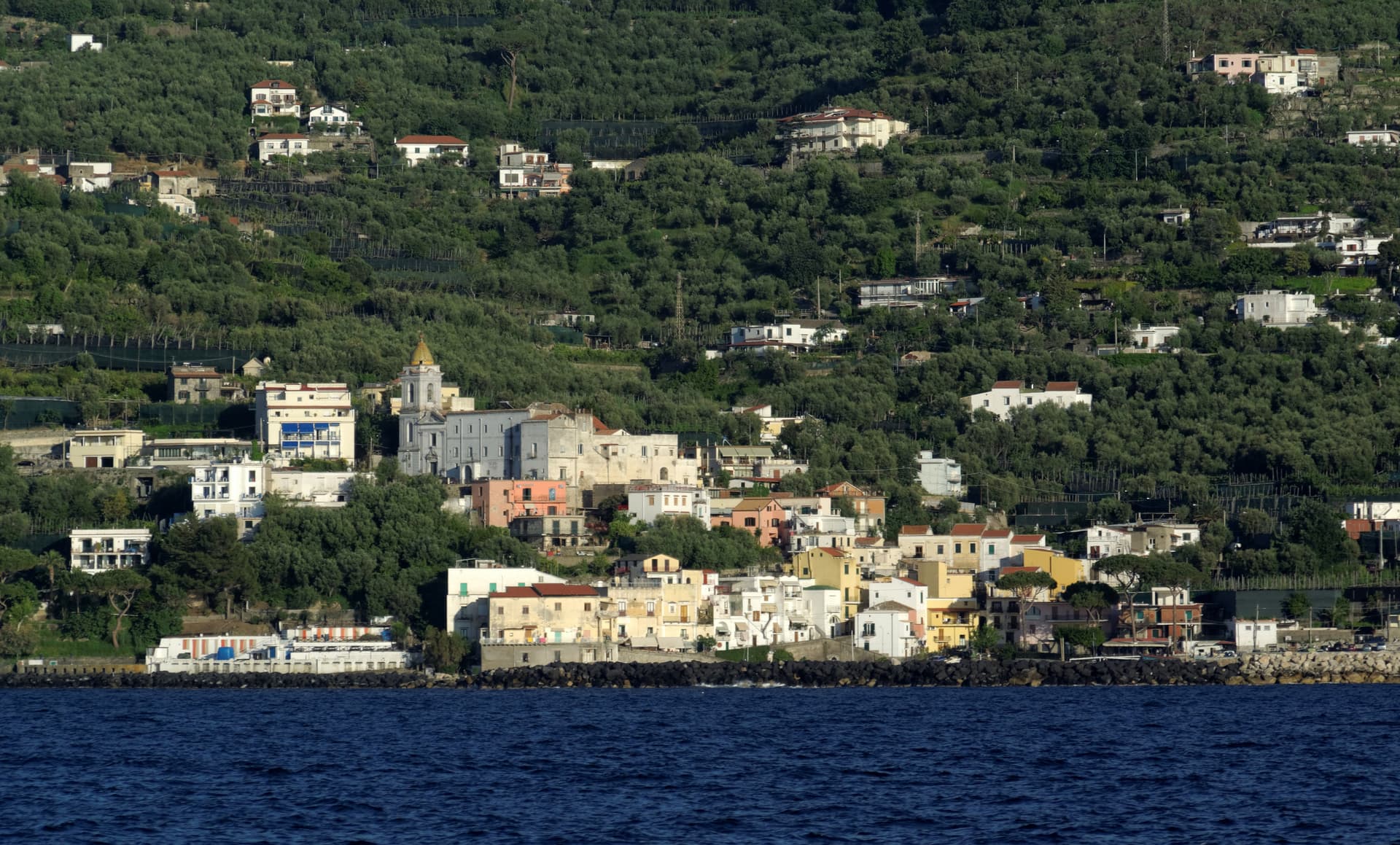
Massa Lubrense
Province: Napoli · 121 m
The Sorrentine Peninsula's largest commune by area, stretching from Sorrento across Punta Campanella to the Gulf of Salerno, Capri three miles offshore.
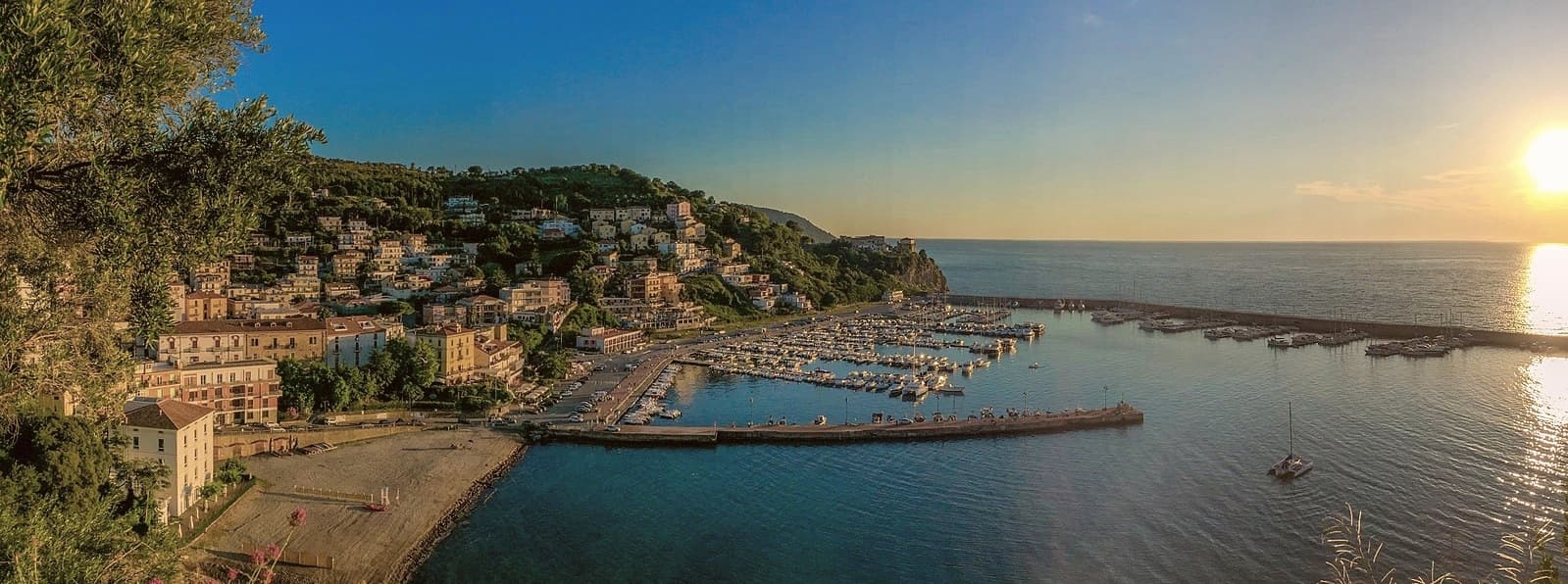
Agropoli
Province: Salerno · 24 m
The gateway commune of the Cilento, a Byzantine acropolis on a promontory taken by the Saracens in 882 as a base for raids on Salerno.
Camerota
Province: Salerno · 422 m
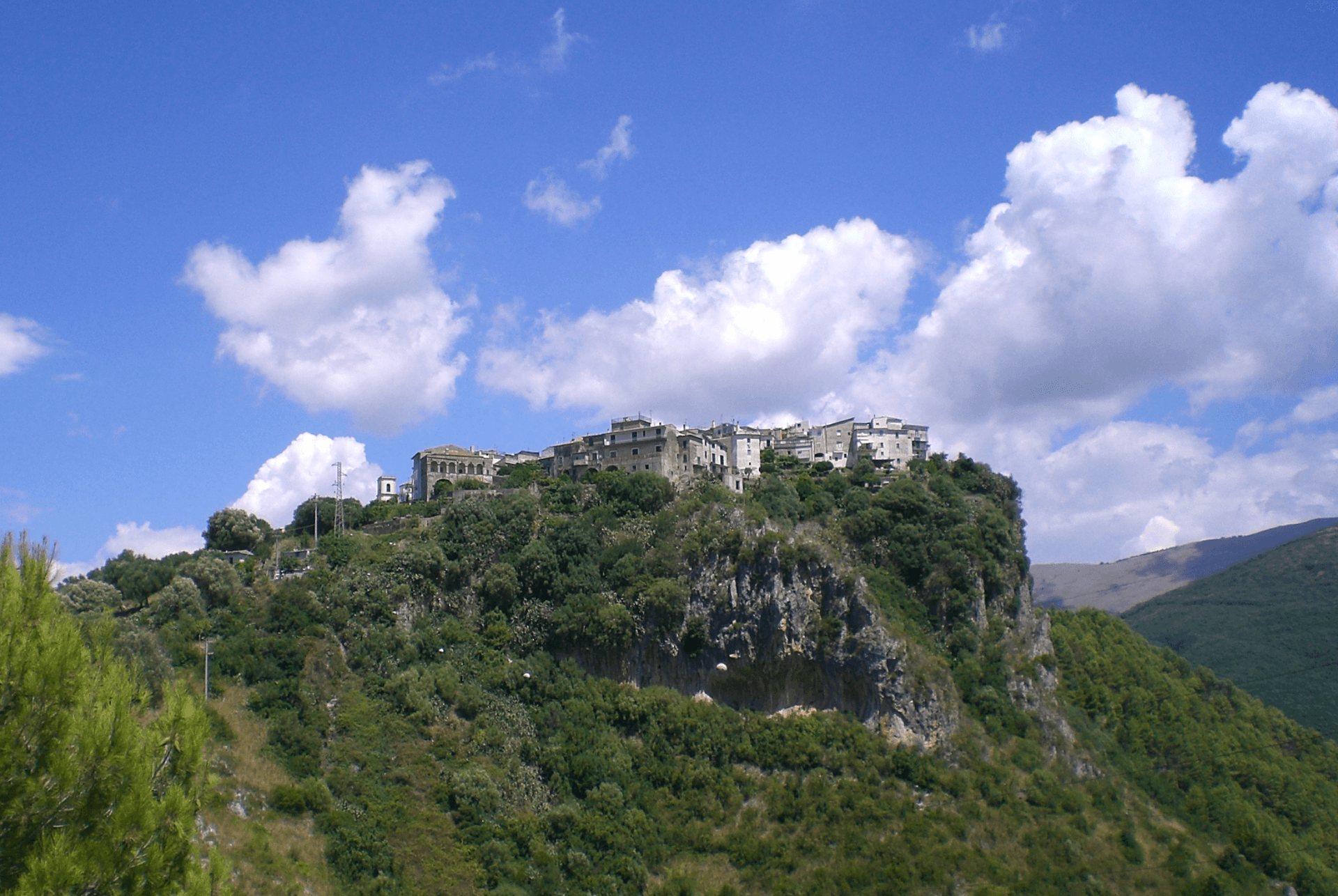
A Cilento hill of 422 meters above the Costa degli Infreschi, with prehistoric caves documenting Neanderthal occupation along the southern Tyrrhenian.
Castellabate
Province: Salerno · 280 m
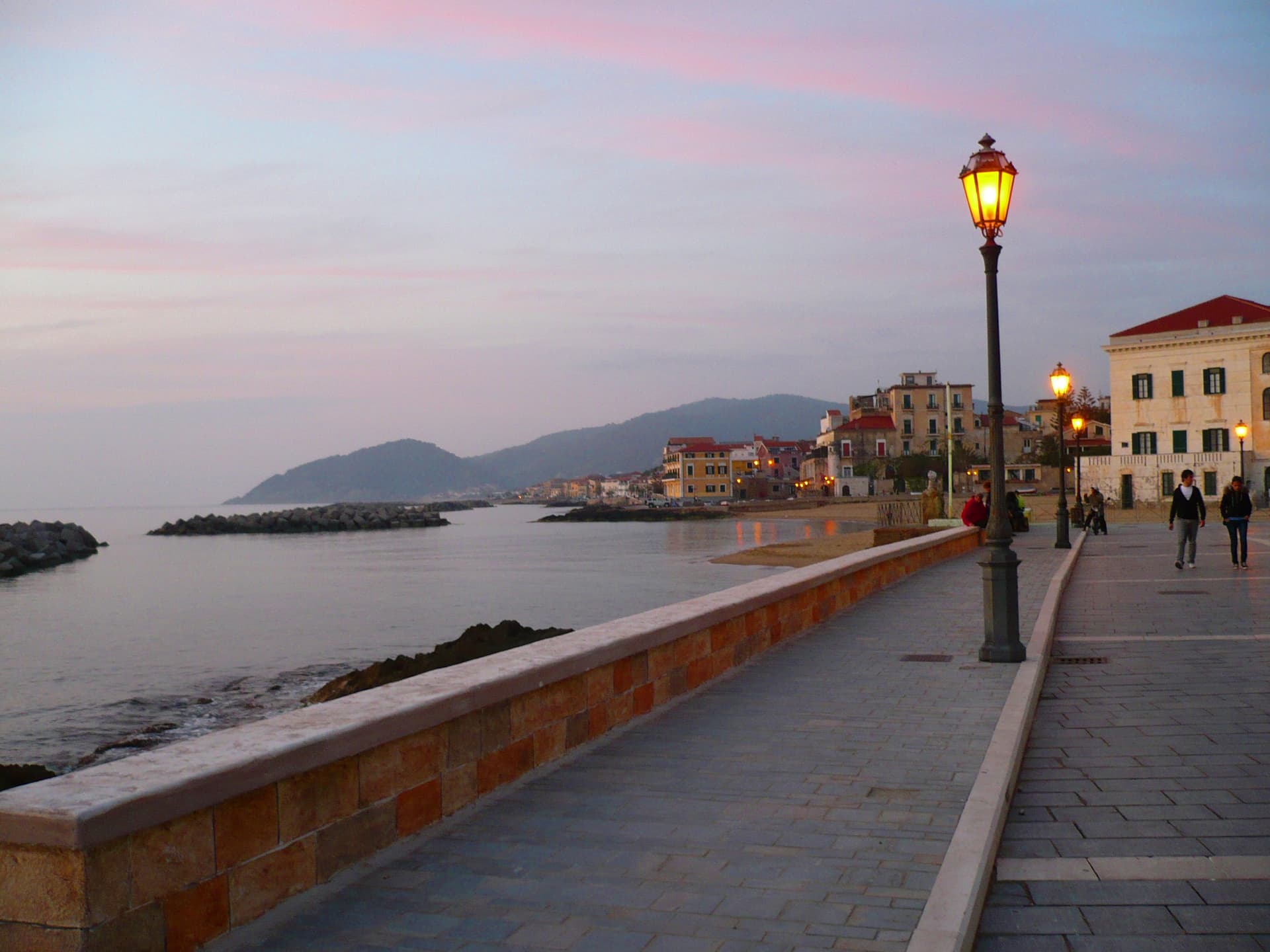
A 1123 abbot's castle on a 280-meter Cilento ridge, with a Bandiera Blu beach below and the Benvenuti al Sud film.
Centola
Province: Salerno · 336 m
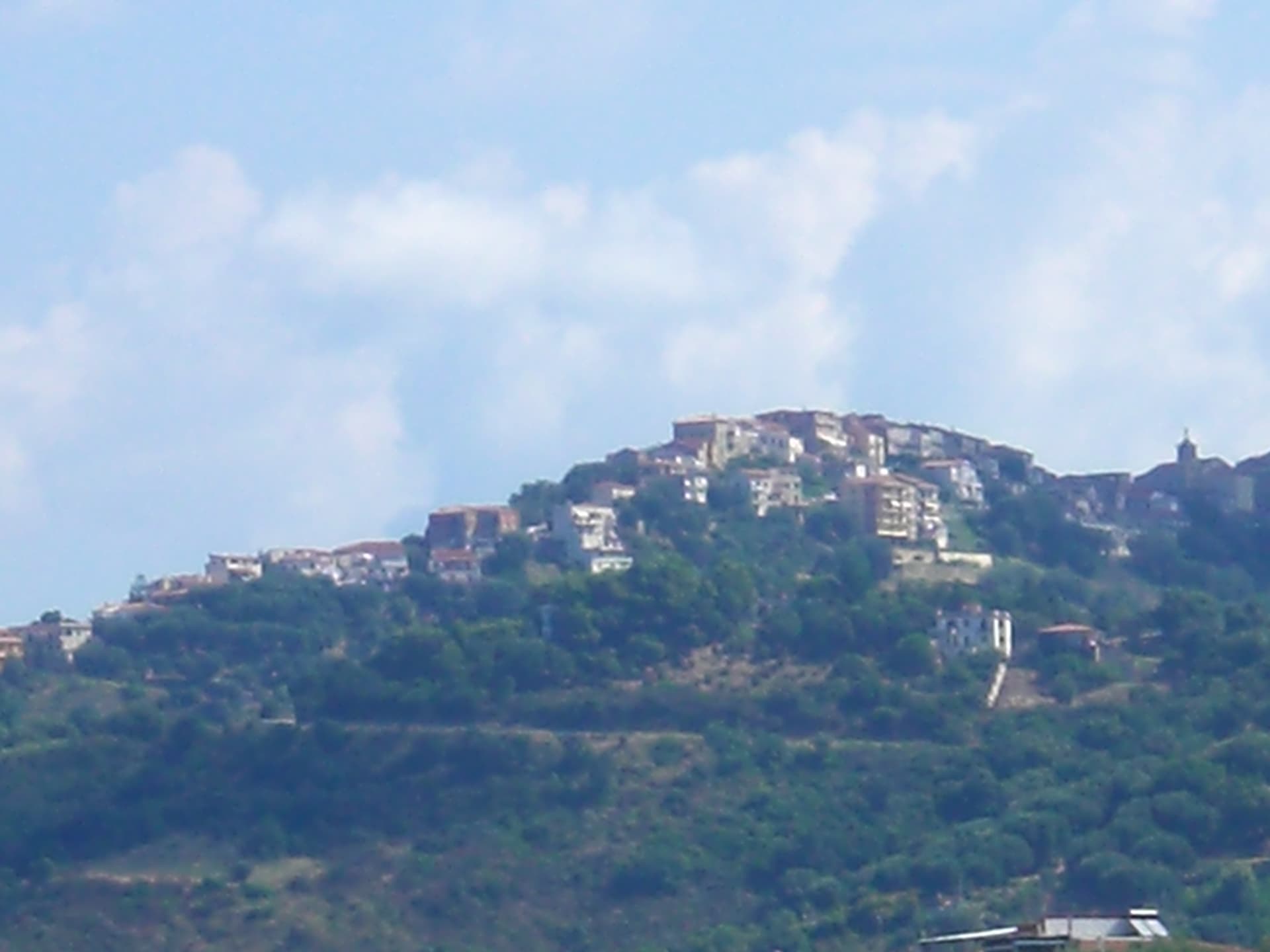
A Cilento hill village at 336 meters whose seaside frazione, Palinuro, carries the helmsman of Aeneas and a Bandiera Blu coastline.
Anacapri
Province: Napoli · 275 m
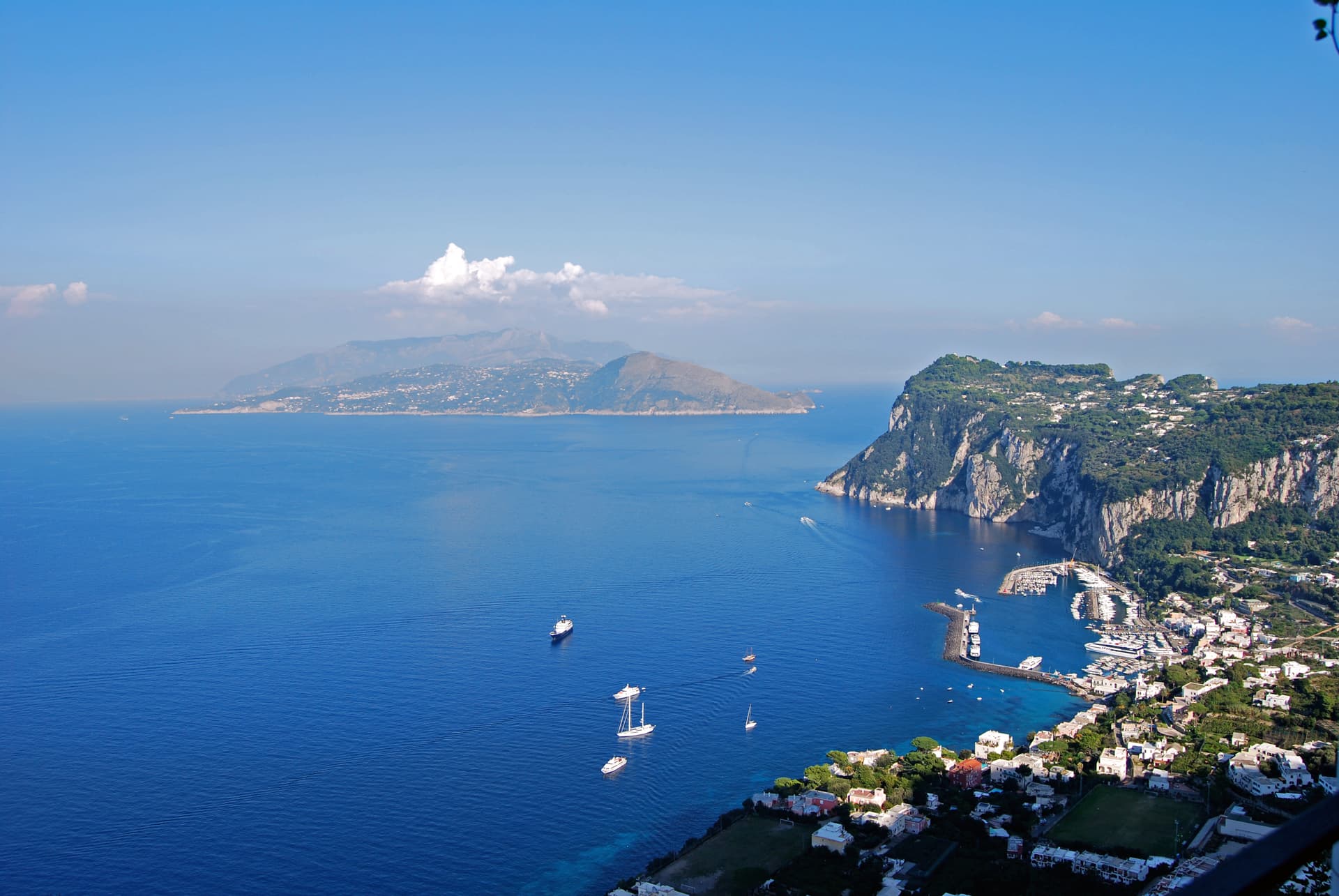
The upper half of Capri, 150 meters above its famous twin, where Axel Munthe built Villa San Michele on a Tiberian ruin.
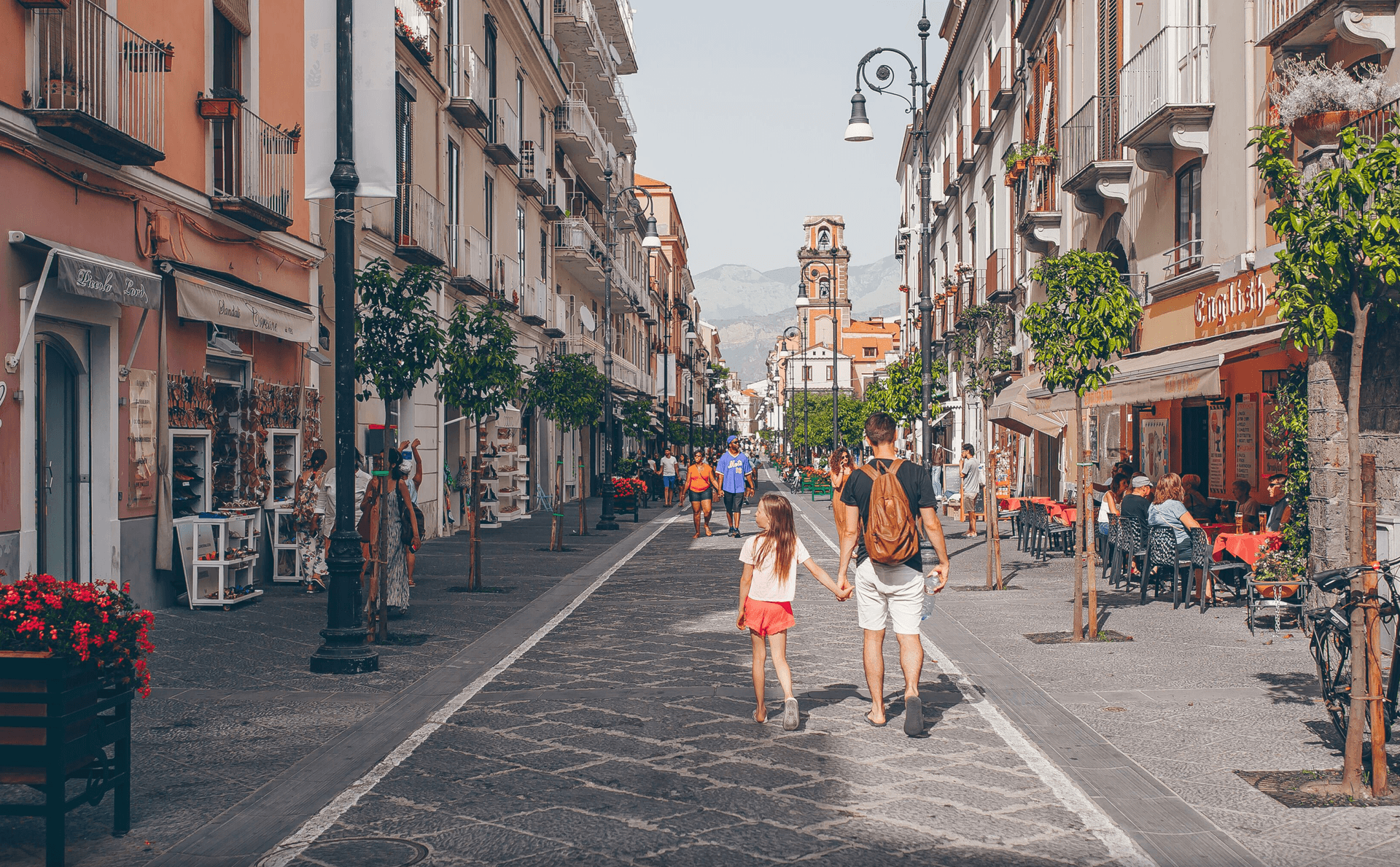
Piano di Sorrento
Province: Napoli · 96 m
The quieter Sorrentine plain four kilometers from Sorrento, autonomous since 1808, with prehistoric Gaudo pottery and a black-sand marina at the foot of the cliff.
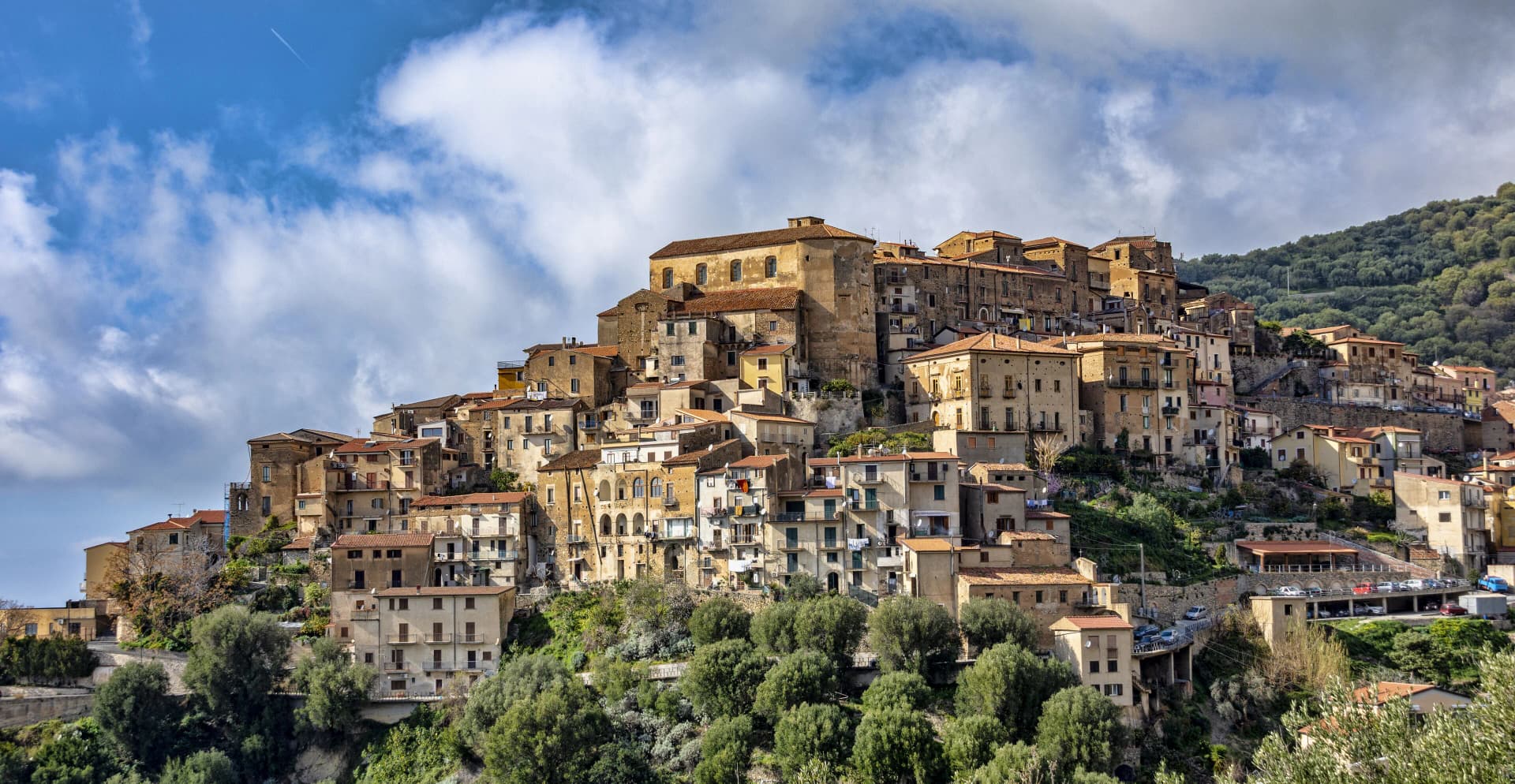
Pisciotta
Province: Salerno · 171 m
A Cilento hilltop town of olive terraces above the Tyrrhenian, where fishermen still pull anchovies with the medieval menaica net.
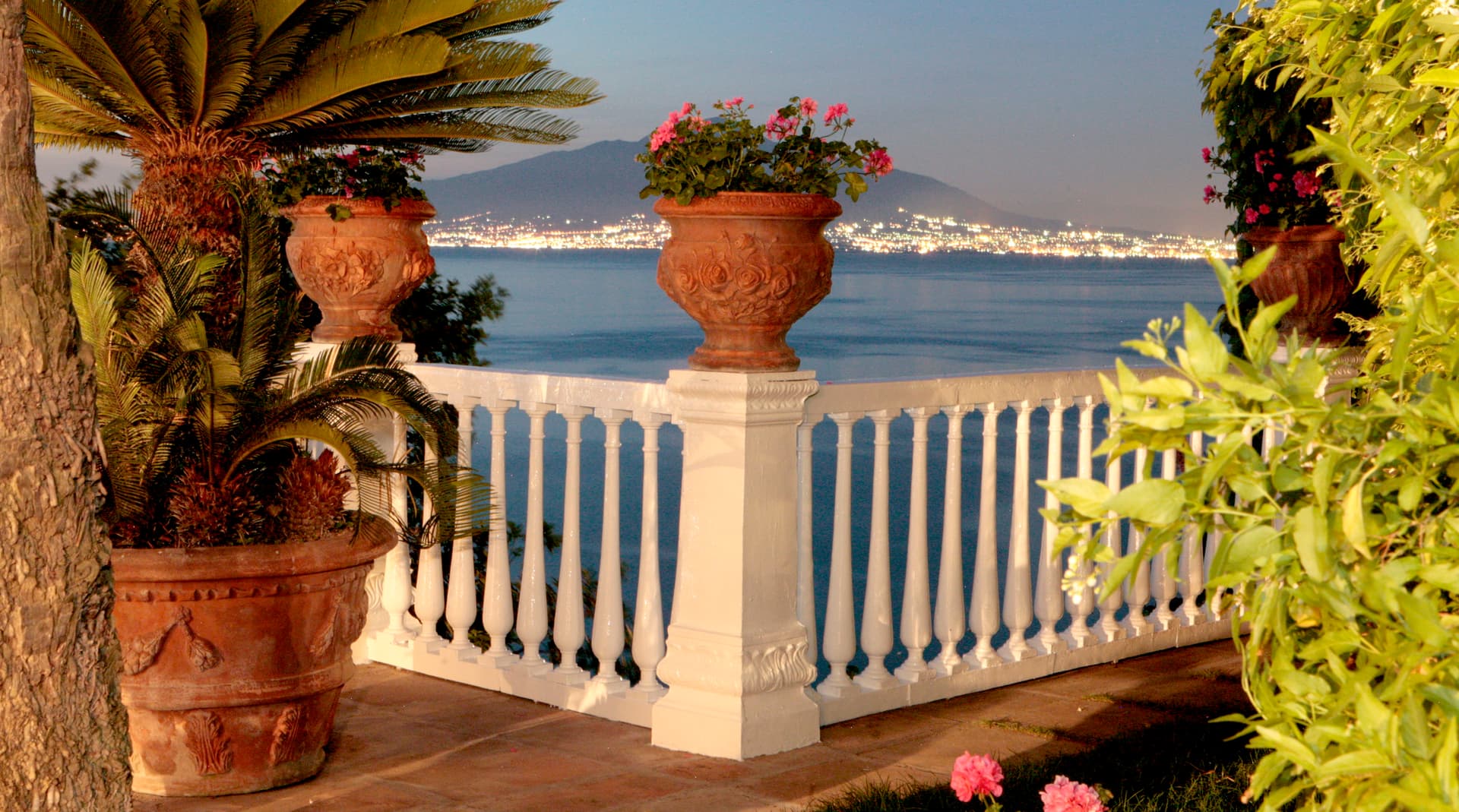
Sorrento
Province: Napoli · 50 m
The Roman Surrentum on a tuff cliff above the Bay of Napoli, birthplace of Torquato Tasso, sacked by the Turks in 1558.
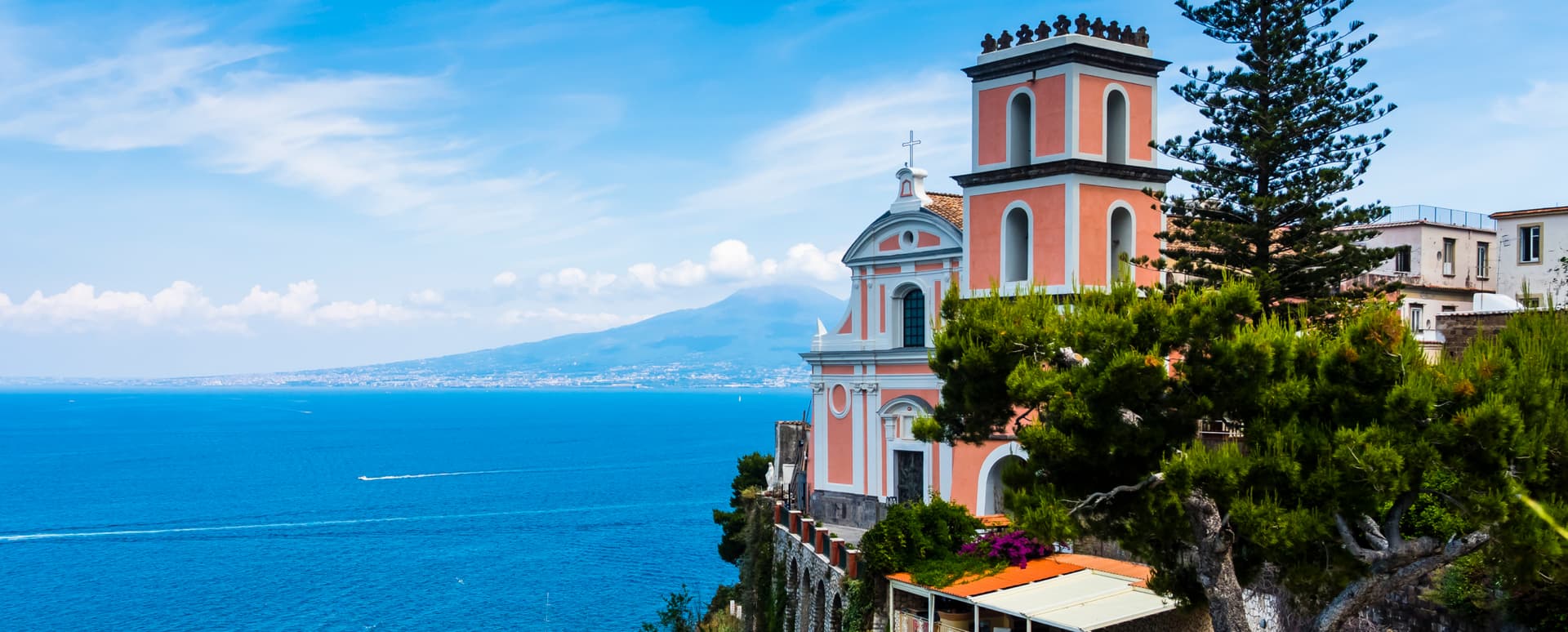
Vico Equense
Province: Napoli · 90 m
The northern gate of the Sorrento peninsula at 90 meters, the Roman Aequana, where Luigi Dell'Amura invented pizza al metro in 1930.
Subscribe — free
Get the best guides on hidden Italian towns.
One letter on Sundays. The week’s town, with the photo, the food, the festa. Free, by Peter & Sophia from Pietrasanta.
Substack sends a confirmation link to your inbox. The signup finishes when it’s clicked.
From elsewhere in Italy
Five more towns to discover

Putignano
Province: Bari
Europe's longest-running carnival — Putignano Carnevale has run continuously since 1394, with 631 years of cartapesta papier-mâché floats, a 26,000-resident Murgia town on the Bari–Lecce plateau, and the Grotta del Trullo karst cave inside the centro.

Pistoia
Province: Pistoia
Italy's nursery capital and the medieval Tuscan rival that gave its name to the pistol — a quietly extraordinary centro storico of zebra-striped Romanesque churches, Andrea della Robbia's polychrome frieze on the Ospedale del Ceppo, and Italy's Capital of Culture 2017, all 30 minutes from Florence by train.
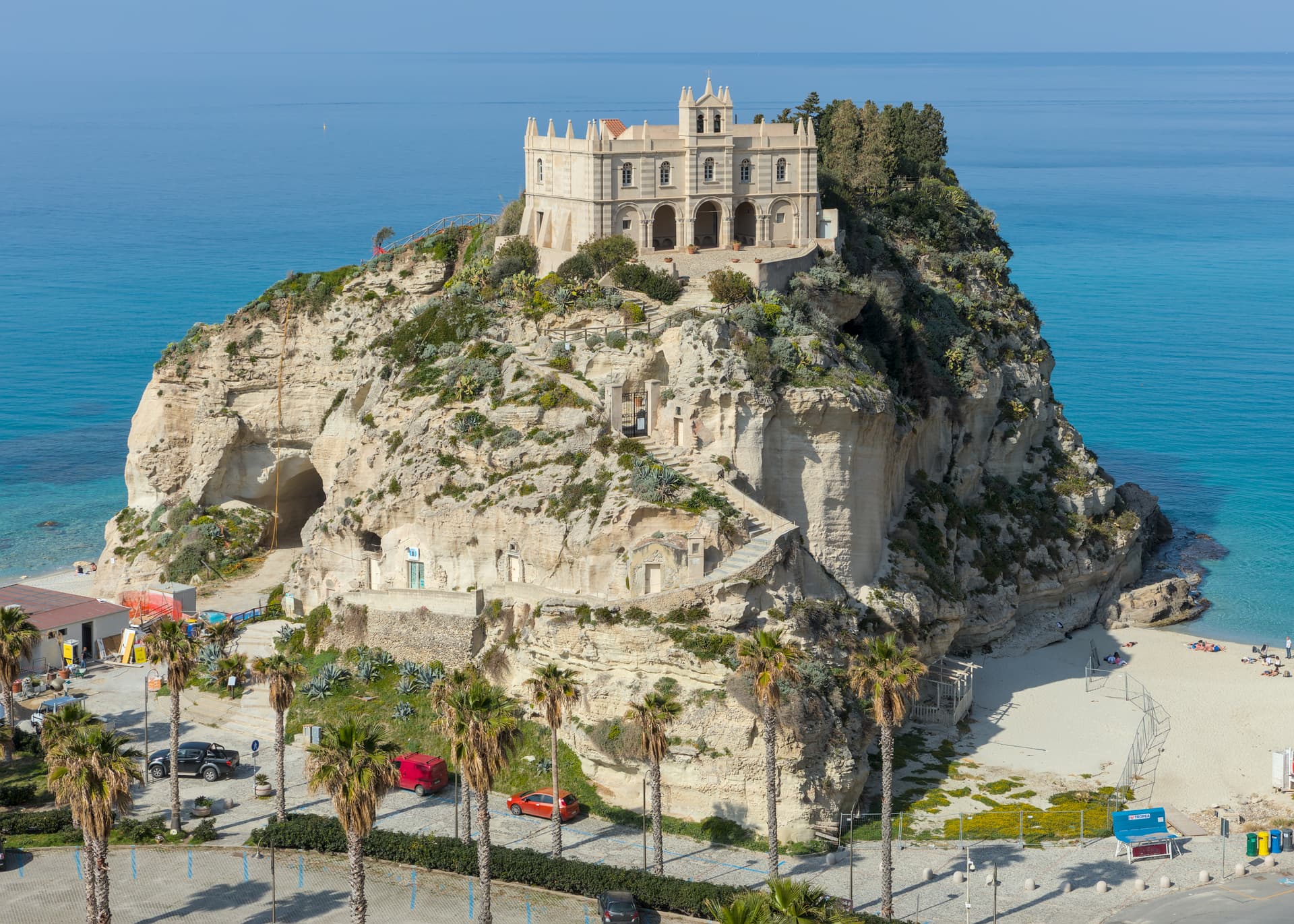
Tropea
Province: Vibo Valentia
Cliff town on a tufa headland over the Tyrrhenian Coast of the Gods, with a Norman monastery on a sea rock.
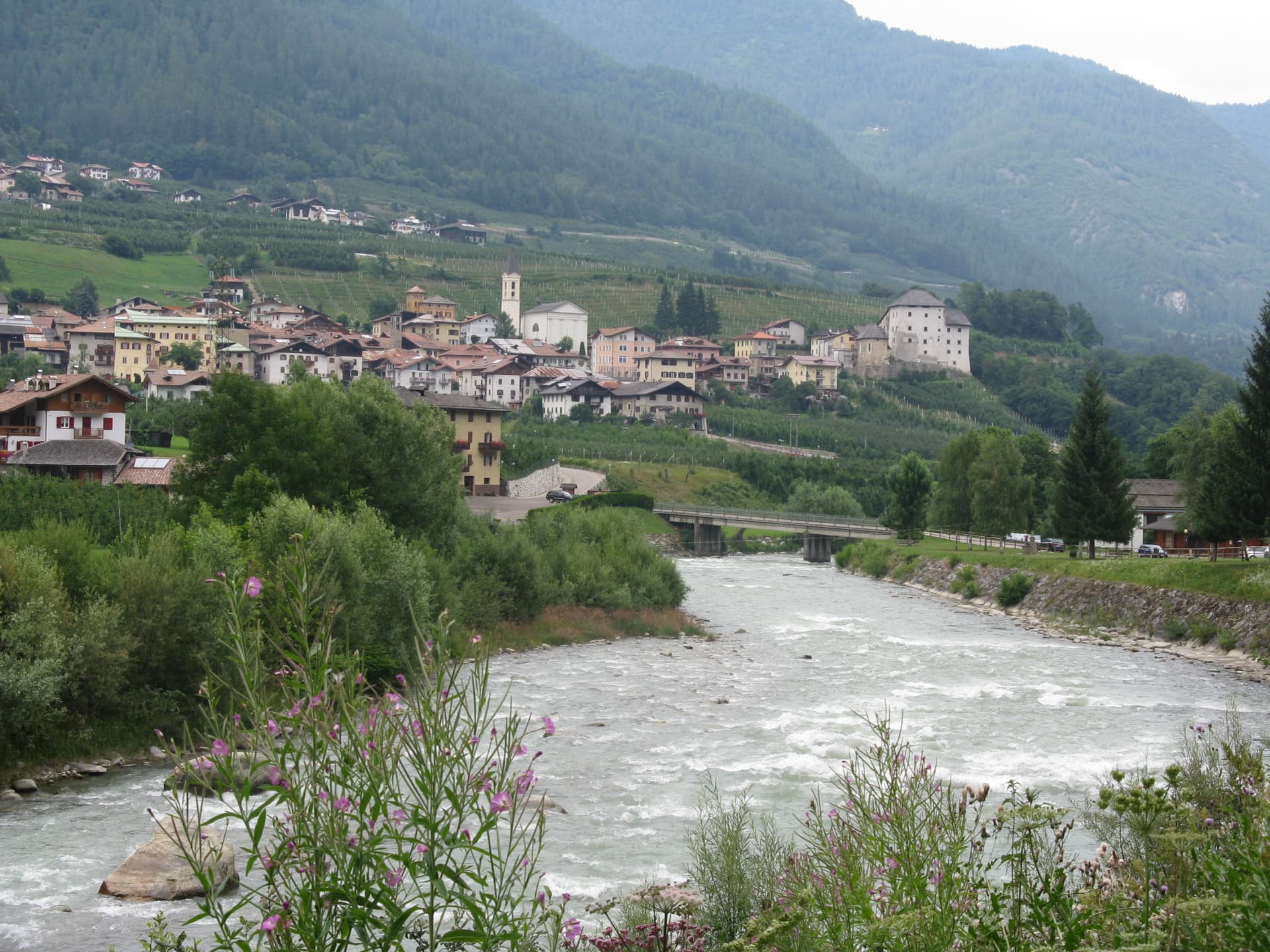
Caldes
Province: Trento
A scattered Val di Sole commune on the Noce, six hamlets gathered around a thirteenth-century tower-house castle that once belonged to the Thun family.
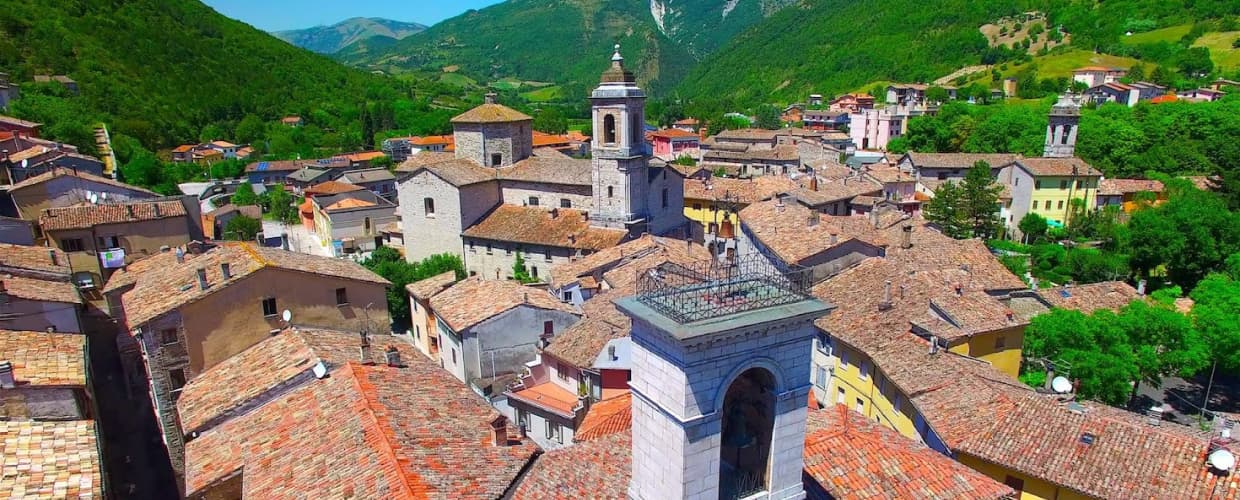
Cantiano
Province: Pesaro e Urbino
A border borgo at 374 meters under Monte Catria on the old Via Flaminia, known for the Good Friday Turba and the sour-cherry visciola harvest.