
Campania · Napoli
Piano di Sorrento
The quieter Sorrentine plain four kilometers from Sorrento, autonomous since 1808, with prehistoric Gaudo pottery and a black-sand marina at the foot of the cliff.
Known for
BASILICA
Ninth-century Basilica di San Michele Arcangelo, elevated to papal basilica in 1914, the religious anchor of the Sorrentine plain.
MARINA DI CASSANO
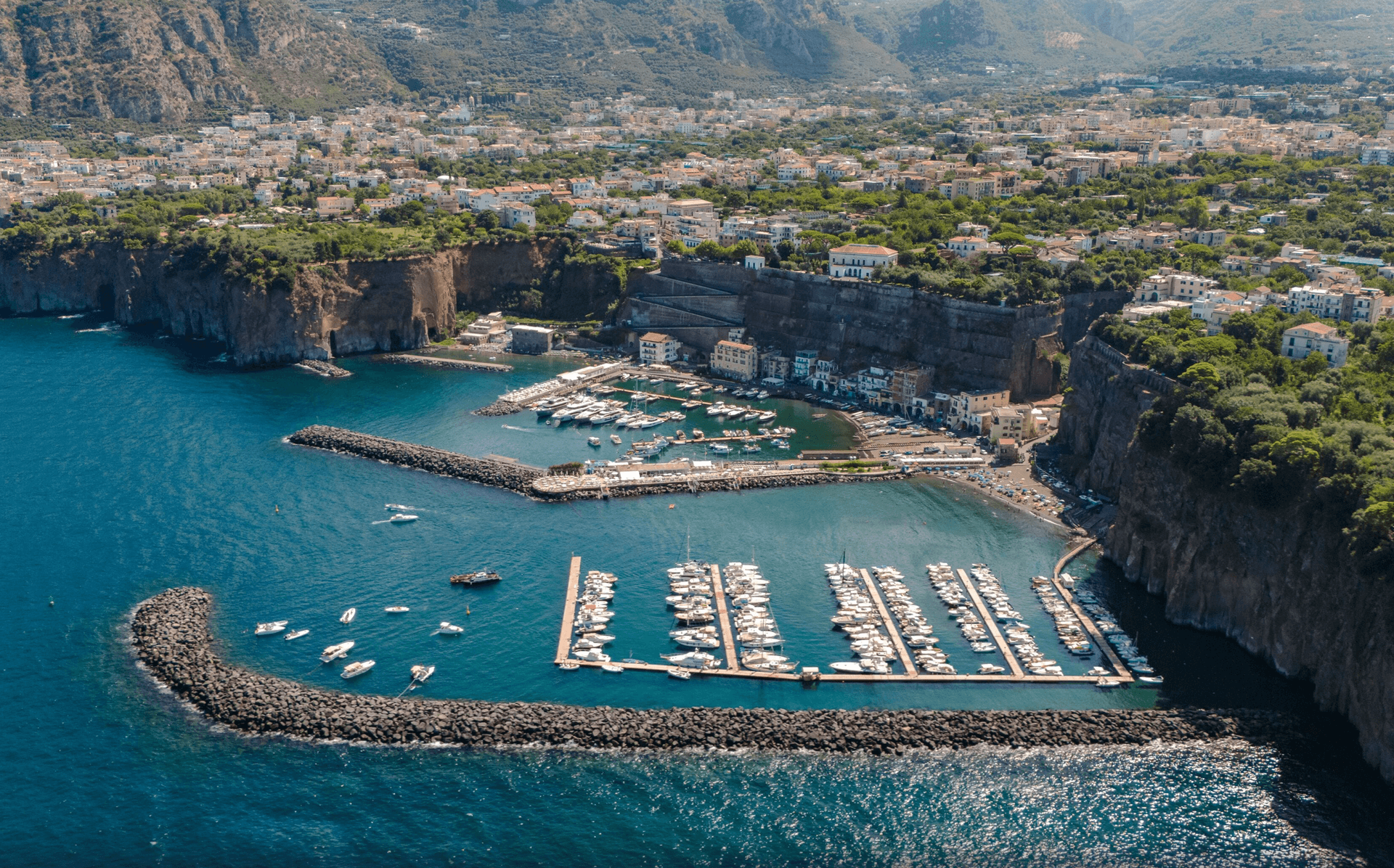
Working fishing port with black volcanic sand at the foot of the cliff, reached on foot from the upper town through Villa Fondi park.
GAUDO CULTURE
Bronze Age necropolis and pottery excavated in the upper district, displayed at the Museo Archeologico Georges Vallet inside Villa Fondi.
When to visit
Best · May–Sep
- J
- F
- M
- A
- M
- J
- J
- A
- S
- O
- N
- D
- Best
- Hot or crowded
- Quiet
- Mostly closed
The festa: Michele, 29 September
Why come
Piano di Sorrento sits at ninety-six meters on the tuff terrace of the Sorrentine peninsula, four kilometers east of Sorrento, thirty kilometers from Napoli. The upper plain has been inhabited since the second millennium BC: pottery and a necropolis from the Gaudo culture were excavated between the frazioni of Trinità and San Massimo. The town was tied to Sorrento until 1808, when Joseph Bonaparte's reform separated it as an autonomous comune.
The local name, Caruotto, comes from the Latin carottum, quarry, after the tuff pits that fed the building of the peninsula. The Basilica di San Michele Arcangelo, ninth century in origin, was raised to papal basilica status by Benedict XV in 1914 and holds two large inlaid wooden doors. The Villa Fondi de Sangro, a neoclassical 1840 villa above the cliff, now houses the Georges Vallet archaeological museum and faces the Marina di Cassano below. The marina has black volcanic sand, fishing boats and a small port that still works.
The Sunday letter
We haven’t written Piano di Sorrento’s letter yet.
One town every Sunday, with the photo, the food, the festa. Be there when this one comes up. Free, by Peter & Sophia from Pietrasanta.
By subscribing you agree to Substack’s Terms of Use, our Privacy Policy and our Information collection notice.
What to see
Basilica di San Michele Arcangelo
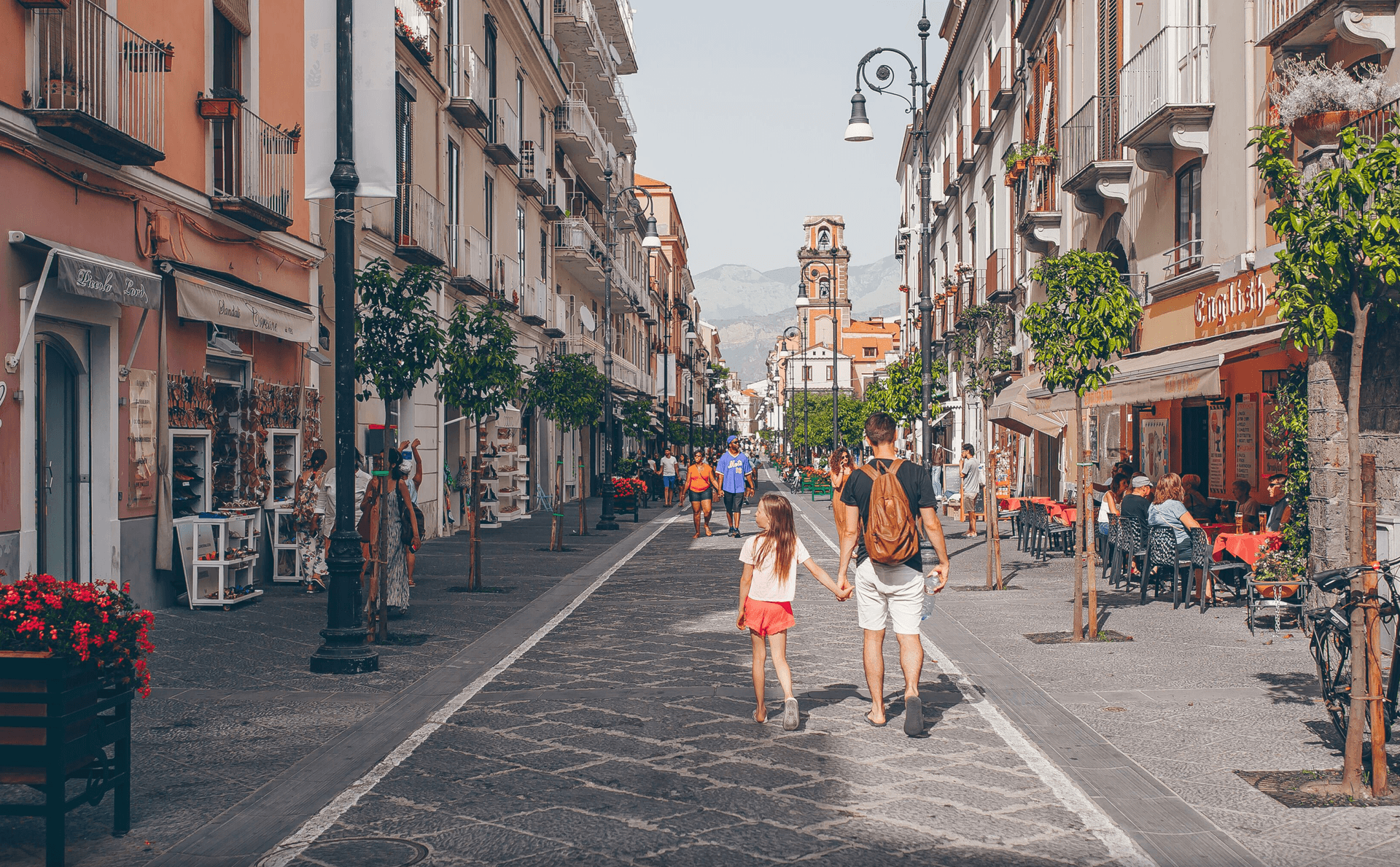
Ninth-century church raised to papal basilica status in 1914 by Benedict XV, with large inlaid wooden doors and a baroque interior in the centro of Piano.
Villa Fondi de Sangro
Neoclassical villa of 1840 above the cliff, now seat of the Museo Archeologico Georges Vallet, with finds from the Massa Lubrense and Sorrento peninsula excavations.
Marina di Cassano
Small fishing port with black volcanic sand at the foot of the cliff, reached by a steep path from the upper town, still active for inshore fishing.
Carotto historic center
Upper district named for the Latin carottum (quarry), with the basilica, the main square and the old Corso connecting to Sant'Agnello.
Necropoli del Trinità
Bronze Age burial finds from the Gaudo civilization, excavated in the upper area between the frazioni of Trinità and San Massimo, displayed at Villa Fondi.
The slow-trip planner
Building a trip? Find where Piano di Sorrento fits in a slow Italy circuit.
Answer five questions. We will shape a geographically coherent slow trip from the 1,000 Italian towns most travelers skip. Yours to save and share.
Living here
- Population 12,355
- Commuter belti
- Pharmacy in town
- High school within a 30-minute drive
- Train station in the comune
- Nearest airport Naples / Salerno, 55 min drive
- Regional capital Napoli, 49 min drive
Tags & datadesignations · numbers · sources
Recognised as
The numbers
- Elevation: 96 m
- Population: 12,355
- Surface area: 7.34 km²
These figures were compiled from public directories — ISTAT, OpenStreetMap, Wikidata — and from the official listings of the guides named on this page. Town details change; verify with official sources before you travel.
Featured on
Piano di Sorrento appears on this themed pick from our Collections:
Close by
More towns near Piano di Sorrento
Sorrento
Province: Napoli
The Roman Surrentum on a tuff cliff above the Bay of Napoli, birthplace of Torquato Tasso, sacked by the Turks in 1558.
Positano
Province: Salerno
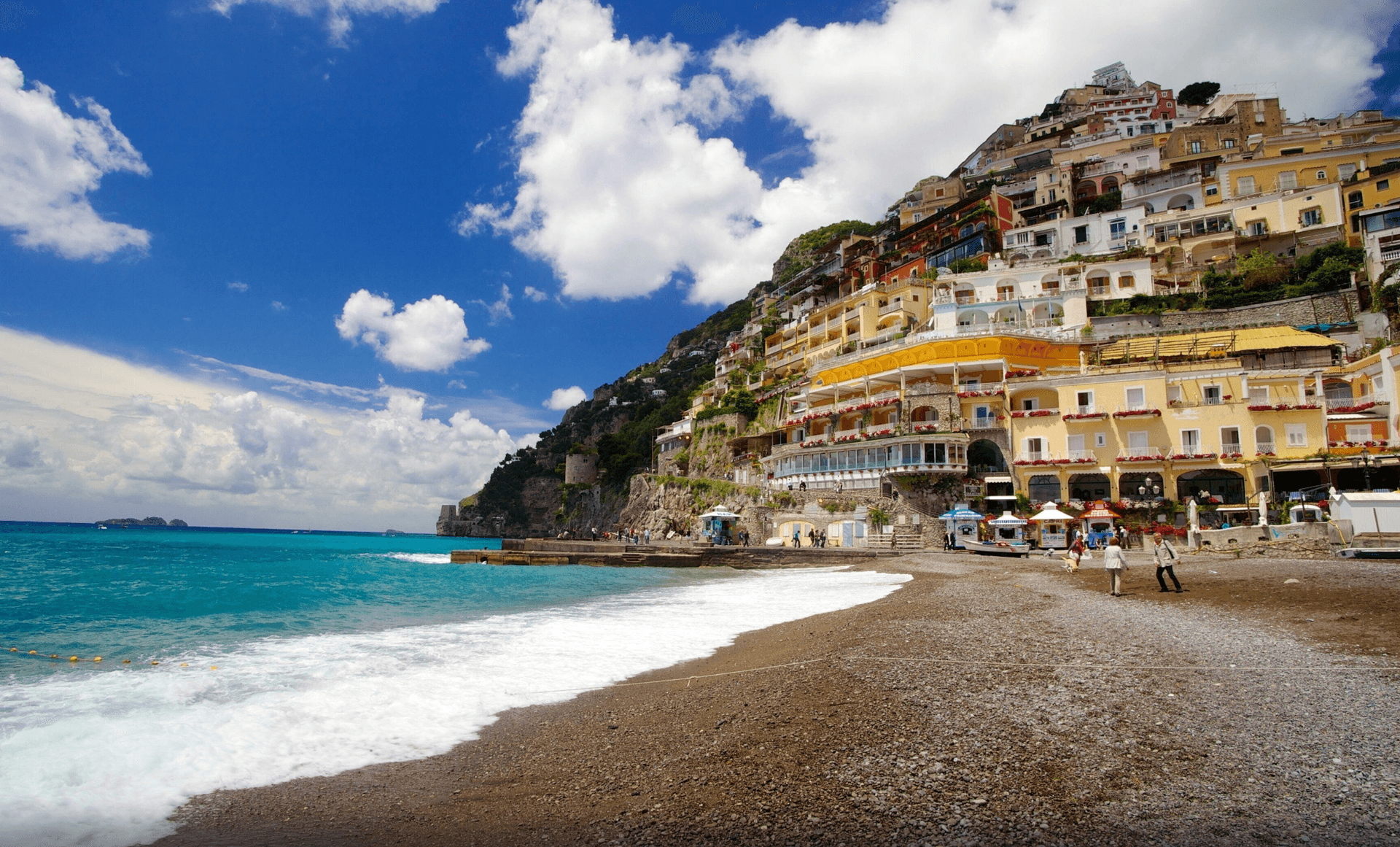
The vertical village of the Amalfi Coast, terraced houses climbing four hundred meters from Spiaggia Grande to the Lattari ridge under a tiled Byzantine dome.
Vico Equense
Province: Napoli
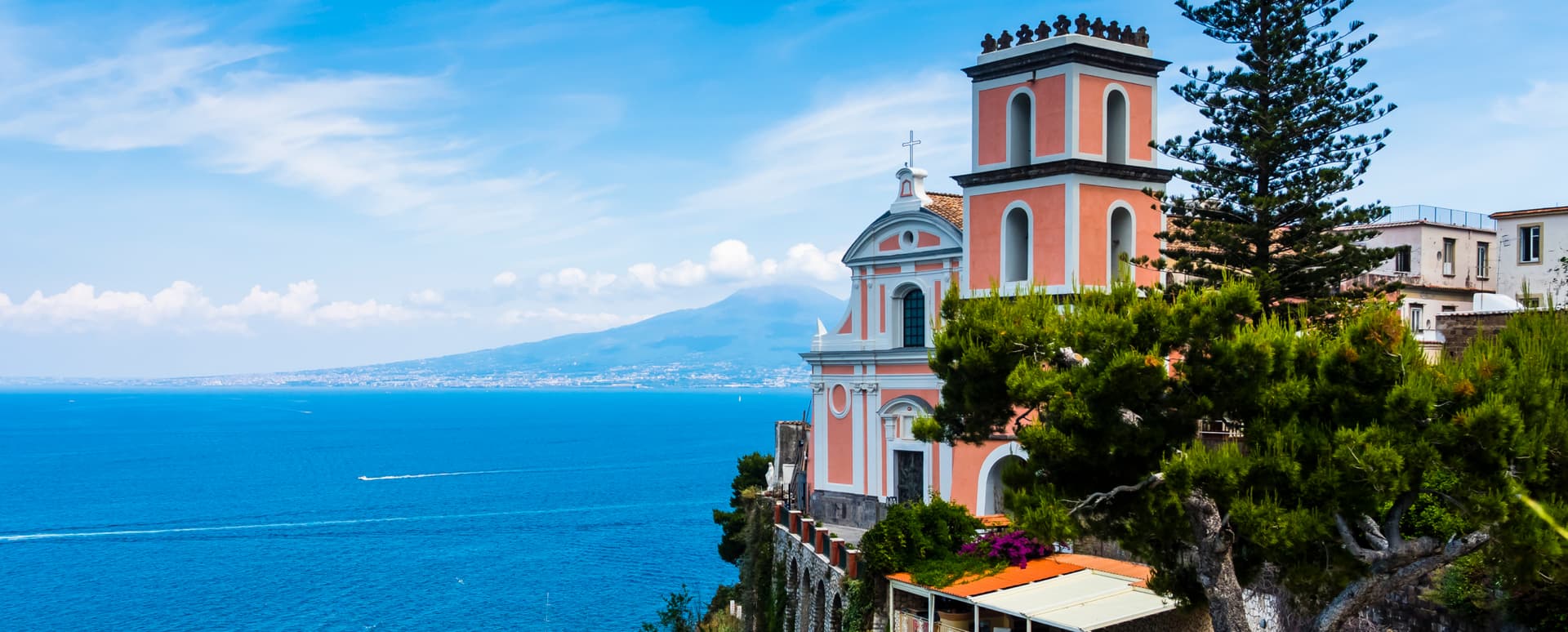
The northern gate of the Sorrento peninsula at 90 meters, the Roman Aequana, where Luigi Dell'Amura invented pizza al metro in 1930.
Massa Lubrense
Province: Napoli
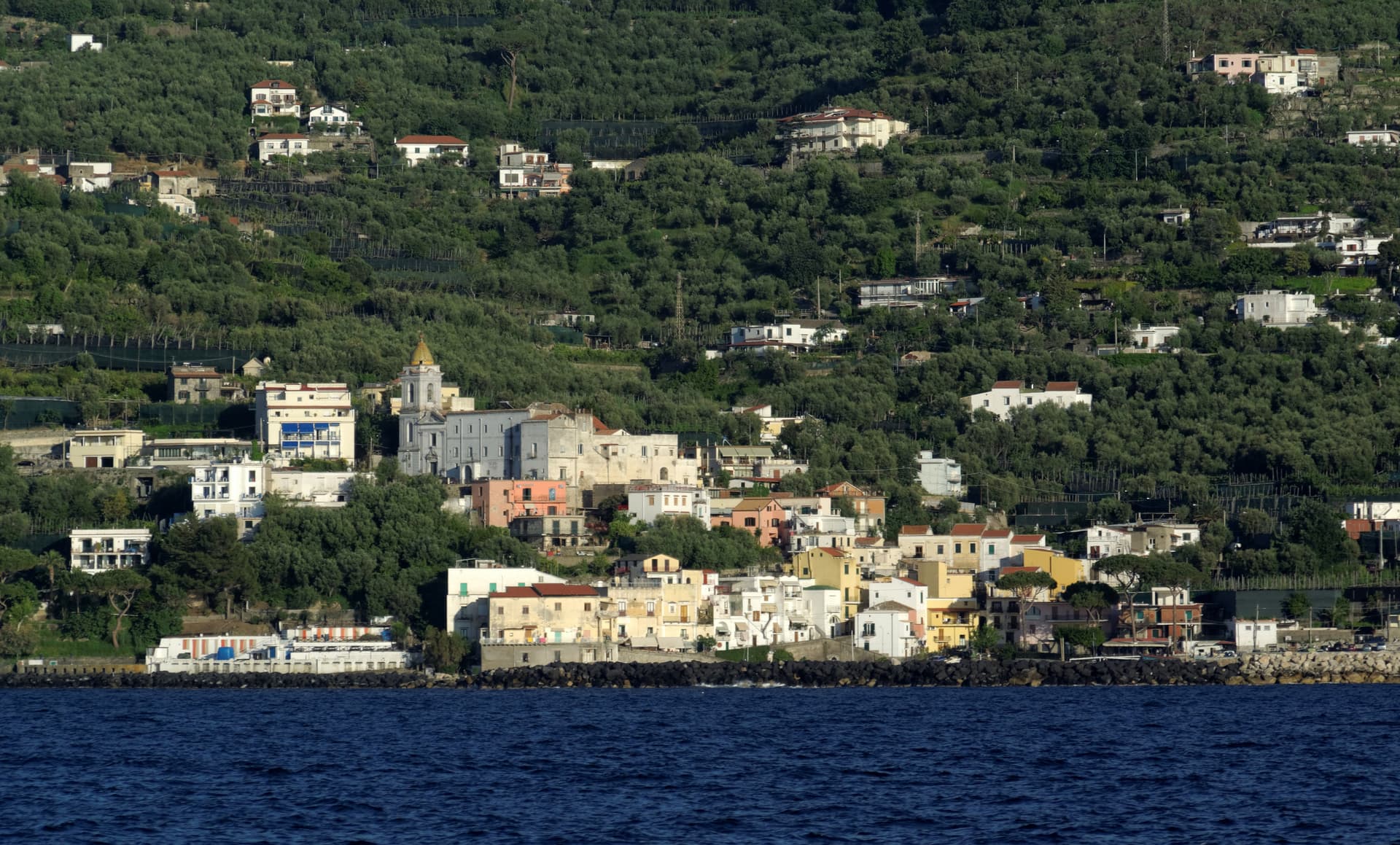
The Sorrentine Peninsula's largest commune by area, stretching from Sorrento across Punta Campanella to the Gulf of Salerno, Capri three miles offshore.
Praiano
Province: Salerno
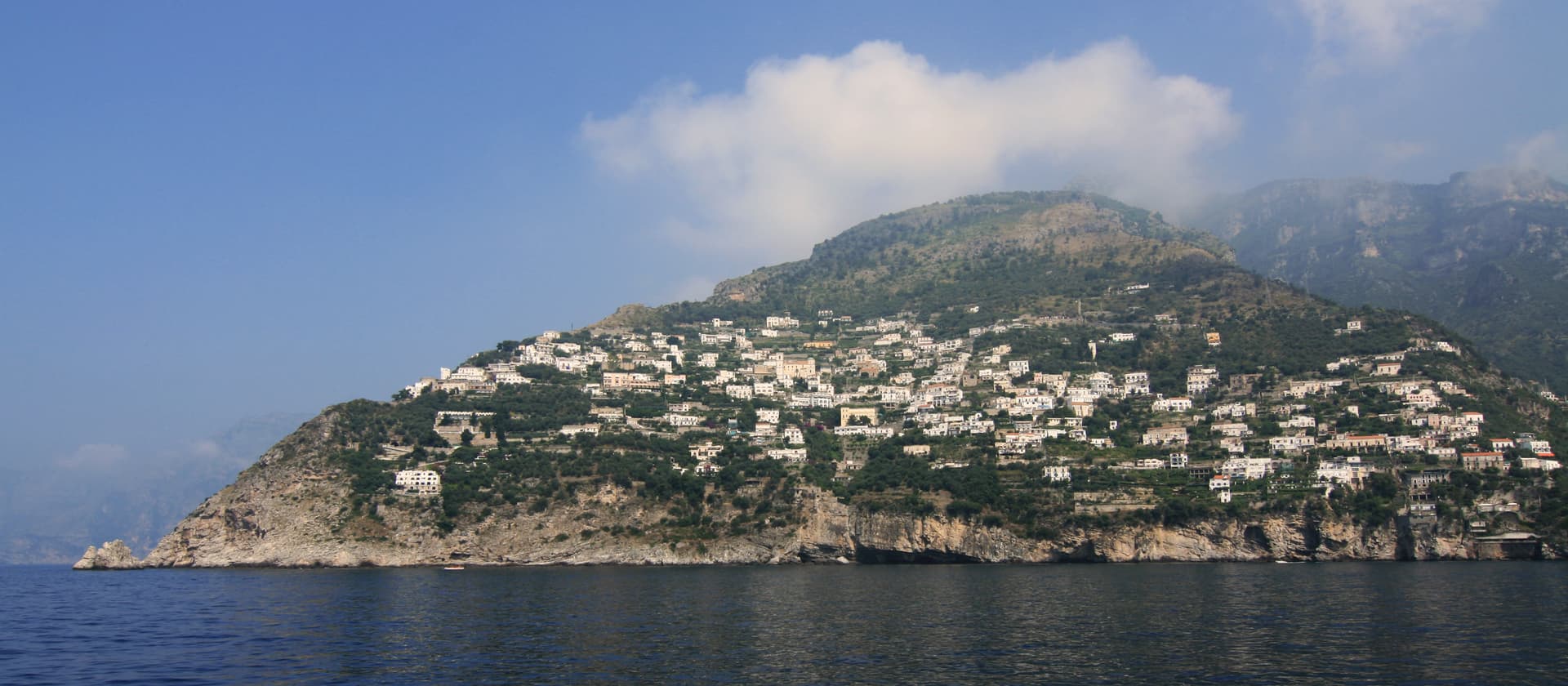
The Amalfi commune between Positano and Amalfi where the doges of the maritime republic kept their summer residences and the Path of the Gods starts.
🟦 Bandiera Blu
More Bandiera Blu towns in Campania
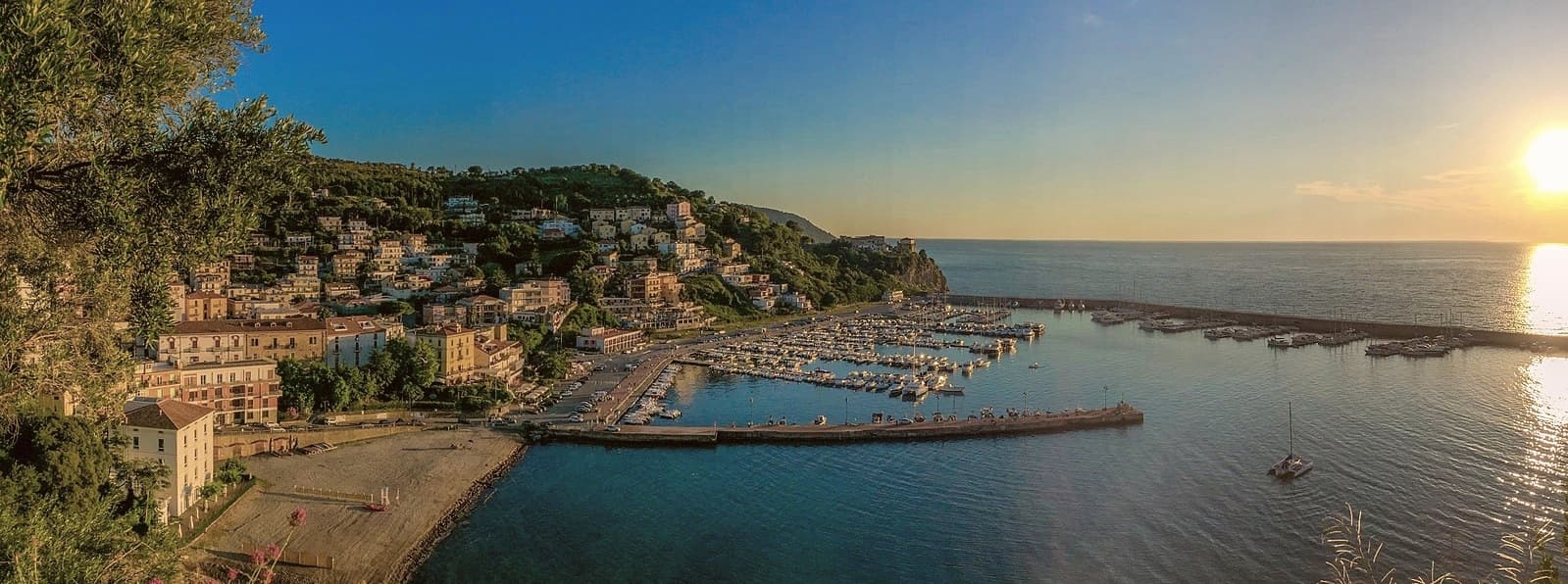
Agropoli
Province: Salerno
The gateway commune of the Cilento, a Byzantine acropolis on a promontory taken by the Saracens in 882 as a base for raids on Salerno.
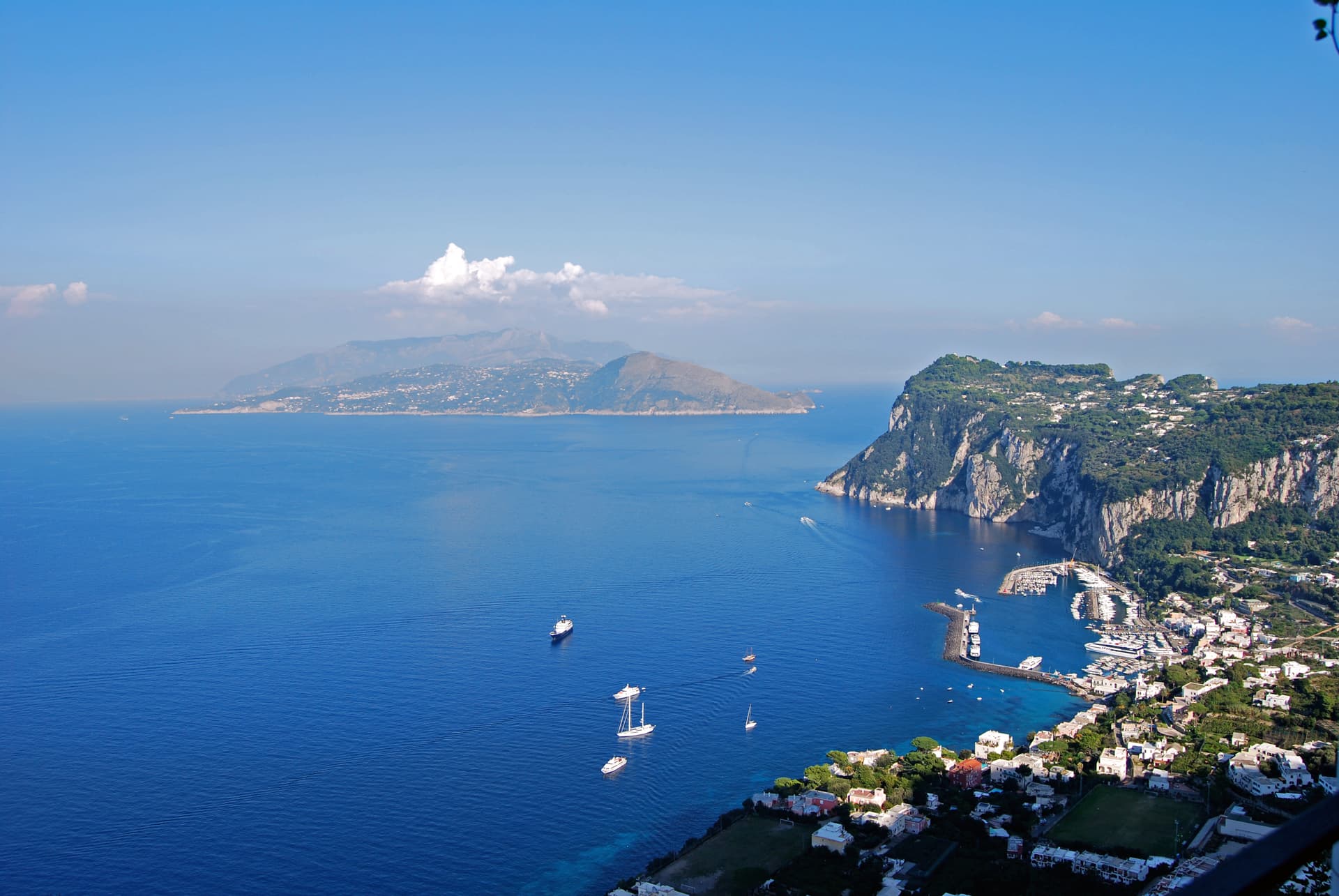
Anacapri
Province: Napoli
The upper half of Capri, 150 meters above its famous twin, where Axel Munthe built Villa San Michele on a Tiberian ruin.
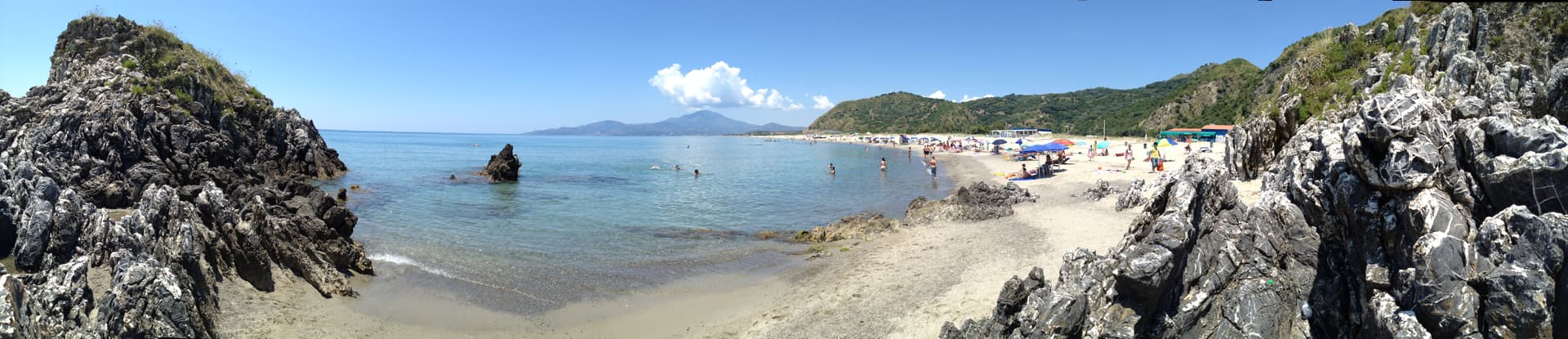
Ascea
Province: Salerno
Two villages, a hilltown at 230 meters and a Cilento marina, with Parmenides and Zeno's Eleatic school in the ruins of Greek Velia below.
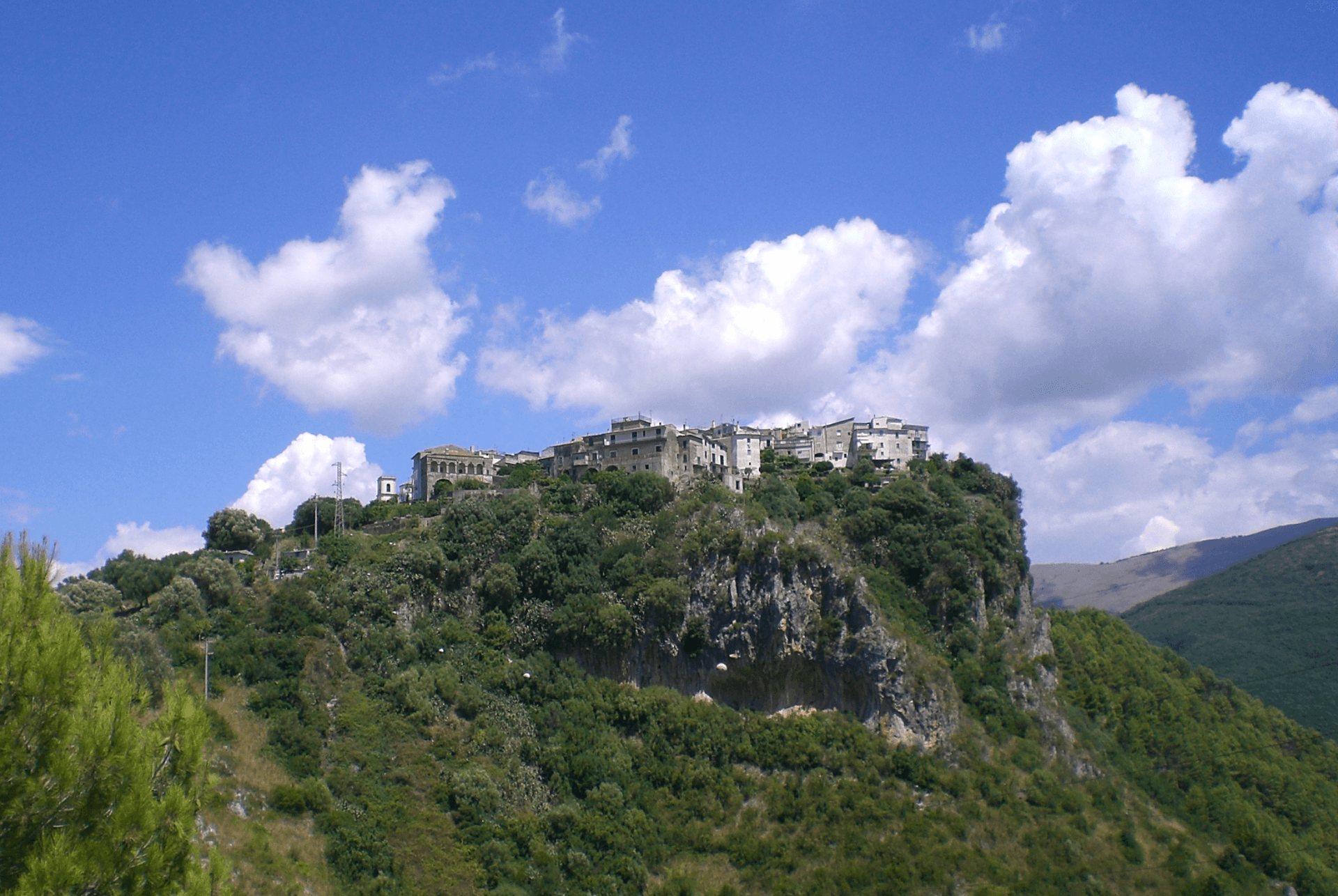
Camerota
Province: Salerno
A Cilento hill of 422 meters above the Costa degli Infreschi, with prehistoric caves documenting Neanderthal occupation along the southern Tyrrhenian.
Castellabate
Province: Salerno
A 1123 abbot's castle on a 280-meter Cilento ridge, with a Bandiera Blu beach below and the Benvenuti al Sud film.