

Campania · Napoli
Vico Equense
The northern gate of the Sorrento peninsula, the Roman Aequana, where Luigi Dell'Amura invented pizza al metro in 1930.
Known for
PIZZA AL METRO
Two-meter pizza invented by Luigi Dell'Amura, called Gigino, in the 1930s; his pizzeria in the centro still serves it the way it was first made.
ANNUNZIATA
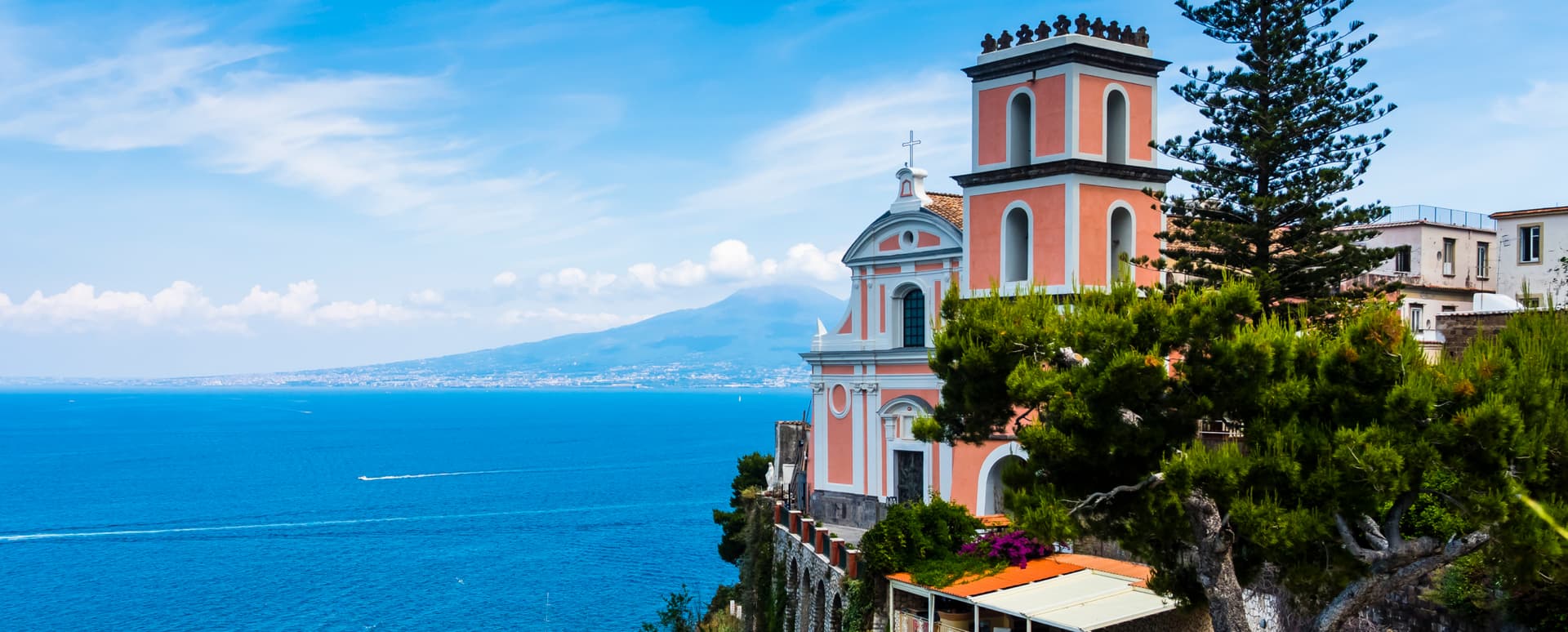
Former cathedral built in the early fourteenth century on a clifftop, with a Gothic interior and a Baroque facade, see suppressed in 1818.
MONTE FAITO
Limestone massif behind the town at 1,131 meters, reached by a 1952 cable car from Castellammare, a Lattari summer escape from the coast.
When to visit
Best · May–Sep
- J
- F
- M
- A
- M
- J
- J
- A
- S
- O
- N
- D
- Best
- Hot or crowded
- Quiet
- Mostly closed
Why come
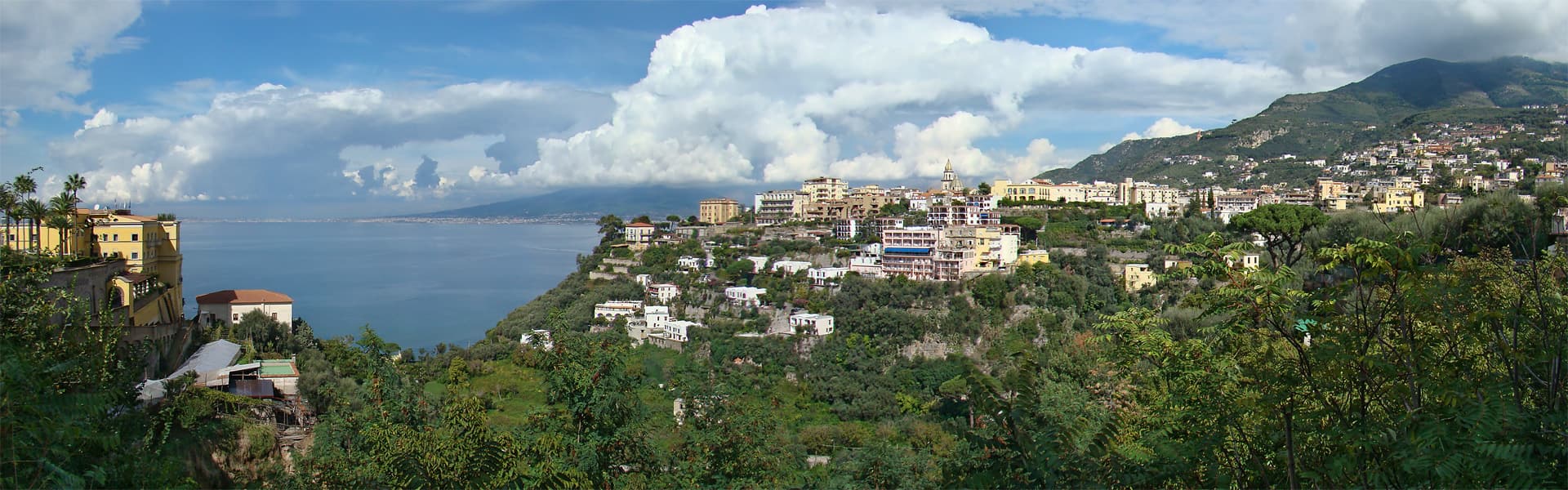
Vico Equense sits at ninety meters on a block of tuff and limestone above the Bay of Napoli, twenty-five kilometers from the city and the first town on the Sorrento peninsula coming from the north. A seventh-century BC pre-Roman necropolis predates the Latin Aequana built by Roman patricians for their villas. The medieval town that survives now was walled by the Angevins after 1284, when Charles II ordered Castello Giusso built on the cliff as fortress and residence.
The Chiesa dell'Annunziata, the former cathedral of the Diocese of Vico Equense until 1818, was built in the early fourteenth century on a clifftop with a Baroque facade. Pizza by the meter, the gastronomic export the town is best known for, was invented in the 1930s by Luigi Dell'Amura, called Gigino, who served pizza in lengths up to two meters; his restaurant still operates in the centro. Monte Faito, the limestone massif behind the town, rises to 1,131 meters and is reached by a 1952 cable car.
The Sunday letter
We haven’t written Vico Equense’s letter yet.
One town every Sunday, with the photo, the food, the festa. Be there when this one comes up. Free, by Peter & Sophia from Pietrasanta.
By subscribing you agree to Substack’s Terms of Use, our Privacy Policy and our Information collection notice.
What to see
Chiesa dell'Annunziata
Former fourteenth-century cathedral of the Diocese of Vico Equense, perched on a clifftop with a Gothic interior and a Baroque facade, suppressed as a see in 1818.
Castello Giusso
Angevin castle built between 1284 and 1289 at the order of Charles II of Anjou, with a Renaissance residential wing and gardens above the bay.
Antiquarium Silio Italico
Archaeological museum founded in 1966, with funerary objects from a seventh-century BC pre-Roman necropolis excavated in the 1960s and 1970s.
Monte Faito
Limestone massif behind the town rising to 1,131 meters, reached by a 1952 cable car from Castellammare, with hiking trails into the Lattari range.
Pizzeria Gigino
Pizzeria of Luigi Dell'Amura, the inventor of pizza al metro in the 1930s, still operating in the centro and serving the pizza he created.
The slow-trip planner
Building a trip? Find where Vico Equense fits in a slow Italy circuit.
Answer five questions. We will shape a geographically coherent slow trip from the 1,000 Italian towns most travelers skip. Yours to save and share.
We recommend
Where to eat and stay
Not our picks, but places the guides put their name to — a Michelin star, a Gambero Rosso fork, a Slow Food snail, a Michelin Key for the hotels. Worth a table, a counter, or a night when you pass through.
Torre del SaracinoRistorante
Two Michelin stars for Torre del Saracino, along with three Gambero Rosso forks (93/100) and a place in L'Espresso's Top 300, among other nods.
Antica Osteria Nonna RosaRistorante
Antica Osteria Nonna Rosa carries one Michelin star, plus two Gambero Rosso forks (87/100).
Il BikiniRistorante
Il Bikini holds two Gambero Rosso forks (81/100) and a spot in the Michelin Guide.
L'AccantoRistorante
L'Accanto carries two Gambero Rosso forks (82/100), plus a spot in the Michelin Guide.
Cannavacciuolo CountrysideRistorante
Cannavacciuolo Countryside holds one Michelin star.
La Casa di Lella - Villa RosaRistorante
La Casa di Lella - Villa Rosa carries a place in L'Espresso's Top 300.
La TradizioneBistrot
La Tradizione carries two Gambero Rosso tables.
Laqua CountrysideRistorante
Laqua Countryside holds two Gambero Rosso forks (85/100).
MaxiRistorante
Maxi holds a spot in the Michelin Guide.
Nonno LuiginoTrattoria
Nonno Luigino holds two Gambero Rosso prawns.
Villa Rosa - La casa di LellaTrattoria
Three Gambero Rosso prawns, at Villa Rosa - La casa di Lella.
Hotel Capo La GalaHotel
Hotel Capo La Gala has one Michelin Key to its name.
Living here
- Population 20,254
- Commuter belti
- Pharmacy in town
- High school within a 30-minute drive
- Train station in the comune
- Nearest airport Naples / Salerno, 1 h 1 min drive
- Regional capital Napoli, 55 min drive
Tags & datadesignations · numbers · sources
Recognised as
The numbers
- Elevation: 90 m
- Population: 20,254
- Surface area: 29.38 km²
These figures were compiled from public directories — ISTAT, OpenStreetMap, Wikidata — and from the official listings of the guides named on this page. Town details change; verify with official sources before you travel.
Featured on
Vico Equense appears on this themed pick from our Collections:
Close by
More towns near Vico Equense
Piano di Sorrento
Province: Napoli
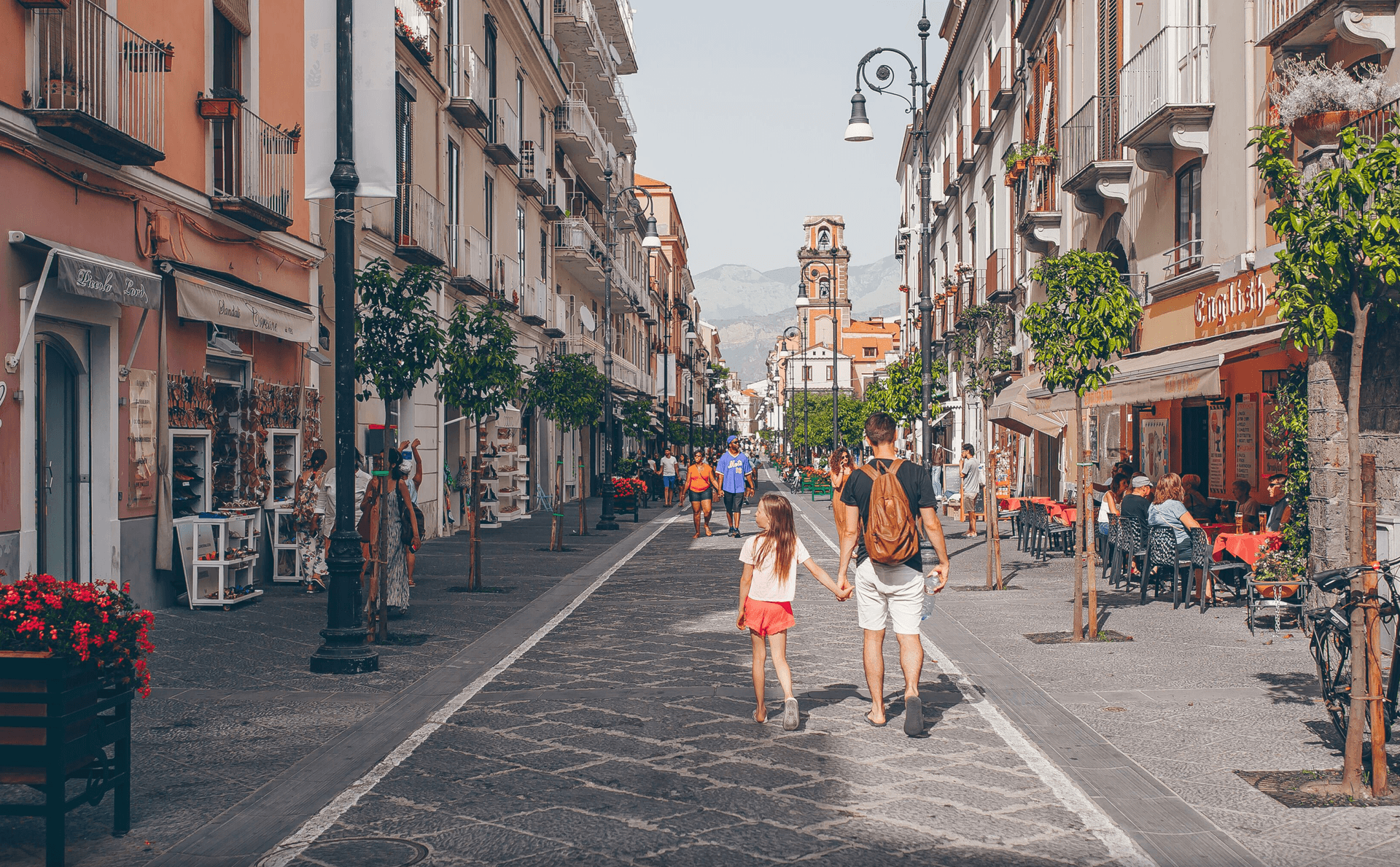
The quieter Sorrentine plain four kilometers from Sorrento, autonomous since 1808, with prehistoric Gaudo pottery and a black-sand marina at the foot of the cliff.
Sorrento
Province: Napoli
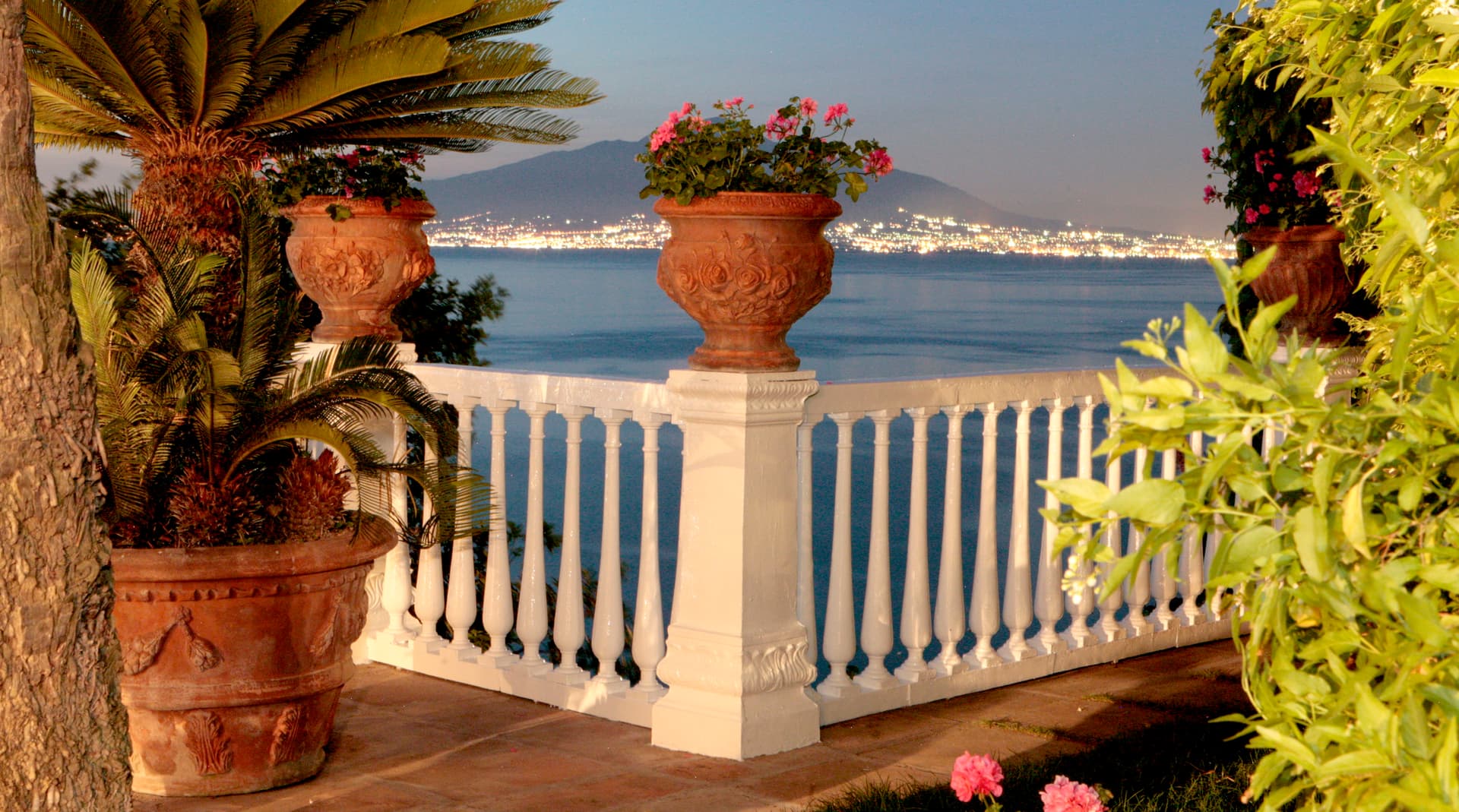
The Roman Surrentum on a tuff cliff above the Bay of Napoli, birthplace of Torquato Tasso, sacked by the Turks in 1558.
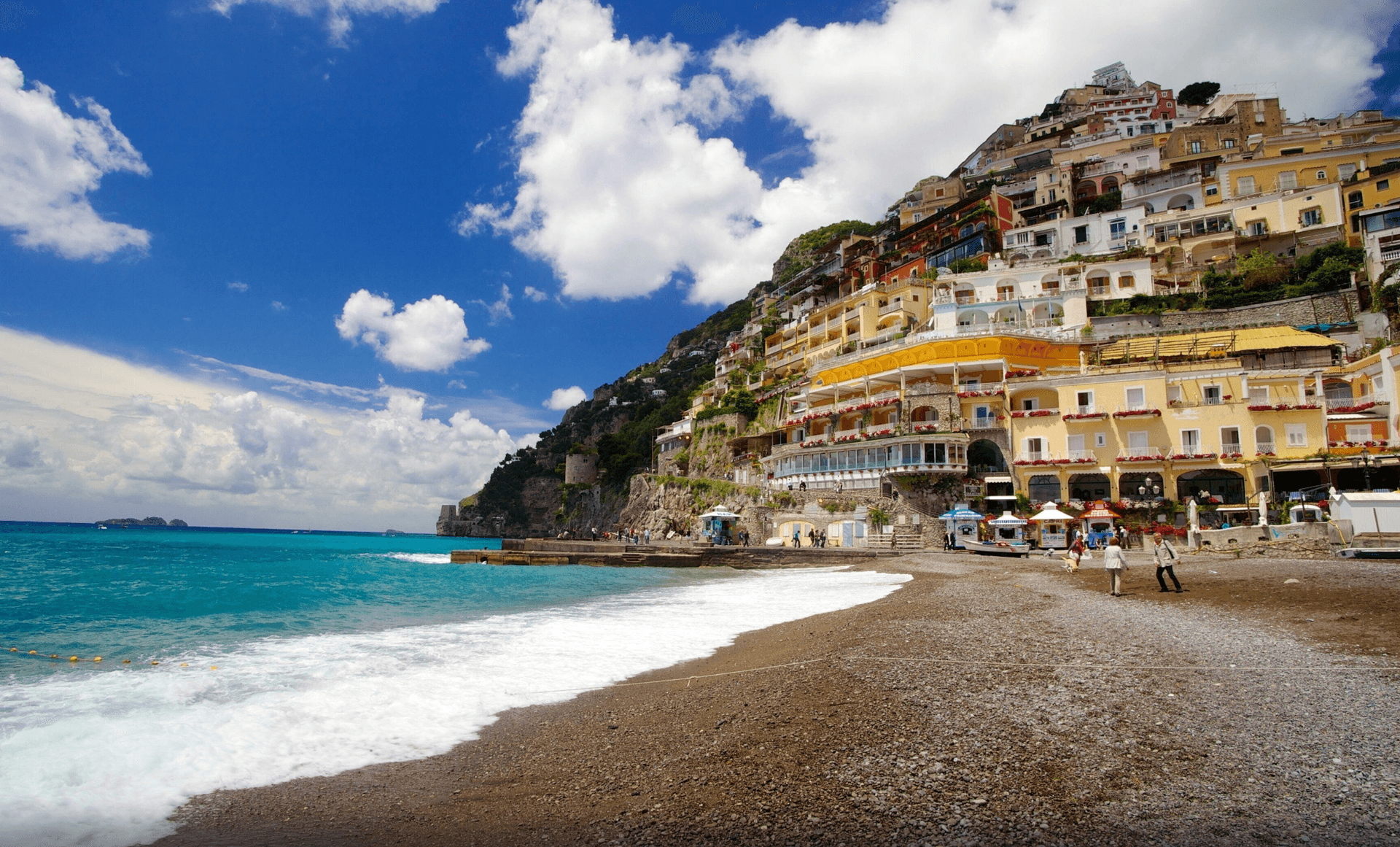
Positano
Province: Salerno
The vertical village of the Amalfi Coast, terraced houses climbing four hundred meters from Spiaggia Grande to the Lattari ridge under a tiled Byzantine dome.
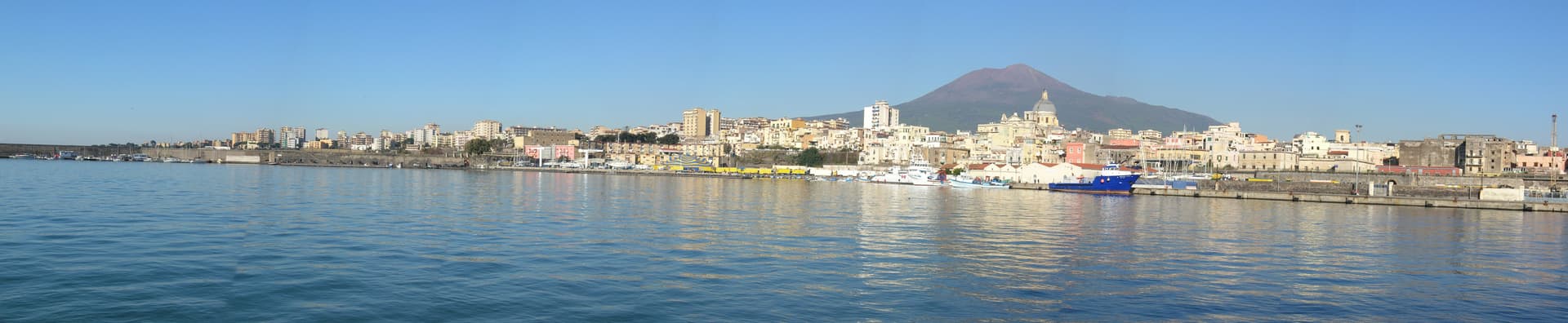
Torre Annunziata
Province: Napoli
Capital of Italian pasta in the interwar period and home of the Roman Villa di Poppea, on the bay at the foot of Vesuvius.
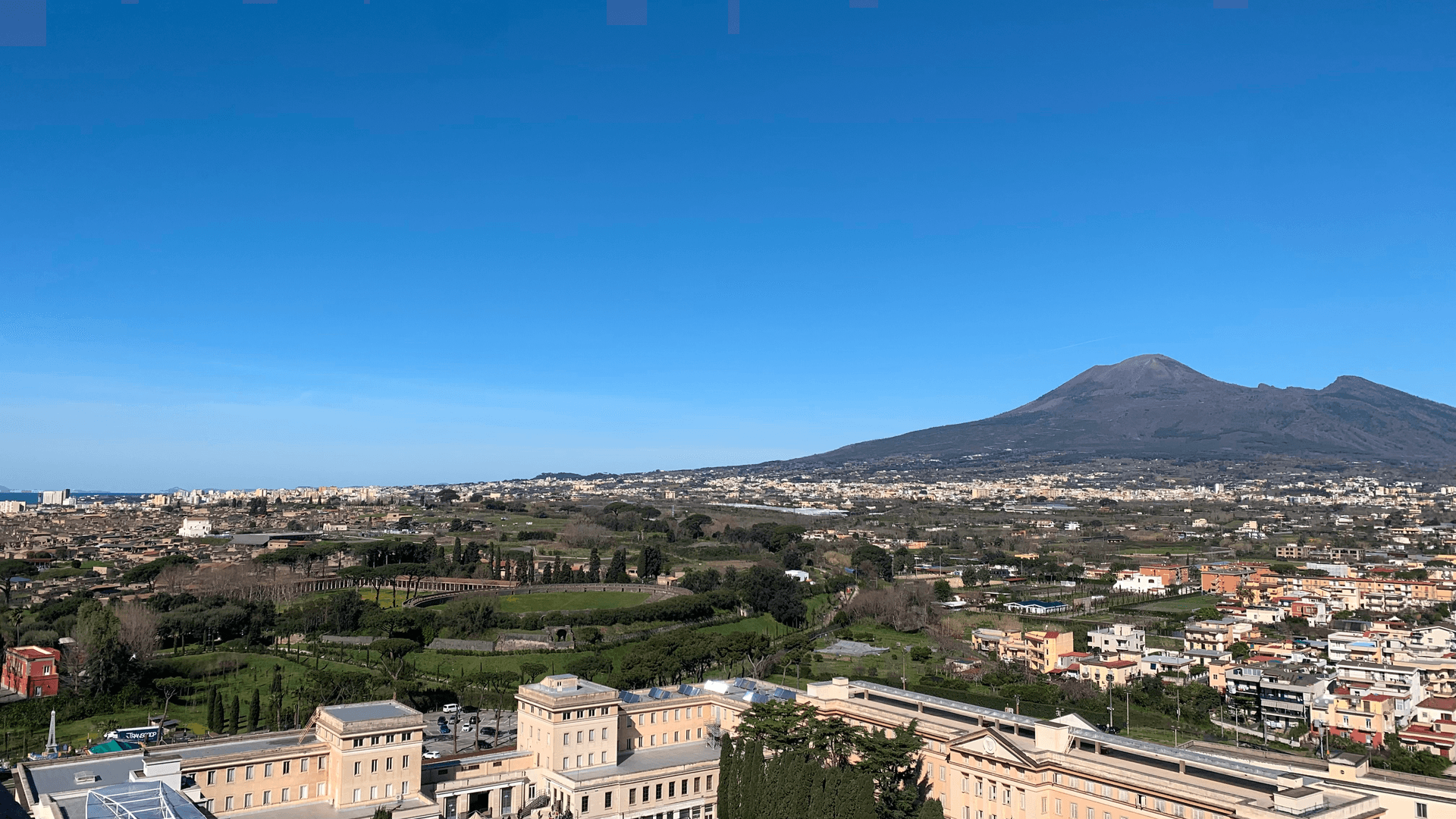
Pompei
Province: Napoli
The Roman city buried by Vesuvius in 79 AD, dug back up since 1748, and a modern town around Bartolo Longo's 1876 sanctuary.
🟦 Bandiera Blu
More Bandiera Blu towns in Campania
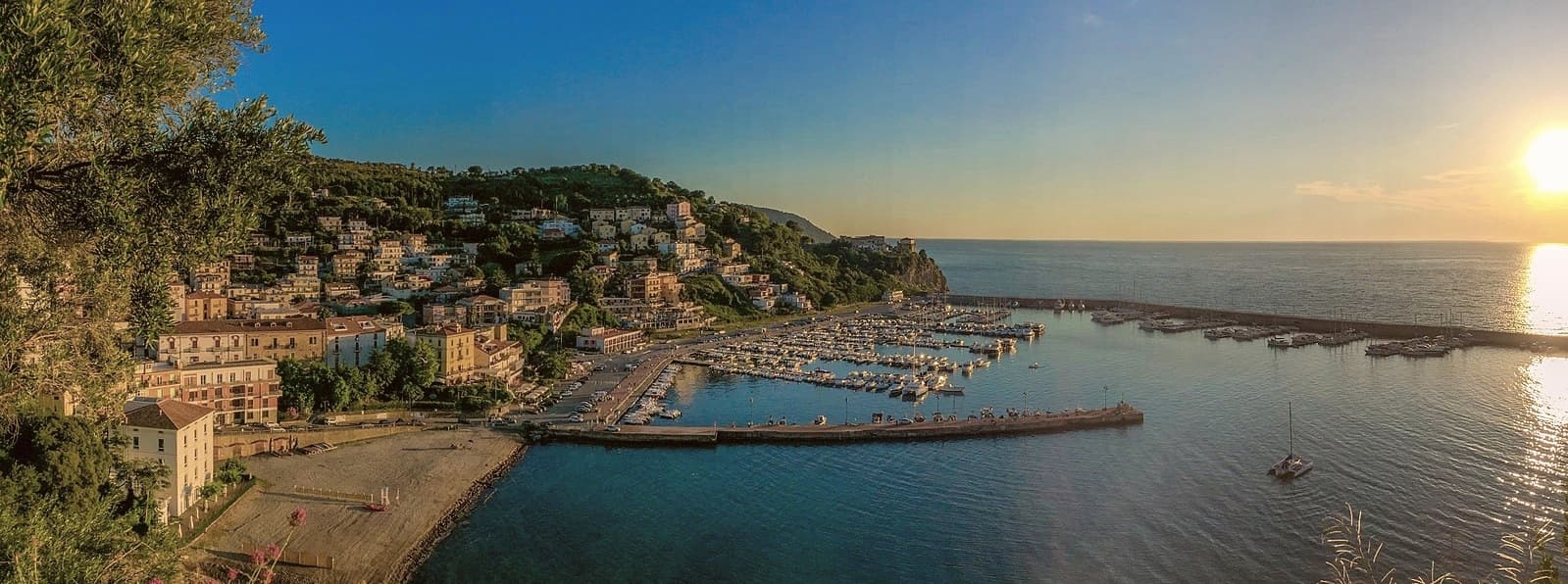
Agropoli
Province: Salerno
The gateway commune of the Cilento, a Byzantine acropolis on a promontory taken by the Saracens in 882 as a base for raids on Salerno.
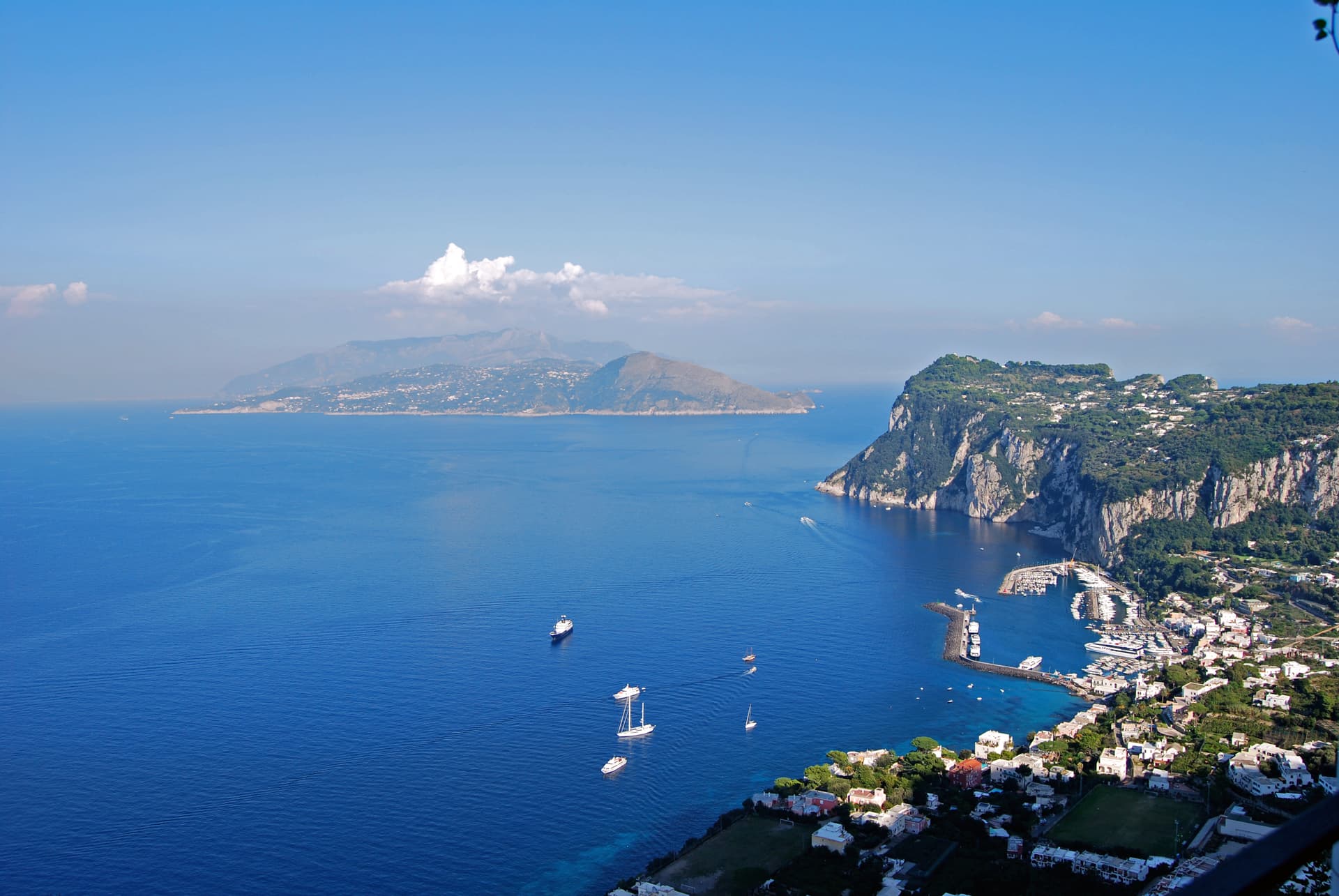
Anacapri
Province: Napoli
The upper half of Capri, 150 meters above its famous twin, where Axel Munthe built Villa San Michele on a Tiberian ruin.
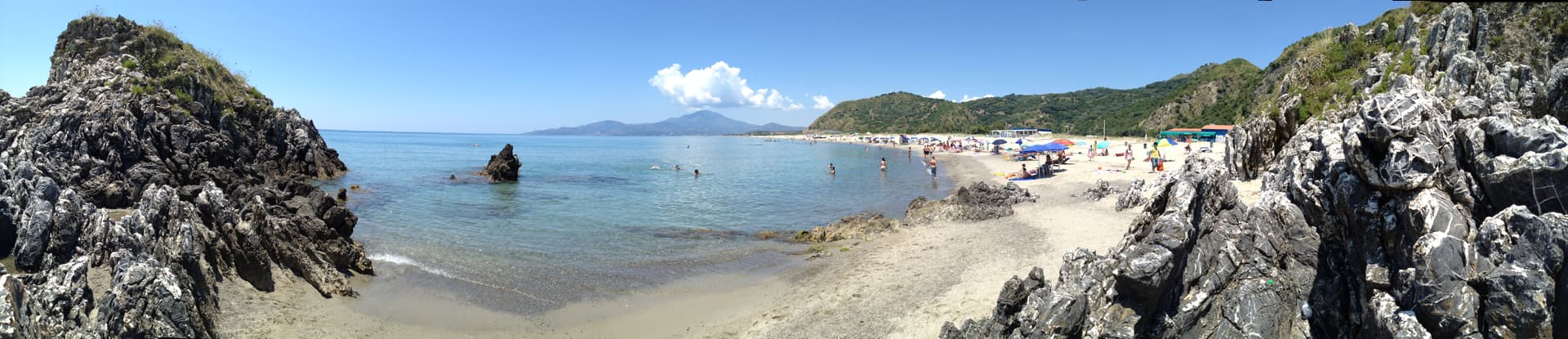
Ascea
Province: Salerno
Two villages, a hilltown at 230 meters and a Cilento marina, with Parmenides and Zeno's Eleatic school in the ruins of Greek Velia below.
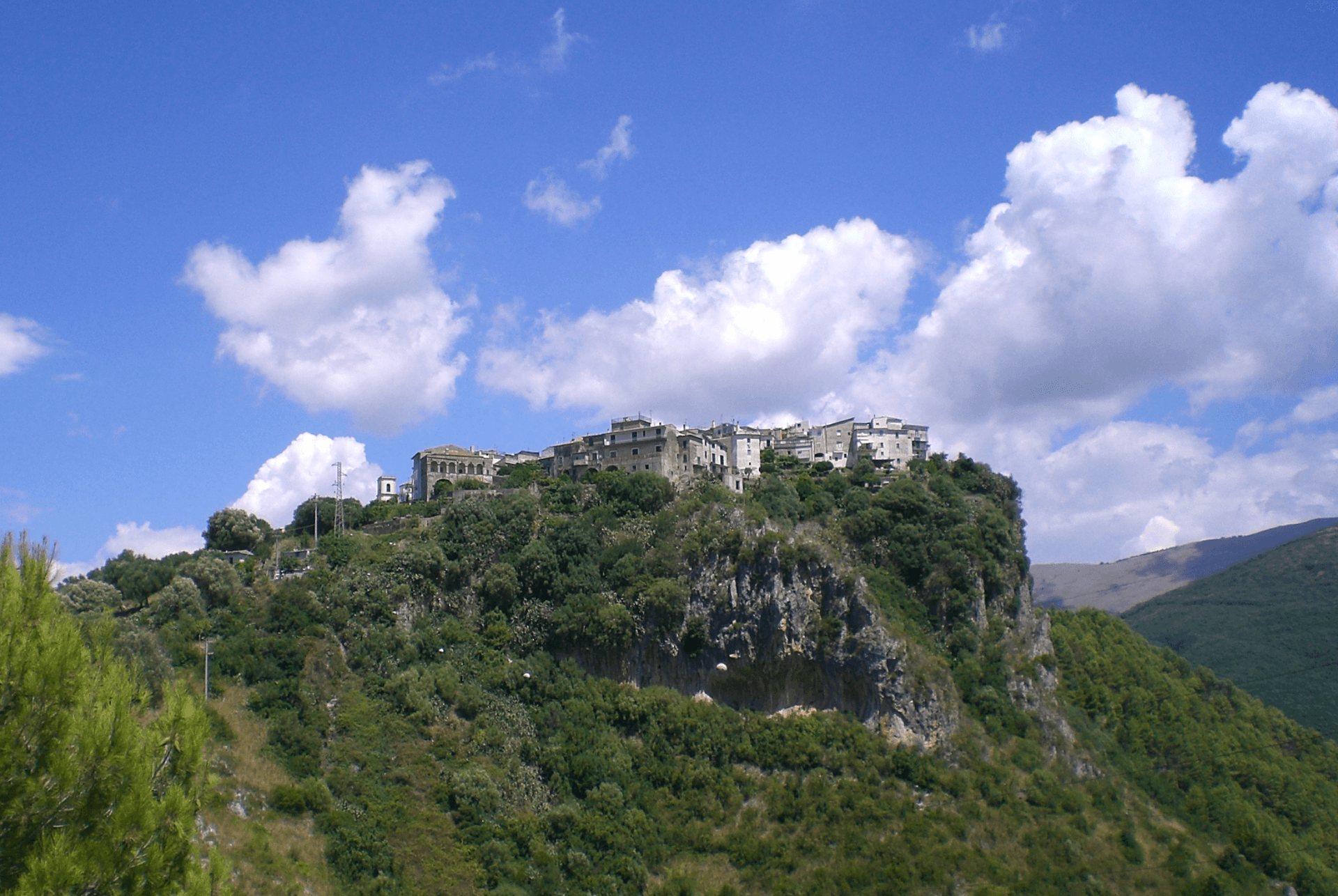
Camerota
Province: Salerno
A Cilento hill of 422 meters above the Costa degli Infreschi, with prehistoric caves documenting Neanderthal occupation along the southern Tyrrhenian.
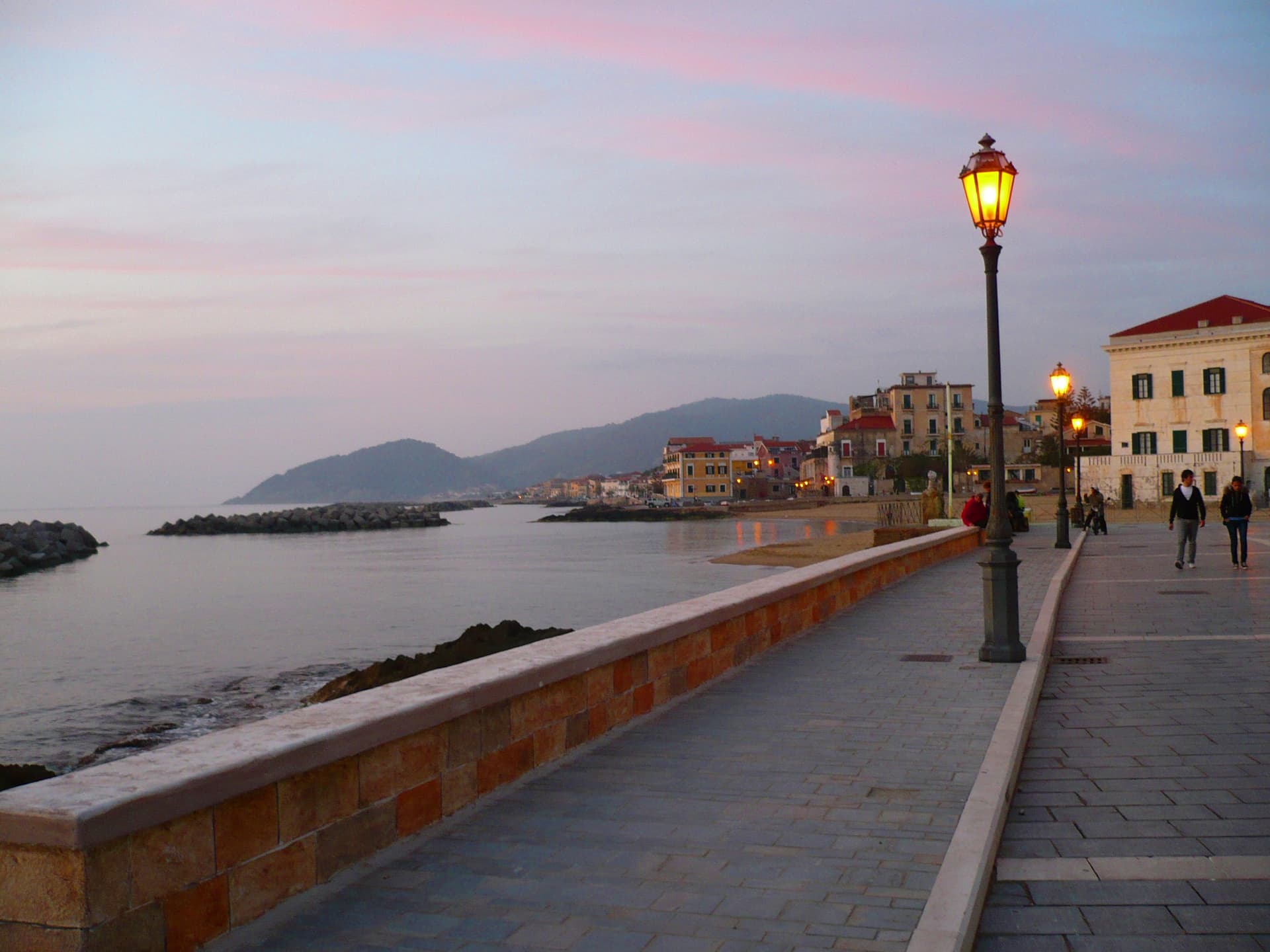
Castellabate
Province: Salerno
A 1123 abbot's castle on a 280-meter Cilento ridge, with a Bandiera Blu beach below and the Benvenuti al Sud film.