

Campania · Salerno
Positano
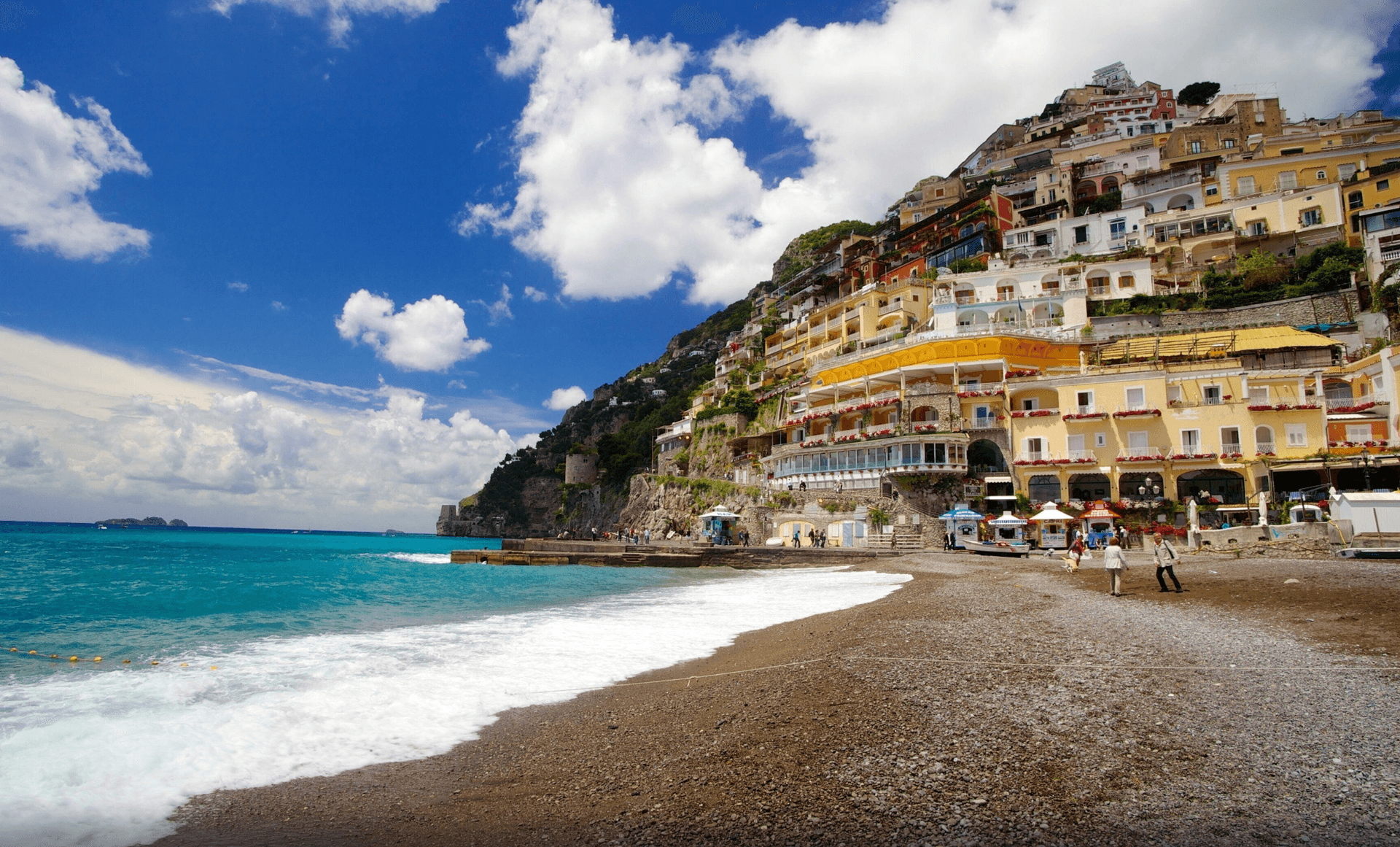
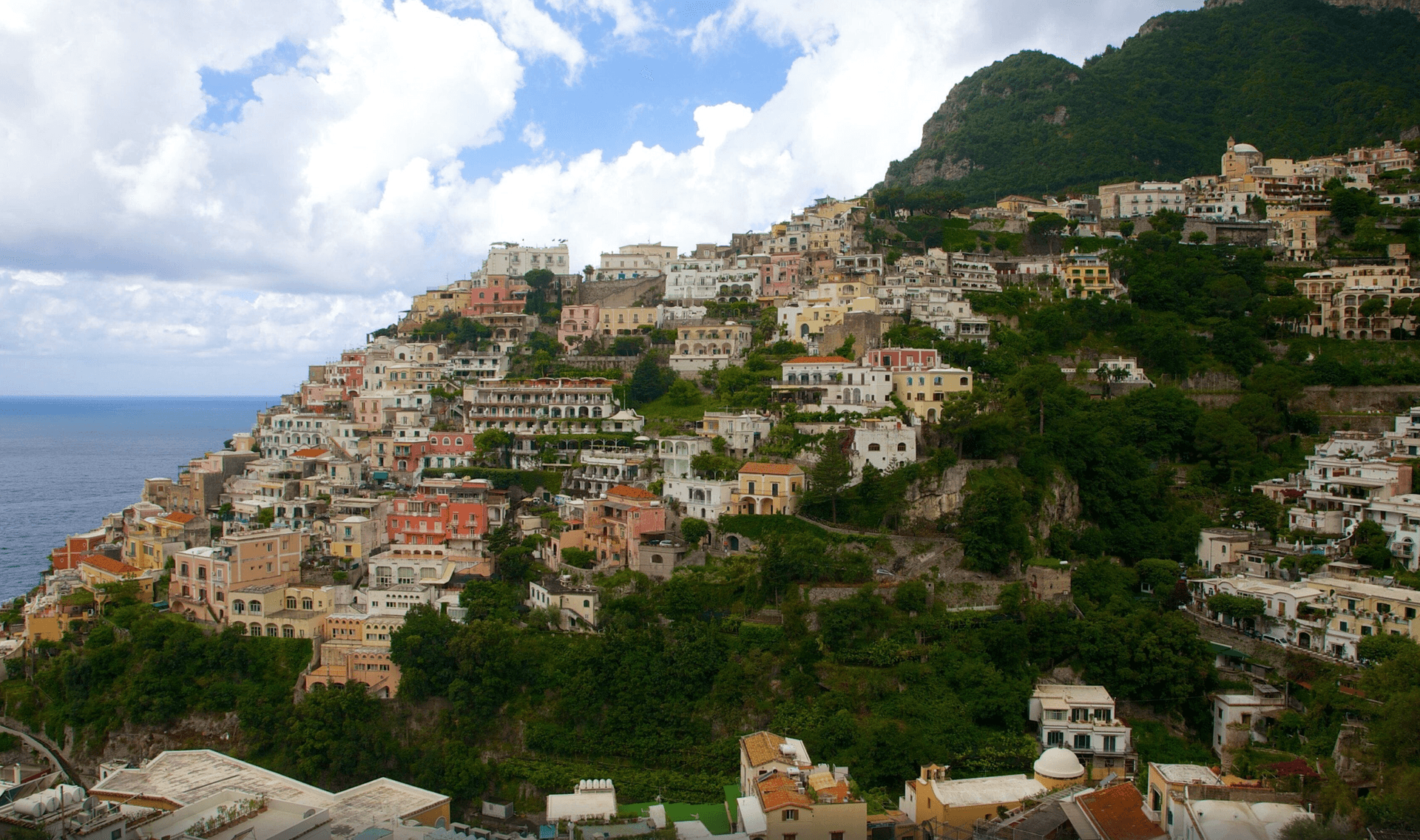
The vertical village of the Amalfi Coast, terraced houses climbing four hundred meters from Spiaggia Grande to the Lattari ridge under a tiled Byzantine dome.
Known for
VERTICAL VILLAGE
Terraced houses climbing from the beach to four hundred meters on the Lattari slope, painted pink, ochre and white, no level streets in the centro storico.
BLACK MADONNA
Byzantine icon at Santa Maria Assunta, brought by sailors who heard the voice say posa, the legend that gave the town its name.
MODA POSITANO
The light linen and cotton resort wear pioneered here in the 1960s, plus handmade leather sandals stitched to order in the centro storico workshops.
When to visit
Best · May–Sep
- J
- F
- M
- A
- M
- J
- J
- A
- S
- O
- N
- D
- Best
- Hot or crowded
- Quiet
- Mostly closed
The festa: San Vito, 15 June
Why come
Positano is built on the rugged limestone of the Lattari Mountains, the houses stacked from the Spiaggia Grande up to elevations above four hundred meters, which is why locals call it the città verticale. The settlement grew from the ninth century around the Benedictine Monastery of Santa Maria, which kept a Byzantine icon of the Madonna brought from the East. The story goes the sailors heard a voice say posa, posa, set me down, and the village took its name from the verb.
After being sacked by Pisa in the thirteenth century, the town fortified itself with watchtowers and prospered as a small fish-trading port. The twentieth century made it a writer's refuge: John Steinbeck described it in Harper's Bazaar in 1953 as a dream place that isn't quite real. Today Positano runs almost entirely on summer tourism, with a UNESCO Amalfi Coast inscription and a Bandiera Blu beach.
The Sunday letter
We haven’t written Positano’s letter yet.
One town every Sunday, with the photo, the food, the festa. Be there when this one comes up. Free, by Peter & Sophia from Pietrasanta.
By subscribing you agree to Substack’s Terms of Use, our Privacy Policy and our Information collection notice.
What to see
Chiesa di Santa Maria Assunta
Mother church with majolica tiled dome and a Byzantine icon of the Black Madonna brought from the East in the twelfth century, around which the village grew.
Spiaggia Grande
Main pebble beach below the centro storico, the postcard image of the Amalfi Coast, with the pastel facades of the village rising directly above the sand.
Sentiero degli Dei
Path of the Gods, the high ridge trail of the Monti Lattari from Agerola to Nocelle, a frazione of Positano, with the Faraglioni of Capri offshore.
Villa Romana di Positano
First-century AD Roman villa buried by the eruption of 79 AD beneath the church, opened to the public in 2018 with frescoed cryptoporticus.
Li Galli archipelago
Three small islands off Positano associated with Homer's Sirens, owned in the twentieth century by Rudolf Nureyev, visible from the Spiaggia Grande.
The slow-trip planner
Building a trip? Find where Positano fits in a slow Italy circuit.
Answer five questions. We will shape a geographically coherent slow trip from the 1,000 Italian towns most travelers skip. Yours to save and share.
We recommend
Where to eat and stay
Not our picks, but places the guides put their name to — a Michelin star, a Gambero Rosso fork, a Slow Food snail, a Michelin Key for the hotels. Worth a table, a counter, or a night when you pass through.
La SerraRistorante
La Serra has a Gambero Rosso listing and a spot in the Michelin Guide.
La SpondaRistorante
La Sponda has two Gambero Rosso forks (80/100) and a spot in the Michelin Guide.
Li GalliRistorante
Li Galli has one Michelin star and two Gambero Rosso forks (83/100).
ZassRistorante
One Michelin star for Zass, and two Gambero Rosso forks (84/100).
Al PalazzoRistorante
A spot in the Michelin Guide, at Al Palazzo.
Da GabrisaRistorante
Da Gabrisa carries two Gambero Rosso forks (83/100).
Da VincenzoRistorante
Da Vincenzo holds a spot in the Michelin Guide.
La Taverna del LeoneRistorante
La Taverna del Leone carries a spot in the Michelin Guide.
Next2Ristorante
Next2 has a spot in the Michelin Guide to its name.
Rada RooftopRistorante
Rada Rooftop holds a spot in the Michelin Guide.
Le SirenuseHotel
Le Sirenuse has one Michelin Key, a La Liste score of 98.5 and a Leading Hotels of the World listing.
Il San Pietro di PositanoHotel
Il San Pietro di Positano has three Michelin Keys and a La Liste score of 99.5.
Hotel Le AgaviHotel
Hotel Le Agavi has a place in the Michelin hotel guide to its name.
Hotel MarincantoHotel
A La Liste score of 93.5, at Hotel Marincanto.
Hotel Palazzo MuratHotel
Hotel Palazzo Murat carries a La Liste score of 90.
Hotel PoseidonHotel
Hotel Poseidon has a place in the Michelin hotel guide to its name.
Hotel Villa Franca PositanoHotel
Hotel Villa Franca Positano carries a place in the Michelin hotel guide.
Living here
- Population 3,747
- Off the beaten pathi
- Pharmacy in town
- High school within a 30-minute drive
- Nearest airport Naples / Salerno, 1 h 8 min drive
- Regional capital Napoli, 1 h 1 min drive
Tags & datadesignations · numbers · sources
The numbers
- Elevation: 30 m
- Population: 3,747
- Surface area: 8.65 km²
These figures were compiled from public directories — ISTAT, OpenStreetMap, Wikidata — and from the official listings of the guides named on this page. Town details change; verify with official sources before you travel.
Close by
More towns near Positano
Piano di Sorrento
Province: Napoli
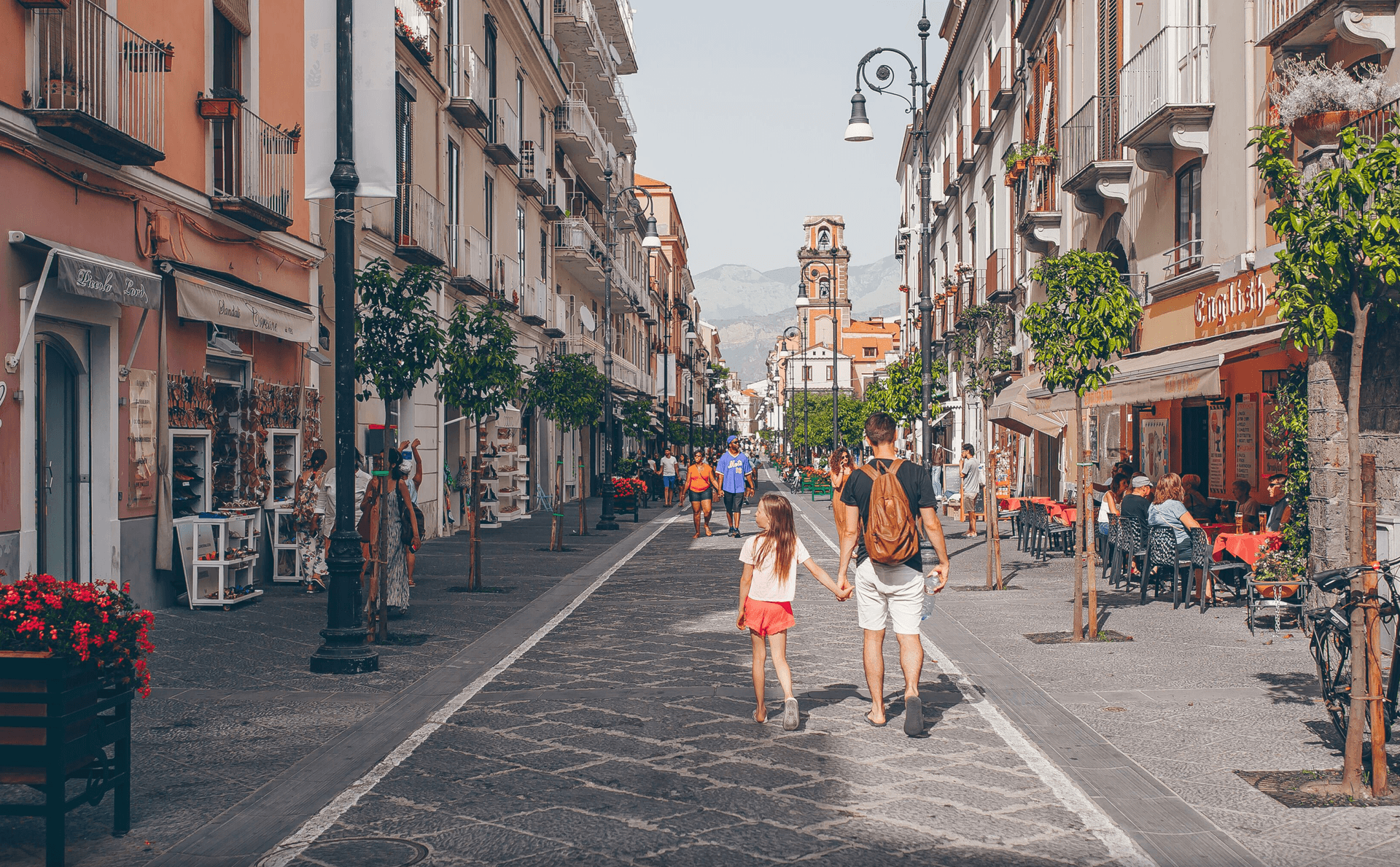
The quieter Sorrentine plain four kilometers from Sorrento, autonomous since 1808, with prehistoric Gaudo pottery and a black-sand marina at the foot of the cliff.
Praiano
Province: Salerno
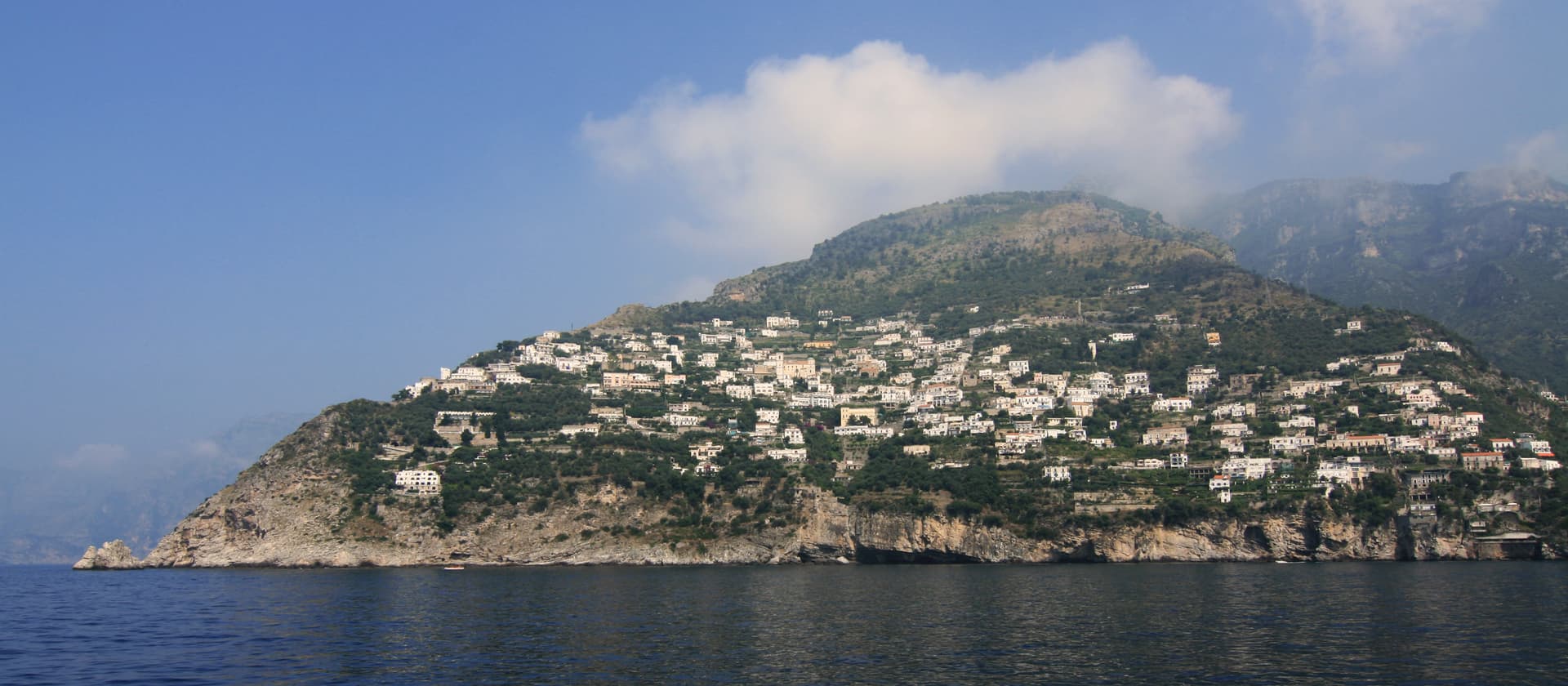
The Amalfi commune between Positano and Amalfi where the doges of the maritime republic kept their summer residences and the Path of the Gods starts.
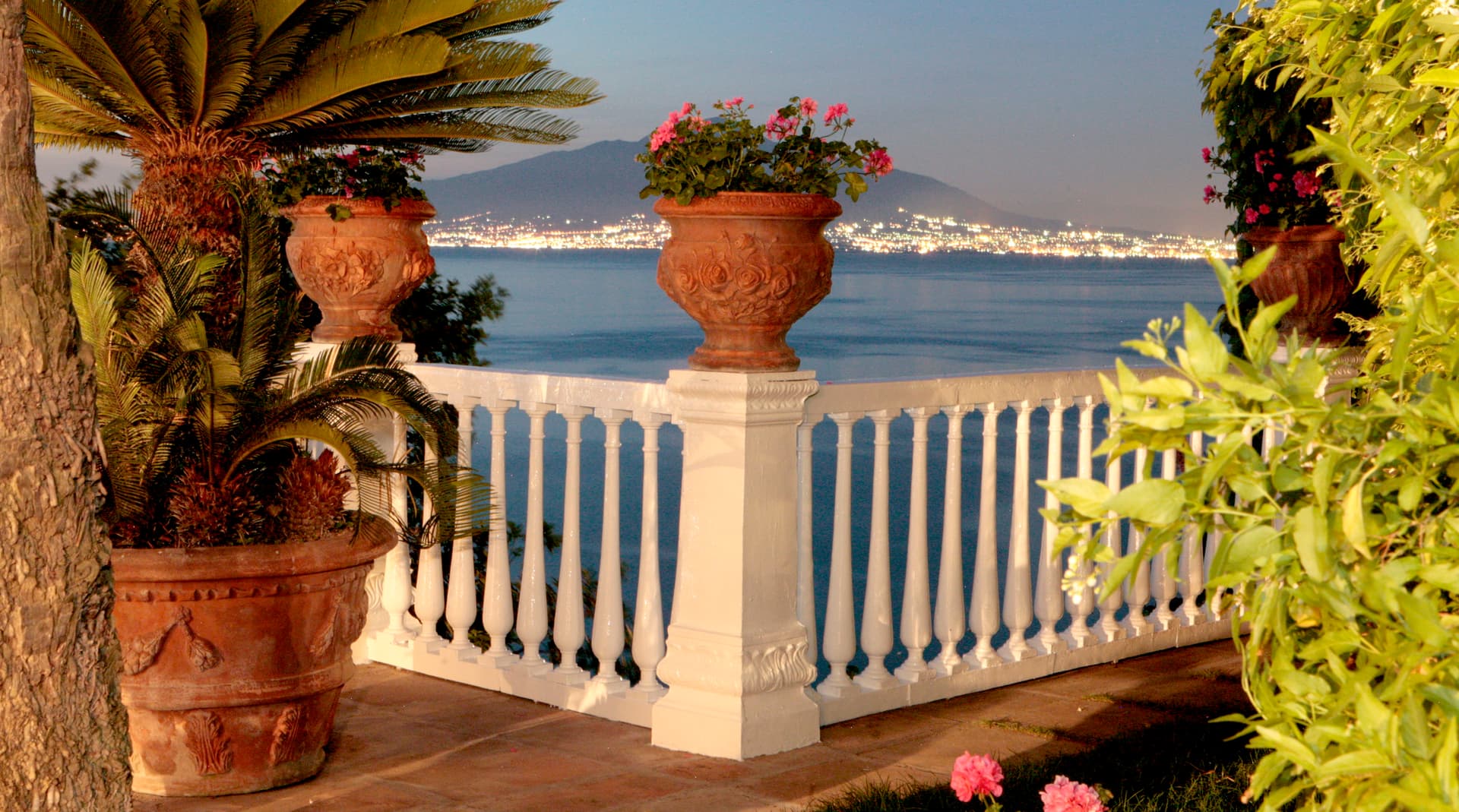
Sorrento
Province: Napoli
The Roman Surrentum on a tuff cliff above the Bay of Napoli, birthplace of Torquato Tasso, sacked by the Turks in 1558.
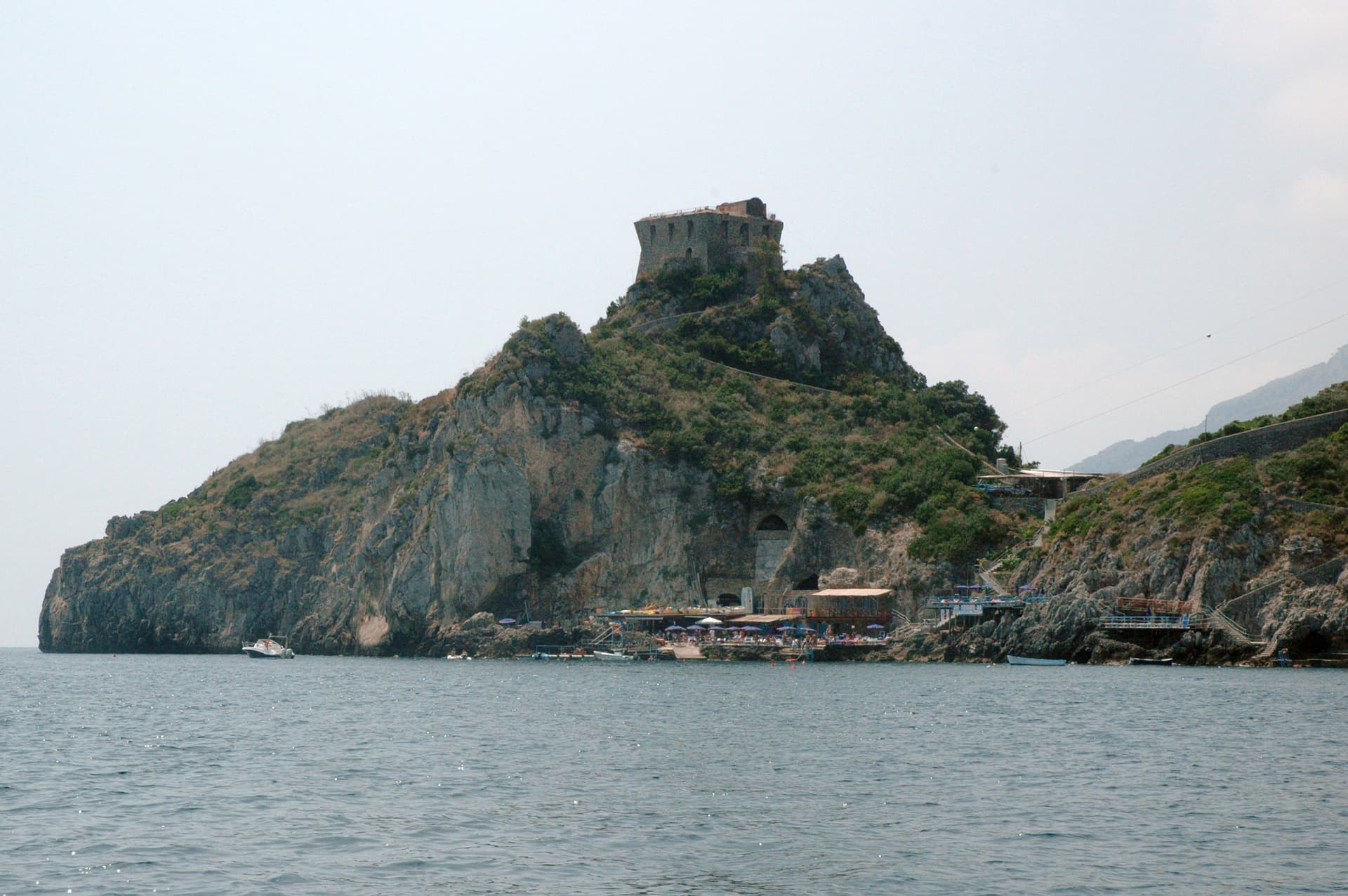
Conca dei Marini
Province: Salerno
A coastal hamlet of 664 people on the Amalfi Coast, the birthplace of the sfogliatella Santa Rosa and home to the Emerald Grotto.
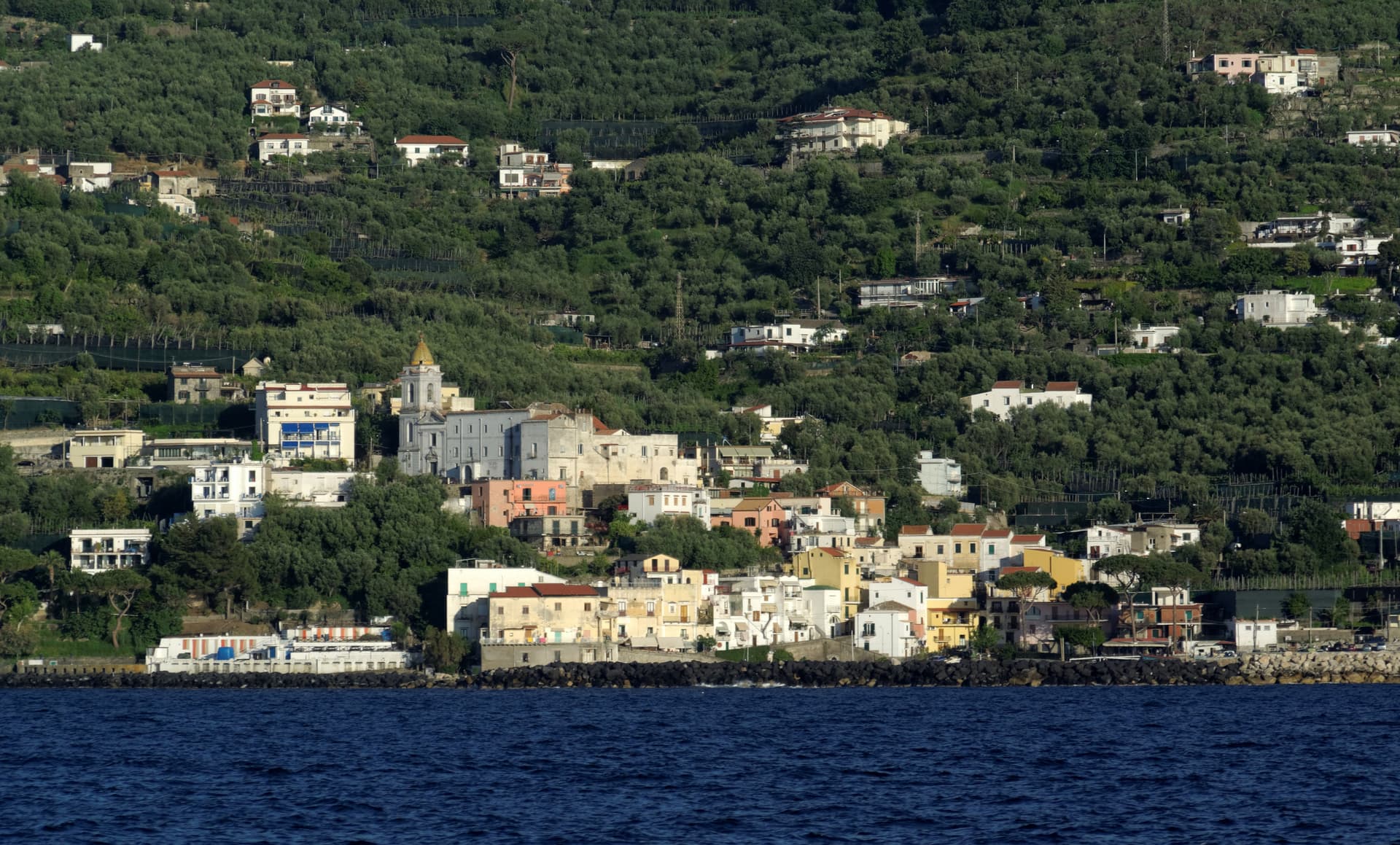
Massa Lubrense
Province: Napoli
The Sorrentine Peninsula's largest commune by area, stretching from Sorrento across Punta Campanella to the Gulf of Salerno, Capri three miles offshore.
🏛️ UNESCO
More UNESCO towns in Campania
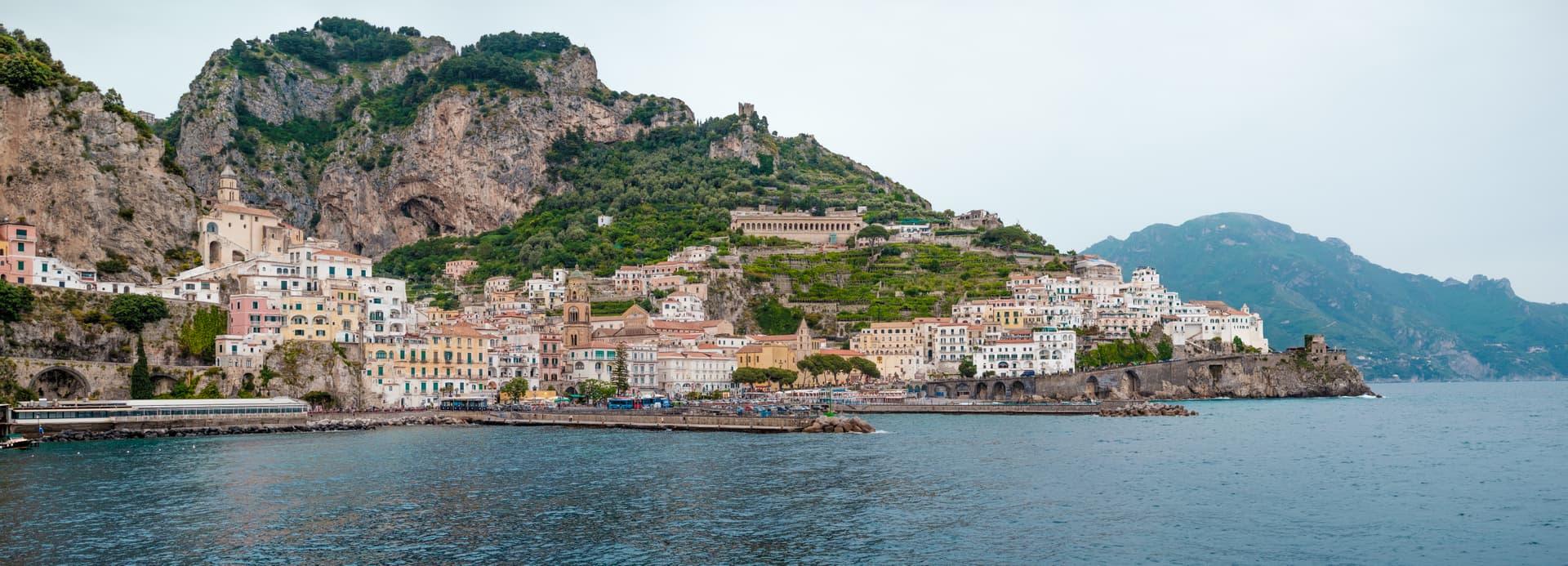
Amalfi
Province: Salerno
The first Italian maritime republic and the coast it named, six meters above the sea between cliffs that close around the duomo's steps.
Ascea
Province: Salerno
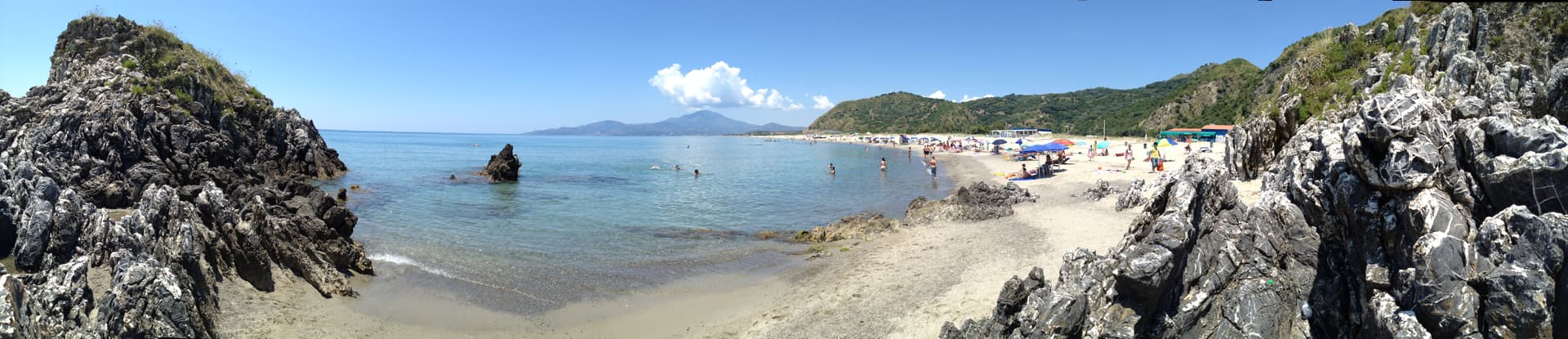
Two villages, a hilltown at 230 meters and a Cilento marina, with Parmenides and Zeno's Eleatic school in the ruins of Greek Velia below.
Atrani
Province: Salerno
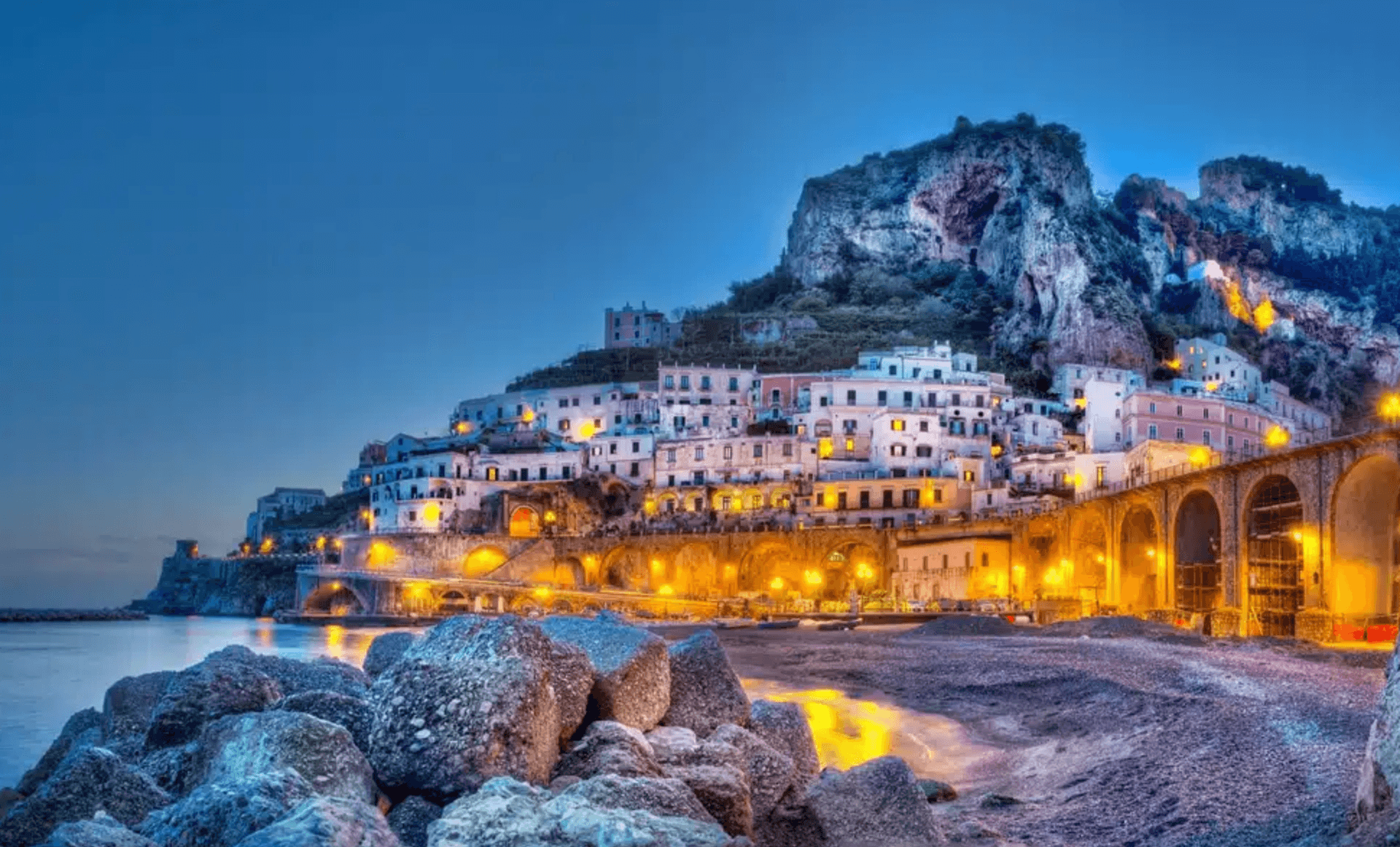
The smallest commune in Italy by area, twelve hectares of stacked houses where the Amalfi Coast pinches shut around a single piazza.
Benevento
Province: Benevento
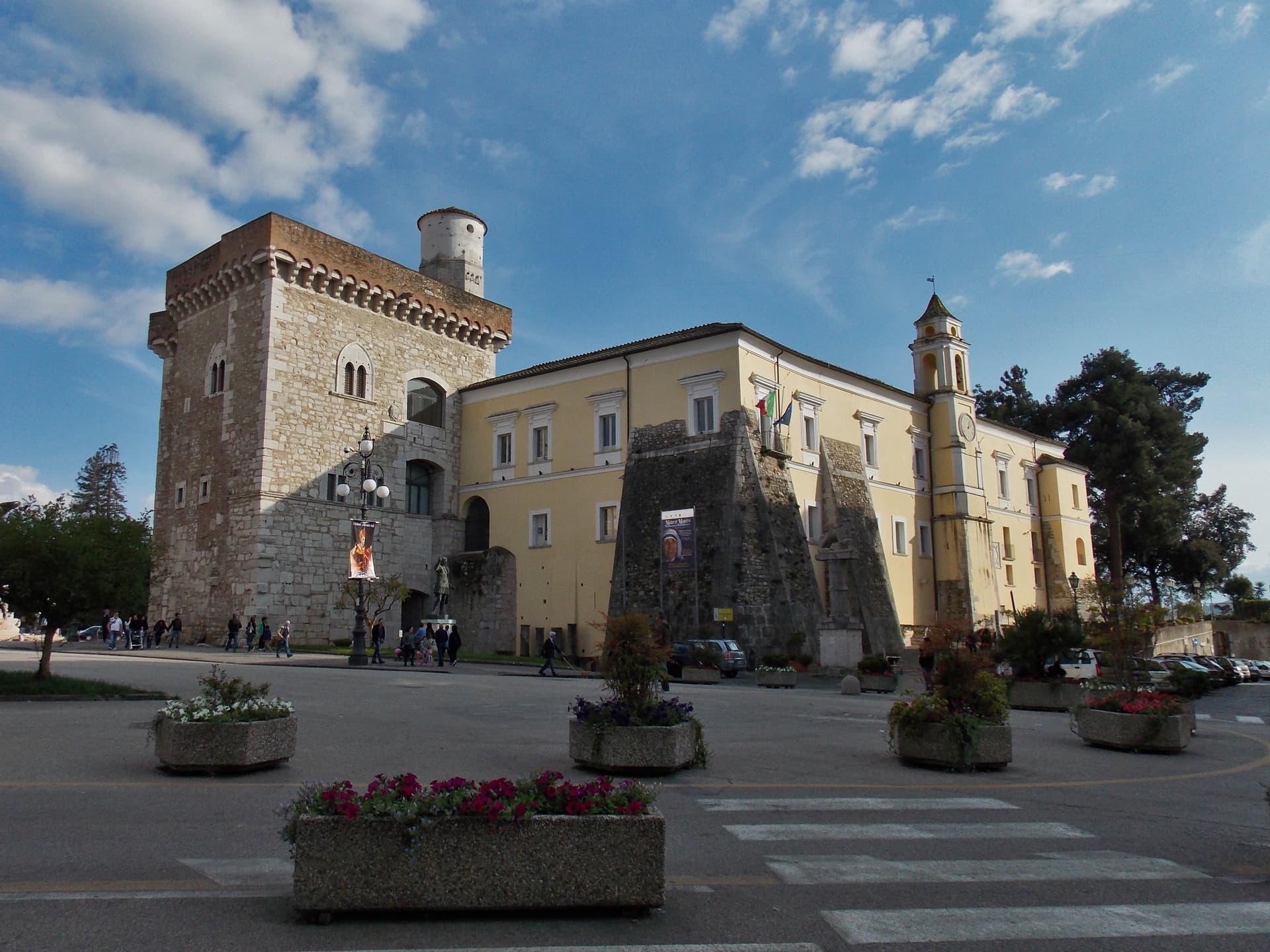
Sannio capital at the Calore-Sabato confluence, with a 114 AD Trajan arch and a Lombard rotunda on the UNESCO list.
Capaccio Paestum
Province: Salerno
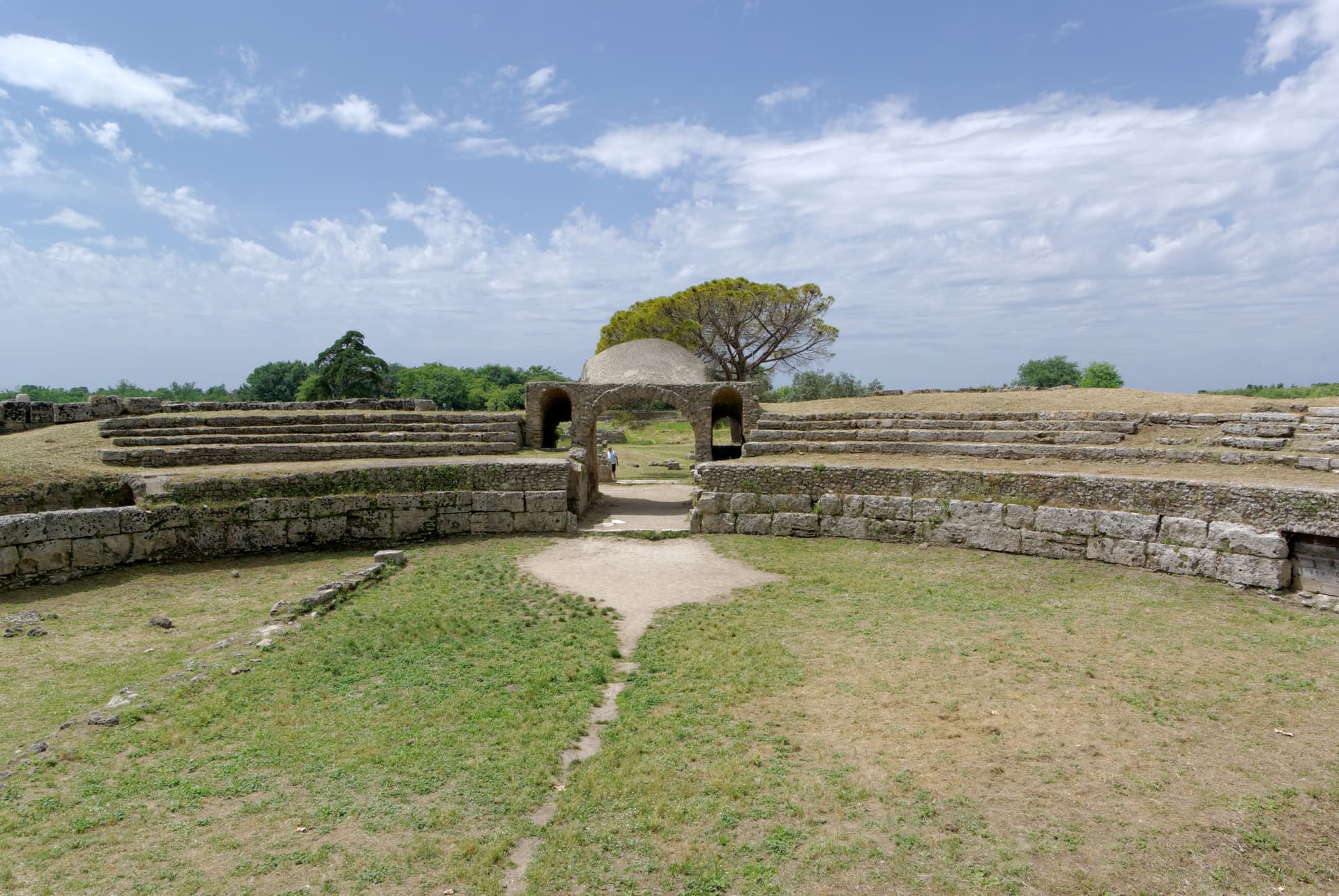
Three Doric temples of 550 to 450 BC on the Sele plain, with mozzarella di bufala DOP on the buffalo flats below Monte Calpazio.