

Apulia · Lecce
Melendugno
Salento's archaeological-beach capital — a 10,000-resident Lecce-province comune covering 17 km of Adriatic coast with three Bandiera Blu beaches (Torre dell'Orso, San Foca, Sant'Andrea), the Grotta della Poesia karst pool (one of the world's most beautiful natural pools per National Geographic), and the Bronze-Age-to-Messapian-to-medieval Roca Vecchia archaeological site.
Known for
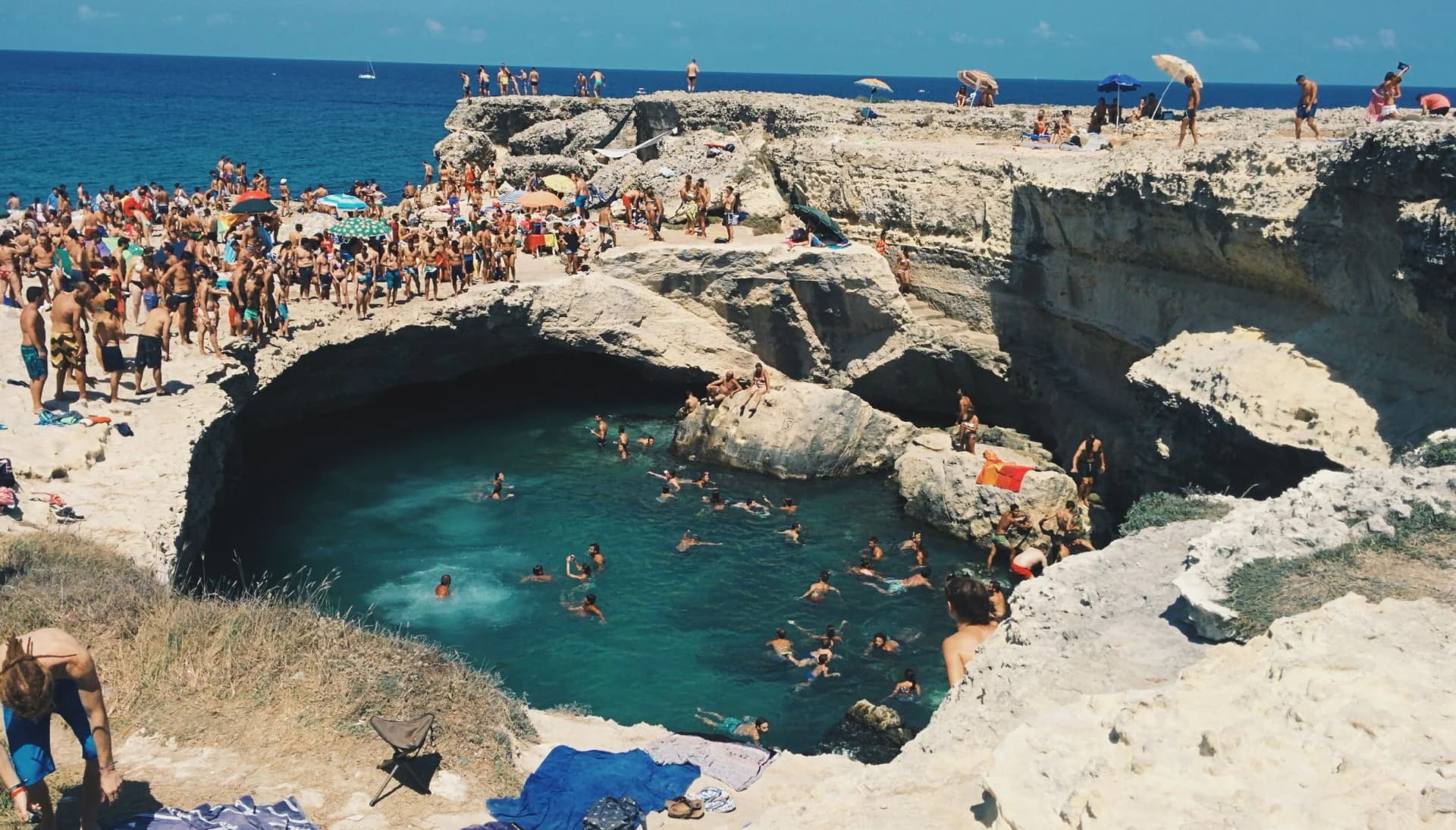
GROTTA DELLA POESIA
National Geographic 2014 'world's most beautiful natural swimming pool'. The Salento's most distinctive single swimming spot.
TRIPLE BANDIERA BLU
Torre dell'Orso + San Foca + Sant'Andrea — exceptional concentration of Bandiera Blu beaches in a single 17-km coastal comune.
ROCA VECCHIA MESSAPIAN
Bronze Age + Messapian fortified coastal settlement with thousands of votive inscriptions — major Messapian epigraphic site.
QUADRUPLE SIGNAL
Bandiera Blu + Borgo Autentico + Città dell'Olio + Città del Miele — rare 4-signal combination, matched by few Italian comuni.
When to visit
Best · May–Jun, Sep–Oct
- J
- F
- M
- A
- M
- J
- J
- A
- S
- O
- N
- D
- Best
- Hot or crowded
- Quiet
- Mostly closed
The festa: Niceta il Goto, 13 September
Why come
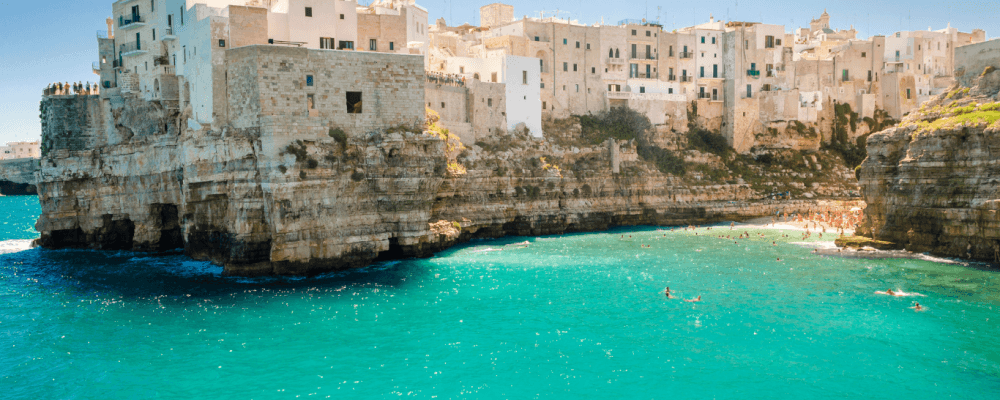
Melendugno is here for its 17 km of Adriatic coast — the most archaeologically and naturally distinctive stretch of the Salento east coast, all administered by a single 10,045-resident comune 19 km east of Lecce. Three Bandiera Blu beaches (the small Salento village has been holding 3+ Bandiera Blu since 2008, an exceptional concentration): Torre dell'Orso (300m of fine sand framed by two limestone faraglioni called Le Due Sorelle), San Foca (the modern marina town with the still-operational fishing port and the Castello Sangiovanni), Sant'Andrea (the smallest of the three with the most dramatic limestone arches). Plus the unique Grotta della Poesia at Roca — a karst-collapsed natural pool 8m below the surrounding rock surface, with a single jagged opening above and crystal-clear water connecting via underwater tunnels to two adjacent smaller pools, named by National Geographic in 2014 as one of the world's most beautiful natural swimming pools.
Adjacent: Roca Vecchia, the archaeological complex of a Messapian (5th-3rd c BC) and earlier Bronze Age (16th c BC, the so-called Roca Vecchia hut village) fortified settlement on a coastal promontory, with thousands of votive inscriptions in proto-Messapian + Greek + Latin scratched into the cave walls (one of the most important Messapian epigraphic sites). The town of Melendugno itself (inland from the coast, 36m altitude) is the administrative centre — the Chiesa di Santa Maria della Vergine (16th-c), the Palazzo Marchesale, the medieval centro. Melendugno holds the rare Borgo Autentico + Bandiera Blu combination, plus Città dell'Olio (the surrounding olive groves are part of the Salento DOP zone, with the famous millennia-old olive trees) and Città del Miele (the local Apicoltori del Salento cooperative produces a distinctive thistle + eucalyptus + millefiori honey).
The food is Salentino: pasta con cime di rapa, pittule (fried dough balls), pasticciotto leccese (the cream-filled shortcrust pastry — Pasticceria Ascalone in Galatone 30 km south is the original 1745 source), bombette of pork, the local Primitivo + Negroamaro reds. Summer events: La Notte della Taranta (the pizzica festival, in nearby Melpignano 25 km south, late August — Salento's biggest cultural event).
The Sunday letter
We haven’t written Melendugno’s letter yet.
One town every Sunday, with the photo, the food, the festa. Be there when this one comes up. Free, by Peter & Sophia from Pietrasanta.
By subscribing you agree to Substack’s Terms of Use, our Privacy Policy and our Information collection notice.
What to see
Grotta della Poesia (Roca)
Karst-collapsed natural pool 8m below the rock surface — National Geographic 2014 'world's most beautiful natural swimming pool'. Crystal-clear water + underwater tunnels to two adjacent pools.
Three Bandiera Blu beaches
Torre dell'Orso (300m sand + Le Due Sorelle faraglioni), San Foca (marina + Castello Sangiovanni), Sant'Andrea (smallest, most dramatic limestone arches). 3+ Bandiera Blu since 2008.
Roca Vecchia archaeological site
Messapian (5th-3rd c BC) + Bronze Age (16th c BC) fortified coastal settlement. Thousands of votive inscriptions in proto-Messapian + Greek + Latin in the cave walls — major Messapian epigraphic site.
Salento DOP olives + millennia trees
Surrounding olive groves part of the Salento DOP zone. Famous millennia-old olive trees on the road to Acaya 8 km north. Città dell'Olio designation.
Apicoltori del Salento honey
Local cooperative produces distinctive thistle (cardo) + eucalyptus + millefiori honey. Città del Miele designation. Sagra del Miele in early autumn.
The slow-trip planner
Building a trip? Find where Melendugno fits in a slow Italy circuit.
Answer five questions. We will shape a geographically coherent slow trip from the 1,000 Italian towns most travelers skip. Yours to save and share.
Living here
- Population 10,045
- Commuter belti
- Pharmacy in town
- High school within a 30-minute drive
- Nearest airport Bari / Brindisi, 2 h 33 min drive
- Regional capital Bari, 2 h 21 min drive
Tags & datadesignations · numbers · sources
The numbers
- Elevation: 36 m
- Population: 10,045
- Surface area: 92.31 km²
These figures were compiled from public directories — ISTAT, OpenStreetMap, Wikidata — and from the official listings of the guides named on this page. Town details change; verify with official sources before you travel.
Close by
More towns near Melendugno
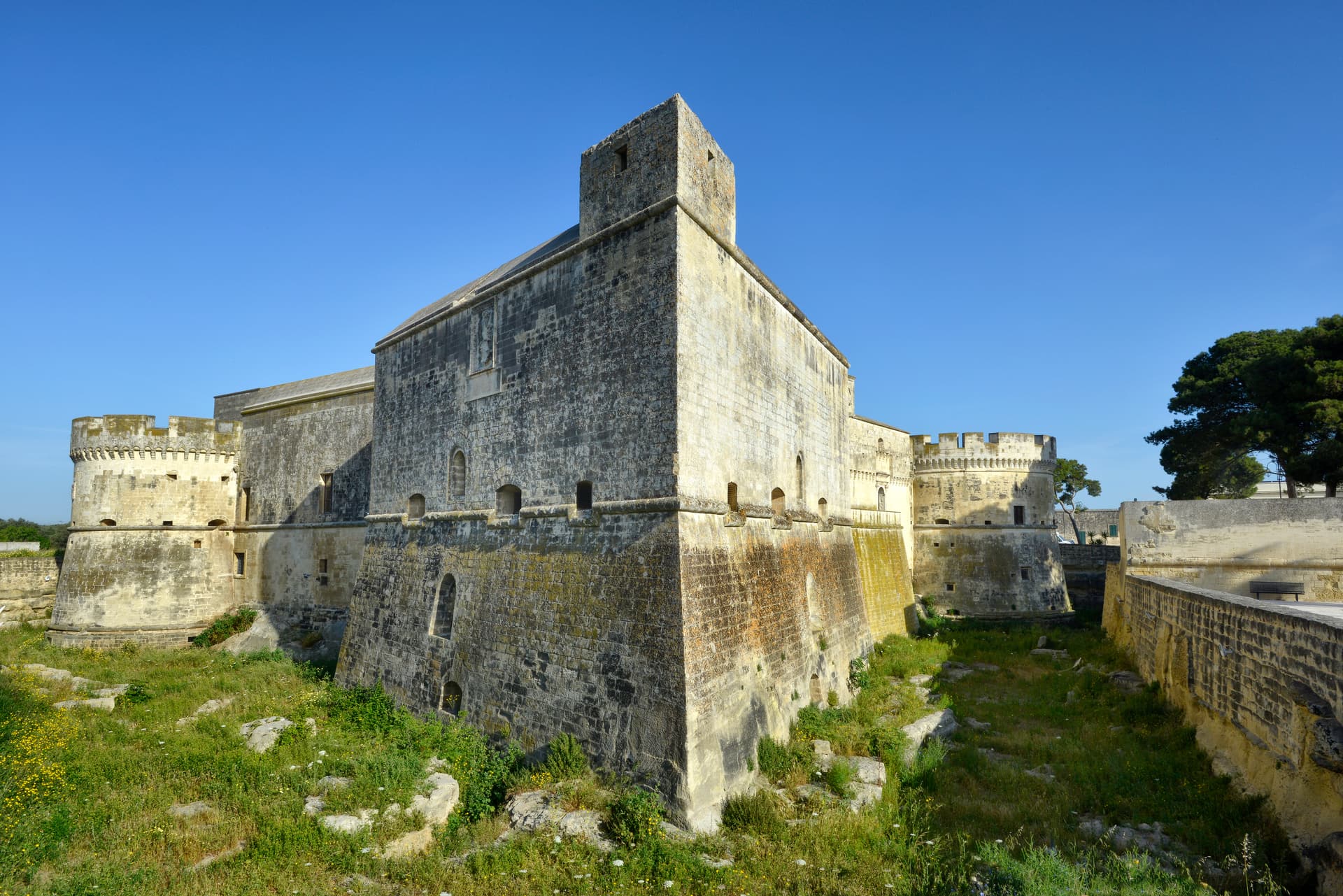
Vernole
Province: Lecce
A Salento commune ten kilometers from Lecce whose frazione of Acaya is the only Renaissance fortified town in southern Italy.
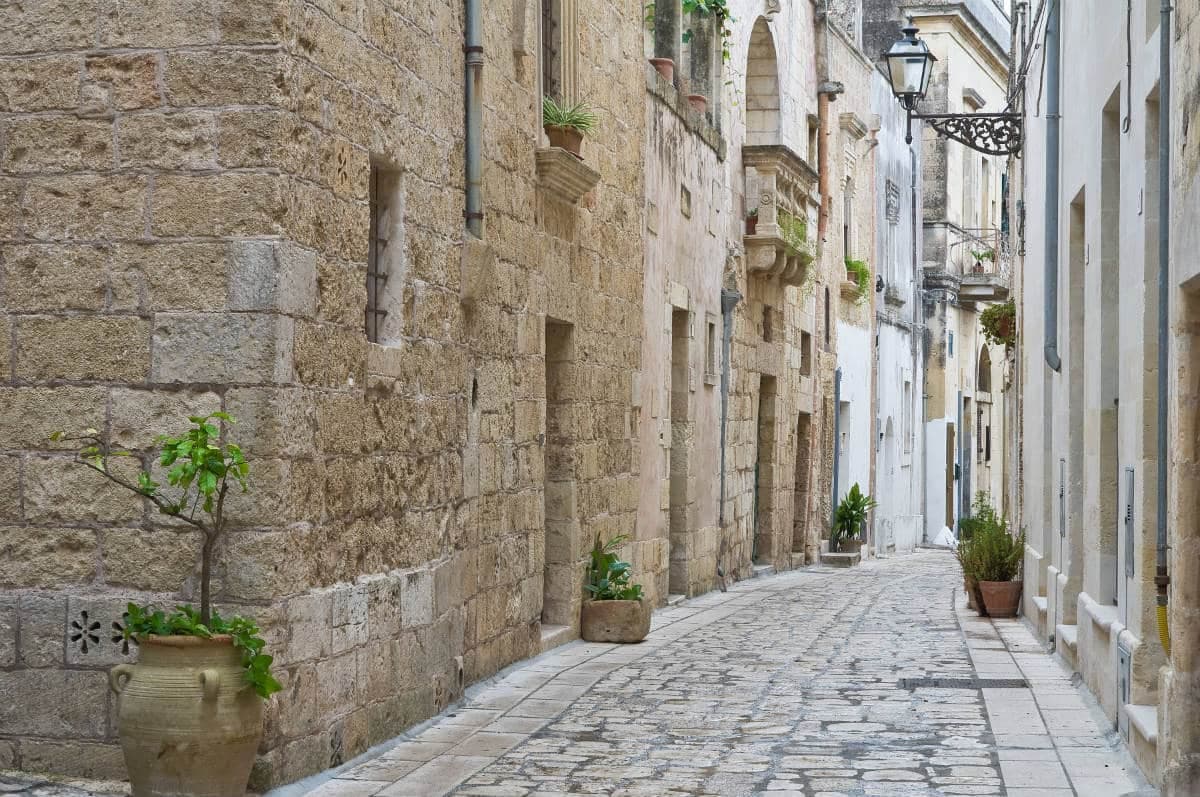
Martano
Province: Lecce
The biggest town in the Grecìa Salentina, twenty kilometers south of Lecce, where the Griko language still survives among older residents.
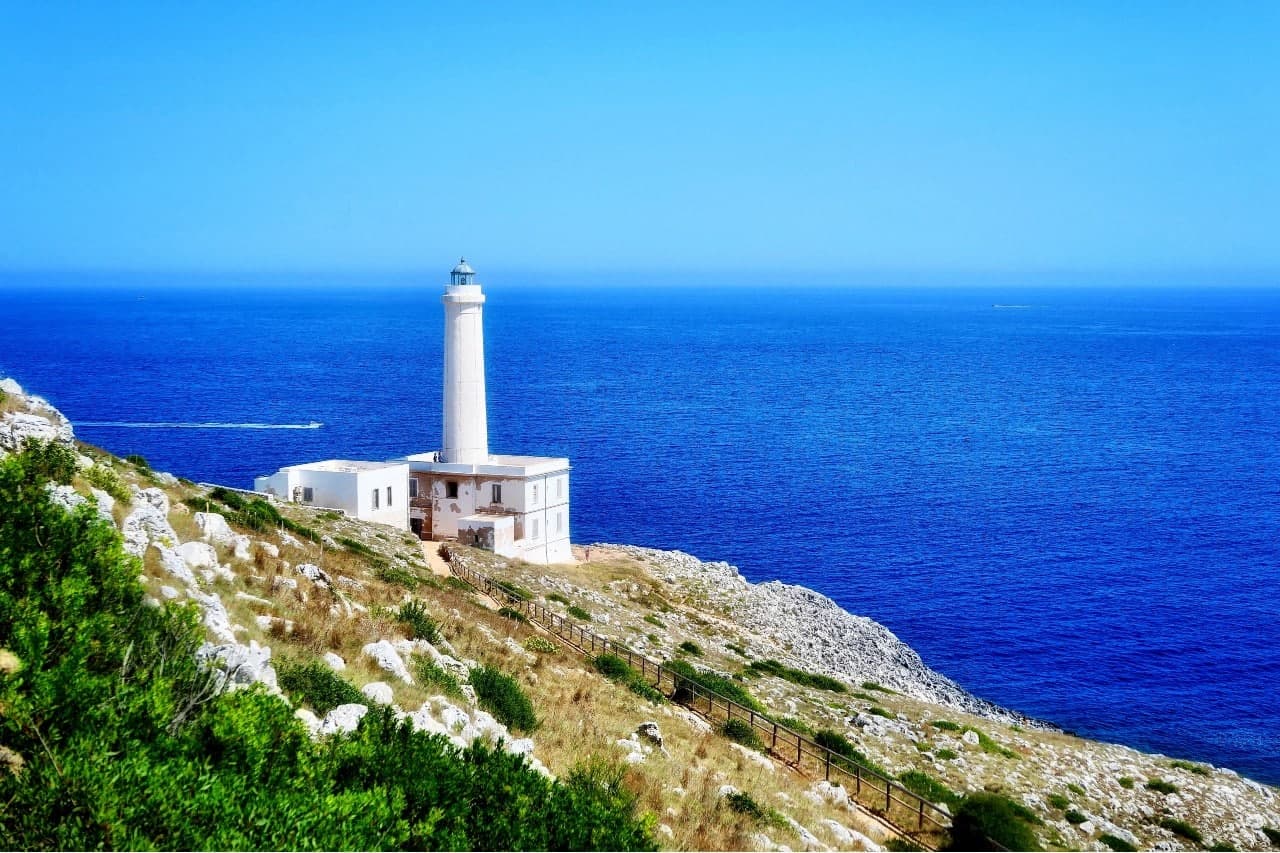
Otranto
Province: Lecce
Italy's easternmost city, eighty kilometers from Albania, with a Norman mosaic floor and the bones of 813 martyrs in the cathedral.
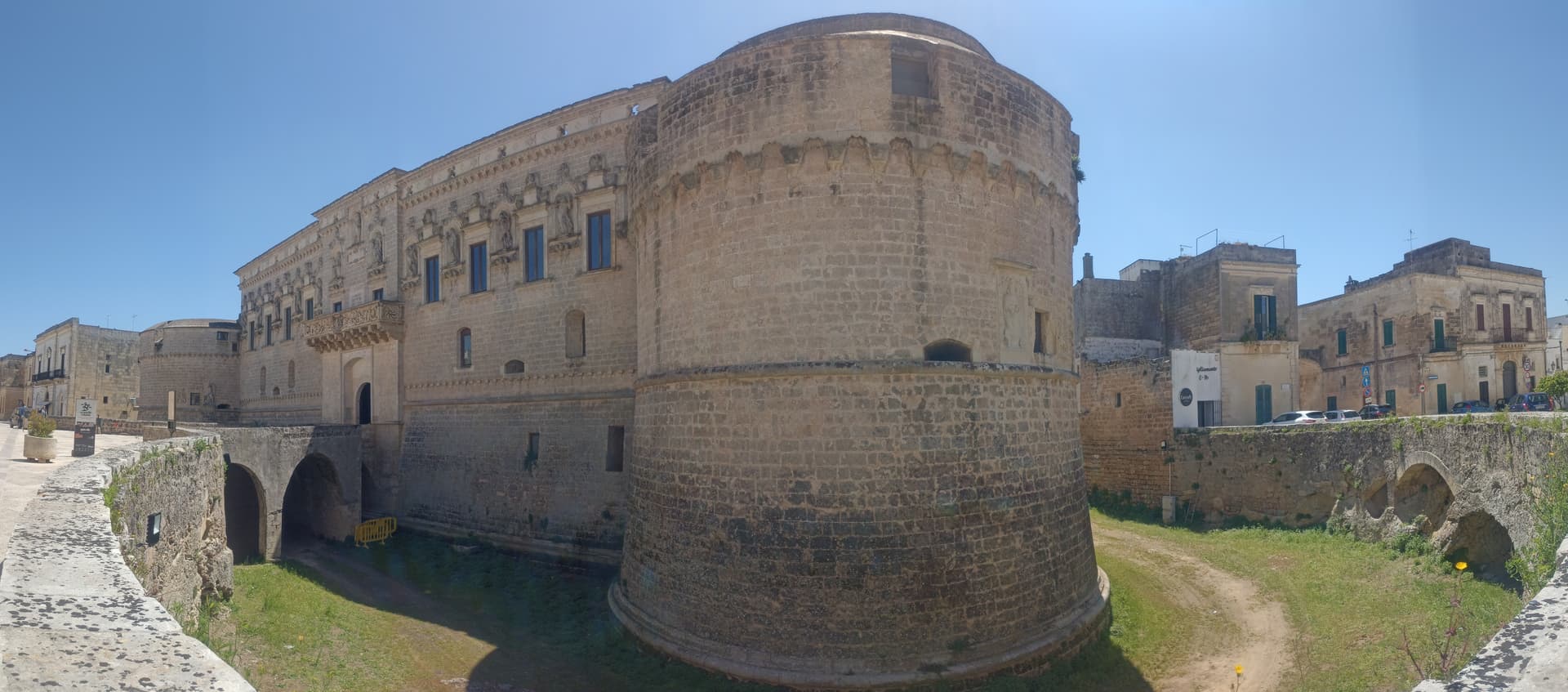
Corigliano d'Otranto
Province: Lecce
A Grecìa Salentina town twenty-five kilometers south of Lecce, Griko-speaking, with a 1500s Lecce-stone castle of circular towers around a quadrangular plan.
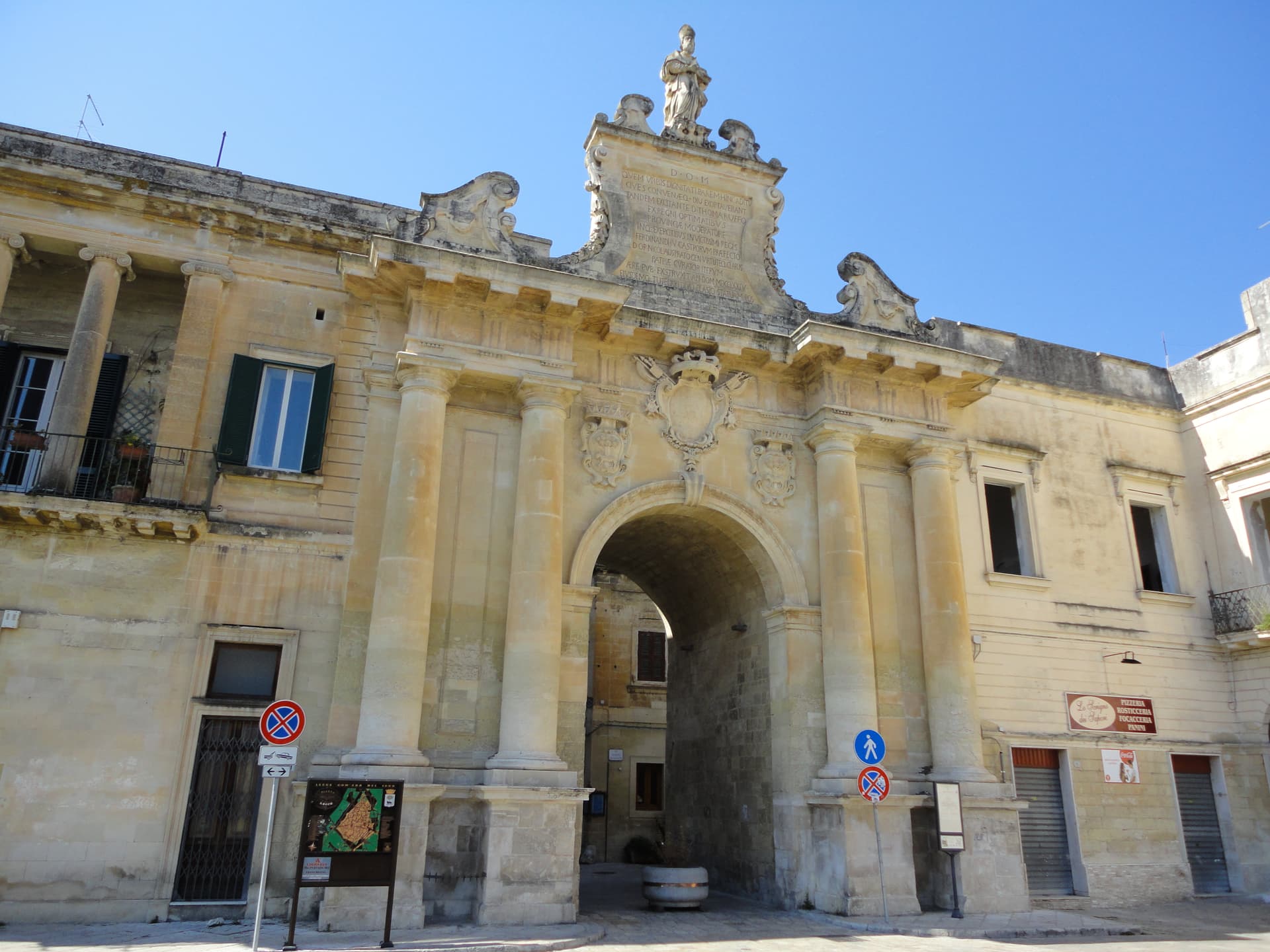
Lecce
Province: Lecce
The Baroque capital of the Salento, ninety-four thousand people on the Lecce-stone plain, carving its façades in honey limestone since 1500.
🟦 Bandiera Blu
More Bandiera Blu towns in Apulia
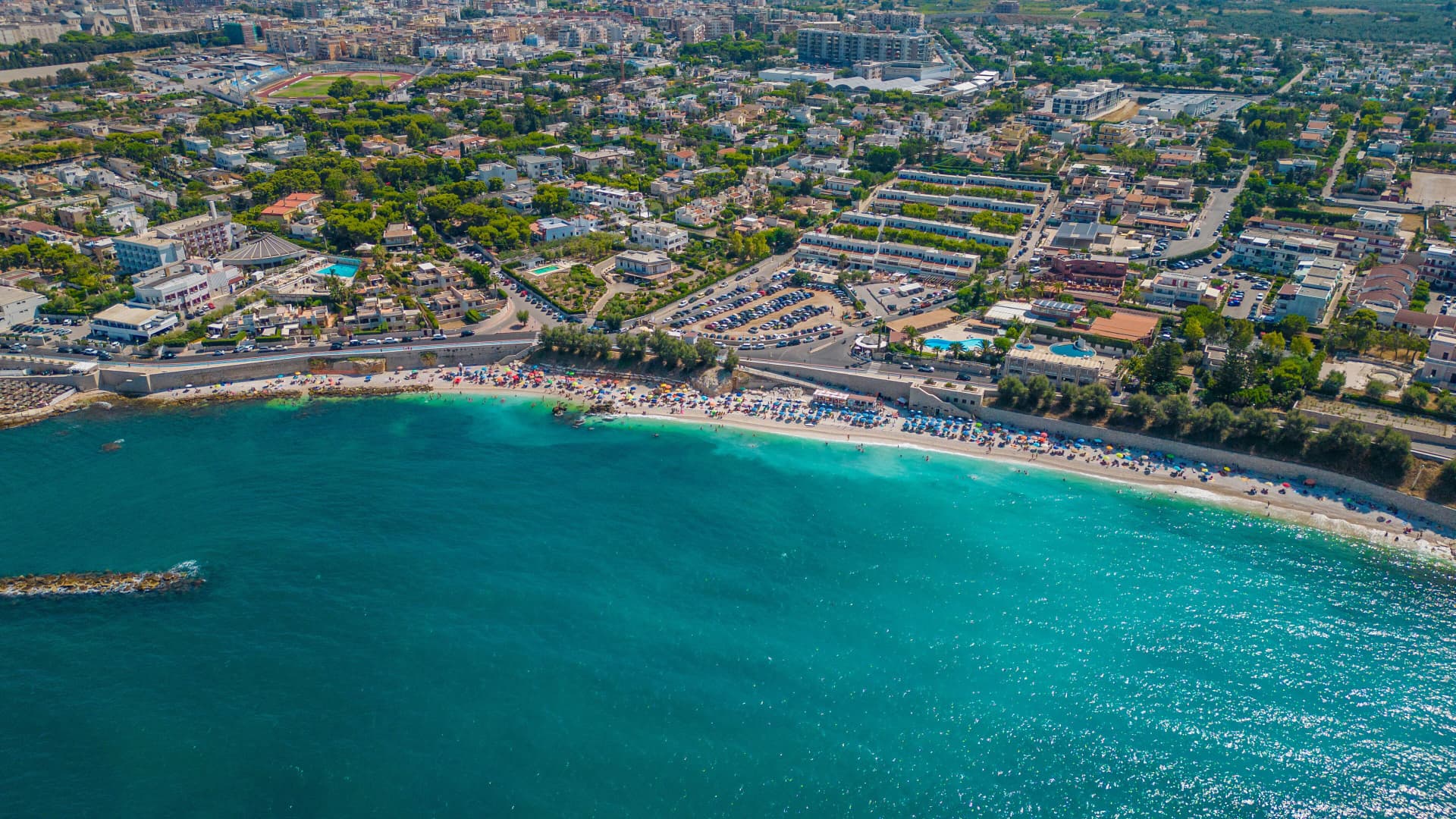
Bisceglie
Province: Barletta-Andria-Trani
An Adriatic port town between Trani and Molfetta, named for Roman watchtowers, with five dolmens around it and a Norman cathedral begun in 1073.
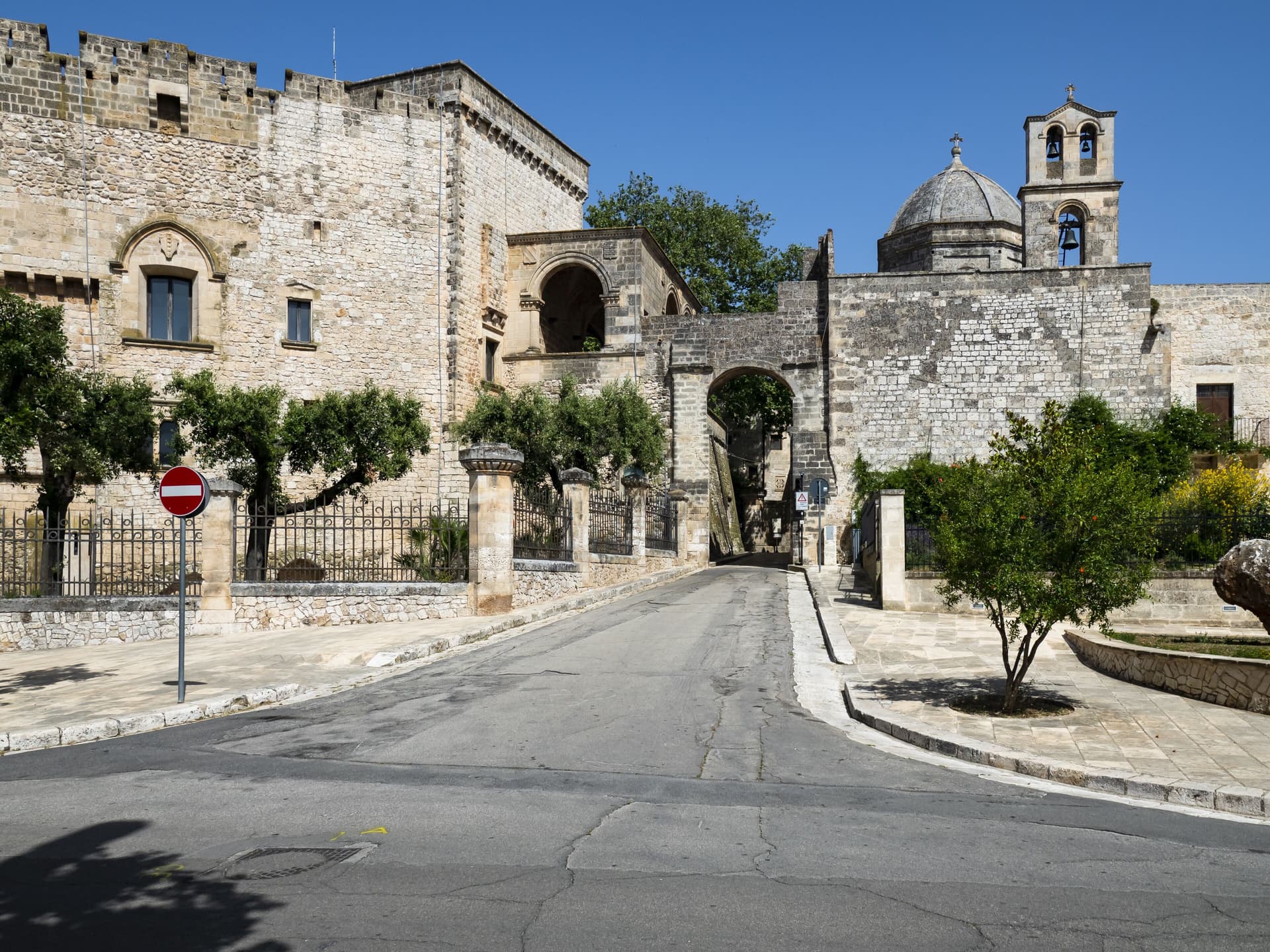
Carovigno
Province: Brindisi
An upper Salento town between Brindisi and Ostuni, built on the Messapian Carbina destroyed in 473 BC, with the Torre Guaceto marine reserve offshore.
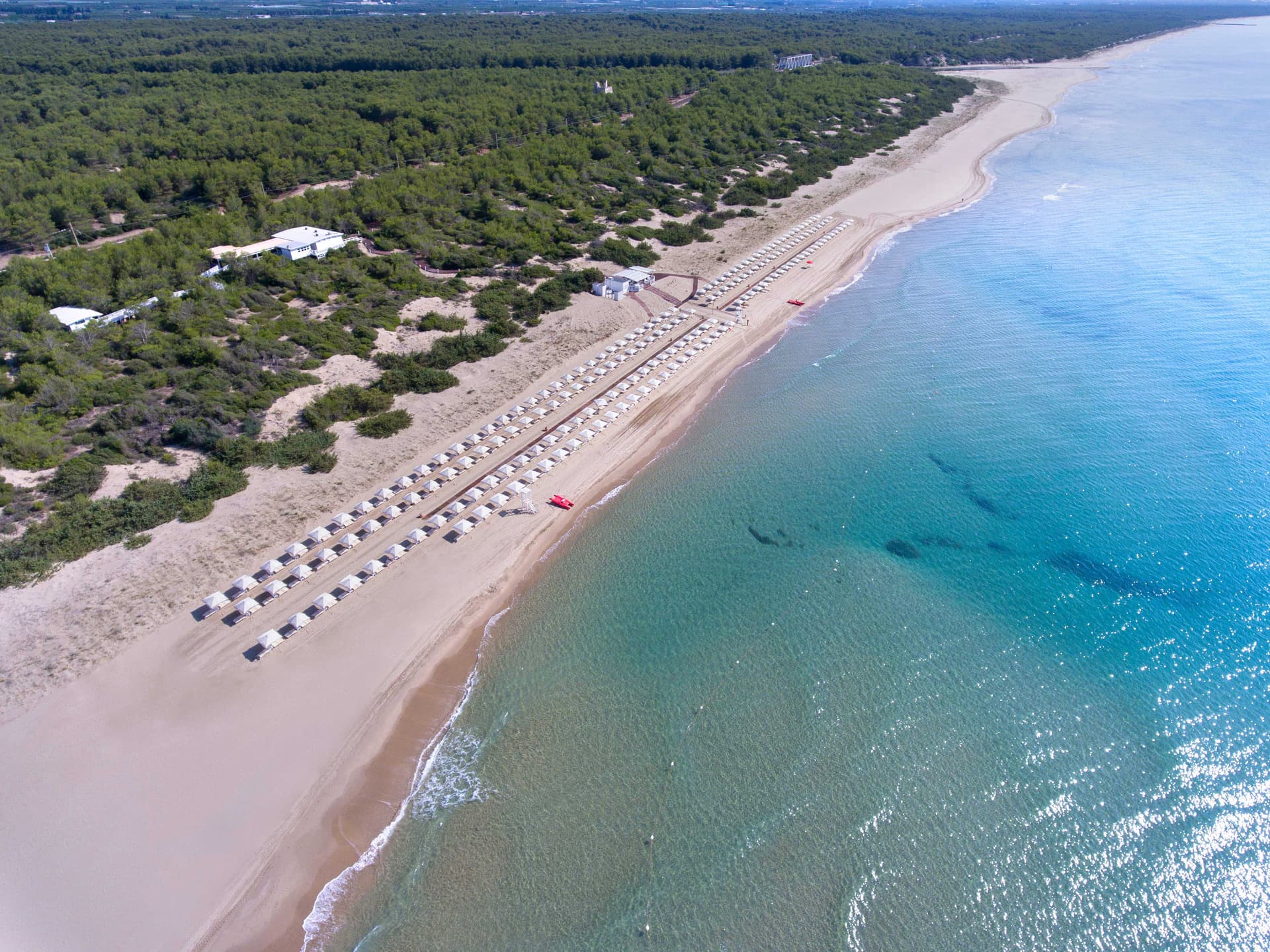
Castellaneta
Province: Taranto
A cliff-edge Murge town at 235 meters above the Gravina Grande canyon, birthplace of Rudolph Valentino in 1895, with a Bandiera Blu Ionian marina.
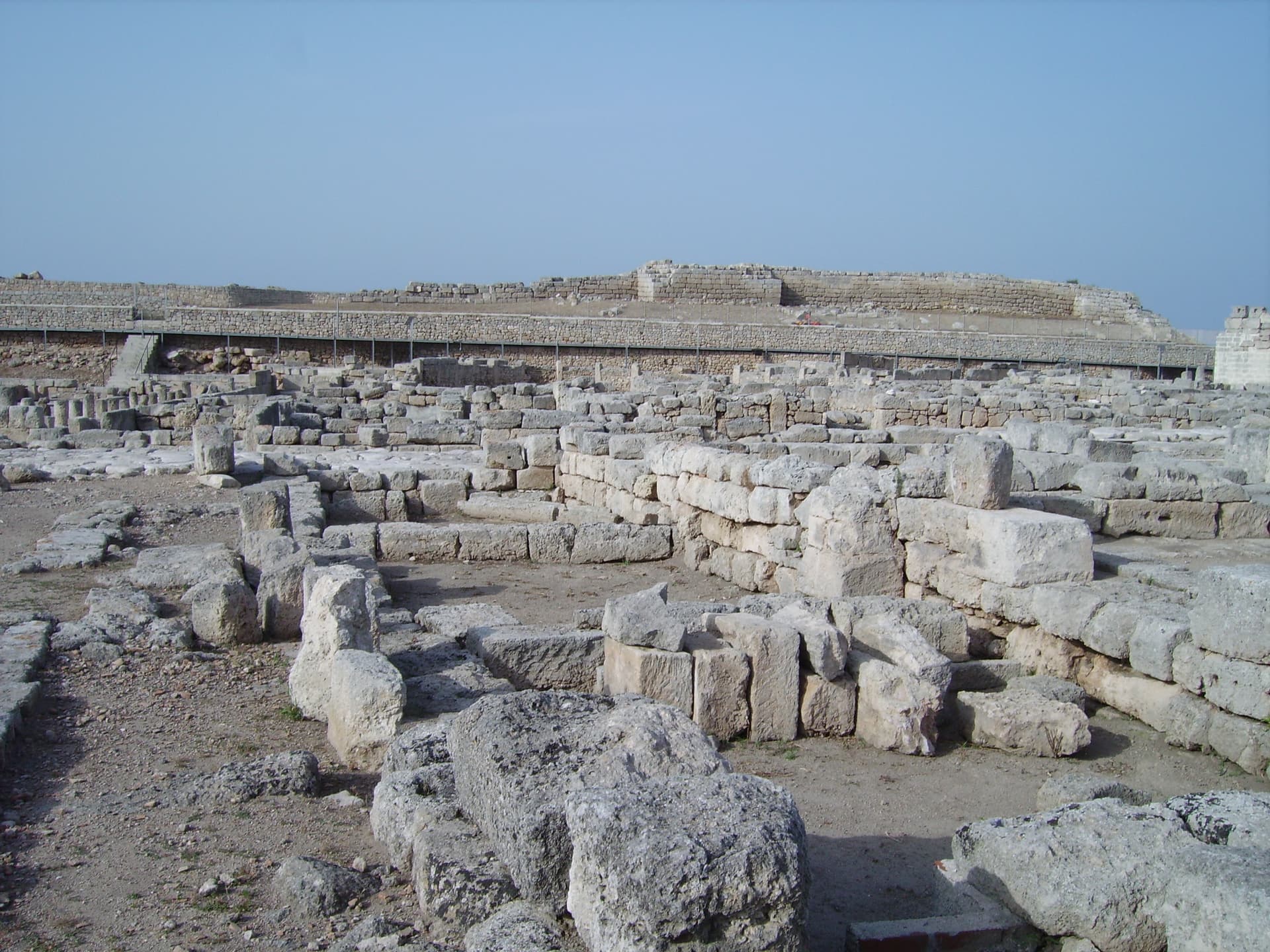
Fasano
Province: Brindisi
A Brindisi-province town from the Adriatic up to the Itria escarpment, holding the Roman ruins of Egnazia, the Selva, and Europe's second-largest safari park.
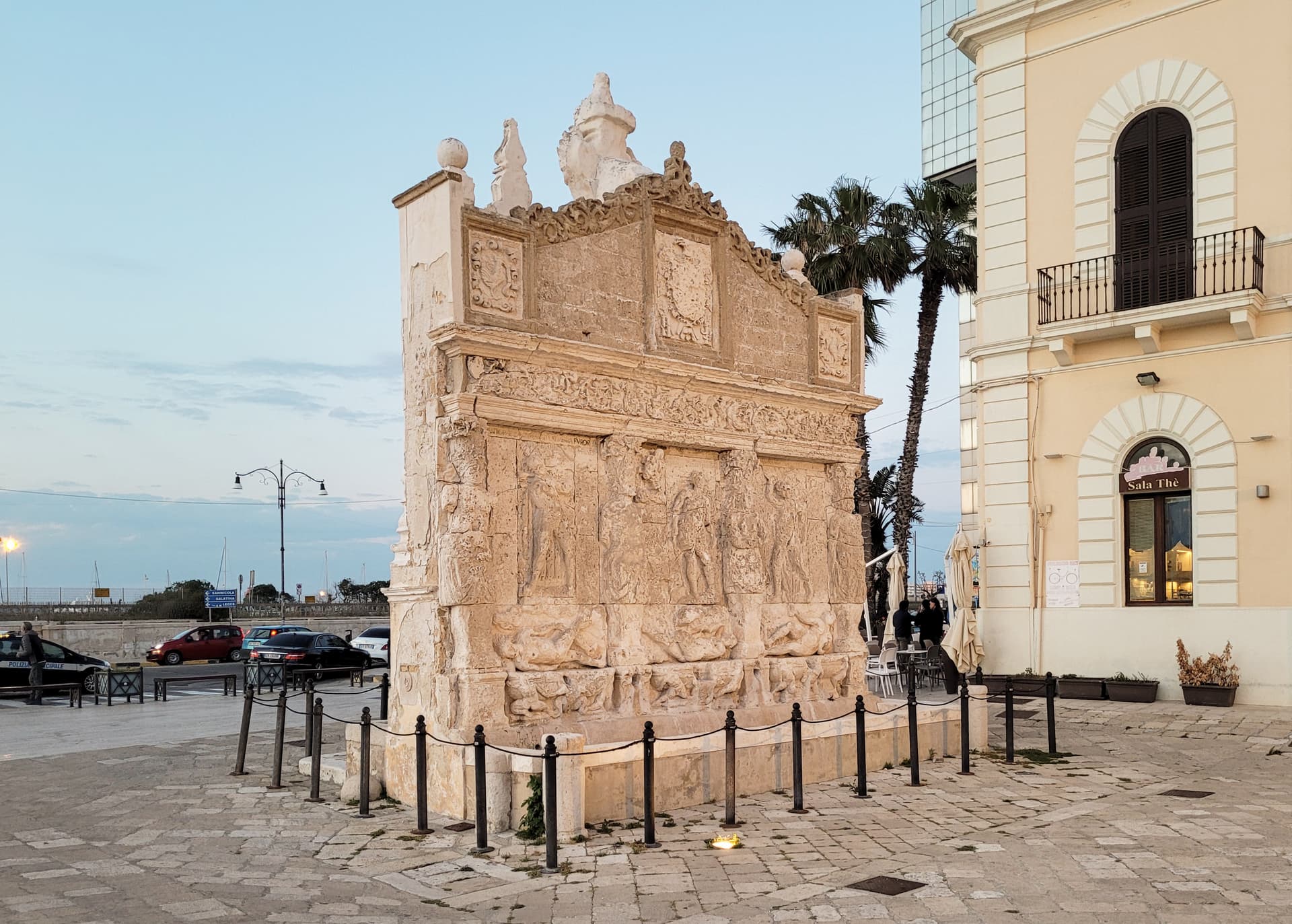
Gallipoli
Province: Lecce
The Ionian beach city on a limestone island, Greek Kallipolis meaning beautiful city, tied to the mainland by a seventeenth-century bridge.