

Lazio · Latina
Gaeta
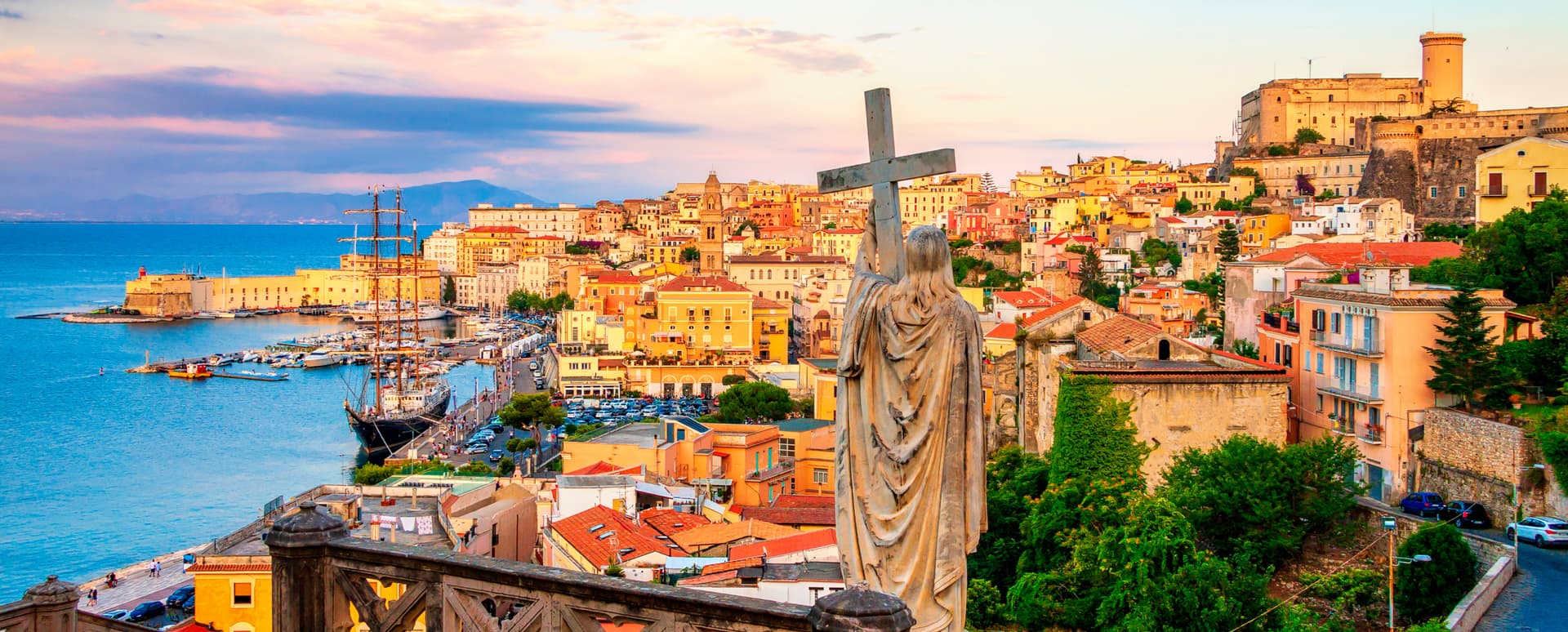
The promontory port where the Bourbon Kingdom of the Two Sicilies fell in February 1861 and the south of Italy stopped existing as a state.
Known for
BOURBON LAST STAND
Francis II of the Two Sicilies held out here from November 1860 until 13 February 1861; the surrender ended the Bourbon kingdom.
MONTAGNA SPACCATA
Sanctuary built across a vertical cleft in the cliff of Monte Orlando, pilgrimage site since the 11th century.
TIELLA
Double-crust savory pie of octopus, escarole or anchovies; the dish associated with the Bourbon siege rations.
When to visit
Best · May–Sep
- J
- F
- M
- A
- M
- J
- J
- A
- S
- O
- N
- D
- Best
- Hot or crowded
- Quiet
- Mostly closed
Why come
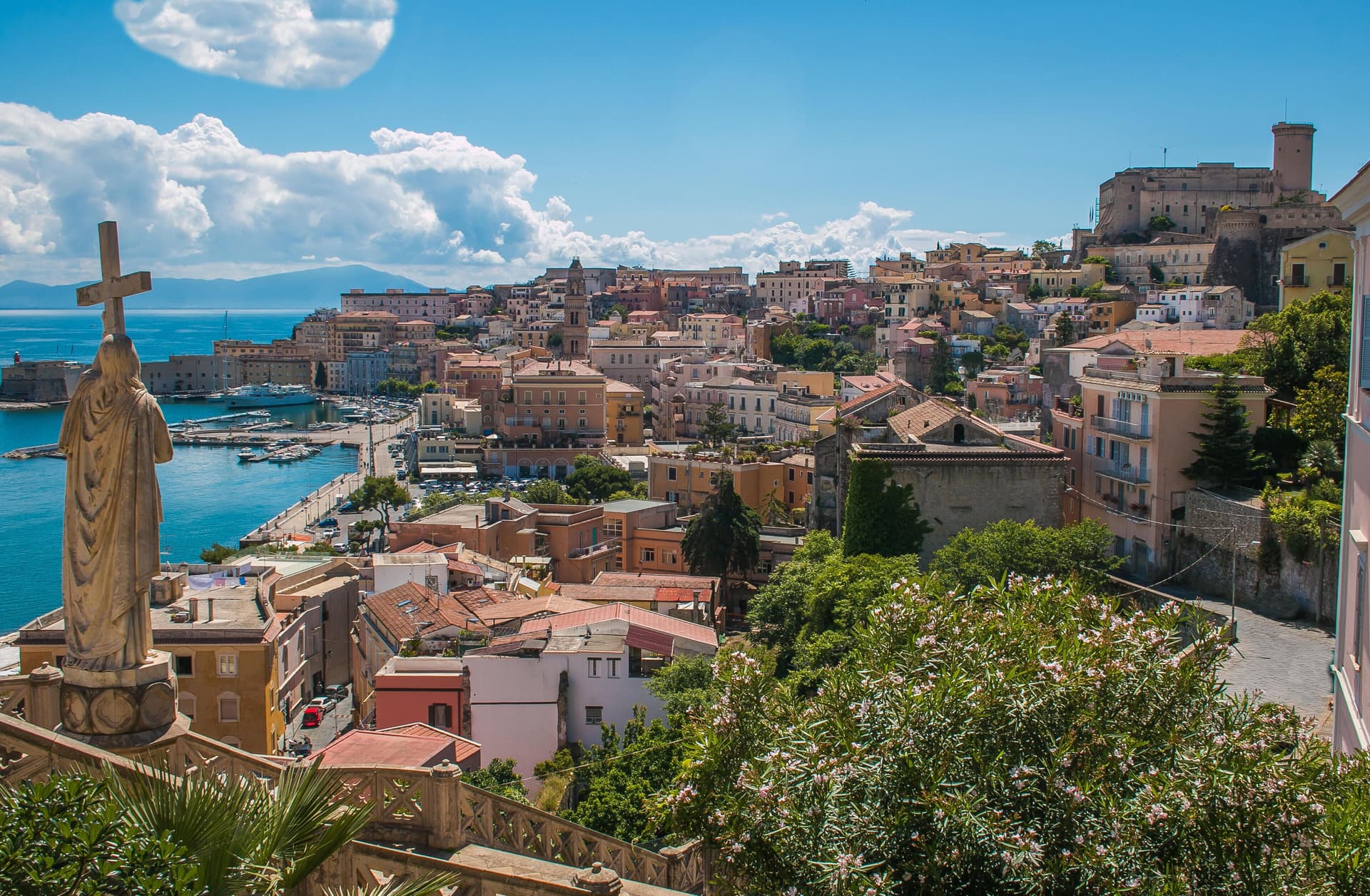
Gaeta is a promontory on the Tyrrhenian coast halfway between Rome and Naples, a port and a fortress town and, until February 1861, the last capital of the Bourbon Kingdom of the Two Sicilies. Francis II and Maria Sofia held out here from November 1860 against the Sardinian army of Cialdini; the siege ended the Bourbons in southern Italy. Before that there was a much older town: the mausoleum of the Roman consul Lucius Munatius Plancus stands on top of Monte Orlando, the wooded headland above the harbor; the medieval quarter of Sant'Erasmo on the headland holds the Cathedral of Santa Maria Assunta with its 57-meter Norman-Gothic bell tower.
The Montagna Spaccata, a vertical cleft in the cliff with the Santuario della Santissima Trinità built across it in the 11th century, is the pilgrimage site Pope Pius IX retreated to in 1848. The tiella, Gaeta's stuffed double-crust pie of octopus or escarole, is what the Bourbons ate during the siege.
The Sunday letter
We haven’t written Gaeta’s letter yet.
One town every Sunday, with the photo, the food, the festa. Be there when this one comes up. Free, by Peter & Sophia from Pietrasanta.
By subscribing you agree to Substack’s Terms of Use, our Privacy Policy and our Information collection notice.
What to see
Santuario della Montagna Spaccata
Sanctuary of the Santissima Trinità on Monte Orlando, built into a vertical fissure in the cliff, founded in the 11th century.
Cattedrale di Santa Maria Assunta
Cathedral in Sant'Erasmo with a 57-meter Norman-Gothic campanile, decorated with marble fragments from earlier Roman buildings.
Mausoleo di Lucio Munazio Planco
Roman circular tomb of the consul who founded Lyon, on the summit of Monte Orlando, dating to the late 1st century BC.
Castello Angioino-Aragonese
Layered fortress above the old town, lower Angevin section from the 12th century and upper Aragonese from the 15th.
Borgo di Sant'Erasmo
Medieval quarter on the headland with the cathedral, churches of San Giovanni a Mare, San Domenico, and the Bourbon-era walls.
Spiaggia di Serapo
Main town beach below the headland, blue-flag, two kilometers of fine sand backed by hotels and the old town wall.
The slow-trip planner
Building a trip? Find where Gaeta fits in a slow Italy circuit.
Answer five questions. We will shape a geographically coherent slow trip from the 1,000 Italian towns most travelers skip. Yours to save and share.
We recommend
Where to eat and stay
Not our picks, but places the guides put their name to — a Michelin star, a Gambero Rosso fork, a Slow Food snail, a Michelin Key for the hotels. Worth a table, a counter, or a night when you pass through.
Dolia GaetaRistorante
A spot in the Michelin Guide, at Dolia Gaeta.
Magie dei Sapori all'Hotel Torre San VitoRistorante
A Gambero Rosso listing, at Magie dei Sapori all'Hotel Torre San Vito.
Signature dish
Tiella di GaetaSavory pie
A double-crust savory pie filled with octopus, escarole or salt cod, sold by the slice in the old port.
See every town in our catalogue with a dish of its own.
Living here
- Population 19,423
- Commuter belti
- Pharmacy in town
- High school within a 30-minute drive
- Train station in the comune
- Nearest airport Naples / Salerno, 1 h 40 min drive
- Regional capital Roma, 2 h 26 min drive
Tags & datadesignations · numbers · sources
Recognised as
The numbers
- Elevation: 2 m
- Population: 19,423
- Surface area: 29.2 km²
These figures were compiled from public directories — ISTAT, OpenStreetMap, Wikidata — and from the official listings of the guides named on this page. Town details change; verify with official sources before you travel.
Close by
More towns near Gaeta
Sperlonga
Province: Latina
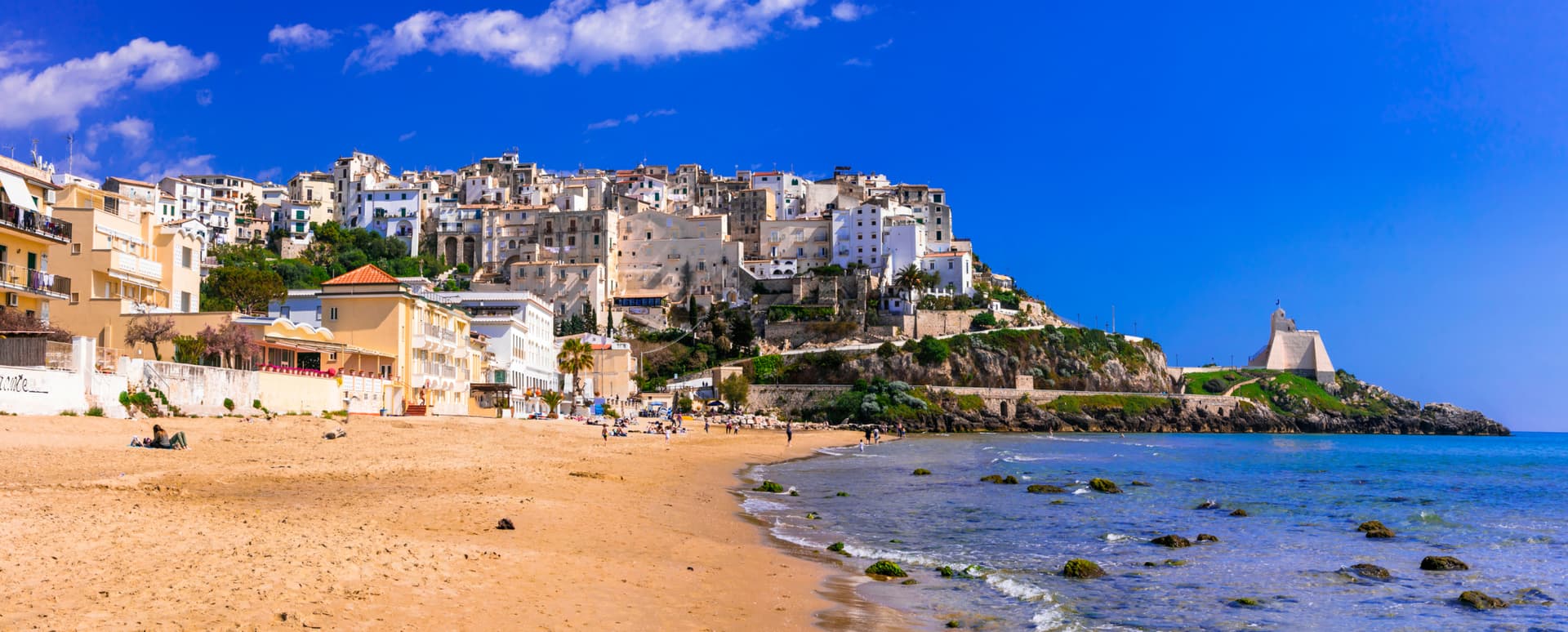
A whitewashed cliff town on Monte San Magno halfway between Rome and Naples, built above the sea grotto where Tiberius staged the Odyssey in marble.
Minturno
Province: Latina
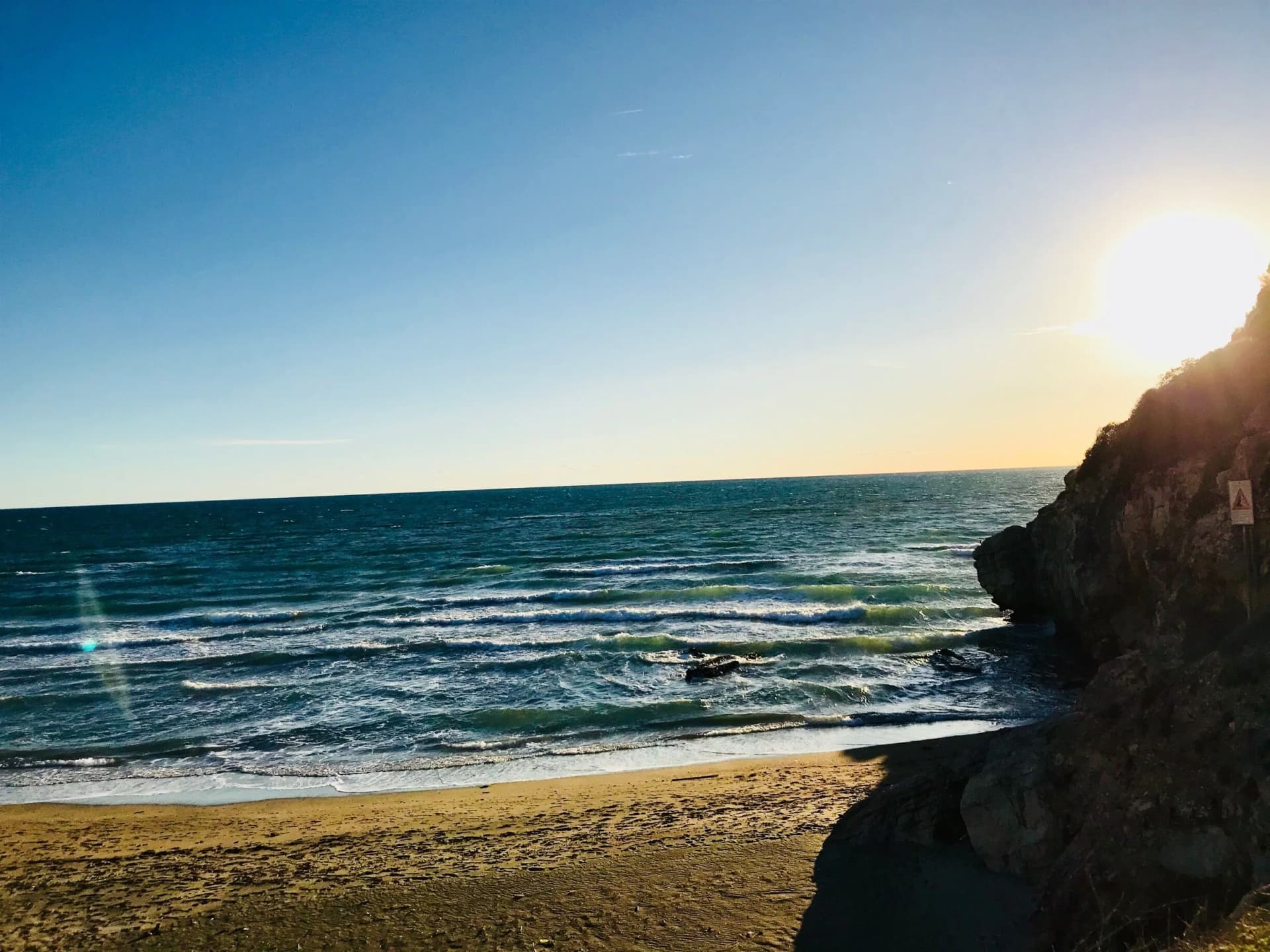
A coastal comune at the mouth of the Garigliano, built on the Roman colony of Minturnae, five-time Bandiera Blu through Scauri and Marina.
Fondi
Province: Latina
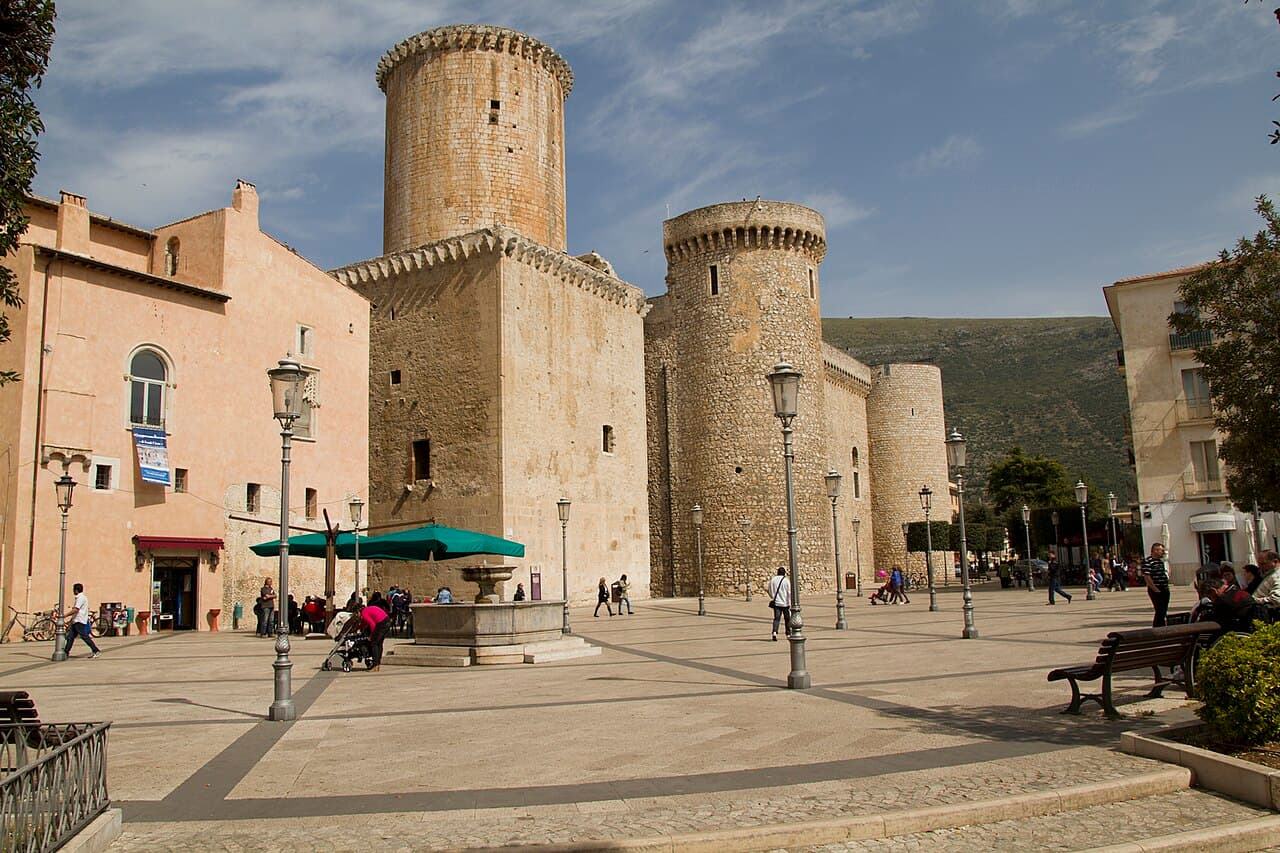
The plain town between the Ausoni and Aurunci mountains where the Caetani built a castle in the middle of farmland instead of on a hill.
Terracina
Province: Latina
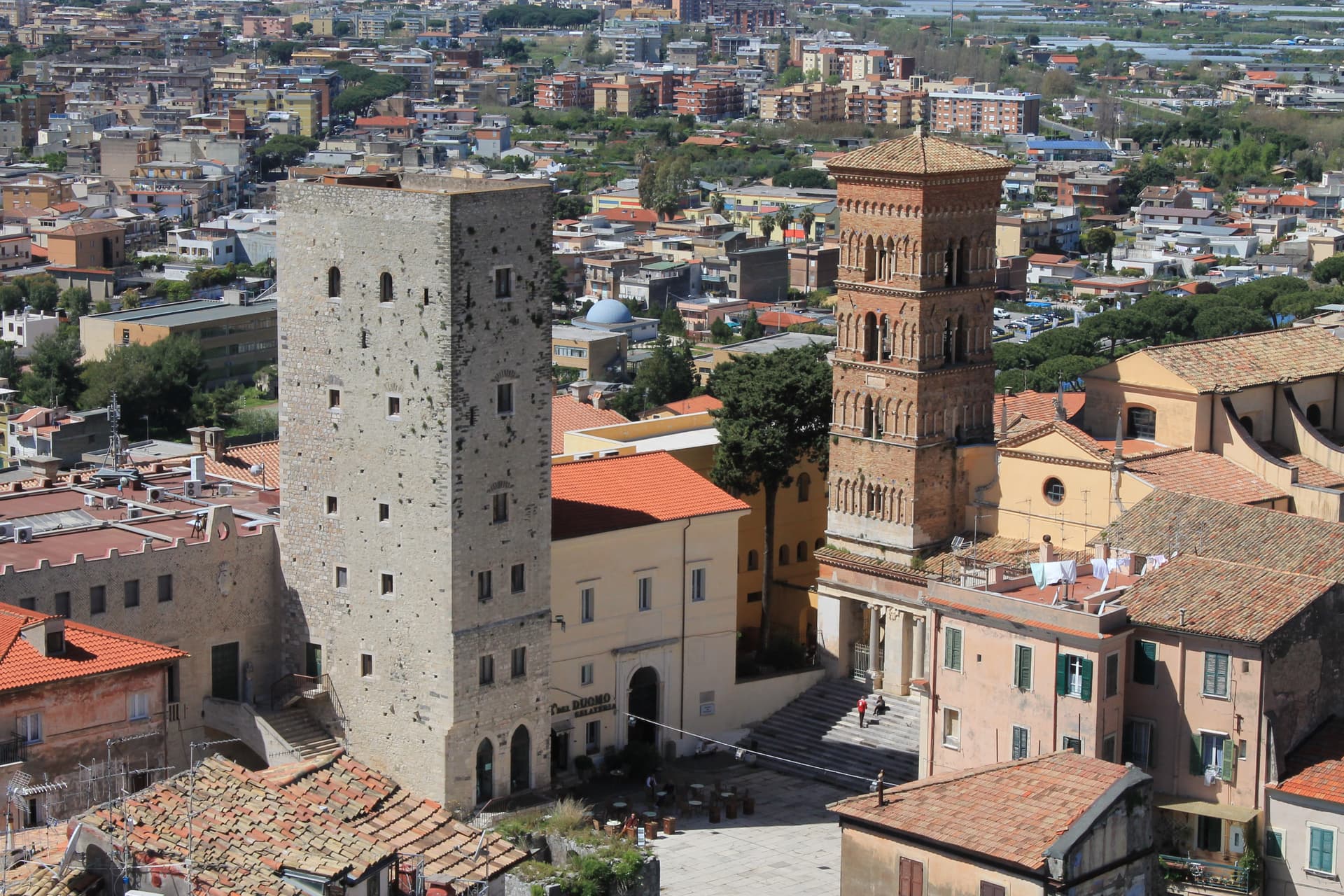
The Volscian Anxur on the Via Appia, where Jupiter's temple sits 227 meters above a port Trajan cleared through stone.
Pico
Province: Frosinone
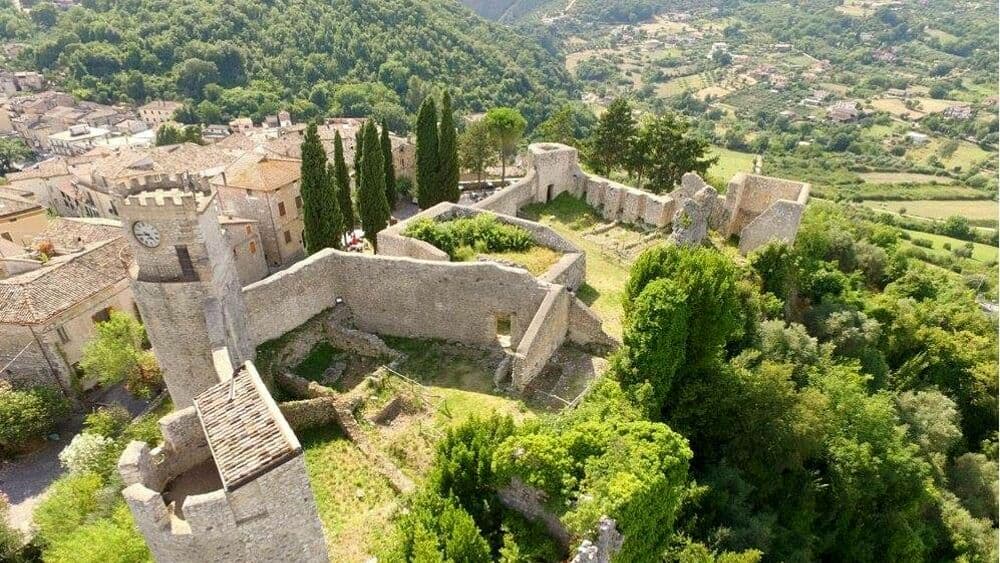
Tommaso Landolfi's home town — a 2,634-resident Ciociaria borgo at 220m on the Monti Ausoni between Rome and Naples, with the Castello Baronale dei Boncompagni (now the Casa Museo Tommaso Landolfi for the eccentric 20th-c Italian fantastic-realism writer), a BPB-inscribed medieval centro, and the surrounding Monti Ausoni hiking + wild boar country.
🟦 Bandiera Blu
More Bandiera Blu towns in Lazio
Sabaudia
Province: Latina
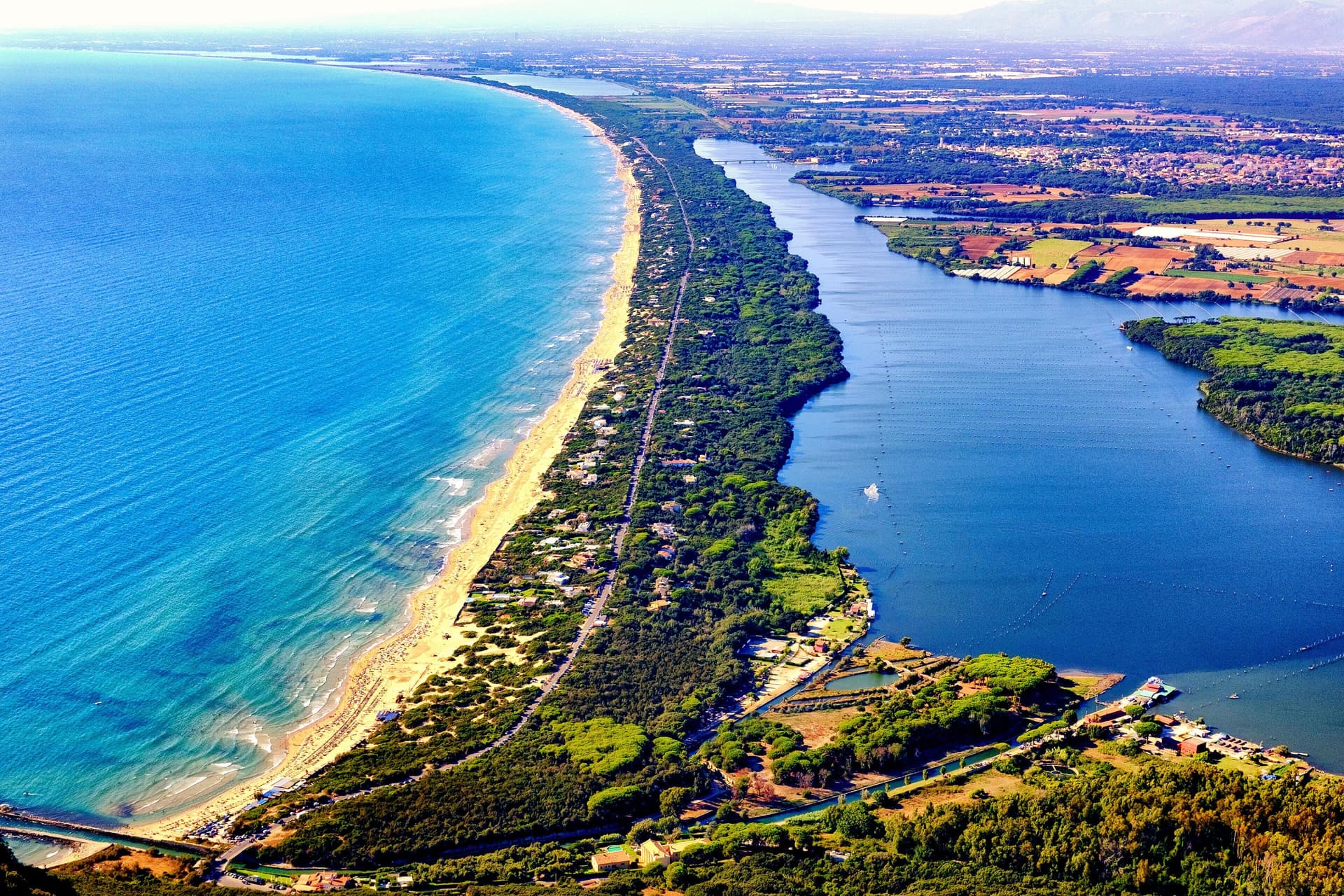
A rationalist city built in 253 days on drained Pontine marshland, founded 15 April 1934 between Lago di Paola and the Tyrrhenian dunes.
San Felice Circeo
Province: Latina
A medieval borgo on the flank of Monte Circeo, the 540-meter promontory Homer made the home of Circe in the Odyssey.