
Bandiera Blu
Bandiera Blu in Tuscany
13 towns
Tuscany holds 13 Bandiera Blu sites inside our catalogue. They cluster in the Livorno, Lucca, and Grosseto provinces.
The three most recognised in our catalogue are Grosseto, Livorno, and Piombino. 10 more towns carry the mark alongside them.
- ✷ We've been
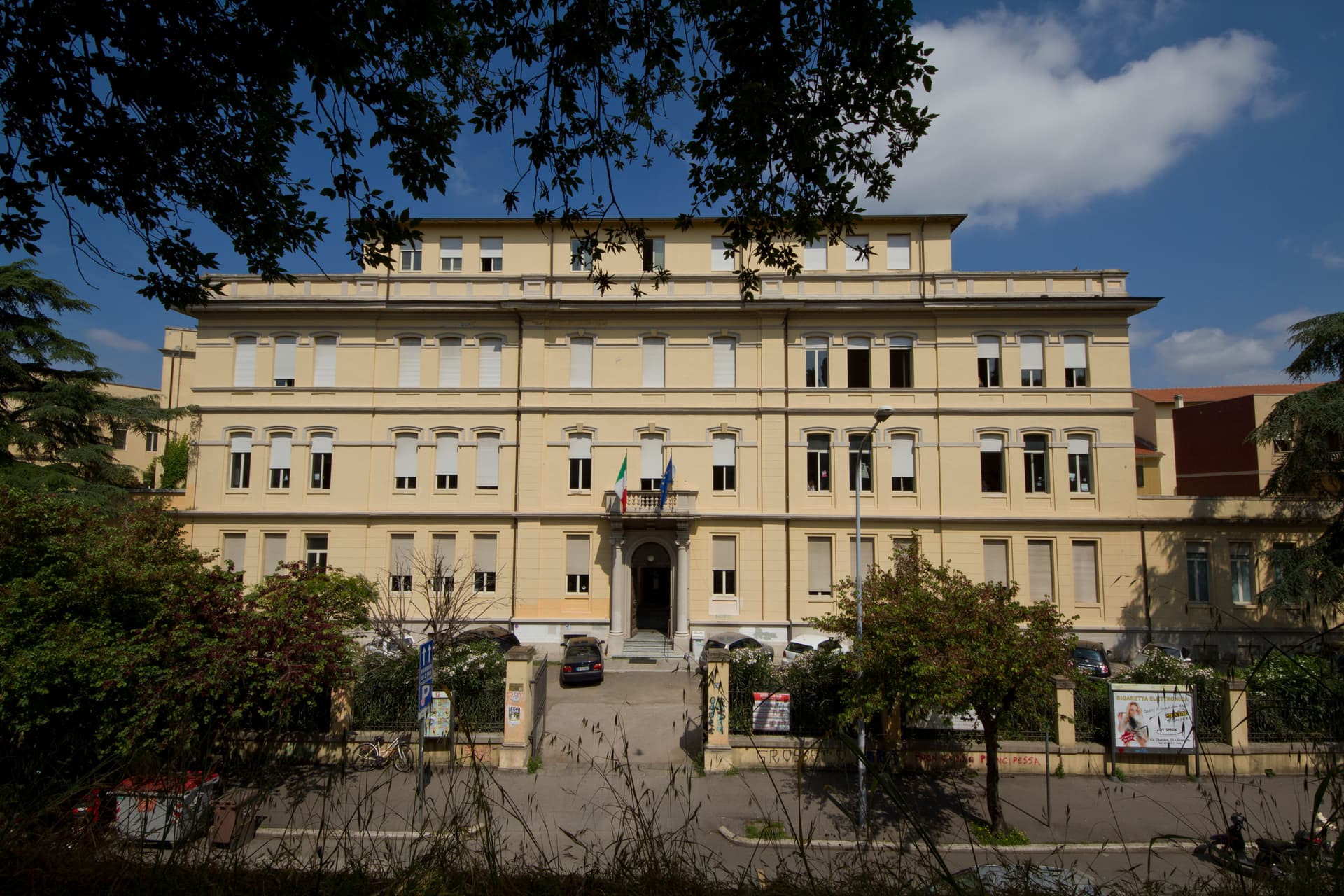
Grosseto
Province: Grosseto · 10 m
The Maremma capital on the Ombrone river, ringed by hexagonal Medici walls of 1564 that now serve as the city's public park.
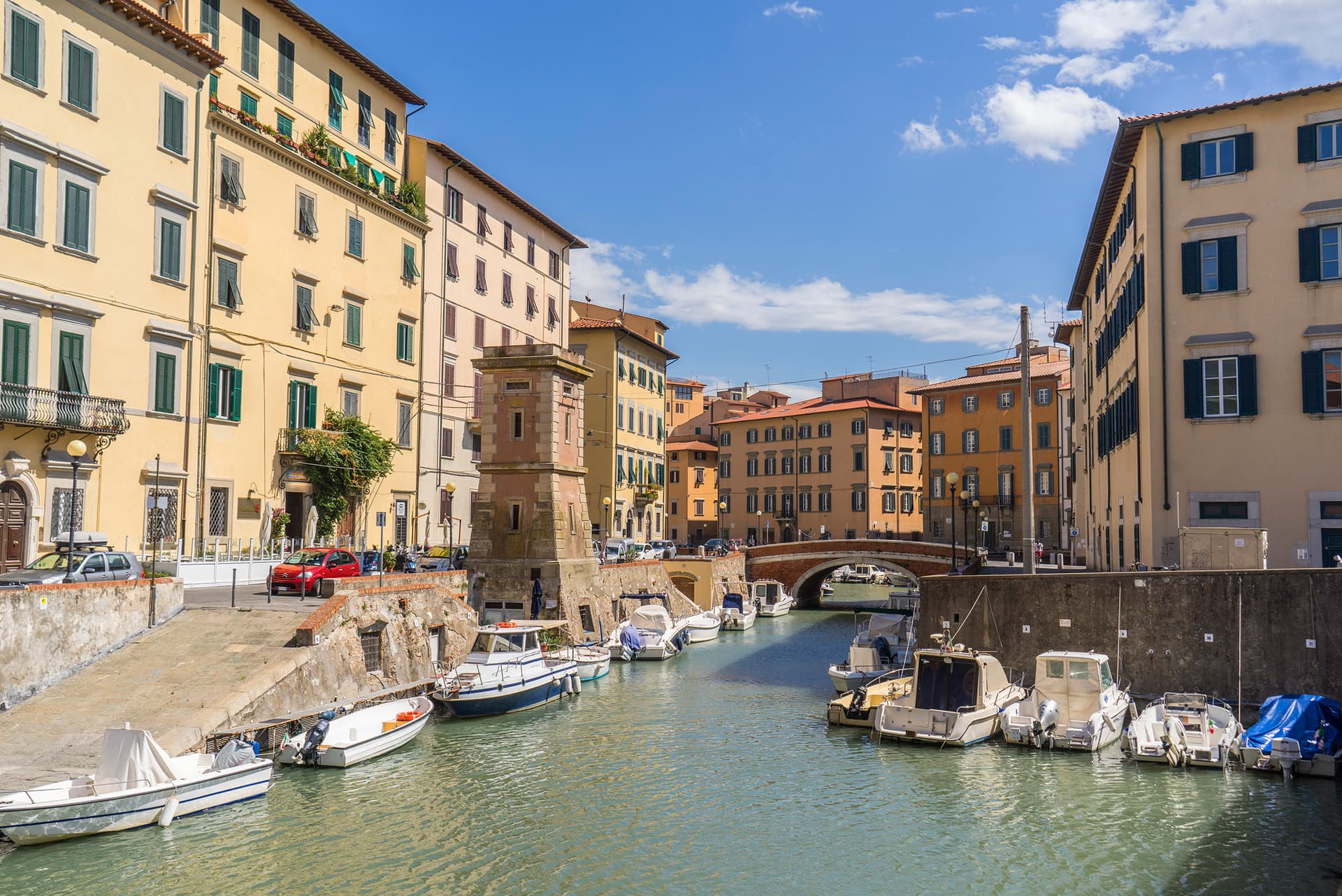
Livorno
Province: Livorno · 3 m
Tuscany's working port and Medici-planned 'New City' — a 16th-century planned town built on reclaimed coast, with a Venice-like canal quarter, the Quattro Mori monument, and a 1.5-km seafront promenade that locals call the world's most beautiful balcony.
- ✷ We've been
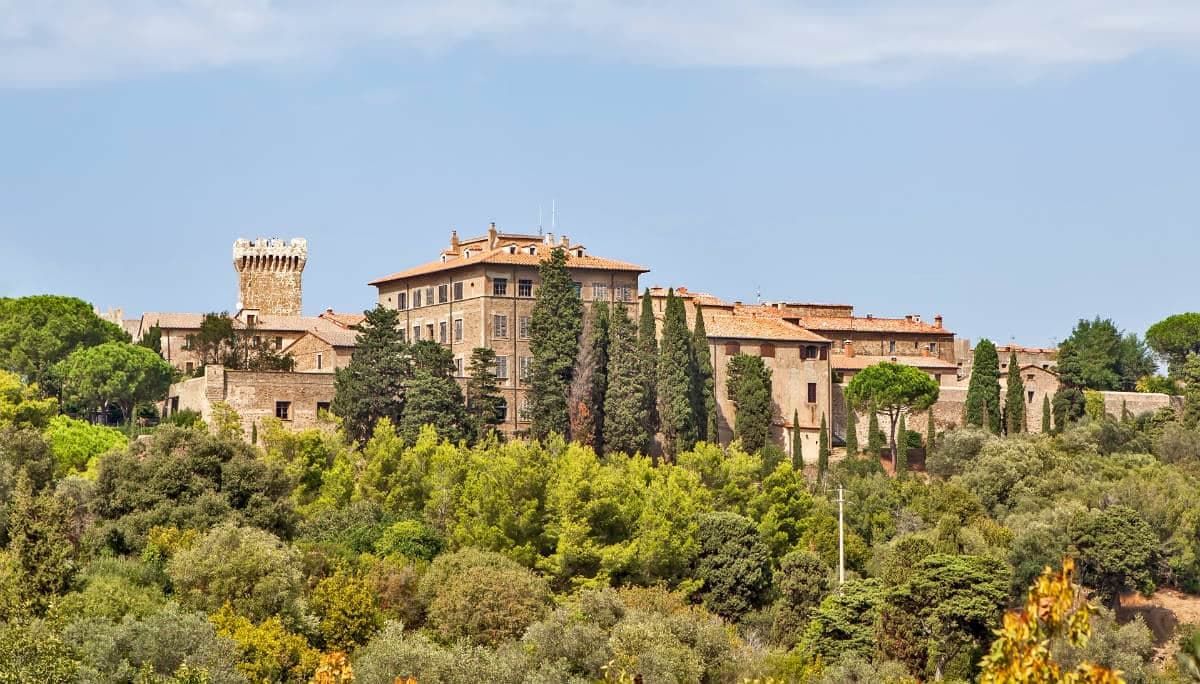
Piombino
Province: Livorno · 21 m
A promontory port facing Elba across the channel, founded by refugees from Etruscan Populonia and now the Tuscan archipelago's ferry capital.
- ✷ We've been

Castagneto Carducci
Province: Livorno · 194 m
A hilltop borgo at 194 meters above the Costa degli Etruschi, renamed for the poet Carducci in 1907 and the home of Bolgheri and Sassicaia.
- ✷ We've been
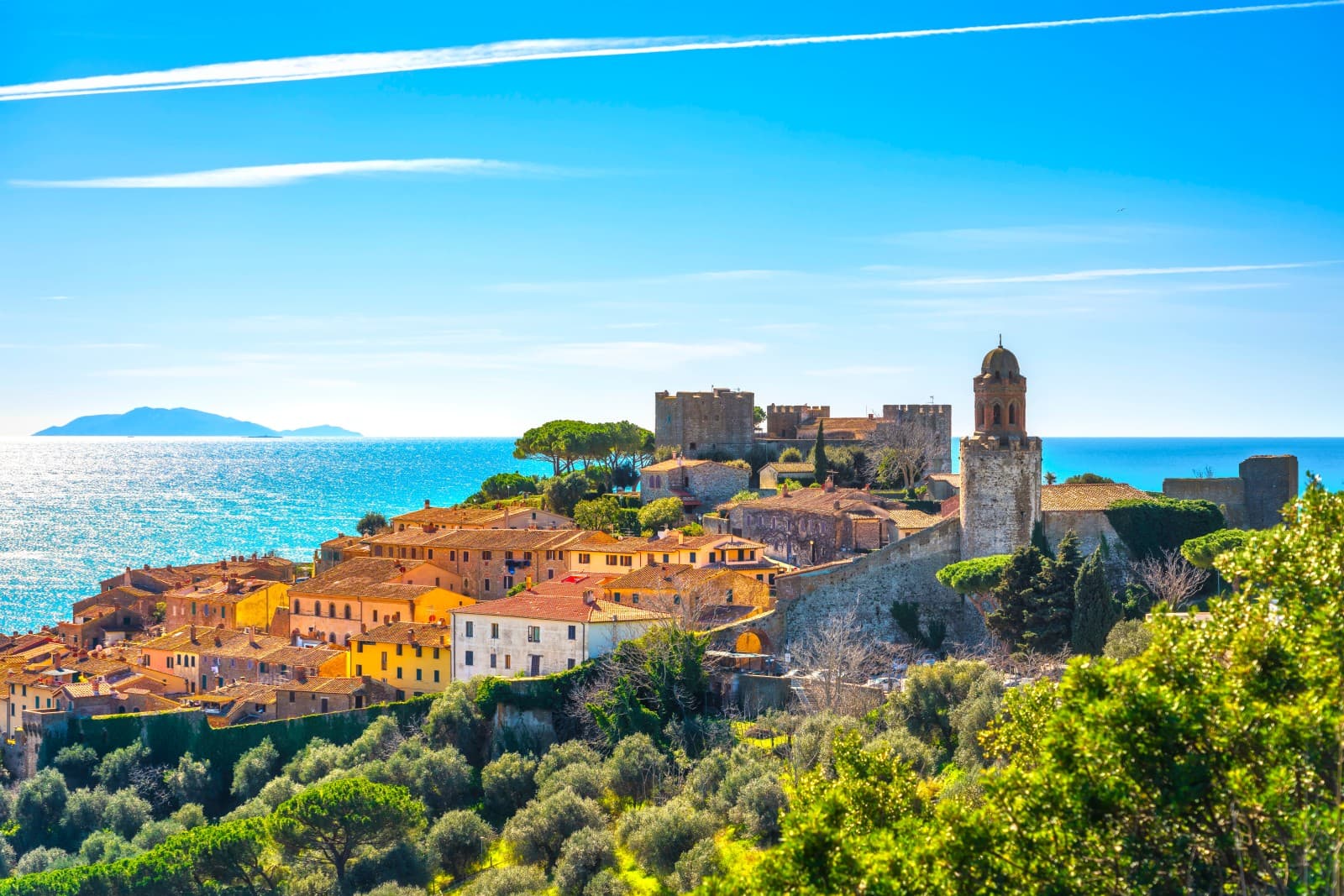
Castiglione della Pescaia
Province: Grosseto · 4 m
A Maremma seaside town under an Aragonese castle, with the Vetulonia necropolis behind it, the Diaccia Botrona wetland beside it, and Italo Calvino buried on the hill.
- ✷ We've been
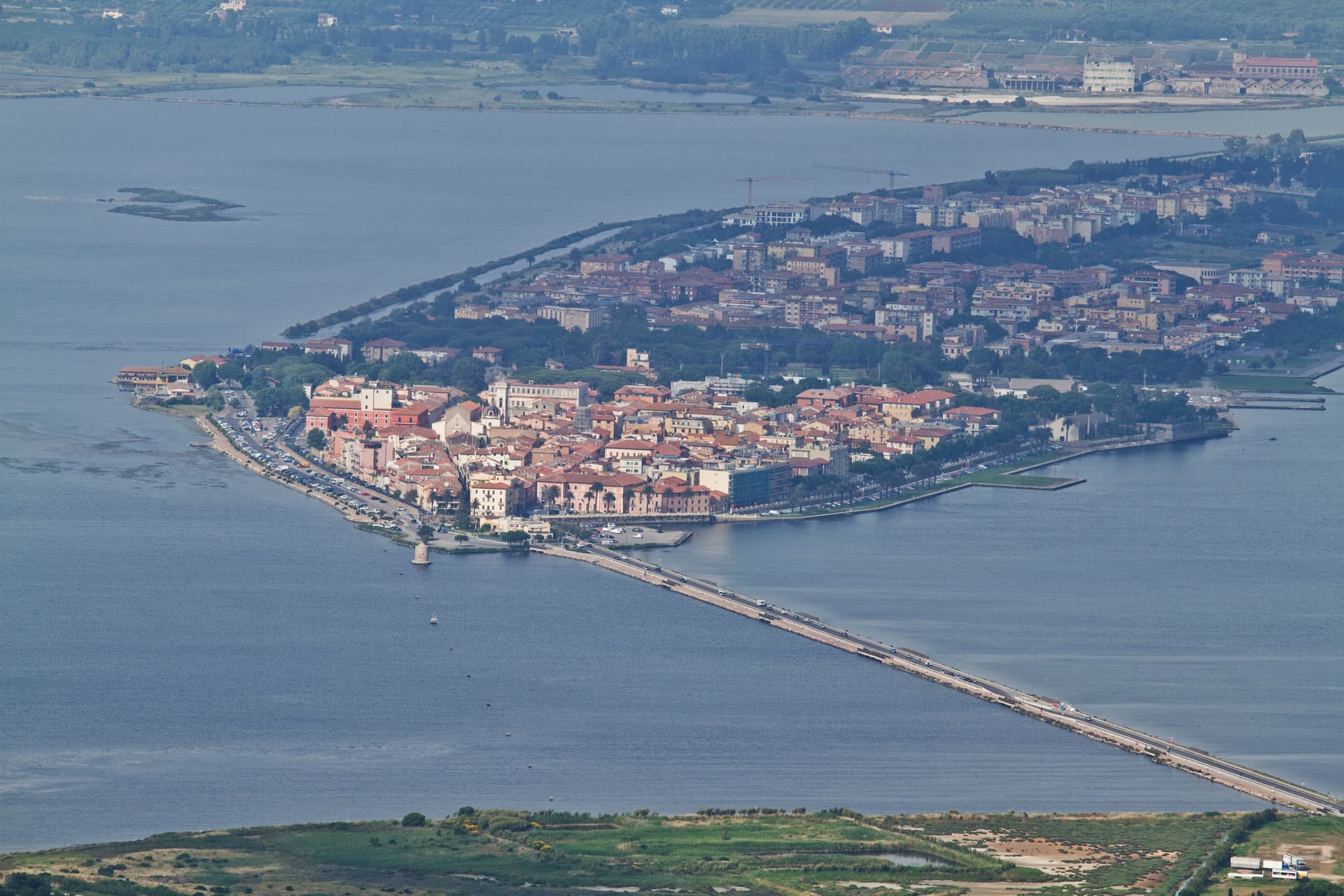
Orbetello
Province: Grosseto · 3 m
A town on a narrow isthmus at the center of its own lagoon, fortified by Spain in 1557 and tied to Monte Argentario by two tombolos.
- ✷ We've been
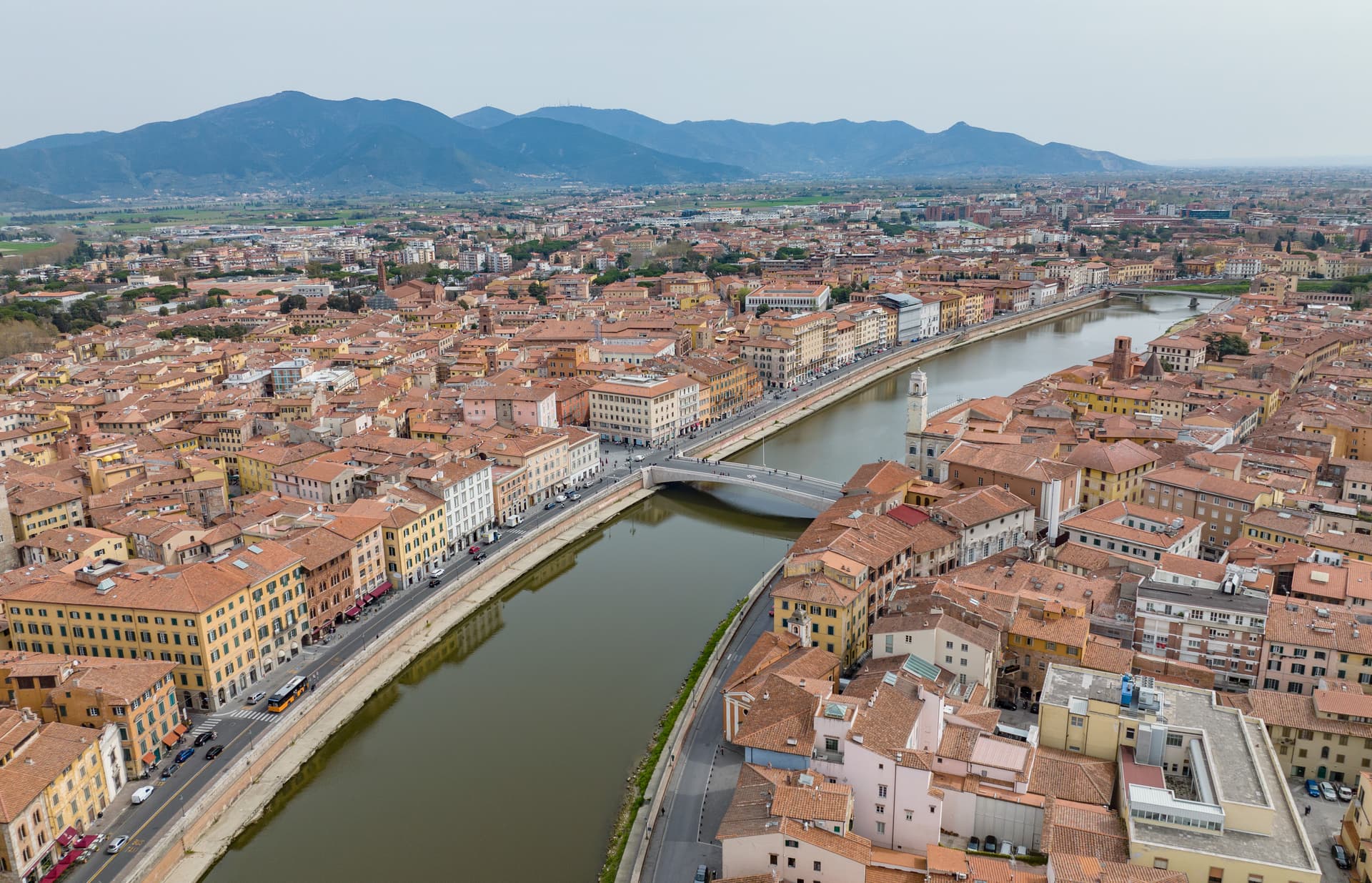
Pisa
Province: Pisa · 4 m
Maritime republic on the Arno, twelve kilometers from the Ligurian Sea, with the leaning bell tower at the center of a single UNESCO-listed walled compound.
- ✷ We've been
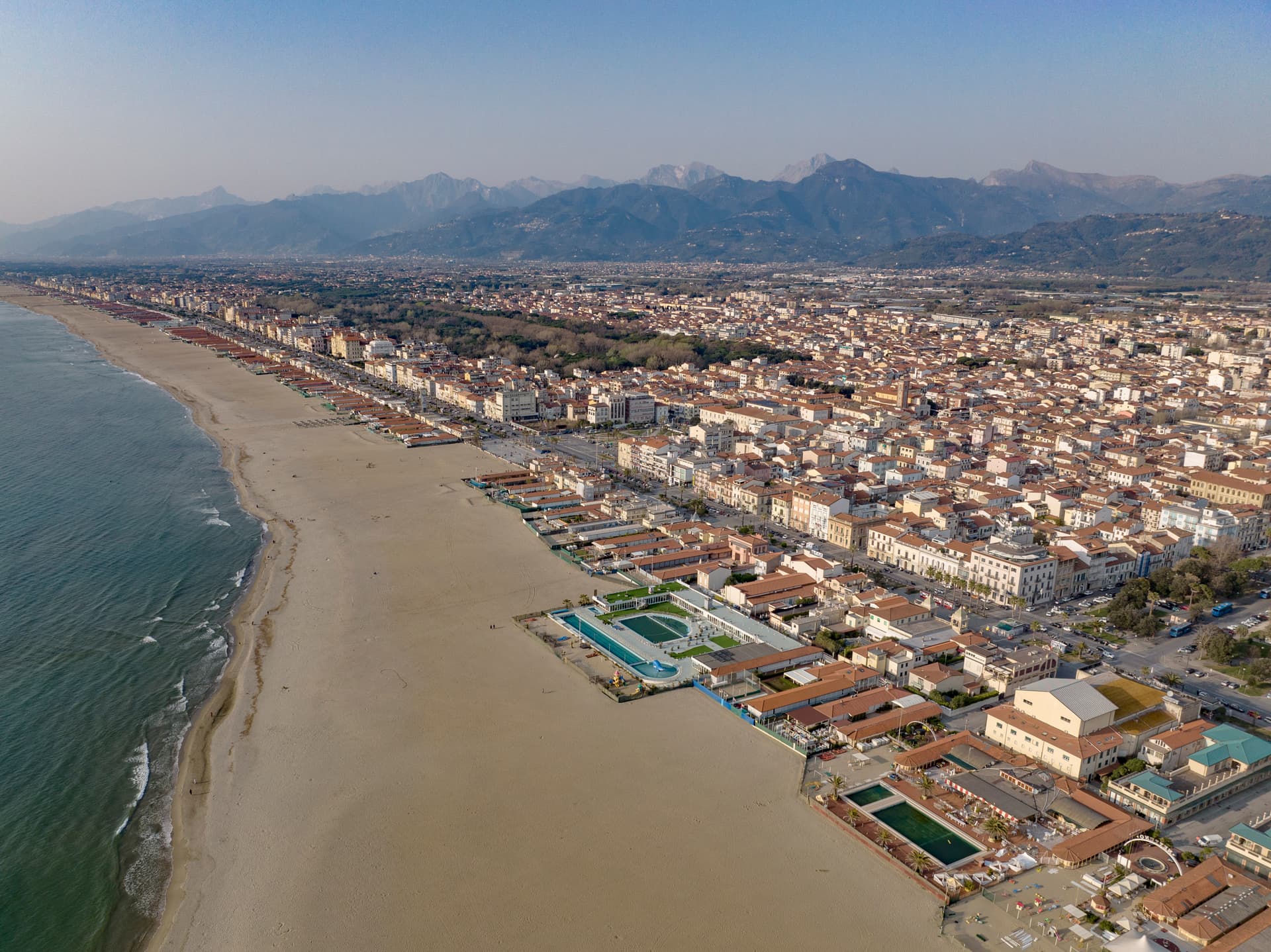
Viareggio
Province: Lucca · 2 m
The Versilia capital, a Liberty-architecture seafront built around the 1873 Carnival and the 254-kilogram papier-mâché floats that still parade every February.
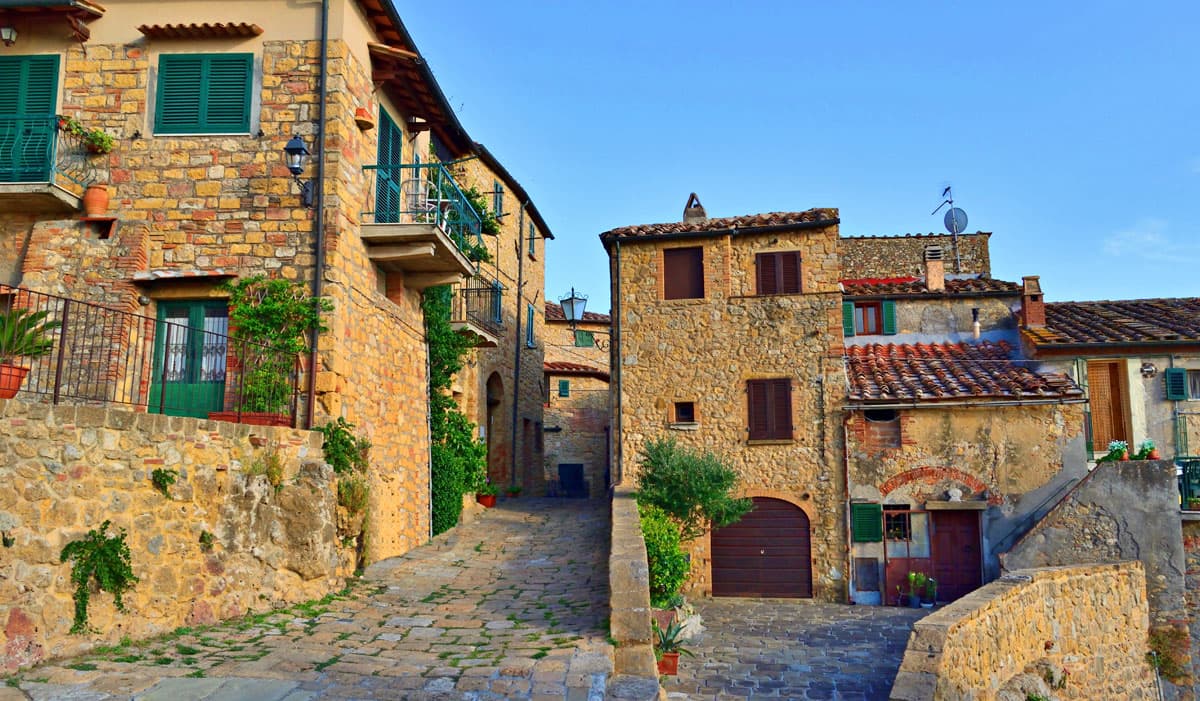
Bibbona
Province: Livorno · 85 m
An Etruscan-origin hill village above the Costa degli Etruschi, with a Romanesque parish church and a Lorraine-built coastal fort eight kilometers down the road at Marina di Bibbona.
- ✷ We've been
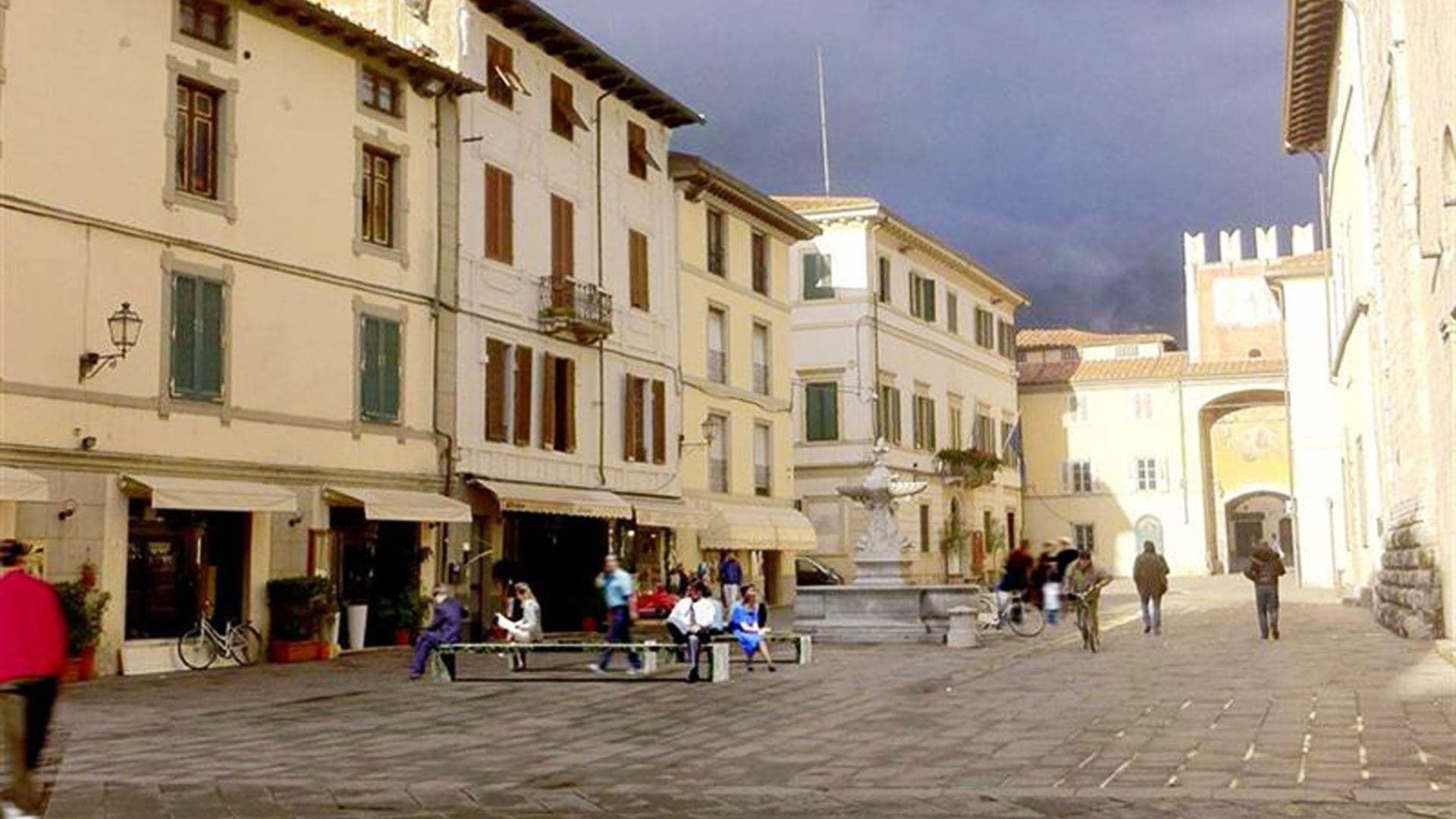
Camaiore
Province: Lucca · 34 m
The Versilia commune that runs from the Apuan Alps to the sea, a Roman Campus Maior on the Via Francigena with a beach at its western end.
- ✷ We've been
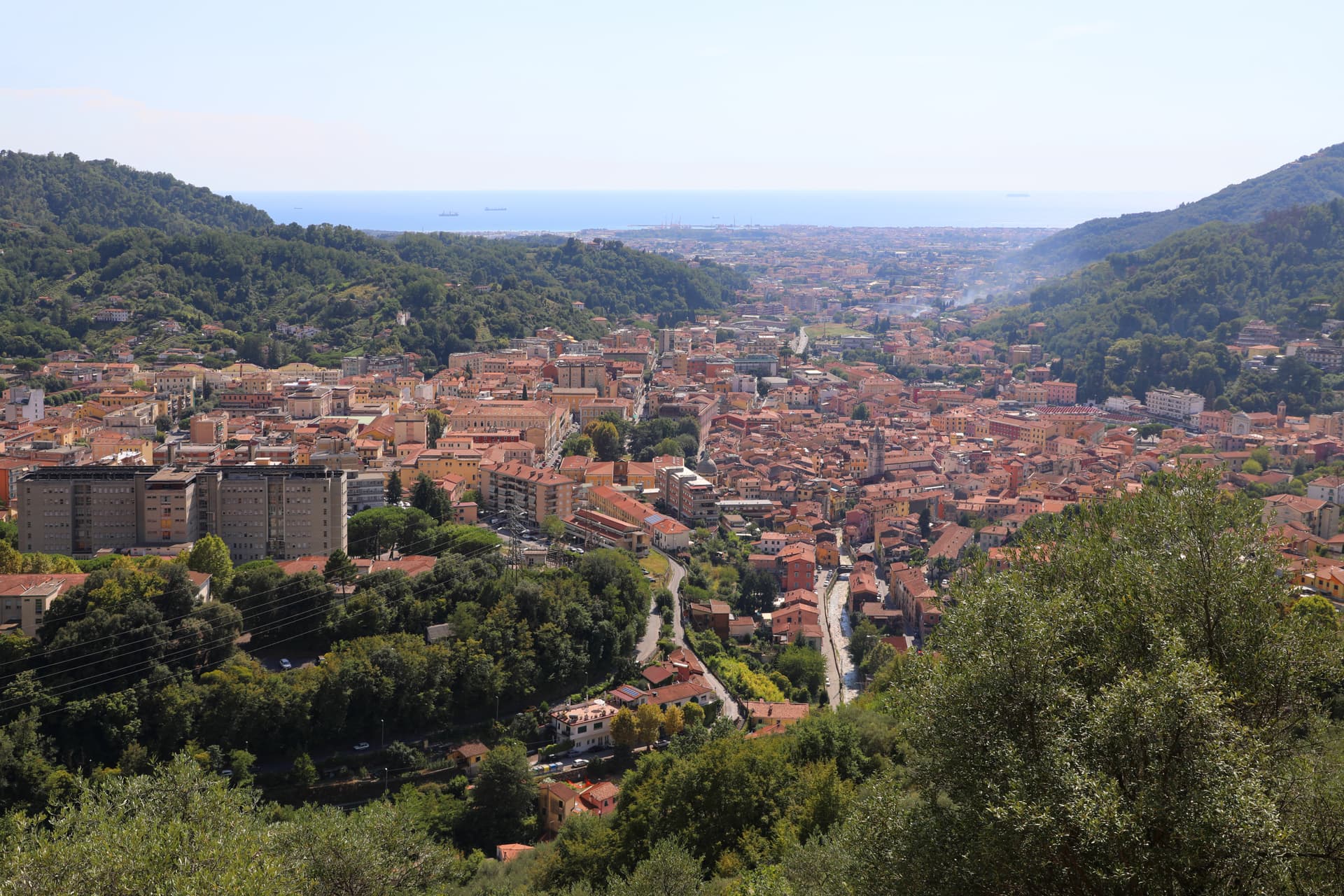
Carrara
Province: Massa-Carrara · 80 m
The marble town at the foot of the Apuan Alps, with over 650 quarry sites in the valleys above and the stone that built the Pantheon, the Pietà and Michelangelo's David.
- ✷ We've been
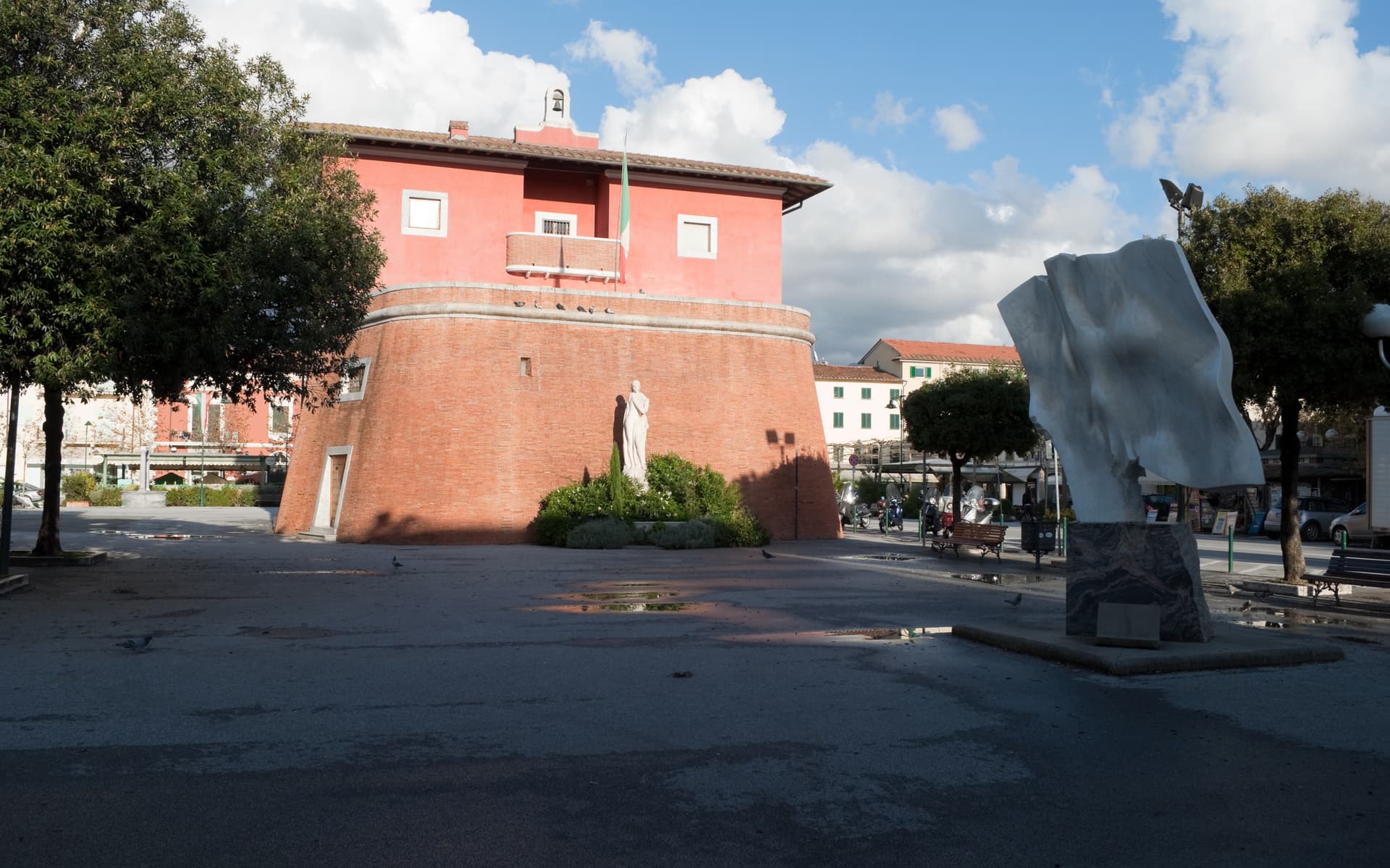
Pietrasanta
Province: Lucca · 14 m
The marble-processing town under the Apuan Alps, founded in 1255 and worked since by Michelangelo, Henry Moore, Joan Miró and Fernando Botero.
- ✷ We've been
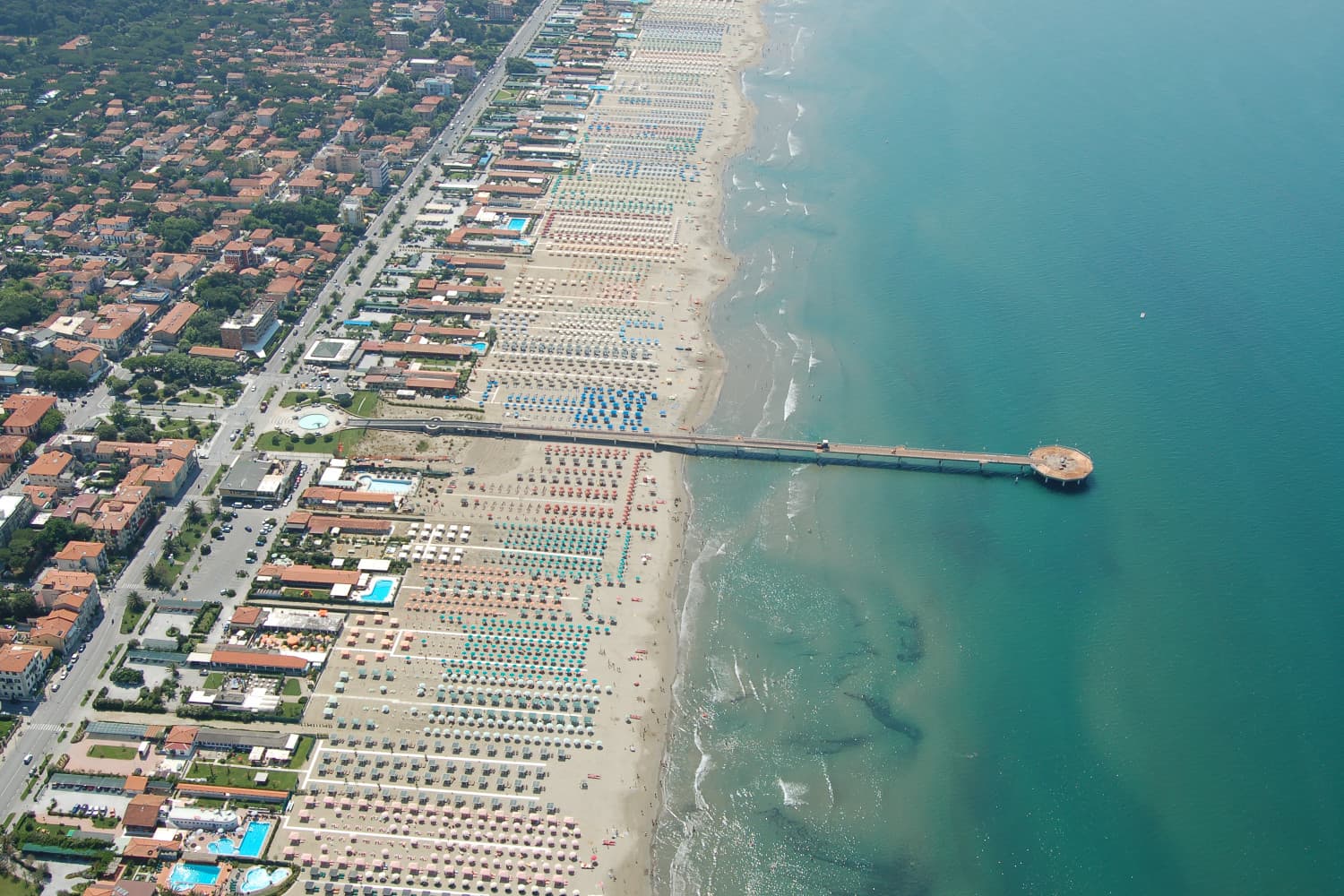
Forte dei Marmi
Province: Lucca · 2 m
The Versilia luxury beach built around an eighteenth-century marble-loading fort, with 99 bagni concessions and a Wednesday market that draws Milan.
Subscribe — free
Get the best guides on hidden Italian towns.
One letter on Sundays. The week’s town, with the photo, the food, the festa. Free, by Peter & Sophia from Pietrasanta.
Substack sends a confirmation link to your inbox. The signup finishes when it’s clicked.
From elsewhere in Italy
Five more towns to discover
Putignano
Province: Bari
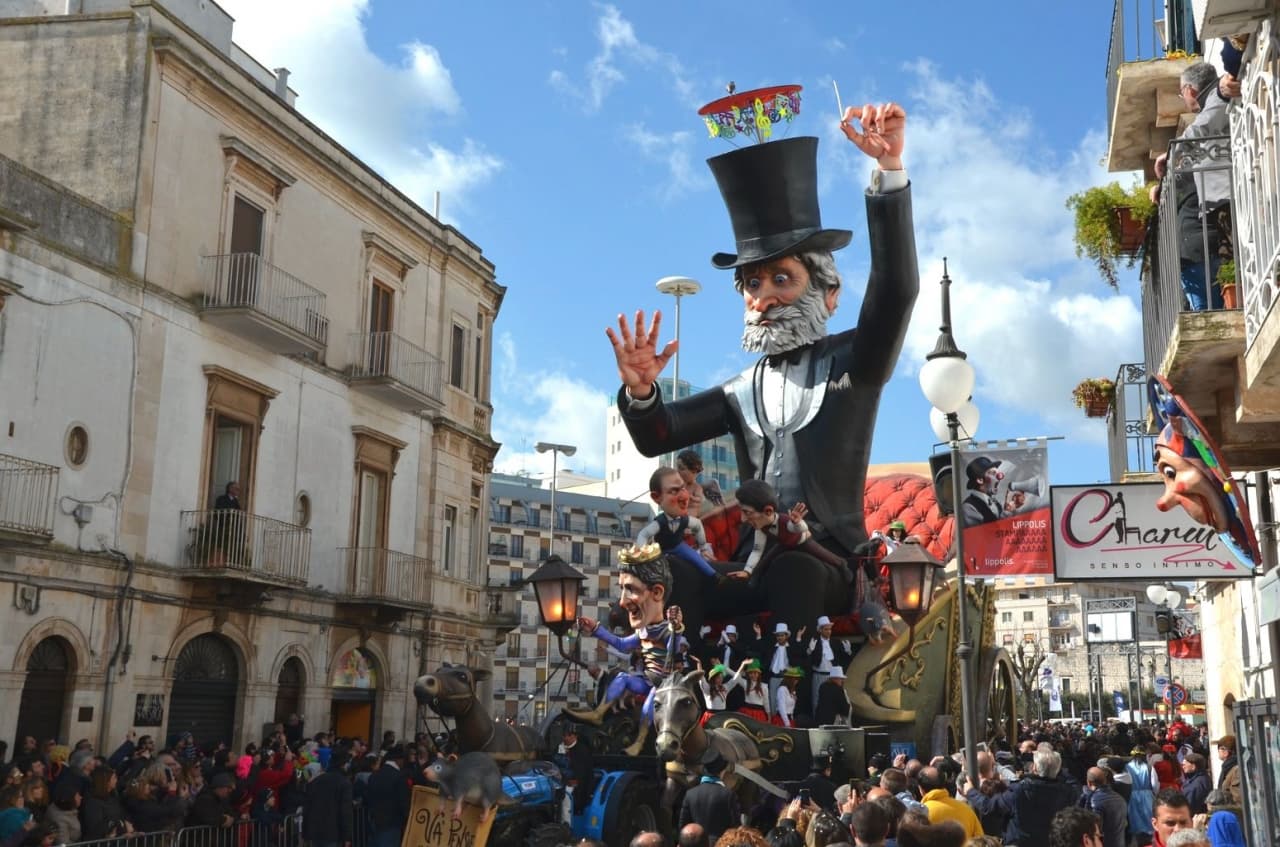
Europe's longest-running carnival — Putignano Carnevale has run continuously since 1394, with 631 years of cartapesta papier-mâché floats, a 26,000-resident Murgia town on the Bari–Lecce plateau, and the Grotta del Trullo karst cave inside the centro.

Pistoia
Province: Pistoia
Italy's nursery capital and the medieval Tuscan rival that gave its name to the pistol — a quietly extraordinary centro storico of zebra-striped Romanesque churches, Andrea della Robbia's polychrome frieze on the Ospedale del Ceppo, and Italy's Capital of Culture 2017, all 30 minutes from Florence by train.
Tropea
Province: Vibo Valentia
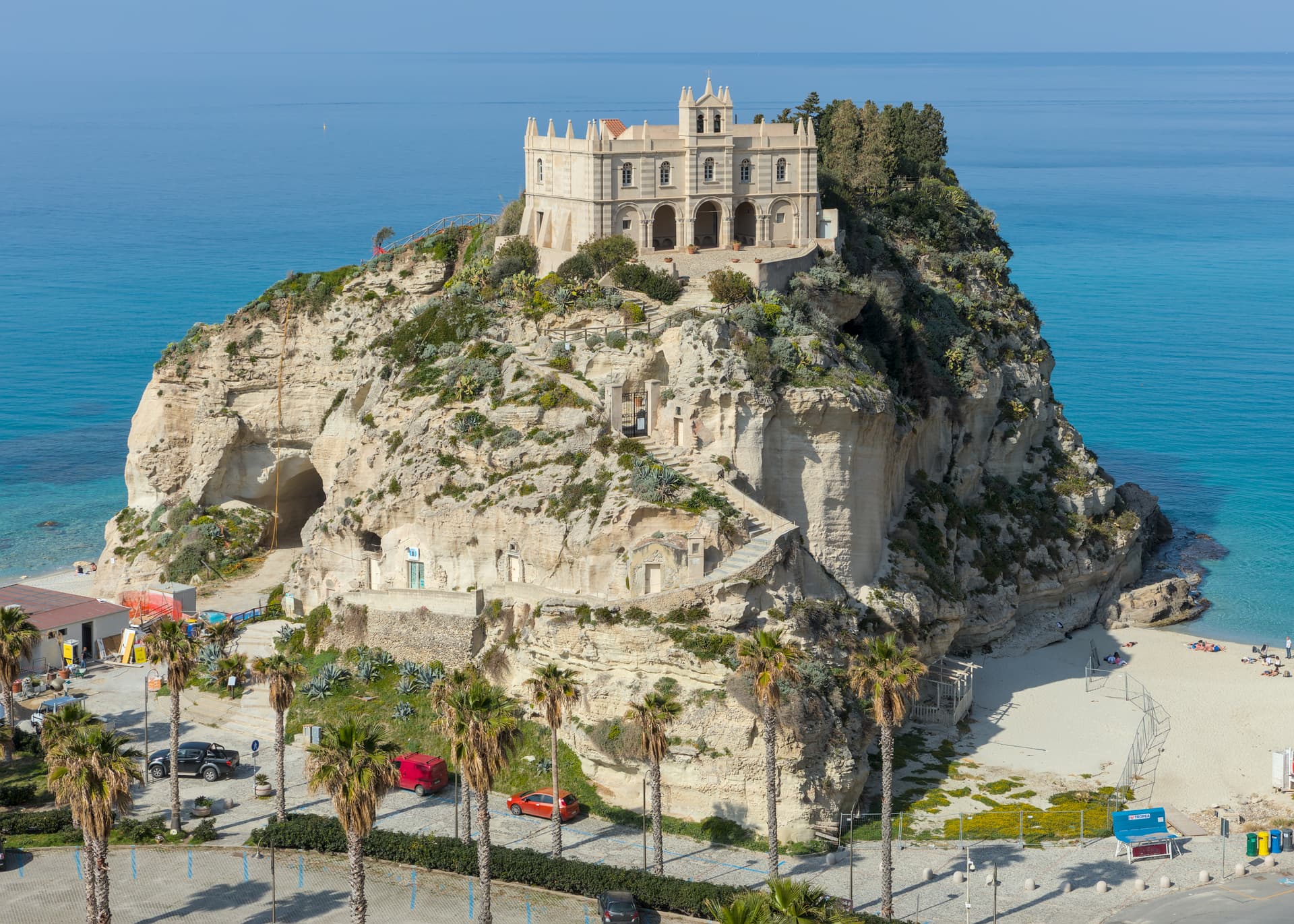
Cliff town on a tufa headland over the Tyrrhenian Coast of the Gods, with a Norman monastery on a sea rock.
Caldes
Province: Trento
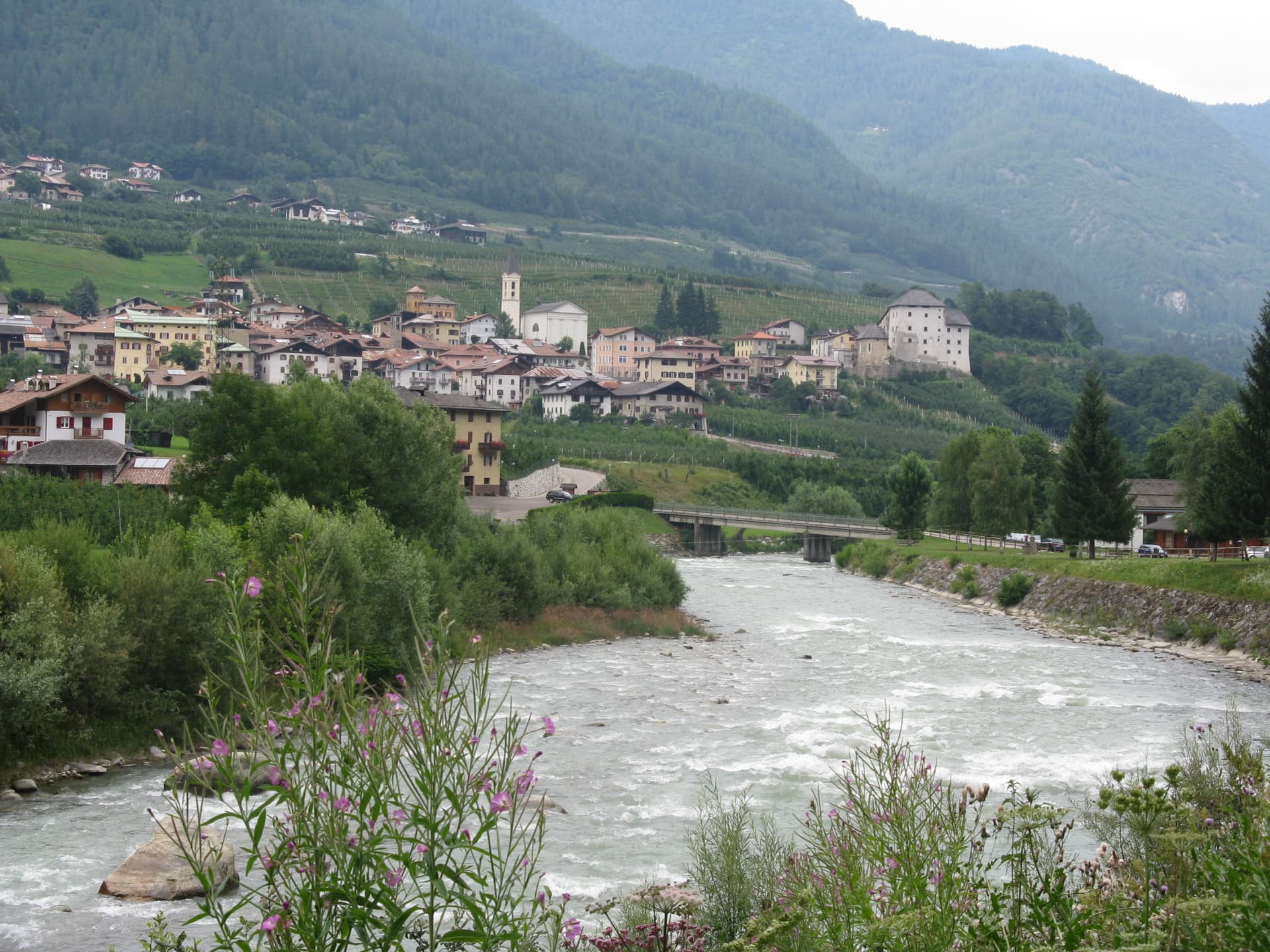
A scattered Val di Sole commune on the Noce, six hamlets gathered around a thirteenth-century tower-house castle that once belonged to the Thun family.
Cantiano
Province: Pesaro e Urbino
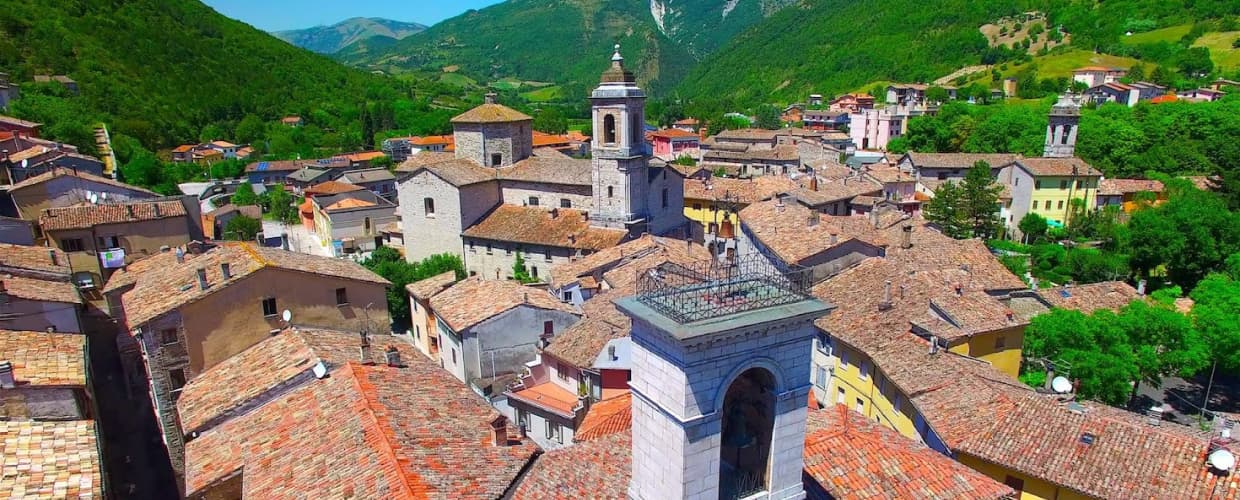
A border borgo at 374 meters under Monte Catria on the old Via Flaminia, known for the Good Friday Turba and the sour-cherry visciola harvest.