

Abruzzo · Chieti
Vasto
on a hill above the Adriatic, southern anchor of the Costa dei Trabocchi, home of the brodetto vastese invented in 1800.
Known for
BRODETTO
Brodetto alla vastese, the local fish stew traditionally dated to 1800, listed in the 1,000 foods to eat before you die by Mimi Sheraton.
D'AVALOS
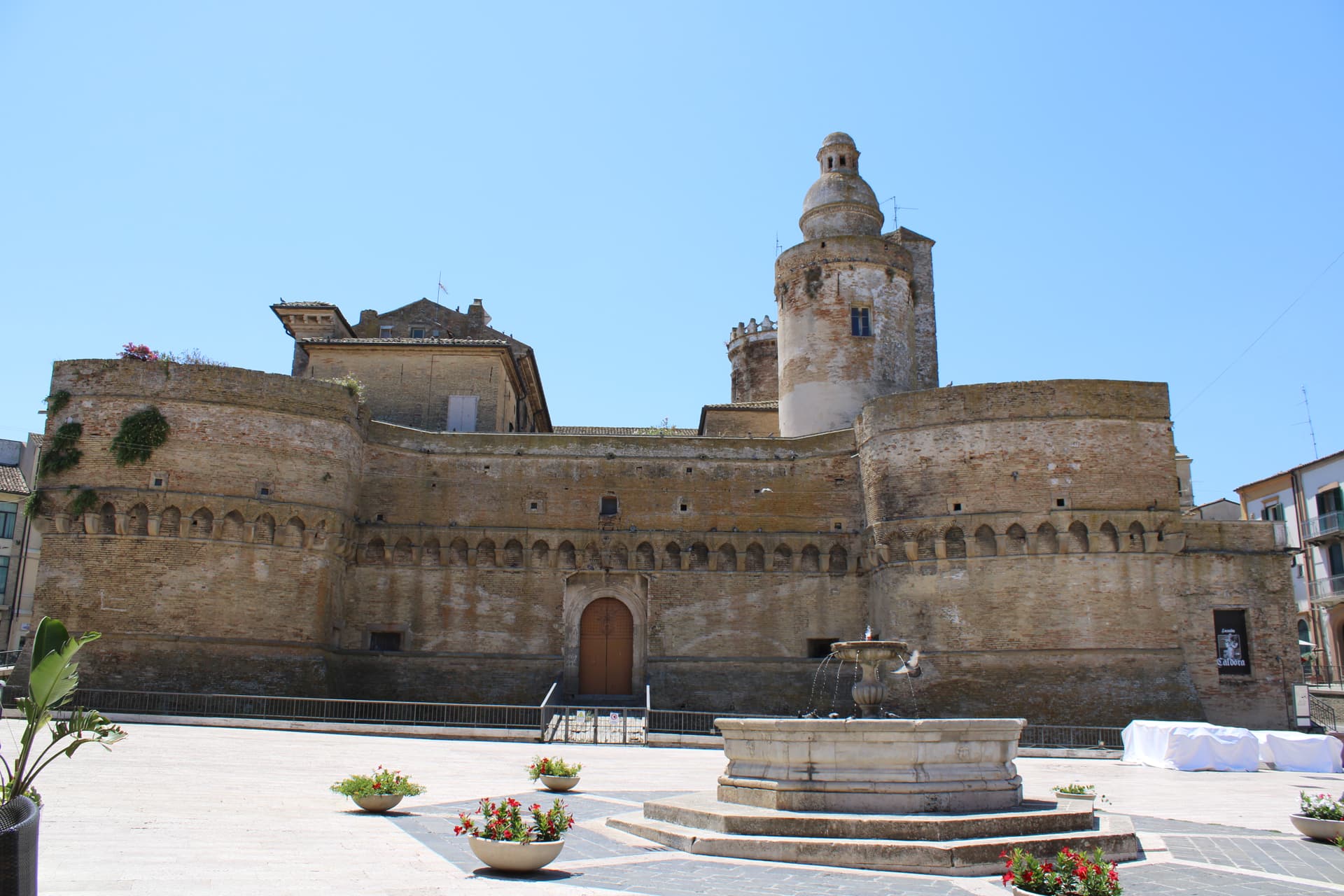
Renaissance palace of the d'Avalos family, with civic museum and poetry library, plus the rebuilt Castello Caldoresco of the upper town.
TRABOCCHI
Southern anchor of the Costa dei Trabocchi, the seventy-kilometer Adriatic stretch with traditional wooden fishing platforms.
When to visit
Best · May–Sep
- J
- F
- M
- A
- M
- J
- J
- A
- S
- O
- N
- D
- Best
- Hot or crowded
- Quiet
- Mostly closed
Why come
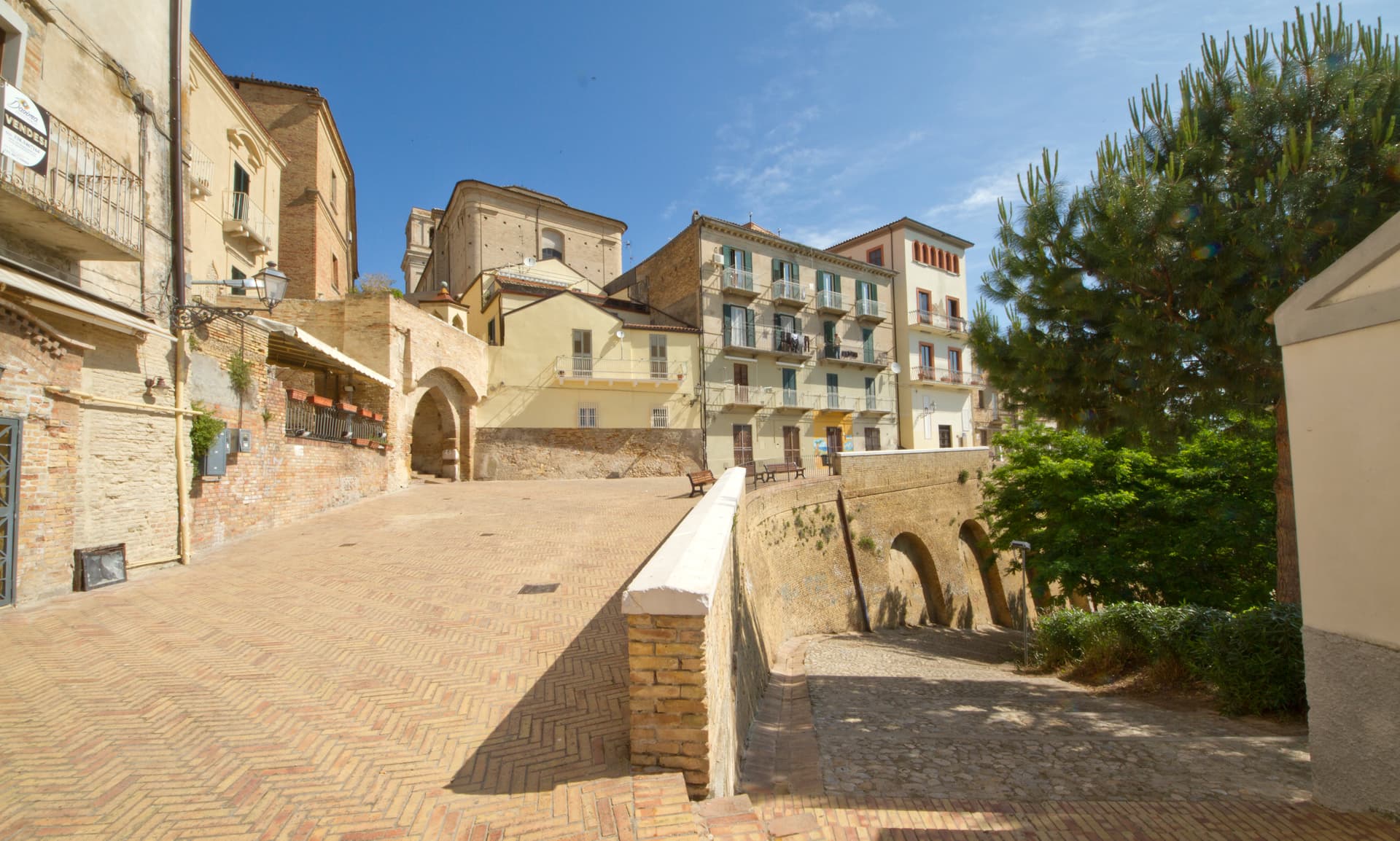
Vasto sits on a hill above the Adriatic, the southern anchor of the Costa dei Trabocchi, the seventy-kilometer coast of wooden stilt-fishing platforms running north from here to Ortona. The town was the Roman Histonium, and the Palazzo d'Avalos, built in the early 16th century, holds the civic museum and a poetry library. In 1566 a Turkish Ottoman naval force under Piyale Pasha burned much of the city, including the Castello Caldoresco, the Renaissance castle built in the early 15th century by Jacopo Caldora.
The castle was rebuilt and still stands. The brodetto alla vastese was invented, by tradition, in 1800 by the wife of a fisherman in the Trave district, who enriched the daily catch with tomato, parsley and garlic from her vegetable garden. Below the upper town, the Punta Aderci nature reserve protects cliffs, sandy beaches and a 285-hectare migratory bird stopover. The summer Capriccio festival fills the city with music in August.
The Sunday letter
We haven’t written Vasto’s letter yet.
One town every Sunday, with the photo, the food, the festa. Be there when this one comes up. Free, by Peter & Sophia from Pietrasanta.
By subscribing you agree to Substack’s Terms of Use, our Privacy Policy and our Information collection notice.
What to see
Palazzo d'Avalos
Early 16th-century palace of the d'Avalos family, now housing the civic archaeological museum and the Gabriele Rossetti poetry library.
Castello Caldoresco
Early 15th-century castle built by Jacopo Caldora, burned by Ottoman forces in 1566 and rebuilt, anchoring the upper town.
Punta Aderci
285-hectare nature reserve north of the town with sandy beaches, cliffs and a migratory bird stopover protected since 1998.
Cattedrale di San Giuseppe
Romanesque cathedral with later additions, the bishop's seat for the diocese of Chieti-Vasto, on the central Piazza Pudente.
Costa dei Trabocchi
Vasto anchors the southern end of the seventy-kilometer Adriatic stretch where the traditional wooden stilt-fishing platforms still stand.
The slow-trip planner
Building a trip? Find where Vasto fits in a slow Italy circuit.
Answer five questions. We will shape a geographically coherent slow trip from the 1,000 Italian towns most travelers skip. Yours to save and share.
Living here
- Population 40,692
- Off the beaten pathi
- Pharmacy in town
- High school within a 30-minute drive
- Train station in the comune
- Nearest airport Bari / Brindisi, 2 h 36 min drive
- Regional capital L'Aquila, 2 h 11 min drive
Tags & datadesignations · numbers · sources
Recognised as
The numbers
- Elevation: 144 m
- Population: 40,692
- Surface area: 71.35 km²
These figures were compiled from public directories — ISTAT, OpenStreetMap, Wikidata — and from the official listings of the guides named on this page. Town details change; verify with official sources before you travel.
Close by
More towns near Vasto
Montenero di Bisaccia
Province: Campobasso
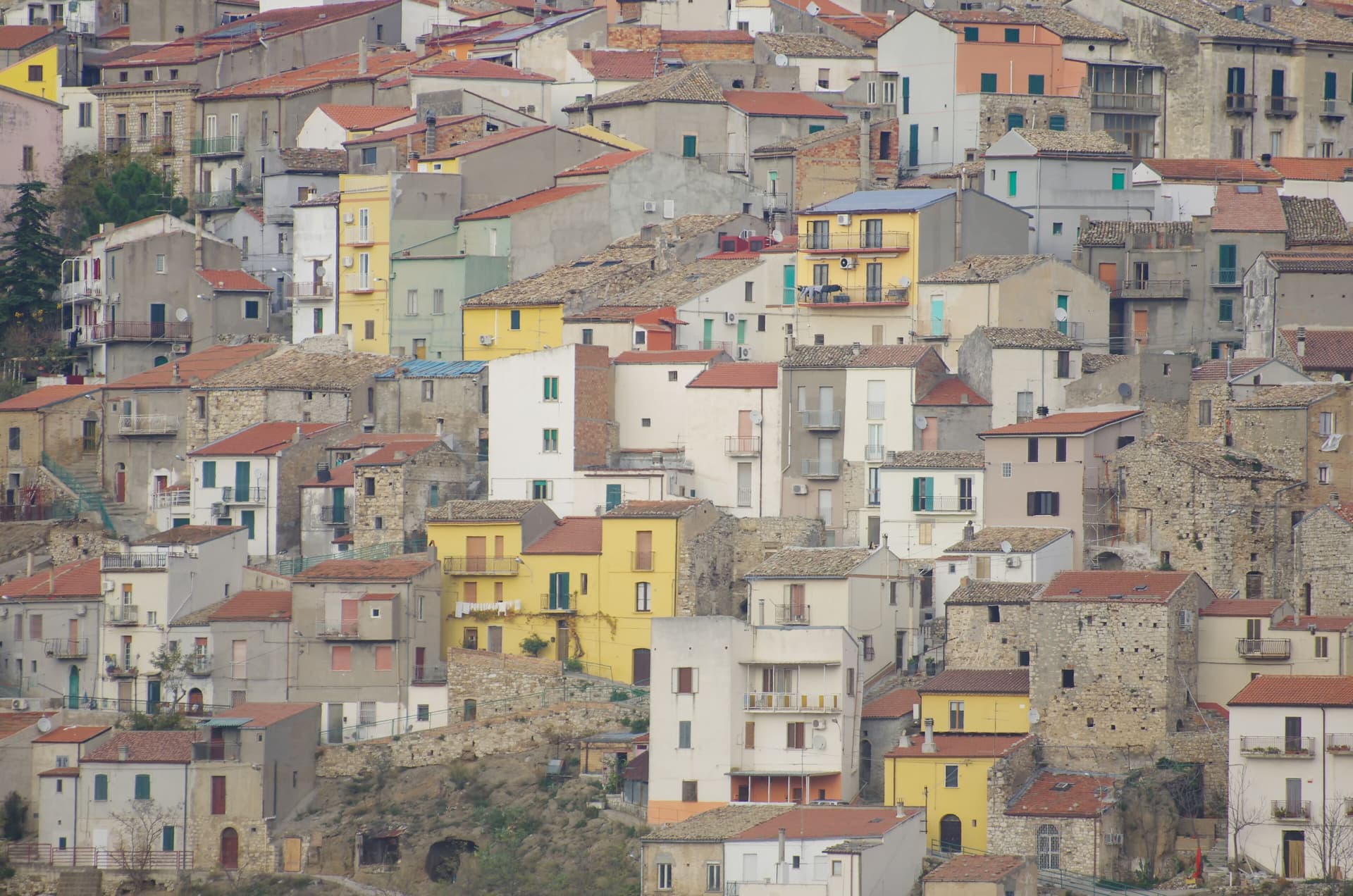
A tufa hill town at 273 meters above the northernmost stretch of Molise coast, home base of former magistrate Antonio Di Pietro and his vineyards.
Rocca San Giovanni
Province: Chieti
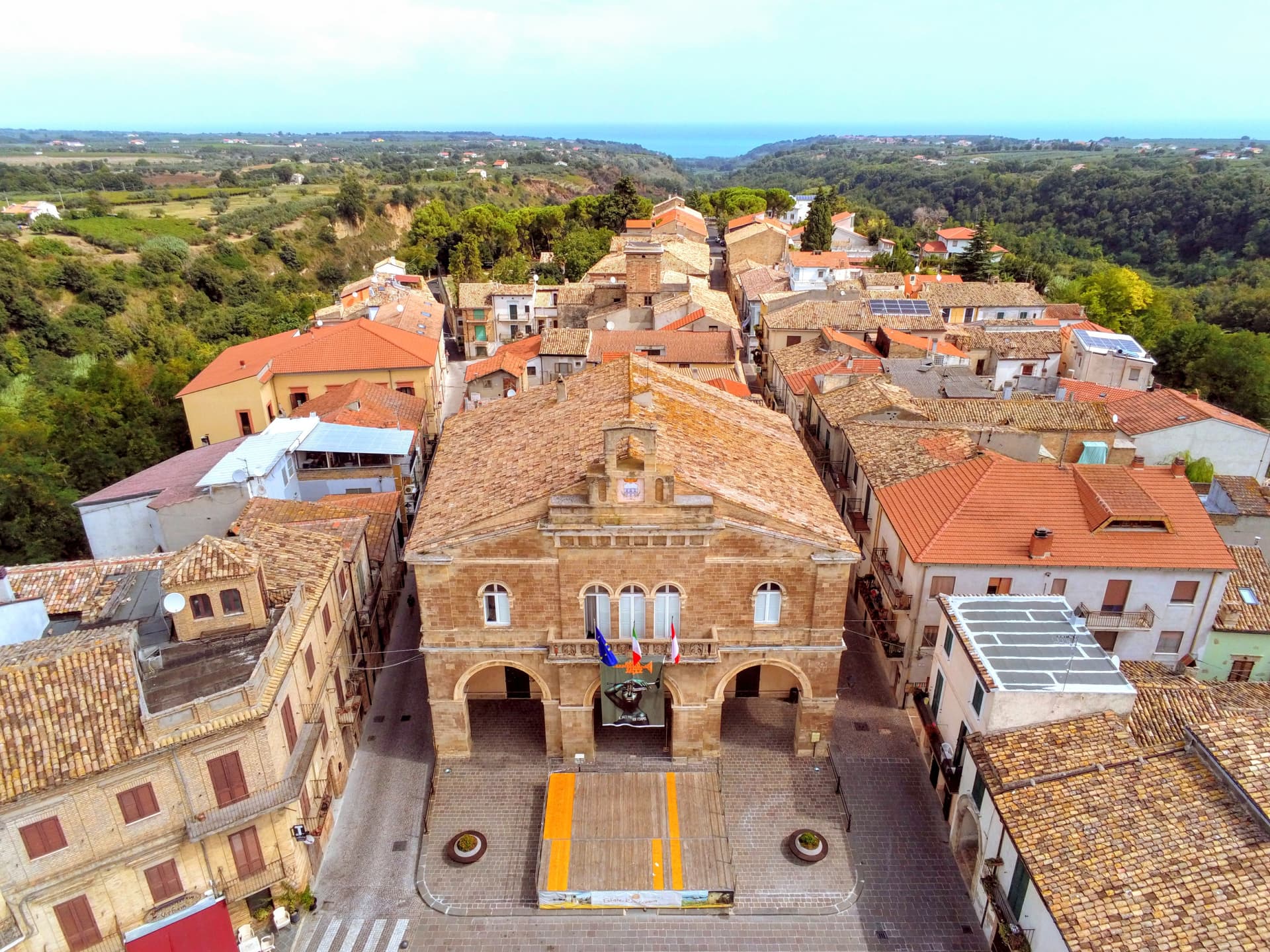
A walled hill town at 155 meters on the Costa dei Trabocchi, founded around 1060 by an abbot guarding the Abbey of San Giovanni in Venere.
Petacciato
Province: Campobasso
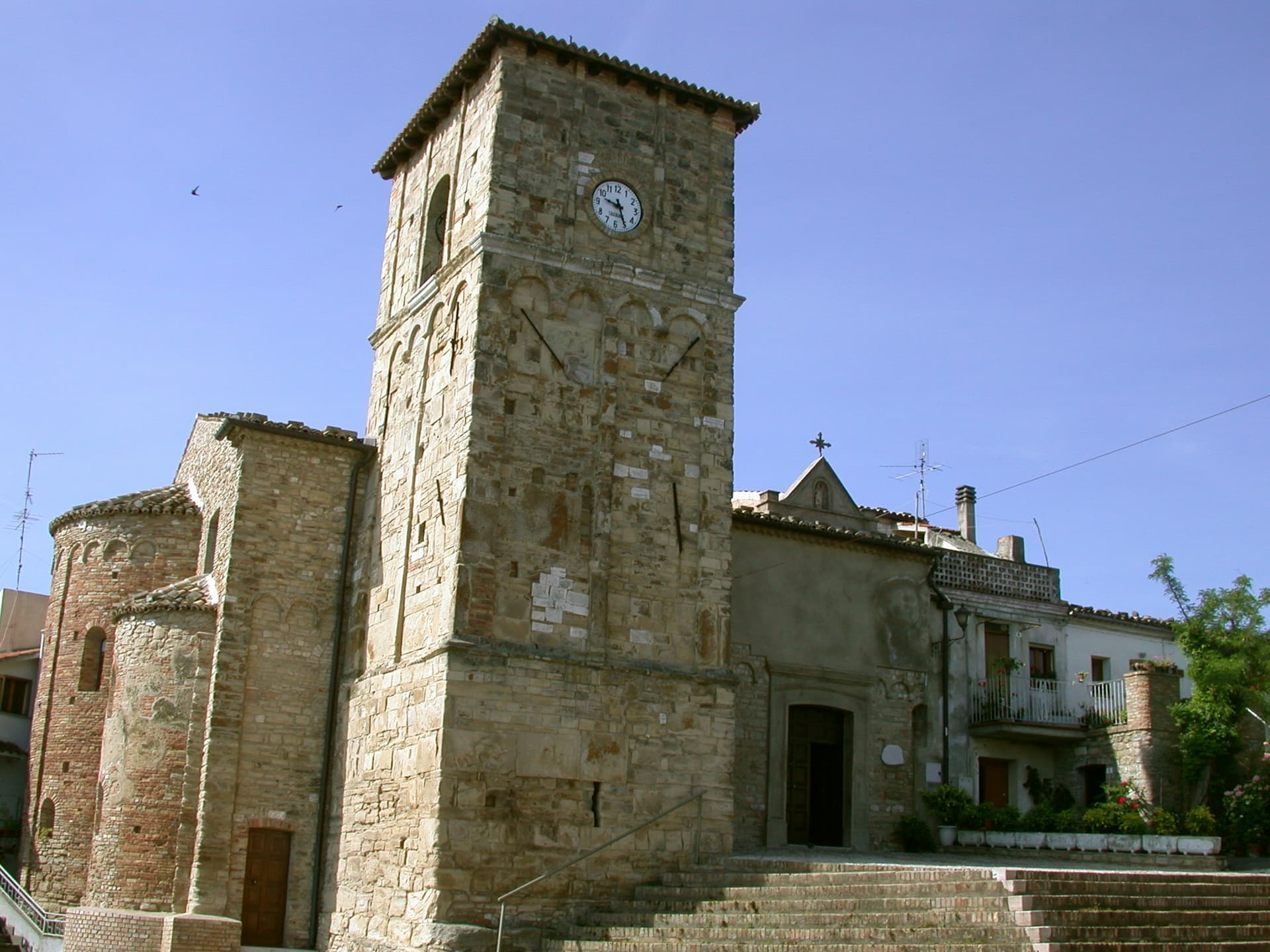
A hilltop village at 225 meters on the Adriatic, with a Romanesque church in tuff and sandstone and a long sand beach below.
Termoli
Province: Campobasso
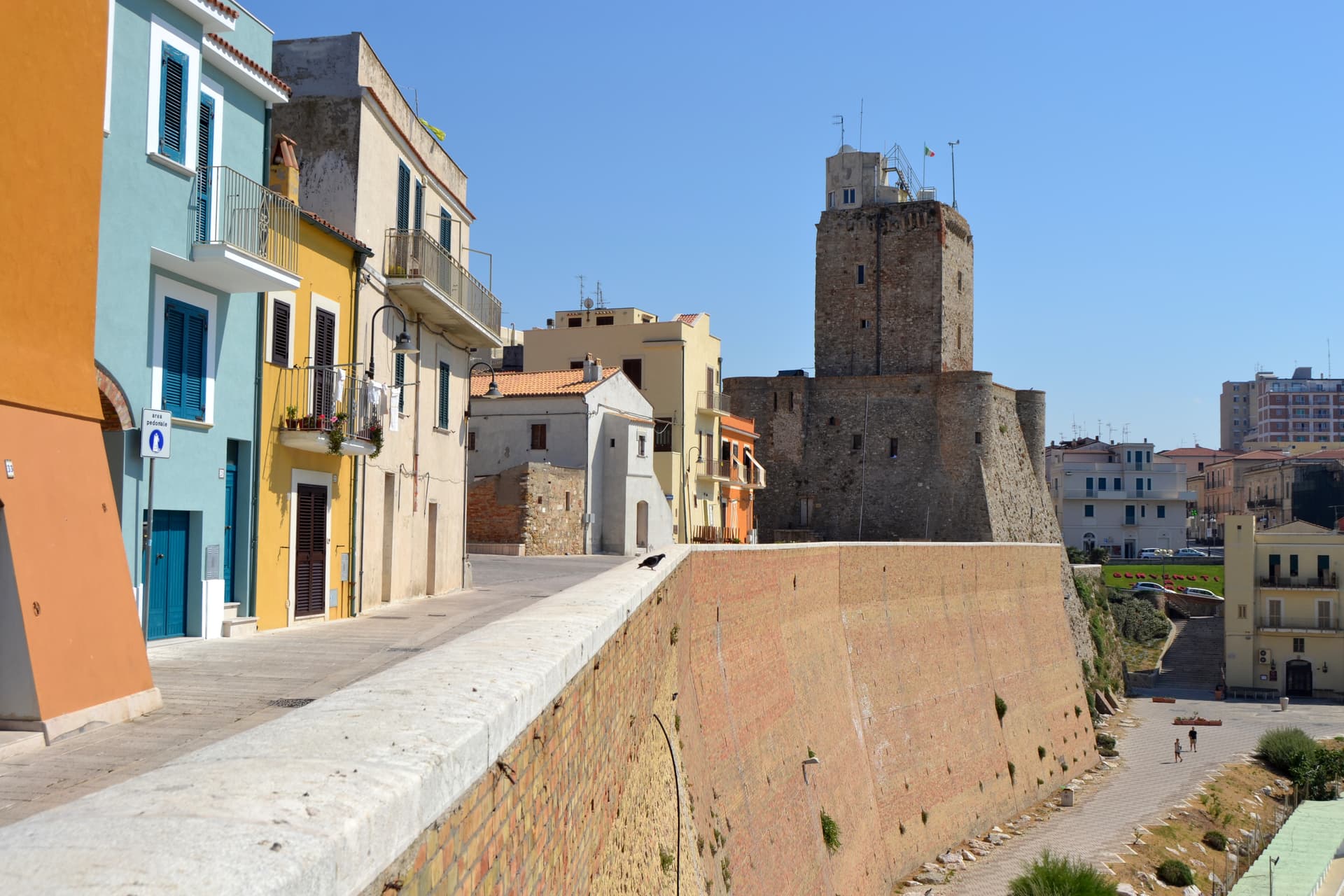
Molise's only port, a walled promontory of fishermen's houses on the Adriatic with a Frederick II castle and the ferry pier for the Tremiti islands.
Archi
Province: Chieti
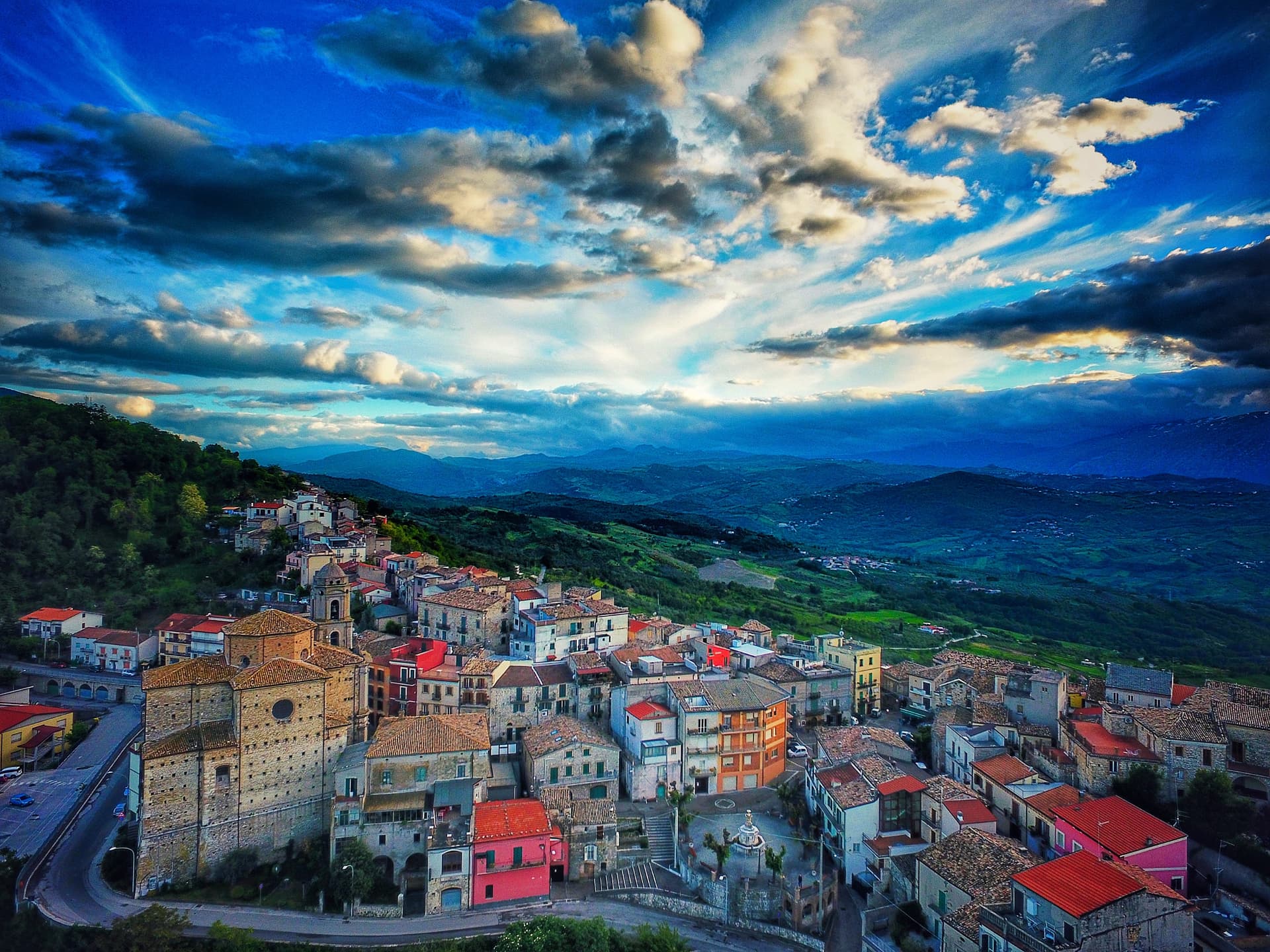
A 492-meter rocky spur called the Terrazza sul Sangro, fief of del Balzo, Cantelmo, Colonna and Carafa, now Città del Tartufo and Città dell'Olio.
🟦 Bandiera Blu
More Bandiera Blu towns in Abruzzo
Alba Adriatica
Province: Teramo
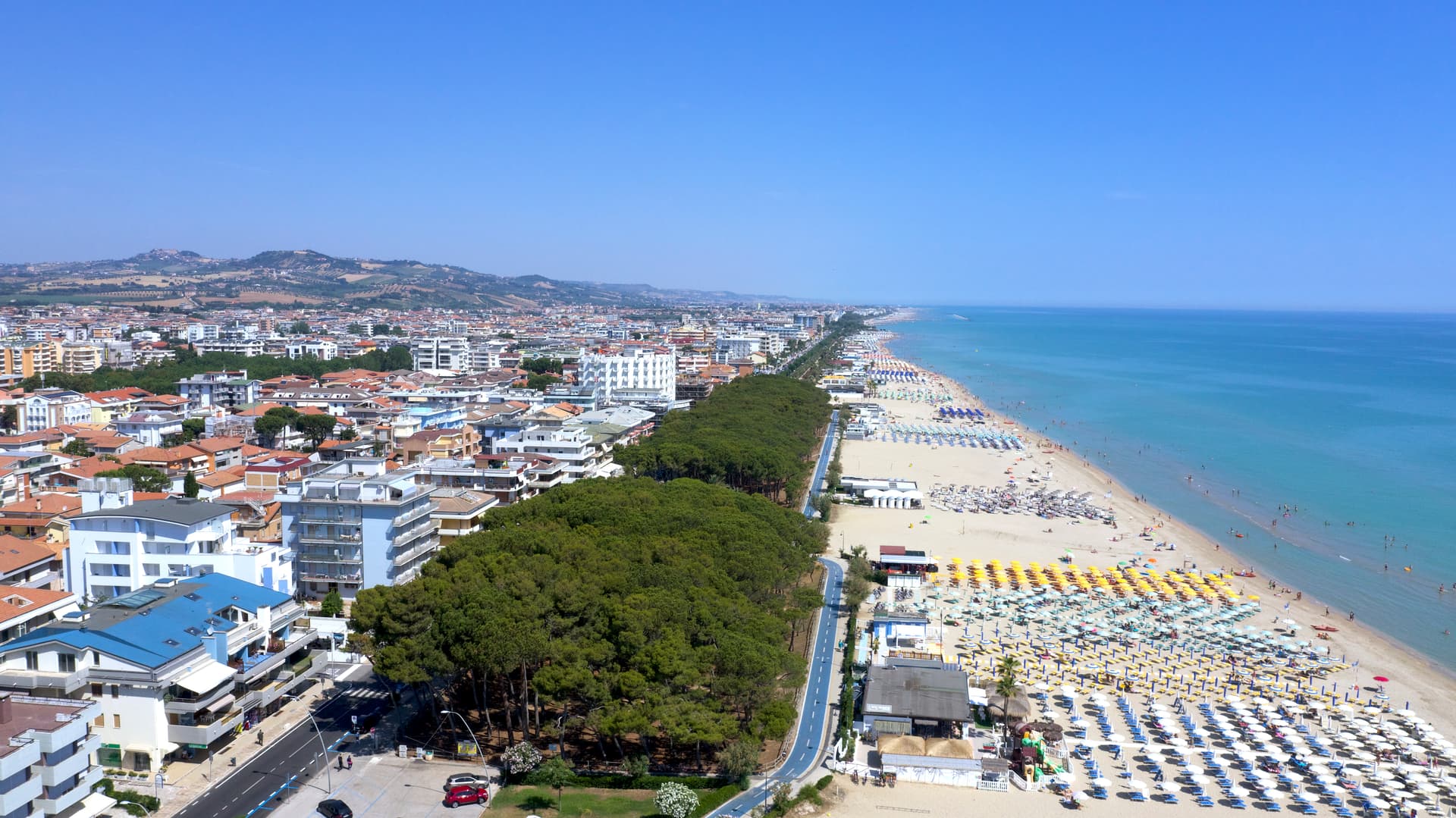
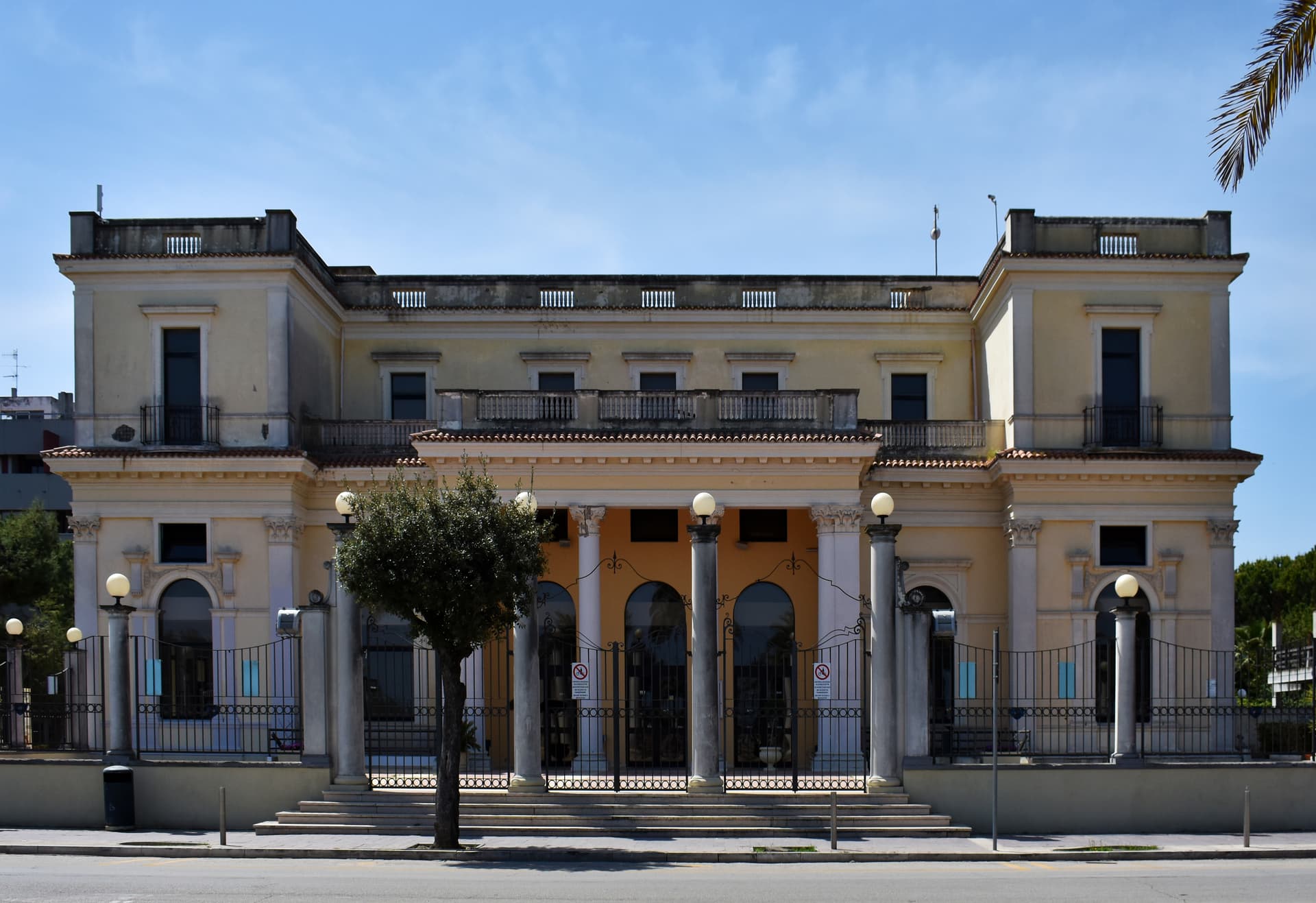
The northernmost of the Teramo coast's seven sisters, a 1956 spin-off from Tortoreto with a fine-sand beach known as the Spiaggia d'Argento.
Giulianova
Province: Teramo
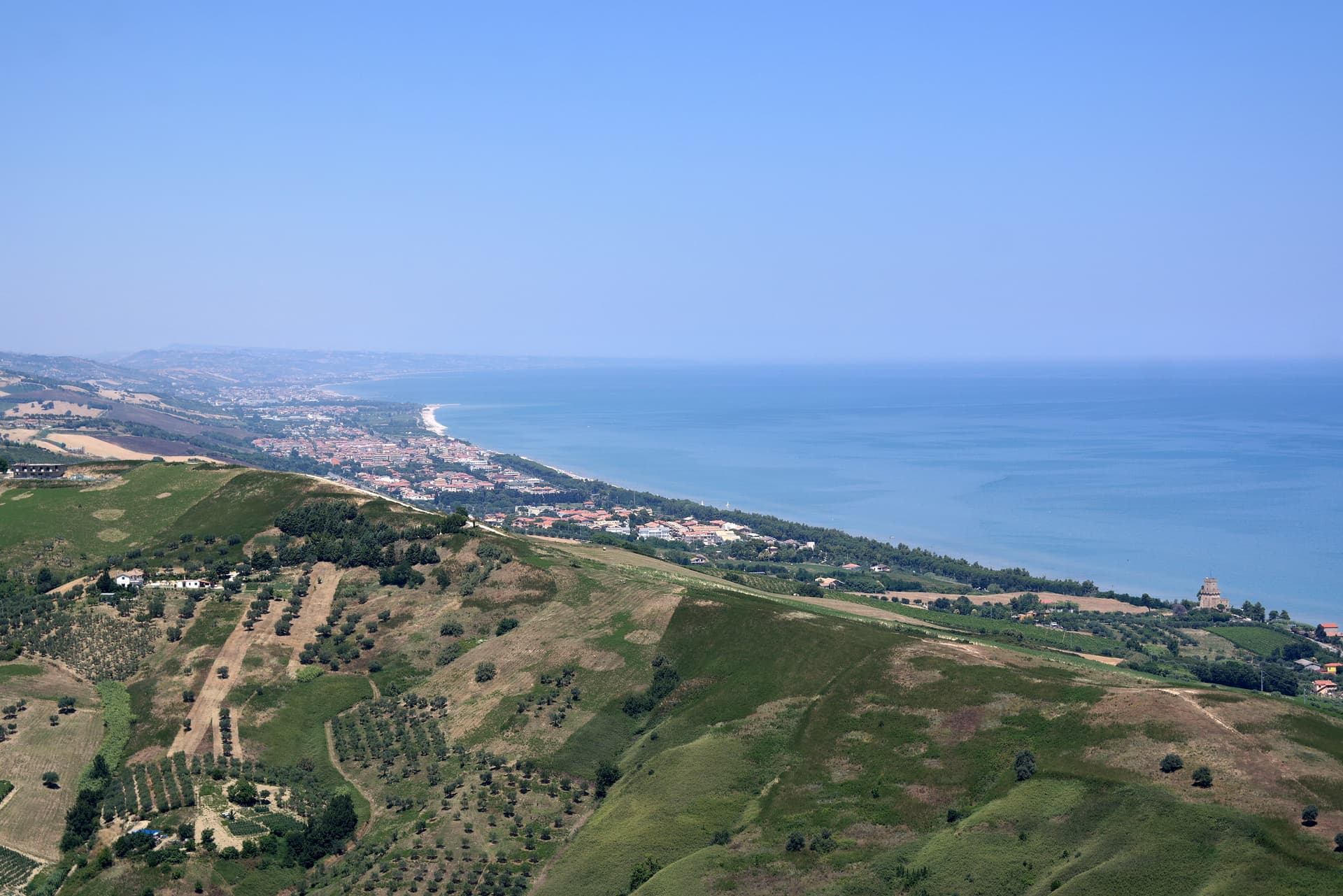
Coastal town split between hilltop Paese at 68 meters and the lido, rebuilt in 1471 as a Renaissance ideal city by Giulio Antonio Acquaviva.
Pineto
Province: Teramo
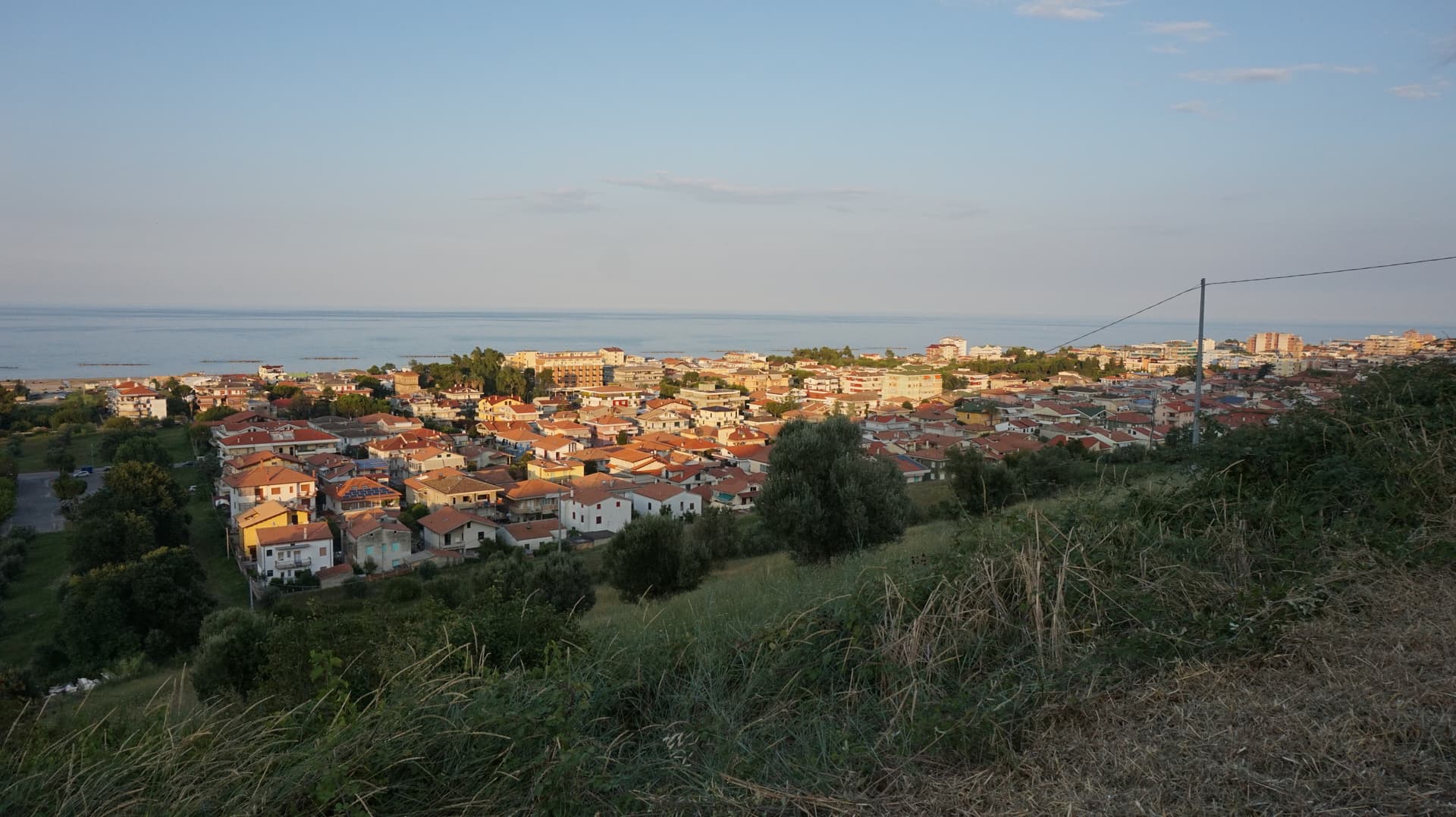
A planned twentieth-century beach town named for D'Annunzio's poem, with the sixteenth-century Cerrano tower anchoring Abruzzo's first marine protected area.
Roseto degli Abruzzi
Province: Teramo
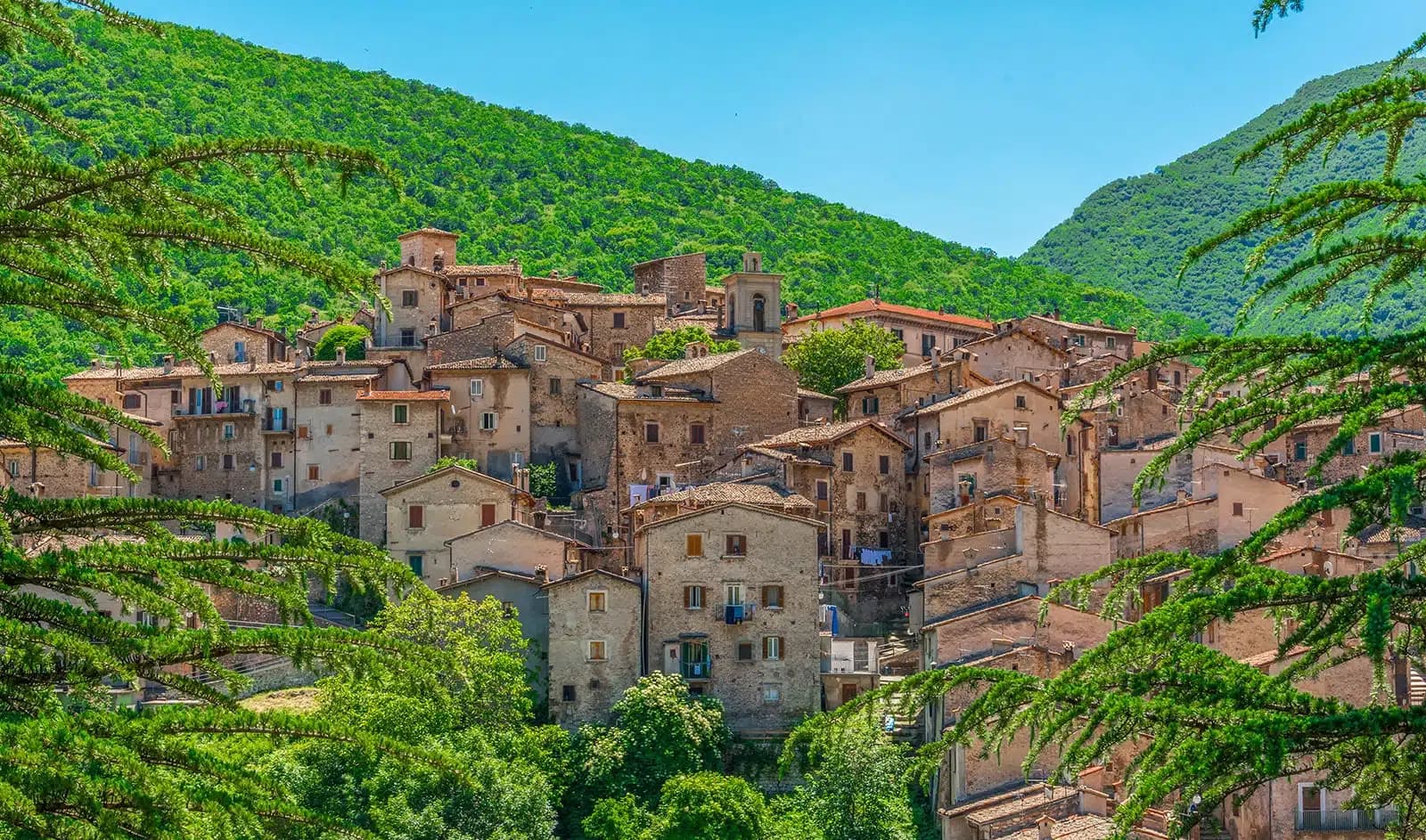
An Adriatic beach town of 25,500 with ten kilometers of low-rise sand, a hilltop frazione at 285 meters, and Blue Flags since 1995.
Scanno
Province: L'Aquila
A 1,057-meter Sagittario valley village photographed by Cartier-Bresson and Giacomelli, where women in black still walk the same alleys as the 1957 series.