

Basilicata · Matera
Policoro
A Ionian-coast town on the Gulf of Taranto built on the ruins of the Greek polis of Heraclea — birthplace of the Tavole di Eraclea bronze inscriptions and home to one of the region's most-visited Bandiera Blu beaches and the National Museum of the Siritide.
Known for
PYRRHIC VICTORY
Site of the 280 BC Battle of Heraclea where Pyrrhus's costly win over Rome gave the phrase to the language.
BANDIERA BLU
Lido di Policoro — 8 km of Bandiera Blu Ionian beach, one of Basilicata's two main beach destinations.
TURTLE RESCUE
WWF Bosco Pantano runs Italy's documented Caretta caretta sea turtle nesting program.
When to visit
Best · Apr–Oct
- J
- F
- M
- A
- M
- J
- J
- A
- S
- O
- N
- D
- Best
- Hot or crowded
- Quiet
- Mostly closed
Why come
Policoro sits on the Ionian coast of Basilicata where the Agri river reaches the Gulf of Taranto. The modern town is built on and around the site of Heraclea (Eraclea Lucana), a Greek polis founded in 433 BC by Taras (Taranto) and Thurii as a joint colony, famous for the Battle of Heraclea in 280 BC where Pyrrhus of Epirus defeated the Roman army at the cost famously called a "Pyrrhic victory." The Museo Archeologico Nazionale della Siritide preserves the finds — including the bronze Tavole di Eraclea (4th century BC inscriptions of the polis's regulations on land tenure) and the Pyrrhic-era armor and weapons recovered from the battlefield.
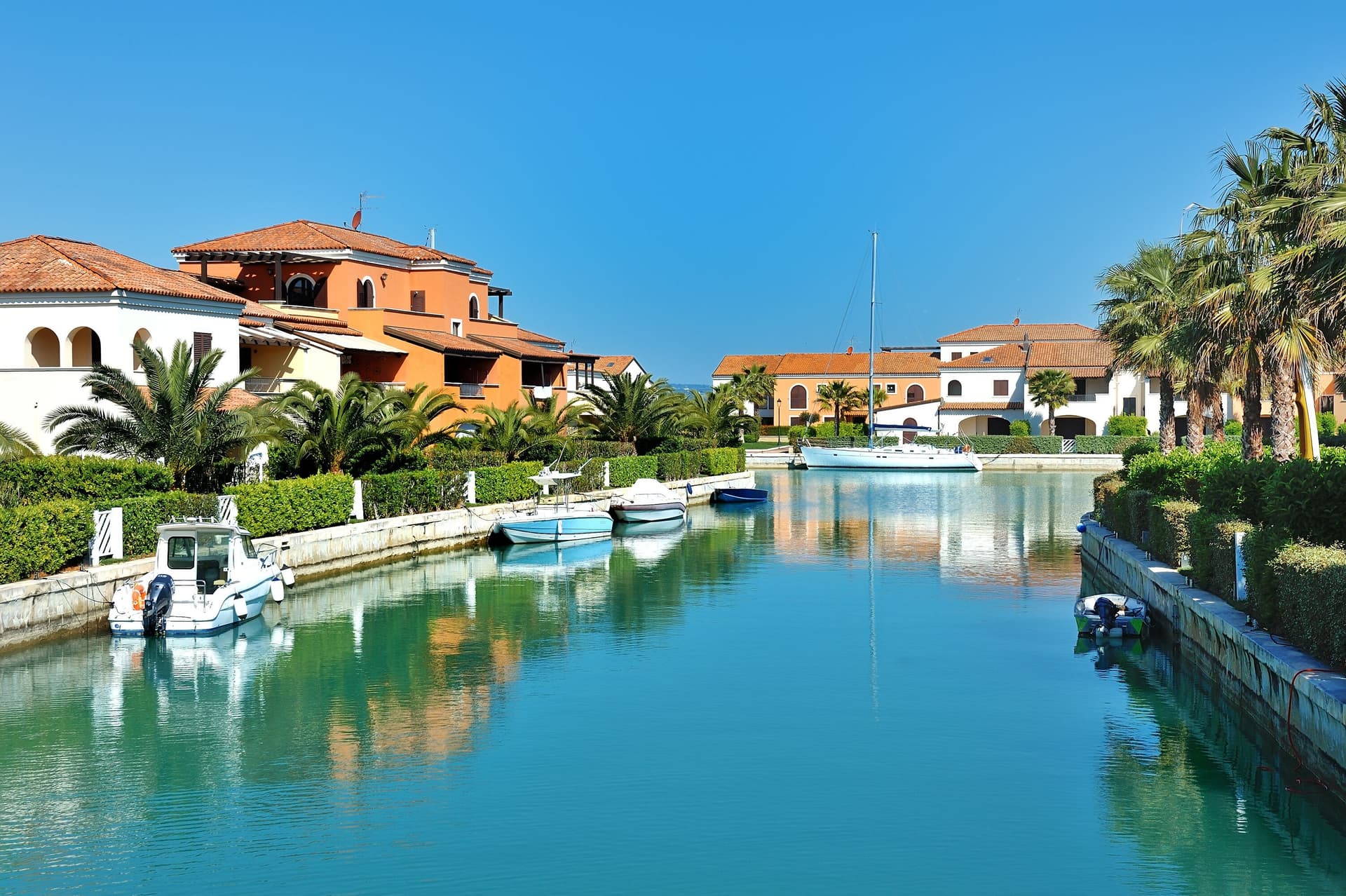
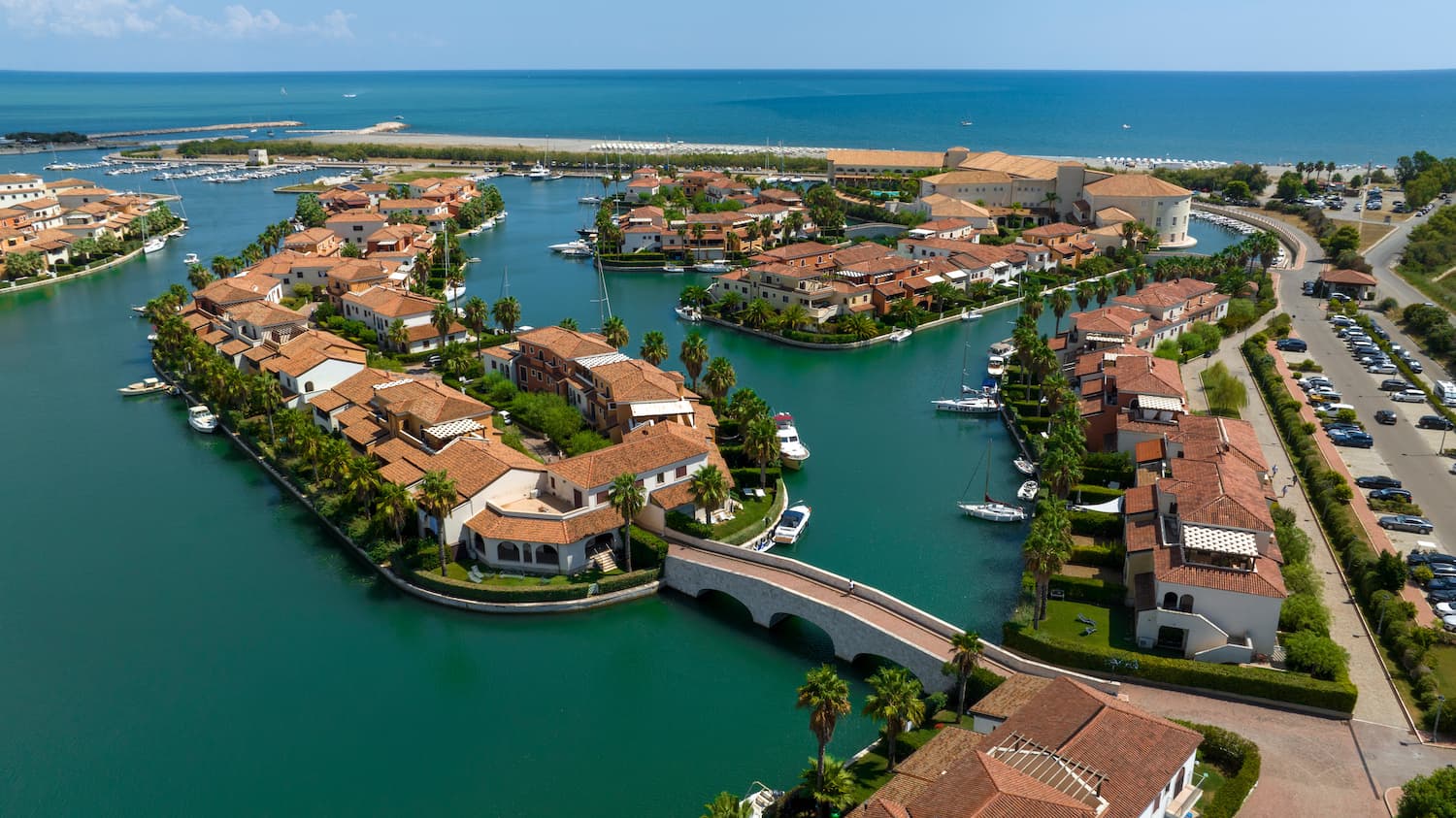
Beyond the archaeology, Policoro is a Bandiera Blu beach destination: 8 kilometres of fine sand along the Lido di Policoro, with the WWF Bosco Pantano Riserva Naturale just inland — Italy's most important coastal-forest reserve south of Tuscany, with a sea turtle (Caretta caretta) nesting program documented every summer. The town is the agricultural anchor of the Metapontino plain (strawberries, kiwi, melons) and one of Basilicata's few year-round-resident coastal communes.
The Sunday letter
We haven’t written Policoro’s letter yet.
One town every Sunday, with the photo, the food, the festa. Be there when this one comes up. Free, by Peter & Sophia from Pietrasanta.
By subscribing you agree to Substack’s Terms of Use, our Privacy Policy and our Information collection notice.
What to see
Museo Archeologico Nazionale della Siritide
National archaeological museum holding the Tavole di Eraclea (4th-century BC bronze inscriptions), Pyrrhic-era armor, and finds from the Heraclea / Siris excavations.
Lido di Policoro — Bandiera Blu
Eight kilometres of fine-sand Bandiera Blu beach along the Gulf of Taranto, with seasonal lidos and a documented sea turtle nesting program.
WWF Bosco Pantano
Italy's most important coastal-forest nature reserve south of Tuscany, with sea turtle rescue centre, birding trails, and the recovered Pantano humid-forest ecosystem.
Parco Archeologico di Eraclea
The Greek polis site itself — visible city walls, sanctuary of Demeter, and the battlefield where Pyrrhus's army defeated Rome at the cost of the Pyrrhic victory phrase.
The slow-trip planner
Building a trip? Find where Policoro fits in a slow Italy circuit.
Answer five questions. We will shape a geographically coherent slow trip from the 1,000 Italian towns most travelers skip. Yours to save and share.
Living here
- Population 17,832
- Off the beaten pathi
- Pharmacy: none mapped
- High school within a 30-minute drive
- Train station in the comune
- Nearest airport Bari / Brindisi, 1 h 52 min drive
- Regional capital Potenza, 1 h 54 min drive
Tags & datadesignations · numbers · sources
Recognised as
The numbers
- Elevation: 25 m
- Population: 17,832
- Surface area: 67.66 km²
These figures were compiled from public directories — ISTAT, OpenStreetMap, Wikidata — and from the official listings of the guides named on this page. Town details change; verify with official sources before you travel.
Close by
More towns near Policoro
Rotondella
Province: Matera
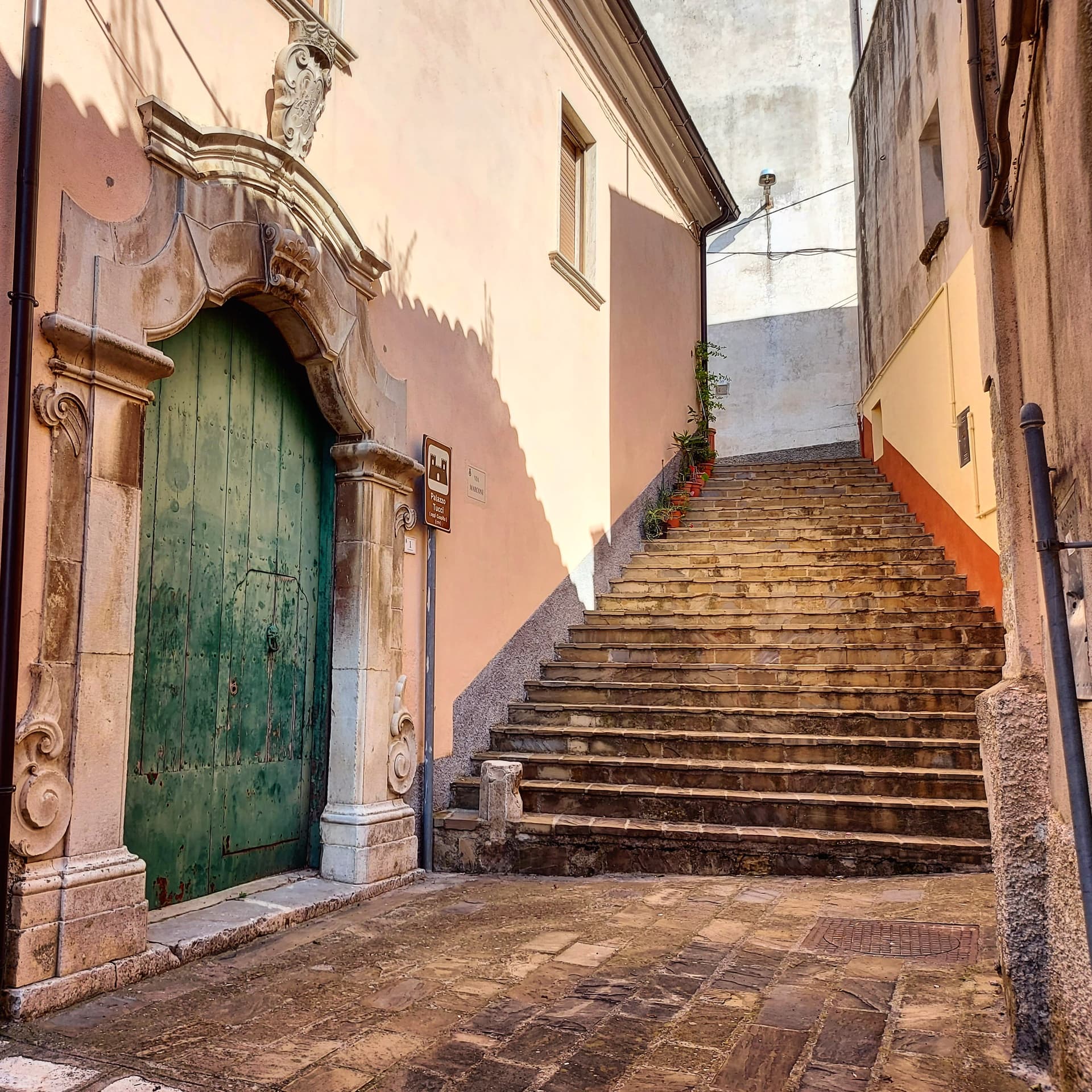
The 'Balcony of the Ionian' — a 2,400-resident Lucanian borgo on a 576m hilltop overlooking the Metapontino plain and the Ionian Sea, with intact medieval streets, the Chiesa di Santa Maria della Neve, and a high-quality DOP olive oil from the surrounding terraced groves.
Nova Siri
Province: Matera
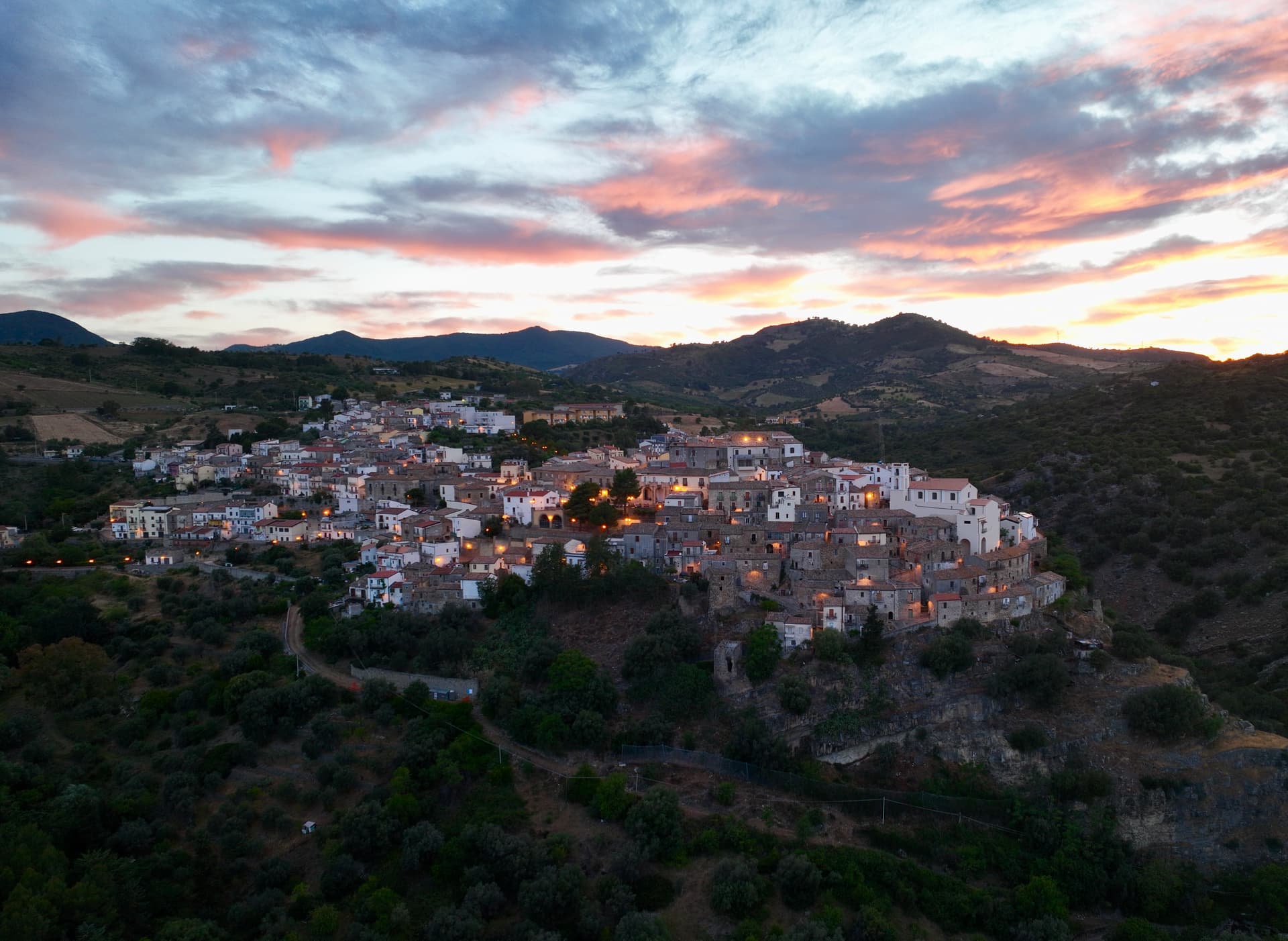
A 350-meter Ionian hill town with a Blue Flag beach nine kilometers below, near the site of the ancient Greek colony of Siris.
Rocca Imperiale
Province: Cosenza
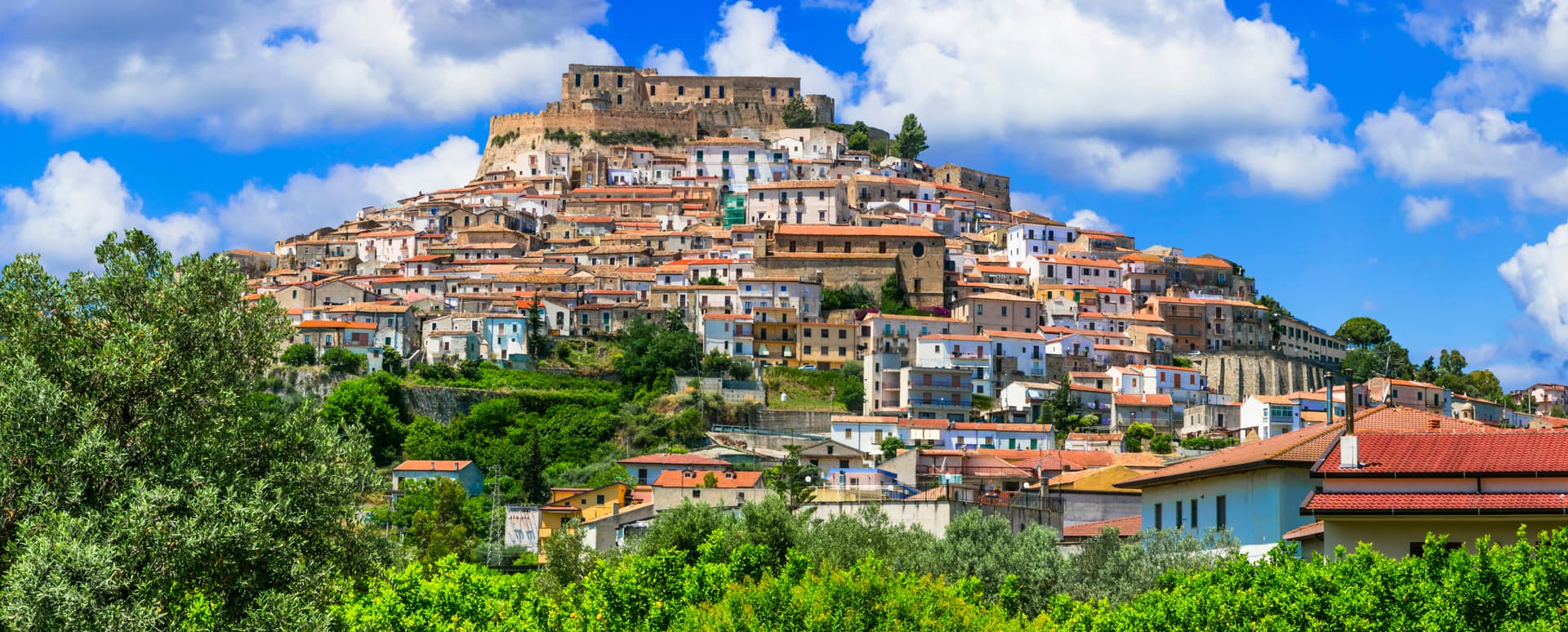
Frederick II's Hohenstaufen fortress at the Calabria–Basilicata border — a Borgo più Bello d'Italia perched on a hill above the Ionian coast, with the 1225 castello at the summit, a Bandiera Blu beach at Rocca Imperiale Marina below, and the locally-grown limone di Rocca Imperiale IGP scenting the orchards.
Montegiordano
Province: Cosenza
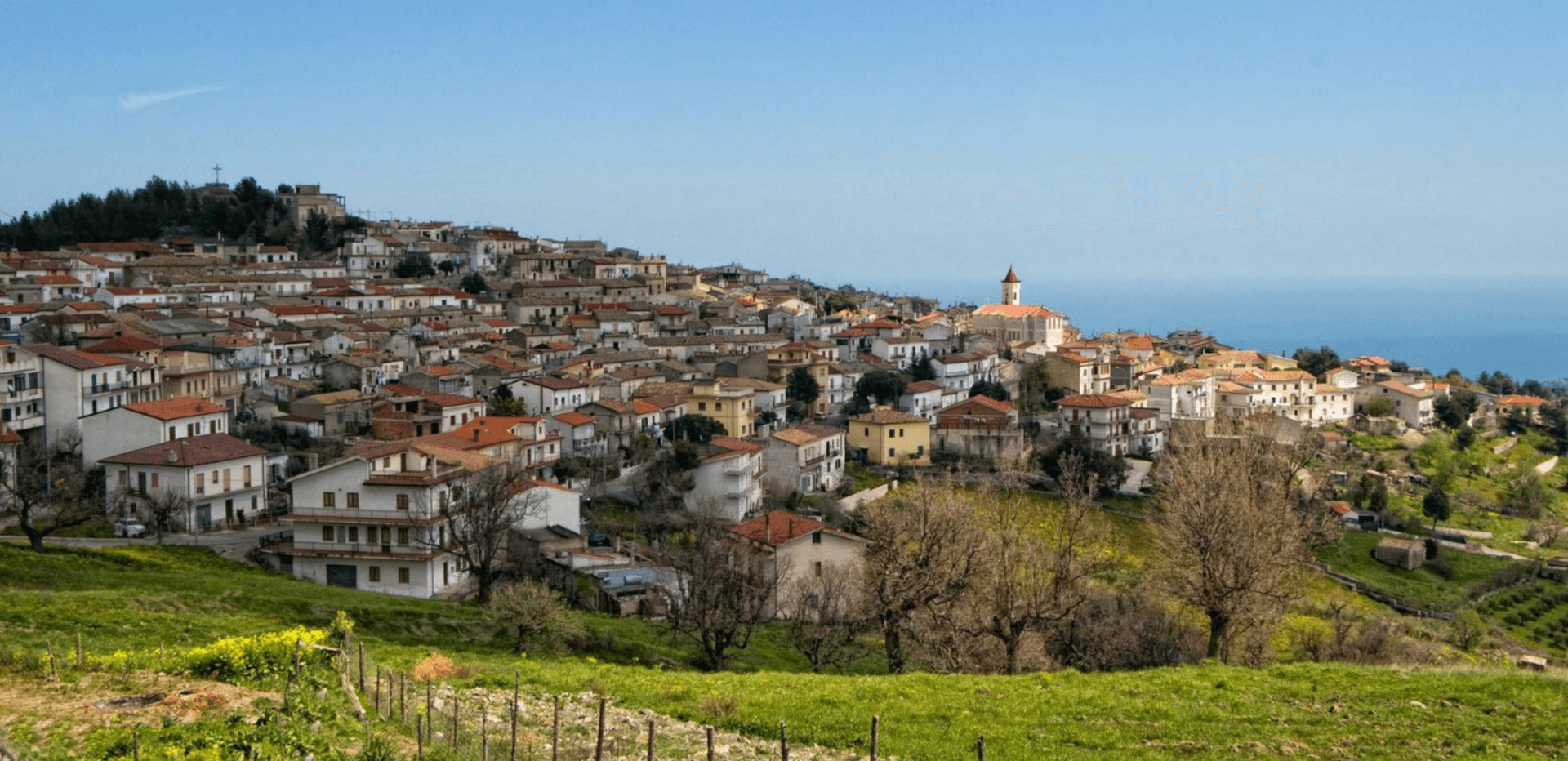
A 619-meter Alto Jonio hill town with a Pignone del Carretto hunting castle and more than two hundred murals across its centro storico.
Bernalda
Province: Matera
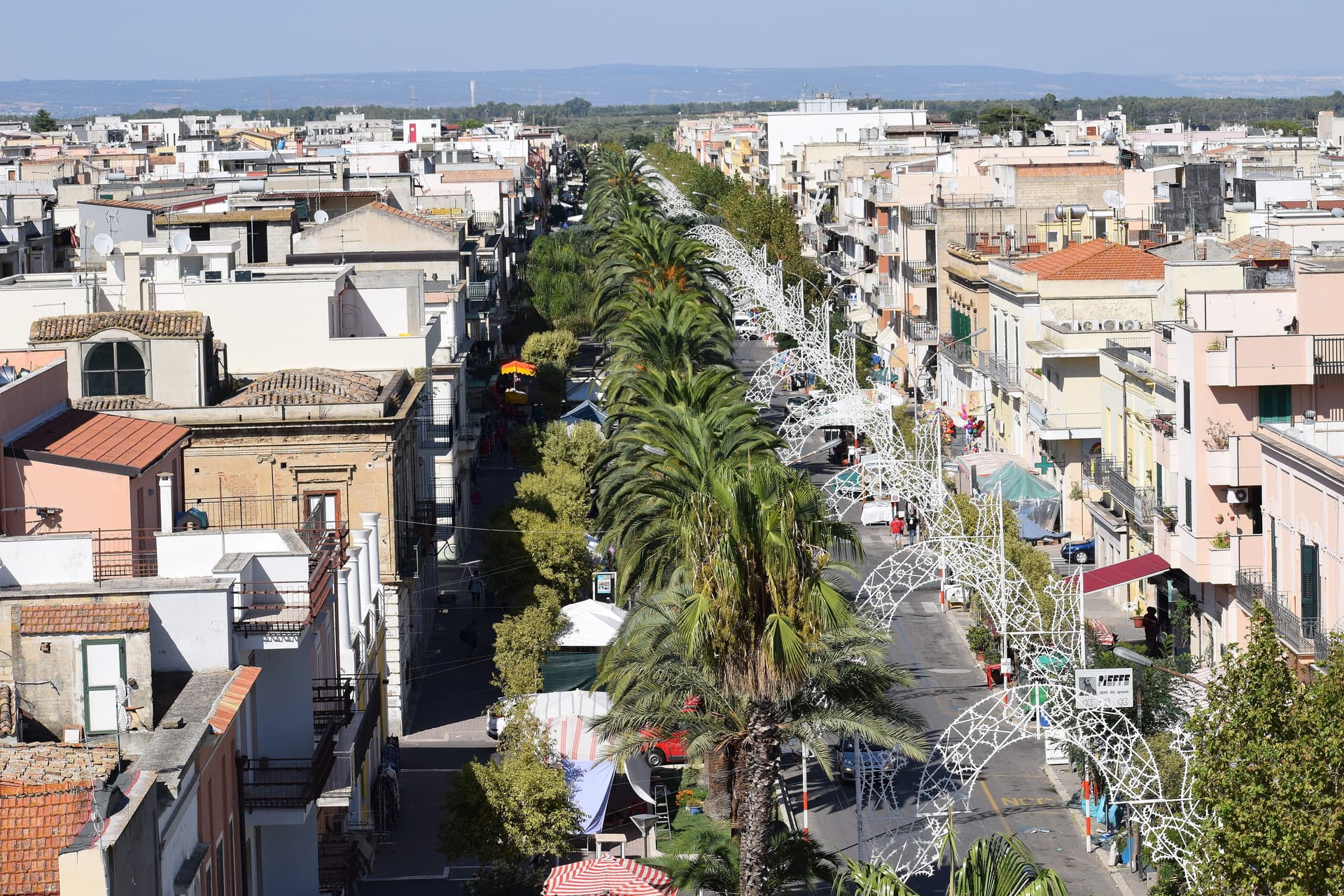
A 127-meter hill town between the Bradano and Basento, Francis Ford Coppola's ancestral home, holding the Magna Graecia columns of the Tavole Palatine.
🟦 Bandiera Blu
More Bandiera Blu towns in Basilicata
Maratea
Province: Potenza
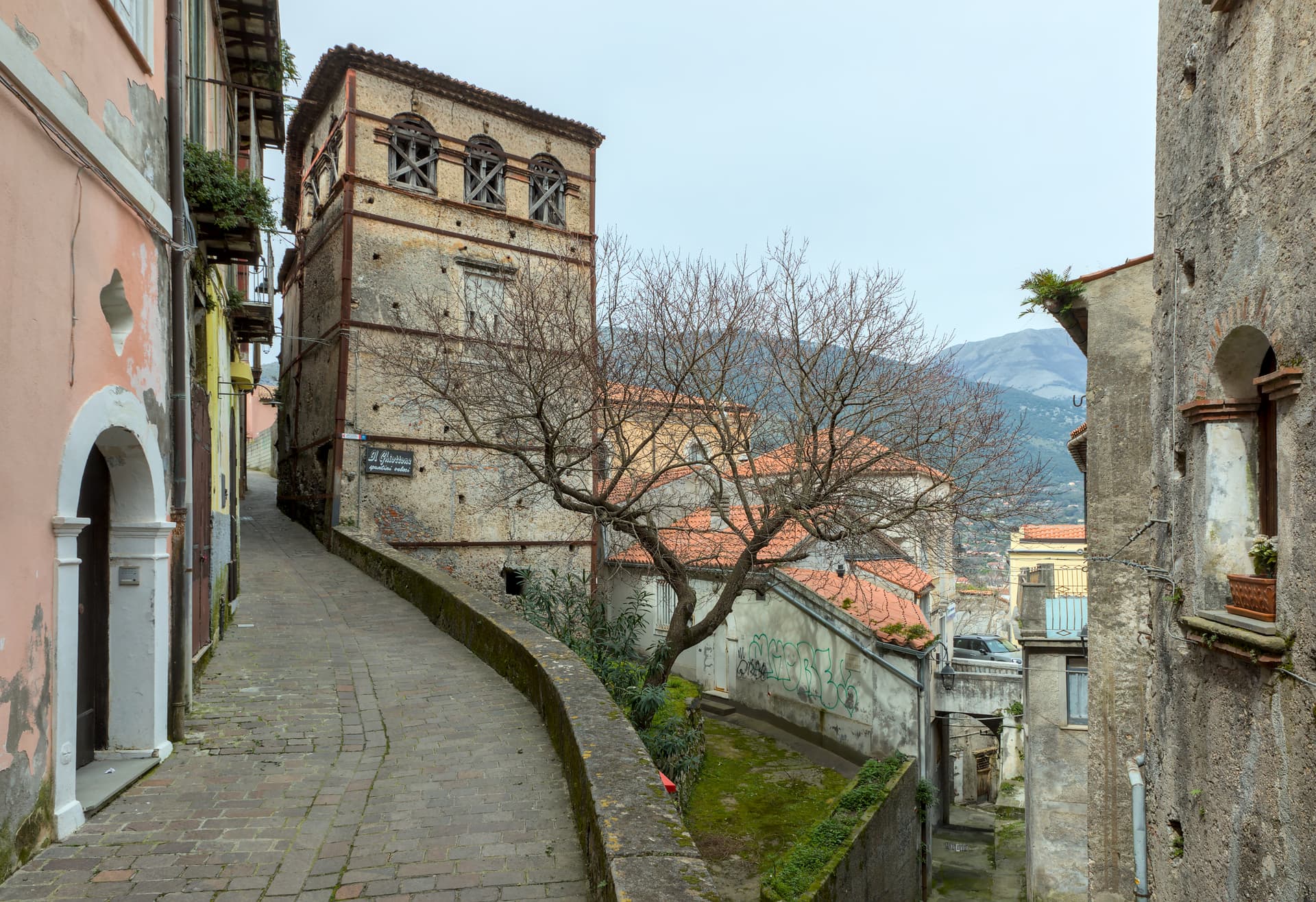
Basilicata's only commune on the Tyrrhenian, thirty-two kilometers of rocky coast under a twenty-one meter marble Christ raised over Monte San Biagio in 1965.
Pisticci
Province: Matera
A hill town at 364 meters above the Ionian, rebuilt in three hundred identical white houses after the 1688 landslide killed four hundred.