

Sardinia · Oristano
Santu Lussurgiu
A Montiferru village at 503 meters where the Carnival horse race runs through a steep stone street and saddlery has been made since 1923.
Known for
SA CARRELA
Carnival horse race down a steep stone street, alongside the Sartiglia and the Ardia one of the great Sardinian equestrian events.
SADDLERY
Spanu saddlery on the Corso, in operation since 1923, makers of the narrow Lussurgese horse collar designed for racing.
MONTIFERRU
Extinct volcano that defines the inland Oristano province, with oak woods, waterfalls, and the Bue Rosso cattle breed.
When to visit
Best · Apr–Jun, Sep–Nov
- J
- F
- M
- A
- M
- J
- J
- A
- S
- O
- N
- D
- Best
- Hot or crowded
- Quiet
- Mostly closed
The festa: San Lussorio, 21 August
Why come
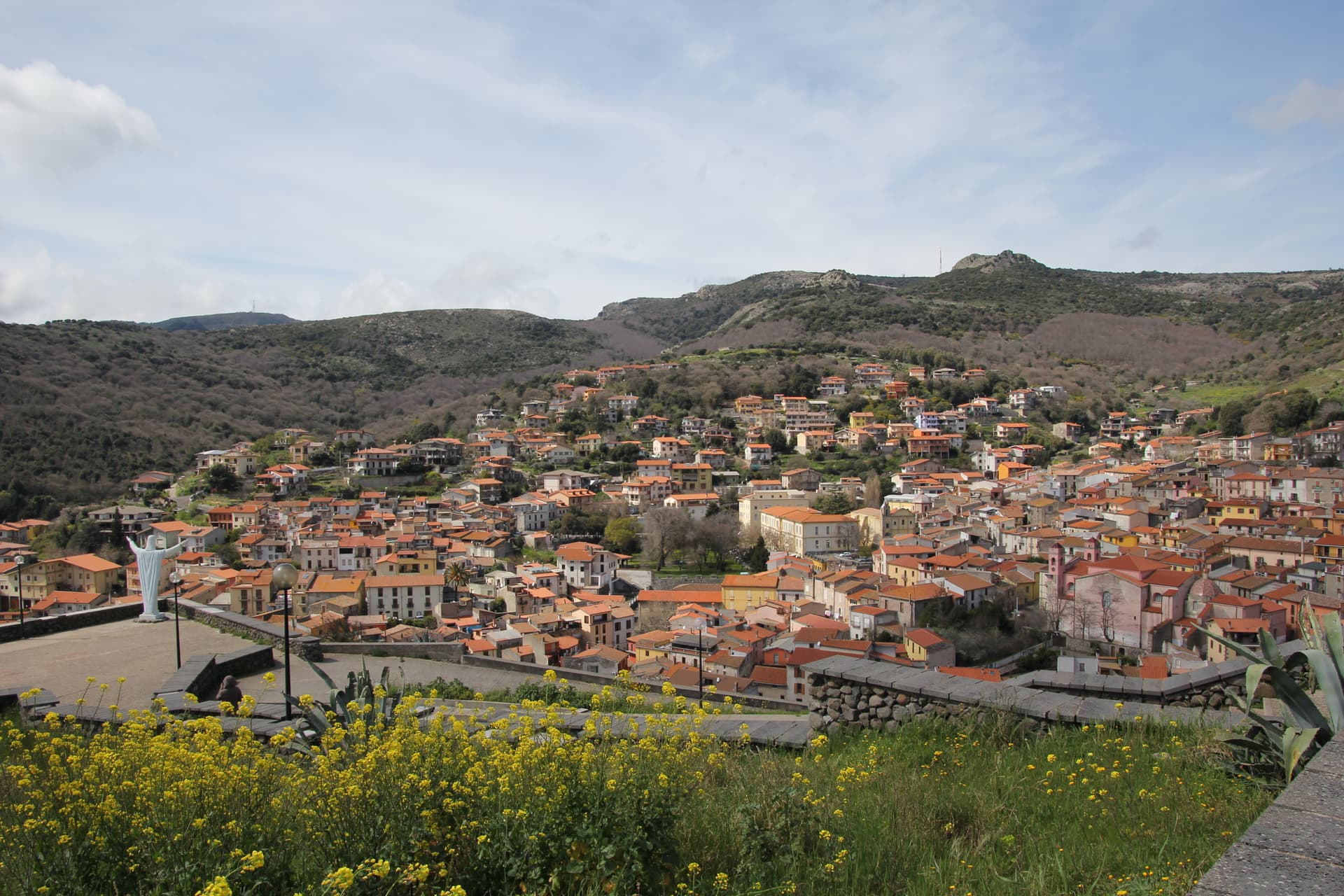
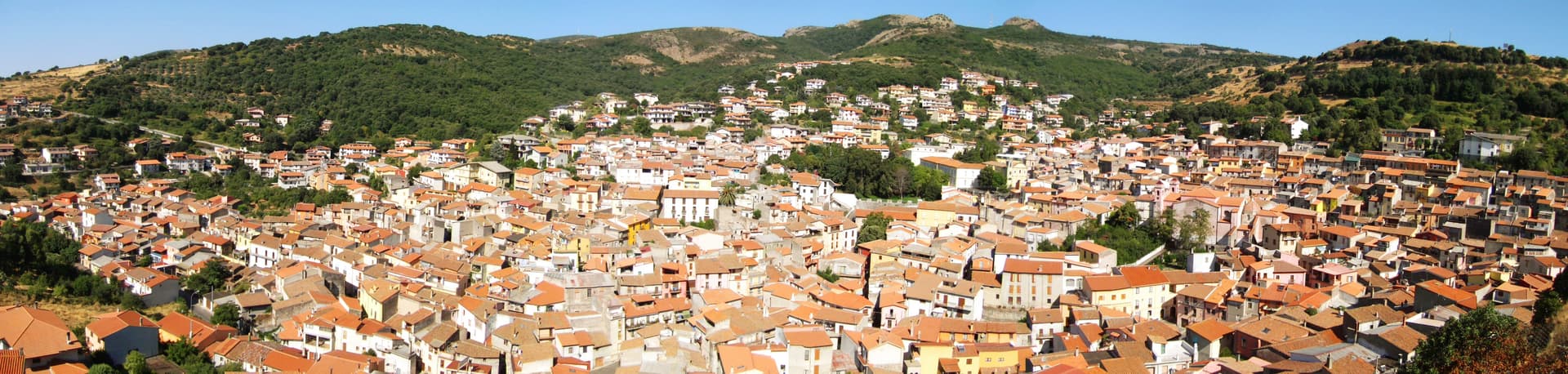
Santu Lussurgiu sits at 503 meters on the eastern slope of the Montiferru, the extinct volcano that defines the inland Oristano province. The village was named for Lussorio, a Roman soldier martyred in 303 under Diocletian. Horses are the second name.
The Giudicato of Arborea and the later Spanish viceroys both increased local breeding, and the village developed lines suited to racing. Sa Carrela 'e Nanti, the Carnival horse race, runs across the last three days of Carnival each year, masked riders in pairs galloping down a steep stone street, an event placed alongside the Sartiglia of Oristano and the Ardia of Sedilo among the deep events of Sardinian folklore. The Spanu saddlery opened on the Corso in 1923 and is still run by the family.
The narrow Lussurgese horse collar, with a single row of bells, was designed for the racing gallop. The village rises into the Montiferru woods, with the Sos Molinos waterfalls a short drive uphill.
The Sunday letter
We haven’t written Santu Lussurgiu’s letter yet.
One town every Sunday, with the photo, the food, the festa. Be there when this one comes up. Free, by Peter & Sophia from Pietrasanta.
By subscribing you agree to Substack’s Terms of Use, our Privacy Policy and our Information collection notice.
What to see
Sa Carrela 'e Nanti
Carnival horse race down a steep stone street, masked riders in pairs, held over the last three days of Carnival each year.
Museo della Tecnologia Contadina
Ethnographic museum of rural Montiferru life, tools and crafts of the village before mechanization, in the centro storico.
Chiesa parrocchiale di Santa Maria degli Angeli
Parish church of the village, the religious anchor of the medieval centro storico on the Montiferru slope.
Cascate di Sos Molinos
Waterfalls in the oak woods above the village, on the upper Riu Maiore, a short drive uphill from the centro storico.
Centro storico e selleria Spanu
Stone village laid out on the Montiferru slope, with the Spanu saddlery on the Corso in continuous operation since 1923.
The slow-trip planner
Building a trip? Find where Santu Lussurgiu fits in a slow Italy circuit.
Answer five questions. We will shape a geographically coherent slow trip from the 1,000 Italian towns most travelers skip. Yours to save and share.
Living here
- Population 2,215
- In-betweeni
- Pharmacy in town
- High school within a 30-minute drive
- Nearest airport Sardinia, 2 h 4 min drive
- Regional capital Cagliari, 1 h 51 min drive
Tags & datadesignations · numbers · sources
Recognised as
The numbers
- Elevation: 503 m
- Population: 2,215
- Surface area: 99.8 km²
These figures were compiled from public directories — ISTAT, OpenStreetMap, Wikidata — and from the official listings of the guides named on this page. Town details change; verify with official sources before you travel.
Close by
More towns near Santu Lussurgiu
Seneghe
Province: Oristano
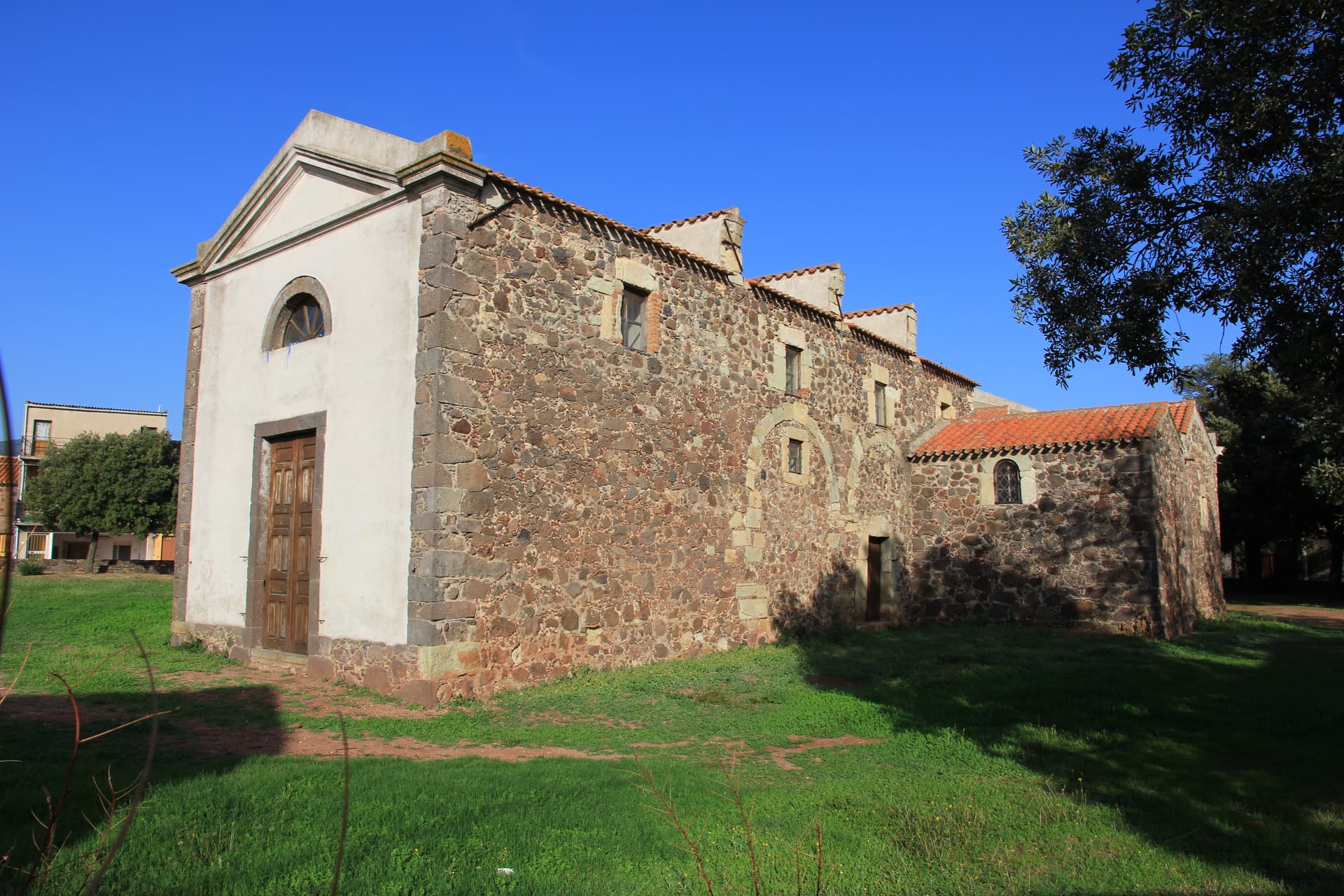
An olive-oil village on the eastern slope of Montiferru, 25 km from Oristano, that doubles as Sardegna's poetry capital each September.
Cuglieri
Province: Oristano
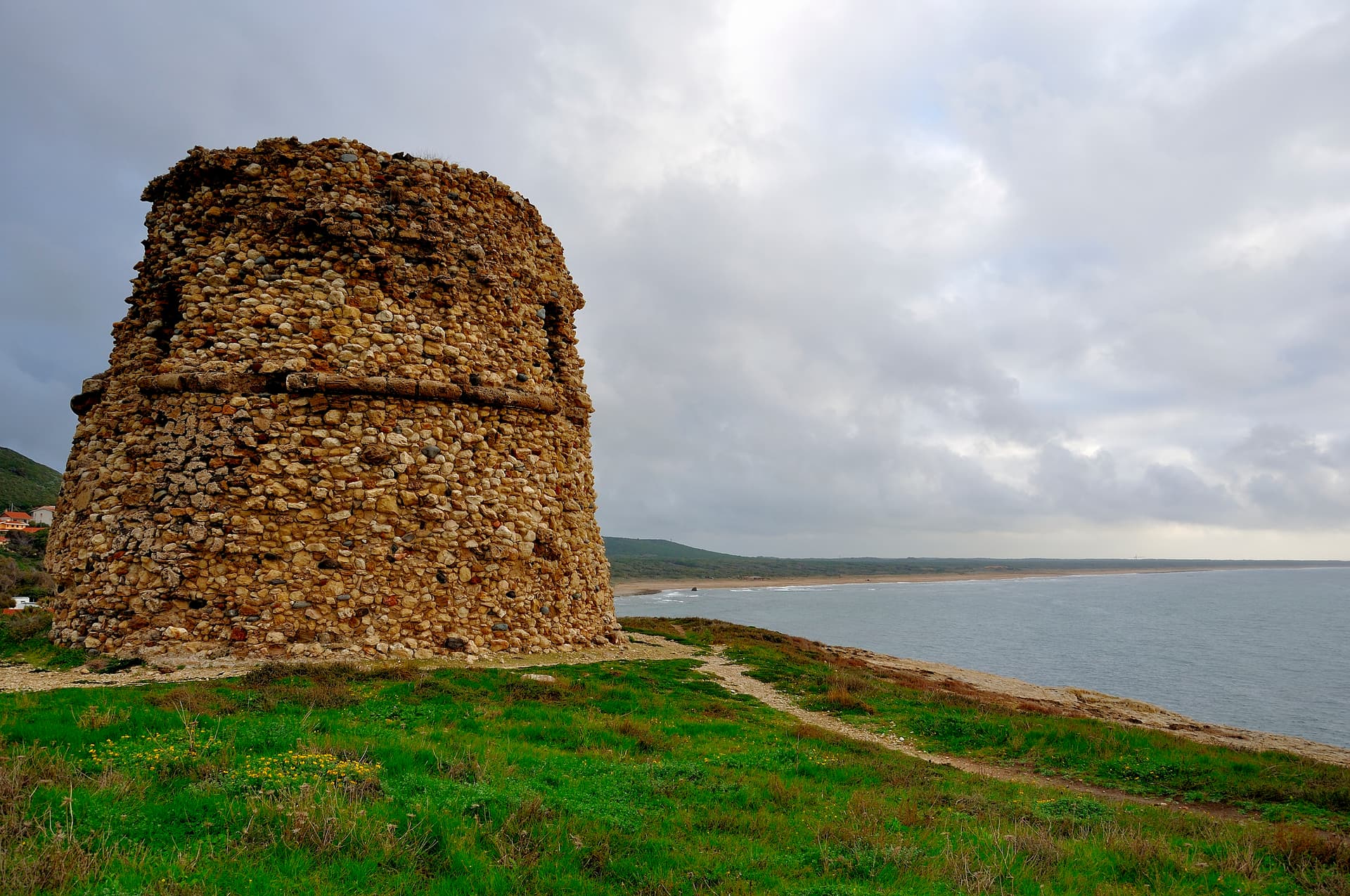
A Montiferru town at 428 meters, with the first minor basilica in Sardegna above it and the ruins of Punic Cornus below.
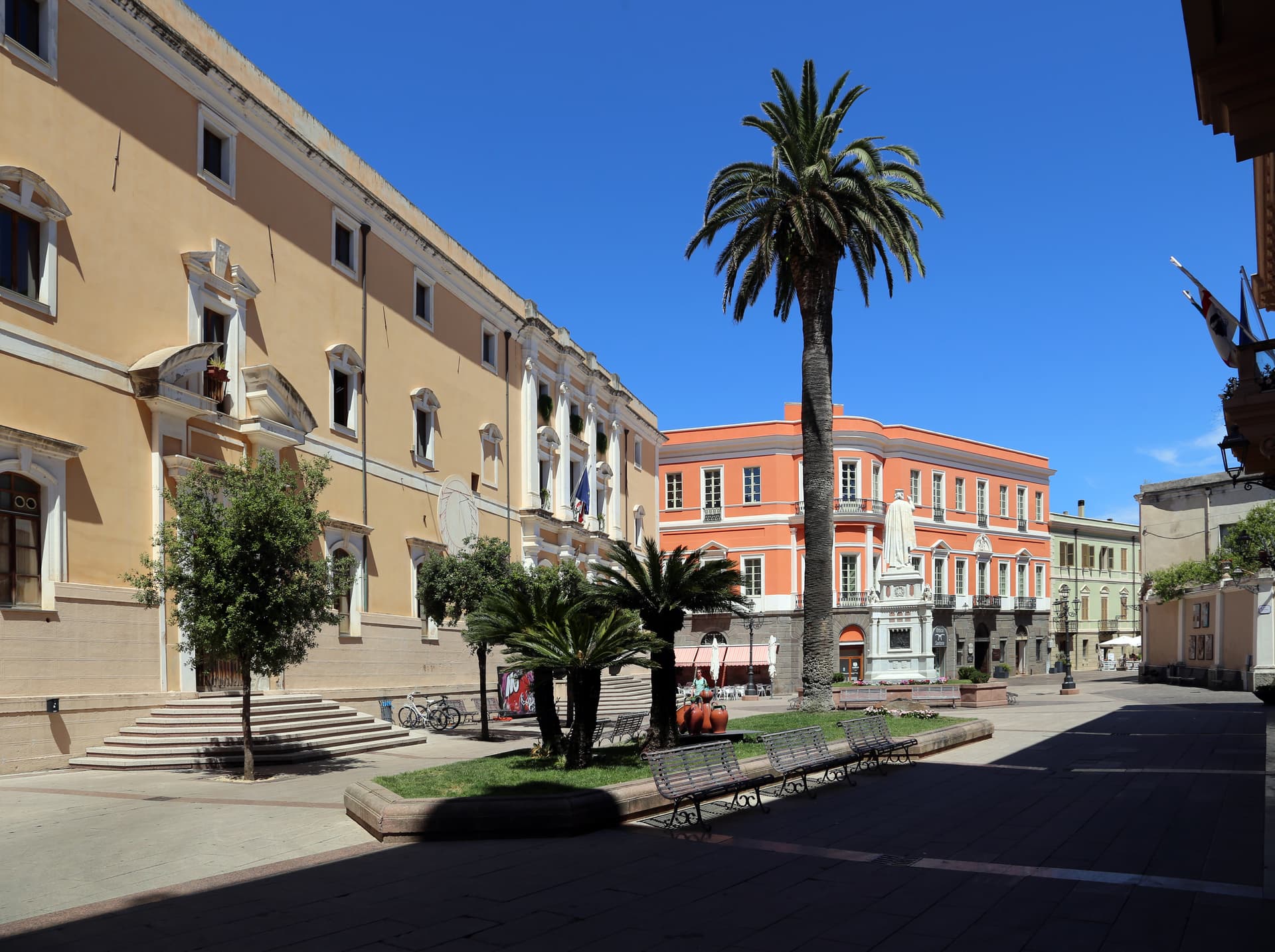
Oristano
Province: Oristano
The old capital of the Giudicato di Arborea, city of Eleonora and the Carta de Logu, host of Sa Sartiglia equestrian joust at Carnival.
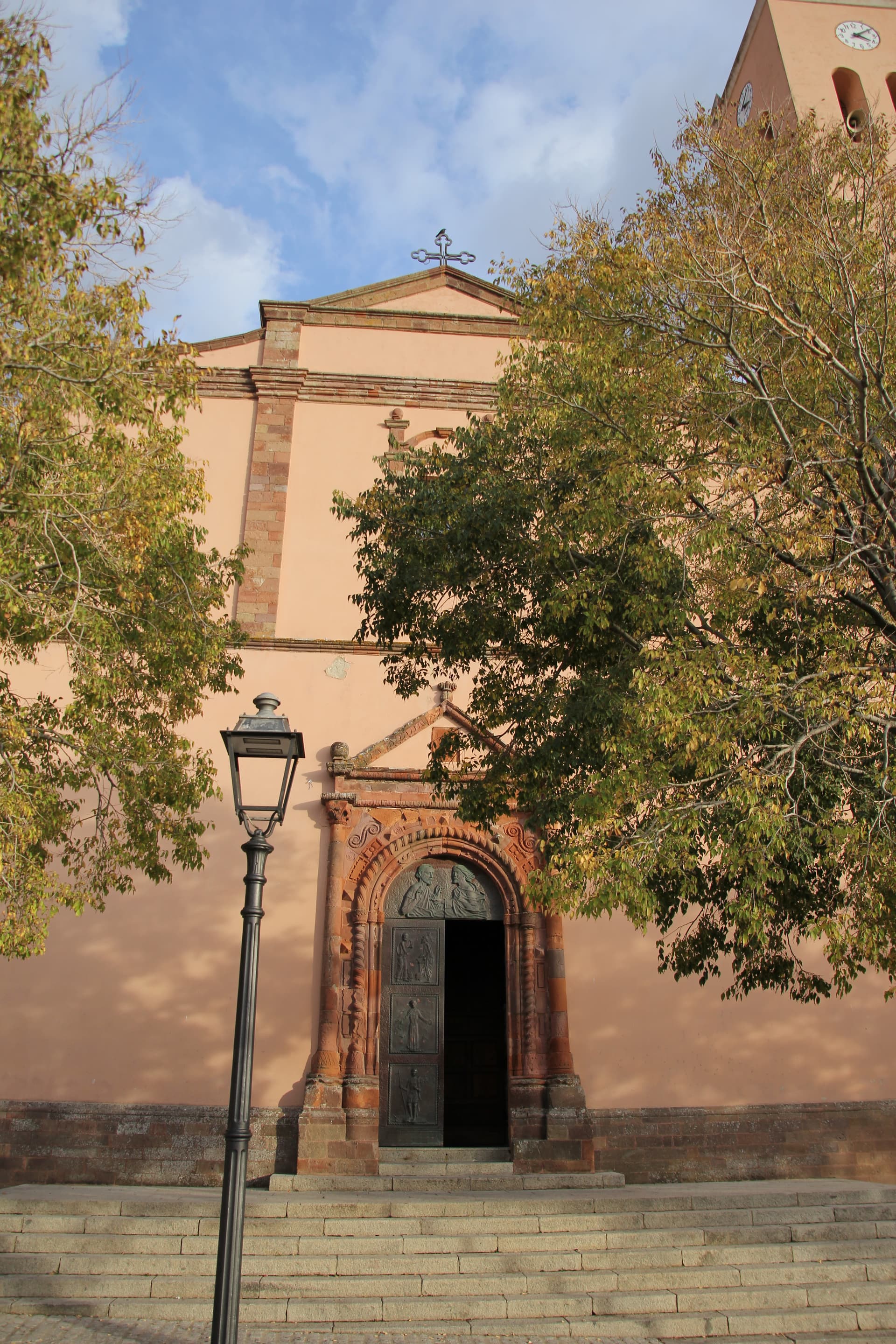
Bolotana
Province: Nuoro
A Marghine hill village at 472 meters between mountain and Tirso valley, with a Welsh railway engineer's villa hidden in a four-hectare exotic garden.
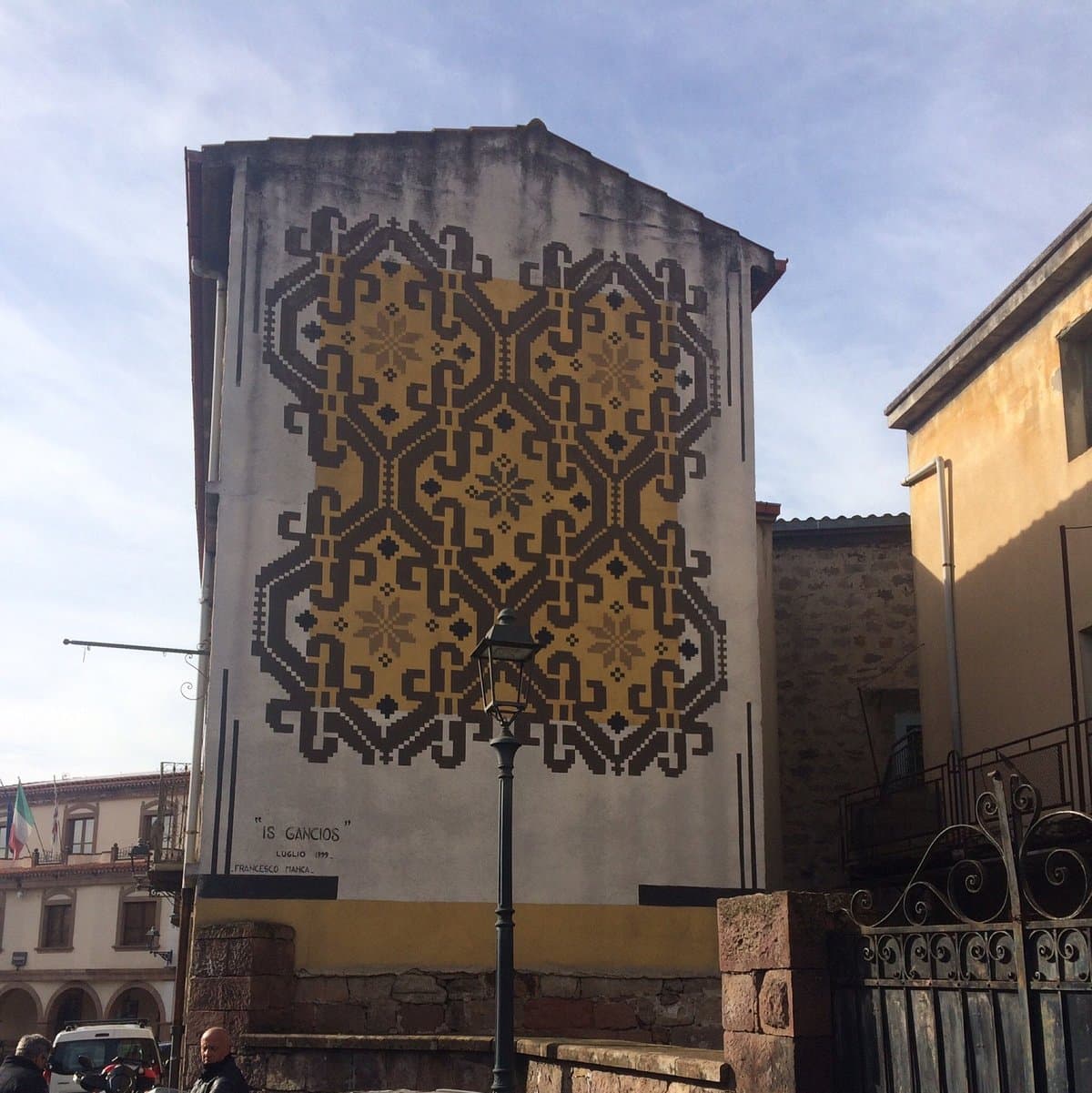
Samugheo
Province: Oristano
Sardinia's textile-weaving capital — a 2,757-resident Mandrolisai borgo with the MURATS regional textile museum, the annual Tessingiu woven-art biennale, an active community of weavers still on traditional looms, and the Mandrolisai DOC red from the granite-soil vineyards around it.
💎 Borghi Autentici
More Borghi Autentici towns in Sardinia
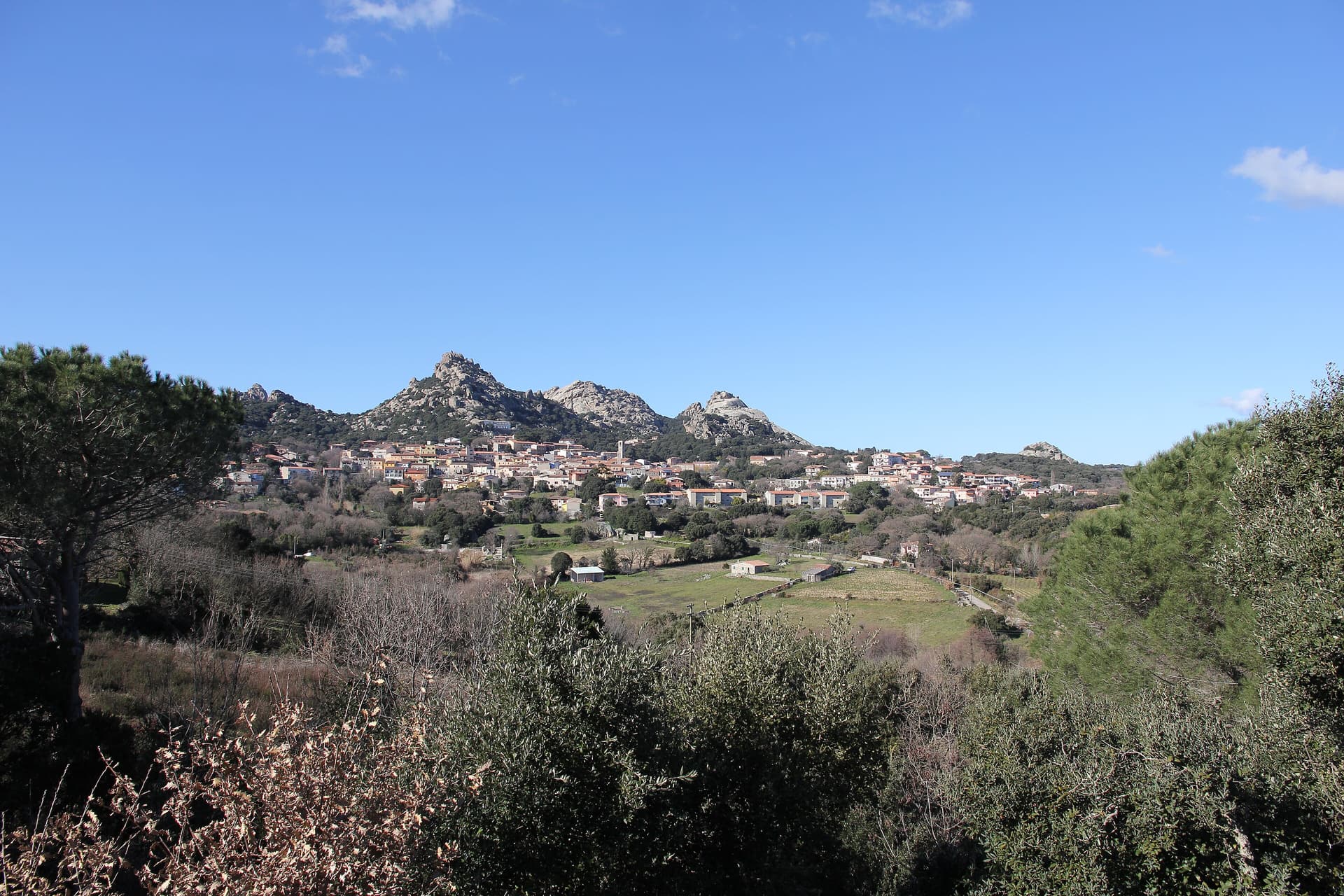
Aggius
Province: Sassari
A Gallura granite village at 514 meters under the Monti di Aggius, with the largest ethnographic museum in Sardegna and three centuries of bandit history.
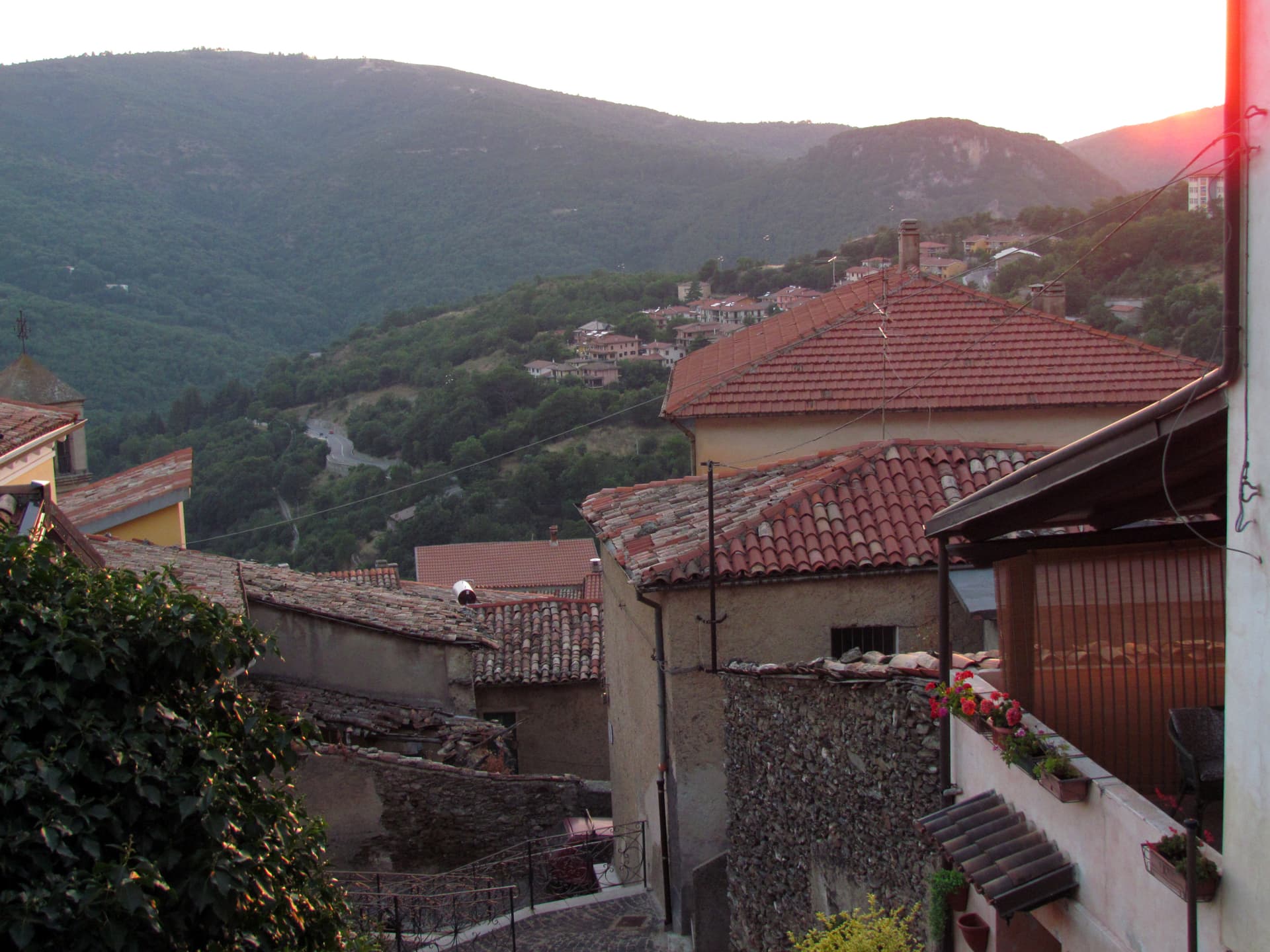
Aritzo
Province: Nuoro
A Mandrolisai mountain village at 800 meters in chestnut and hazelnut forest, where snow once travelled out in straw and came back as lemon sorbet.

Galtellì
Province: Nuoro
Grazia Deledda's 'Canne al vento' set — a 2,354-resident Baronia borgo under the Monte Tuttavista in Sardinia's northeast, with the triple Borghi Autentici + Bandiera Arancione + Città del Vino signal, the 11th-c Cattedrale di San Pietro (Sardinia's first), and the entire centro recognised as the Parco Letterario Grazia Deledda for being the literal setting of her 1913 Nobel-trajectory novel.
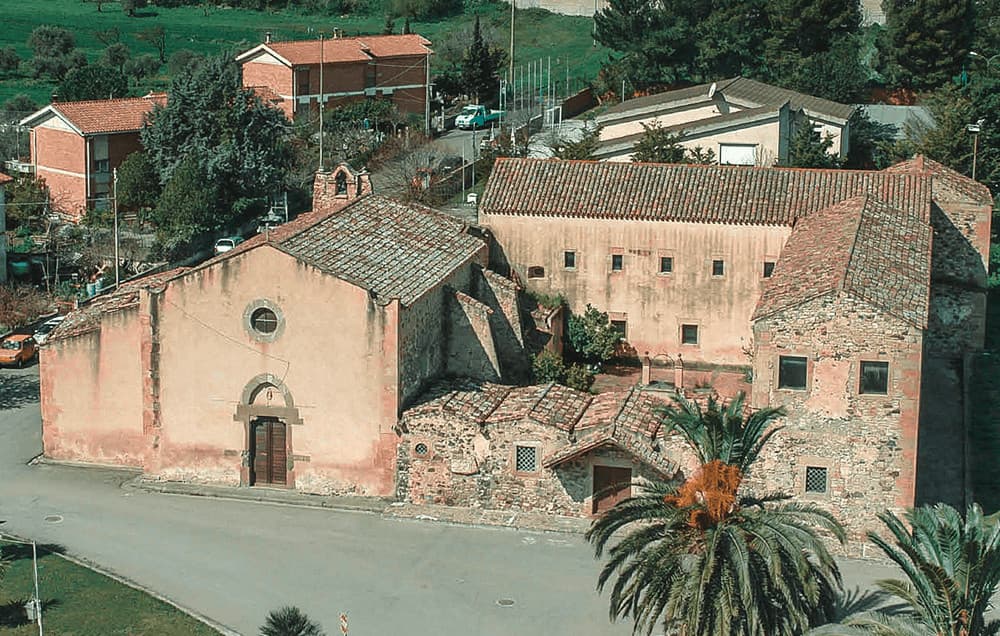
Masullas
Province: Oristano
A Marmilla village at 129 meters where a 17th-century Capuchin convent houses fossils, minerals, and the volcanic history of Monte Arci.