

Sardinia · Nuoro
Dorgali
A Supramonte town with the coastal frazione Cala Gonone, the Tiscali Nuragic village, and the 400-meter walls of Su Gorropu.
Known for
TISCALI
Nuragic village hidden inside a sinkhole on Monte Tiscali, dwellings built between the 15th and 8th centuries BC, water harvested from the cave walls.
SU GORROPU
400-metre limestone canyon of the Rio Flumineddu, one of Europe's highest, habitat for the endemic Aquilegia nuragica.
GULF OF OROSEI
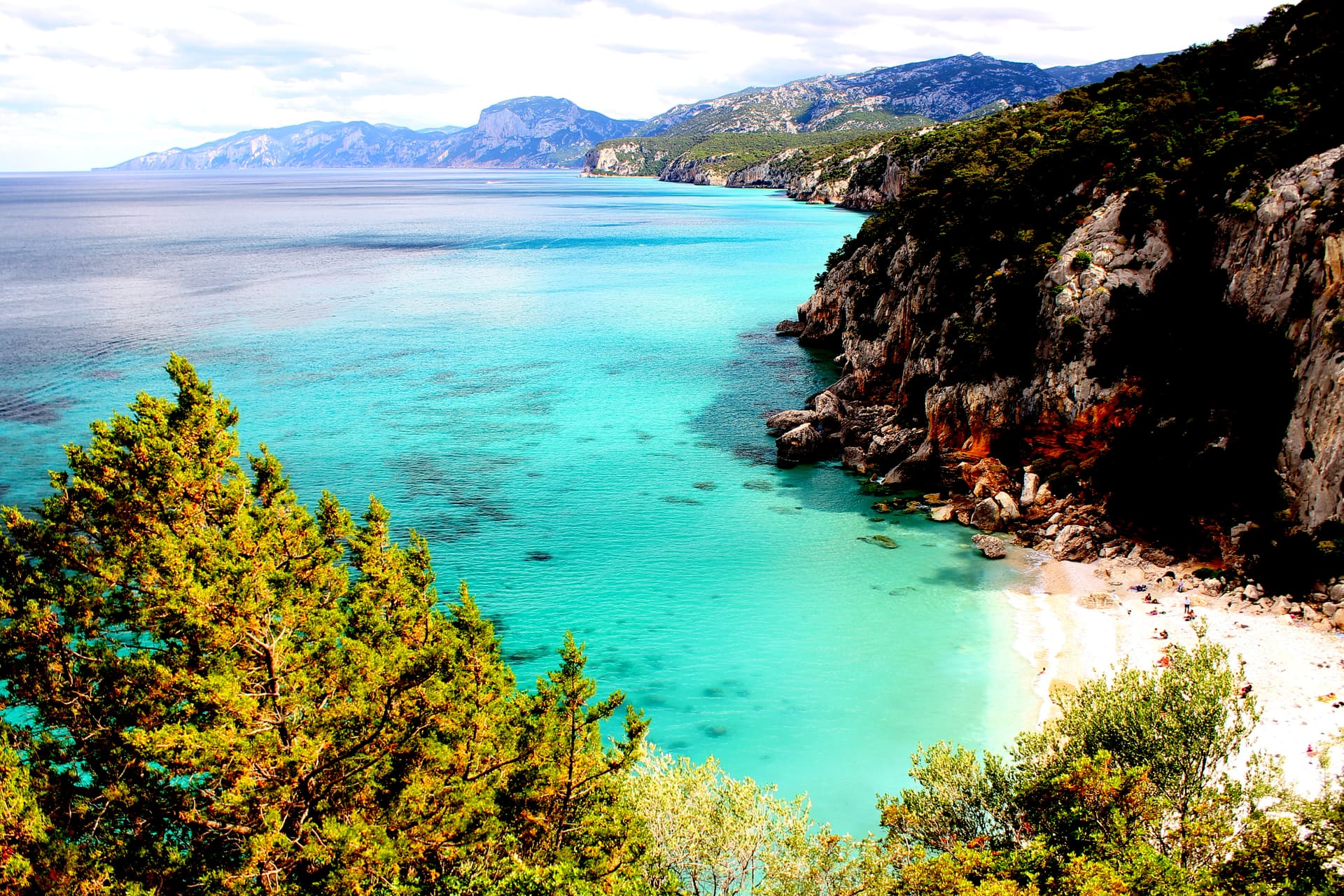
Wild coast of caves, calette, and limestone cliffs reached by boat from Cala Gonone, the most filmed stretch of Sardinian coastline.
When to visit
Best · Apr–Jun, Sep–Nov
- J
- F
- M
- A
- M
- J
- J
- A
- S
- O
- N
- D
- Best
- Hot or crowded
- Quiet
- Mostly closed
The festa: Caterina d'Alessandria, 25 November
Why come
Dorgali sits on the seaward side of the Supramonte, ten kilometers from the coast and 225 square kilometers of municipal territory, one of the largest in the province of Nuoro. The frazione of Cala Gonone, a thousand winter residents and fifteen thousand in August, faces the Gulf of Orosei from a small bay reached by a tunnel through the limestone. North of the town, inside a sinkhole on Monte Tiscali, the Nuragic village of Tiscali holds dwellings built and inhabited between the 15th and 8th centuries BC, water gathered from the cave walls.
Two hours of climbing get you there. South of the town, Gola di Su Gorropu cuts vertical walls 400 meters high through the Rio Flumineddu, one of the highest canyons in Europe, home to the endangered Aquilegia nuragica. The Cantina Sociale di Dorgali, founded in 1953, vinifies 90 percent of its production from Cannonau across 550 hectares of vineyards in the surrounding communes. Inside the Parco Nazionale del Golfo di Orosei e del Gennargentu.
The Sunday letter
We haven’t written Dorgali’s letter yet.
One town every Sunday, with the photo, the food, the festa. Be there when this one comes up. Free, by Peter & Sophia from Pietrasanta.
By subscribing you agree to Substack’s Terms of Use, our Privacy Policy and our Information collection notice.
What to see
Villaggio nuragico di Tiscali
Bronze Age village hidden inside a sinkhole on Monte Tiscali at 518 metres, reached by two hours of hiking through Supramonte limestone.
Gola di Su Gorropu
Canyon of the Rio Flumineddu with limestone walls up to 400 metres high, one of the deepest gorges in Europe, home to Aquilegia nuragica.
Cala Gonone
Coastal frazione of Dorgali on the Gulf of Orosei, ten kilometers from the town, the harbor for boat access to the wild beaches south.
Cala Luna
Beach of fine sand backed by limestone caves at the mouth of the Codula di Luna, reached on foot from Cala Fuili or by boat from Cala Gonone.
Cantina Sociale di Dorgali
Cooperative cellar founded in 1953, 550 hectares of vineyards across surrounding communes, 90 percent Cannonau, the wine anchor of the Baronie.
Nuraghe Mannu
Late Bronze Age nuraghe on a coastal terrace above Cala Gonone, with a partially preserved village around its base.
The slow-trip planner
Building a trip? Find where Dorgali fits in a slow Italy circuit.
Answer five questions. We will shape a geographically coherent slow trip from the 1,000 Italian towns most travelers skip. Yours to save and share.
Living here
- Population 8,333
- Very remotei
- Pharmacy in town
- High school within a 30-minute drive
- Nearest airport Sardinia, 3 h 42 min drive
- Regional capital Cagliari, 3 h 24 min drive
Tags & datadesignations · numbers · sources
Recognised as
The numbers
- Elevation: 387 m
- Population: 8,333
- Surface area: 226.54 km²
These figures were compiled from public directories — ISTAT, OpenStreetMap, Wikidata — and from the official listings of the guides named on this page. Town details change; verify with official sources before you travel.
Close by
More towns near Dorgali
Oliena
Province: Nuoro
A Supramonte village at the foot of Monte Corrasi, source of Cannonau Nepente, base camp for Tiscali and the Lanaitto valley.
Orosei
Province: Nuoro
A small Baroque town at 19 meters in the Cedrino valley, two kilometers from the limestone gulf whose southern coves are reached only by boat.

Galtellì
Province: Nuoro
Grazia Deledda's 'Canne al vento' set — a 2,354-resident Baronia borgo under the Monte Tuttavista in Sardinia's northeast, with the triple Borghi Autentici + Bandiera Arancione + Città del Vino signal, the 11th-c Cattedrale di San Pietro (Sardinia's first), and the entire centro recognised as the Parco Letterario Grazia Deledda for being the literal setting of her 1913 Nobel-trajectory novel.
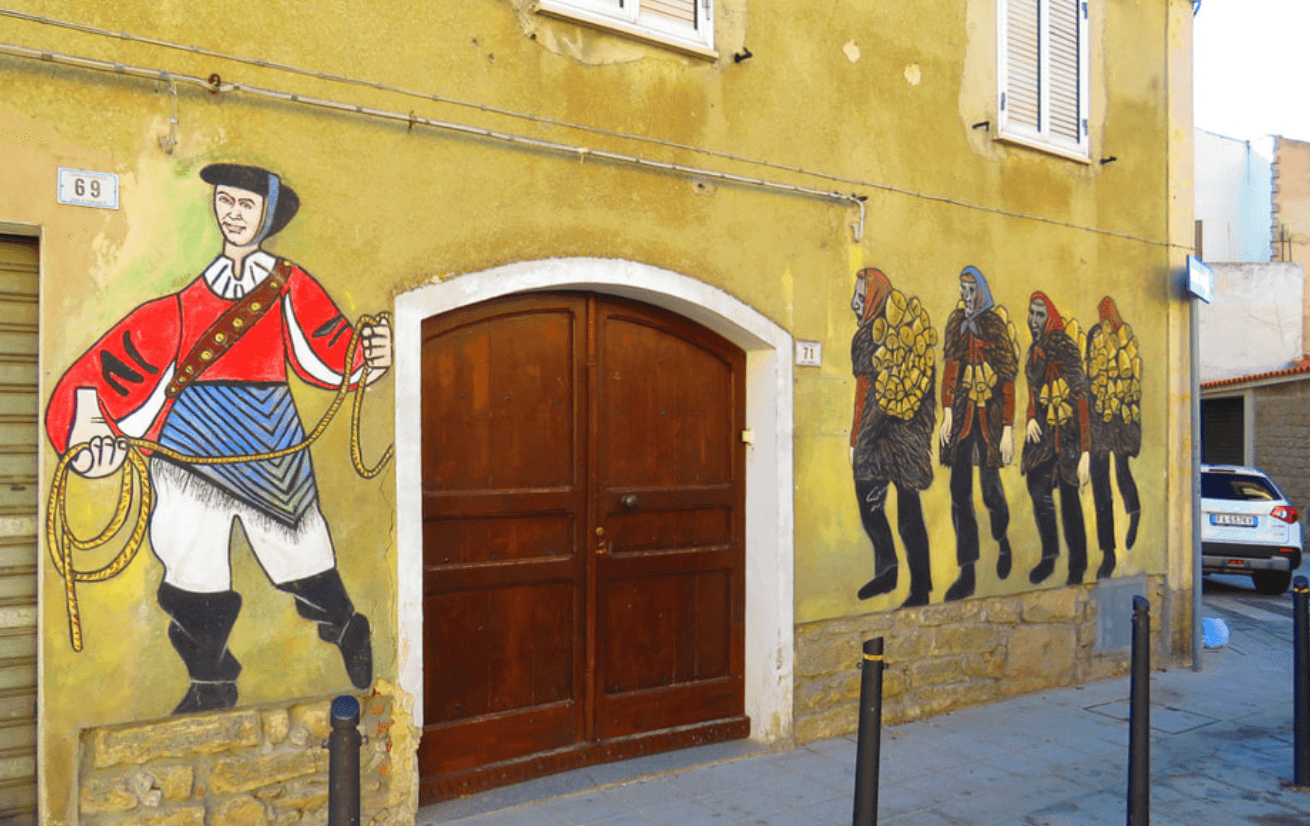
Mamoiada
Province: Nuoro
The Barbagia village where the Mamuthones come out on January 17, twelve men in black sheepskins carrying thirty kilos of cowbells.
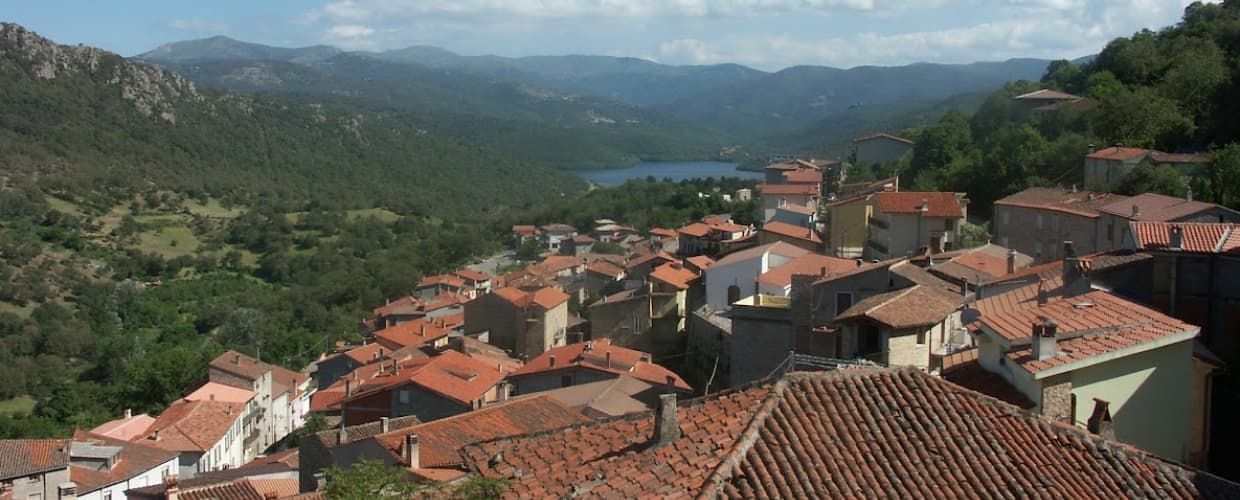
Gavoi
Province: Nuoro
A 777-meter Barbagia hilltop village above Lake Gusana with a Bandiera Arancione of the Touring Club, the country's most-attended summer literary festival (L'Isola delle Storie), and the PDO Fiore Sardo pecorino made here for at least three centuries.
🌲 Parco Nazionale
More Parco Nazionale towns in Sardinia
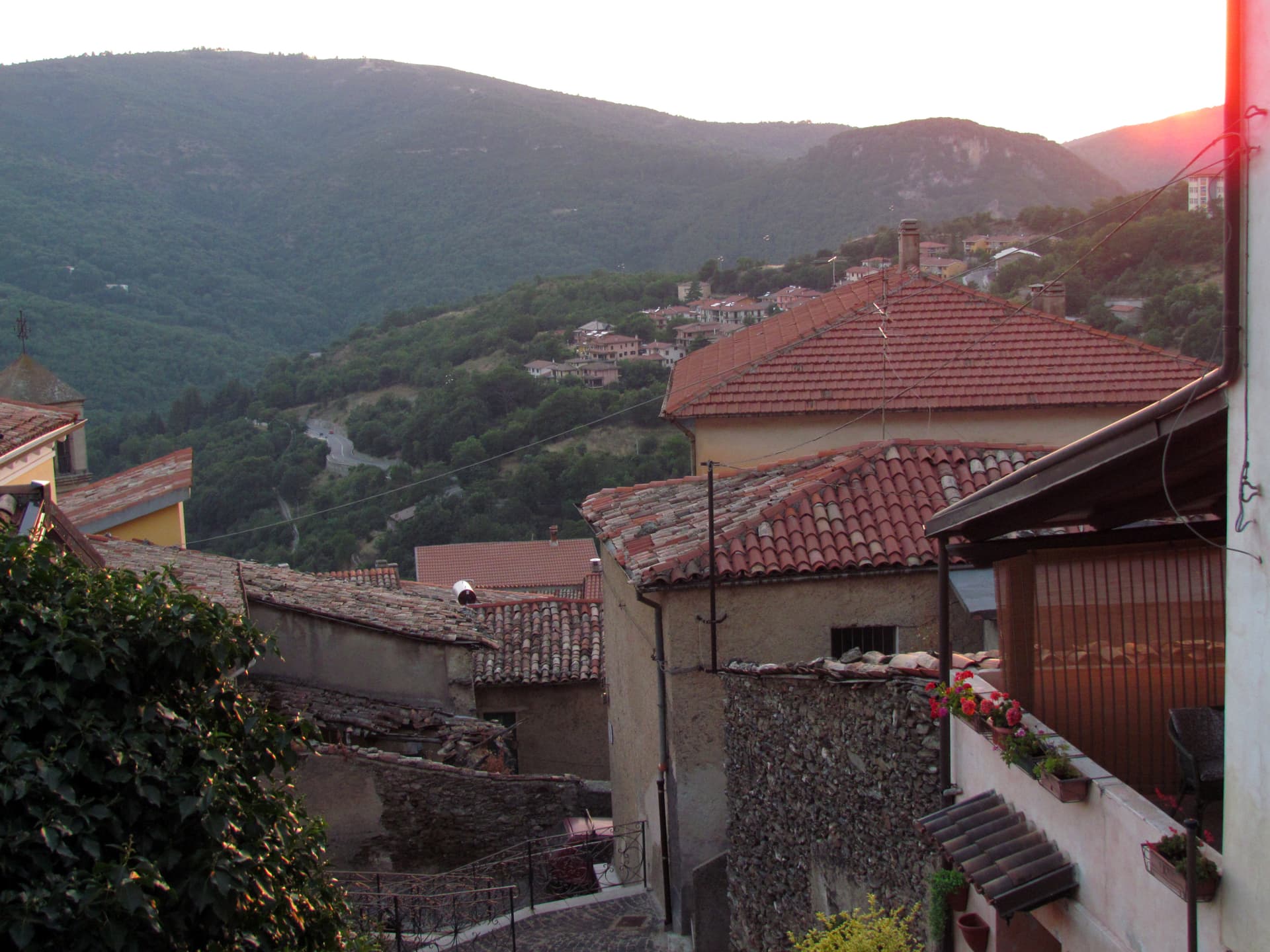
Aritzo
Province: Nuoro
A Mandrolisai mountain village at 800 meters in chestnut and hazelnut forest, where snow once travelled out in straw and came back as lemon sorbet.
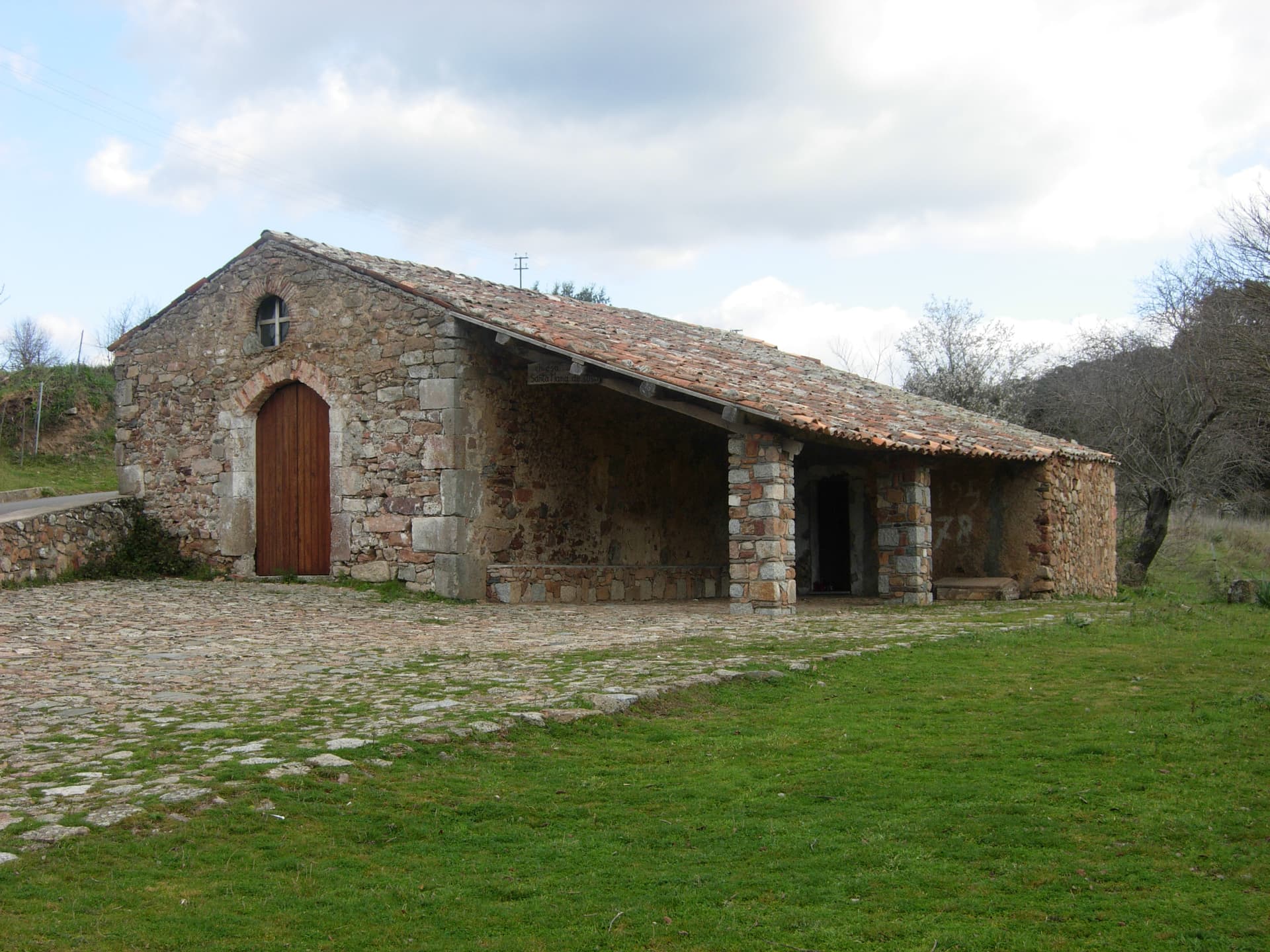
Atzara
Province: Nuoro
A Mandrolisai wine village on the western Gennargentu, painted in the early twentieth century by Spanish costumbristas and the Sardinian Scuola di Atzara.
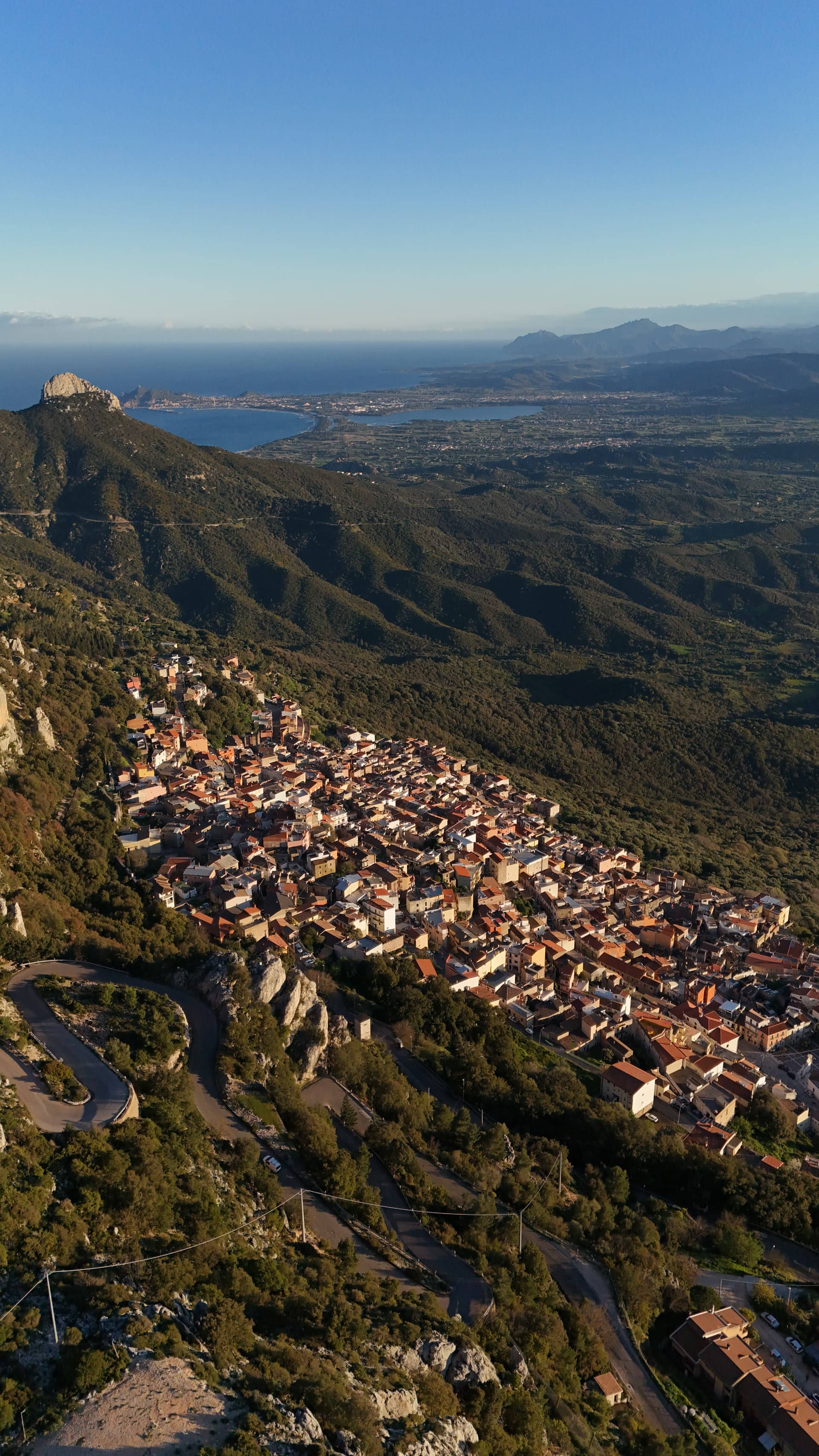
Baunei
Province: Nuoro
A village at 480 meters on the Monte Santo limestone ridge above the Gulf of Orosei, with Selvaggio Blu and Cala Goloritzé in its territory.
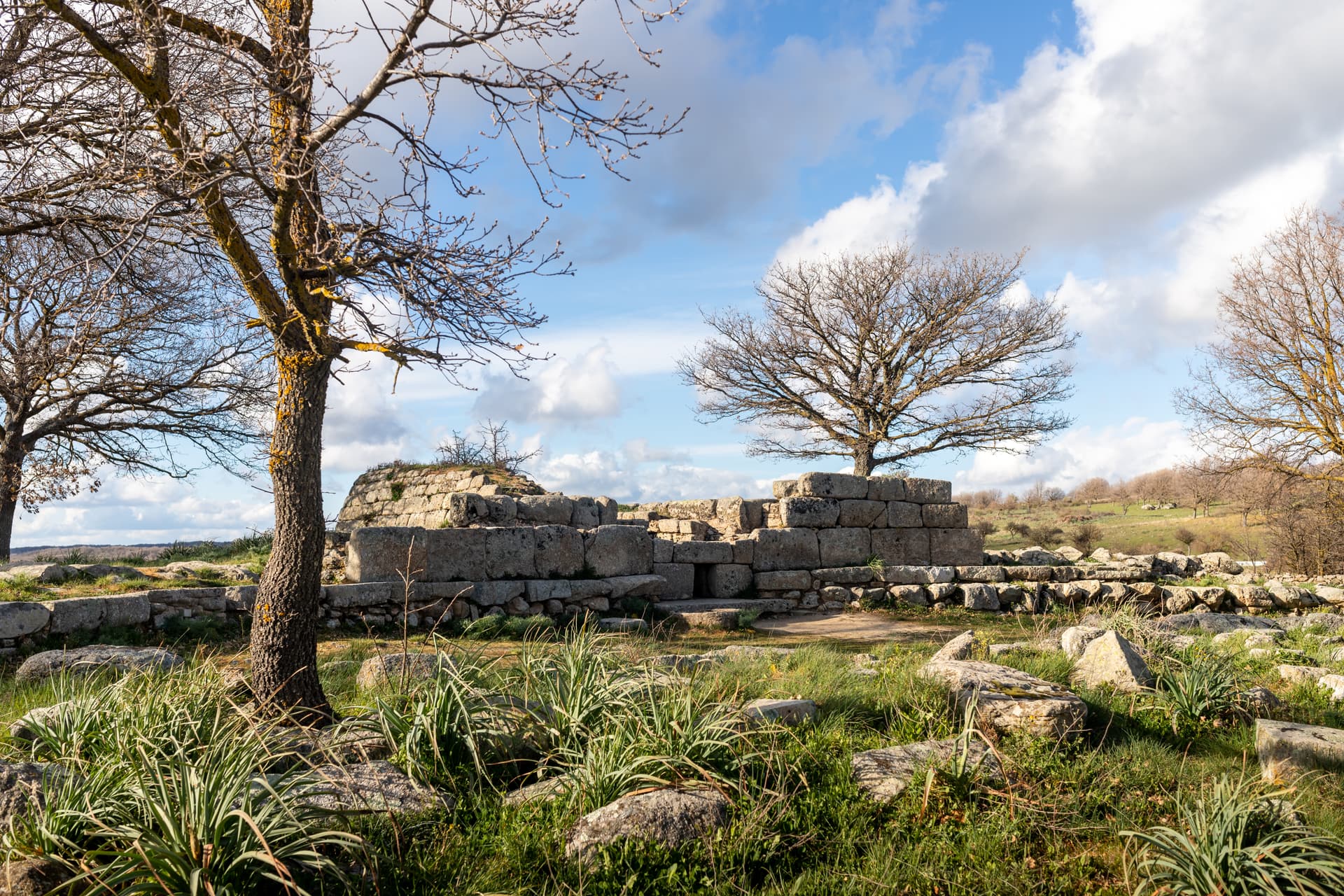
Fonni
Province: Nuoro
The highest village in Sardinia at 1,000 meters on the Gennargentu, with ski lifts to Bruncu Spina and the Madonna dei Martiri sanctuary.
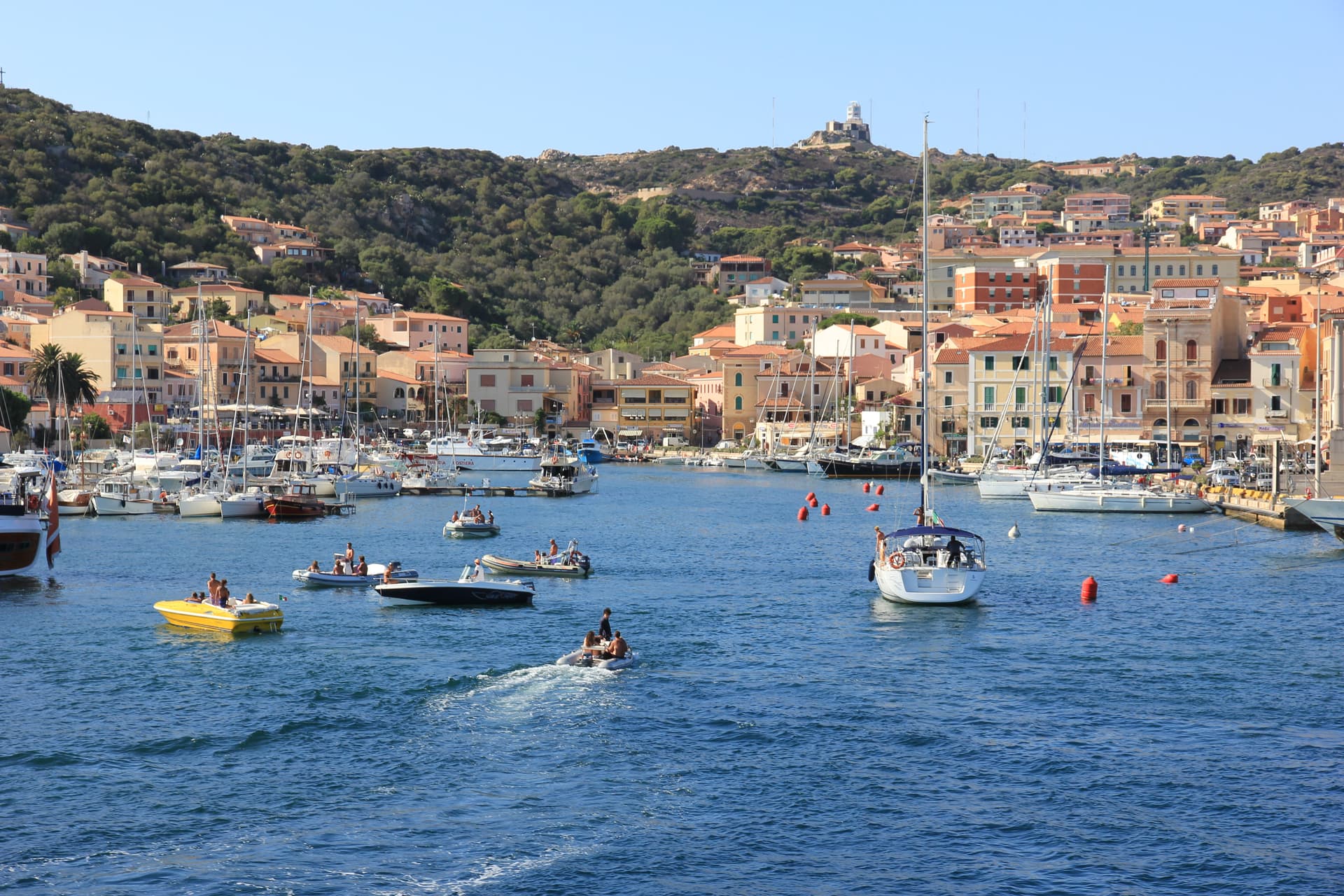
La Maddalena
Province: Sassari
The only inhabited town of a sixty-island granite archipelago between Sardinia and Corsica, and the place Giuseppe Garibaldi chose to die.