

Friuli-Venezia Giulia · Udine
Sappada
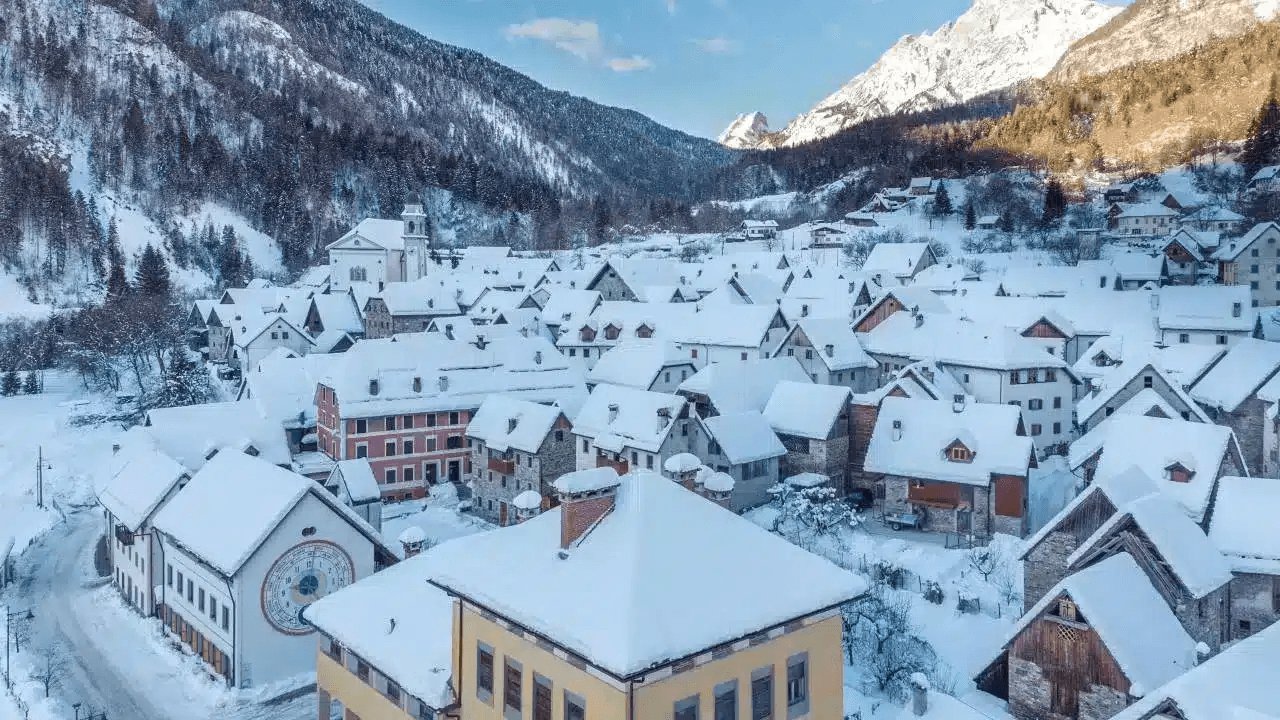
A German-speaking alpine village at 1,250 meters near the source of the Piave, settled from East Tyrol in the eleventh century and Italian since 1852.
Known for
PLODARISCH
Southern Bavarian dialect brought from the Villgraten valley in the eleventh century, still spoken by about a quarter of the 1,314 residents.
PIAVE SOURCE
The river rises at 1,816 meters under Monte Peralba, eight kilometers up the Val Sesis from the village, in a small enclosed alpine basin.
ROLLATE CARNIVAL
Pre-Lenten Plodar Vosenocht with carved wooden masks; the Rollate, in sheepskin and rolling bells, leads the parade through the borgate.
When to visit
Best · Jun–Sep, Dec–Mar
- J
- F
- M
- A
- M
- J
- J
- A
- S
- O
- N
- D
- Best
- Hot or crowded
- Quiet
- Mostly closed
The festa: Margherita di Antiochia, 20 July
Why come
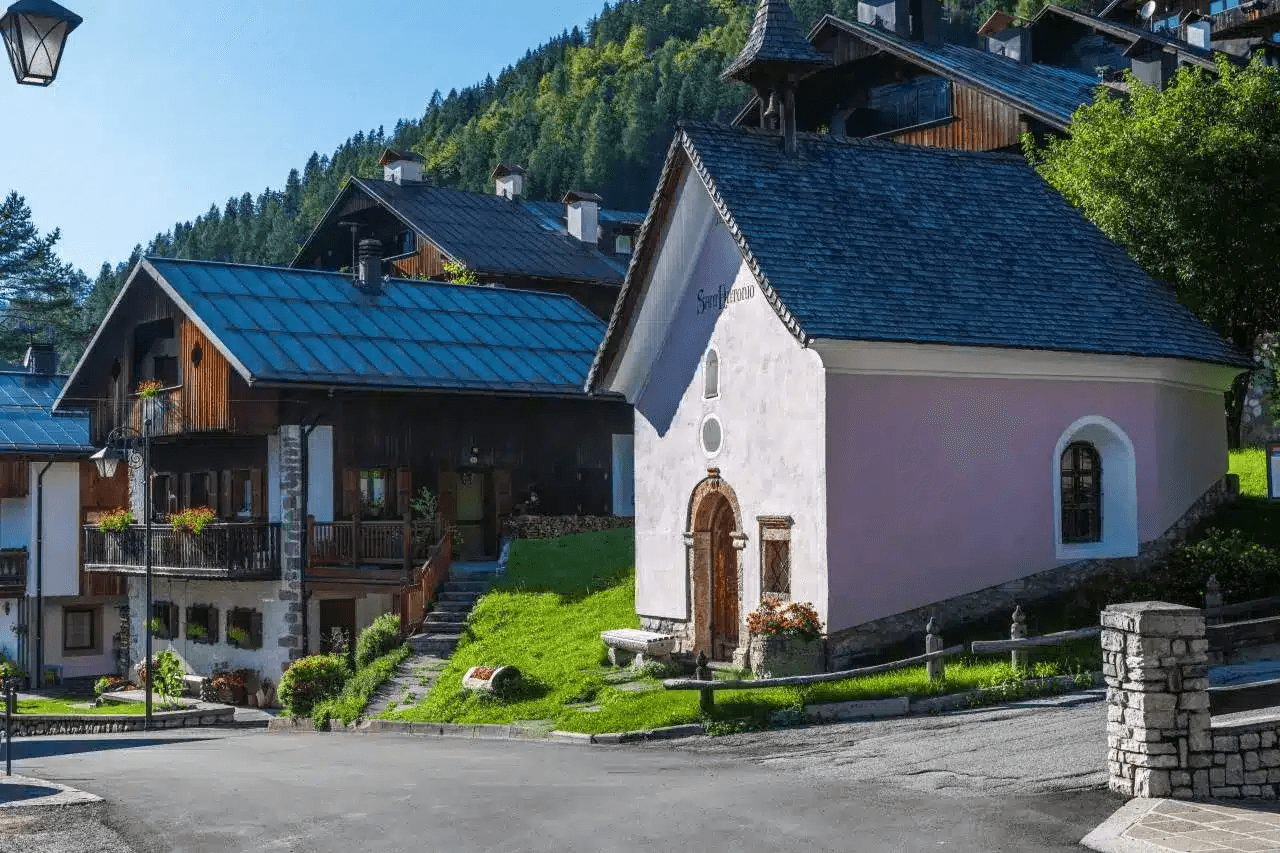
Sappada sits at 1,250 meters in the upper Piave valley, on the seam between Cadore, Carnia, and East Tyrol. The fifteen borgate, strung along the road between 1,250 and 1,290 meters, are the oldest surviving German-speaking enclave south of the main Alpine ridge. Settlers from the Villgraten valley crossed the watershed in the eleventh century under the Patriarchate of Aquileia and brought a Bavarian dialect called Plodarisch, still spoken at home by roughly a quarter of the population.
The Piave rises eight kilometers above the village at 1,816 meters under Monte Peralba; the river that flows past Treviso and Venice begins as snowmelt in the Sesis valley. Sappada belonged to Veneto until 2017, when a referendum moved it into Friuli-Venezia Giulia. Sappada Vecchia, the borgate of Mühlbach, Bach, and Hoffe, holds the oldest larch-wood houses, some dated to the seventeenth century, with the high stone bases and overhanging galleries of the East Tyrolean vernacular. The Sappada 2000 ski lifts run from 1,250 to 2,050 meters, with 22 kilometers of pistes.
The Sunday letter
We haven’t written Sappada’s letter yet.
One town every Sunday, with the photo, the food, the festa. Be there when this one comes up. Free, by Peter & Sophia from Pietrasanta.
By subscribing you agree to Substack’s Terms of Use, our Privacy Policy and our Information collection notice.
What to see
Sappada Vecchia
Cluster of borgate at the upper end of the village, with seventeenth-century larch-wood houses on stone bases, the best-preserved East Tyrolean vernacular.
Sorgenti del Piave
Source of the Piave at 1,816 meters under Monte Peralba, an hour's walk up the Val Sesis through pasture and a small votive chapel.
Monte Peralba
2,694-meter peak above the Val Sesis, with via ferrata routes, a Franz Joseph chapel near the summit, and views into Austria and Cadore.
Sappada 2000
Ski area rising from the village at 1,250 to 2,050 meters with 22 kilometers of pistes, mostly intermediate, served by ten lifts.
Carnevale di Sappada / Plodar Vosenocht
Pre-Lenten carnival with wooden masks carved locally, the Rollate figure leading the parade in sheepskin and rolling bells, on three Sundays before Lent.
Chiesa di Santa Margherita
Parish church in Borgata Cottern, rebuilt in the nineteenth century on an earlier chapel, with Baroque side altars and a wooden ceiling.
The slow-trip planner
Building a trip? Find where Sappada fits in a slow Italy circuit.
Answer five questions. We will shape a geographically coherent slow trip from the 1,000 Italian towns most travelers skip. Yours to save and share.
We recommend
Where to eat and stay
Not our picks, but places the guides put their name to — a Michelin star, a Gambero Rosso fork, a Slow Food snail, a Michelin Key for the hotels. Worth a table, a counter, or a night when you pass through.
LaiteRistorante
Laite carries one Michelin star, three Gambero Rosso forks (90/100), plus a place in L'Espresso's Top 300.
MondscheinRistorante
Two Gambero Rosso forks (83/100) for Mondschein, and a spot in the Michelin Guide.
Living here
- Population 1,314
- Very remotei
- Pharmacy in town
- High school within a 30-minute drive
- Nearest airport Venice, 2 h 2 min drive
- Regional capital Trieste, 2 h 21 min drive
Tags & datadesignations · numbers · sources
Recognised as
The numbers
- Elevation: 1250 m
- Population: 1,314
- Surface area: 62.06 km²
These figures were compiled from public directories — ISTAT, OpenStreetMap, Wikidata — and from the official listings of the guides named on this page. Town details change; verify with official sources before you travel.
Close by
More towns near Sappada
Innichen
Province: Bolzano
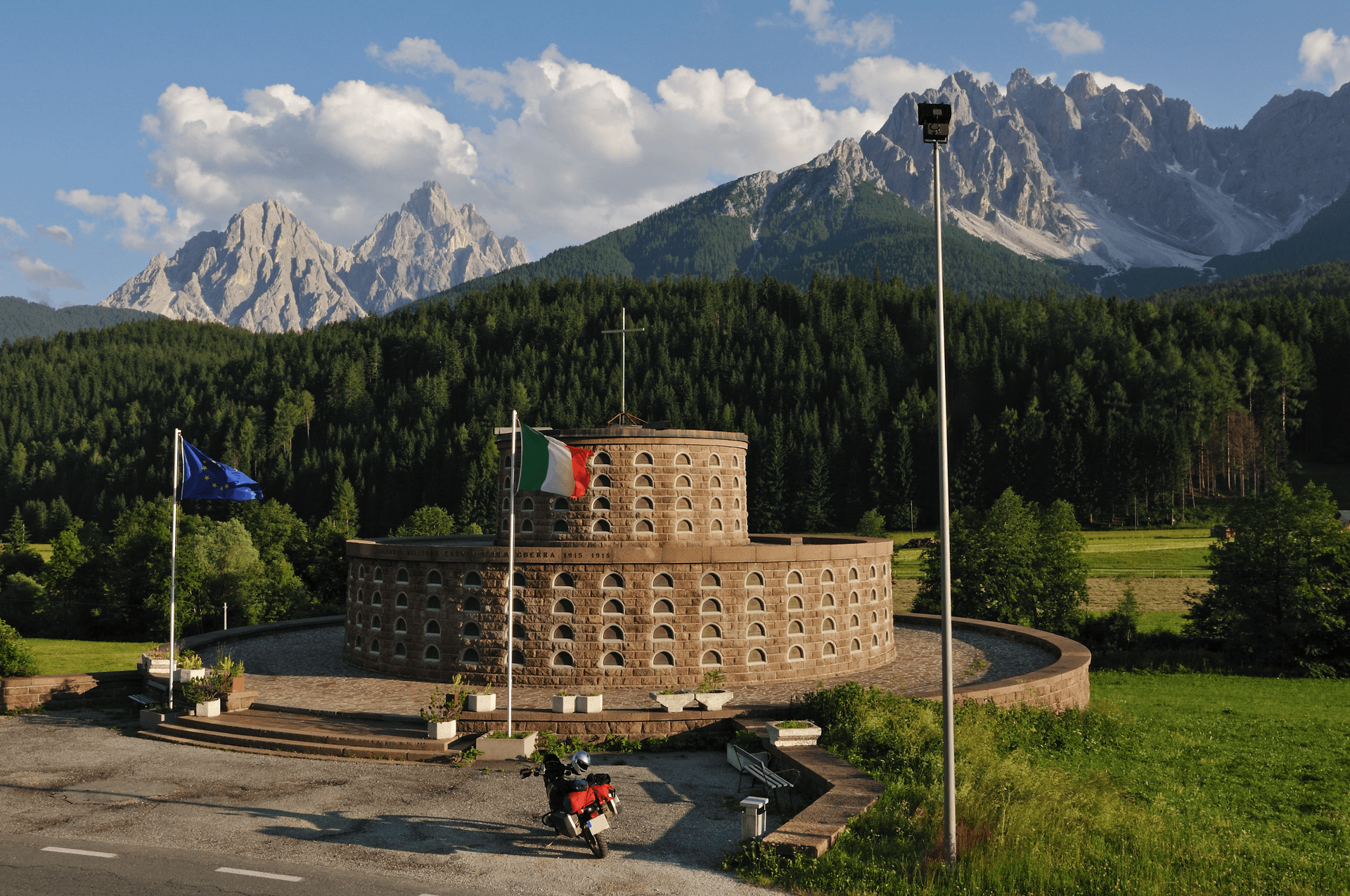
An Alta Pusteria town at 1,175 metres on the Austrian border, with the most important Romanesque church in the Eastern Alps and the Drei Zinnen rising thirty kilometres south.
Auronzo di Cadore
Province: Belluno
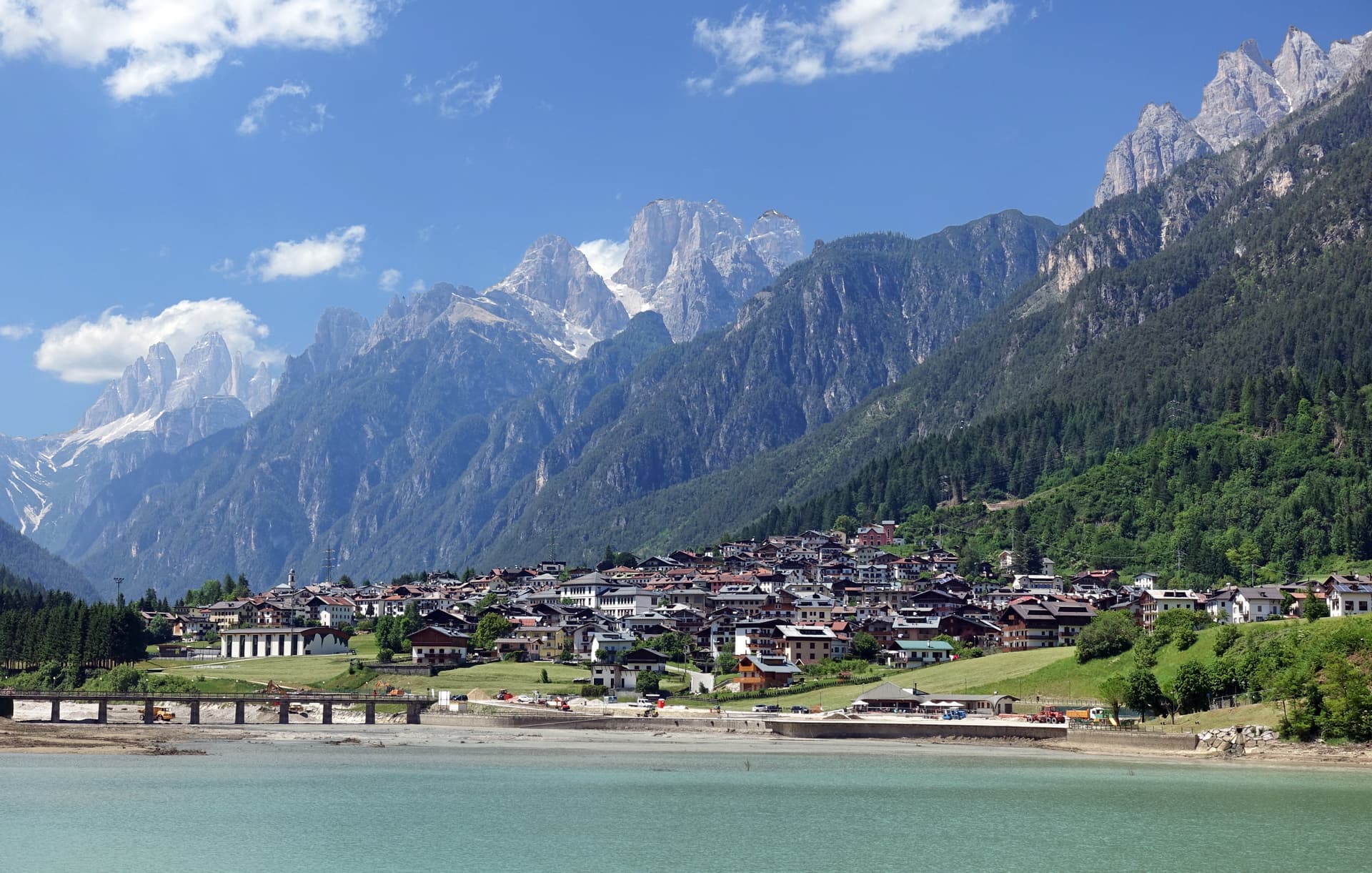
A five-kilometer ribbon town along an artificial lake at 864 meters, the gateway to the Tre Cime di Lavaredo and Lake Misurina.
Forni di Sotto
Province: Udine
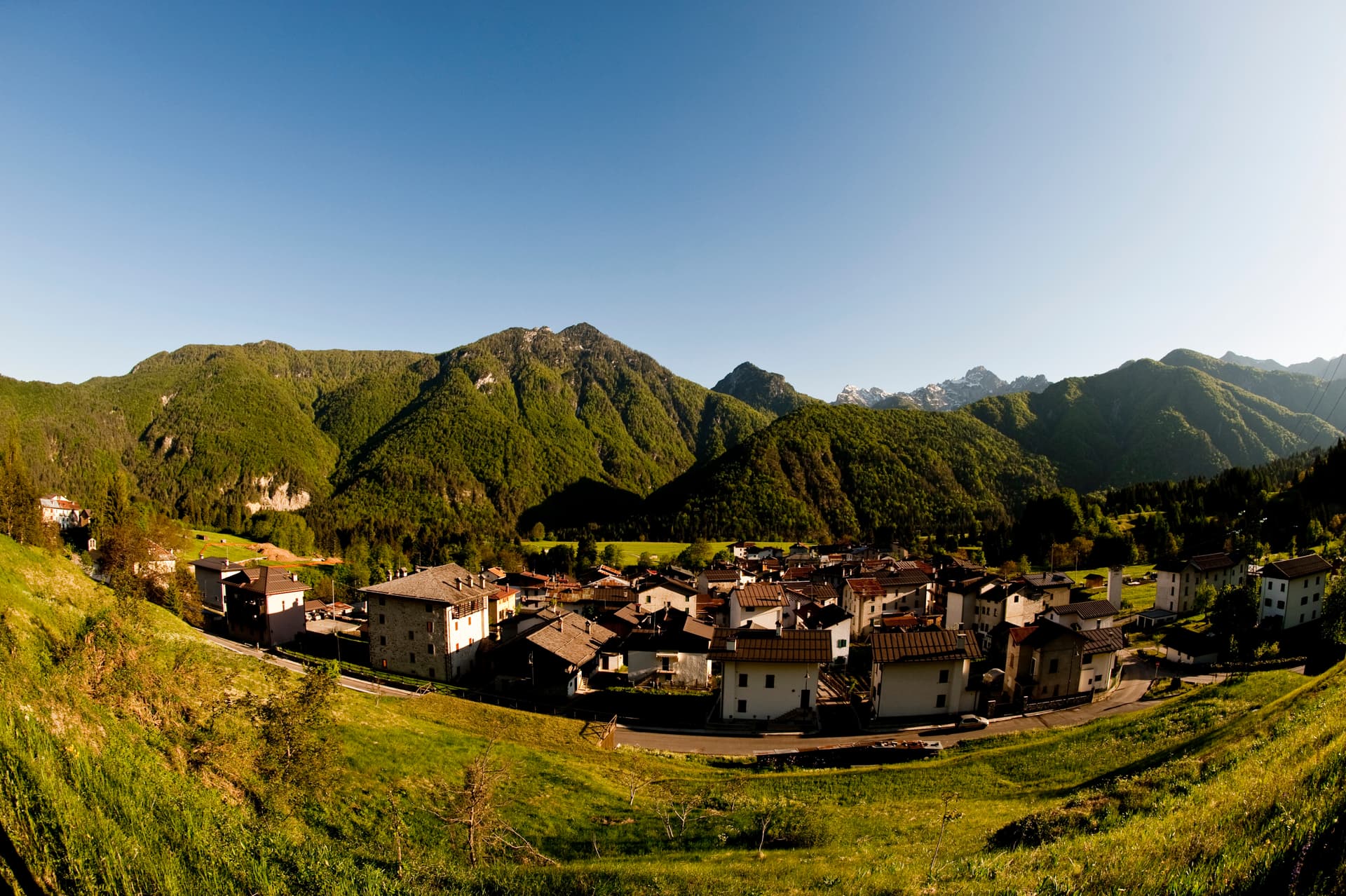
Carnia's Dolomite gateway — a 548-resident alpine borgo at 791m at the head of the Val Tagliamento, gateway to the Parco Naturale delle Dolomiti Friulane (UNESCO Dolomites), with Borgo Autentico mark, a centro almost entirely rebuilt after the 1944 German wartime burning, and direct access to the Forni Avoltri-Sappada ski + hiking circuit.
Toblach
Province: Bolzano
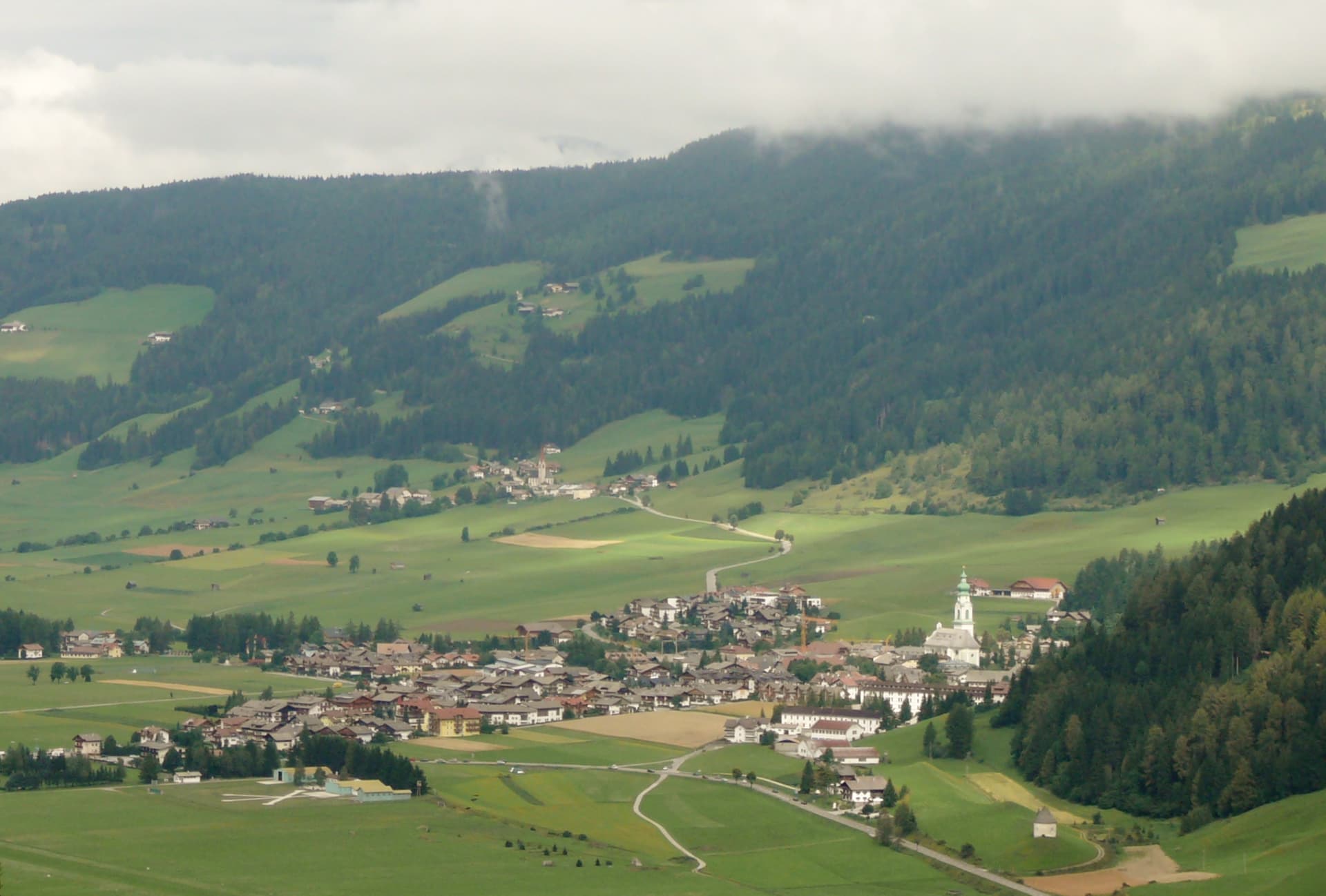
The Val Pusteria gateway to the Tre Cime di Lavaredo, where Mahler wrote his last three symphonies in a cabin behind town.
Sauris
Province: Udine
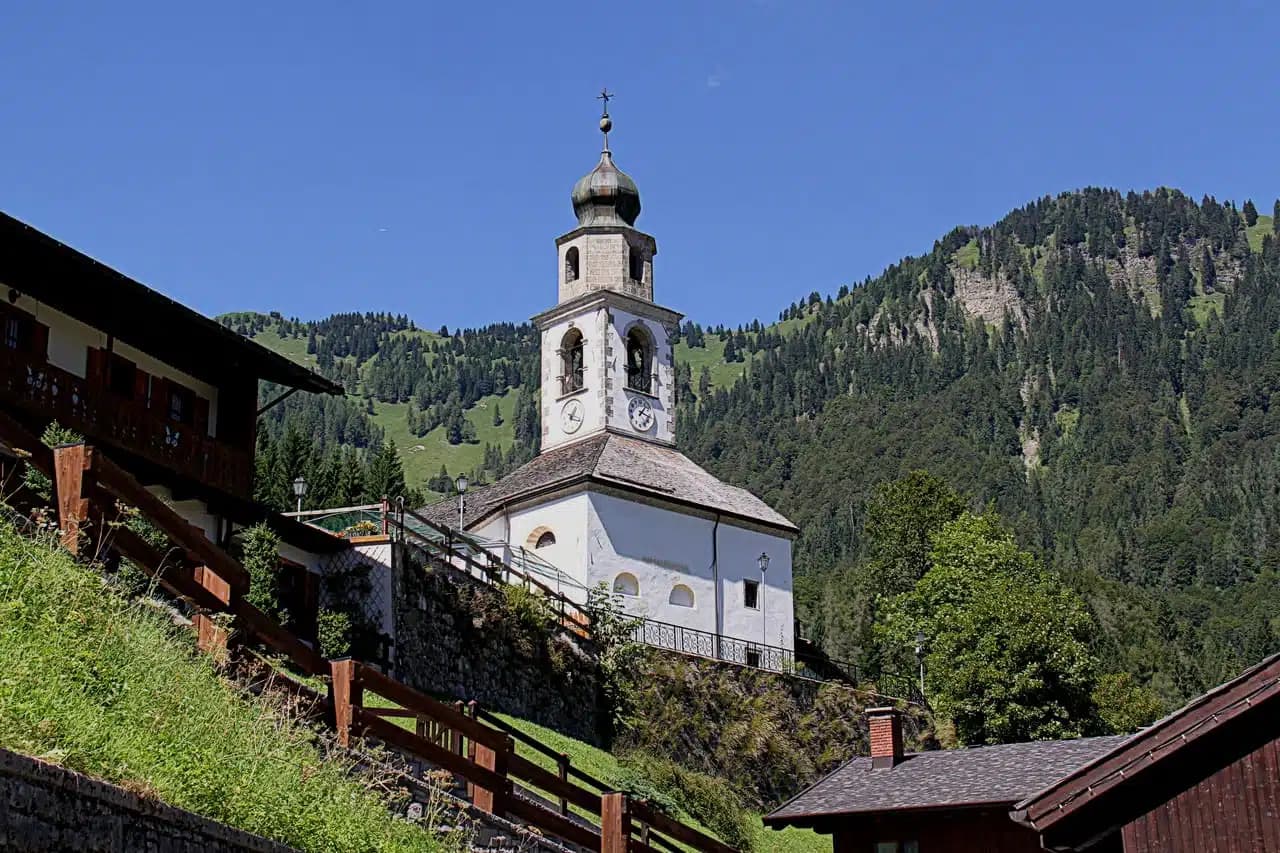
A 1,212-meter German-speaking island in the Carnic Alps, second-highest commune in Friuli, where Tyrolean settlers founded the village around the thirteenth century.
🎨 Borghi più belli d'Italia
More Borghi più belli d'Italia towns in Friuli-Venezia Giulia
Cervignano del Friuli
Province: Udine
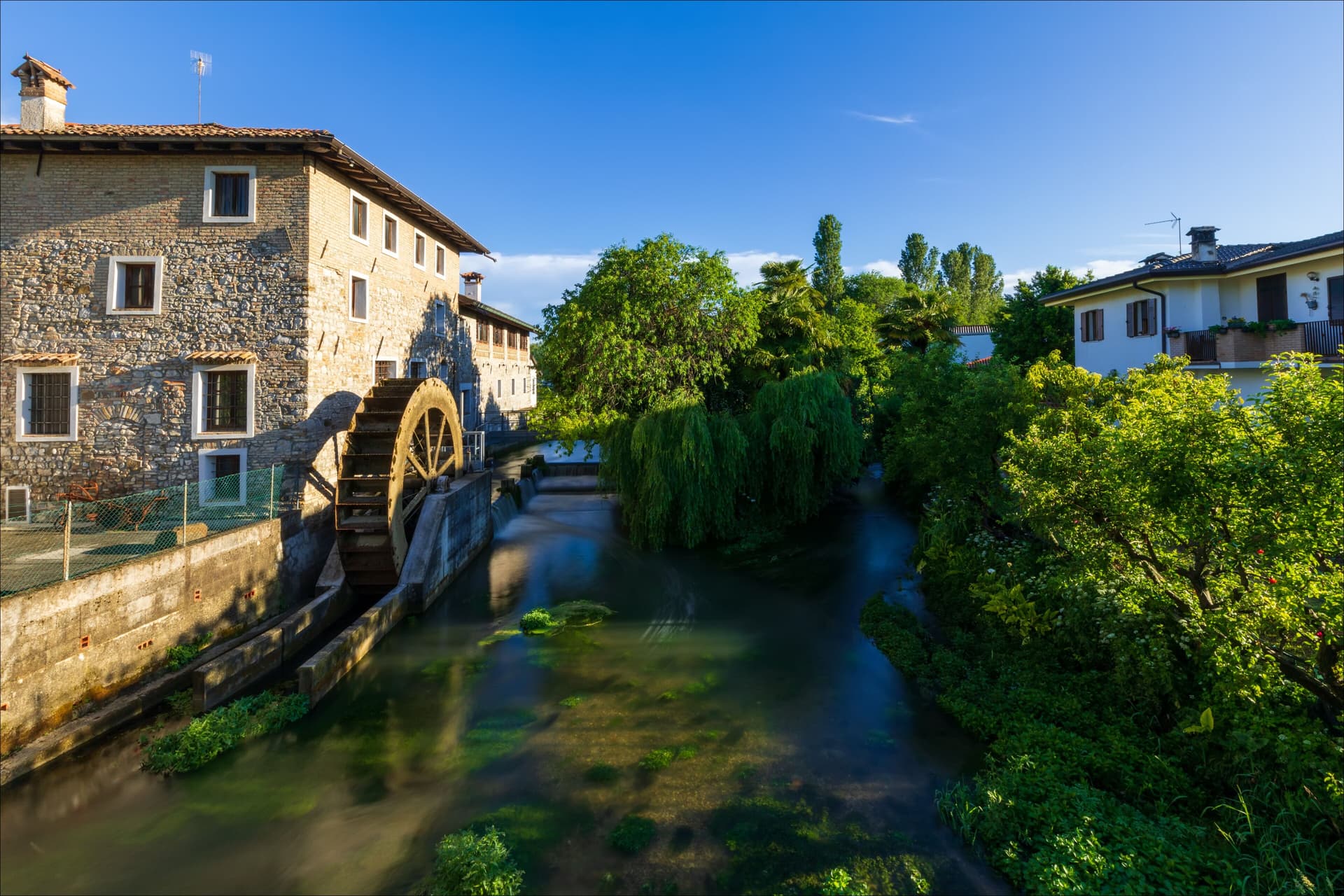
The capital of Bassa Friulana on the Ausa river, an inland river port for Aquileia in 181 BC and a railway junction since 1860.
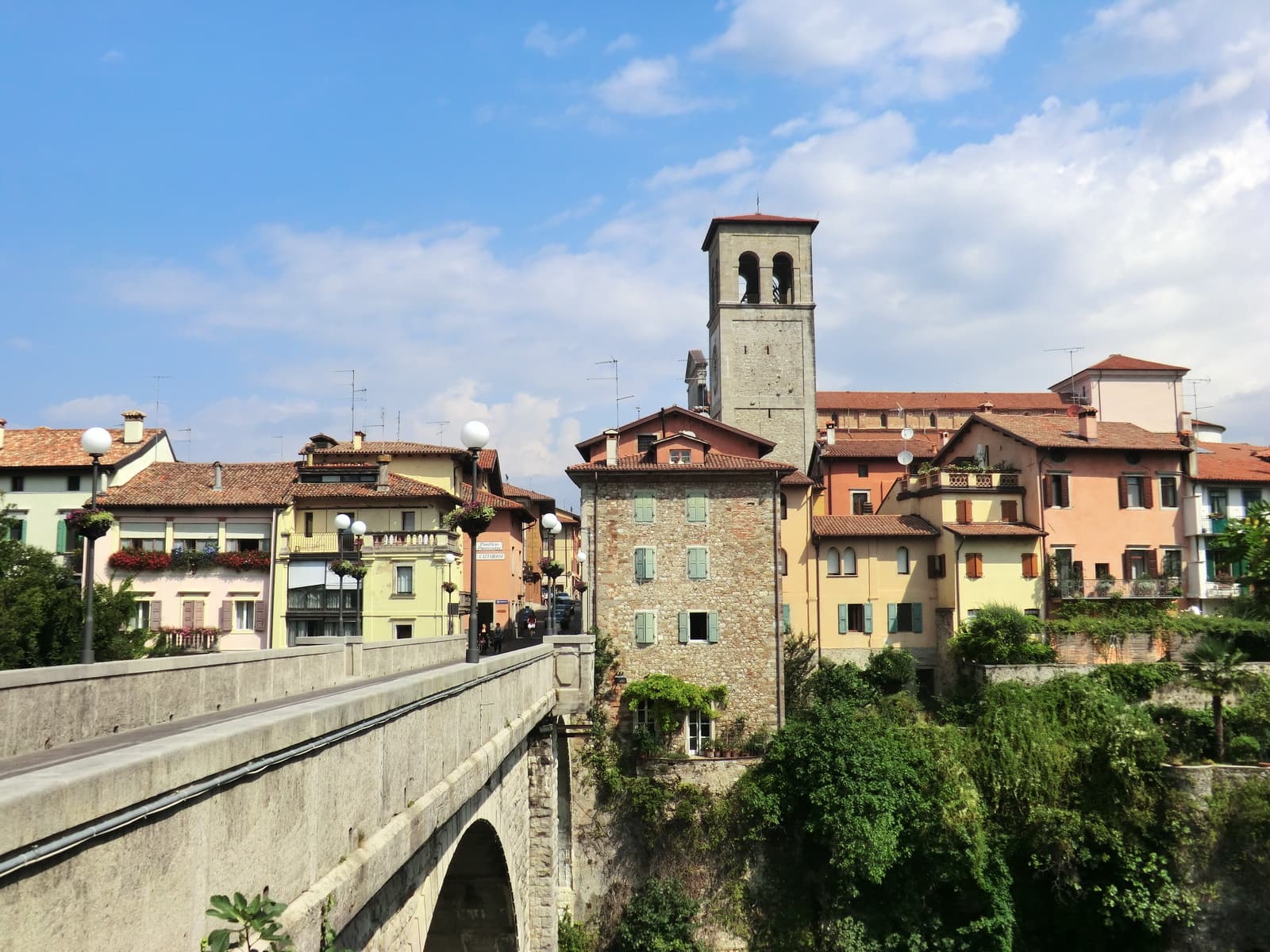
Cividale del Friuli
Province: Udine
The Lombard capital on the Natisone, founded as Forum Iulii by Julius Caesar, where an eighth-century chapel still holds six stucco saints.
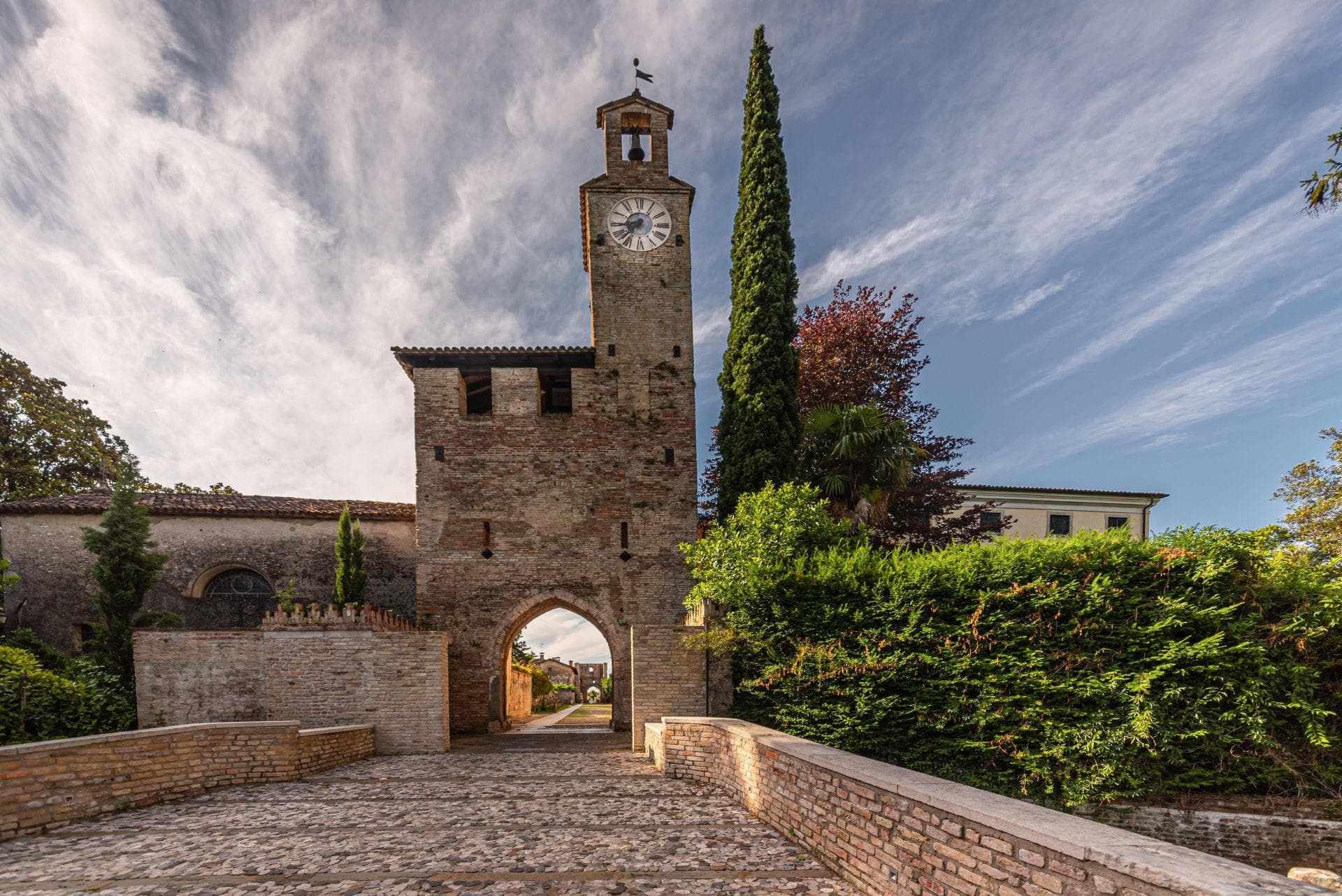
Cordovado
Province: Pordenone
A 15-meter Friulian village in the Pordenone plain, fortified by the bishops of Concordia as their summer seat and described in Ippolito Nievo's Confessions.
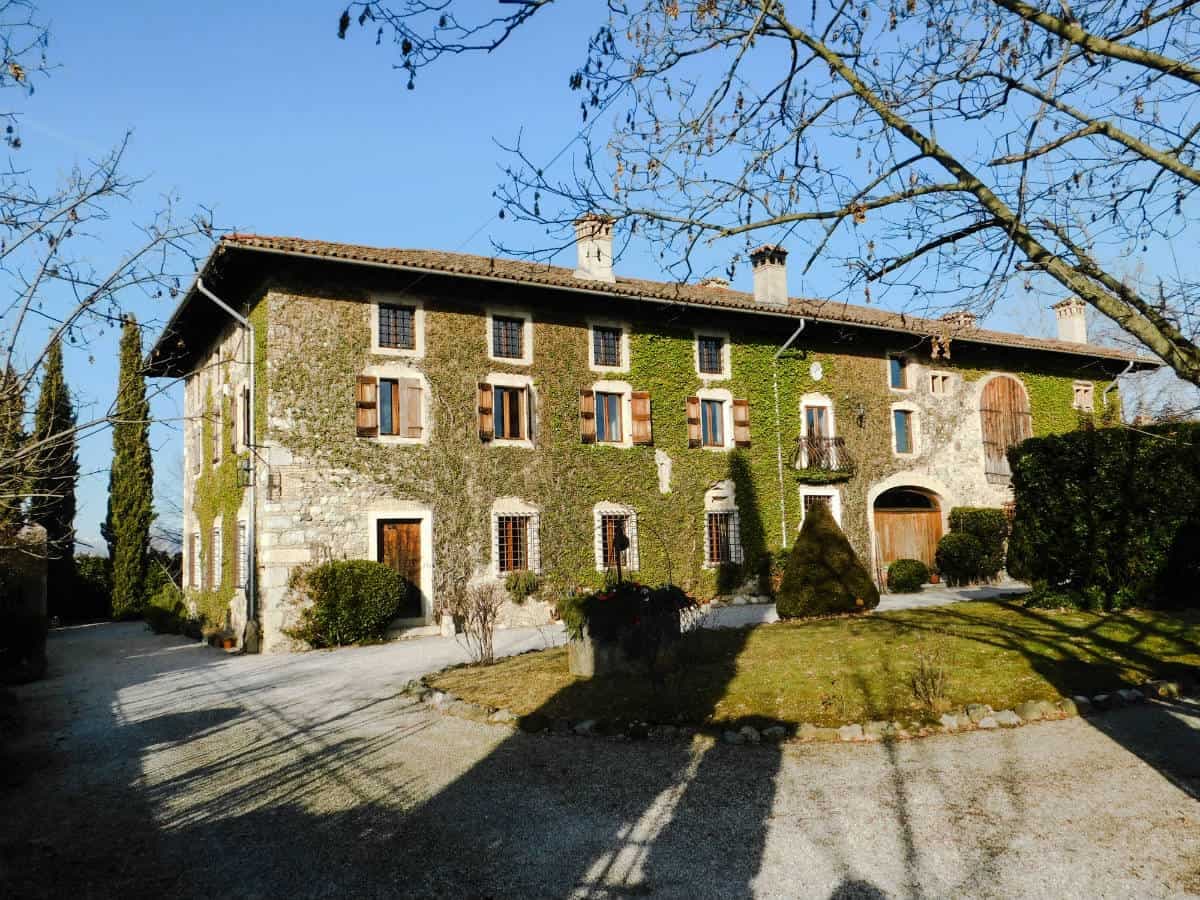
Fagagna
Province: Udine
A 177-meter Friulian hill town northwest of Udine, fortified by Otto II in 983 and racing donkeys in the piazza since 1891.
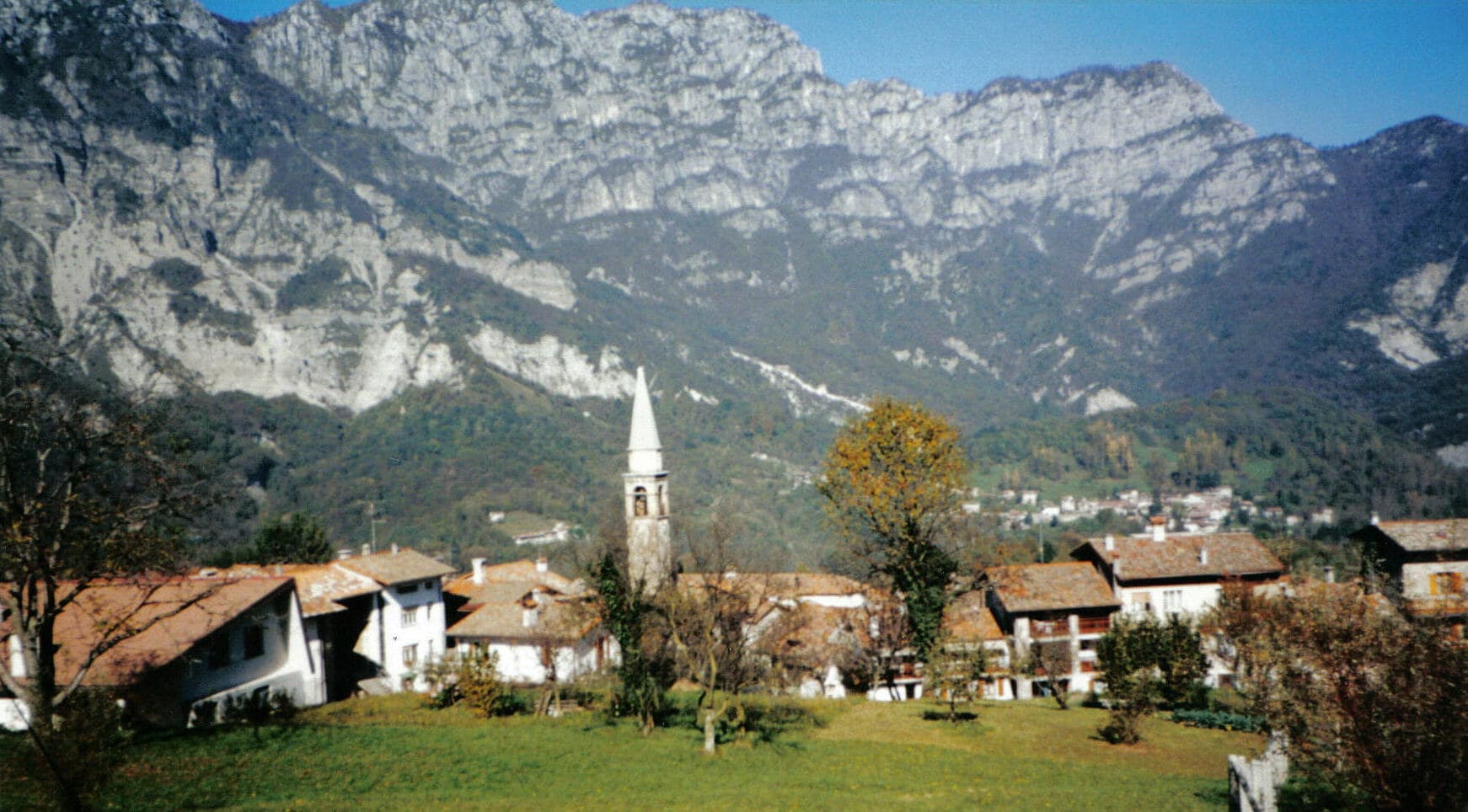
Frisanco
Province: Pordenone
A 572-resident commune in the Val Colvera whose frazione Poffabro, at 525 meters, became a model of Prealpine stone-and-wood vernacular architecture.