

Friuli-Venezia Giulia · Udine
Cervignano del Friuli
The capital of Bassa Friulana on the Ausa river, an inland river port for Aquileia in 181 BC and a railway junction since 1860.
Known for
RAILWAY JUNCTION
On the Vienna-Trieste line since 1860 and still the principal stop between Venice and Trieste, used by all Bassa Friulana commuters.
PORT FOR AQUILEIA
The Ausa river served as Aquileia's secondary inland port from 181 BC; the anchor on the commune's coat of arms records that origin.
FRIULI AQUILEIA DOC
Center of the Friuli Aquileia DOC zone, with Refosco, Friulano, and Malvasia Istriana grown on the lower plain around the town.
When to visit
Best · Apr–Jun, Sep–Oct
- J
- F
- M
- A
- M
- J
- J
- A
- S
- O
- N
- D
- Best
- Hot or crowded
- Quiet
- Mostly closed
The festa: Michele, 29 September
Why come
Cervignano del Friuli sits at five meters on the lower Friuli plain, eight kilometers north of Aquileia and forty from Trieste. The town's origin is tied to Aquileia's founding in 181 BC: the Ausa, a short river that rises in karst springs and reaches the lagoon, served as a service port for the Roman colony, and the anchor in the comune's coat of arms still records that function. The eleventh-century abbey dedicated to San Michele Arcangelo placed the village under the monastery of Aquileia.
Venice took it in 1420, the Habsburgs retook it in 1521 with the Treaty of Worms, and it remained Austrian until World War I. The railway to Trieste opened in 1860 and the station became one of the principal stops on the Vienna-Trieste line, which is why Cervignano grew faster than the older centers around it. Today, with 13,573 residents, it is the largest commune of the Bassa and the administrative anchor between Palmanova, Aquileia, and Grado.
The Sunday letter
We haven’t written Cervignano del Friuli’s letter yet.
One town every Sunday, with the photo, the food, the festa. Be there when this one comes up. Free, by Peter & Sophia from Pietrasanta.
By subscribing you agree to Substack’s Terms of Use, our Privacy Policy and our Information collection notice.
What to see
Duomo dei Santi Michele e Adalberto
Modern cathedral consecrated in 1964 on the site of the medieval abbey church, dedicated to the archangel and to the missionary saint of Prague.
Chiesa di San Michele Arcangelo
1780 parish church on the former Benedictine abbey footprint, with a single nave and a Baroque altar from the eighteenth century.
Fiume Ausa
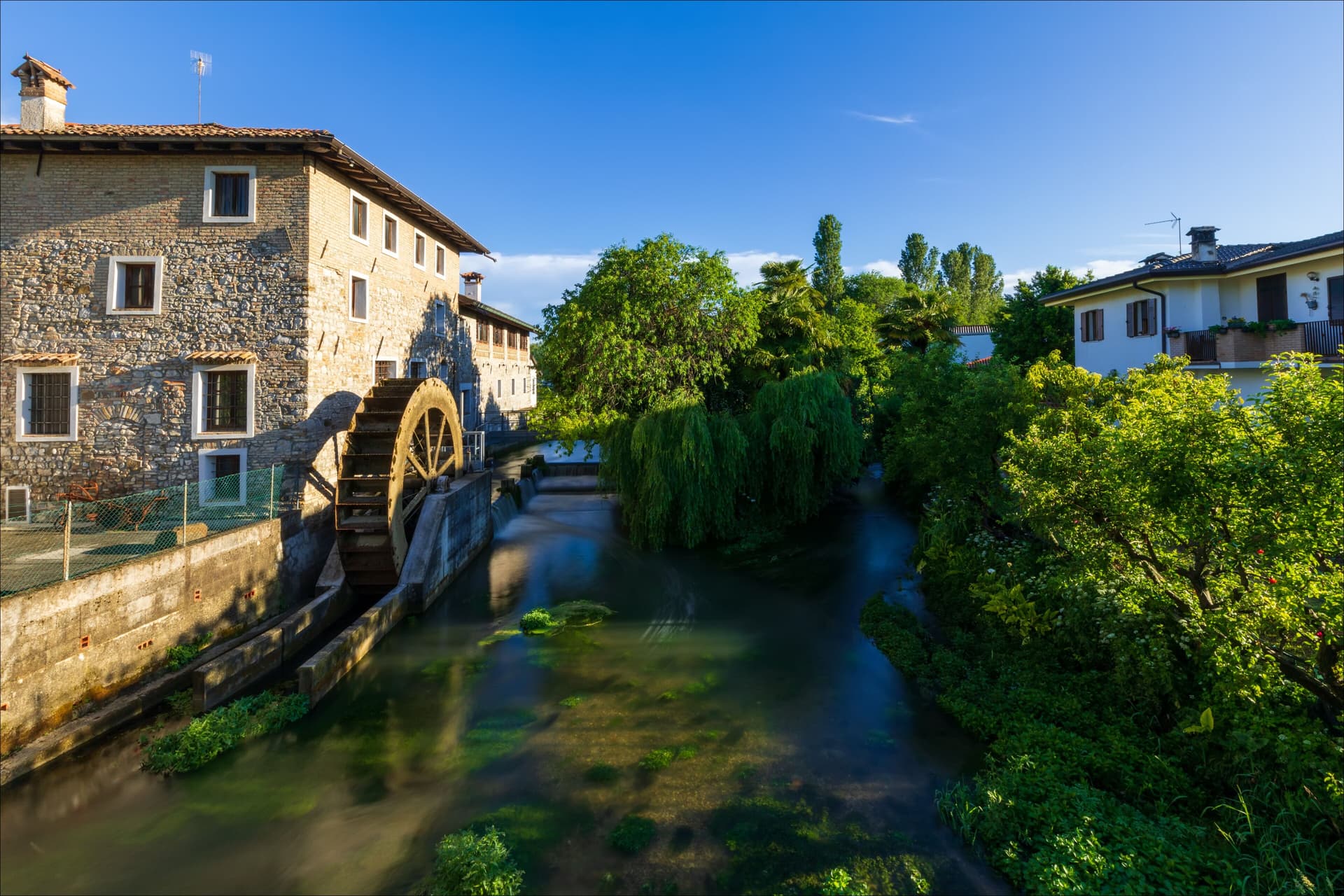
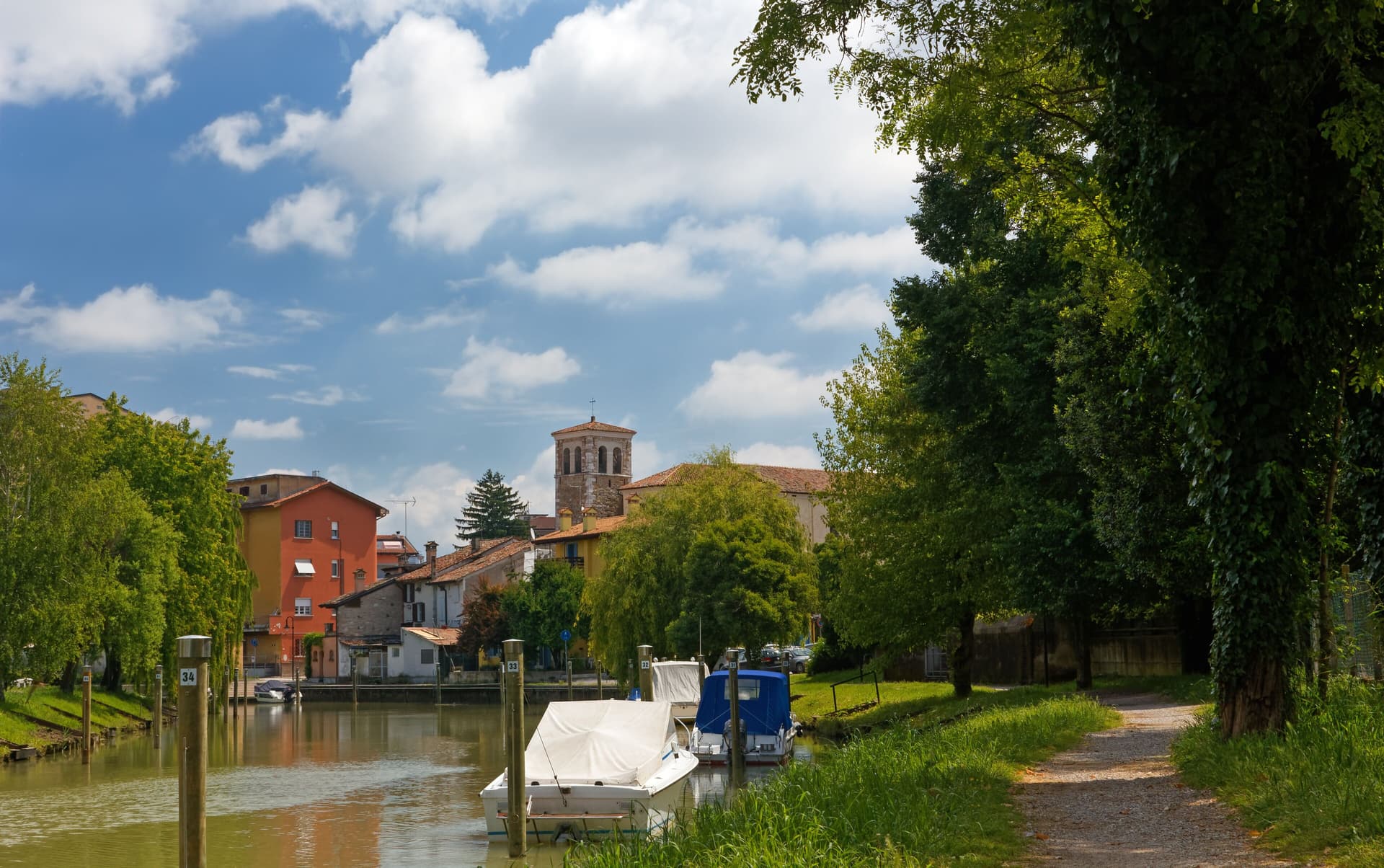
Short spring-fed river running through the centro, the historic inland port that linked Cervignano to Aquileia and the Adriatic in Roman times.
Centro storico
Compact grid of nineteenth-century streets around Piazza Indipendenza, shaped by the Austrian railway era and rebuilt after WWI damage.
The slow-trip planner
Building a trip? Find where Cervignano del Friuli fits in a slow Italy circuit.
Answer five questions. We will shape a geographically coherent slow trip from the 1,000 Italian towns most travelers skip. Yours to save and share.
Living here
- Population 13,573
- Commuter belti
- Pharmacy in town
- High school within a 30-minute drive
- Train station in the comune
- Nearest airport Venice, 1 h 24 min drive
- Regional capital Trieste, 51 min drive
Tags & datadesignations · numbers · sources
Recognised as
The numbers
- Elevation: 5 m
- Population: 13,573
- Surface area: 29.17 km²
These figures were compiled from public directories — ISTAT, OpenStreetMap, Wikidata — and from the official listings of the guides named on this page. Town details change; verify with official sources before you travel.
Close by
More towns near Cervignano del Friuli
Aquileia
Province: Udine
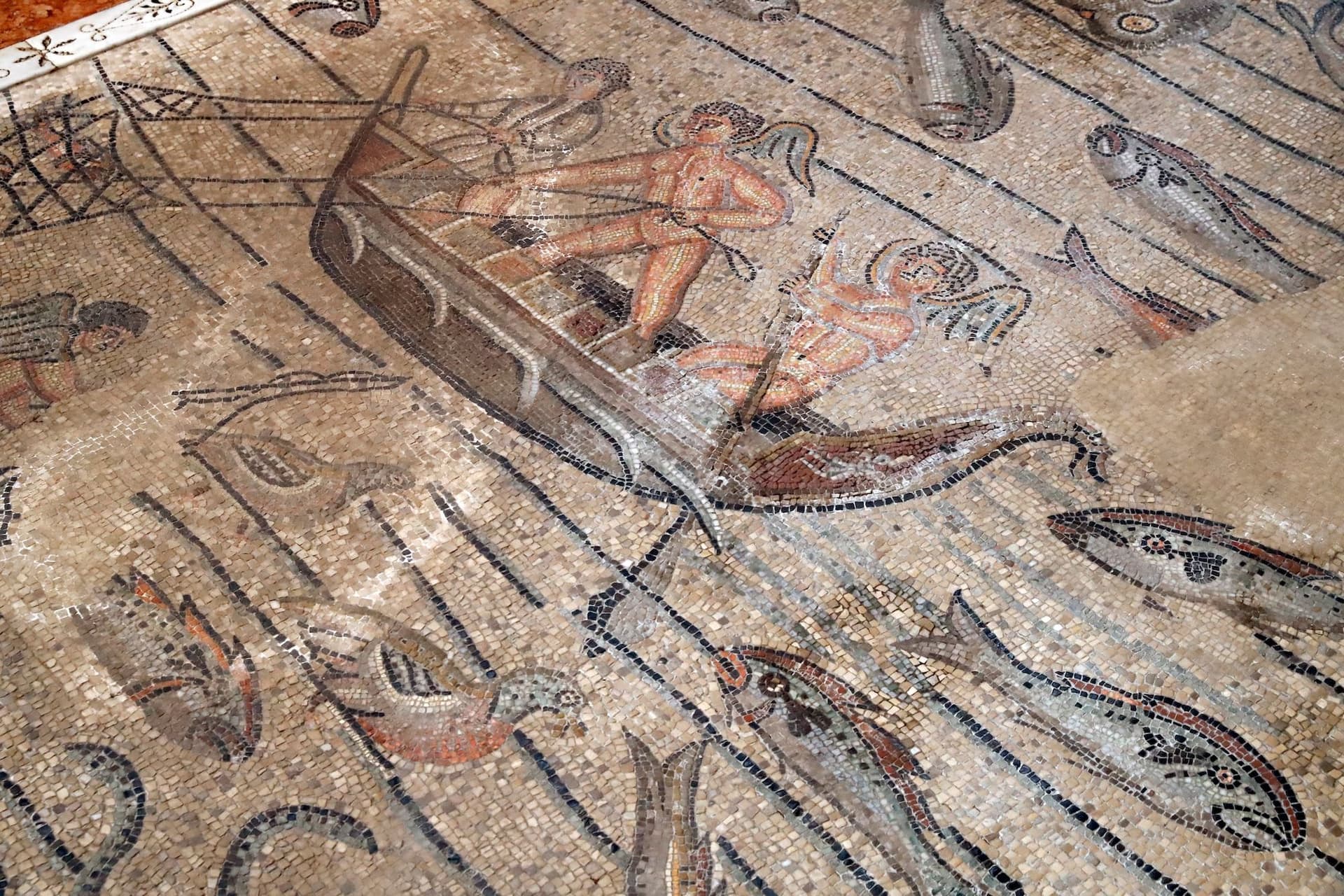
A village of 3,128 on a Roman capital of 100,000, where the largest paleochristian mosaic floor in the West runs under a Romanesque basilica.
Palmanova
Province: Udine
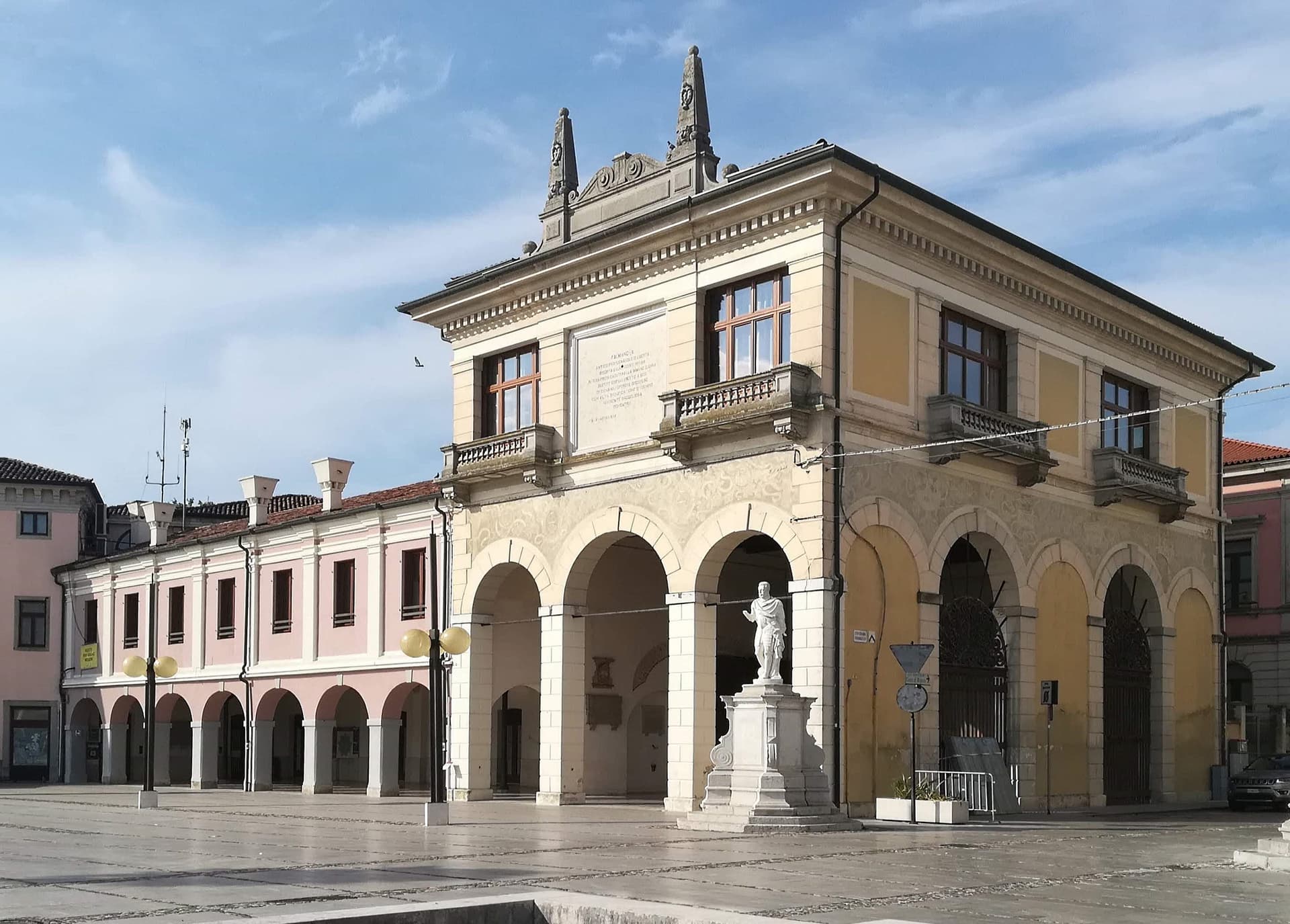
A nine-pointed Venetian star fortress founded 7 October 1593, designed as a perfect Renaissance city and finished, in three phases, under Napoleon in 1813.
Grado
Province: Gorizia
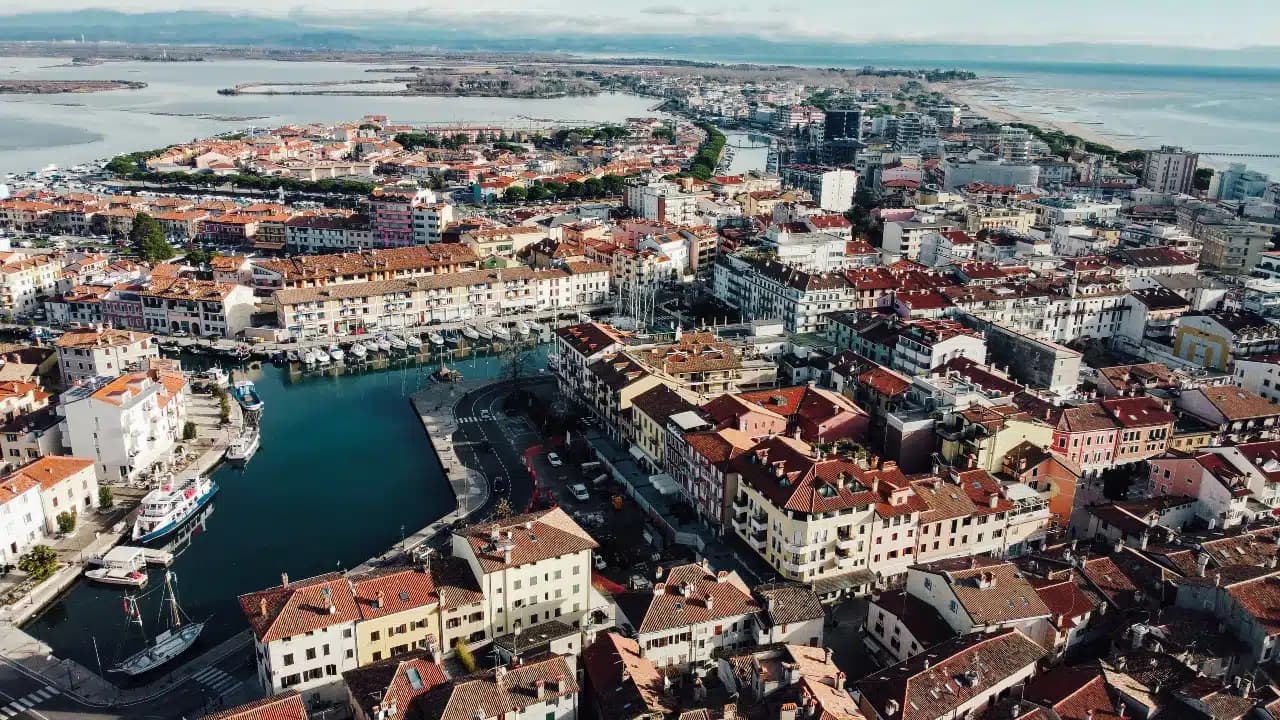
An Adriatic island town inside a 90-square-kilometer lagoon, refuge of the Aquileian patriarchs after 568 and a Habsburg bathing resort thirteen centuries later.
Gradisca d'Isonzo
Province: Gorizia
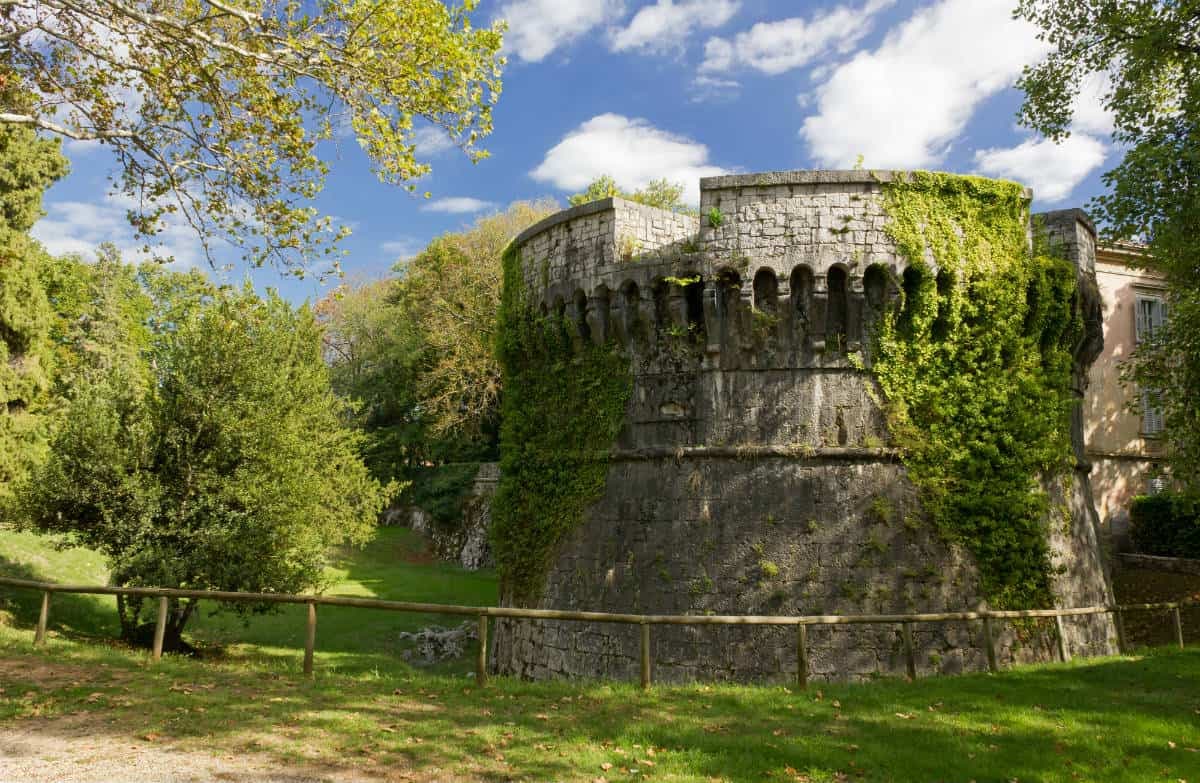
A 1479 Venetian bastion on the right bank of the Isonzo, with seven towers, twenty-meter walls, and a Habsburg court inside.
Marano Lagunare
Province: Udine
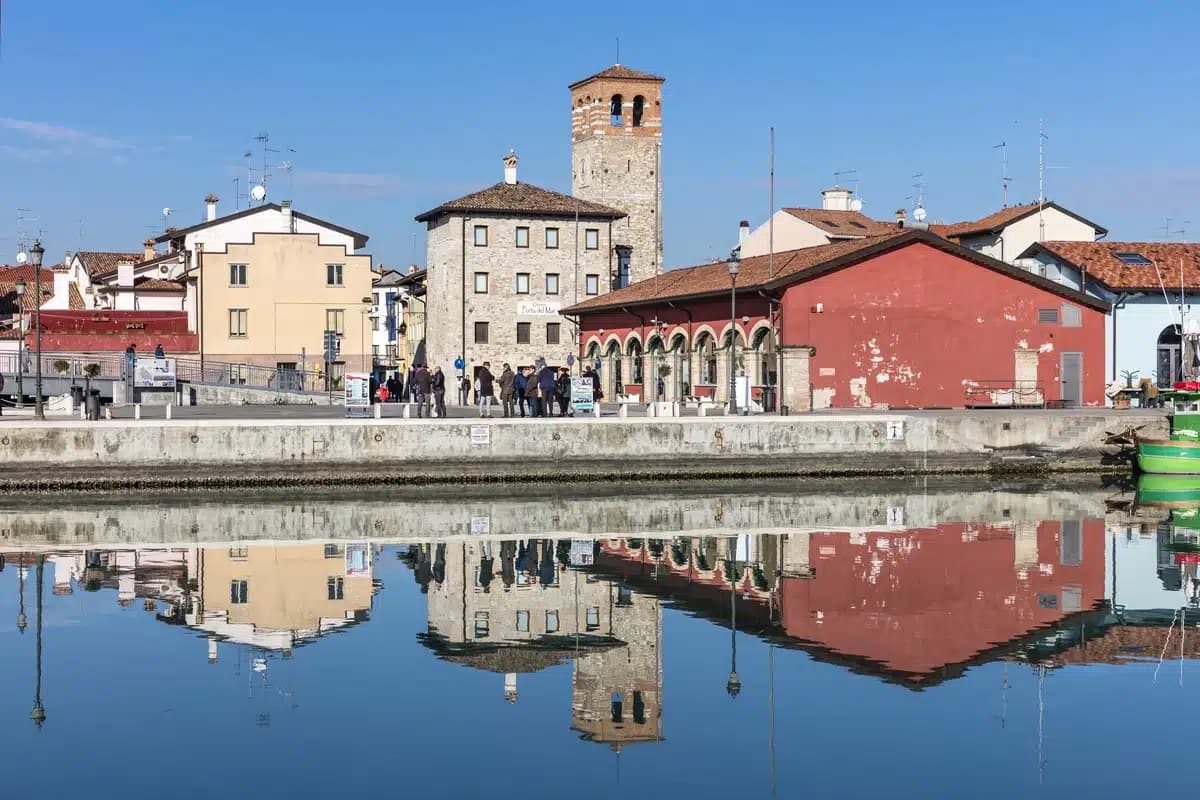
A fishing town on its own pastel-coloured harbour at the heart of the Laguna di Marano — the only Friulian commune set entirely inside the lagoon, with a working fleet, an Aquileian Venetian past, and a still-strict dialect of its own.
🎨 Borghi più belli d'Italia
More Borghi più belli d'Italia towns in Friuli-Venezia Giulia
Cividale del Friuli
Province: Udine
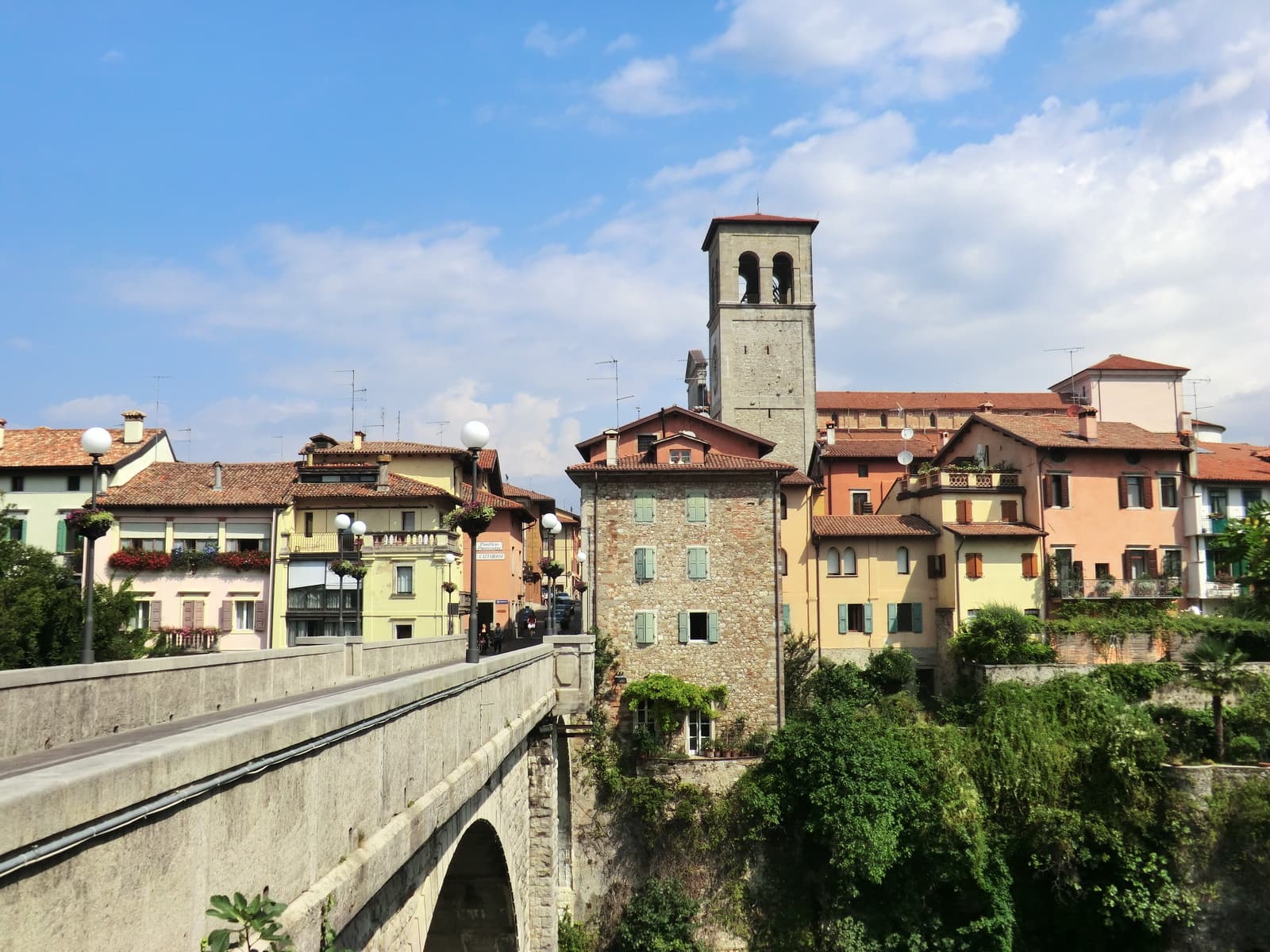
The Lombard capital on the Natisone, founded as Forum Iulii by Julius Caesar, where an eighth-century chapel still holds six stucco saints.
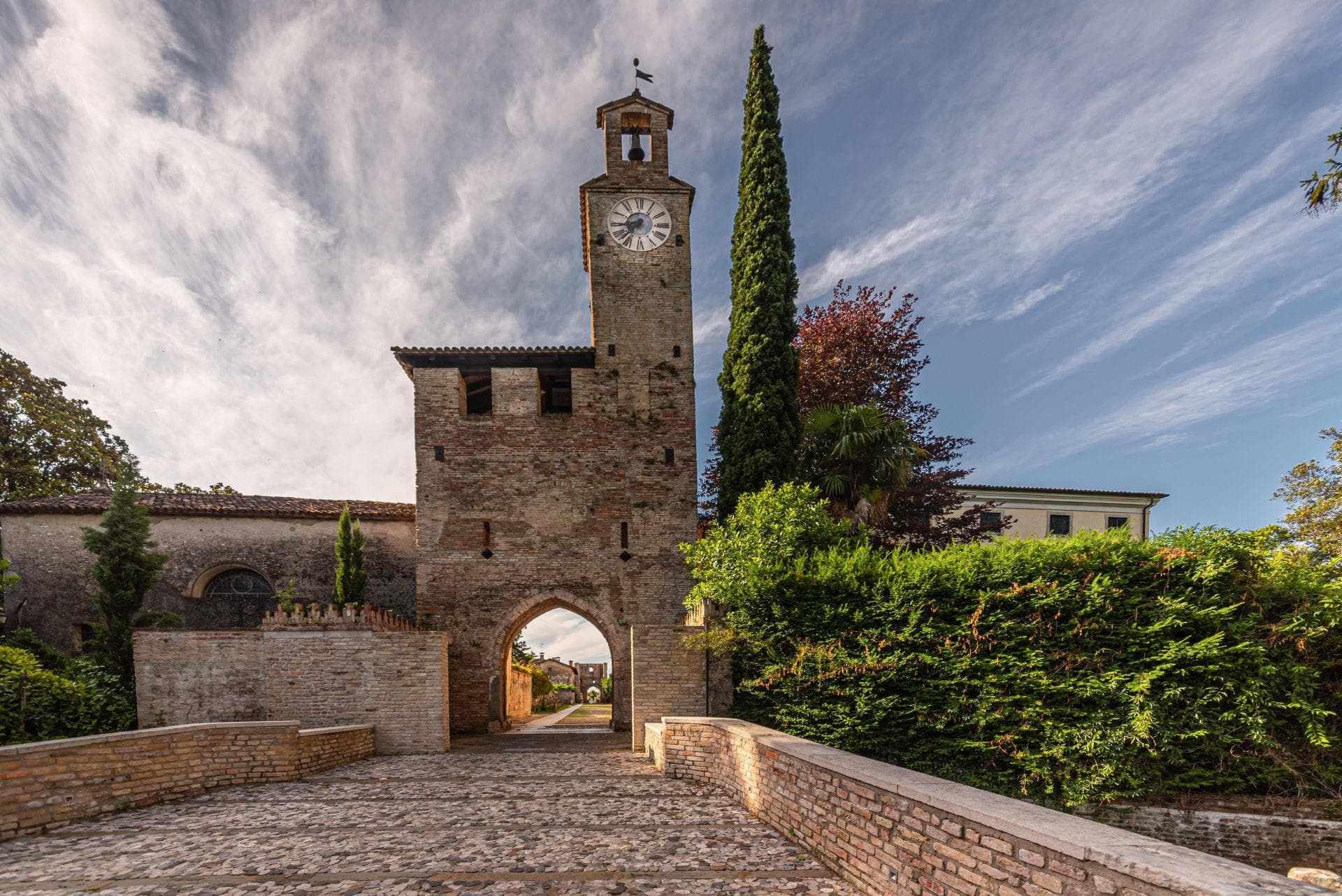
Cordovado
Province: Pordenone
A 15-meter Friulian village in the Pordenone plain, fortified by the bishops of Concordia as their summer seat and described in Ippolito Nievo's Confessions.
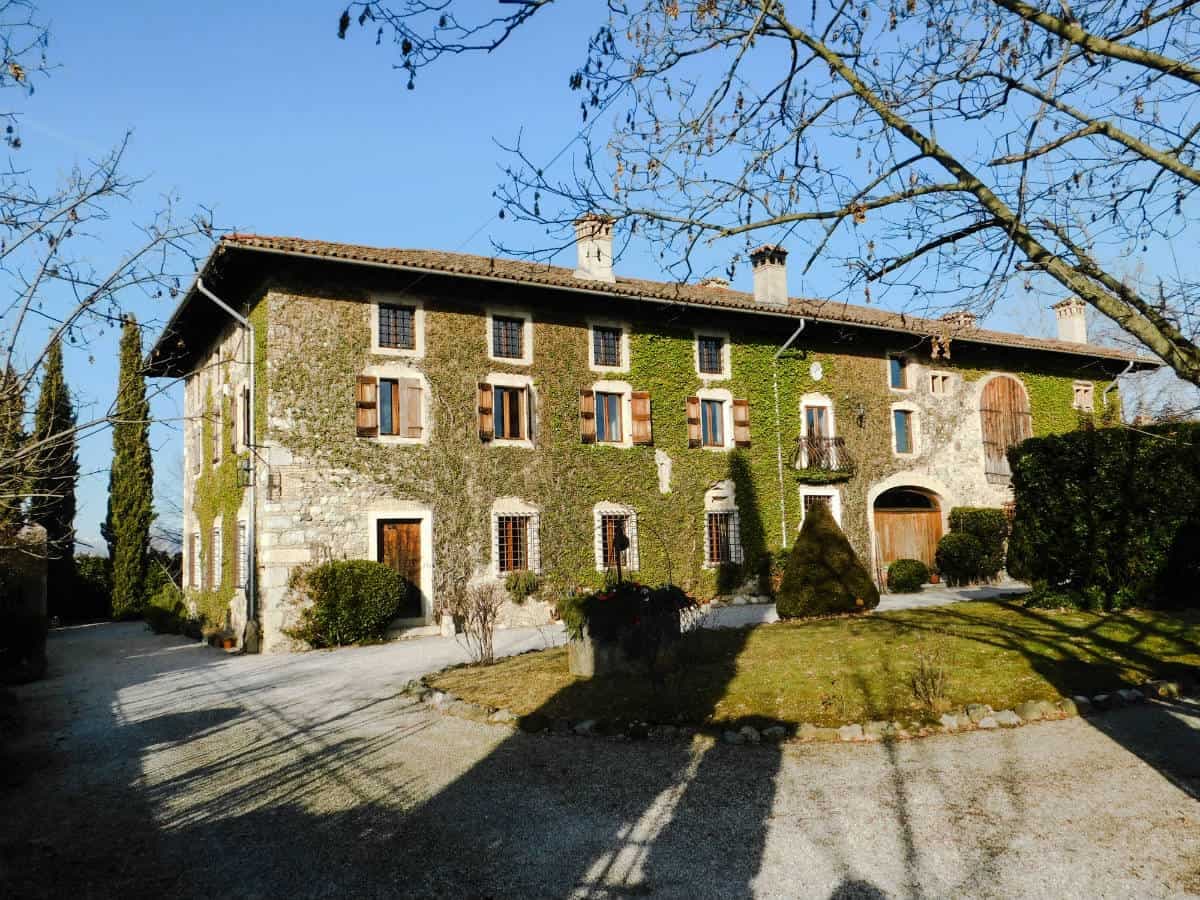
Fagagna
Province: Udine
A 177-meter Friulian hill town northwest of Udine, fortified by Otto II in 983 and racing donkeys in the piazza since 1891.
Frisanco
Province: Pordenone
A 572-resident commune in the Val Colvera whose frazione Poffabro, at 525 meters, became a model of Prealpine stone-and-wood vernacular architecture.