

Friuli-Venezia Giulia · Gorizia
Gradisca d'Isonzo
A 1479 Venetian bastion on the right bank of the Isonzo, with seven towers, twenty-meter walls, and a Habsburg court inside.
Known for
VENETIAN FORTRESS
Walled town built from scratch in 1479 as a bastion against Ottoman raids, with seven towers and a defensive plan refined by Leonardo in 1500.
HABSBURG SEAT
Seat of the Principesca Contea di Gorizia e Gradisca from 1511 to 1918, with Baroque palazzi from the Austrian centuries inside the walls.
ISONZO DOC
Center of the Isonzo del Friuli DOC zone, with Friulano, Pinot Grigio, and Refosco grown on the gravel terraces along the river.
When to visit
Best · Apr–Jun, Sep–Oct
- J
- F
- M
- A
- M
- J
- J
- A
- S
- O
- N
- D
- Best
- Hot or crowded
- Quiet
- Mostly closed
The festa: Pietro, 29 June
Why come
Gradisca d'Isonzo sits on the right bank of the Isonzo, ten kilometers downriver from Gorizia. The Venetian Republic built it from scratch starting in 1479 as a frontier bastion against Ottoman raids that had reached Friuli the previous decade. The fortification consumed twenty years and the advice of Leonardo da Vinci, sent here by the Senate in 1500 to redesign the artillery defenses.
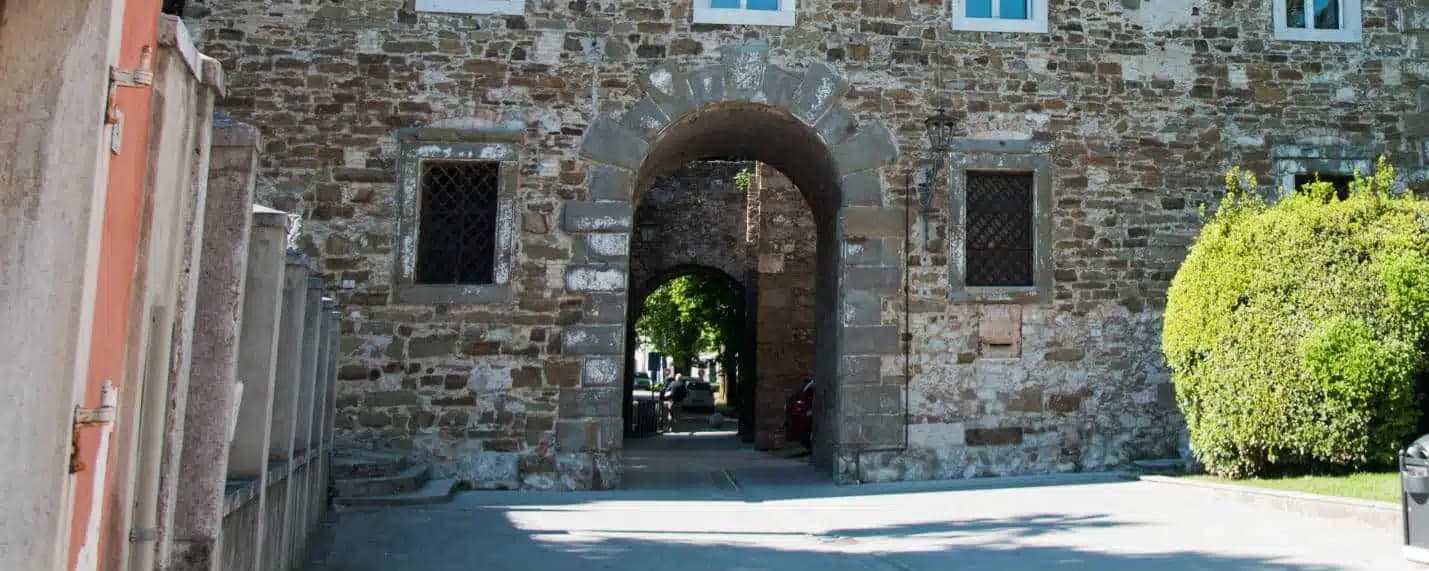
The result was a walled town twenty meters high, ringed by seven towers and a wide moat, with the river itself diverted into the defenses. Maximilian I took it for the Habsburgs in 1511 during the War of the League of Cambrai, and it stayed in Austrian hands as the seat of the Principesca Contea di Gorizia e Gradisca for the next four centuries. The town that grew inside the walls is Baroque: the Palazzo Torriani, the Loggia dei Mercanti, the Casa de Fin, all built under the Habsburgs.
Casanova passed through in 1773. Today the walls, towers, and grid still hold.
The Sunday letter
We haven’t written Gradisca d'Isonzo’s letter yet.
One town every Sunday, with the photo, the food, the festa. Be there when this one comes up. Free, by Peter & Sophia from Pietrasanta.
By subscribing you agree to Substack’s Terms of Use, our Privacy Policy and our Information collection notice.
What to see
Fortezza Veneziana
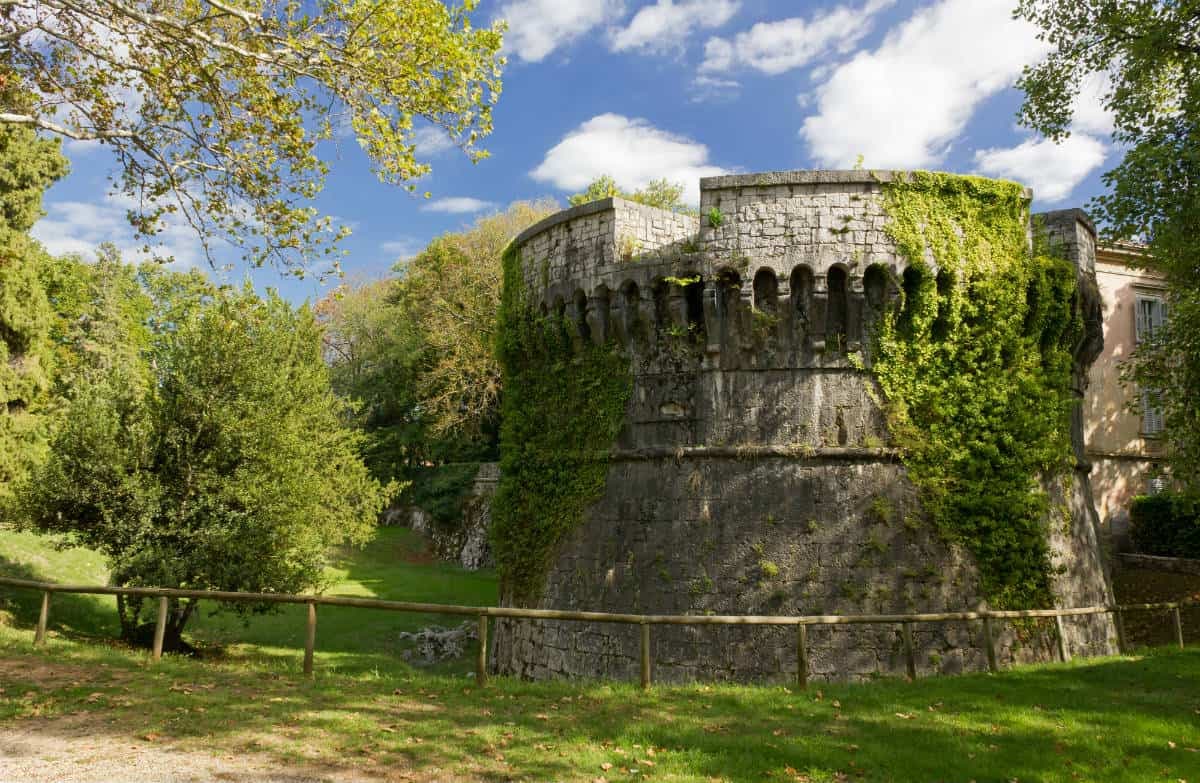
Walled town from 1479, twenty meters high, ringed by seven towers and a wide moat, designed in part by Leonardo da Vinci in 1500.
Torre di San Giorgio
Northwest bastion tower of the Venetian wall, the most complete of the seven and the symbol of the borgo.
Palazzo Torriani
Sixteenth-century palazzo of the Della Torre family, later the residence of the Austrian Capitano, now the Town Hall on Via Roma.
Piazza Unità
Main square inside the walls, with the Loggia dei Mercanti, the Loggia dei Comestabili, and the Palazzo de Fin Patuna on three sides.
Duomo dei Santi Pietro e Paolo
Eighteenth-century parish church on the main piazza, rebuilt on Baroque lines over a fifteenth-century chapel of the Venetian garrison.
Parco della Spianata
Green band outside the walls along the Isonzo, the former glacis where the cleared field of fire is now used for the Saturday market and concerts.
The slow-trip planner
Building a trip? Find where Gradisca d'Isonzo fits in a slow Italy circuit.
Answer five questions. We will shape a geographically coherent slow trip from the 1,000 Italian towns most travelers skip. Yours to save and share.
Living here
- Population 6,430
- Commuter belti
- Pharmacy in town
- High school within a 30-minute drive
- Train station in the comune
- Nearest airport Venice, 1 h 27 min drive
- Regional capital Trieste, 45 min drive
Tags & datadesignations · numbers · sources
Recognised as
The numbers
- Elevation: 32 m
- Population: 6,430
- Surface area: 11.22 km²
These figures were compiled from public directories — ISTAT, OpenStreetMap, Wikidata — and from the official listings of the guides named on this page. Town details change; verify with official sources before you travel.
Close by
More towns near Gradisca d'Isonzo
Cormons
Province: Gorizia
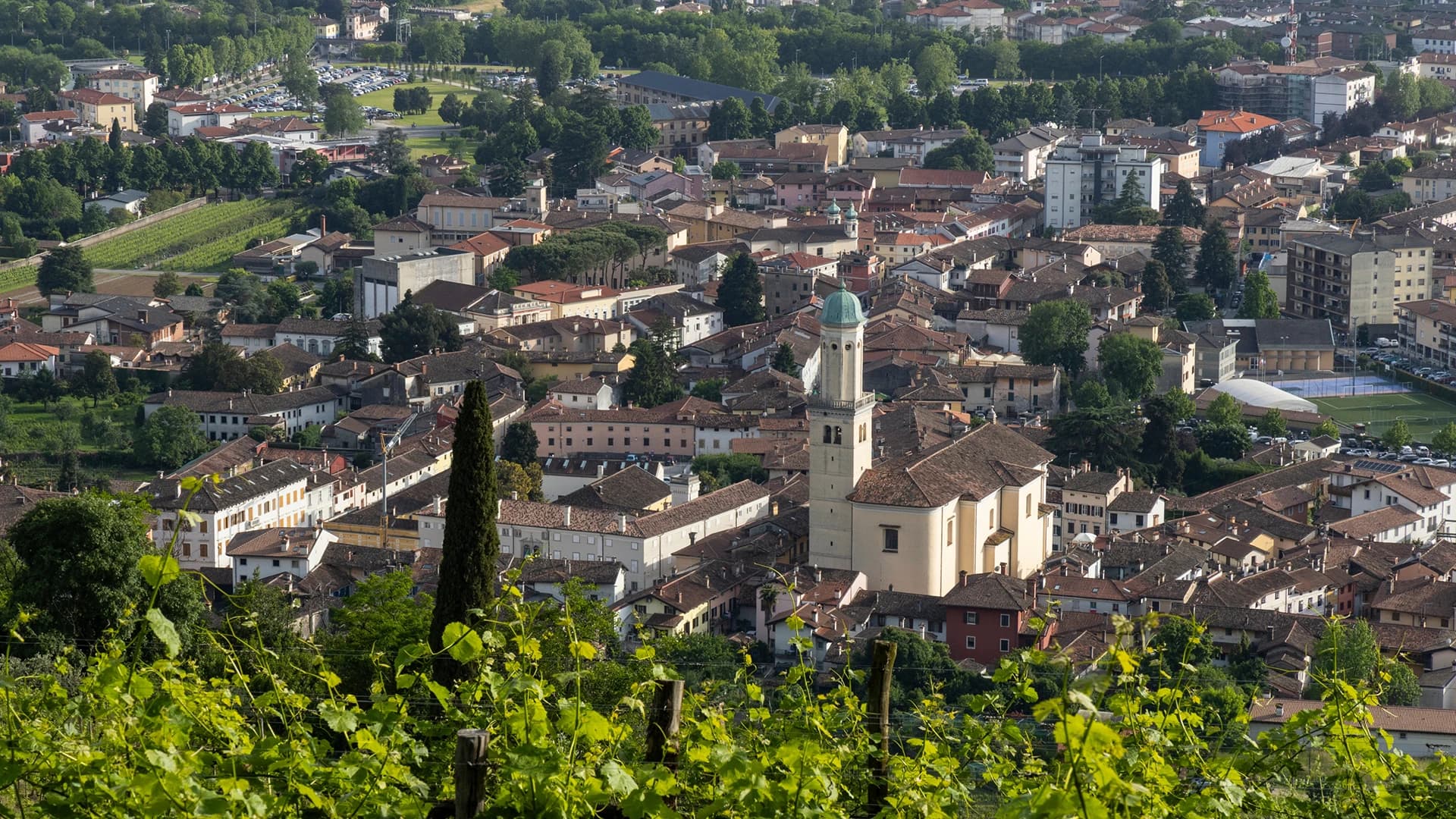
The capital of the Collio wine zone at the foot of the Friulian-Slovenian hills, with a statue of Emperor Maximilian I on its main square.
Gorizia
Province: Gorizia
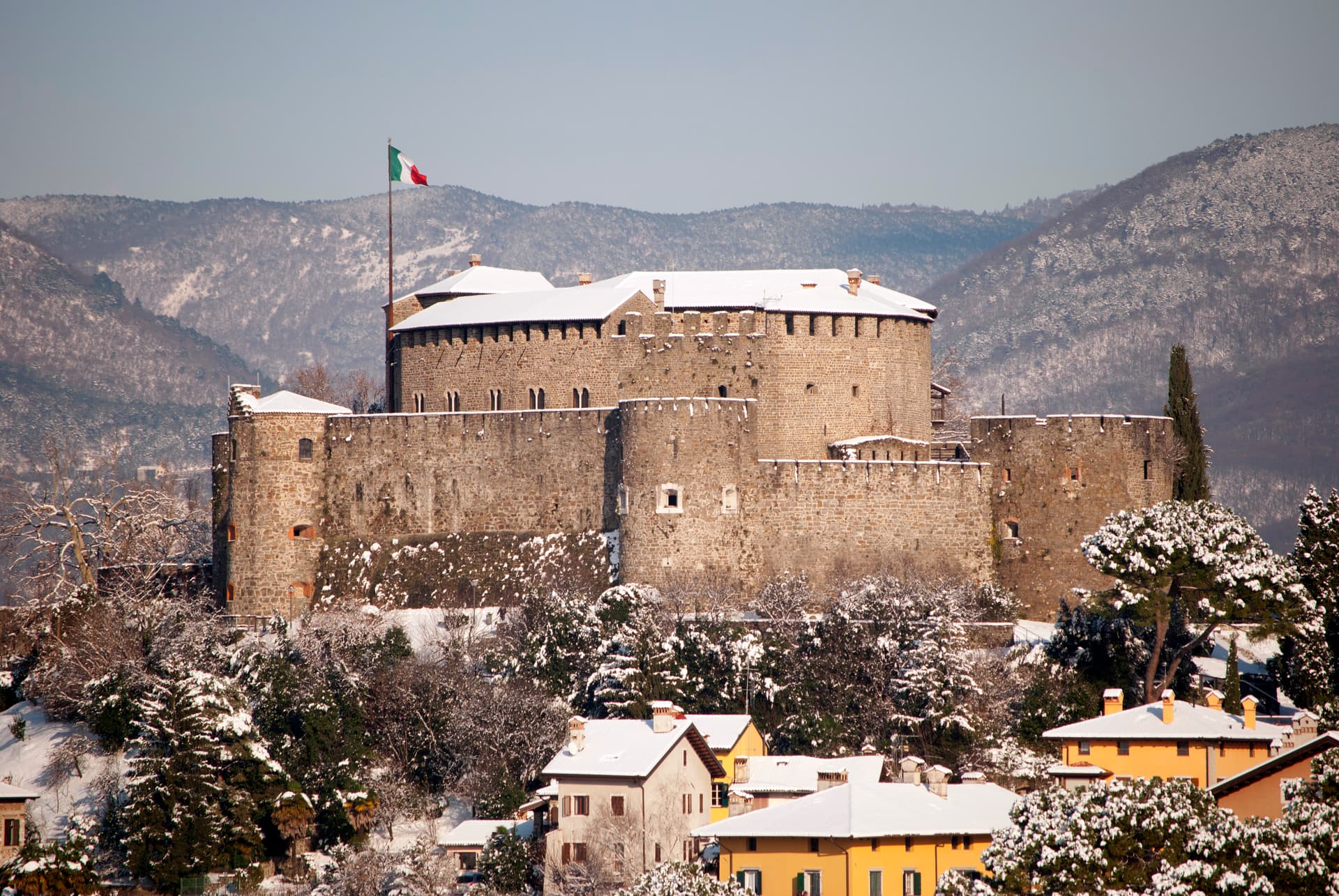
Border city below the Julian Alps, divided from Nova Gorica by a 1947 wall and rejoined as European Capital of Culture 2025.
Cervignano del Friuli
Province: Udine
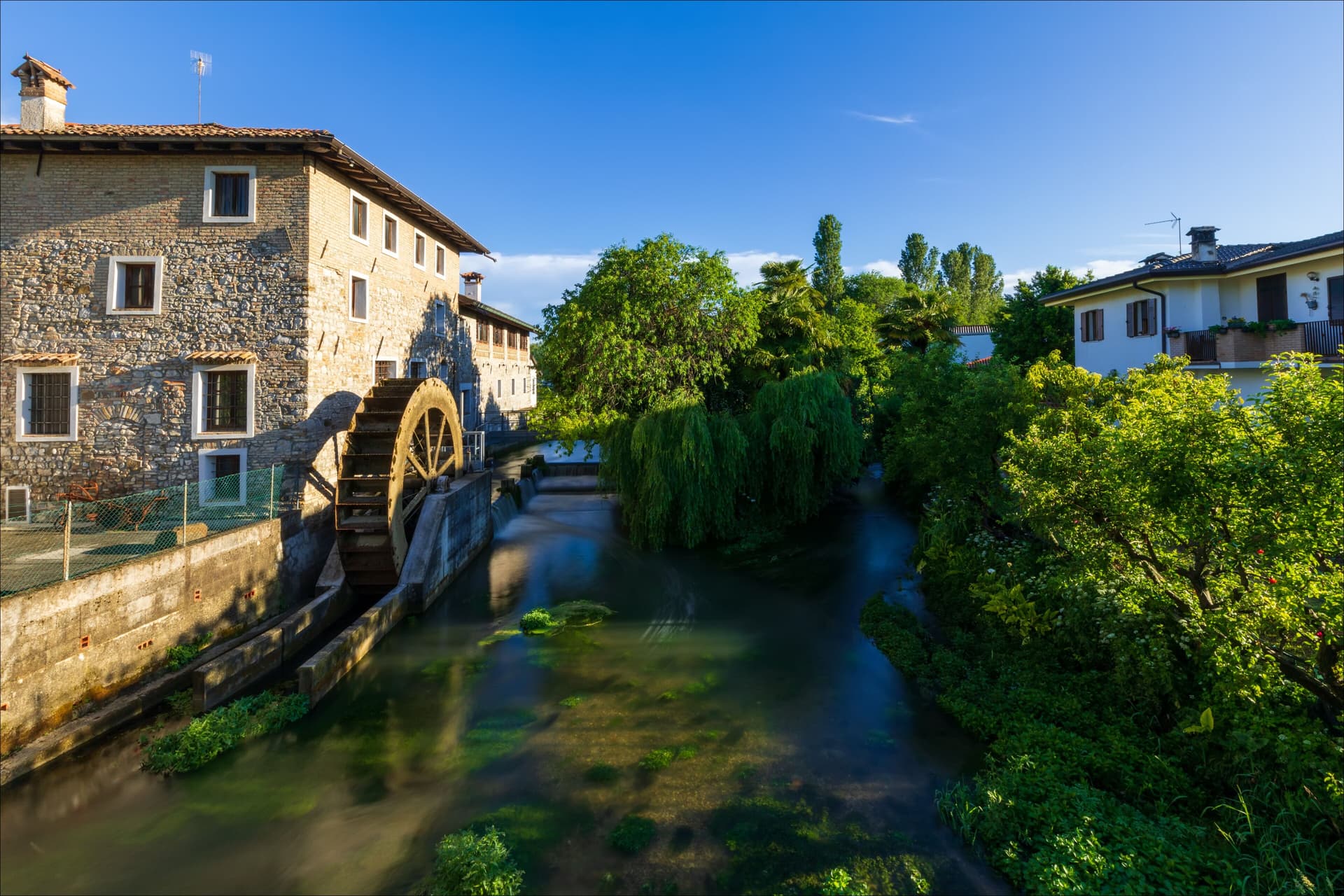
The capital of Bassa Friulana on the Ausa river, an inland river port for Aquileia in 181 BC and a railway junction since 1860.
Palmanova
Province: Udine
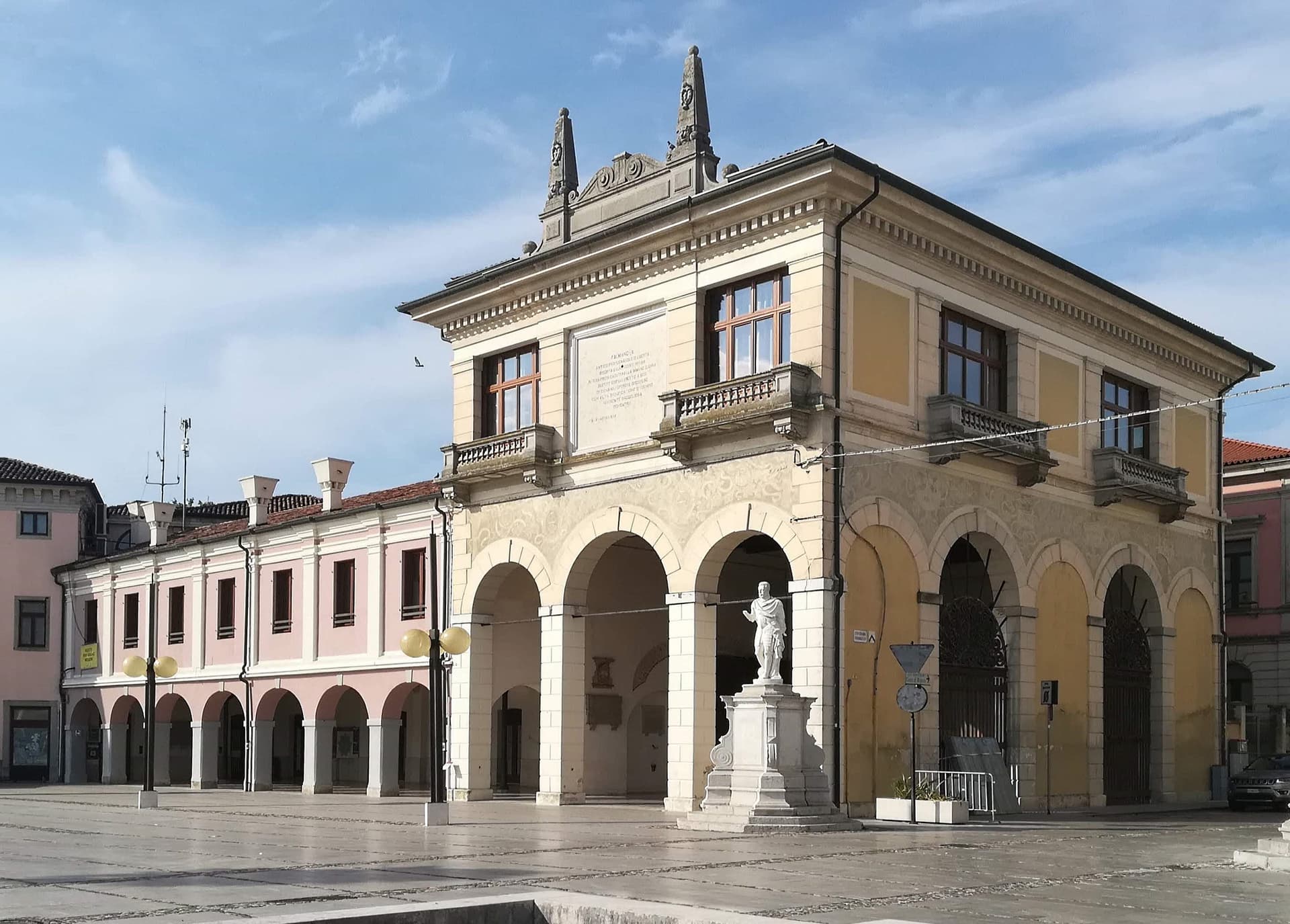
A nine-pointed Venetian star fortress founded 7 October 1593, designed as a perfect Renaissance city and finished, in three phases, under Napoleon in 1813.
Aquileia
Province: Udine
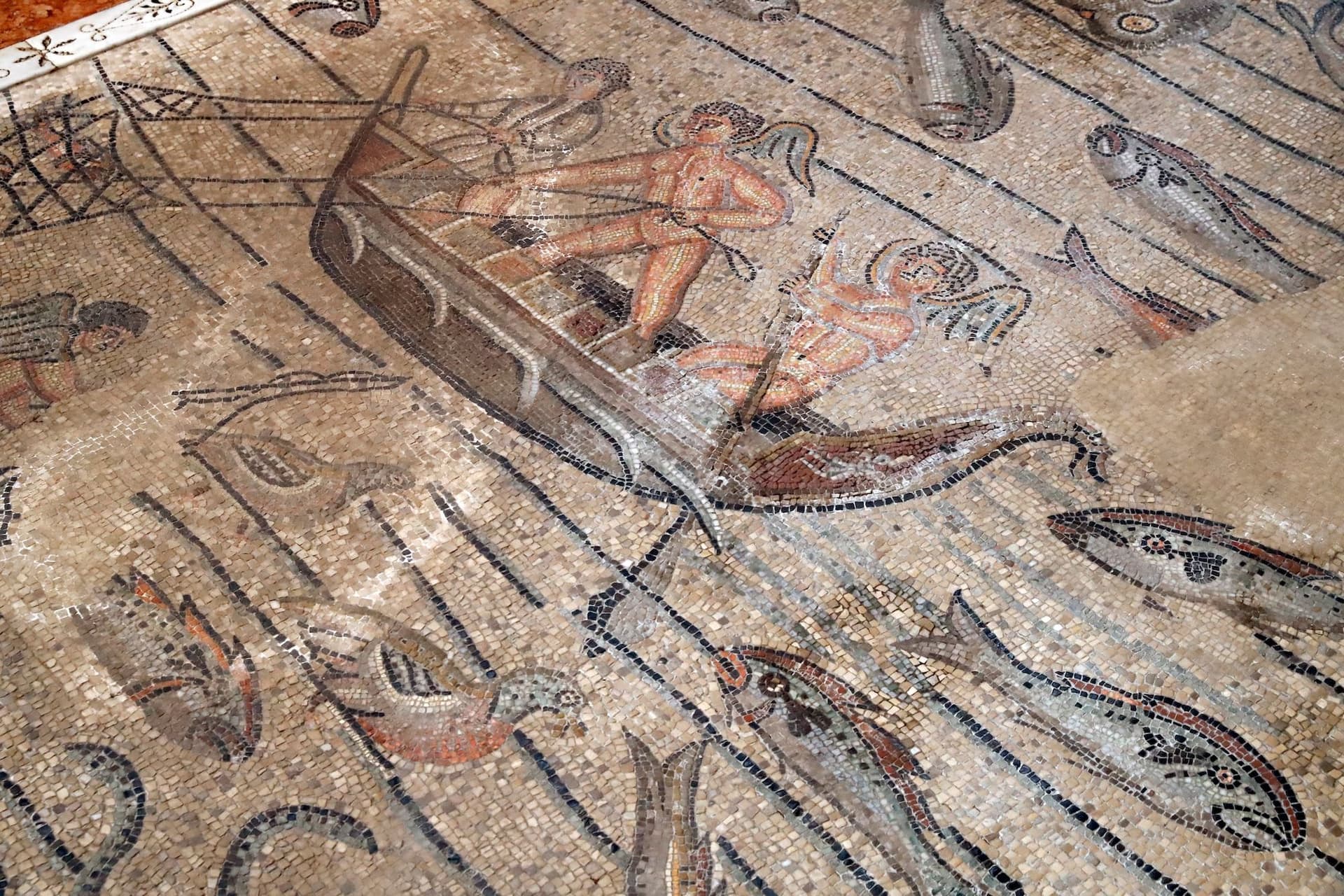
A village of 3,128 on a Roman capital of 100,000, where the largest paleochristian mosaic floor in the West runs under a Romanesque basilica.
🎨 Borghi più belli d'Italia
More Borghi più belli d'Italia towns in Friuli-Venezia Giulia
Cividale del Friuli
Province: Udine
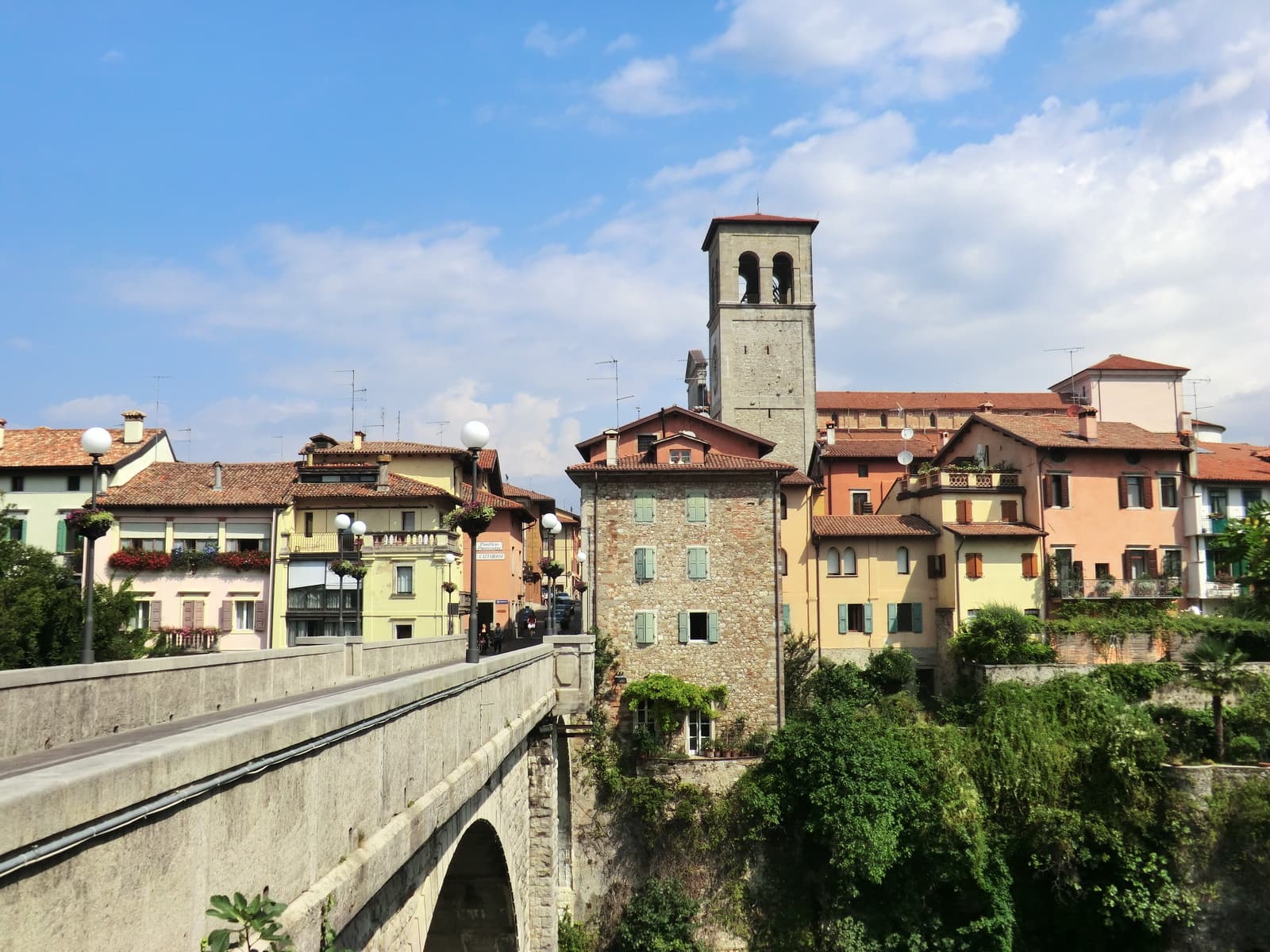
The Lombard capital on the Natisone, founded as Forum Iulii by Julius Caesar, where an eighth-century chapel still holds six stucco saints.
Cordovado
Province: Pordenone
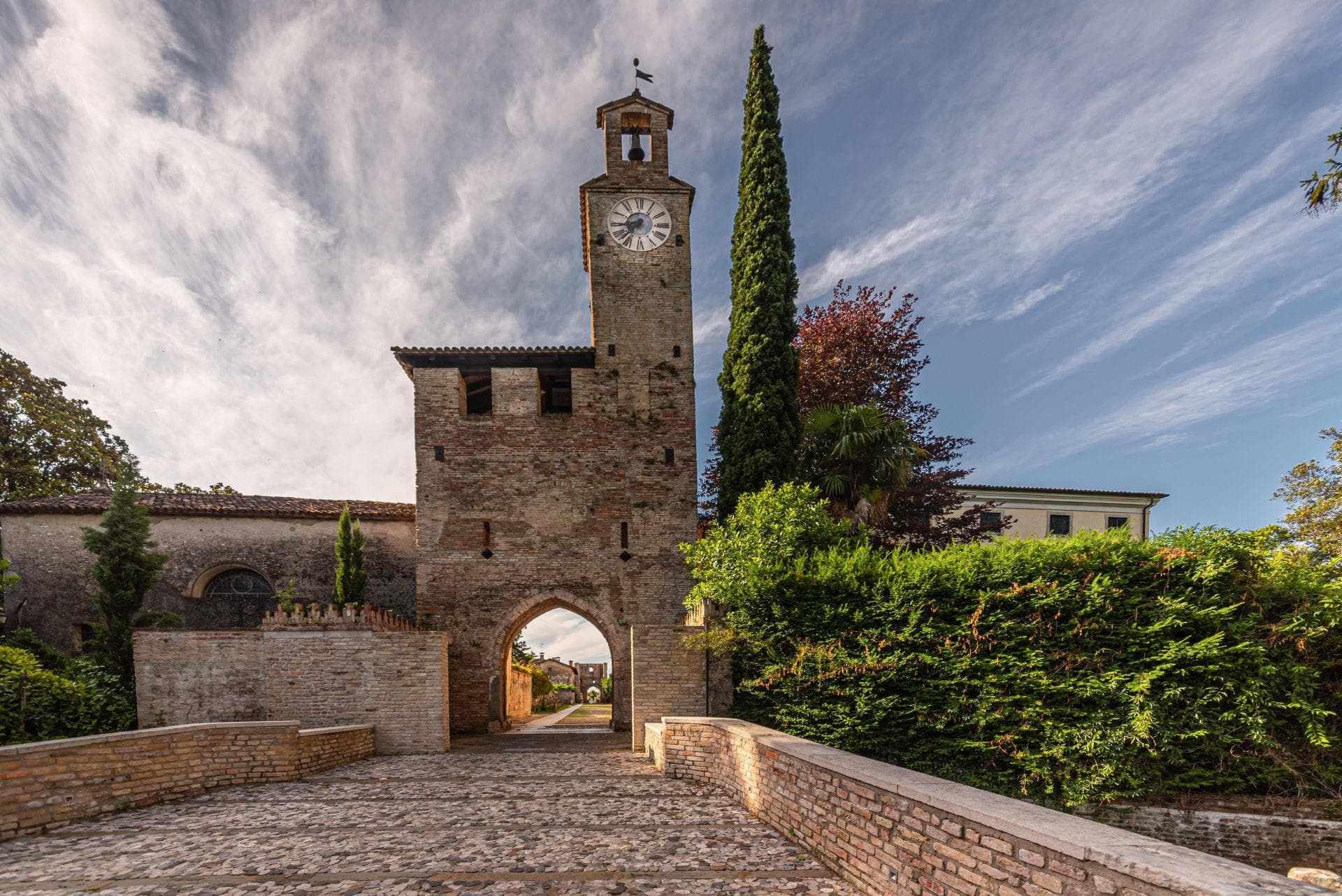
A 15-meter Friulian village in the Pordenone plain, fortified by the bishops of Concordia as their summer seat and described in Ippolito Nievo's Confessions.
Fagagna
Province: Udine
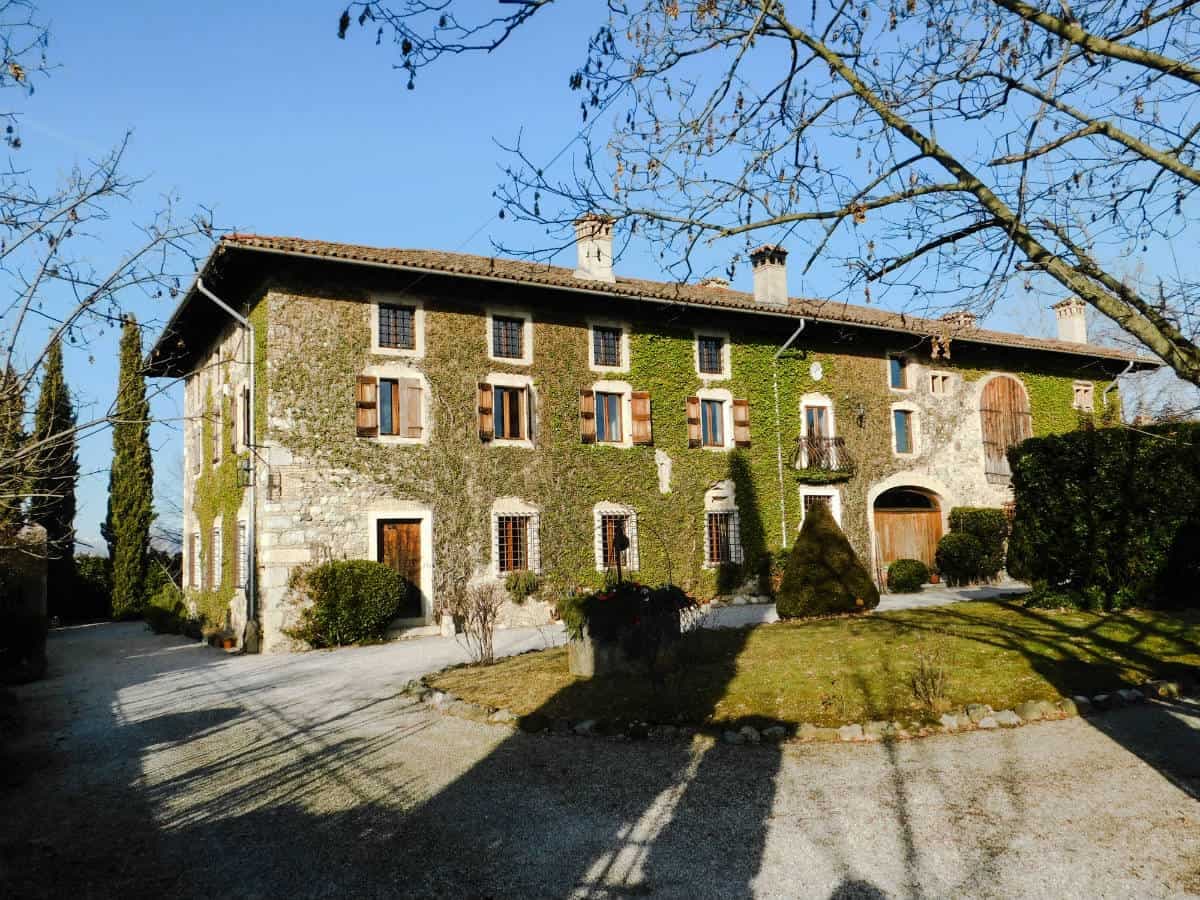
A 177-meter Friulian hill town northwest of Udine, fortified by Otto II in 983 and racing donkeys in the piazza since 1891.
Frisanco
Province: Pordenone
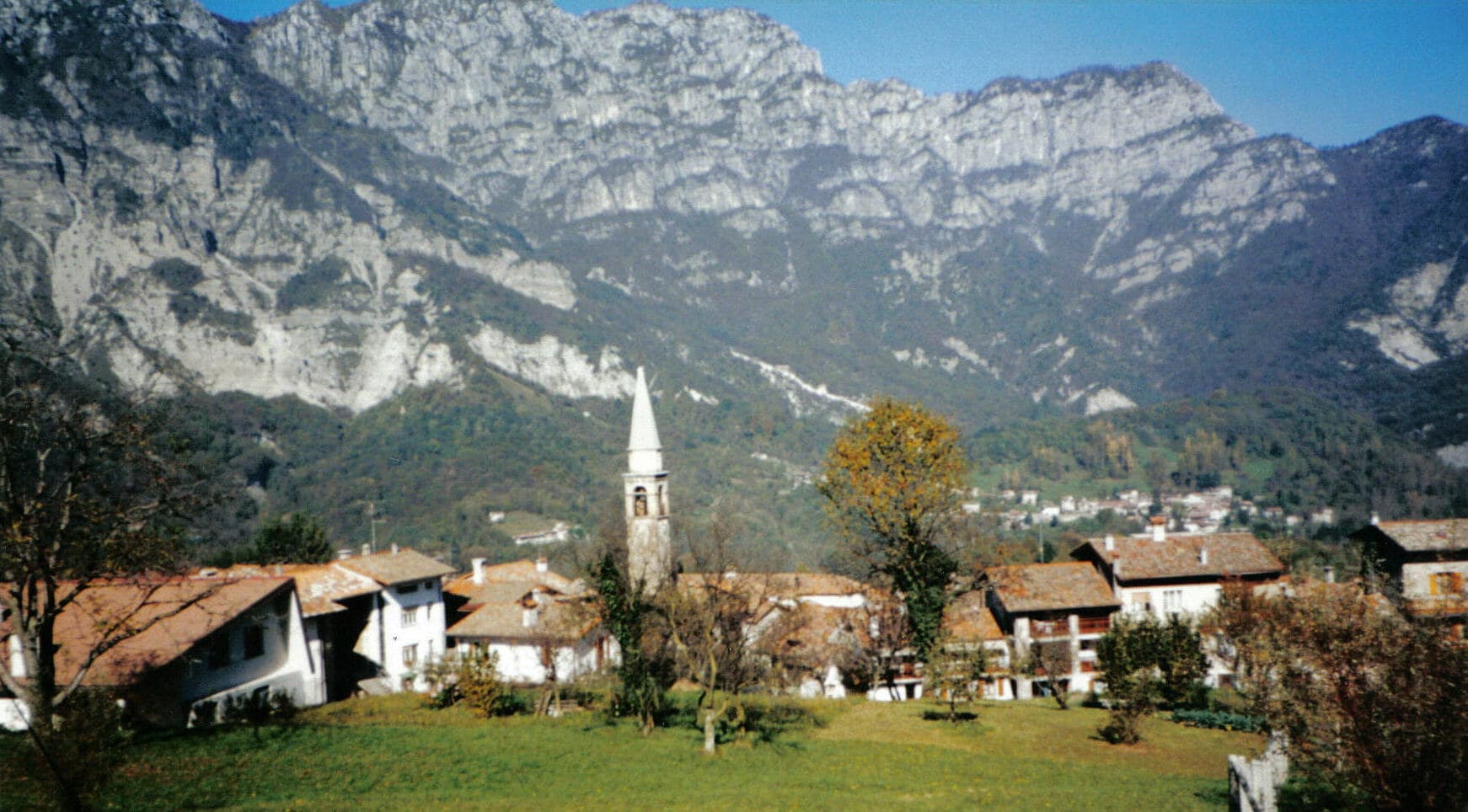
A 572-resident commune in the Val Colvera whose frazione Poffabro, at 525 meters, became a model of Prealpine stone-and-wood vernacular architecture.