
Friuli-Venezia Giulia · Pordenone
Frisanco
A 572-resident commune in the Val Colvera whose frazione Poffabro, became a model of Prealpine stone-and-wood vernacular architecture.
Known for
POFFABRO
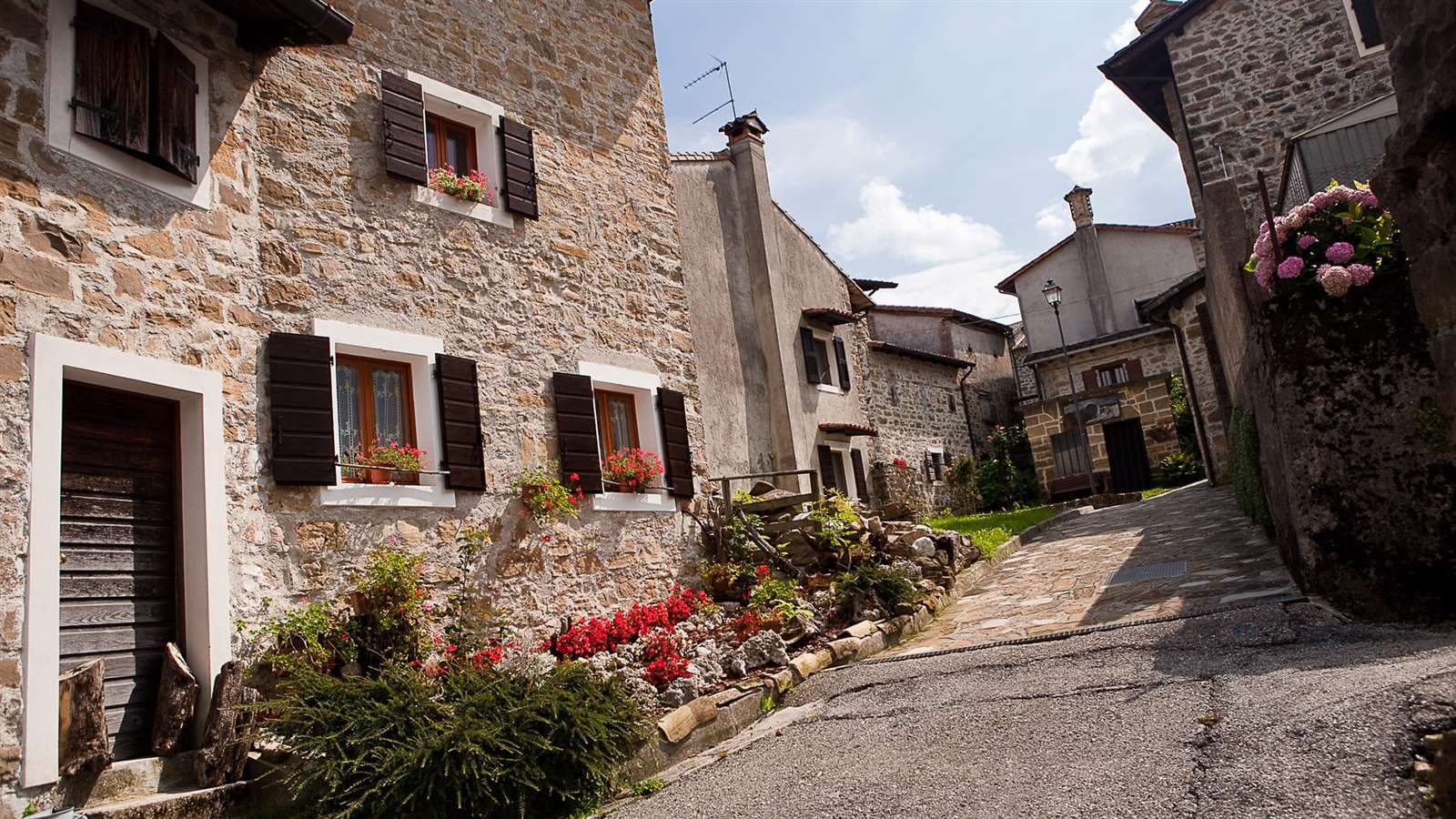
Frazione of three-storey stone houses with continuous wooden ballatoi, classed among Italy's Borghi più belli for its intact vernacular.
PRESEPE TRA I PRESEPI
Nativity scene festival running since 1997, with hundreds of crèches in windows and courtyards from late November through 6 January.
DOLOMITI FRIULANE
Regional park starting at the commune's edge, with trails into Monte Raut, the Cellina gorges, and the Val Cimoliana.
When to visit
Best · Apr–Oct
- J
- F
- M
- A
- M
- J
- J
- A
- S
- O
- N
- D
- Best
- Hot or crowded
- Quiet
- Mostly closed
Why come
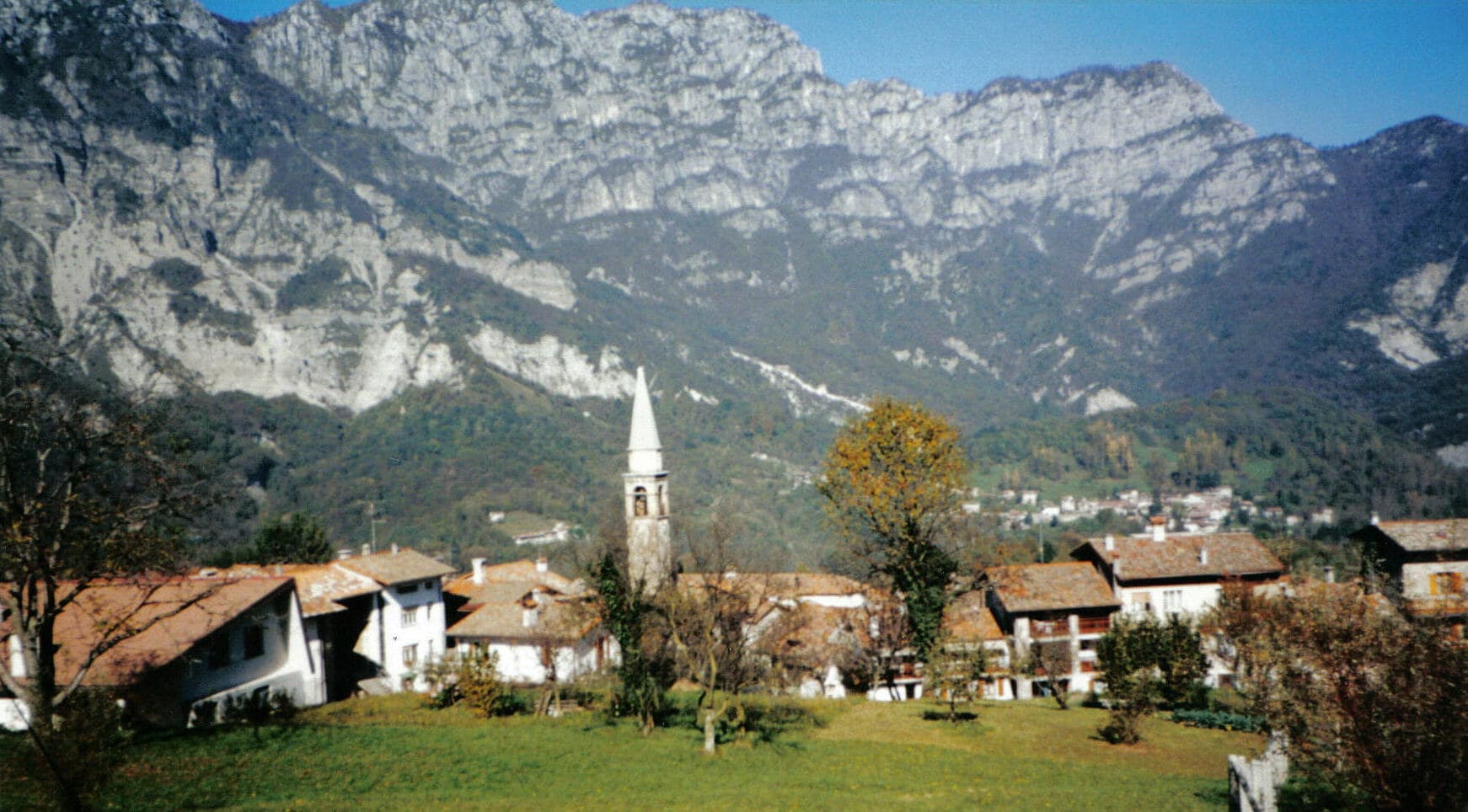
Frisanco sits in the Val Colvera, a side valley of the Cellina that cuts north from the Pordenone plain into the Carnian Prealps. The commune holds 572 residents across four hamlets, of which Poffabro, is the one that draws visitors. The painter Armando Pizzinato called Poffabro the most rational example of spontaneous architecture in the Friulian Prealps: three-storey stone houses with wooden ballatoi running the full length of each upper floor, arched porticoes at ground level, and roofs of split larch.
The town burned in 1606, taking the public archive with it, and rebuilt in the same vernacular. Inquisition records from 1648 to 1650 describe Frisanco as a nido di streghe, a witches' nest. The presepi tradition has run since 1997: every December, residents place nativity scenes in windows, niches, and courtyards across Poffabro, and the village fills with visitors from late November through Epiphany. The Parco Naturale Dolomiti Friulane begins at the village edge.
The Sunday letter
We haven’t written Frisanco’s letter yet.
One town every Sunday, with the photo, the food, the festa. Be there when this one comes up. Free, by Peter & Sophia from Pietrasanta.
By subscribing you agree to Substack’s Terms of Use, our Privacy Policy and our Information collection notice.
What to see
Borgo di Poffabro
Frazione at 525 meters with three-storey stone houses, wooden ballatoi running across each floor, and arched ground-floor porticoes, classed Borghi più belli.
Chiesa di San Nicolò
Parish church at the head of Poffabro's main street, mentioned as early as 1492, with an eighteenth-century facade and a single nave.
Parco Naturale Dolomiti Friulane
Regional park bordering the commune, with trails into Monte Raut, the Cellina gorges, and the Val Cimoliana on the Veneto side.
Val Colvera
Narrow valley between Maniago and the Dolomiti Friulane, with stone-paved mule tracks linking Frisanco, Poffabro, Casasola, and Andreis.
Frazione di Casasola
Second hamlet of the commune, smaller than Poffabro, with the same Prealpine vernacular and a partly abandoned upper centro.
The slow-trip planner
Building a trip? Find where Frisanco fits in a slow Italy circuit.
Answer five questions. We will shape a geographically coherent slow trip from the 1,000 Italian towns most travelers skip. Yours to save and share.
Living here
- Population 572
- In-betweeni
- Pharmacy: none mapped
- High school within a 30-minute drive
- Nearest airport Venice, 1 h 38 min drive
- Regional capital Trieste, 2 h 2 min drive
Tags & datadesignations · numbers · sources
The numbers
- Elevation: 415 m
- Population: 572
- Surface area: 60.99 km²
These figures were compiled from public directories — ISTAT, OpenStreetMap, Wikidata — and from the official listings of the guides named on this page. Town details change; verify with official sources before you travel.
Close by
More towns near Frisanco
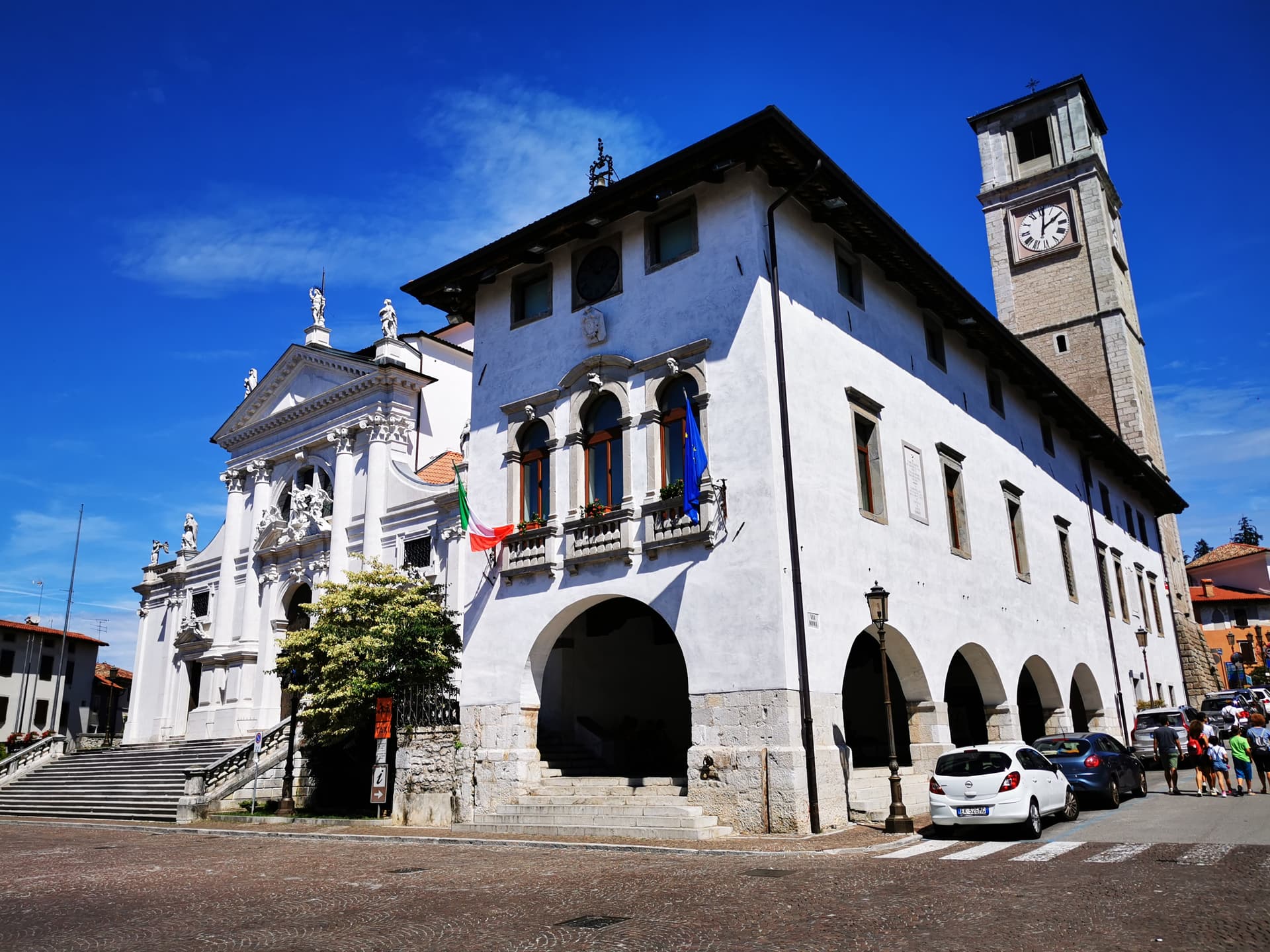
Spilimbergo
Province: Pordenone
A 132-meter Friulian town on the Tagliamento, home since 1922 to the Scuola Mosaicisti, whose alumni made the Library of Congress mosaics.
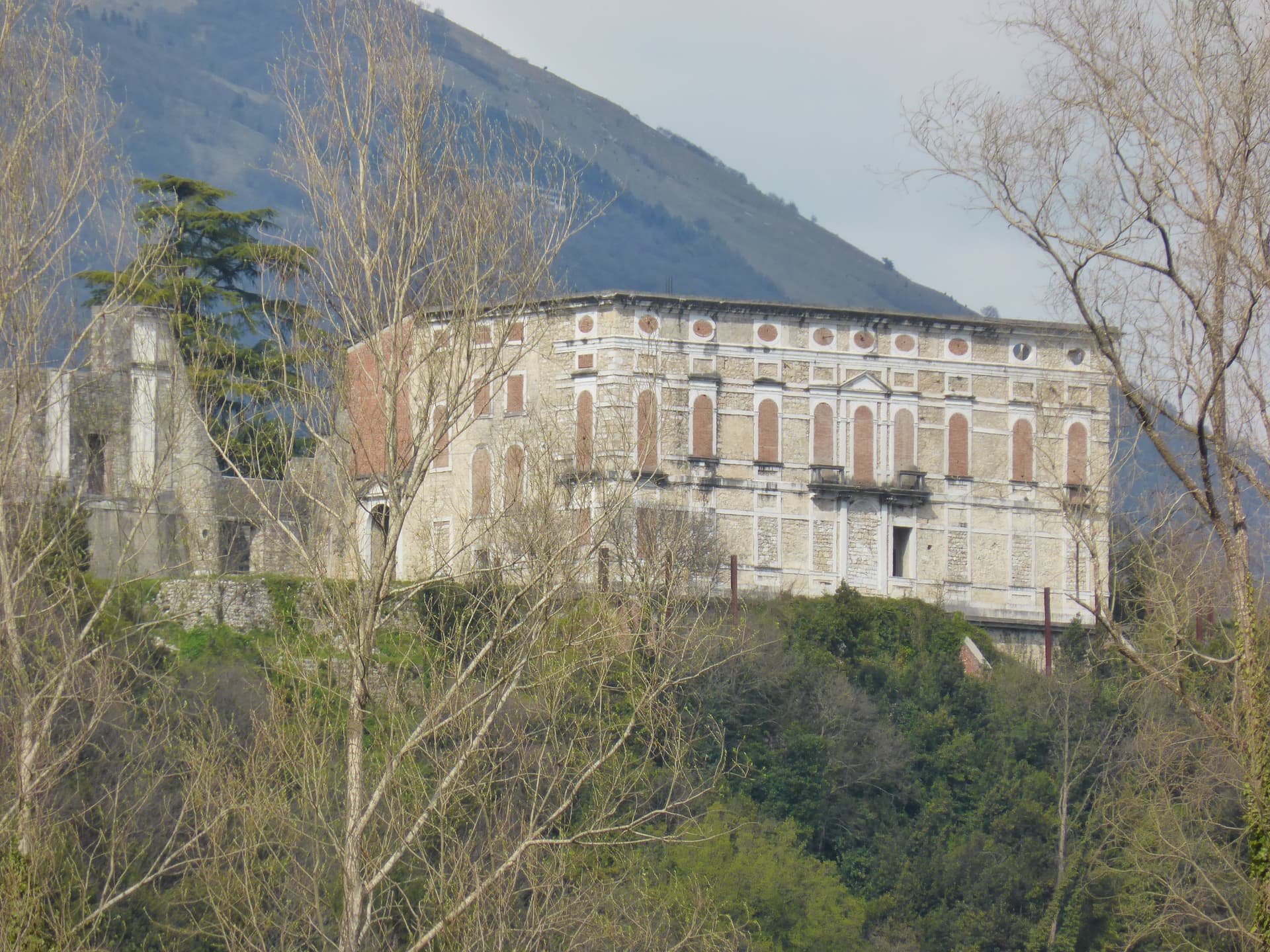
San Daniele del Friuli
Province: Udine
Italy's prosciutto capital — a 7,900-resident hill town in the Friuli morainic amphitheatre where the Tagliamento valley's south winds meet the alpine downdraughts, producing the San Daniele DOP raw-cured ham (31 producers, 14-month minimum cure) and where Pellegrino da San Daniele's 1497–1522 frescoes inside Sant'Antonio Abate are the regional Renaissance set-piece.
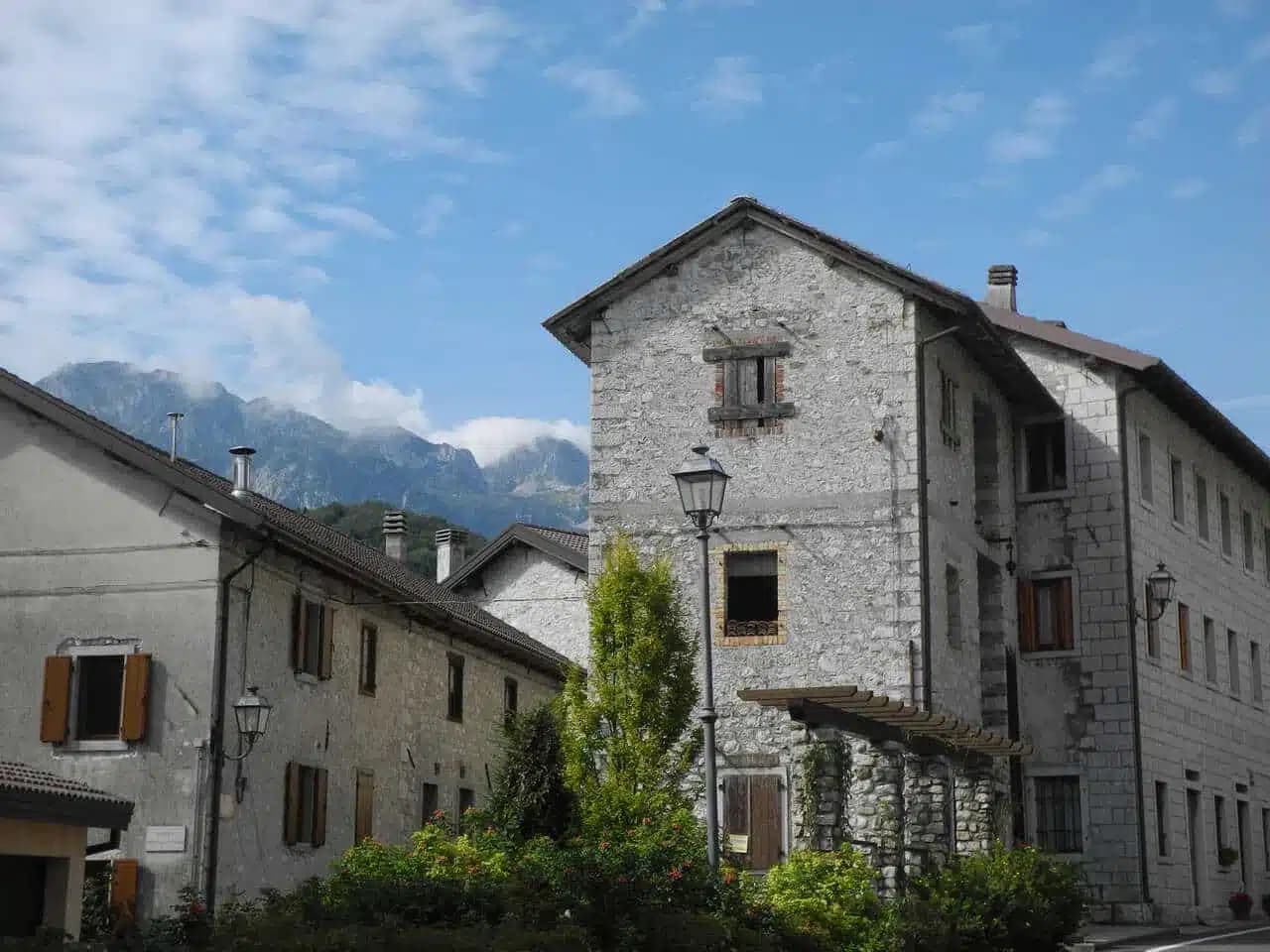
Polcenigo
Province: Pordenone
A 40-meter village at the foot of the Carnic Prealps where the Livenza rises, neighbour to the UNESCO Palù pile-dwelling site occupied since 4900 BC.
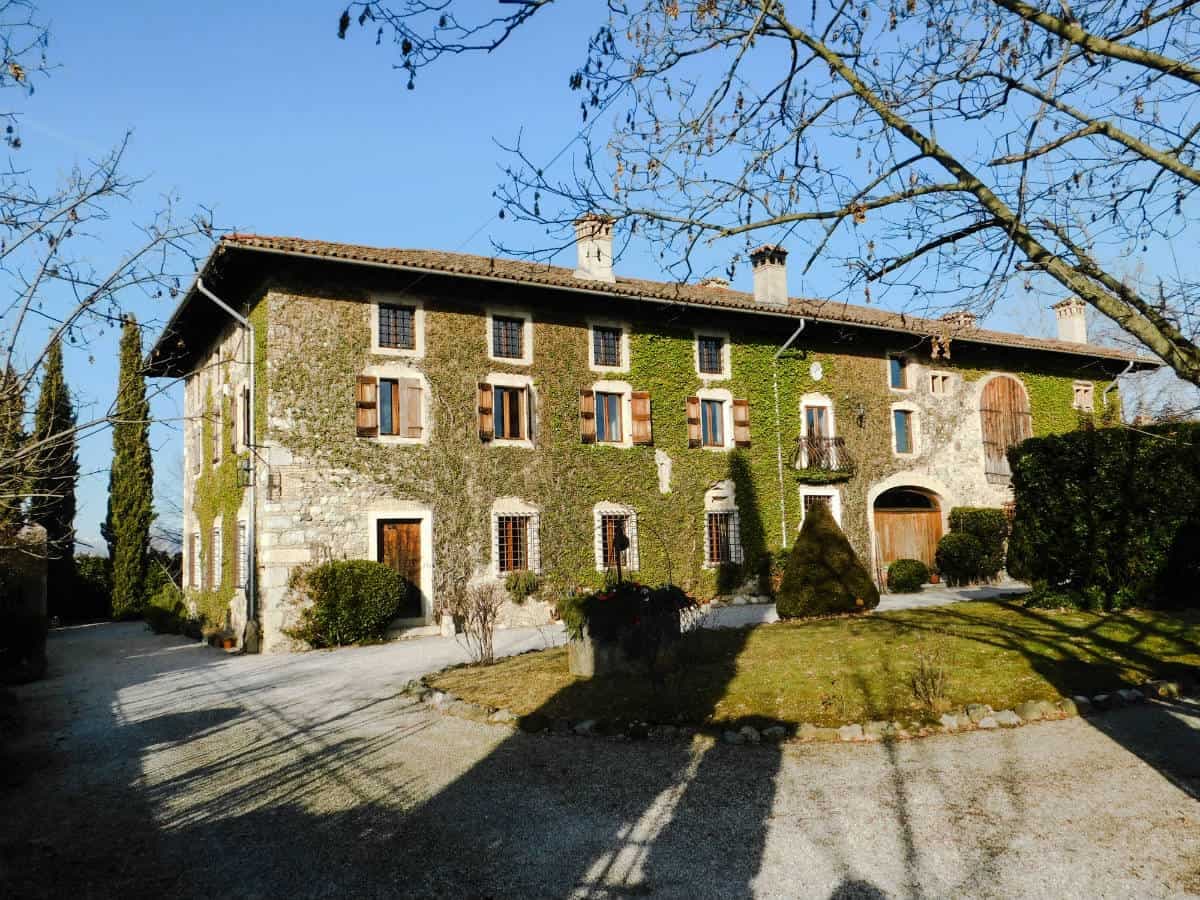
Valvasone Arzene
Province: Pordenone
A medieval borgo at 57 meters on the Tagliamento's right bank, organized around a castle and a Duomo with a 1532 Italian-built organ.
Fagagna
Province: Udine
A 177-meter Friulian hill town northwest of Udine, fortified by Otto II in 983 and racing donkeys in the piazza since 1891.
🎨 Borghi più belli d'Italia
More Borghi più belli d'Italia towns in Friuli-Venezia Giulia
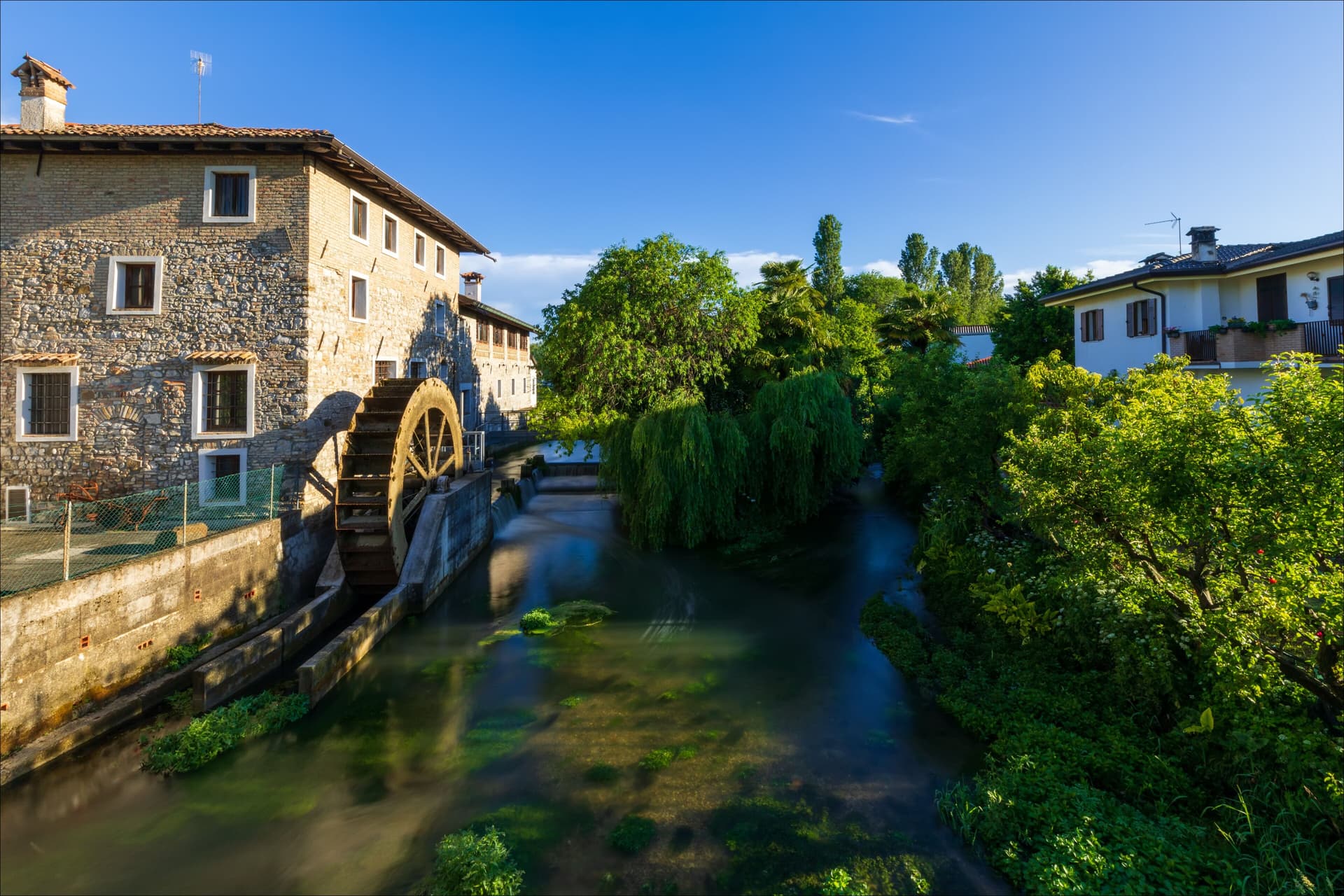
Cervignano del Friuli
Province: Udine
The capital of Bassa Friulana on the Ausa river, an inland river port for Aquileia in 181 BC and a railway junction since 1860.
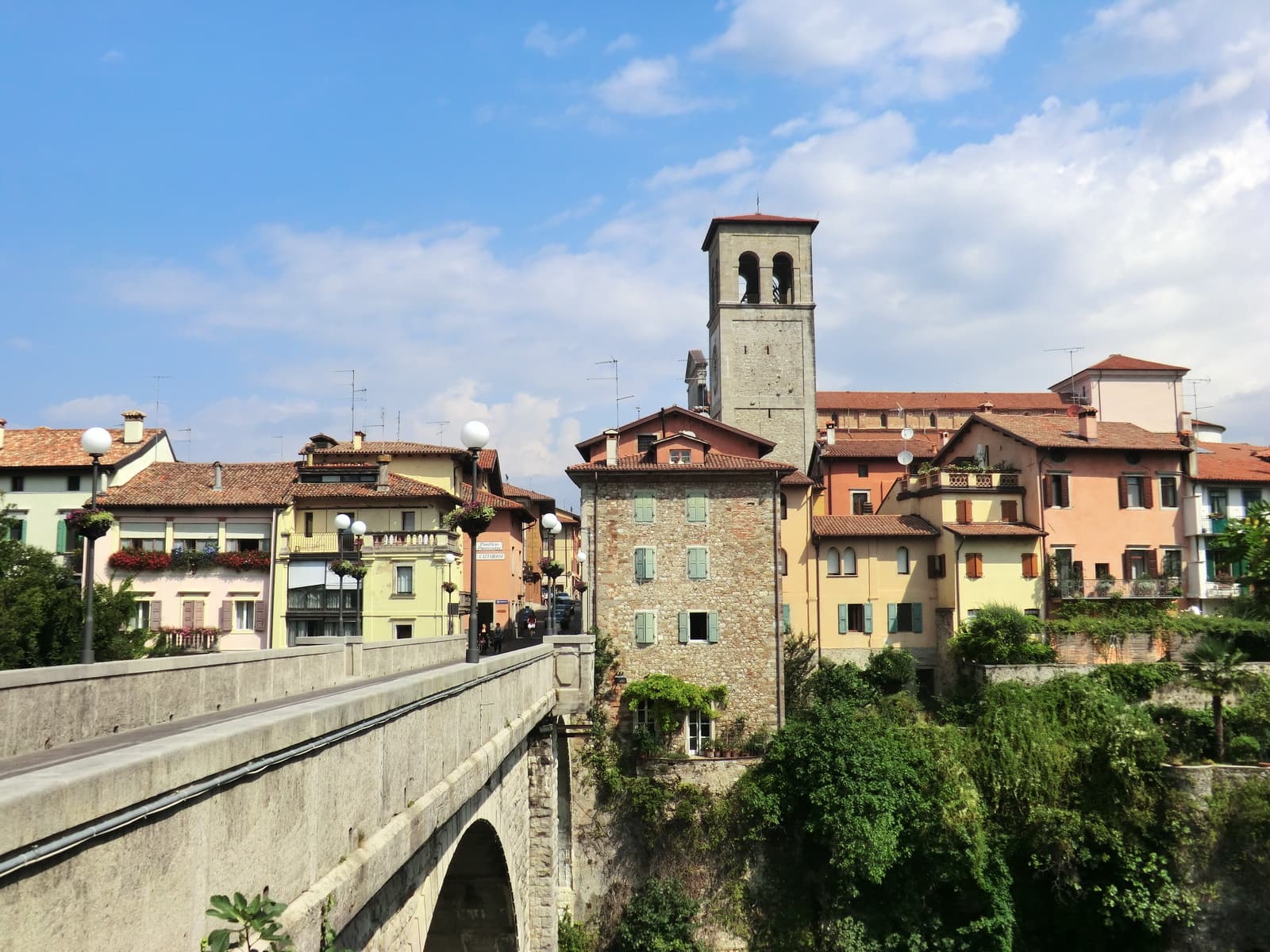
Cividale del Friuli
Province: Udine
The Lombard capital on the Natisone, founded as Forum Iulii by Julius Caesar, where an eighth-century chapel still holds six stucco saints.
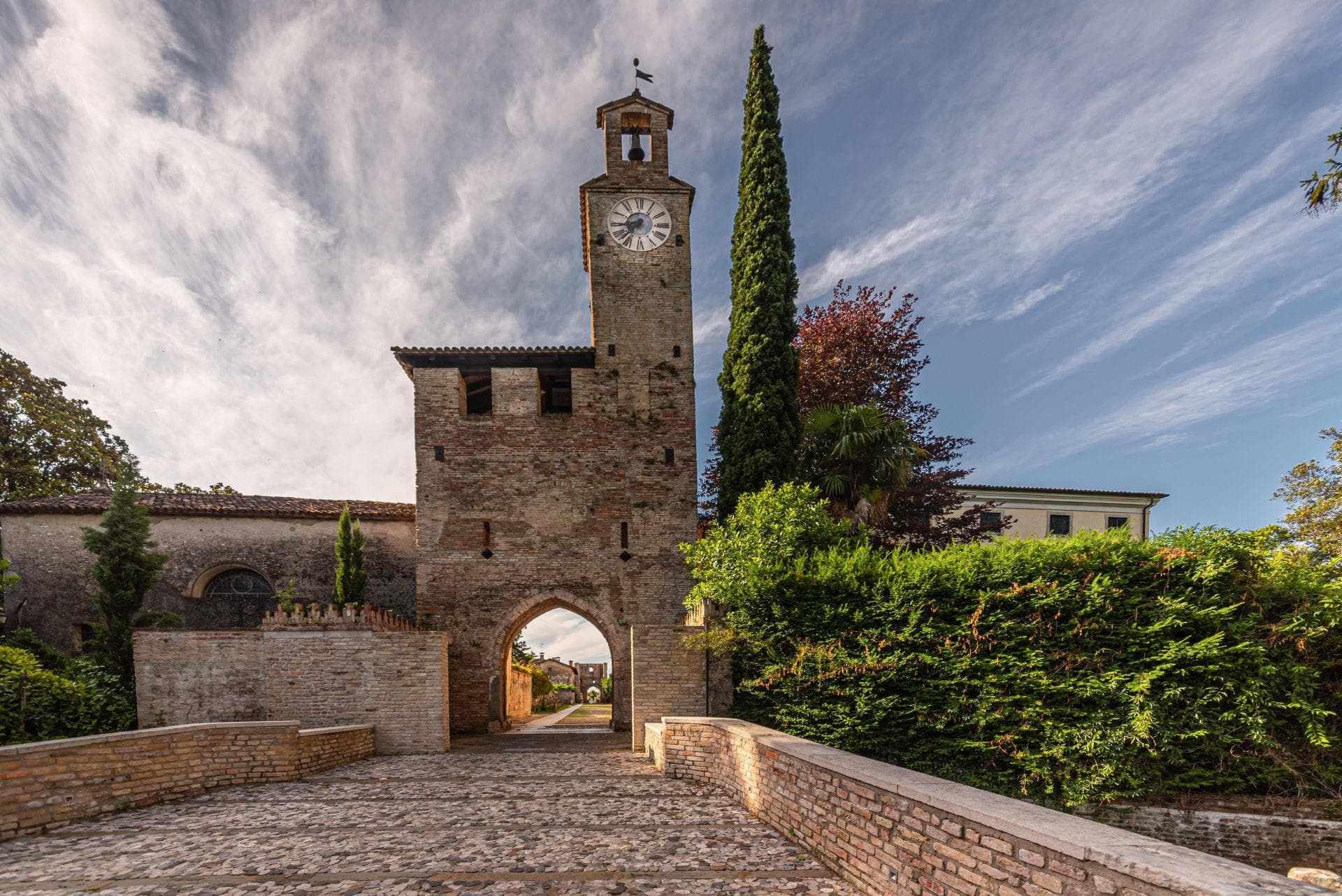
Cordovado
Province: Pordenone
A 15-meter Friulian village in the Pordenone plain, fortified by the bishops of Concordia as their summer seat and described in Ippolito Nievo's Confessions.
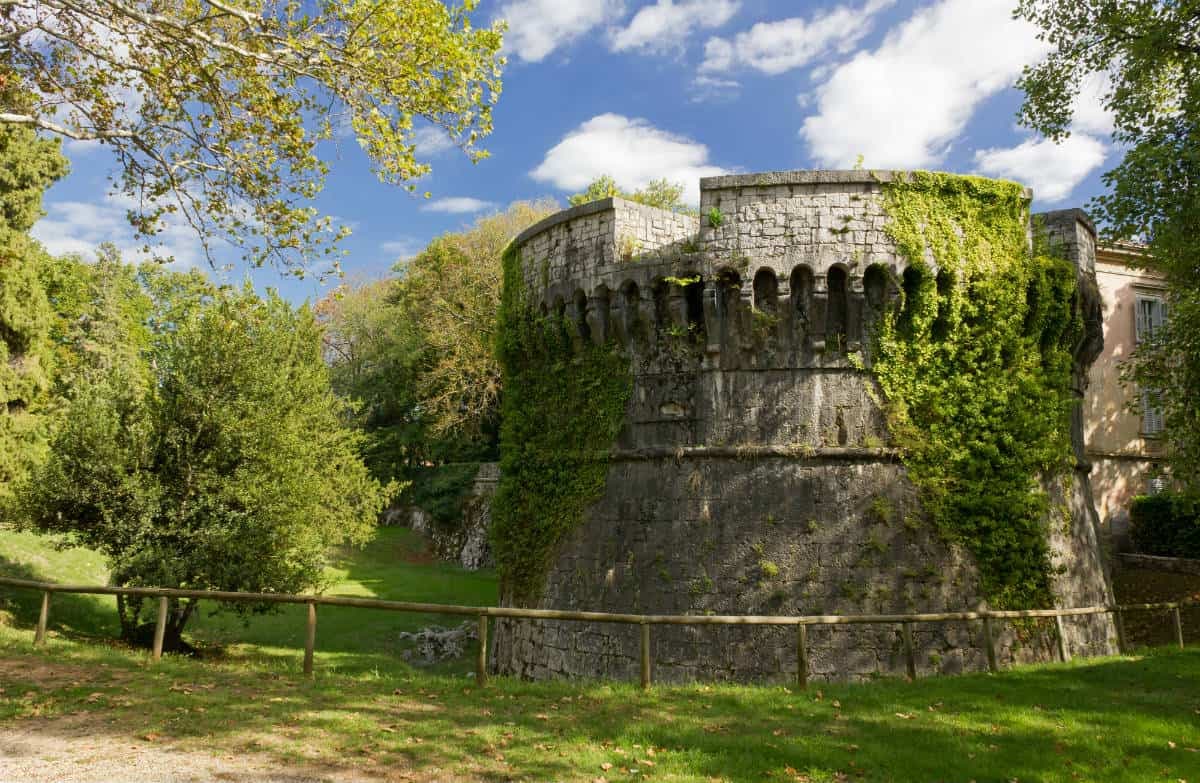
Gradisca d'Isonzo
Province: Gorizia
A 1479 Venetian bastion on the right bank of the Isonzo, with seven towers, twenty-meter walls, and a Habsburg court inside.
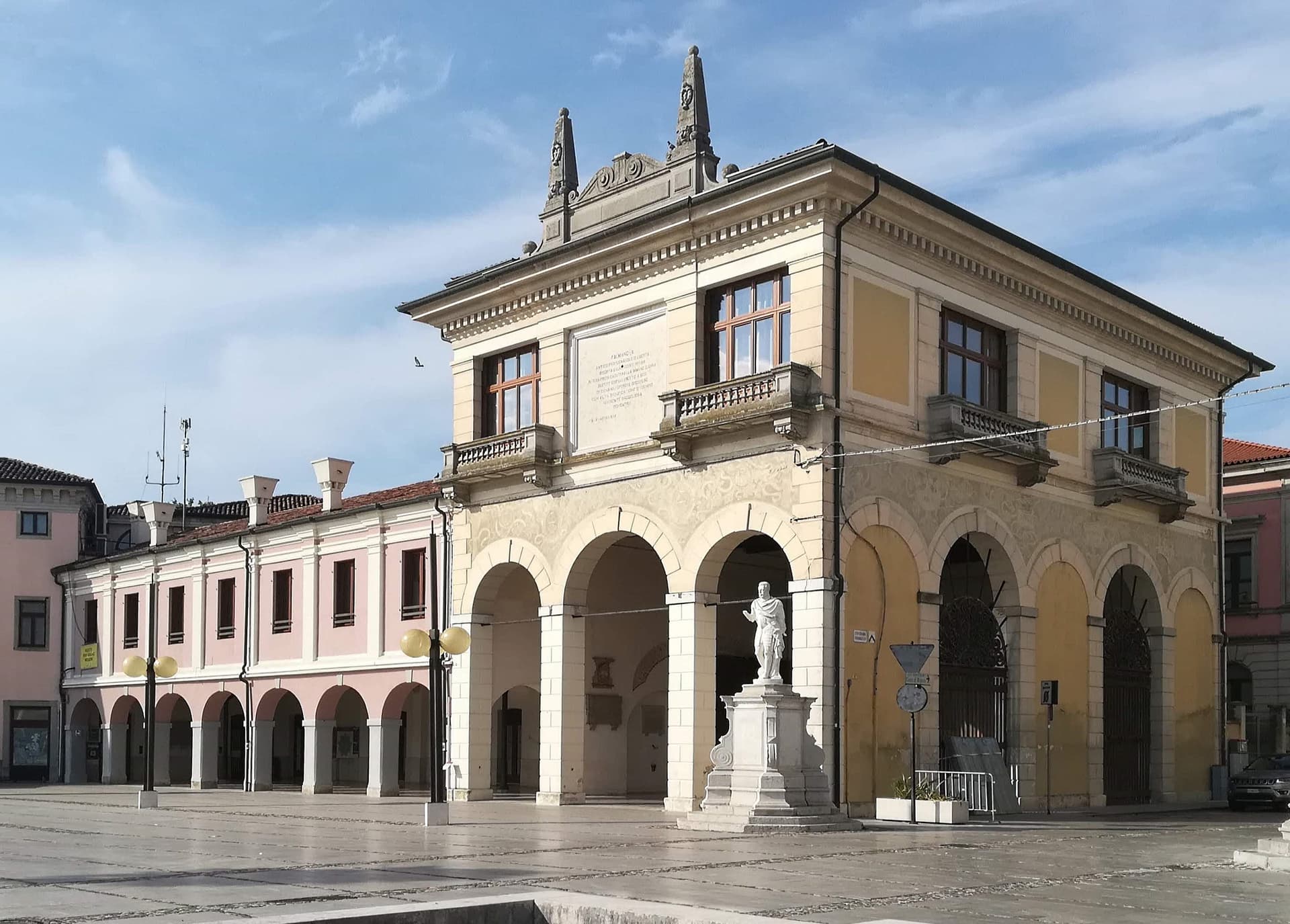
Palmanova
Province: Udine
A nine-pointed Venetian star fortress founded 7 October 1593, designed as a perfect Renaissance city and finished, in three phases, under Napoleon in 1813.