

Friuli-Venezia Giulia · Udine
Cividale del Friuli
The Lombard capital on the Natisone, founded as Forum Iulii by Julius Caesar, where an eighth-century chapel still holds six stucco saints.
Known for
TEMPIETTO LONGOBARDO
Eighth-century chapel with six stucco saints, the most complete surviving Lombard interior and a UNESCO site since 2011.
PONTE DEL DIAVOLO
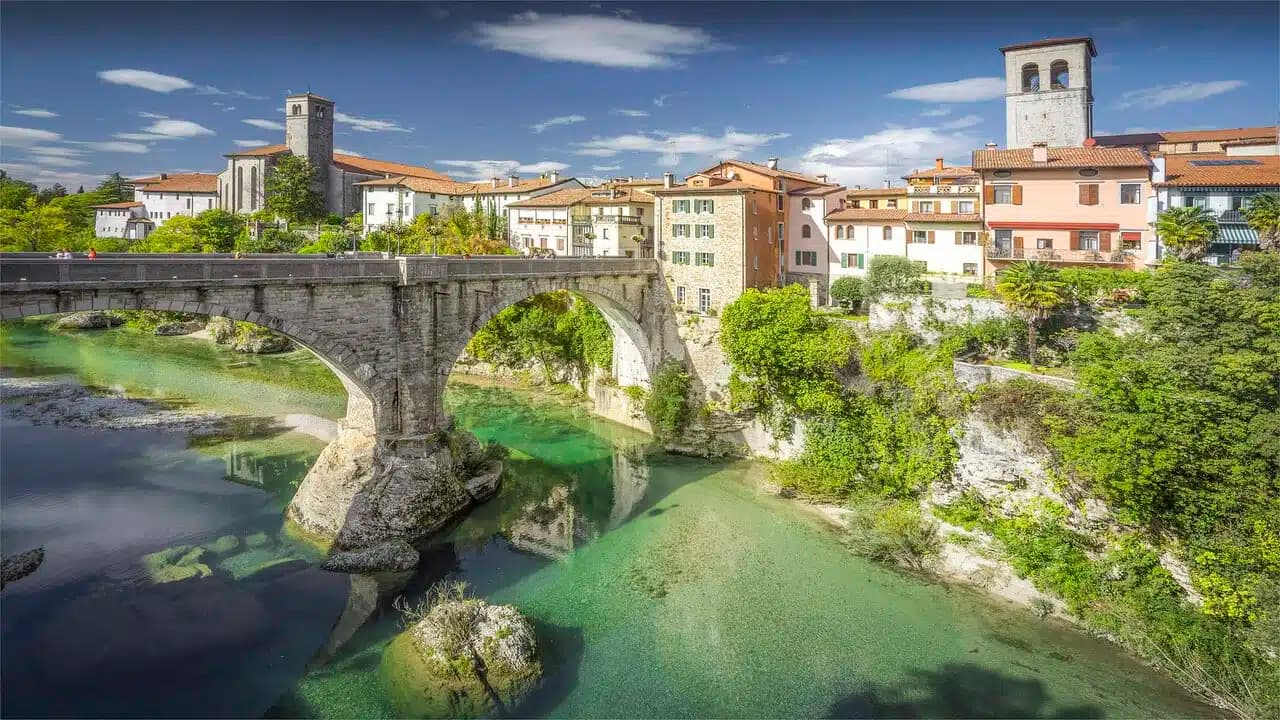
Two asymmetrical arches over the Natisone, begun 1442, built around a midstream rock the devil was said to have dropped.
MITTELFEST
Annual July festival of Central European theater, music, and dance, running since 1991 across piazzas and courtyards.
When to visit
Best · Apr–Oct
- J
- F
- M
- A
- M
- J
- J
- A
- S
- O
- N
- D
- Best
- Hot or crowded
- Quiet
- Mostly closed
Why come
Cividale del Friuli sits on the right bank of the Natisone, fifteen kilometers from Udine and close enough to the Slovenian border that the river marks it. Julius Caesar founded the place as Forum Iulii in the first century BC, the name that eventually gave Friuli its own. In 568 the Lombard king Alboin made it the capital of his first Italian duchy, and the Patriarchate of Aquileia later moved its seat here for four centuries.
The Tempietto Longobardo, an eighth-century palatine chapel, holds six stucco female saints carved around 760, the best-preserved sculpture of the Lombard age in Europe. It is one of seven sites in the UNESCO serial nomination Longobardi in Italia. The Ponte del Diavolo, begun in 1442, spans the Natisone gorge in two asymmetrical arches. The Palio di San Donato fills the streets in late August, and Mittelfest brings Central European theater and music to the piazzas every July.
The Sunday letter
We haven’t written Cividale del Friuli’s letter yet.
One town every Sunday, with the photo, the food, the festa. Be there when this one comes up. Free, by Peter & Sophia from Pietrasanta.
By subscribing you agree to Substack’s Terms of Use, our Privacy Policy and our Information collection notice.
What to see
Tempietto Longobardo
Eighth-century palatine chapel in the Monastero di Santa Maria in Valle, with six stucco female saints in high relief, UNESCO-listed since 2011.
Ponte del Diavolo
Stone bridge over the Natisone gorge, begun in 1442 on two asymmetrical arches resting on a central rock outcrop.
Duomo di Santa Maria Assunta
Fifteenth-century cathedral with the Pala di Pellegrino II, a twelfth-century gilded silver altarpiece, and an attached Museo Cristiano.
Museo Archeologico Nazionale
Housed in the Palazzo dei Provveditori Veneti attributed to Palladio, with Lombard grave goods, gold cross filigree, and Roman finds.
Ipogeo Celtico
Underground chambers cut into the rock under the centro storico, of debated Celtic or Lombard origin, used as burial or prison cells.
Casa Medievale
Restored fourteenth-century merchant house on Via Borgo de Ponte with wooden balcony and original kitchen, the only surviving private medieval interior.
The slow-trip planner
Building a trip? Find where Cividale del Friuli fits in a slow Italy circuit.
Answer five questions. We will shape a geographically coherent slow trip from the 1,000 Italian towns most travelers skip. Yours to save and share.
Living here
- Population 10,815
- In-betweeni
- Pharmacy in town
- High school within a 30-minute drive
- Train station in the comune
- Nearest airport Venice, 1 h 53 min drive
- Regional capital Trieste, 1 h 14 min drive
Tags & datadesignations · numbers · sources
The numbers
- Elevation: 138 m
- Population: 10,815
- Surface area: 50.65 km²
These figures were compiled from public directories — ISTAT, OpenStreetMap, Wikidata — and from the official listings of the guides named on this page. Town details change; verify with official sources before you travel.
Close by
More towns near Cividale del Friuli
Cormons
Province: Gorizia
The capital of the Collio wine zone at the foot of the Friulian-Slovenian hills, with a statue of Emperor Maximilian I on its main square.
Udine
Province: Udine
The historic capital of Friuli, built around a man-made castle hill, the second home of the painter Giambattista Tiepolo.
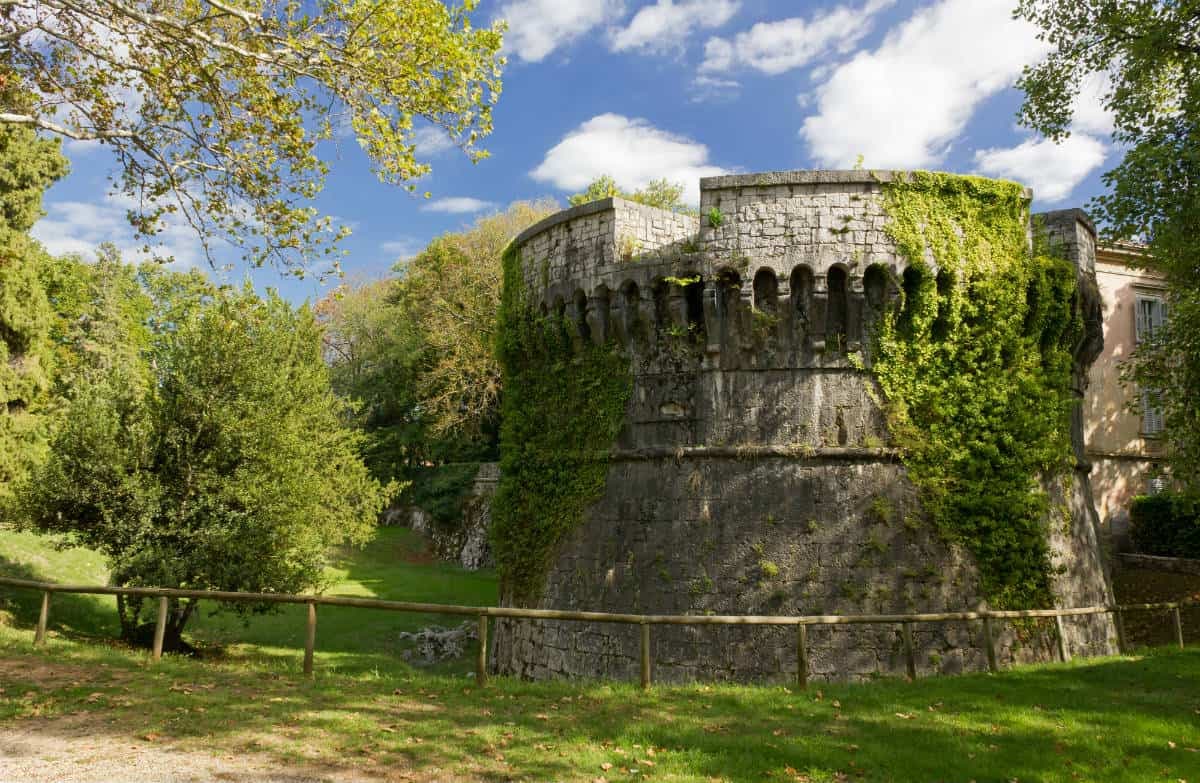
Gradisca d'Isonzo
Province: Gorizia
A 1479 Venetian bastion on the right bank of the Isonzo, with seven towers, twenty-meter walls, and a Habsburg court inside.
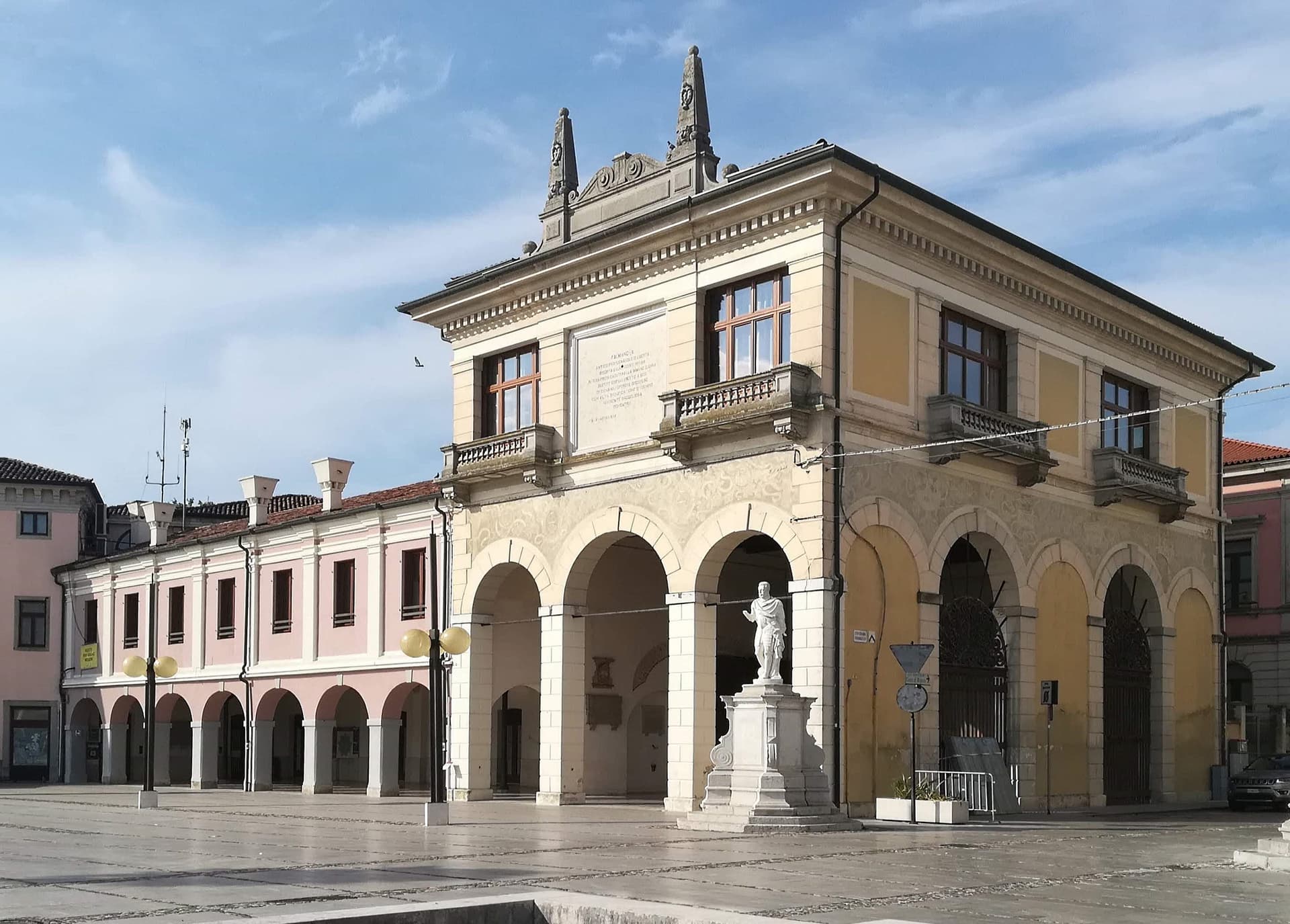
Palmanova
Province: Udine
A nine-pointed Venetian star fortress founded 7 October 1593, designed as a perfect Renaissance city and finished, in three phases, under Napoleon in 1813.
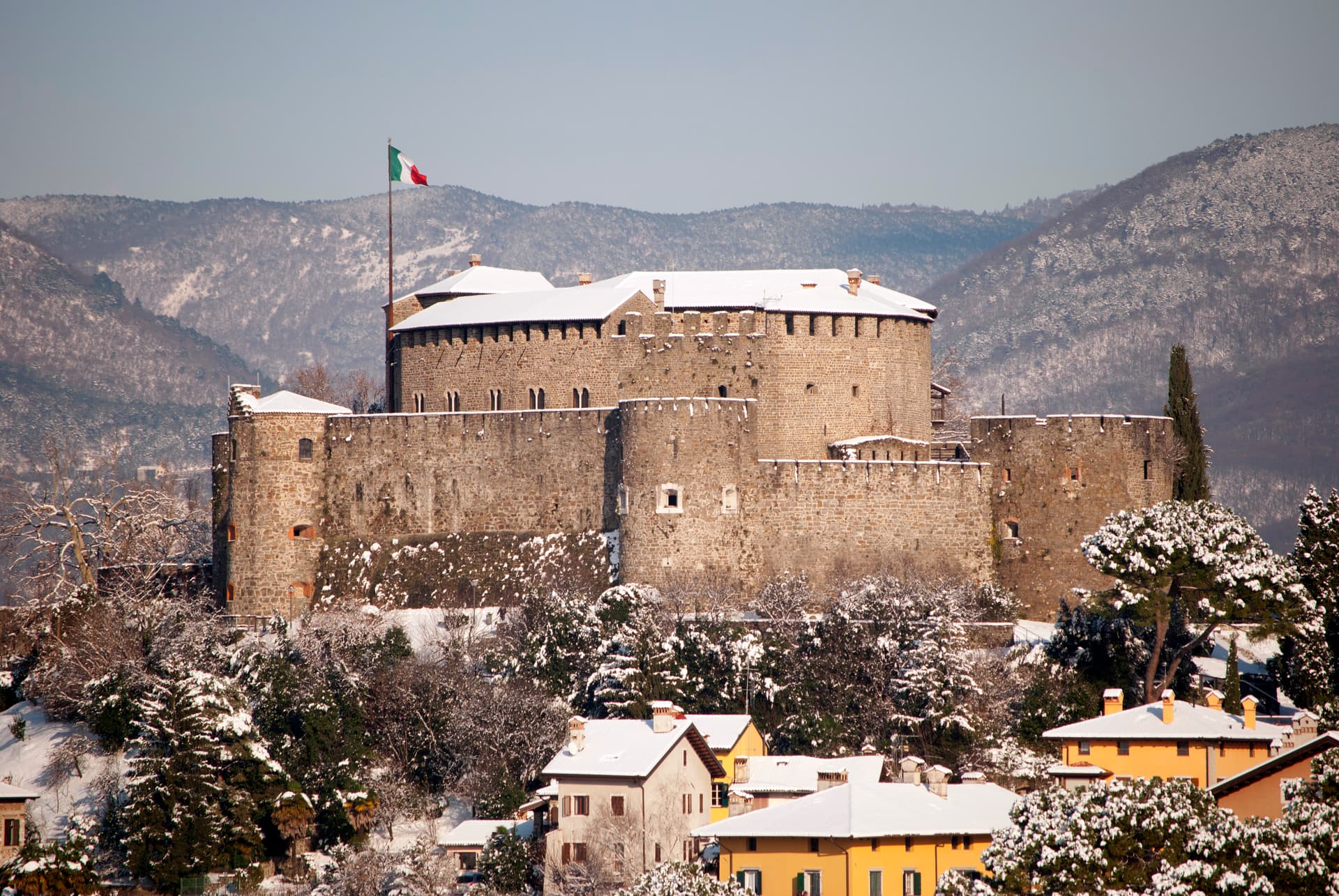
Gorizia
Province: Gorizia
Border city below the Julian Alps, divided from Nova Gorica by a 1947 wall and rejoined as European Capital of Culture 2025.
🎨 Borghi più belli d'Italia
More Borghi più belli d'Italia towns in Friuli-Venezia Giulia
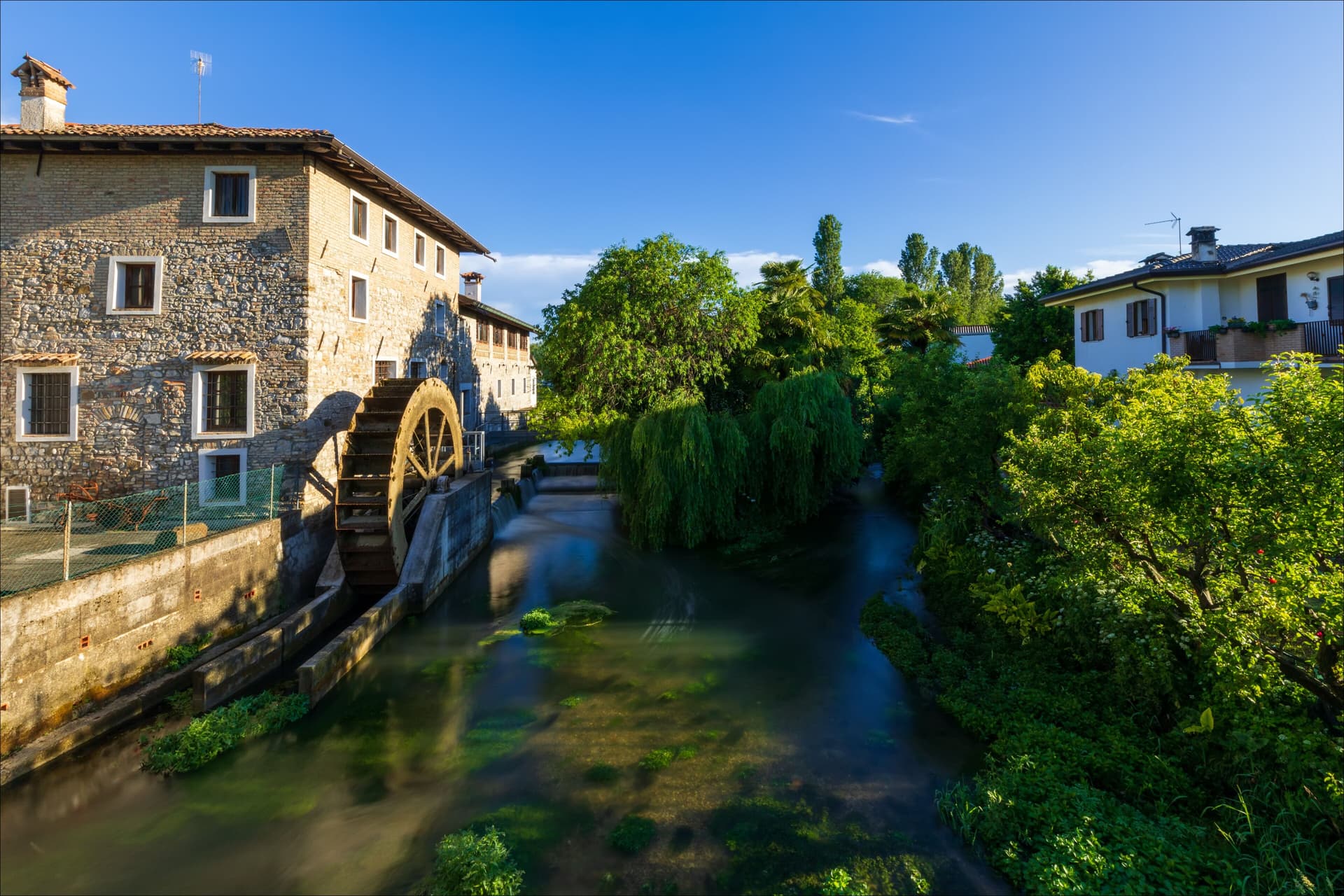
Cervignano del Friuli
Province: Udine
The capital of Bassa Friulana on the Ausa river, an inland river port for Aquileia in 181 BC and a railway junction since 1860.
Cordovado
Province: Pordenone
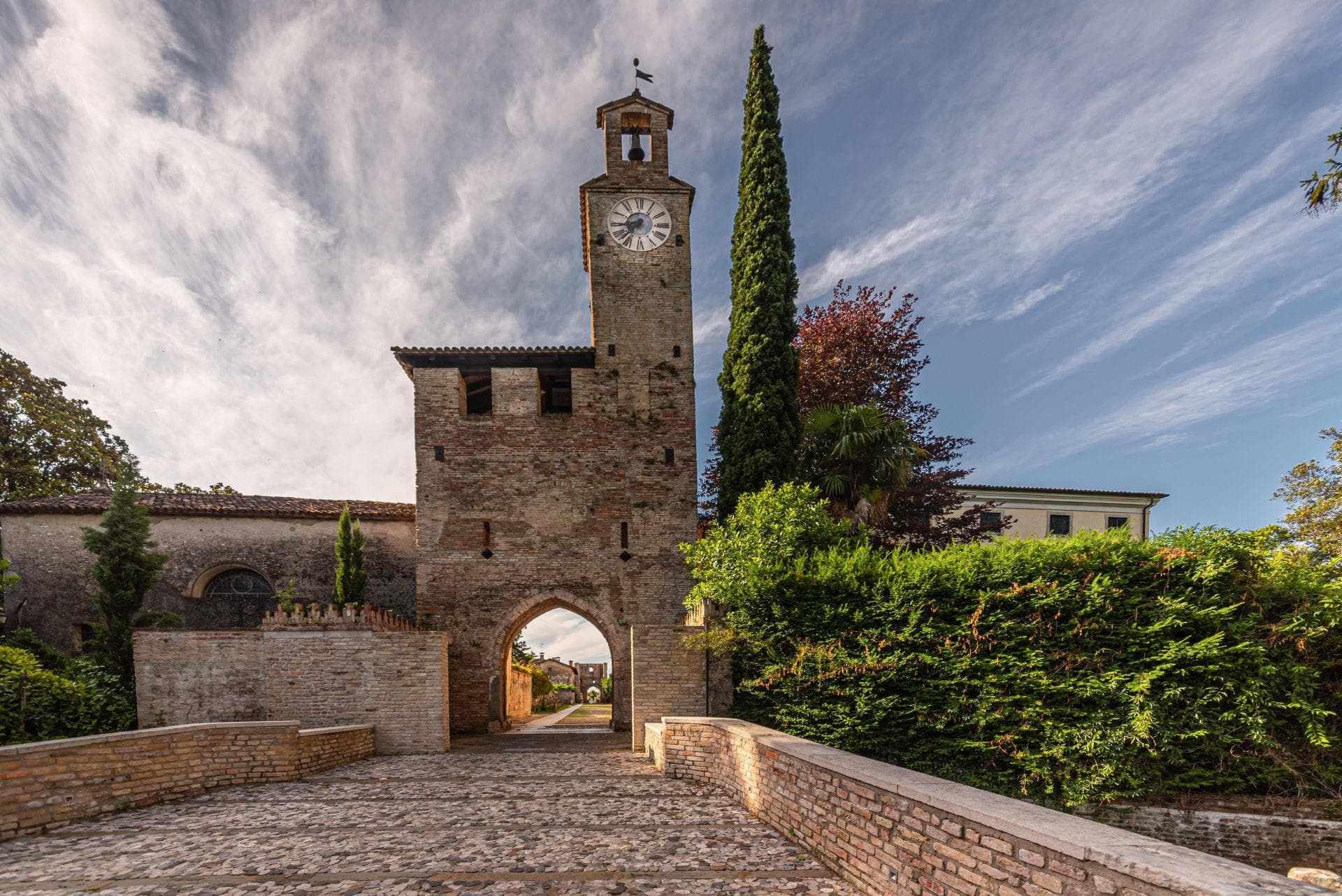
A 15-meter Friulian village in the Pordenone plain, fortified by the bishops of Concordia as their summer seat and described in Ippolito Nievo's Confessions.
Fagagna
Province: Udine
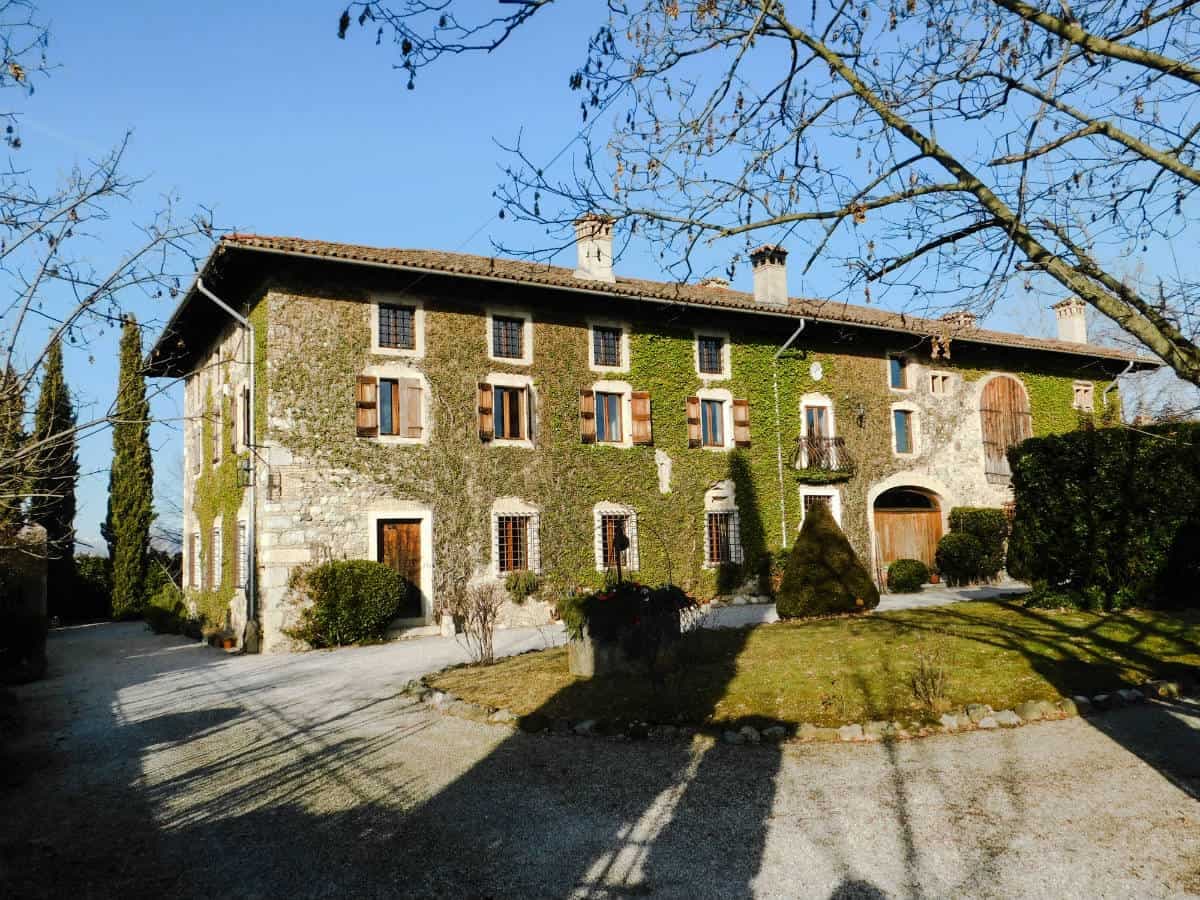
A 177-meter Friulian hill town northwest of Udine, fortified by Otto II in 983 and racing donkeys in the piazza since 1891.
Frisanco
Province: Pordenone
A 572-resident commune in the Val Colvera whose frazione Poffabro, at 525 meters, became a model of Prealpine stone-and-wood vernacular architecture.