

Friuli-Venezia Giulia · Udine
Udine
The historic capital of Friuli, built around a man-made castle hill, the second home of the painter Giambattista Tiepolo.
Known for
TIEPOLO
Udine treated as his second home; the Galleria del Tiepolo in the Palazzo Patriarcale holds the frescoes that mark his transition into mature Rococo.
PATRIARCATO
Capital of the Patria del Friuli from the twelfth century until Venice took the city in 1420, the political center of medieval Friuli.
FRICO
The Friulian potato and Montasio cheese tortino, the cooked-cheese dish that anchors Udine restaurant menus from the bakeries to the historic trattorie.
When to visit
Best · Apr–Jun, Sep–Oct
- J
- F
- M
- A
- M
- J
- J
- A
- S
- O
- N
- D
- Best
- Hot or crowded
- Quiet
- Mostly closed
The festa: Ermagora e Fortunato, 12 July
Why come
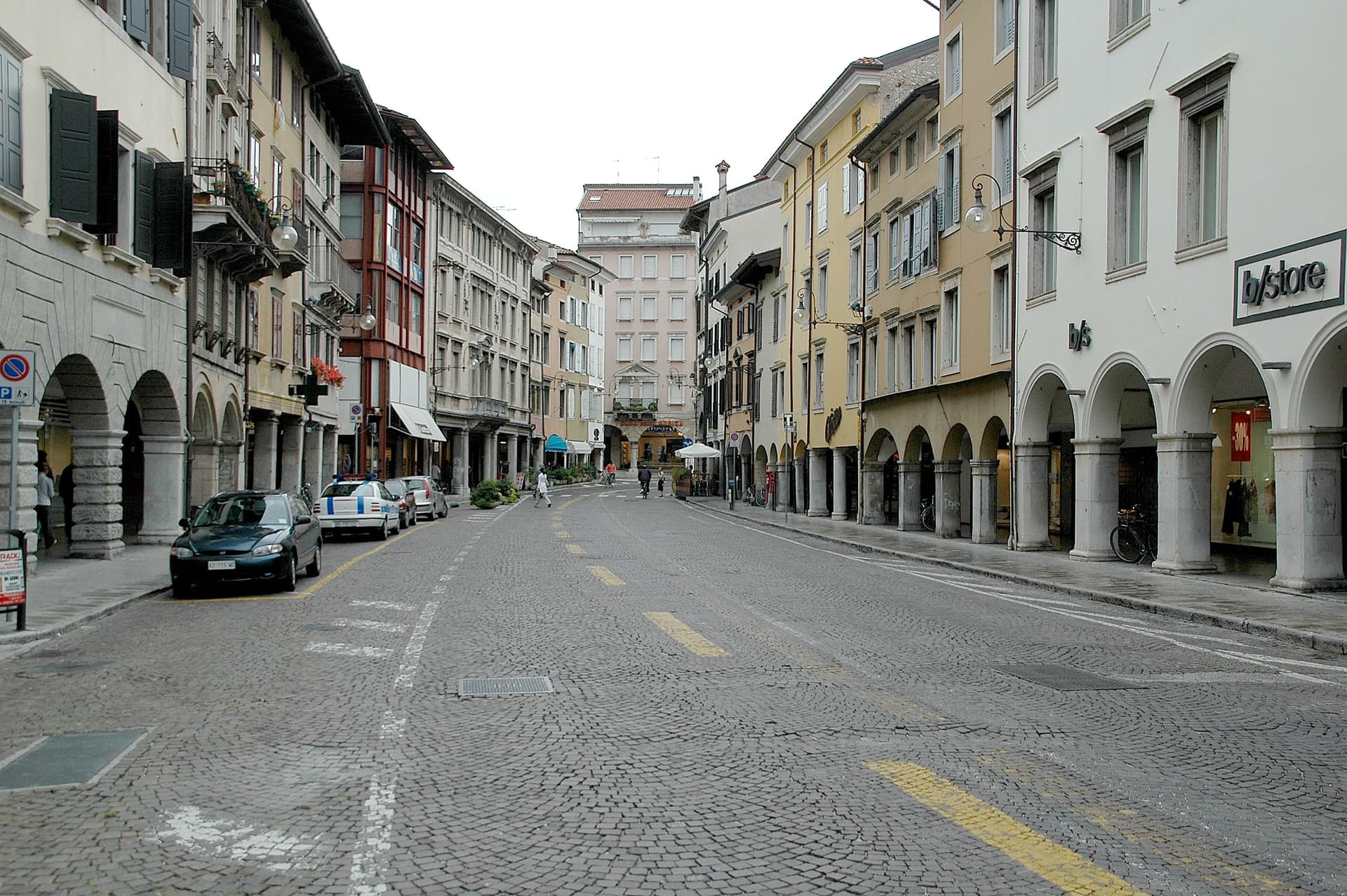
Udine sits in the center of the Friulian plain, on a single man-made hill legend assigns to Attila's army. The city is documented from 983, when Emperor Otto II donated the castle to the Patriarchs of Aquileia; by the twelfth century the patriarchs had moved their residence here, and for four hundred years Udine was the capital of the Patria del Friuli. Venice took it in 1420 and ran it until 1797.
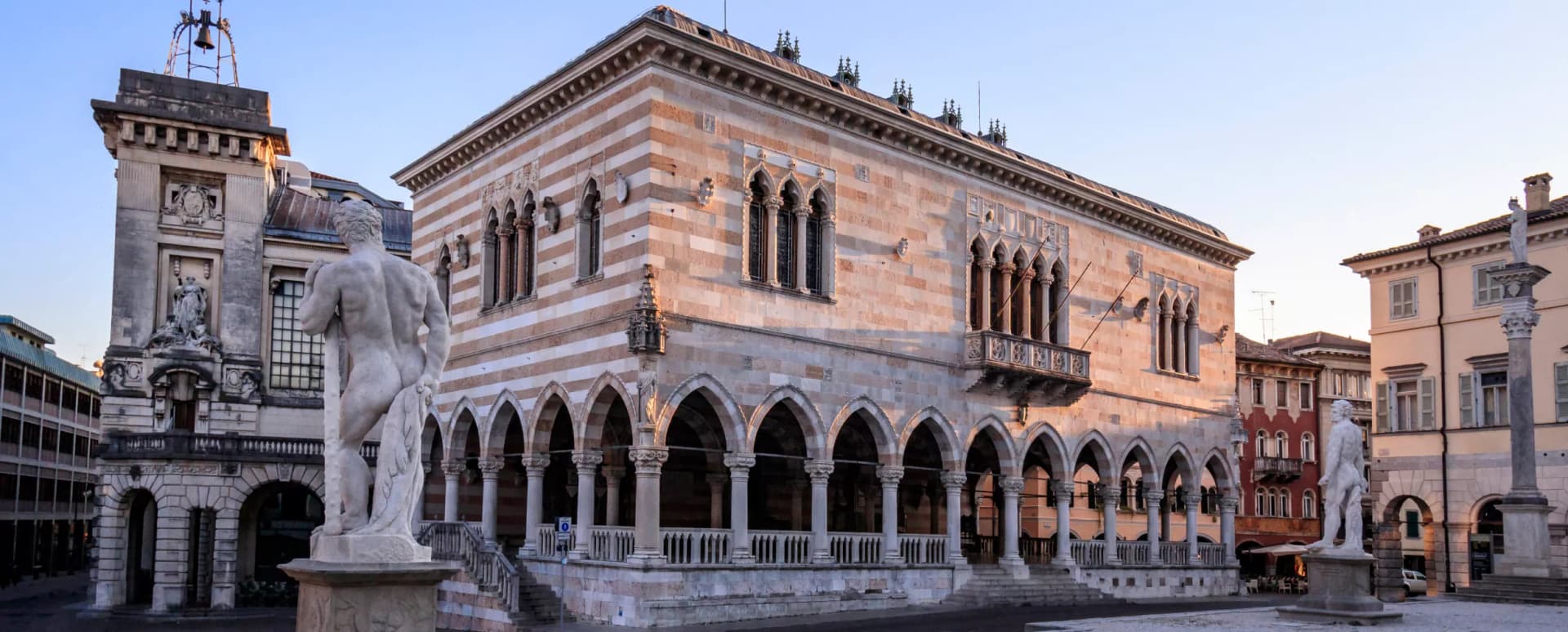
Piazza della Libertà, often called the most beautiful Venetian square on the mainland, holds the Loggia del Lionello, the Porticato di San Giovanni, and the clock tower with two bronze Mori. The Castello, rebuilt in 1517 after the earthquake, sits above on the hill. The Galleria del Tiepolo in the Palazzo Patriarcale and the Oratorio della Purità hold the frescoes of Giambattista Tiepolo, who treated Udine as his second home. From May 1915 to October 1917 the city was the seat of the Italian High Command and was nicknamed Capitale della Guerra.
The Sunday letter
We haven’t written Udine’s letter yet.
One town every Sunday, with the photo, the food, the festa. Be there when this one comes up. Free, by Peter & Sophia from Pietrasanta.
By subscribing you agree to Substack’s Terms of Use, our Privacy Policy and our Information collection notice.
What to see
Piazza della Libertà
Often described as the most beautiful Venetian square on the mainland, framed by the Loggia del Lionello (1448), Porticato di San Giovanni, and clock tower with bronze Mori.
Castello di Udine
Sixteenth-century castle rebuilt after the 1511 earthquake on a man-made hill, former seat of the Patriarchs of Aquileia and Venetian governors, now civic museums.
Galleria del Tiepolo (Palazzo Patriarcale)
Eighteenth-century frescoes by Giambattista Tiepolo for the Patriarch Dionisio Dolfin, considered the painter's transition into mature Rococo.
Duomo di Santa Maria Annunziata
Fourteenth-century cathedral with Tiepolo frescoes and altarpieces, the principal religious building of the patriarchal seat.
Oratorio della Purità
Small eighteenth-century oratory next to the Duomo decorated entirely by Tiepolo father and son, including the ceiling Assumption.
Piazza Matteotti
The old market square, called Piazza San Giacomo locally, with the Chiesa di San Giacomo at its head and a Renaissance well at its center.
The slow-trip planner
Building a trip? Find where Udine fits in a slow Italy circuit.
Answer five questions. We will shape a geographically coherent slow trip from the 1,000 Italian towns most travelers skip. Yours to save and share.
We recommend
Where to eat and stay
Not our picks, but places the guides put their name to — a Michelin star, a Gambero Rosso fork, a Slow Food snail, a Michelin Key for the hotels. Worth a table, a counter, or a night when you pass through.
Agli AmiciRistorante
Agli Amici has two Michelin stars, three Gambero Rosso forks (93/100) and a place in L'Espresso's Top 300, among other nods.
Vitello d'OroRistorante
Vitello d'Oro carries one Gambero Rosso fork (78/100), plus a spot in the Michelin Guide.
1905 dell'Hotel Là di MoretRistorante
1905 dell'Hotel Là di Moret holds two Gambero Rosso forks (82/100).
FredWine Bar
Fred has two Gambero Rosso bottles to its name.
Hostaria alla TavernettaRistorante
Hostaria alla Tavernetta holds a spot in the Michelin Guide.
Osteria Aquila NeraTrattoria
A Gambero Rosso listing, at Osteria Aquila Nera.
Trattoria Alla VedovaRistorante
Trattoria Alla Vedova has a place on Italy's historic-locali register to its name.
Living here
- Population 97,808
- A local hubi
- Pharmacy in town
- High school within a 30-minute drive
- Train station in the comune
- Nearest airport Venice, 1 h 33 min drive
- Regional capital Trieste, 1 h 4 min drive
Tags & datadesignations · numbers · sources
The numbers
- Elevation: 113 m
- Population: 97,808
- Surface area: 57.17 km²
These figures were compiled from public directories — ISTAT, OpenStreetMap, Wikidata — and from the official listings of the guides named on this page. Town details change; verify with official sources before you travel.
Close by
More towns near Udine
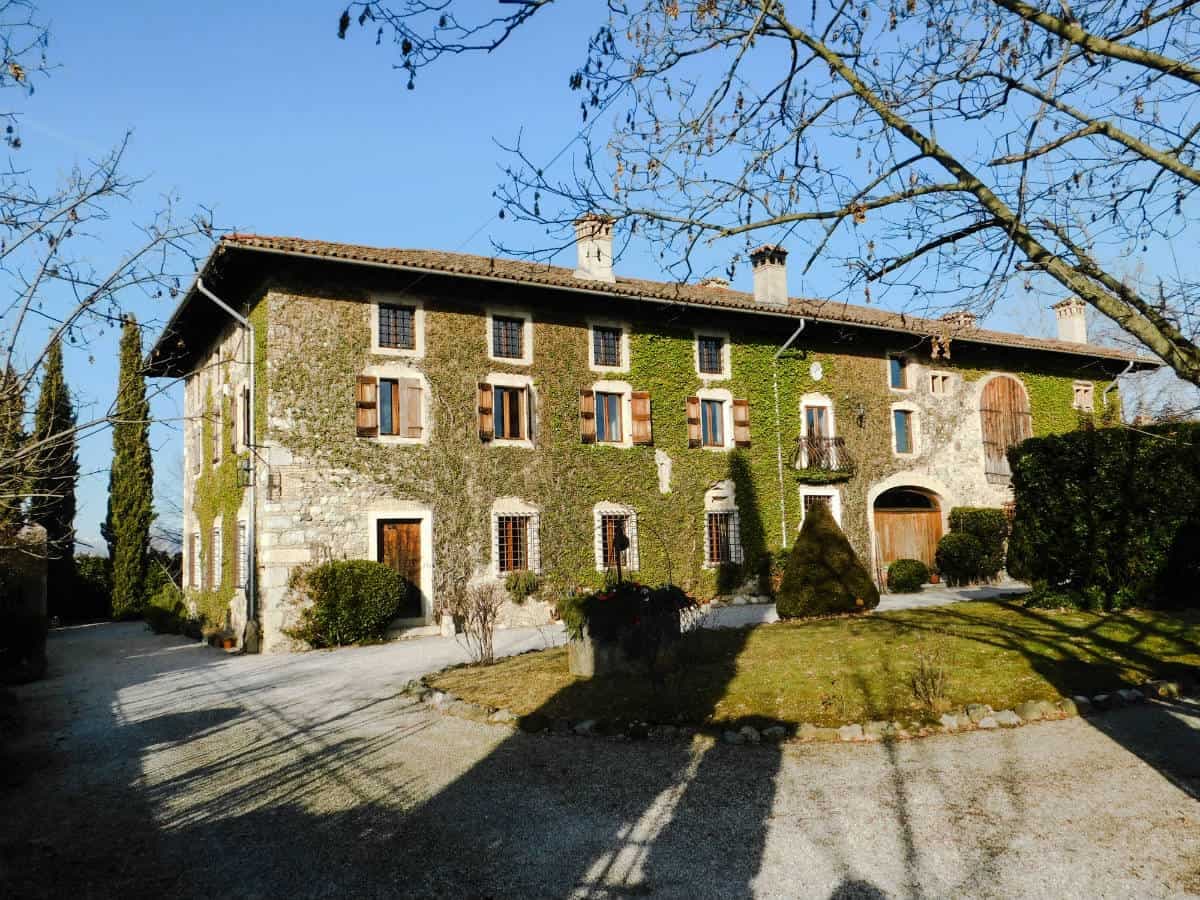
Fagagna
Province: Udine
A 177-meter Friulian hill town northwest of Udine, fortified by Otto II in 983 and racing donkeys in the piazza since 1891.
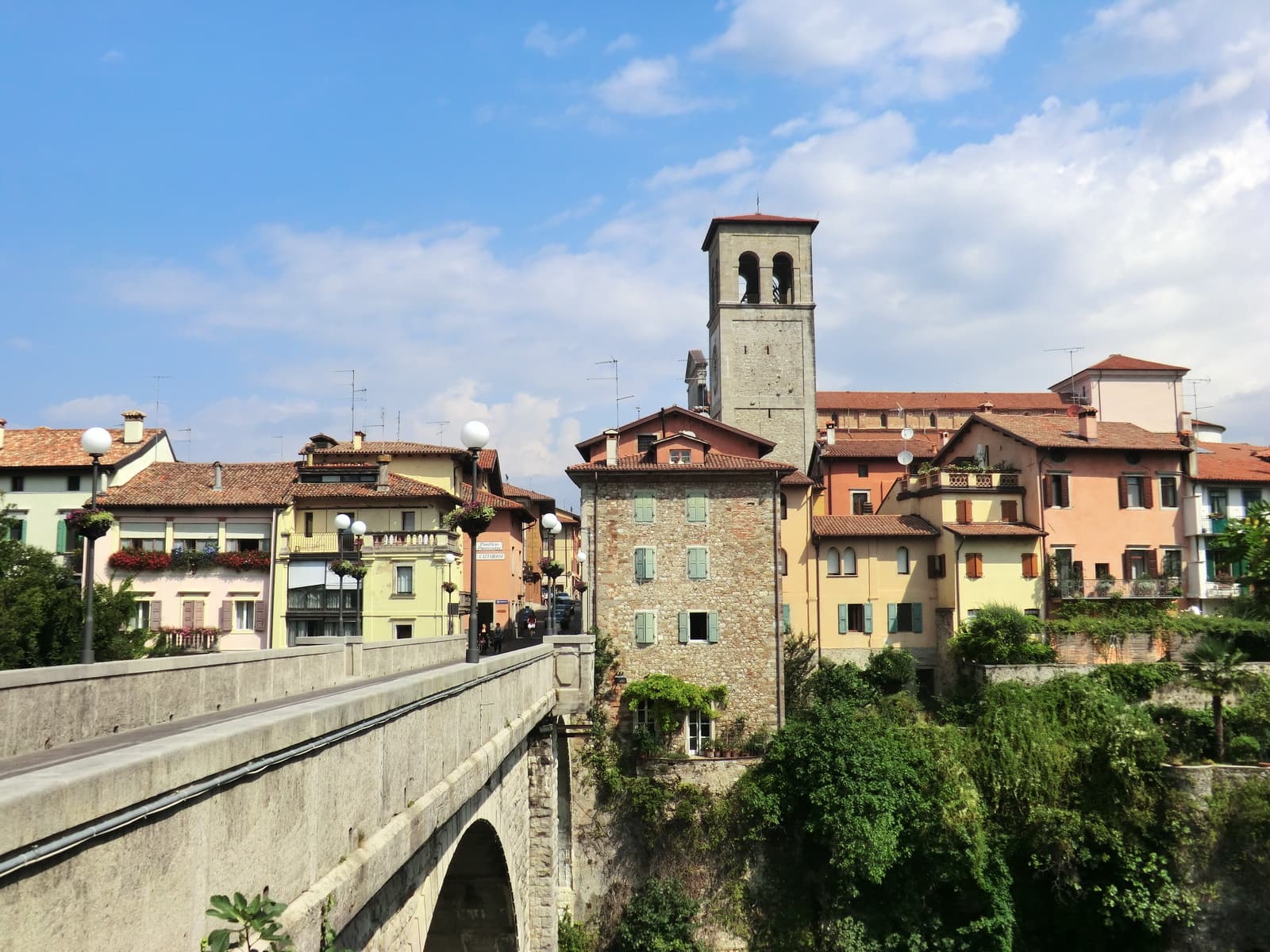
Cividale del Friuli
Province: Udine
The Lombard capital on the Natisone, founded as Forum Iulii by Julius Caesar, where an eighth-century chapel still holds six stucco saints.
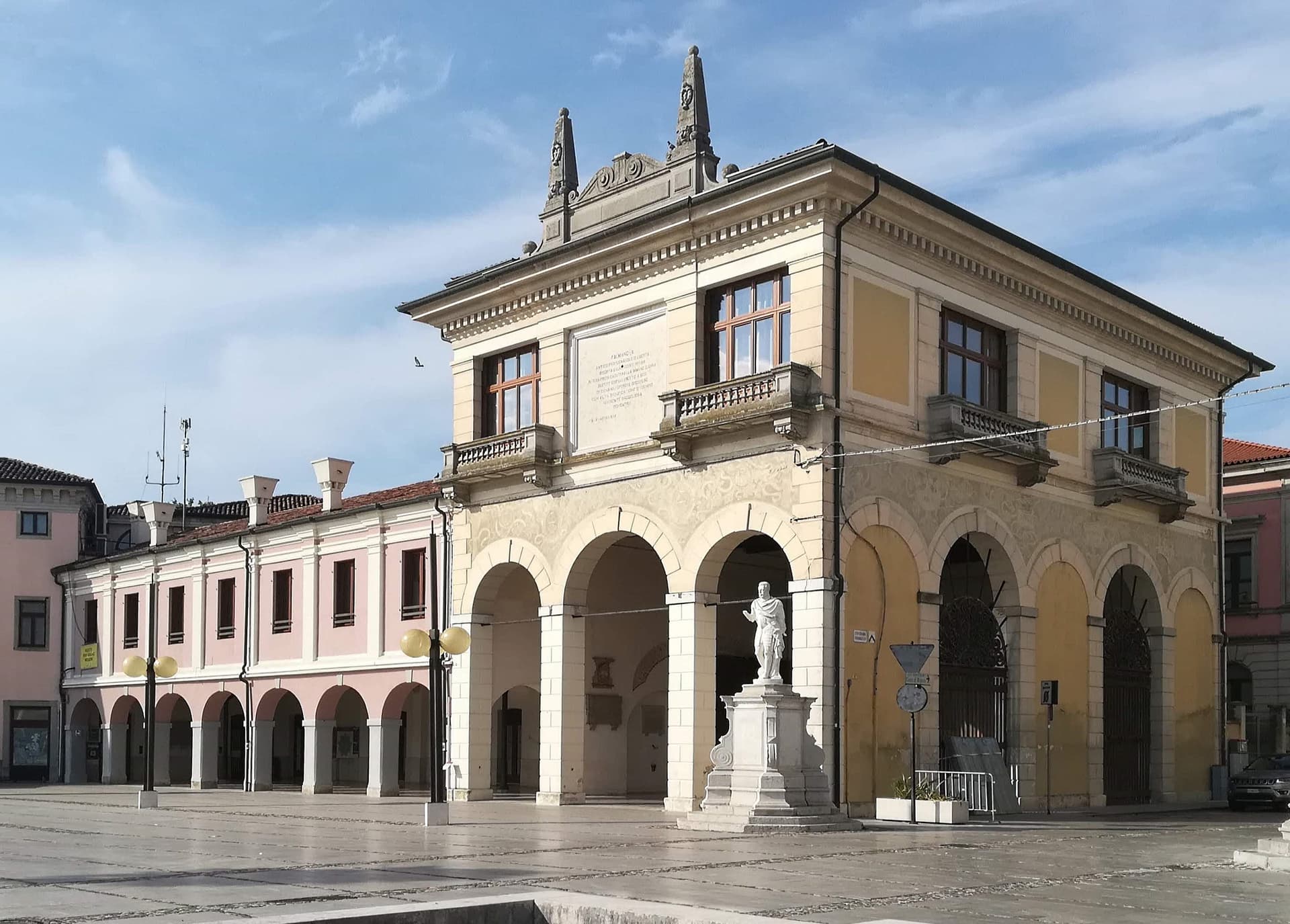
Palmanova
Province: Udine
A nine-pointed Venetian star fortress founded 7 October 1593, designed as a perfect Renaissance city and finished, in three phases, under Napoleon in 1813.
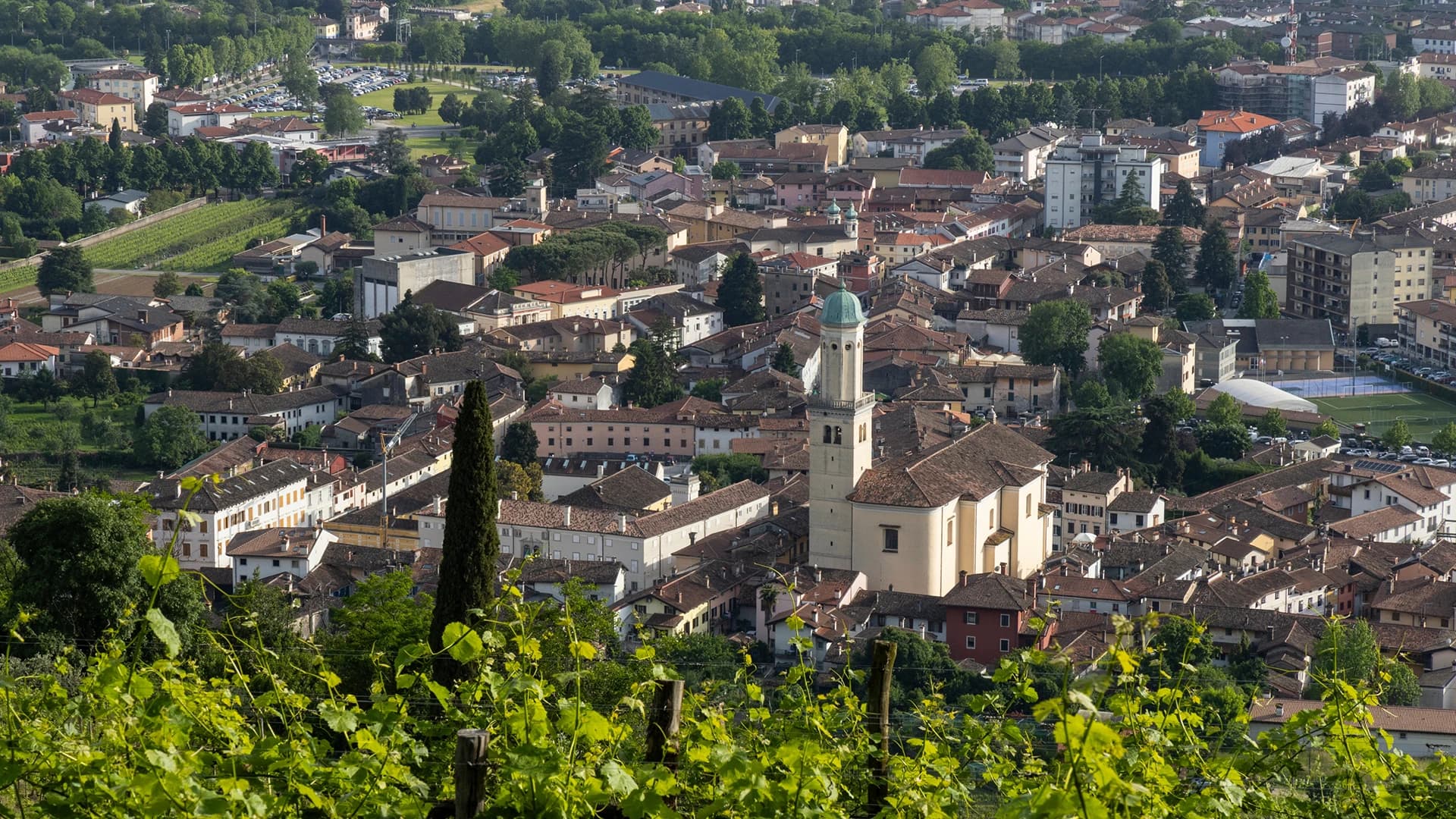
Cormons
Province: Gorizia
The capital of the Collio wine zone at the foot of the Friulian-Slovenian hills, with a statue of Emperor Maximilian I on its main square.
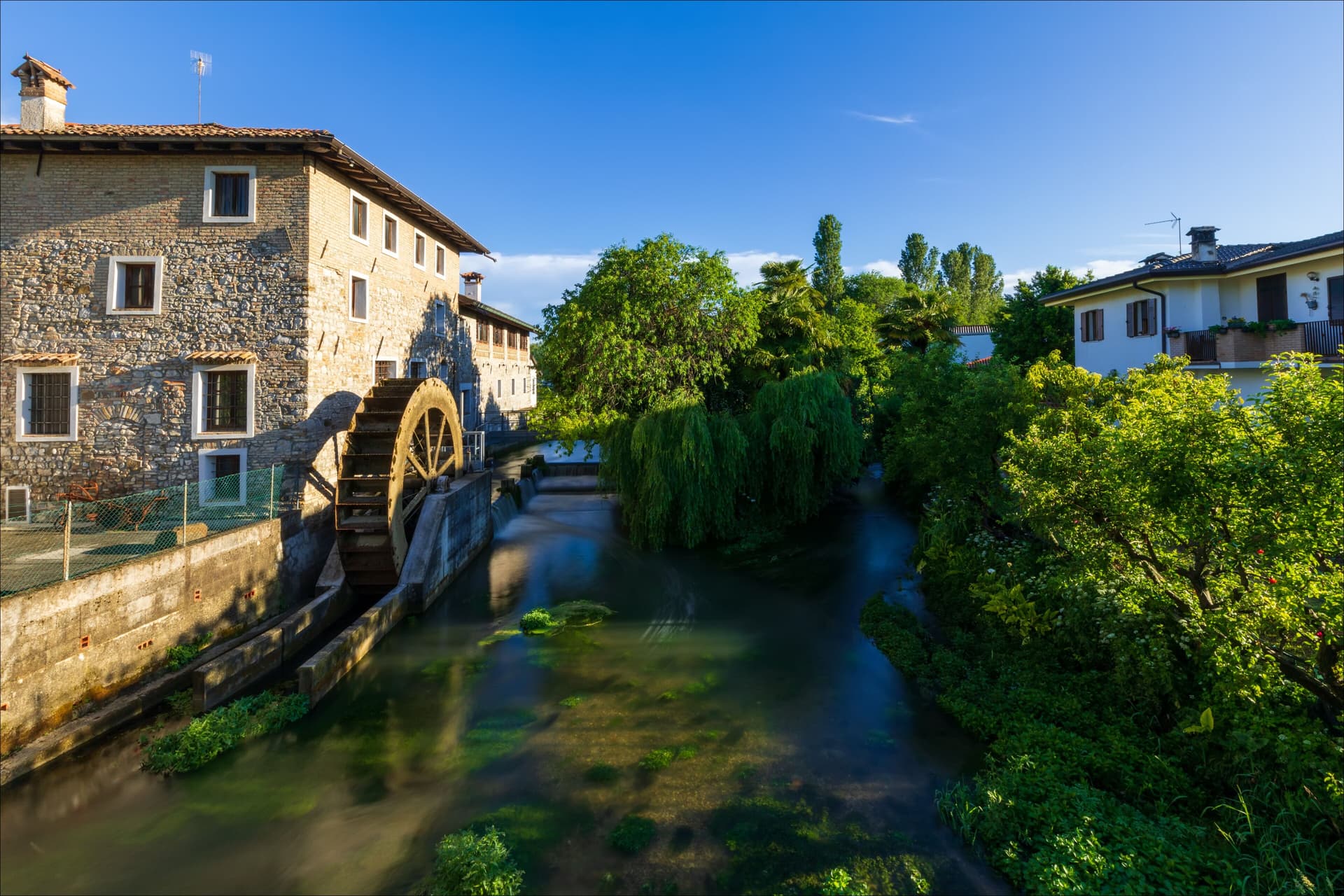
Cervignano del Friuli
Province: Udine
The capital of Bassa Friulana on the Ausa river, an inland river port for Aquileia in 181 BC and a railway junction since 1860.