

Friuli-Venezia Giulia · Pordenone
Cordovado
A 15-meter Friulian village in the Pordenone plain, fortified by the bishops of Concordia as their summer seat and described in Ippolito Nievo's Confessions.
Known for
BISHOPS OF CONCORDIA
Fortified by the bishops in the 11th-12th century as their plain castle and summer residence, seat of civil and ecclesiastical power.
NIEVO AND PASOLINI
Setting for parts of Ippolito Nievo's Confessions of an Italian; Pier Paolo Pasolini later wrote about the borgo and its fields.
TWENTY-THREE FOUNTAINS
Public spring-fed fountains run across the territory, a legacy of the karst water table just beneath the plain.
When to visit
Best · Apr–Jun, Sep–Oct
- J
- F
- M
- A
- M
- J
- J
- A
- S
- O
- N
- D
- Best
- Hot or crowded
- Quiet
- Mostly closed
The festa: Andrea, 30 November
Why come
Cordovado lies in the alluvial plain southeast of Pordenone, twenty kilometers from the sea. The name comes from Curtis de Vado, the agricultural court built near a ford on a now-vanished branch of the Tagliamento. The bishops of Concordia, who also held the title of marquises of Cordovado, fortified the court in the eleventh and twelfth centuries and made it their plain castle and summer residence, the seat of civil, military, and ecclesiastical power.
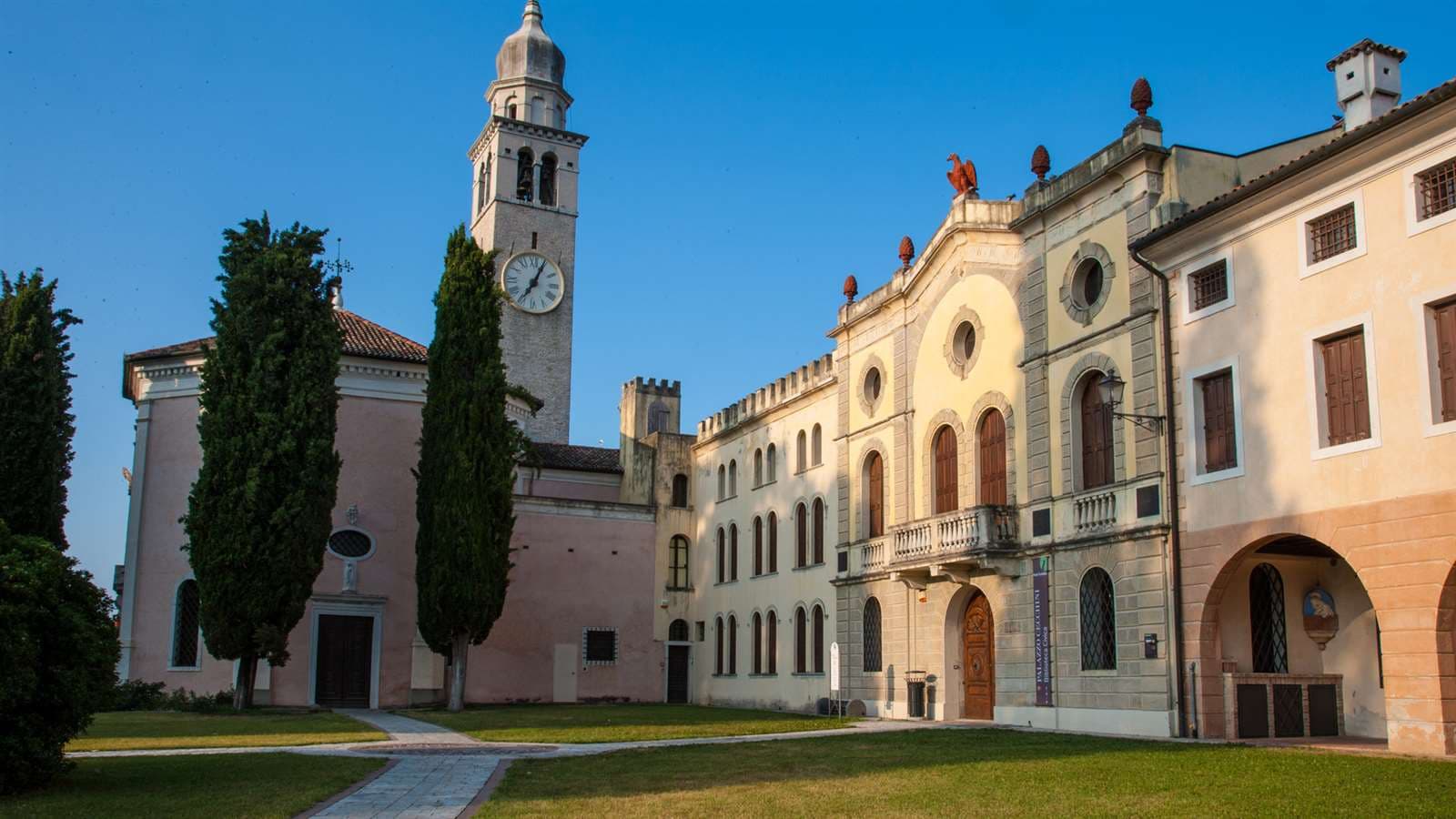
The medieval walls and two gate towers still ring the borgo. The castle inside was last fully described in 1856, before being partly demolished. The Santuario della Madonna delle Grazie, built in 1603 on the site of a 1592 Marian apparition, has an octagonal plan and a carved gilded ceiling by Cataldo Ferrara from 1656.
Ippolito Nievo set parts of Confessions of an Italian here in the 1850s; Pier Paolo Pasolini later wrote about the village. Twenty-three public fountains run on spring water across the territory.
The Sunday letter
We haven’t written Cordovado’s letter yet.
One town every Sunday, with the photo, the food, the festa. Be there when this one comes up. Free, by Peter & Sophia from Pietrasanta.
By subscribing you agree to Substack’s Terms of Use, our Privacy Policy and our Information collection notice.
What to see
Castello di Cordovado
Medieval castle of the bishops of Concordia inside the walled borgo, with two surviving gate towers and a residential courtyard.
Santuario della Madonna delle Grazie
Baroque sanctuary built in 1603 with an octagonal plan and a carved gilded ceiling by Cataldo Ferrara from 1656-1658.
Borgo medievale
Walled medieval nucleus with two gate towers, civic houses, and the bishops' residential complex inside the original perimeter.
Duomo di Sant'Andrea Apostolo
Ancient parish church dating back to the fifteenth century, with later additions and Baroque interventions.
Parco letterario Ippolito Nievo
Literary park tracing the locations Nievo used in Confessions of an Italian, written partly during his stays in Cordovado.
The slow-trip planner
Building a trip? Find where Cordovado fits in a slow Italy circuit.
Answer five questions. We will shape a geographically coherent slow trip from the 1,000 Italian towns most travelers skip. Yours to save and share.
Living here
- Population 2,733
- Commuter belti
- Pharmacy in town
- High school within a 30-minute drive
- Nearest airport Venice, 1 h 7 min drive
- Regional capital Trieste, 1 h 20 min drive
Tags & datadesignations · numbers · sources
Recognised as
The numbers
- Elevation: 15 m
- Population: 2,733
- Surface area: 12.02 km²
These figures were compiled from public directories — ISTAT, OpenStreetMap, Wikidata — and from the official listings of the guides named on this page. Town details change; verify with official sources before you travel.
Close by
More towns near Cordovado
Sesto al Reghena
Province: Pordenone
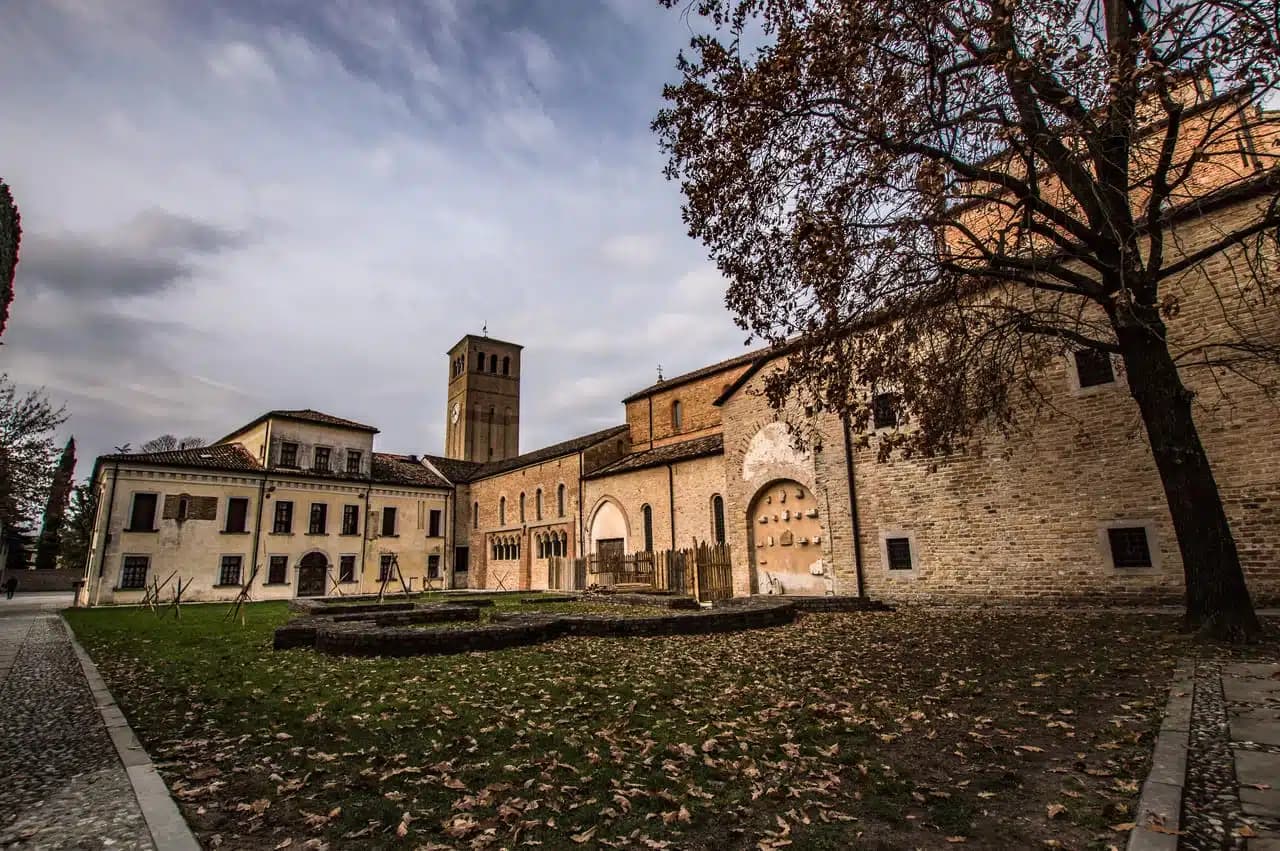
A 730s Benedictine abbey on the Reghena, ravaged by Magyars in 899, refortified in the tenth century, and still the town hall today.
San Vito al Tagliamento
Province: Pordenone
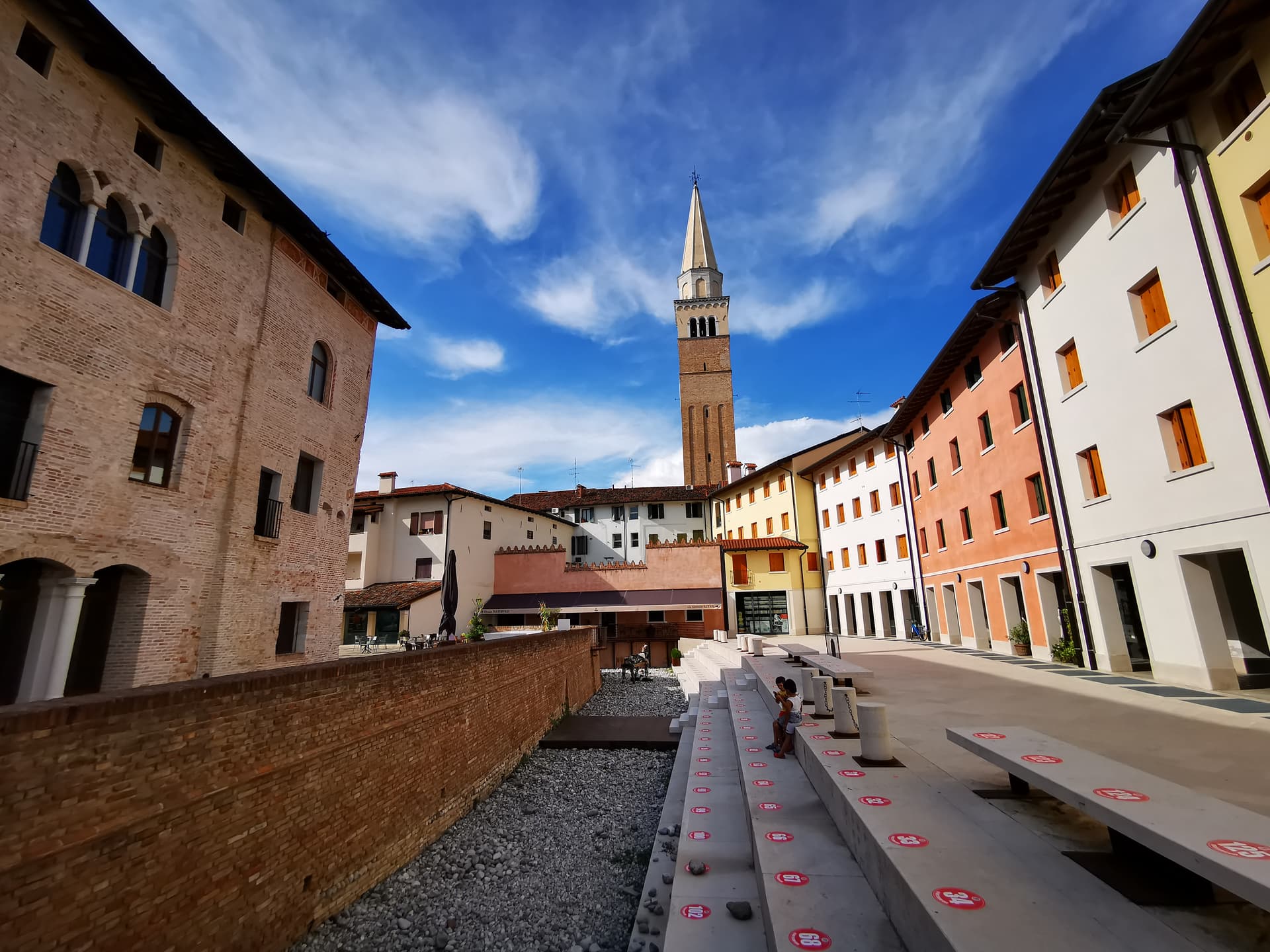
A medieval Tagliamento-plain town inside three rings of moats and three towers, where the Renaissance painter Pomponio Amalteo worked from 1536 until 1588.
Valvasone Arzene
Province: Pordenone
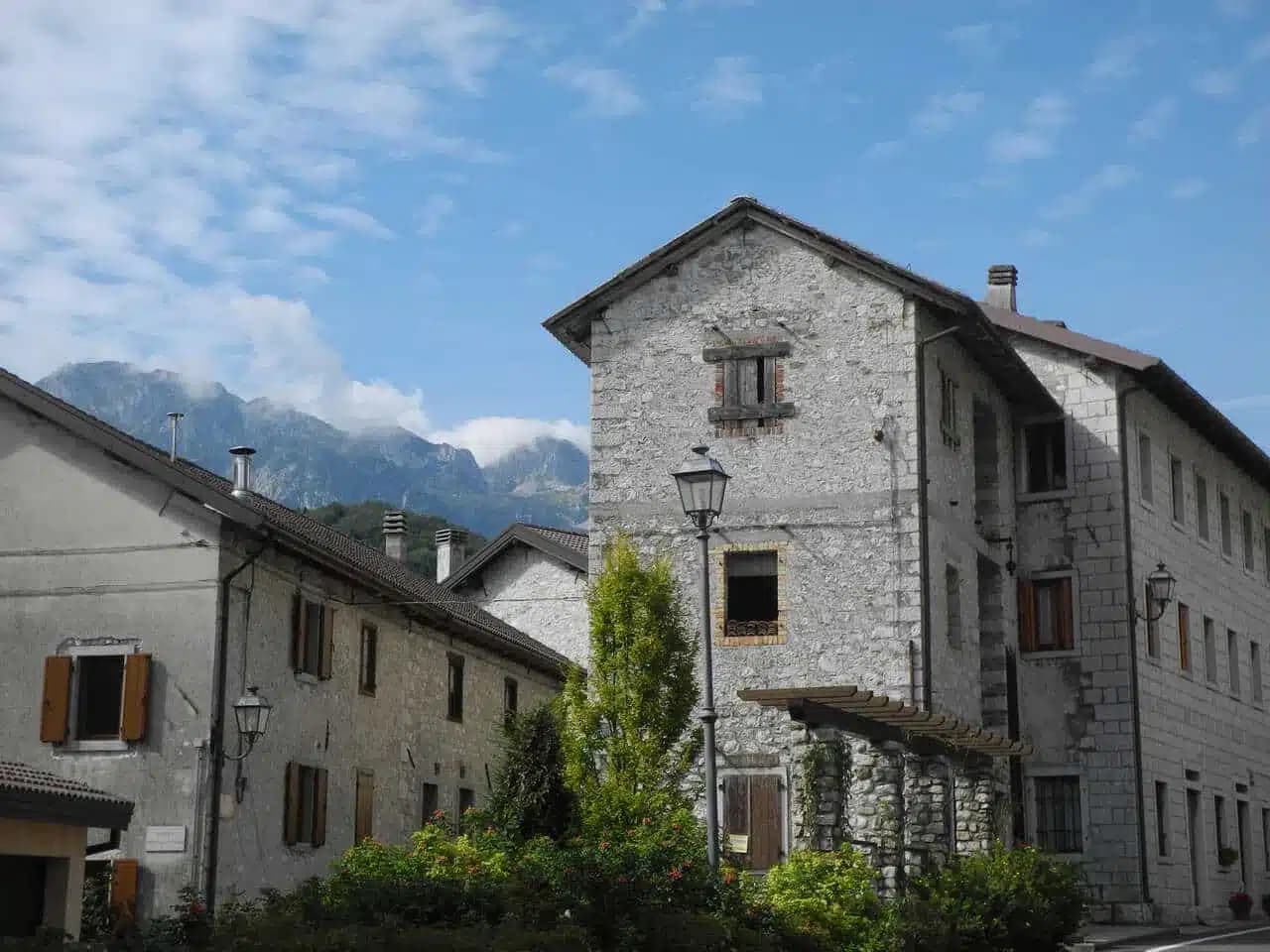
A medieval borgo at 57 meters on the Tagliamento's right bank, organized around a castle and a Duomo with a 1532 Italian-built organ.
Portobuffolè
Province: Treviso
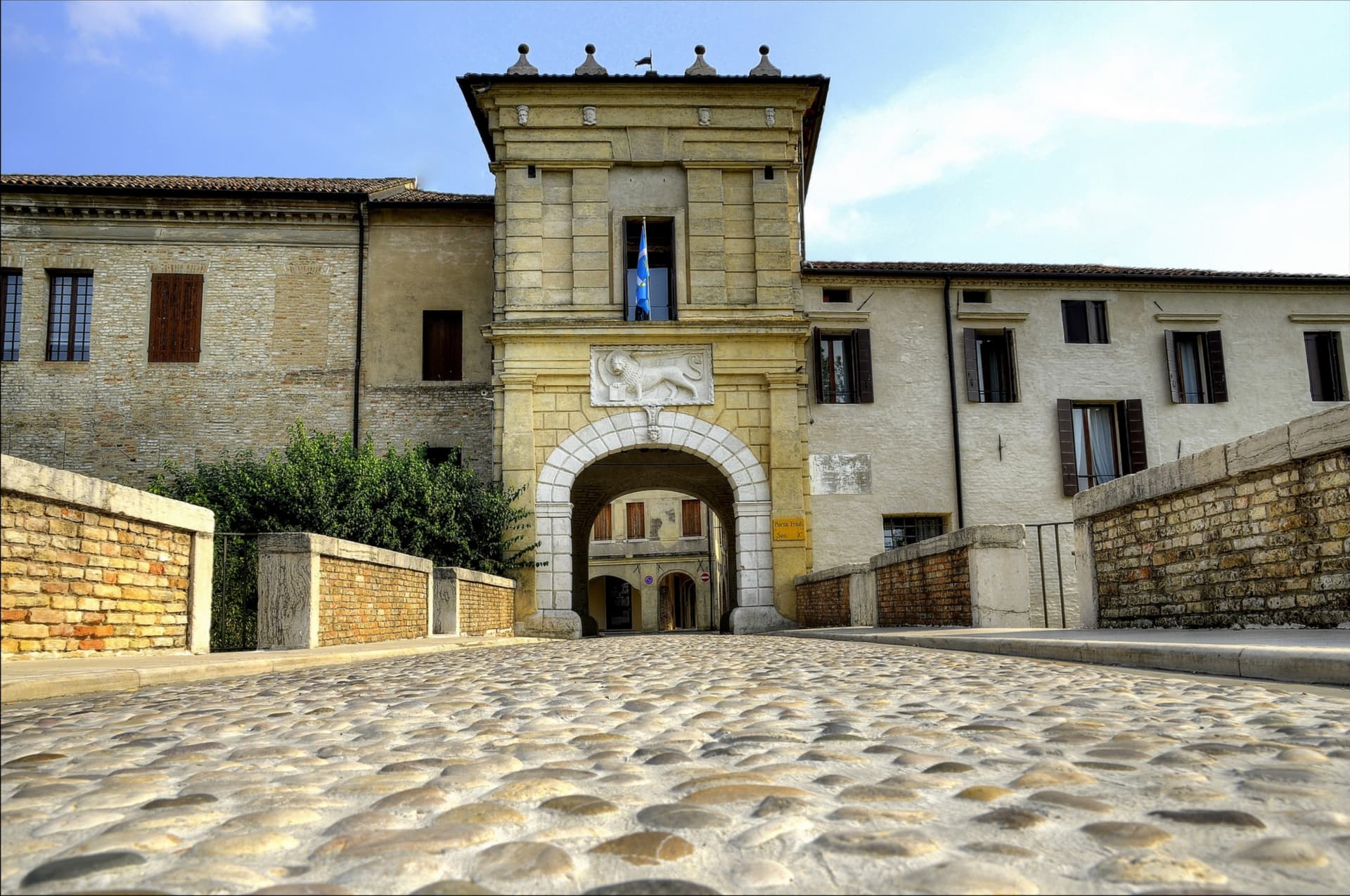
The smallest commune in the Treviso province, a Livenza river port centered on the fourteenth-century home of the poet Gaia da Camino.
Marano Lagunare
Province: Udine
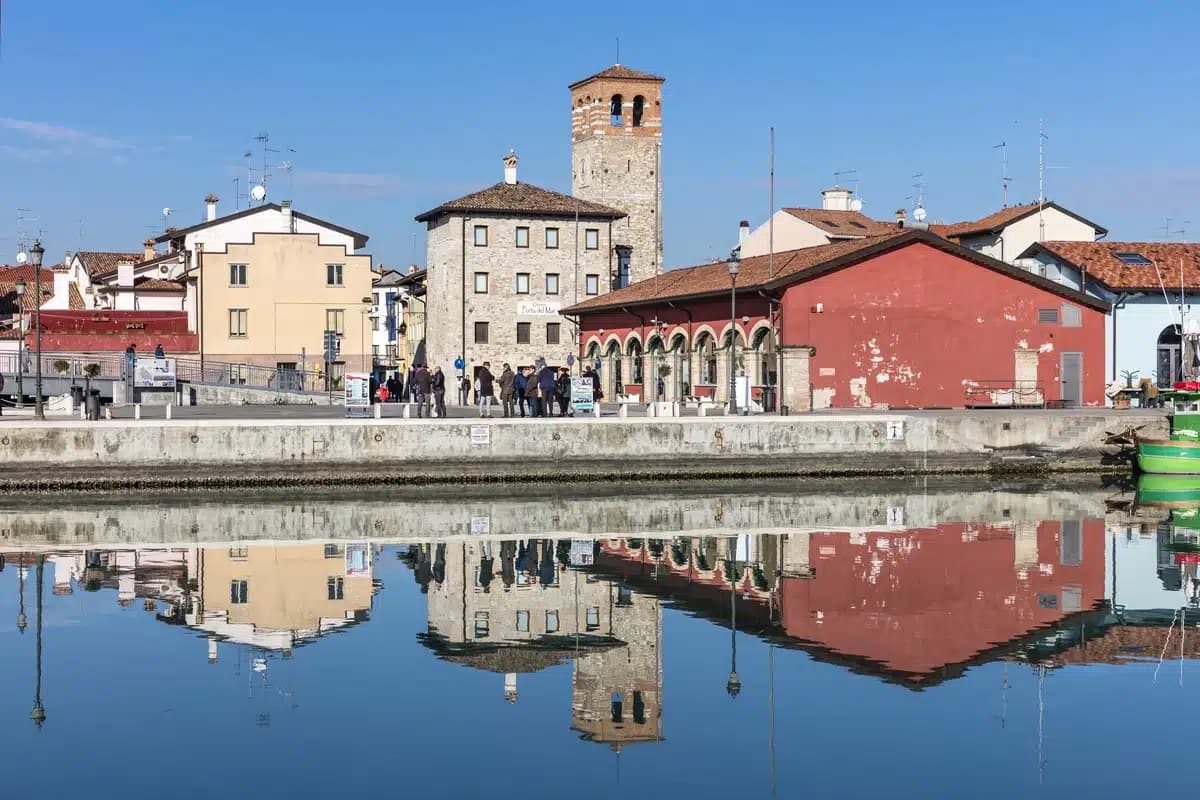
A fishing town on its own pastel-coloured harbour at the heart of the Laguna di Marano — the only Friulian commune set entirely inside the lagoon, with a working fleet, an Aquileian Venetian past, and a still-strict dialect of its own.
🎨 Borghi più belli d'Italia
More Borghi più belli d'Italia towns in Friuli-Venezia Giulia
Cervignano del Friuli
Province: Udine
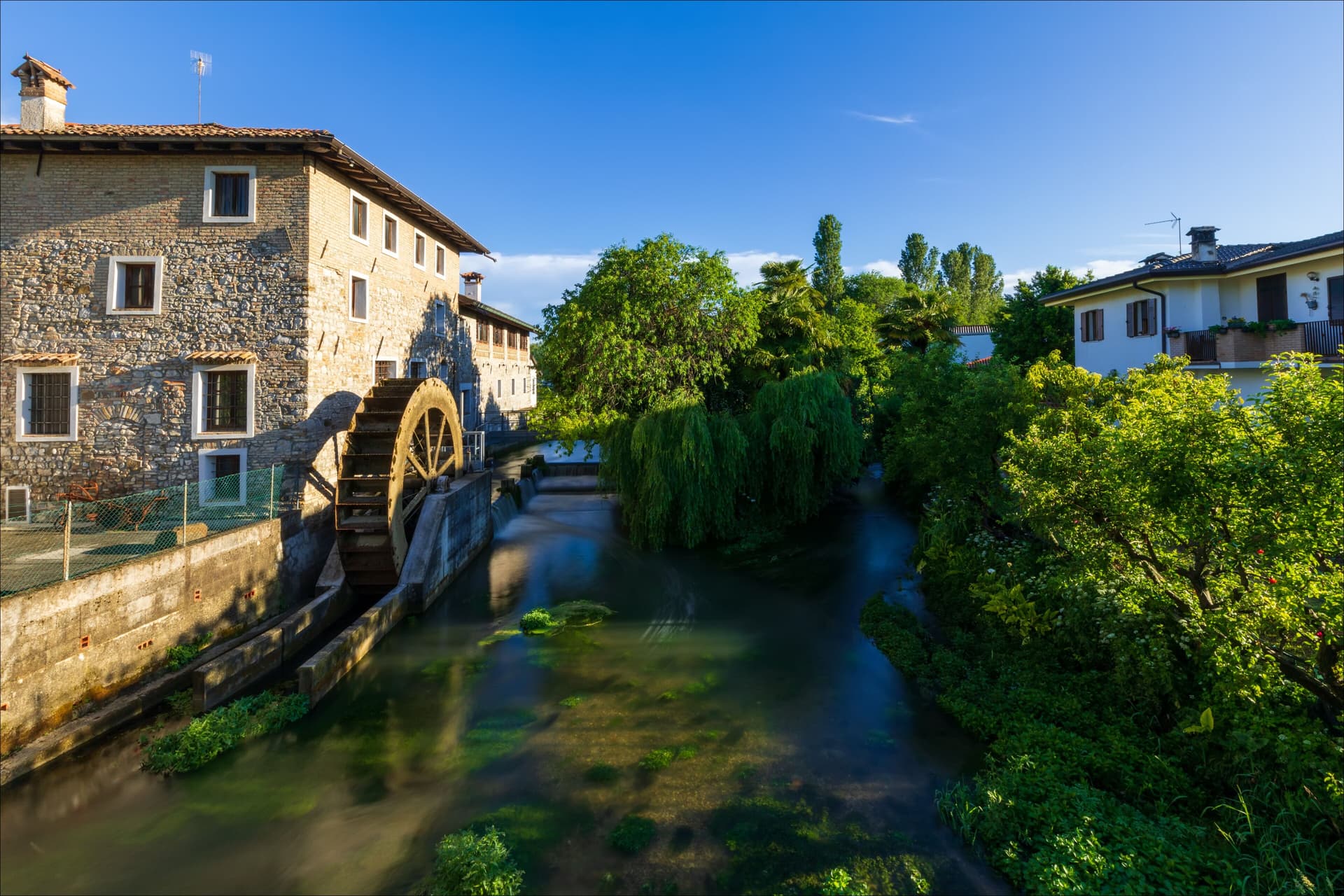
The capital of Bassa Friulana on the Ausa river, an inland river port for Aquileia in 181 BC and a railway junction since 1860.
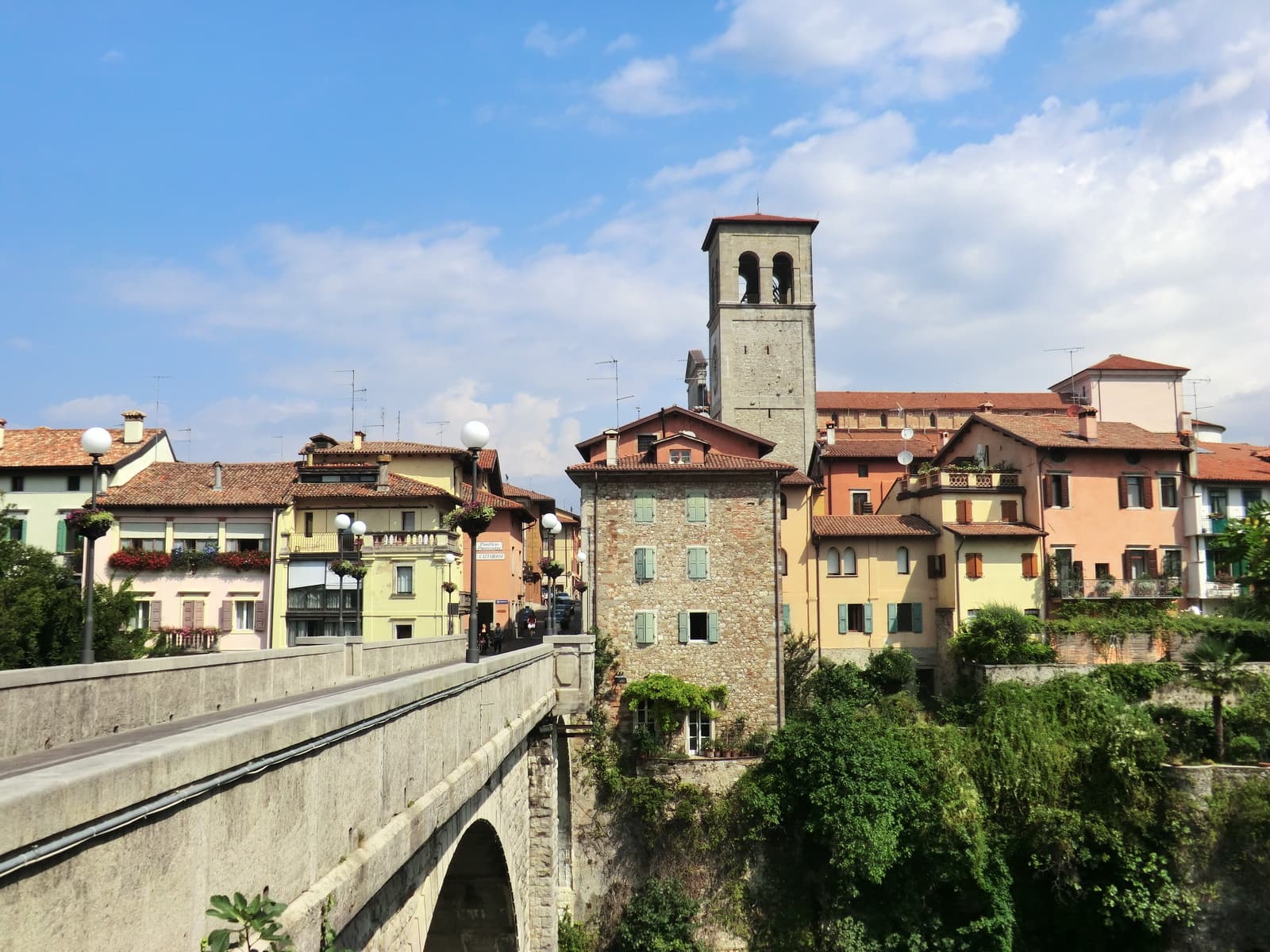
Cividale del Friuli
Province: Udine
The Lombard capital on the Natisone, founded as Forum Iulii by Julius Caesar, where an eighth-century chapel still holds six stucco saints.
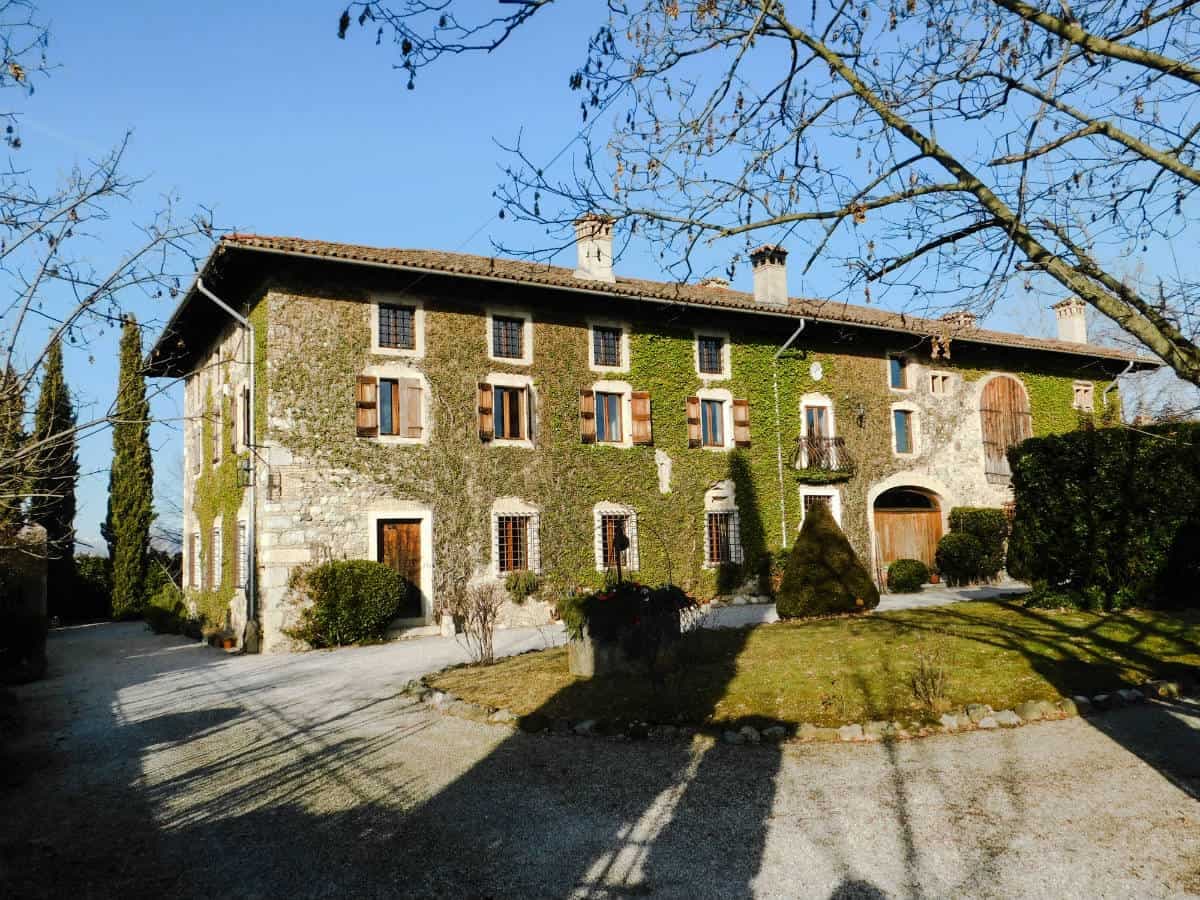
Fagagna
Province: Udine
A 177-meter Friulian hill town northwest of Udine, fortified by Otto II in 983 and racing donkeys in the piazza since 1891.
Frisanco
Province: Pordenone
A 572-resident commune in the Val Colvera whose frazione Poffabro, at 525 meters, became a model of Prealpine stone-and-wood vernacular architecture.
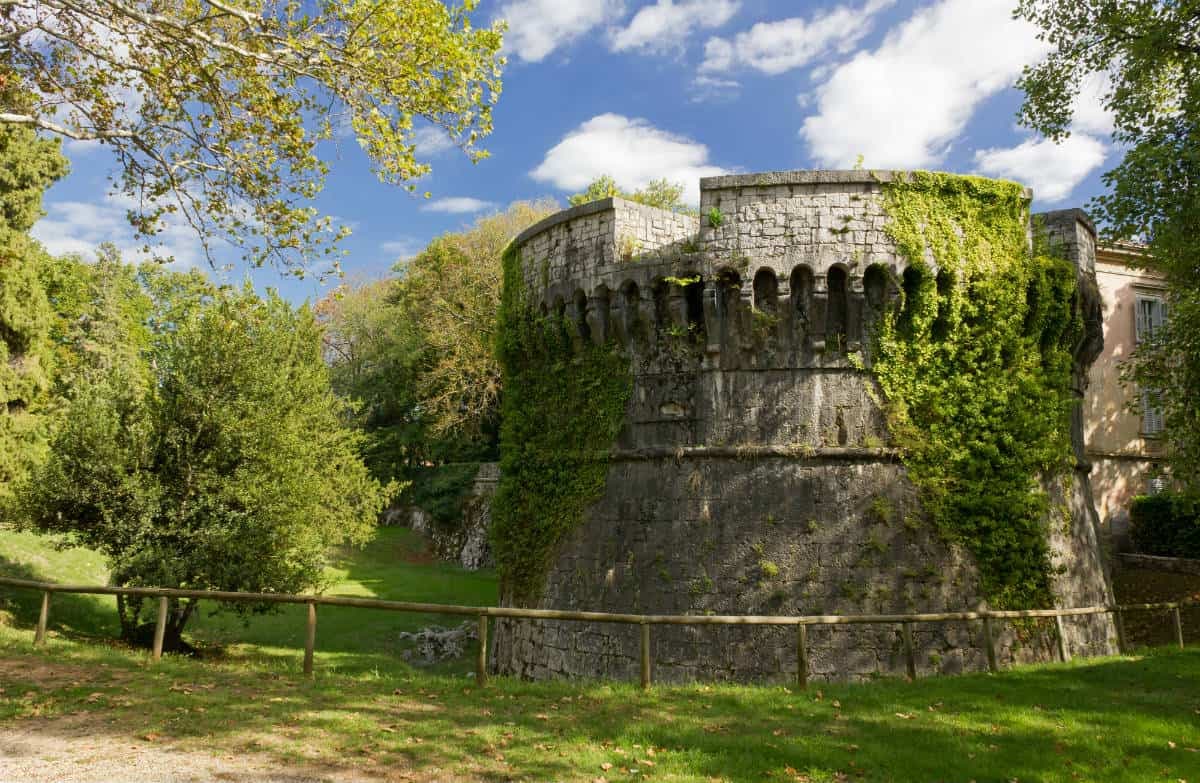
Gradisca d'Isonzo
Province: Gorizia
A 1479 Venetian bastion on the right bank of the Isonzo, with seven towers, twenty-meter walls, and a Habsburg court inside.