

Friuli-Venezia Giulia · Pordenone
San Vito al Tagliamento
A medieval Tagliamento-plain town inside three rings of moats and three towers, where the Renaissance painter Pomponio Amalteo worked from 1536 until 1588.
Known for
POMPONIO AMALTEO
Renaissance painter, pupil of Pordenone, who moved to San Vito in 1536 and worked here until his death in 1588, leaving the Battuti cycle Vasari named.
BANDIERA ARANCIONE
Touring Club Italiano quality mark for small inland towns, awarded to San Vito in 2017 for its preserved centro storico and visitor services.
THREE TOWERS
Three surviving defensive towers and three rings of moats still readable around the medieval centro storico, the most intact such layout on the Tagliamento plain.
When to visit
Best · Apr–Jun, Sep–Oct
- J
- F
- M
- A
- M
- J
- J
- A
- S
- O
- N
- D
- Best
- Hot or crowded
- Quiet
- Mostly closed
Why come
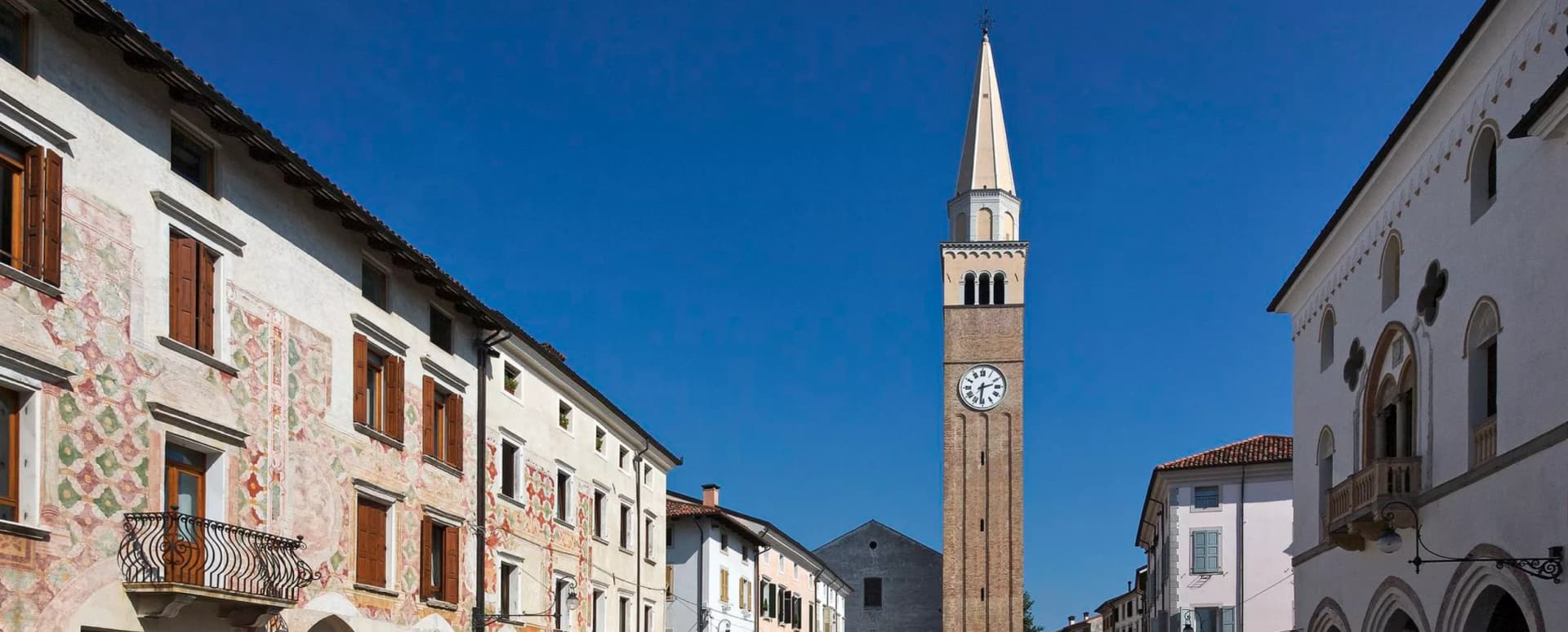
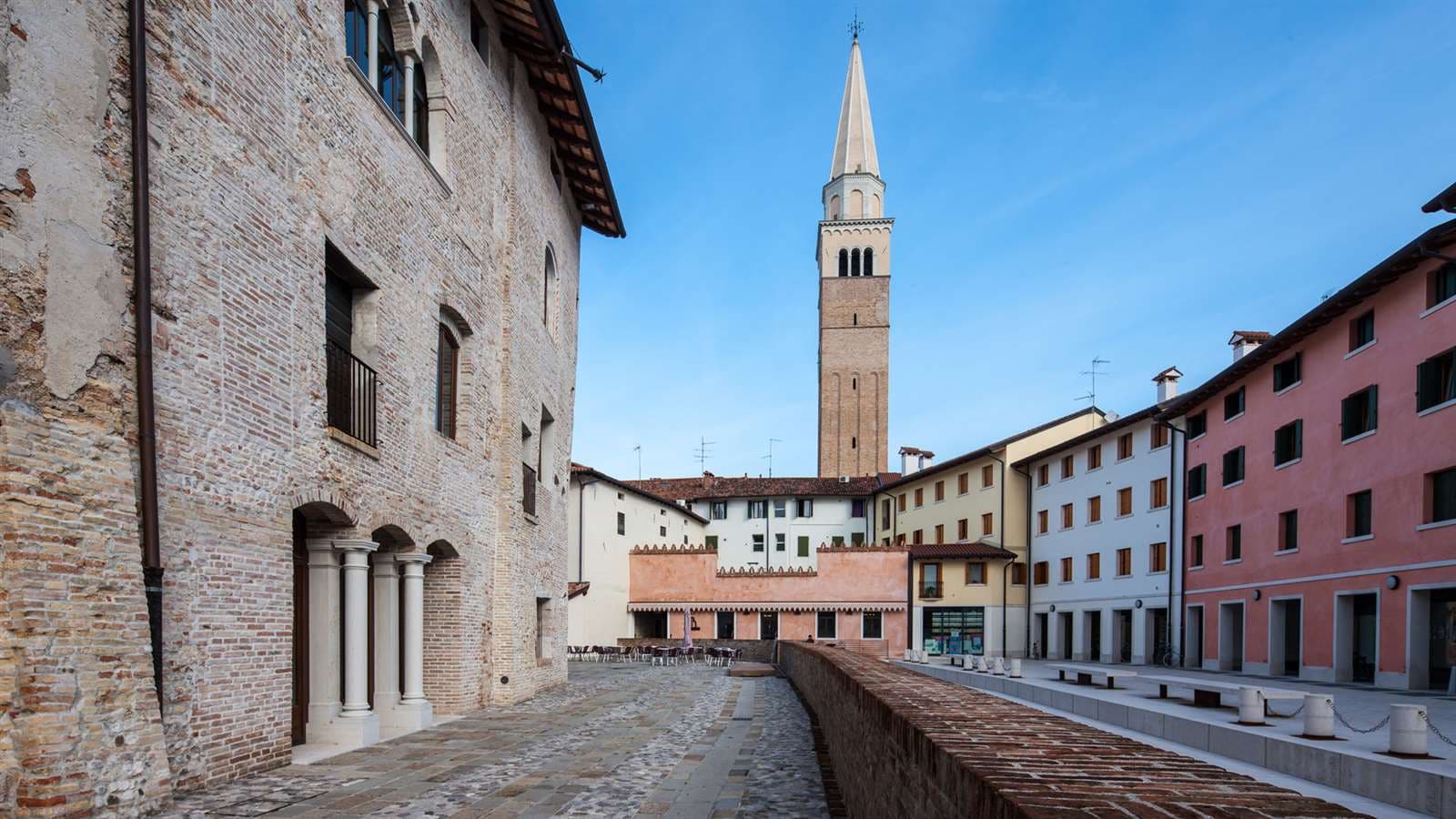
San Vito al Tagliamento sits on the right bank of the Tagliamento, twenty kilometers southeast of Pordenone. The town grew around a twelfth-century castle held by the Patriarchate of Aquileia, then by Venice from 1420. The defensive plan is still readable on the ground: three concentric moats and three surviving towers ring the centro storico, and the porticoed Piazza del Popolo runs through the middle with a fourteenth-century public loggia, now the Arrigoni Theater, and a seventeenth-century bell tower.
The town has carried the Bandiera Arancione since 2017. The signature artistic legacy is Pomponio Amalteo, a pupil of Pordenone who moved here in 1536 and stayed until his death in 1588, leaving the fresco cycle in the Chapel of Santa Maria dei Battuti that Vasari praised. Pier Paolo Pasolini attended the liceo here in the 1940s.
The Sunday letter
We haven’t written San Vito al Tagliamento’s letter yet.
One town every Sunday, with the photo, the food, the festa. Be there when this one comes up. Free, by Peter & Sophia from Pietrasanta.
By subscribing you agree to Substack’s Terms of Use, our Privacy Policy and our Information collection notice.
What to see
Piazza del Popolo
Porticoed central square with a fourteenth-century public loggia now housing the Arrigoni Theater and a seventeenth-century bell tower.
Castello
Twelfth-century fortress at the core of the town, held by the Patriarchate of Aquileia then by Venice from 1420, with three surviving defensive towers.
Chiesa di Santa Maria dei Battuti
Fifteenth-century chapel holding the Pomponio Amalteo fresco cycle that Vasari praised, the most important pictorial commission in the town.
Chiesa di San Lorenzo dei Domenicani
Medieval Dominican church preserving frescoes by Pomponio Amalteo and works by Giovanni Antonio Pilacorte and other regional Renaissance masters.
Teatro Arrigoni
Theater inside the medieval public loggia on Piazza del Popolo, restored as the principal performance space of the centro storico.
The slow-trip planner
Building a trip? Find where San Vito al Tagliamento fits in a slow Italy circuit.
Answer five questions. We will shape a geographically coherent slow trip from the 1,000 Italian towns most travelers skip. Yours to save and share.
Living here
- Population 15,187
- A local hubi
- Pharmacy in town
- High school within a 30-minute drive
- Train station in the comune
- Nearest airport Venice, 1 h 10 min drive
- Regional capital Trieste, 1 h 26 min drive
Tags & datadesignations · numbers · sources
Recognised as
The numbers
- Elevation: 30 m
- Population: 15,187
- Surface area: 60.88 km²
These figures were compiled from public directories — ISTAT, OpenStreetMap, Wikidata — and from the official listings of the guides named on this page. Town details change; verify with official sources before you travel.
Close by
More towns near San Vito al Tagliamento
Sesto al Reghena
Province: Pordenone
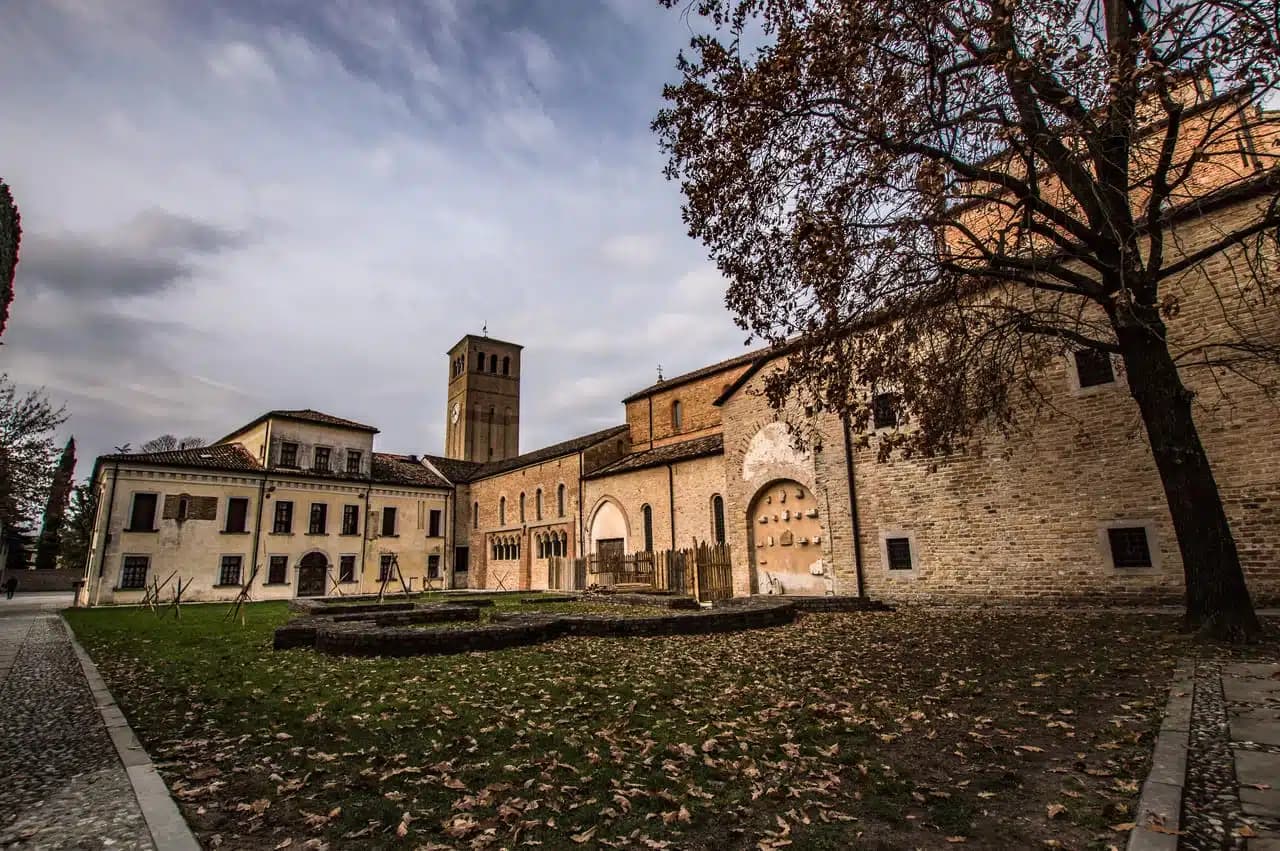
A 730s Benedictine abbey on the Reghena, ravaged by Magyars in 899, refortified in the tenth century, and still the town hall today.
Valvasone Arzene
Province: Pordenone
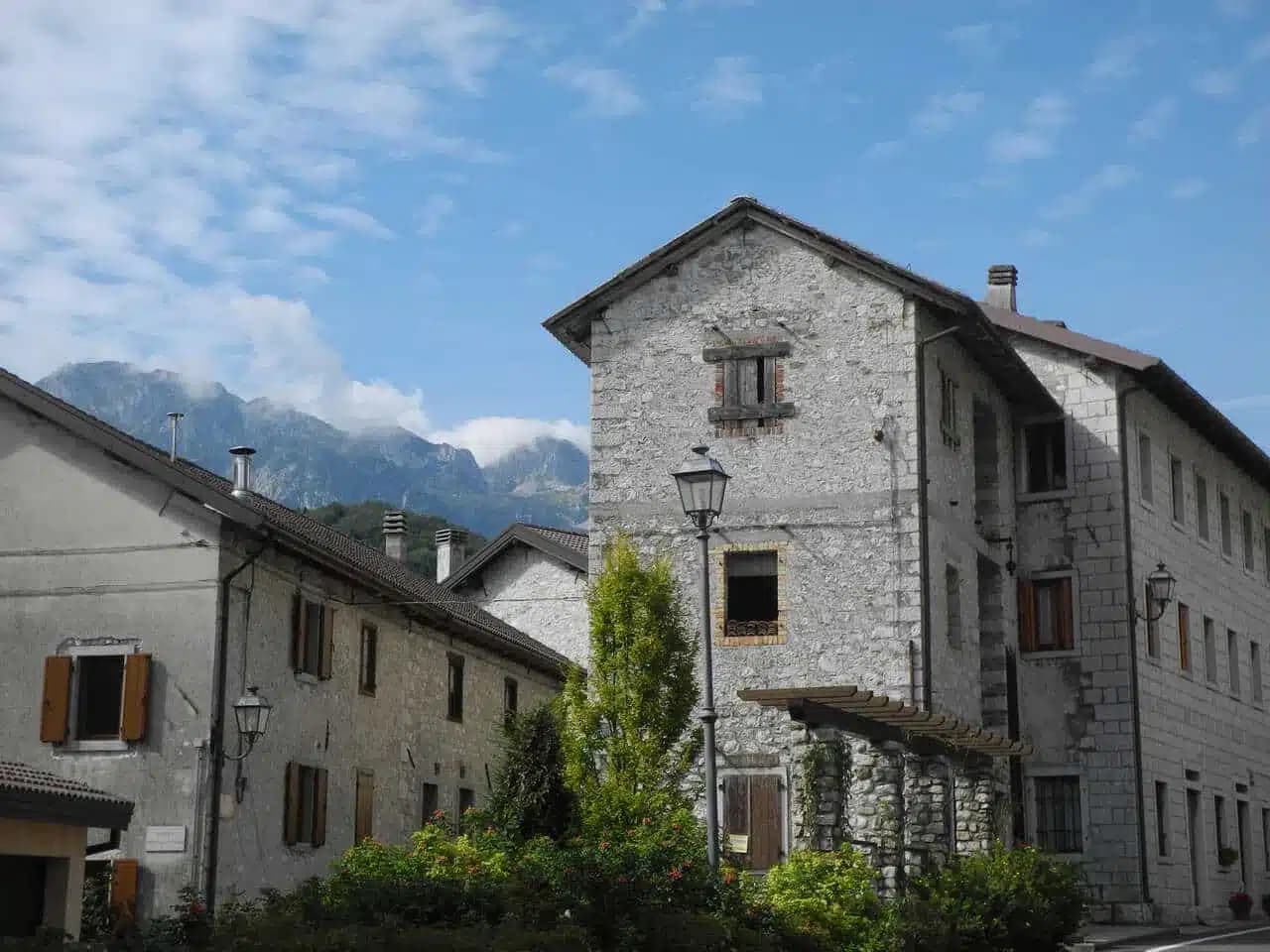
A medieval borgo at 57 meters on the Tagliamento's right bank, organized around a castle and a Duomo with a 1532 Italian-built organ.
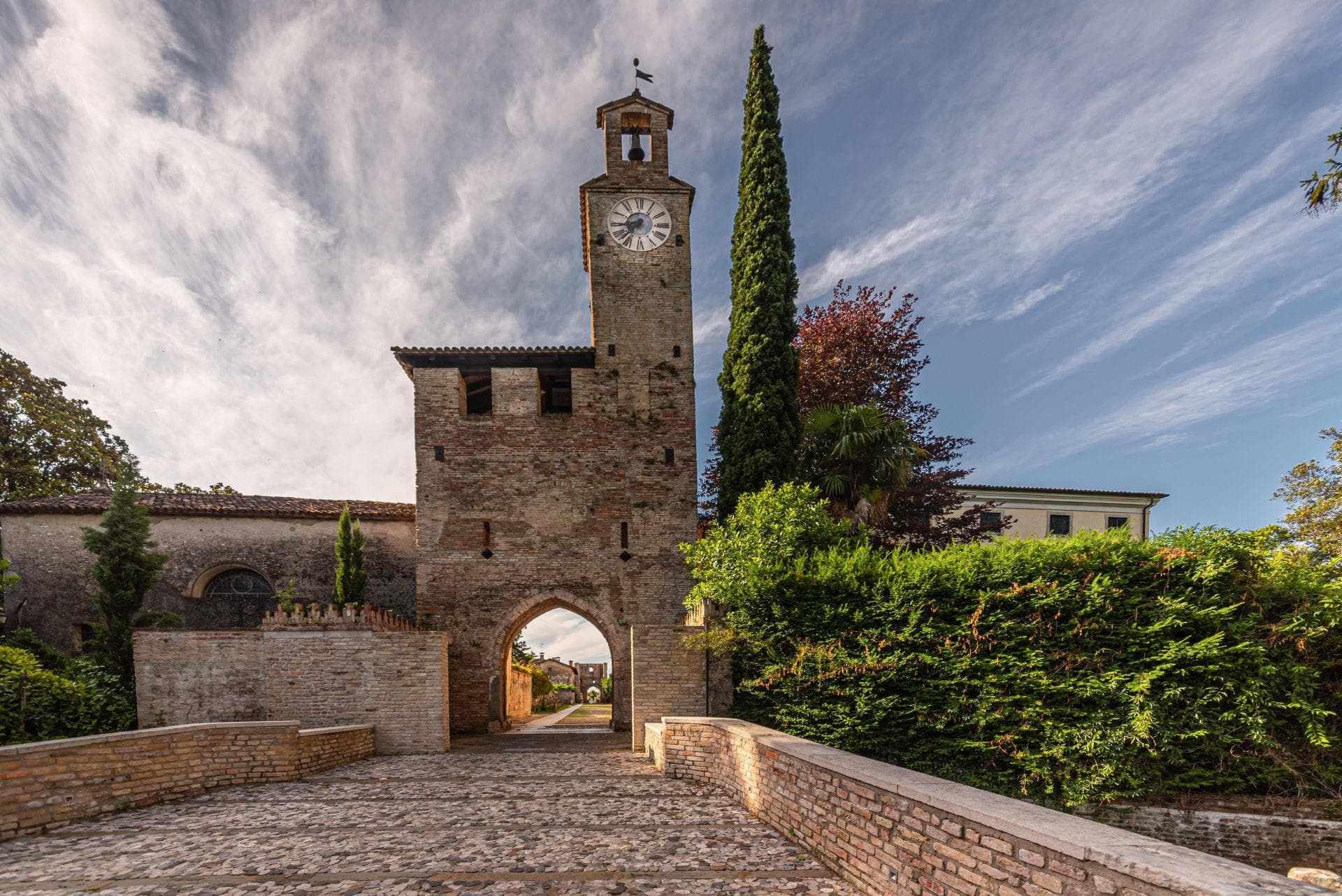
Cordovado
Province: Pordenone
A 15-meter Friulian village in the Pordenone plain, fortified by the bishops of Concordia as their summer seat and described in Ippolito Nievo's Confessions.
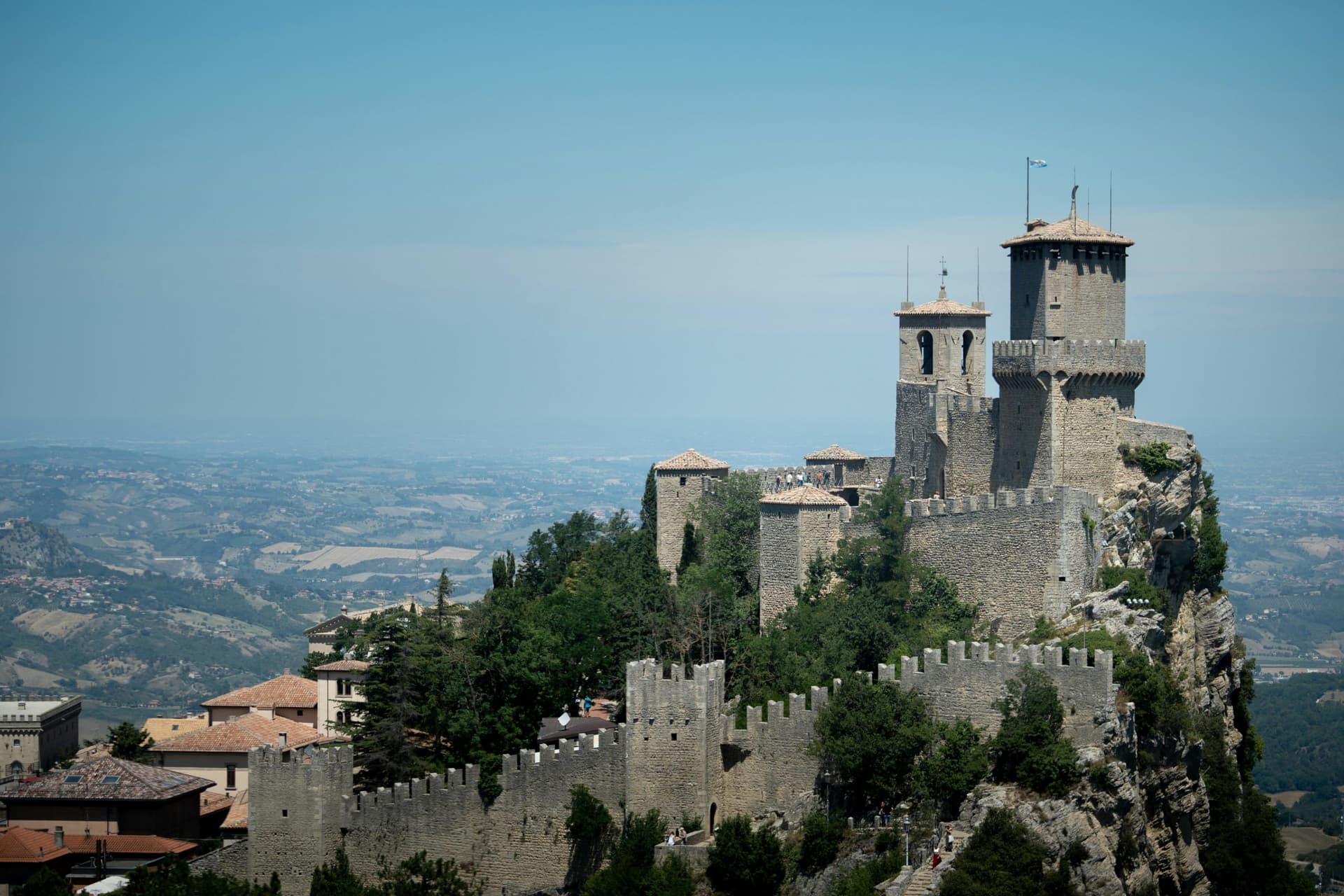
Spilimbergo
Province: Pordenone
A 132-meter Friulian town on the Tagliamento, home since 1922 to the Scuola Mosaicisti, whose alumni made the Library of Congress mosaics.
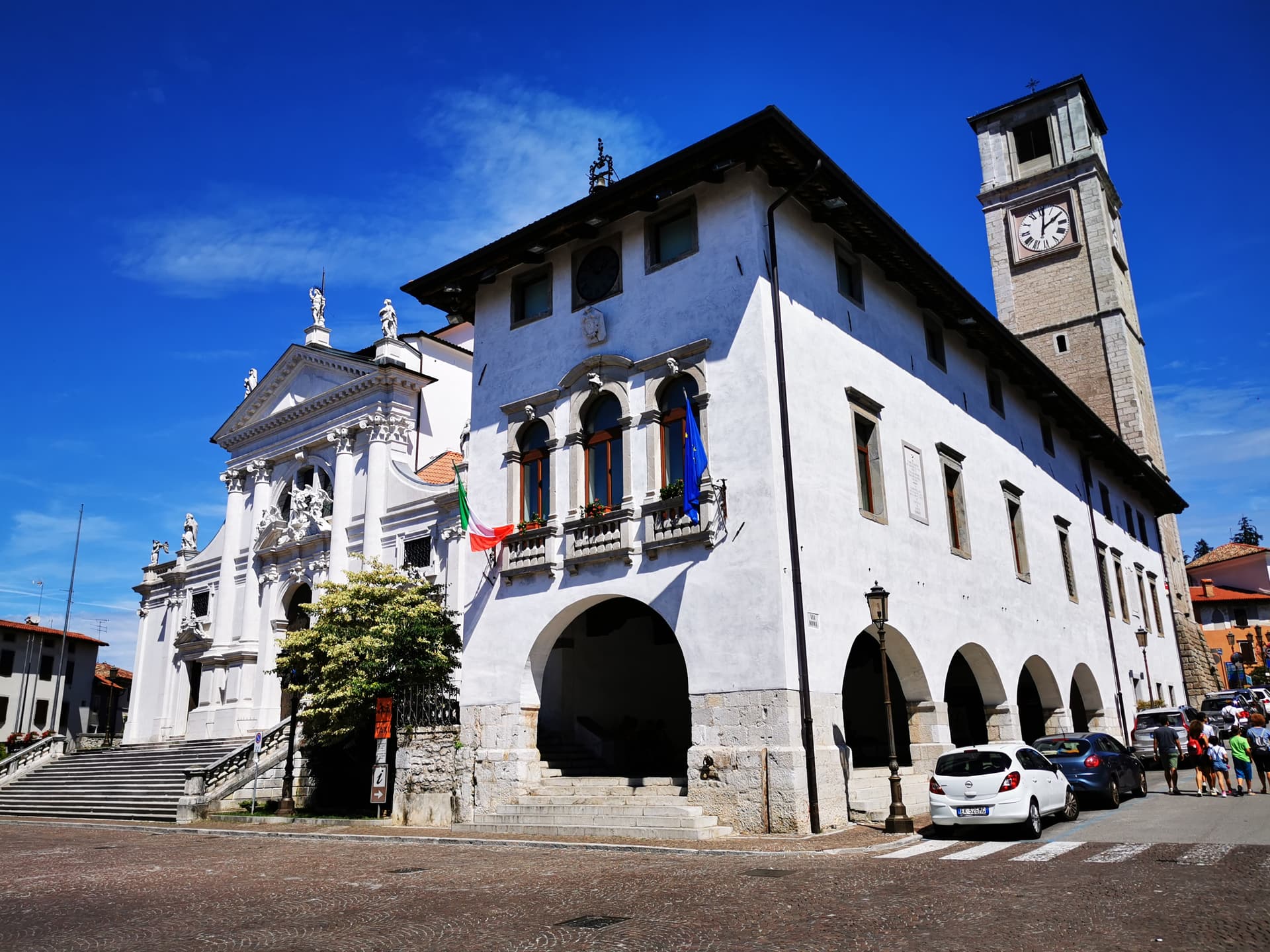
San Daniele del Friuli
Province: Udine
Italy's prosciutto capital — a 7,900-resident hill town in the Friuli morainic amphitheatre where the Tagliamento valley's south winds meet the alpine downdraughts, producing the San Daniele DOP raw-cured ham (31 producers, 14-month minimum cure) and where Pellegrino da San Daniele's 1497–1522 frescoes inside Sant'Antonio Abate are the regional Renaissance set-piece.
🟠 Bandiera Arancione
More Bandiera Arancione towns in Friuli-Venezia Giulia
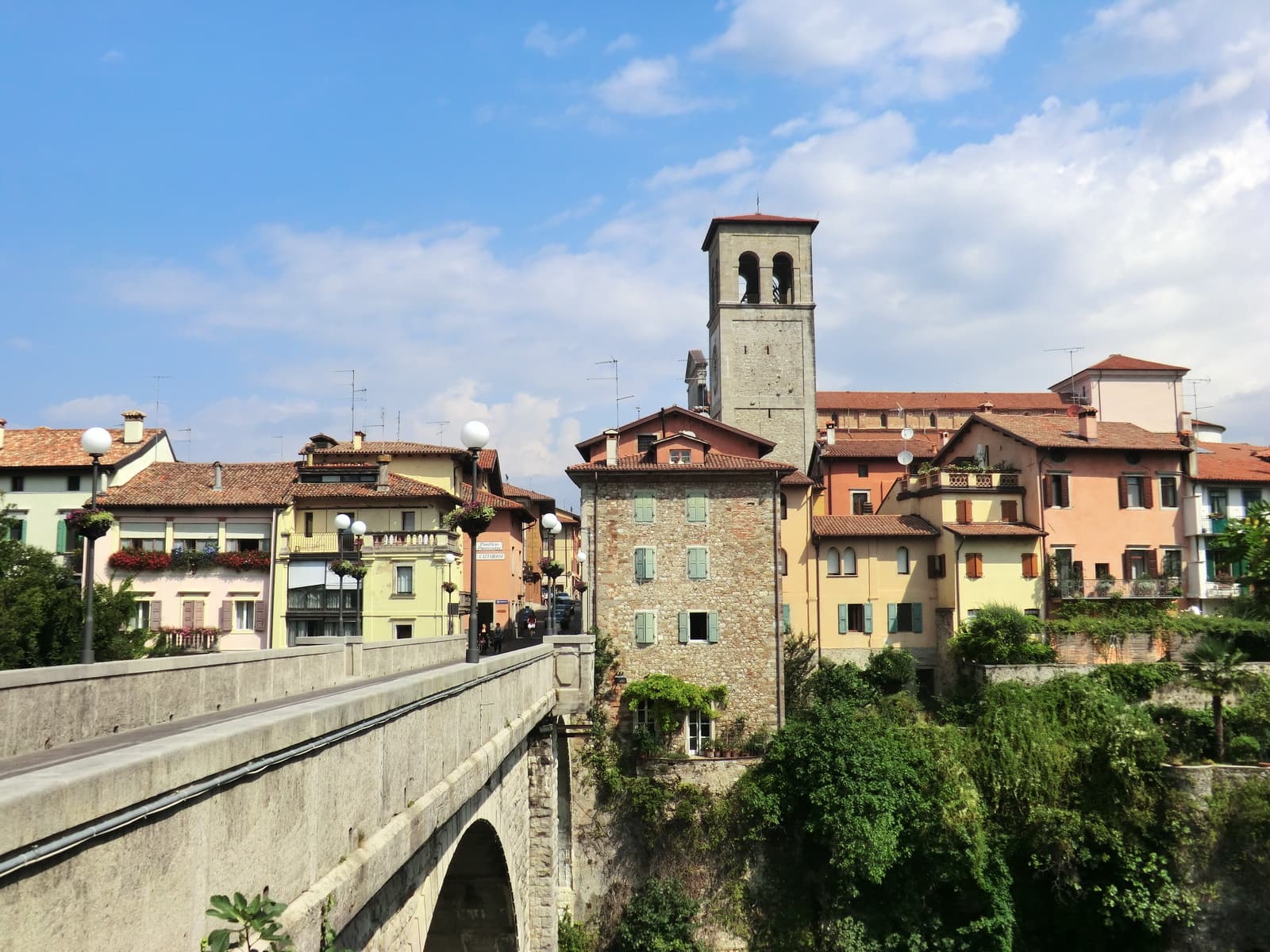
Cividale del Friuli
Province: Udine
The Lombard capital on the Natisone, founded as Forum Iulii by Julius Caesar, where an eighth-century chapel still holds six stucco saints.
Frisanco
Province: Pordenone
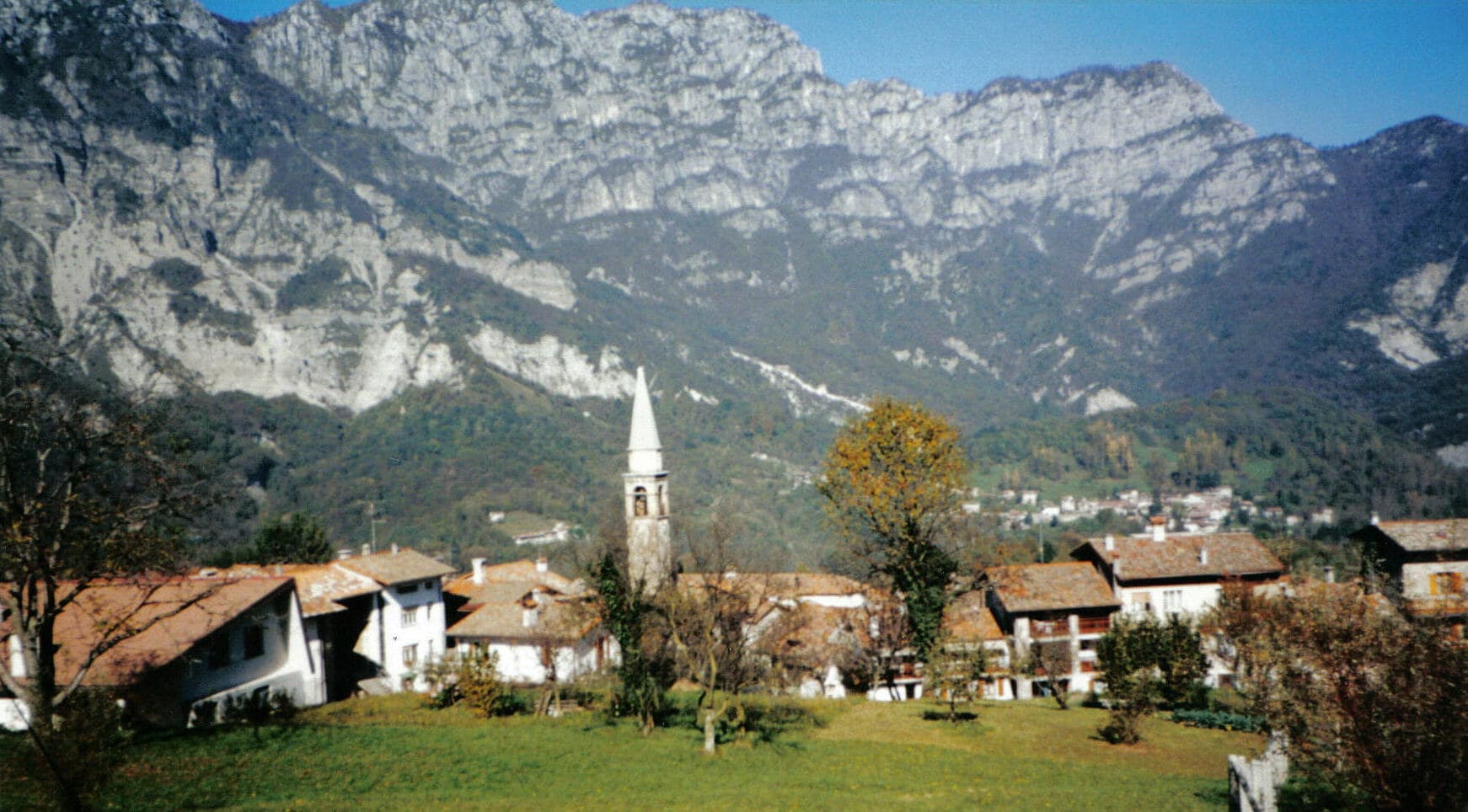
A 572-resident commune in the Val Colvera whose frazione Poffabro, at 525 meters, became a model of Prealpine stone-and-wood vernacular architecture.

Sappada
Province: Udine
A German-speaking alpine village at 1,250 meters near the source of the Piave, settled from East Tyrol in the eleventh century and Italian since 1852.