

Friuli-Venezia Giulia · Pordenone
Polcenigo
A 40-meter village at the foot of the Carnic Prealps where the Livenza rises, neighbour to the UNESCO Palù pile-dwelling site occupied since 4900 BC.
Known for
THE LIVENZA SPRING
The river surfaces here from the Cansiglio limestone aquifer; the Gorgazzo spring drops past 212 meters, deepest in Italy.
PALÙ DI LIVENZA
UNESCO pile-dwelling site occupied from 4900 BC, one of the earliest continuously inhabited wetland settlements in the Alps.
PARCO DI SAN FLORIANO
The only officially designated rural park in Italy, a working agricultural landscape on the hill above the springs.
When to visit
Best · Apr–Oct
- J
- F
- M
- A
- M
- J
- J
- A
- S
- O
- N
- D
- Best
- Hot or crowded
- Quiet
- Mostly closed
The festa: Giacomo il Maggiore, 26 July
Why come
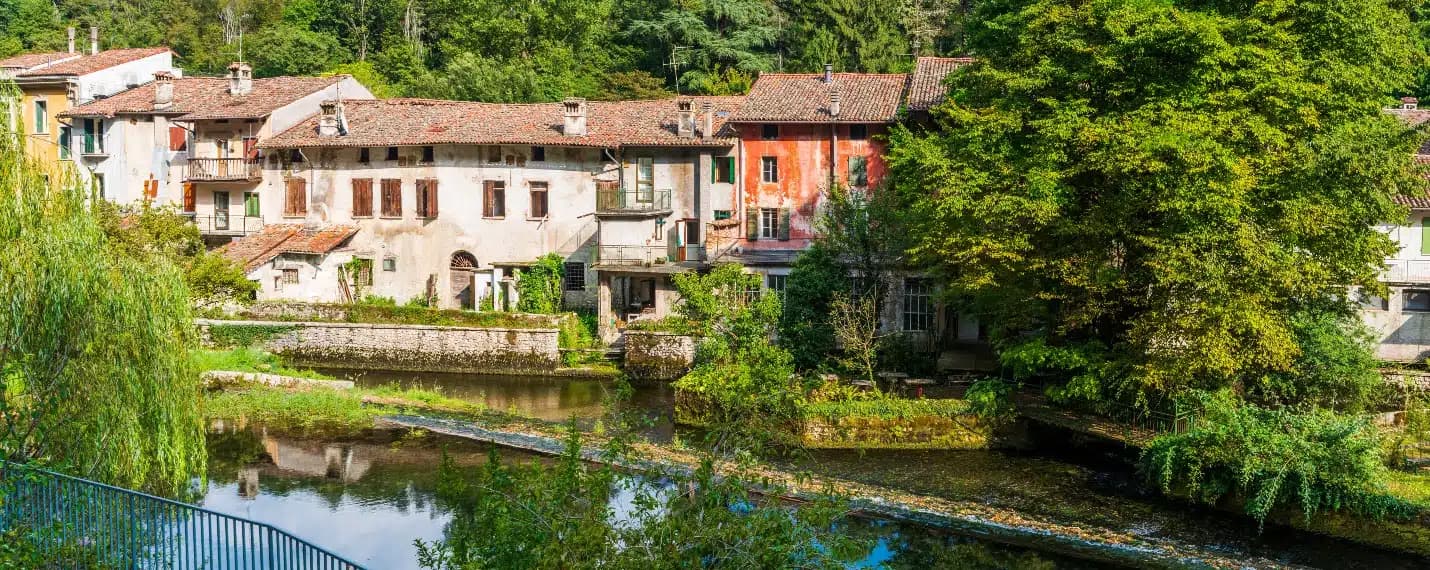
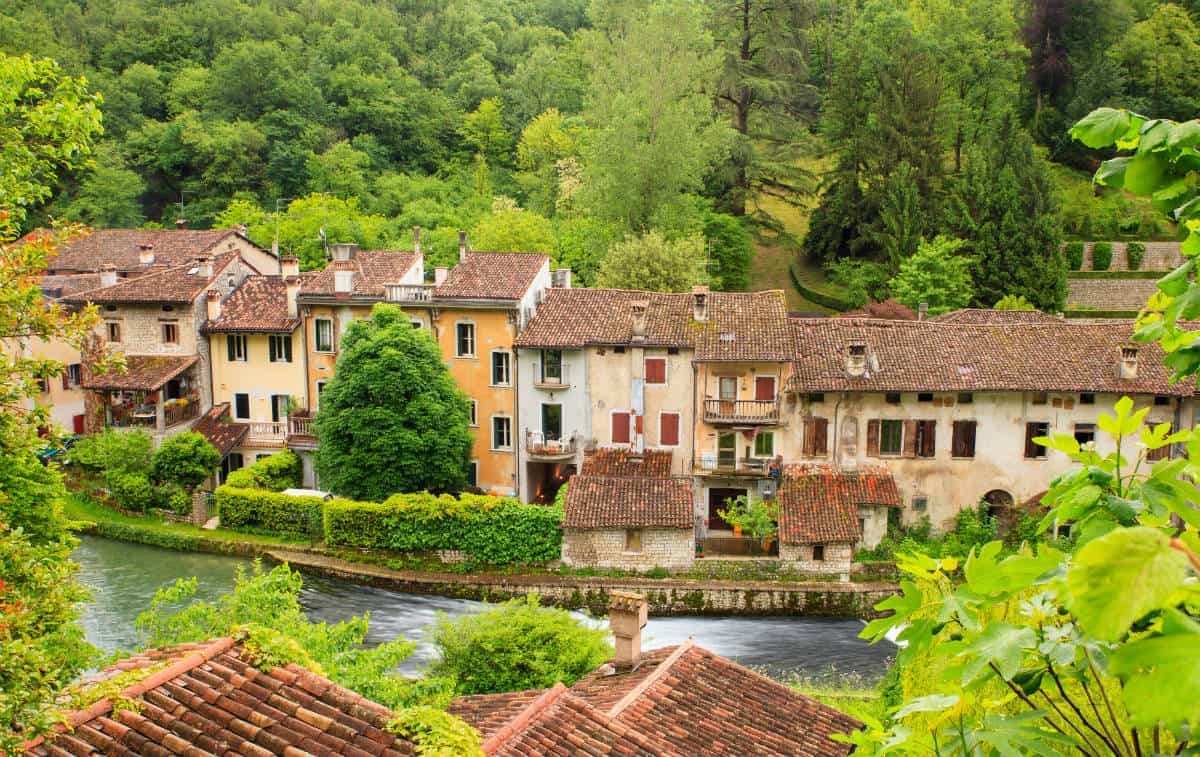
Polcenigo sits on the slopes of the Western Carnic Prealps, where the limestone aquifer of the Cansiglio plateau surfaces in clear-water springs. The Livenza river begins here at the Santissima spring; a second resurgence, the Gorgazzo, holds an intense blue pool that drops past 212 meters, the deepest explored spring in Italy. Two kilometers from the centro storico, the Palù di Livenza was inhabited from the early Paleolithic; the Neolithic pile-dwelling settlement on its wetlands was inscribed in the UNESCO Prehistoric Pile Dwellings around the Alps in 2011.
The village above the springs grew up around the castle of the Polcenigo counts; the Parco di San Floriano on the hill behind is the only rural park in Italy. Borgo Creativo Polcenigo, a network of artisan workshops, has worked since the 2010s to keep the trades alive. The annual Sagra dei Sest, the wicker-basket fair every first Sunday of September, is the village's marker.
The Sunday letter
We haven’t written Polcenigo’s letter yet.
One town every Sunday, with the photo, the food, the festa. Be there when this one comes up. Free, by Peter & Sophia from Pietrasanta.
By subscribing you agree to Substack’s Terms of Use, our Privacy Policy and our Information collection notice.
What to see
Palù di Livenza
Neolithic pile-dwelling site occupied since 4900 BC, inscribed on the UNESCO Prehistoric Pile Dwellings around the Alps list in 2011.
Sorgente del Gorgazzo
Blue-water spring pool, the deepest explored Italian spring at -212 meters, reached by speleonaut Luigi Casati in 2008.
Sorgenti della Livenza
Karst resurgence at Santissima where the Livenza river is born; navigable within meters of its source.
Parco rurale di San Floriano
Only rural park in Italy, on the wooded hill above the village, with traditional farming, paths, and Romanesque San Floriano chapel.
Castello dei Conti di Polcenigo
Counts' residence reworked as a villa in the eighteenth century, still anchoring the upper part of the village above the springs.
The slow-trip planner
Building a trip? Find where Polcenigo fits in a slow Italy circuit.
Answer five questions. We will shape a geographically coherent slow trip from the 1,000 Italian towns most travelers skip. Yours to save and share.
Living here
- Population 3,123
- Commuter belti
- Pharmacy in town
- High school within a 30-minute drive
- Nearest airport Venice, 1 h 10 min drive
- Regional capital Trieste, 1 h 50 min drive
Tags & datadesignations · numbers · sources
Recognised as
The numbers
- Elevation: 40 m
- Population: 3,123
- Surface area: 49.69 km²
These figures were compiled from public directories — ISTAT, OpenStreetMap, Wikidata — and from the official listings of the guides named on this page. Town details change; verify with official sources before you travel.
Close by
More towns near Polcenigo
Portobuffolè
Province: Treviso
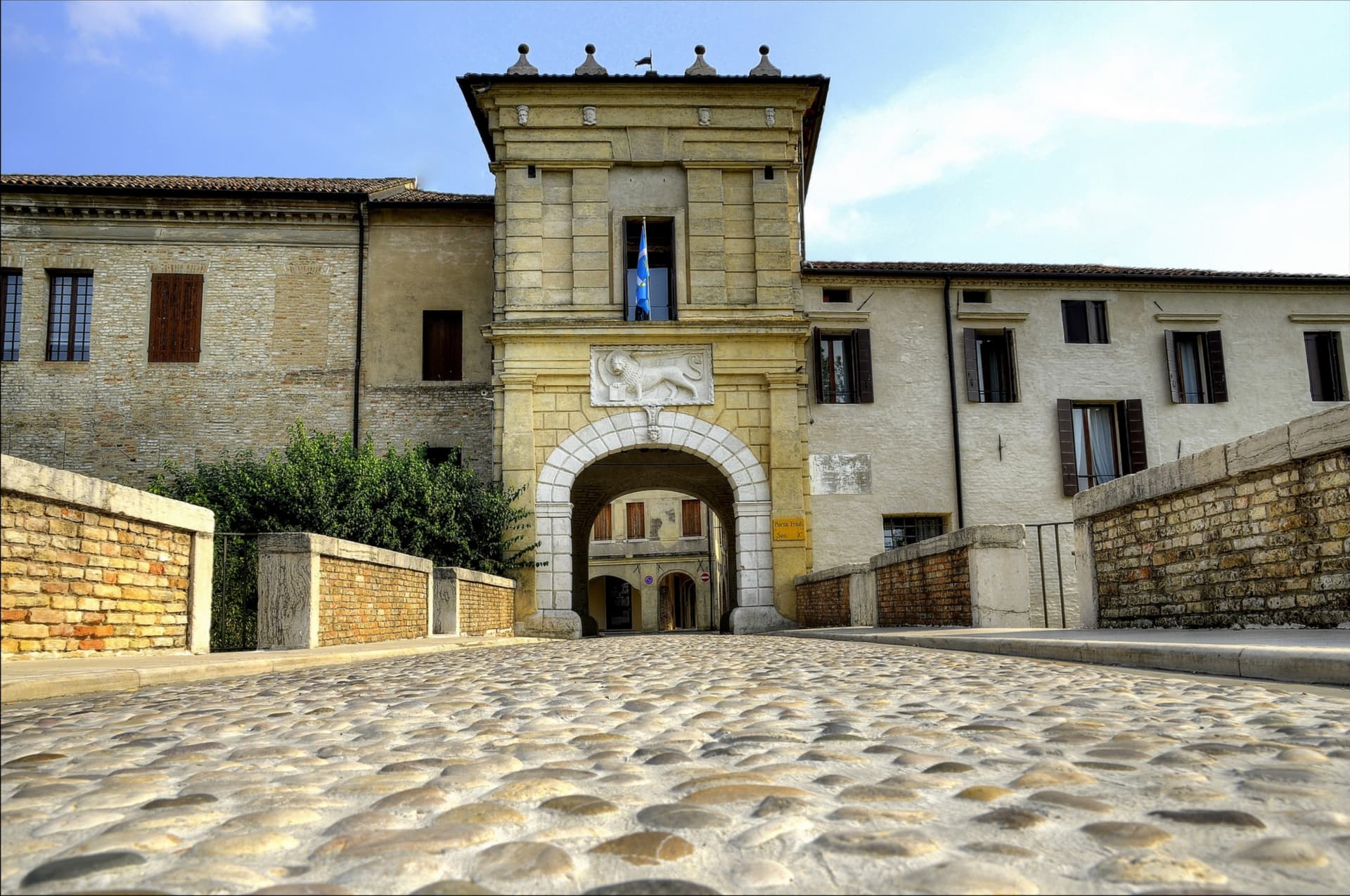
The smallest commune in the Treviso province, a Livenza river port centered on the fourteenth-century home of the poet Gaia da Camino.
Vittorio Veneto
Province: Treviso
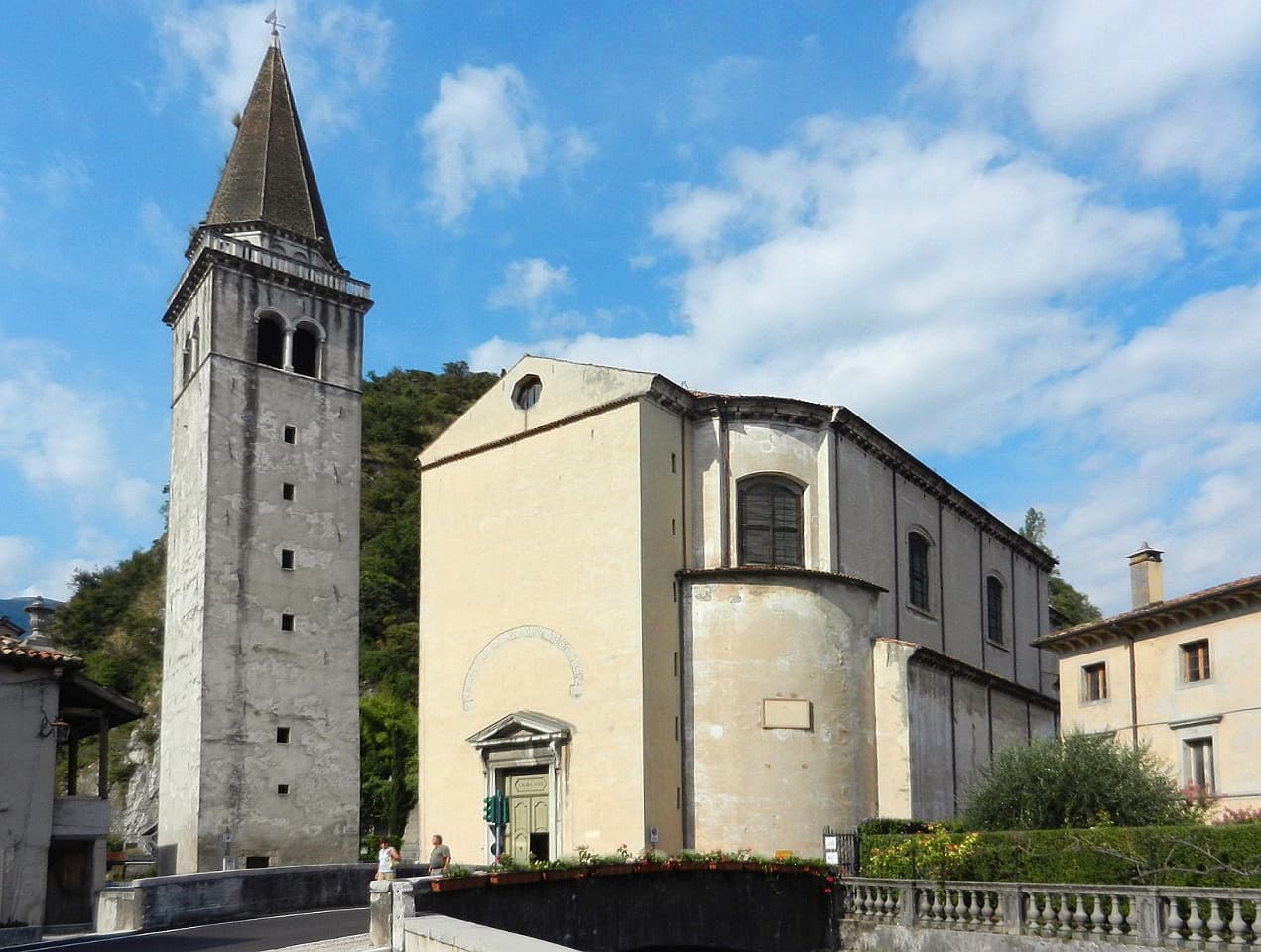
Two old towns fused at 138 meters under the Cansiglio, where the October 1918 battle ended the First World War on the Italian front.
Conegliano
Province: Treviso
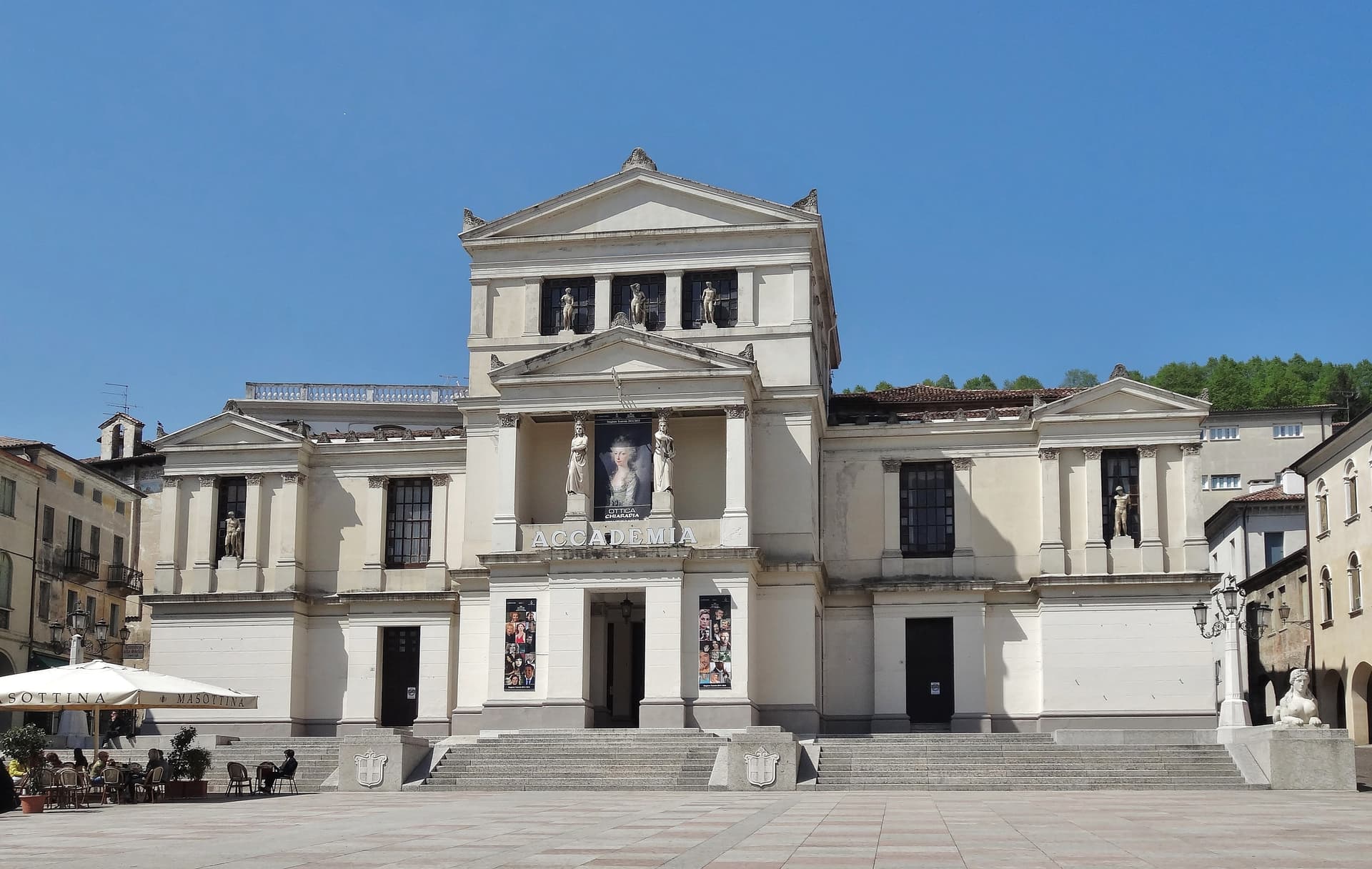
The Prosecco capital at 65 meters, birthplace of the painter Cima and home of Italy's first oenology school, opened in 1876.
Sesto al Reghena
Province: Pordenone
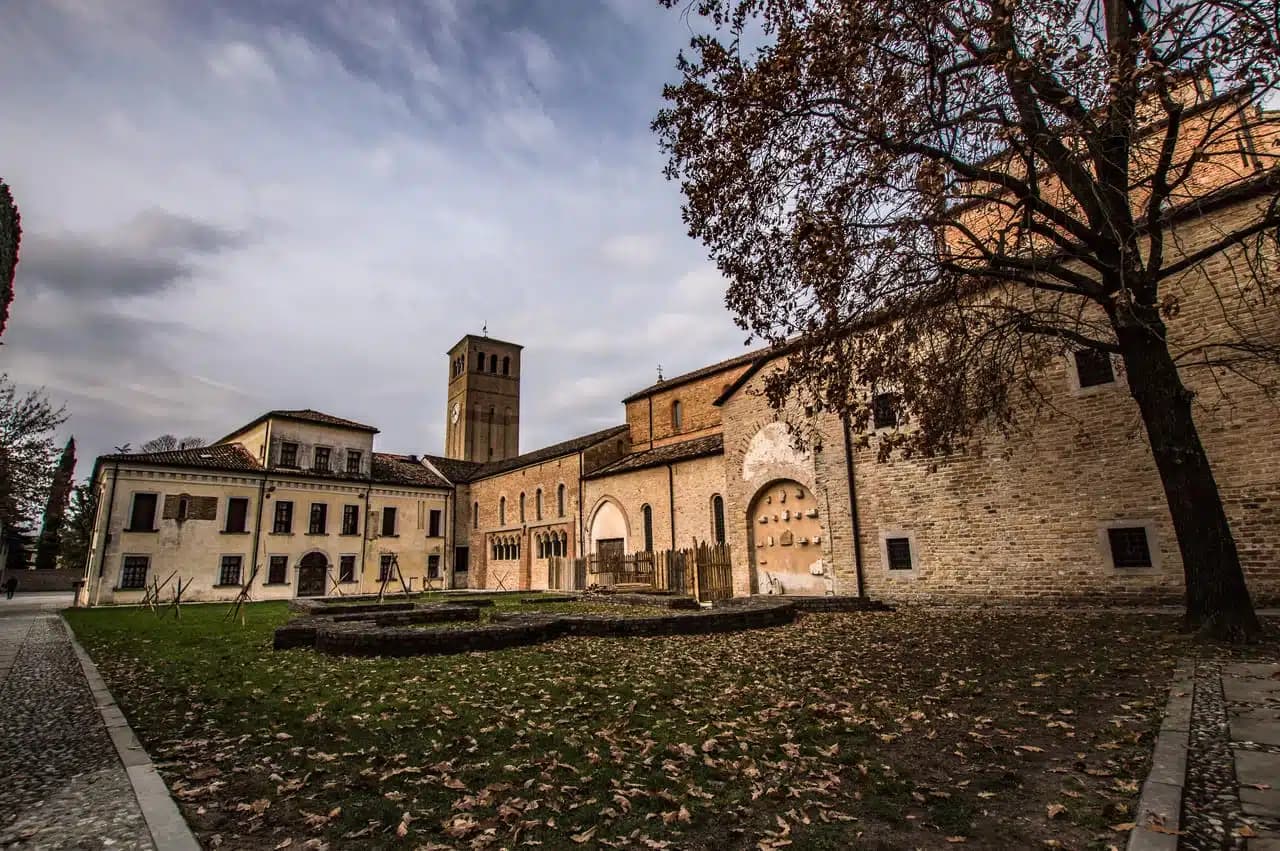
A 730s Benedictine abbey on the Reghena, ravaged by Magyars in 899, refortified in the tenth century, and still the town hall today.
Frisanco
Province: Pordenone
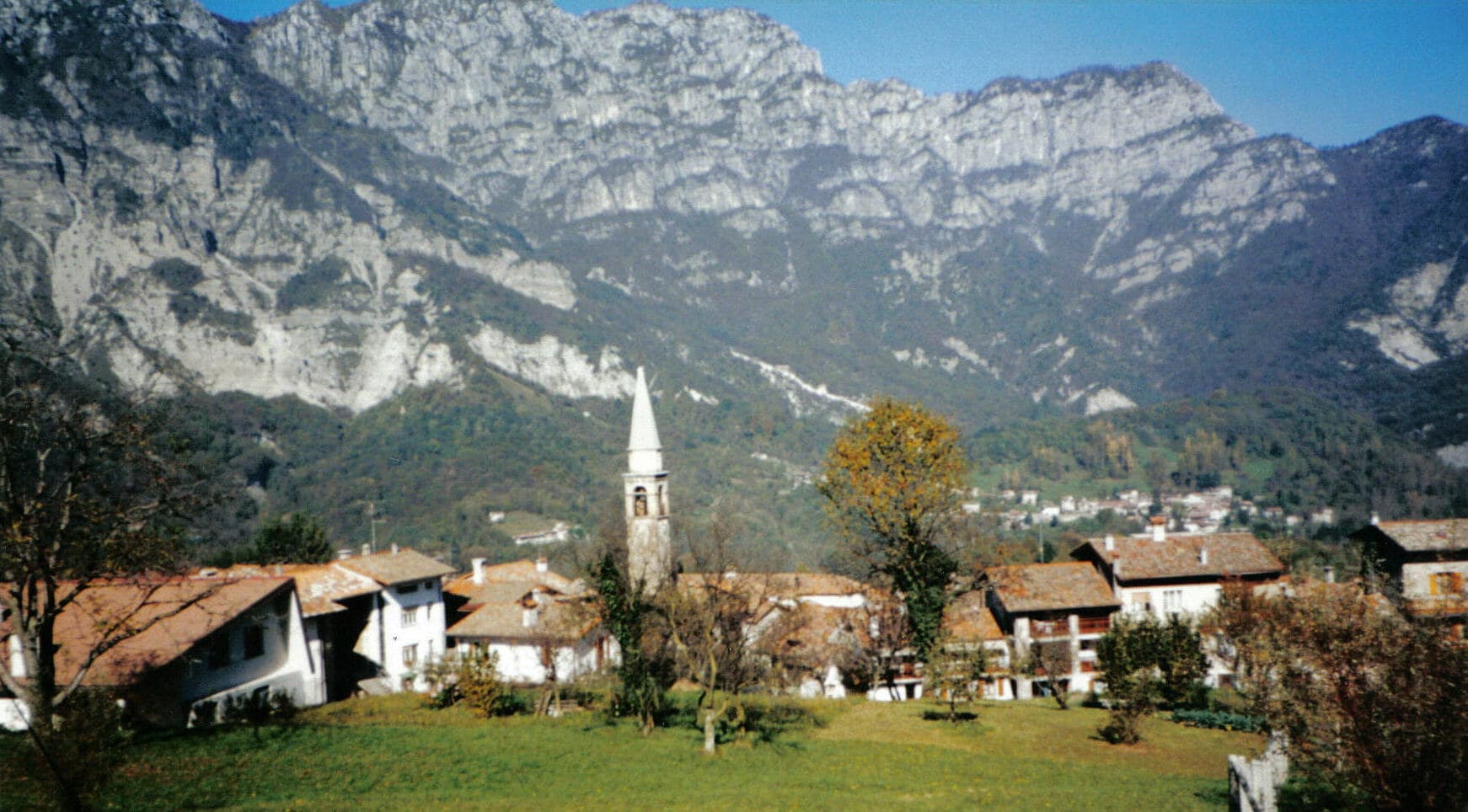
A 572-resident commune in the Val Colvera whose frazione Poffabro, at 525 meters, became a model of Prealpine stone-and-wood vernacular architecture.
🎨 Borghi più belli d'Italia
More Borghi più belli d'Italia towns in Friuli-Venezia Giulia
Cervignano del Friuli
Province: Udine
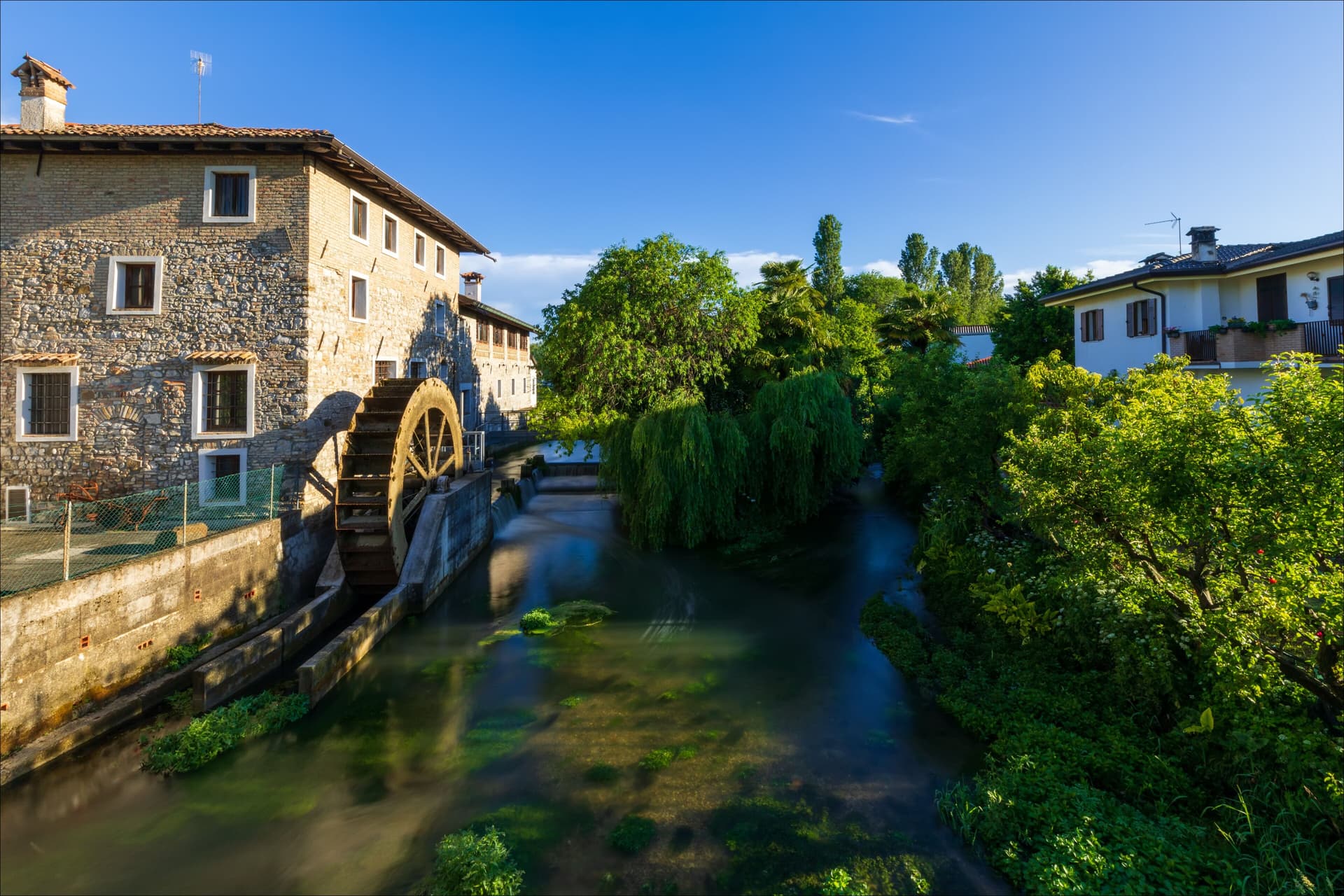
The capital of Bassa Friulana on the Ausa river, an inland river port for Aquileia in 181 BC and a railway junction since 1860.
Cividale del Friuli
Province: Udine
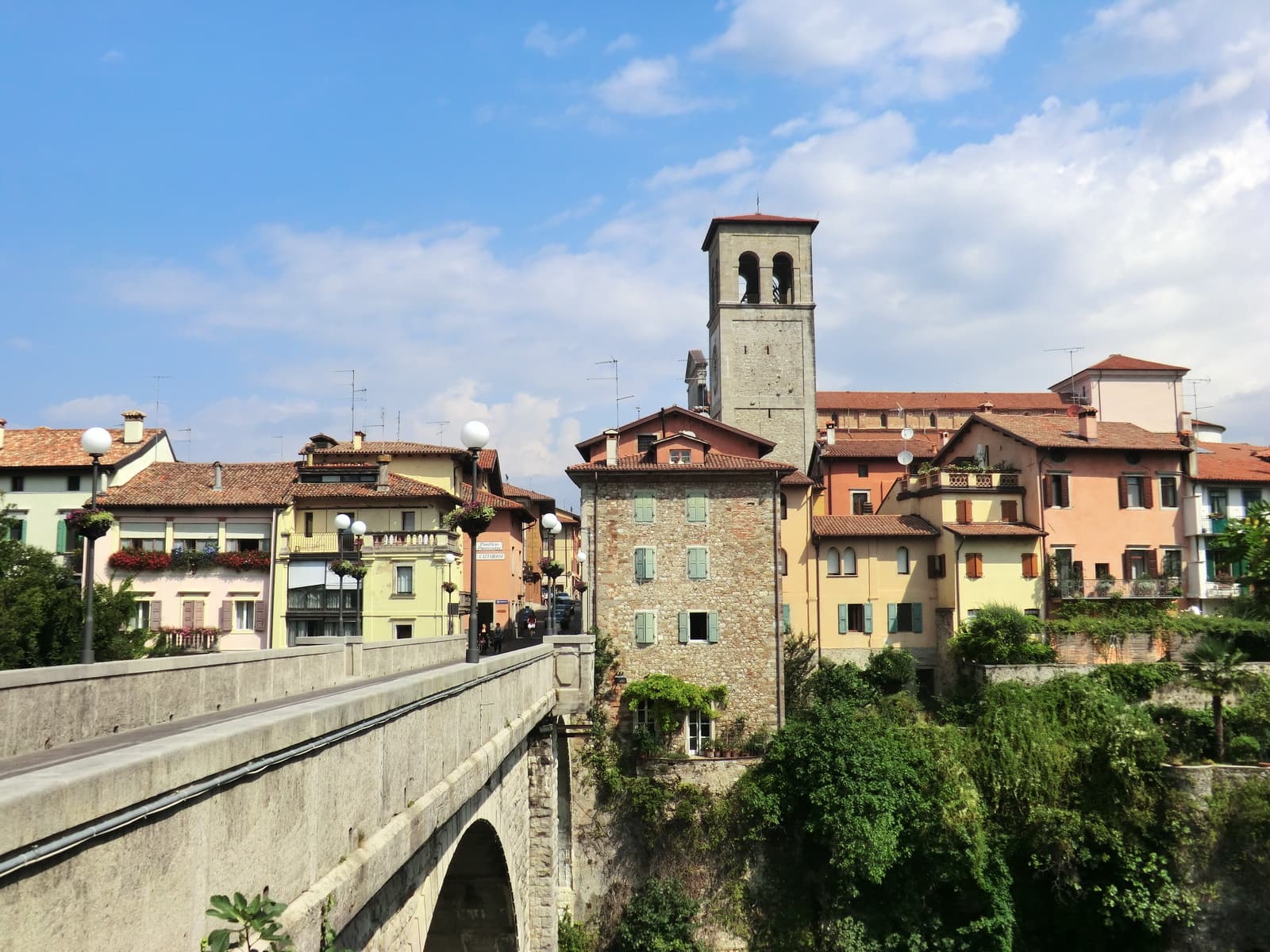
The Lombard capital on the Natisone, founded as Forum Iulii by Julius Caesar, where an eighth-century chapel still holds six stucco saints.
Cordovado
Province: Pordenone
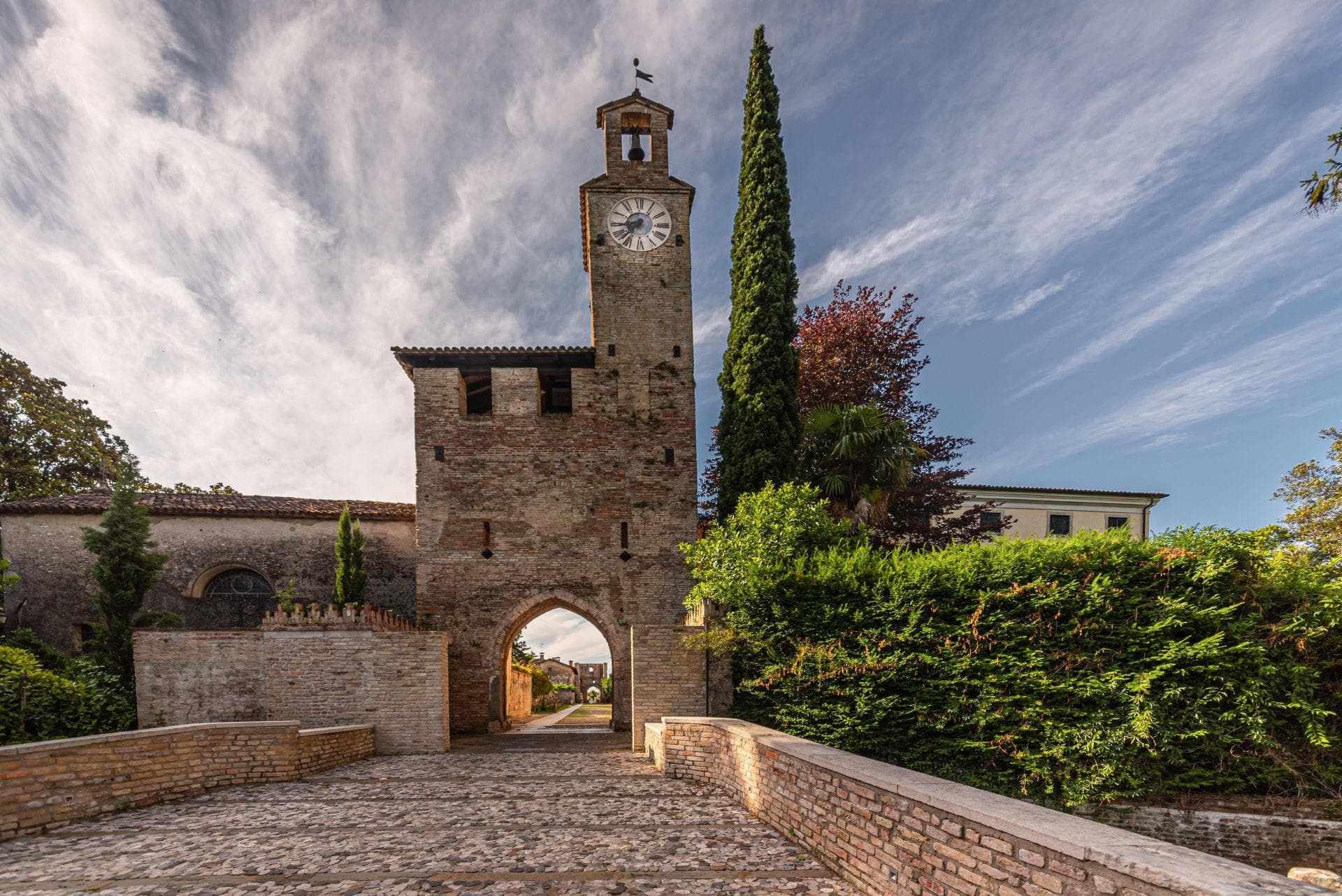
A 15-meter Friulian village in the Pordenone plain, fortified by the bishops of Concordia as their summer seat and described in Ippolito Nievo's Confessions.
Fagagna
Province: Udine
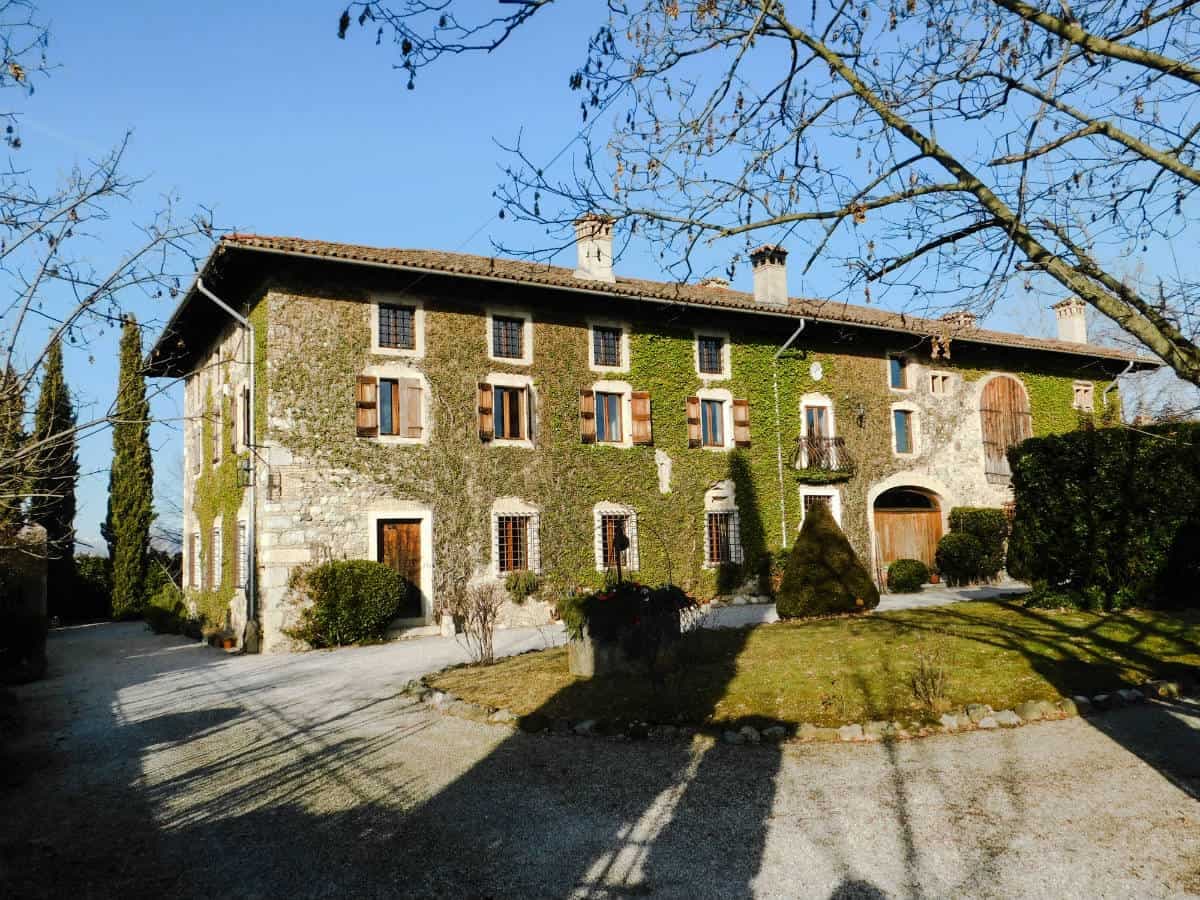
A 177-meter Friulian hill town northwest of Udine, fortified by Otto II in 983 and racing donkeys in the piazza since 1891.
Gradisca d'Isonzo
Province: Gorizia
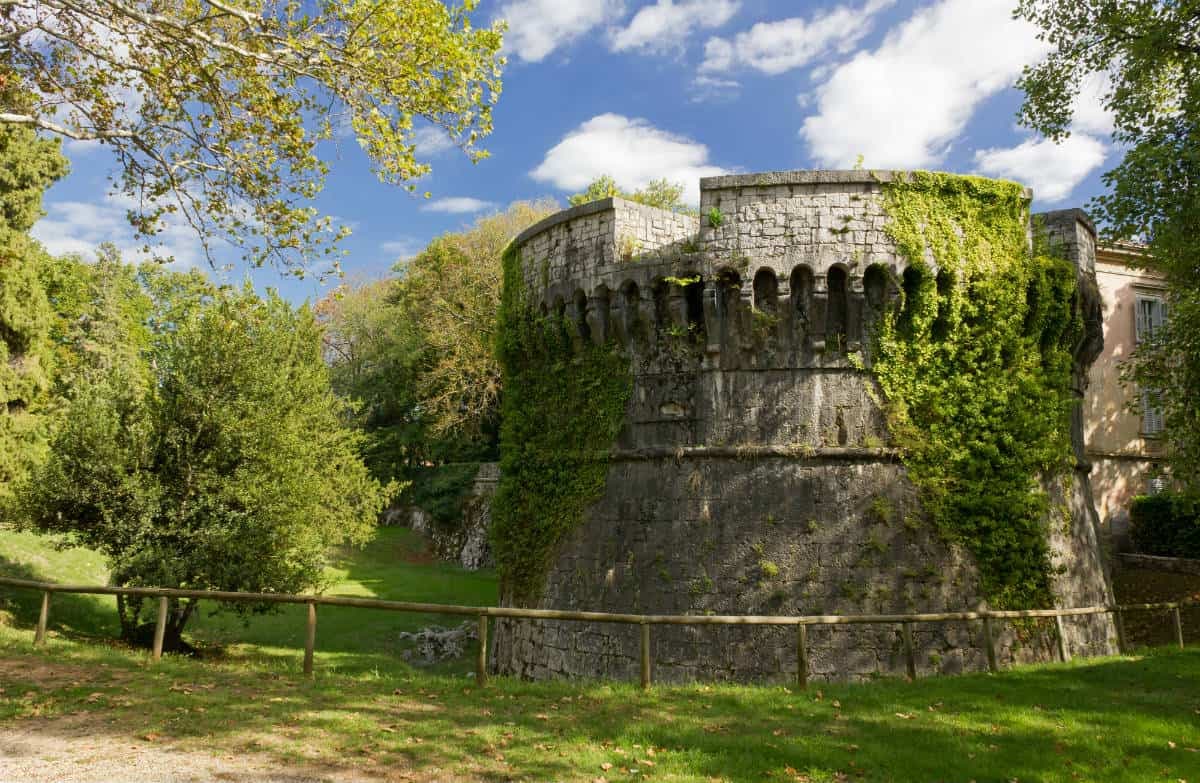
A 1479 Venetian bastion on the right bank of the Isonzo, with seven towers, twenty-meter walls, and a Habsburg court inside.