

Friuli-Venezia Giulia · Udine
Aquileia
A village of 3,128 on a Roman capital of 100,000, where the largest paleochristian mosaic floor in the West runs under a Romanesque basilica.
Known for
MOSAIC FLOOR
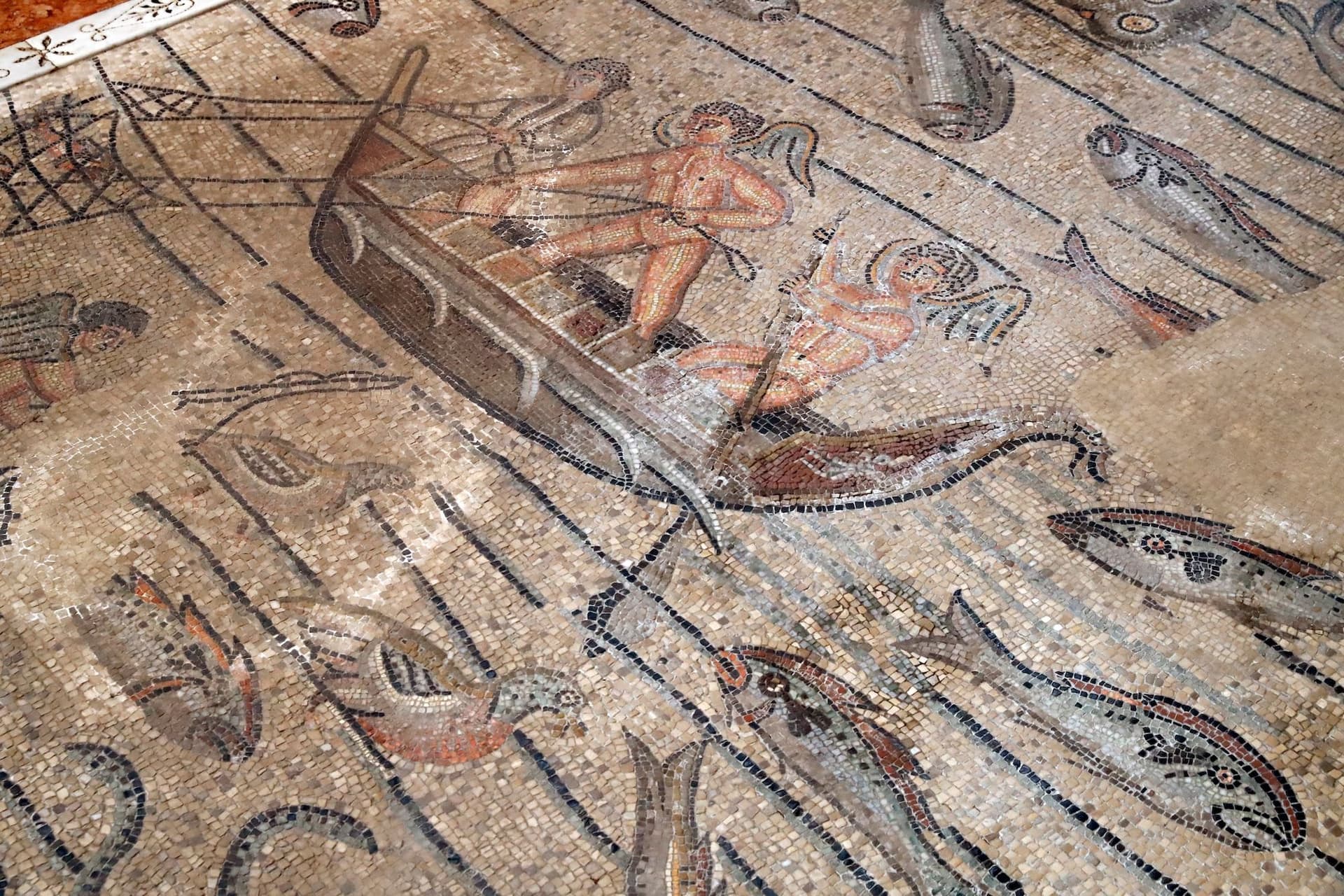
The 760-square-meter paleochristian pavement under the basilica, the largest in the Western world, dated to the fourth century.
BURIED ROMAN CITY
Population peaked near 100,000 in the second century AD; most of the imperial city remains unexcavated beneath fields and the modern village.
PATRIARCHATE
Seat of the Patriarchate of Aquileia from the sixth century until the Vatican suppressed it in 1751, governing a vast Adriatic and Alpine diocese.
When to visit
Best · May–Sep
- J
- F
- M
- A
- M
- J
- J
- A
- S
- O
- N
- D
- Best
- Hot or crowded
- Quiet
- Mostly closed
The festa: Ermagora e Fortunato, 12 July
Why come
Aquileia sits at five meters above sea level on the Friuli plain, ten kilometers inland from the Adriatic at the head of the Grado lagoon. Rome founded it as a military colony in 181 BC. By the second century AD it held close to 100,000 people, was the capital of Augustus's Regio X, and ranked among the nine great cities of the empire.
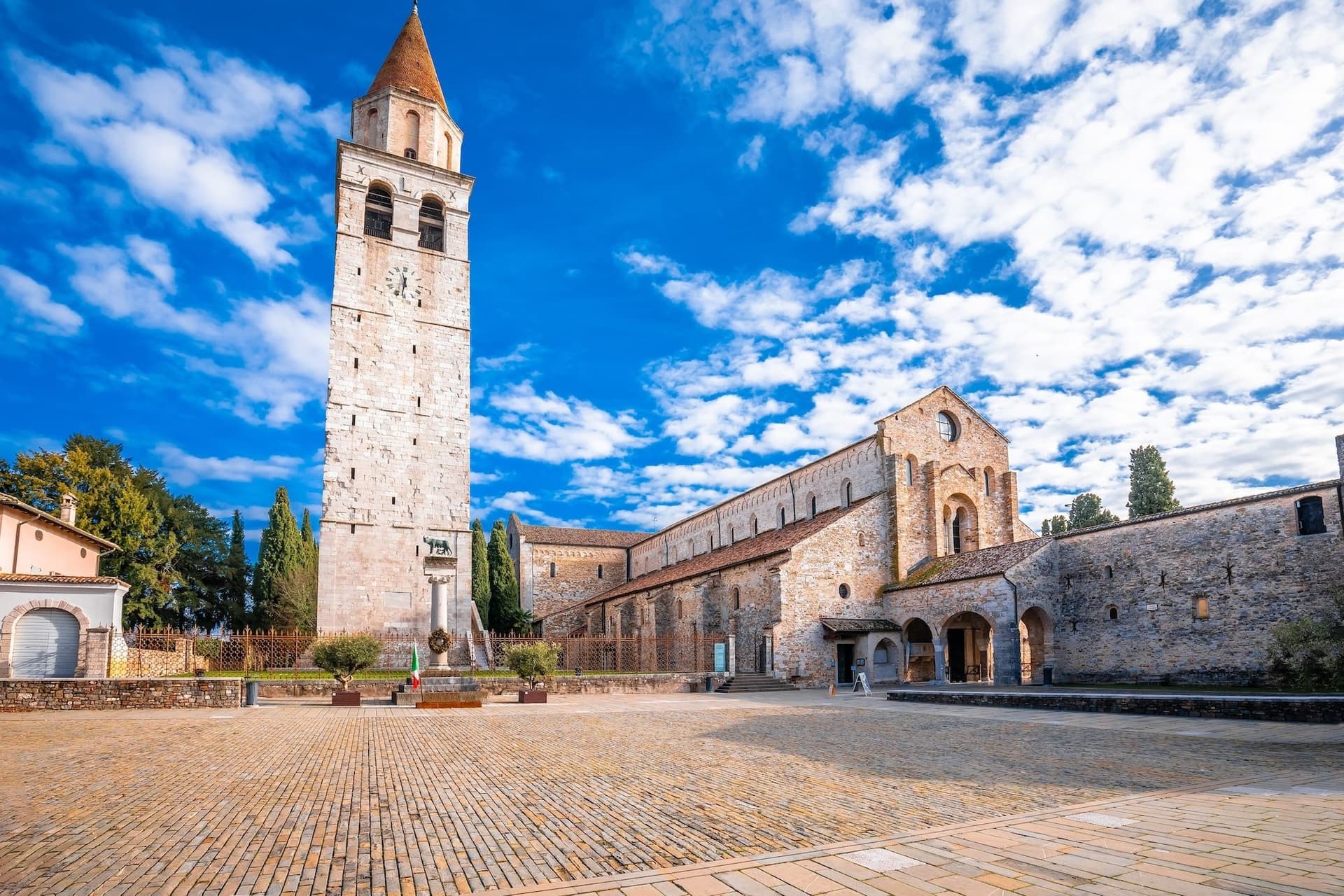
Attila's Huns sacked it in 452, the population scattered to the lagoon islands, and the surface town never recovered. The Roman city below is largely unexcavated, which makes Aquileia, in UNESCO's words, the most complete example of an Early Roman city in the Mediterranean. Above it, Patriarch Poppo rebuilt the basilica in 1031 over a fourth-century church.
Its floor is the largest paleochristian mosaic in the Western world, 760 square meters of fish, birds, jonah and the whale, uncovered by archaeologists in 1909. The 73-meter campanile uses stone quarried from the Roman amphitheater. The Patriarchate of Aquileia survived until 1751.
The Sunday letter
We haven’t written Aquileia’s letter yet.
One town every Sunday, with the photo, the food, the festa. Be there when this one comes up. Free, by Peter & Sophia from Pietrasanta.
By subscribing you agree to Substack’s Terms of Use, our Privacy Policy and our Information collection notice.
What to see
Basilica di Santa Maria Assunta
Patriarch Poppo's eleventh-century basilica over a fourth-century church, with a 760-square-meter paleochristian mosaic floor uncovered in 1909.
Campanile di Poppo
Free-standing 73-meter bell tower built in the eleventh century with stone quarried from the Roman amphitheater, raised again in the fourteenth.
Foro Romano
Excavated section of the Roman forum along the Via Sacra, with the bases of columns and reused capitals from the second century AD.
Museo Archeologico Nazionale
Glass, amber, mosaics, gemstones, and the largest collection of Roman portrait busts in northern Italy, from the imperial city below.
Porto Fluviale
Stone quays of the Roman river port on the Natissa, the harbor that linked Aquileia to the Adriatic and to the Danube trade upriver.
Sepolcreto Romano
Stretch of the Via Annia lined with five family tombs from the first and second centuries, the most complete Roman funerary street in the region.
The slow-trip planner
Building a trip? Find where Aquileia fits in a slow Italy circuit.
Answer five questions. We will shape a geographically coherent slow trip from the 1,000 Italian towns most travelers skip. Yours to save and share.
Living here
- Population 3,128
- Commuter belti
- Pharmacy in town
- High school within a 30-minute drive
- Train station in the comune
- Nearest airport Venice, 1 h 36 min drive
- Regional capital Trieste, 57 min drive
Tags & datadesignations · numbers · sources
Recognised as
The numbers
- Elevation: 5 m
- Population: 3,128
- Surface area: 37.44 km²
These figures were compiled from public directories — ISTAT, OpenStreetMap, Wikidata — and from the official listings of the guides named on this page. Town details change; verify with official sources before you travel.
Close by
More towns near Aquileia
Grado
Province: Gorizia
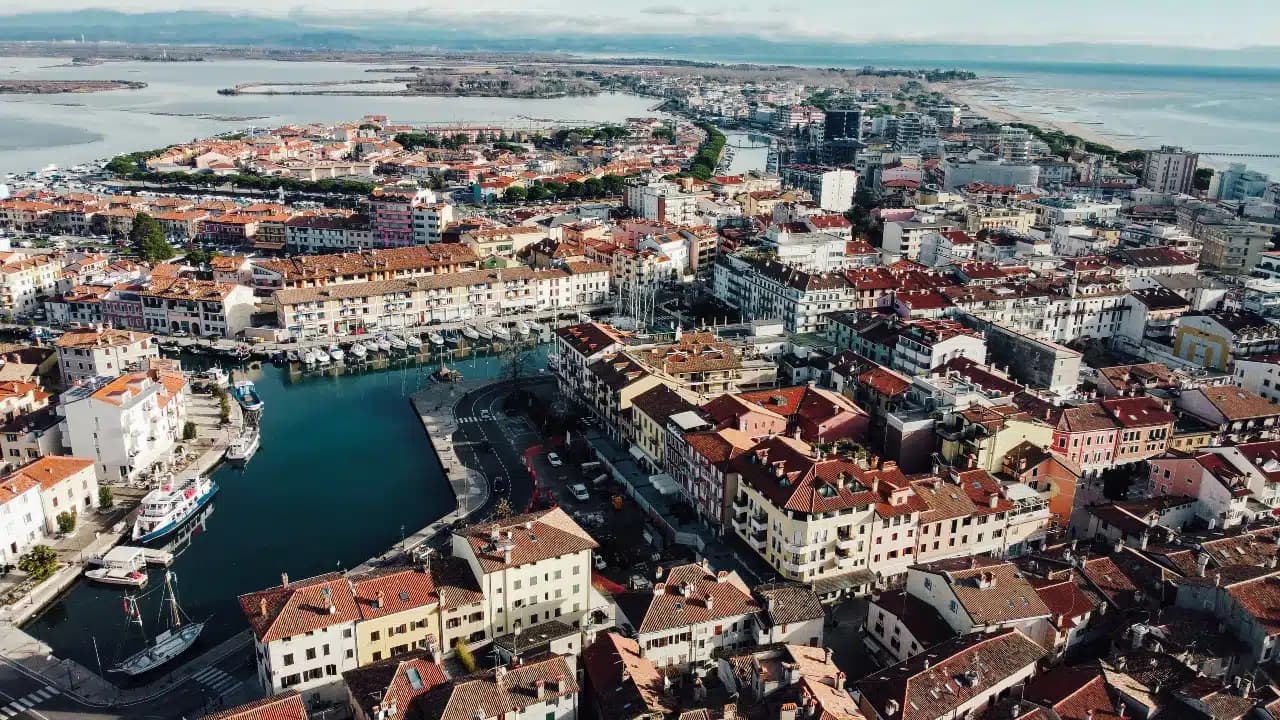
An Adriatic island town inside a 90-square-kilometer lagoon, refuge of the Aquileian patriarchs after 568 and a Habsburg bathing resort thirteen centuries later.
Cervignano del Friuli
Province: Udine
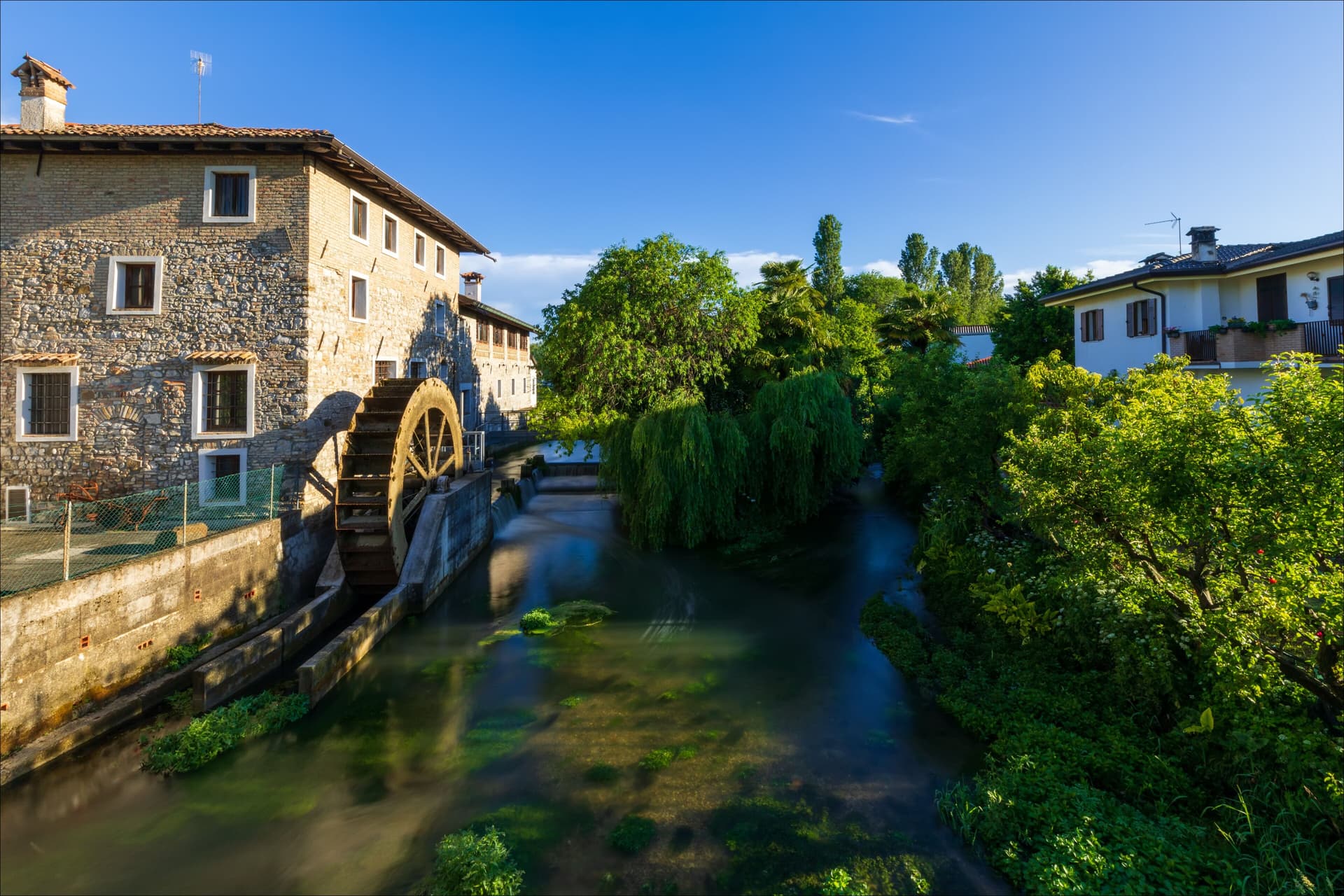
The capital of Bassa Friulana on the Ausa river, an inland river port for Aquileia in 181 BC and a railway junction since 1860.
Palmanova
Province: Udine
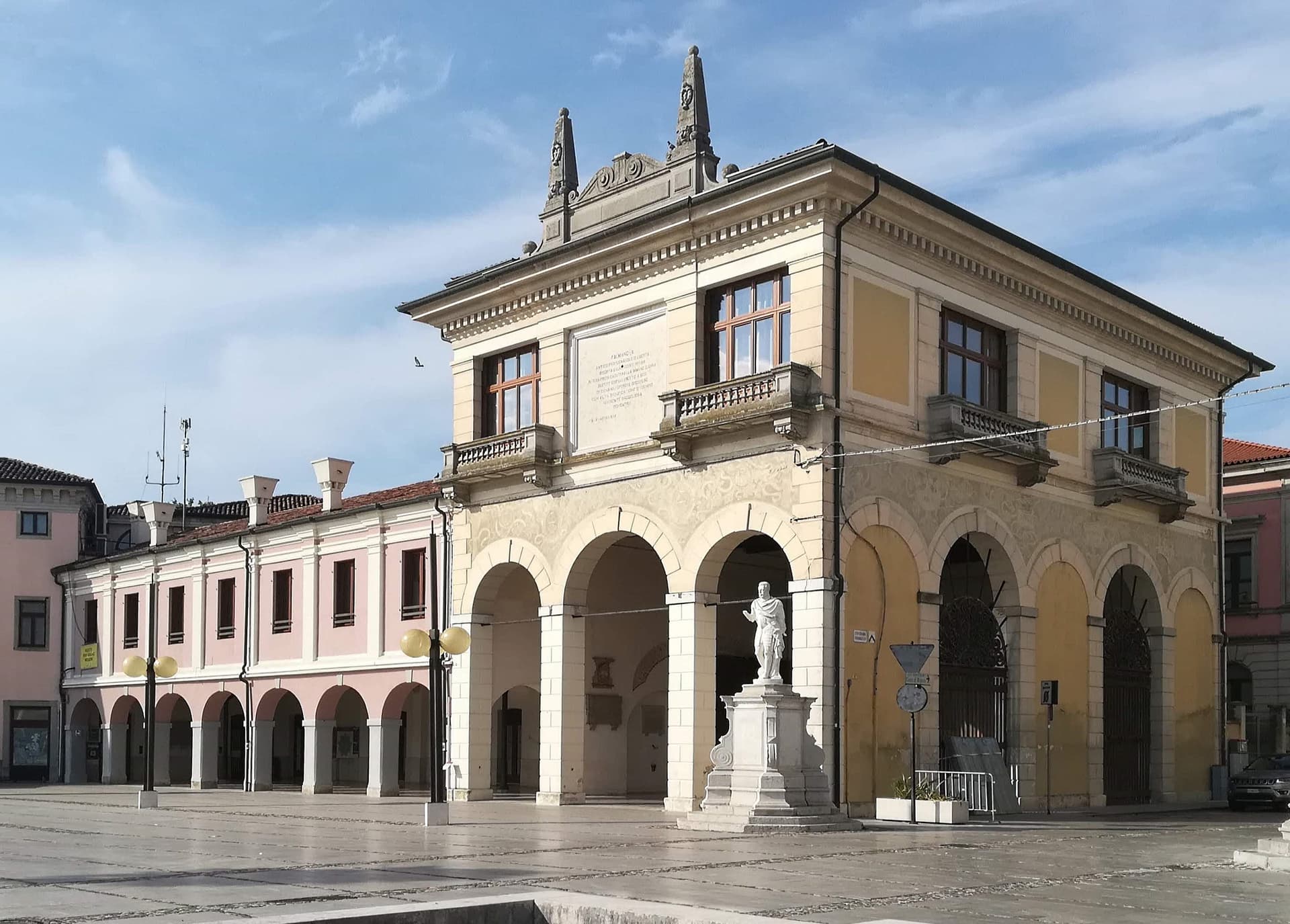
A nine-pointed Venetian star fortress founded 7 October 1593, designed as a perfect Renaissance city and finished, in three phases, under Napoleon in 1813.
Gradisca d'Isonzo
Province: Gorizia
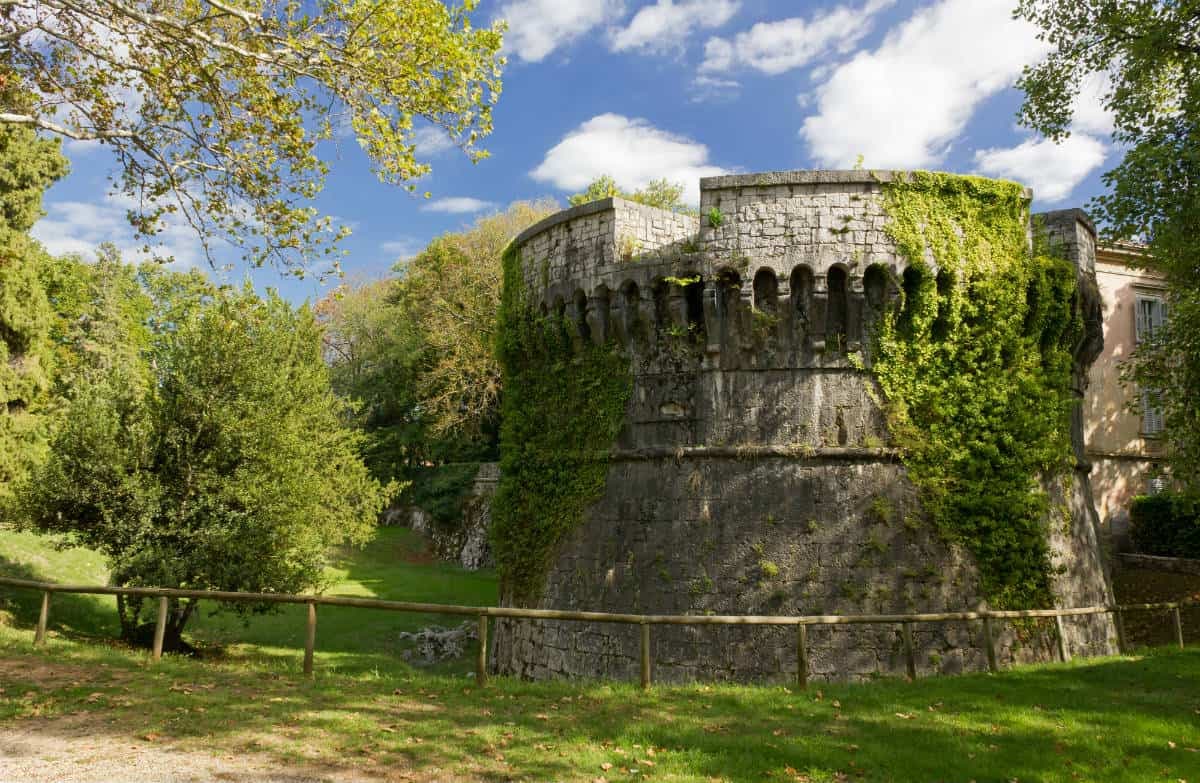
A 1479 Venetian bastion on the right bank of the Isonzo, with seven towers, twenty-meter walls, and a Habsburg court inside.
Cormons
Province: Gorizia
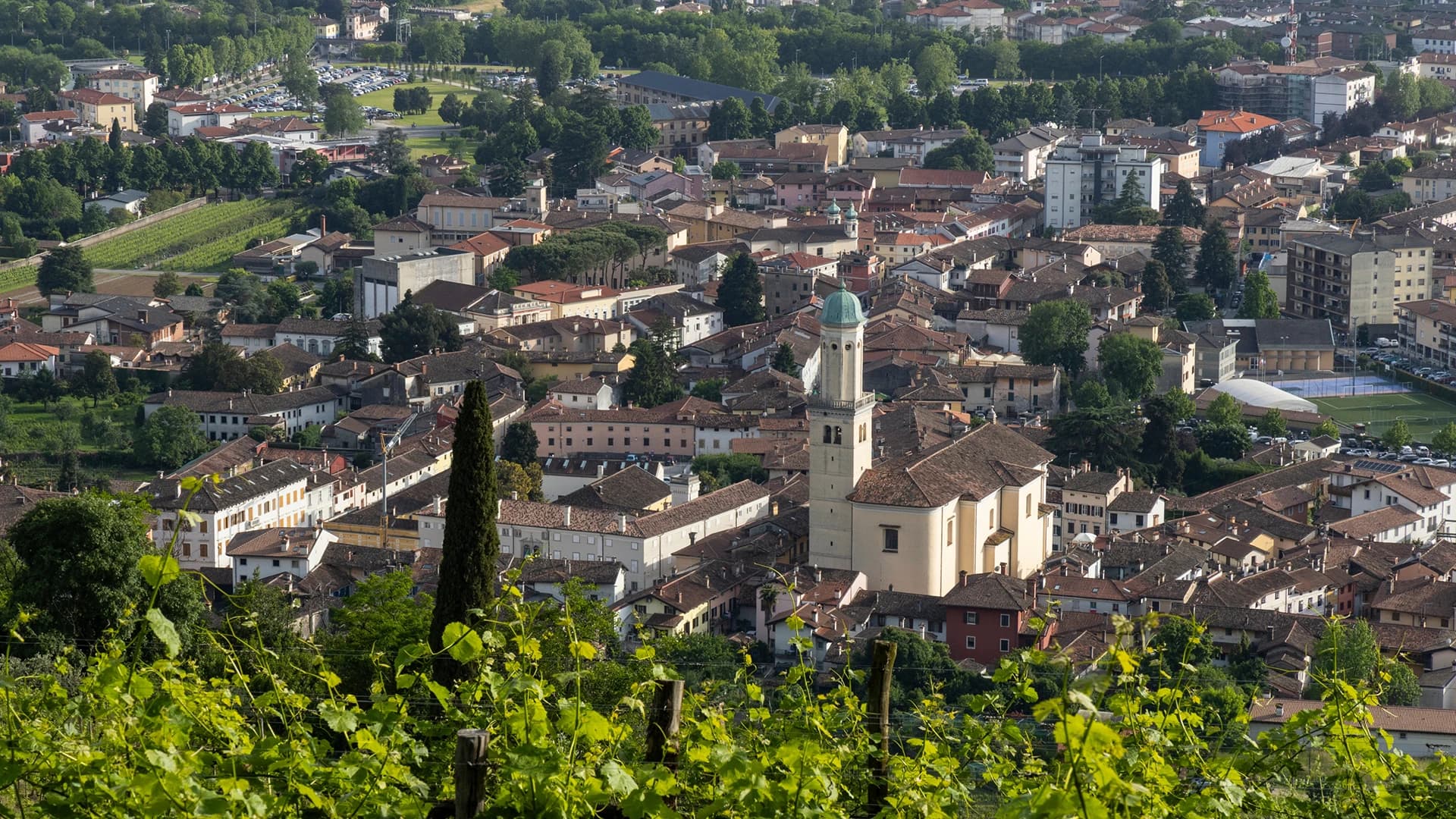
The capital of the Collio wine zone at the foot of the Friulian-Slovenian hills, with a statue of Emperor Maximilian I on its main square.
🏛️ UNESCO
More UNESCO towns
Matera
Province: Matera
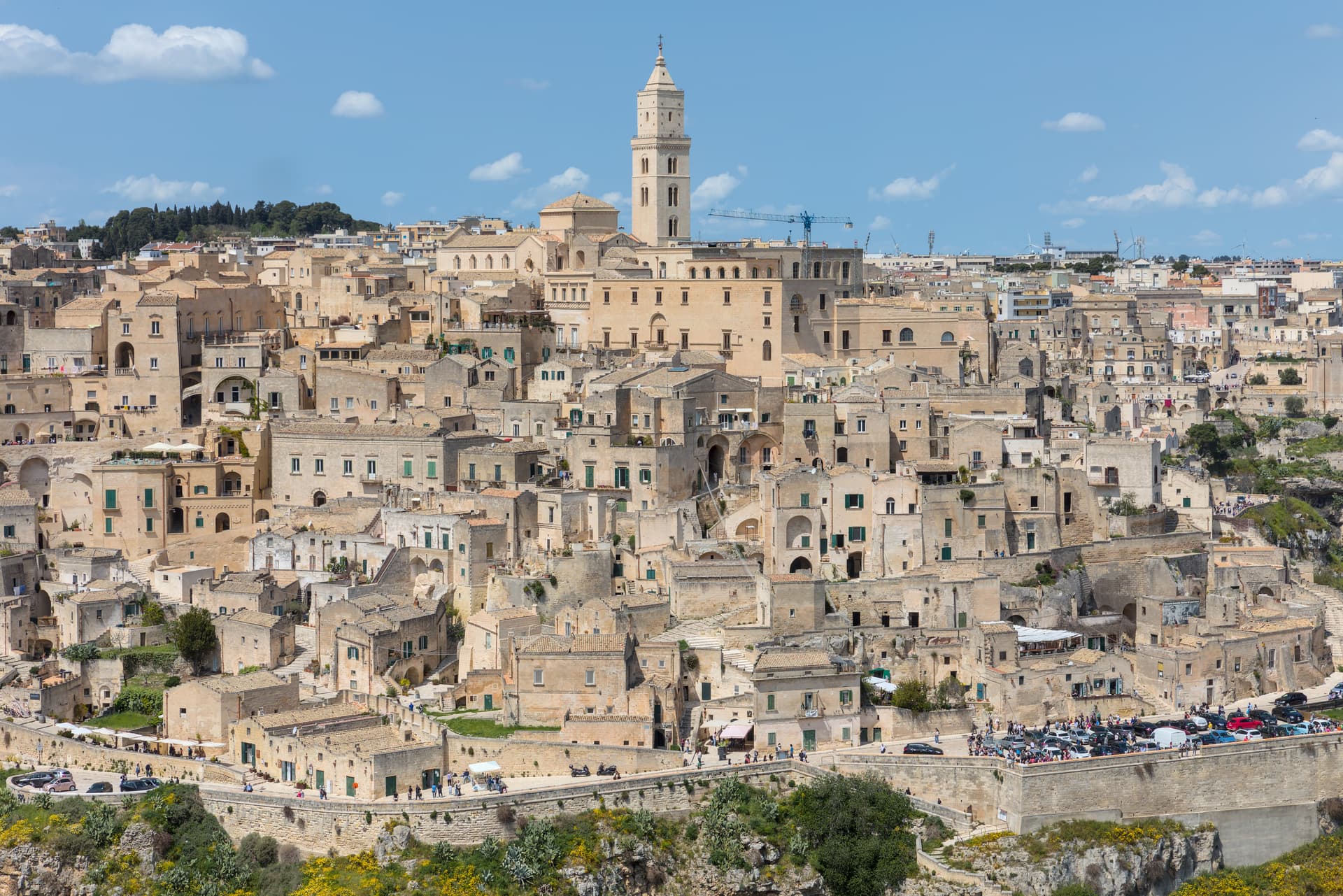
Cave dwellings carved into limestone since the Paleolithic, called the shame of Italy in the 1950s and made European Capital of Culture in 2019.
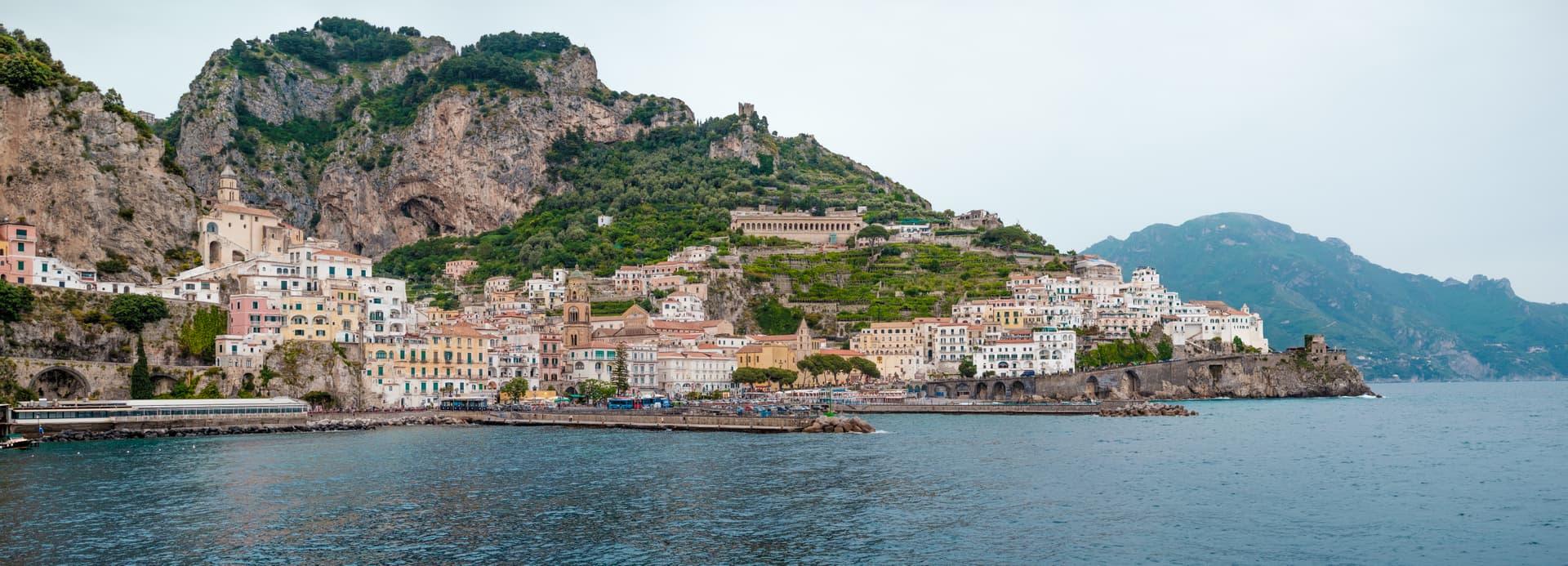
Amalfi
Province: Salerno
The first Italian maritime republic and the coast it named, six meters above the sea between cliffs that close around the duomo's steps.
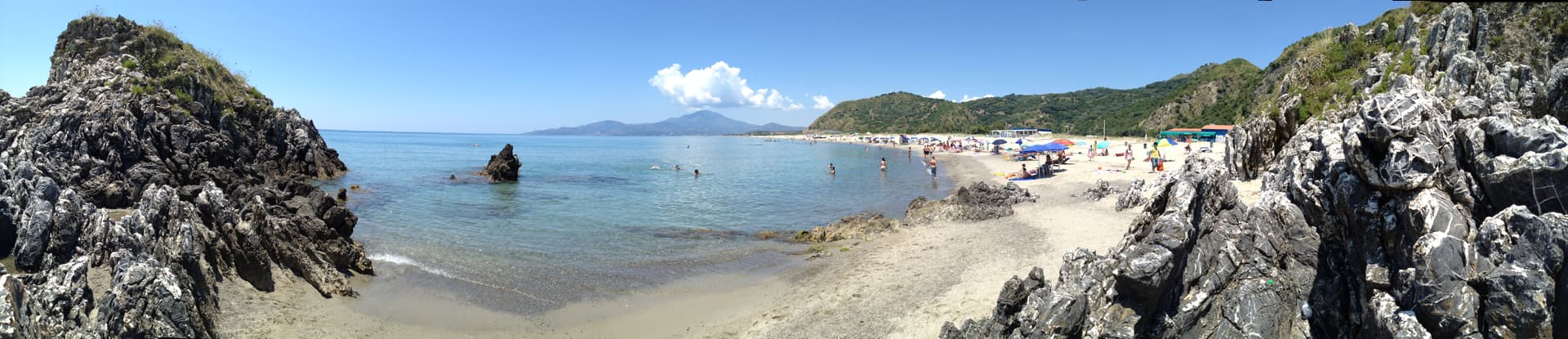
Ascea
Province: Salerno
Two villages, a hilltown at 230 meters and a Cilento marina, with Parmenides and Zeno's Eleatic school in the ruins of Greek Velia below.
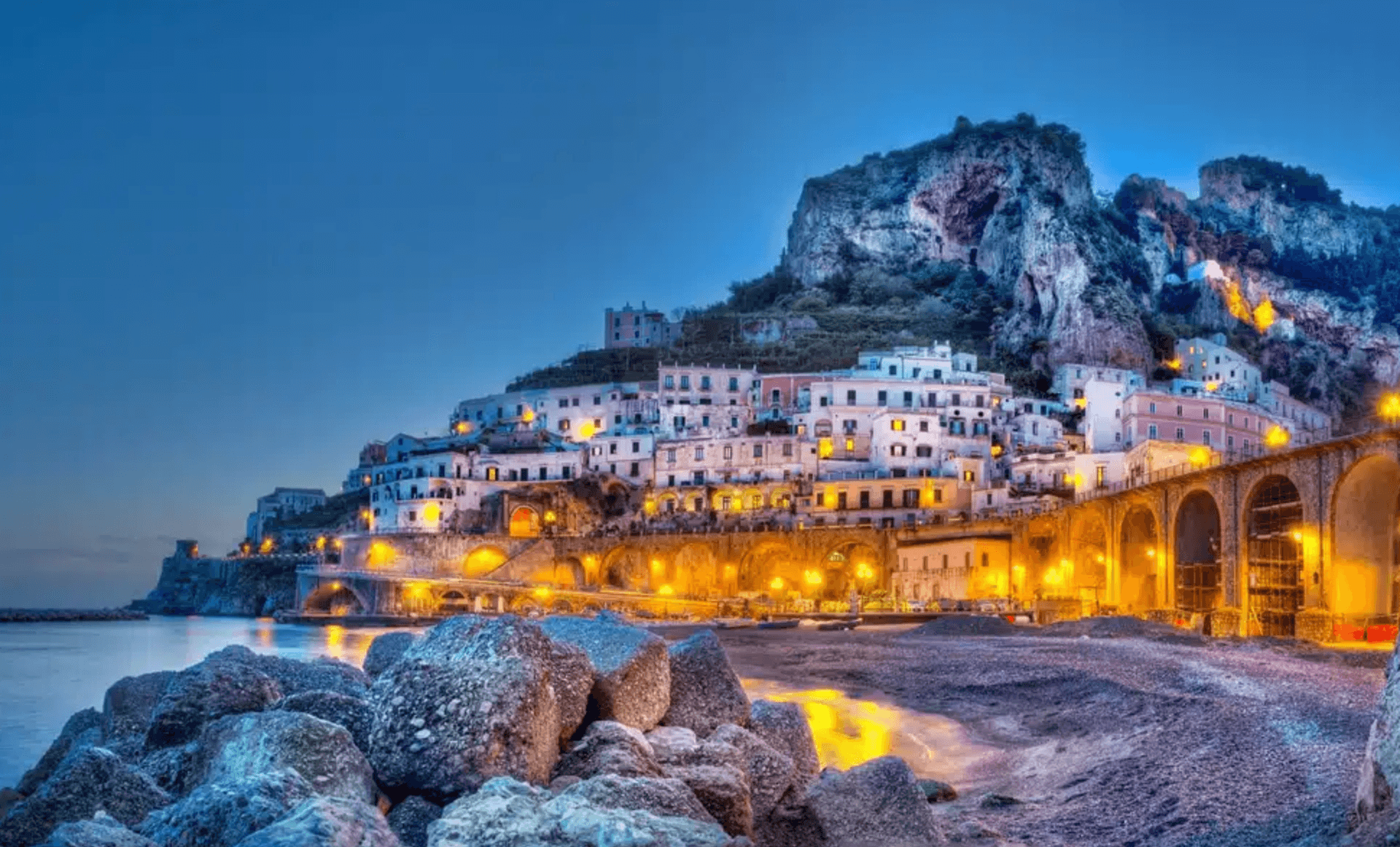
Atrani
Province: Salerno
The smallest commune in Italy by area, twelve hectares of stacked houses where the Amalfi Coast pinches shut around a single piazza.
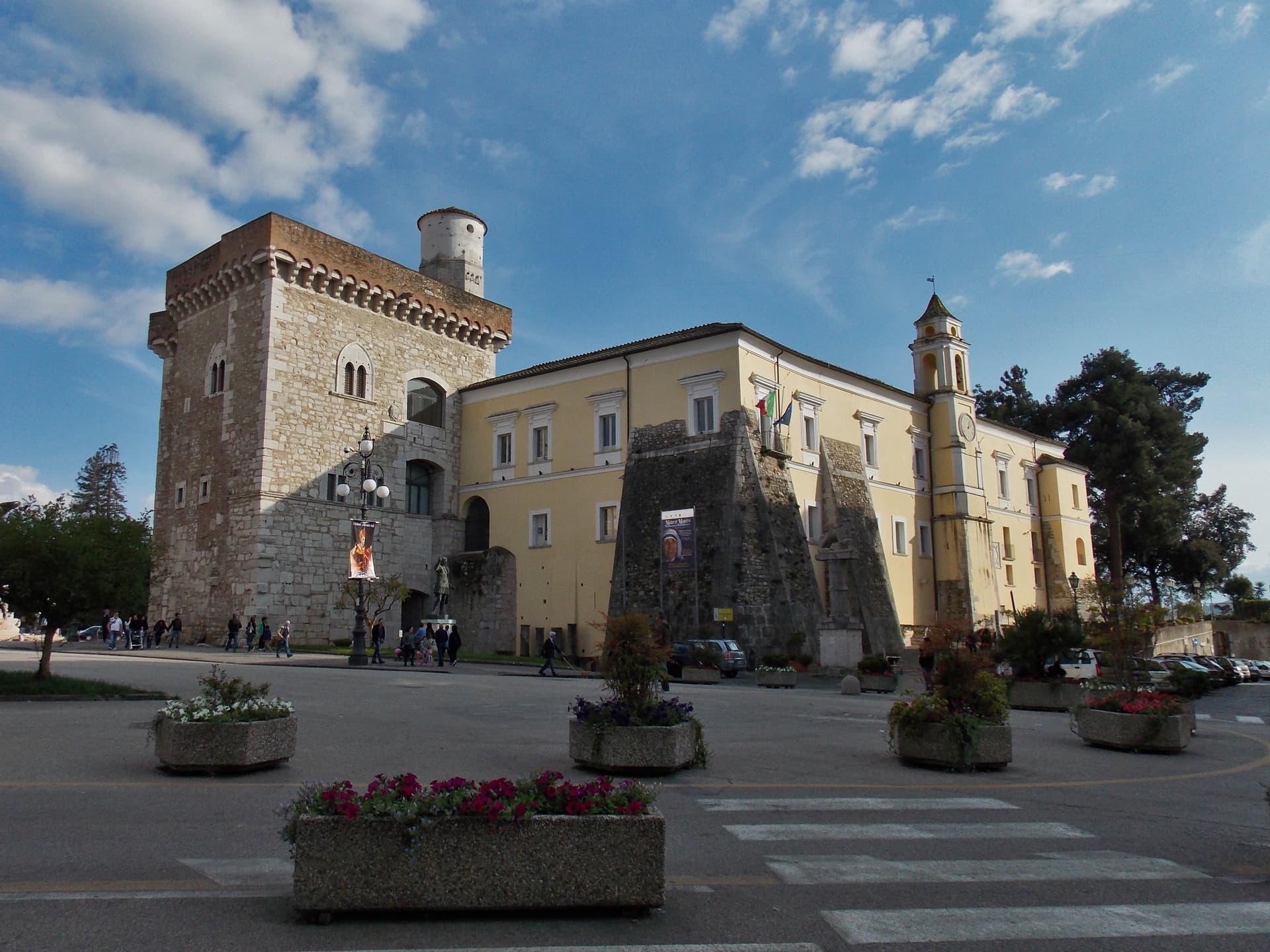
Benevento
Province: Benevento
Sannio capital at the Calore-Sabato confluence, with a 114 AD Trajan arch and a Lombard rotunda on the UNESCO list.