

Friuli-Venezia Giulia · Udine
Forni di Sotto
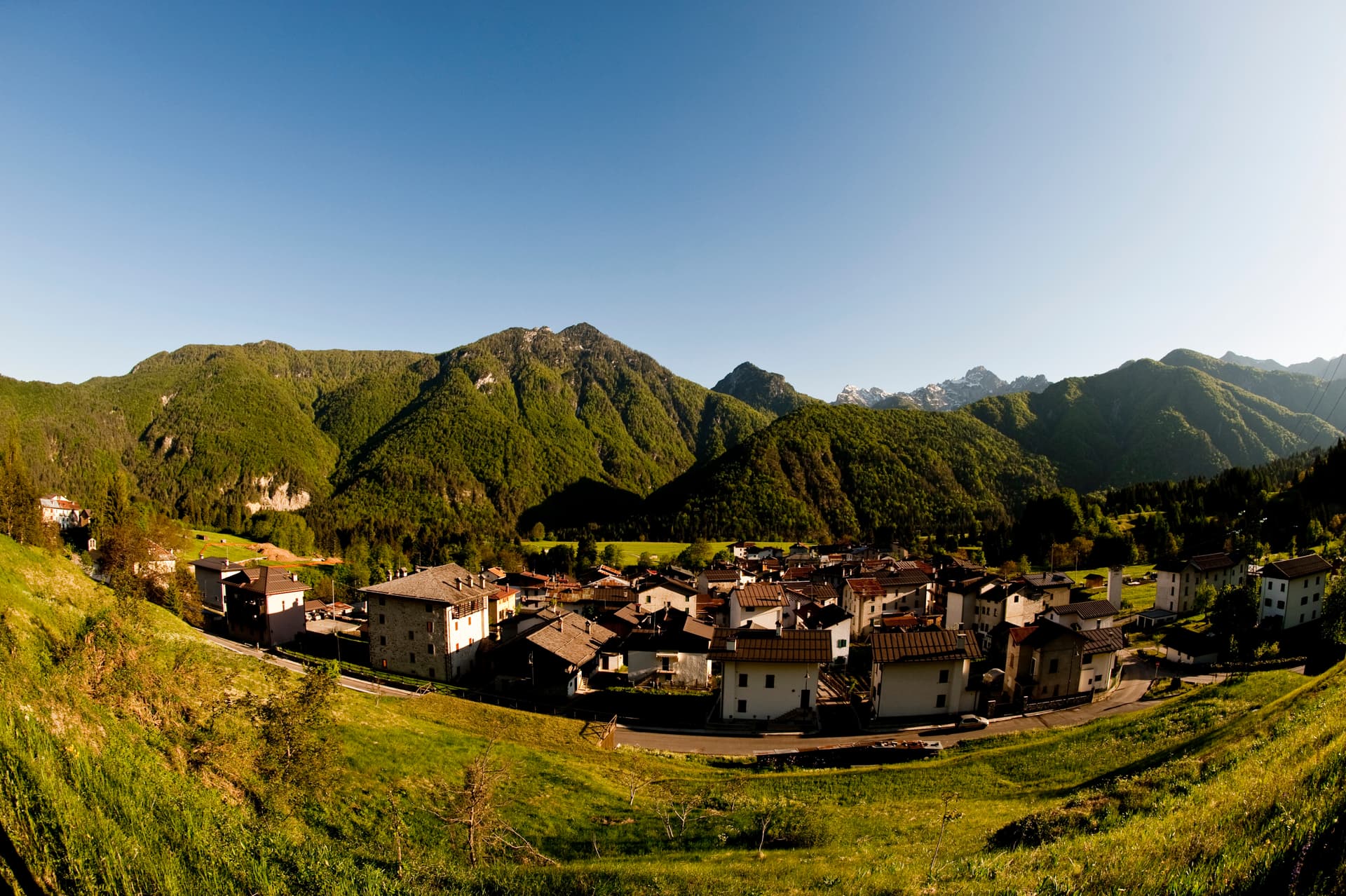
Carnia's Dolomite gateway — a 548-resident alpine borgo at 791m at the head of the Val Tagliamento, gateway to the Parco Naturale delle Dolomiti Friulane (UNESCO Dolomites), with Borgo Autentico mark, a centro almost entirely rebuilt after the 1944 German wartime burning, and direct access to the Forni Avoltri-Sappada ski + hiking circuit.
Known for
DOLOMITI FRIULANE GATEWAY
UNESCO Dolomites direct-access village. Trail network into Monte Pramaggiore + the Cellina valley + the Monfalconi-Spalti-Cimoliana group.
BORGO AUTENTICO
Italian small-village quality mark for community life. Authentic Carnic stone-and-larch architecture from the post-war reconstruction.
1944 WARTIME MEMORIAL
Wehrmacht burned the village 30 April 1944 in retaliation for partisan activity. The post-war reconstruction is itself part of the memorial.
CJARSONS HOMELAND
Italy's most idiosyncratic regional pasta — Carnic filled pasta with potato + ricotta + raisins + cinnamon + chocolate. Sweet-savoury combinations unique to the Carnia.
When to visit
Best · Jun–Sep
- J
- F
- M
- A
- M
- J
- J
- A
- S
- O
- N
- D
- Best
- Hot or crowded
- Quiet
- Mostly closed
The festa: Madonna del Rosario, 7 October
Why come
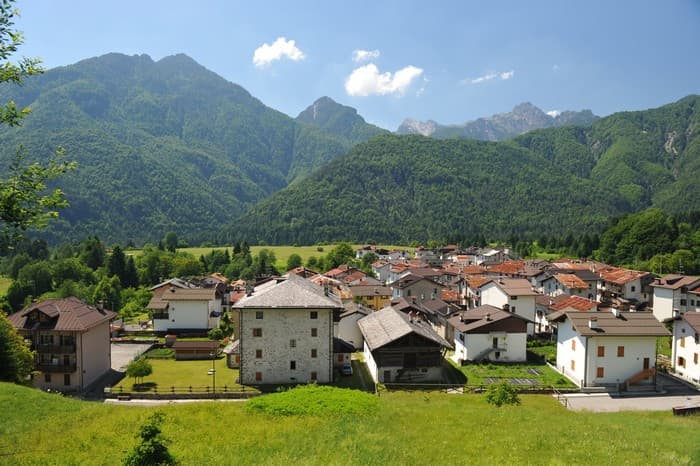
Forni di Sotto is a tiny Carnic alpine commune at the head of the upper Val Tagliamento — 548 residents at 791m altitude, the last Italian village before the road climbs into the Cimolais pass connecting Friuli to the Veneto Dolomites. The town is the gateway to the Parco Naturale delle Dolomiti Friulane (part of the UNESCO Dolomites inscription since 2009), and direct trail access from the village leads into Monte Pramaggiore (2,479m), the Monfalconi-Spalti-Cimoliana group, and the wild Cellina valley. The Borgo Autentico mark (Italian small-village quality designation) recognizes the active community life despite the small population.
The historical context is dark: on 30 April 1944 the German Wehrmacht burned the entire village in retaliation for partisan activity in the surrounding mountains — only the Chiesa di Santa Maria Assunta + a handful of houses survived. The post-war reconstruction (1945-1960s) followed traditional Carnic stone-and-larch architecture, so the village today reads as authentic Alpine even though most buildings are <80 years old. The Chiesa di Santa Maria Assunta (15th-c, partially restored) is the main pre-war survivor and holds the Festa di Sant'Anna (last Sunday July) which is the year's main civic event.
Surroundings: Sappada 50 km east (Veneto-but-historically-Germanic-speaking, UNESCO ski + hiking), Forni di Sopra 8 km west (the larger sibling village, ski resort + summer trails), the upper Tagliamento source 15 km north at Forni di Sopra. The food is Carnic: cjarsons (sweet-savoury filled pasta unique to the Carnia, with potato + smoked ricotta + raisins + cinnamon + chocolate filling — Italy's most idiosyncratic regional pasta), polenta + frico (Montasio cheese + potato pancake), goulash (Habsburg-era influence), the local Refosco red. Like all Carnic villages, depopulation is heavy — 1,400 residents in 1951, 548 today.
The Sunday letter
We haven’t written Forni di Sotto’s letter yet.
One town every Sunday, with the photo, the food, the festa. Be there when this one comes up. Free, by Peter & Sophia from Pietrasanta.
By subscribing you agree to Substack’s Terms of Use, our Privacy Policy and our Information collection notice.
What to see
Parco Naturale Dolomiti Friulane (UNESCO)
Direct trail access from the village to Monte Pramaggiore (2,479m), the Monfalconi-Spalti-Cimoliana group, and the wild Cellina valley. Part of the UNESCO Dolomites inscription since 2009.
Chiesa di Santa Maria Assunta
15th-c church partially surviving the 30 April 1944 German burning of the village. Festa di Sant'Anna last Sunday July is the year's main civic event.
1944 burning memorial + reconstructed village
Memorial to the 30 April 1944 Wehrmacht retaliation burning. Post-war reconstruction followed traditional Carnic stone-and-larch architecture — authentic-feeling though most buildings are <80 years old.
Sappada + Forni di Sopra + upper Tagliamento
Sappada 50 km east (Germanic-speaking Alpine + UNESCO Dolomites). Forni di Sopra 8 km west (the larger sibling, ski + trails). Upper Tagliamento source at Forni di Sopra.
Cjarsons + frico + Carnic kitchen
Cjarsons (the unique sweet-savoury Carnic filled pasta with potato + ricotta + raisins + cinnamon + chocolate), polenta + frico (Montasio + potato pancake), goulash, Refosco red.
The slow-trip planner
Building a trip? Find where Forni di Sotto fits in a slow Italy circuit.
Answer five questions. We will shape a geographically coherent slow trip from the 1,000 Italian towns most travelers skip. Yours to save and share.
Living here
- Population 548
- Very remotei
- Pharmacy in town
- Nearest high school over ~30 minutes away
- Nearest airport Venice, 2 h 4 min drive
- Regional capital Trieste, 2 h 4 min drive
Tags & datadesignations · numbers · sources
Recognised as
The numbers
- Elevation: 791 m
- Population: 548
- Surface area: 93.6 km²
These figures were compiled from public directories — ISTAT, OpenStreetMap, Wikidata — and from the official listings of the guides named on this page. Town details change; verify with official sources before you travel.
Close by
More towns near Forni di Sotto
Sauris
Province: Udine
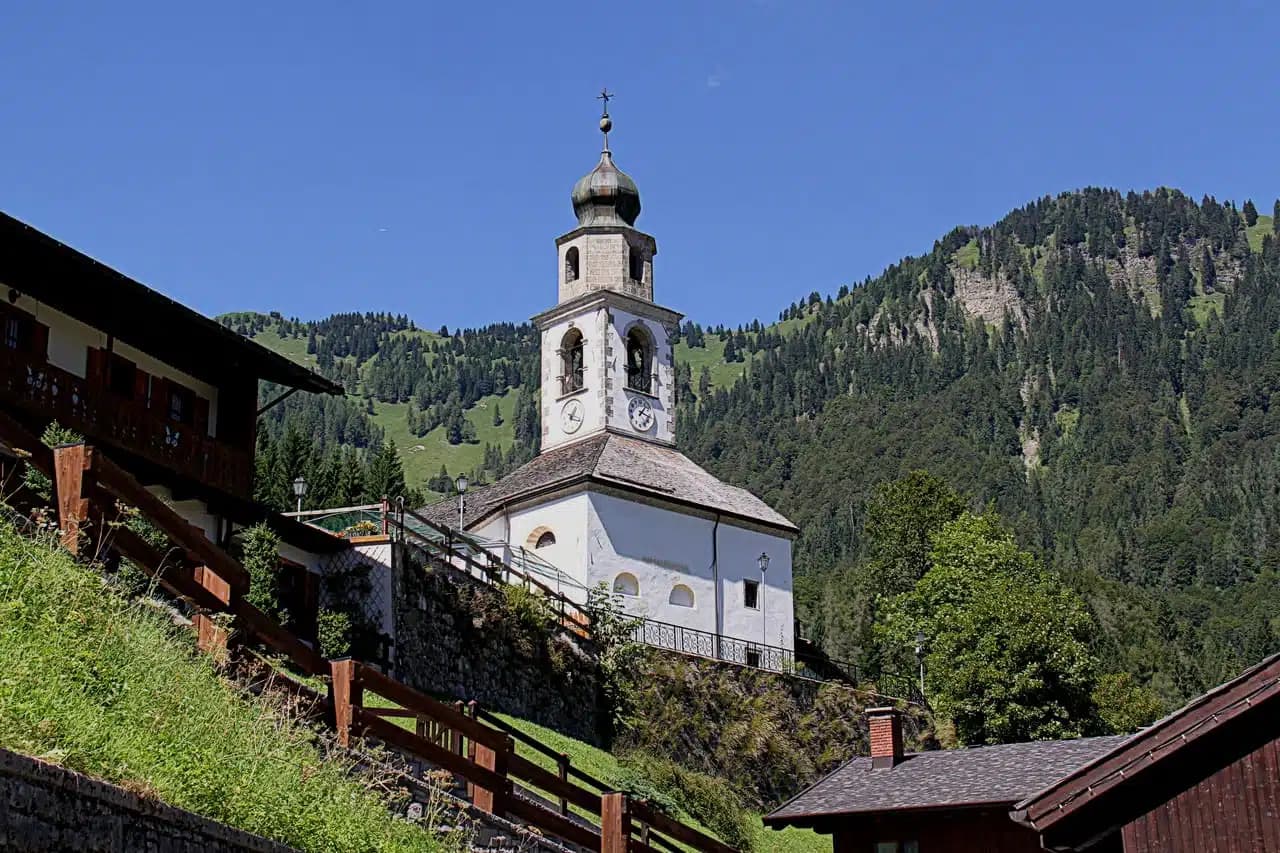
A 1,212-meter German-speaking island in the Carnic Alps, second-highest commune in Friuli, where Tyrolean settlers founded the village around the thirteenth century.
Venzone
Province: Udine
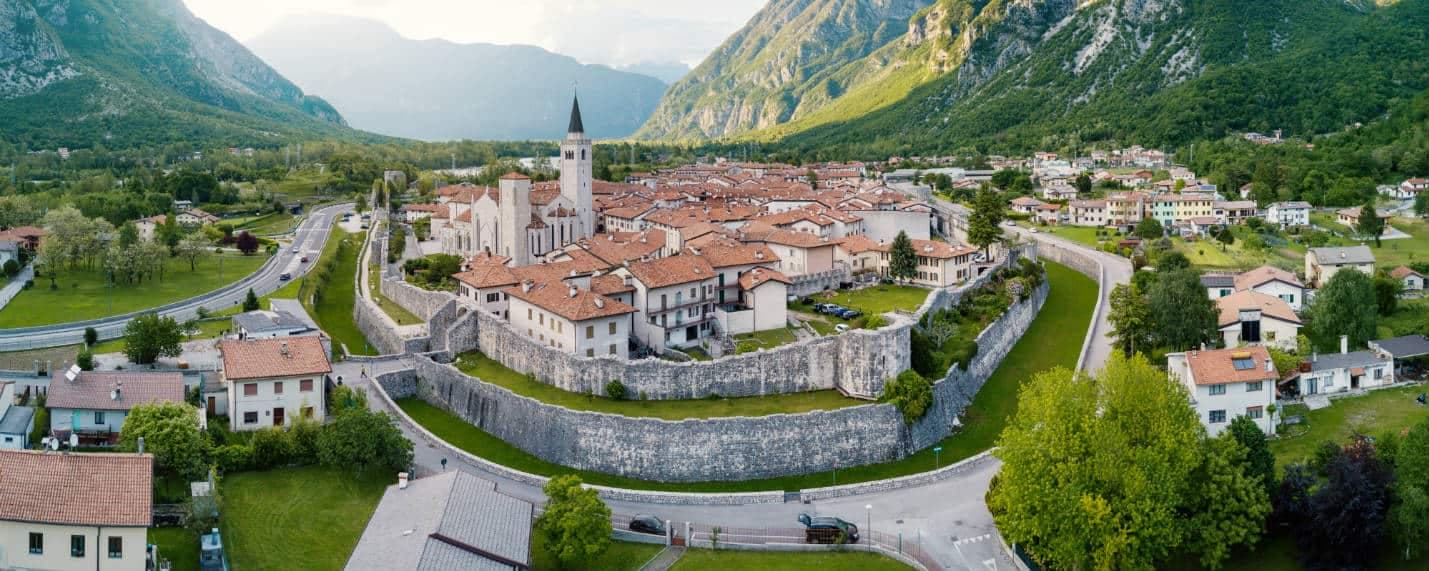
A 230-meter walled medieval town in the Tagliamento valley, leveled by the 1976 earthquake and rebuilt stone by stone, winner of Borgo dei Borghi 2017.
Sappada
Province: Udine
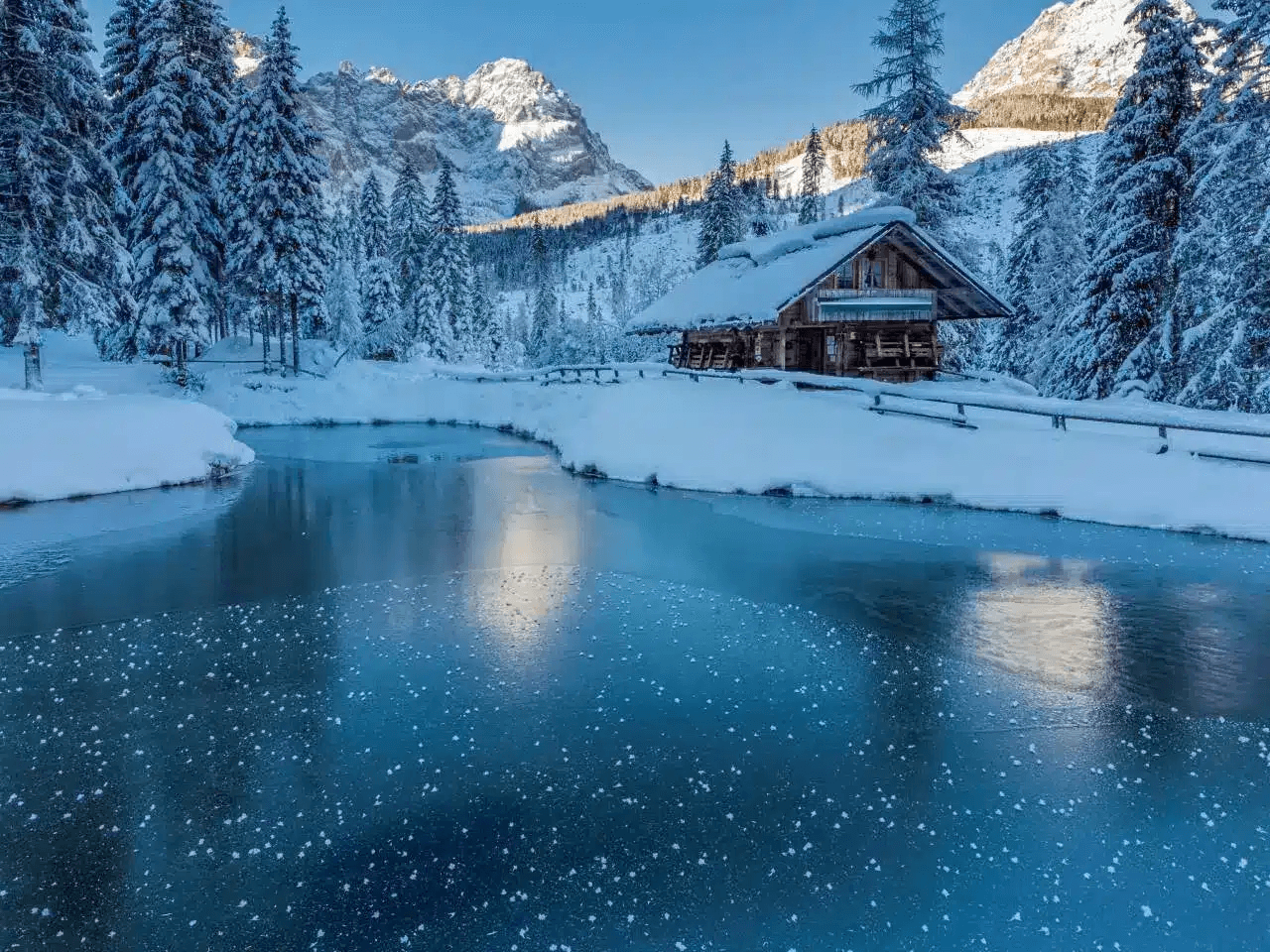
A German-speaking alpine village at 1,250 meters near the source of the Piave, settled from East Tyrol in the eleventh century and Italian since 1852.
Auronzo di Cadore
Province: Belluno
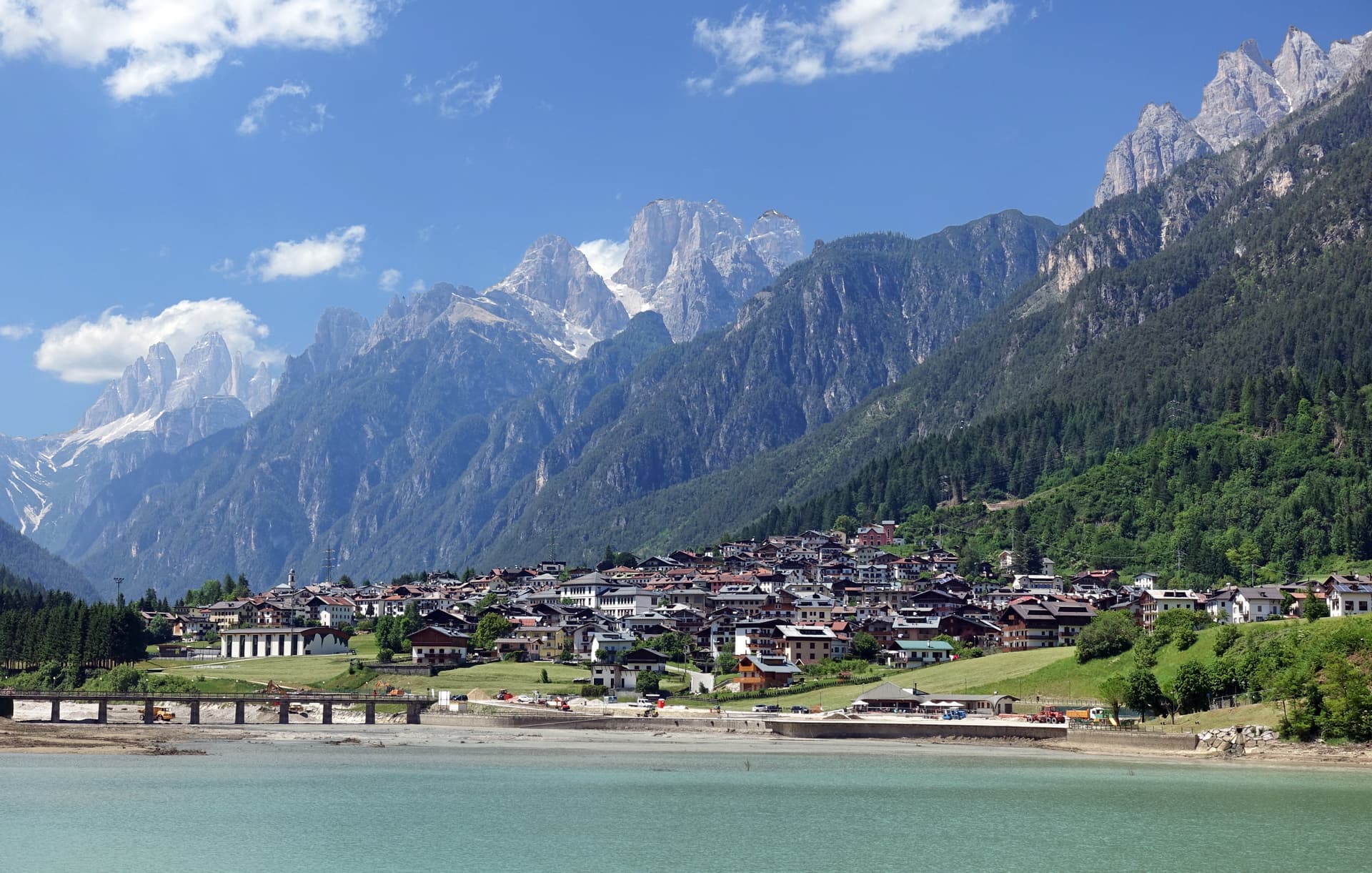
A five-kilometer ribbon town along an artificial lake at 864 meters, the gateway to the Tre Cime di Lavaredo and Lake Misurina.
San Daniele del Friuli
Province: Udine
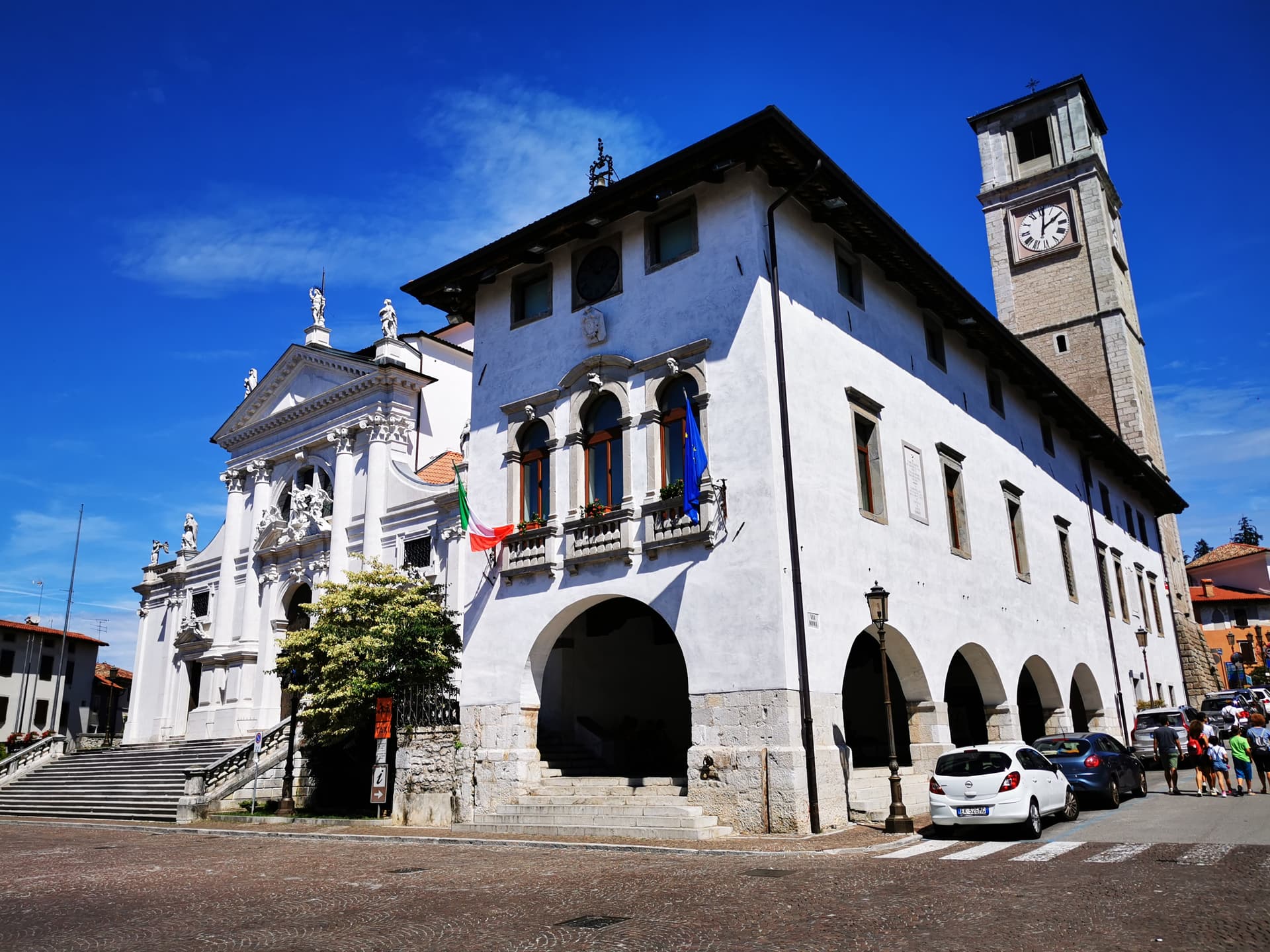
Italy's prosciutto capital — a 7,900-resident hill town in the Friuli morainic amphitheatre where the Tagliamento valley's south winds meet the alpine downdraughts, producing the San Daniele DOP raw-cured ham (31 producers, 14-month minimum cure) and where Pellegrino da San Daniele's 1497–1522 frescoes inside Sant'Antonio Abate are the regional Renaissance set-piece.
💎 Borghi Autentici
More Borghi Autentici towns
Archi
Province: Chieti
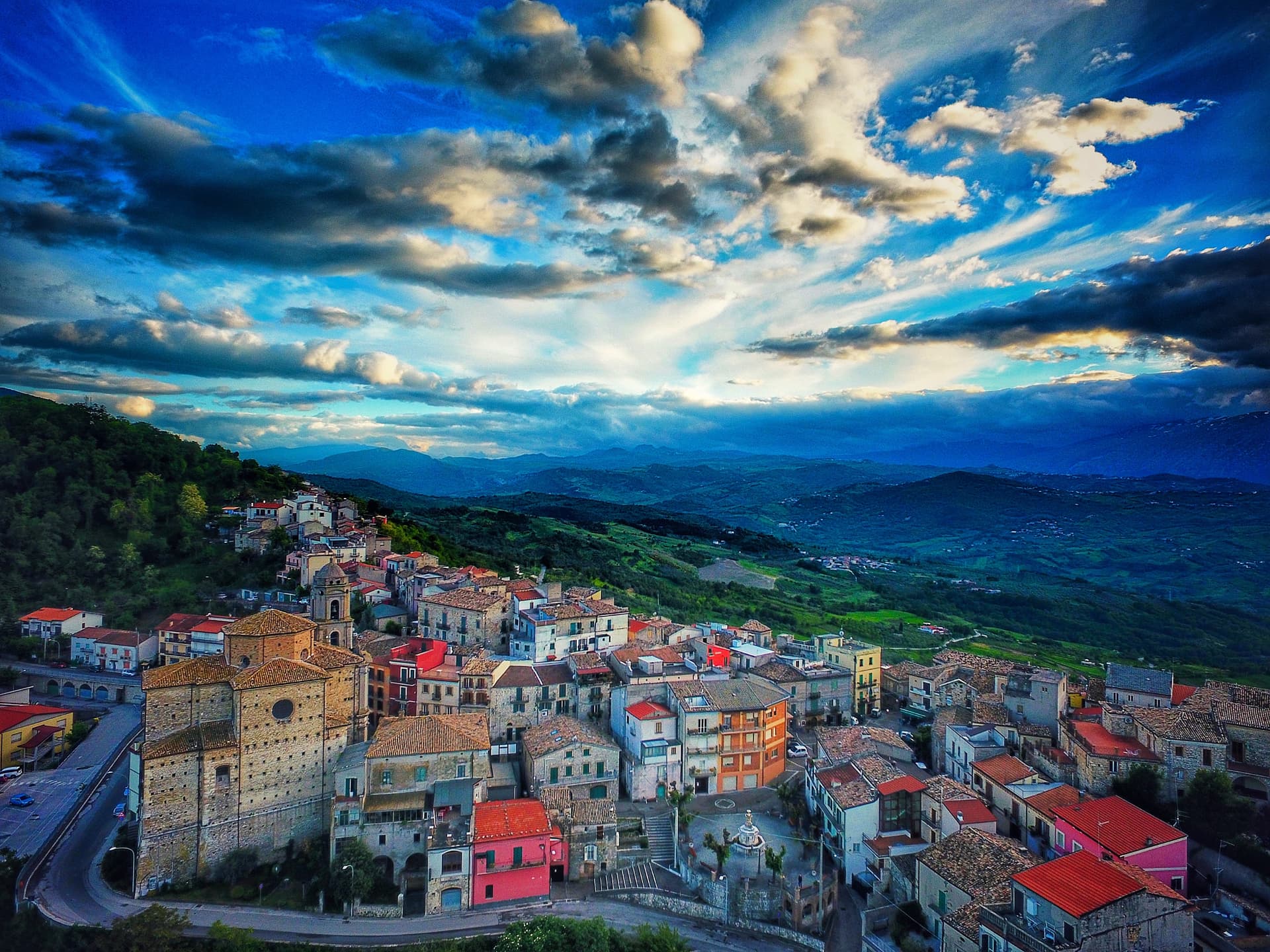
A 492-meter rocky spur called the Terrazza sul Sangro, fief of del Balzo, Cantelmo, Colonna and Carafa, now Città del Tartufo and Città dell'Olio.
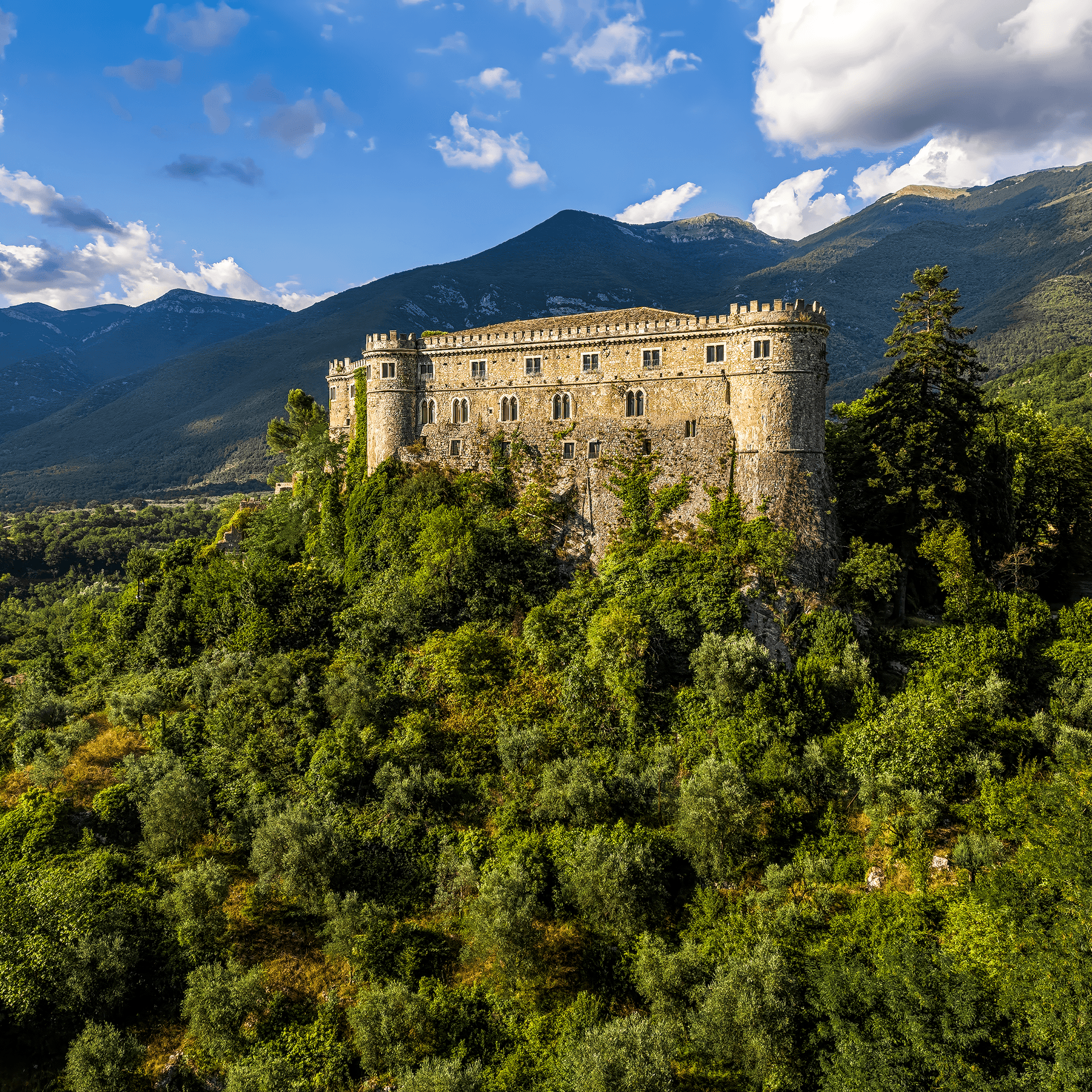
Balsorano
Province: L'Aquila
At 359 meters in the Valle Roveto, a Piccolomini castle that became the backdrop for half of 1970s Italian horror cinema.
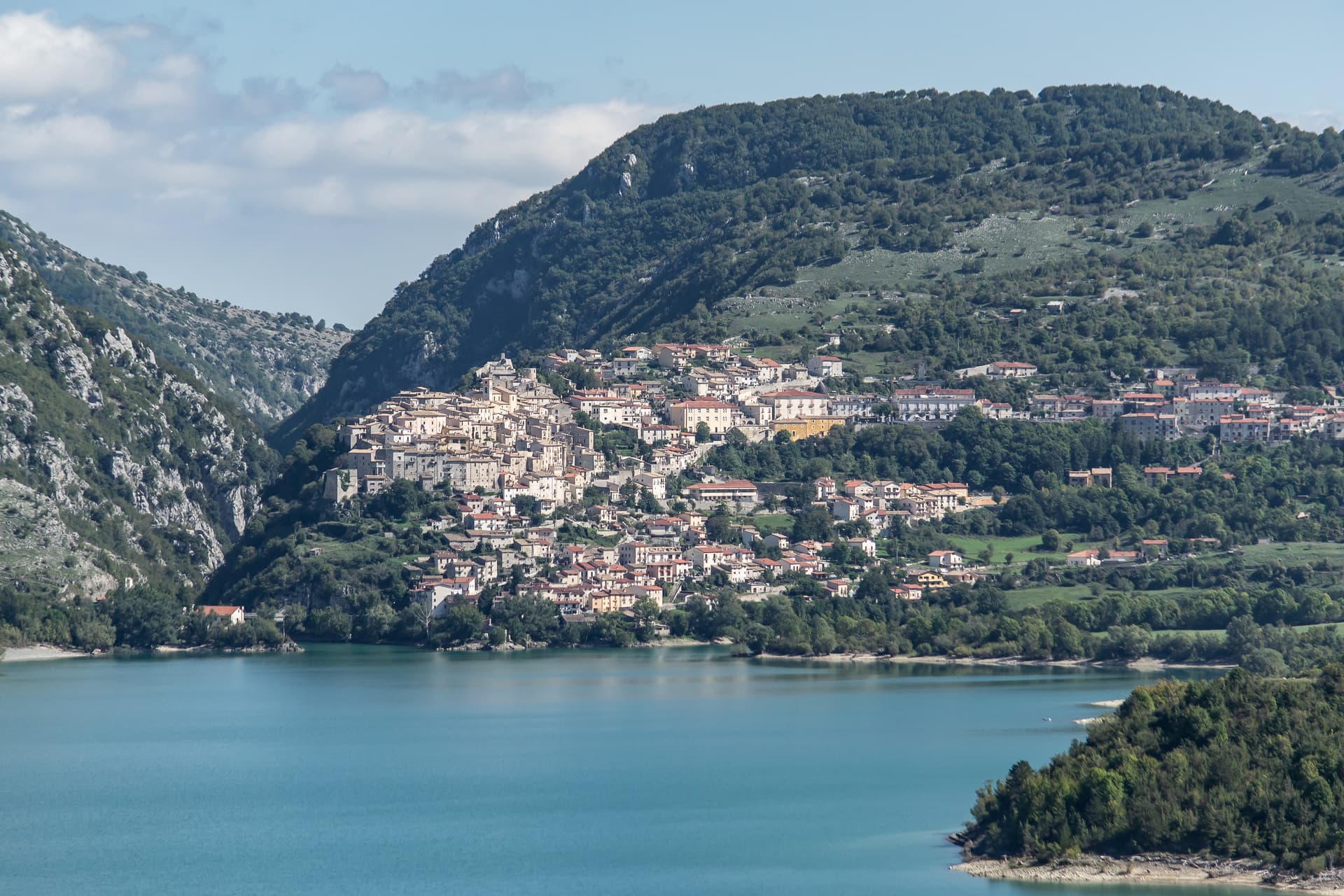
Barrea
Province: L'Aquila
A 1,066-meter spur above an artificial lake at the heart of the Abruzzo National Park, with a Samnite necropolis and an 11th-century di Sangro castle.
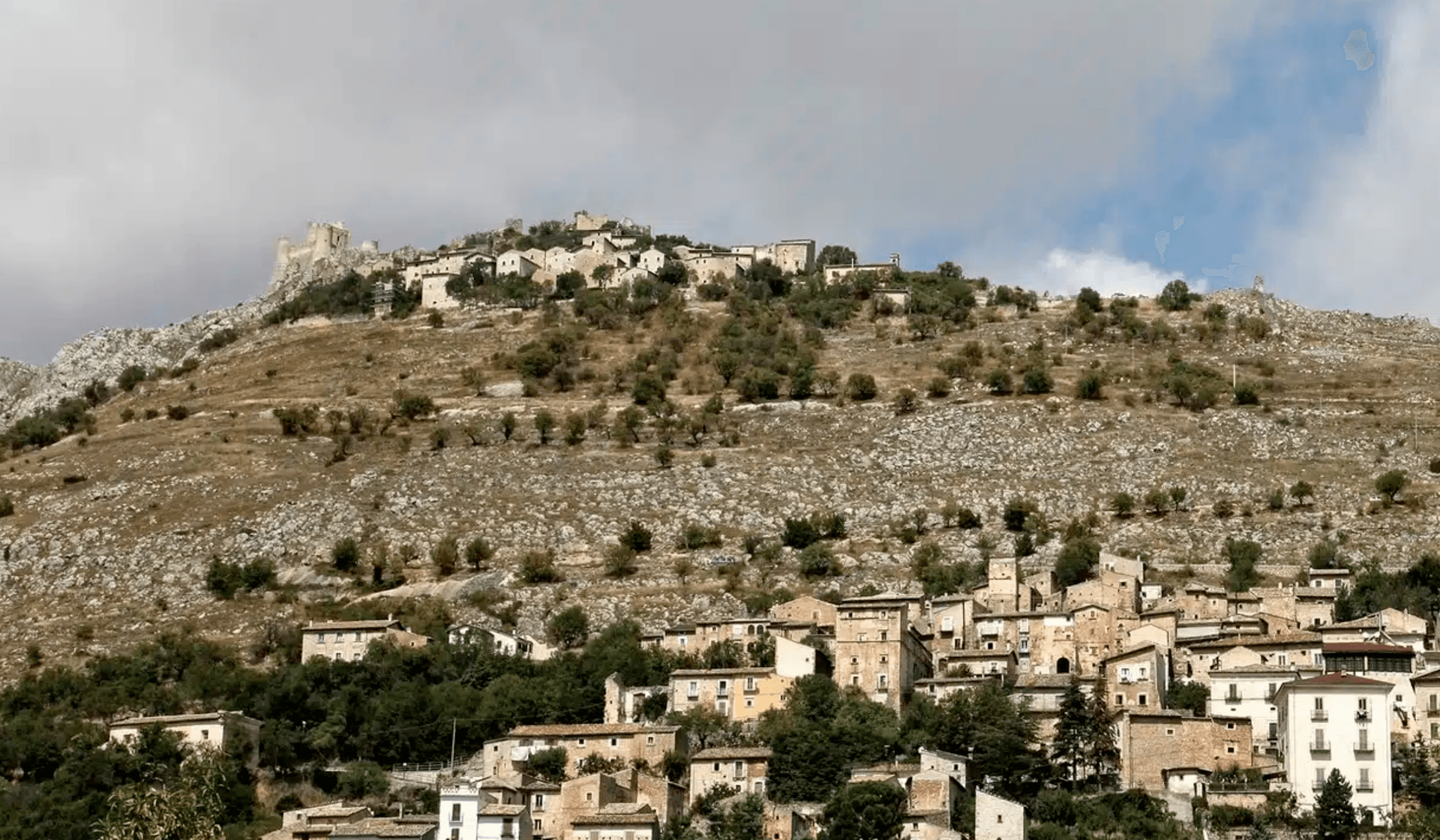
Calascio
Province: L'Aquila
At 1,200 meters under the highest castle in the Apennines, a village of 125 people that played the monk's refuge in Ladyhawke.
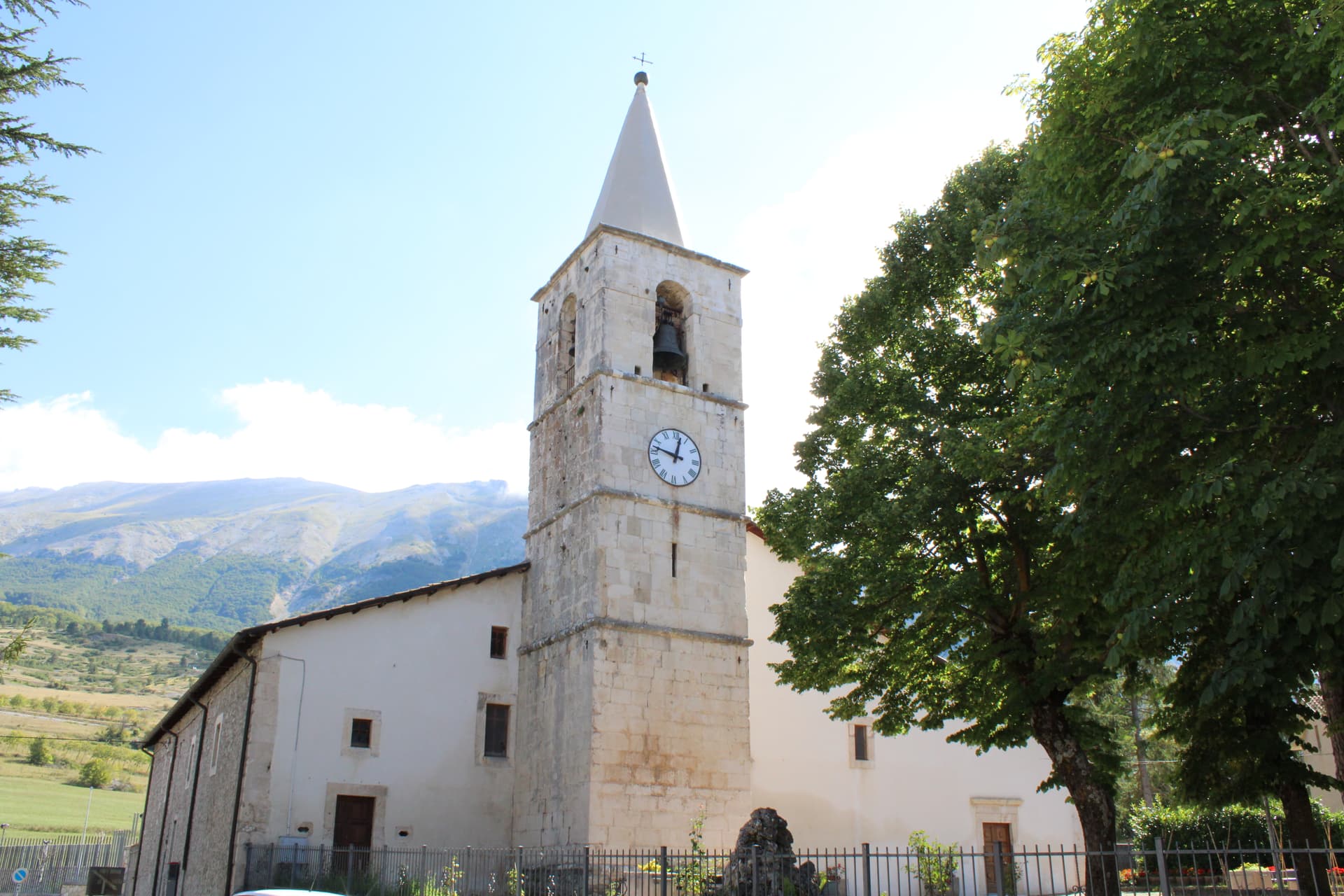
Campo di Giove
Province: L'Aquila
At 1,064 meters under the southwestern Maiella, the highest village in the park, named for a Roman temple to Jupiter.