
Umbria · Perugia
Panicale
A walled hill town on Monte Petrarvella, where a 1505 Perugino fresco covers the back wall of San Sebastiano.
Known for
PERUGINO 1505
Martyrdom of Saint Sebastian, Pietro Vannucci's fresco of 1505 covering the back wall of San Sebastiano, one of his late masterpieces.
TRASIMENO BALCONY
The southern Trasimeno panorama from 431 meters: the lake's three islands visible on the horizon below the town walls.
BOLDRINO
Boldrino da Panicale, the trecento condottiero born here in 1331, called the Flagellator of the March in his own century.
When to visit
Best · Apr–Oct
- J
- F
- M
- A
- M
- J
- J
- A
- S
- O
- N
- D
- Best
- Hot or crowded
- Quiet
- Mostly closed
The festa: Michele, 29 September
Why come
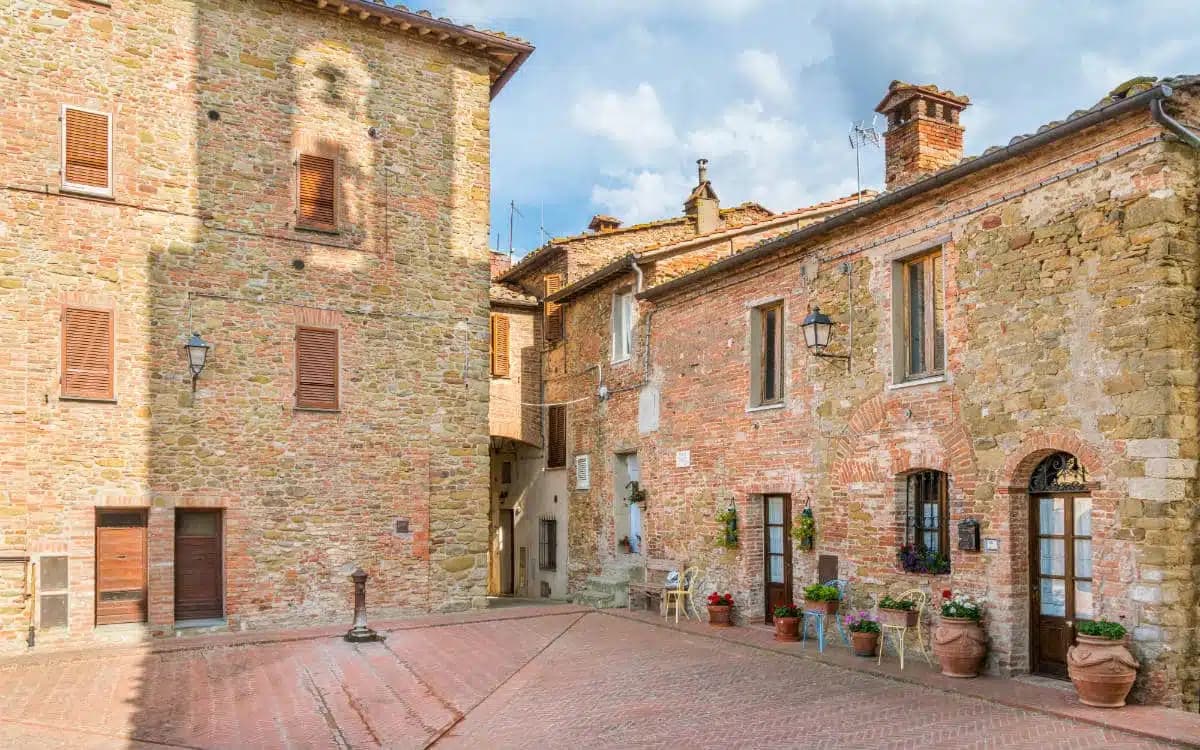
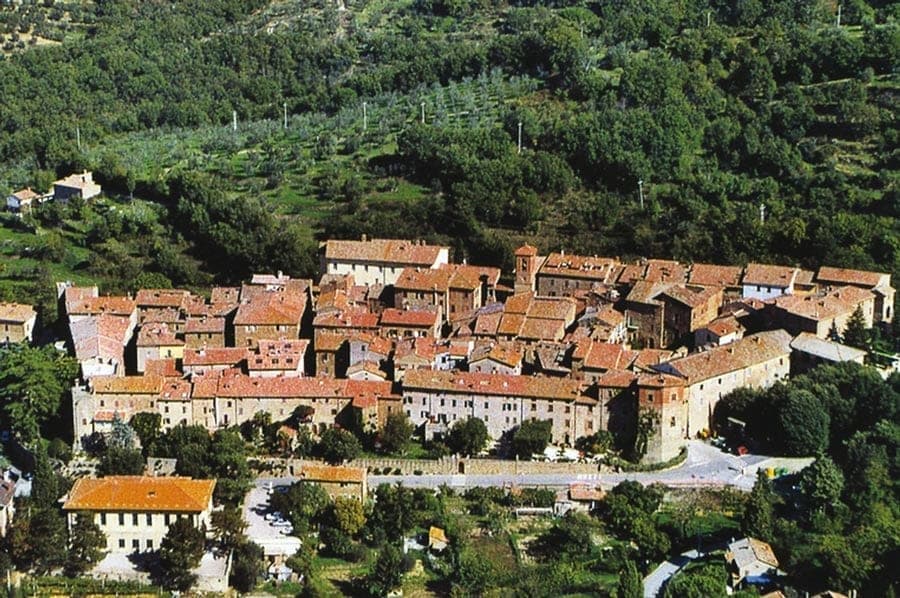
Panicale sits on the eastern slope of Monte Petrarvella, overlooking the southern shore of Lake Trasimeno from twenty-five kilometers southwest of Perugia. The medieval castle dates back in its earliest parts to the ninth century, and by the fourteenth Panicale was a small city-state with two gates facing Perugia and Florence and a moat around the walls. Boldrino da Panicale, born in 1331, became one of the most feared mercenary captains of the trecento.
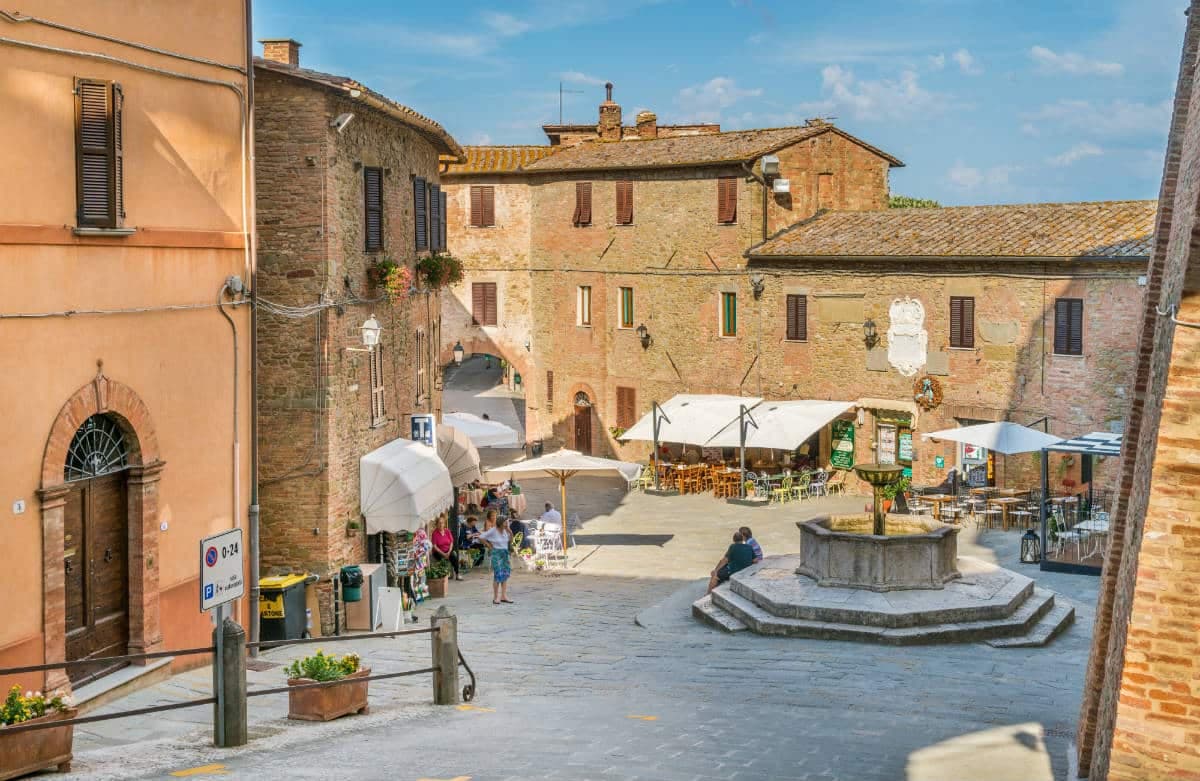
The Chiesa di San Sebastiano, on a slope outside the walls, holds Pietro Perugino's Martyrdom of Saint Sebastian, frescoed across the entire back wall between spring and autumn of 1505, the saint's body crossed by the arrows of four archers in a deep landscape. The Collegiata di San Michele Arcangelo on the main square claims an Annunciation attributed to Masolino da Panicale, the Renaissance painter the town shares as a birthplace claim with a Panicale in Tuscany. Three squares step down the slope on three different levels.
The Sunday letter
We haven’t written Panicale’s letter yet.
One town every Sunday, with the photo, the food, the festa. Be there when this one comes up. Free, by Peter & Sophia from Pietrasanta.
By subscribing you agree to Substack’s Terms of Use, our Privacy Policy and our Information collection notice.
What to see
Chiesa di San Sebastiano
Fifteenth-century chapel on a slope outside the walls, with Perugino's Martyrdom of Saint Sebastian, frescoed in 1505 across the entire back wall.
Collegiata di San Michele Arcangelo
Main parish church on Piazza San Michele, with an Annunciation attributed to Masolino da Panicale, master of Masaccio.
Castello e mura medievali
Medieval circuit and gates dating to the ninth century, with two entrances toward Perugia and Florence and the line of the old moat.
Teatro Caporali
Small nineteenth-century town theatre with a Piervittori canvas showing Boldrino da Panicale being honoured by the city of Perugia.
Piazza Umberto I
Main square at the centre of the borgo, the upper of three squares that step down the slope on different terraces.
The slow-trip planner
Building a trip? Find where Panicale fits in a slow Italy circuit.
Answer five questions. We will shape a geographically coherent slow trip from the 1,000 Italian towns most travelers skip. Yours to save and share.
We recommend
Where to eat and stay
Not our picks, but places the guides put their name to — a Michelin star, a Gambero Rosso fork, a Slow Food snail, a Michelin Key for the hotels. Worth a table, a counter, or a night when you pass through.
Lillo TatiniRistorante
Lillo Tatini has one Gambero Rosso fork (78/100) to its name.
LillotatiniRistorante
Lillotatini has a spot in the Michelin Guide to its name.
Rastrello Boutique HotelHotel
A place in the Michelin hotel guide, at Rastrello Boutique Hotel.
Living here
- Population 5,281
- Off the beaten pathi
- Pharmacy in town
- High school within a 30-minute drive
- Nearest airport Ancona / Pescara, 2 h 20 min drive
- Regional capital Perugia, 45 min drive
Tags & datadesignations · numbers · sources
The numbers
- Elevation: 431 m
- Population: 5,281
- Surface area: 79.26 km²
These figures were compiled from public directories — ISTAT, OpenStreetMap, Wikidata — and from the official listings of the guides named on this page. Town details change; verify with official sources before you travel.
Close by
More towns near Panicale
Paciano
Province: Perugia
Walled hill town of 957 people at 391 meters above Lake Trasimeno, three parallel streets, eight towers and three medieval gates intact.
Castiglione del Lago
Province: Perugia
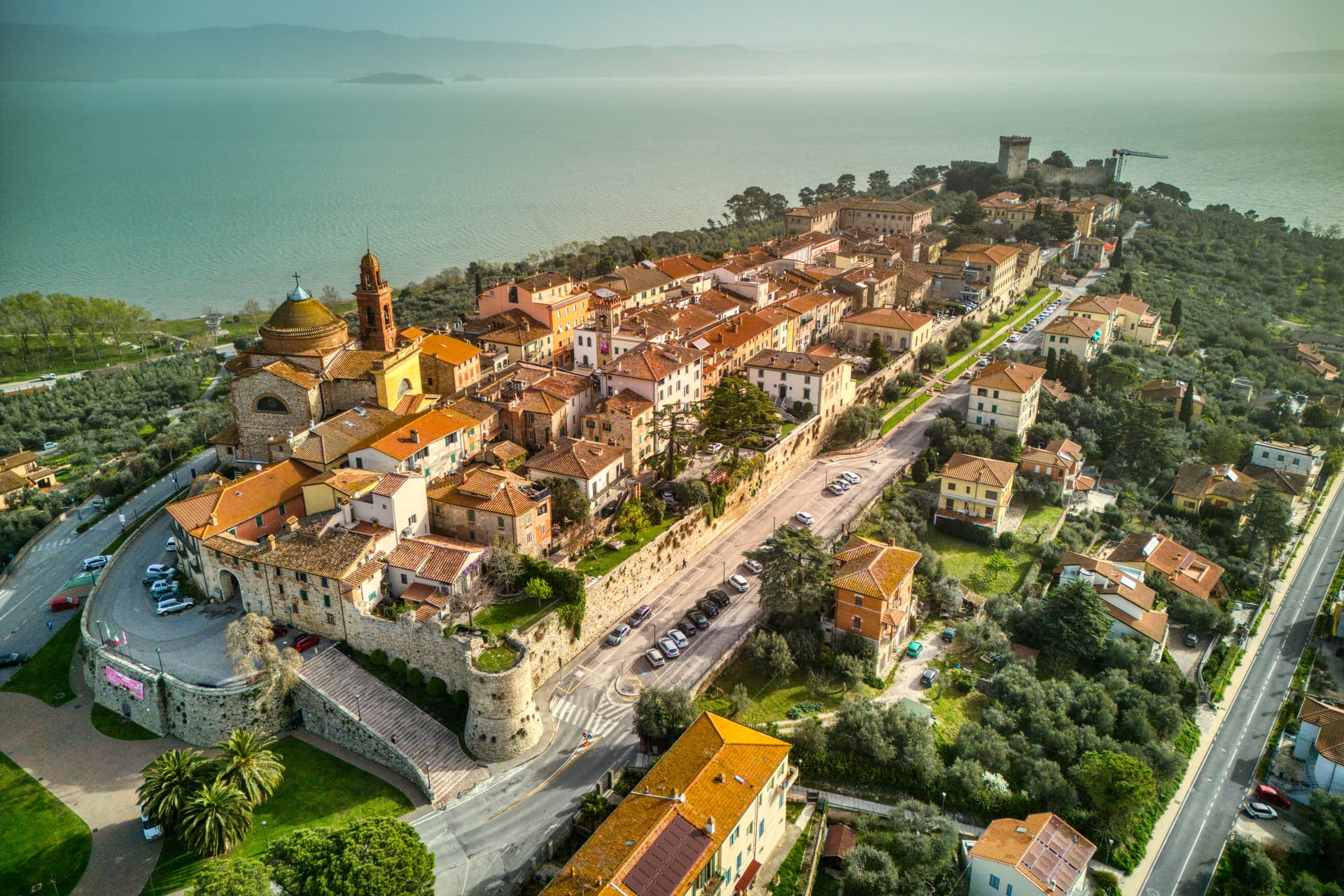
Trasimeno's western promontory, once the lake's fourth island, fortified by Federico II in 1247 and frescoed by Pomarancio for the Corgna marquises.
Città della Pieve
Province: Perugia
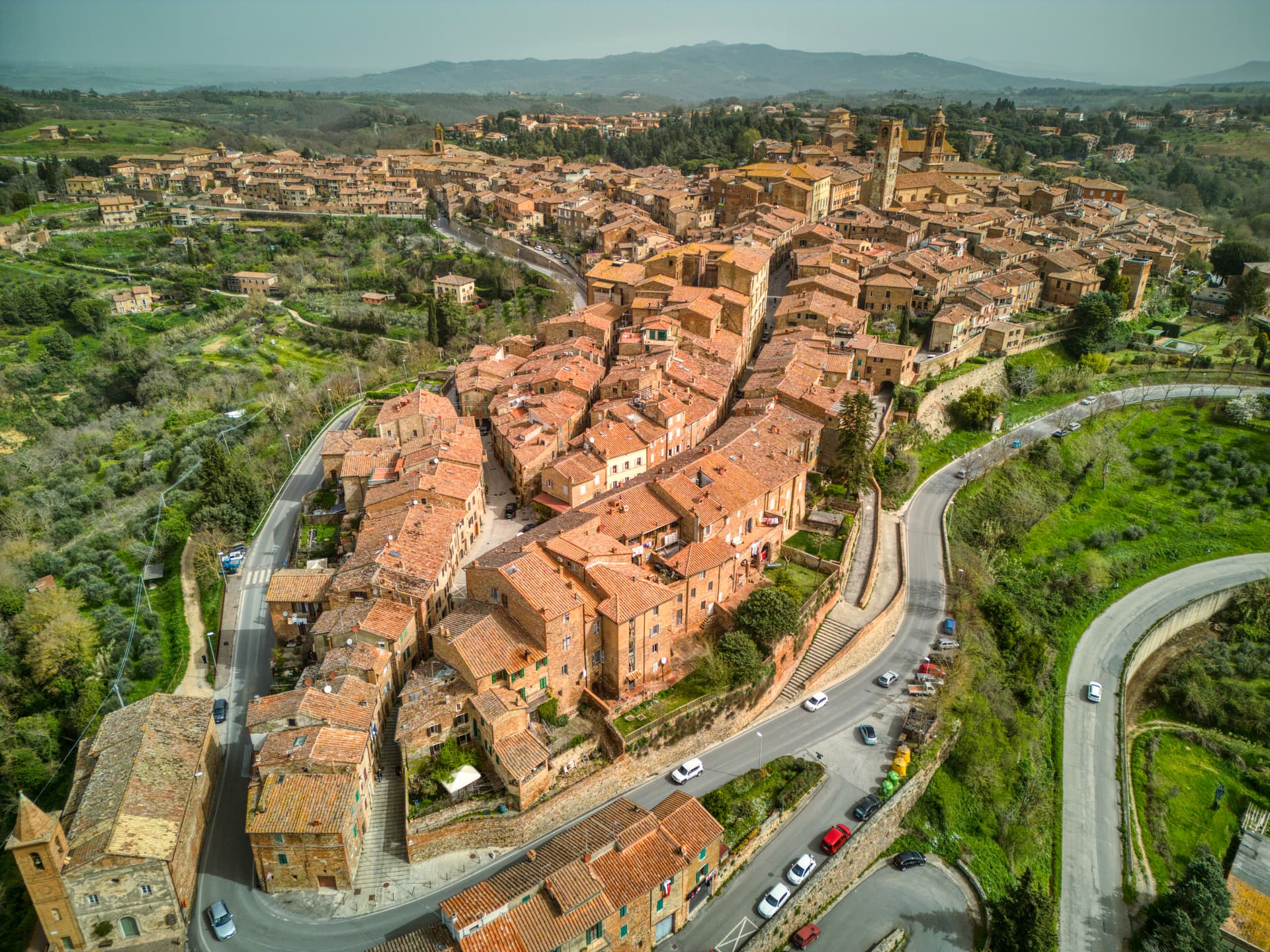
A red-brick hill town at 508 meters above the Valdichiana, the birthplace of Perugino and the home of Italy's narrowest alley.
Magione
Province: Perugia
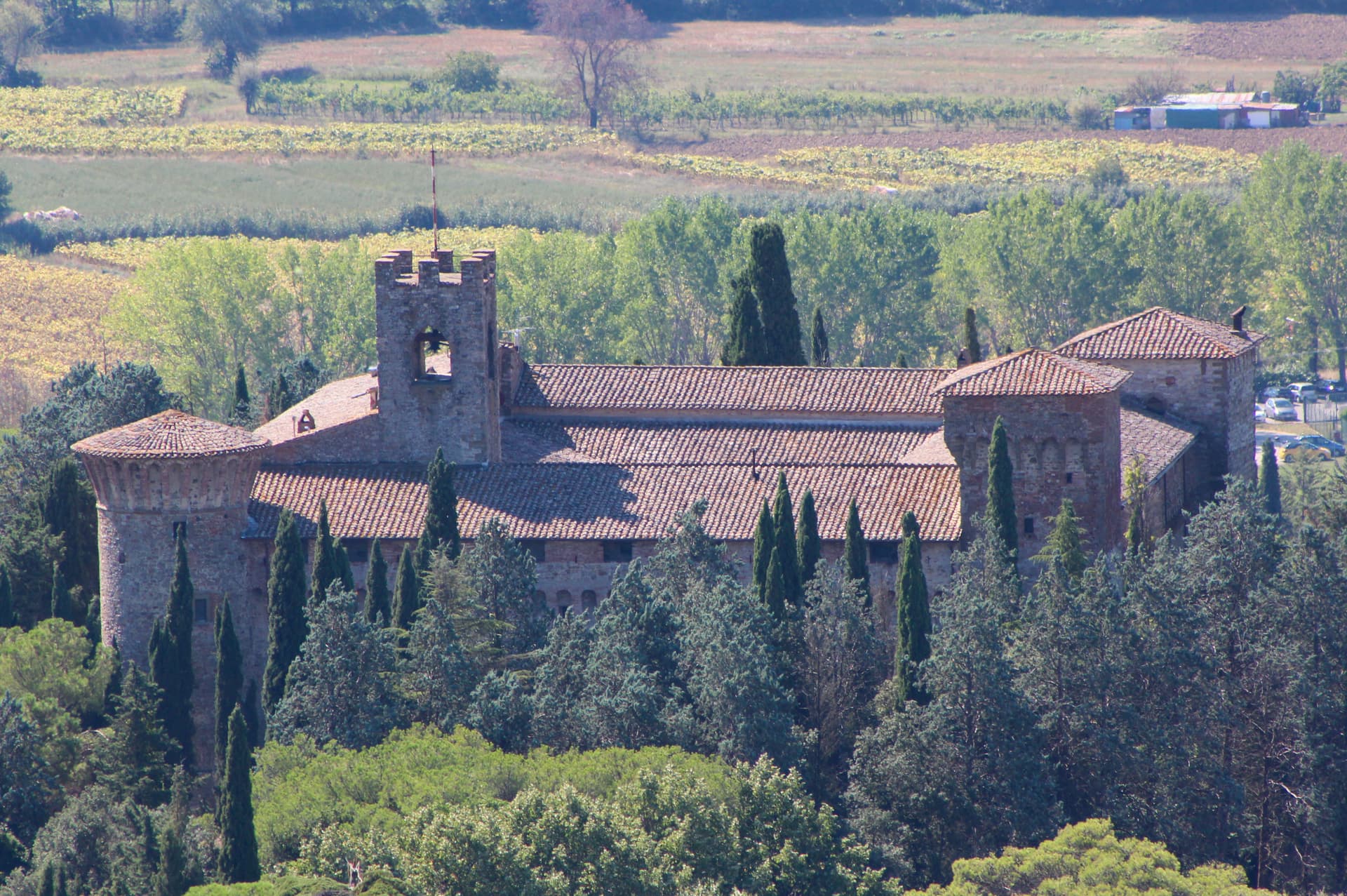
A hill town east of Trasimeno where the Knights Hospitaller built their twelfth-century maison and Machiavelli later foiled the Conspiracy of Magione against Cesare Borgia.
Chiusi
Province: Siena
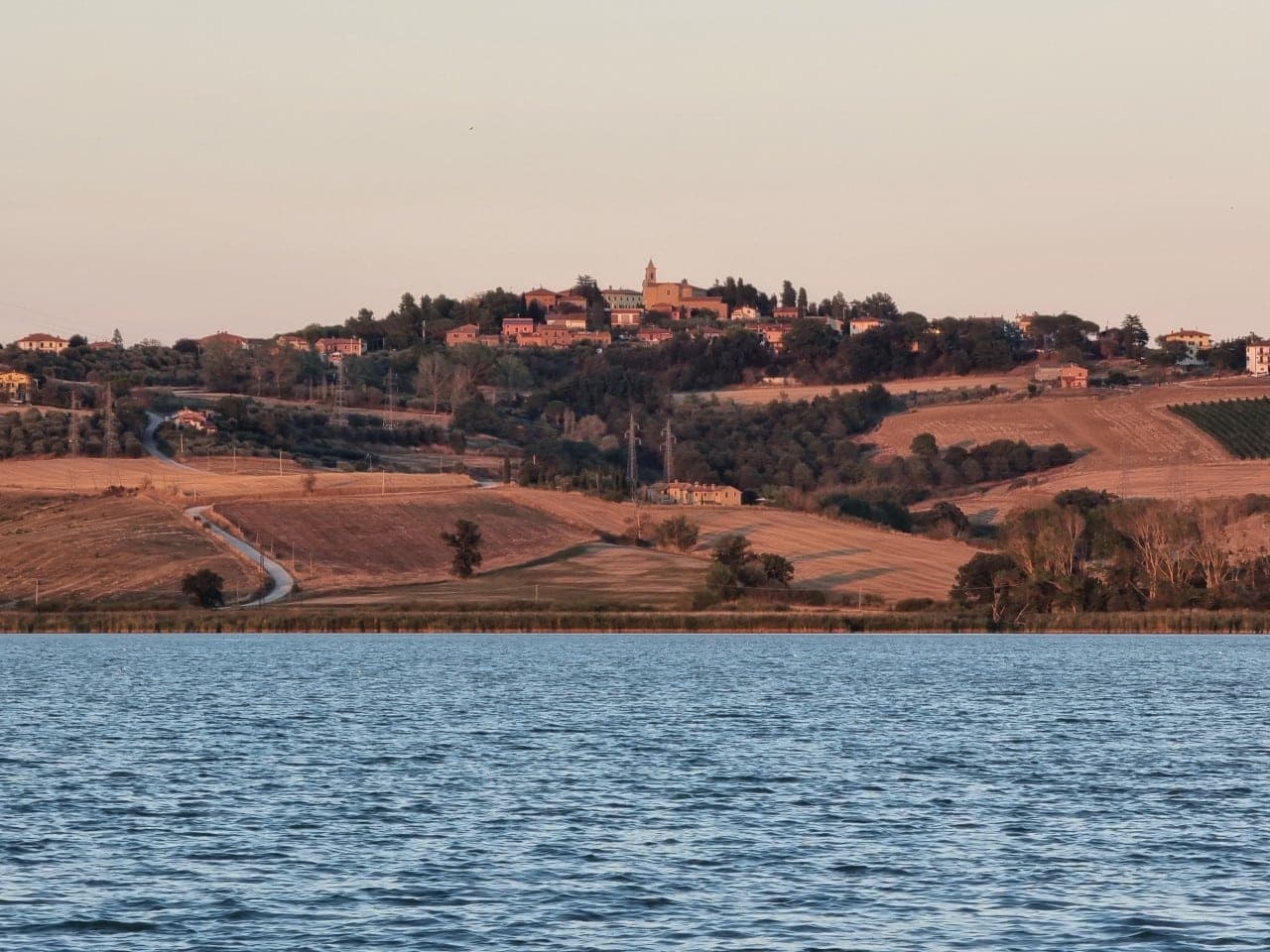
The Etruscan city of King Porsenna at 398 meters above the Val di Chiana, with one of Italy's major Etruscan museums and tunnels carved beneath the streets.
🎨 Borghi più belli d'Italia
More Borghi più belli d'Italia towns in Umbria
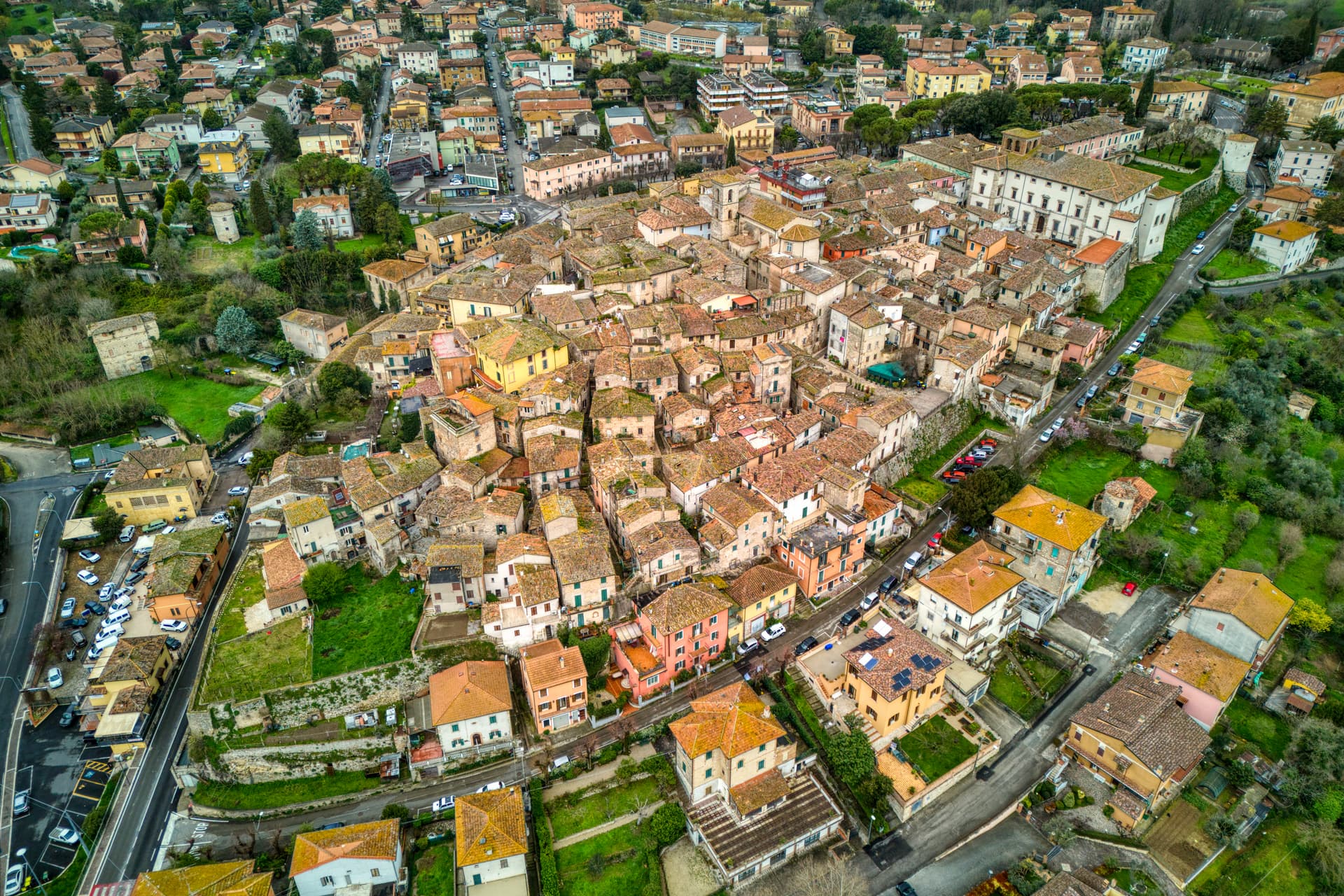
Acquasparta
Province: Terni
A hill town at 350 meters above the Naia valley, where Federico Cesi convened the first Accademia dei Lincei in his Palazzo Cesi in 1603.
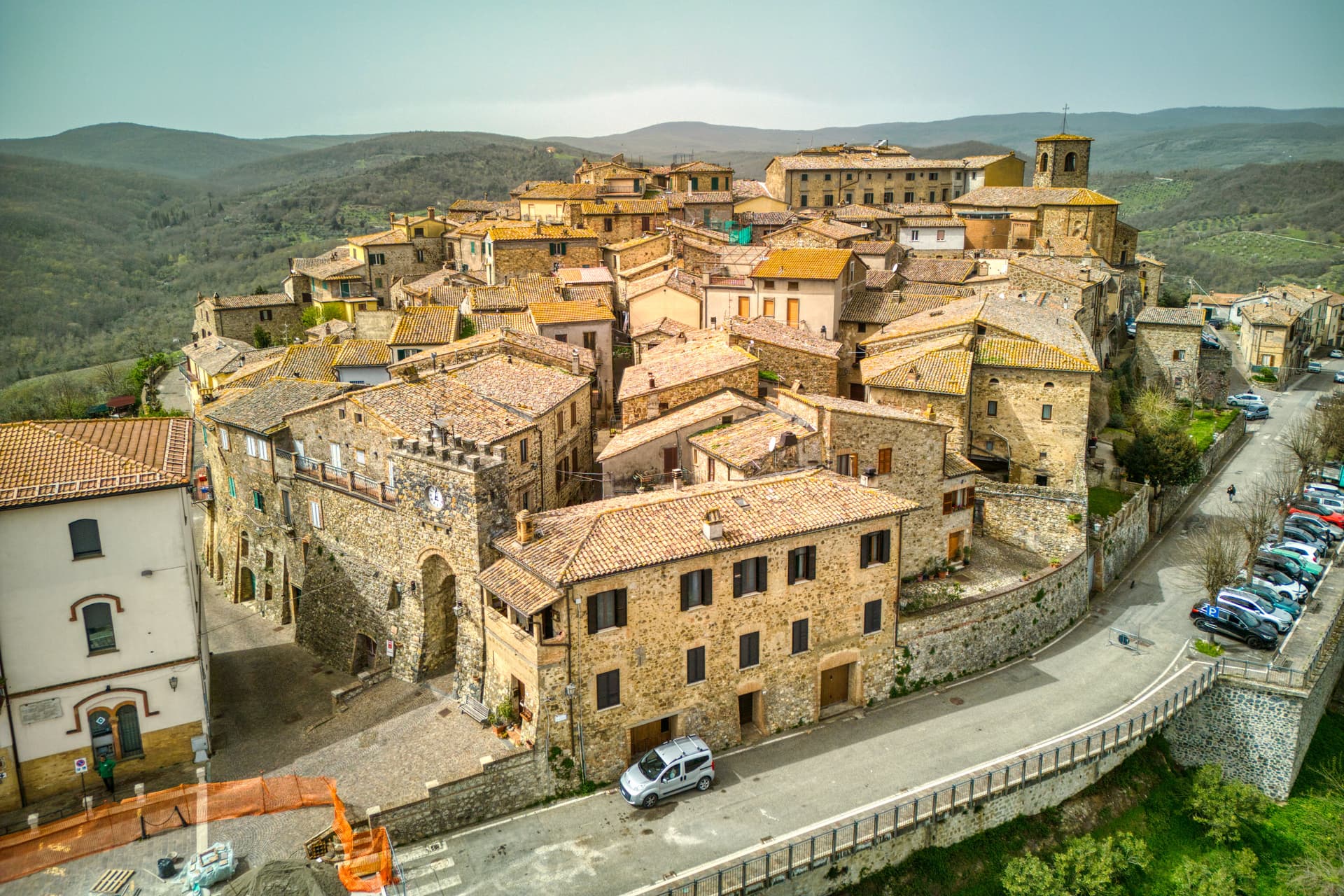
Allerona
Province: Terni
A stone borgo at 472 meters between the Paglia valley and the Valdichiana, an Orvieto outpost whose Monaldeschi castle fell to Charles V.
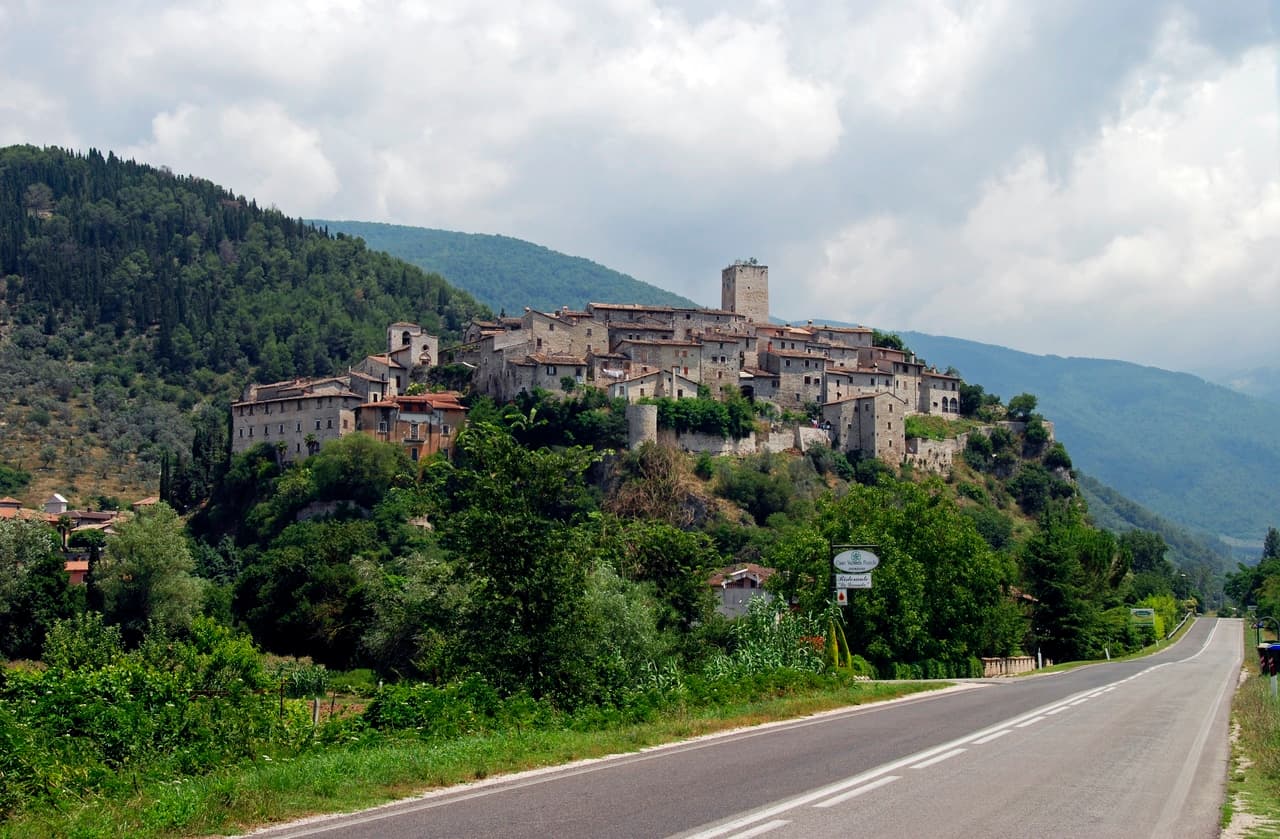
Arrone
Province: Terni
Medieval castle village on the left bank of the Nera at 243 meters, upstream from the largest man-made waterfall in the world.
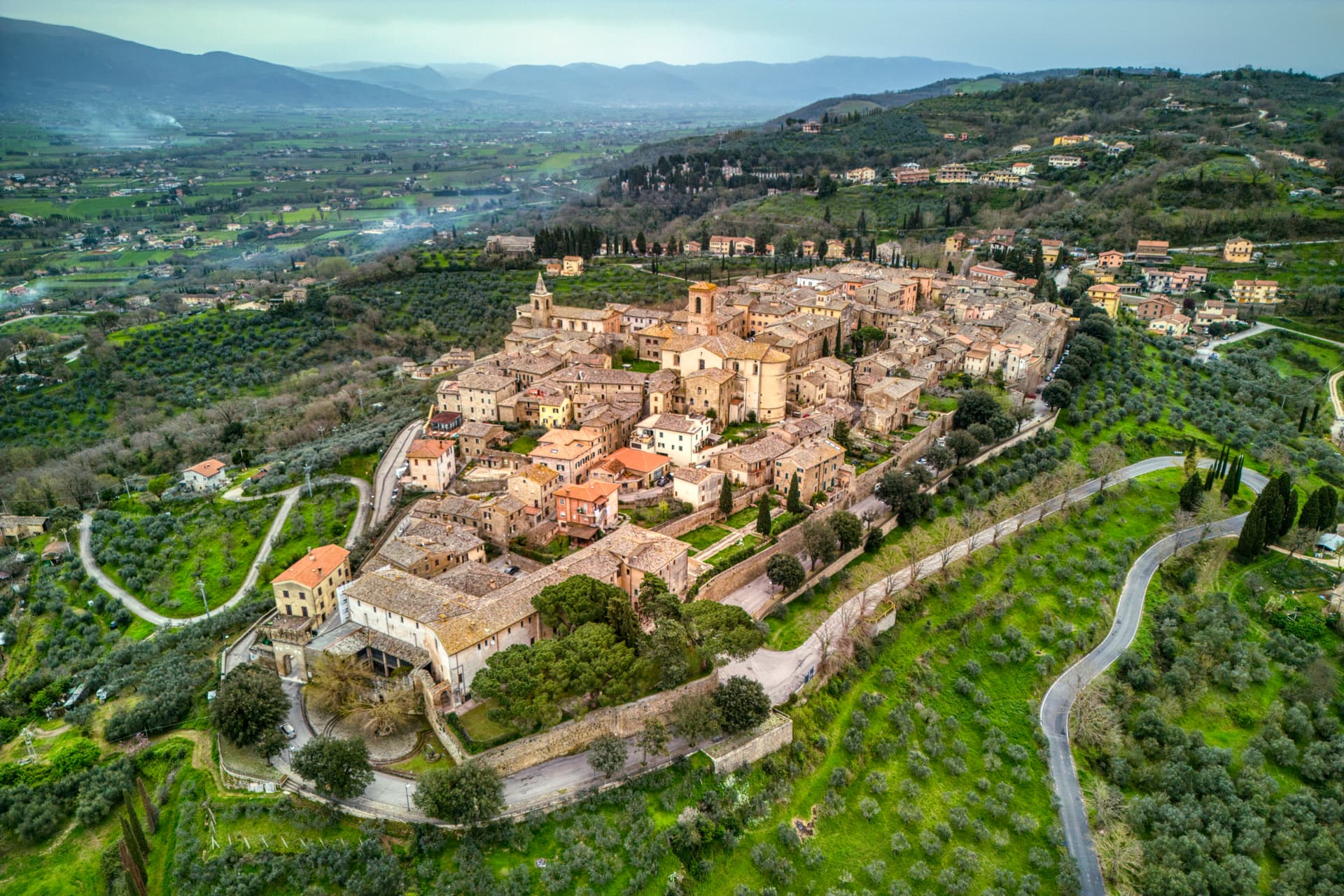
Bettona
Province: Perugia
A hill town at 353 meters between the Topino and Chiascio rivers, the only Etruscan settlement ever built east of the Tiber.
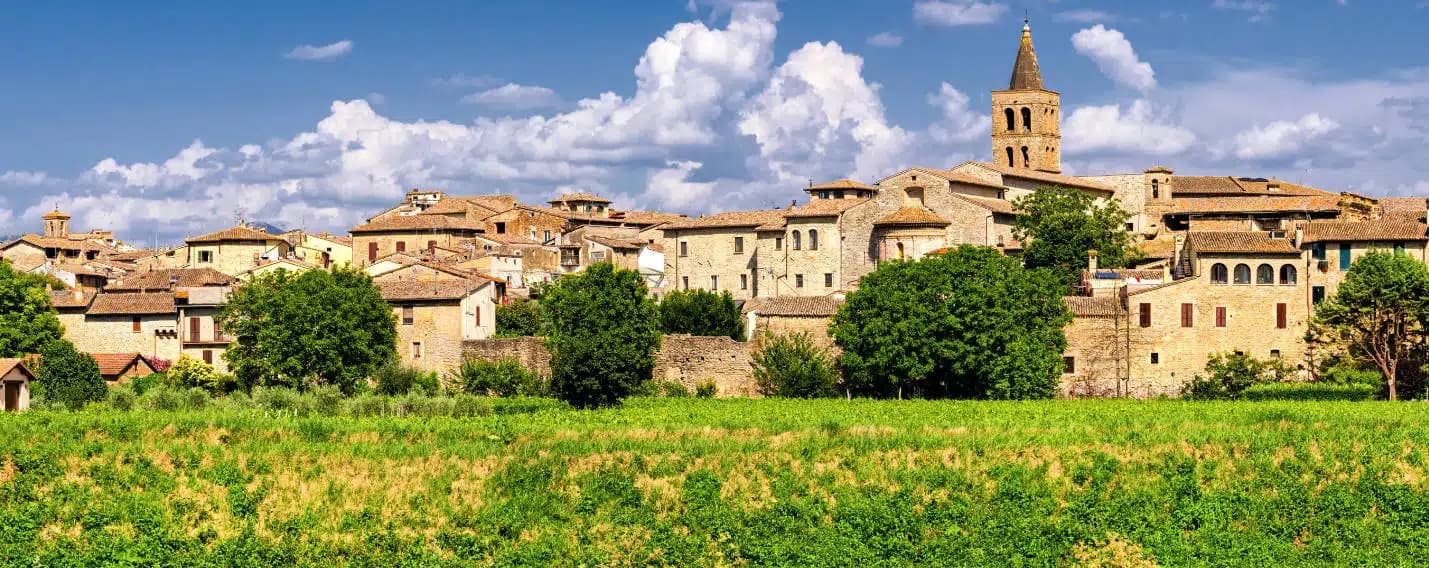
Bevagna
Province: Perugia
Roman Mevania on the Umbrian plain at 225 meters, four medieval quarters that compete every June in a reconstructed market of the 13th century.