

Liguria · Imperia
Seborga
A hilltop village at 517 meters above Bordighera that calls itself a principality, 276 residents, its own coins and stamps since 1963.
Known for
PRINCIPALITY
Self-declared independent state since 1963, 200 voters, an elected prince every seven years, recognised by no government.
LUIGINO
Local currency minted by Seborga, pegged to the US dollar at six luigini, accepted in some village shops as a souvenir.
CISTERCIAN STATE
Ruled by Lérins prince-abbots from 1079 until 1729, an independent monastic principality inside the wider Ligurian patchwork.
When to visit
Best · Apr–Oct
- J
- F
- M
- A
- M
- J
- J
- A
- S
- O
- N
- D
- Best
- Hot or crowded
- Quiet
- Mostly closed
Why come
Seborga sits at 517 meters in the hills above Bordighera, 35 kilometers from Monaco. In 954 the counts of Ventimiglia ceded the territory to the Cistercian abbey of Lérins; in 1079 Gregory VII granted the abbots prince-abbot status and the right to mint coins. The Principality of Seborga ran as a Cistercian state until 1729, when it was sold to Vittorio Amedeo II of Savoy.
In 1963 Giorgio Carbone, head of the local flower-growers' cooperative, argued the sale had never been properly registered, declared the commune independent, and was elected prince. The 200 registered voters now elect a sovereign every seven years. Princess Nina Menegatto took the title in 2019.
Seborga prints its own stamps and mints a currency called the luigino. Italy does not recognise any of it, but the town does carry a Bandiera Arancione and a Borghi più belli badge, and on a clear day the view stretches from the Esterel coast to Cap Ferrat.
The Sunday letter
We haven’t written Seborga’s letter yet.
One town every Sunday, with the photo, the food, the festa. Be there when this one comes up. Free, by Peter & Sophia from Pietrasanta.
By subscribing you agree to Substack’s Terms of Use, our Privacy Policy and our Information collection notice.
What to see
Chiesa di San Martino
Seventeenth-century parish church, single nave, the seat of the former Cistercian abbey transformed after the principality lost ecclesiastical status.
Palazzo dei Monaci
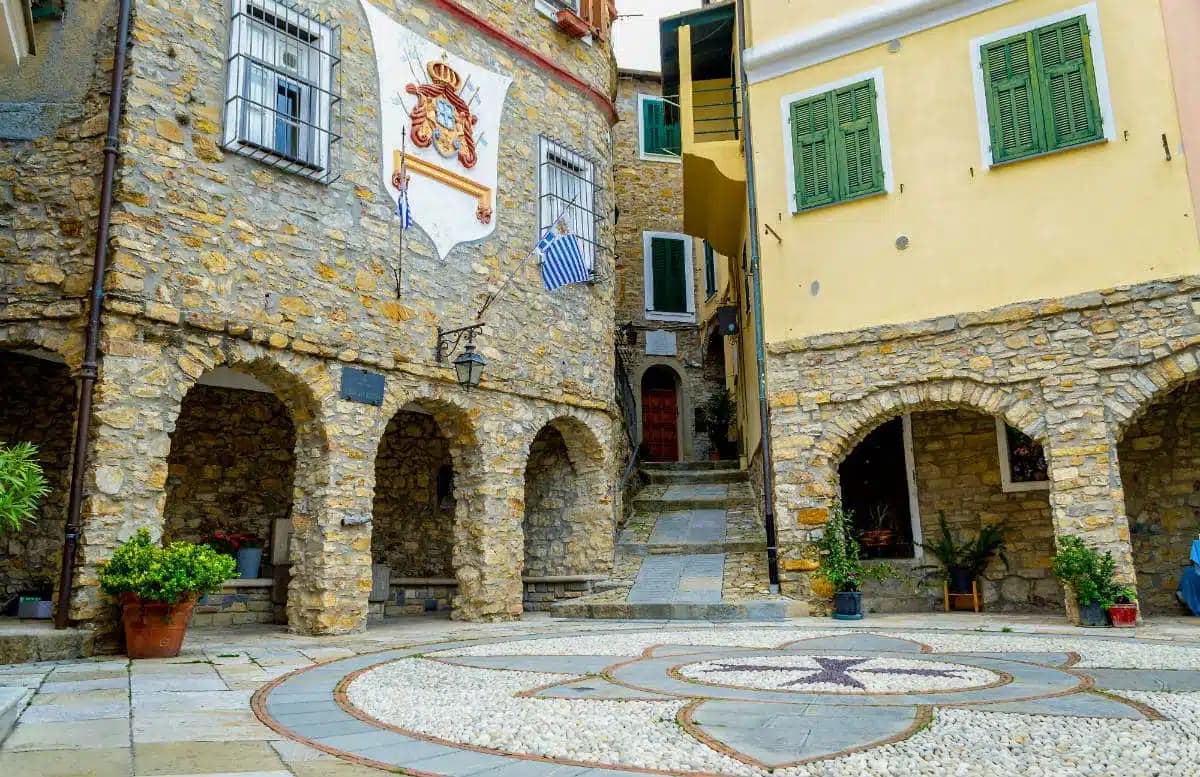
Former Cistercian abbots' residence on the main piazza, now used as the principality's symbolic government building.
Zecca di Seborga
Old mint that produced the principality's coins from the eleventh century, restored as a small museum on Via Verdi.
Belvedere di Seborga
Terrace at the upper edge of the village with sightlines across the Côte d'Azur to Monaco and Cap Ferrat on clear days.
Chiesa di San Bernardo
Small Romanesque chapel on the western edge of the village, dedicated to the Cistercian patron and used for principality ceremonies.
The slow-trip planner
Building a trip? Find where Seborga fits in a slow Italy circuit.
Answer five questions. We will shape a geographically coherent slow trip from the 1,000 Italian towns most travelers skip. Yours to save and share.
Living here
- Population 276
- In-betweeni
- Pharmacy: none mapped
- High school within a 30-minute drive
- Nearest airport Genoa, 1 h 55 min drive
- Regional capital Genova, 2 h 0 min drive
Tags & datadesignations · numbers · sources
Recognised as
The numbers
- Elevation: 517 m
- Population: 276
- Surface area: 4.87 km²
These figures were compiled from public directories — ISTAT, OpenStreetMap, Wikidata — and from the official listings of the guides named on this page. Town details change; verify with official sources before you travel.
Close by
More towns near Seborga
Dolceacqua
Province: Imperia
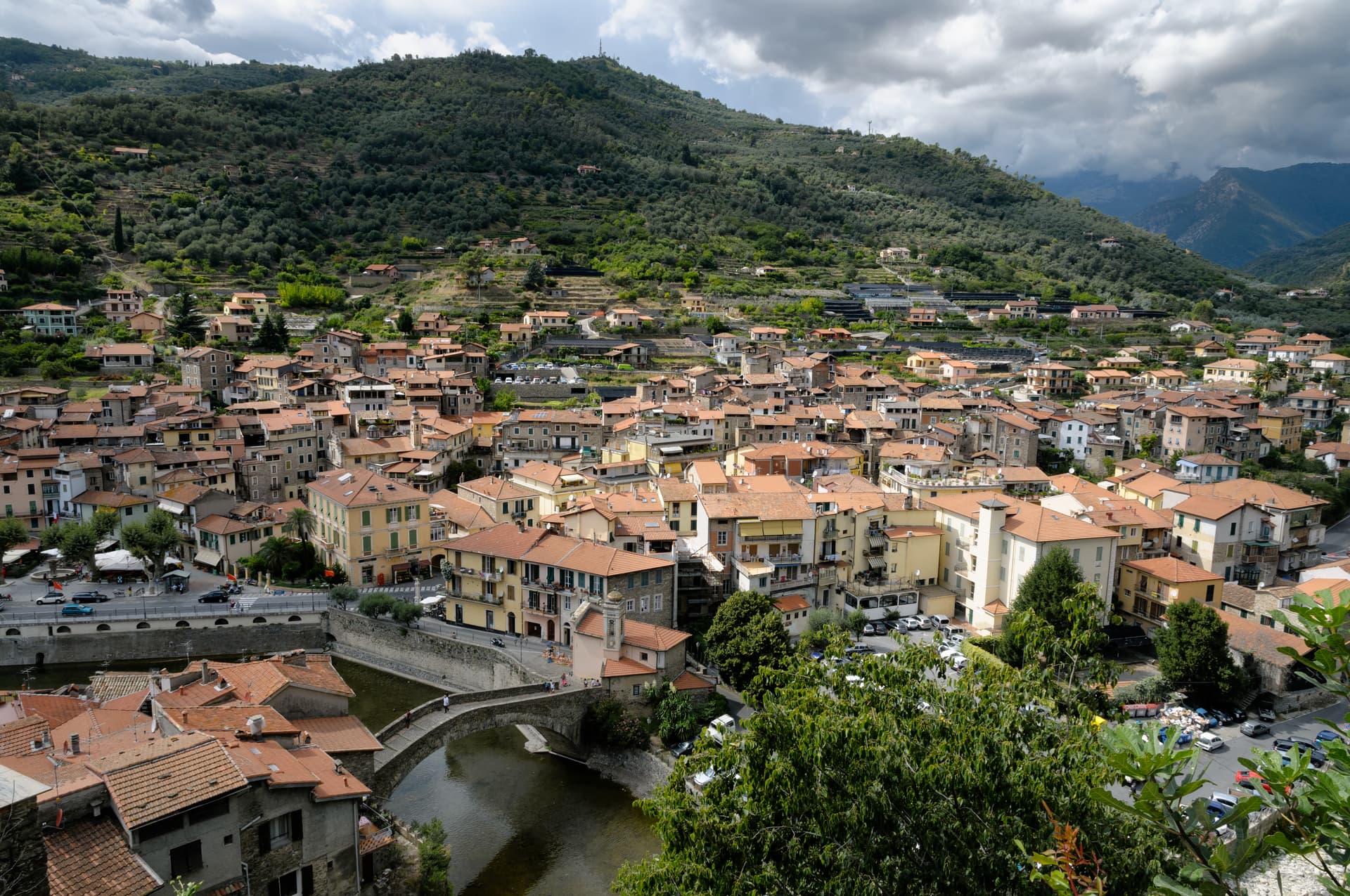
A two-banked medieval village in the Val Nervia split by a single-arch bridge from 1400, the one Monet came to paint in 1884.
Perinaldo
Province: Imperia
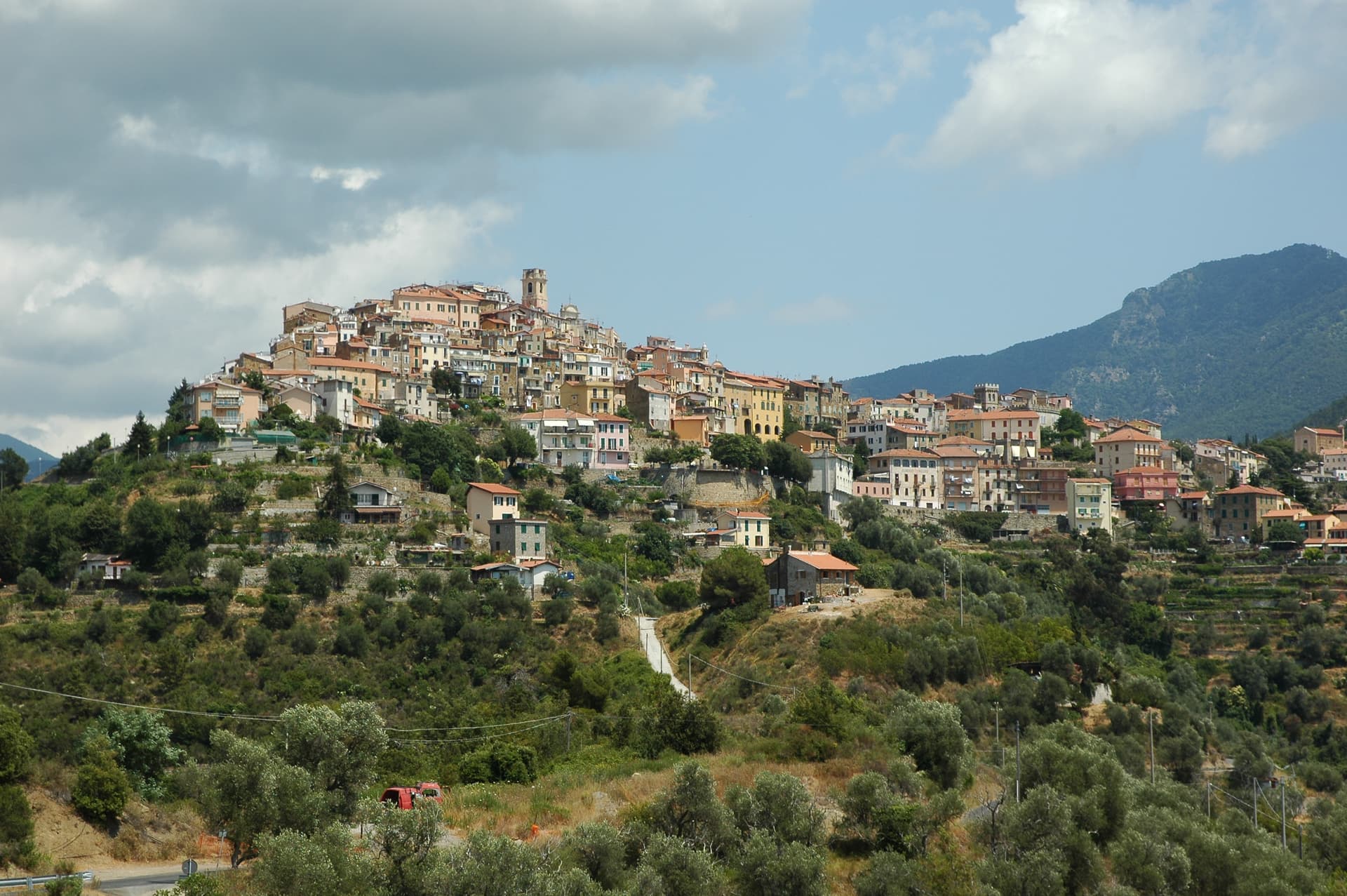
A ridge village at 572 meters above the Val Nervia, birthplace of Giovanni Domenico Cassini and home to a working astronomical observatory in his name.
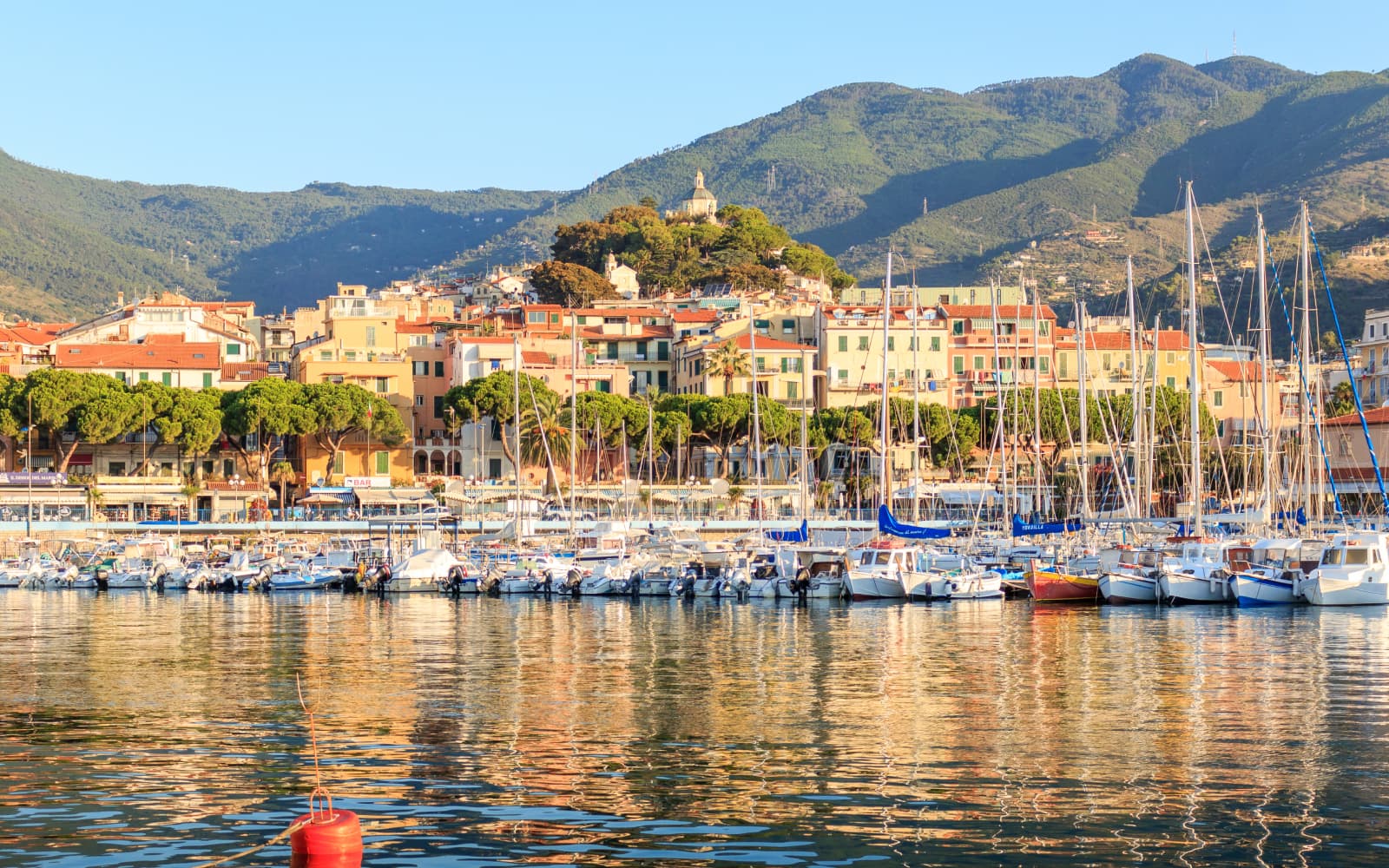
Sanremo
Province: Imperia
The capital of the Italian Riviera dei Fiori — Belle Époque casino and palm-lined Lungomare on the seafront, the medieval labyrinth of La Pigna climbing the hill behind, and a year-round mild climate that built the original Northern European winter trade.
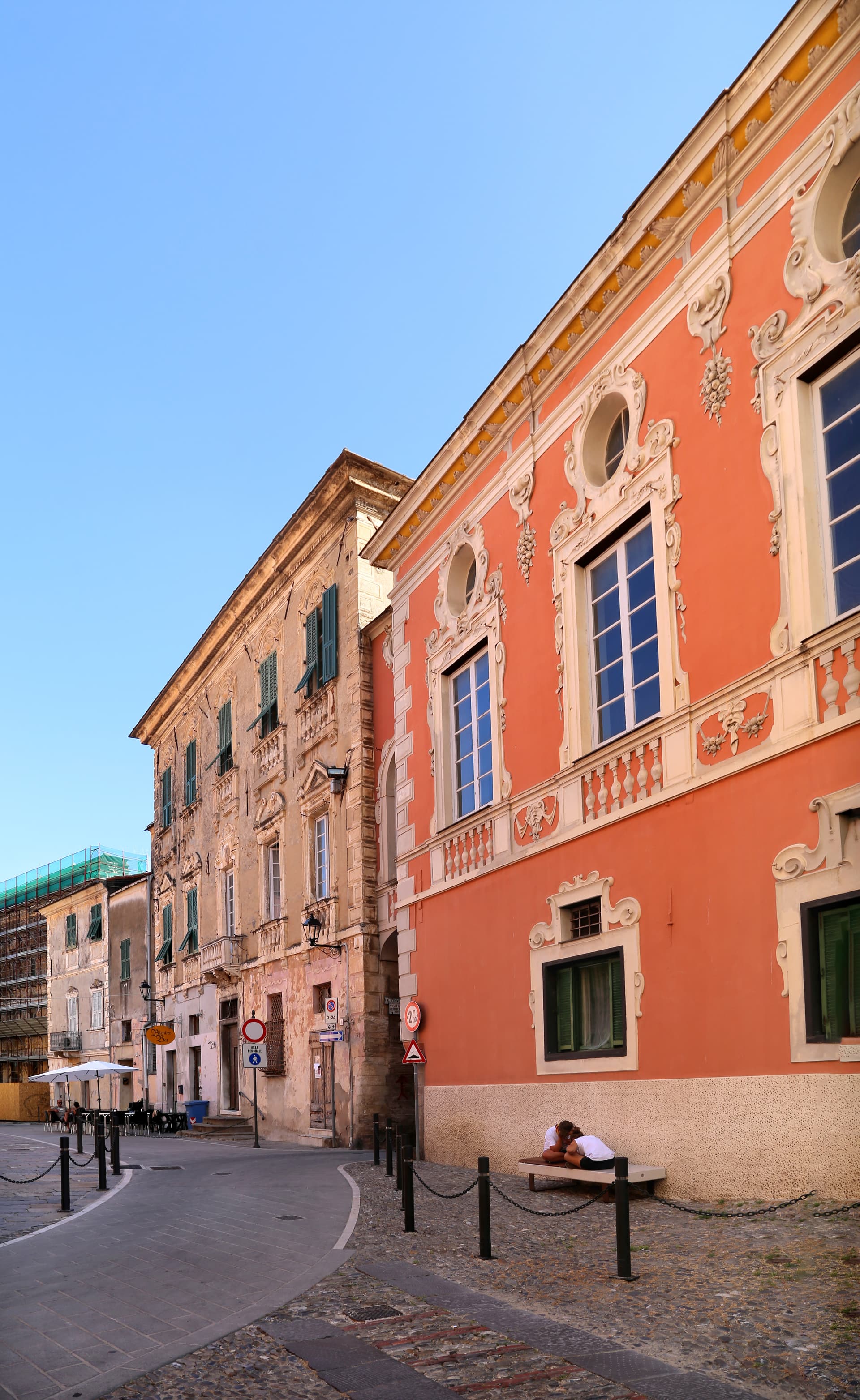
Taggia
Province: Imperia
The Argentina valley's medieval seat above the Riviera dei Fiori, the town that gave its name to the Taggiasca olive grown across western Liguria.
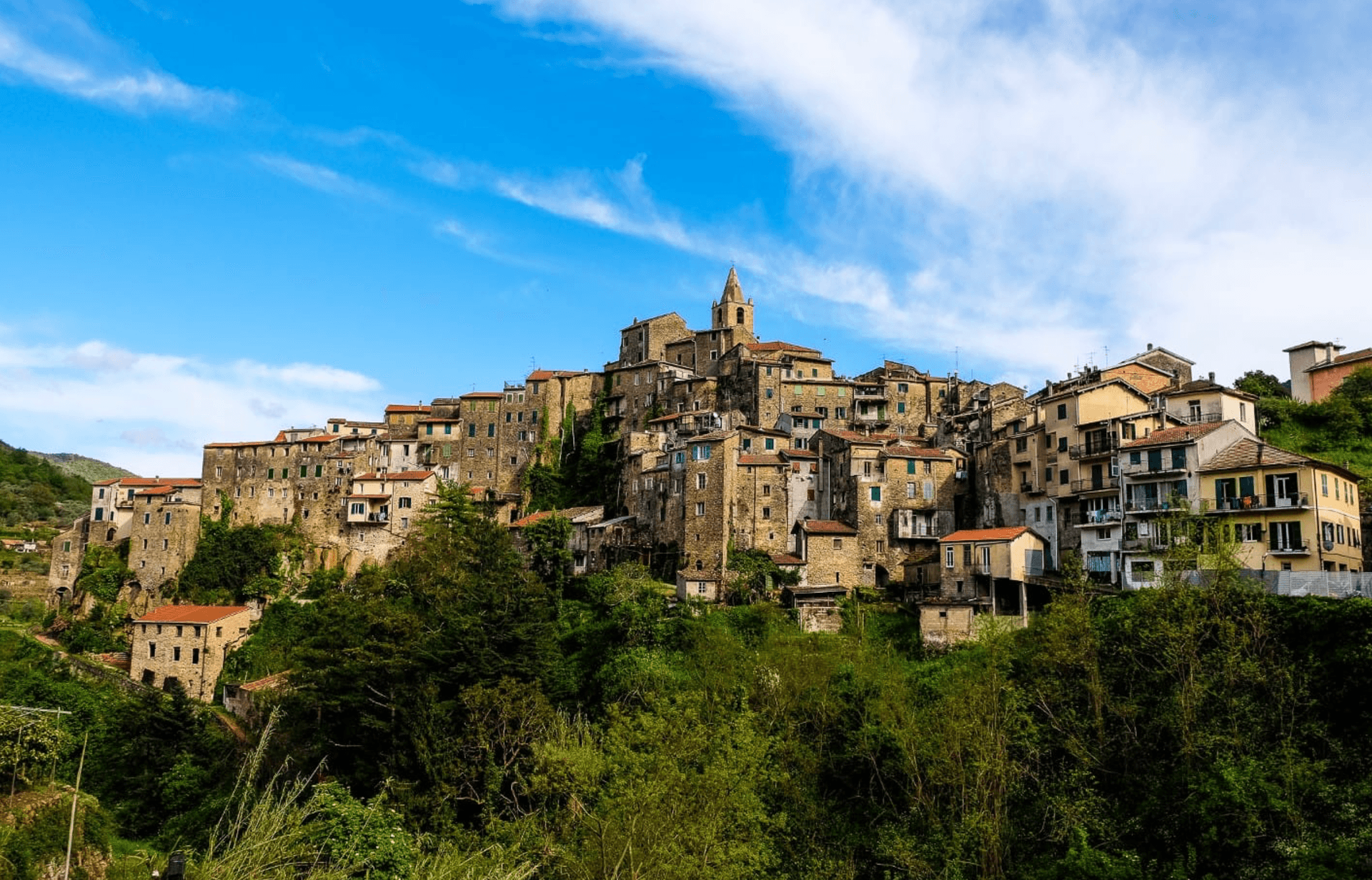
Ceriana
Province: Imperia
A medieval village at 369 meters above the Valle Armea, inland from Sanremo, built on the Roman castrum that gave it its name.
🎨 Borghi più belli d'Italia
More Borghi più belli d'Italia towns in Liguria
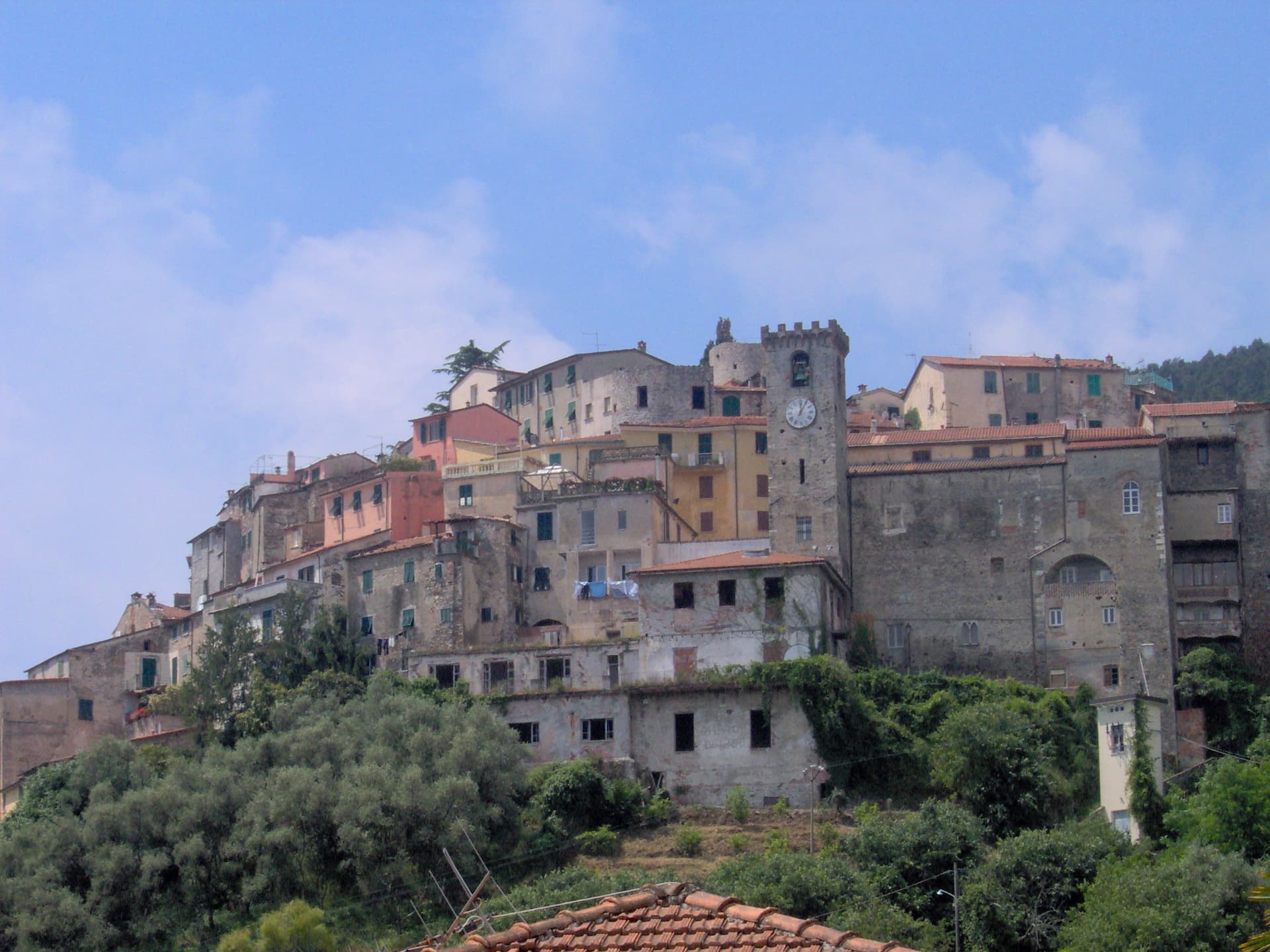
Ameglia
Province: La Spezia
A hilltop borgo at 89 meters above the mouth of the Magra, the Lunigiana edge of Liguria where the river meets the Gulf of Poets.
Apricale
Province: Imperia
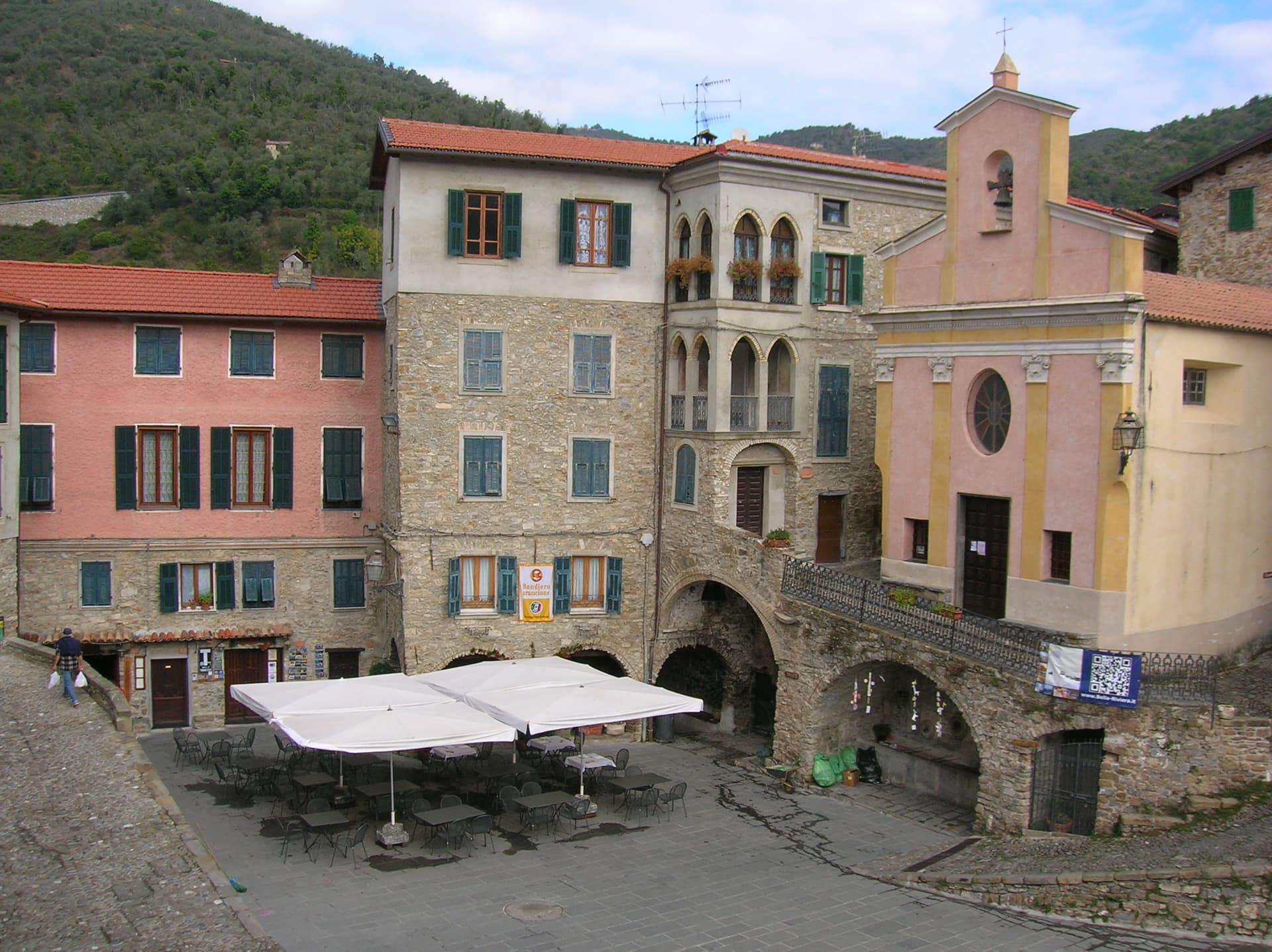
A medieval hill village in the Nervia Valley, named for the Latin apricus, sunny, with a tenth-century castle shaped like a lizard on the rock.
Badalucco
Province: Imperia
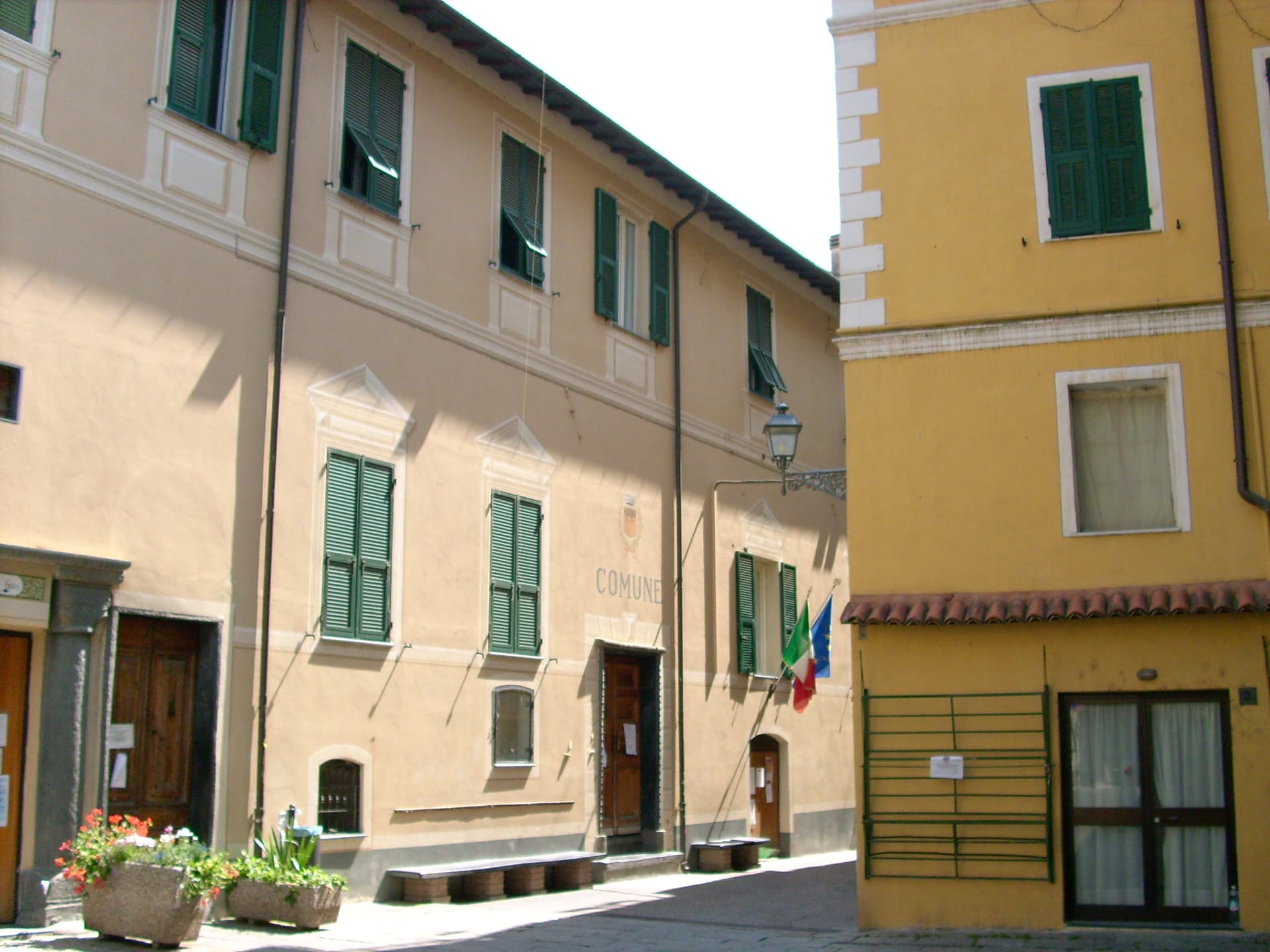
A medieval village wrapped in a bend of the Argentina torrent, with murals on its caruggi and a Slow Food bean on its terraces.
Borgio Verezzi
Province: Savona
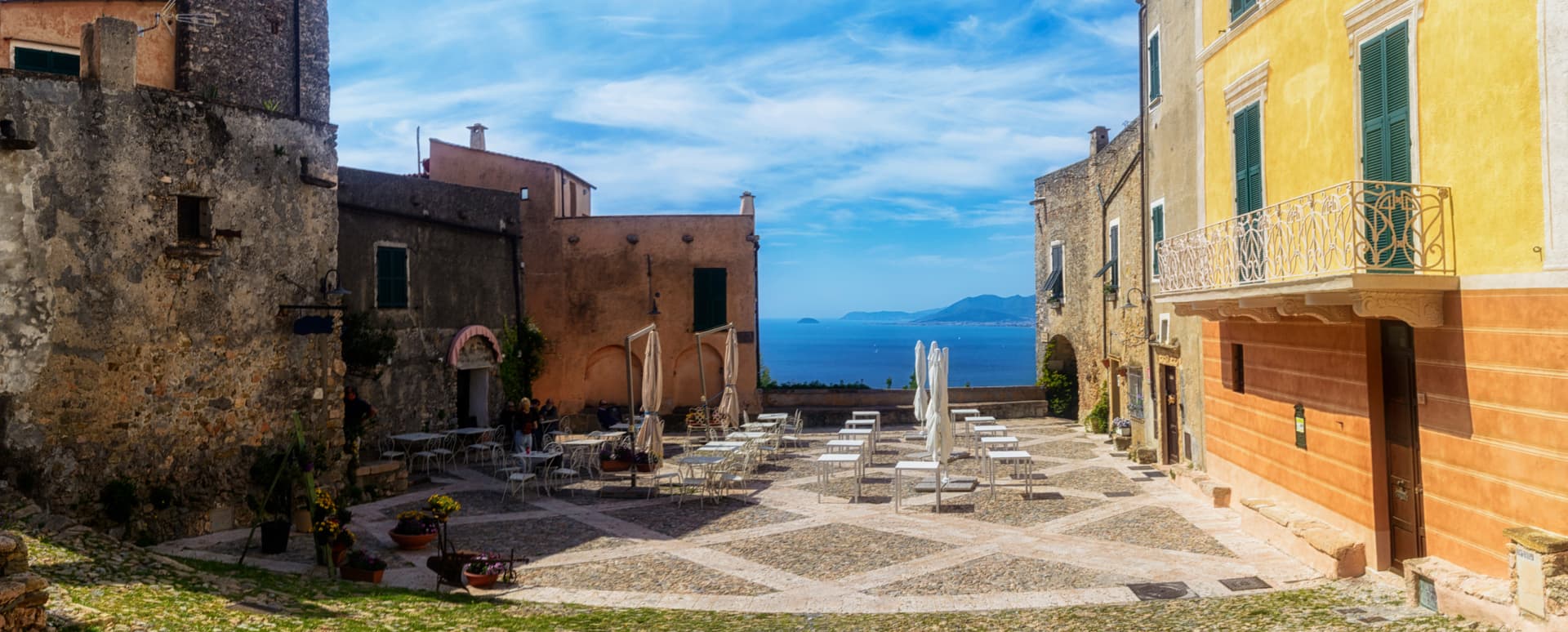
Two villages joined under one comune in 1933: Borgio on the Bandiera Blu beach and Verezzi at 200 meters on the pink-stone hill above.
Brugnato
Province: La Spezia
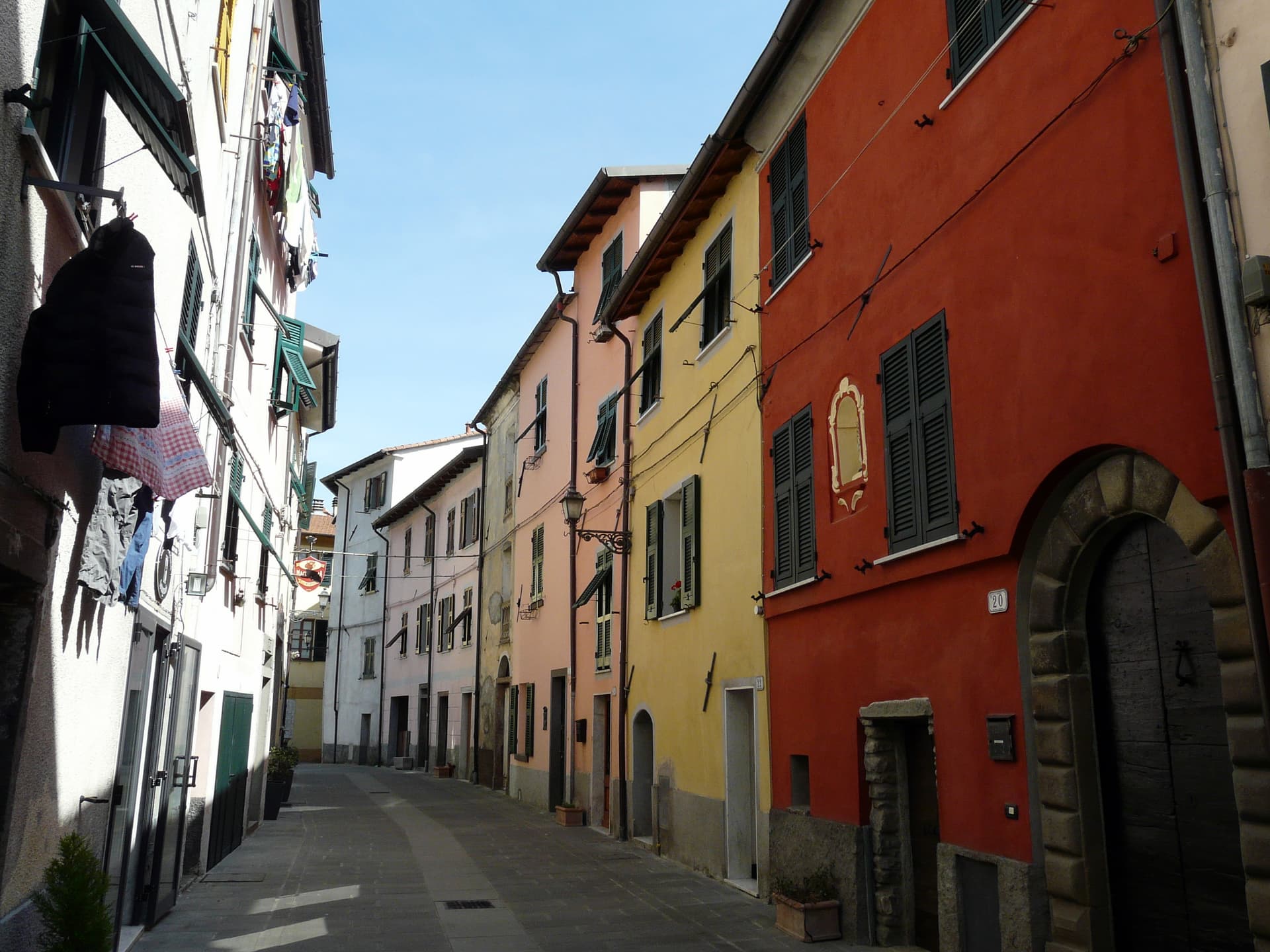
The medieval ecclesiastical capital of the Val di Vara, seat of a diocese from 1133 to 1820, with a co-cathedral built over a Columban monastery.