

Liguria · Imperia
Ceriana
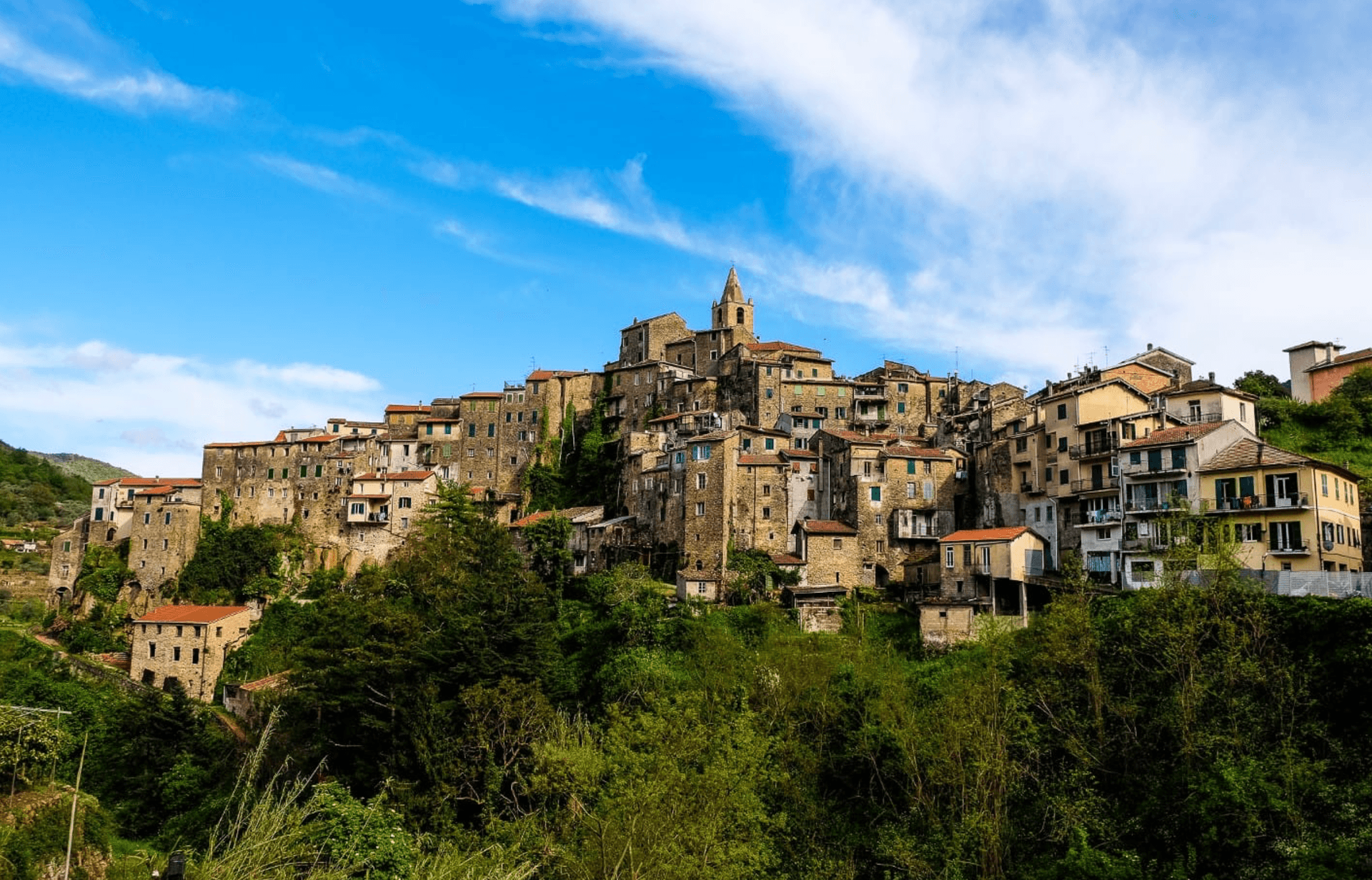
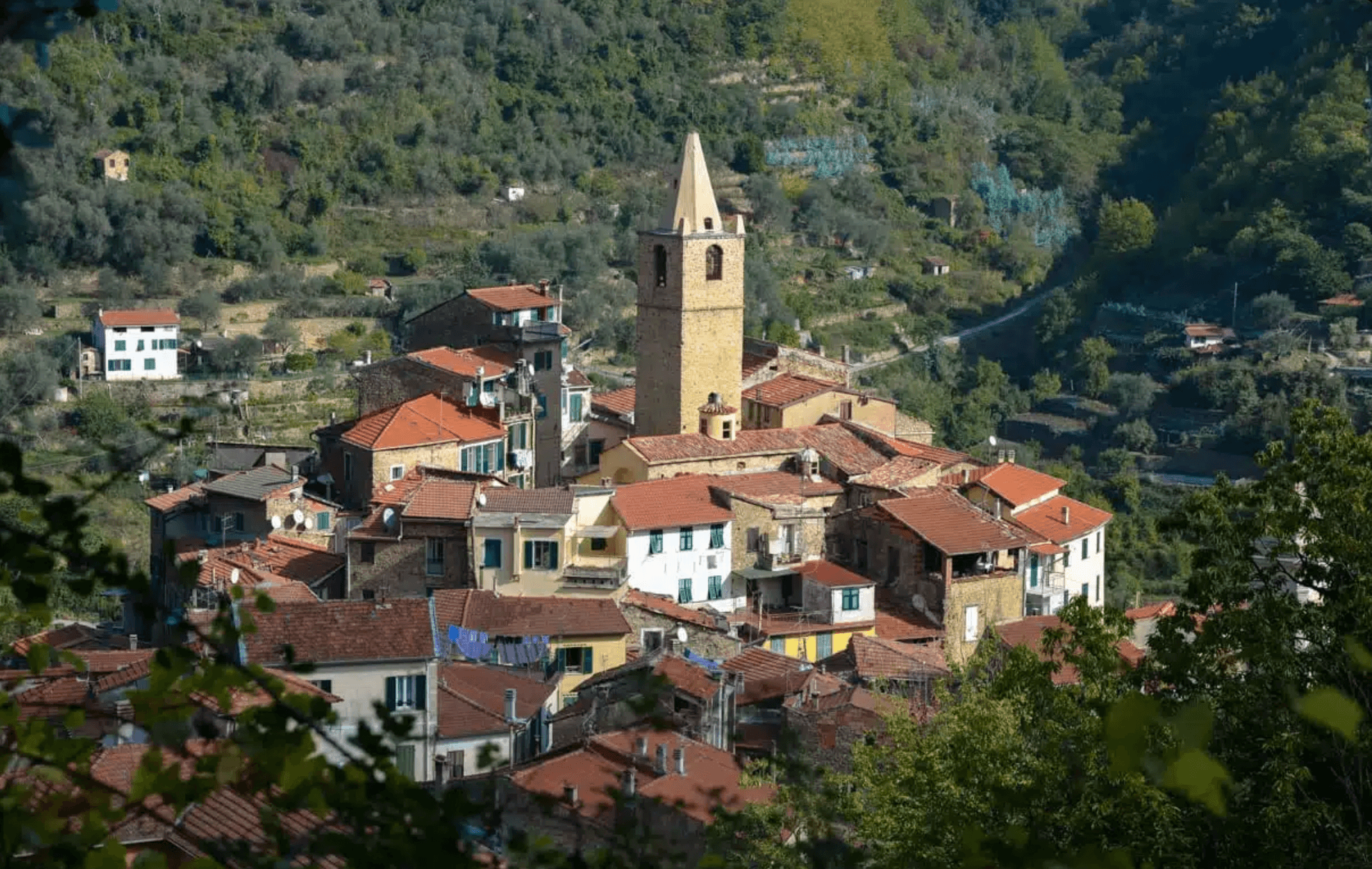
A medieval village above the Valle Armea, inland from Sanremo, built on the Roman castrum that gave it its name.
Known for
OLIVE OIL
Taggiasca olives from the terraced slopes around the village, recognized by the Città dell'Olio network.
THREE CONFRATERNITIES
Rossi, Azzurri and Neri, each with its own oratory, still active in the religious calendar of the village.
CASTRUM COELIANAE
The Roman watchtower garrison that gave Ceriana its name and shaped its hilltop layout above the Armea river.
When to visit
Best · Apr–Oct
- J
- F
- M
- A
- M
- J
- J
- A
- S
- O
- N
- D
- Best
- Hot or crowded
- Quiet
- Mostly closed
Why come
Ceriana sits in the Valle Armea, twenty kilometers west of Imperia and a short climb inland from Sanremo. The Romans built a garrison here called Castrum Coelianae, a watchtower with permanent quarters for legionaries; the name shortened to Ceriana over the centuries. The town took its present shape in the eleventh and twelfth centuries, passing from the Counts of Ventimiglia to the Mari family in 1297 and to the Republic of Genoa in 1359.
The parish church of Santi Pietro e Paolo is reached by climbing the caruggi, narrow Ligurian alleys roofed in places by overpassing houses; inside, an anonymous wooden Virgin from the thirteenth century and a 1526 polyptych of San Pietro in cattedra. Three confraternities still keep their oratories in town: the Rossi at Santa Caterina, the Azzurri at the Visitazione, and the Neri at the Addolorata. Olive oil from the surrounding terraces carries the Città dell'Olio mark.
The Sunday letter
We haven’t written Ceriana’s letter yet.
One town every Sunday, with the photo, the food, the festa. Be there when this one comes up. Free, by Peter & Sophia from Pietrasanta.
By subscribing you agree to Substack’s Terms of Use, our Privacy Policy and our Information collection notice.
What to see
Chiesa dei Santi Pietro e Paolo
Parish church at the top of the caruggi, with a thirteenth-century anonymous wooden Virgin and a 1526 polyptych of San Pietro in cattedra.
Oratorio di Santa Caterina
Seventeenth-century oratory of the Confraternita dei Rossi, built under the protection of the Senate of Genoa.
Oratorio della Visitazione
Seat of the Confraternita degli Azzurri, the second of three colour-coded brotherhoods that still organize the town's processions.
Oratorio dell'Addolorata
Home of the Confraternita dei Neri, the third confraternity, completing the red-blue-black trio of Ceriana's religious orders.
Centro storico
Eleventh- and twelfth-century stone town built on the Roman castrum, threaded with covered caruggi and stepped passages.
The slow-trip planner
Building a trip? Find where Ceriana fits in a slow Italy circuit.
Answer five questions. We will shape a geographically coherent slow trip from the 1,000 Italian towns most travelers skip. Yours to save and share.
Living here
- Population 1,103
- Commuter belti
- Pharmacy in town
- High school within a 30-minute drive
- Nearest airport Genoa, 1 h 56 min drive
- Regional capital Genova, 2 h 1 min drive
Tags & datadesignations · numbers · sources
Recognised as
The numbers
- Elevation: 369 m
- Population: 1,103
- Surface area: 31.79 km²
These figures were compiled from public directories — ISTAT, OpenStreetMap, Wikidata — and from the official listings of the guides named on this page. Town details change; verify with official sources before you travel.
Close by
More towns near Ceriana
Apricale
Province: Imperia
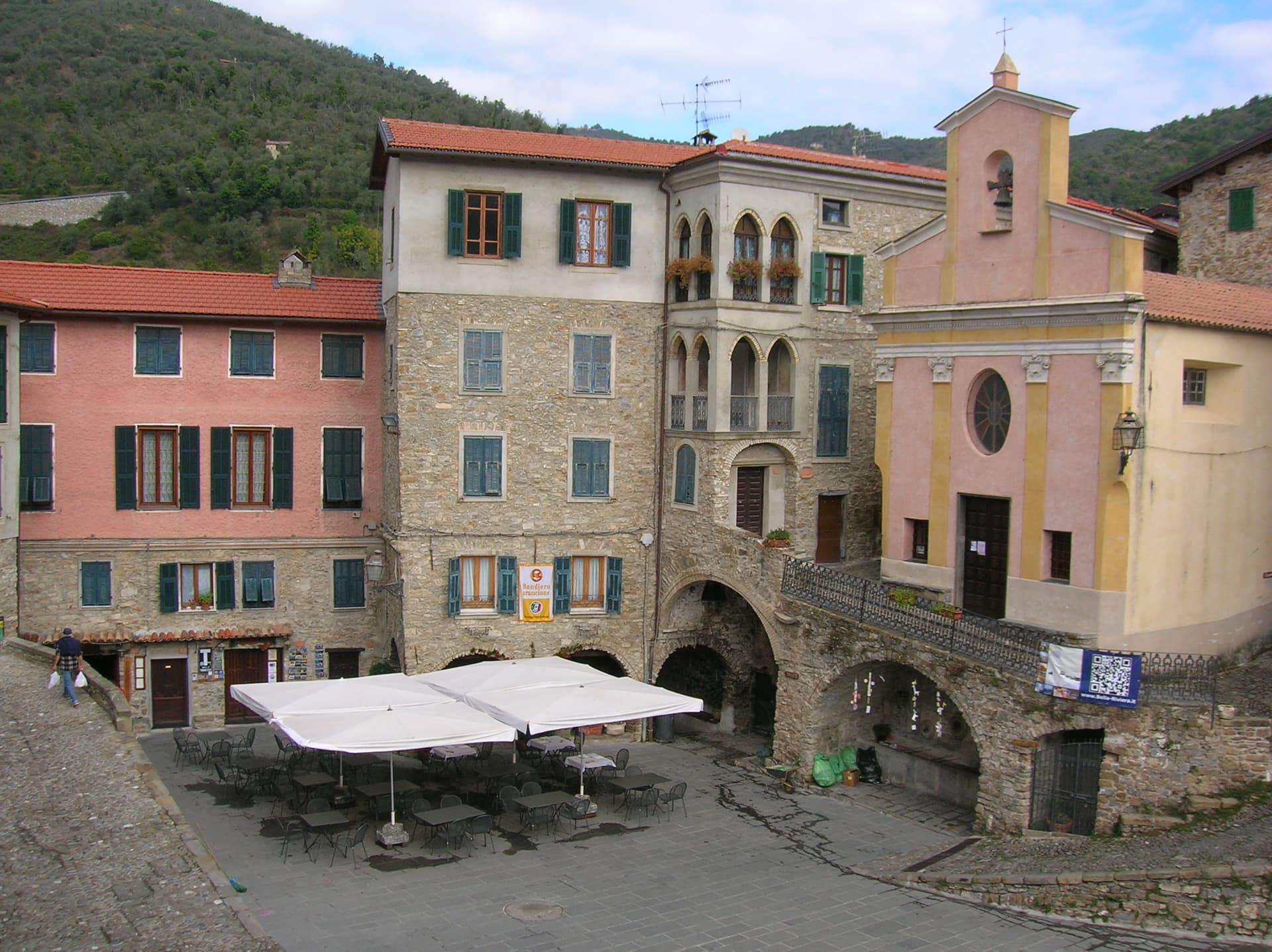
A medieval hill village in the Nervia Valley, named for the Latin apricus, sunny, with a tenth-century castle shaped like a lizard on the rock.
Badalucco
Province: Imperia
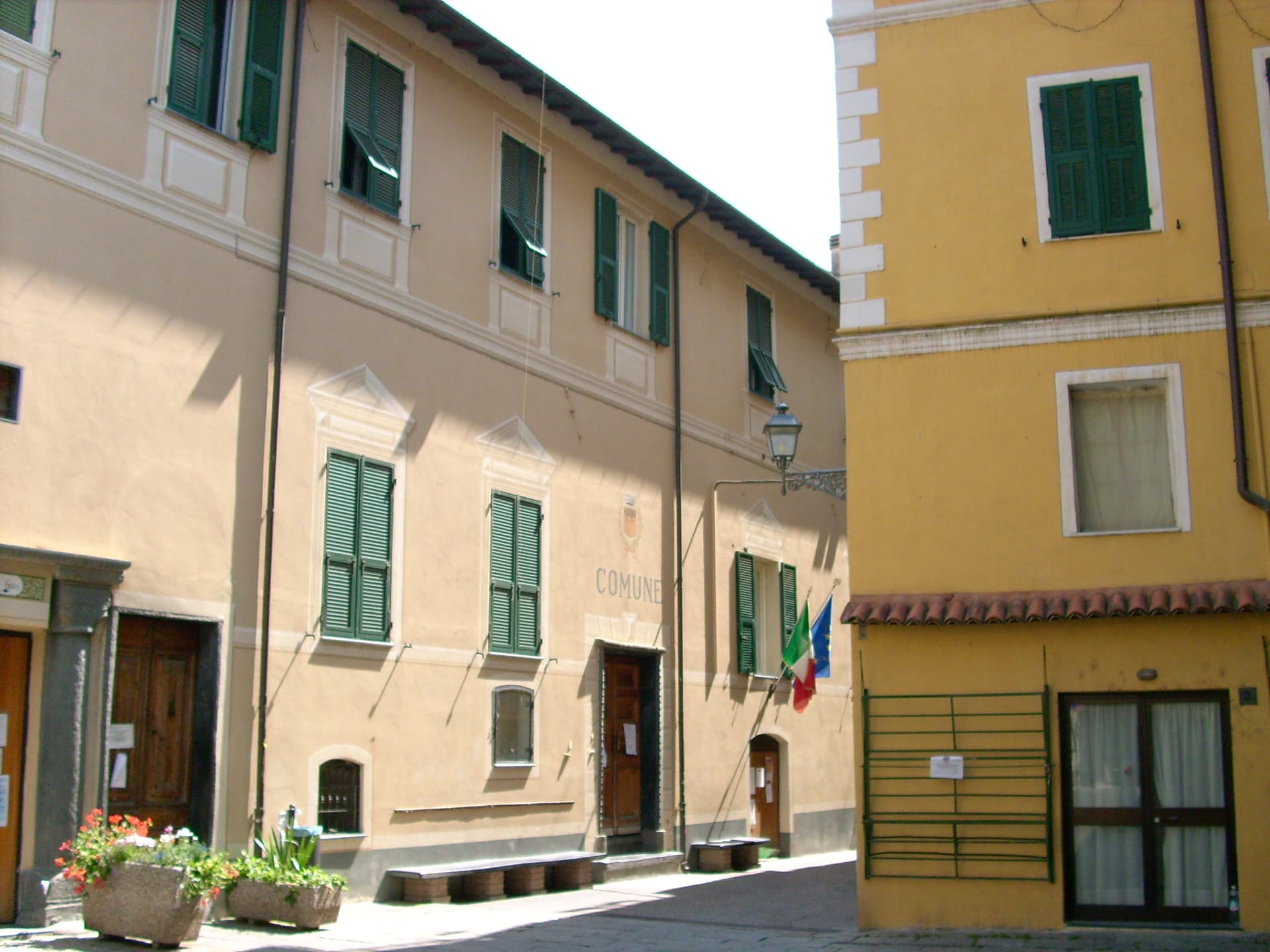
A medieval village wrapped in a bend of the Argentina torrent, with murals on its caruggi and a Slow Food bean on its terraces.
Sanremo
Province: Imperia
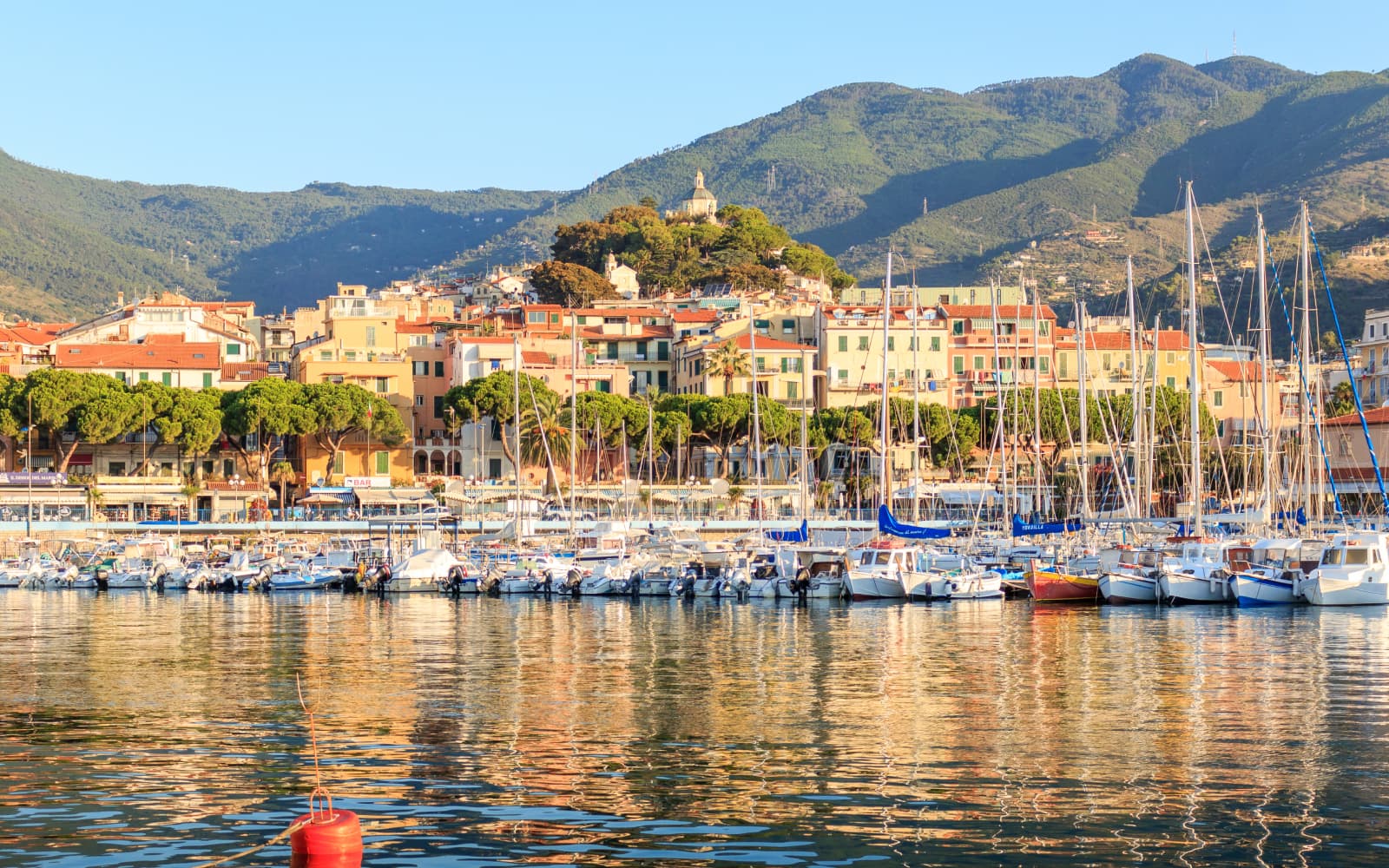
The capital of the Italian Riviera dei Fiori — Belle Époque casino and palm-lined Lungomare on the seafront, the medieval labyrinth of La Pigna climbing the hill behind, and a year-round mild climate that built the original Northern European winter trade.
Dolceacqua
Province: Imperia
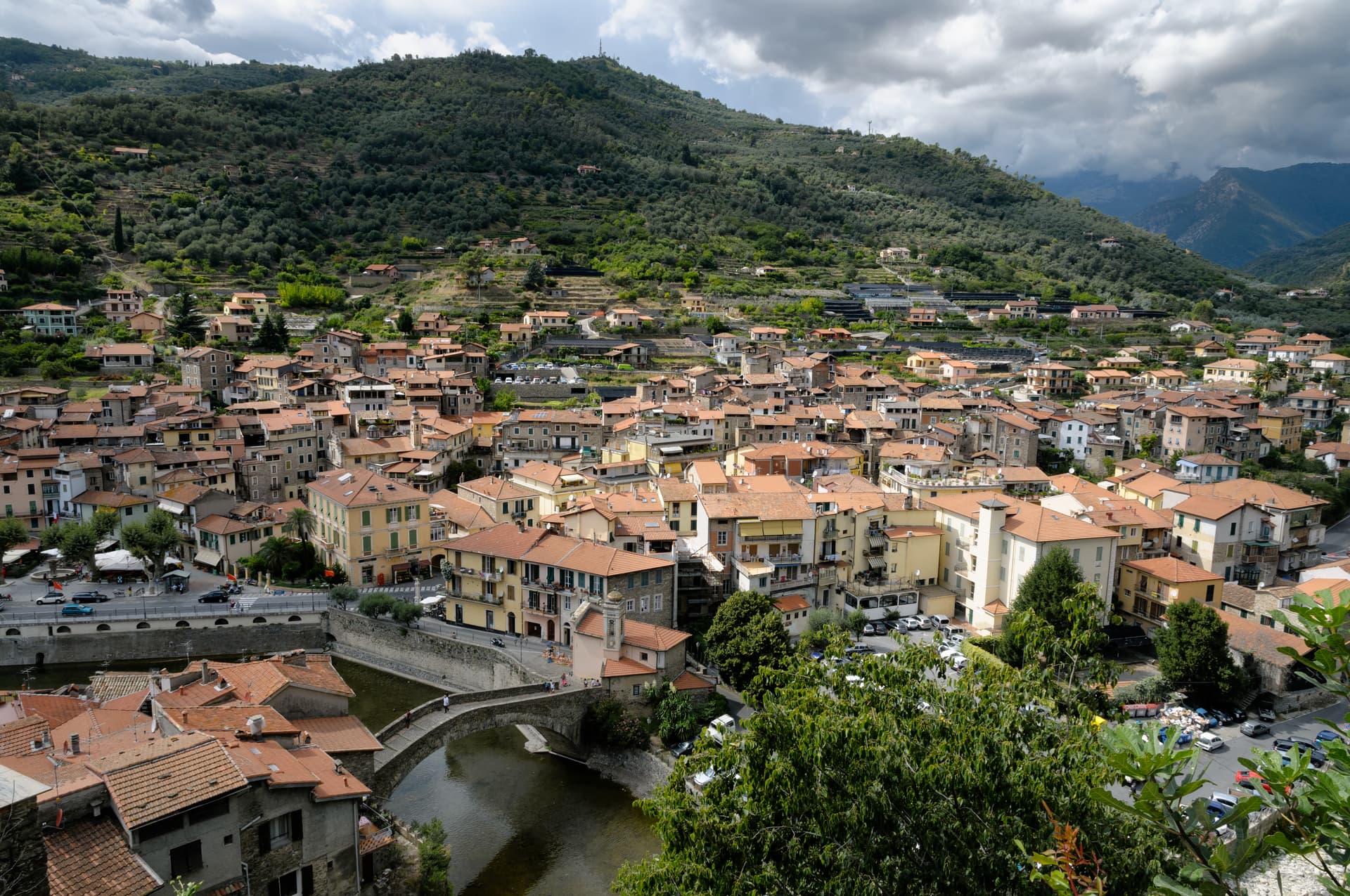
A two-banked medieval village in the Val Nervia split by a single-arch bridge from 1400, the one Monet came to paint in 1884.
Taggia
Province: Imperia
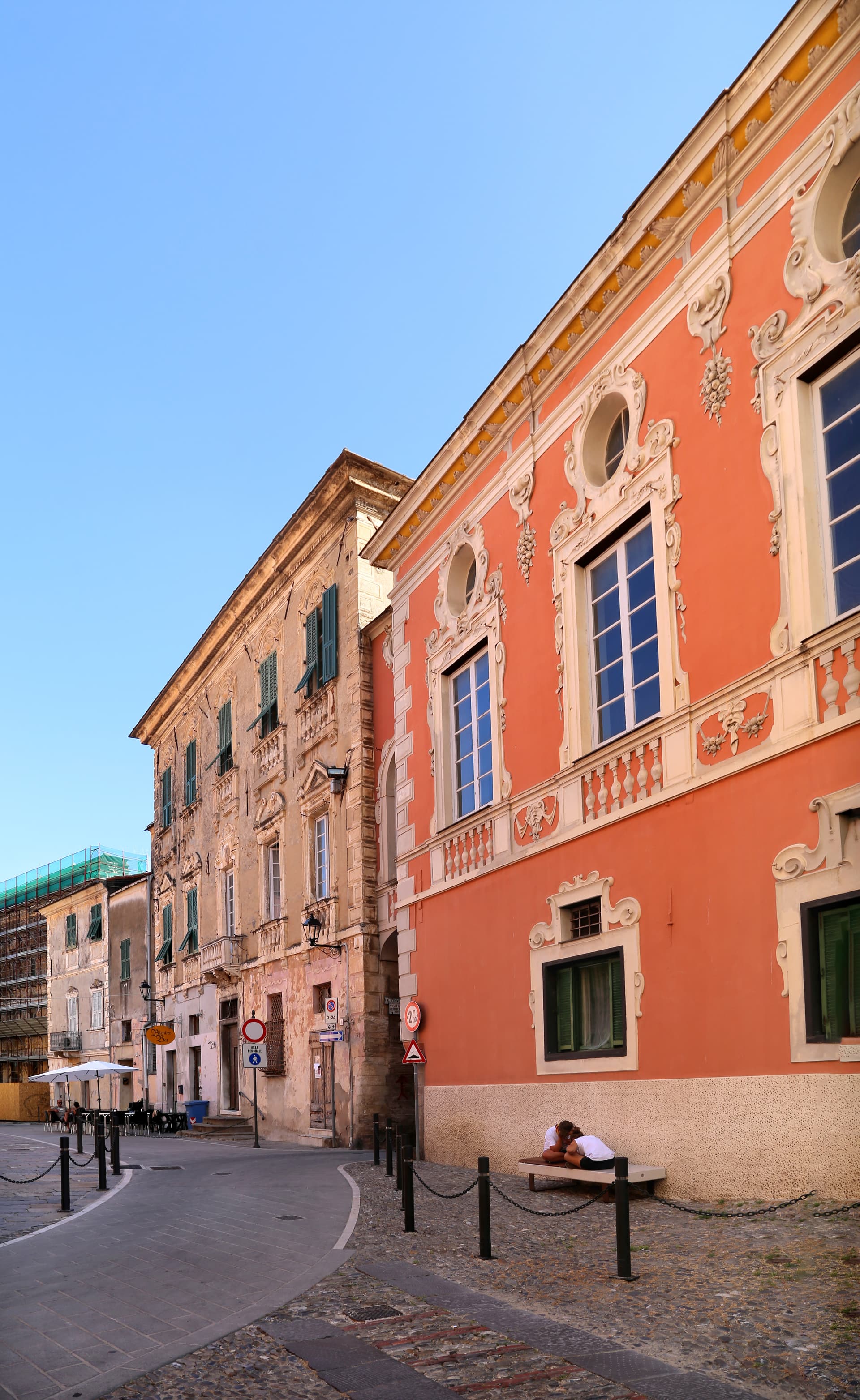
The Argentina valley's medieval seat above the Riviera dei Fiori, the town that gave its name to the Taggiasca olive grown across western Liguria.
🎨 Borghi più belli d'Italia
More Borghi più belli d'Italia towns in Liguria
Ameglia
Province: La Spezia
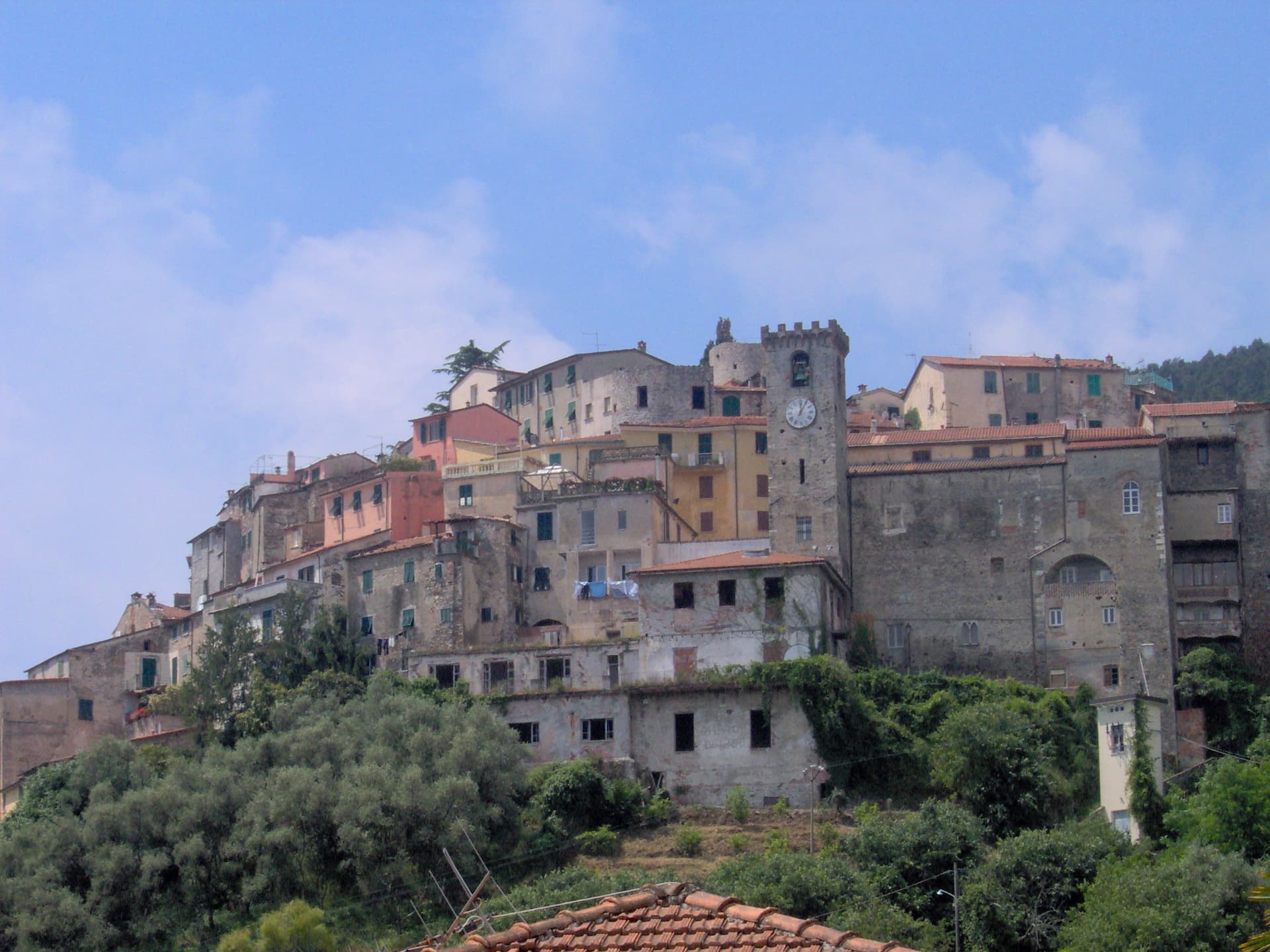
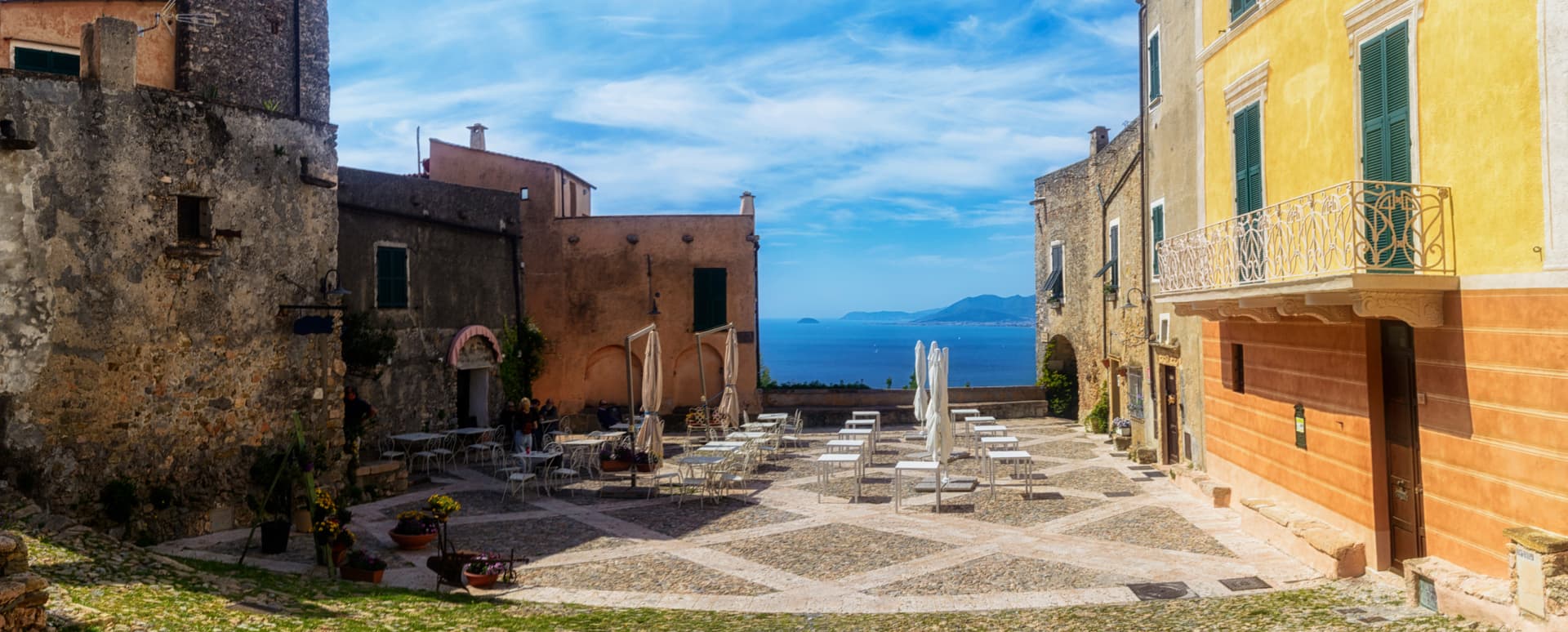
A hilltop borgo at 89 meters above the mouth of the Magra, the Lunigiana edge of Liguria where the river meets the Gulf of Poets.
Borgio Verezzi
Province: Savona
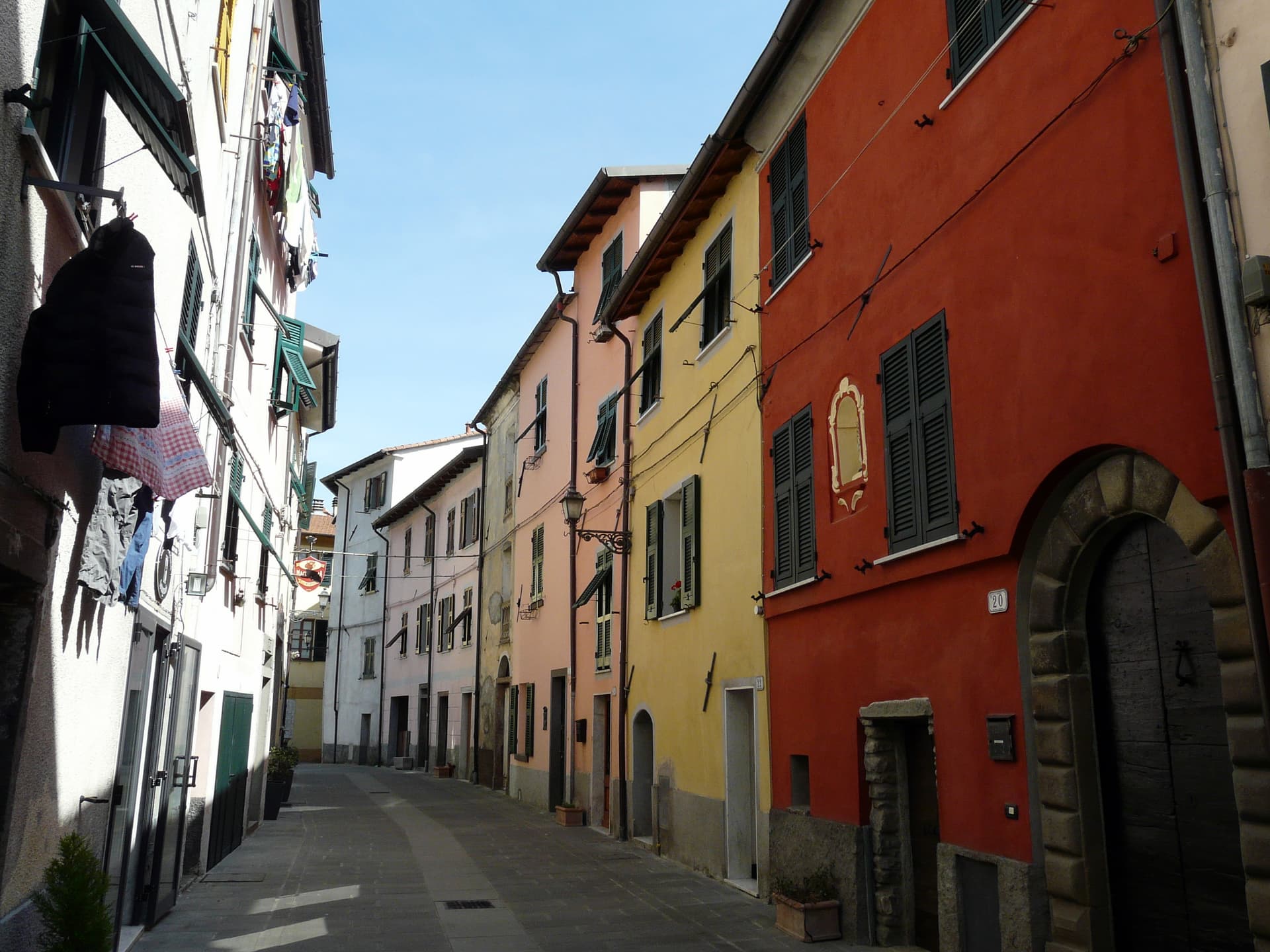
Two villages joined under one comune in 1933: Borgio on the Bandiera Blu beach and Verezzi at 200 meters on the pink-stone hill above.
Brugnato
Province: La Spezia
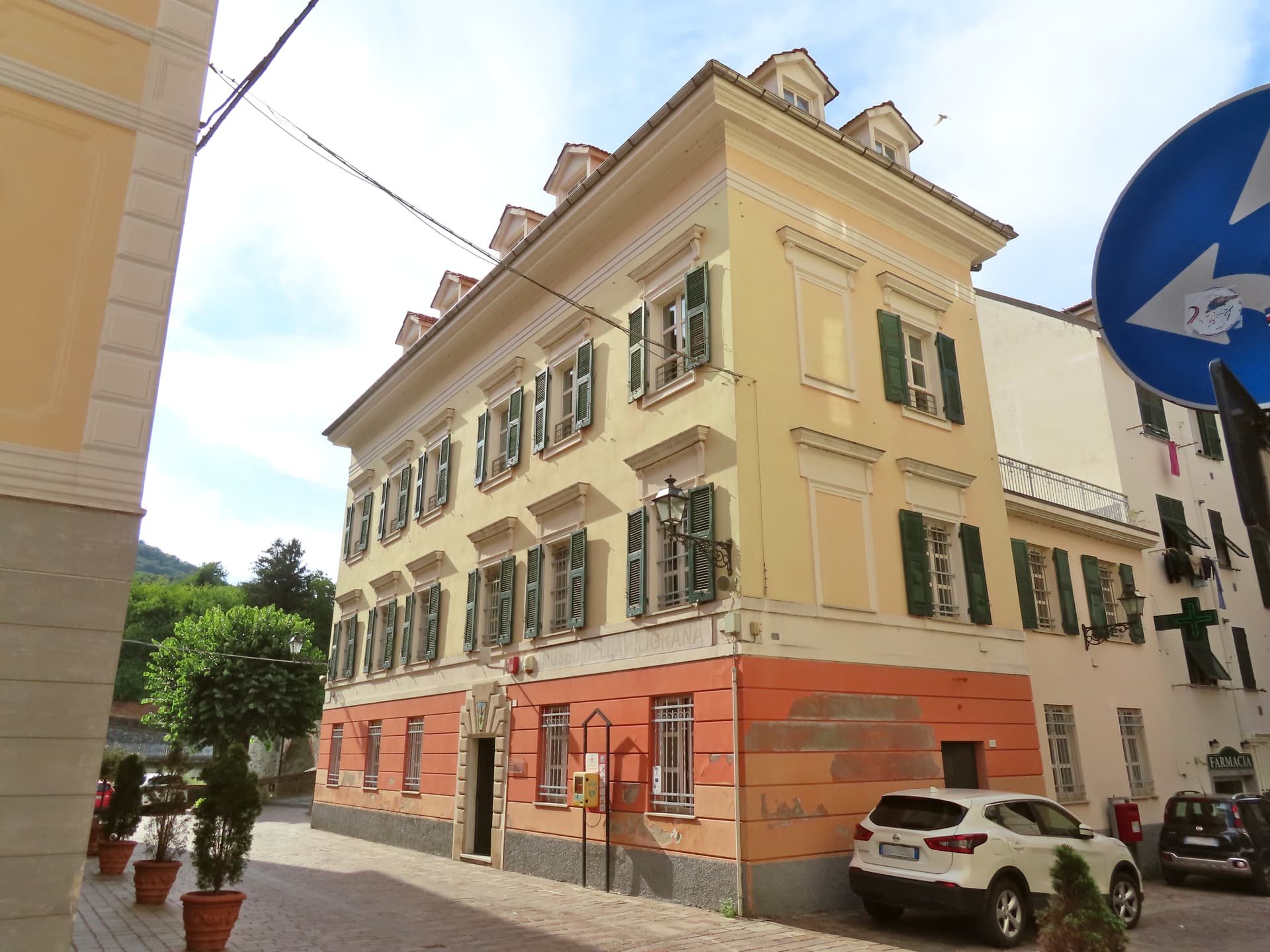
The medieval ecclesiastical capital of the Val di Vara, seat of a diocese from 1133 to 1820, with a co-cathedral built over a Columban monastery.
Campo Ligure
Province: Genova
A Spinola borgo at 342 meters in the Stura valley north of Genova, the last working centre for gold and silver filigree in Italy.