

Liguria · Genova
Campo Ligure
A Spinola borgo in the Stura valley north of Genova, the last working centre for gold and silver filigree in Italy.
Known for
FILIGRANA
Gold and silver thread twisted with pliers called bruscelle and welded under torch, the first workshop opened 1884, the only surviving Italian centre.
SPINOLA CASTLE
Hexagonal medieval fortress with a 22-metre cylindrical tower, residence of the Spinola counts who controlled the Stura valley trade route.
MUSEO DELLA FILIGRANA
Founded 1984 around the Pietro Carlo Bosio collection, filigree pieces from across five continents in a single ground-floor exhibition.
When to visit
Best · Apr–Oct
- J
- F
- M
- A
- M
- J
- J
- A
- S
- O
- N
- D
- Best
- Hot or crowded
- Quiet
- Mostly closed
The festa: Maria Maddalena, 22 July
Why come
Campo Ligure sits on the right bank of the Stura, twenty-five kilometers north of Genoa where the Apennines start to climb. The Spinola family took the fief in the thirteenth century and built the hexagonal castle on the hill above the village; the cylindrical tower is more than twenty-two metres tall and six across. The first filigree workshop opened in 1884.
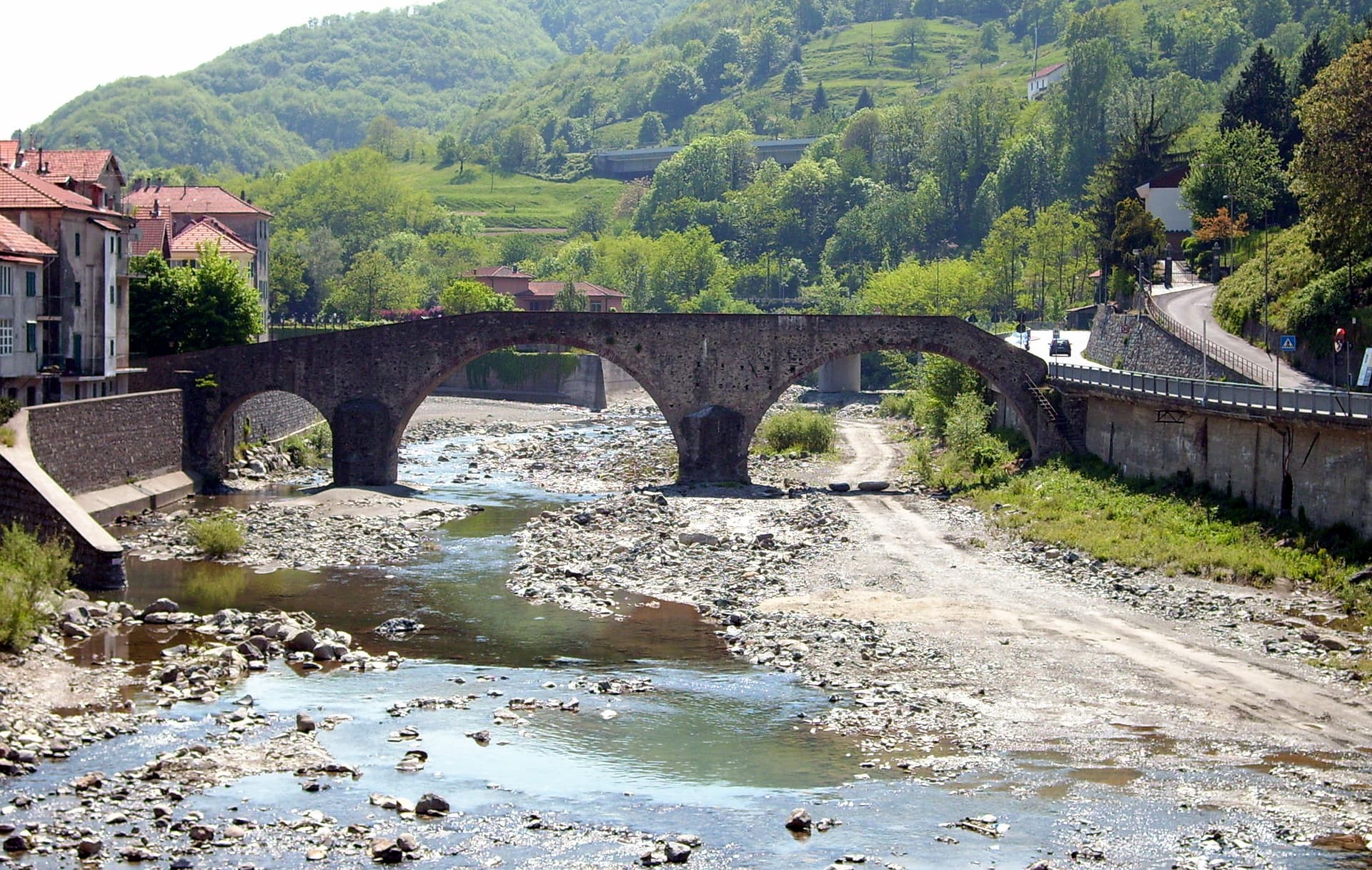
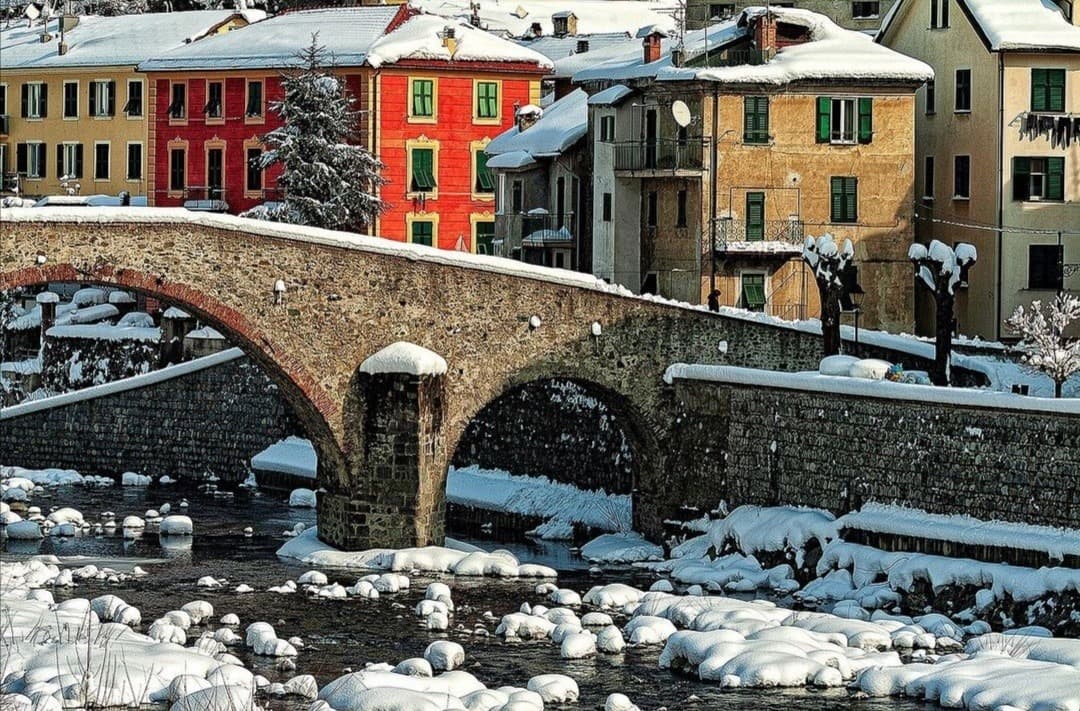
Within a generation Campo Ligure had become the national centre for the craft, fine gold and silver threads twisted with pliers called bruscelle and welded under a torch. It remains the only working filigree centre in Italy. The Museo della Filigrana, founded in 1984 around the Pietro Carlo Bosio collection, holds filigree work from across the world. A medieval stone bridge over the Stura, originally ninth-century and rebuilt several times from the eighteenth century onward, anchors the lower end of the borgo.
The Sunday letter
We haven’t written Campo Ligure’s letter yet.
One town every Sunday, with the photo, the food, the festa. Be there when this one comes up. Free, by Peter & Sophia from Pietrasanta.
By subscribing you agree to Substack’s Terms of Use, our Privacy Policy and our Information collection notice.
What to see
Castello Spinola
Twelfth and thirteenth-century hexagonal fortress on the hill above the village, cylindrical tower 22 metres tall, residence of the Spinola fief.
Museo della Filigrana Pietro Carlo Bosio
Founded 1984 around the Bosio collection, filigree work from across the world, the only museum of its kind in Italy.
Ponte medievale sullo Stura
Stone bridge over the Stura with ninth-century origins, rebuilt several times from the eighteenth century, marks the southern entrance to the borgo.
Chiesa della Natività di Maria Santissima
Eighteenth-century parish church in Baroque style on the main piazza, frescoes by Carlo Giuseppe Ratti, marble altar from Carrara.
Centro storico di Campo Ligure
Tight grid of three parallel medieval streets along the river, filigree workshops still operating between residential houses.
The slow-trip planner
Building a trip? Find where Campo Ligure fits in a slow Italy circuit.
Answer five questions. We will shape a geographically coherent slow trip from the 1,000 Italian towns most travelers skip. Yours to save and share.
We recommend
Where to eat and stay
Not our picks, but places the guides put their name to — a Michelin star, a Gambero Rosso fork, a Slow Food snail, a Michelin Key for the hotels. Worth a table, a counter, or a night when you pass through.
Caccia C'à BuggeTrattoria
Caccia C'à Bugge holds two Gambero Rosso prawns.
Caccia C’a BuggeRistorante
A Slow Food snail, at Caccia C’a Bugge.
Living here
- Population 2,777
- In-betweeni
- Pharmacy in town
- High school within a 30-minute drive
- Train station in the comune
- Nearest airport Genoa, 36 min drive
- Regional capital Genova, 41 min drive
Tags & datadesignations · numbers · sources
The numbers
- Elevation: 342 m
- Population: 2,777
- Surface area: 23.74 km²
These figures were compiled from public directories — ISTAT, OpenStreetMap, Wikidata — and from the official listings of the guides named on this page. Town details change; verify with official sources before you travel.
Close by
More towns near Campo Ligure
Ovada
Province: Alessandria
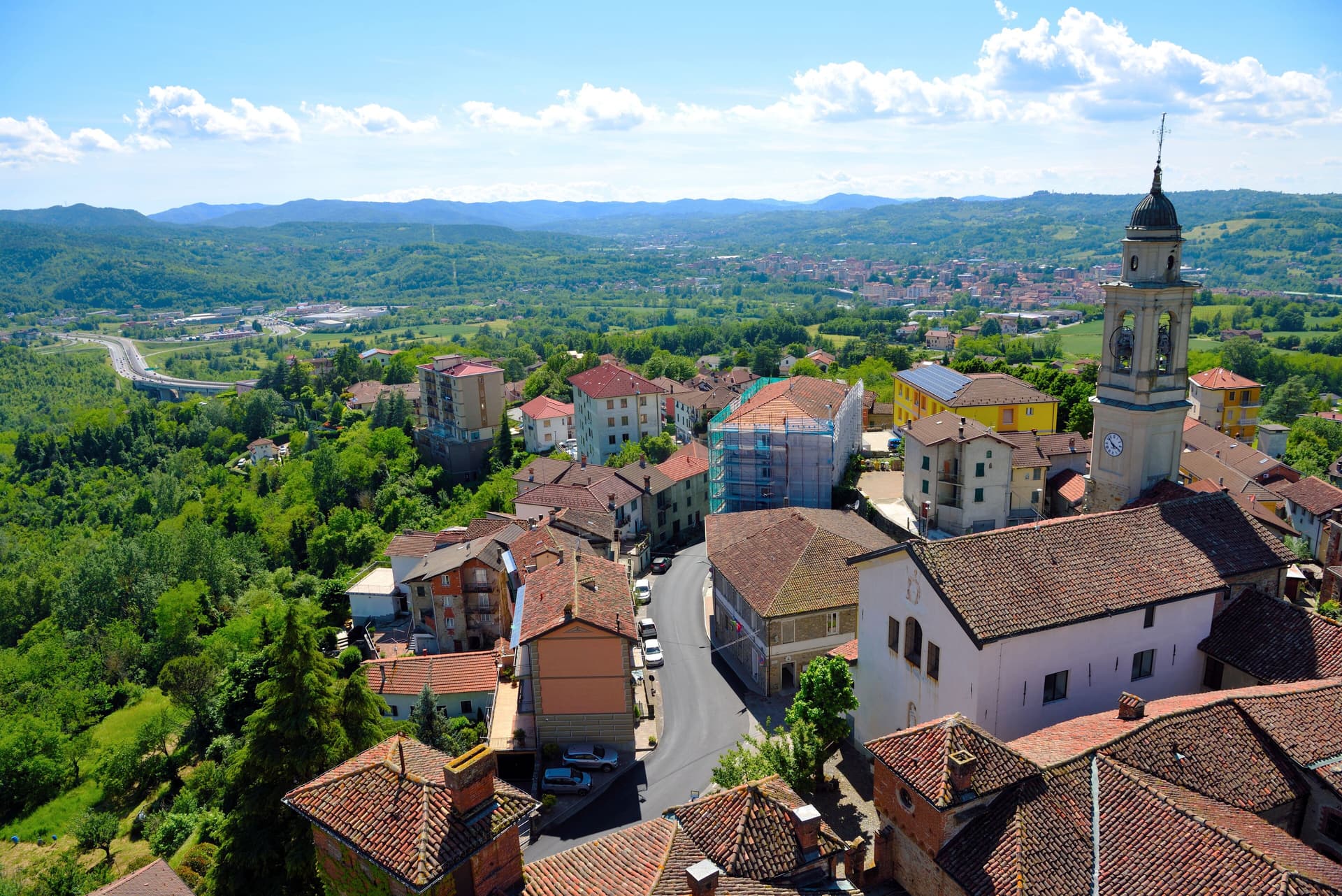
The Monferrato town at 186 meters where the Orba meets the Stura, the first Dolcetto DOC zone in Piemonte and now DOCG.
Celle Ligure
Province: Savona
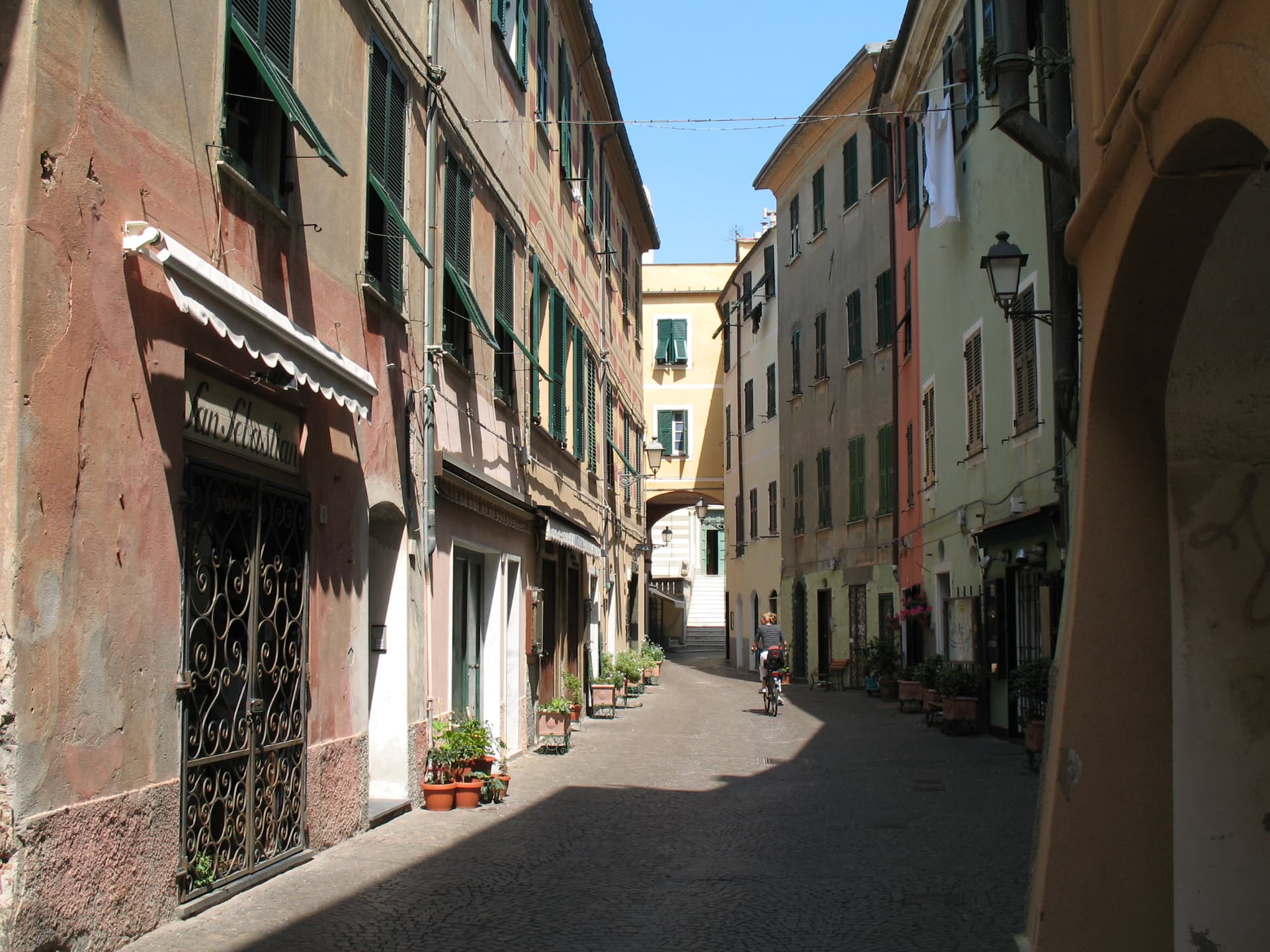
A Riviera di Ponente beach town with kilns firing since the 1600s and a Lucio Fontana ceramic on the parish church façade.
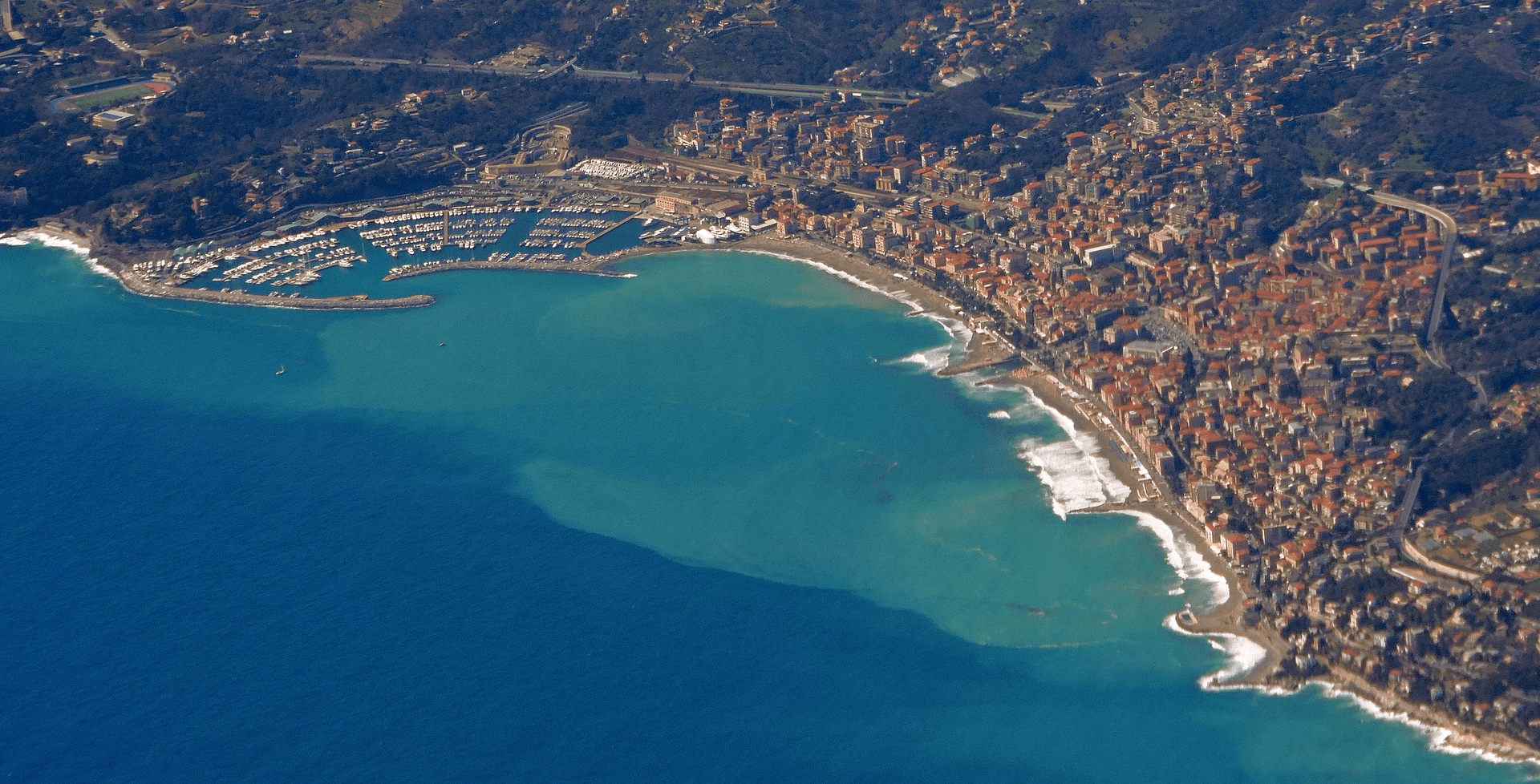
Varazze
Province: Savona
A Ligurian shipbuilding town whose thirteenth-century friar compiled the saint lives that became the most copied book in Europe after the Bible.
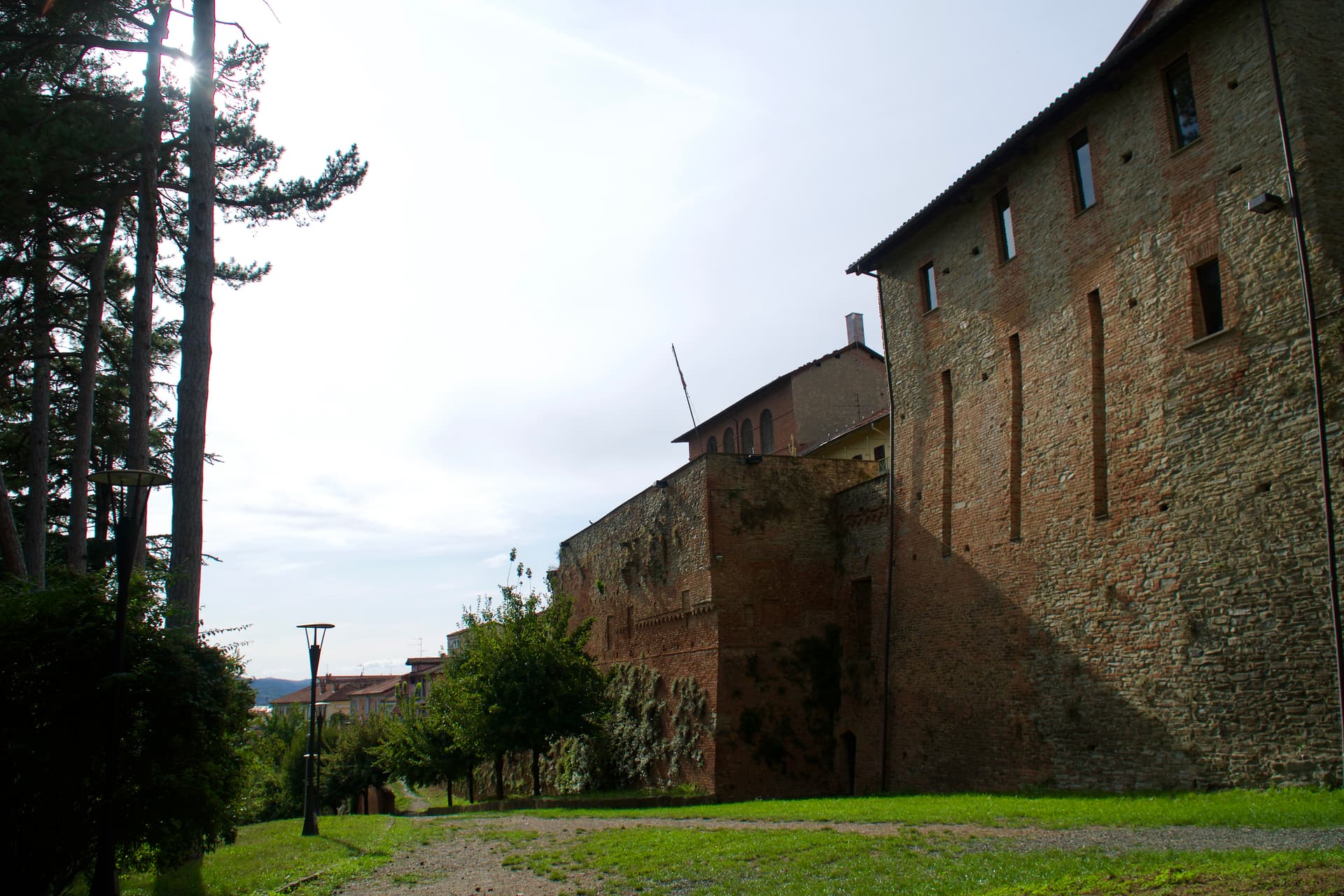
Acqui Terme
Province: Alessandria
A Roman spa town at 156 meters on the Bormida, where a sulphurous spring still surfaces at 74.5 degrees under an 1870 pavilion.
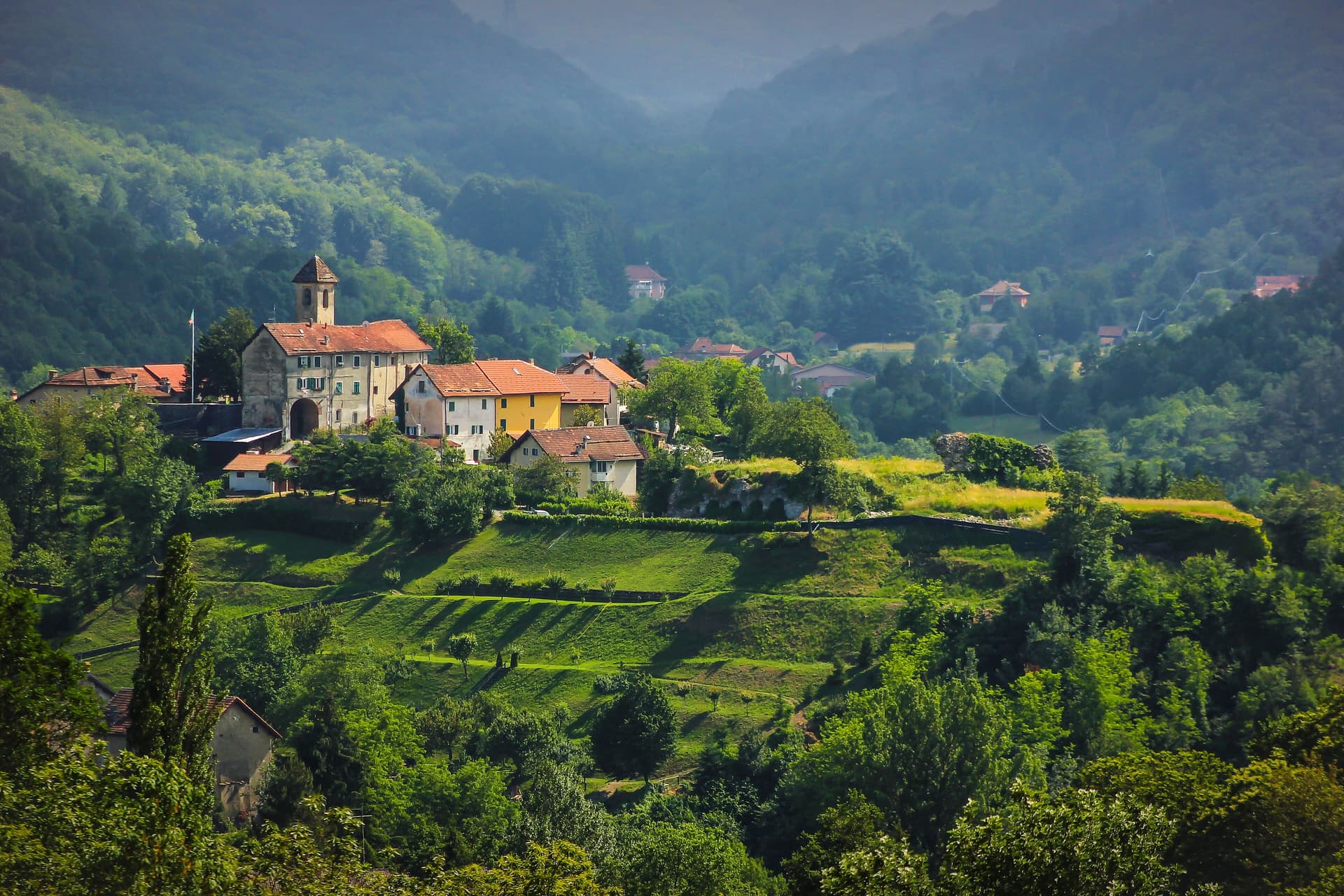
Sassello
Province: Savona
A baroque borgo at 381 meters in the Parco del Beigua, where Geltrude Rossi invented the soft amaretto in 1860.
🎨 Borghi più belli d'Italia
More Borghi più belli d'Italia towns in Liguria
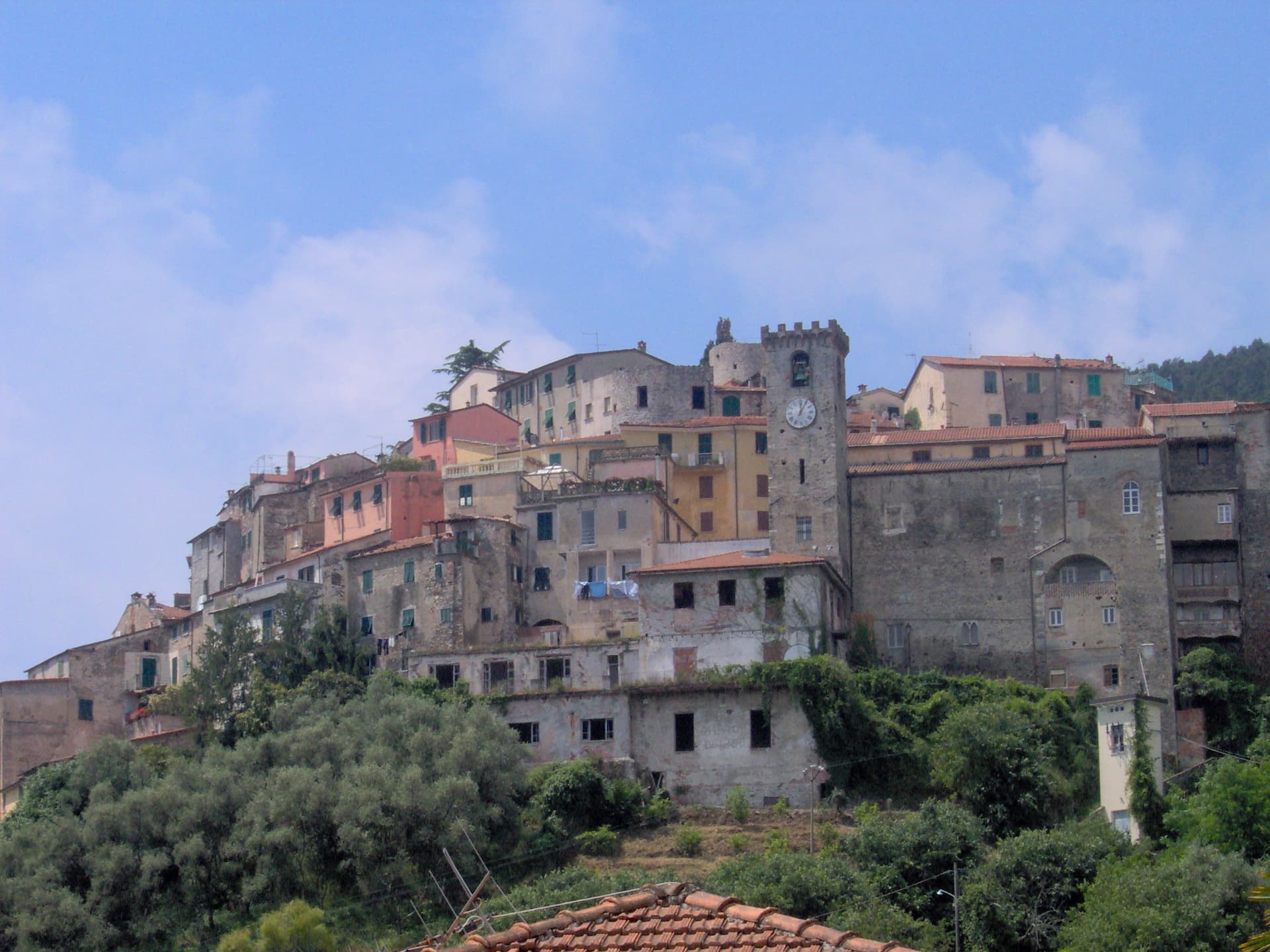
Ameglia
Province: La Spezia
A hilltop borgo at 89 meters above the mouth of the Magra, the Lunigiana edge of Liguria where the river meets the Gulf of Poets.
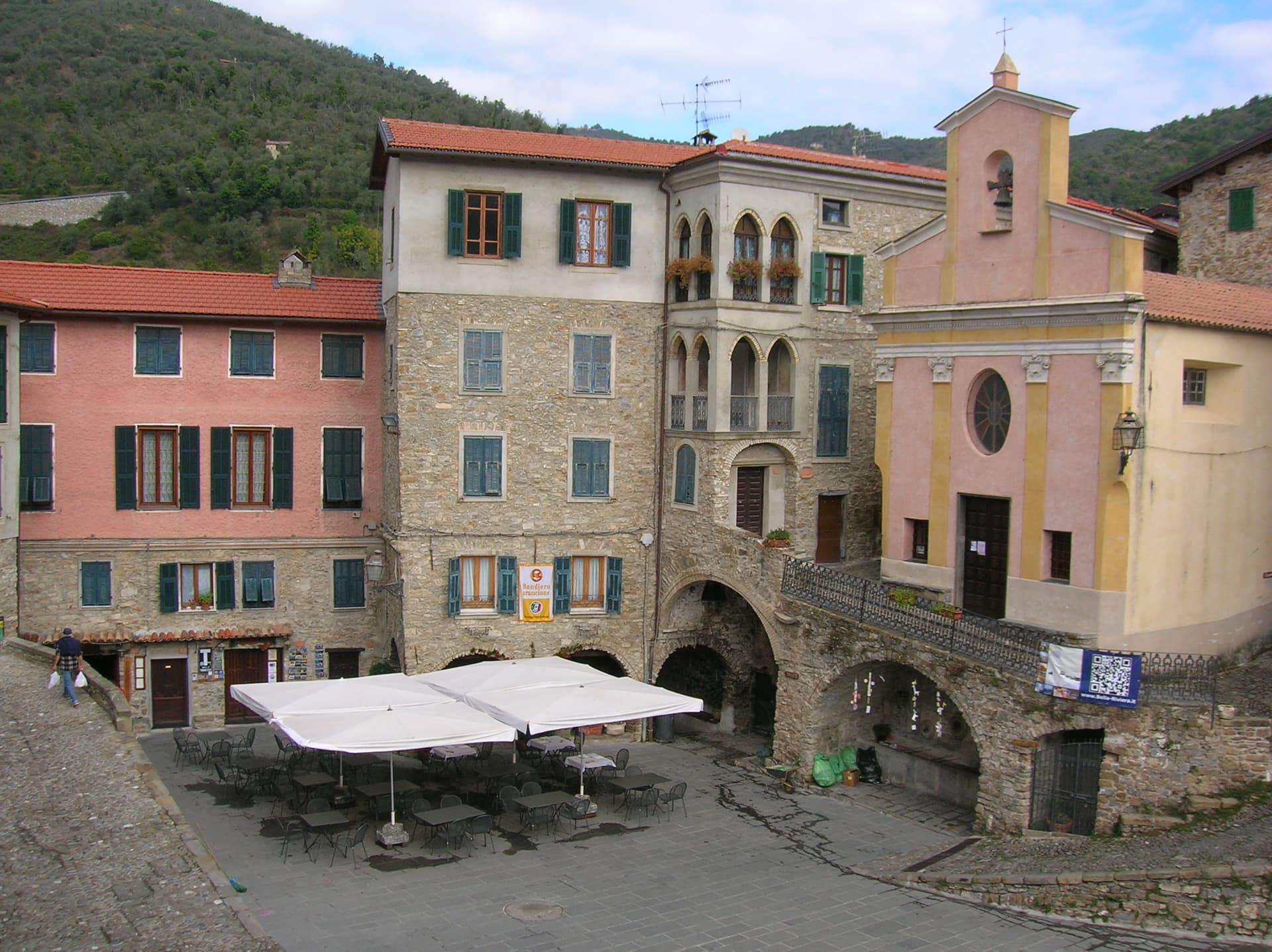
Apricale
Province: Imperia
A medieval hill village in the Nervia Valley, named for the Latin apricus, sunny, with a tenth-century castle shaped like a lizard on the rock.
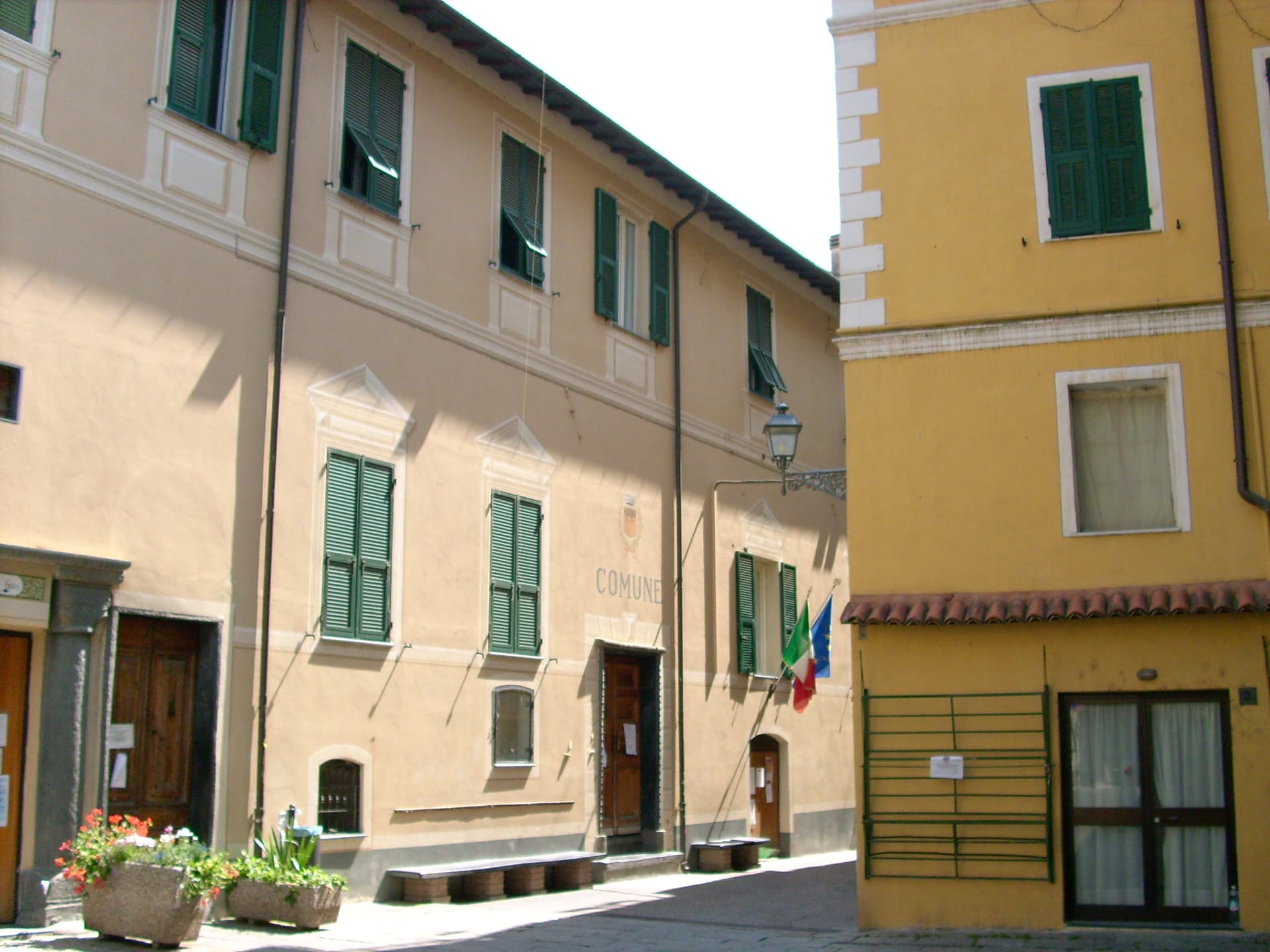
Badalucco
Province: Imperia
A medieval village wrapped in a bend of the Argentina torrent, with murals on its caruggi and a Slow Food bean on its terraces.
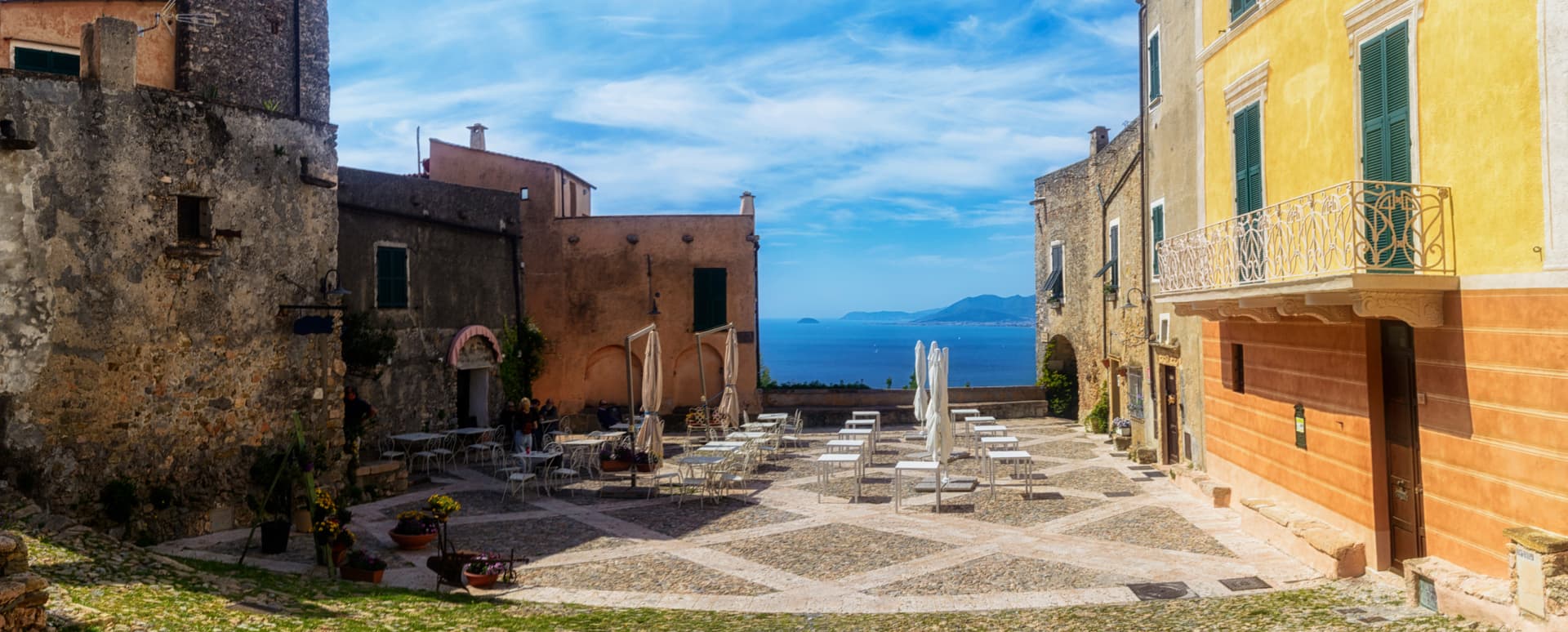
Borgio Verezzi
Province: Savona
Two villages joined under one comune in 1933: Borgio on the Bandiera Blu beach and Verezzi at 200 meters on the pink-stone hill above.
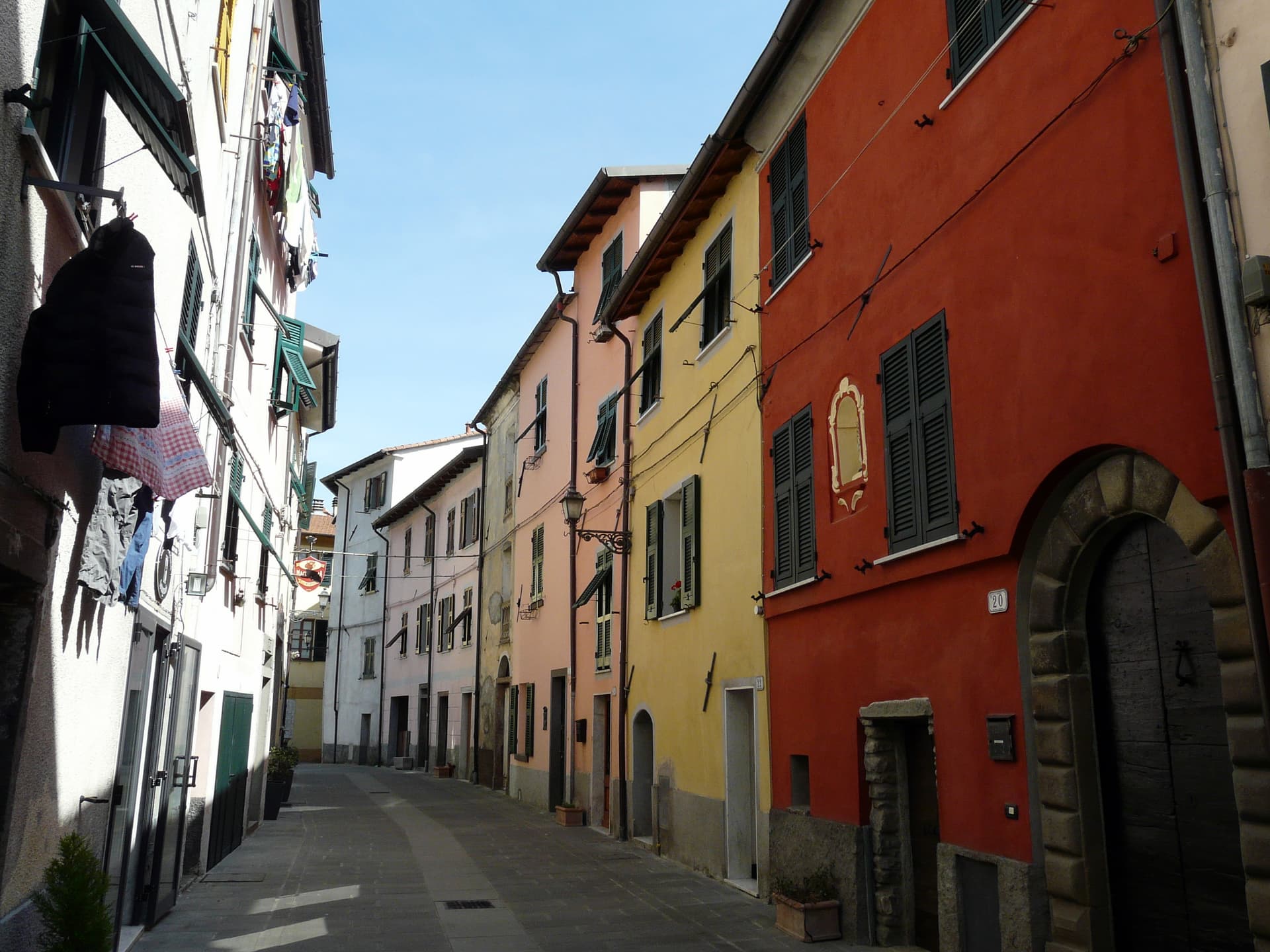
Brugnato
Province: La Spezia
The medieval ecclesiastical capital of the Val di Vara, seat of a diocese from 1133 to 1820, with a co-cathedral built over a Columban monastery.