

Marche · Macerata
Montelupone
A walled hill borgo above the lower Potenza valley, with a fourteenth-century civic loggia and a 1889 horseshoe theatre.
Known for
TEATRO 1889
272-seat neoclassical horseshoe theatre named for the local poet Nicola degli Angeli, inside the Palazzo del Podestà on Piazza del Comune.
SAN FIRMANO
Byzantine-Romanesque Benedictine abbey founded 986 below the hill, with the body of its abbot saint recovered during the 1256 rebuilding.
CARCIOFO
Local artichoke variety grown in the lower Potenza valley fields, celebrated annually at the Sagra del Carciofo in the centro storico.
When to visit
Best · Apr–Oct
- J
- F
- M
- A
- M
- J
- J
- A
- S
- O
- N
- D
- Best
- Hot or crowded
- Quiet
- Mostly closed
Why come
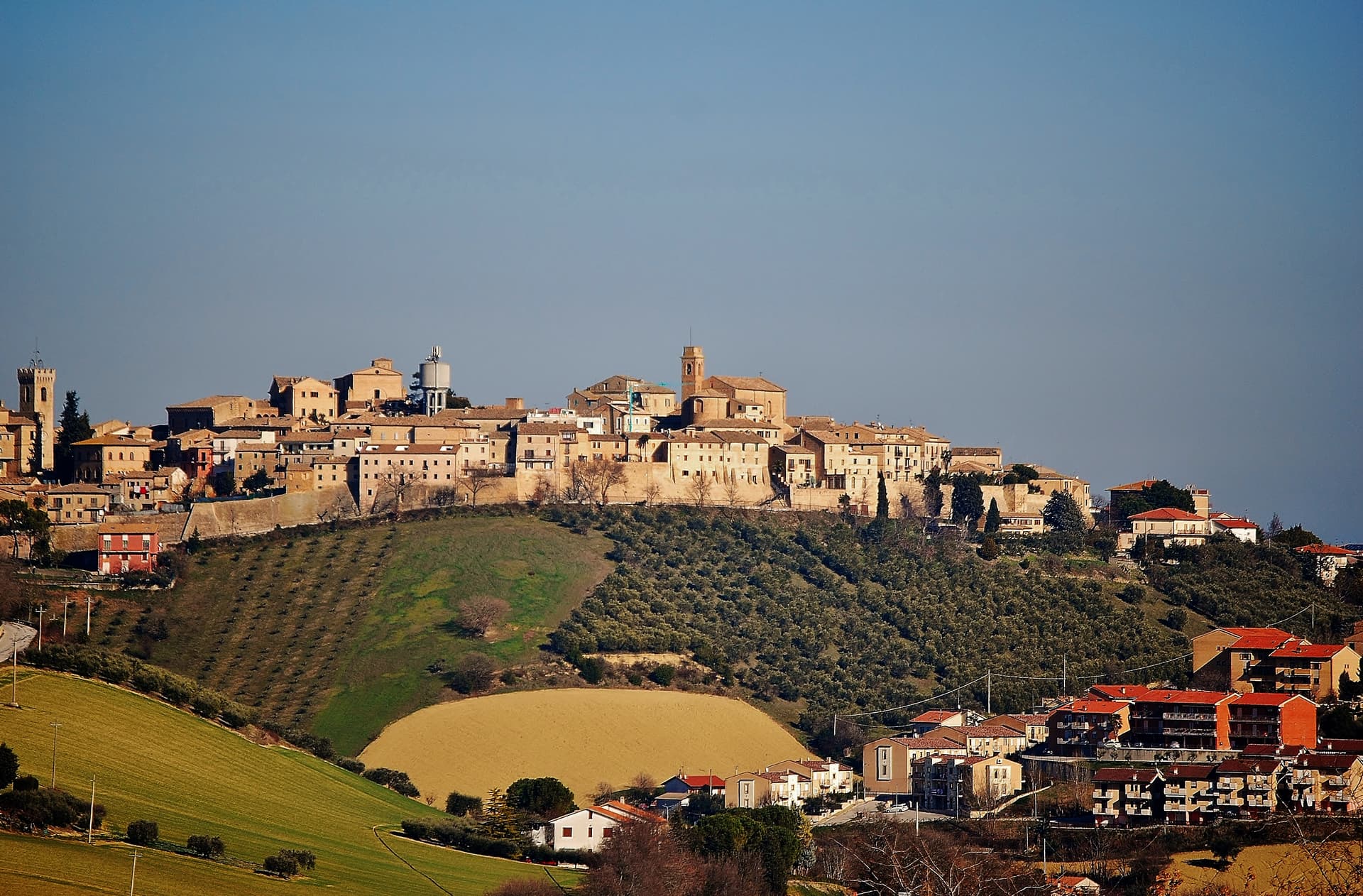
Montelupone sits on a hill in the lower Potenza valley, eleven kilometers northeast of Macerata. The territory holds Picene and Roman traces and was part of the March of Fermo through the early Middle Ages. The fourteenth-century walls still ring the centro storico almost intact, pierced by four gates: Porta del Trebbio, Porta Ulpiana, Porta Santo Stefano and Porta del Cassero.
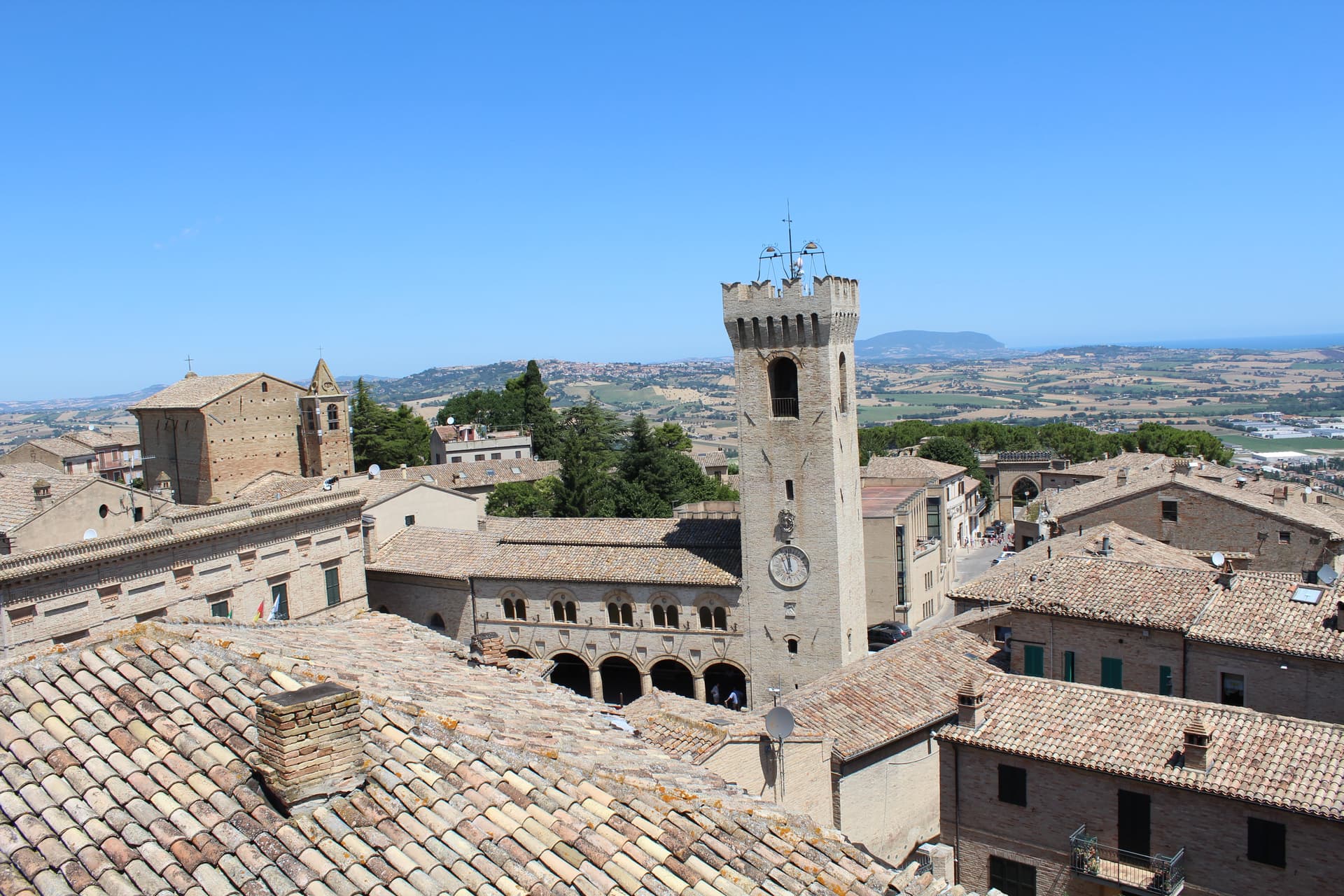
On Piazza del Comune the Palazzo del Podestà rises in fourteenth-century brick, with a five-arched loggia, a clock tower and Ghibelline crenellations. Inside the same complex the Teatro Nicola degli Angeli, inaugurated in 1889, holds 272 seats in a neoclassical horseshoe with two orders of boxes and a ceiling of musical angels. Eight kilometers below the hill, in the valley plain, the Abbazia di San Firmano was founded in 986 on the church of Saint John the Evangelist and rebuilt in 1256, with a Byzantine-Romanesque gabled facade. The town carries the carciofo and the honey of the Potenza hills.
The Sunday letter
We haven’t written Montelupone’s letter yet.
One town every Sunday, with the photo, the food, the festa. Be there when this one comes up. Free, by Peter & Sophia from Pietrasanta.
By subscribing you agree to Substack’s Terms of Use, our Privacy Policy and our Information collection notice.
What to see
Palazzo del Podestà
Fourteenth-century civic palace on Piazza del Comune, with five-arched loggia, clock tower and Ghibelline crenellations, the architectural anchor of the centro storico.
Teatro Nicola degli Angeli
Inaugurated 1889 inside the Palazzo del Podestà, 272 seats in a neoclassical horseshoe with two orders of boxes and a ceiling of musical angels.
Abbazia di San Firmano
Benedictine abbey founded 986 on the church of Saint John the Evangelist, rebuilt 1256 when the body of San Firmano was found, with a Byzantine-Romanesque gabled facade.
Mura medievali
Fourteenth-century walls ringing the centro storico, with four surviving gates: Porta del Trebbio, Porta Ulpiana, Porta Santo Stefano and Porta del Cassero.
Pinacoteca Civica
Inside the Palazzo del Podestà, holding works recovered from the local churches together with the civic archive of the medieval and early modern town.
The slow-trip planner
Building a trip? Find where Montelupone fits in a slow Italy circuit.
Answer five questions. We will shape a geographically coherent slow trip from the 1,000 Italian towns most travelers skip. Yours to save and share.
Living here
- Population 3,359
- Commuter belti
- Pharmacy in town
- High school within a 30-minute drive
- Nearest airport Ancona / Pescara, 52 min drive
- Regional capital Ancona, 47 min drive
Tags & datadesignations · numbers · sources
The numbers
- Elevation: 272 m
- Population: 3,359
- Surface area: 32.67 km²
These figures were compiled from public directories — ISTAT, OpenStreetMap, Wikidata — and from the official listings of the guides named on this page. Town details change; verify with official sources before you travel.
Close by
More towns near Montelupone
Recanati
Province: Macerata
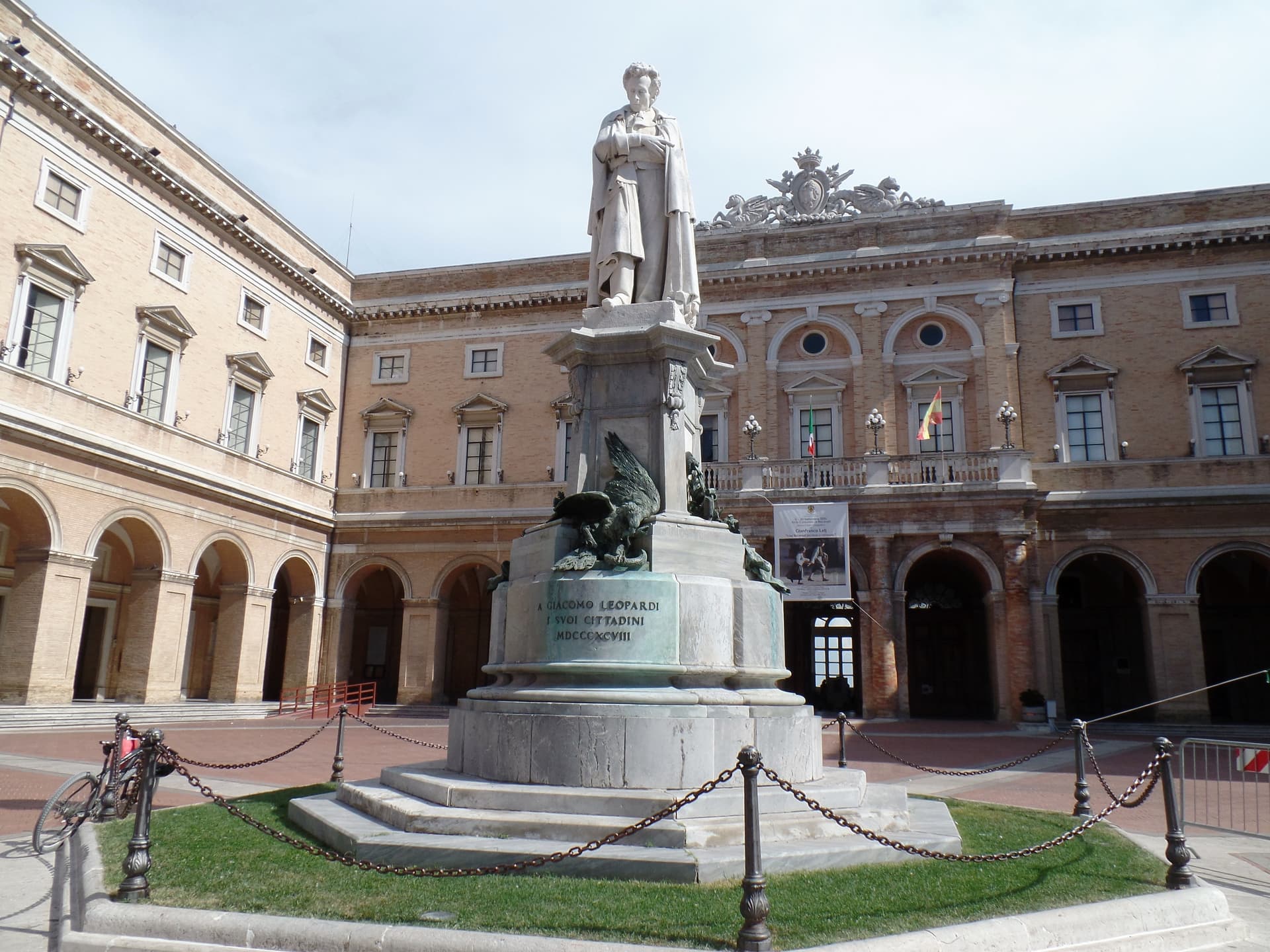
The hill town at 296 meters where Giacomo Leopardi was born in 1798 and wrote L'Infinito looking over the Musone valley toward the Adriatic.
Morrovalle
Province: Macerata
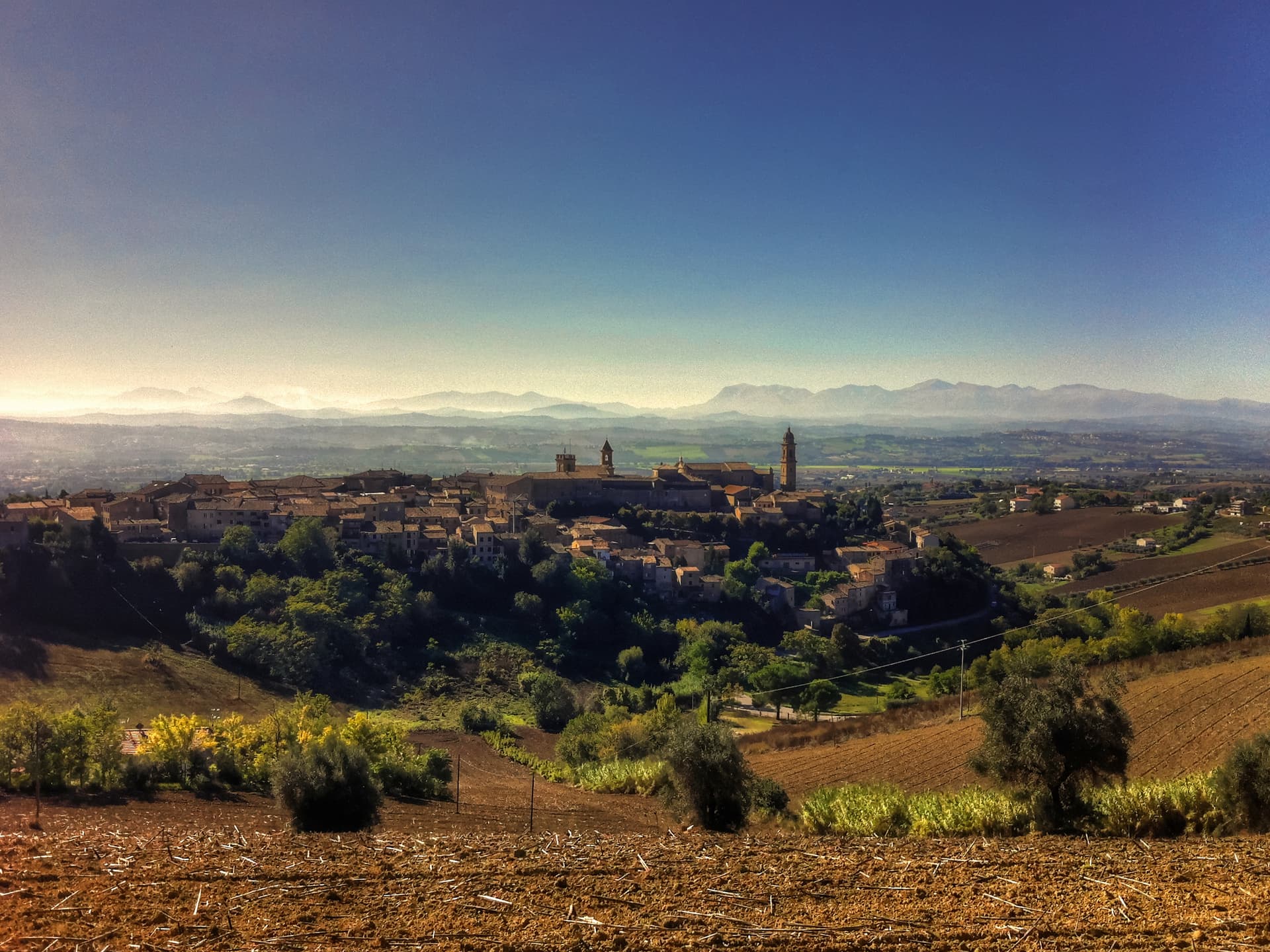
A hilltop borgo at 247 meters above the Chienti valley, holding a 1560 Eucharistic Miracle from the burning of its Franciscan convent.
Montecosaro
Province: Macerata
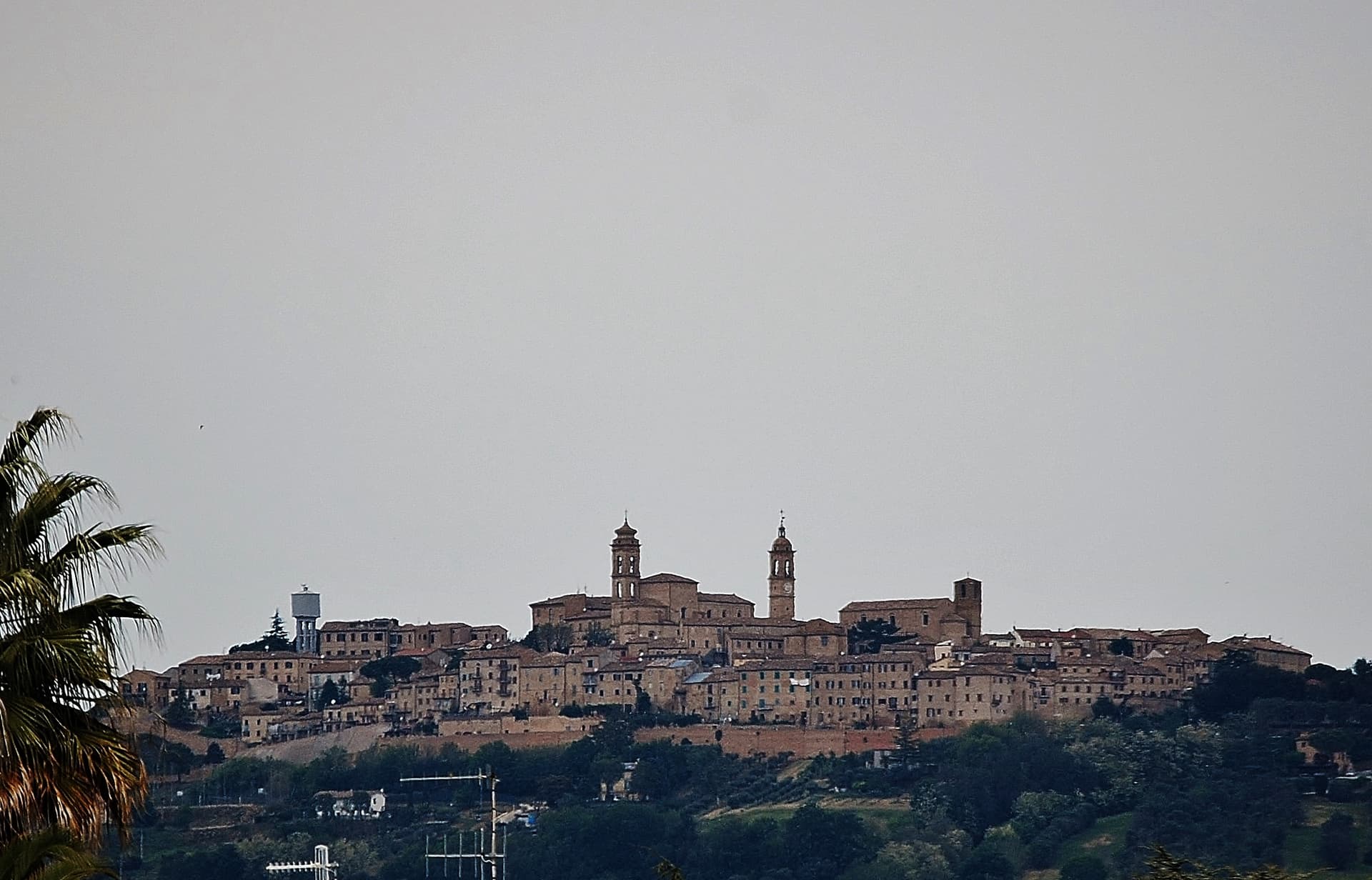
A walled hilltop borgo at 267 meters above the Chienti valley, with a Romanesque basilica rebuilt in 1125 on the river plain below.
Macerata
Province: Macerata
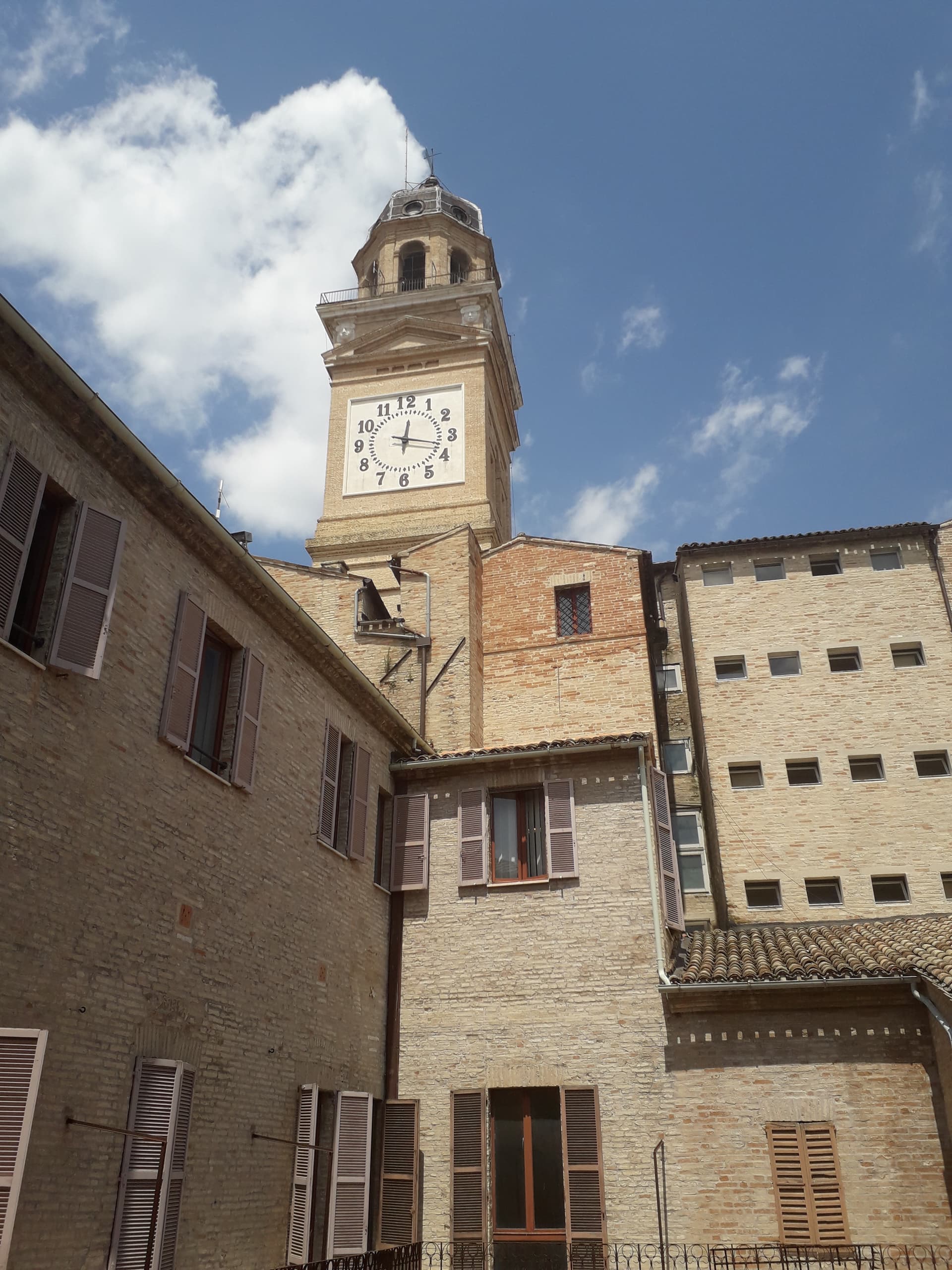
The provincial capital at 315 meters between the Chienti and Potenza, home to Italy's oldest university and the Sferisterio open-air opera arena.
Montecassiano
Province: Macerata
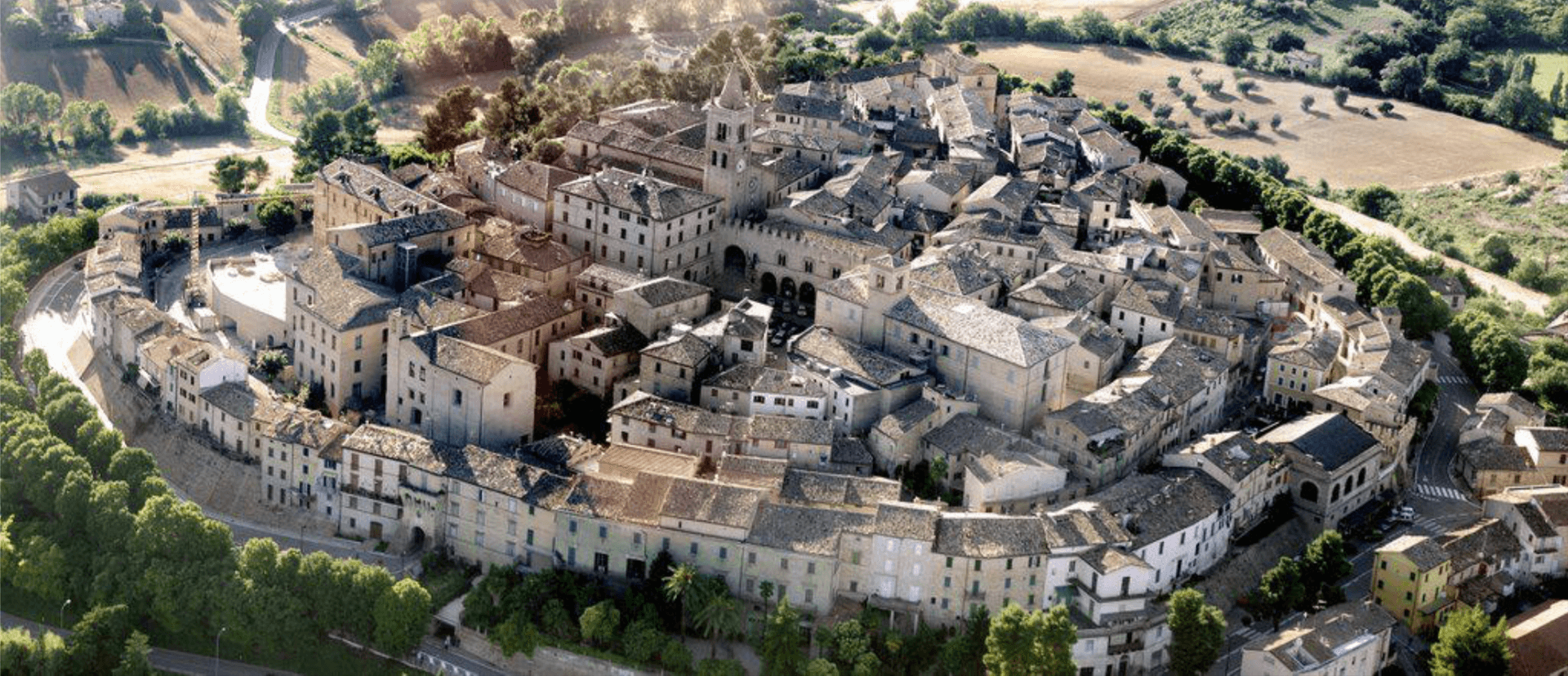
A walled hill borgo at 188 meters north of Macerata, holding the seven-meter terracotta altarpiece Mattia della Robbia fired in a kiln built in town.
🎨 Borghi più belli d'Italia
More Borghi più belli d'Italia towns in Marche
Arcevia
Province: Ancona
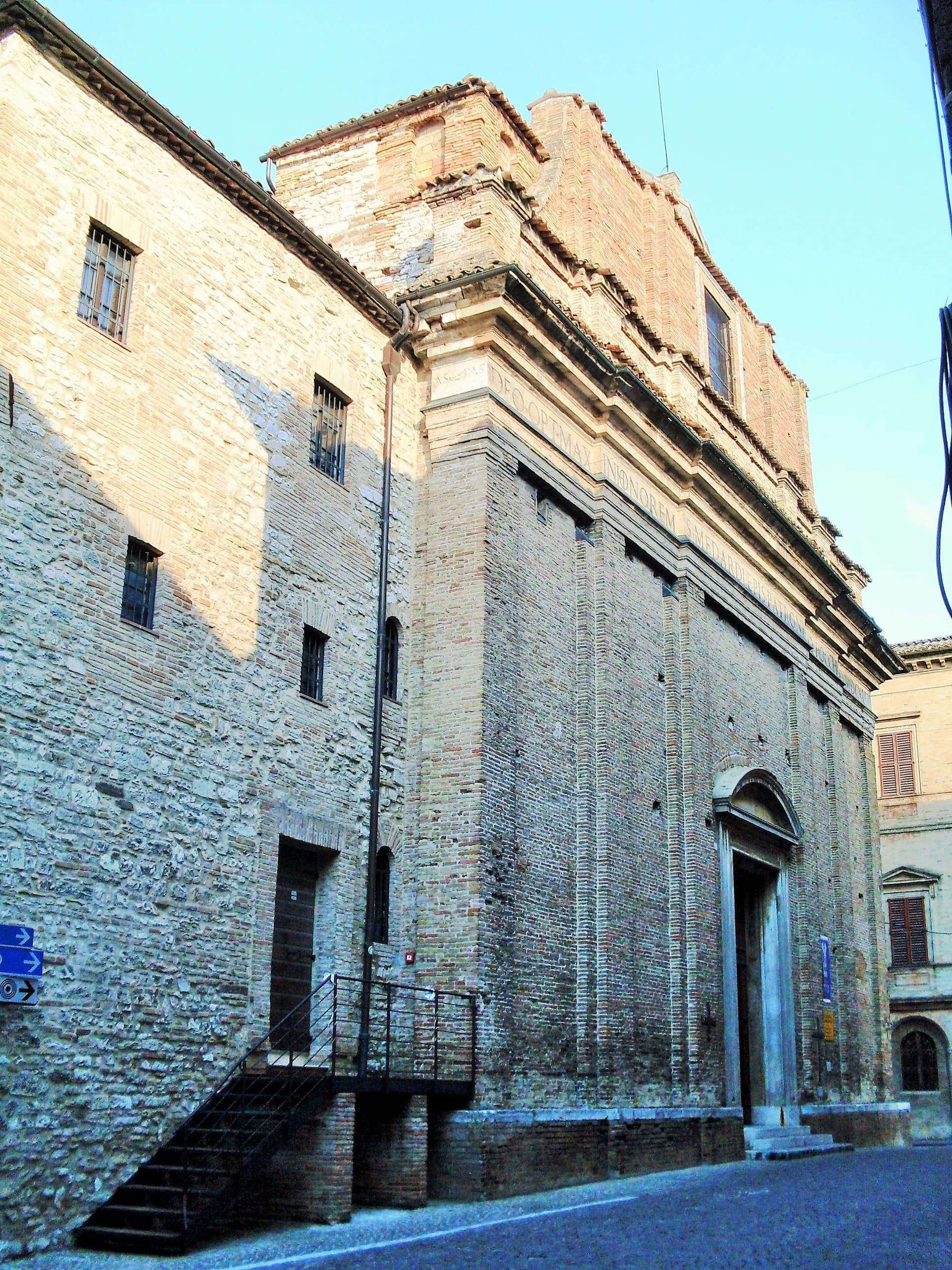
A hilltop borgo at 535 meters above the Misa and Nevola valleys, defended in the Middle Ages by a ring of nine satellite castles.
Cingoli
Province: Macerata
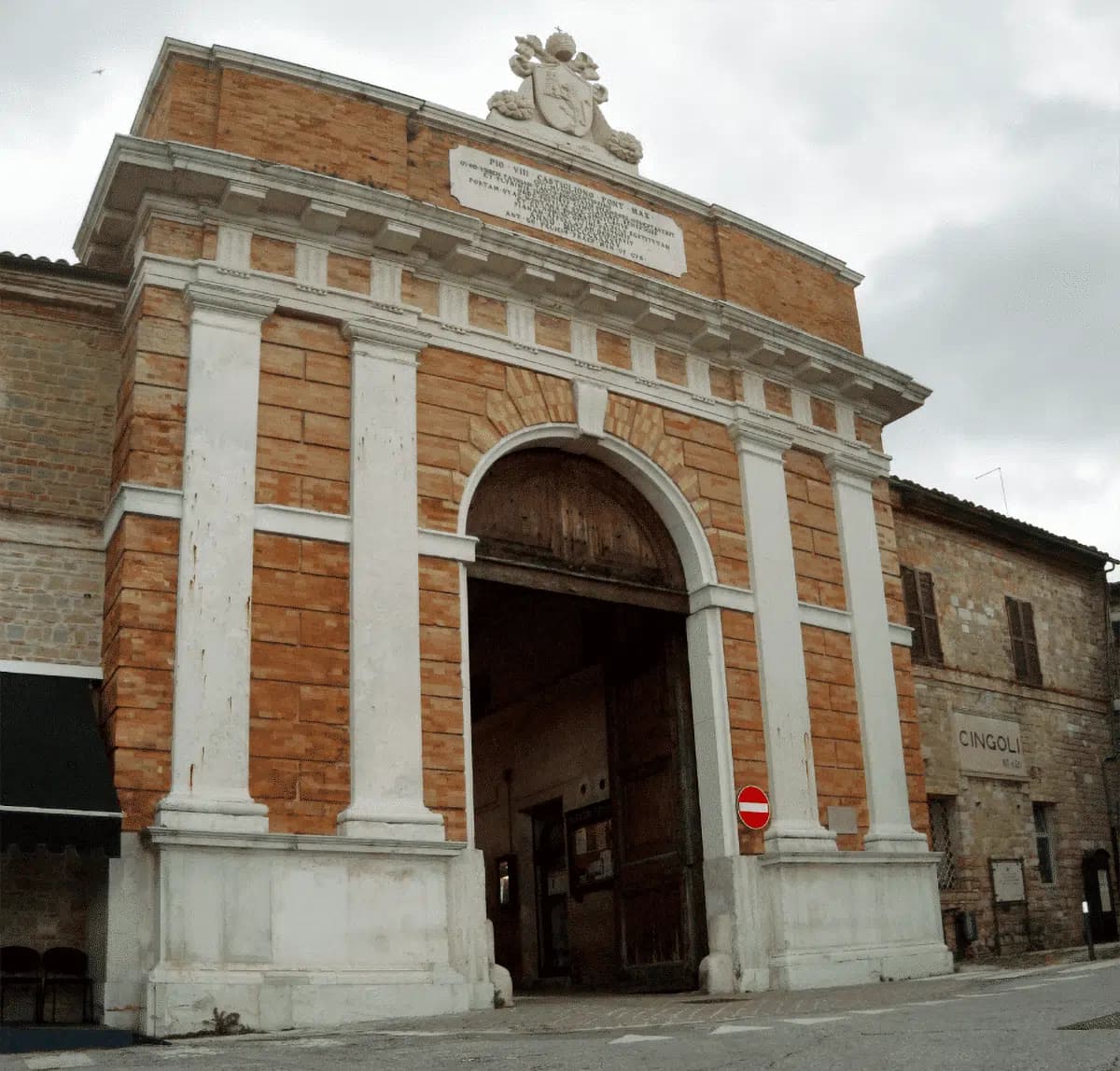
The Balcone delle Marche at 631 meters, a hilltop borgo where on clear days the view runs from the Sibillini to the Croatian coast.
Corinaldo
Province: Ancona
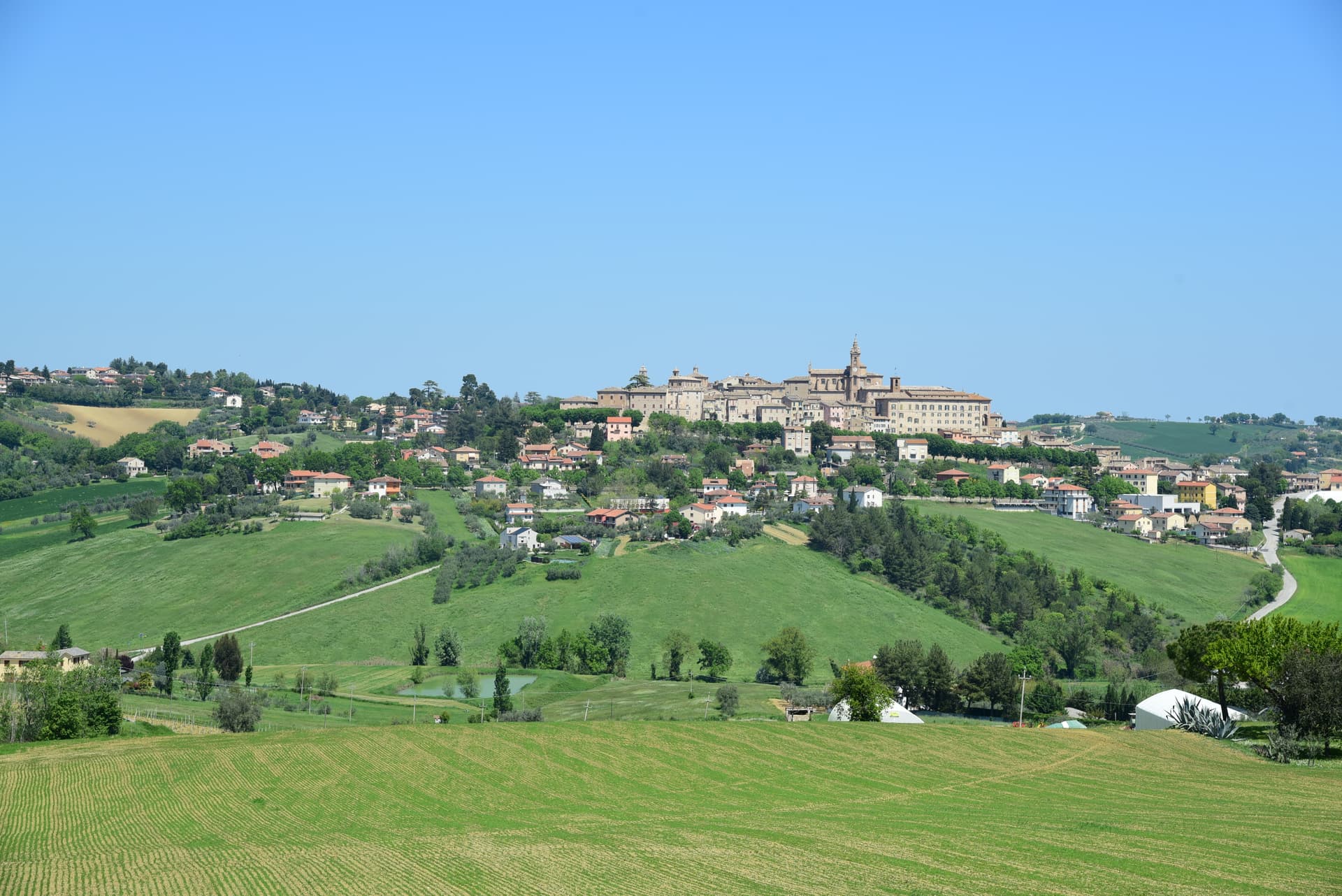
A walled hill borgo at 203 meters with 912 meters of intact medieval walls, the birthplace of Saint Maria Goretti and the Pozzo della Polenta.
Esanatoglia
Province: Macerata
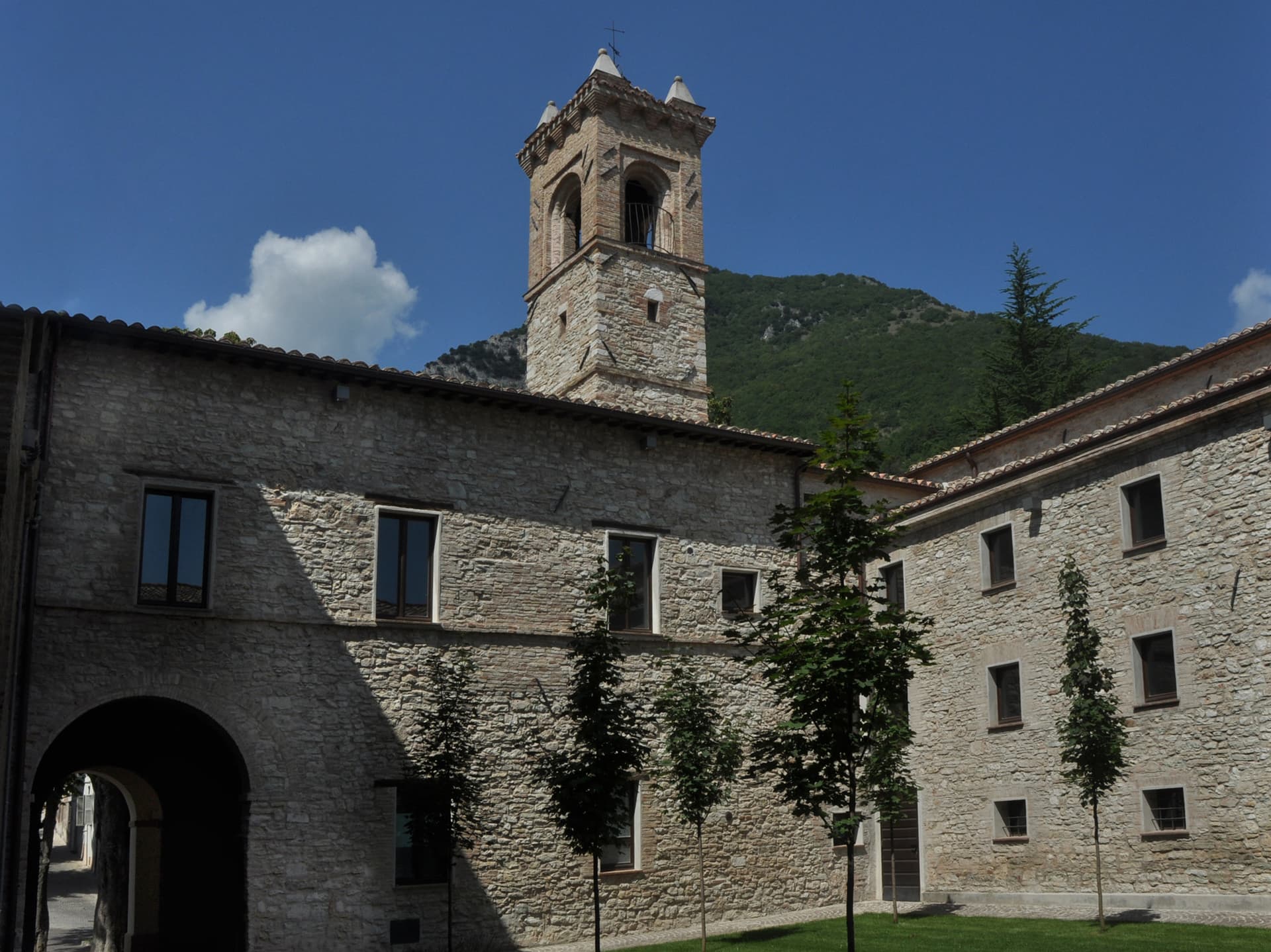
A medieval village of seven bell towers at 358 meters on the Marche-Umbria border, sitting at the source of the Esino river.
Fermo
Province: Fermo
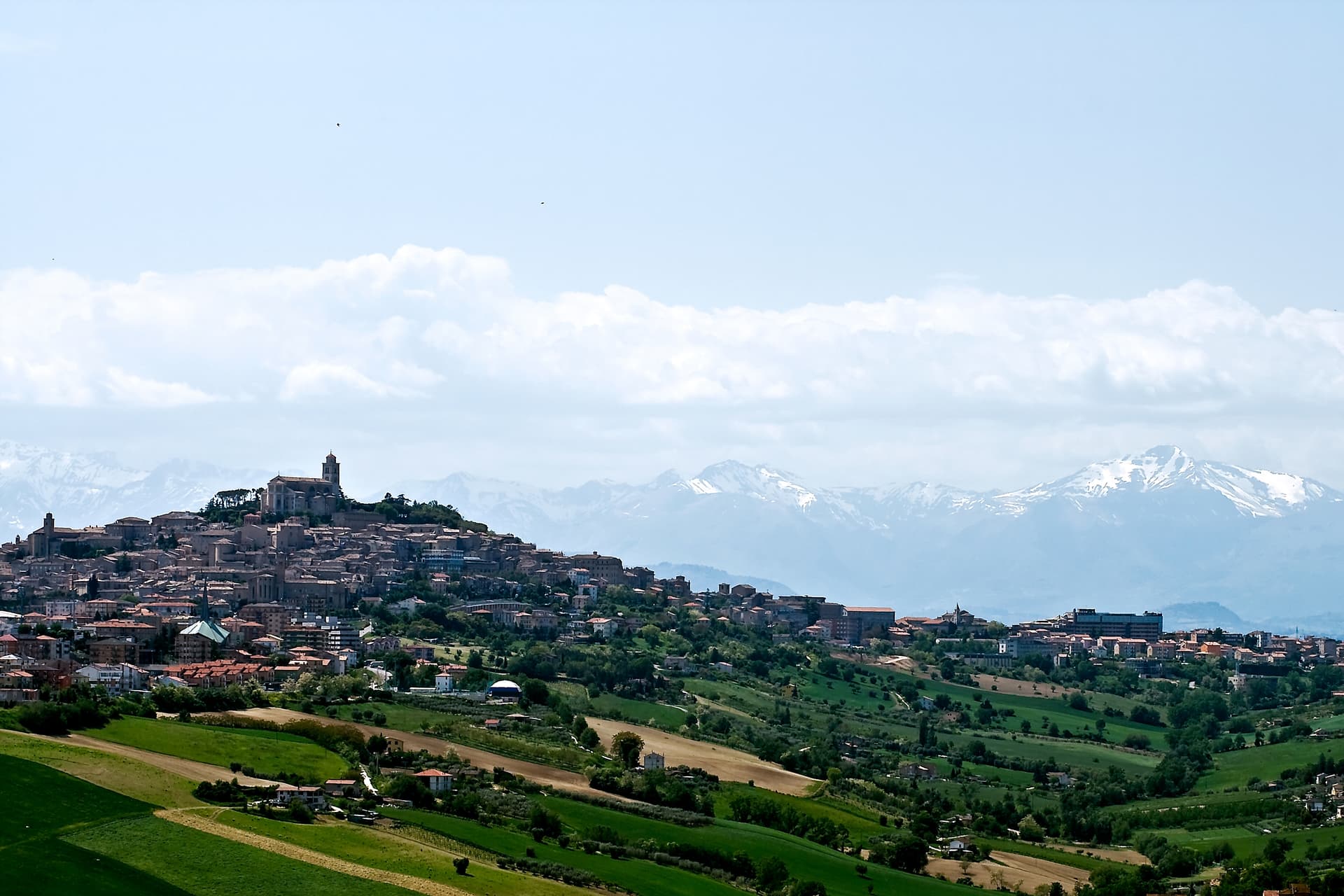
The provincial capital on the Sabulo hill at 319 meters, with 2,200 square meters of Augustan Roman cisterns running under the centro storico.