
Piedmont · Verbano-Cusio-Ossola
Macugnaga
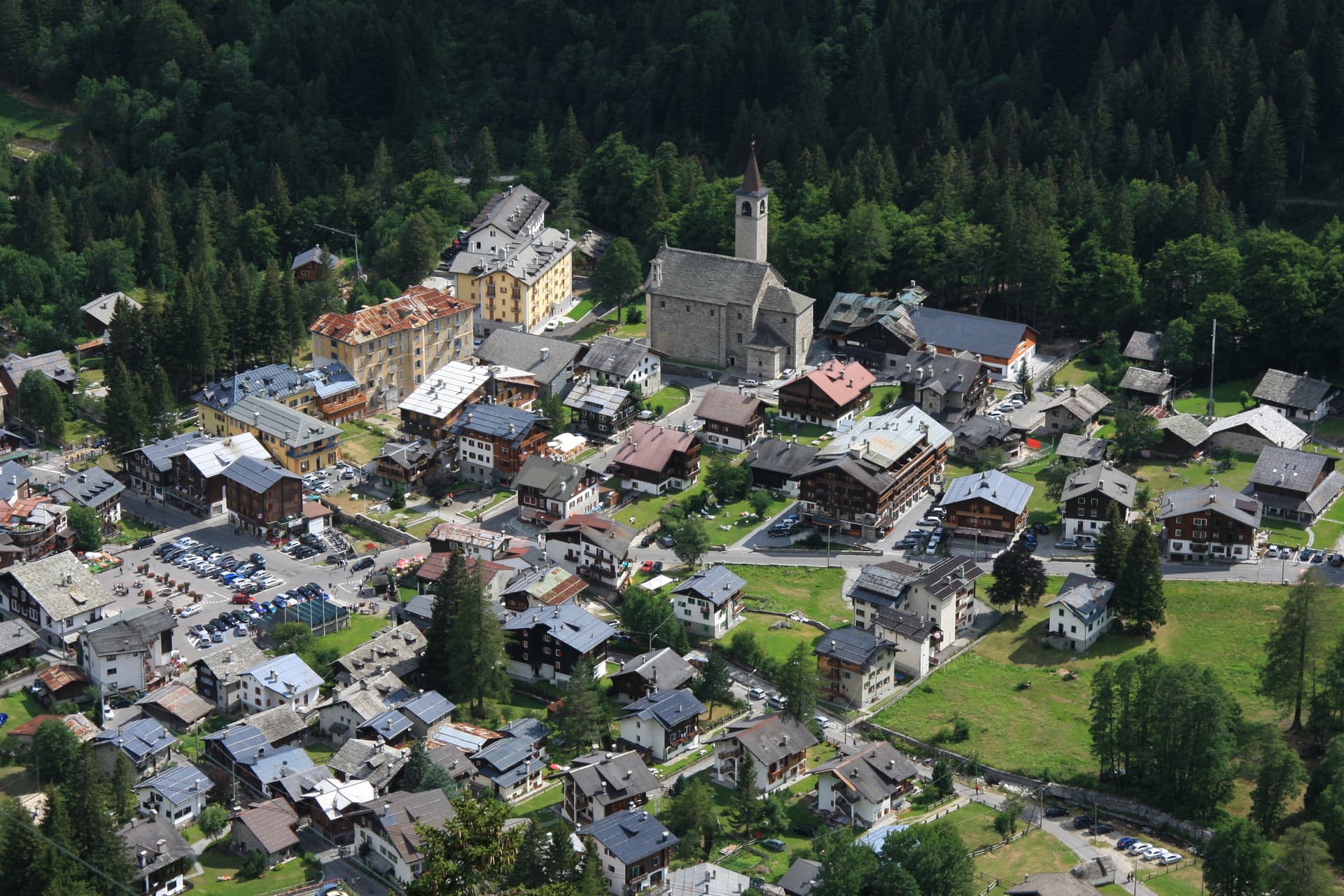
A Walser village at 1,327 meters at the foot of the east wall of Monte Rosa, founded in the 13th century by colonists from Valais.
Known for
MONTE ROSA
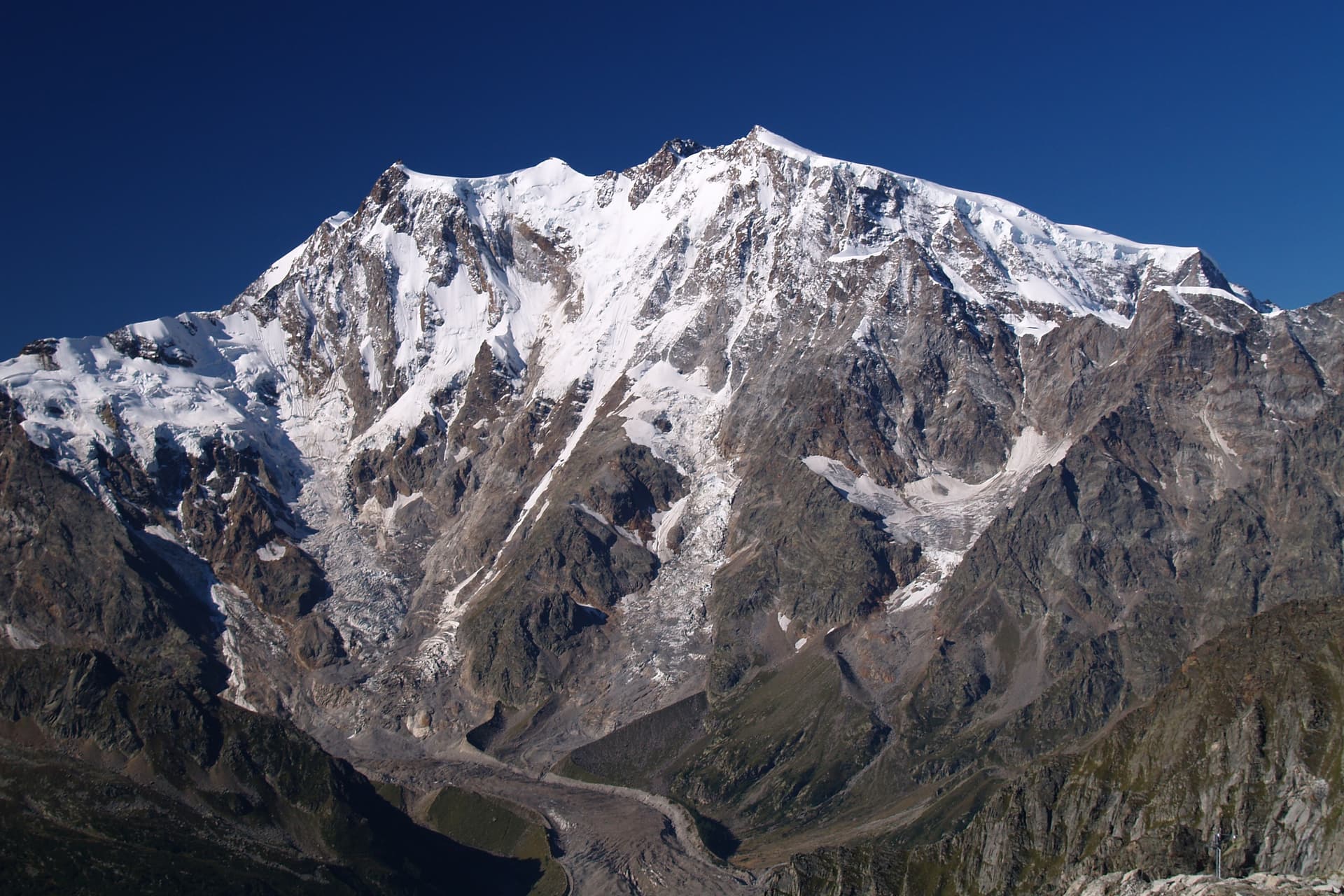
The 4,634-meter east wall rises directly above the village, the largest rock and ice face in the Alps.
WALSER
German-speaking colonists settled the upper Anzasca in the 13th century, leaving timber houses, a museum and the old linden.
GOLD MINES
The Guia and Pestarena mines produced industrial gold from 1710 to 1961, peak years yielding over 500 kg annually.
When to visit
Best · Jun–Sep, Dec–Mar
- J
- F
- M
- A
- M
- J
- J
- A
- S
- O
- N
- D
- Best
- Hot or crowded
- Quiet
- Mostly closed
The festa: Assunzione di Maria, 15 August
Why come
Macugnaga sits at 1,327 meters at the head of the Anzasca valley, directly beneath the east wall of Monte Rosa, the second-highest summit in western Europe at 4,634 meters. The village was founded in the 13th century by Walser colonists from the Swiss canton of Valais, who crossed the Monte Moro pass and settled the upper basin in the 1200s. Their dark-timbered houses still stand in Borca, Staffa and Pestarena; the Walser Museum in Borca documents the German-speaking culture that held the valley for seven hundred years.
The Chiesa Vecchia, mentioned in a 1317 document, sits beside the Vecchio Tiglio, a linden tree the University of Turin dates to around 500 years old, traditionally used for community assemblies. The east wall of Monte Rosa was first climbed from here in 1872, by Richard Pendlebury's party with the guide Ferdinand Imseng. The mines at Guia and Pestarena produced industrial gold from 1710 until 1961.
The Sunday letter
We haven’t written Macugnaga’s letter yet.
One town every Sunday, with the photo, the food, the festa. Be there when this one comes up. Free, by Peter & Sophia from Pietrasanta.
By subscribing you agree to Substack’s Terms of Use, our Privacy Policy and our Information collection notice.
What to see
East wall of Monte Rosa
The 2,400-meter rock and ice face above the village, the largest in the Alps, first climbed in 1872 by Pendlebury and Imseng.
Chiesa Vecchia
13th-century Walser parish church first documented in 1317, with a frescoed bell tower and a cemetery of climbers.
Vecchio Tiglio
Linden tree beside the Chiesa Vecchia, eight meters in circumference, used by the Walser for community assemblies.
Museo della Casa Walser
Walser house museum in the Borca hamlet, documenting the Germanic-Alemannic culture of the Anzasca valley.
Miniera della Guia
Gold mine active from 1710 to 1961, the first industrial gold extraction site in the Alps, now open as a museum mine.
Passo di Monte Moro
2,853-meter pass above the village, the route the Walser used in the 1200s to cross from Valais into the Anzasca.
The slow-trip planner
Building a trip? Find where Macugnaga fits in a slow Italy circuit.
Answer five questions. We will shape a geographically coherent slow trip from the 1,000 Italian towns most travelers skip. Yours to save and share.
Living here
- Population 514
- Off the beaten pathi
- Pharmacy in town
- Nearest high school over ~30 minutes away
- Nearest airport Milan, 2 h 40 min drive
- Regional capital Torino, 2 h 41 min drive
Tags & datadesignations · numbers · sources
Recognised as
The numbers
- Elevation: 1327 m
- Population: 514
- Surface area: 99.57 km²
These figures were compiled from public directories — ISTAT, OpenStreetMap, Wikidata — and from the official listings of the guides named on this page. Town details change; verify with official sources before you travel.
Close by
More towns near Macugnaga
Vogogna
Province: Verbano-Cusio-Ossola
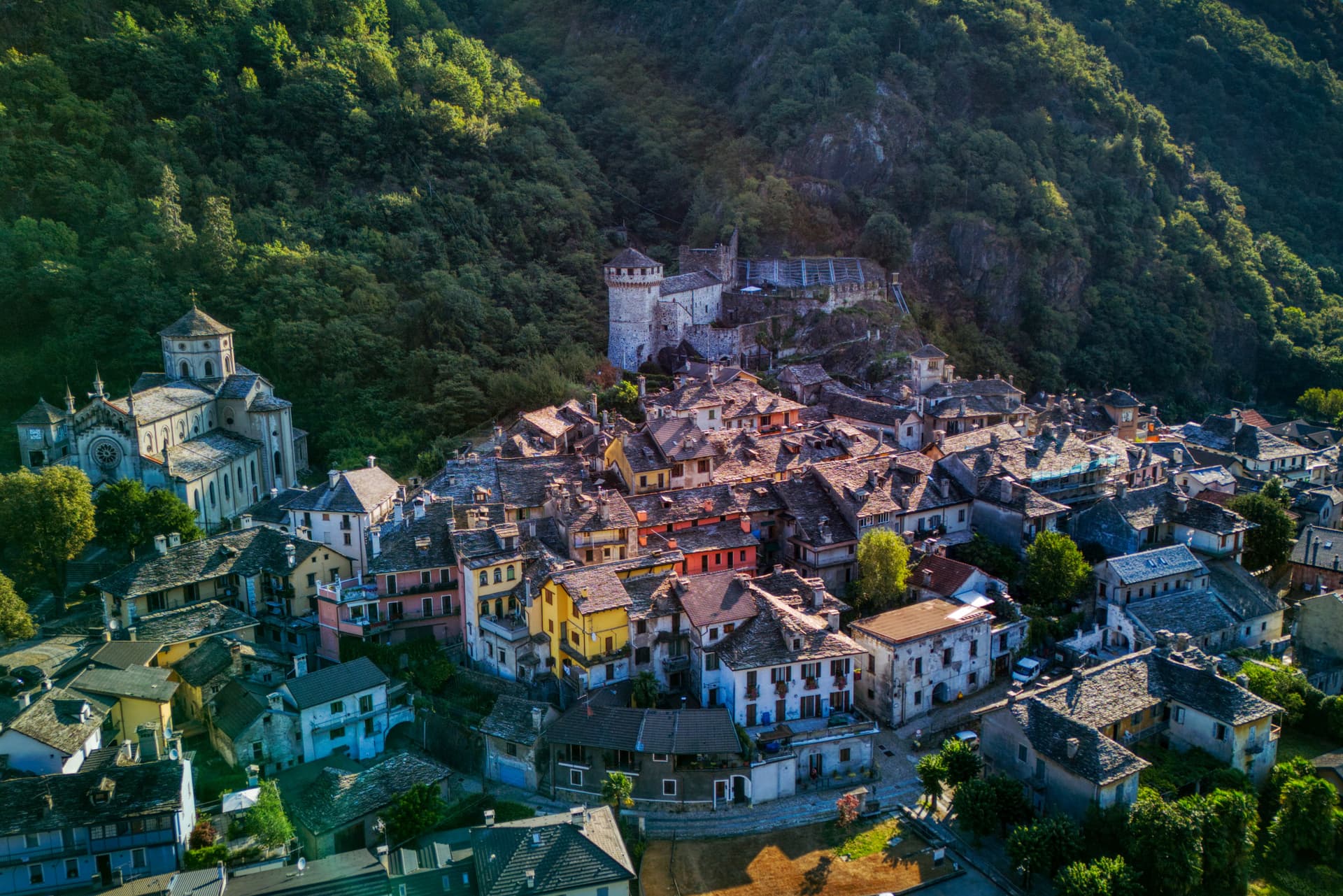
An Ossola medieval capital at 226 meters on the Toce, with a Visconti castle of 1348 and five centuries as seat of the Ossola Inferiore.
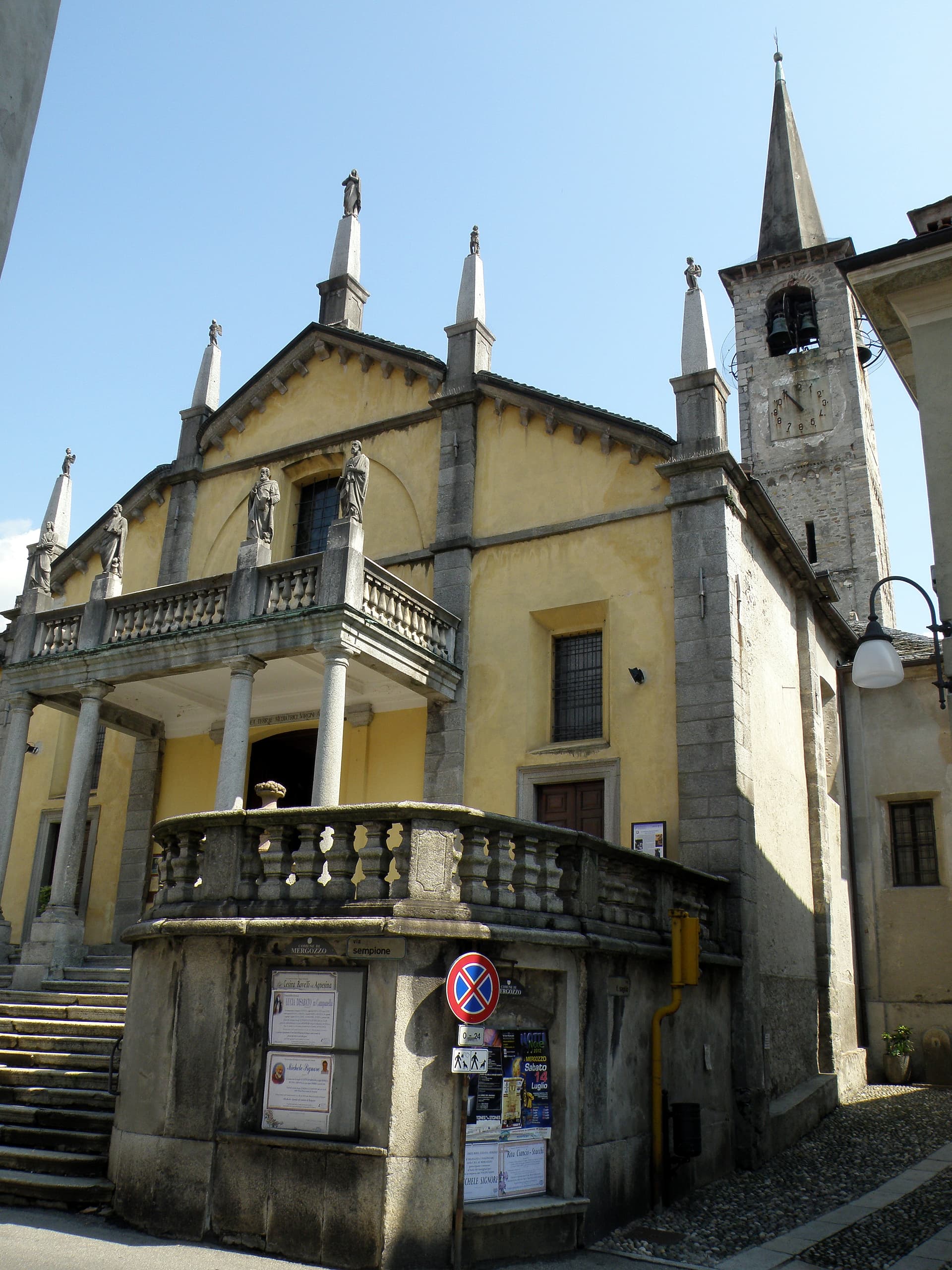
Mergozzo
Province: Verbano-Cusio-Ossola
A 2.5-kilometer lake cut from Lago Maggiore by Toce flood sediments, with a centuries-old elm on its lakefront piazza.
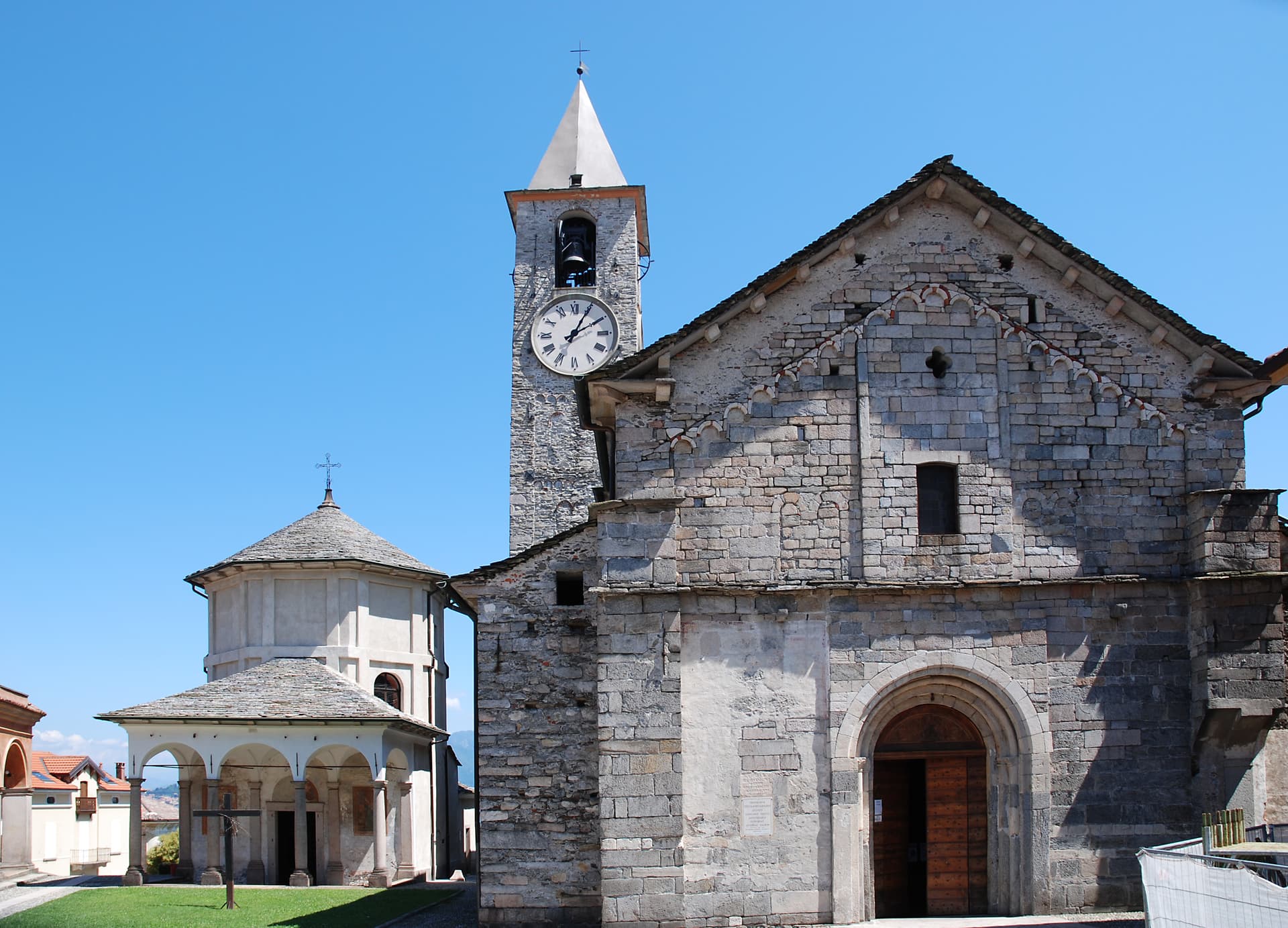
Baveno
Province: Verbano-Cusio-Ossola
A Lake Maggiore town at 205 meters whose red granite columns hold up Milano's cathedral and Rome's San Paolo fuori le Mura.
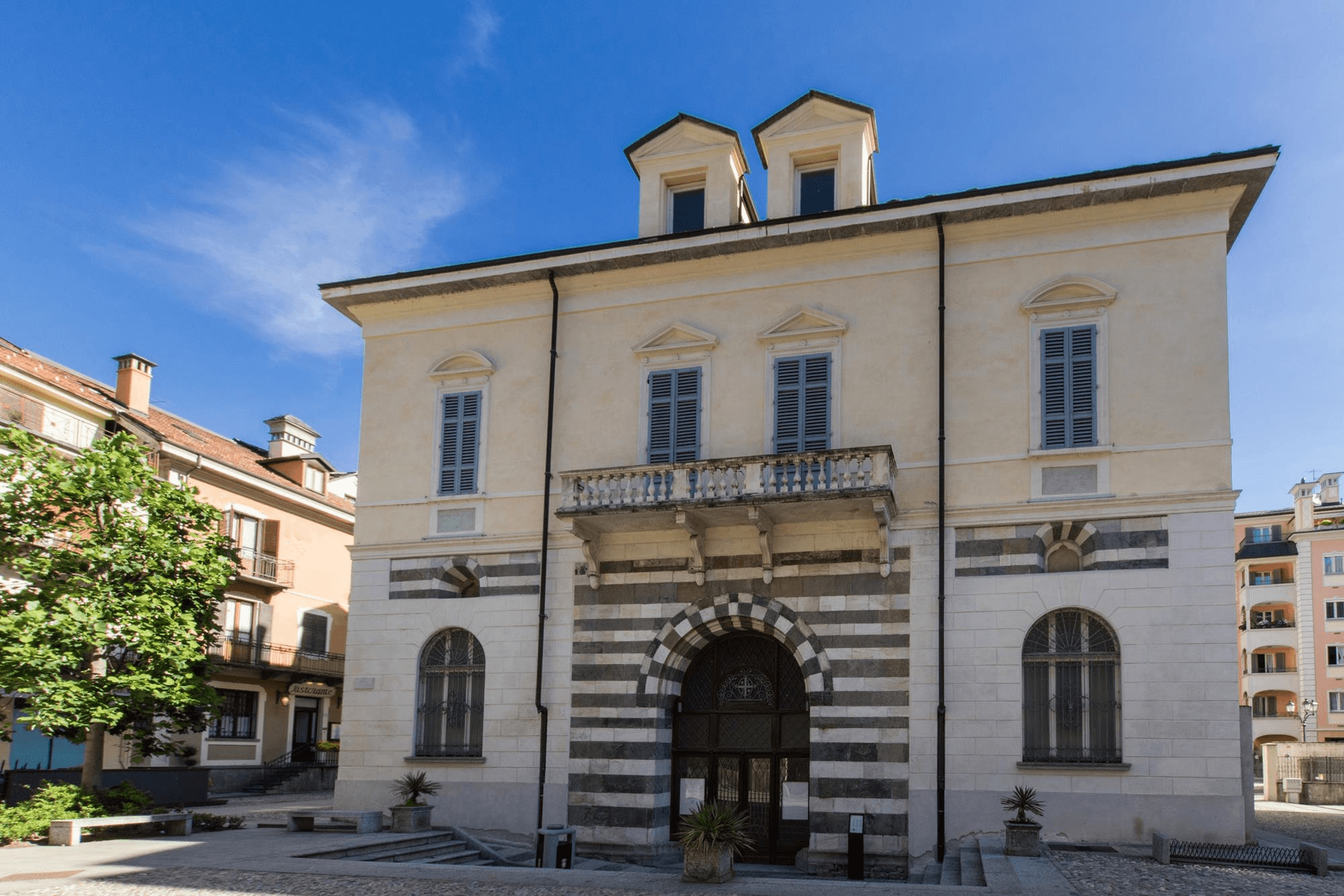
Domodossola
Province: Verbano-Cusio-Ossola
The Ossola capital at 272 meters at the foot of the Simplon Pass, with a UNESCO Sacro Monte on the hill above.
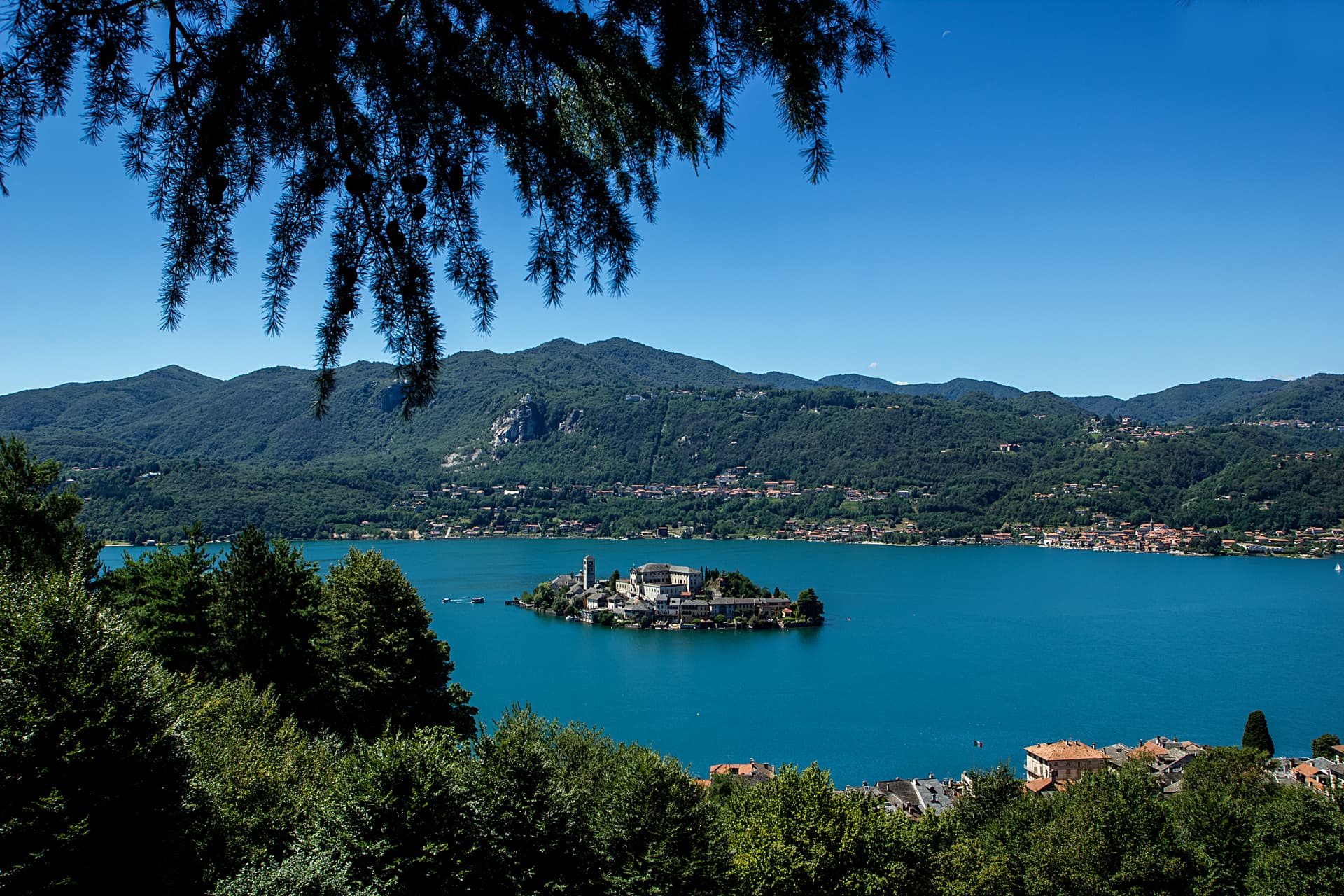
Omegna
Province: Verbano-Cusio-Ossola
The Lake Orta town at 295 meters where Bialetti, Lagostina and Alessi turned a steel valley into Italy's household-goods capital.
🟠 Bandiera Arancione
More Bandiera Arancione towns in Piedmont
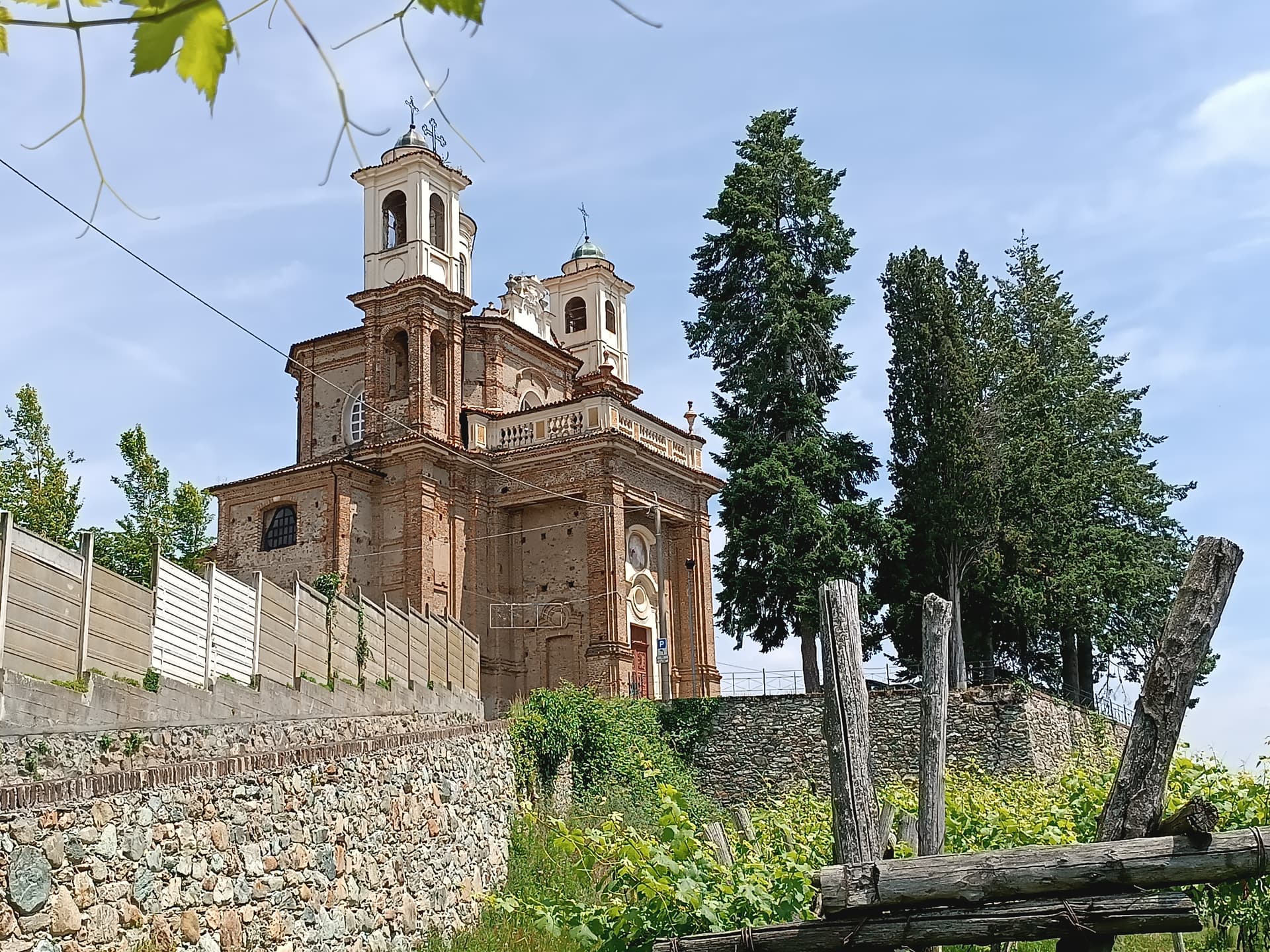
Agliè
Province: Torino
A Canavese borgo at 330 meters whose Castello Ducale, a UNESCO Savoy residence since 1997, has been held by the d'Agliè since 1259.
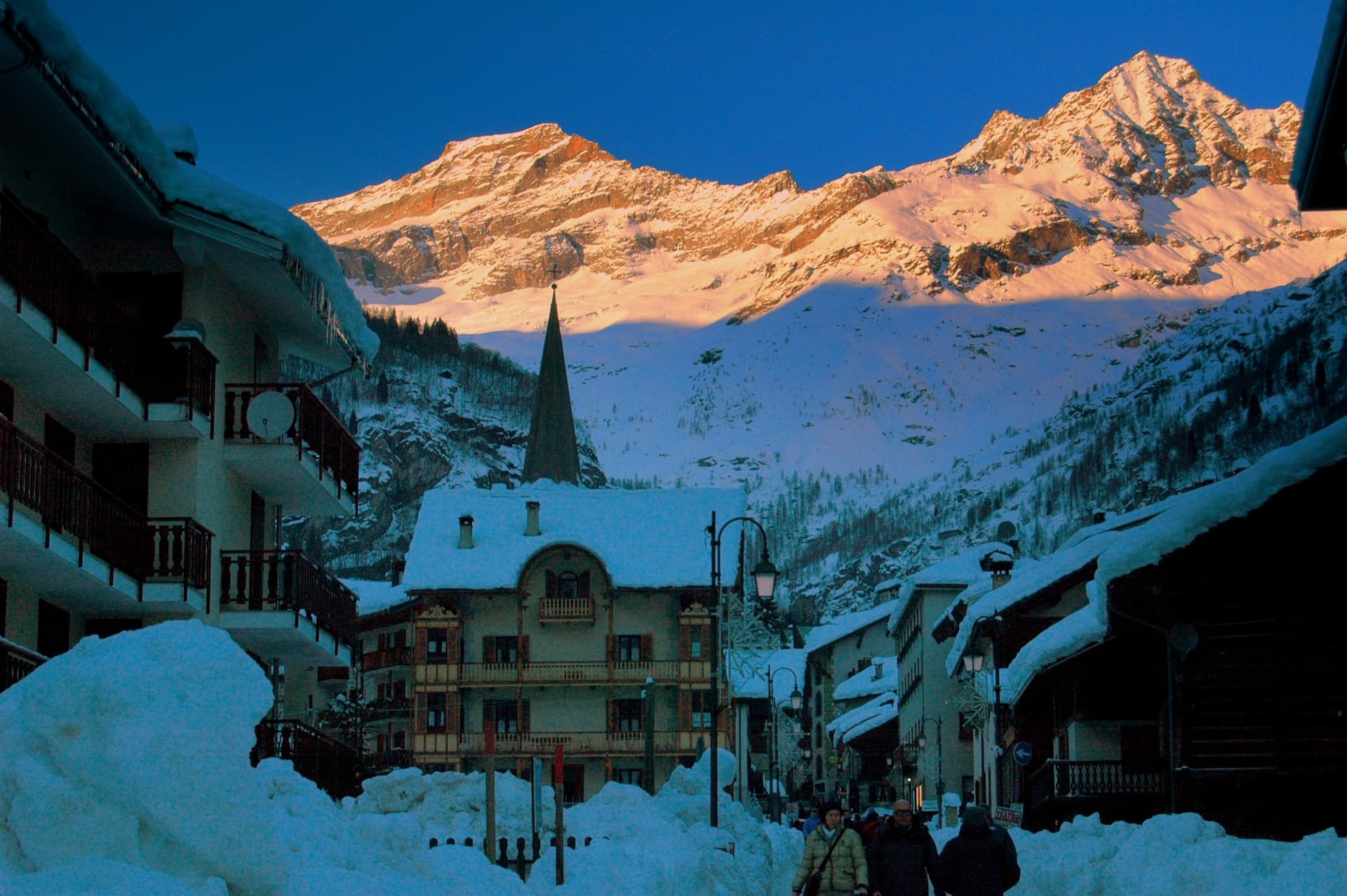
Alagna Valsesia
Province: Vercelli
A Walser village at 1,191 meters under Monte Rosa, settled from the Swiss Valais in the 13th century and known to off-piste skiers worldwide.
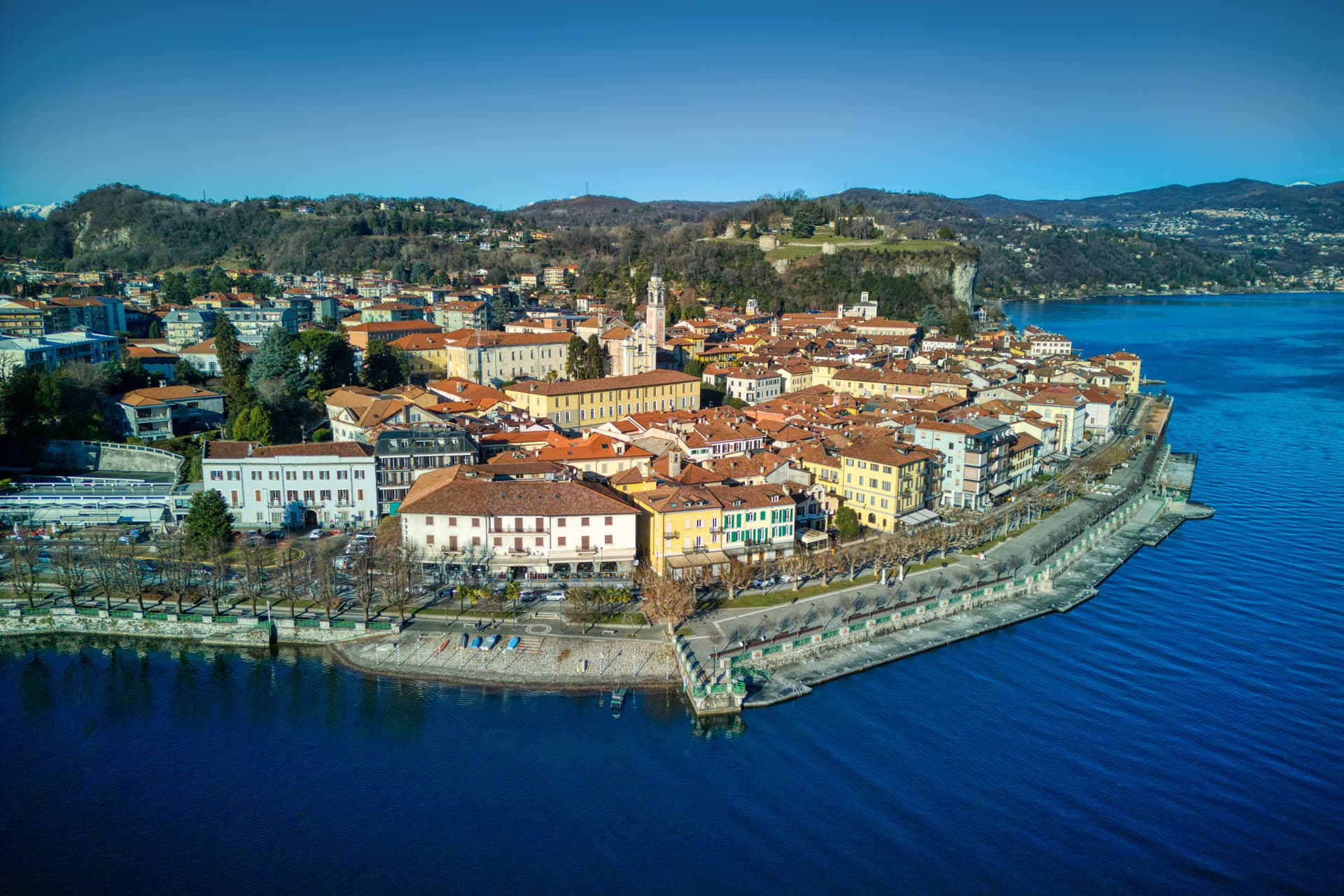
Arona
Province: Novara
A Lake Maggiore town at the southern tip of the lake, watched over by a 35-meter copper colossus of San Carlo Borromeo finished in 1698.
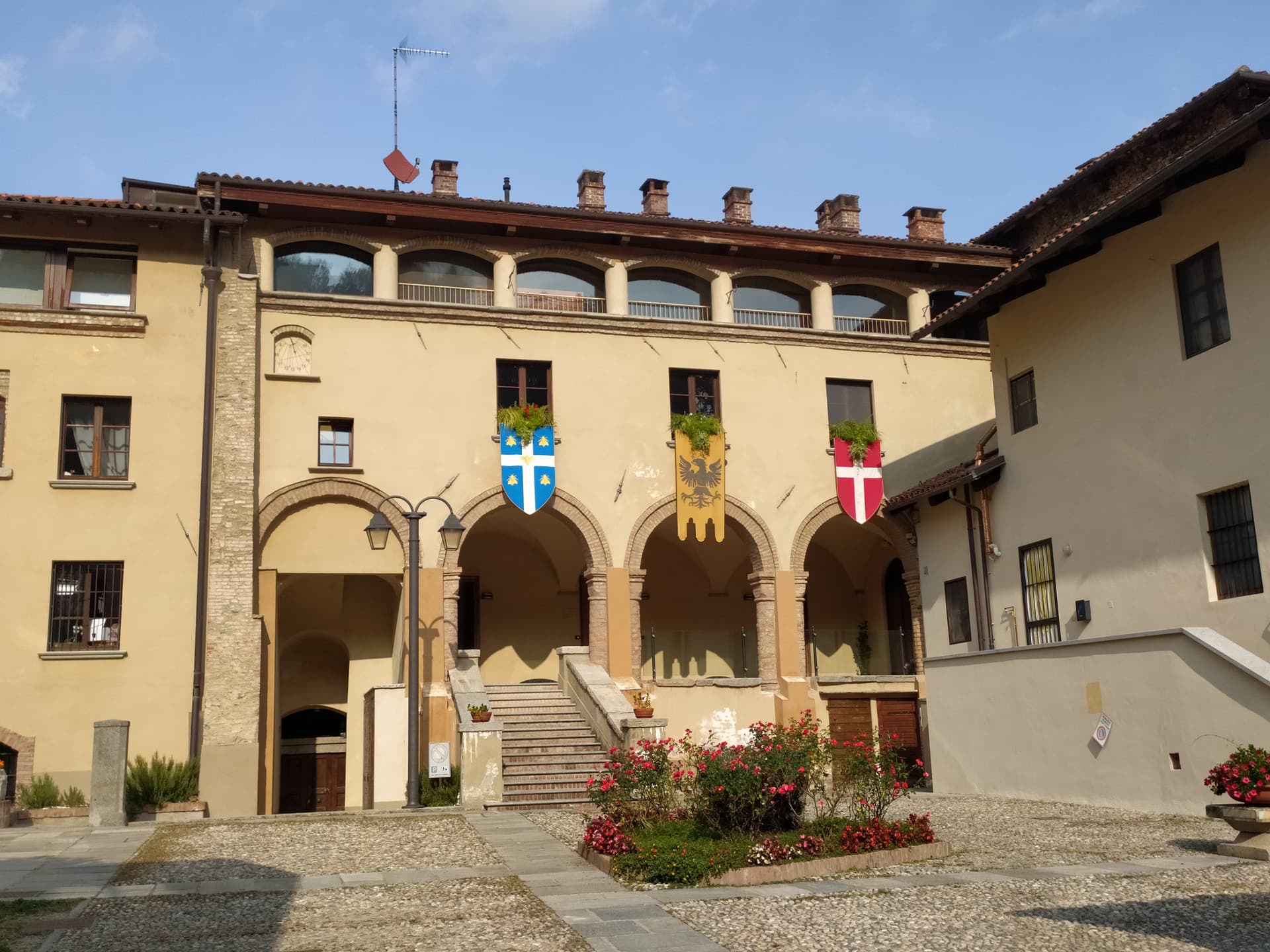
Avigliana
Province: Torino
A medieval Savoy town at 383 meters at the mouth of the Susa Valley, between two glacial lakes and the Sacra di San Michele.
Barolo
Province: Cuneo
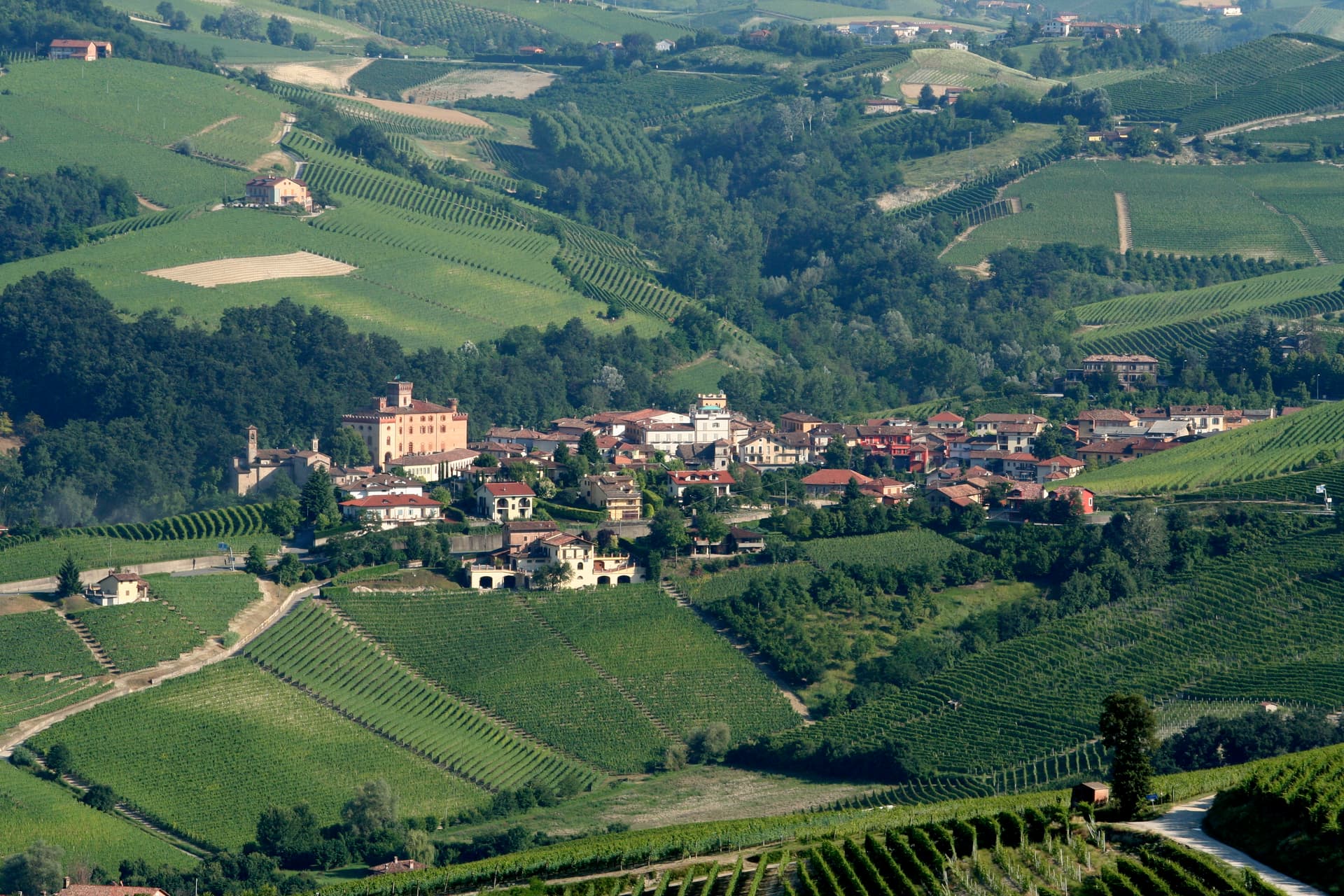
A Langhe borgo at 301 meters whose Castello Falletti gave its name to the wine the Marchesi turned dry in the 1830s with Cavour's help.