

Lombardy · Brescia
Bienno
A medieval ironworking village in the Val Camonica, where water hammers driven by the Grigna stream have shaped wrought iron since the 1200s.
Known for
MAGLI
Water-driven hammers along the Vaso Re canal, in continuous use since the 1200s, that gave Bienno its title of il paese dei magli.
ROMANINO
Girolamo Romanino frescoed the presbytery of Santa Maria Annunciata around 1540 with scenes from the life of the Virgin.
MOSTRA MERCATO
Annual late-August craft and iron fair, with working forges in the streets and master smiths demonstrating wrought-iron technique.
When to visit
Best · Apr–Oct
- J
- F
- M
- A
- M
- J
- J
- A
- S
- O
- N
- D
- Best
- Hot or crowded
- Quiet
- Mostly closed
Why come
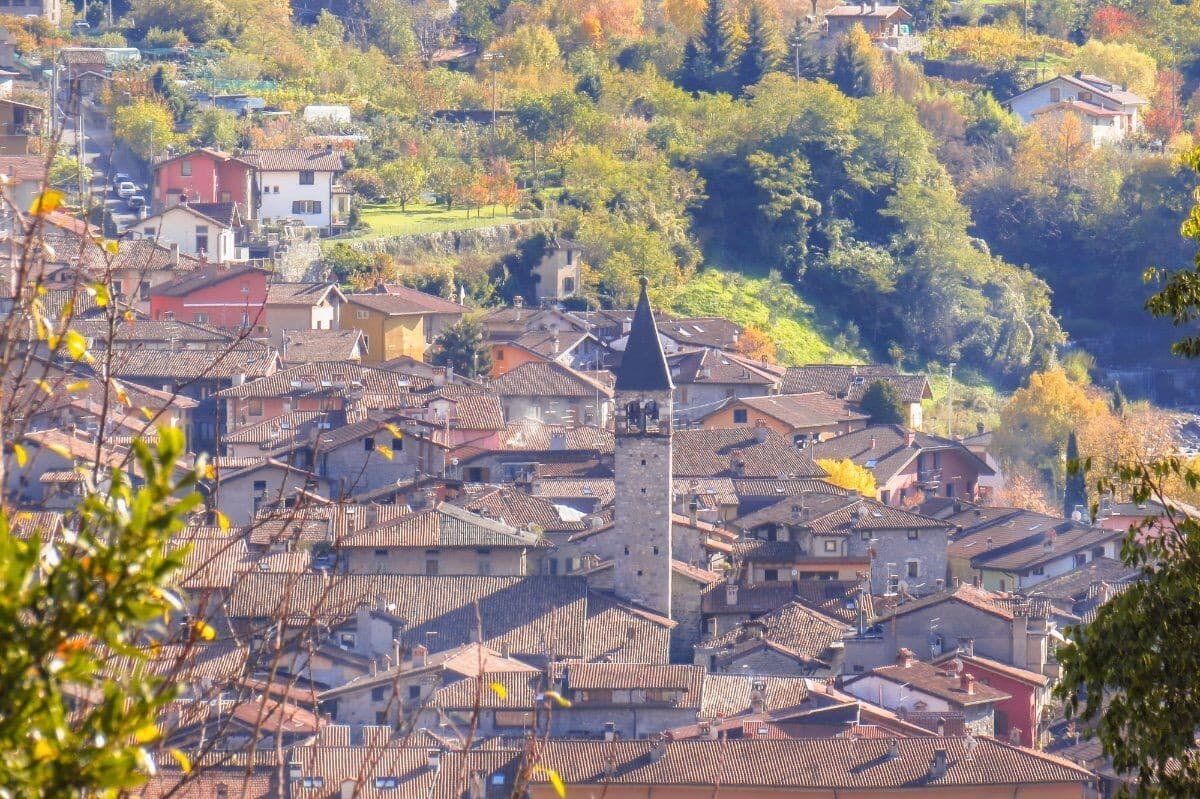
Bienno sits on the eastern flank of the middle Val Camonica, north of Lago d'Iseo. From the tenth century the Benedictines diverted the Grigna stream into an artificial canal called the Vaso Re, which still powers a string of fucine, small water-hammer forges, along its course. The valley was working iron from the bloomery furnaces of late Antiquity through the high blast furnaces of the late Middle Ages; Bienno became the master village, what Brescia called il paese dei magli, the village of the hammers.
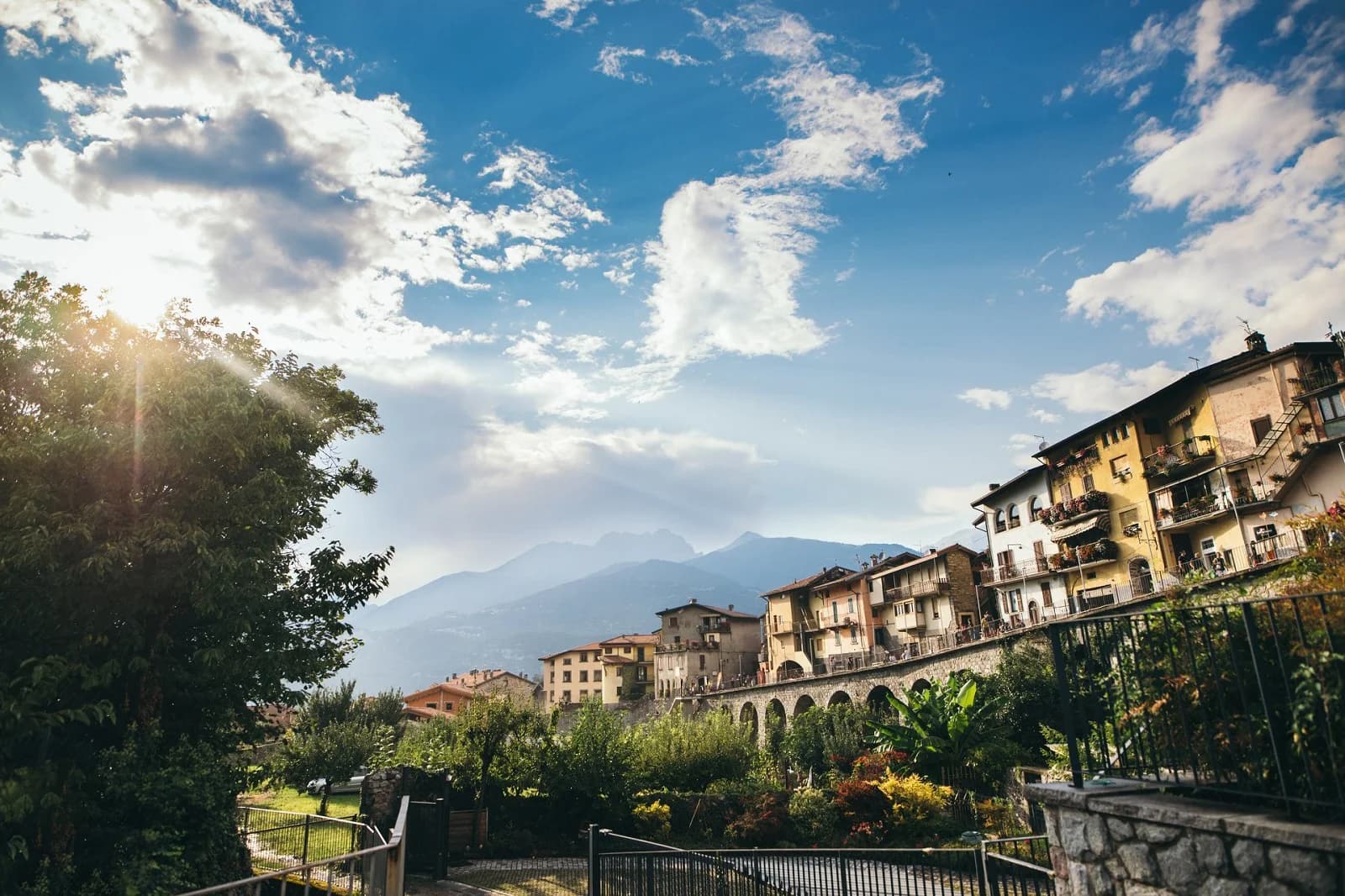
The centro storico runs along the stream in stone houses, frescoed façades and arcaded passages. In the church of Santa Maria Annunciata, Girolamo Romanino frescoed the presbytery around 1540 with scenes from the life of the Virgin, including a Marriage of the Virgin on the right wall and a Presentation in the Temple on the left. Each August the Mostra Mercato fills the streets with working forges, demonstrations of wrought-iron technique, and craftsmen from across the Alpine arc.
The Sunday letter
We haven’t written Bienno’s letter yet.
One town every Sunday, with the photo, the food, the festa. Be there when this one comes up. Free, by Peter & Sophia from Pietrasanta.
By subscribing you agree to Substack’s Terms of Use, our Privacy Policy and our Information collection notice.
What to see
Fucina-Museo
Working water-hammer forge along the Vaso Re canal, kept in operating order, where the Grigna stream still drives the magli used since the 1200s.
Chiesa di Santa Maria Annunciata
Fifteenth-century church with Girolamo Romanino frescoes of around 1540 in the presbytery, plus earlier work by Giovanni Pietro da Cemmo.
Palazzo Simoni-Fè
Sixteenth-century palace in the centro storico, with frescoed halls and a small museum of the iron and ethnographic traditions of the valley.
Museo Etnografico del Ferro
Ethnographic museum of iron, arts and popular traditions of the Val Camonica, with tools, costumes and reconstructed workshops.
Centro storico medievale
Compact medieval village along the Grigna canal, with stone arcades, narrow lanes between the forges and frescoed external walls.
The slow-trip planner
Building a trip? Find where Bienno fits in a slow Italy circuit.
Answer five questions. We will shape a geographically coherent slow trip from the 1,000 Italian towns most travelers skip. Yours to save and share.
Living here
- Population 3,767
- Off the beaten pathi
- Pharmacy in town
- Nearest high school over ~30 minutes away
- Nearest airport Milan, 1 h 39 min drive
- Regional capital Milano, 2 h 25 min drive
Tags & datadesignations · numbers · sources
Recognised as
The numbers
- Elevation: 445 m
- Population: 3,767
- Surface area: 30.54 km²
These figures were compiled from public directories — ISTAT, OpenStreetMap, Wikidata — and from the official listings of the guides named on this page. Town details change; verify with official sources before you travel.
Close by
More towns near Bienno
Darfo Boario Terme
Province: Brescia
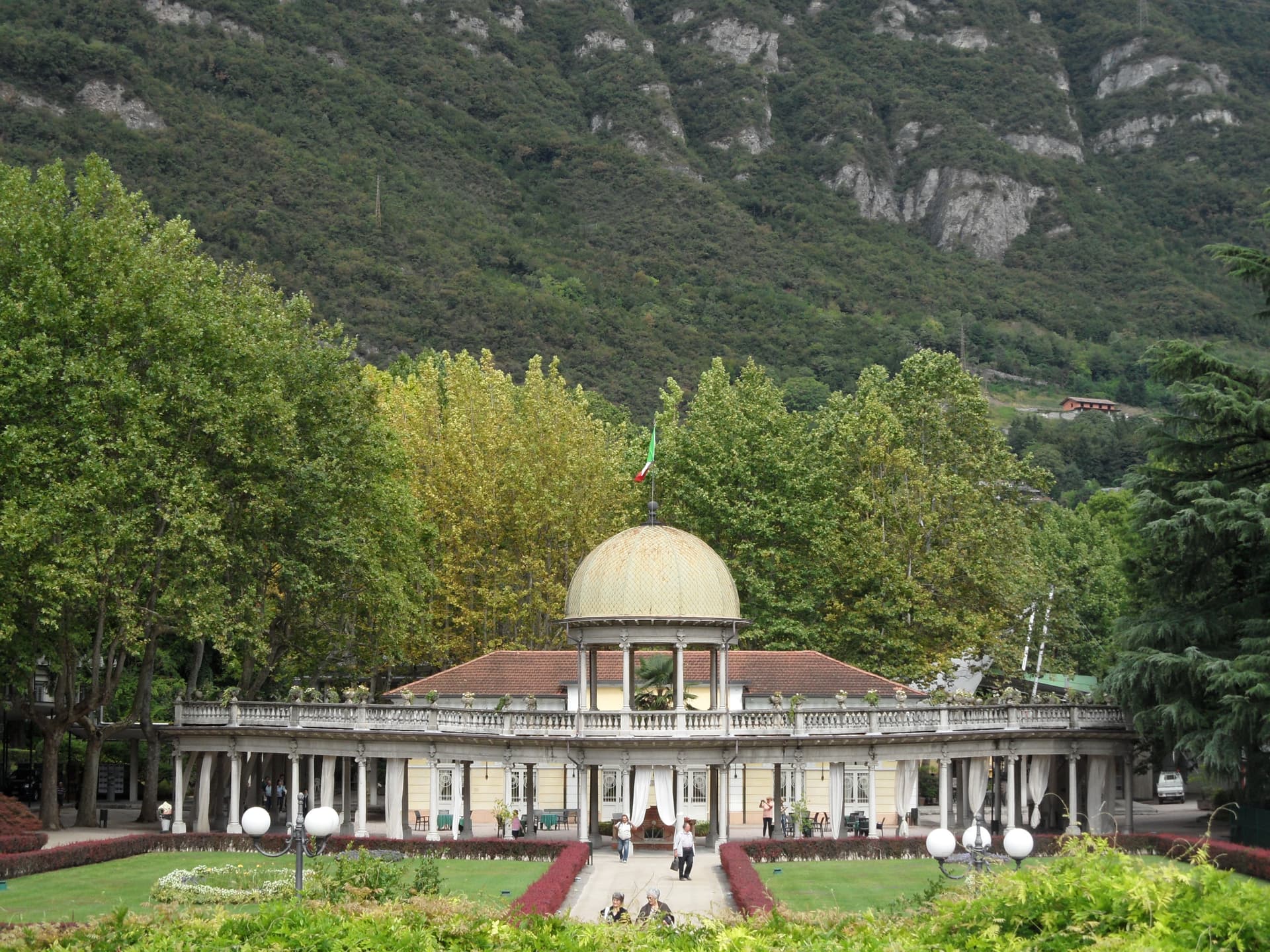
At the mouth of the Valle Camonica, an Art Nouveau spa town next to one of the first UNESCO rock-engraving sites in Italy.
Lovere
Province: Bergamo
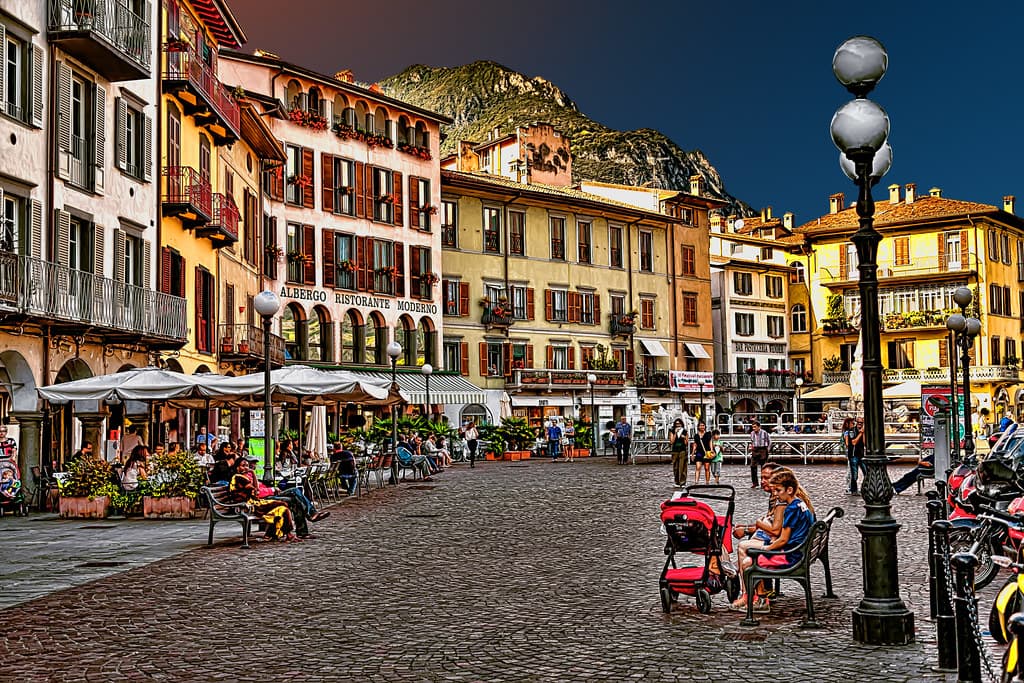
An amphitheater town at the north end of Lake Iseo, in Borghi più belli since 2003, with Canova plasters inside the Accademia Tadini.
Bagolino
Province: Brescia
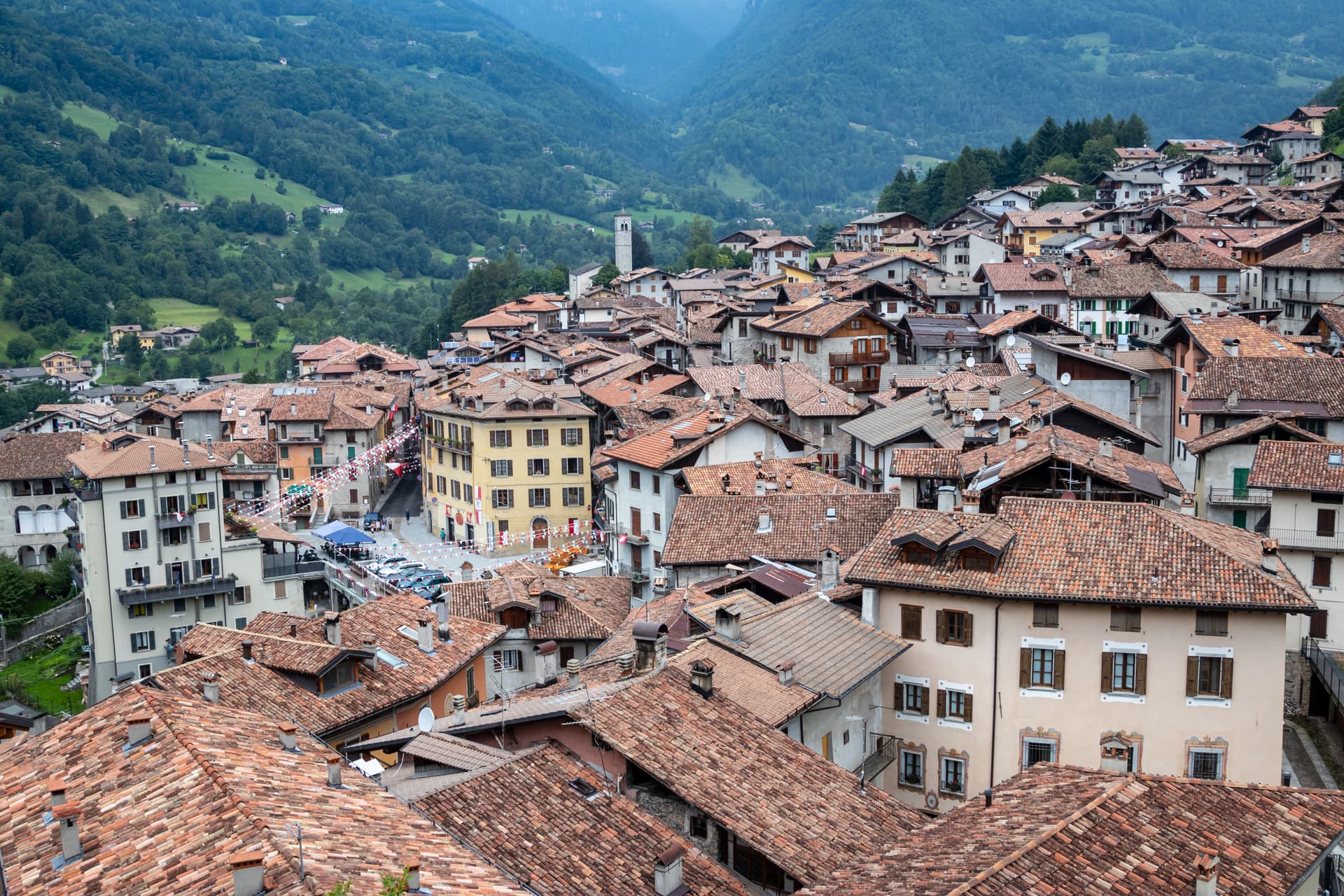
A mountain village at 778 meters in the Valle del Caffaro, with a three-day February carnival of masked dancers and violins.
Castione della Presolana
Province: Bergamo
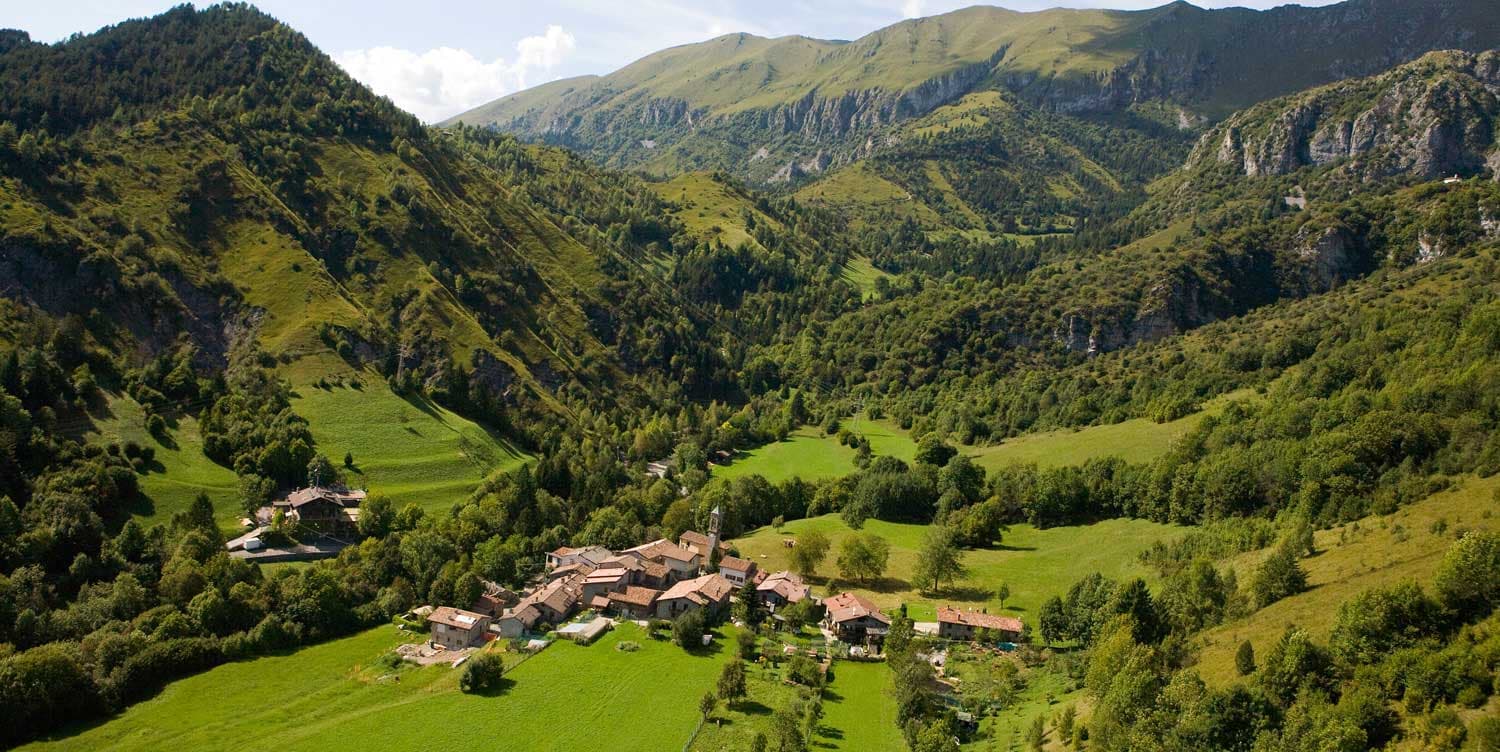
A high-valley commune at 870 meters under the Pizzo della Presolana, the limestone peak the Bergamasque call the Queen of the Orobie.
Cimbergo
Province: Brescia
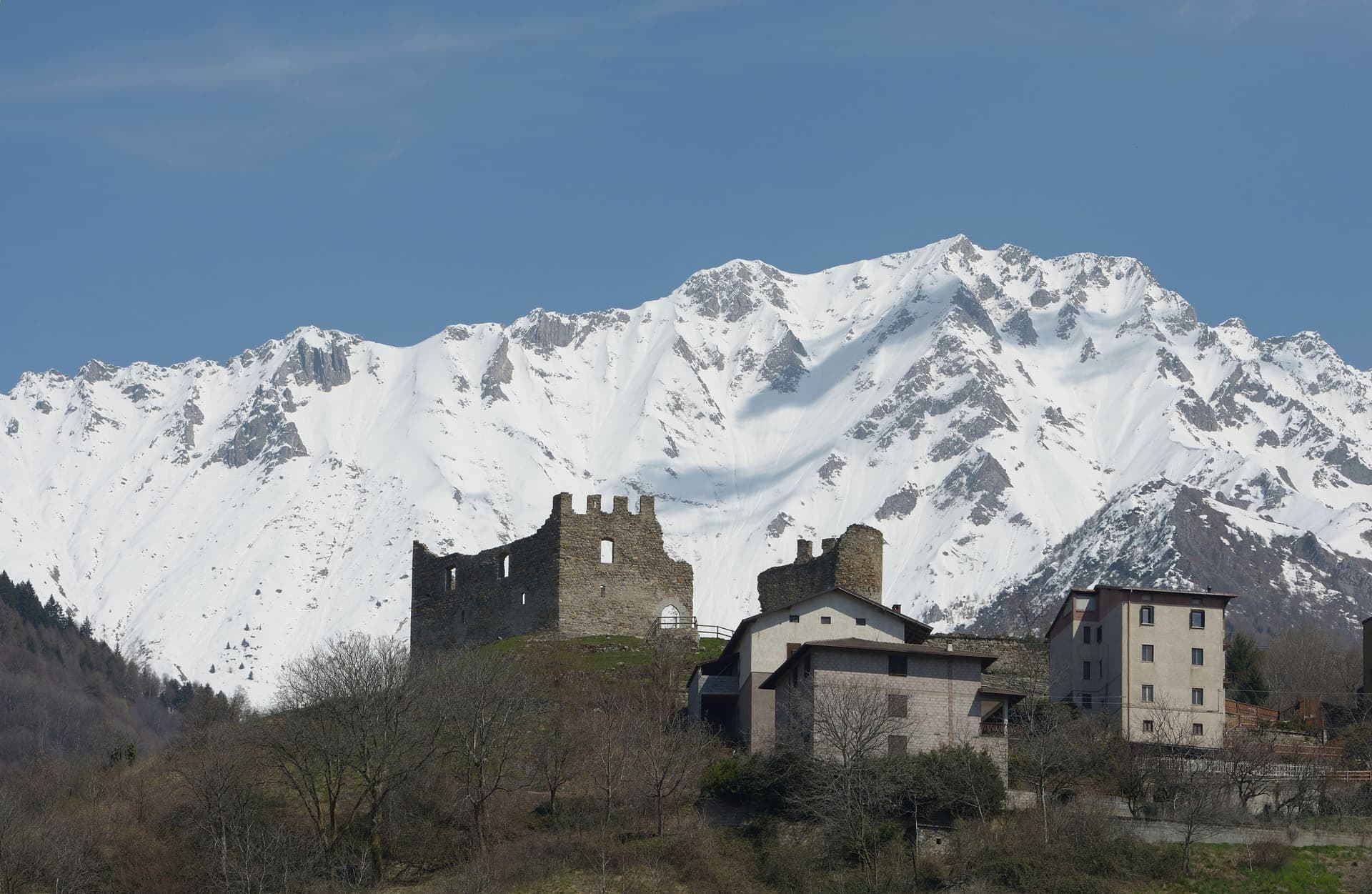
A village of 533 at 851 meters above the Oglio, with castle ruins on a spur and UNESCO petroglyphs on the slopes below.
🎨 Borghi più belli d'Italia
More Borghi più belli d'Italia towns in Lombardy
Bellano
Province: Lecco
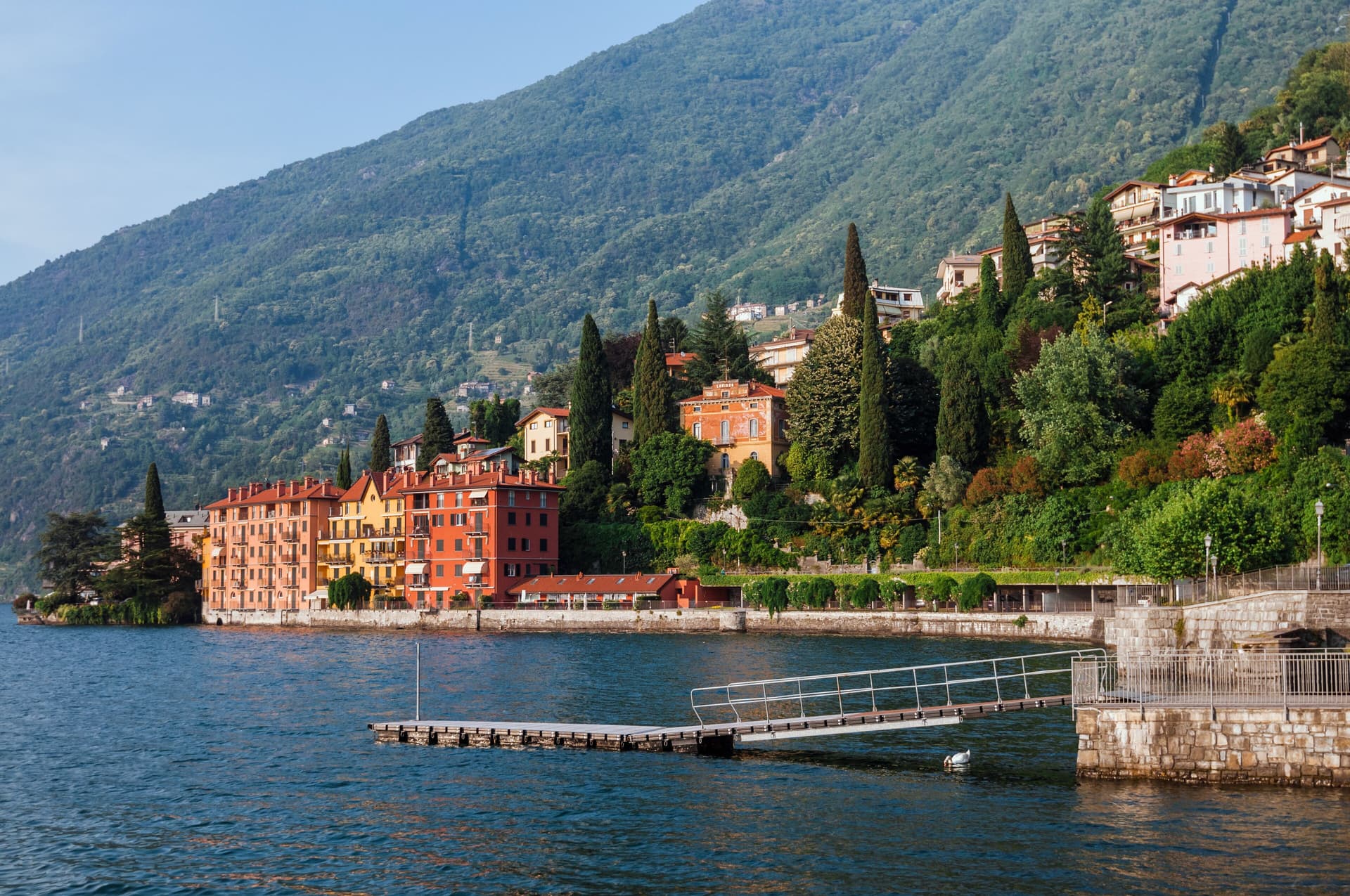
An eastern Lake Como town where the Pioverna cut a gorge through fifteen million years of rock before reaching the lake.
Cassinetta di Lugagnano
Province: Milano
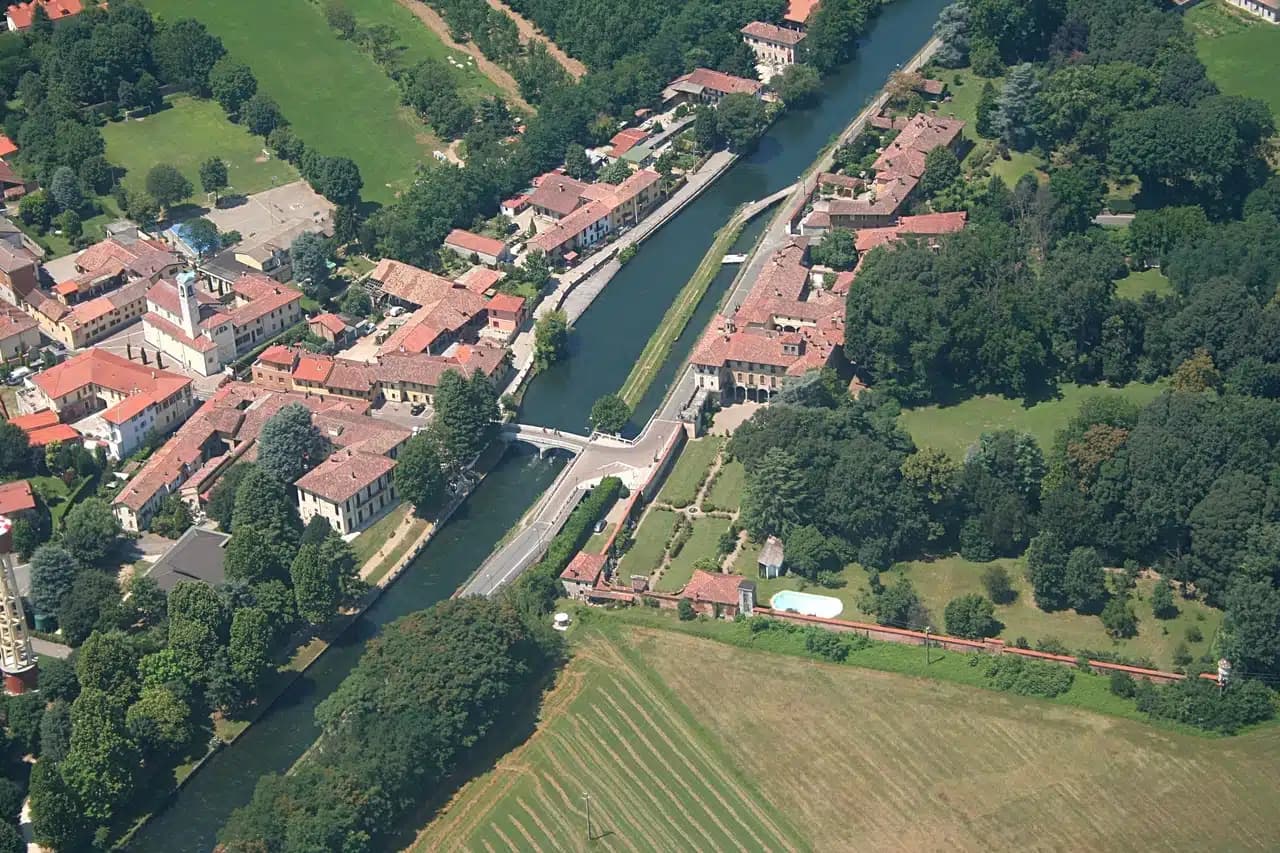
A Naviglio Grande commune west of Milan with fifteen ville di delizia and Italy's first zero-growth urban plan, adopted in 2007.
Castellaro Lagusello
Province: Mantova
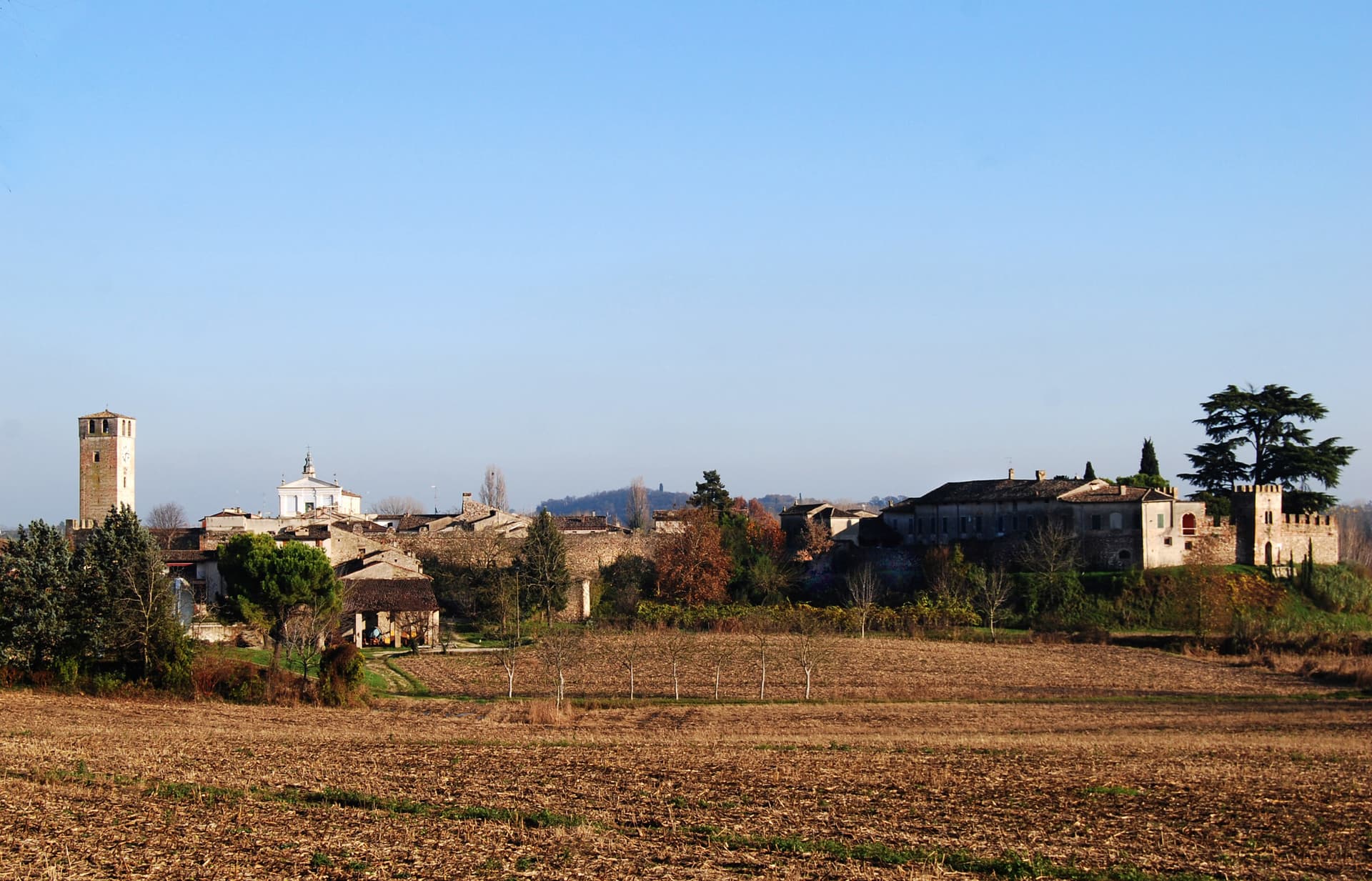
A walled medieval borgo south of Lake Garda, ringed by 13th-century stone walls and overlooking a small heart-shaped natural lake that gives the village its second name and most-photographed silhouette.
Clusone
Province: Bergamo
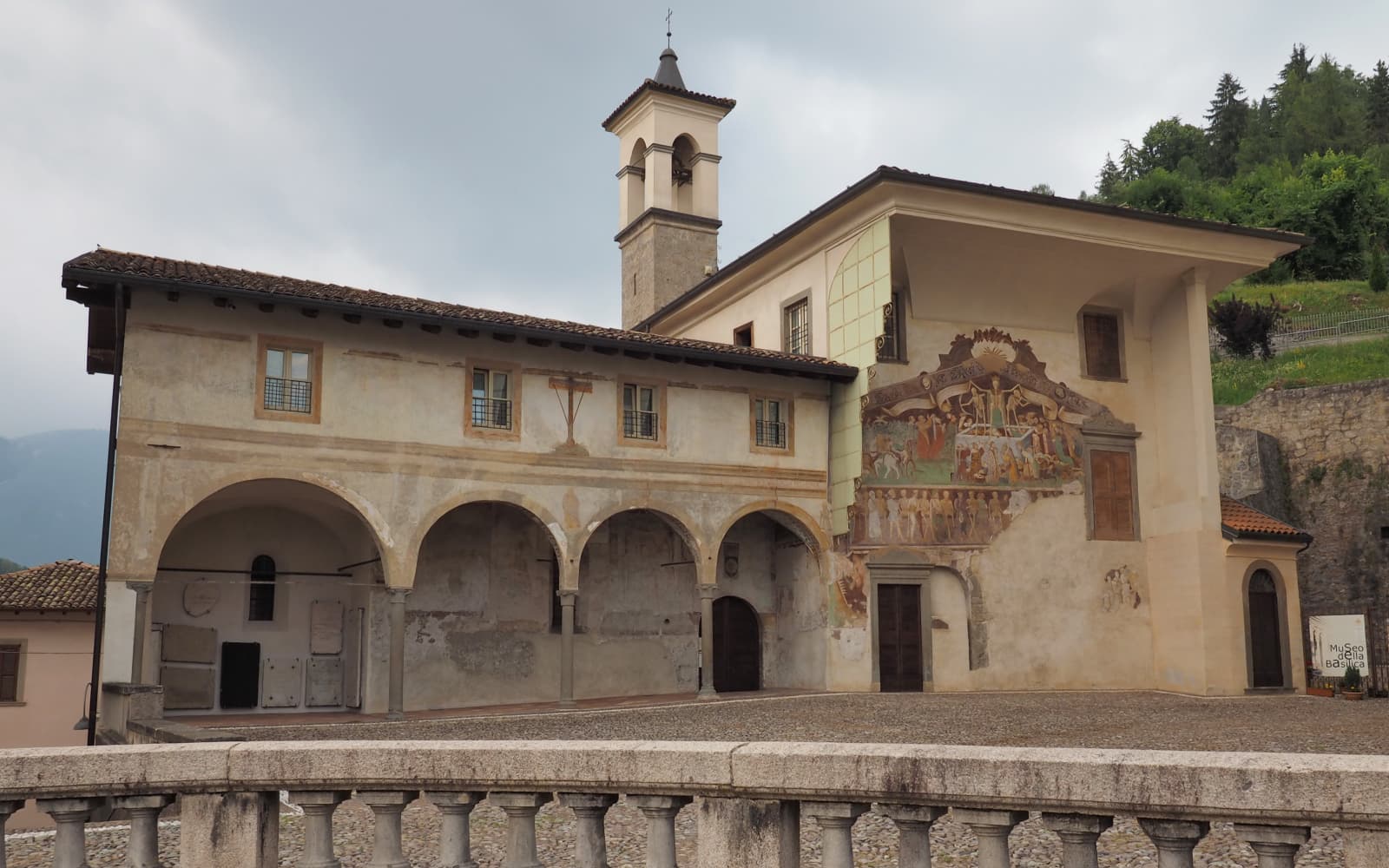
At 648 meters in upper Val Seriana, capital of the macabre fresco and the 1583 planetary clock above its civic tower.
Cornello dei Tasso
Province: Bergamo
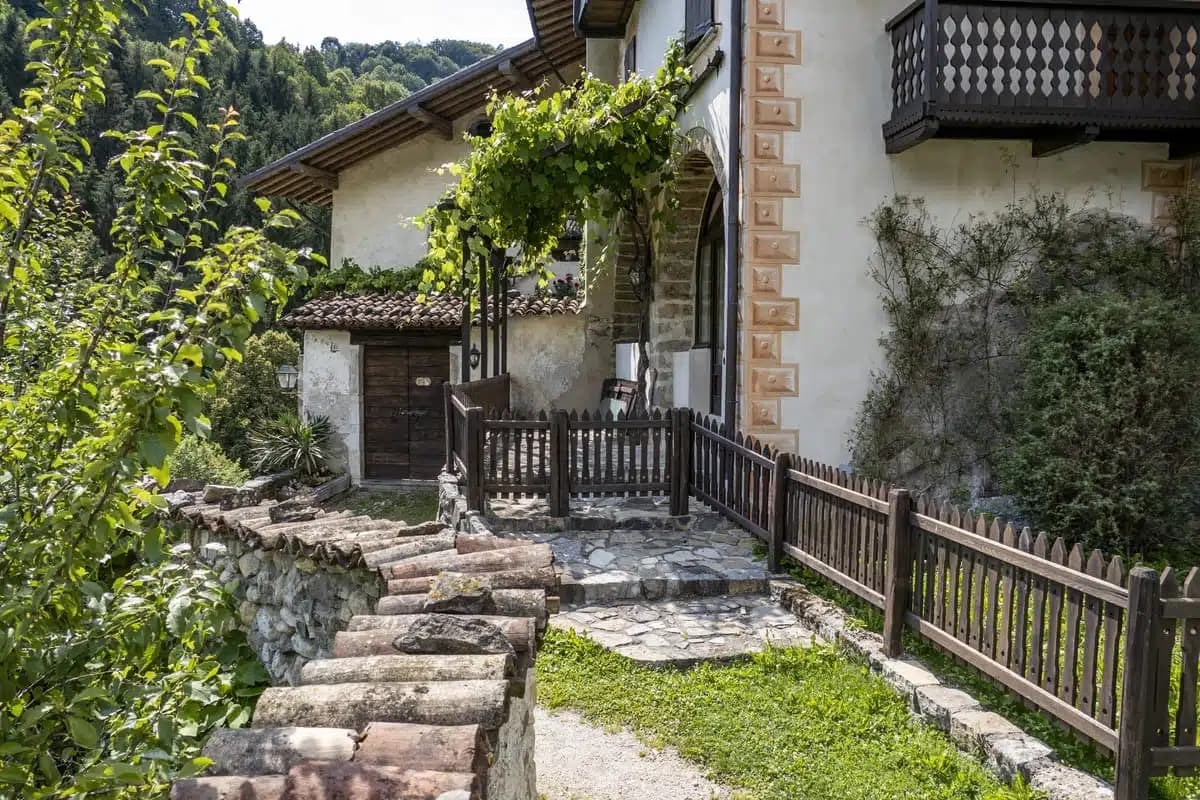
A car-free medieval frazione of Camerata Cornello in the Val Brembana, accessible only on foot, anchored by the Museo dei Tasso e della Storia Postale — birthplace of the family that ran the European postal network from the 16th century onward.