

Lombardy · Milano
Cassinetta di Lugagnano
A Naviglio Grande commune west of Milan with fifteen ville di delizia and Italy's first zero-growth urban plan, adopted in 2007.
Known for
VILLE DI DELIZIA
About fifteen surviving Milanese country villas on the Naviglio Grande, built by the Trivulzio, Visconti, Mantegazza and Castiglioni from the 1600s on.
NAVIGLIO GRANDE
Twelfth-century canal between the Ticino and Milan that made Cassinetta a country retreat for the Milanese nobility within easy boat access of the city.
ZERO-GROWTH PLAN
First commune in Italy to adopt a zero-growth urban plan in 2007, refusing new construction and forcing reuse of existing buildings.
When to visit
Best · Apr–Jun, Sep–Oct
- J
- F
- M
- A
- M
- J
- J
- A
- S
- O
- N
- D
- Best
- Hot or crowded
- Quiet
- Mostly closed
Why come
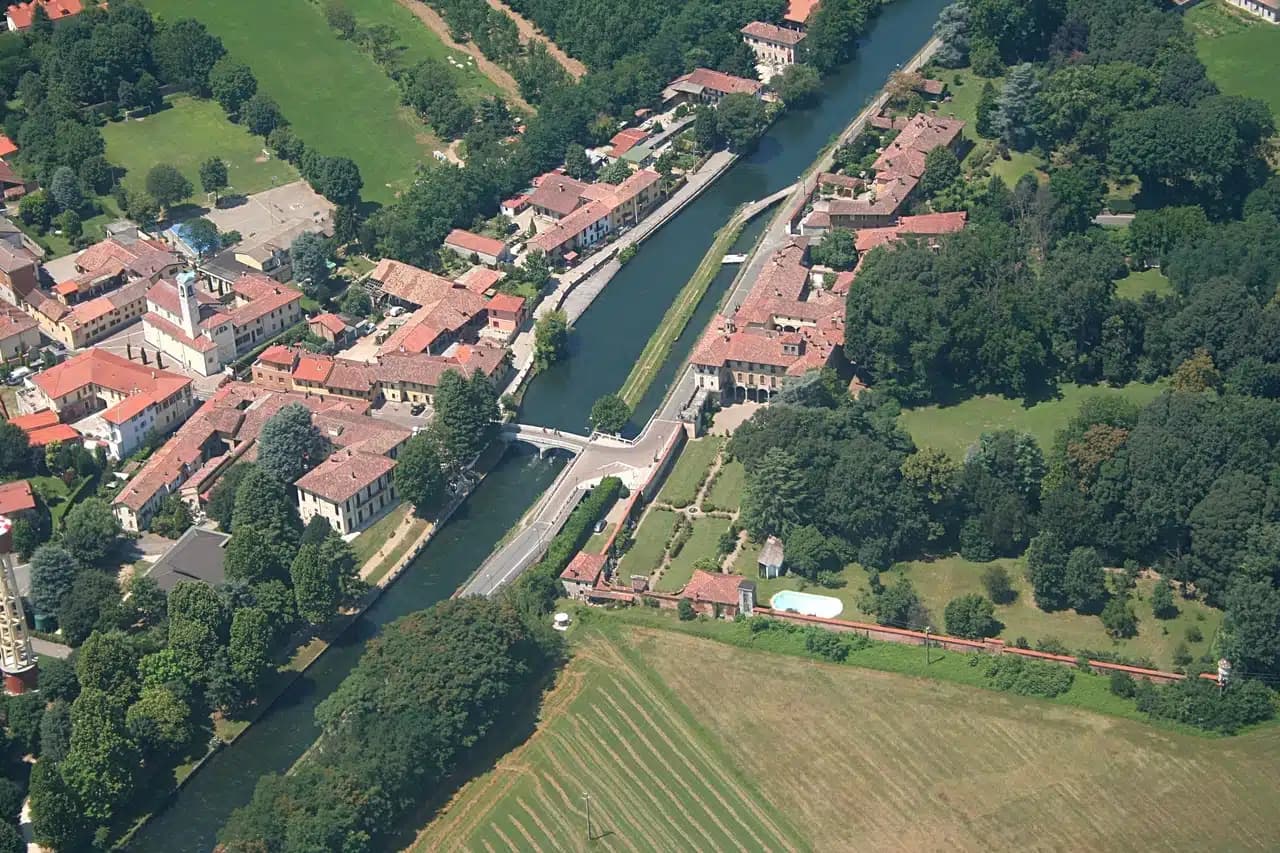
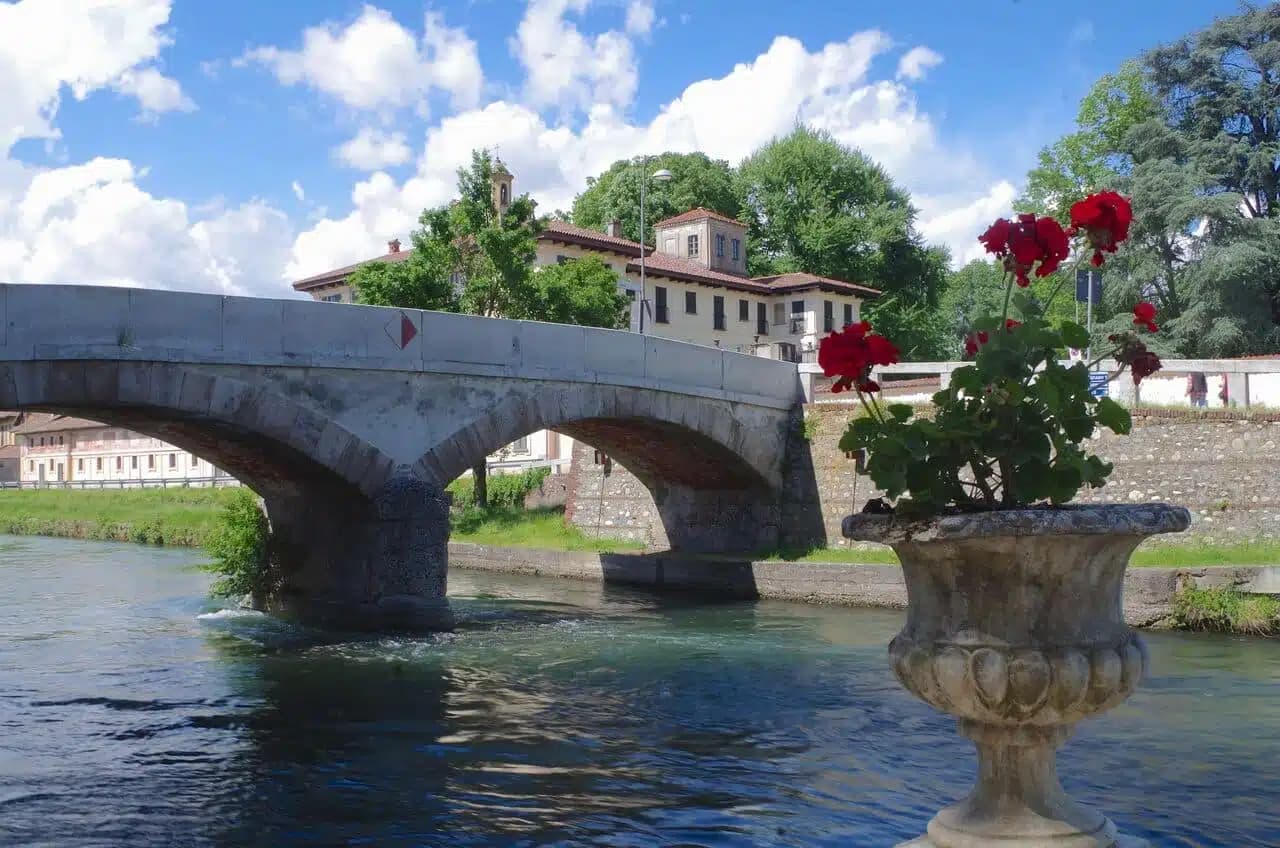
Cassinetta di Lugagnano sits on both banks of the Naviglio Grande, twenty kilometers west of Milan and just outside Abbiategrasso. The commune was formed from two older settlements: Lugagnano, Roman in origin and once Lucanianus, and Cassinetta, fourteenth-century, on the opposite bank. A humpbacked bridge with a 1584 statue of San Carlo Borromeo joins them.
From the sixteenth century onward the Milanese nobility, the Trivulzio, Visconti, Mantegazza and Castiglioni, built ville di delizia here as country retreats on the canal route between Milan and the Lago Maggiore. About fifteen villas survive, including Villa Visconti Castiglioni Maineri designed in part by Ruggero Bascapè. In 2007 Cassinetta became the first commune in Italy to adopt a zero-growth Piano di Governo del Territorio, refusing all new building expansion and forcing redevelopment of existing stock. It joined the Borghi più belli and the Comuni Virtuosi networks on the strength of that decision.
The Sunday letter
We haven’t written Cassinetta di Lugagnano’s letter yet.
One town every Sunday, with the photo, the food, the festa. Be there when this one comes up. Free, by Peter & Sophia from Pietrasanta.
By subscribing you agree to Substack’s Terms of Use, our Privacy Policy and our Information collection notice.
What to see
Villa Visconti Castiglioni Maineri
Seventeenth-century villa di delizia on the Naviglio, with formal Italian garden, partly attributed to Ruggero Bascapè.
Villa Negri-Morosini
Country villa of the Negri-Morosini family on the canal bank, with frescoed interior rooms and outbuildings around a courtyard.
Villa Trivulzio
Trivulzio family country residence, part of the chain of ville di delizia the Milanese aristocracy built along the Naviglio.
Ponte sul Naviglio
Humpbacked bridge over the Naviglio joining Cassinetta and Lugagnano, with a 1584 statue of Cardinal San Carlo Borromeo who passed here that year.
Naviglio Grande
Twelfth-century navigable canal between the Ticino at Tornavento and Milan, the engineering backbone that made Cassinetta's villas possible.
The slow-trip planner
Building a trip? Find where Cassinetta di Lugagnano fits in a slow Italy circuit.
Answer five questions. We will shape a geographically coherent slow trip from the 1,000 Italian towns most travelers skip. Yours to save and share.
Living here
- Population 1,912
- Commuter belti
- Pharmacy in town
- High school within a 30-minute drive
- Train station in the comune
- Nearest airport Milan, 1 h 10 min drive
- Regional capital Milano, 38 min drive
Tags & datadesignations · numbers · sources
Recognised as
The numbers
- Elevation: 120 m
- Population: 1,912
- Surface area: 3.32 km²
These figures were compiled from public directories — ISTAT, OpenStreetMap, Wikidata — and from the official listings of the guides named on this page. Town details change; verify with official sources before you travel.
Close by
More towns near Cassinetta di Lugagnano
Morimondo
Province: Milano
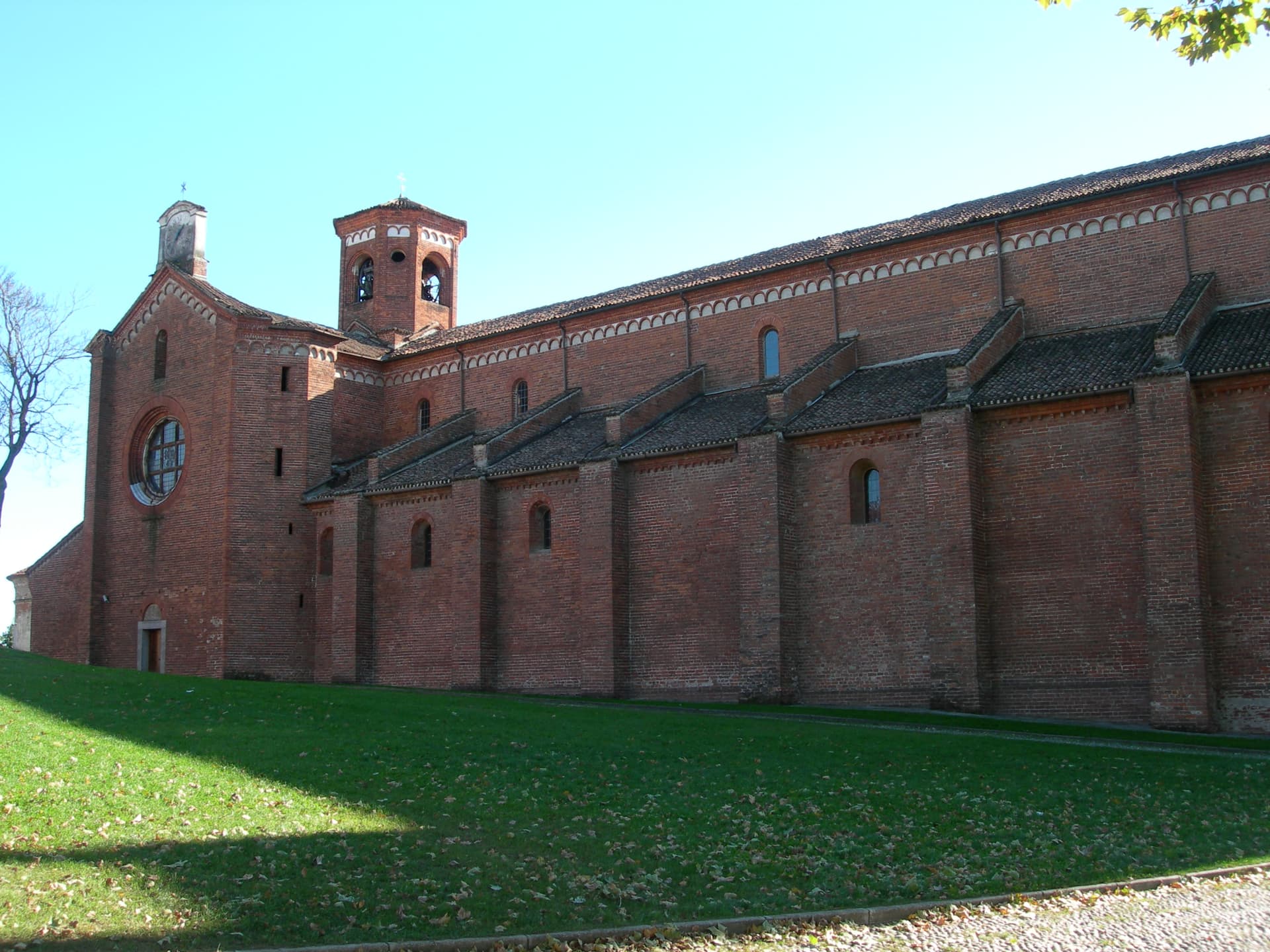
A Cistercian abbey village on the edge of the Ticino park, twenty-five kilometers southwest of Milano, founded by French monks in 1134.
Gorgonzola
Province: Milano
The town that gave its name to the cheese — a 21,000-resident commune on the Naviglio della Martesana 24 km east of Milan, the documented birthplace of Gorgonzola DOP since AD 879 and now the eastern terminus of Milan's M2 metro line, with a Greenways cycling-route signal along the canal.
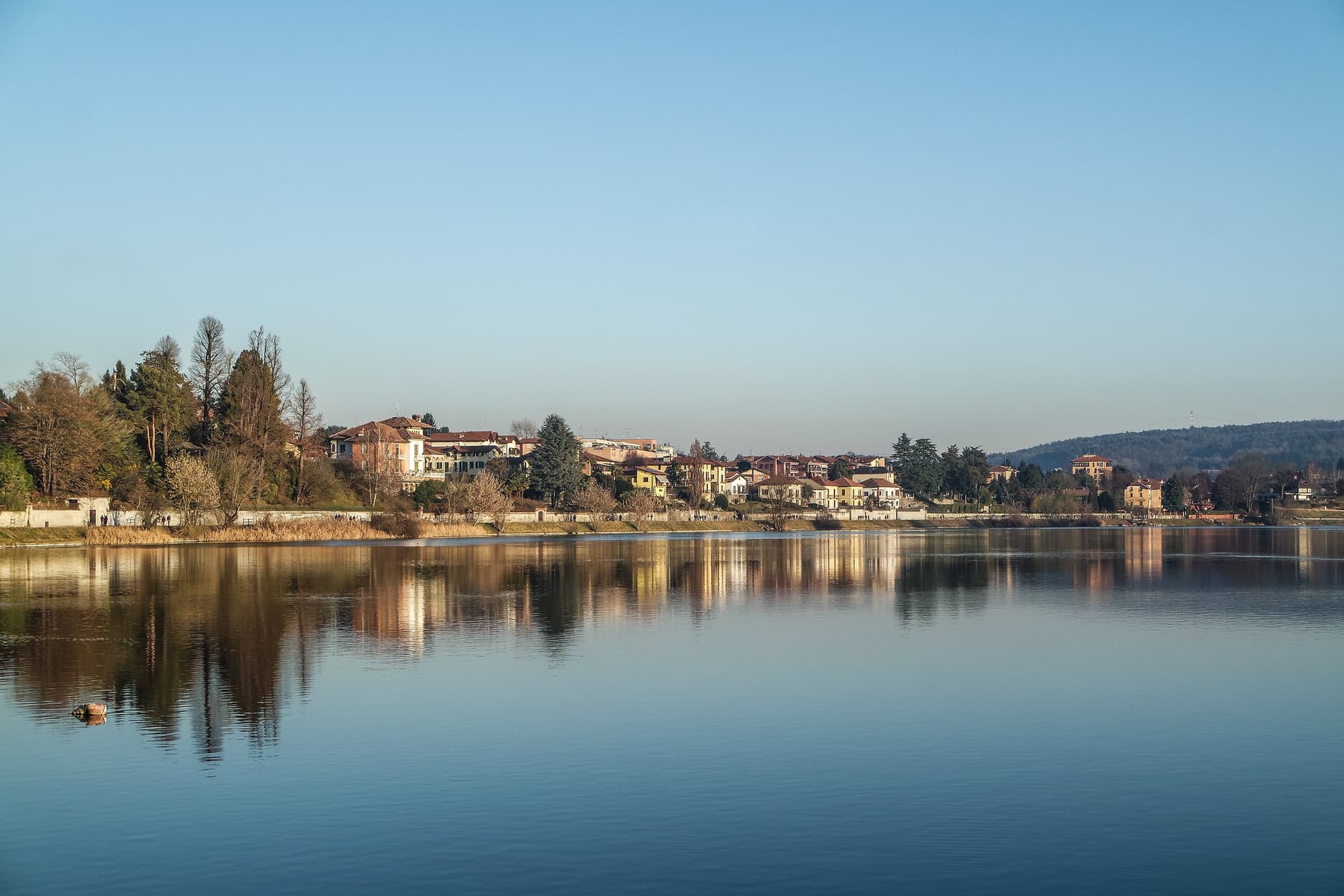
Sesto Calende
Province: Varese
The town at the southern tip of Lake Maggiore where the Ticino starts toward the Po, the type site of the pre-Roman Golasecca culture.
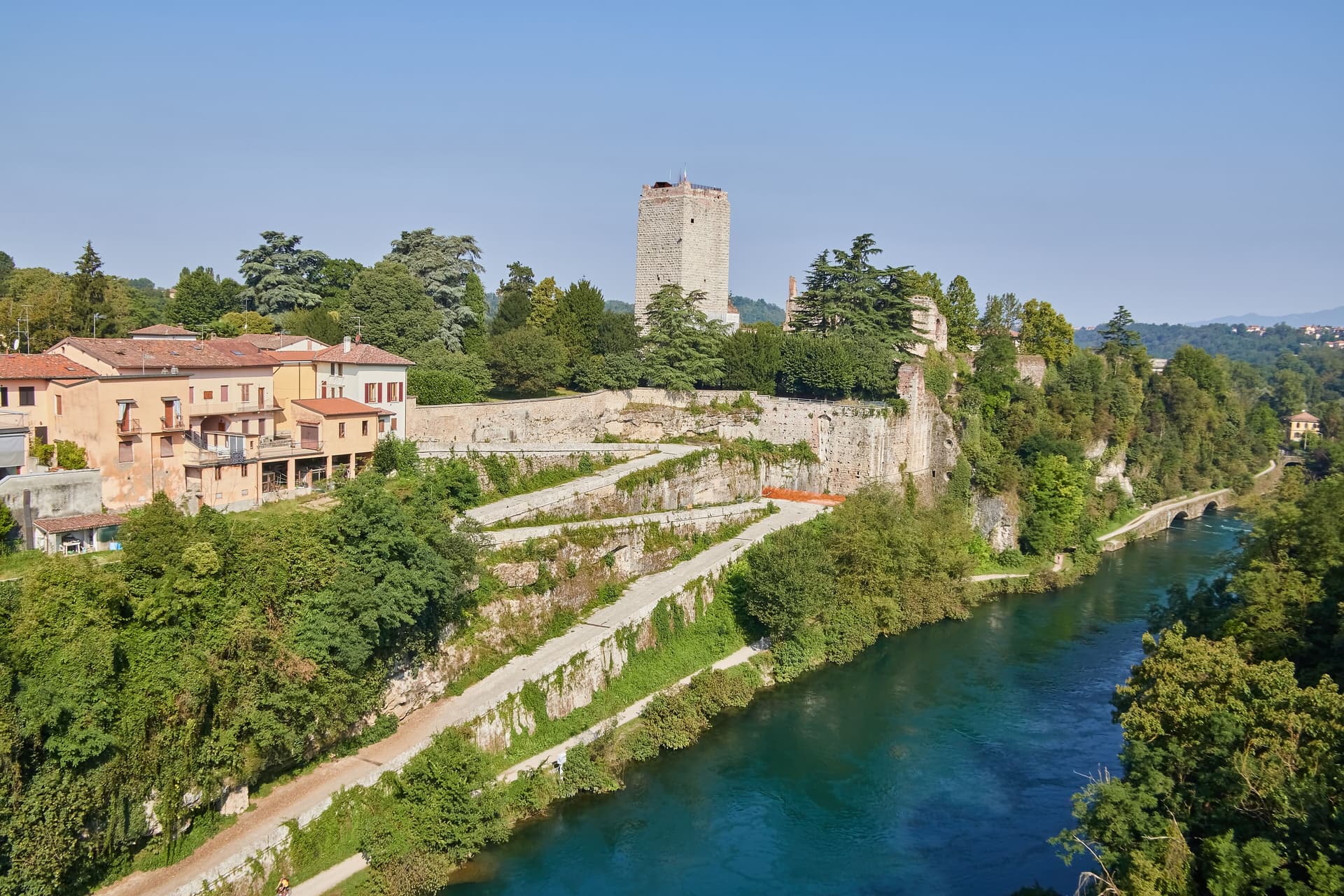
Capriate San Gervasio
Province: Bergamo
The Bergamasco town that holds Crespi d'Adda, the late-nineteenth-century company village inscribed by UNESCO in 1995 as a model workers' settlement.
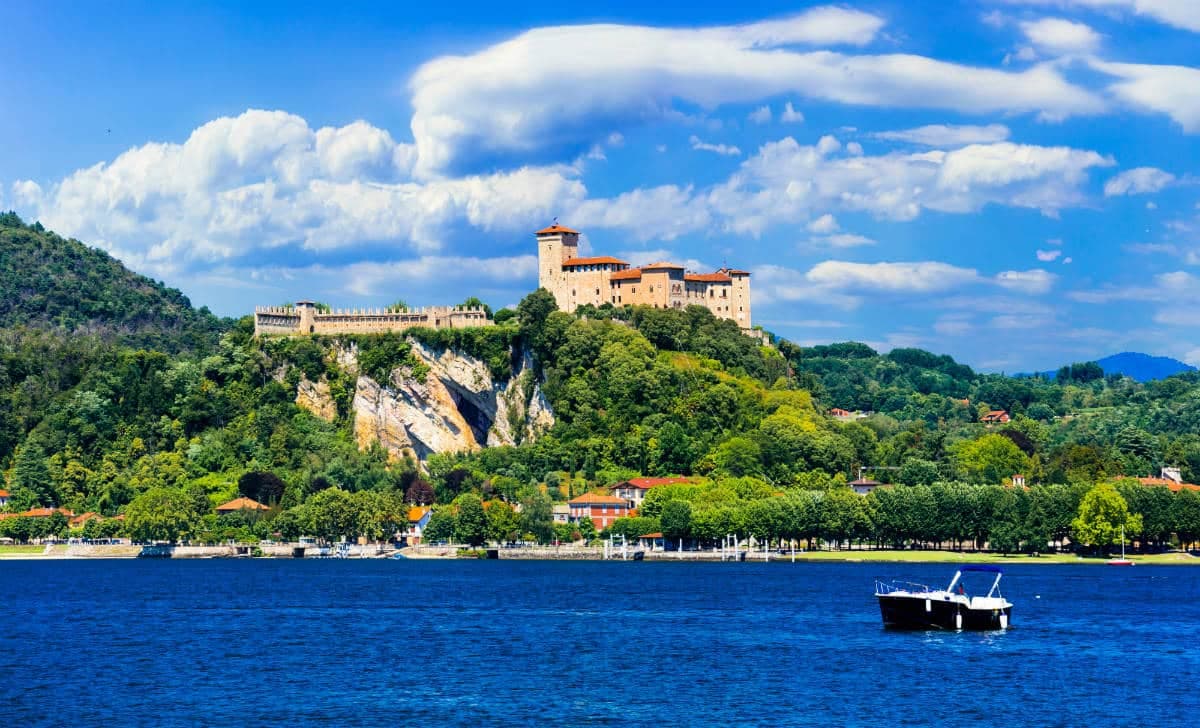
Angera
Province: Varese
A lake-Maggiore town on the southern shore, anchored by the Rocca Borromea — a 13th-century fortified castle the Borromeo family has held since 1449 — with a frescoed Justice Hall and a continuous prehistoric-to-medieval museum trail above the waterfront.
🎨 Borghi più belli d'Italia
More Borghi più belli d'Italia towns in Lombardy
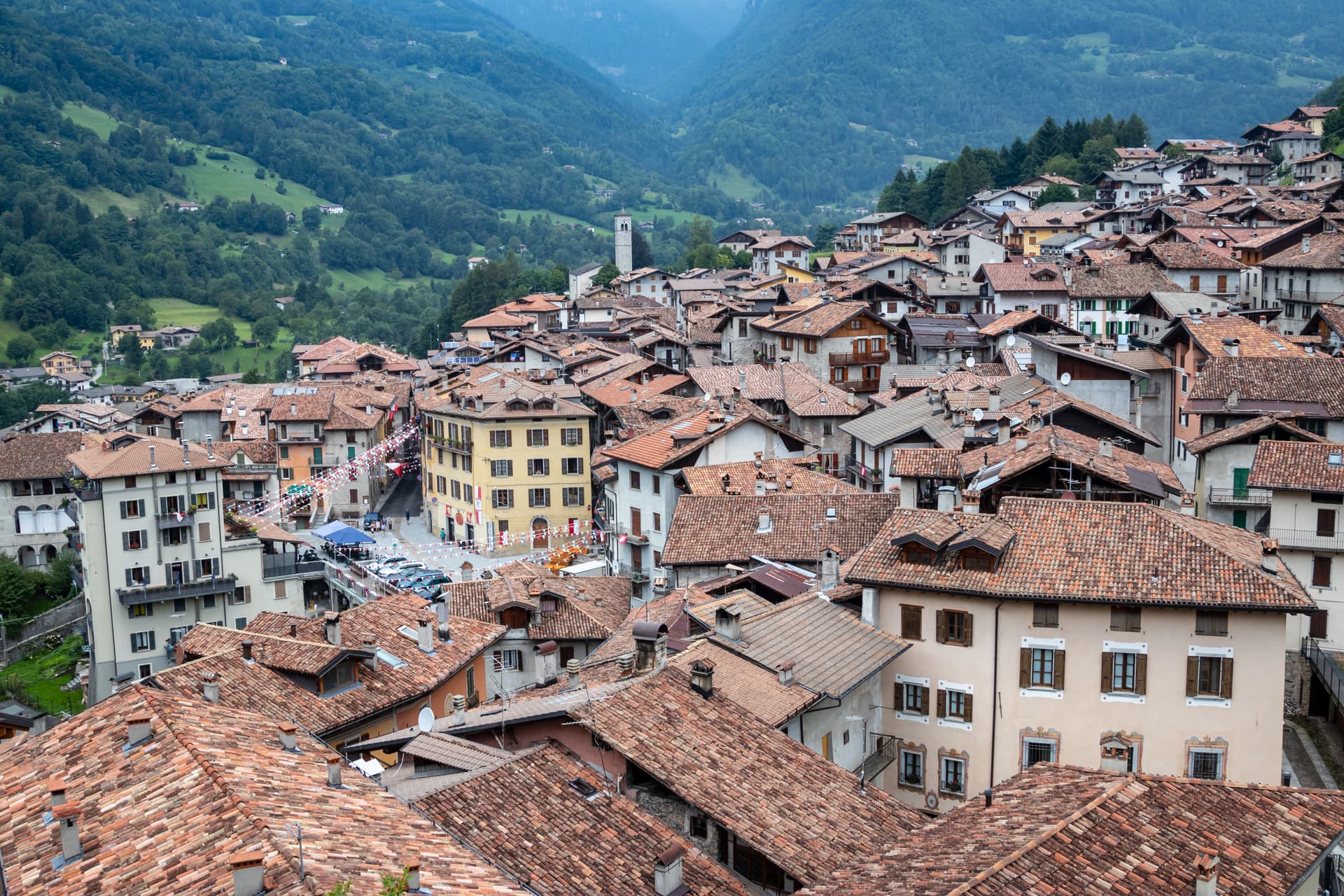
Bagolino
Province: Brescia
A mountain village at 778 meters in the Valle del Caffaro, with a three-day February carnival of masked dancers and violins.
Bellano
Province: Lecco
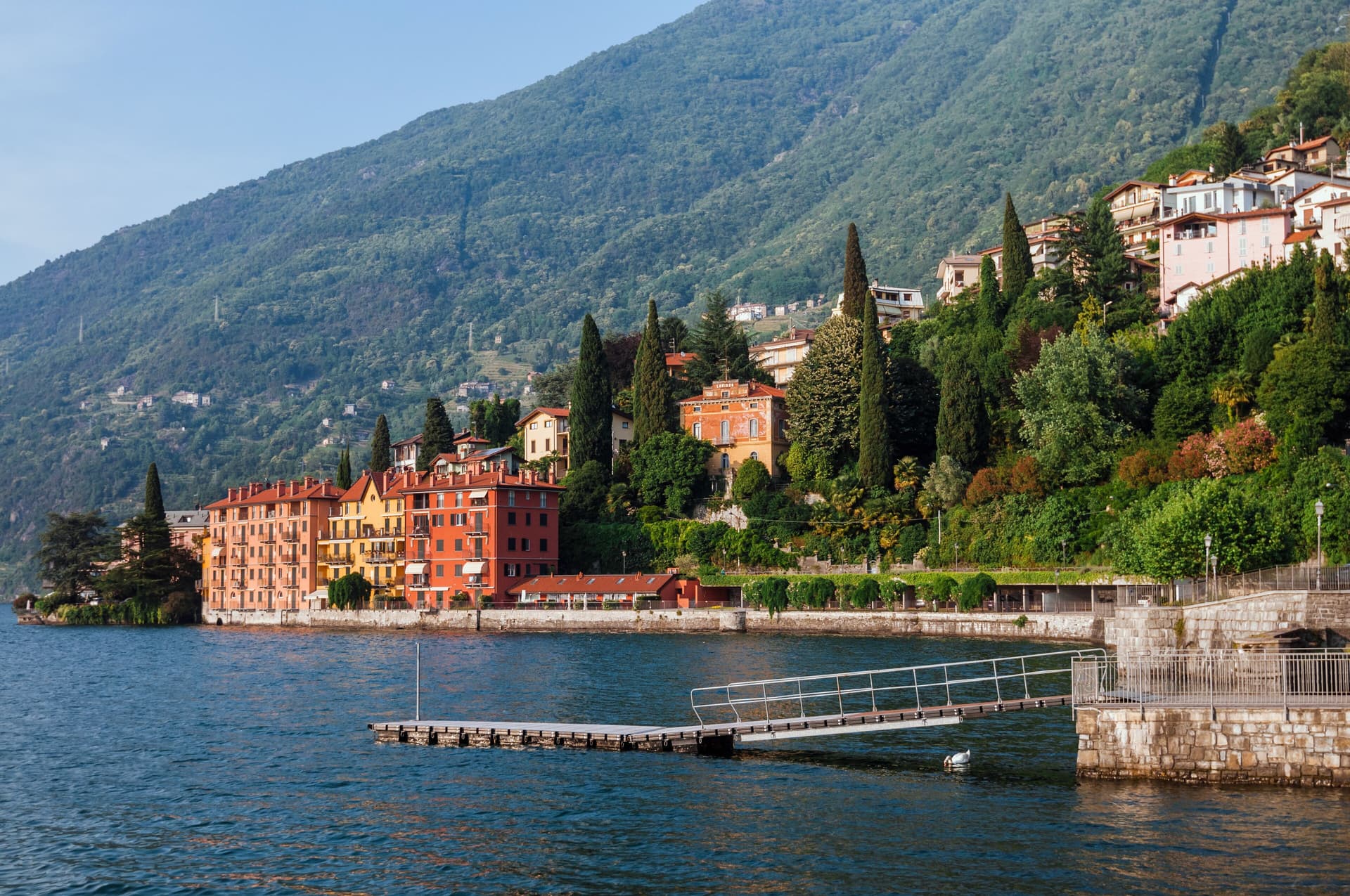
An eastern Lake Como town where the Pioverna cut a gorge through fifteen million years of rock before reaching the lake.
Bienno
Province: Brescia
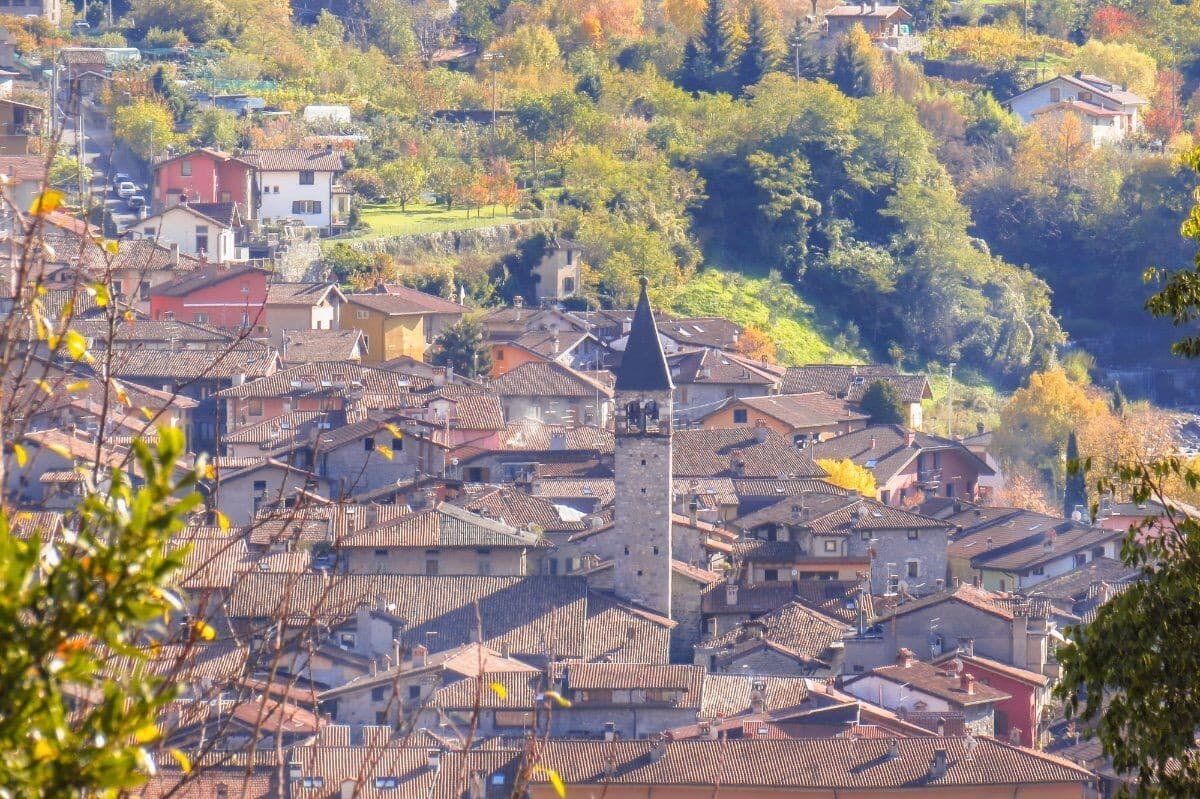
A medieval ironworking village in the Val Camonica, where water hammers driven by the Grigna stream have shaped wrought iron since the 1200s.
Castellaro Lagusello
Province: Mantova
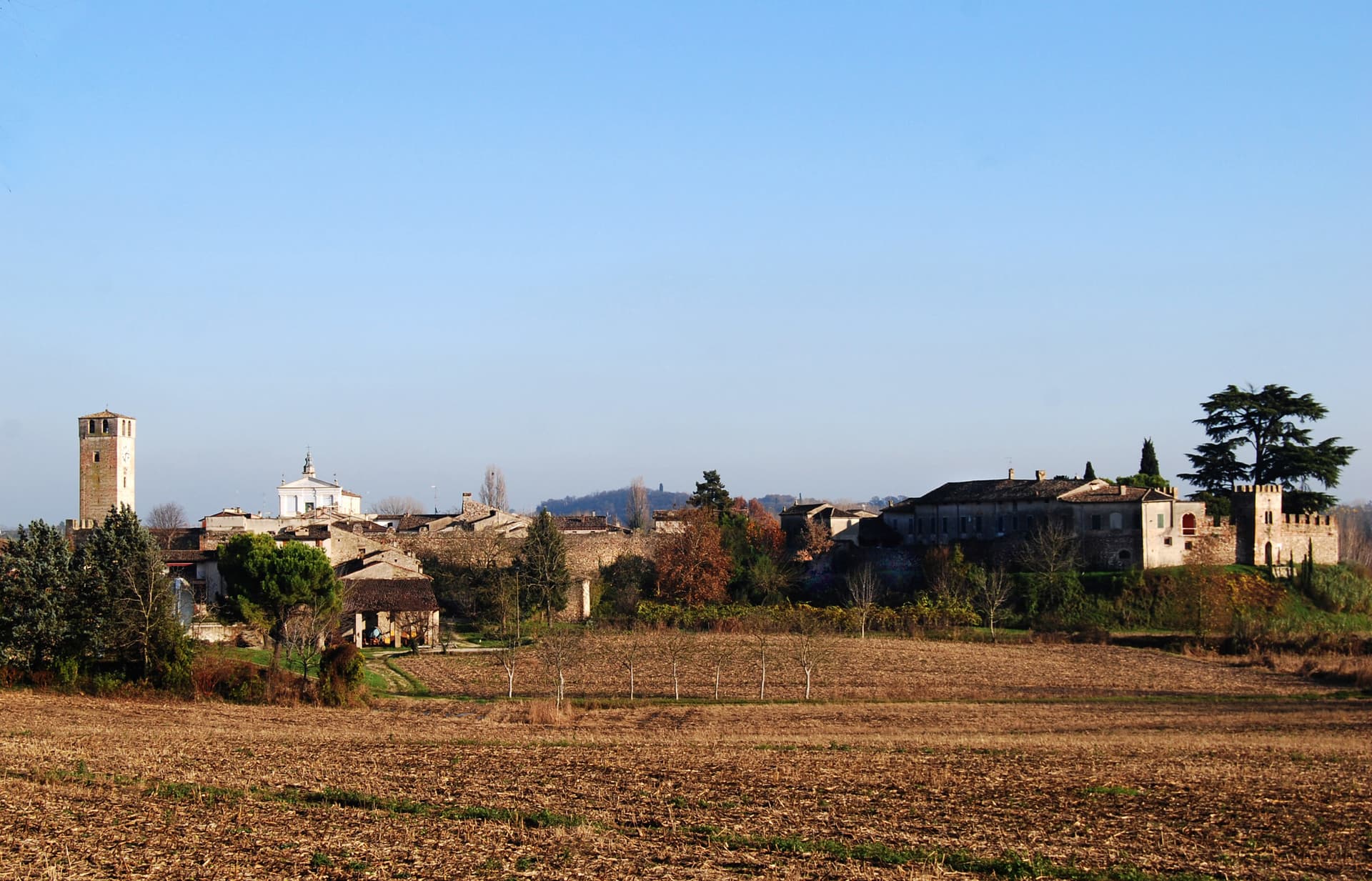
A walled medieval borgo south of Lake Garda, ringed by 13th-century stone walls and overlooking a small heart-shaped natural lake that gives the village its second name and most-photographed silhouette.
Clusone
Province: Bergamo
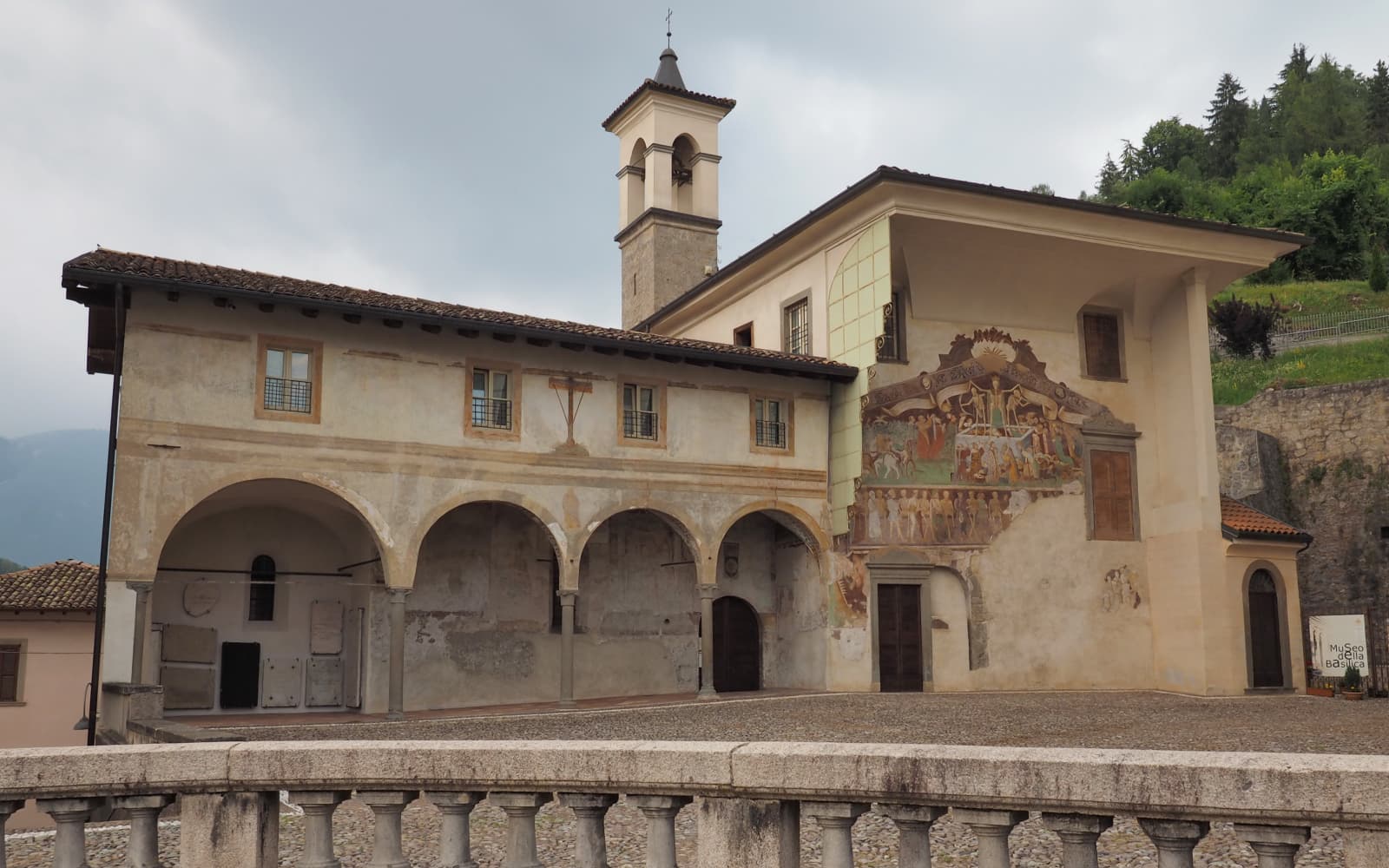
At 648 meters in upper Val Seriana, capital of the macabre fresco and the 1583 planetary clock above its civic tower.