

Lombardy · Milano
Gorgonzola
The town that gave its name to the cheese — a 21,000-resident commune on the Naviglio della Martesana 24 km east of Milan, the documented birthplace of Gorgonzola DOP since AD 879 and now the eastern terminus of Milan's M2 metro line, with a Greenways cycling-route signal along the canal.
Known for
GORGONZOLA DOP NAMESAKE
Documented cheese-producing centre since AD 879 — the Abbey of San Pietro discovered the Penicillium veining by accident in the summer milk surplus. Annual Sagra mid-September.
Visconti's 1457 canal to Milan, now a cycling greenway. The classic east-Milan weekend ride.
M2 METRO TERMINUS
Eastern end of Milan's green line. 32 minutes from Cadorna. Easy half-day from central Milan.
BONARDA + LOMBARD KITCHEN
Risotto alla milanese, polenta uncia, ossobuco, the Gorgonzola itself, Bonarda from the Oltrepò Pavese 60 km south.
When to visit
Best · Apr–Jun, Sep–Oct
- J
- F
- M
- A
- M
- J
- J
- A
- S
- O
- N
- D
- Best
- Hot or crowded
- Quiet
- Mostly closed
Why come
Gorgonzola is the town that gave its name to the blue cheese — documented as a cheese-producing centre since AD 879, when the local monks at the Abbey of San Pietro were already aging the surplus summer milk in cool caves and discovering, by accident, the Penicillium roqueforti veining that would become the cheese's signature. By the 11th century 'gorgonzola' was traded across the Po valley; by the 14th the cheese had a documented brand identity; by the 19th it was being exported in industrial quantities to Britain via the new Milan–Treviglio railway. The town today is a 21,092-resident commune in the Milan metropolitan periphery, 24 km east of the Duomo and the eastern terminus of Milan's M2 metro line (32 minutes from Cadorna).
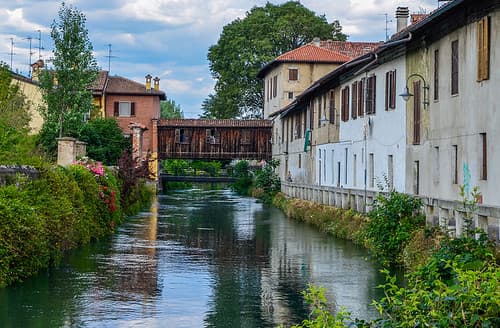
Gorgonzola DOP itself is no longer produced inside the comune (the modern DOP zone covers all of Lombardia + Piemonte and is concentrated around Novara/Lecco), but the town remains the symbolic centre, hosts the annual Sagra del Gorgonzola in mid-September with tastings from all 25+ DOP producers across the two regions, and the centro storico has the small Museo del Gorgonzola tracing the cheese's documented history. Beyond cheese: the Naviglio della Martesana runs through the town — the navigable 38-km canal built between 1457 and 1463 by Filippo Maria Visconti to connect the Adda river to Milan, now a Greenways-protected cycling route popular for weekend rides from Milan. The Chiesa Prepositurale dei Santi Gervaso e Protaso (1820 neoclassical) anchors the central piazza; the 11th-c Abbey ruins are at the edge of town. The food is Lombard-northeast: risotto alla milanese (saffron + bone marrow), polenta uncia, ossobuco, the Gorgonzola itself (sweet 'dolce' or aged 'piccante' depending on the producer + cure time), and the local Bonarda red from the nearby Oltrepò Pavese.
The Sunday letter
We haven’t written Gorgonzola’s letter yet.
One town every Sunday, with the photo, the food, the festa. Be there when this one comes up. Free, by Peter & Sophia from Pietrasanta.
By subscribing you agree to Substack’s Terms of Use, our Privacy Policy and our Information collection notice.
What to see
Museo del Gorgonzola + Sagra
Small museum tracing the cheese's documented history from AD 879 onward. Annual Sagra del Gorgonzola in mid-September gathers 25+ DOP producers from across Lombardia + Piemonte for tastings.
Naviglio della Martesana (Greenways)
Filippo Maria Visconti's 1457–63 navigable 38-km canal connecting the Adda to Milan, now a Greenways-protected cycling path. Popular weekend ride from Milan's east end.
Chiesa Prepositurale + Abbey ruins
1820 neoclassical parish church on the central piazza. The 11th-c Abbey of San Pietro ruins at the edge of town — where the monks aged the original cheese.
M2 metro from Milan
Eastern terminus of Milan's green line — 32 minutes from Cadorna. Easy half-day from central Milan including cheese tasting, canal walk, and the museum.
The slow-trip planner
Building a trip? Find where Gorgonzola fits in a slow Italy circuit.
Answer five questions. We will shape a geographically coherent slow trip from the 1,000 Italian towns most travelers skip. Yours to save and share.
Living here
- Population 21,092
- Commuter belti
- Pharmacy in town
- High school within a 30-minute drive
- Train station in the comune
- Nearest airport Milan, 37 min drive
- Regional capital Milano, 32 min drive
Tags & datadesignations · numbers · sources
Recognised as
The numbers
- Elevation: 132 m
- Population: 21,092
- Surface area: 10.58 km²
These figures were compiled from public directories — ISTAT, OpenStreetMap, Wikidata — and from the official listings of the guides named on this page. Town details change; verify with official sources before you travel.
Close by
More towns near Gorgonzola
Capriate San Gervasio
Province: Bergamo
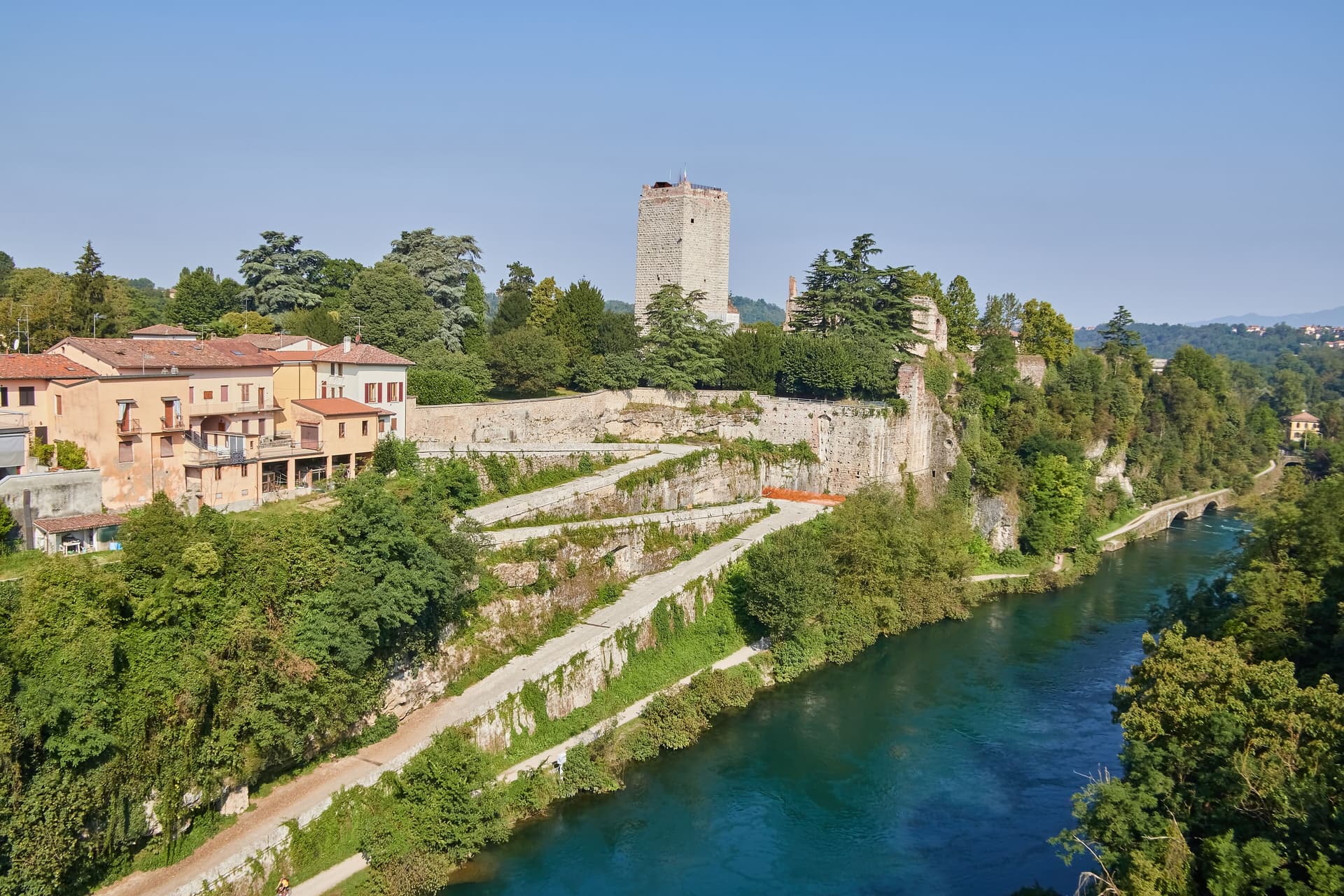
The Bergamasco town that holds Crespi d'Adda, the late-nineteenth-century company village inscribed by UNESCO in 1995 as a model workers' settlement.
Bergamo
Province: Bergamo
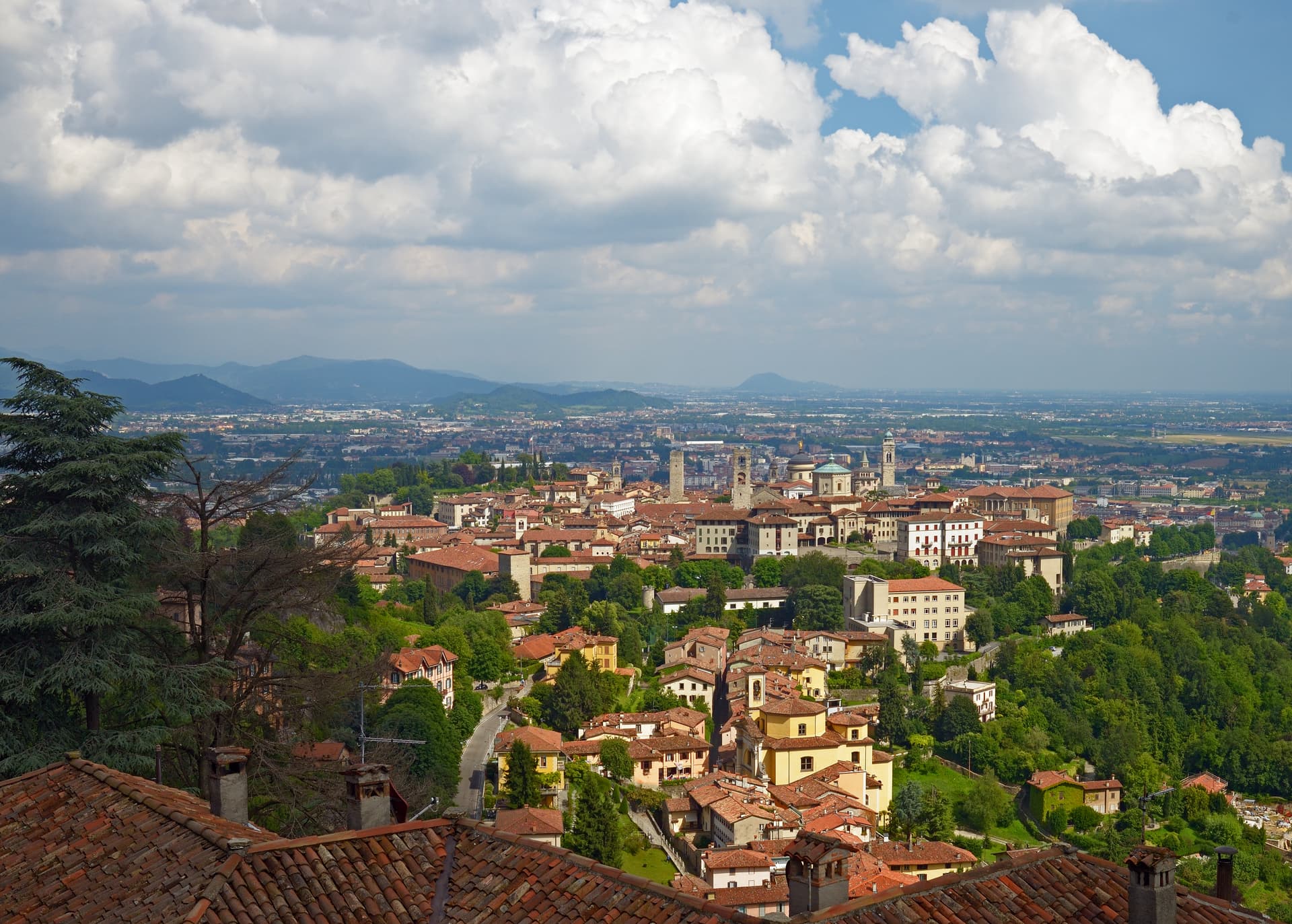
A two-city Lombard capital where a Venetian walled hilltown sits 85 meters above its modern twin on the plain, 45 kilometers northeast of Milan.
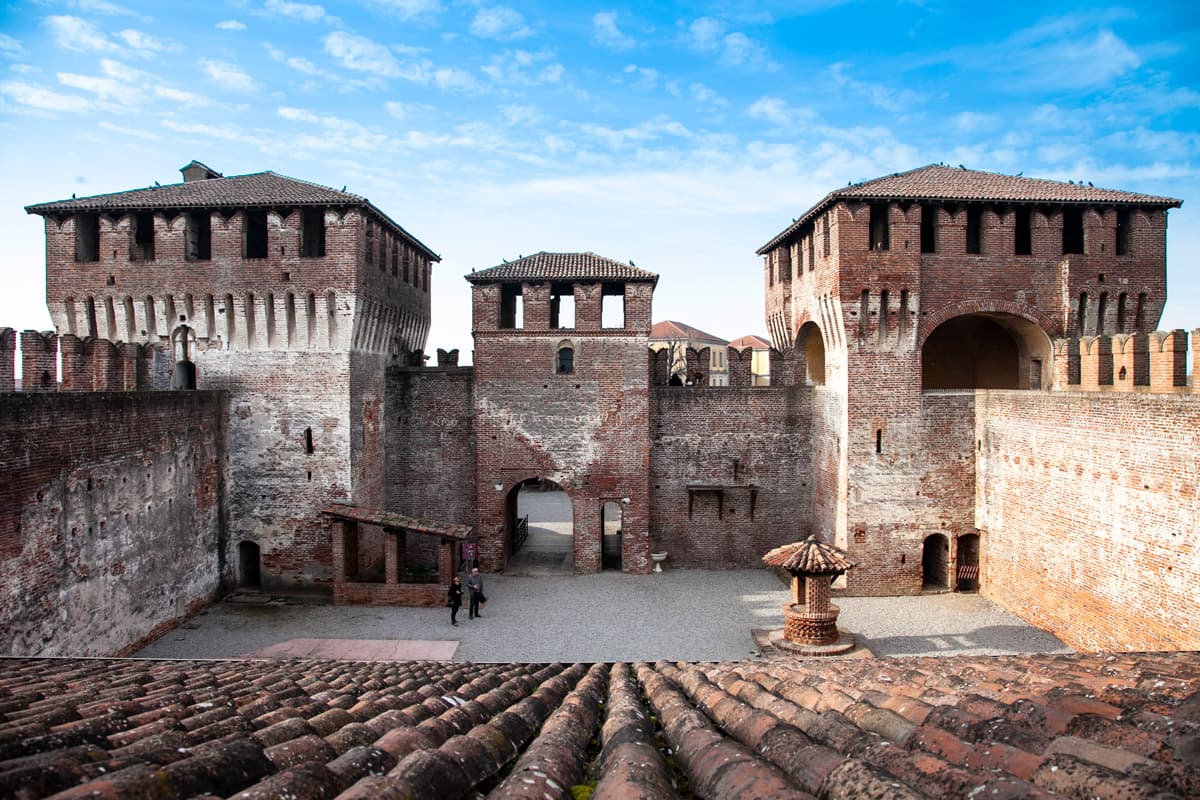
Soncino
Province: Cremona
A walled borgo on the Oglio with the Sforza fortress of 1473 and the press that printed the first complete Hebrew Bible in 1488.
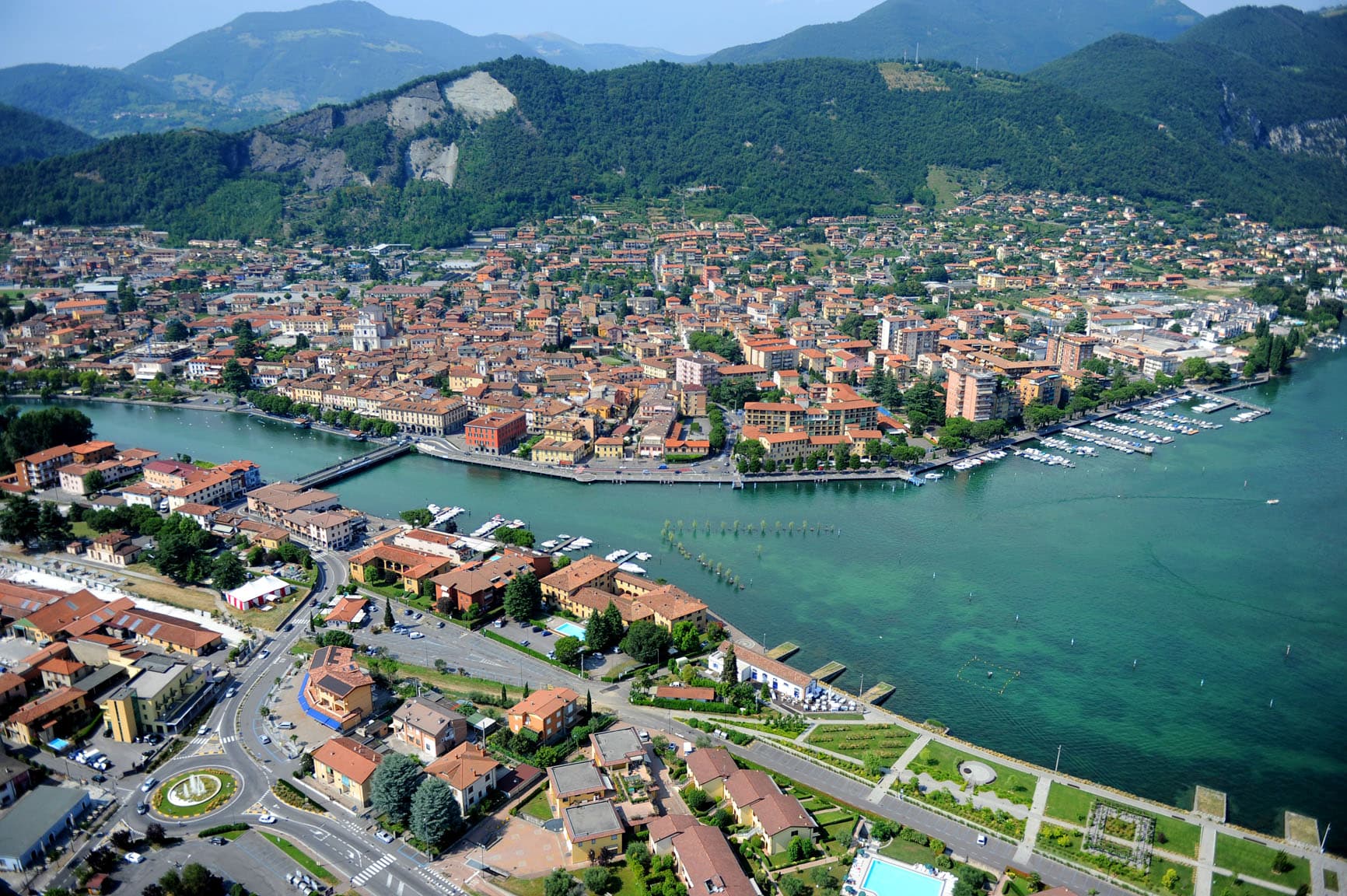
Sarnico
Province: Bergamo
A medieval lake town at the southern tip of Lago d'Iseo, where the Oglio leaves the lake and Liberty villas line the shore.
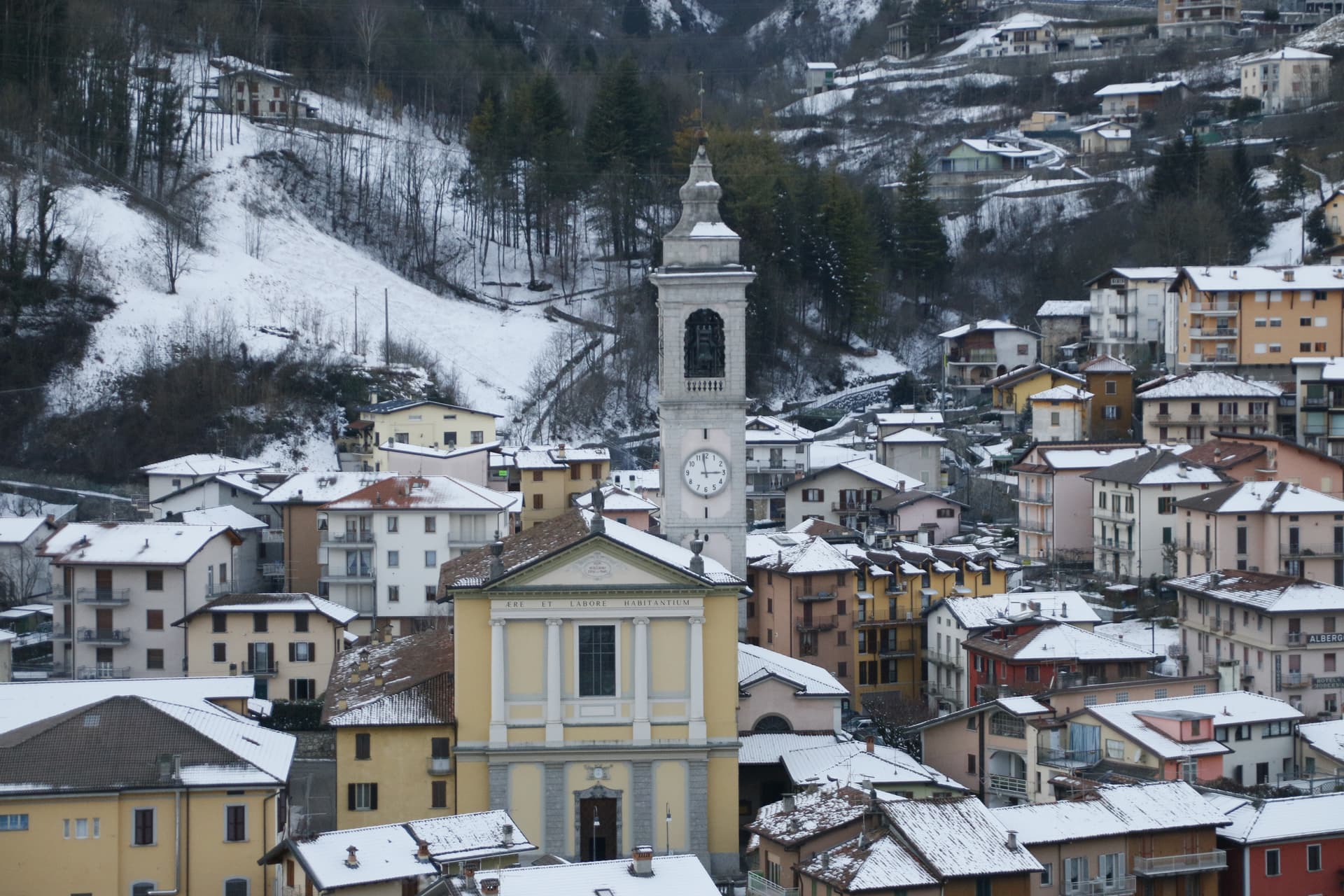
San Pellegrino Terme
Province: Bergamo
A Liberty-era spa town in the Val Brembana — home of the San Pellegrino mineral water and a complete Art Nouveau ensemble of Grand Hotel, Casinò and thermal baths built between 1899 and 1907 around the original sulfur springs.
🌳 Parco Regionale
More Parco Regionale towns in Lombardy
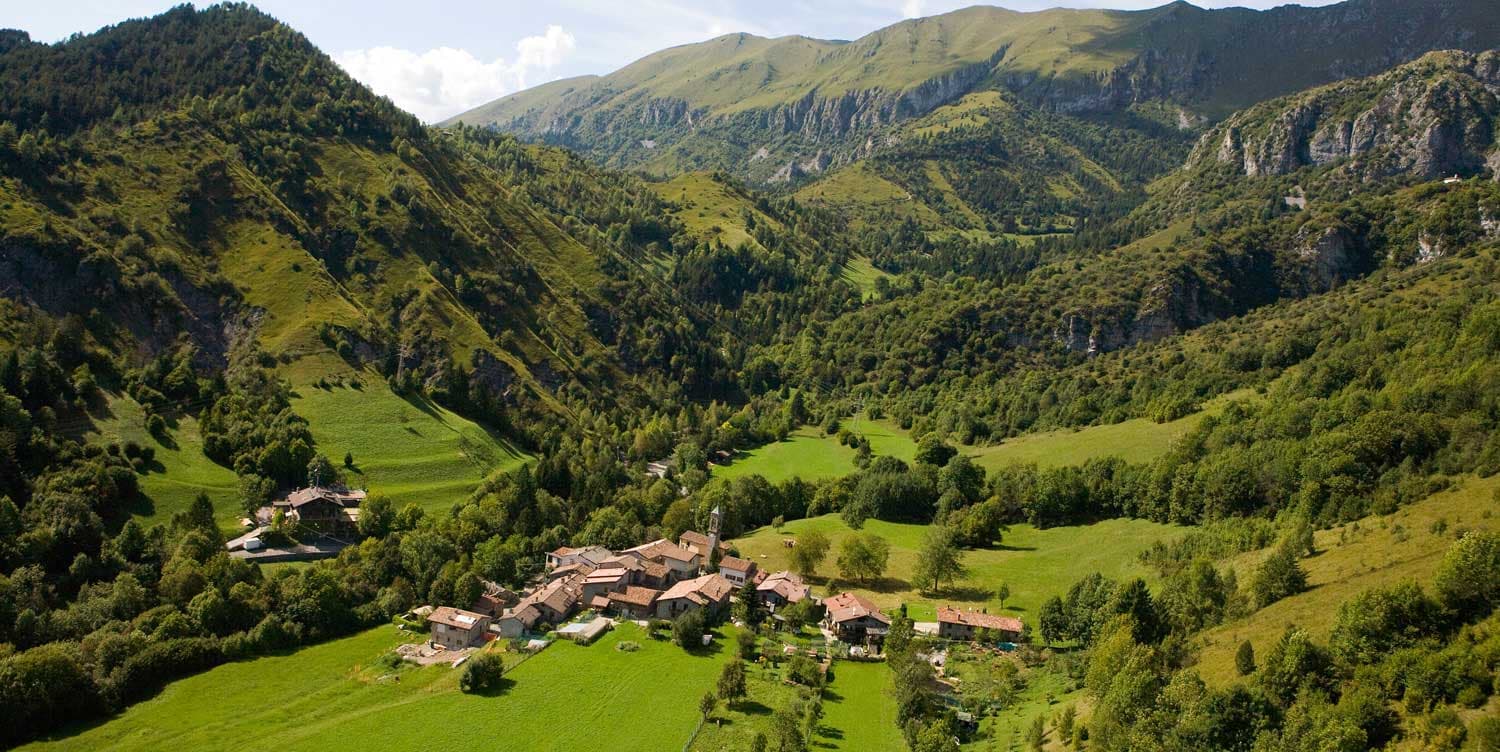
Castione della Presolana
Province: Bergamo
A high-valley commune at 870 meters under the Pizzo della Presolana, the limestone peak the Bergamasque call the Queen of the Orobie.
Cimbergo
Province: Brescia
A village of 533 at 851 meters above the Oglio, with castle ruins on a spur and UNESCO petroglyphs on the slopes below.
Curtatone
Province: Mantova
A commune of eight frazioni west of Mantova, anchored by the Grazie sanctuary and the 1848 battle that delayed Radetzky's advance.
Gardone Riviera
Province: Brescia
A western Garda lakeshore town whose hillside holds the Vittoriale, the estate Gabriele D'Annunzio turned into a monument to himself.
Gromo
Province: Bergamo
A medieval iron-forging town at 676 meters on a rock spur above the Serio, once called the little Toledo for its sword smiths.