

Lombardy · Bergamo
Capriate San Gervasio
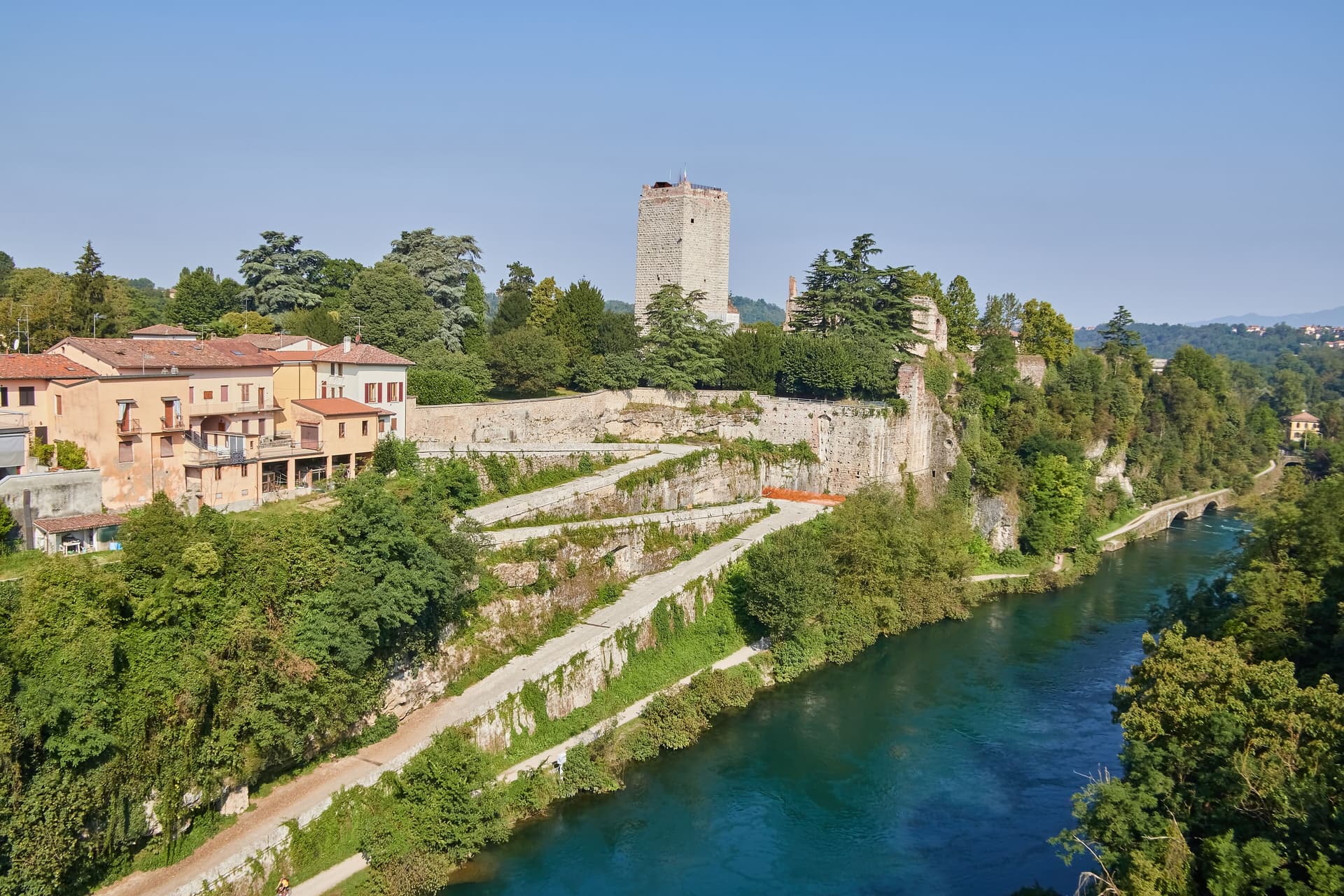
The Bergamasco town that holds Crespi d'Adda, the late-nineteenth-century company village inscribed by UNESCO in 1995 as a model workers' settlement.
Known for
CRESPI D'ADDA
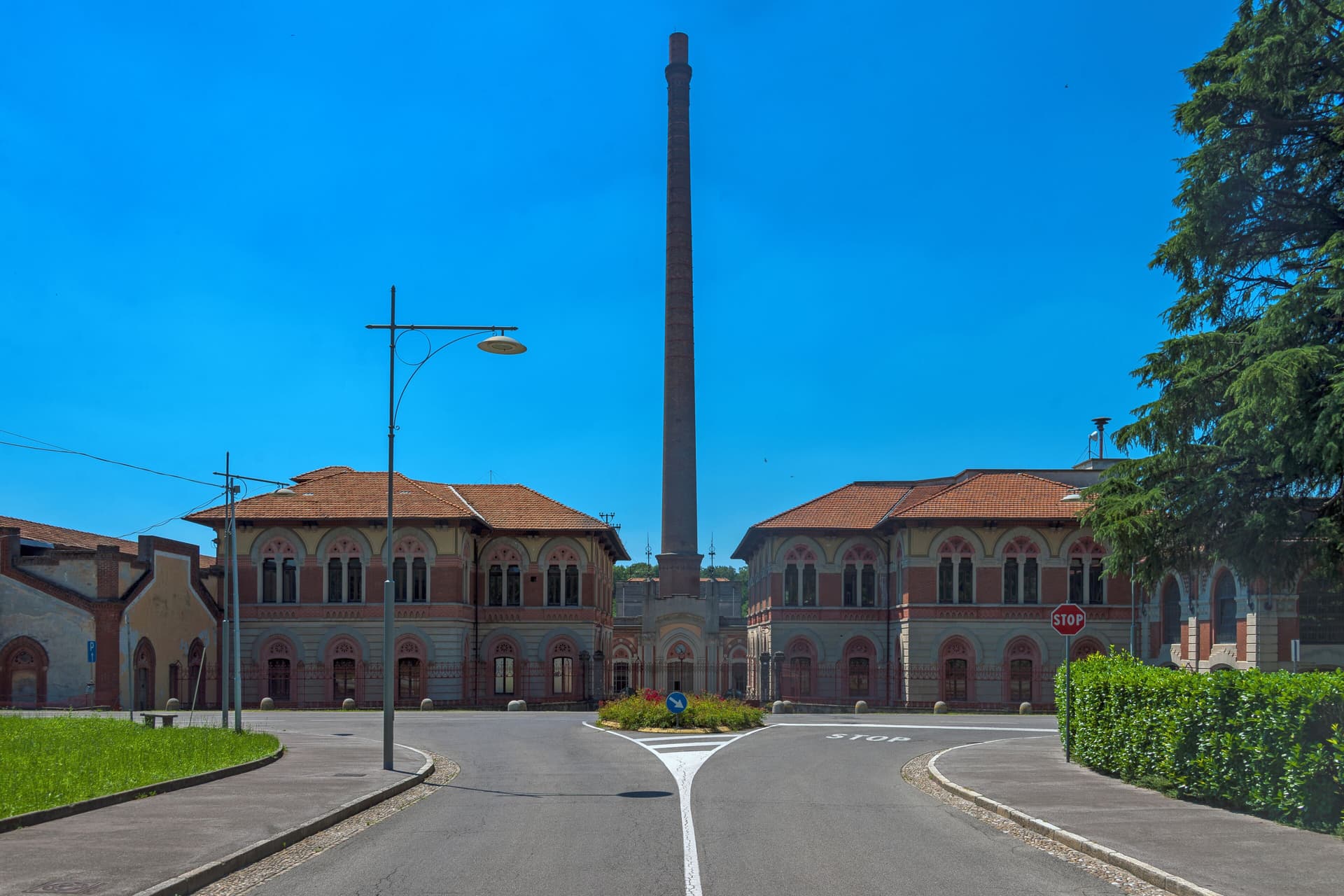
UNESCO-inscribed company village of 1995, the most intact European example of an industrialist-built workers' settlement of the late nineteenth century.
COTTON MILL
The Crespi cotton mill operated from the 1870s until 2003; its 2025 redevelopment turns the abandoned industrial complex into a cultural hub.
TWO RIVERS
The comune sits where the Adda and Brembo nearly meet at the southern tip of the Isola Bergamasca, the plain between the two rivers.
When to visit
Best · Apr–Jun, Sep–Oct
- J
- F
- M
- A
- M
- J
- J
- A
- S
- O
- N
- D
- Best
- Hot or crowded
- Quiet
- Mostly closed
Why come
Capriate San Gervasio sits at the southern tip of the Isola Bergamasca, the wedge of plain between the Adda and Brembo, thirty kilometers northeast of Milano. The comune holds three historic settlements on three terraces: San Gervasio d'Adda to the north, Capriate d'Adda in the middle, and Crespi d'Adda at the southern point, where the two rivers nearly meet. Crespi d'Adda was founded in the 1870s by the textile industrialist Cristoforo Benigno Crespi to house workers in his cotton mill, and completed by his son Silvio after study tours of German and English company towns.
The plan is geometrically regular: the mill and offices on the left bank, workers' housing across the road on a grid. Each family had a multi-family house with a garden. The village added a clinic, school, theatre, cooperative, hydroelectric station, sports field, priest's house, doctor's house and a Crespi mausoleum on the hill above.
UNESCO inscribed it in 1995 as one of the most intact European company towns. The mill closed in 2003.
The Sunday letter
We haven’t written Capriate San Gervasio’s letter yet.
One town every Sunday, with the photo, the food, the festa. Be there when this one comes up. Free, by Peter & Sophia from Pietrasanta.
By subscribing you agree to Substack’s Terms of Use, our Privacy Policy and our Information collection notice.
What to see
Villaggio Operaio di Crespi d'Adda
UNESCO-listed industrial village founded 1870s by Cristoforo Benigno Crespi, completed by his son Silvio after studying German and English company towns.
Mausoleo Crespi
Family mausoleum on the hill above the village, in an Indo-Cambodian inspired style, the most photographed building of the Crespi complex.
Cotonificio Benigno Crespi
The cotton mill across the road from the workers' housing, the centerpiece of the company town, in redevelopment as a cultural hub from 2025.
Chiesa di Santi Nazario e Celso
Parish church of Capriate d'Adda, with brick façade and Baroque interior, separate from the Crespi village which has its own chapel.
The slow-trip planner
Building a trip? Find where Capriate San Gervasio fits in a slow Italy circuit.
Answer five questions. We will shape a geographically coherent slow trip from the 1,000 Italian towns most travelers skip. Yours to save and share.
Living here
- Population 8,144
- Commuter belti
- Pharmacy in town
- High school within a 30-minute drive
- Nearest airport Milan, 23 min drive
- Regional capital Milano, 40 min drive
Tags & datadesignations · numbers · sources
Recognised as
The numbers
- Elevation: 190 m
- Population: 8,144
- Surface area: 5.83 km²
These figures were compiled from public directories — ISTAT, OpenStreetMap, Wikidata — and from the official listings of the guides named on this page. Town details change; verify with official sources before you travel.
Close by
More towns near Capriate San Gervasio
Bergamo
Province: Bergamo
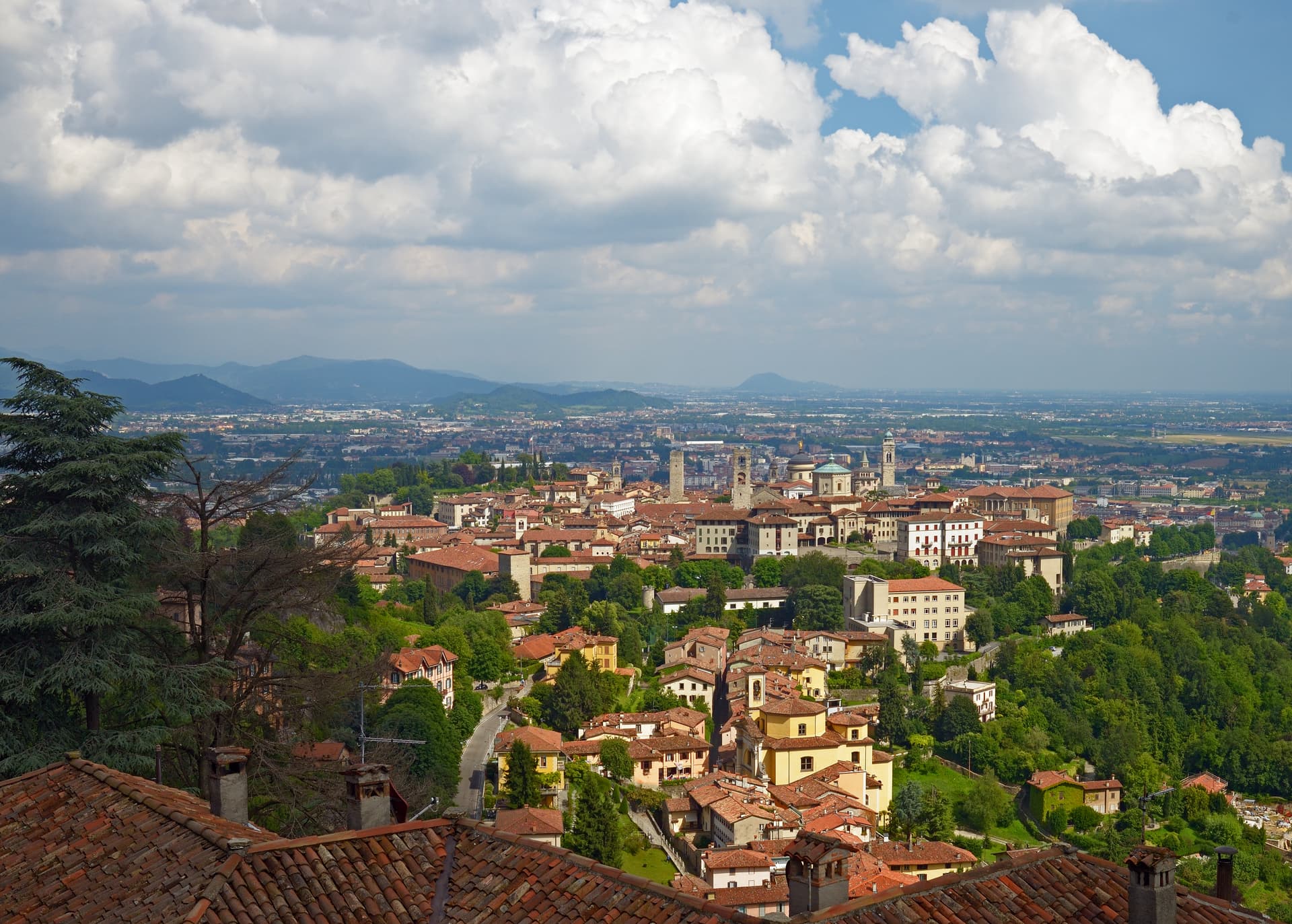
A two-city Lombard capital where a Venetian walled hilltown sits 85 meters above its modern twin on the plain, 45 kilometers northeast of Milan.
Gorgonzola
Province: Milano
The town that gave its name to the cheese — a 21,000-resident commune on the Naviglio della Martesana 24 km east of Milan, the documented birthplace of Gorgonzola DOP since AD 879 and now the eastern terminus of Milan's M2 metro line, with a Greenways cycling-route signal along the canal.
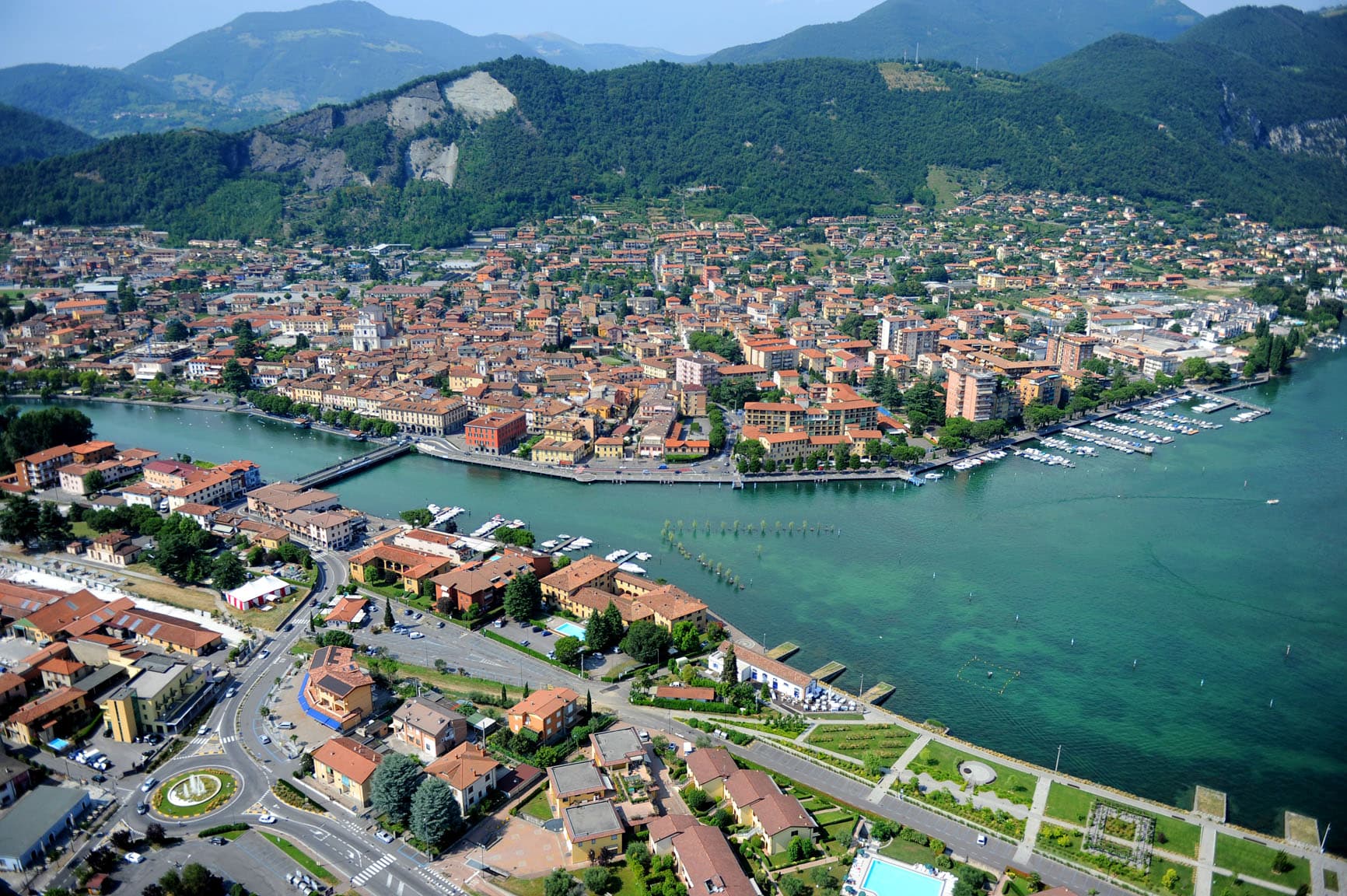
Sarnico
Province: Bergamo
A medieval lake town at the southern tip of Lago d'Iseo, where the Oglio leaves the lake and Liberty villas line the shore.
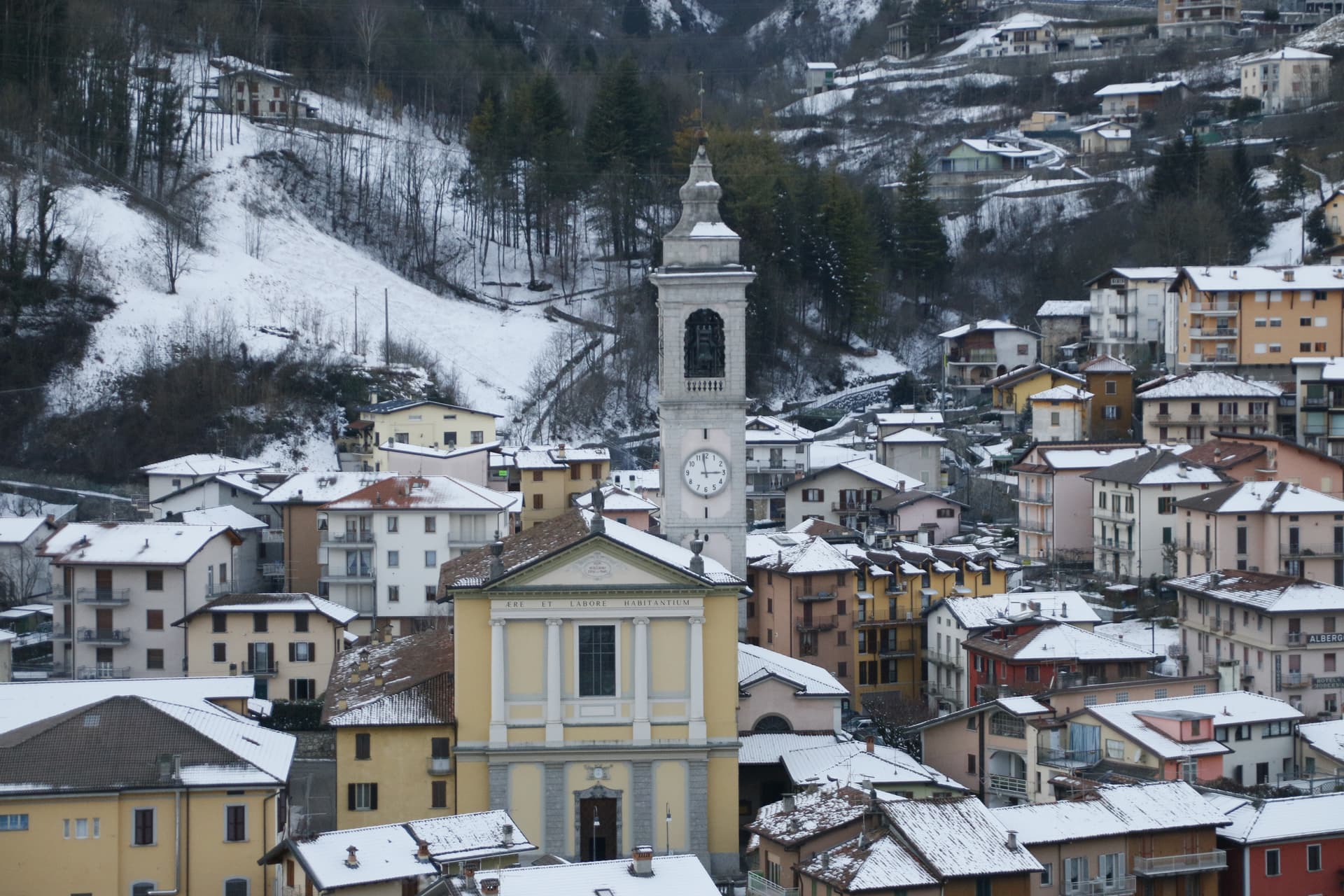
San Pellegrino Terme
Province: Bergamo
A Liberty-era spa town in the Val Brembana — home of the San Pellegrino mineral water and a complete Art Nouveau ensemble of Grand Hotel, Casinò and thermal baths built between 1899 and 1907 around the original sulfur springs.
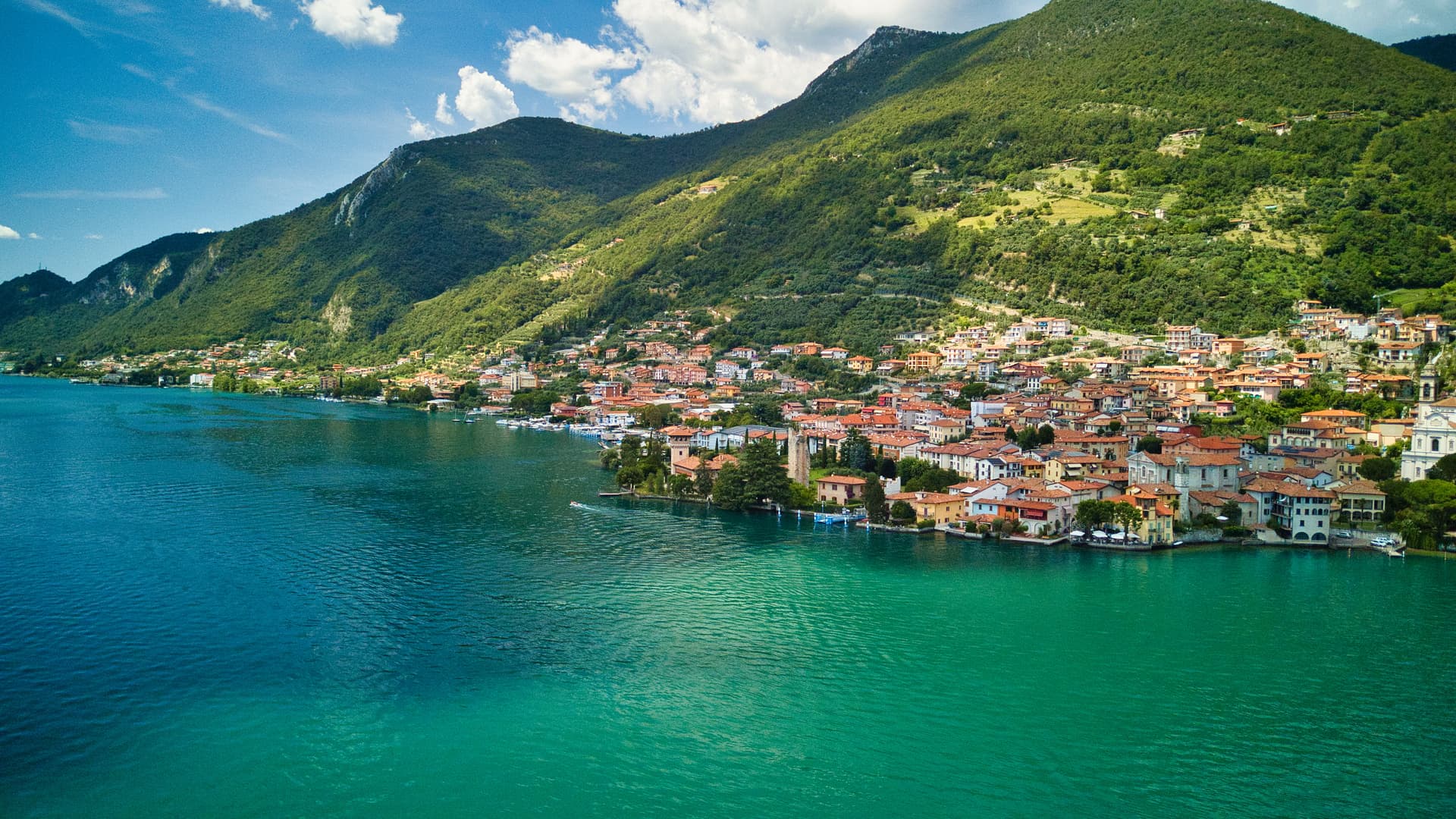
Predore
Province: Bergamo
A small lakeside village on the Bergamo shore of Lake Iseo, sitting on a 15,000-square-meter Roman villa with intact thermal baths underneath.
🏛️ UNESCO
More UNESCO towns in Lombardy
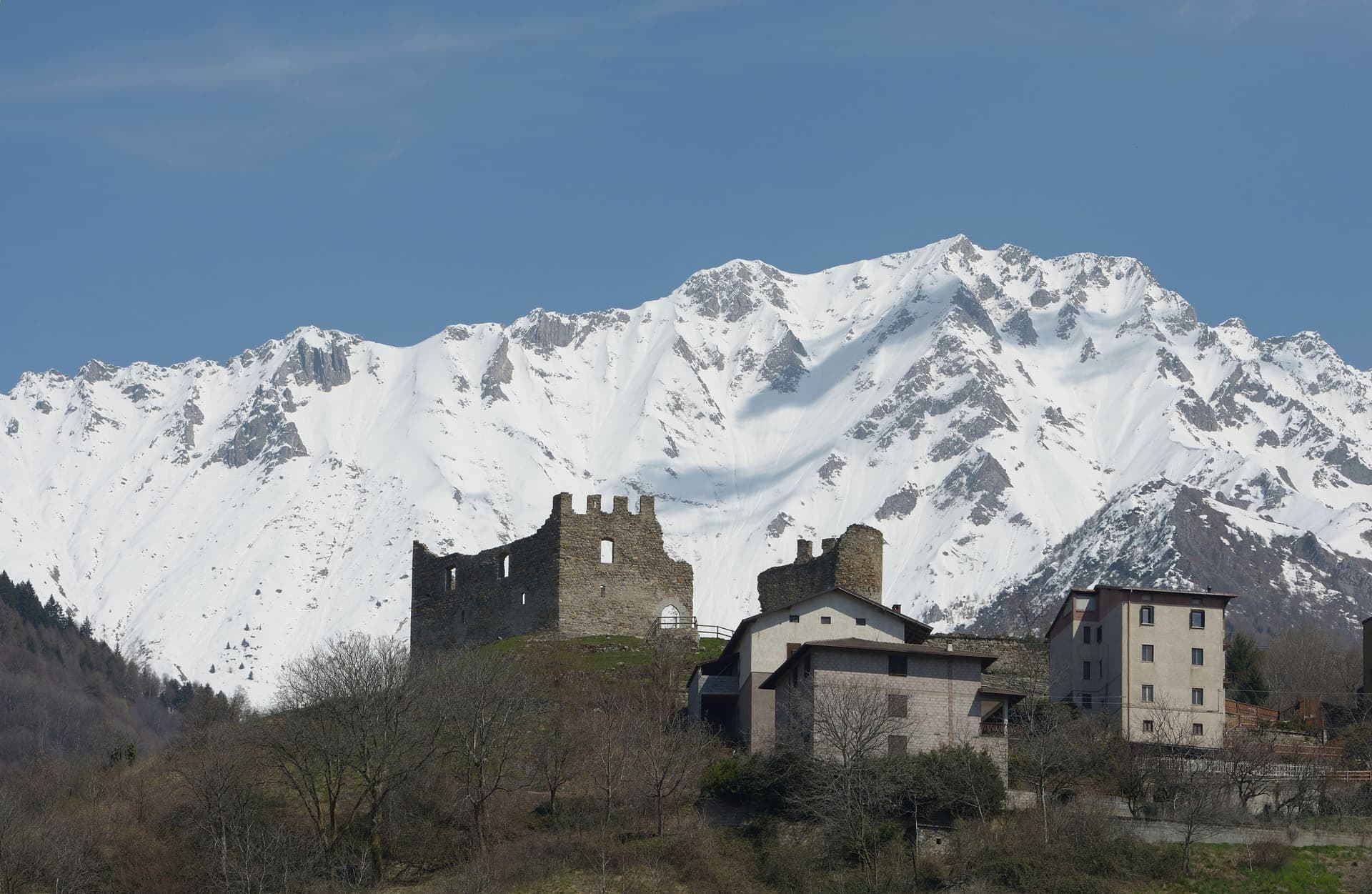
Cimbergo
Province: Brescia
A village of 533 at 851 meters above the Oglio, with castle ruins on a spur and UNESCO petroglyphs on the slopes below.
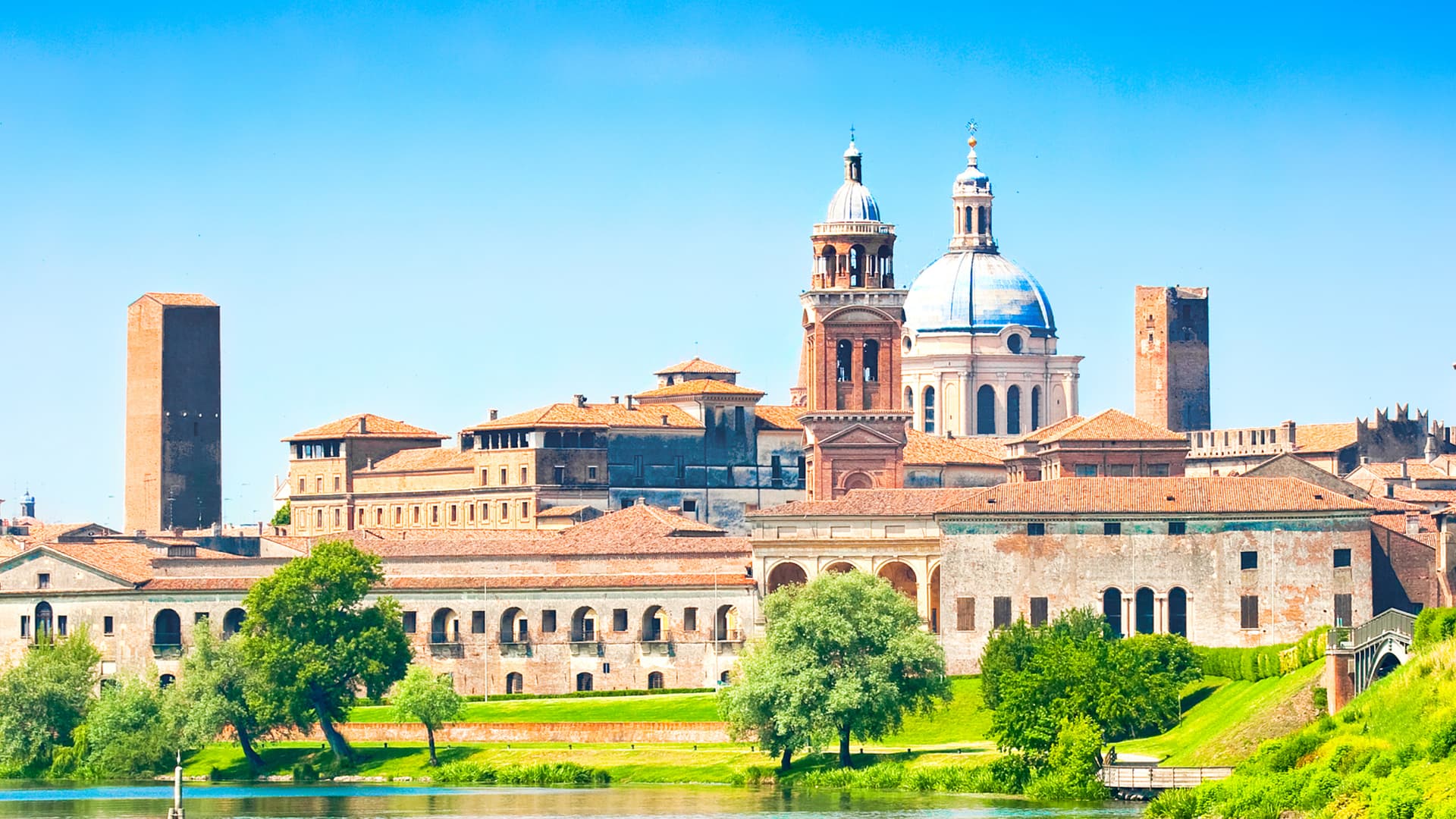
Mantova
Province: Mantova
A Gonzaga capital at 19 meters, encircled on three sides by lakes the Mincio formed in the twelfth century, UNESCO-listed together with Sabbioneta since 2008.
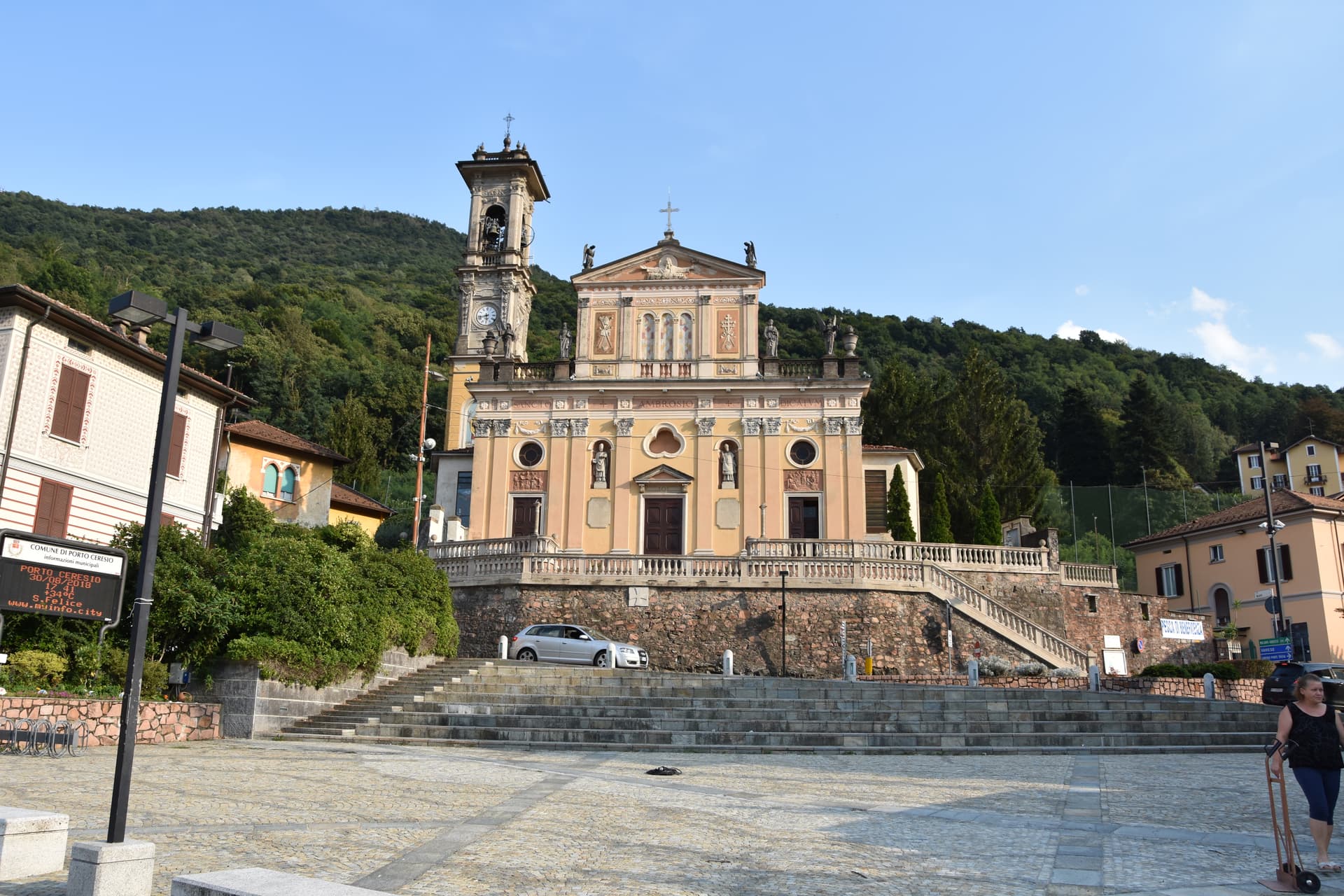
Porto Ceresio
Province: Varese
The Italian port at the southern end of Lake Lugano, where the Swiss border runs through the water below Monte San Giorgio.
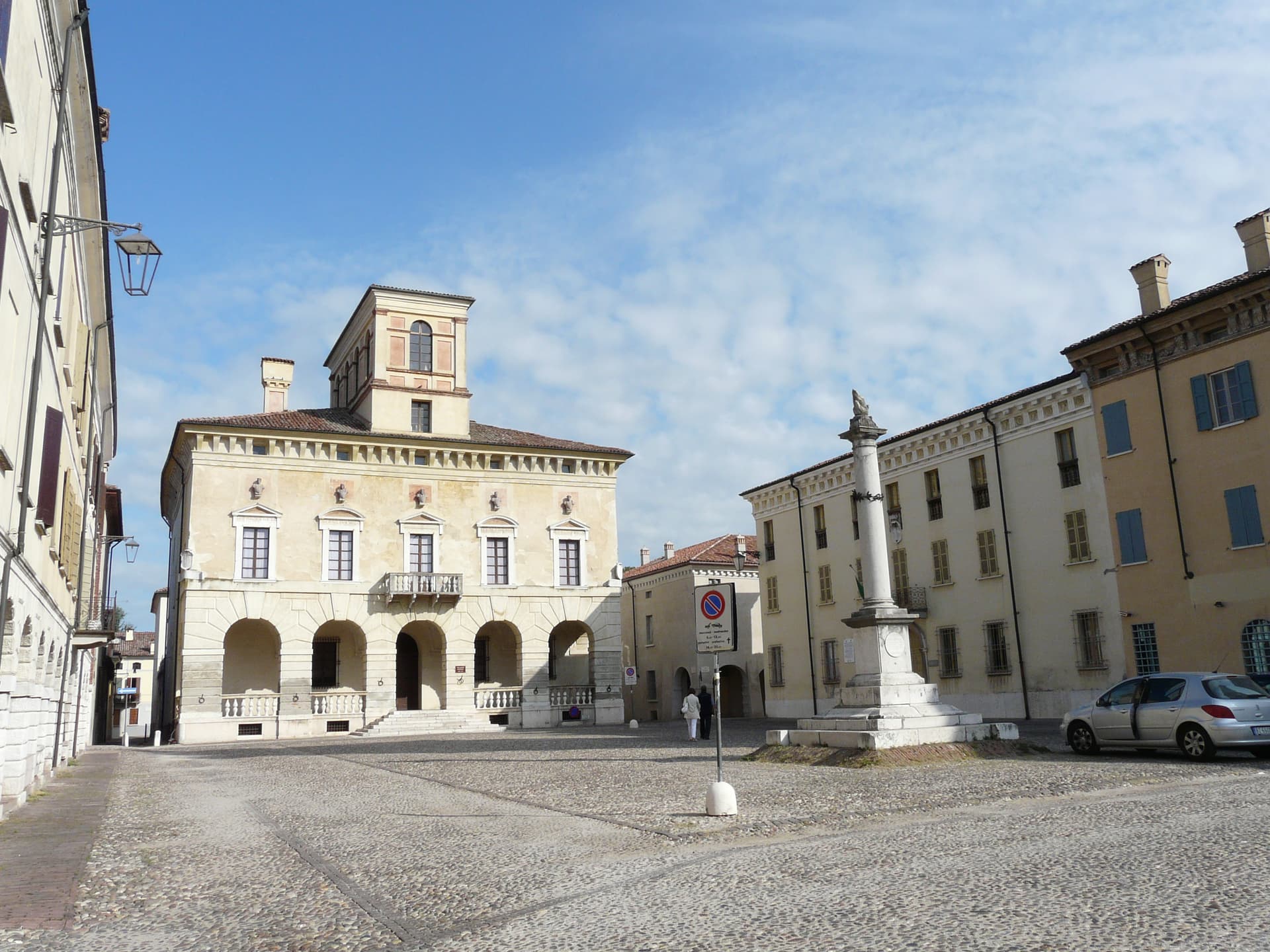
Sabbioneta
Province: Mantova
A Renaissance ideal city on the Po, built in thirty years by Vespasiano I Gonzaga and laid out as a six-pointed star.
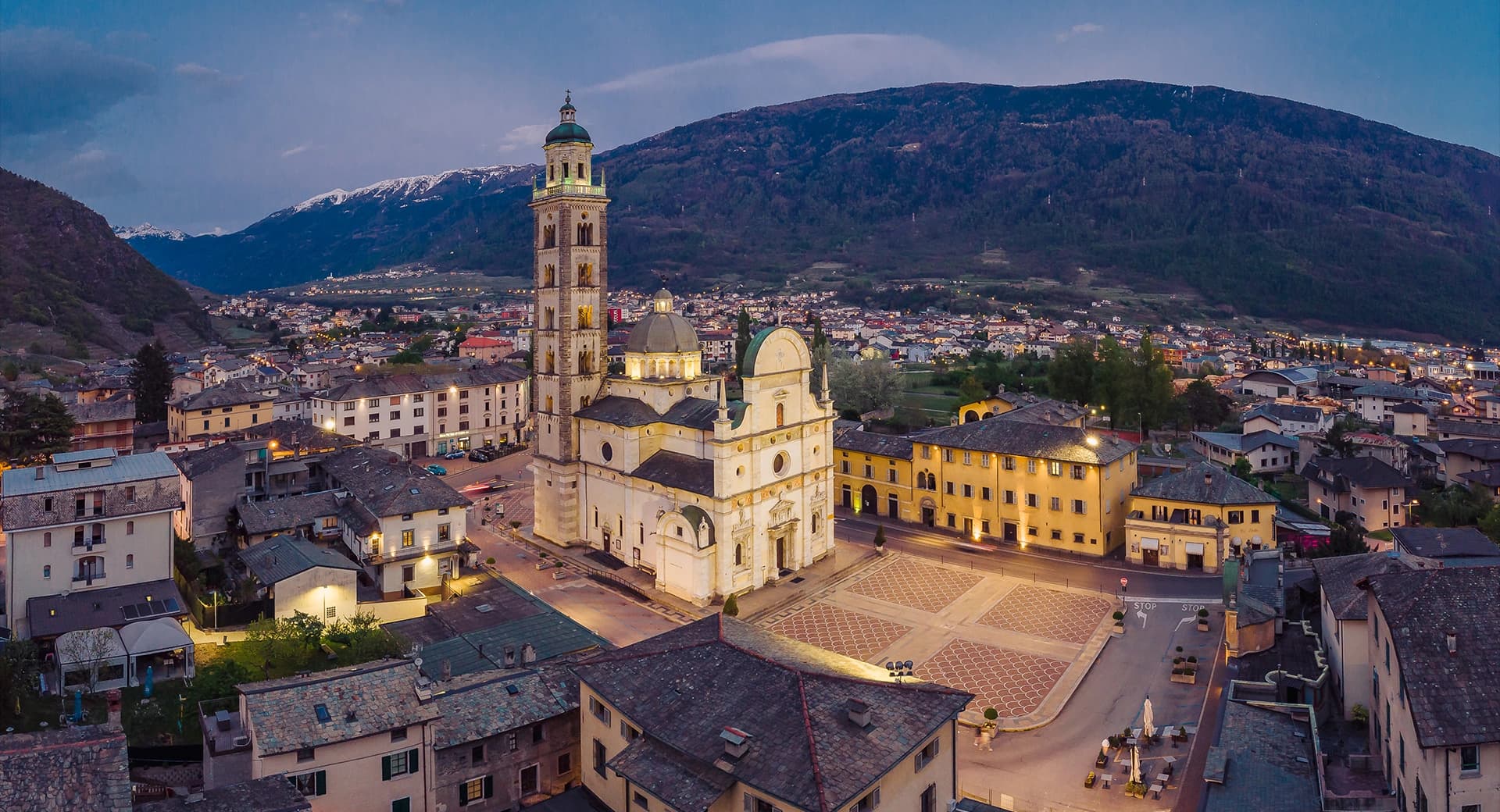
Tirano
Province: Sondrio
A Valtellina town at 441 meters where the Bernina railway from St Moritz reaches Italy, beneath terraced Nebbiolo vineyards.