

Lombardy · Sondrio
Tirano
A Valtellina town where the Bernina railway from St Moritz reaches Italy, beneath terraced Nebbiolo vineyards.
Known for
BERNINA RAILWAY
Rhaetian Railway line opened in 1910, UNESCO World Heritage since 2008, climbing from Tirano at 441 meters to 2,253 meters at the Bernina Pass.
MADONNA DI TIRANO
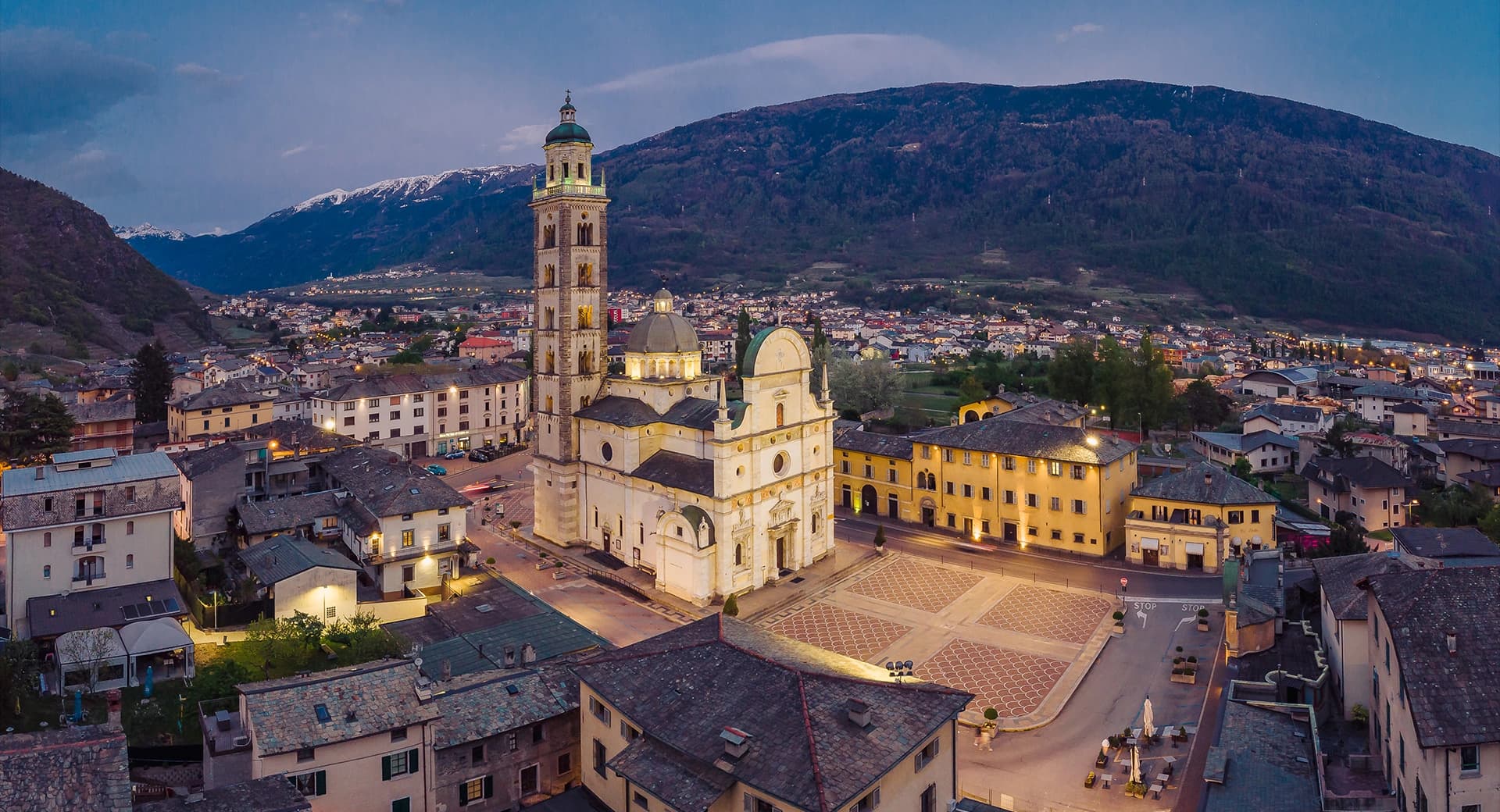
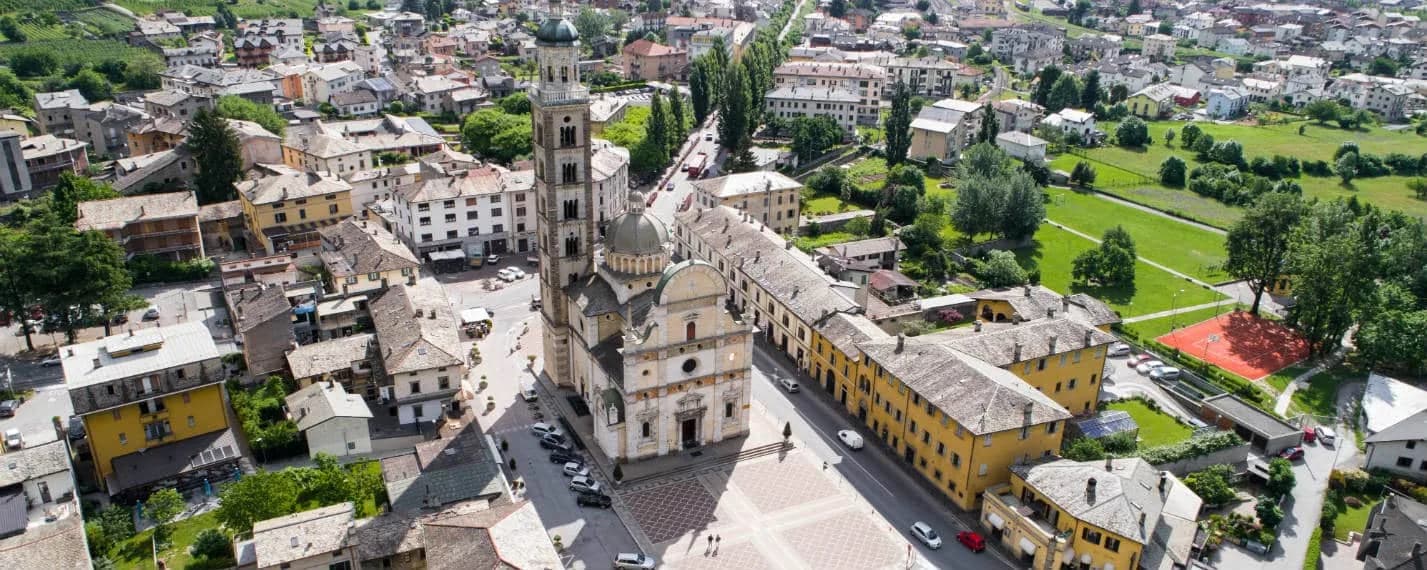
Renaissance basilica built from 1505 on the site of the 1504 Marian apparition, with the largest Renaissance organ in the Valtellina.
VALTELLINA SUPERIORE
DOCG Nebbiolo (Chiavennasca) red wine grown on the stone-terraced south-facing slopes above the Adda, with sub-zones Inferno, Sassella and Grumello.
When to visit
Best · May–Oct
- J
- F
- M
- A
- M
- J
- J
- A
- S
- O
- N
- D
- Best
- Hot or crowded
- Quiet
- Mostly closed
The festa: Martino di Tours, 11 November
Why come
Tirano sits in the upper Valtellina, twenty-five kilometers east of Sondrio and a few kilometers south of the Swiss border at Campocologno. The Orobie chain rises behind it to the south, the Bernina massif to the north. On 29 September 1504 a local named Mario Omodei reported a Marian apparition; the plague that was killing the town stopped, and on 25 March 1505 the foundation stone was laid for the Santuario della Madonna di Tirano.
The basilica is the most important Renaissance building in the Valtellina, with a colossal organ from 1608 by Giuseppe Bulgarini whose carved case fills the west end. Behind it, the Bernina railway, opened in 1910 by the Rhaetian Railway and inscribed by UNESCO in 2008 together with the Albula line, climbs to 2,253 meters over the Bernina Pass to reach St Moritz. The town carries Cittaslow status and produces Valtellina Superiore DOCG Nebbiolo and bresaola IGP on the surrounding terraces.
The Sunday letter
We haven’t written Tirano’s letter yet.
One town every Sunday, with the photo, the food, the festa. Be there when this one comes up. Free, by Peter & Sophia from Pietrasanta.
By subscribing you agree to Substack’s Terms of Use, our Privacy Policy and our Information collection notice.
What to see
Santuario della Madonna di Tirano
Renaissance basilica begun in 1505 on the site of the 1504 Marian apparition, with a 1608 carved organ by Giuseppe Bulgarini of Brescia.
Bernina railway terminal
Italian end of the Rhaetian Railway's Bernina line, UNESCO World Heritage since 2008, rising to 2,253 meters over the Bernina Pass to St Moritz.
Centro storico
Medieval Tirano along the Adda, with Palazzo Salis, Palazzo Pievani-Visconti Venosta and the stone bridges between the lower and upper town.
Palazzo Salis
Sixteenth- and seventeenth-century Salis family palace, with frescoed rooms and a formal garden, now a hotel-museum in the centro storico.
Terrazzamenti viticoli
Stone-walled terraced vineyards on the slope above the town, producing Valtellina Superiore DOCG from Nebbiolo (locally Chiavennasca).
The slow-trip planner
Building a trip? Find where Tirano fits in a slow Italy circuit.
Answer five questions. We will shape a geographically coherent slow trip from the 1,000 Italian towns most travelers skip. Yours to save and share.
Living here
- Population 8,828
- In-betweeni
- Pharmacy in town
- High school within a 30-minute drive
- Train station in the comune
- Nearest airport Milan, 2 h 23 min drive
- Regional capital Milano, 2 h 46 min drive
Tags & datadesignations · numbers · sources
Recognised as
The numbers
- Elevation: 441 m
- Population: 8,828
- Surface area: 32.37 km²
These figures were compiled from public directories — ISTAT, OpenStreetMap, Wikidata — and from the official listings of the guides named on this page. Town details change; verify with official sources before you travel.
Close by
More towns near Tirano
Sondrio
Province: Sondrio
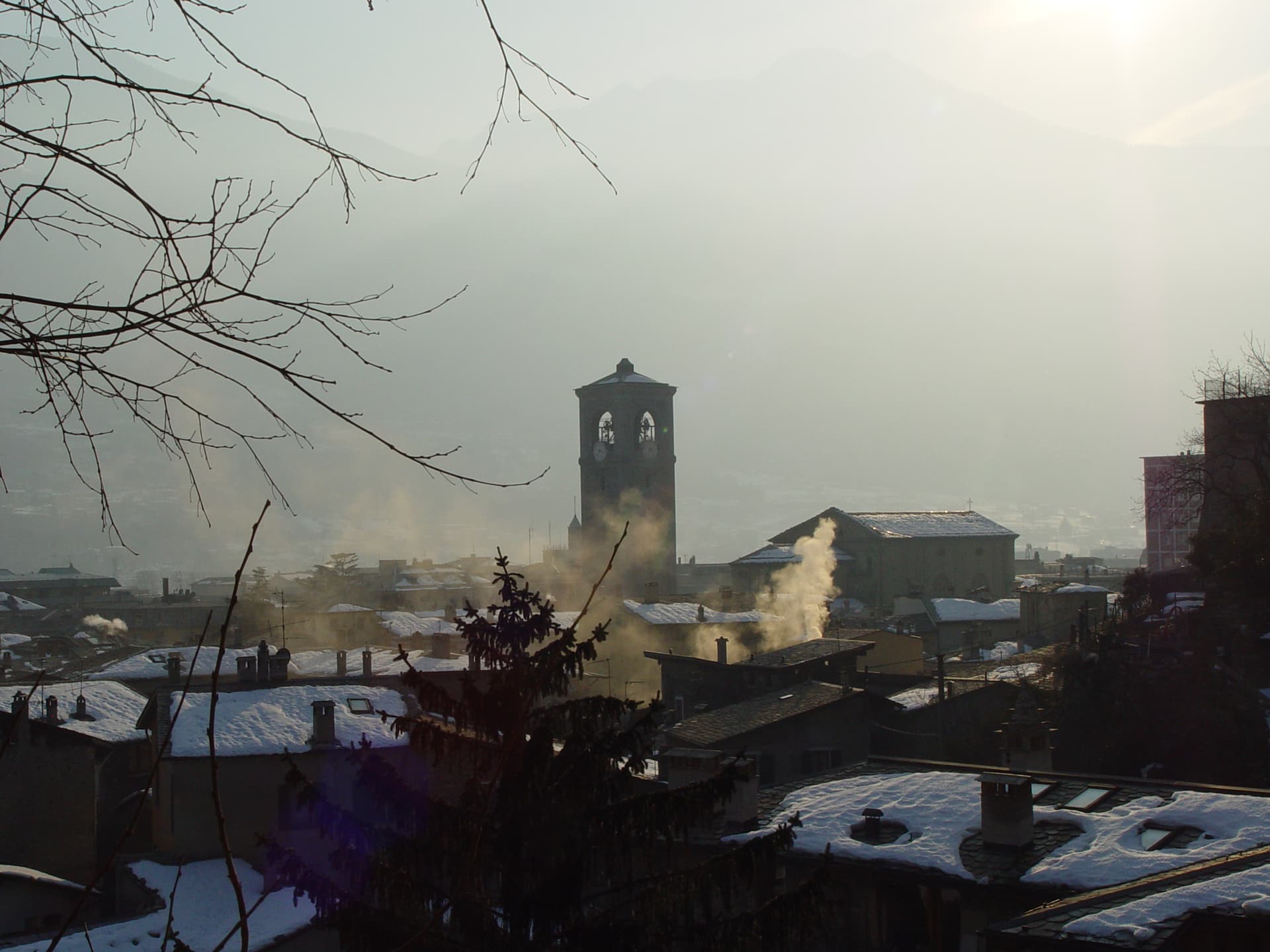
The capital of Valtellina at 307 meters, where Castel Masegra watches over terraced vineyards that produce Sassella and Grumello Nebbiolo.
Bormio
Province: Sondrio
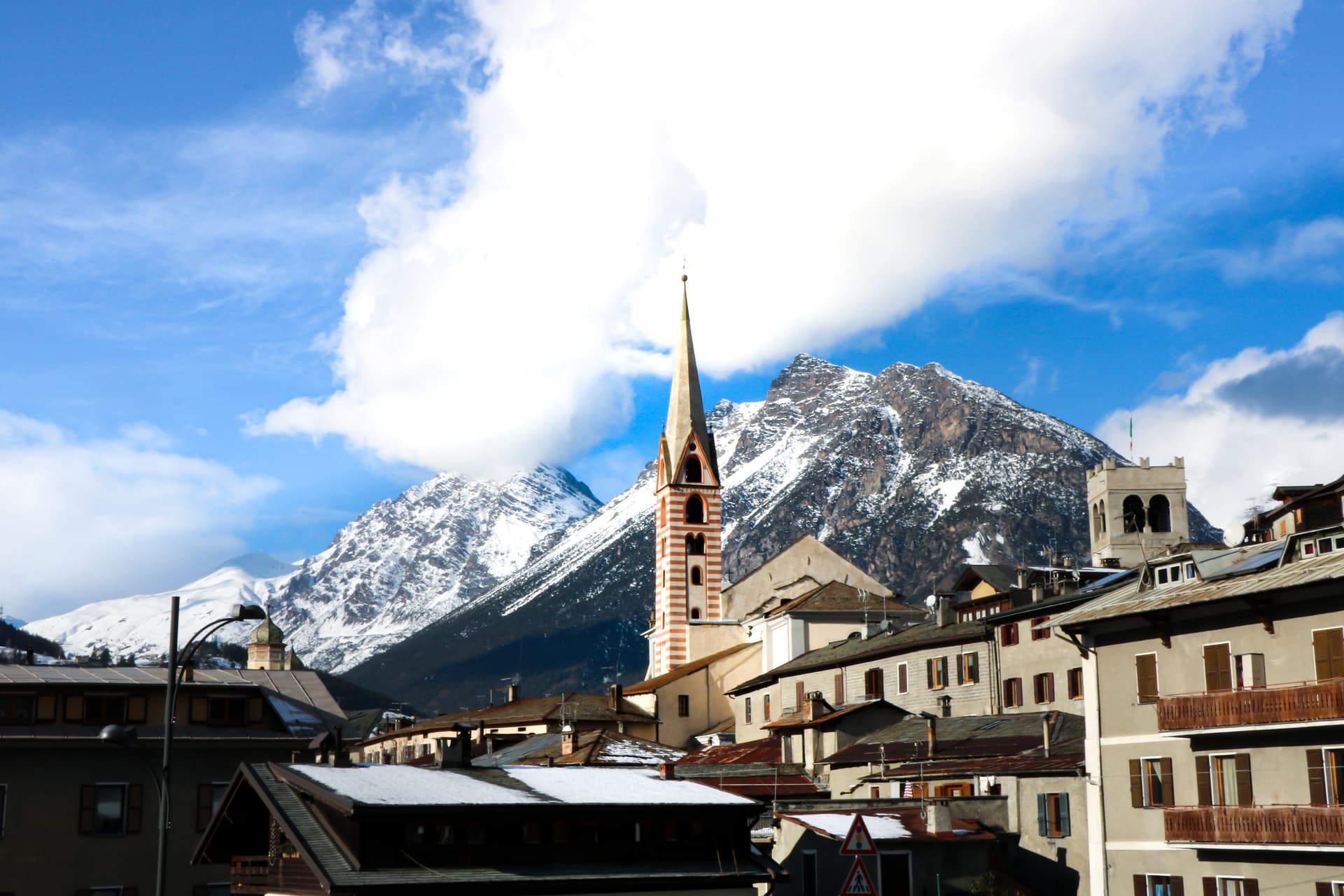
An Alpine spa town at 1,225 meters where three high passes meet and Roman thermal water has fed the baths for two thousand years.
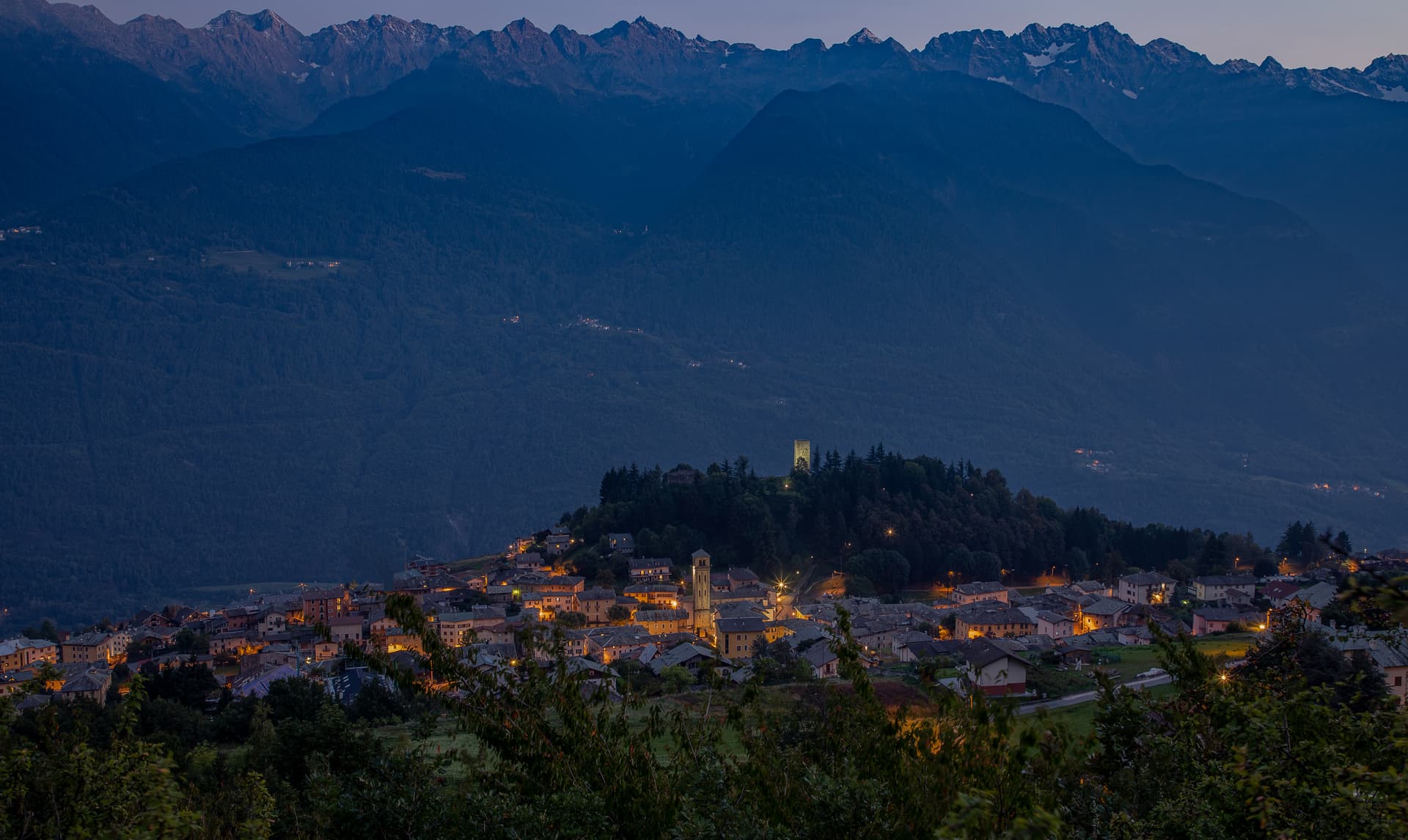
Teglio
Province: Sondrio
A Valtellina hilltown at 856 metres that gave its name to the whole valley (Vallis Tellina = Val di Teglio), home of the Renaissance Palazzo Besta with its frescoed Italian-Renaissance cycles, and the official birthplace of pizzoccheri pasta — recognised by the Accademia del Pizzocchero.
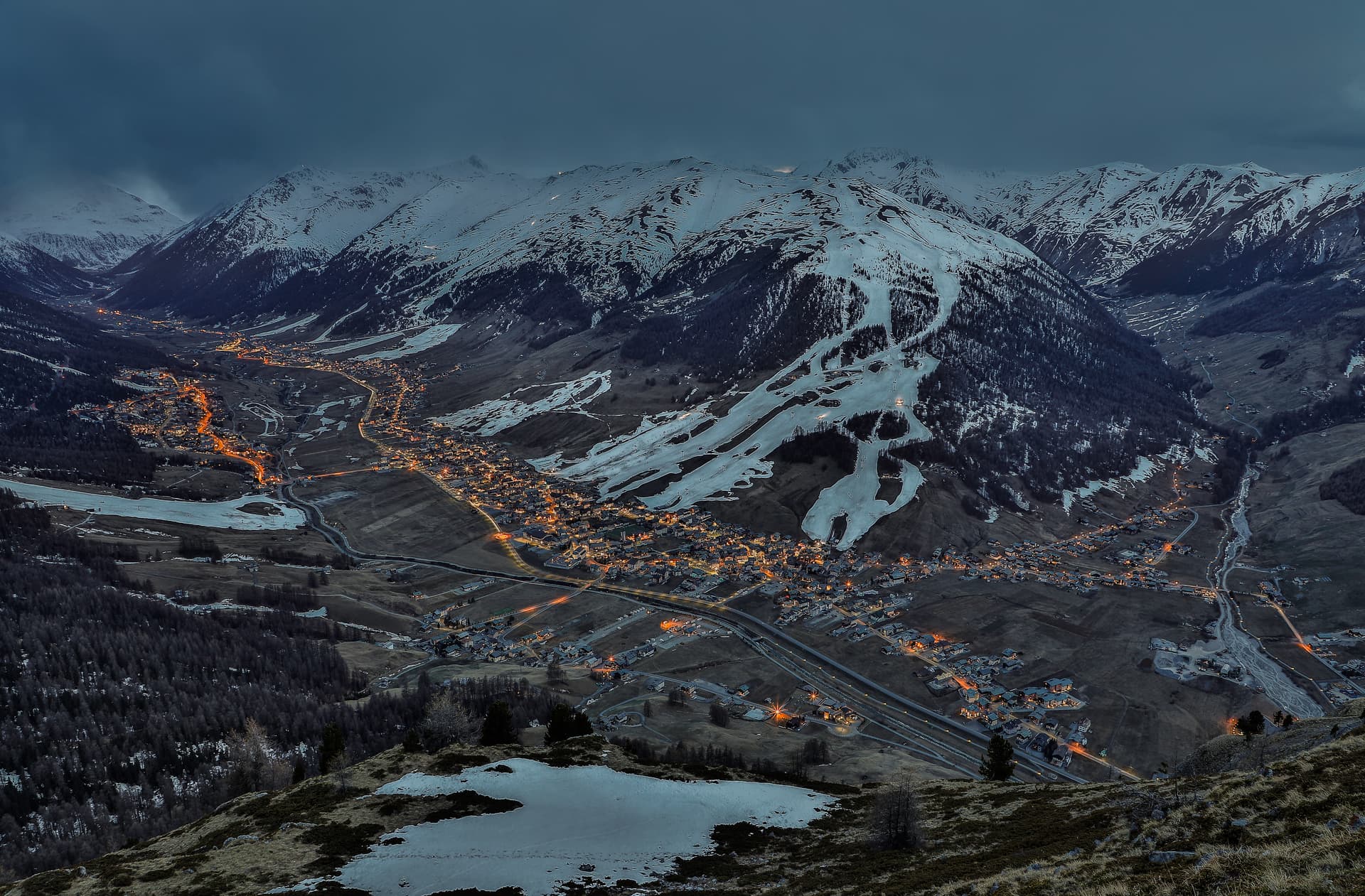
Livigno
Province: Sondrio
At 1,816 meters in the Italian Alps near the Swiss border, a duty-free ski valley that drains north into the Black Sea, not the Mediterranean.
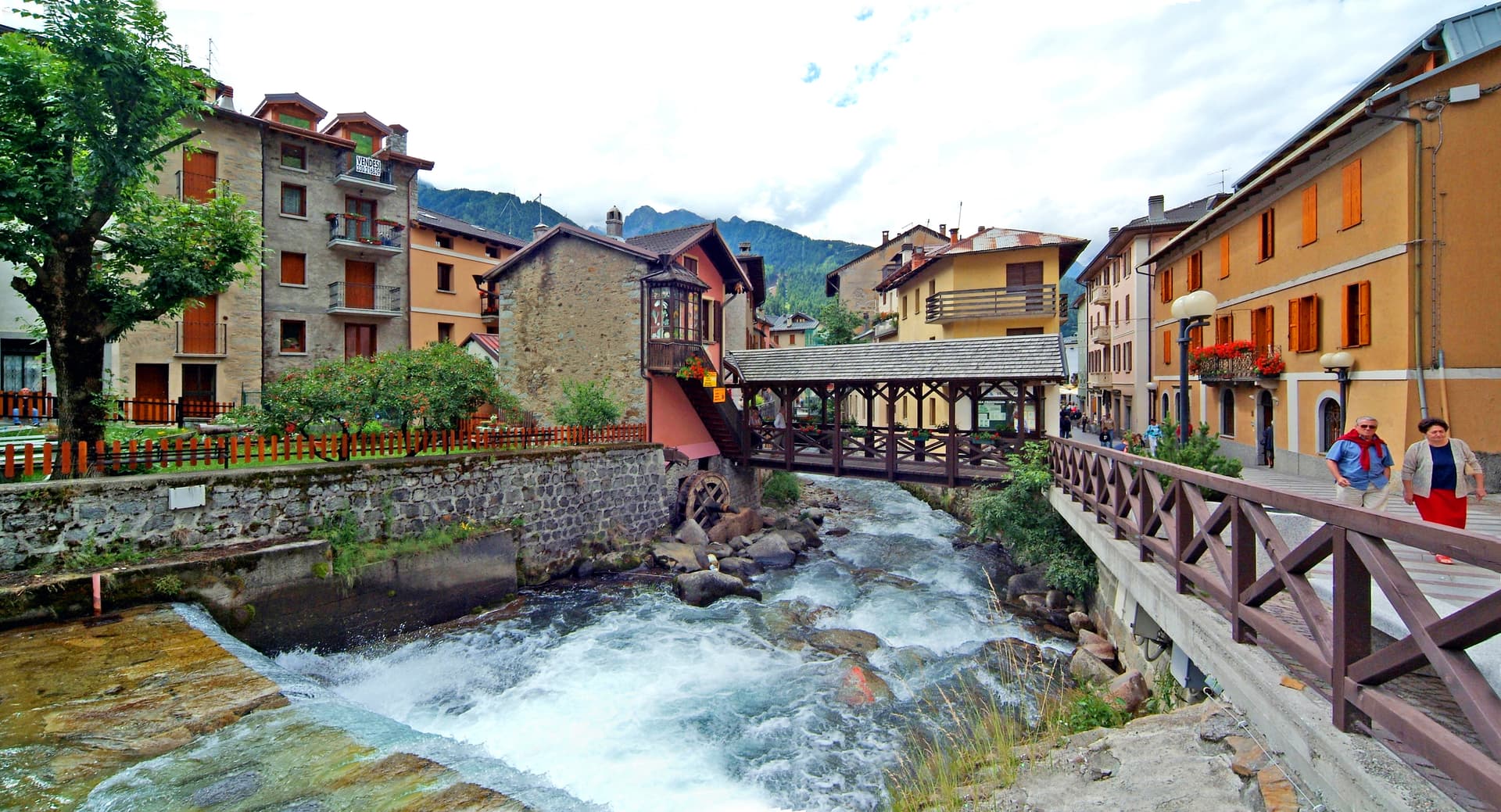
Ponte di Legno
Province: Brescia
The uppermost commune of Valle Camonica at 1,257 meters, where the two source streams of the Oglio meet under the Adamello range.
🏛️ UNESCO
More UNESCO towns in Lombardy
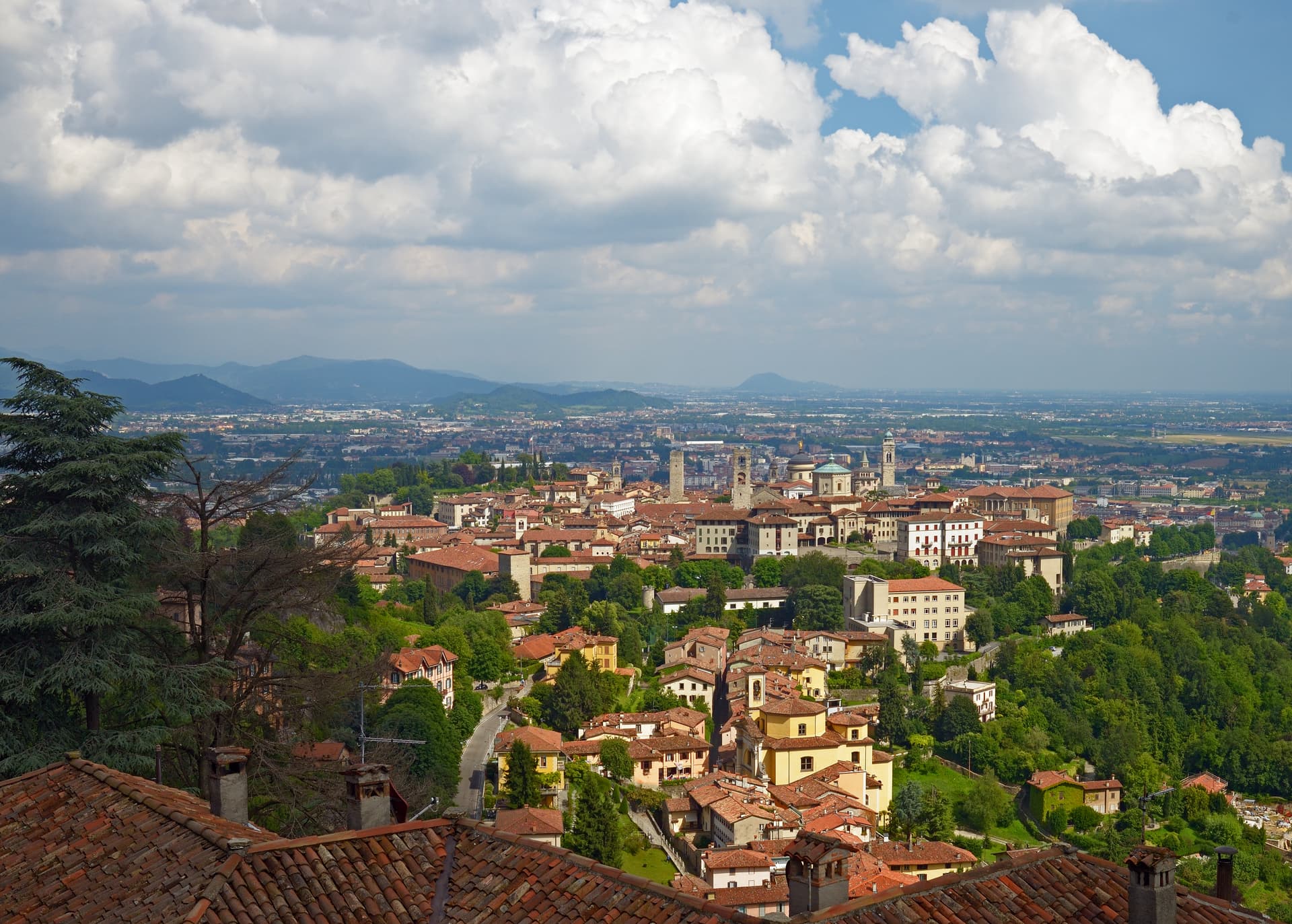
Bergamo
Province: Bergamo
A two-city Lombard capital where a Venetian walled hilltown sits 85 meters above its modern twin on the plain, 45 kilometers northeast of Milan.
Capriate San Gervasio
Province: Bergamo
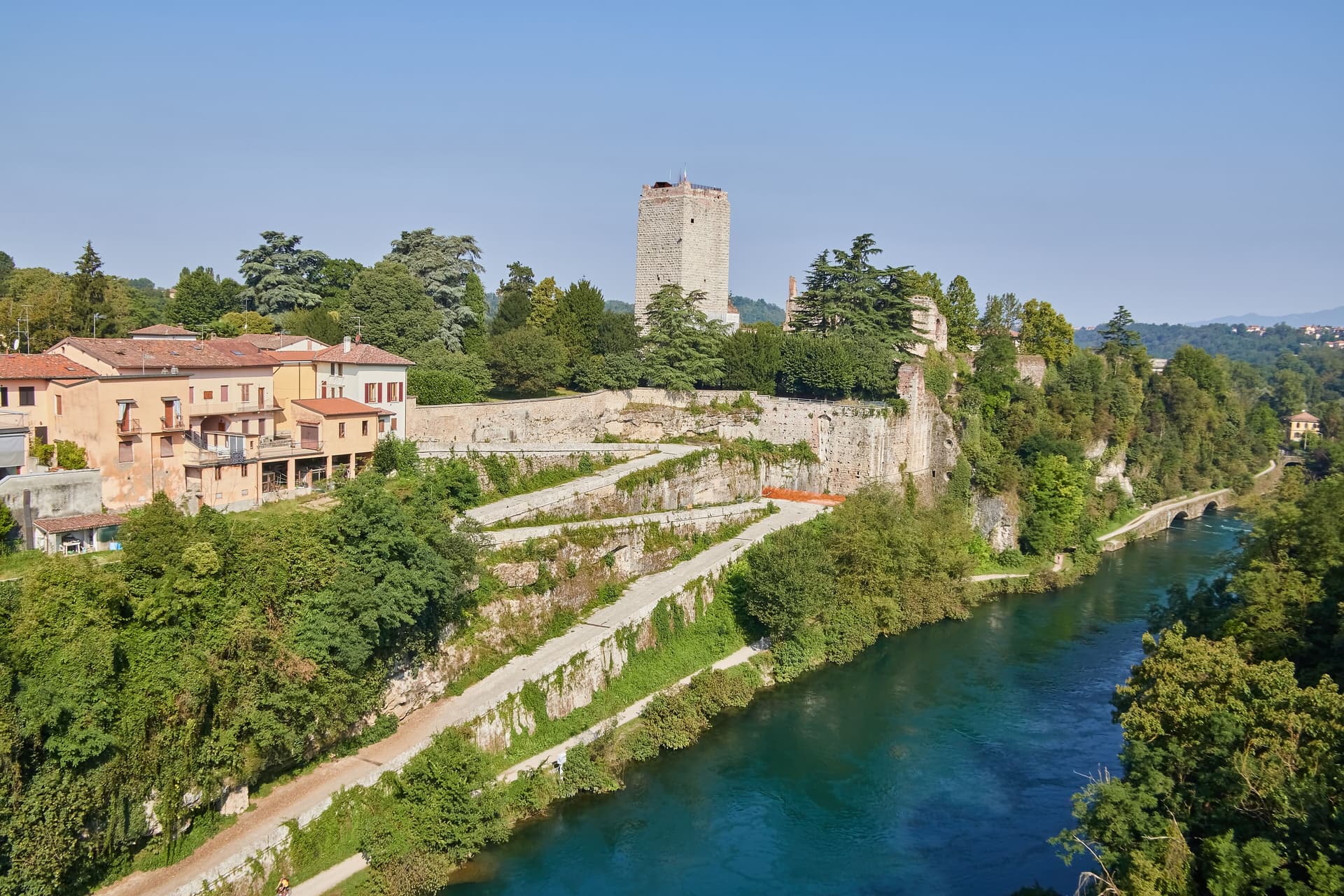
The Bergamasco town that holds Crespi d'Adda, the late-nineteenth-century company village inscribed by UNESCO in 1995 as a model workers' settlement.
Cimbergo
Province: Brescia
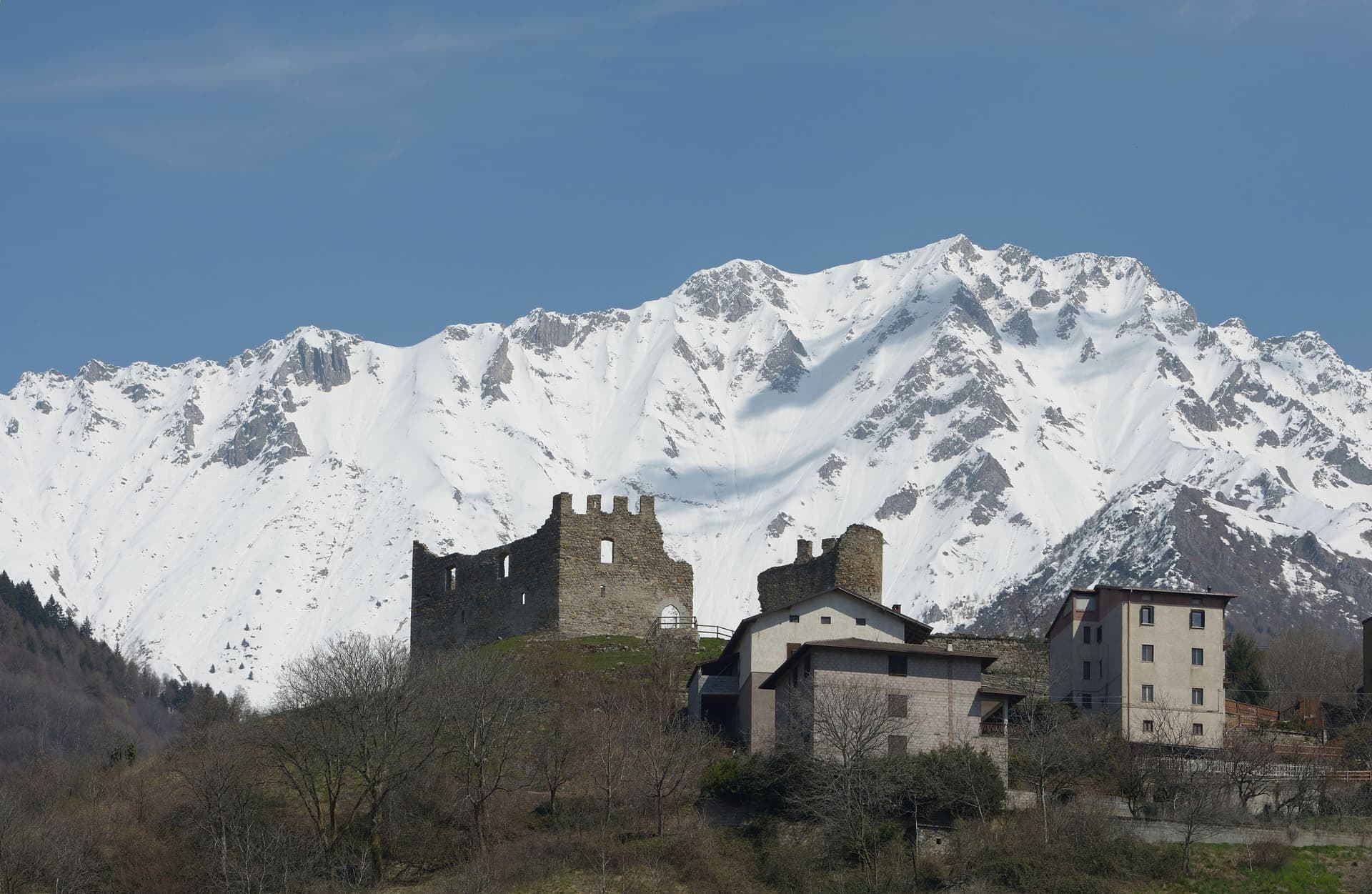
A village of 533 at 851 meters above the Oglio, with castle ruins on a spur and UNESCO petroglyphs on the slopes below.
Mantova
Province: Mantova
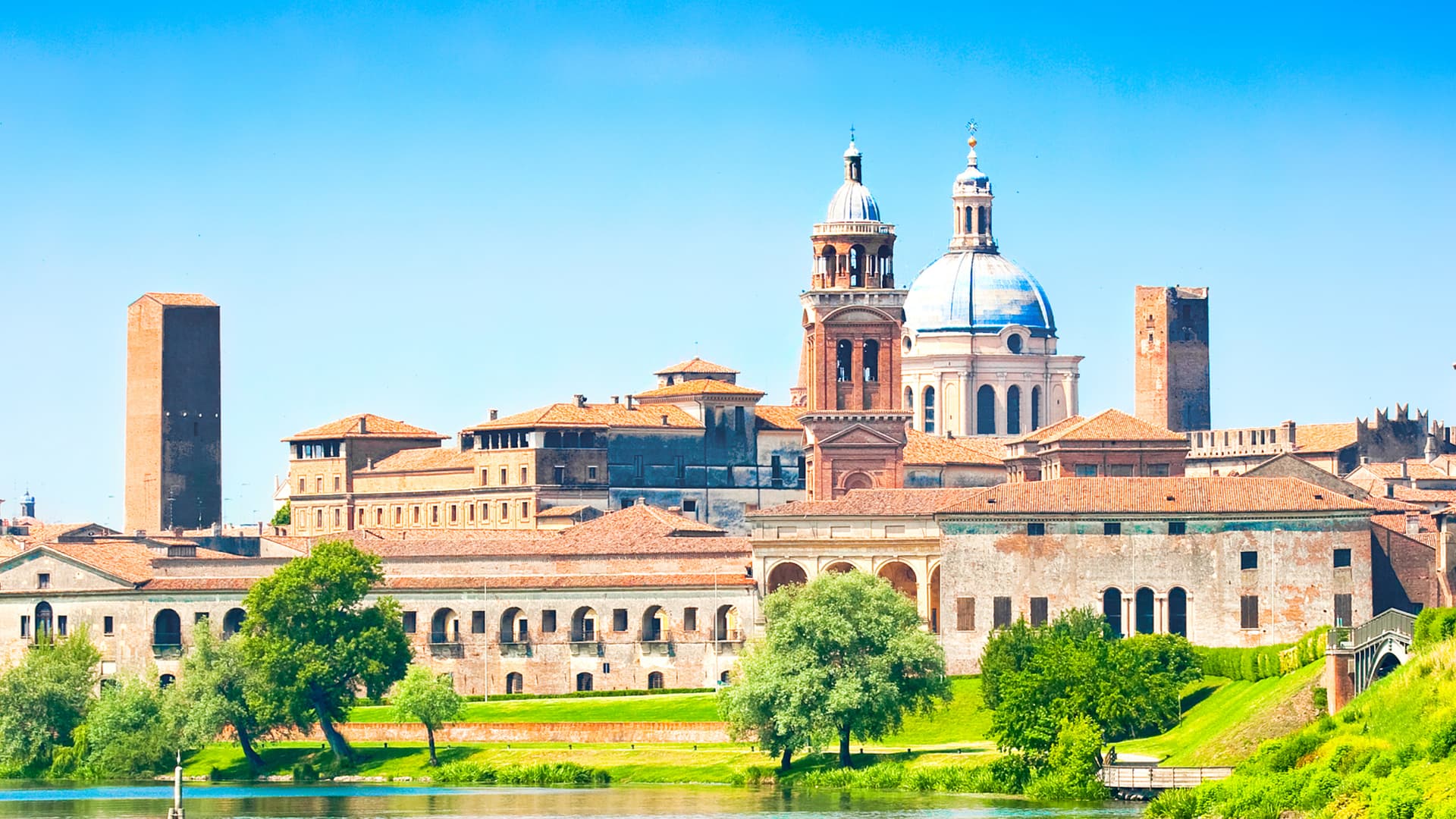
A Gonzaga capital at 19 meters, encircled on three sides by lakes the Mincio formed in the twelfth century, UNESCO-listed together with Sabbioneta since 2008.
Porto Ceresio
Province: Varese
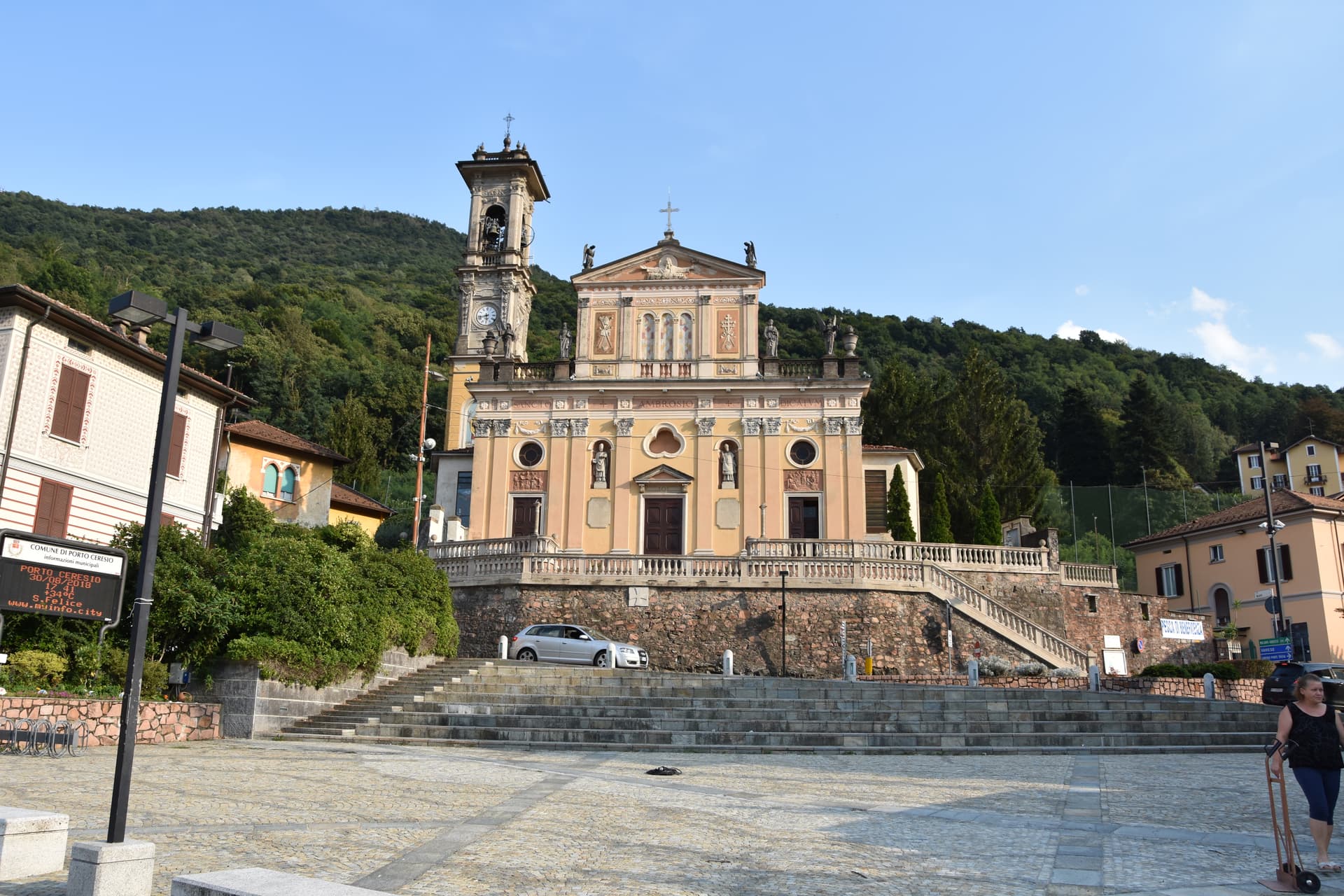
The Italian port at the southern end of Lake Lugano, where the Swiss border runs through the water below Monte San Giorgio.