

Lombardy · Sondrio
Sondrio
The capital of Valtellina, where Castel Masegra watches over terraced vineyards that produce Sassella and Grumello Nebbiolo.
Known for
VALTELLINA NEBBIOLO
Sassella and Grumello vineyards on hand-built terraces above the city, producing the Alps' steepest red wines.
CASTEL MASEGRA
Eleventh-century Capitanei castle on the rock above town, only urban fortress to survive the demolitions of the 1600s.
VALTELLINA CAPITAL
Administrative seat of the province since the Grigioni federation ran the valley from across the Splügen Pass between 1512 and 1797.
When to visit
Best · Apr–Oct
- J
- F
- M
- A
- M
- J
- J
- A
- S
- O
- N
- D
- Best
- Hot or crowded
- Quiet
- Mostly closed
The festa: Gervasio e Protasio, 19 June
Why come
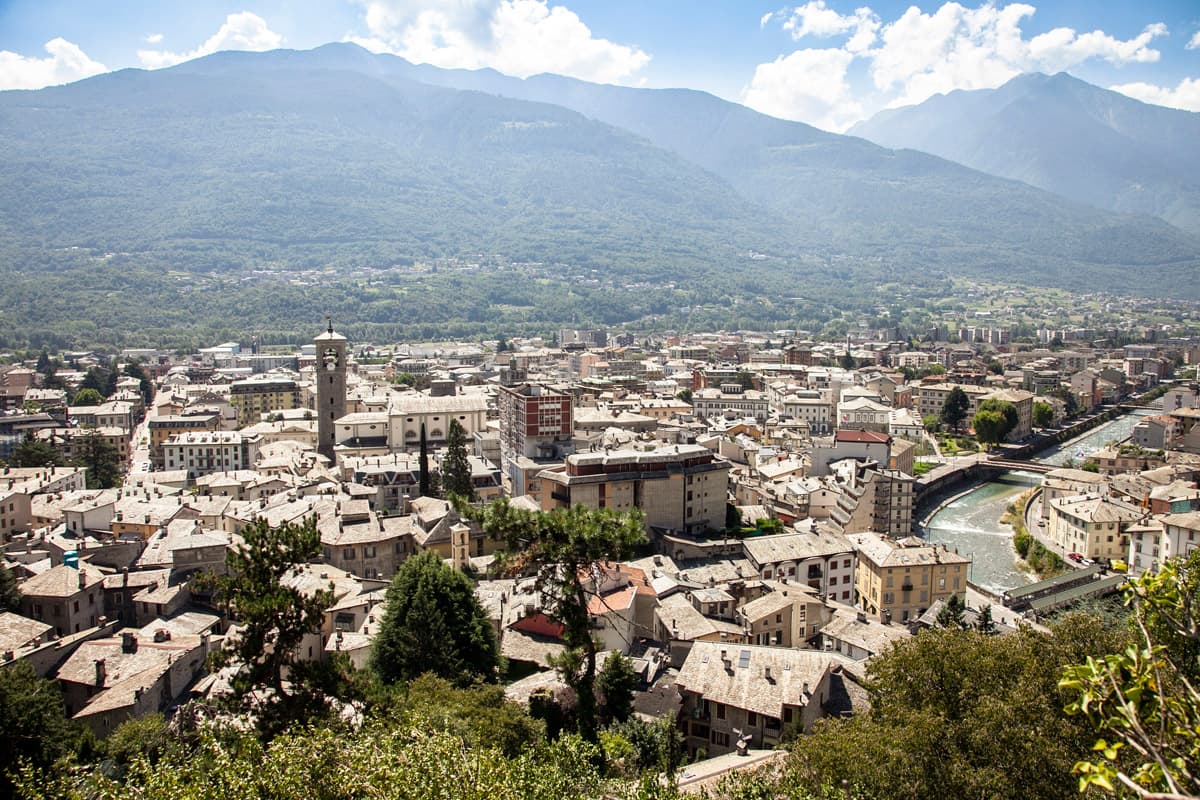
Sondrio sits on the floor of the upper Adda valley, the administrative heart of Valtellina and its terraced wine country. The Romans built a military camp here. The Lombards renamed it Sundrium, meaning the exclusive property of free men.
From the late 16th century until 1797 the city was the capital of Valtellina under the Three Grey Leagues of the Grisons, an Alpine canton across the Splügen Pass that ran the valley from Chur. Castel Masegra, an 11th-century Capitanei stronghold on a rock above the centro storico, is the only urban castle that survived the demolitions of the 17th century and now houses the CAST mountain museum. The terraced vineyards above the city, between 300 and 800 meters, produce Sassella and Grumello, the two Nebbiolo subzones that define Valtellina Superiore DOCG. Most of the work on those terraces is still done by hand.
The Sunday letter
We haven’t written Sondrio’s letter yet.
One town every Sunday, with the photo, the food, the festa. Be there when this one comes up. Free, by Peter & Sophia from Pietrasanta.
By subscribing you agree to Substack’s Terms of Use, our Privacy Policy and our Information collection notice.
What to see
Castel Masegra
Eleventh-century hilltop castle of the Capitanei family, the only urban fortress to survive 17th-century demolitions, now home to the CAST mountain museum.
Collegiata dei Santi Gervasio e Protasio
The town's main church, with a baroque nave and a neoclassical façade, standing at the edge of the old centro.
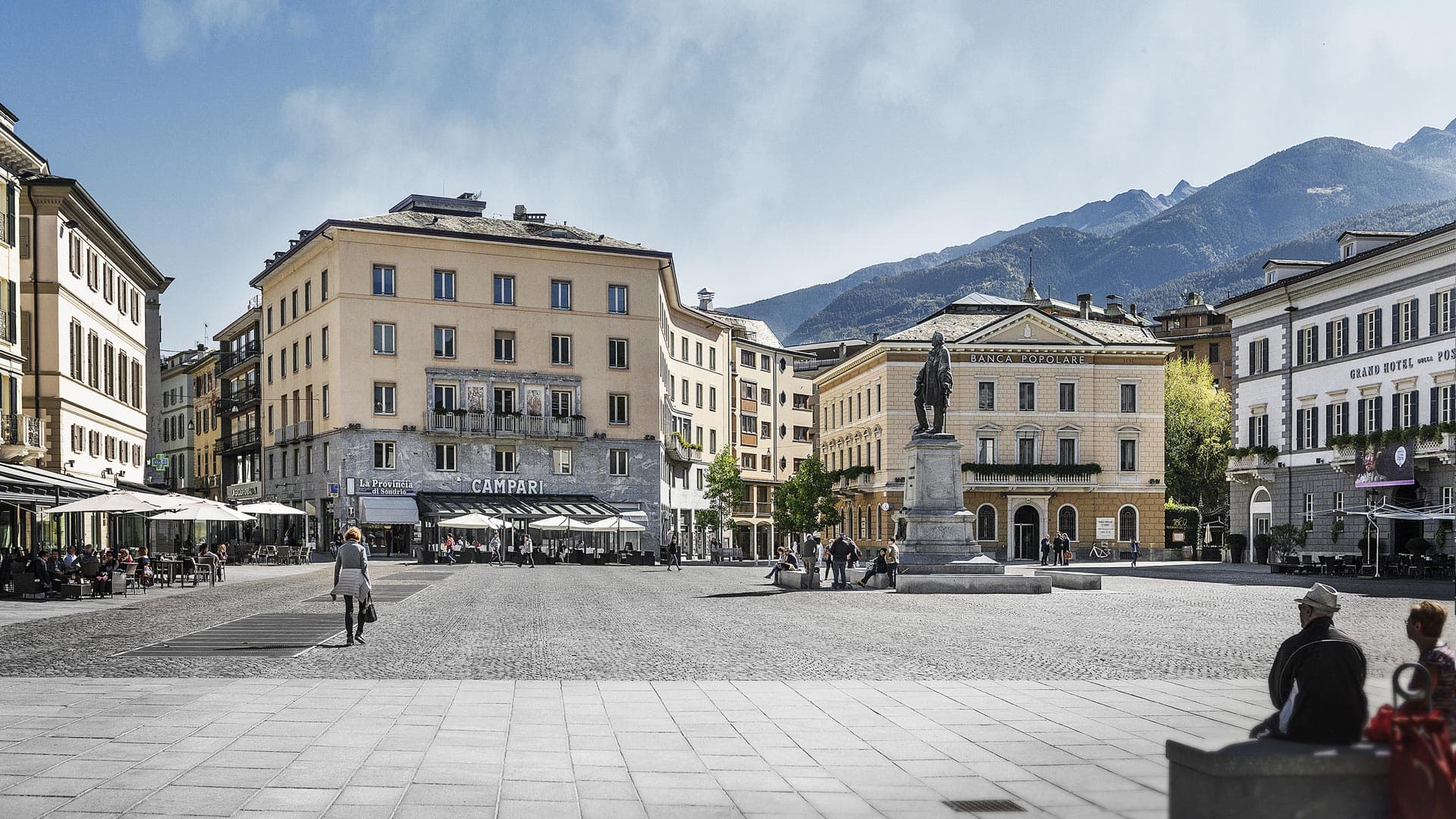
Piazza Garibaldi
The principal square, surrounded by neoclassical buildings, with a central monument to Giuseppe Garibaldi and the city's main cafés and shops.
Palazzo Sertoli
Seventeenth-to-eighteenth-century noble palace on Piazza Quadrivio, known for the trompe-l'oeil and stucco work in its Ballroom.
Sassella vineyards
Terraced Nebbiolo slopes west of the city, 100-150 hectares between 300 and 600 meters, producing the most celebrated Valtellina Superiore subzone.
The slow-trip planner
Building a trip? Find where Sondrio fits in a slow Italy circuit.
Answer five questions. We will shape a geographically coherent slow trip from the 1,000 Italian towns most travelers skip. Yours to save and share.
Living here
- Population 21,066
- A local hubi
- Pharmacy in town
- High school within a 30-minute drive
- Train station in the comune
- Nearest airport Milan, 2 h 16 min drive
- Regional capital Milano, 2 h 17 min drive
Tags & datadesignations · numbers · sources
Recognised as
The numbers
- Elevation: 307 m
- Population: 21,066
- Surface area: 20.88 km²
These figures were compiled from public directories — ISTAT, OpenStreetMap, Wikidata — and from the official listings of the guides named on this page. Town details change; verify with official sources before you travel.
Close by
More towns near Sondrio
Tirano
Province: Sondrio
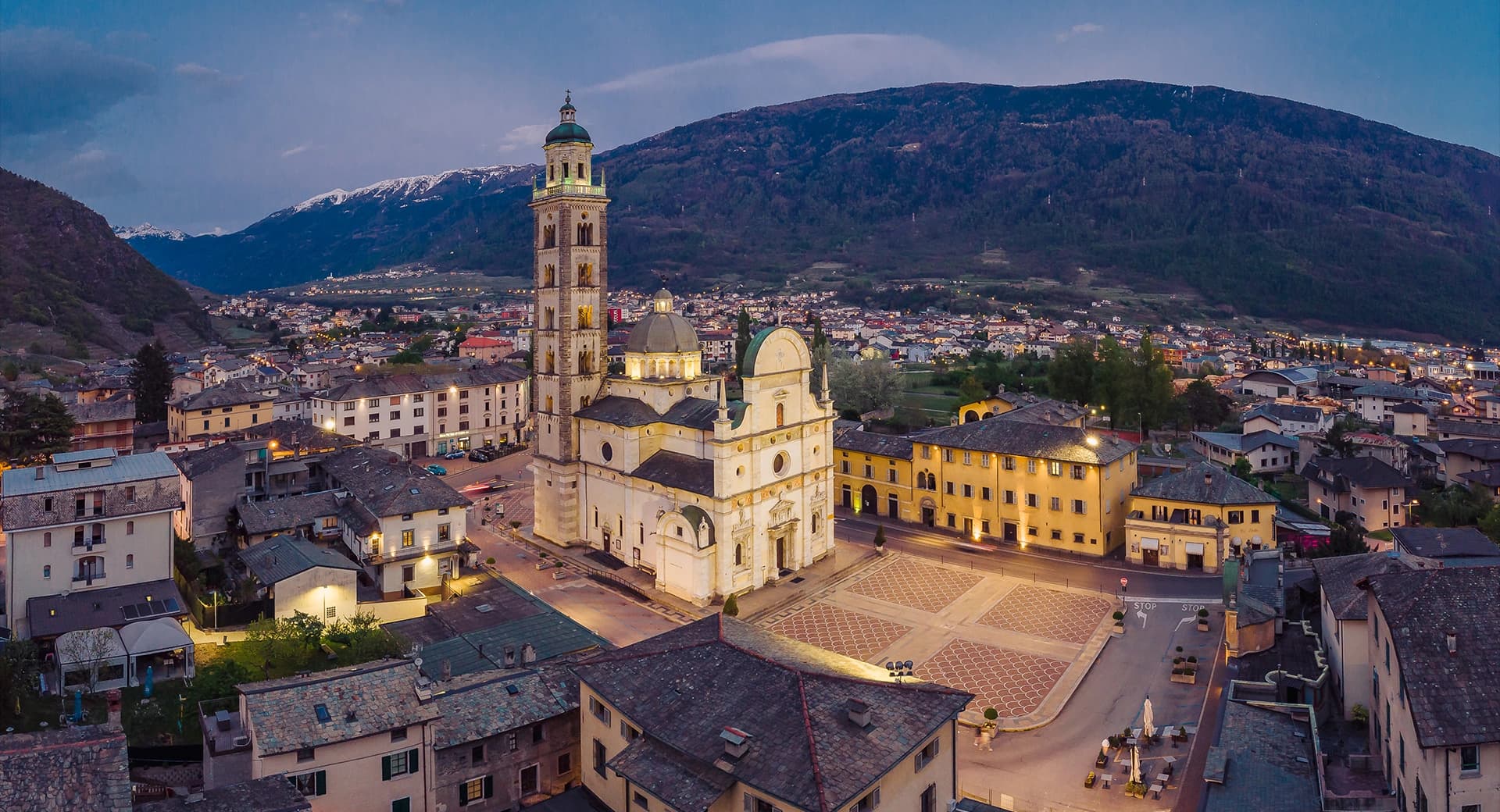
A Valtellina town at 441 meters where the Bernina railway from St Moritz reaches Italy, beneath terraced Nebbiolo vineyards.
Dervio
Province: Lecco
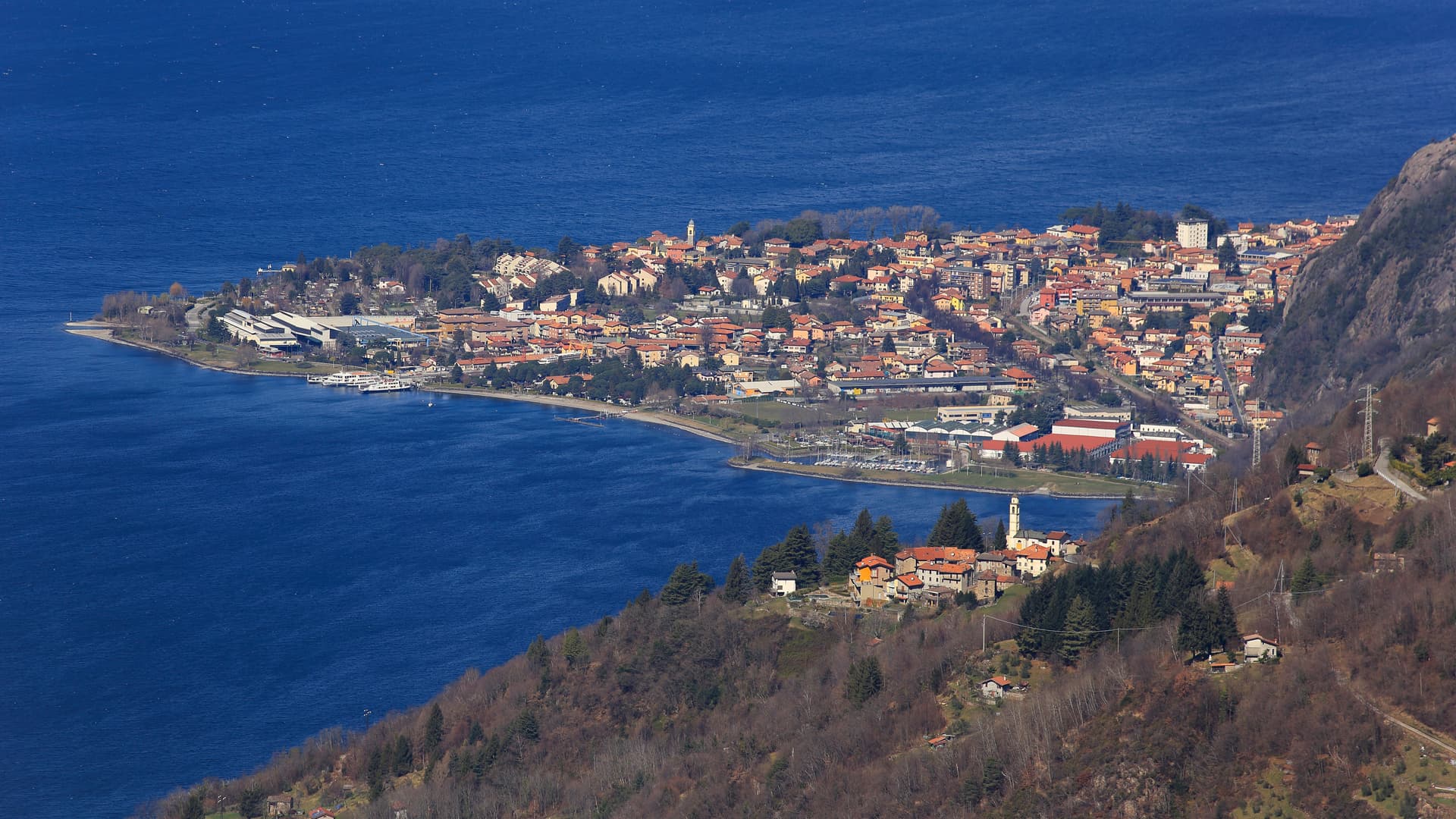
A peninsula on upper Lake Como's eastern shore at the Varrone delta, with a Romanesque bell tower and one of the lake's best sailing winds.
Teglio
Province: Sondrio
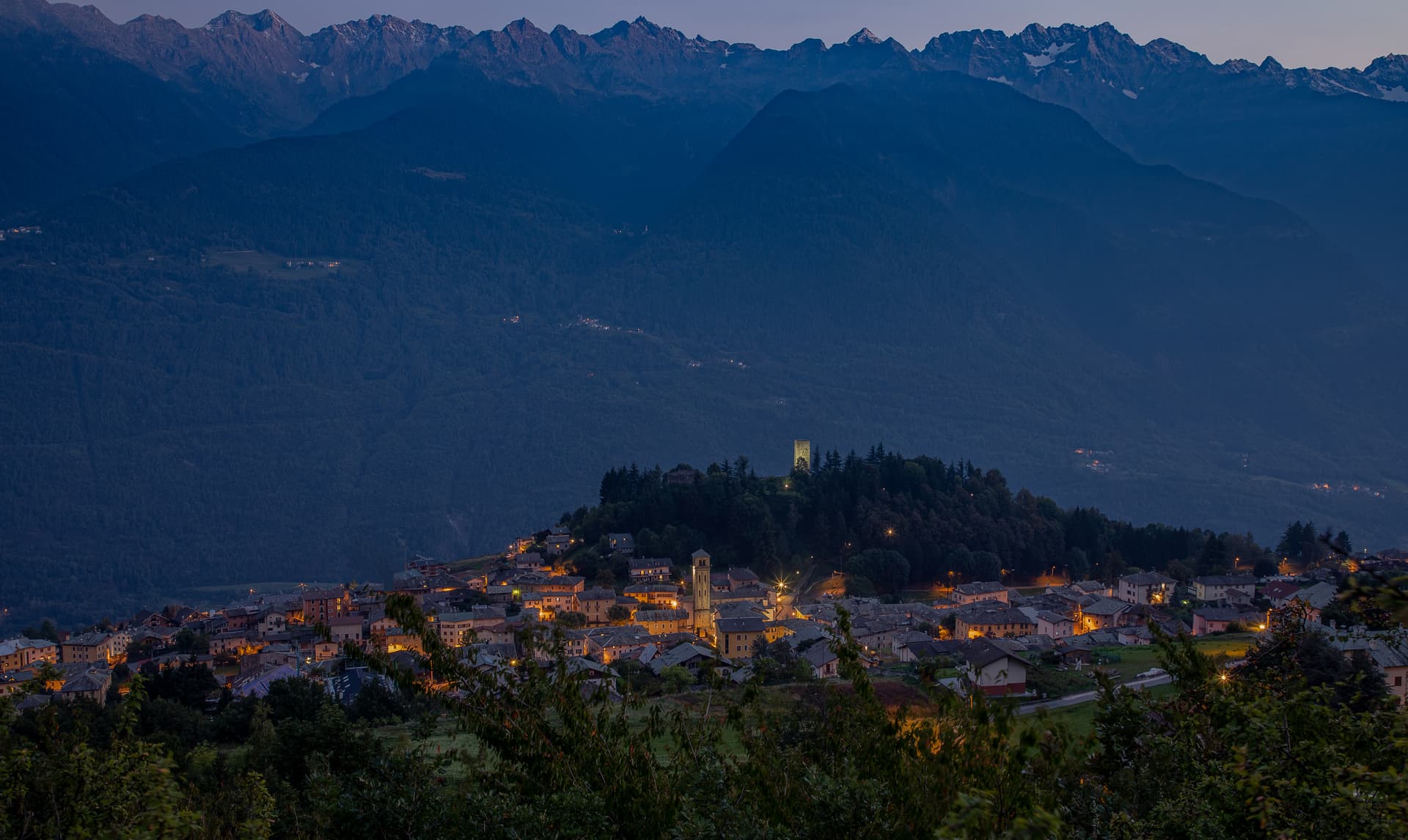
A Valtellina hilltown at 856 metres that gave its name to the whole valley (Vallis Tellina = Val di Teglio), home of the Renaissance Palazzo Besta with its frescoed Italian-Renaissance cycles, and the official birthplace of pizzoccheri pasta — recognised by the Accademia del Pizzocchero.
Varenna
Province: Lecco
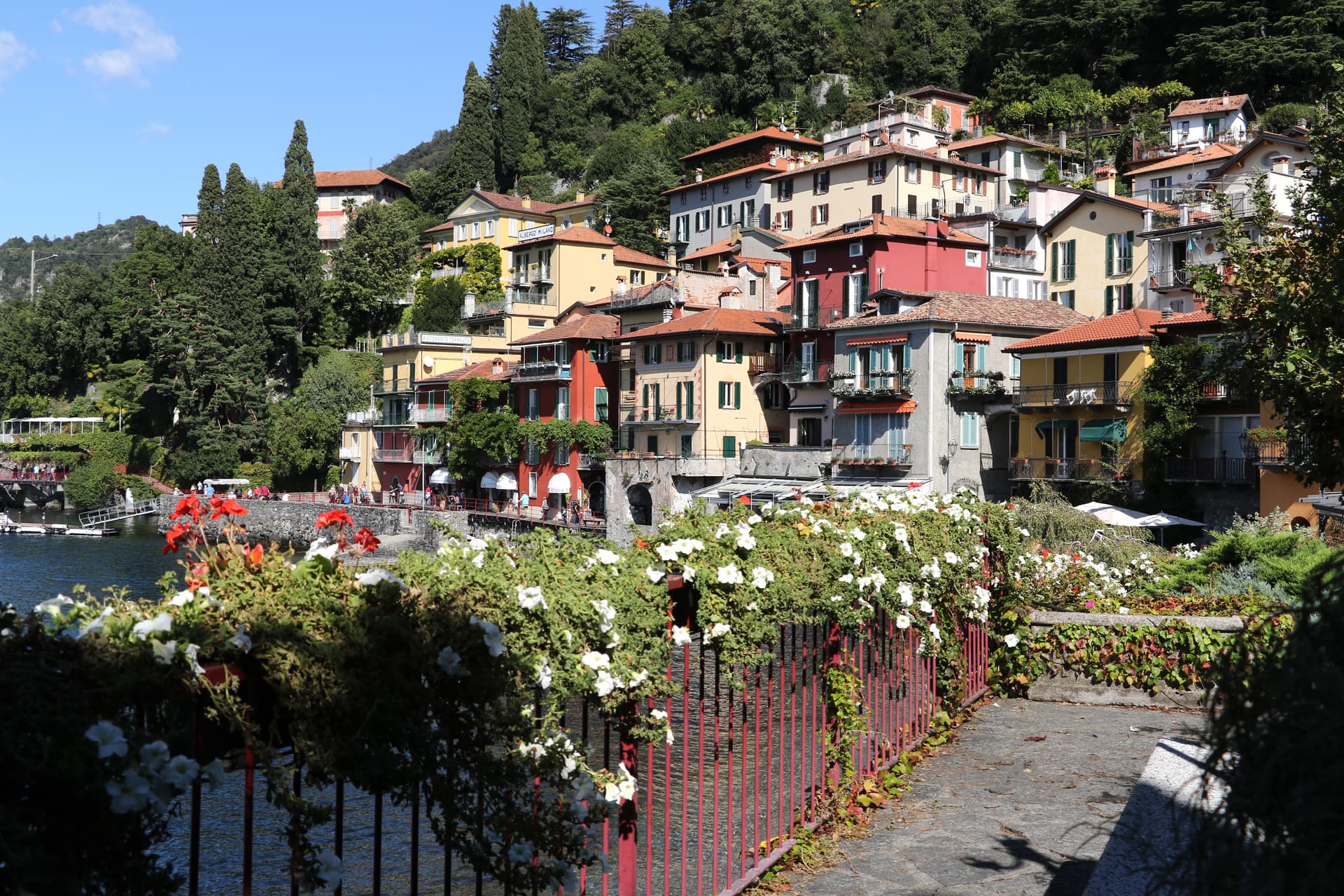
A fishing village founded in 769 on the Lecco arm of Lake Como, with a steep grid of streets falling into the water.
Chiavenna
Province: Sondrio
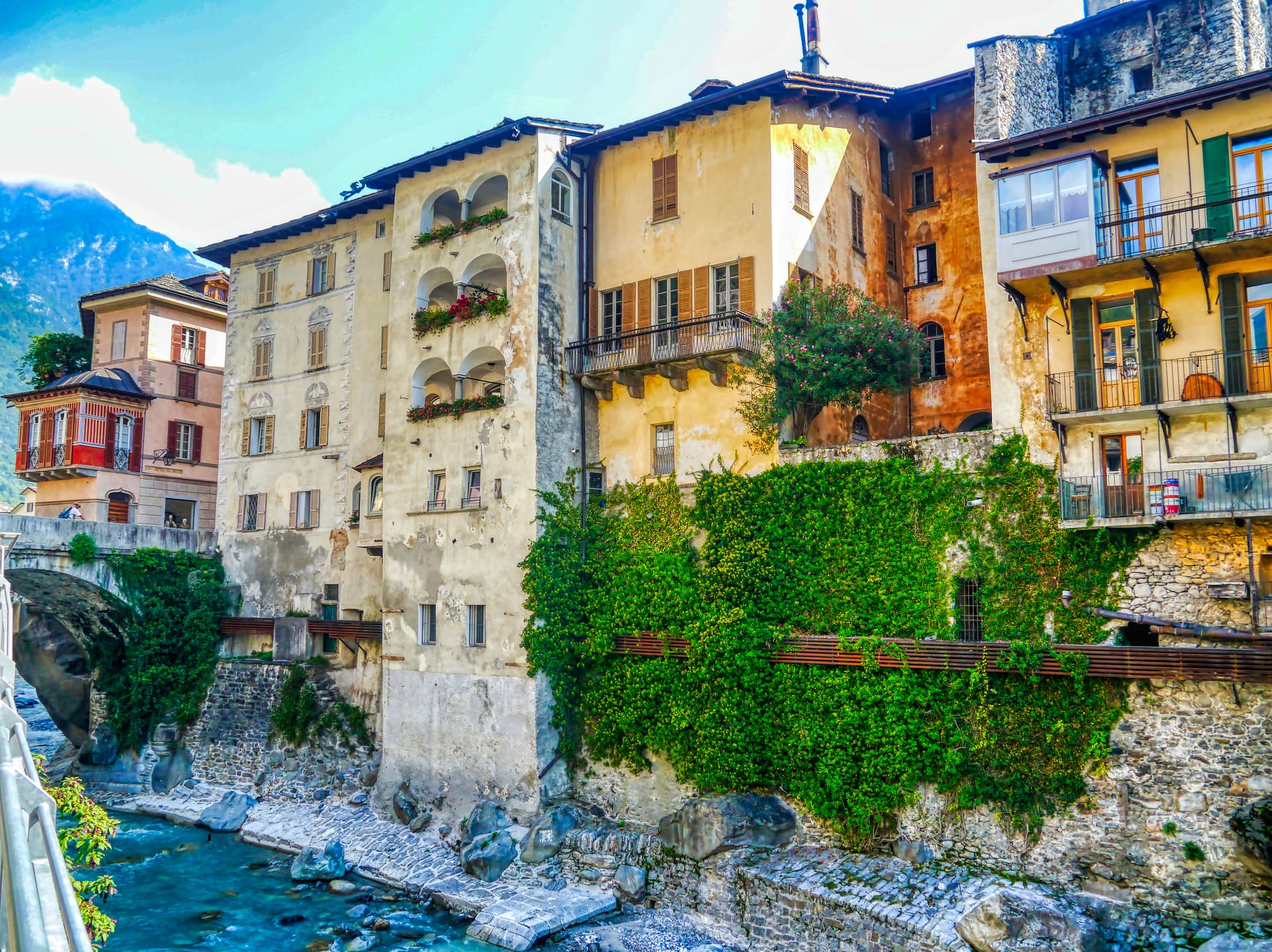
An Alpine town at 333 meters on the Mera river, the historical Splügen Pass crossroads named for its key position and its rock-cellar crotti.
🍷 Città del Vino
More Città del Vino towns in Lombardy
Lonato del Garda
Province: Brescia
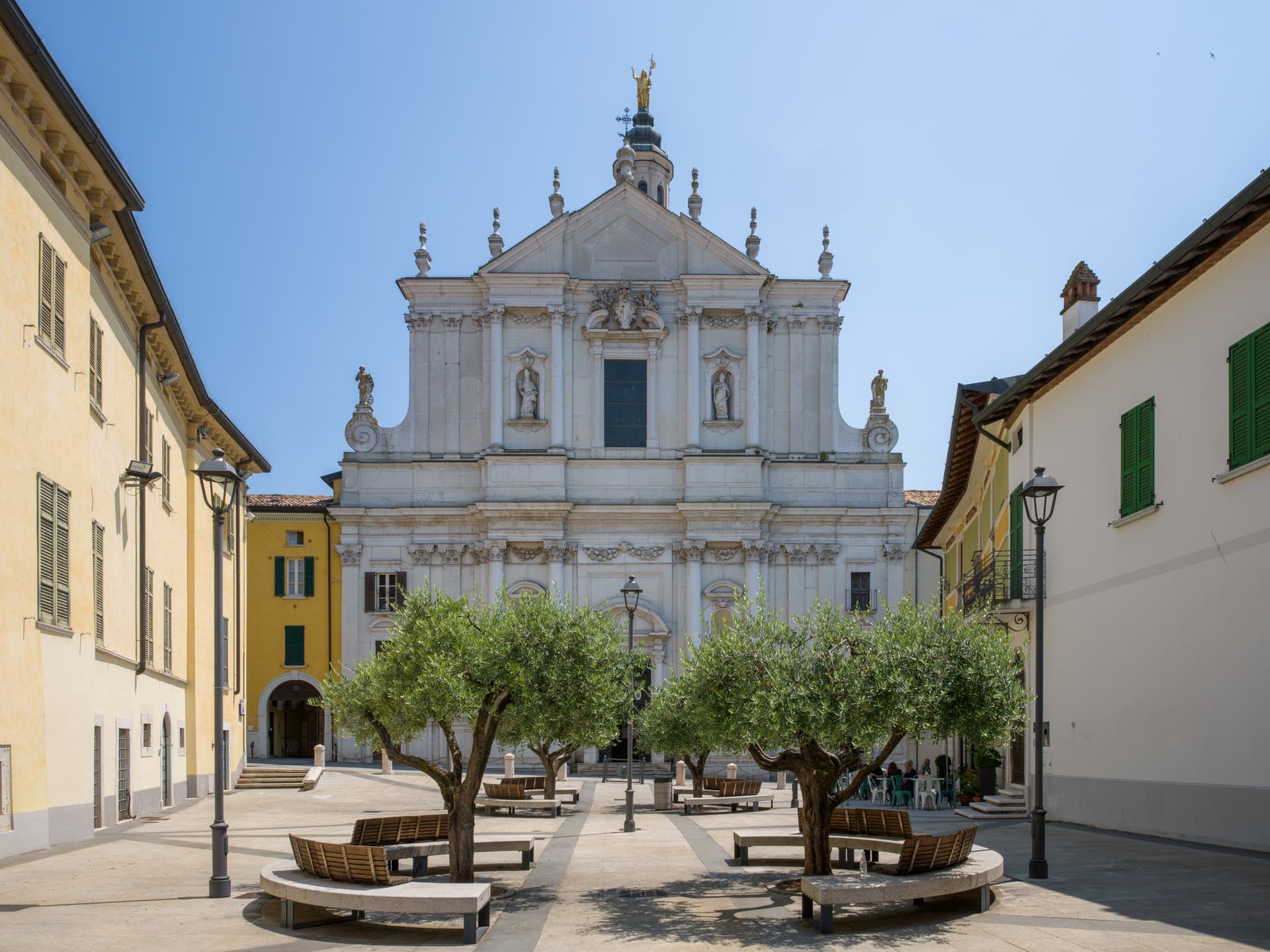
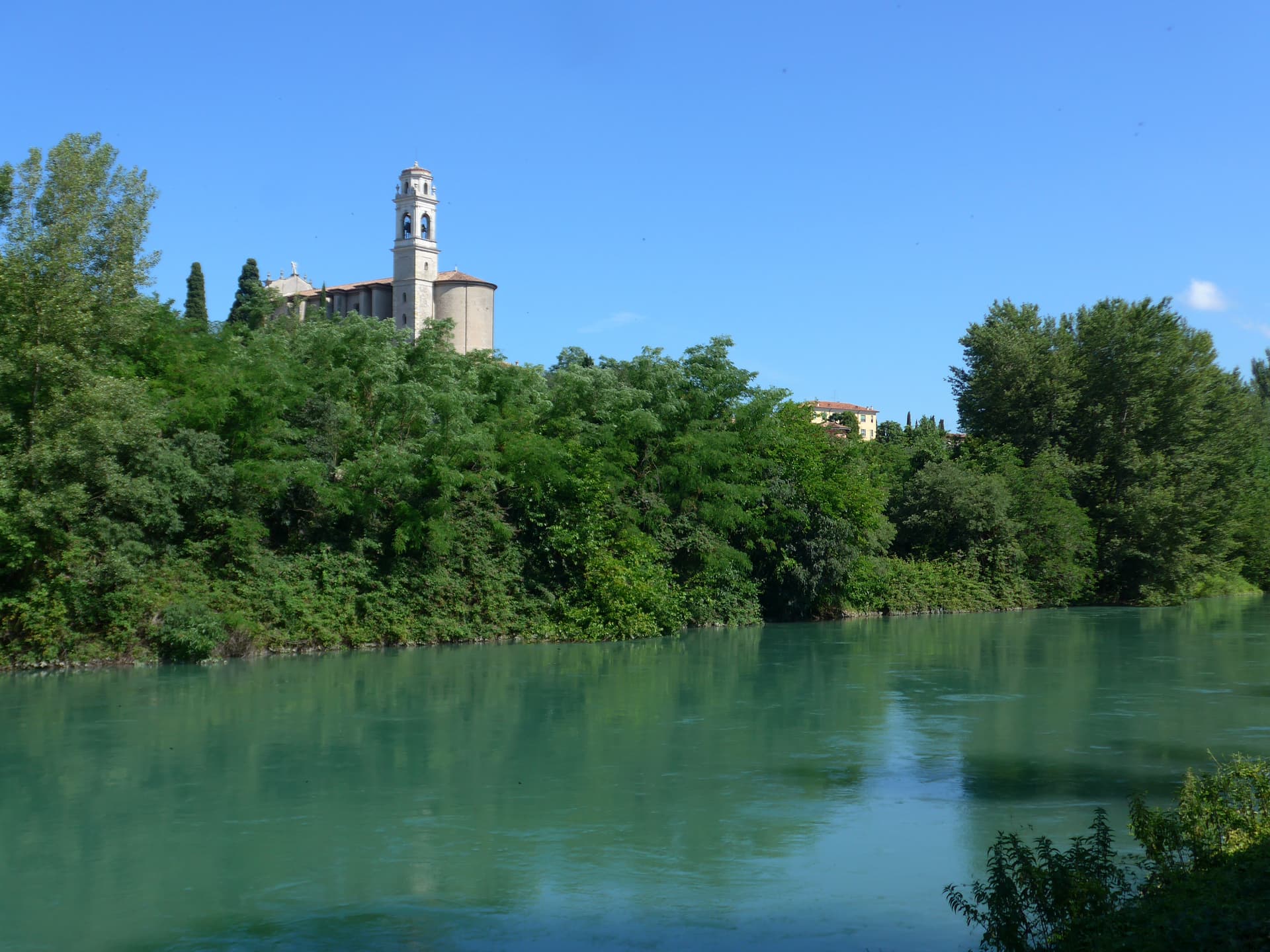
A hilltop commune on the southwestern Garda morainic ridge, with a Visconti Rocca and the 52,000-volume Casa del Podestà library.
Monzambano
Province: Mantova
A Mincio commune at 88 meters in the moraine hills west of Mantova, whose frazione Castellaro Lagusello sits on a heart-shaped lake inside fortified walls.
Sirmione
Province: Brescia
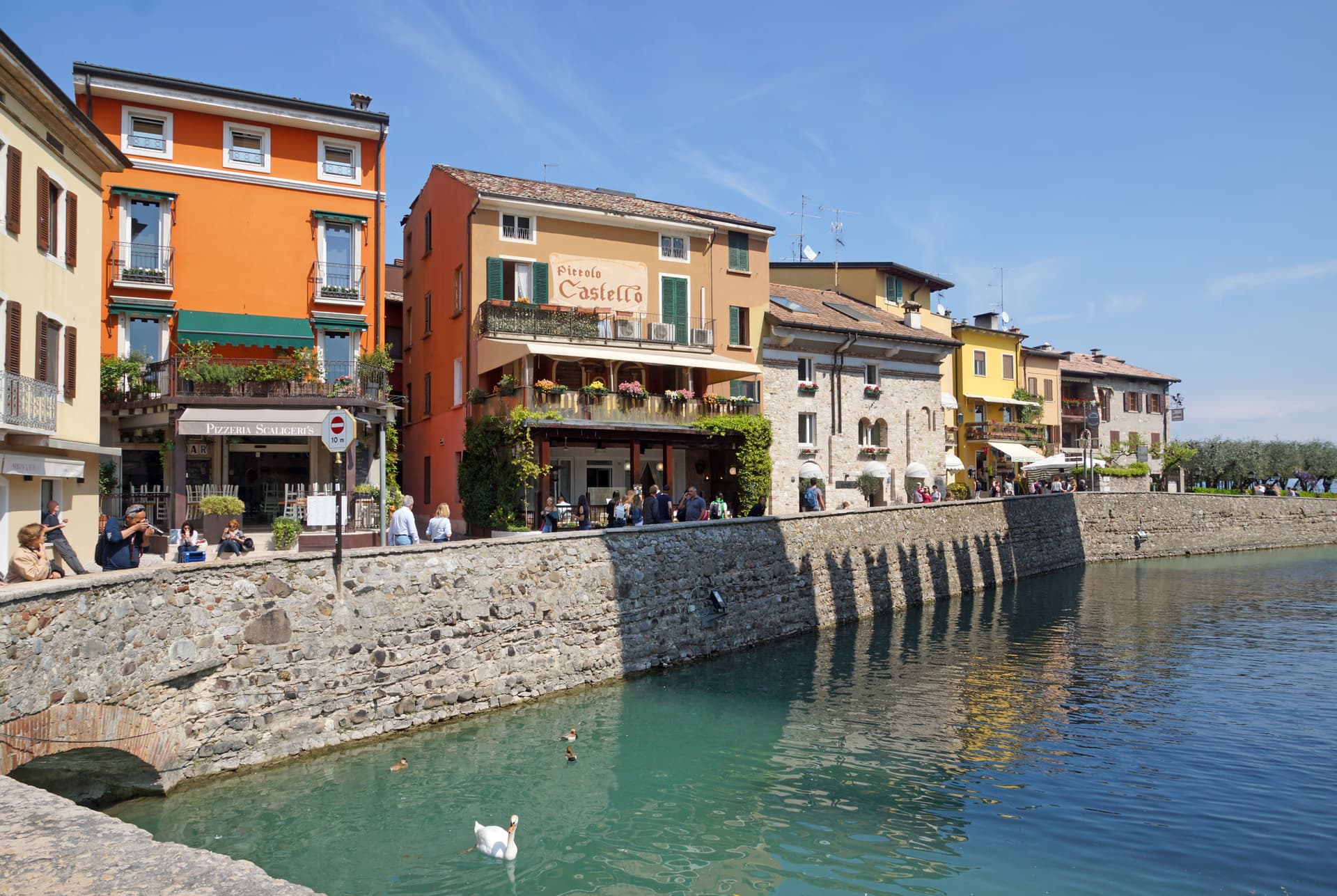
A 4-kilometer peninsula reaching into the southern Garda, with the Scaliger fortified port and the Roman villa called the Grotte di Catullo at its tip.
Volta Mantovana
Province: Mantova
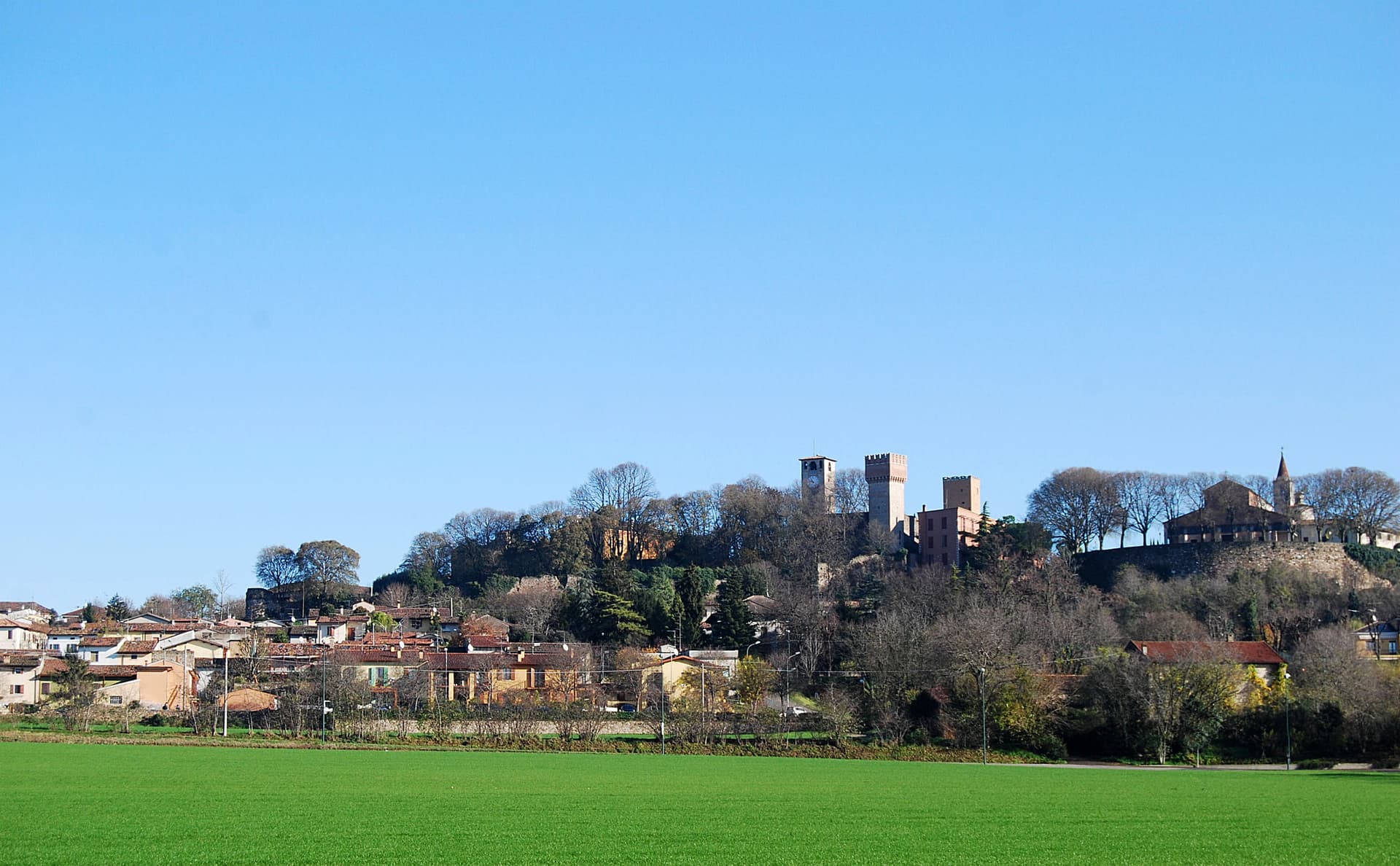
A morainic hill town between Mantua and Lake Garda where Ludovico Gonzaga built a country palace inside the old medieval castle.