

Lombardy · Mantova
Mantova
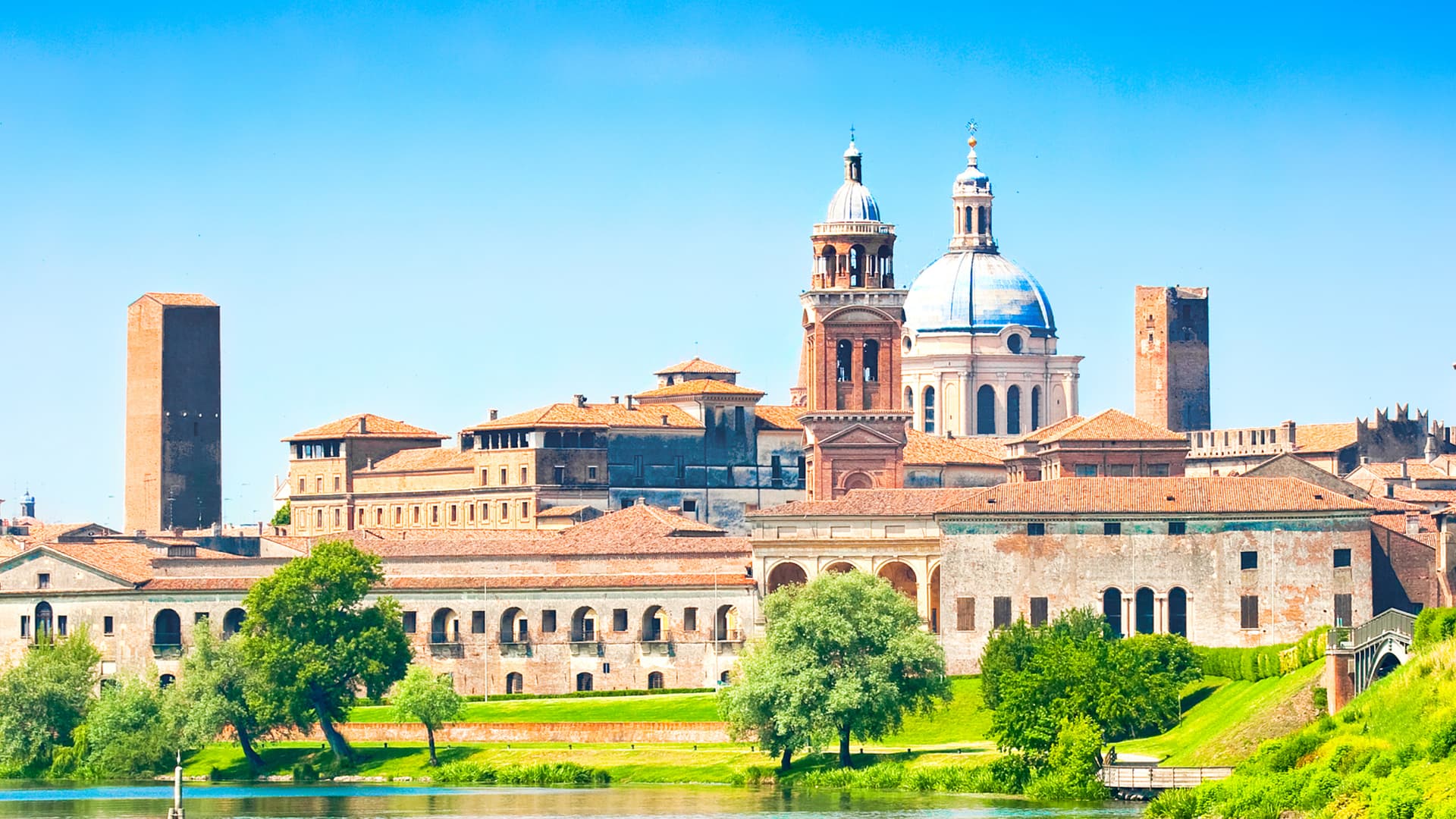
A Gonzaga capital, encircled on three sides by lakes the Mincio formed in the twelfth century, UNESCO-listed together with Sabbioneta since 2008.
Known for
GONZAGA
Mantua's ruling family from 1328 to 1707, whose patronage built the Palazzo Ducale, Palazzo Te and the Renaissance core of the city.
MANTEGNA
Andrea Mantegna, court painter to Ludovico Gonzaga, who frescoed the Camera degli Sposi in the Palazzo Ducale between 1465 and 1474.
THREE LAKES
Lago Superiore, di Mezzo and Inferiore, formed in 1198 by damming the Mincio, still ringing the city on three sides today.
When to visit
Best · Apr–Jun, Sep–Oct
- J
- F
- M
- A
- M
- J
- J
- A
- S
- O
- N
- D
- Best
- Hot or crowded
- Quiet
- Mostly closed
The festa: Anselmo di Lucca, 18 March
Why come
Mantova sits on a peninsula in the Mincio, halfway between Milan and Venice. In the twelfth century the river was dammed into three artificial lakes, Superiore, di Mezzo and Inferiore, which still ring the city on three sides and worked as its defence for six centuries. From 1328 to 1707 it was the seat of the Gonzaga.
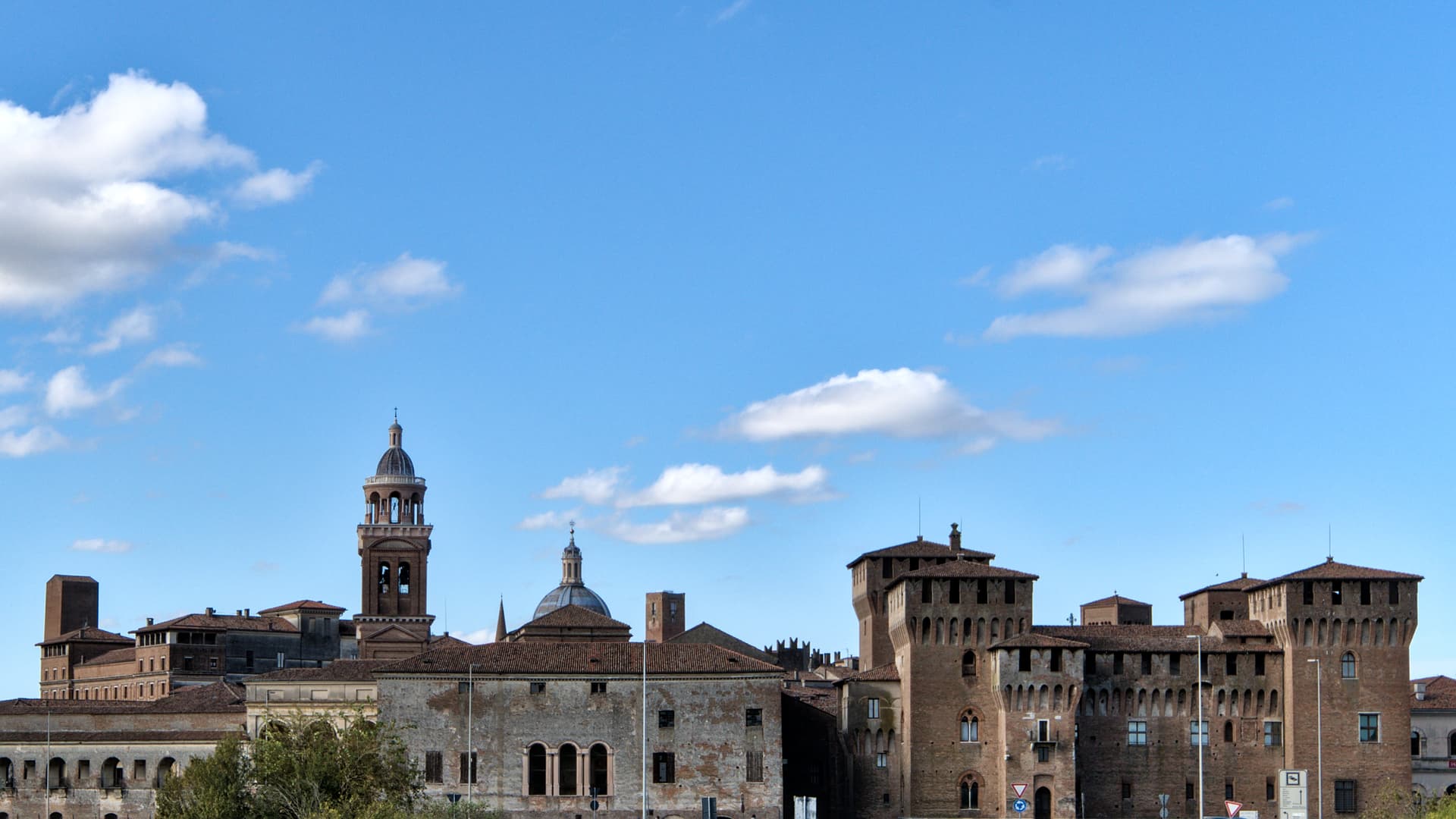
The Palazzo Ducale they assembled across that span covers 34,000 square meters between Piazza Sordello and Lago di Mezzo, with over a thousand rooms; the Camera degli Sposi, frescoed by Andrea Mantegna between 1465 and 1474, is the heart of that complex. Outside the walls, Federico II Gonzaga commissioned Giulio Romano to build Palazzo Te between 1525 and 1535: a pleasure villa with the Sala dei Giganti, whose painted Olympus collapses on the viewer from every wall. Mantua and Sabbioneta were jointly inscribed by UNESCO in 2008. The city was Italian Capital of Culture in 2016.
The Sunday letter
We haven’t written Mantova’s letter yet.
One town every Sunday, with the photo, the food, the festa. Be there when this one comes up. Free, by Peter & Sophia from Pietrasanta.
By subscribing you agree to Substack’s Terms of Use, our Privacy Policy and our Information collection notice.
What to see
Palazzo Ducale
Gonzaga ducal complex of 34,000 square meters between Piazza Sordello and Lago di Mezzo, with over a thousand rooms across four centuries of additions.
Camera degli Sposi
Frescoed chamber by Andrea Mantegna inside the Palazzo Ducale, painted between 1465 and 1474, with an illusionistic oculus on the ceiling.
Palazzo Te
Suburban pleasure villa built between 1525 and 1535 by Giulio Romano for Federico II Gonzaga, with the Sala dei Giganti and Sala di Amore e Psiche.
Basilica di Sant'Andrea
Renaissance basilica designed by Leon Battista Alberti in 1472, with a single vaulted nave and the supposed relic of the Holy Blood of Christ.
Piazza delle Erbe and Rotonda di San Lorenzo
Medieval market square with the eleventh-century round church of San Lorenzo, the oldest church still standing in Mantova.
I tre laghi
Three lakes formed in 1198 by damming the Mincio, ringing the city on three sides, navigated by boat from the Lago di Mezzo pier.
The slow-trip planner
Building a trip? Find where Mantova fits in a slow Italy circuit.
Answer five questions. We will shape a geographically coherent slow trip from the 1,000 Italian towns most travelers skip. Yours to save and share.
We recommend
Where to eat and stay
Not our picks, but places the guides put their name to — a Michelin star, a Gambero Rosso fork, a Slow Food snail, a Michelin Key for the hotels. Worth a table, a counter, or a night when you pass through.
Lo Scalco GrassoRistorante
Lo Scalco Grasso has one Gambero Rosso fork (76/100) and a spot in the Michelin Guide.
Antica osteria ai RanariTrattoria
Antica osteria ai Ranari has one Gambero Rosso prawn to its name.
Il CignoRistorante
A spot in the Michelin Guide, at Il Cigno.
Osteria dell'OcaTrattoria
Osteria dell'Oca has two Gambero Rosso prawns to its name.
Sücar BrüscRistorante
Sücar Brüsc carries a spot in the Michelin Guide.
Living here
- Population 48,653
- A local hubi
- Pharmacy in town
- High school within a 30-minute drive
- Train station in the comune
- Nearest airport Verona, 47 min drive
- Regional capital Milano, 2 h 10 min drive
Tags & datadesignations · numbers · sources
Recognised as
The numbers
- Elevation: 19 m
- Population: 48,653
- Surface area: 63.81 km²
These figures were compiled from public directories — ISTAT, OpenStreetMap, Wikidata — and from the official listings of the guides named on this page. Town details change; verify with official sources before you travel.
Close by
More towns near Mantova
Curtatone
Province: Mantova
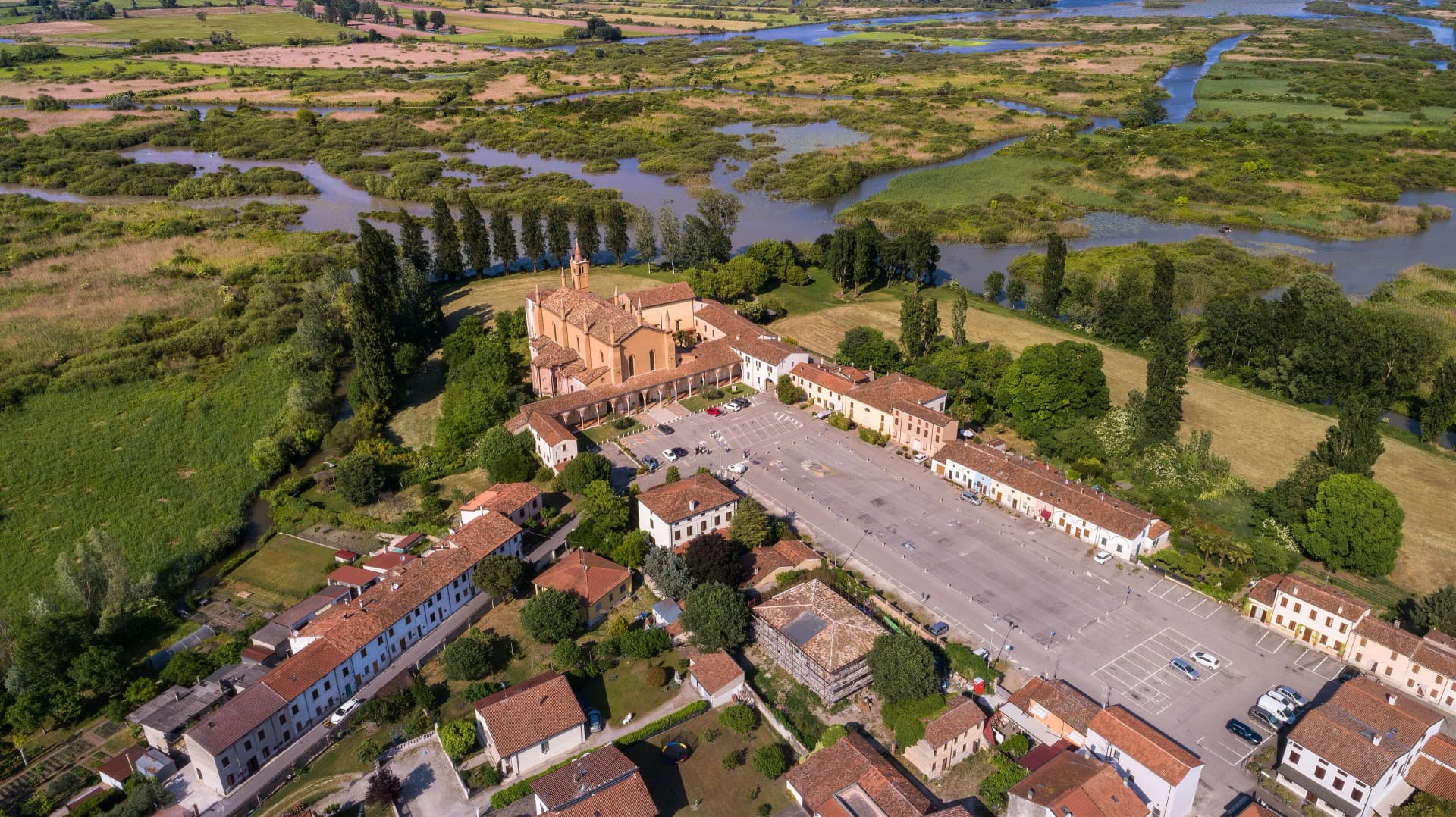
A commune of eight frazioni west of Mantova, anchored by the Grazie sanctuary and the 1848 battle that delayed Radetzky's advance.
San Benedetto Po
Province: Mantova
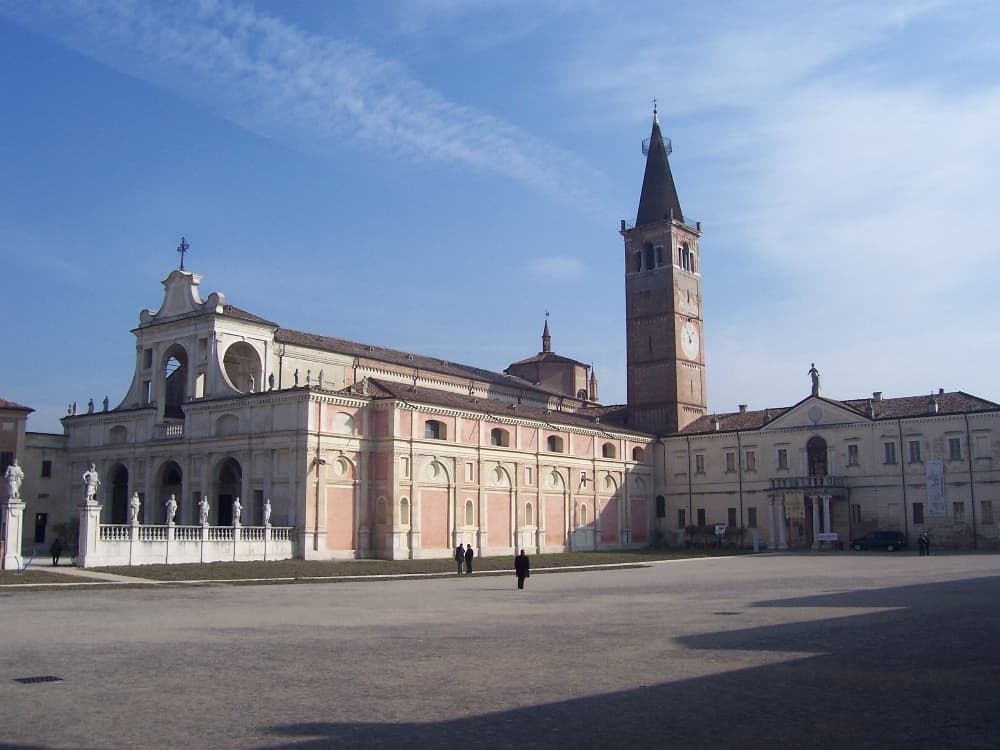
The town that grew up around Polirone, the abbey founded in 1007 by the Canossa family, where Matilda of Canossa was buried for five centuries.
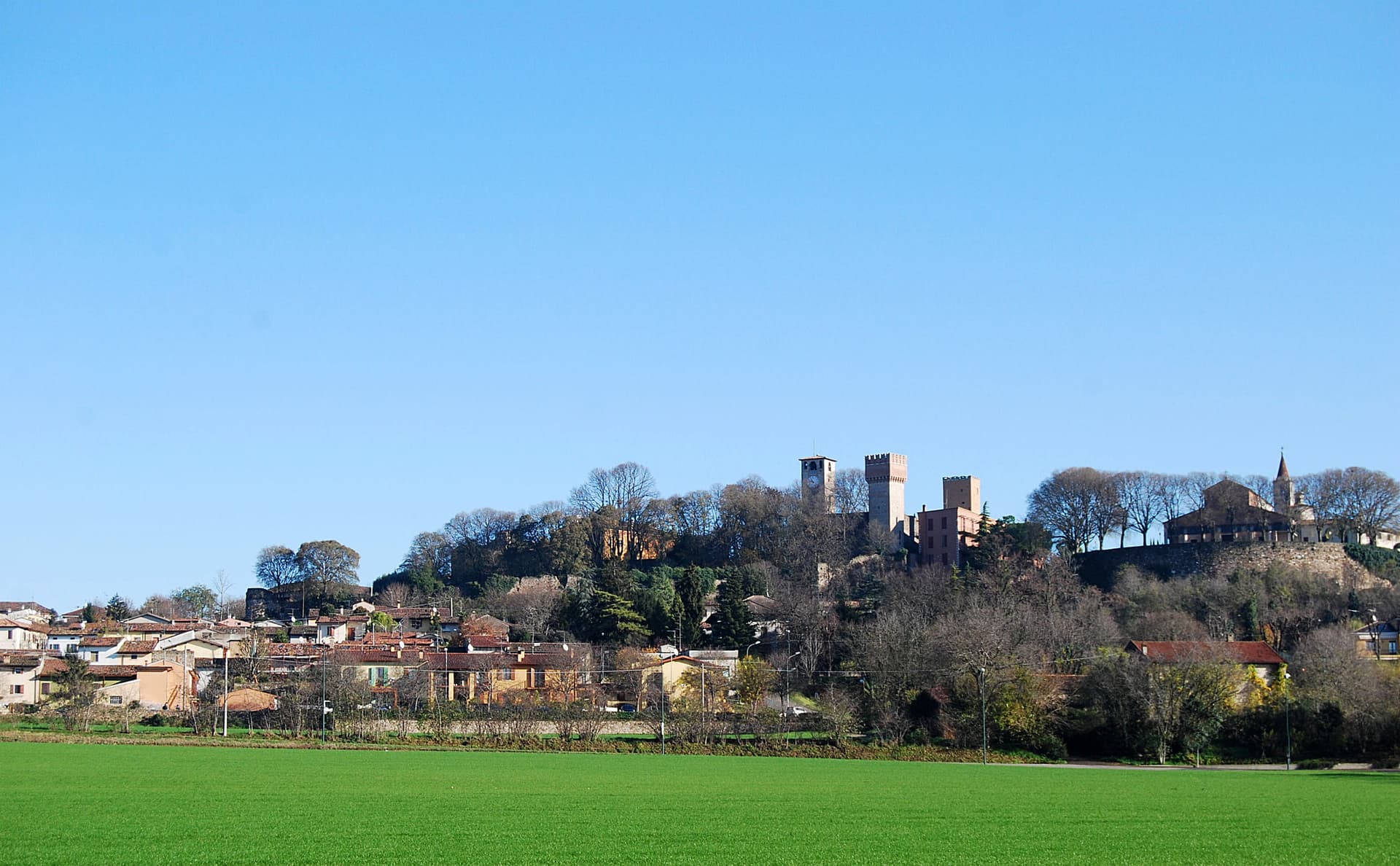
Volta Mantovana
Province: Mantova
A morainic hill town between Mantua and Lake Garda where Ludovico Gonzaga built a country palace inside the old medieval castle.
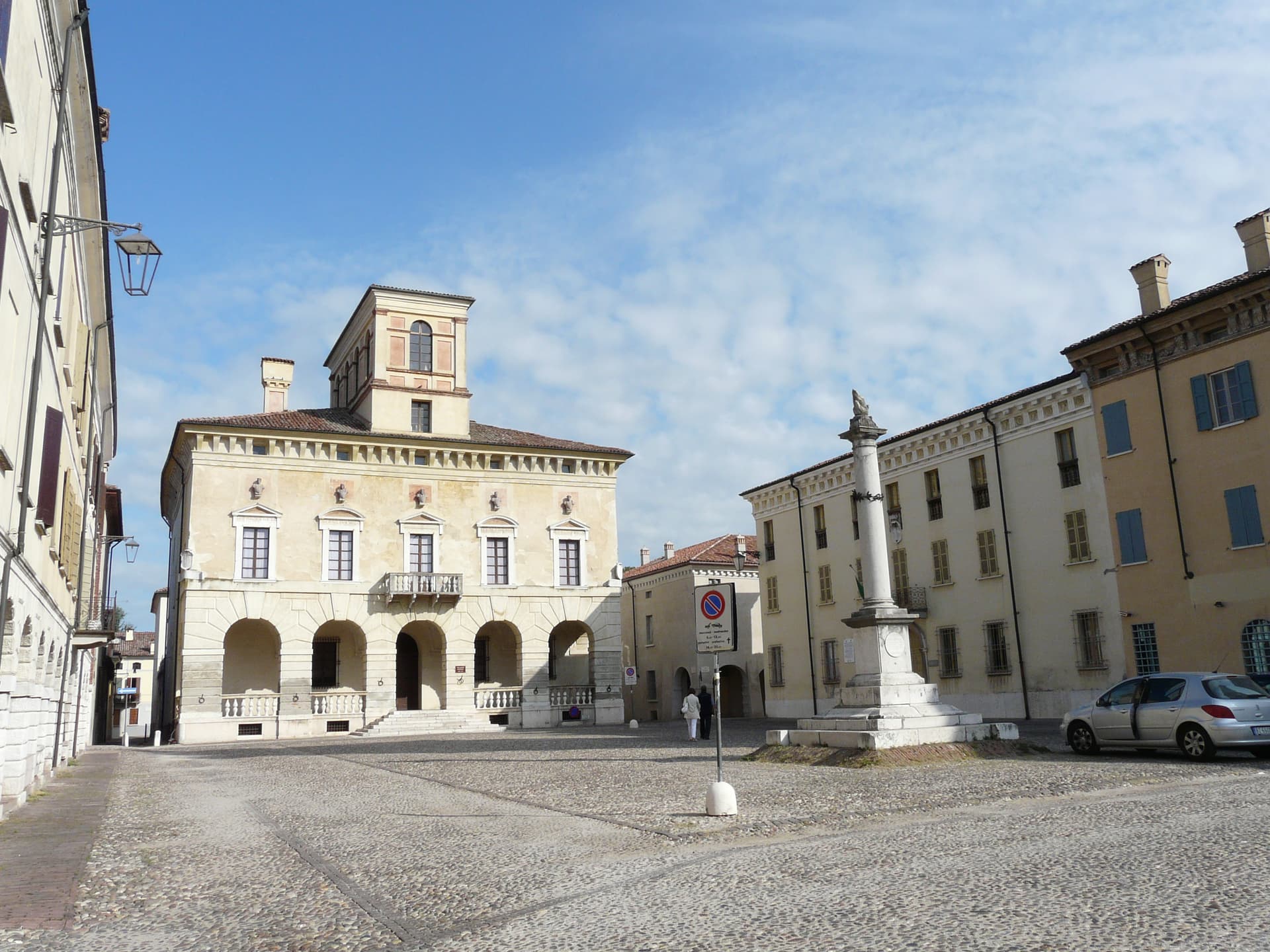
Sabbioneta
Province: Mantova
A Renaissance ideal city on the Po, built in thirty years by Vespasiano I Gonzaga and laid out as a six-pointed star.
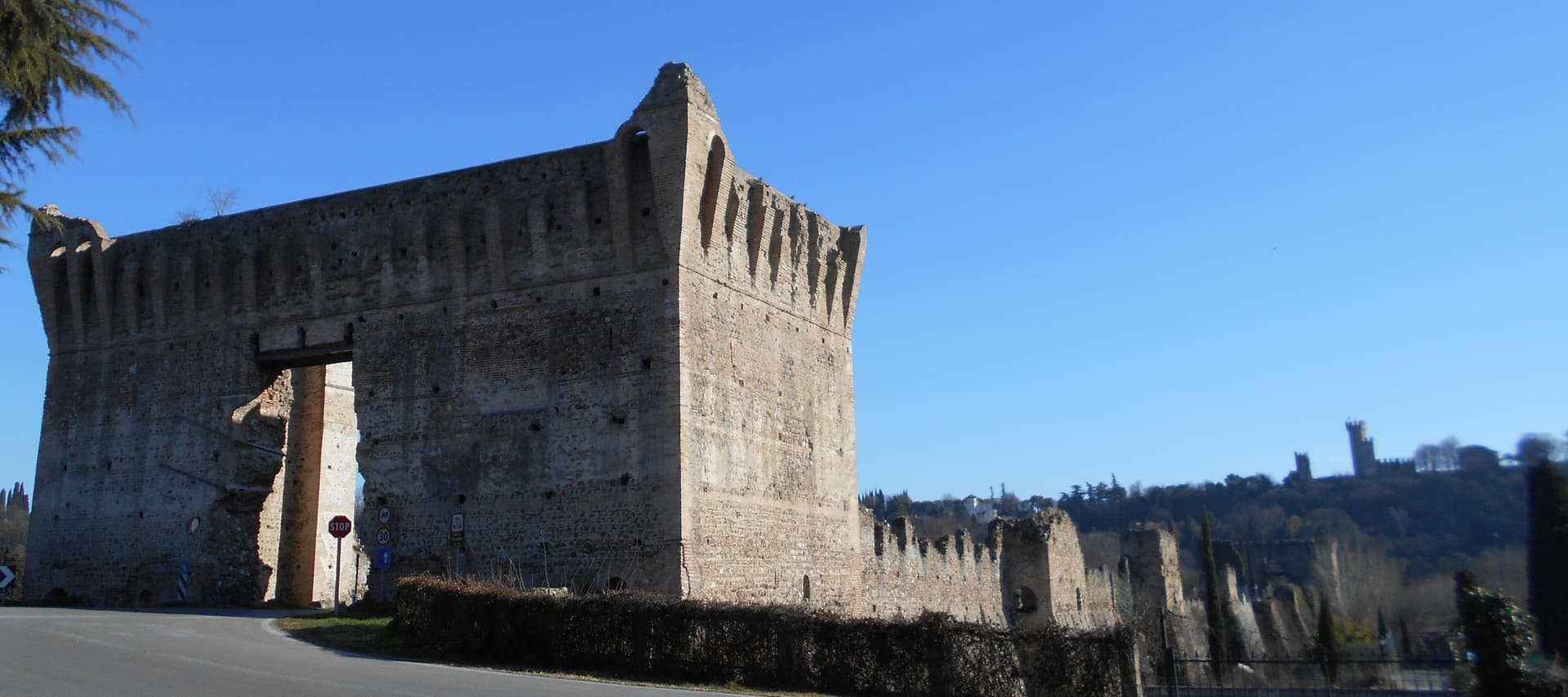
Valeggio sul Mincio
Province: Verona
A moraine-hills town at 88 meters between Garda and Mantua, with a 1393 Visconti bridge-dam over the Mincio and a tortellino called the love knot.
🏛️ UNESCO
More UNESCO towns in Lombardy
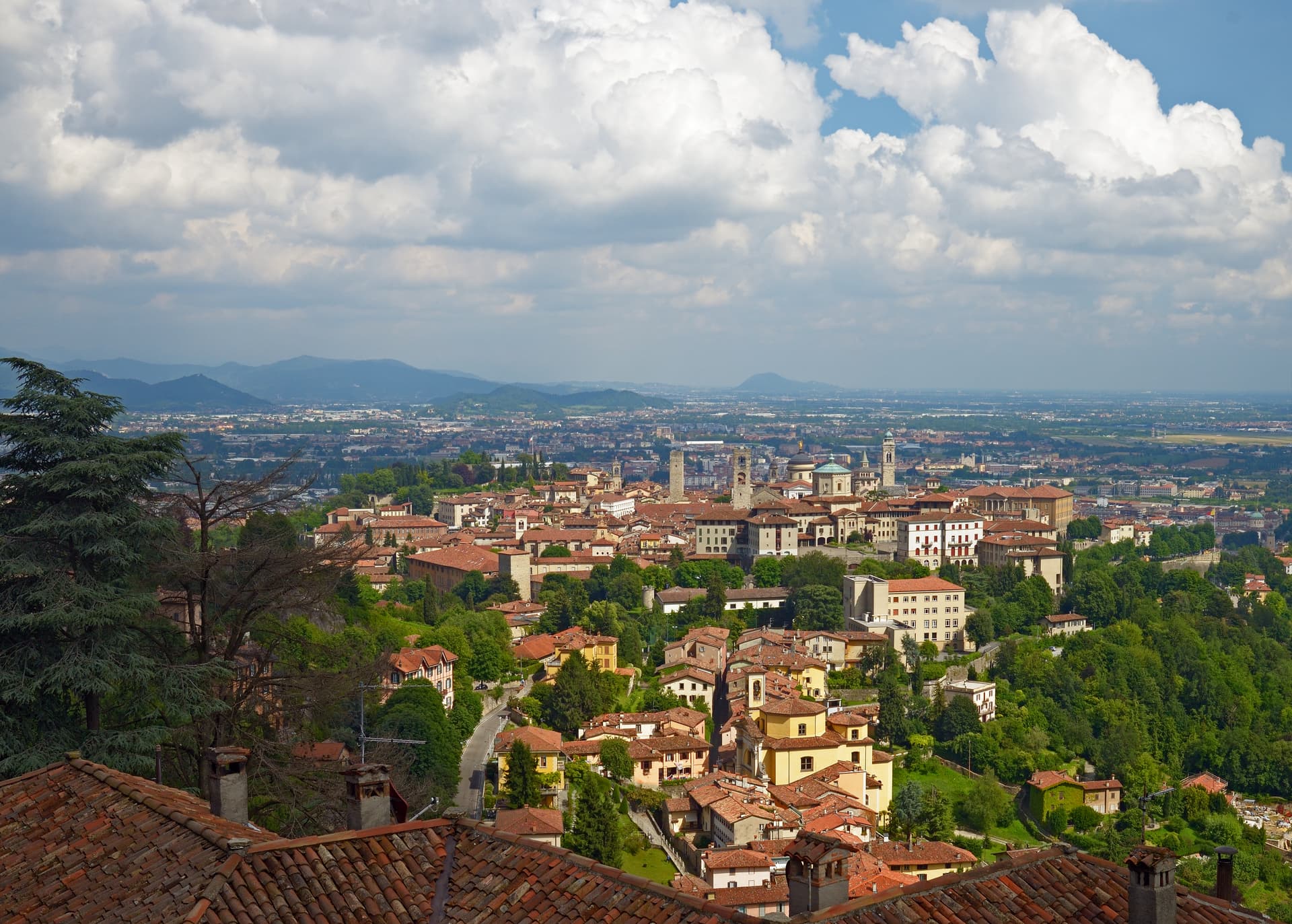
Bergamo
Province: Bergamo
A two-city Lombard capital where a Venetian walled hilltown sits 85 meters above its modern twin on the plain, 45 kilometers northeast of Milan.
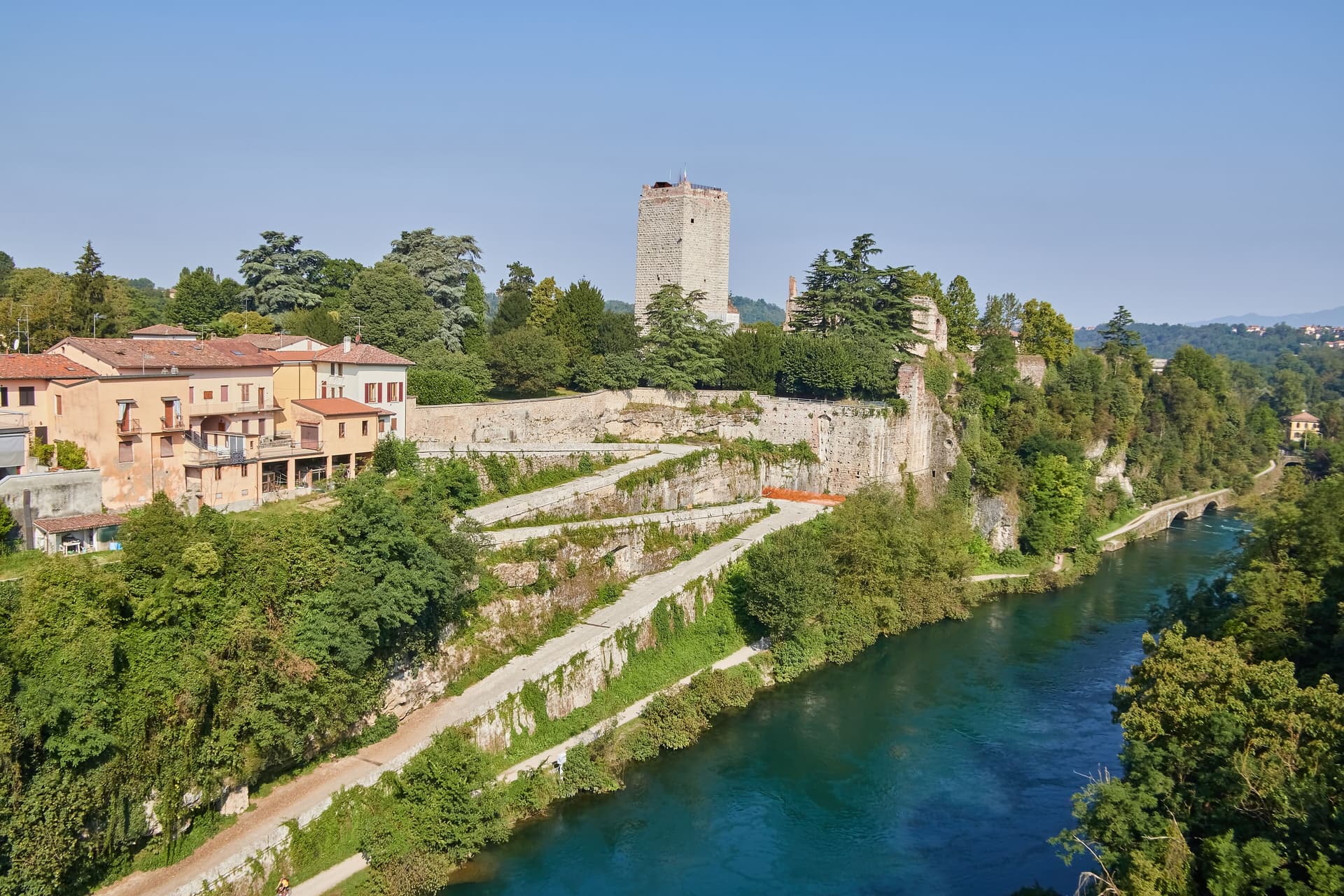
Capriate San Gervasio
Province: Bergamo
The Bergamasco town that holds Crespi d'Adda, the late-nineteenth-century company village inscribed by UNESCO in 1995 as a model workers' settlement.
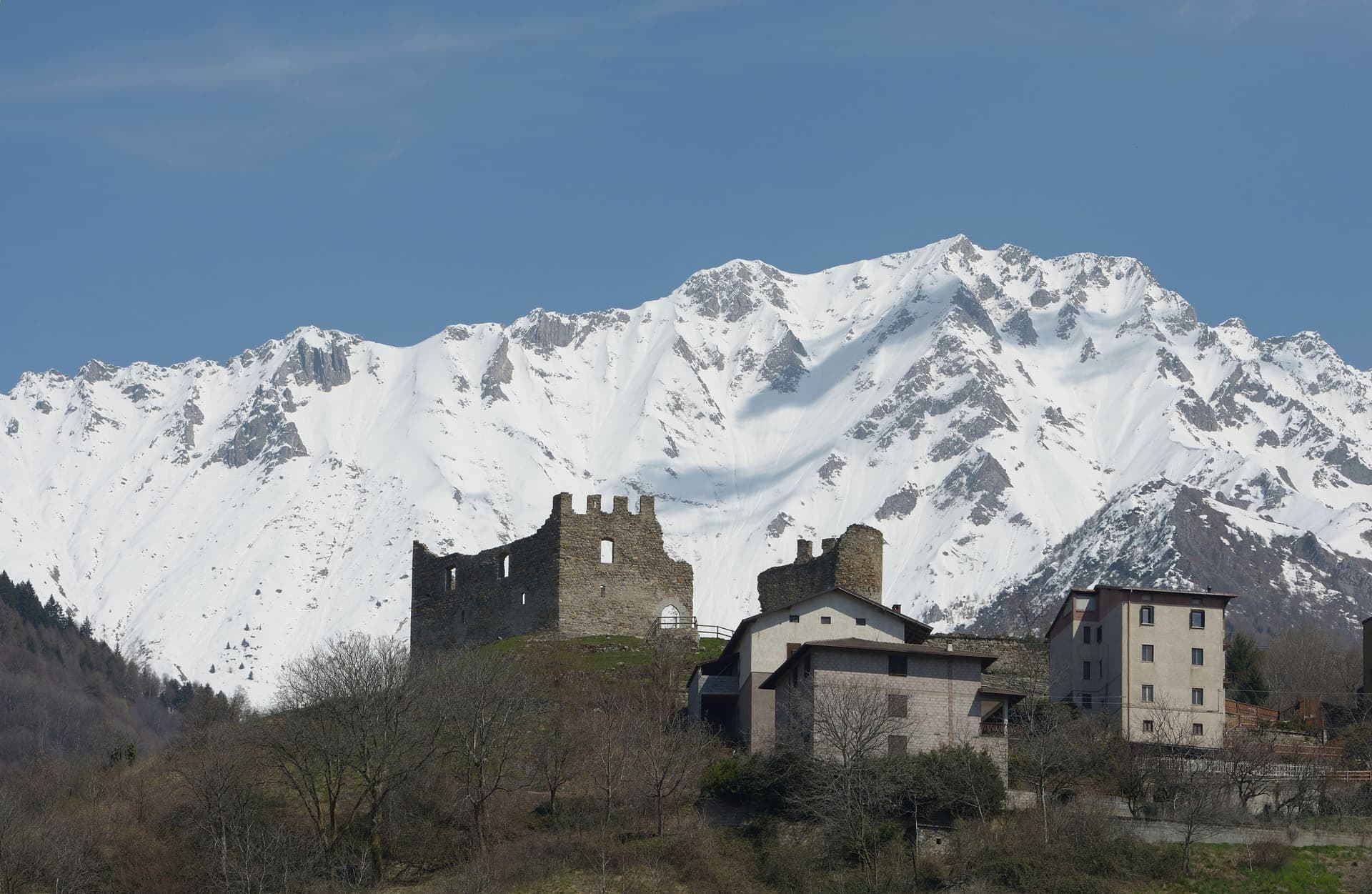
Cimbergo
Province: Brescia
A village of 533 at 851 meters above the Oglio, with castle ruins on a spur and UNESCO petroglyphs on the slopes below.
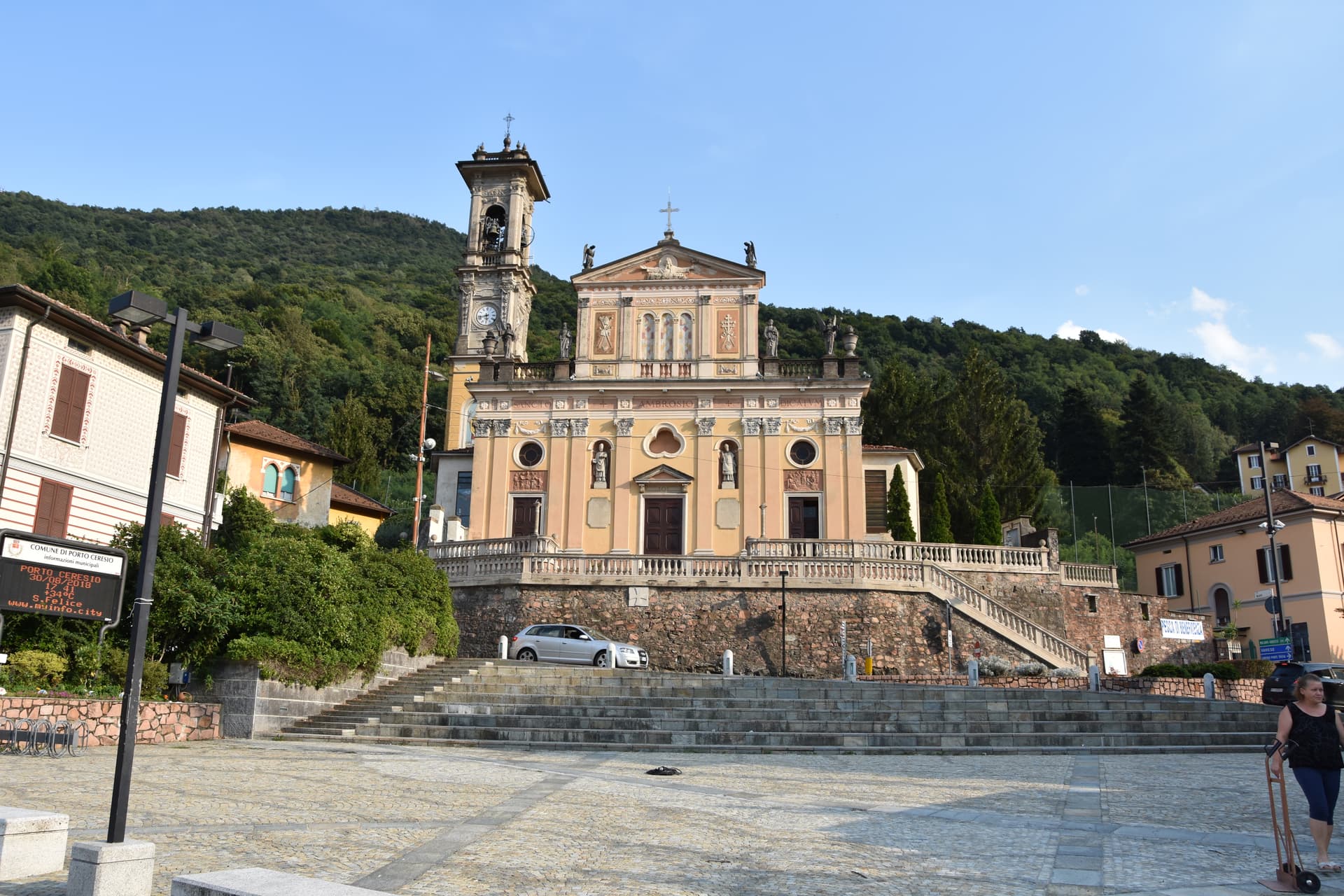
Porto Ceresio
Province: Varese
The Italian port at the southern end of Lake Lugano, where the Swiss border runs through the water below Monte San Giorgio.
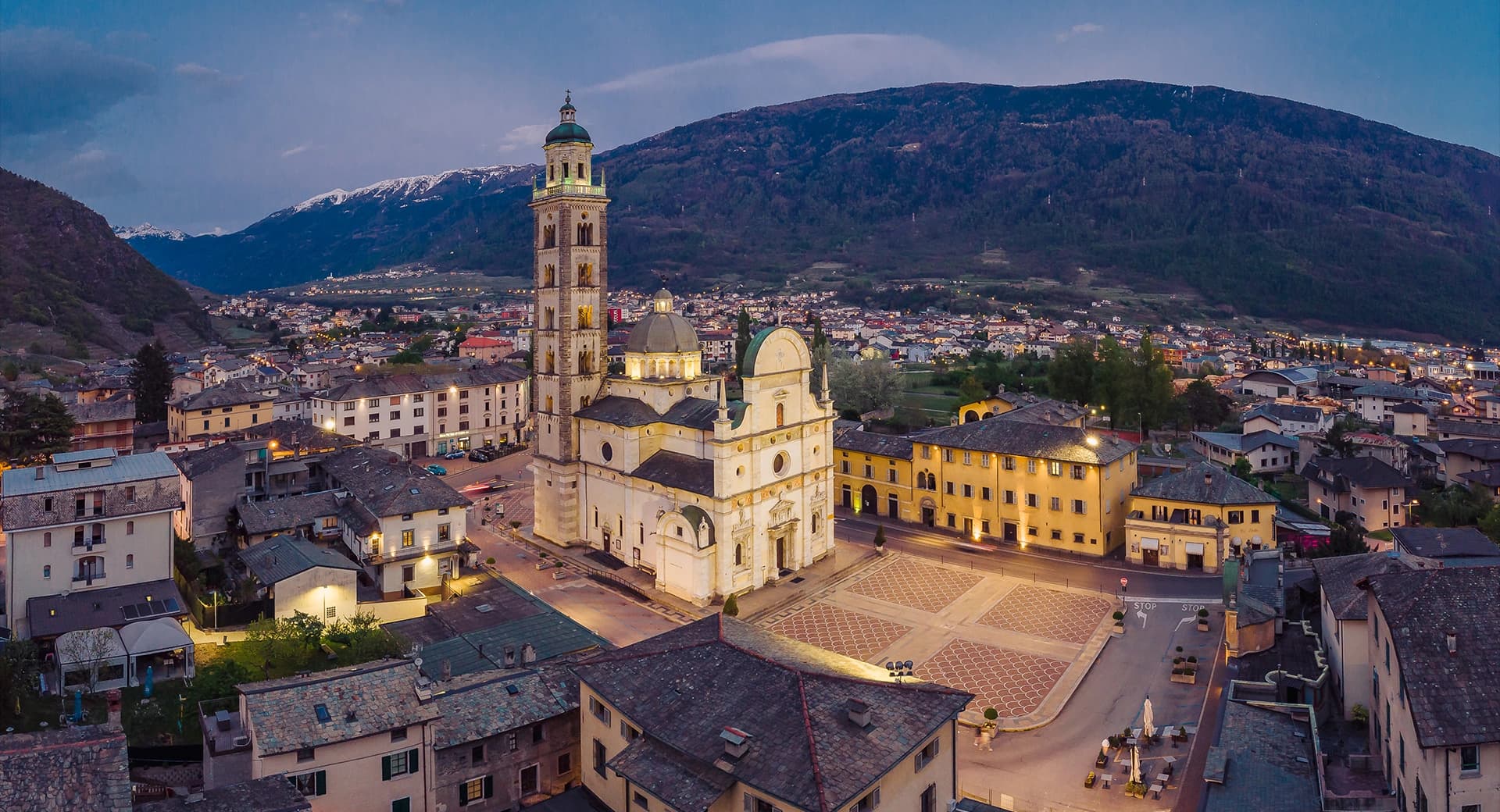
Tirano
Province: Sondrio
A Valtellina town at 441 meters where the Bernina railway from St Moritz reaches Italy, beneath terraced Nebbiolo vineyards.