
Bandiera Arancione
Bandiera Arancione in Lazio
16 towns
Lazio carries 16 of the Bandiera Arancione towns we cover. They cluster in the Viterbo, Frosinone, and Roma provinces.
The three most recognised in our catalogue are Nemi, Subiaco, and Sutri. 13 more towns carry the mark alongside them.
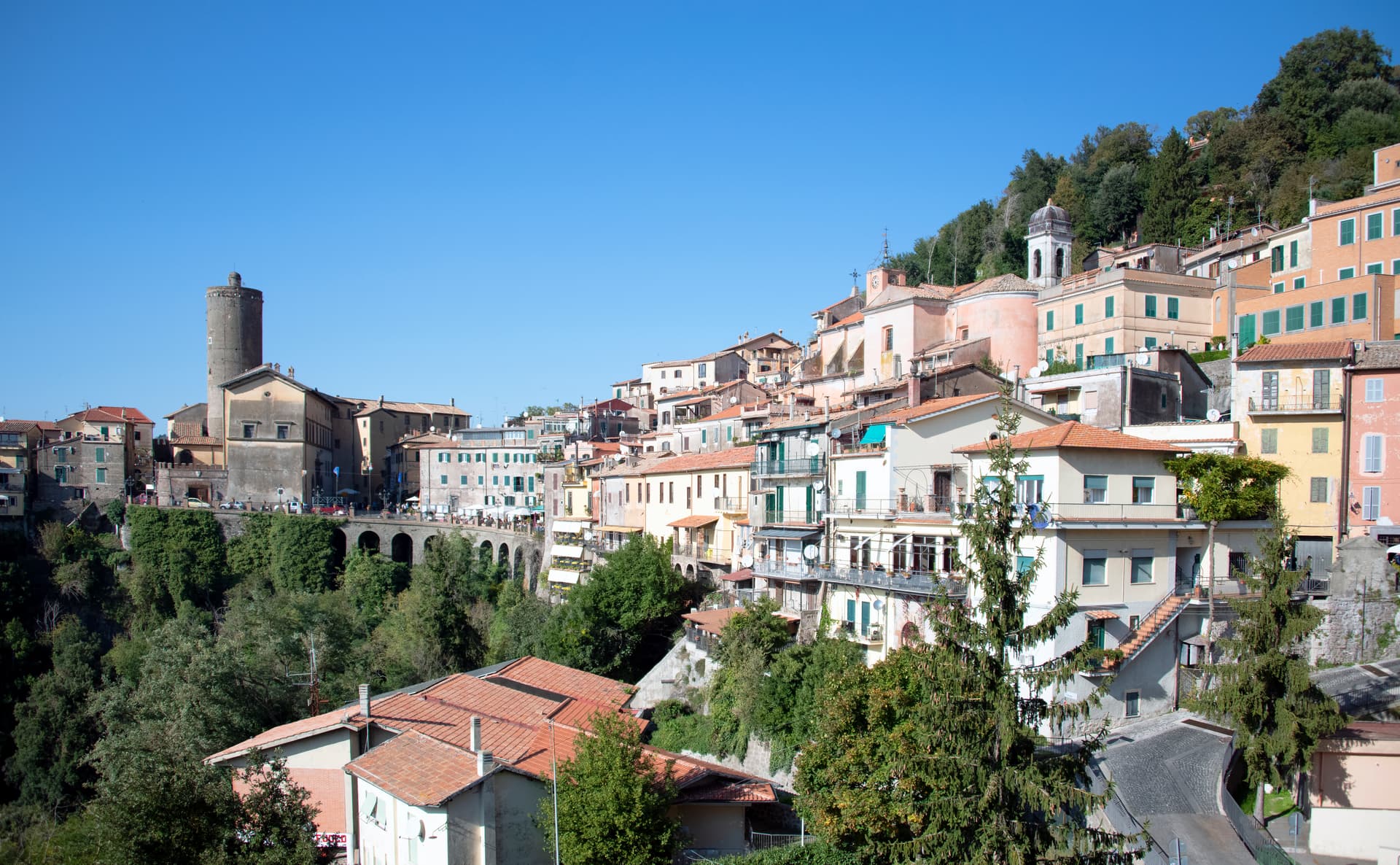
Nemi
Province: Roma · 521 m
The smallest comune in the Castelli Romani, perched at 521 meters above a volcanic crater lake the Romans called the mirror of Diana.
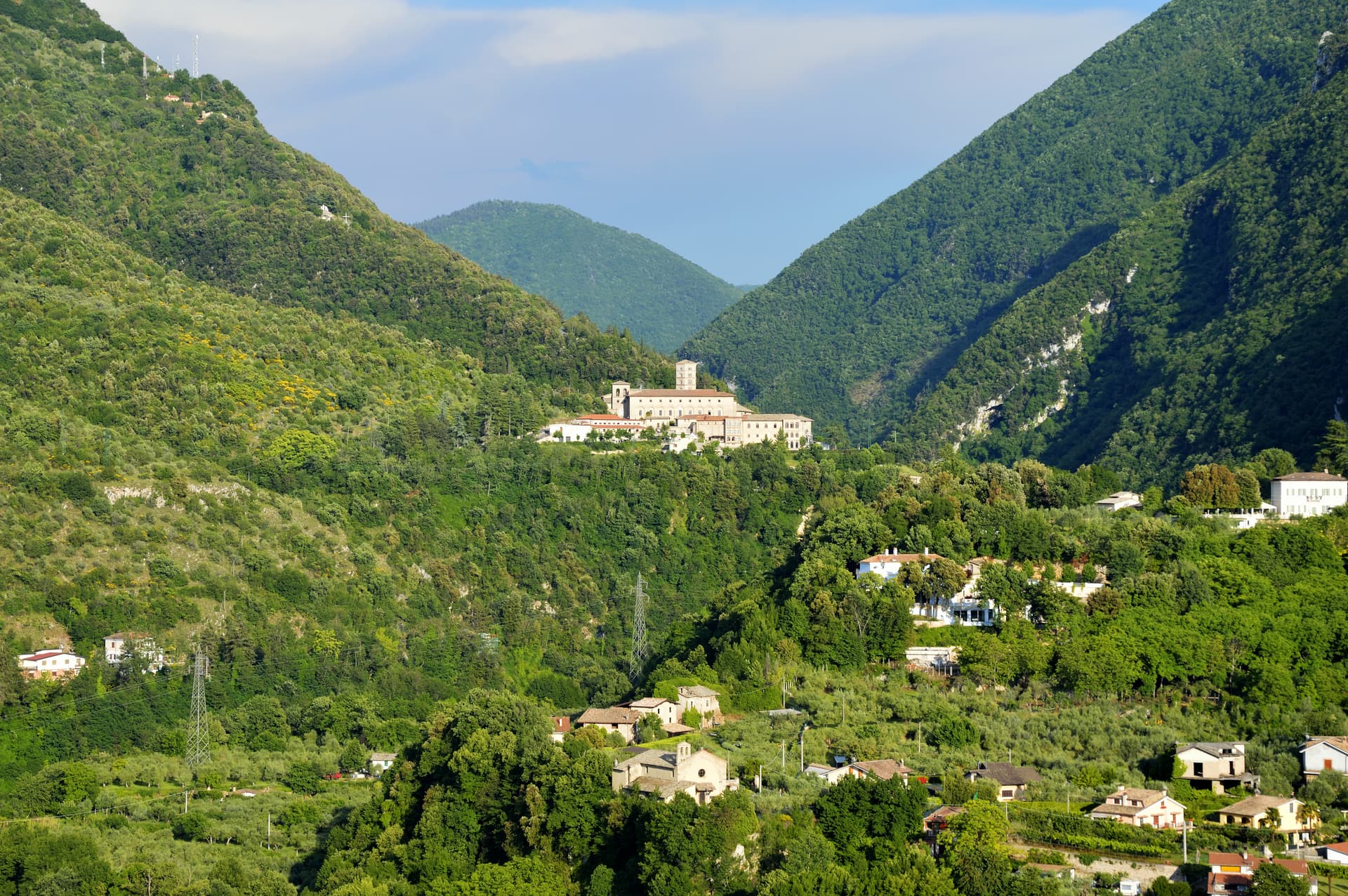
Subiaco
Province: Roma · 408 m
The Aniene valley town where Benedict spent three years in a cliff cave, and where Italy's first printed book appeared in 1465.
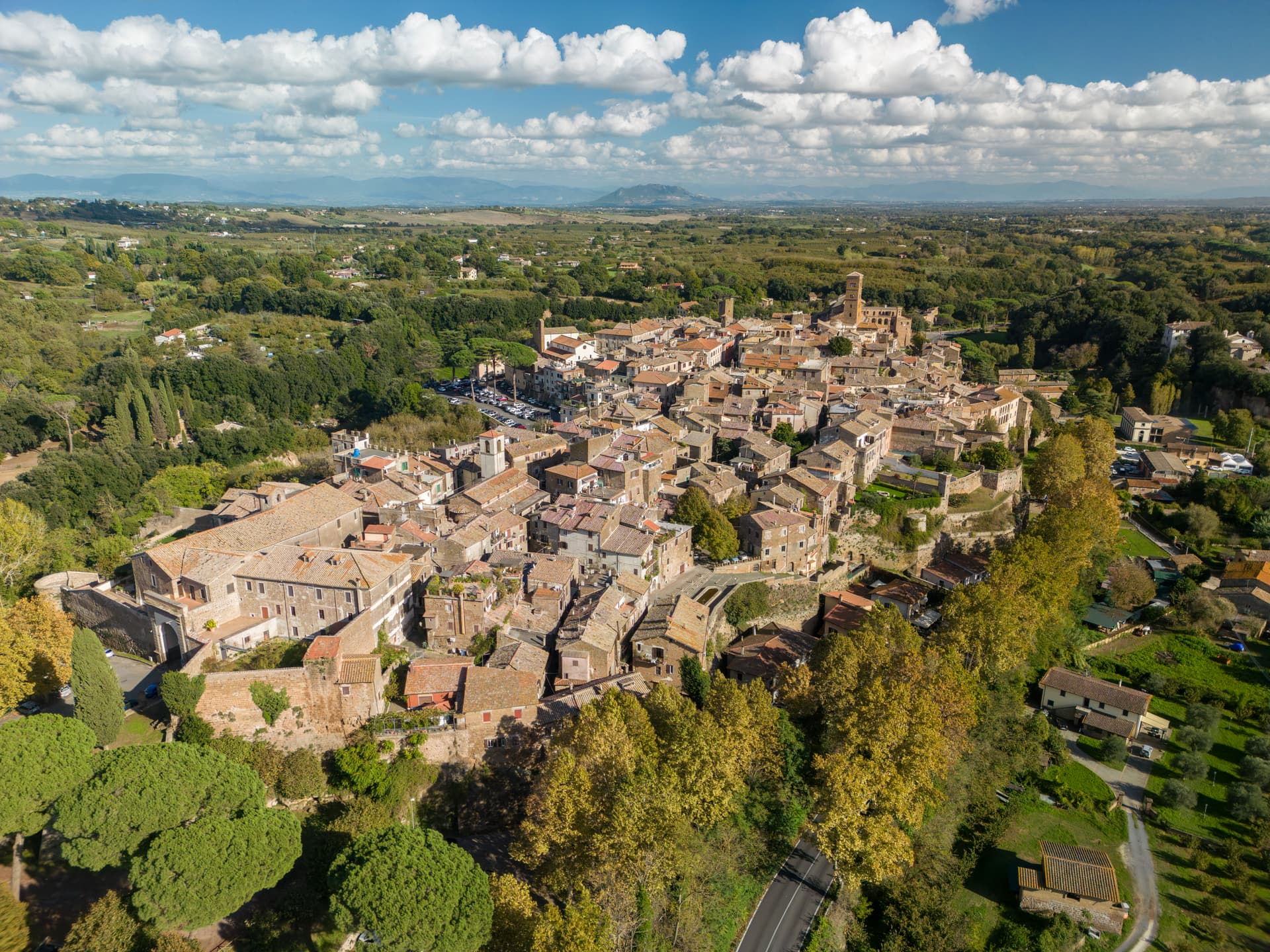
Sutri
Province: Viterbo · 291 m
An Etruscan and Roman town on a tuff spur, with a rock-cut amphitheater carved straight from the volcanic stone of the Cimini.
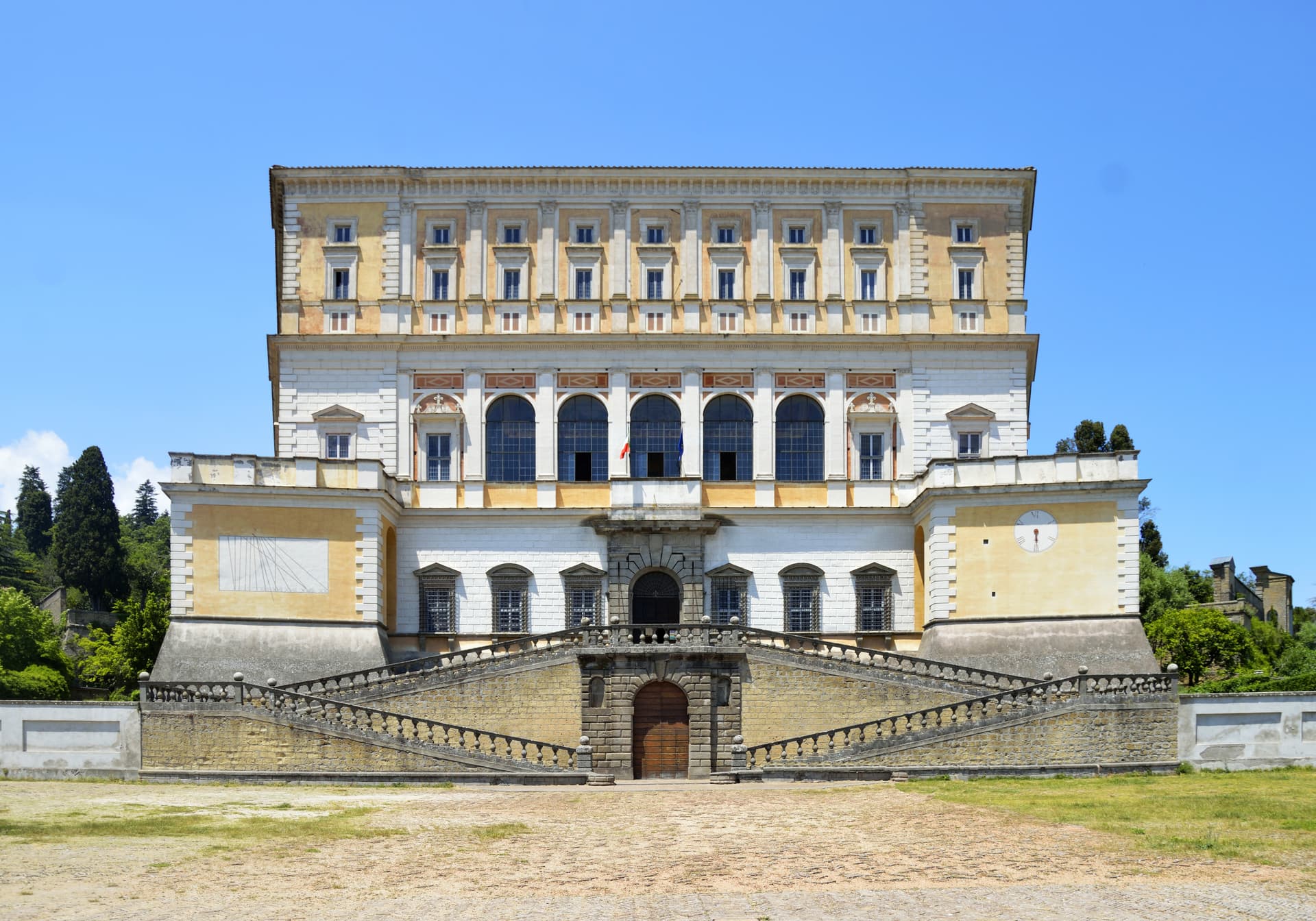
Caprarola
Province: Viterbo · 510 m
A Cimini hill town above Lago di Vico, dominated by the pentagonal Villa Farnese that Vignola built for the Farnese cardinals between 1559 and 1573.
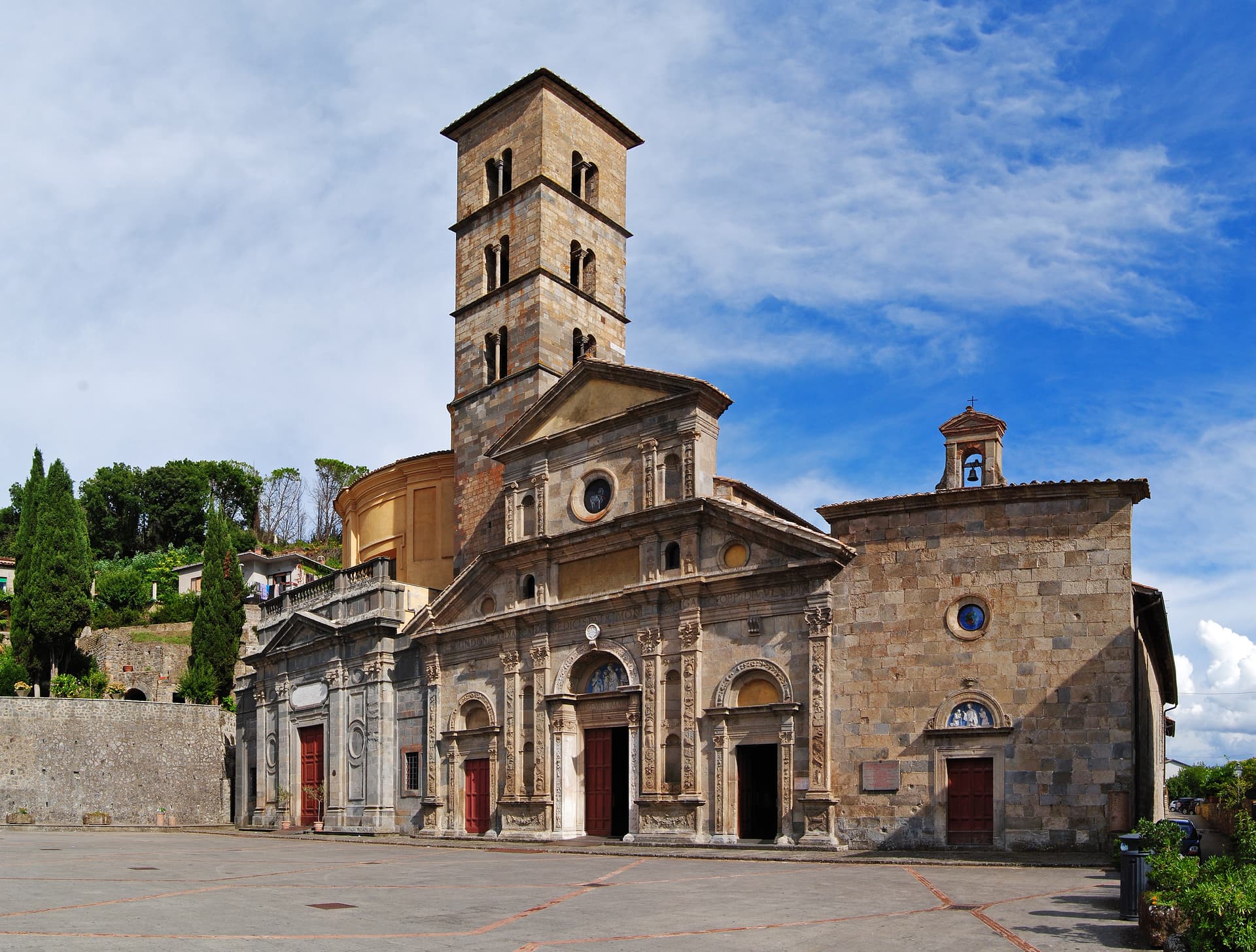
Bolsena
Province: Viterbo · 350 m
A medieval town at 350 meters on the eastern shore of Europe's largest volcanic lake, where a Bohemian priest reported a Eucharistic miracle in 1263.
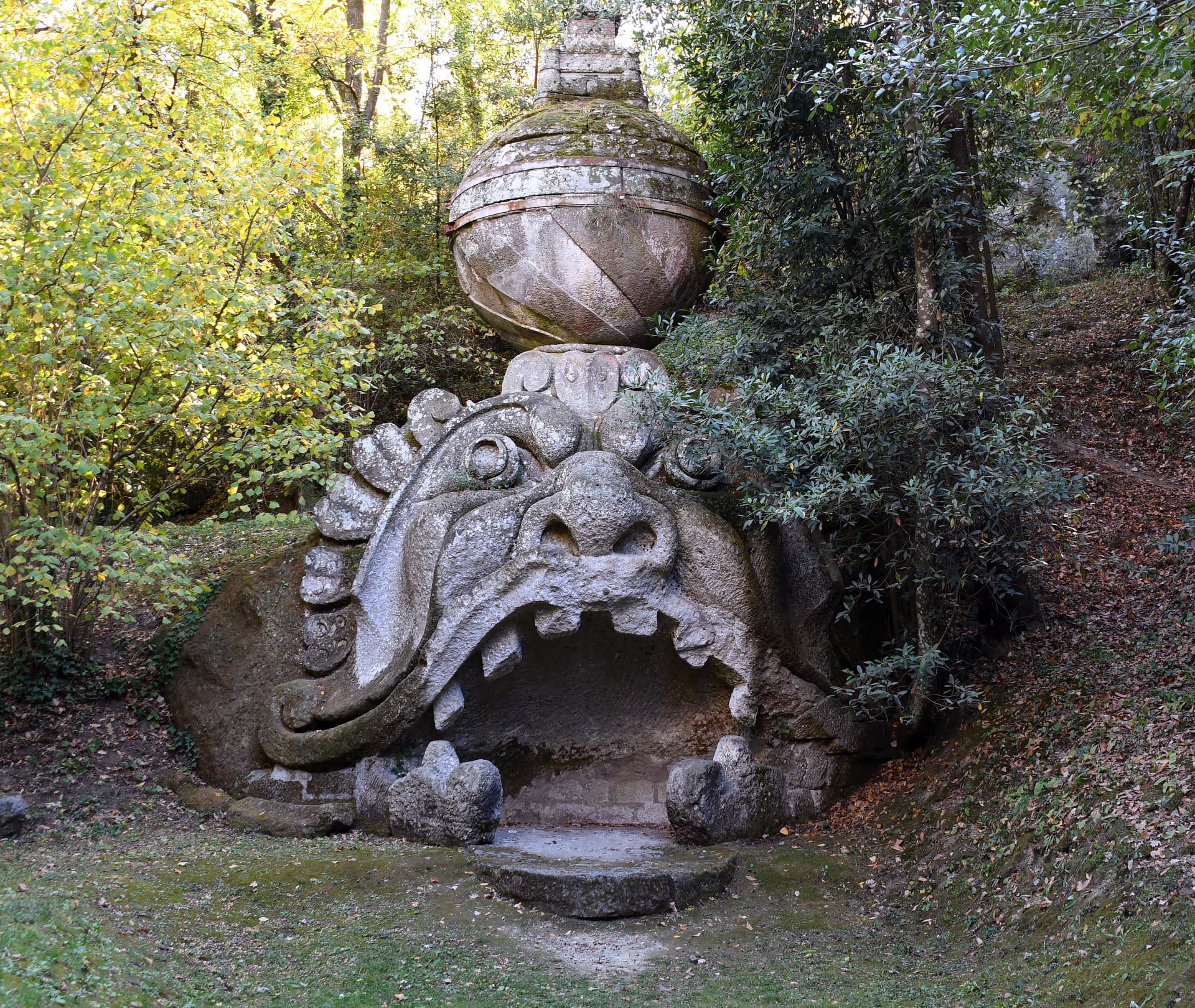
Bomarzo
Province: Viterbo · 263 m
The Tuscia village below the Sacro Bosco, the 16th-century stone-monster garden built by a grieving condottiero for his dead wife.
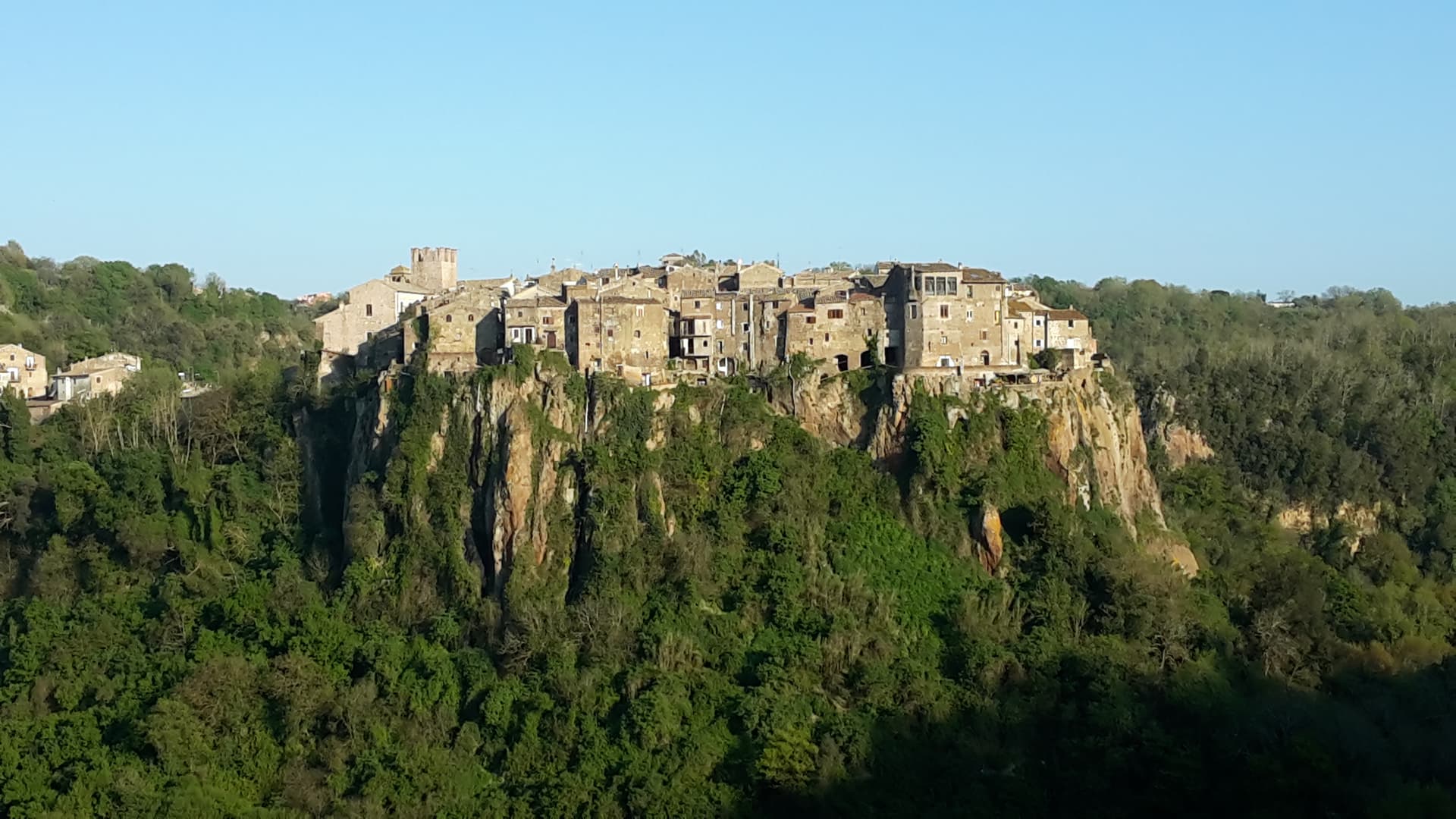
Calcata
Province: Viterbo · 220 m
A tufa-cliff village forty kilometers north of Rome, condemned and abandoned in the 1930s, then occupied by artists and never left.
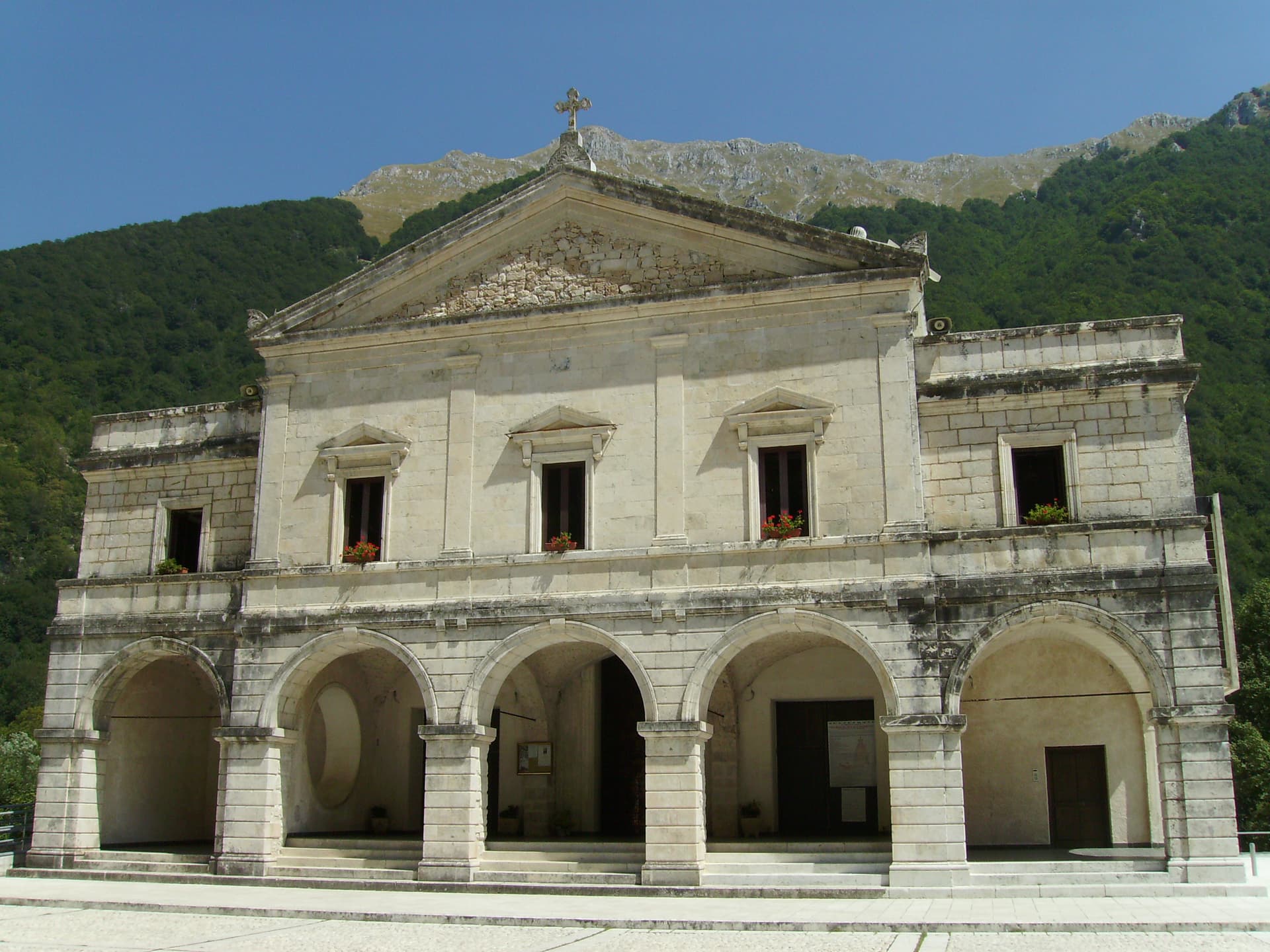
Picinisco
Province: Frosinone · 725 m
A medieval village at 725 meters above the Val di Comino, the source of much of Italo-Scottish emigration and of Pecorino di Picinisco DOP.
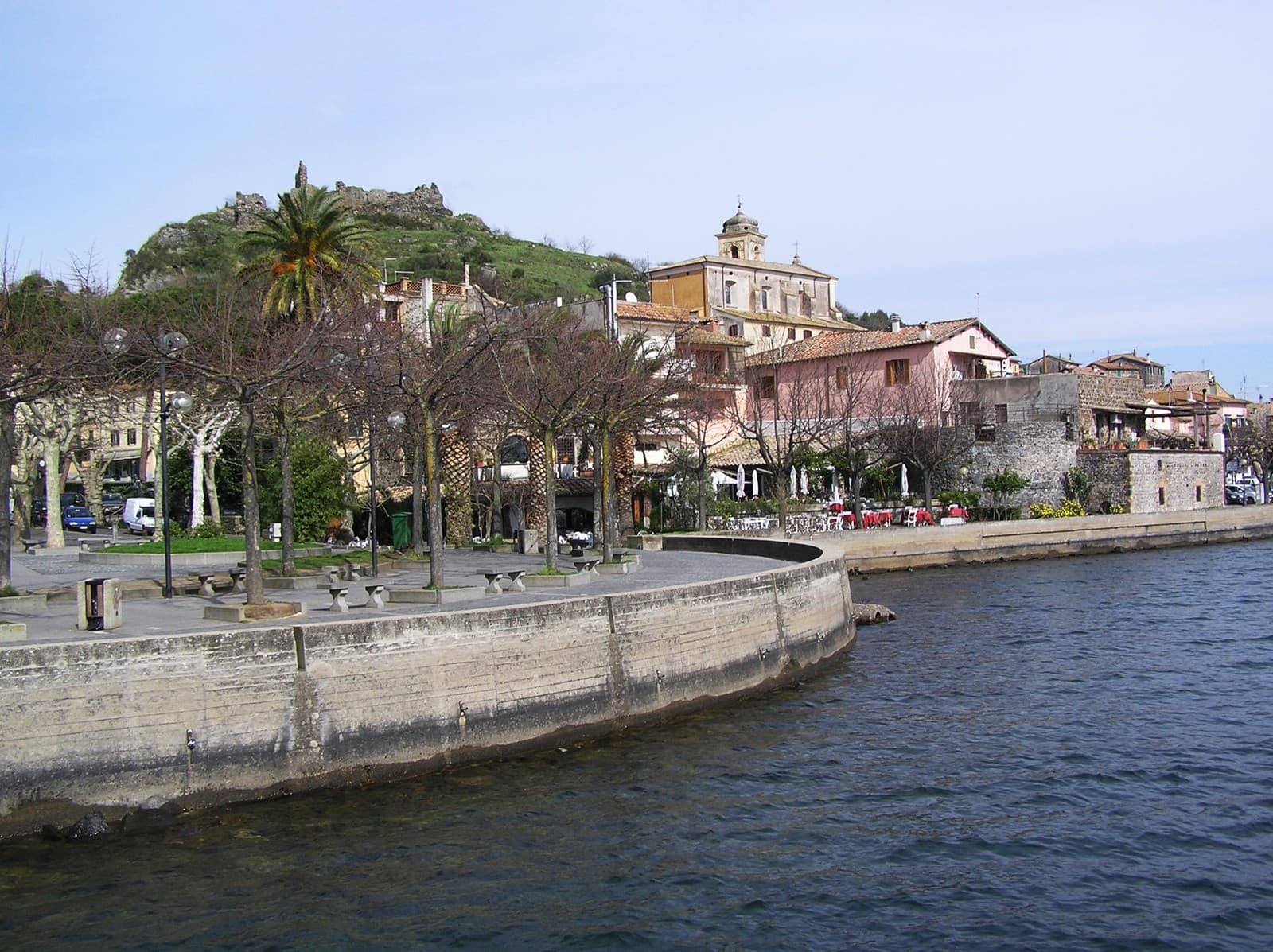
Trevignano Romano
Province: Roma · 173 m
A volcanic-crater lake town on the northern shore of Bracciano, thirty-five kilometers from Rome, with a medieval rocca above the water.
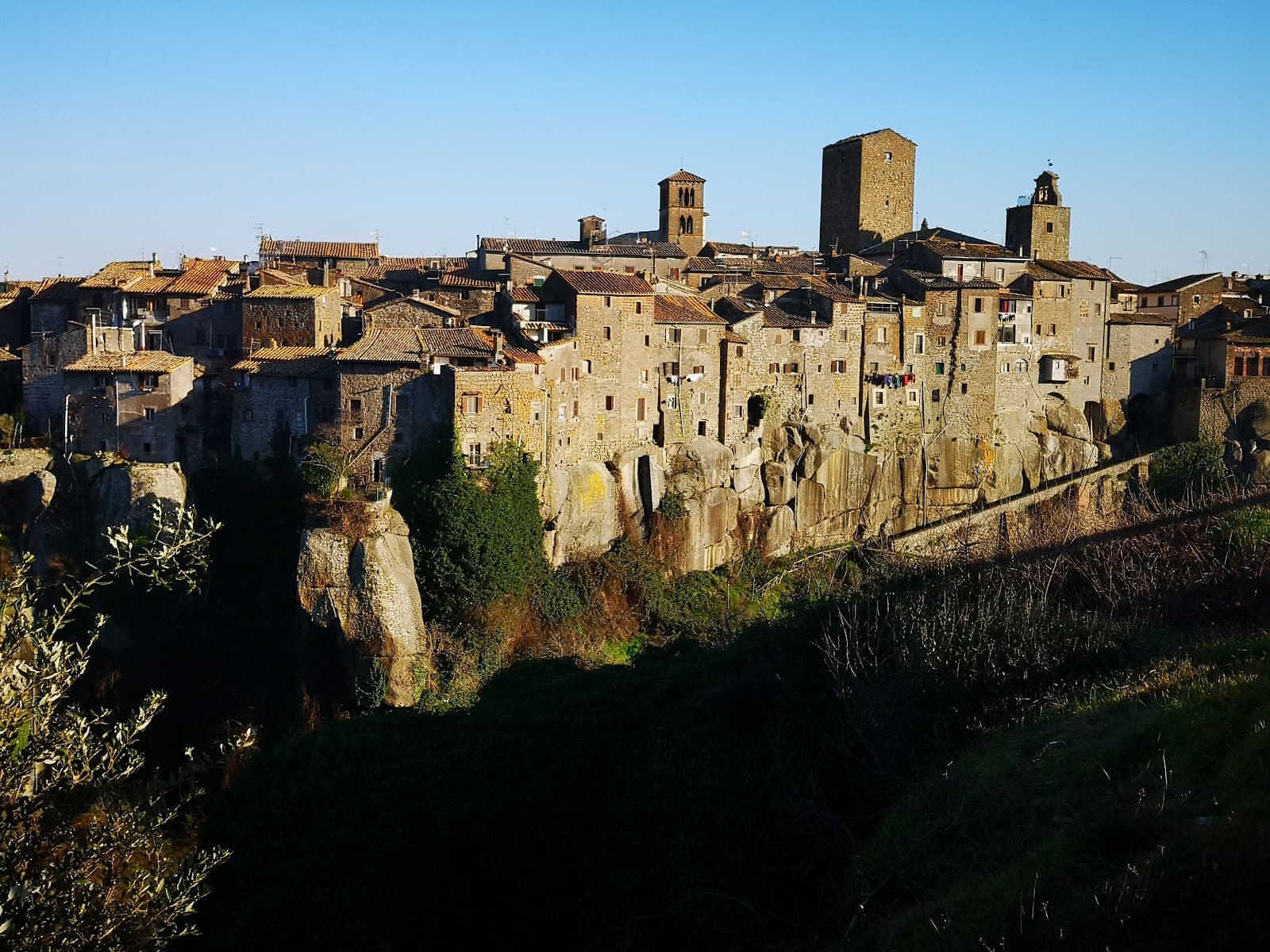
Vitorchiano
Province: Viterbo · 285 m
A peperino borgo built on a single volcanic boulder near Viterbo, and the only place outside Easter Island with a true Moai.
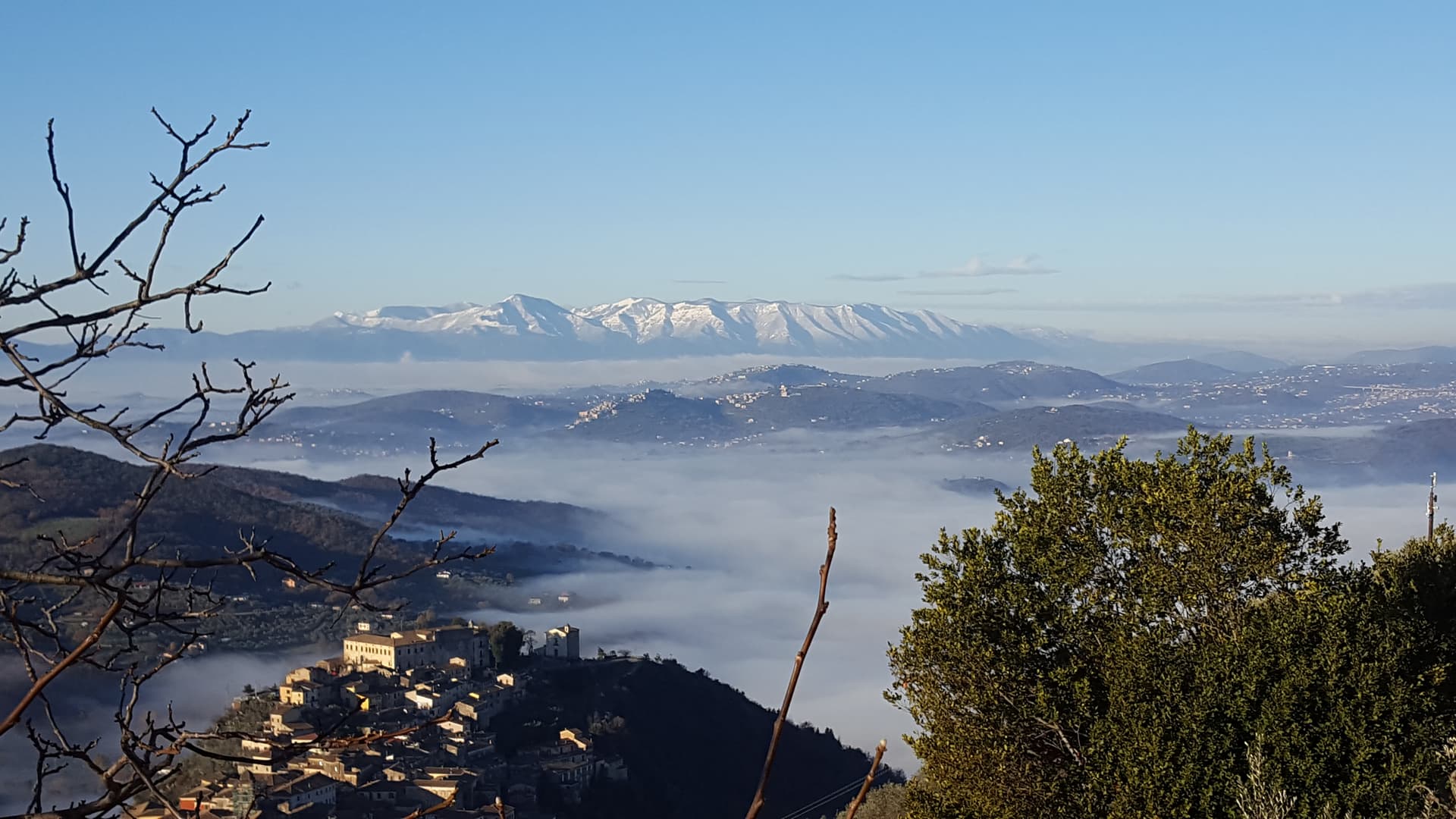
Arpino
Province: Frosinone · 450 m
The Volscian-Roman hill town in the Liri valley that produced Marius and Cicero, with a pre-Roman acropolis above the modern center.
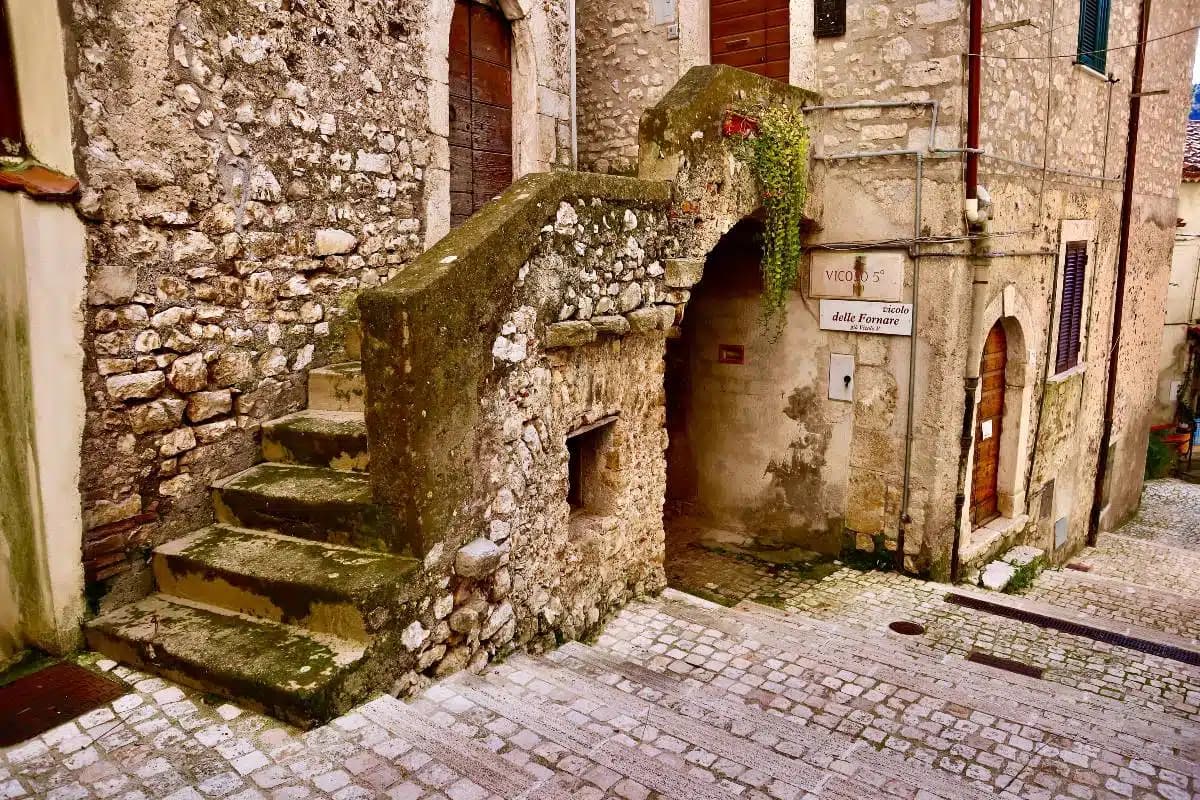
Bassiano
Province: Latina · 562 m
The highest village in the province of Latina at 562 meters, birthplace of Aldo Manuzio, who shrank the book to pocket size.
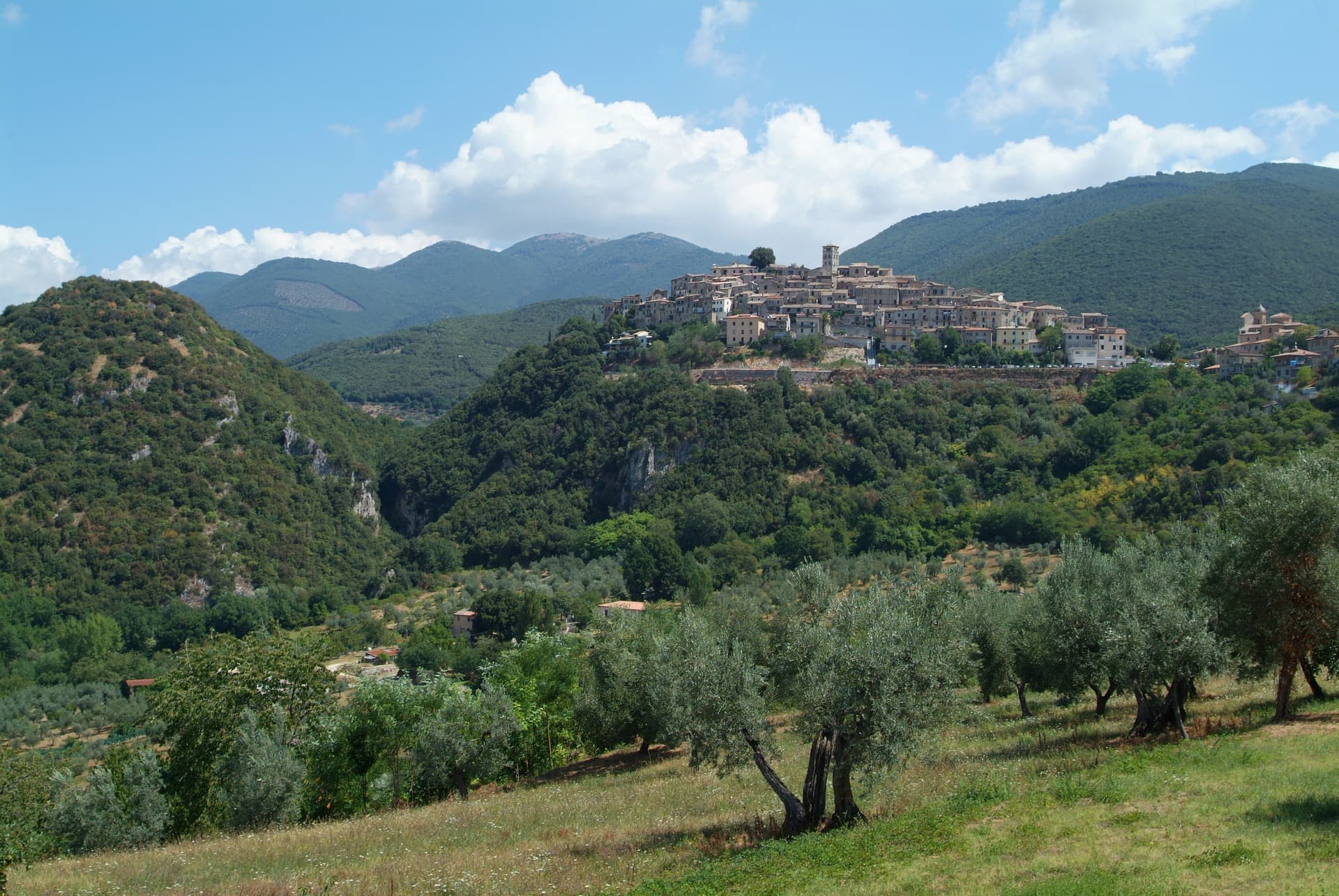
Casperia
Province: Rieti · 397 m
A Sabina hill village named Aspra in Virgil's Aeneid, called that until 1947, ringed by walls from 1282 and Sabina DOP olive groves below.
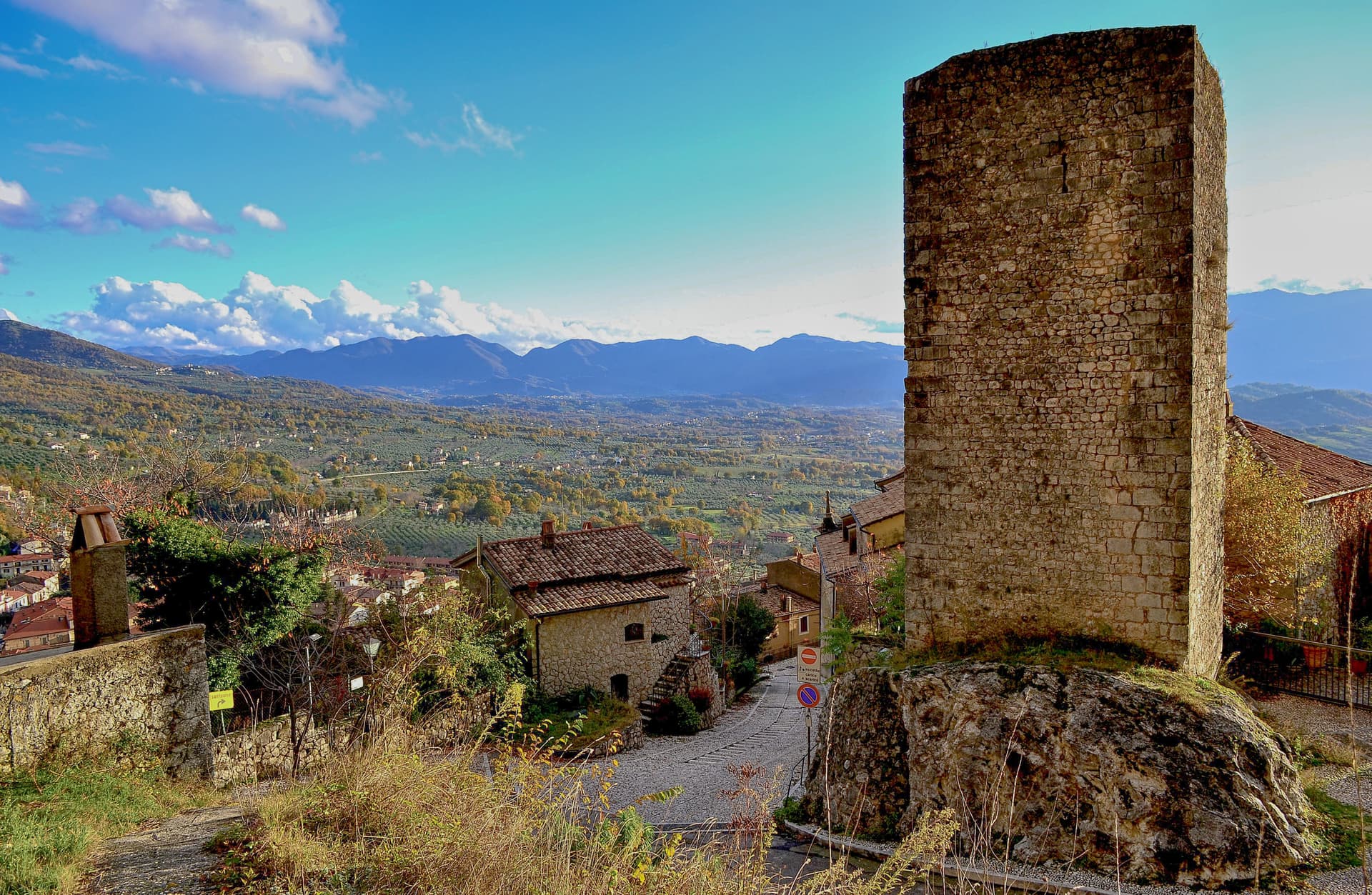
San Donato Val di Comino
Province: Frosinone · 728 m
A medieval village at 728 meters at the gateway to Forca d'Acero, the pass into the Abruzzo National Park.
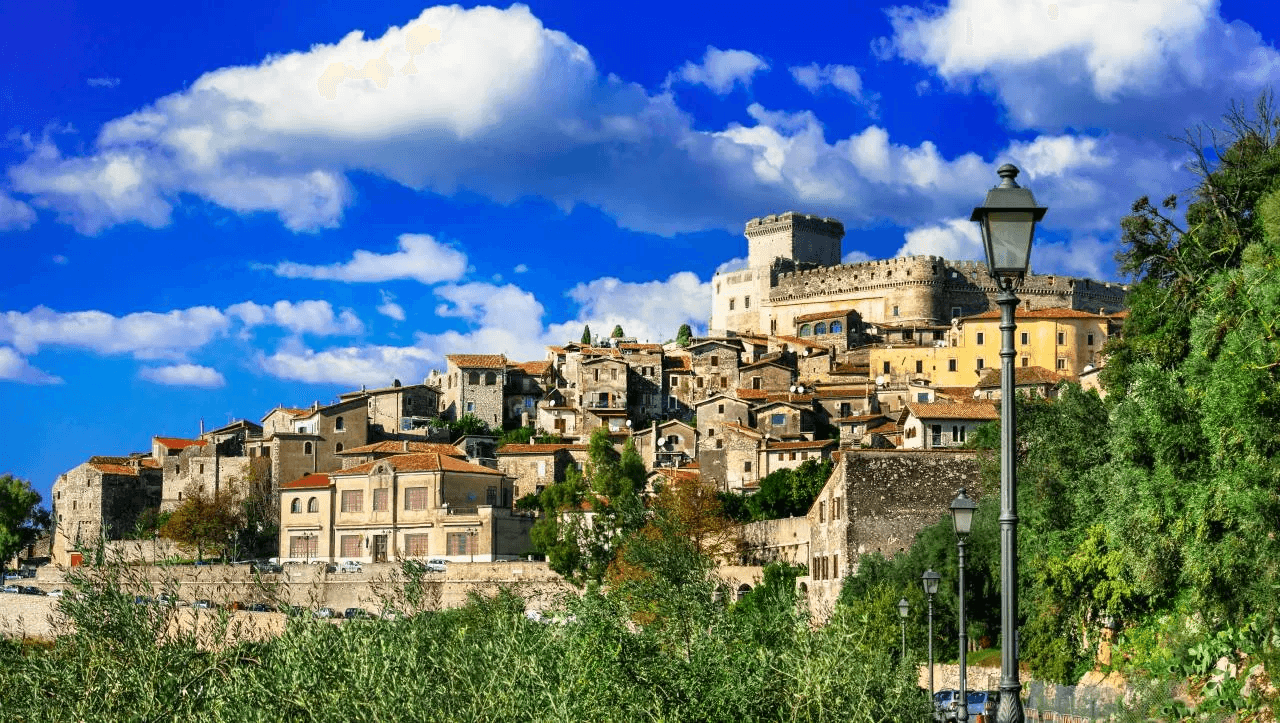
Sermoneta
Province: Latina · 257 m
A walled medieval town on a Lepini spur above the Pontine Plain, the Caetani stronghold whose 42-meter Maschio has stood since 1297.
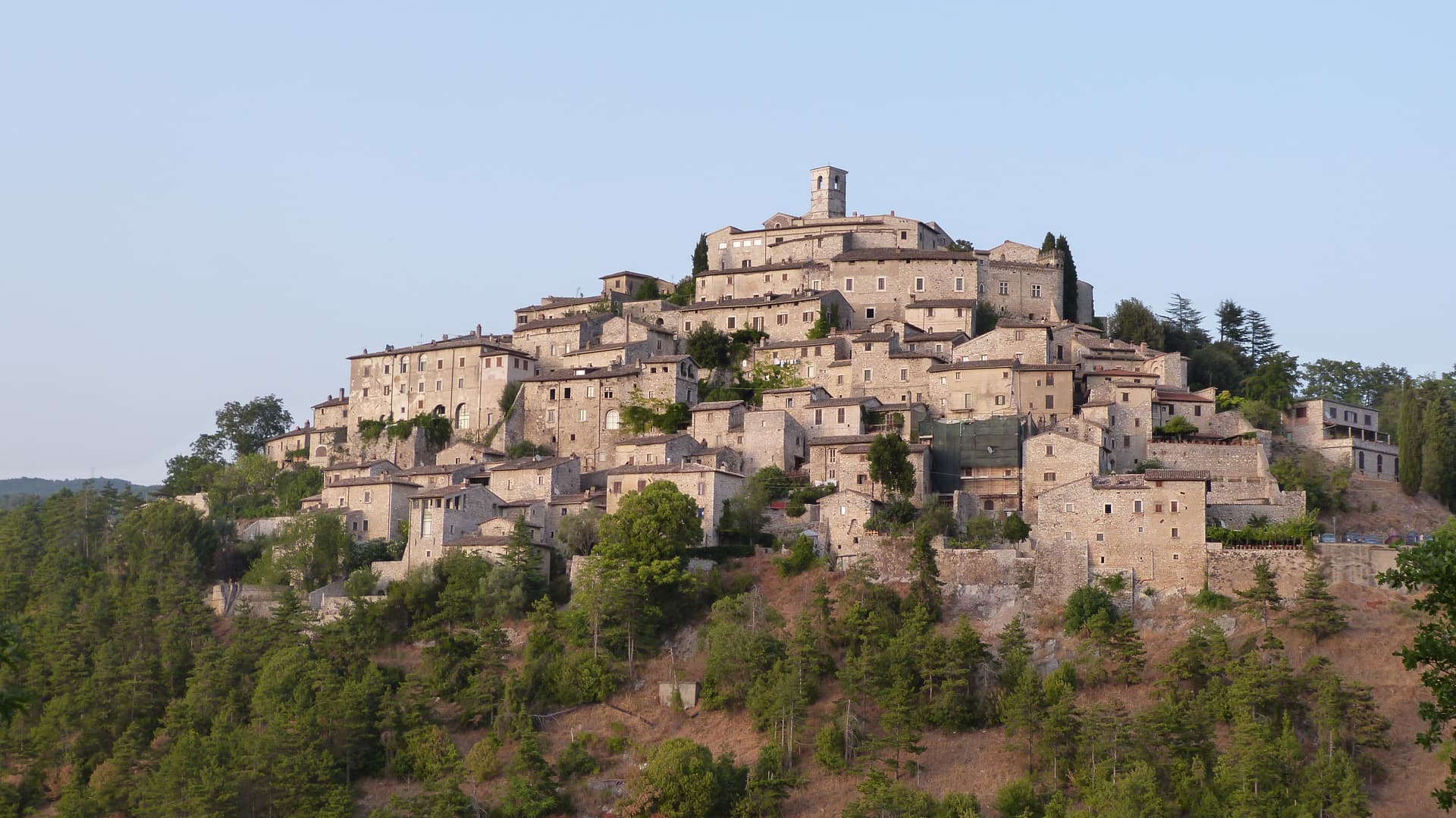
Labro
Province: Rieti · 628 m
A 355-person stone borgo at 628 meters above Lake Piediluco, restored since the 1960s by a Belgian architect and his descendants.
Subscribe — free
Get the best guides on hidden Italian towns.
One letter on Sundays. The week’s town, with the photo, the food, the festa. Free, by Peter & Sophia from Pietrasanta.
Substack sends a confirmation link to your inbox. The signup finishes when it’s clicked.
From elsewhere in Italy
Five more towns to discover
Putignano
Province: Bari
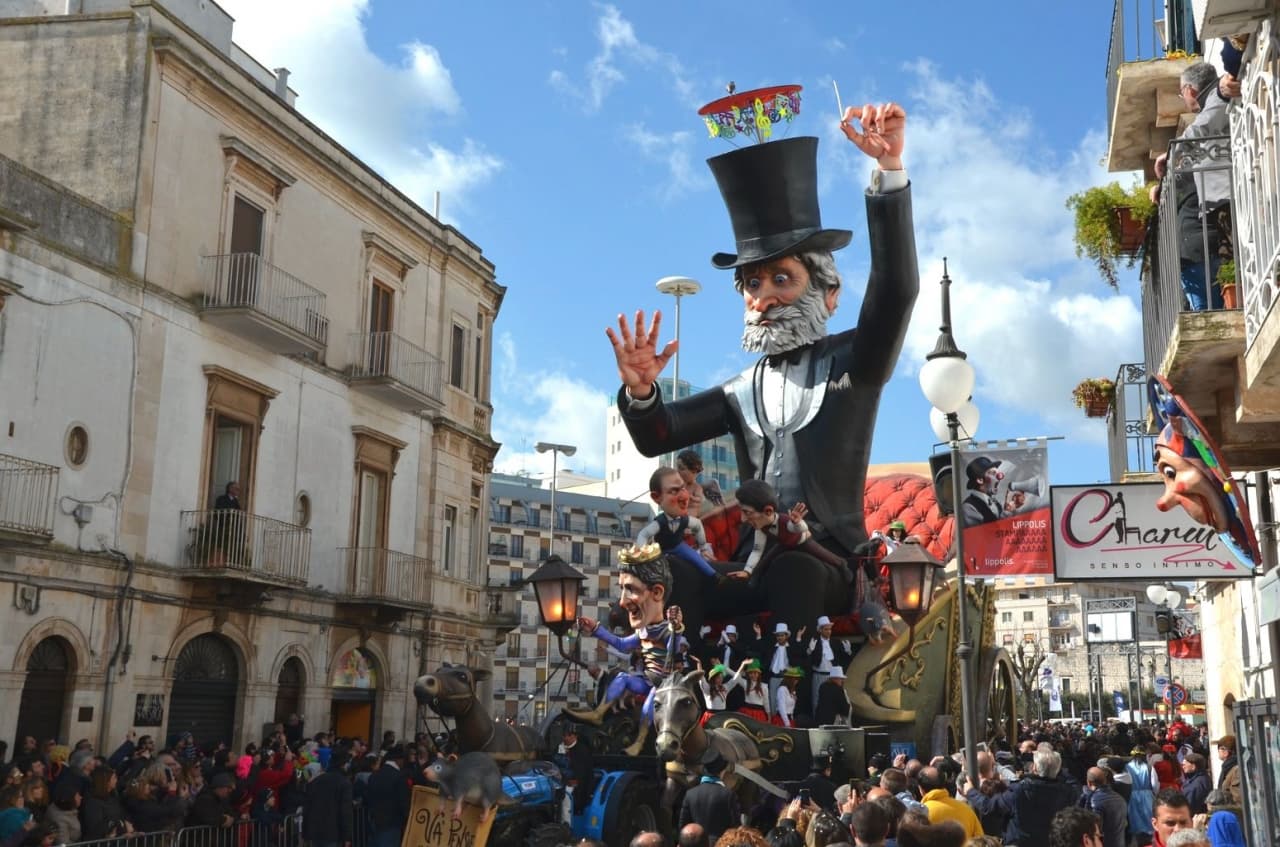
Europe's longest-running carnival — Putignano Carnevale has run continuously since 1394, with 631 years of cartapesta papier-mâché floats, a 26,000-resident Murgia town on the Bari–Lecce plateau, and the Grotta del Trullo karst cave inside the centro.

Pistoia
Province: Pistoia
Italy's nursery capital and the medieval Tuscan rival that gave its name to the pistol — a quietly extraordinary centro storico of zebra-striped Romanesque churches, Andrea della Robbia's polychrome frieze on the Ospedale del Ceppo, and Italy's Capital of Culture 2017, all 30 minutes from Florence by train.
Tropea
Province: Vibo Valentia
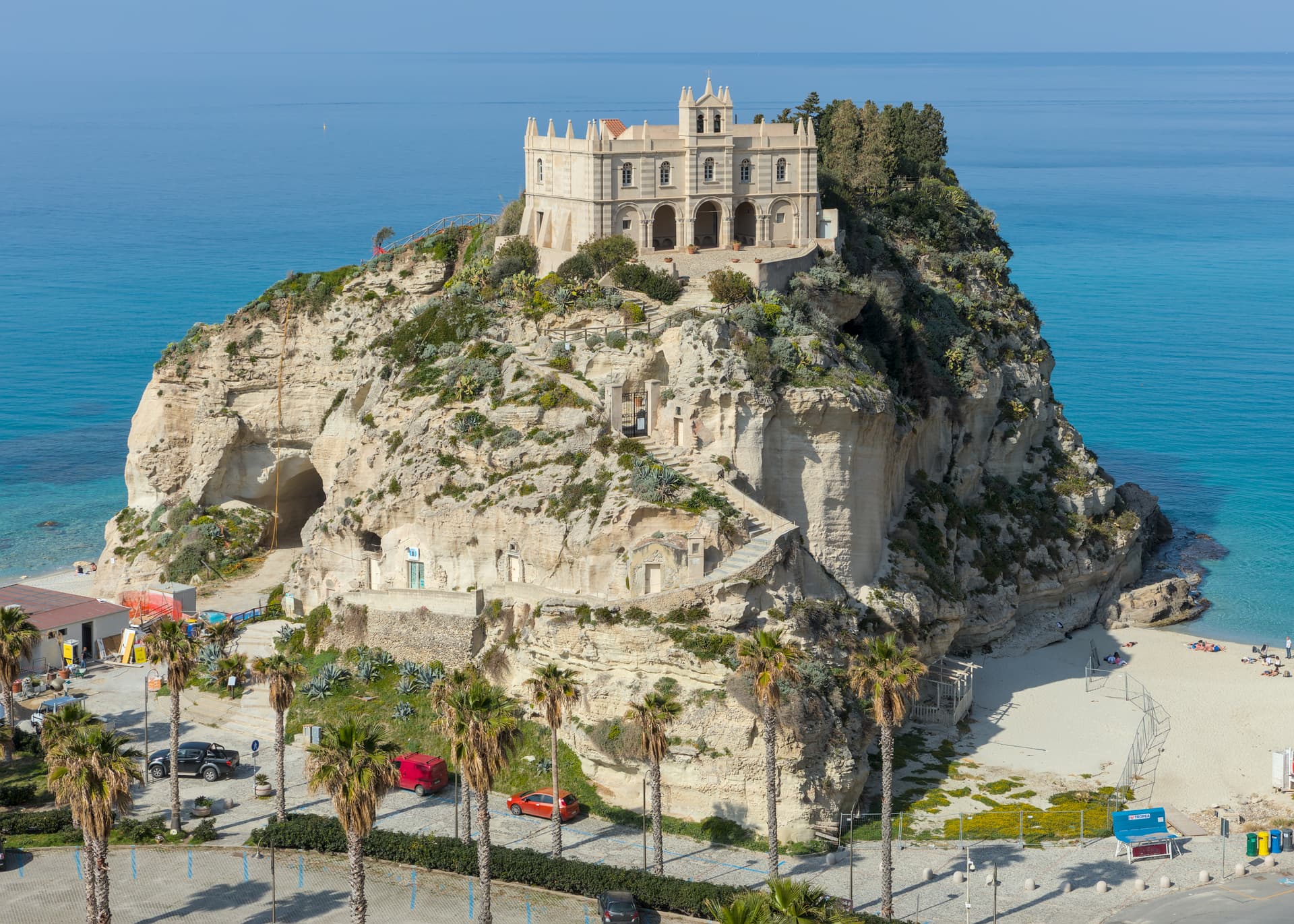
Cliff town on a tufa headland over the Tyrrhenian Coast of the Gods, with a Norman monastery on a sea rock.
Caldes
Province: Trento
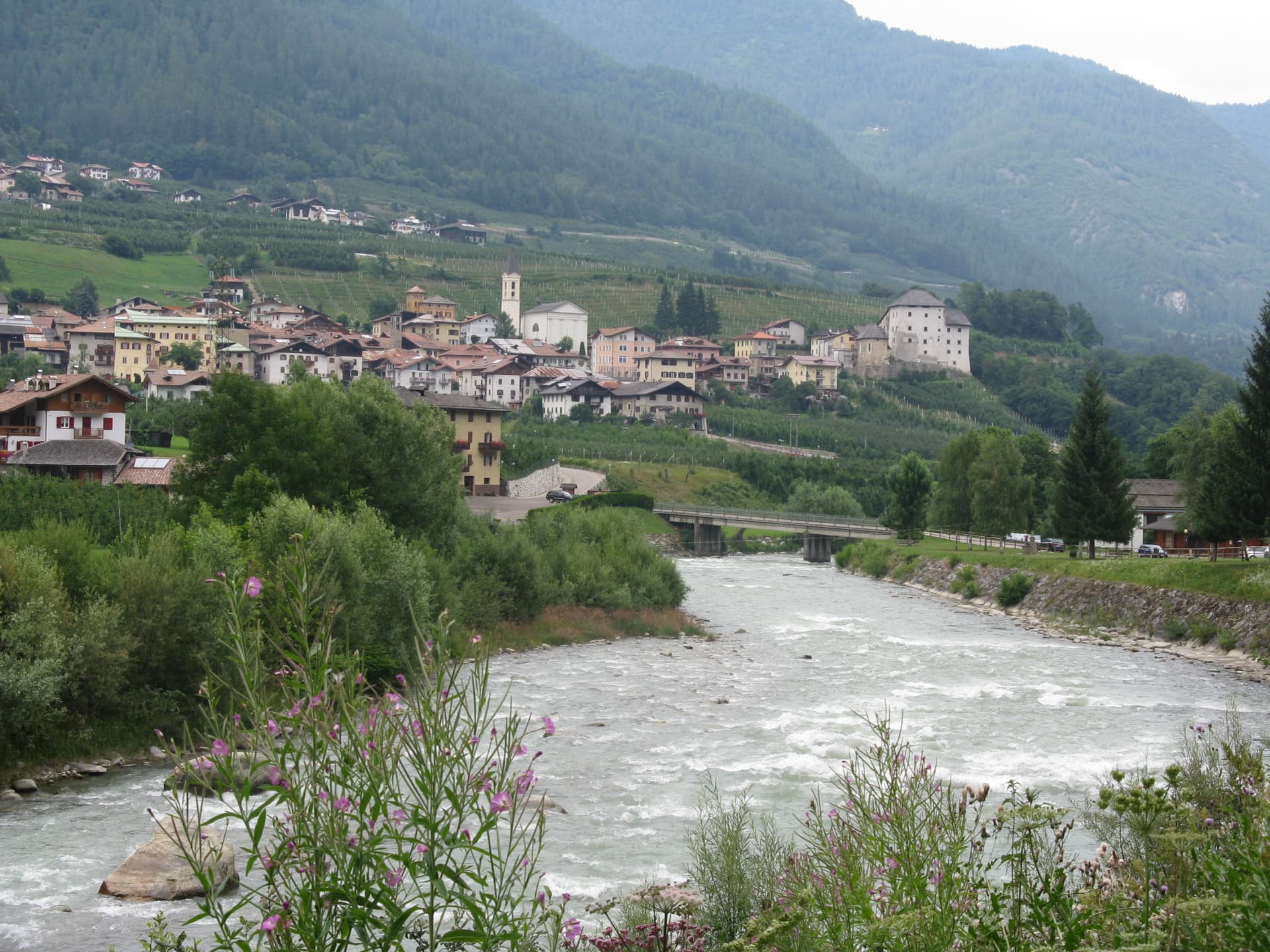
A scattered Val di Sole commune on the Noce, six hamlets gathered around a thirteenth-century tower-house castle that once belonged to the Thun family.
Cantiano
Province: Pesaro e Urbino
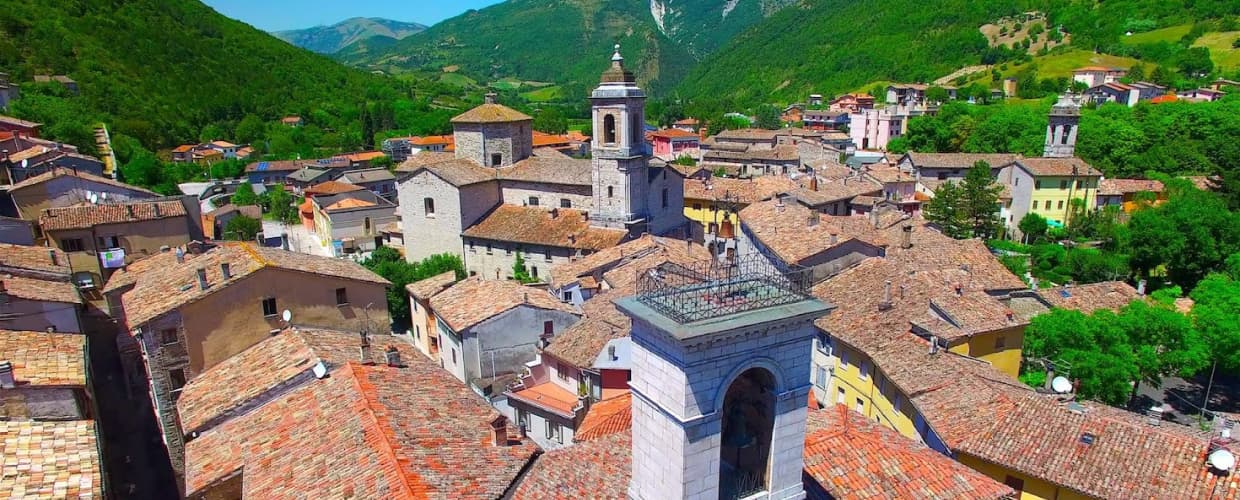
A border borgo at 374 meters under Monte Catria on the old Via Flaminia, known for the Good Friday Turba and the sour-cherry visciola harvest.