

Molise · Isernia
Agnone
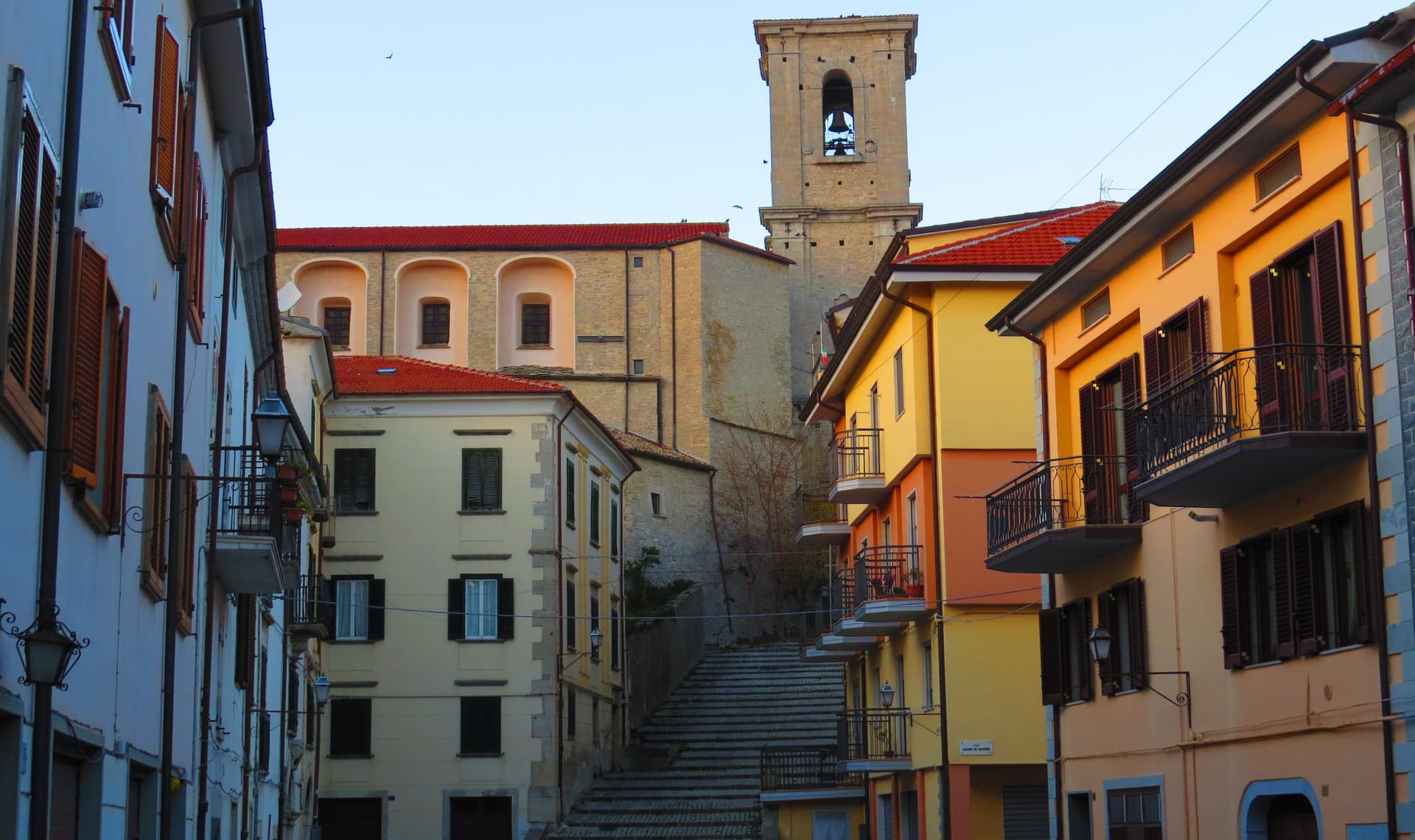
At 840 meters in the Alto Molise, town of the Marinelli pontifical bell foundry and the Ndocciata fire procession on Christmas Eve.
Known for
MARINELLI BELLS
Pontifical bell foundry working since at least 1339, one of the oldest family businesses in the world.
NDOCCIATA
Procession of large fir torches through the streets every 24 December, the town's signature winter rite.
CACIOCAVALLO
Pear-shaped cow's-milk cheese aged on beams, recognised by the Molise region as a traditional food product.
When to visit
Best · May–Oct
- J
- F
- M
- A
- M
- J
- J
- A
- S
- O
- N
- D
- Best
- Hot or crowded
- Quiet
- Mostly closed
The festa: San Cristanziano, 13 May
Why come
Agnone sits at 840 meters in the Alto Molise, 53 kilometers northwest of Campobasso. The Samnite Pentri held this ground; the name is said to derive from Aquilonia, the city Papirius burned on his way to Bovianum. The most important pre-Roman document found in the region, the Tabula Osca, a bronze inscription in Oscan dated to the third century BC, was unearthed in 1848 at Fonte di Romito between here and Capracotta, and now sits in the British Museum.
Agnone is called the Athens of the Sannio for the density of its archaeological record. The Pontificia Fonderia Marinelli has cast bells here since at least 1339, possibly since 1040, making it one of the oldest family businesses in the world; in 1924 the Vatican gave it the pontifical title, and Marinelli bells now hang at the UN building in New York, the FAO in Rome, and in Beijing, Jerusalem, and St Peter's Square. On 24 December the town runs the Ndocciata, a procession of large fir torches through the streets.
The Sunday letter
We haven’t written Agnone’s letter yet.
One town every Sunday, with the photo, the food, the festa. Be there when this one comes up. Free, by Peter & Sophia from Pietrasanta.
By subscribing you agree to Substack’s Terms of Use, our Privacy Policy and our Information collection notice.
What to see
Pontificia Fonderia Marinelli
Bell foundry working since at least 1339, granted pontifical status in 1924; bells hang at the UN, the FAO, and St Peter's Square.
Chiesa di Sant'Emidio
Town church in the centro storico, with works tied to the long ecclesiastical history of the Athens of the Sannio.
Centro storico
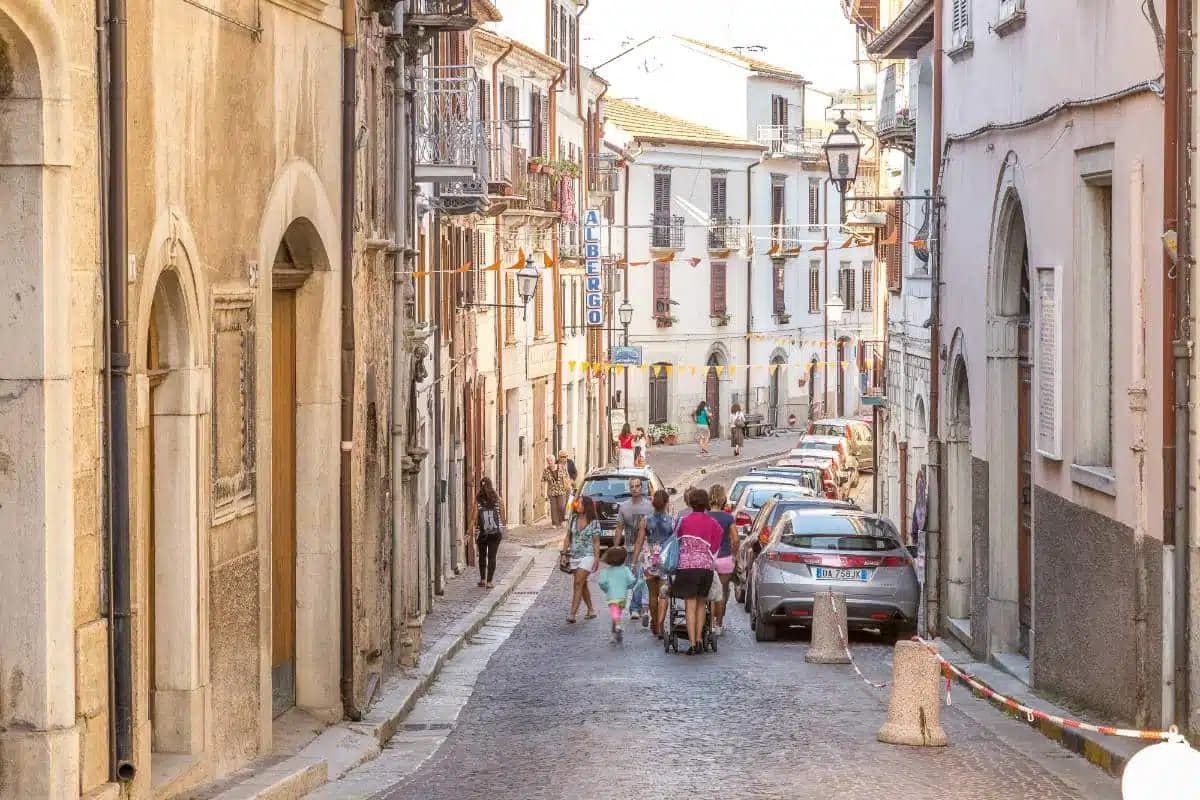
Stone old town along a ridge in the Alto Molise, dense with churches and workshops from the bell-casting trade.
Ndocciata
Procession of large fir torches through the streets on 24 December, one of the oldest fire rituals in southern Italy.
Pietrabbondante (nearby)
Samnite theatre and temple complex 30 minutes from Agnone, built in the second century BC and still used for summer performances.
The slow-trip planner
Building a trip? Find where Agnone fits in a slow Italy circuit.
Answer five questions. We will shape a geographically coherent slow trip from the 1,000 Italian towns most travelers skip. Yours to save and share.
Living here
- Population 4,665
- Off the beaten pathi
- Pharmacy in town
- High school within a 30-minute drive
- Nearest airport Naples / Salerno, 2 h 17 min drive
- Regional capital Campobasso, 1 h 11 min drive
Tags & datadesignations · numbers · sources
Recognised as
The numbers
- Elevation: 840 m
- Population: 4,665
- Surface area: 96.85 km²
These figures were compiled from public directories — ISTAT, OpenStreetMap, Wikidata — and from the official listings of the guides named on this page. Town details change; verify with official sources before you travel.
Close by
More towns near Agnone
Capracotta
Province: Isernia
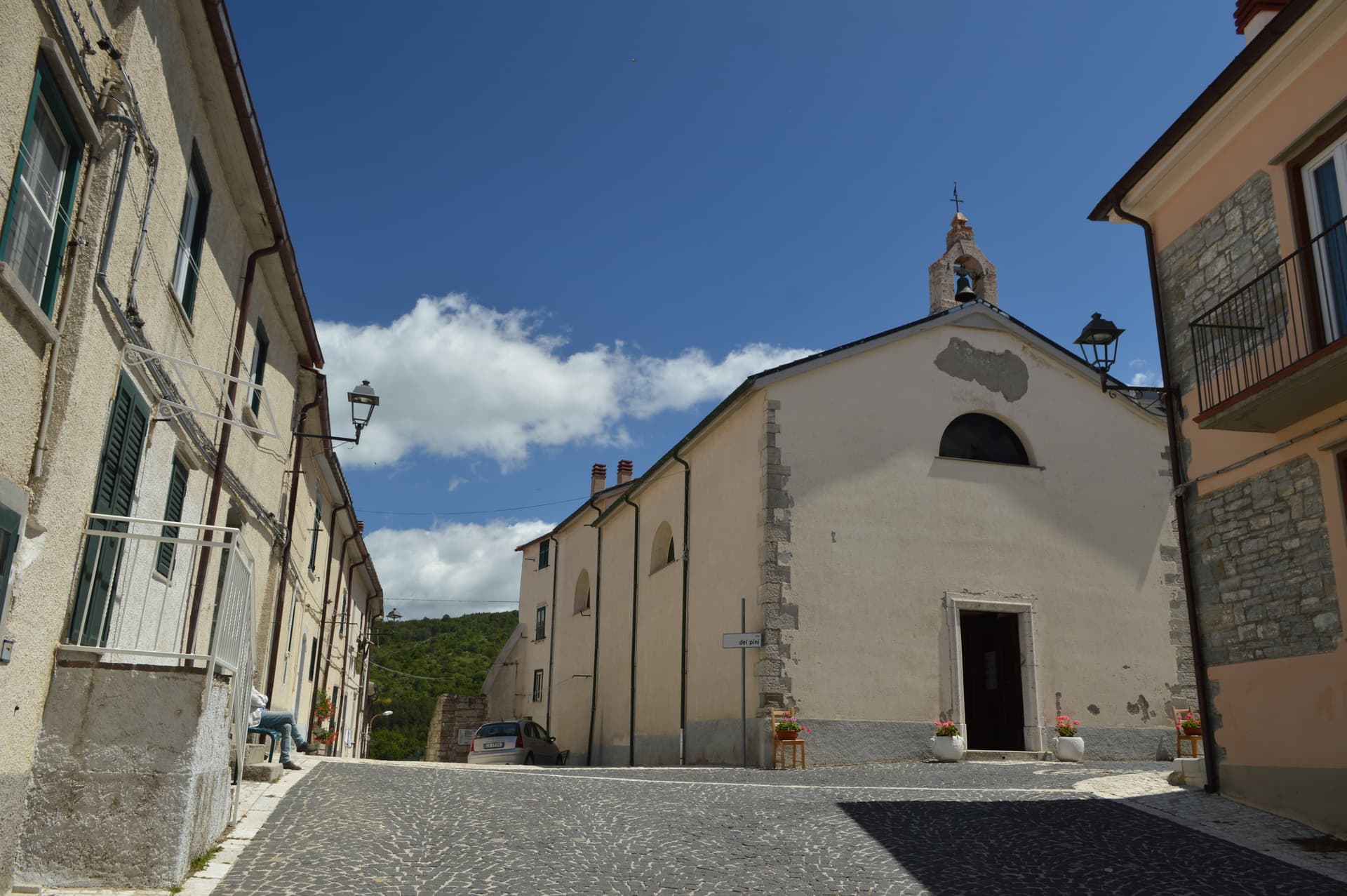
At 1,421 meters the second-highest commune in central Italy, holder of the world record for snowfall in 24 hours: 2.56 meters on 5 March 2015.
Bagnoli del Trigno
Province: Isernia
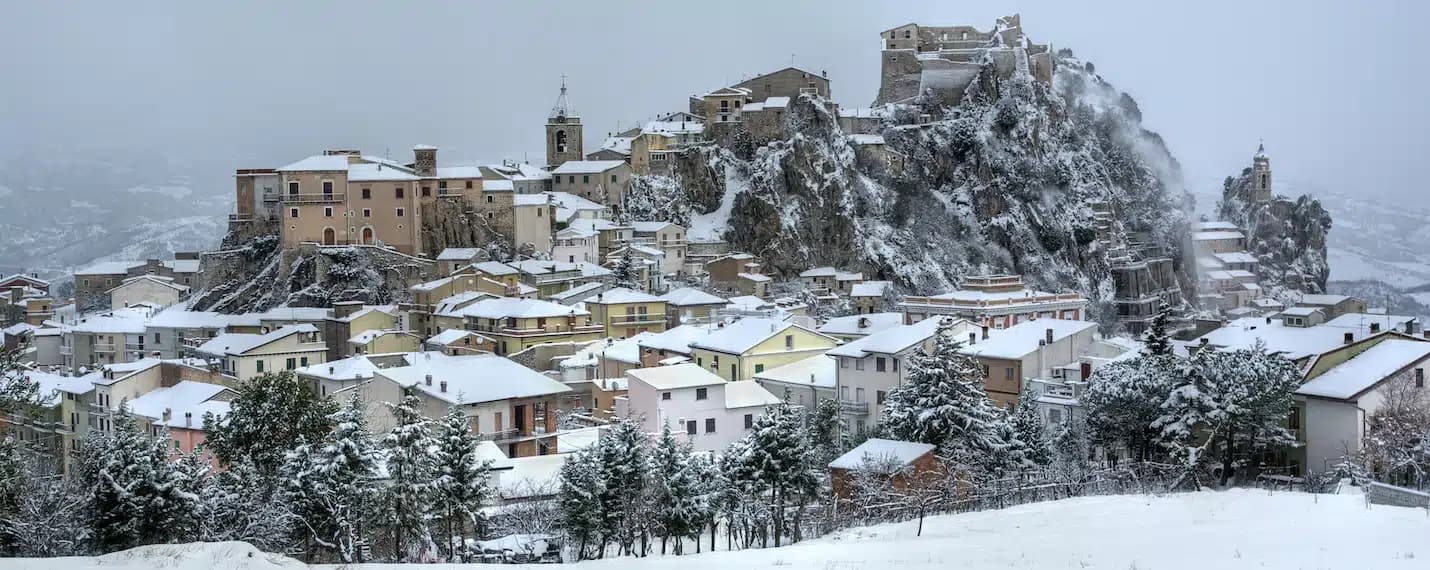
The 'Pearl of Molise' — a 637-resident borgo built into and around a massive limestone outcrop above the Trigno valley, with the Chiesa di San Silvestro carved into the rock itself and the Castello Sanfelice rebuilt on its summit.
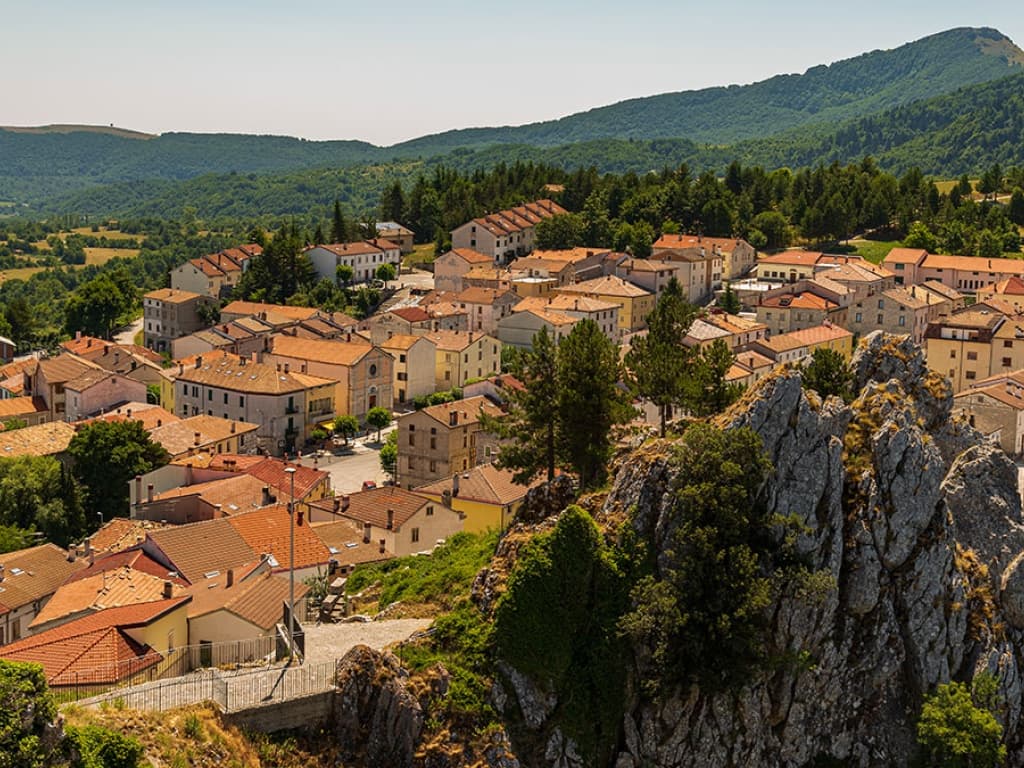
Pescopennataro
Province: Isernia
An Alto Molise stone village at 1,190 meters, the paese della pietra e degli abeti, above a rare high-altitude white-fir forest.
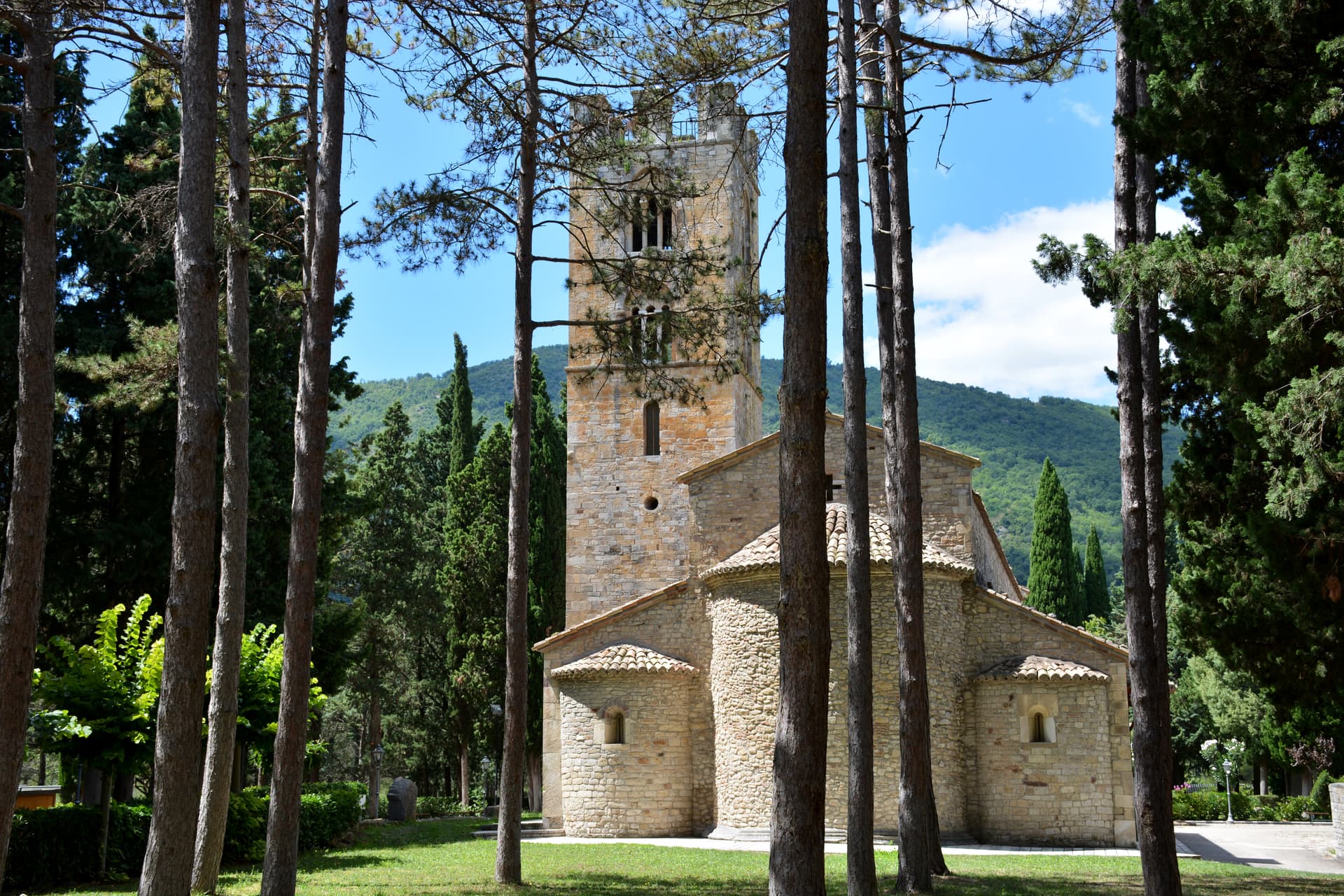
Roccavivara
Province: Campobasso
A 652-meter village above the Trigno river valley, home to the Romanesque Santuario della Madonna del Canneto with its 1223 ambone and 14th-century gothic Madonna del Sorriso.
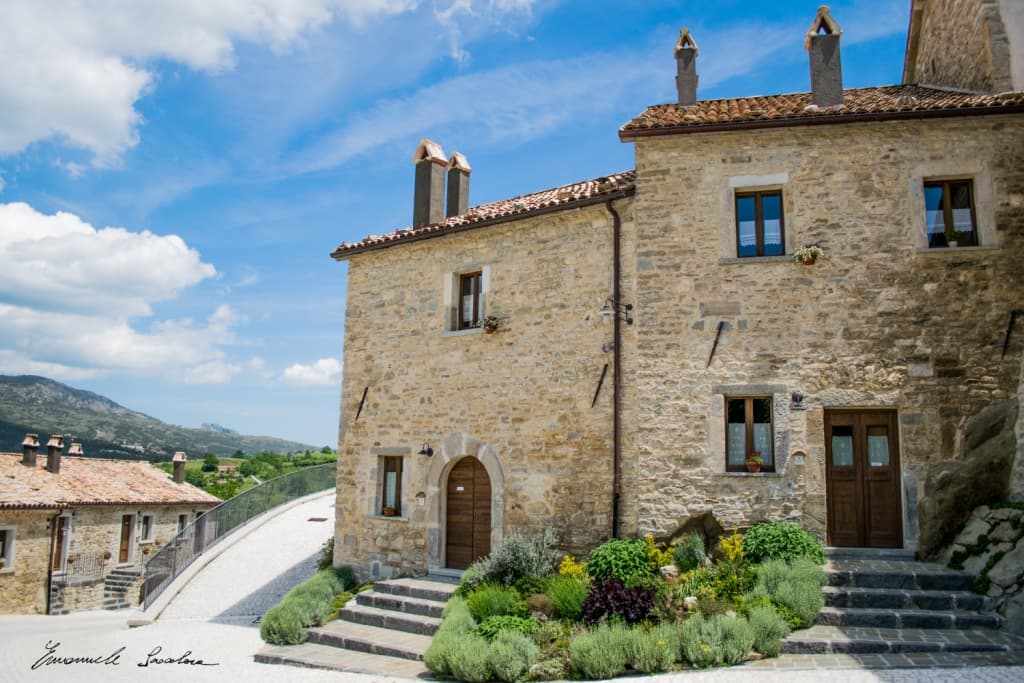
Castel del Giudice
Province: Isernia
Italy's most-cited Apennine reinvention case study — a 308-resident Alto Molise borgo at 800m that rebuilt its abandoned schoolhouse as a 30-room albergo diffuso, recovered 5,000 ancient apple trees into a recognised organic-orchard cooperative, and became the template Comuni Virtuosi cite when explaining how depopulated villages can self-sustain.
🟠 Bandiera Arancione
More Bandiera Arancione towns in Molise
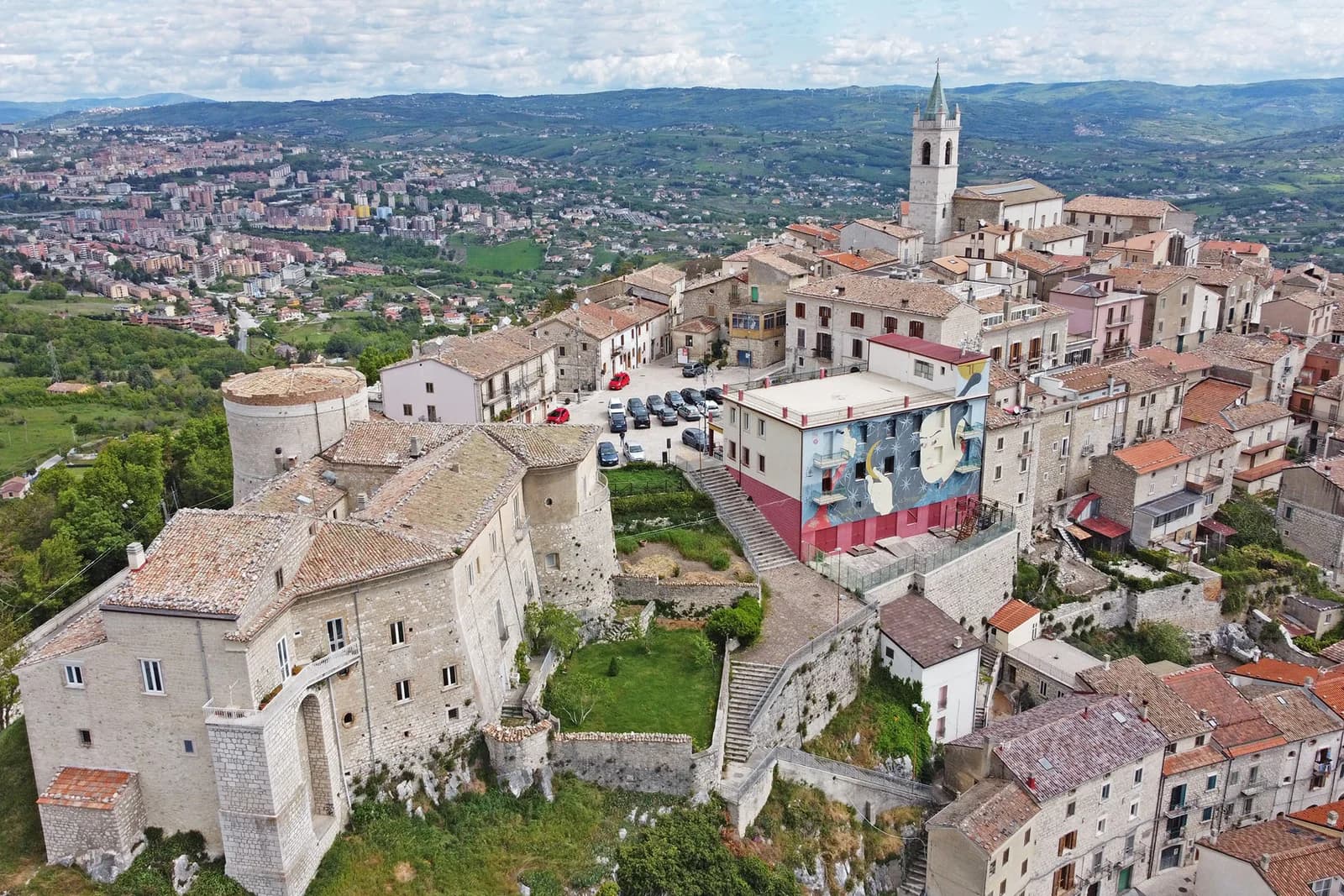
Ferrazzano
Province: Campobasso
A hilltop borgo at 872 meters above Campobasso, called the Sentinel of Molise, where Robert De Niro's great-grandparents lived before sailing in 1887.
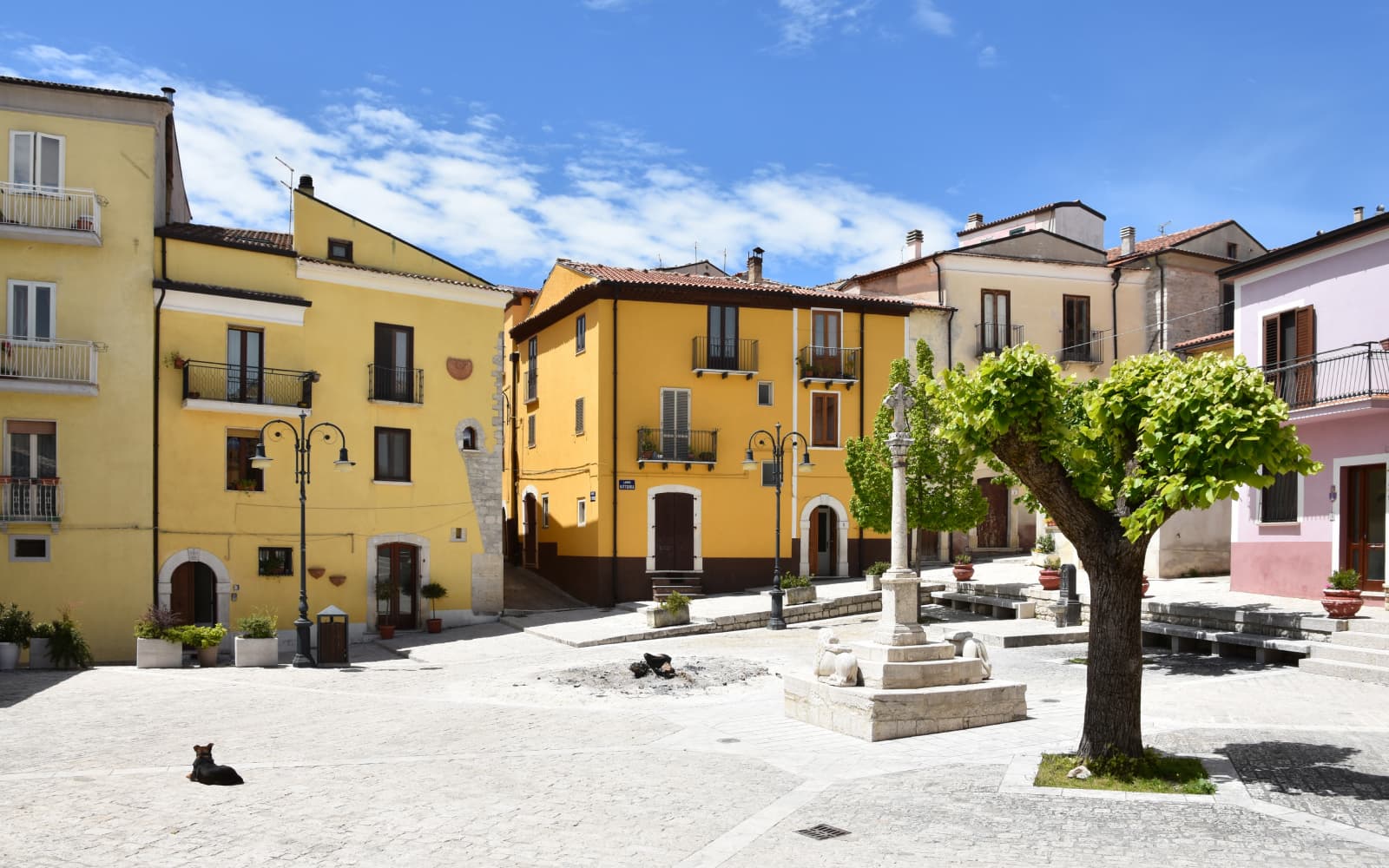
Frosolone
Province: Isernia
A 900-meter blade-making town in the Matese foothills, called Italy's Toledo for the knives and scissors forged here since the 1800s.
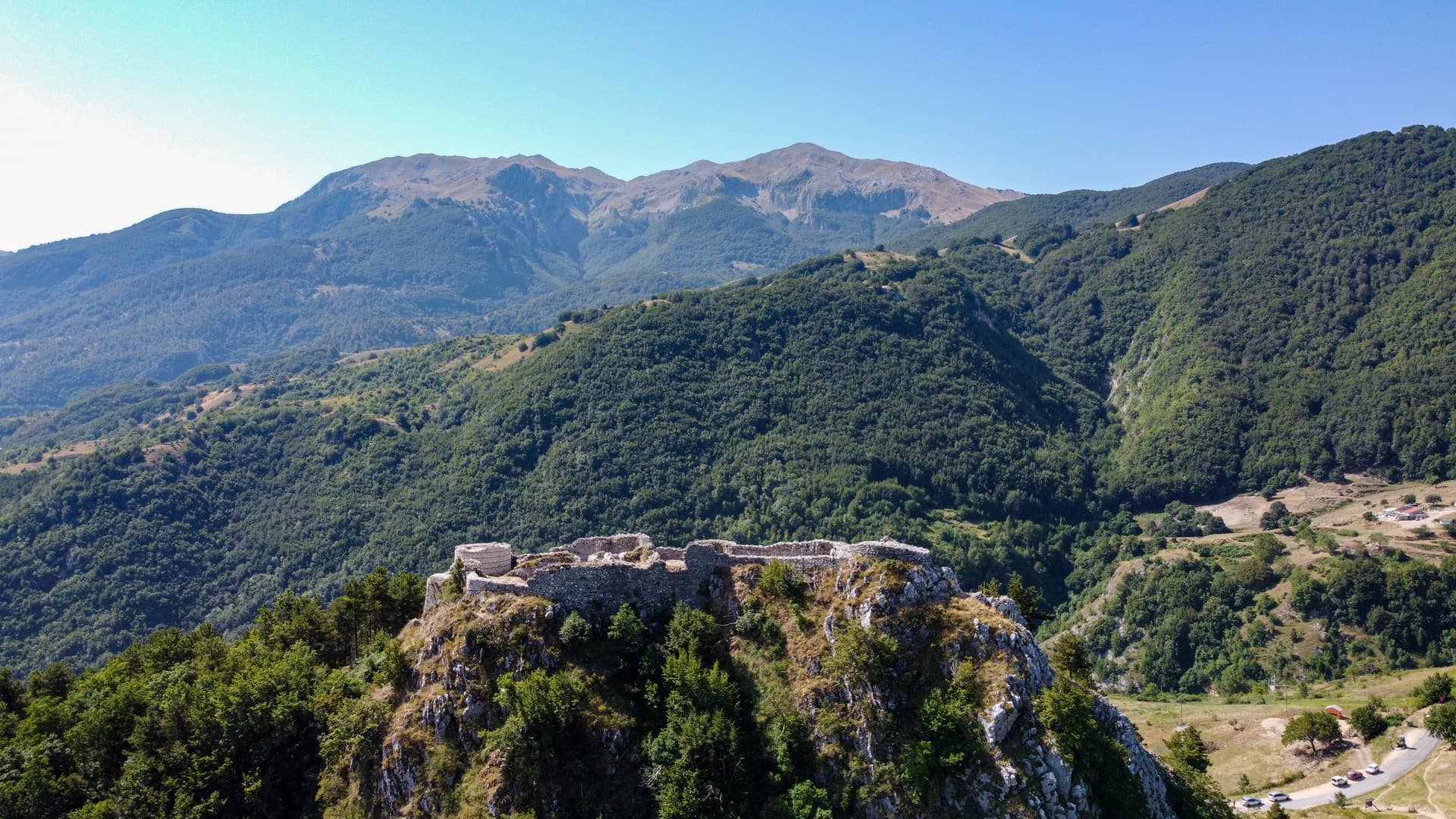
Roccamandolfi
Province: Isernia
At 850 meters at the foot of Monte Miletto, a Matese village of brigand legends, Lombard ruins, and a Tibetan bridge over the Callora canyon.
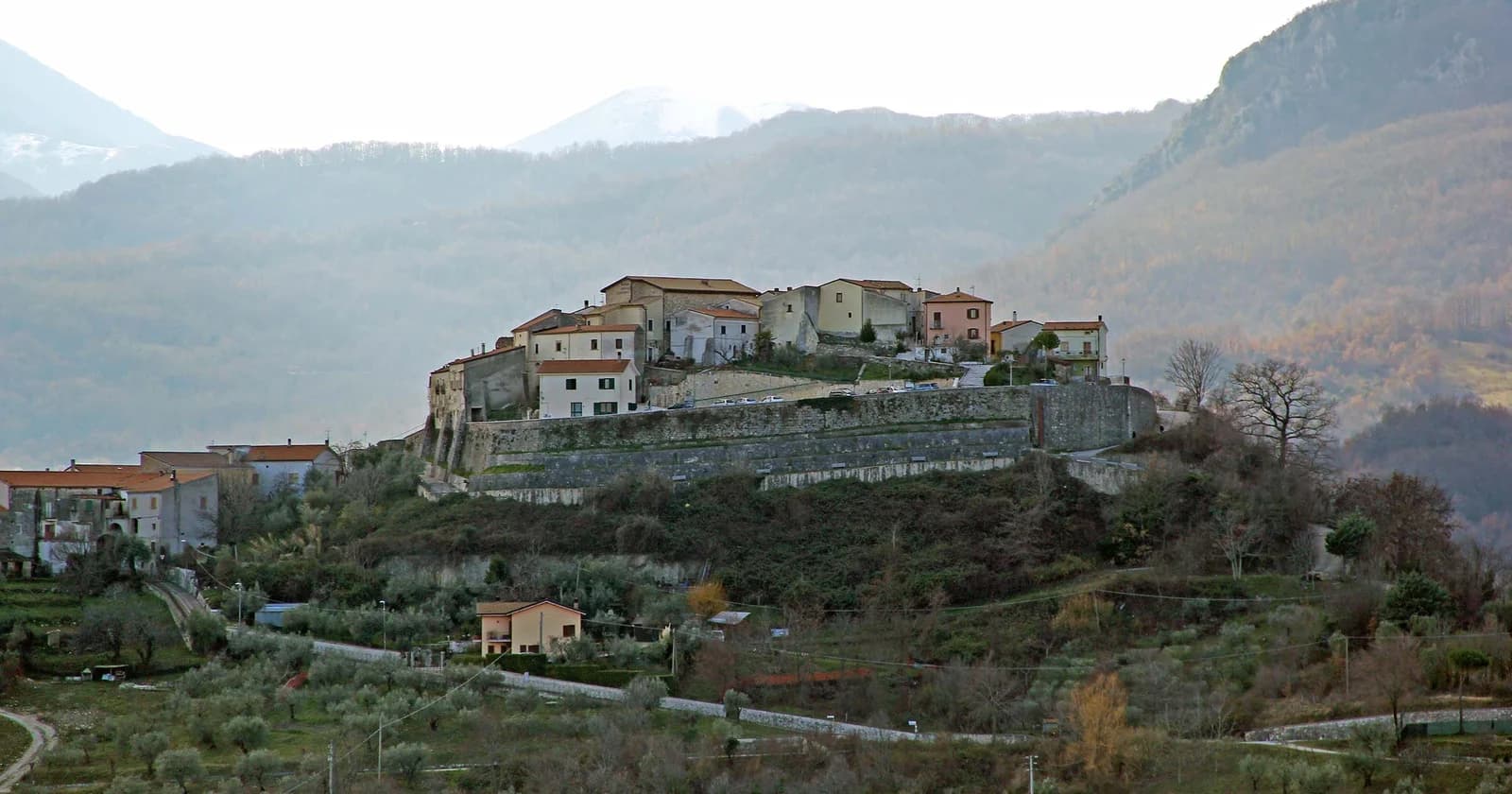
Scapoli
Province: Isernia
Italy's zampogna bagpipe capital — a 586-resident borgo in the Mainarde at 668m, with a centuries-old tradition of hand-building the zampogna (Italian bagpipe), an annual International Bagpipe Festival in July drawing players from Galicia, Scotland, Bulgaria, and 15+ other countries, and the Bandiera Arancione + Abruzzo, Lazio e Molise national park signals.