

Molise · Isernia
Capracotta
At 1,421 meters the second-highest commune in central Italy, holder of the world record for snowfall in 24 hours: 2.56 meters on 5 March 2015.
Known for
SNOW RECORD
2.56 metres of snow in 24 hours on 5 March 2015: a Guinness-recognized world record for a single-day snowfall.
PRATO GENTILE
Cross-country ski plateau in the beech woods above the village, host of the 1997 Italian national championships.
1,421 METERS
Second-highest commune near the centre of Italy and forty-first highest in the country, on the Abruzzo-Molise border ridge.
When to visit
Best · Jun–Sep, Dec–Mar
- J
- F
- M
- A
- M
- J
- J
- A
- S
- O
- N
- D
- Best
- Hot or crowded
- Quiet
- Mostly closed
The festa: San Sebastiano, 20 January
Why come
Capracotta sits at 1,421 meters in Alto Molise, the second-highest commune near the centre of Italy and the forty-first highest in the country. On 5 March 2015 a single 24-hour snowfall dropped 2. 56 metres on the village, a Guinness world record that has not been broken since.
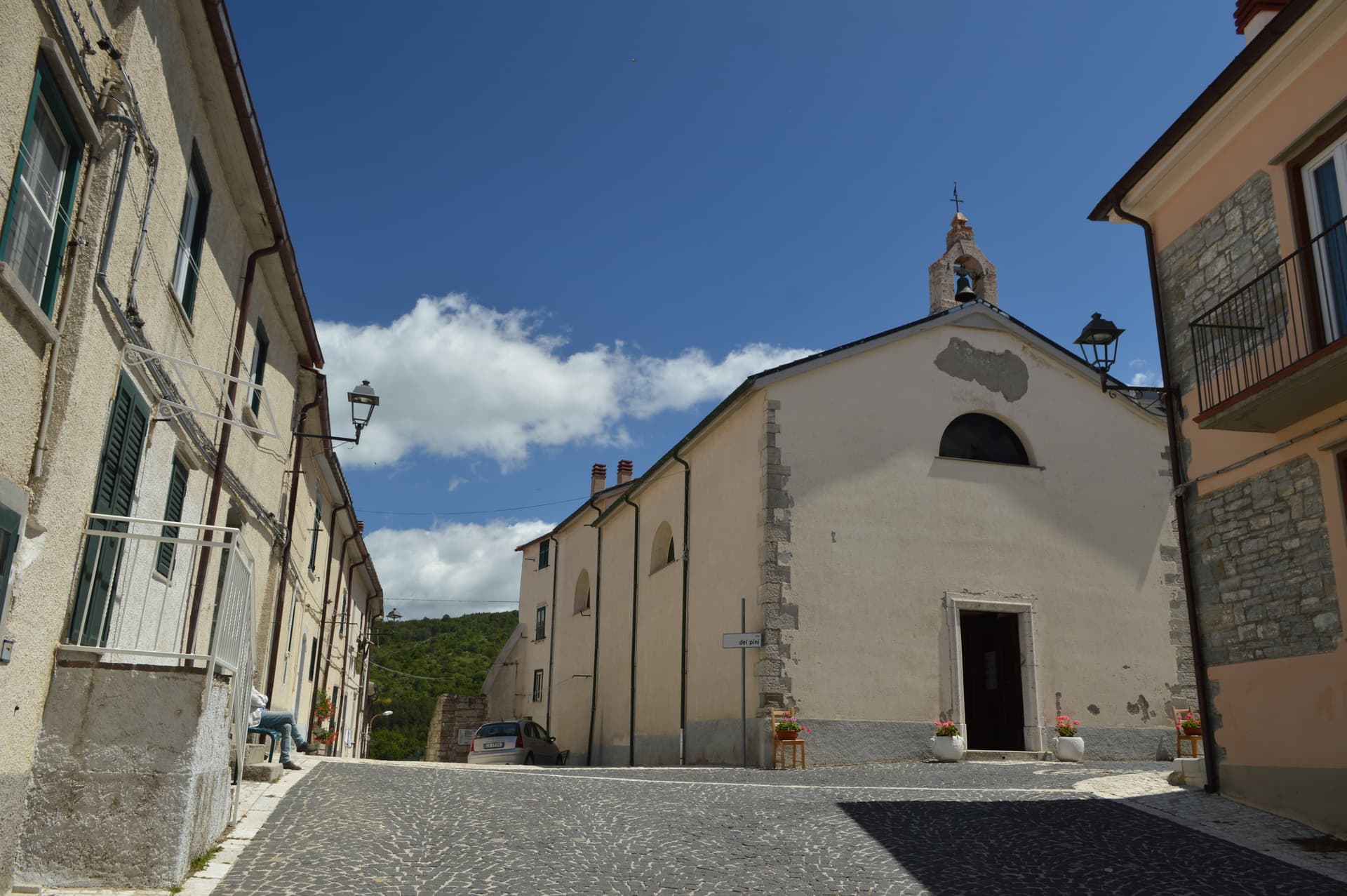
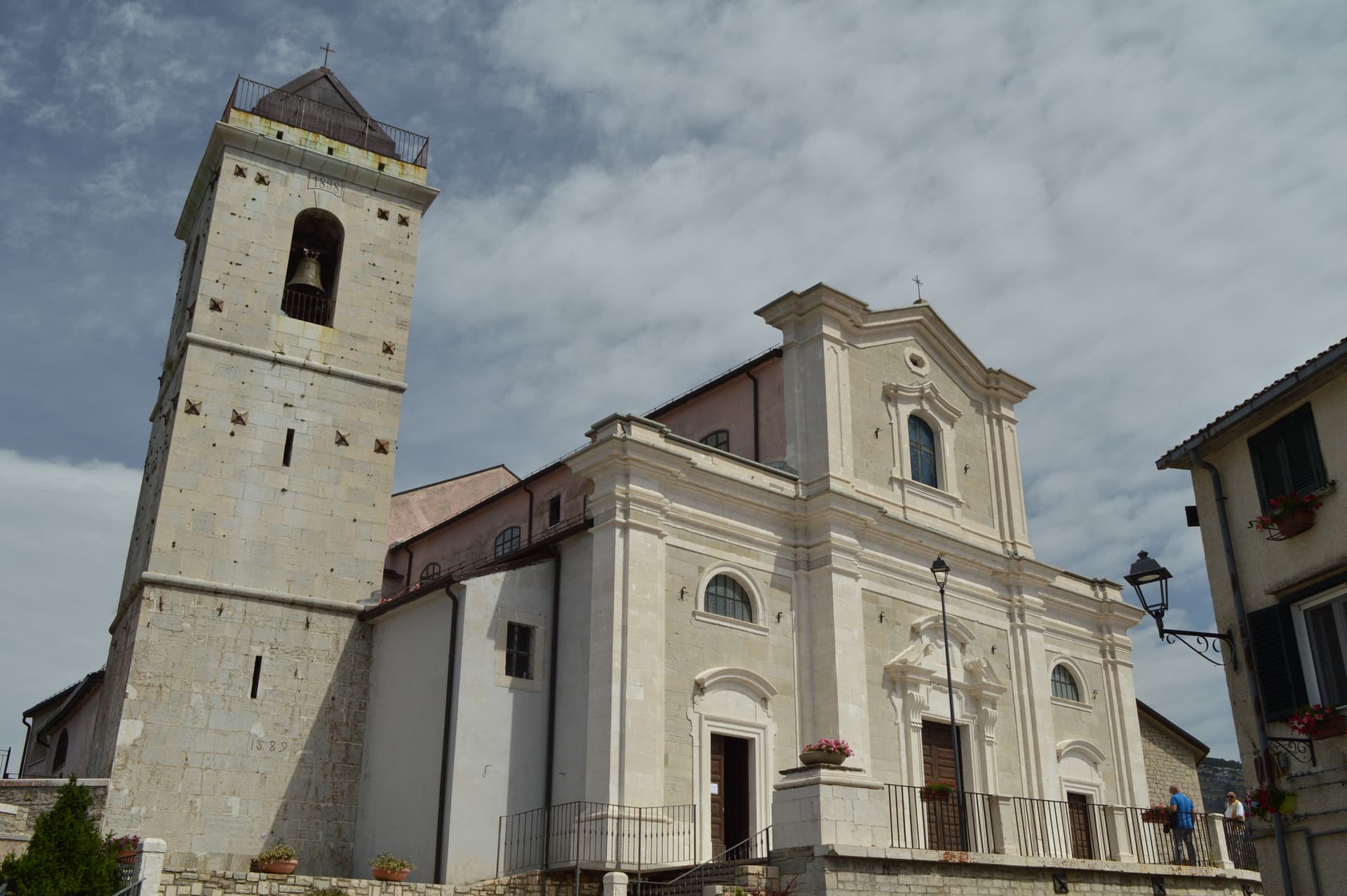
Cross-country skiing has been the winter discipline here for decades: the Prato Gentile plateau, set among beech woods at the head of the village, holds the Mario Di Nucci ski trail and hosted the Italian National Cross-Country Ski Championships in 1997. The village itself is stone, narrow and tightly packed against the wind, eight hundred residents in winter and roughly twice that in August when emigrant families return. The summer pasture, the wildflowers on the Prato Gentile, and the wide views into Abruzzo make Capracotta as much a June-to-September place as a December-to-March one. The shoulder months stay cold and quiet.
The Sunday letter
We haven’t written Capracotta’s letter yet.
One town every Sunday, with the photo, the food, the festa. Be there when this one comes up. Free, by Peter & Sophia from Pietrasanta.
By subscribing you agree to Substack’s Terms of Use, our Privacy Policy and our Information collection notice.
What to see
Prato Gentile
Beech-fringed plateau above the village, home to the Mario Di Nucci cross-country ski trail and host of the 1997 Italian national championships.
Monte Campo
Local peak above the village, the high ground that funnels the snow systems and gives Capracotta its record-setting winter precipitation.
Centro storico
Tightly packed stone village built against the wind at 1,421 meters, with low arches and short streets that funnel the snow off the roofs.
Giardino della Flora Appenninica
Alpine botanical garden on the slopes above the village, dedicated to the wildflowers of the central Apennines and open in summer.
The slow-trip planner
Building a trip? Find where Capracotta fits in a slow Italy circuit.
Answer five questions. We will shape a geographically coherent slow trip from the 1,000 Italian towns most travelers skip. Yours to save and share.
Living here
- Population 799
- Very remotei
- Pharmacy in town
- High school within a 30-minute drive
- Nearest airport Naples / Salerno, 2 h 15 min drive
- Regional capital Campobasso, 1 h 28 min drive
Tags & datadesignations · numbers · sources
Recognised as
The numbers
- Elevation: 1421 m
- Population: 799
- Surface area: 42.55 km²
These figures were compiled from public directories — ISTAT, OpenStreetMap, Wikidata — and from the official listings of the guides named on this page. Town details change; verify with official sources before you travel.
Close by
More towns near Capracotta
Pescopennataro
Province: Isernia
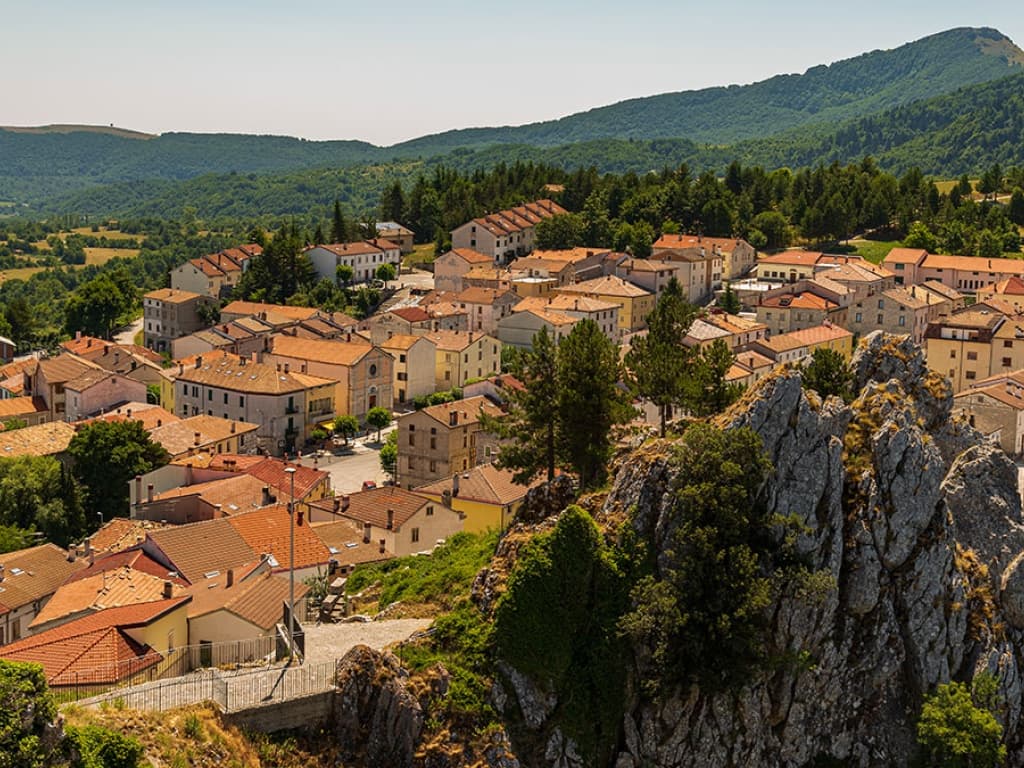
An Alto Molise stone village at 1,190 meters, the paese della pietra e degli abeti, above a rare high-altitude white-fir forest.
Agnone
Province: Isernia
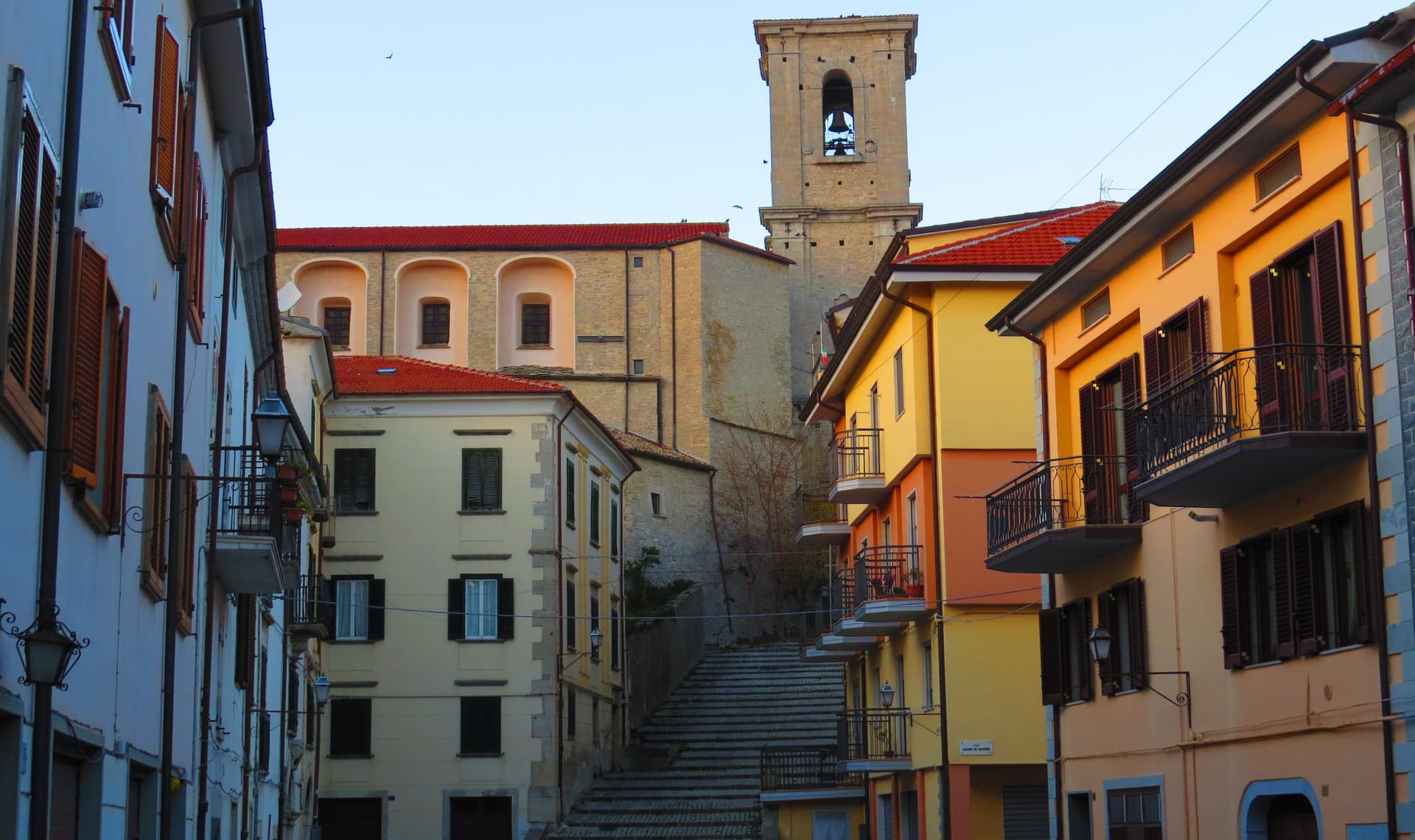
At 840 meters in the Alto Molise, town of the Marinelli pontifical bell foundry and the Ndocciata fire procession on Christmas Eve.
Castel del Giudice
Province: Isernia
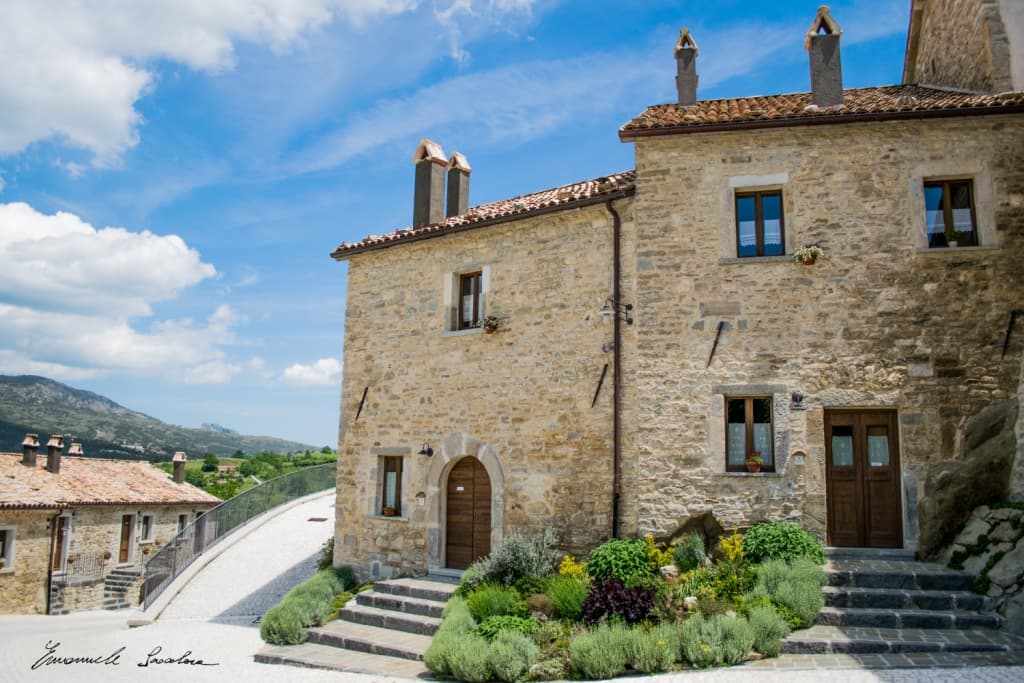
Italy's most-cited Apennine reinvention case study — a 308-resident Alto Molise borgo at 800m that rebuilt its abandoned schoolhouse as a 30-room albergo diffuso, recovered 5,000 ancient apple trees into a recognised organic-orchard cooperative, and became the template Comuni Virtuosi cite when explaining how depopulated villages can self-sustain.
Castel di Sangro
Province: L'Aquila
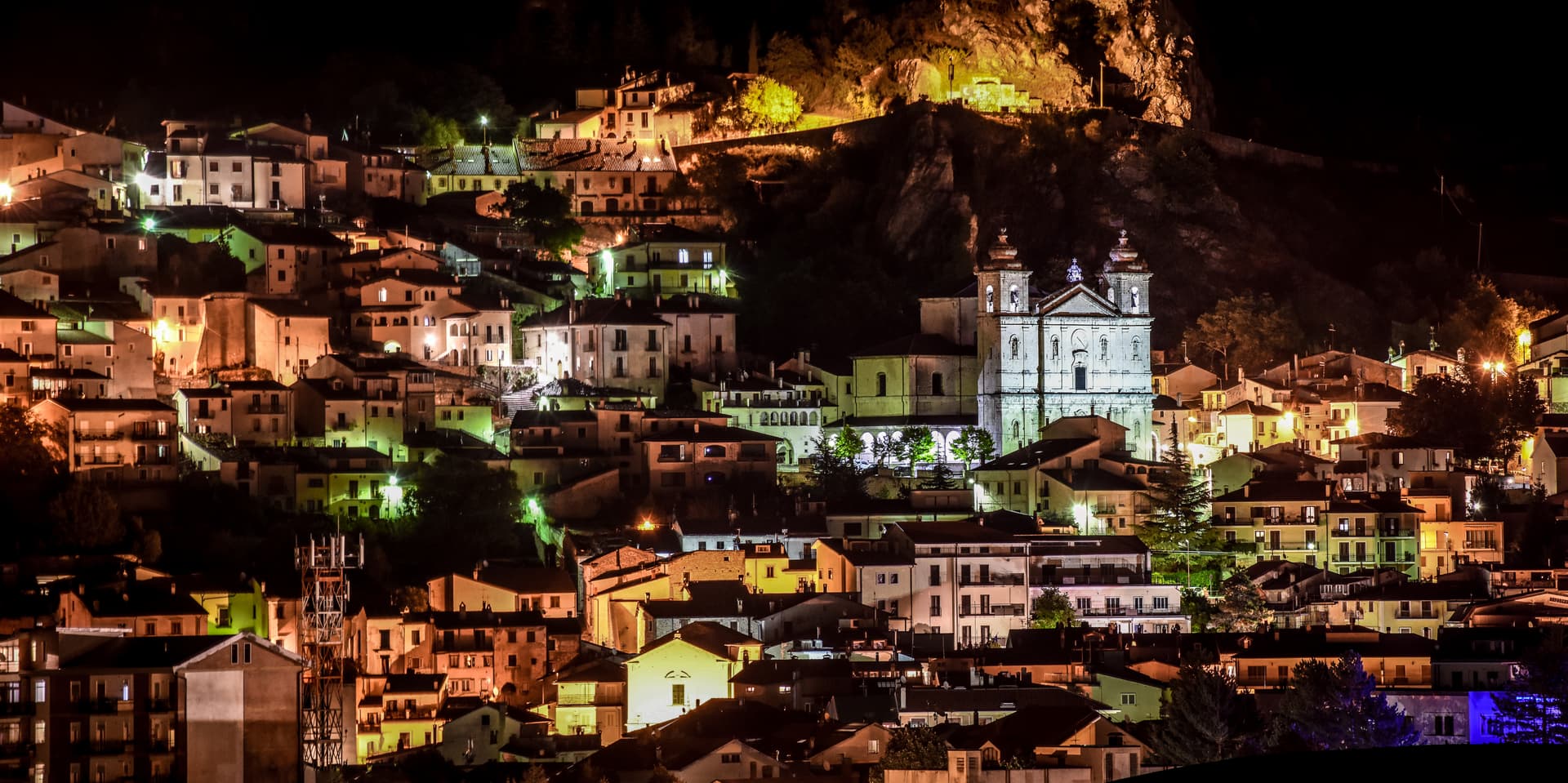
At 805 meters where the Sangro meets the Zittola, the Roman Aufidena and 1990s football miracle, liberated by the West Nova Scotia Regiment in 1943.
Roccaraso
Province: L'Aquila
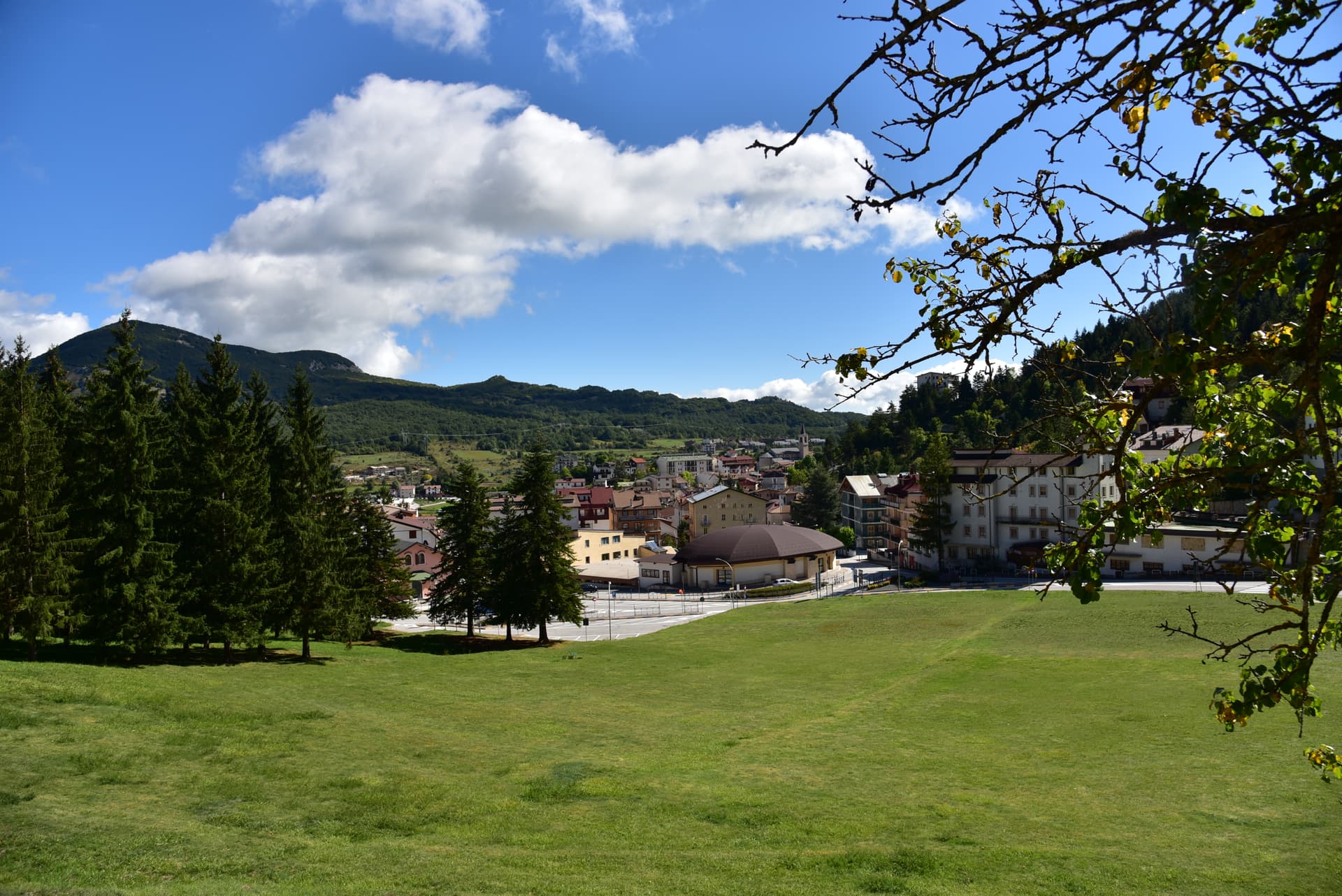
At 1,236 meters in the Alto Sangro, the south of Italy's largest ski resort, leveled by the Gustav Line in 1943 and rebuilt from rubble.
💎 Borghi Autentici
More Borghi Autentici towns in Molise
Macchiagodena
Province: Isernia
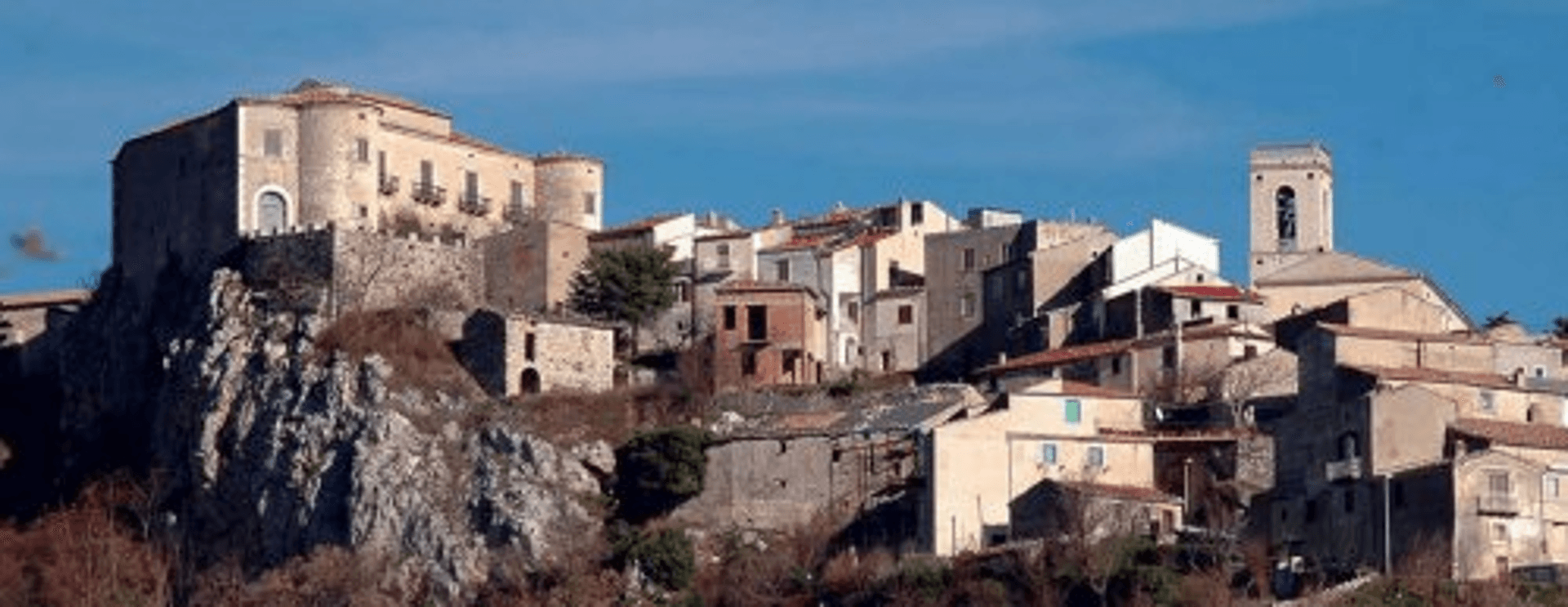
Molise's white truffle capital — a 1,648-resident hilltop borgo at 868m in the Apennine middle Molise, with the Castello dei Pignatelli on the summit, intact medieval streets, and 30+ active truffle hunters working the surrounding oak forests with the local Molise white truffle harvest October-December.
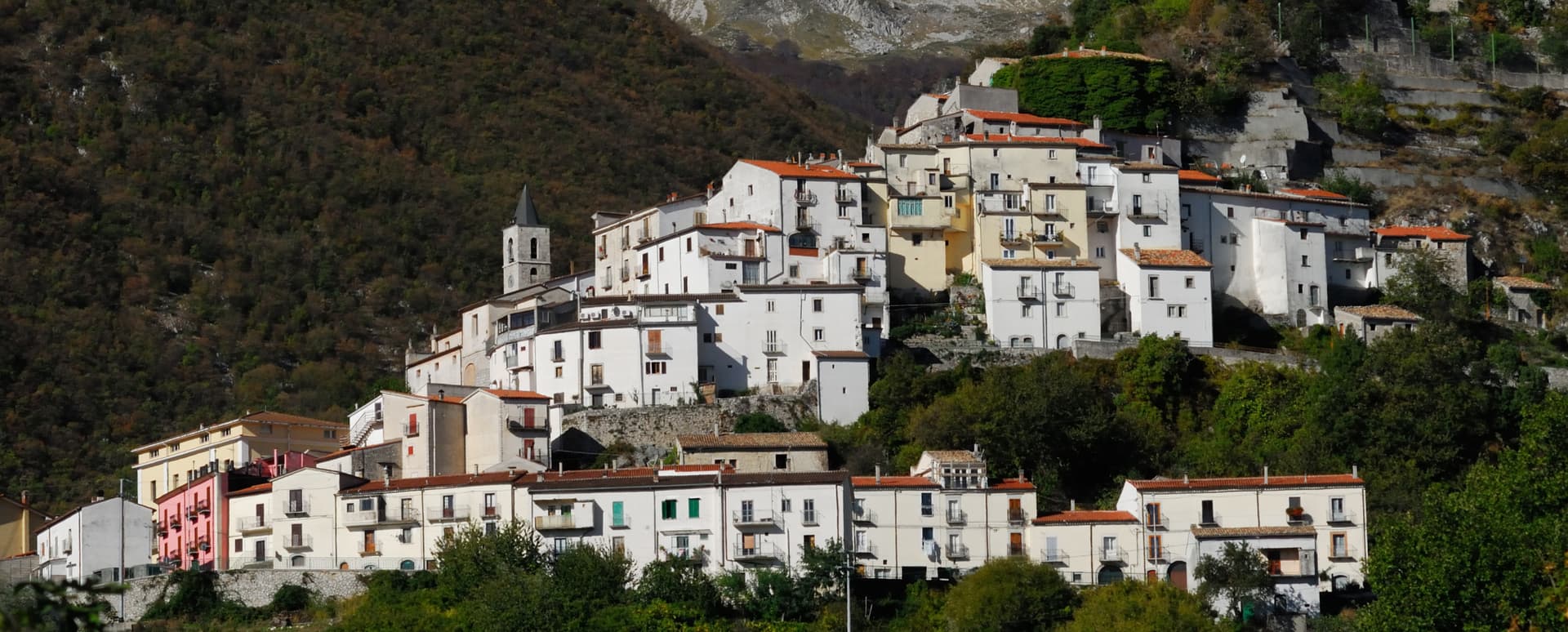
Pizzone
Province: Isernia
A 313-person Mainarde village at 724 meters in the Molise sector of the Abruzzo, Lazio and Molise National Park, above the Volturno springs.
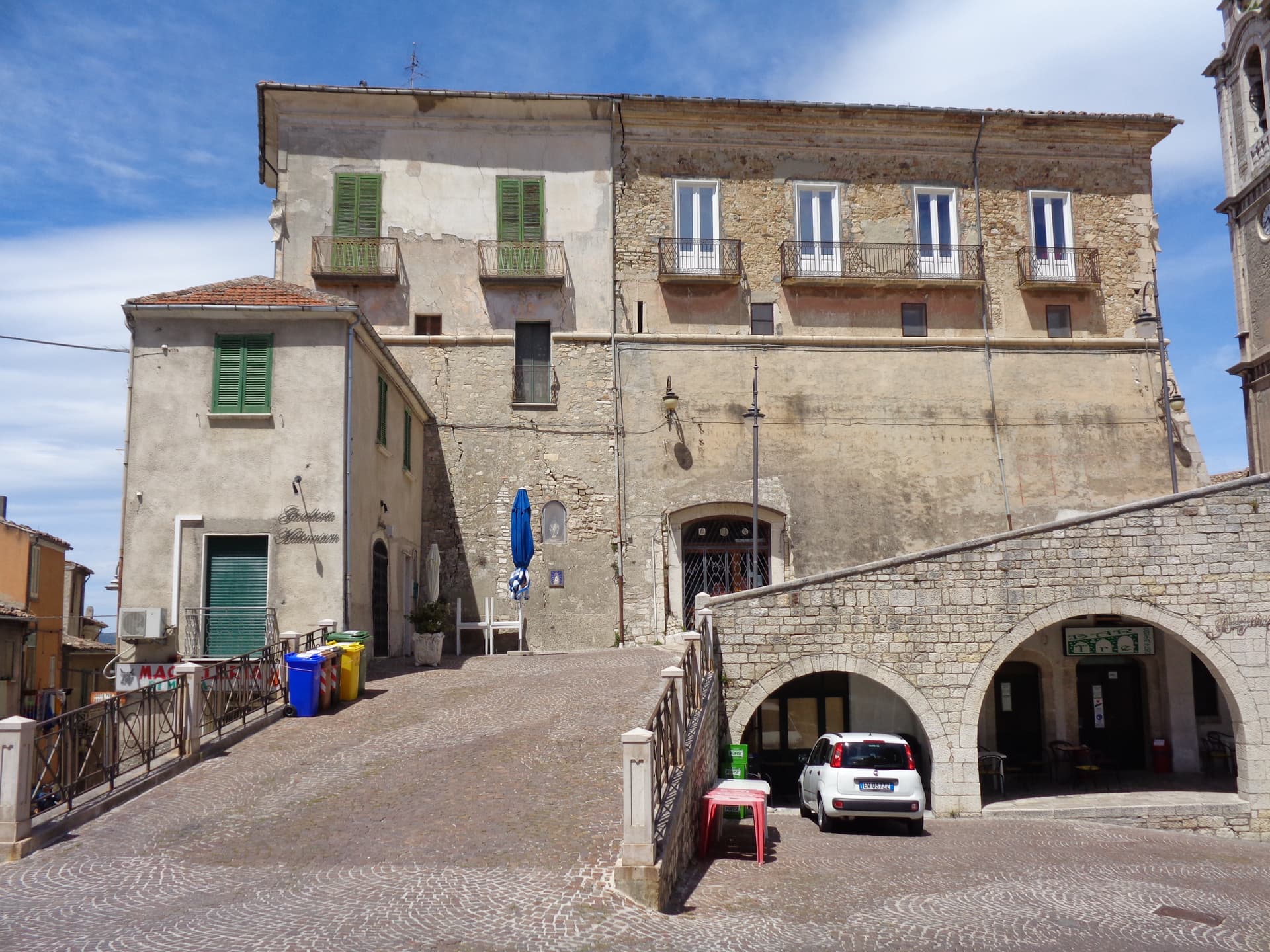
Ripalimosani
Province: Campobasso
A sandstone-ridge village at 640 meters above the Biferno valley, the historic land of the funai rope makers and a Tintilia wine commune.