

Molise · Campobasso
Roccavivara
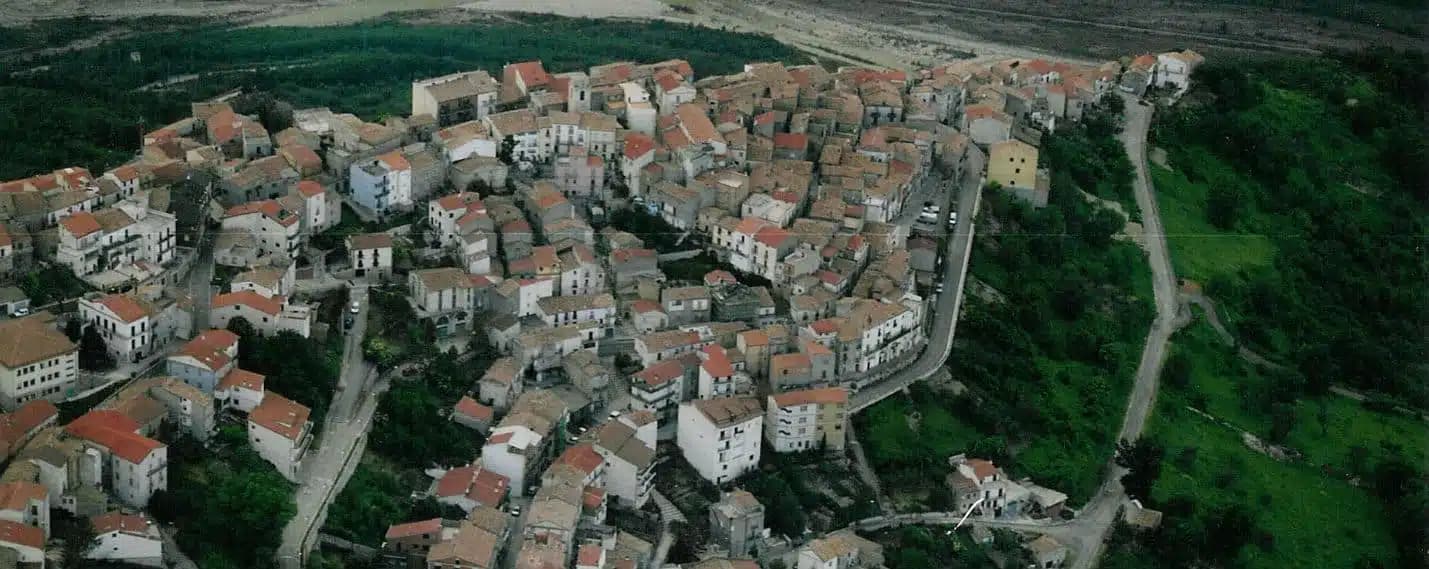
A 652-meter village above the Trigno river valley, home to the Romanesque Santuario della Madonna del Canneto with its 1223 ambone and 14th-century gothic Madonna del Sorriso.
Known for
SANCTUARY
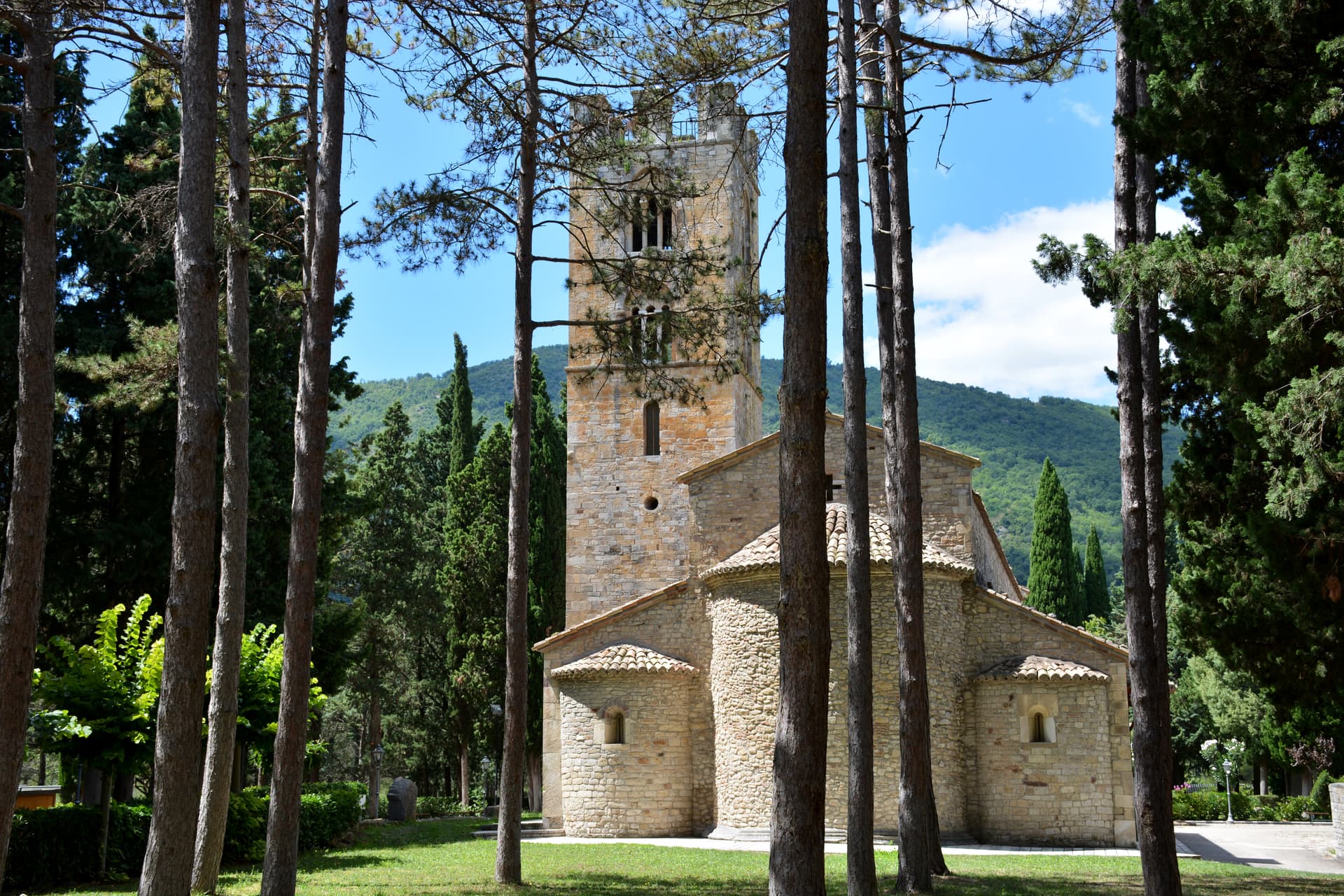
Santuario della Madonna del Canneto — Romanesque sanctuary first documented in 706 AD, with a 1223 ambone and 14th-century gothic Madonna statue.
ROMAN
Roman-era villa at San Fabiano with megalithic substructure, evidence of continuous occupation along the lower Trigno valley.
OLIVE OIL
Città dell'Olio member; olive cultivation on the warm slopes of the Trigno river valley.
When to visit
Best · Apr–Oct
- J
- F
- M
- A
- M
- J
- J
- A
- S
- O
- N
- D
- Best
- Hot or crowded
- Quiet
- Mostly closed
The festa: Emidio d'Ascoli, 5 August
Why come
Roccavivara sits at 652 meters above the Trigno river in northern Molise, 30 kilometers north of Campobasso. Its name has two competing etymologies — either from Rocca Bonnarii, after a founder named Bonnario, or from the nearby Vivara contrada that still borders the commune. The lower valley holds Roman-era remains from both republican and imperial periods, including a villa with a megalithic substructure at the San Fabiano locality.
From 1268 the village was a feudo of Gualtiero di Vollers, later passing through the Cantelmo, Sangro, Carafa and Coppola families until the abolition of feudalism. Today Roccavivara's anchor is the Santuario della Madonna del Canneto, a Romanesque sanctuary on the Trigno first documented in 706 AD when Duke Gisulfo I of Benevento donated it to the Benedictines of San Vincenzo al Volturno; by 1097 the church had passed to Montecassino. The current 11th-12th century building holds a rare 1223 ambone with six high-relief Benedictine monks and a 14th-century gothic statue known as the Madonna del Sorriso. The town belongs to the Città dell'Olio network on the strength of its olive groves along the warm Trigno slopes.
The Sunday letter
We haven’t written Roccavivara’s letter yet.
One town every Sunday, with the photo, the food, the festa. Be there when this one comes up. Free, by Peter & Sophia from Pietrasanta.
By subscribing you agree to Substack’s Terms of Use, our Privacy Policy and our Information collection notice.
What to see
Santuario della Madonna del Canneto
Romanesque sanctuary on the Trigno river, first mentioned in 706 AD. Holds a rare 1223 ambone with six Benedictine reliefs and a 14th-century gothic Madonna statue known as the Vergine del Sorriso.
Chiesa di San Michele Arcangelo
13th-century parish church in Largo Chiesa with a gothic pointed-arch portal, baroque interior altars added after 1575, and a Neapolitan late-baroque bell tower with curvilinear cuspid.
Villa romana di San Fabiano
Roman villa from the 1st century AD with a megalithic substructure, in the lower valley of the Trigno where the agro shows continuous occupation from the republican to the imperial period.
Oliveti della Valle del Trigno
Olive groves on the warm slopes of the Trigno valley, the foundation of Roccavivara's membership in the Città dell'Olio network.
The slow-trip planner
Building a trip? Find where Roccavivara fits in a slow Italy circuit.
Answer five questions. We will shape a geographically coherent slow trip from the 1,000 Italian towns most travelers skip. Yours to save and share.
Living here
- Population 622
- Off the beaten pathi
- Pharmacy in town
- High school within a 30-minute drive
- Nearest airport Naples / Salerno, 2 h 27 min drive
- Regional capital Campobasso, 1 h 7 min drive
Tags & datadesignations · numbers · sources
Recognised as
The numbers
- Elevation: 652 m
- Population: 622
- Surface area: 21.05 km²
These figures were compiled from public directories — ISTAT, OpenStreetMap, Wikidata — and from the official listings of the guides named on this page. Town details change; verify with official sources before you travel.
Close by
More towns near Roccavivara
Civitacampomarano
Province: Campobasso
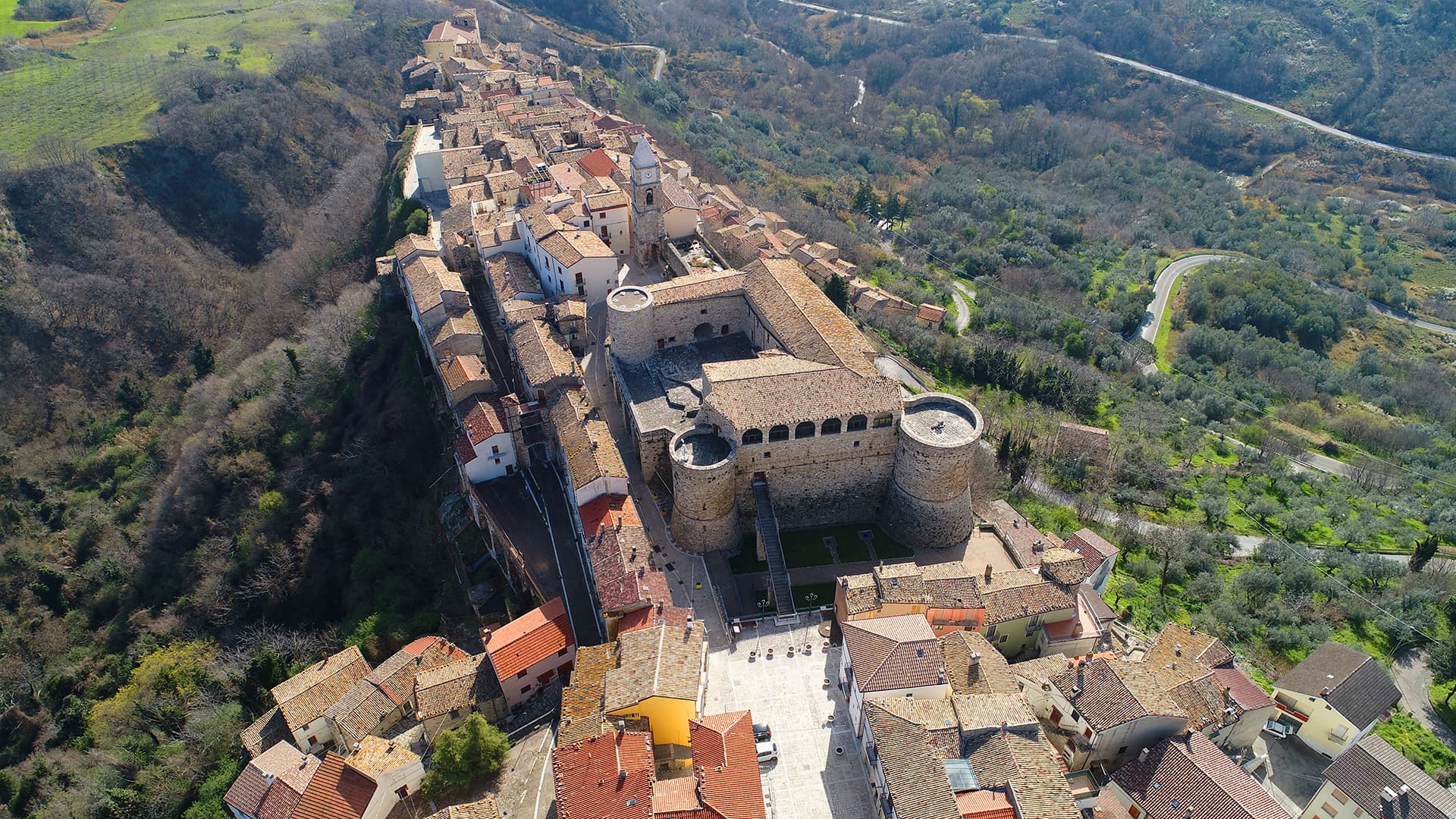
The Molisan ghost-borgo that became Italy's most ambitious street-art village — 302 residents and 30+ large-format murals by international artists (Bifido, Hitnes, Alice Pasquini, Borondo, Vesod) painted across the abandoned house-walls of the centro storico during the annual CVTà Street Fest since 2016, anchored by the 11th-c Castello Angioino on a tufa spur.
Bagnoli del Trigno
Province: Isernia
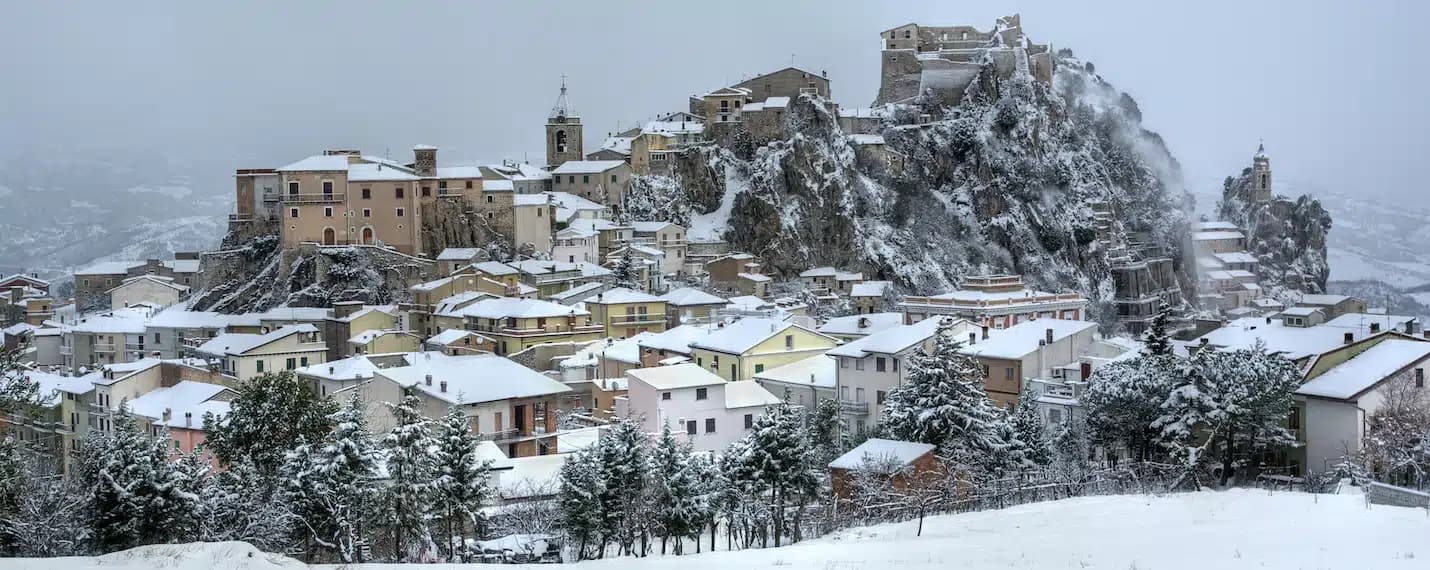
The 'Pearl of Molise' — a 637-resident borgo built into and around a massive limestone outcrop above the Trigno valley, with the Chiesa di San Silvestro carved into the rock itself and the Castello Sanfelice rebuilt on its summit.
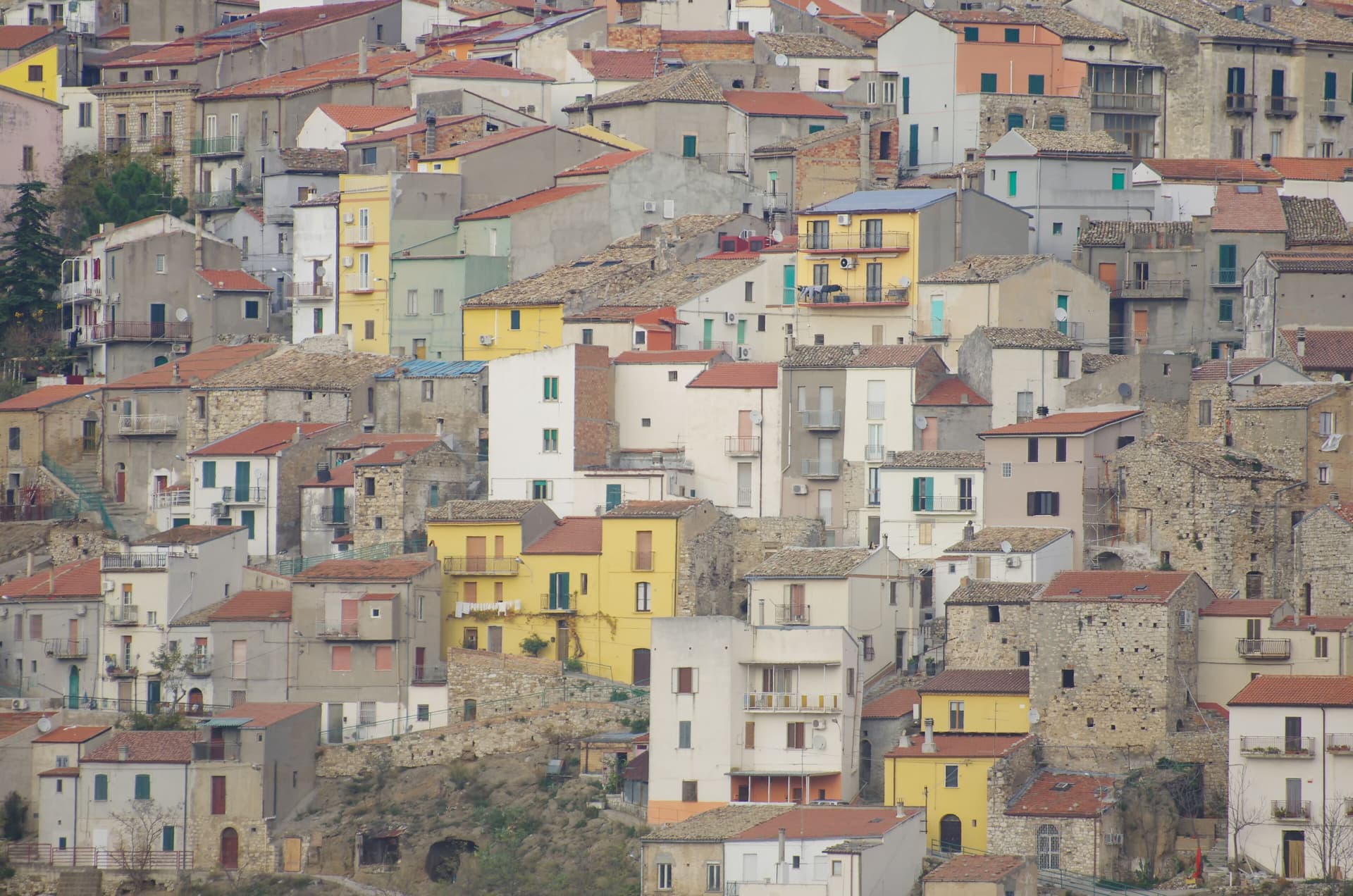
Montenero di Bisaccia
Province: Campobasso
A tufa hill town at 273 meters above the northernmost stretch of Molise coast, home base of former magistrate Antonio Di Pietro and his vineyards.
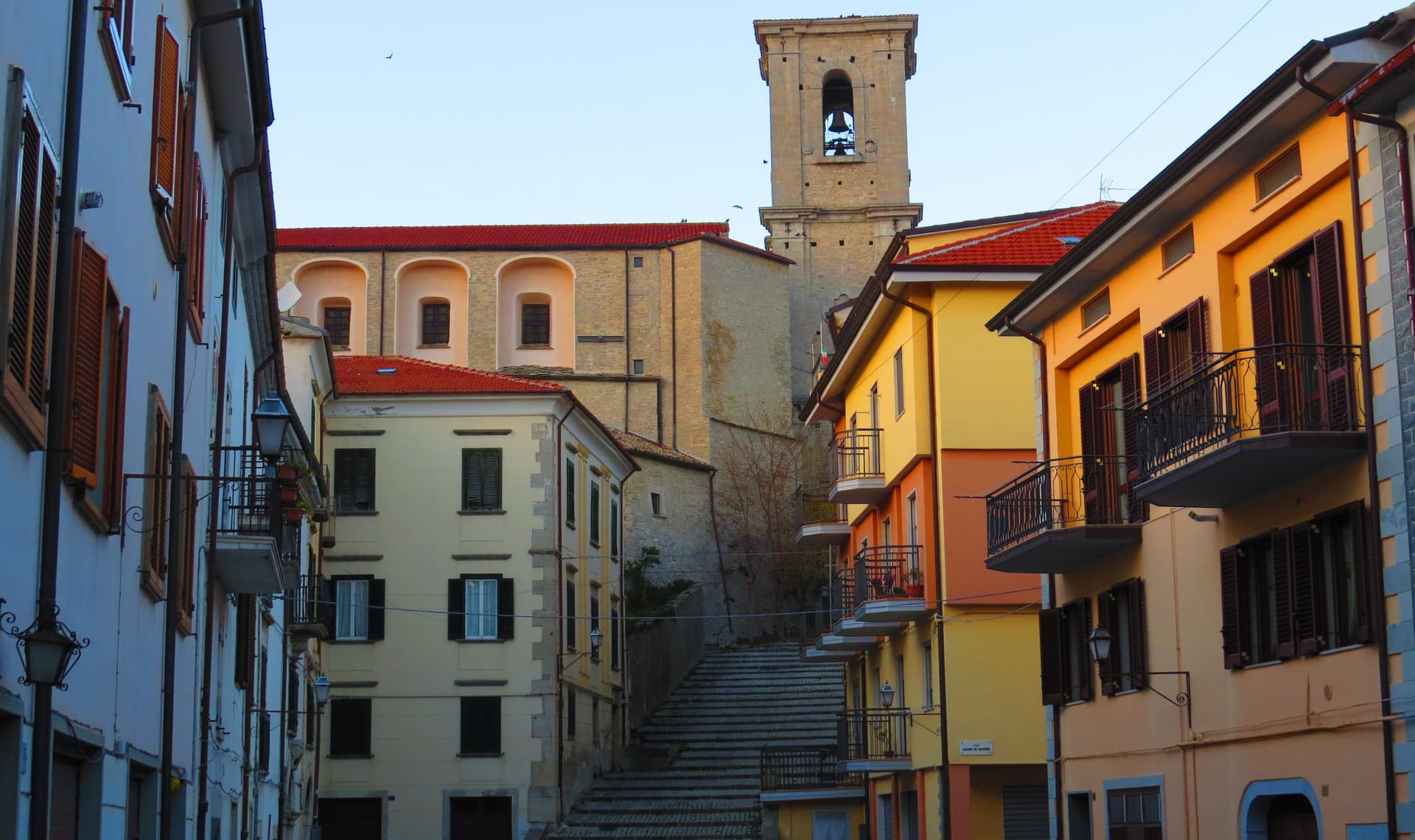
Agnone
Province: Isernia
At 840 meters in the Alto Molise, town of the Marinelli pontifical bell foundry and the Ndocciata fire procession on Christmas Eve.
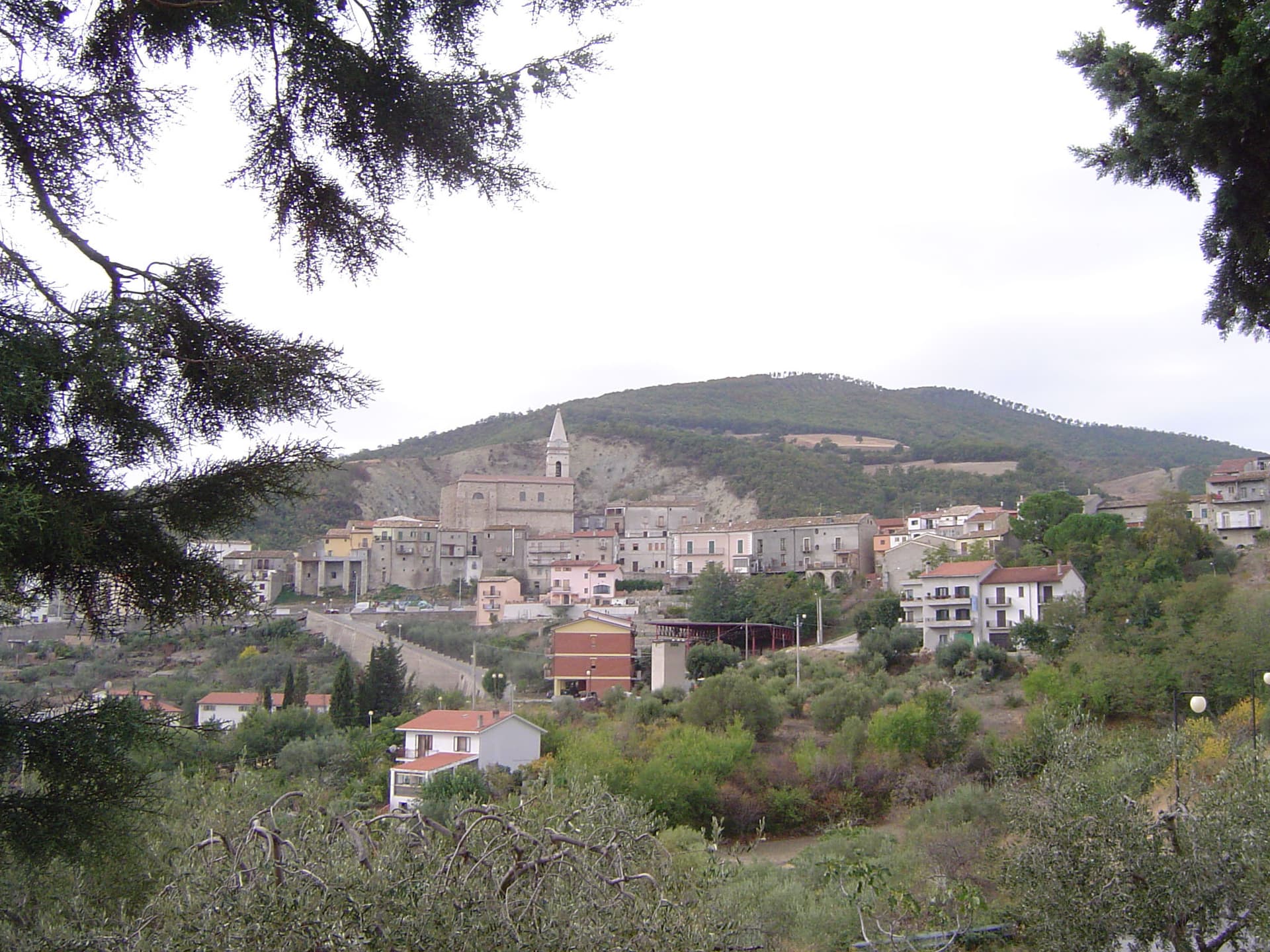
Guardialfiera
Province: Campobasso
A hilltop village at 285 meters above the largest artificial lake in Molise, the home ground of the writer Francesco Jovine.
🫒 Città dell'Olio
More Città dell'Olio towns in Molise
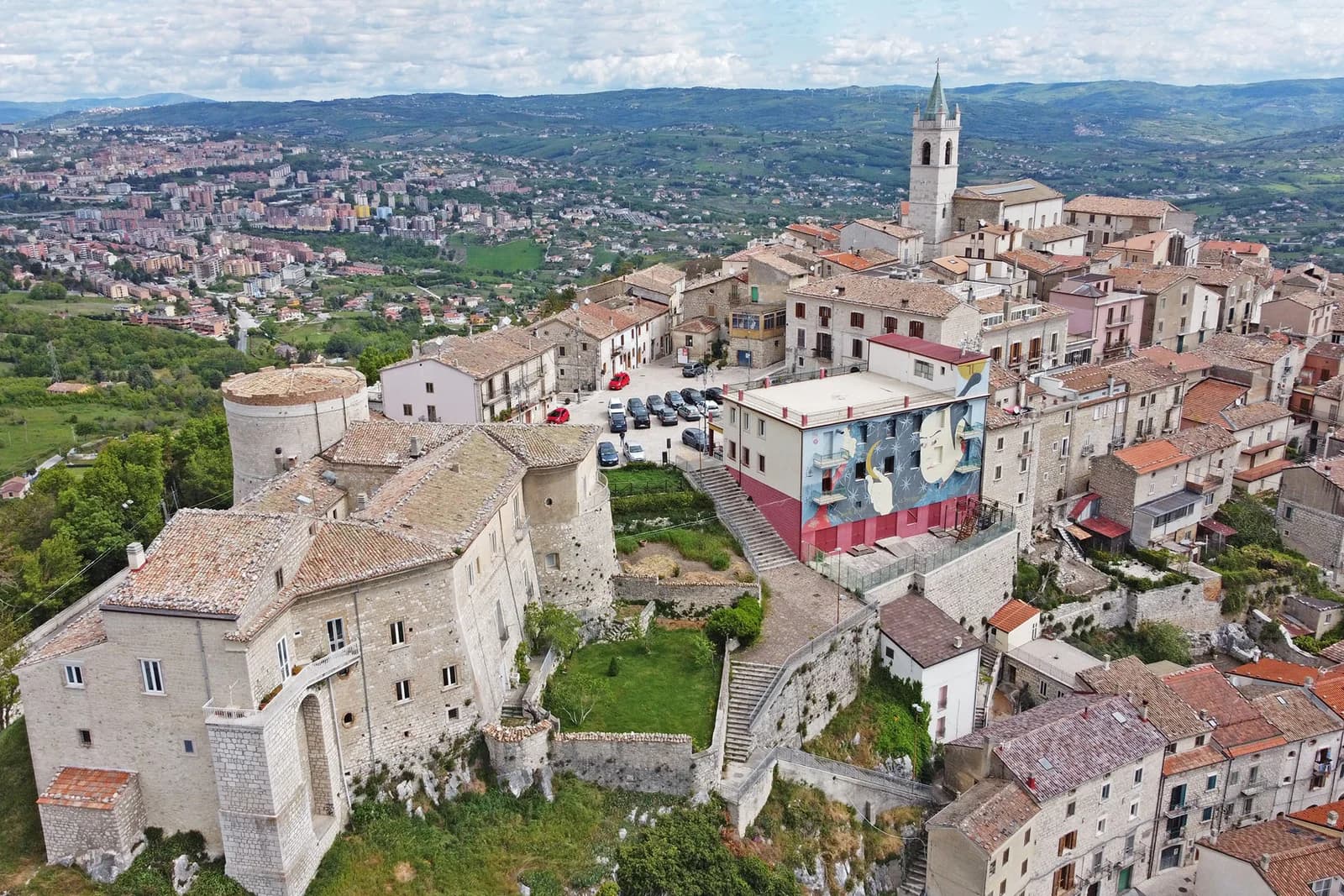
Ferrazzano
Province: Campobasso
A hilltop borgo at 872 meters above Campobasso, called the Sentinel of Molise, where Robert De Niro's great-grandparents lived before sailing in 1887.
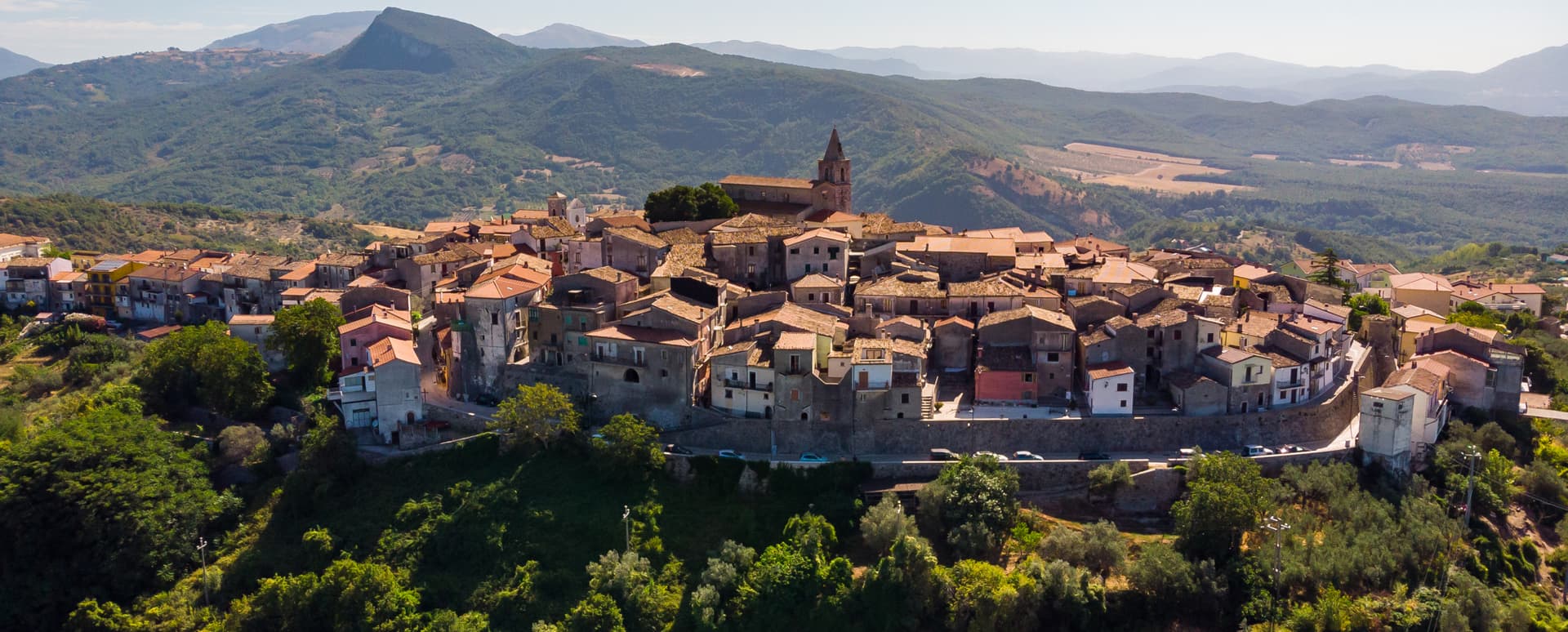
Fornelli
Province: Isernia
A walled medieval borgo at 530 meters with seven towers and the birthplace of Nancy Pelosi's mother, eight kilometers west of Isernia.
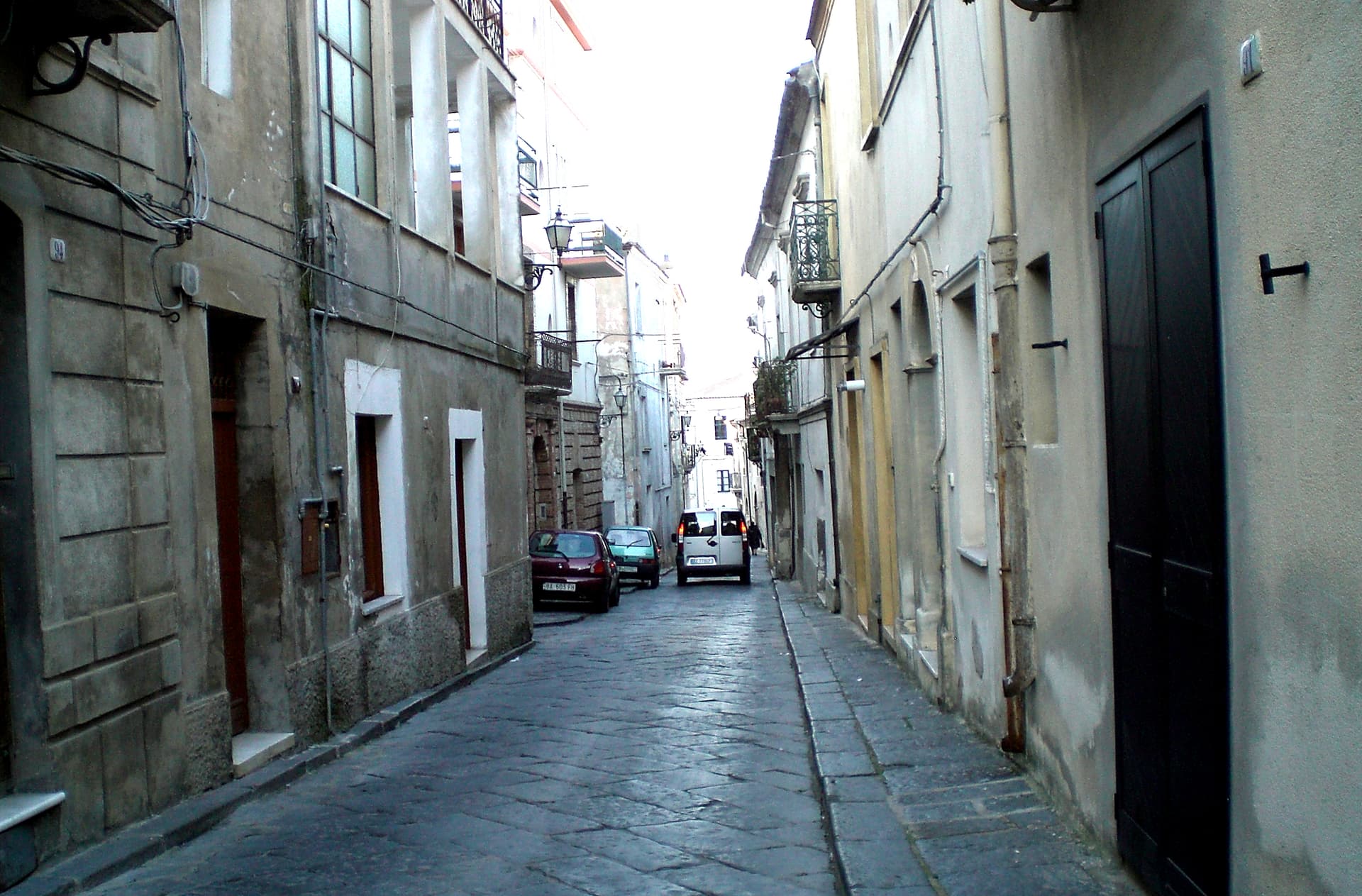
Guglionesi
Province: Campobasso
A 369-meter hill town between the Biferno and Trigno valleys, founded by the Frentani in the fifth century BC and looking out toward the Adriatic.
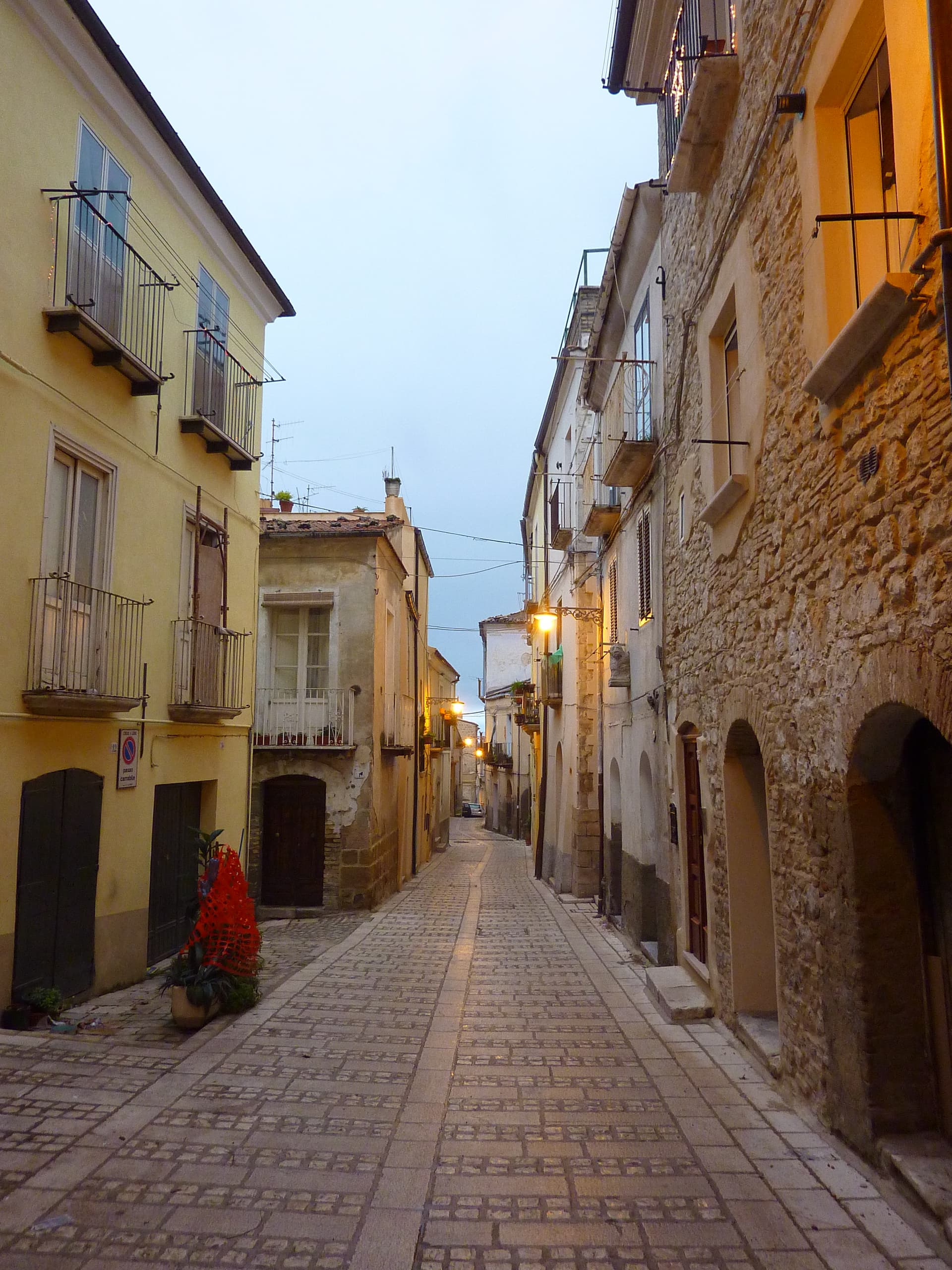
Larino
Province: Campobasso
A 341-meter Frentani and Roman town in the lower Biferno valley, with a 12,000-seat amphitheatre and a Gothic cathedral consecrated in 1319.
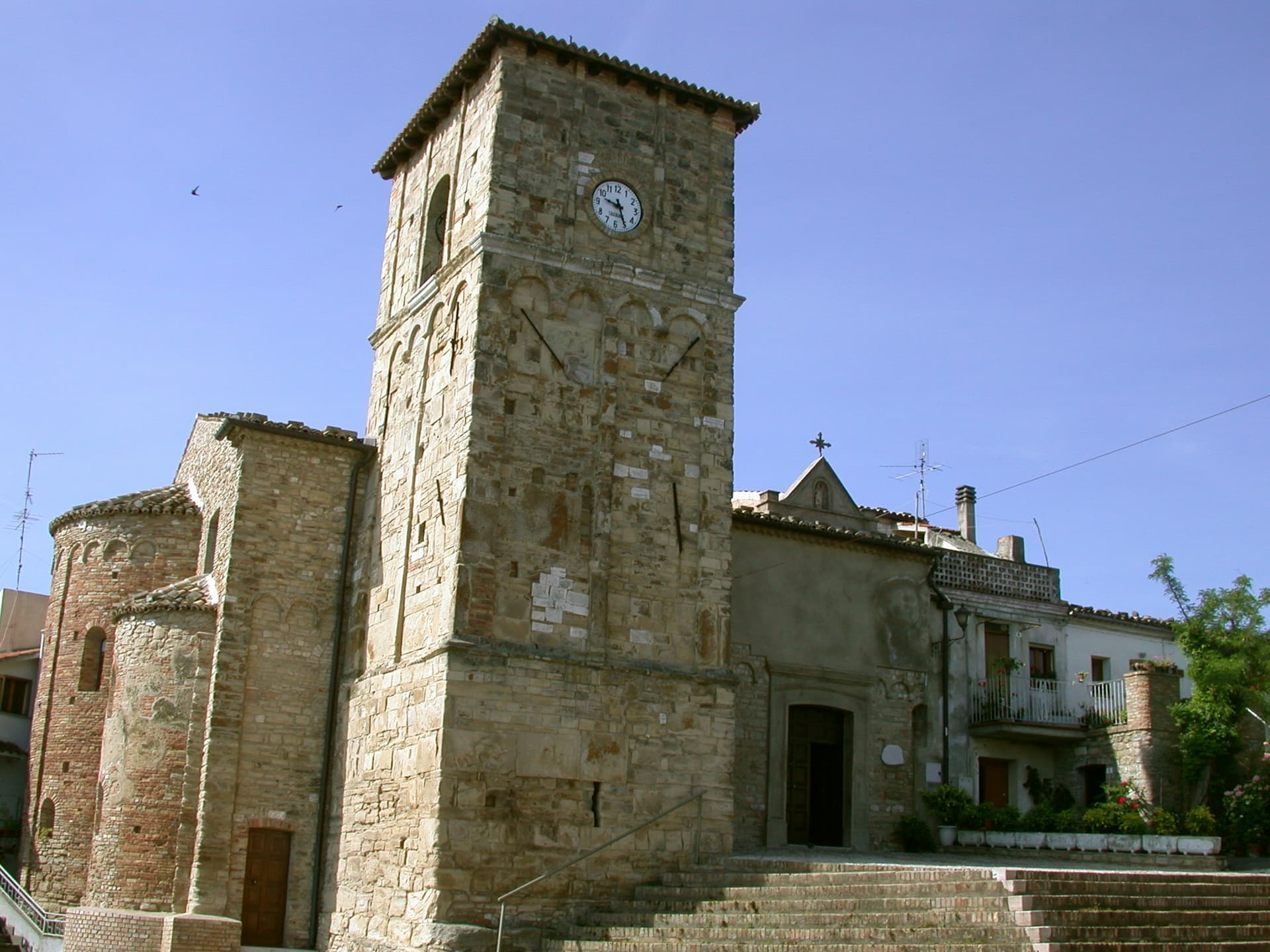
Petacciato
Province: Campobasso
A hilltop village at 225 meters on the Adriatic, with a Romanesque church in tuff and sandstone and a long sand beach below.