

Molise · Campobasso
Larino
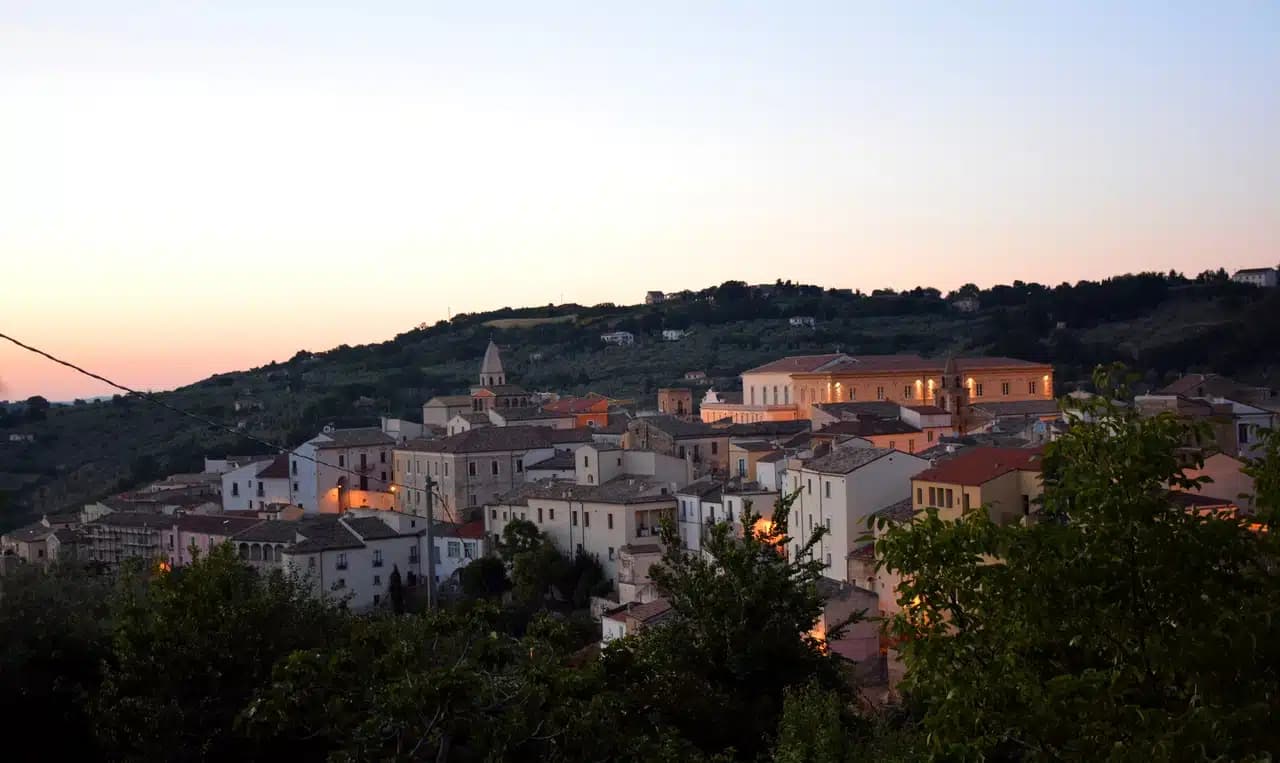
A 341-meter Frentani and Roman town in the lower Biferno valley, with a 12,000-seat amphitheatre and a Gothic cathedral consecrated in 1319.
Known for
AMPHITHEATRE
First-century Roman arena seating 12,000, the largest surviving classical monument in Molise.
CARRESE DI SAN PARDO
Procession of around 130 flower-decked ox carts on 25 to 27 May, retracing the eleventh-century translation of the patron's relics.
CATTEDRALE DI SAN PARDO
Gothic cathedral completed in 1319, raised to minor basilica in 1928, with a portal carved by Francesco Petrini of Lanciano.
When to visit
Best · Apr–Oct
- J
- F
- M
- A
- M
- J
- J
- A
- S
- O
- N
- D
- Best
- Hot or crowded
- Quiet
- Mostly closed
The festa: Pardo di Larino, 26 May
Why come
Larino sits in the lower Biferno valley, twenty kilometers inland from Termoli. The Frentani held the place before Rome and minted bronze coins here in the third century BC; the wool trade made it a regional centre. The orator Cicero defended a Larino-born equestrian, Aulus Cluentius Habitus, in his Pro Cluentio of 66 BC.
A wealthy citizen built the elliptical amphitheatre in the first century AD, a hundred meters along the major axis and seating twelve thousand. The Gothic Cattedrale di San Pardo, completed in 1319 with a portal by Francesco Petrini of Lanciano, was raised to minor basilica by Pius XI in 1928. Every 25 to 27 May the town runs the Carrese di San Pardo, a three-day procession of around 130 flower-decked carts pulled by oxen, retracing the eleventh-century translation of the patron's relics from Daunia. The surrounding hills carry the Città dell'Olio mark.
The Sunday letter
We haven’t written Larino’s letter yet.
One town every Sunday, with the photo, the food, the festa. Be there when this one comes up. Free, by Peter & Sophia from Pietrasanta.
By subscribing you agree to Substack’s Terms of Use, our Privacy Policy and our Information collection notice.
What to see
Anfiteatro Romano
Elliptical first-century amphitheatre, 100 by 80 meters, with capacity for 12,000 spectators, built by a Larinum citizen who made his fortune in Rome.
Cattedrale di San Pardo
Gothic cathedral completed in 1319 with a portal by Francesco Petrini of Lanciano, raised to minor basilica by Pius XI in 1928.
Centro storico (borgo)
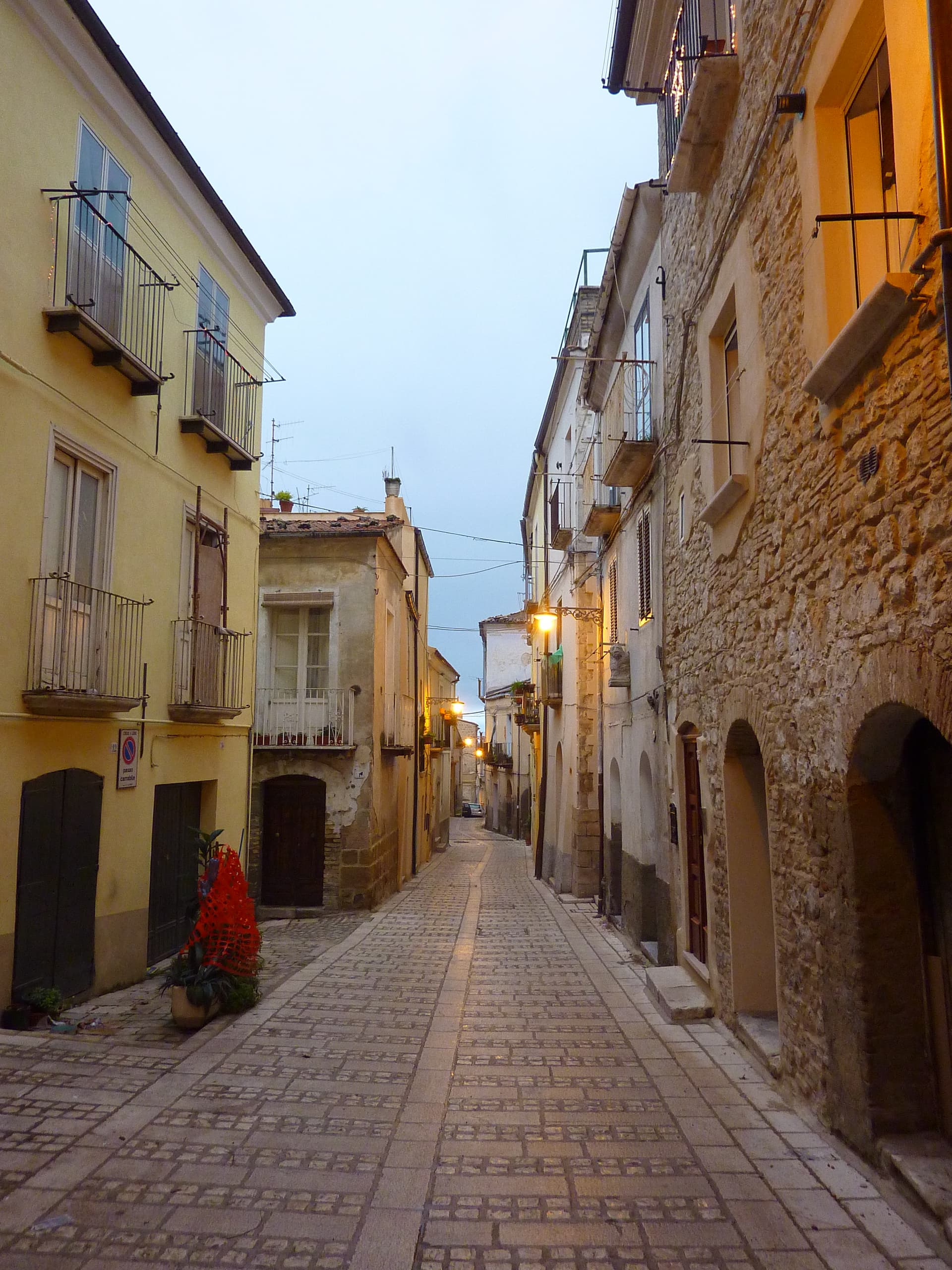
Medieval old town stretched along the ridge above the Roman remains, with Renaissance palazzi and narrow stone streets.
Area archeologica di Larinum
Roman city remains around the amphitheatre, including streets, baths, and forum fragments from the Augustan period onward.
Museo Civico
Town museum holding Frentani-era coins, Roman inscriptions, and material from the Cluentius family era.
The slow-trip planner
Building a trip? Find where Larino fits in a slow Italy circuit.
Answer five questions. We will shape a geographically coherent slow trip from the 1,000 Italian towns most travelers skip. Yours to save and share.
We recommend
Where to eat and stay
Not our picks, but places the guides put their name to — a Michelin star, a Gambero Rosso fork, a Slow Food snail, a Michelin Key for the hotels. Worth a table, a counter, or a night when you pass through.
Ciafi dal 1976Ristorante
A Gambero Rosso listing, at Ciafi dal 1976.
Osteria del BorgoTrattoria
Osteria del Borgo has one Gambero Rosso prawn to its name.
Living here
- Population 6,366
- Off the beaten pathi
- Pharmacy in town
- High school within a 30-minute drive
- Train station in the comune
- Nearest airport Bari / Brindisi, 2 h 29 min drive
- Regional capital Campobasso, 1 h 2 min drive
Tags & datadesignations · numbers · sources
Recognised as
The numbers
- Elevation: 341 m
- Population: 6,366
- Surface area: 88.77 km²
These figures were compiled from public directories — ISTAT, OpenStreetMap, Wikidata — and from the official listings of the guides named on this page. Town details change; verify with official sources before you travel.
Close by
More towns near Larino
Guglionesi
Province: Campobasso
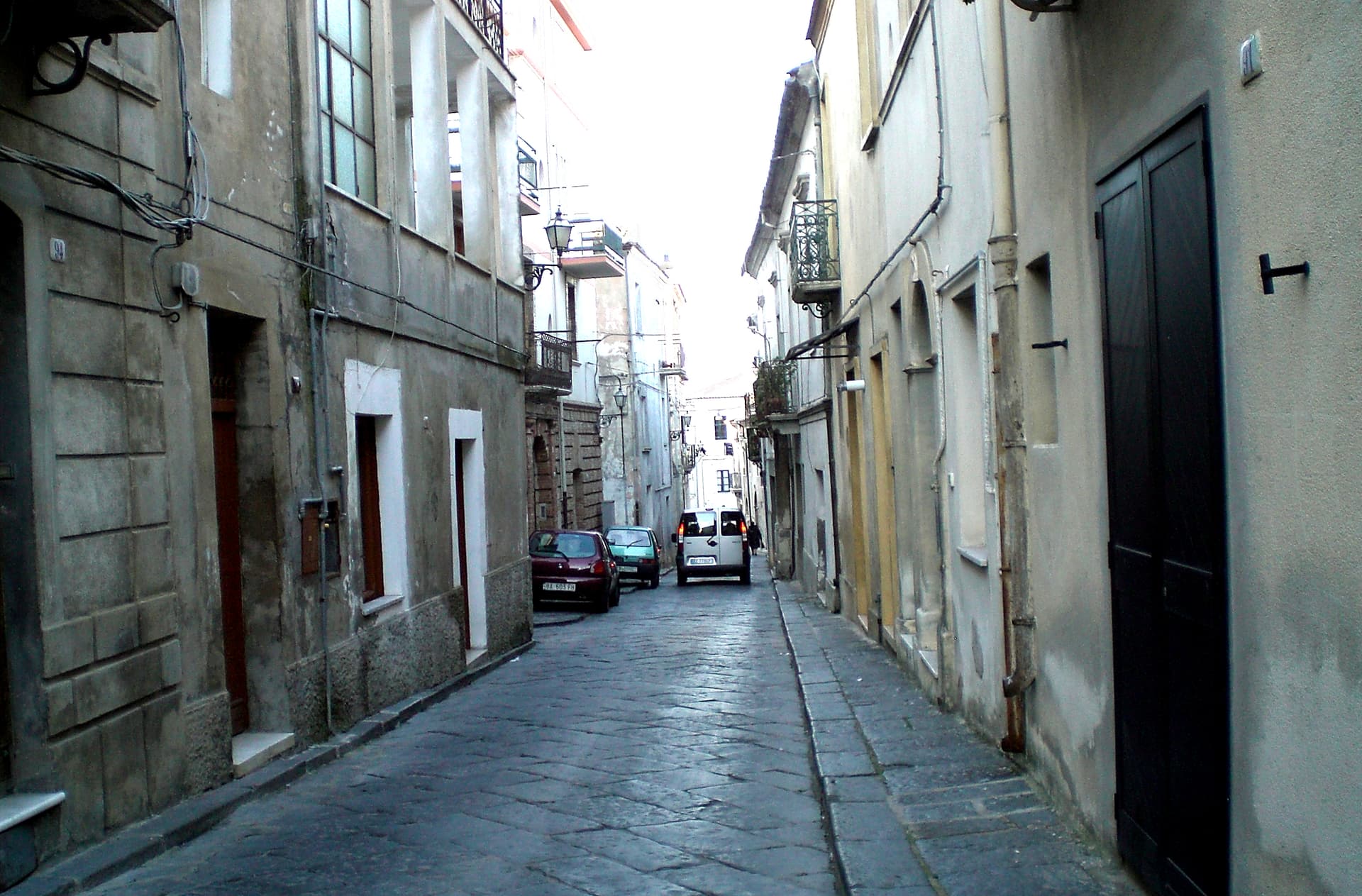
A 369-meter hill town between the Biferno and Trigno valleys, founded by the Frentani in the fifth century BC and looking out toward the Adriatic.
Guardialfiera
Province: Campobasso
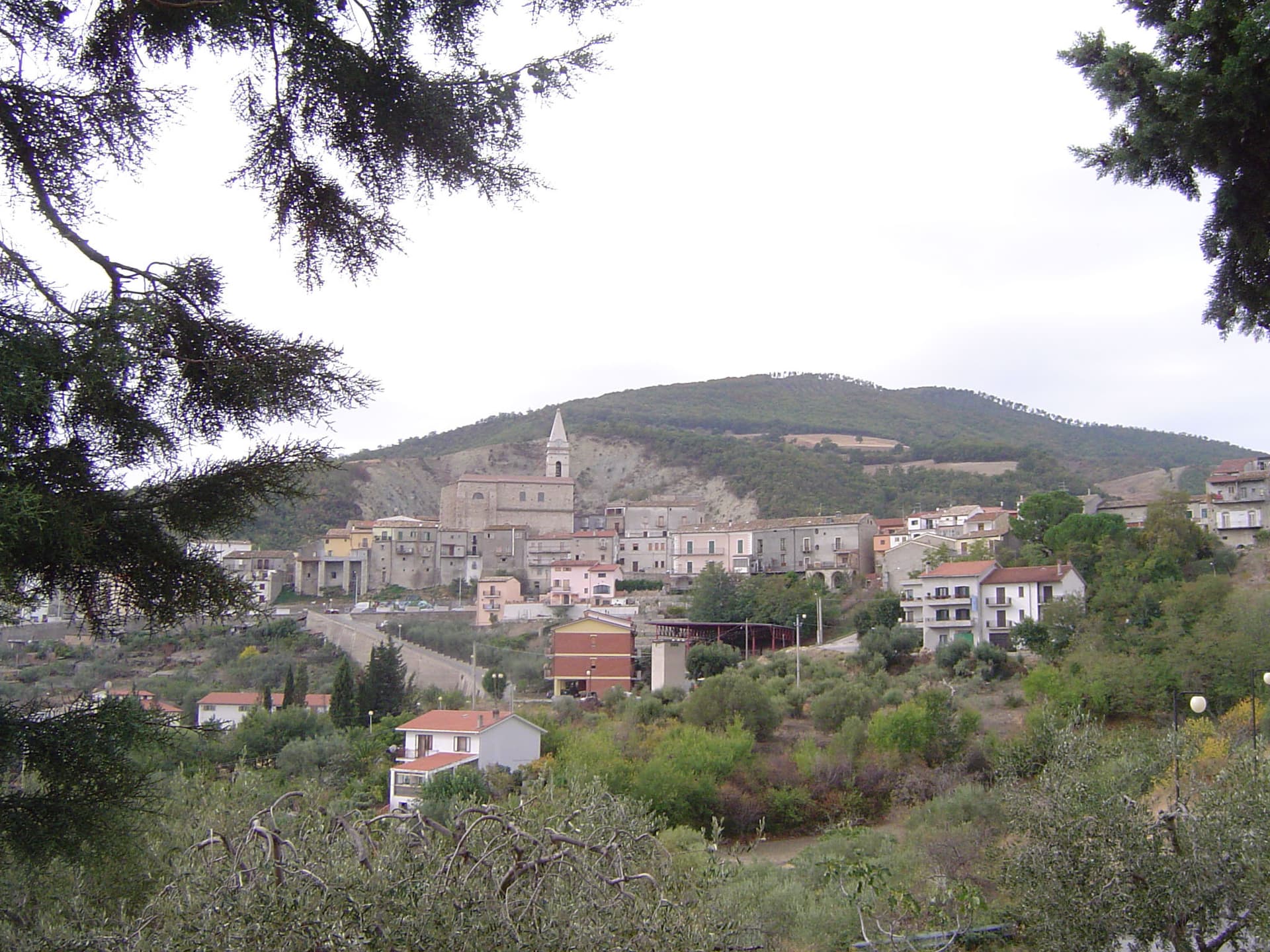
A hilltop village at 285 meters above the largest artificial lake in Molise, the home ground of the writer Francesco Jovine.
Termoli
Province: Campobasso
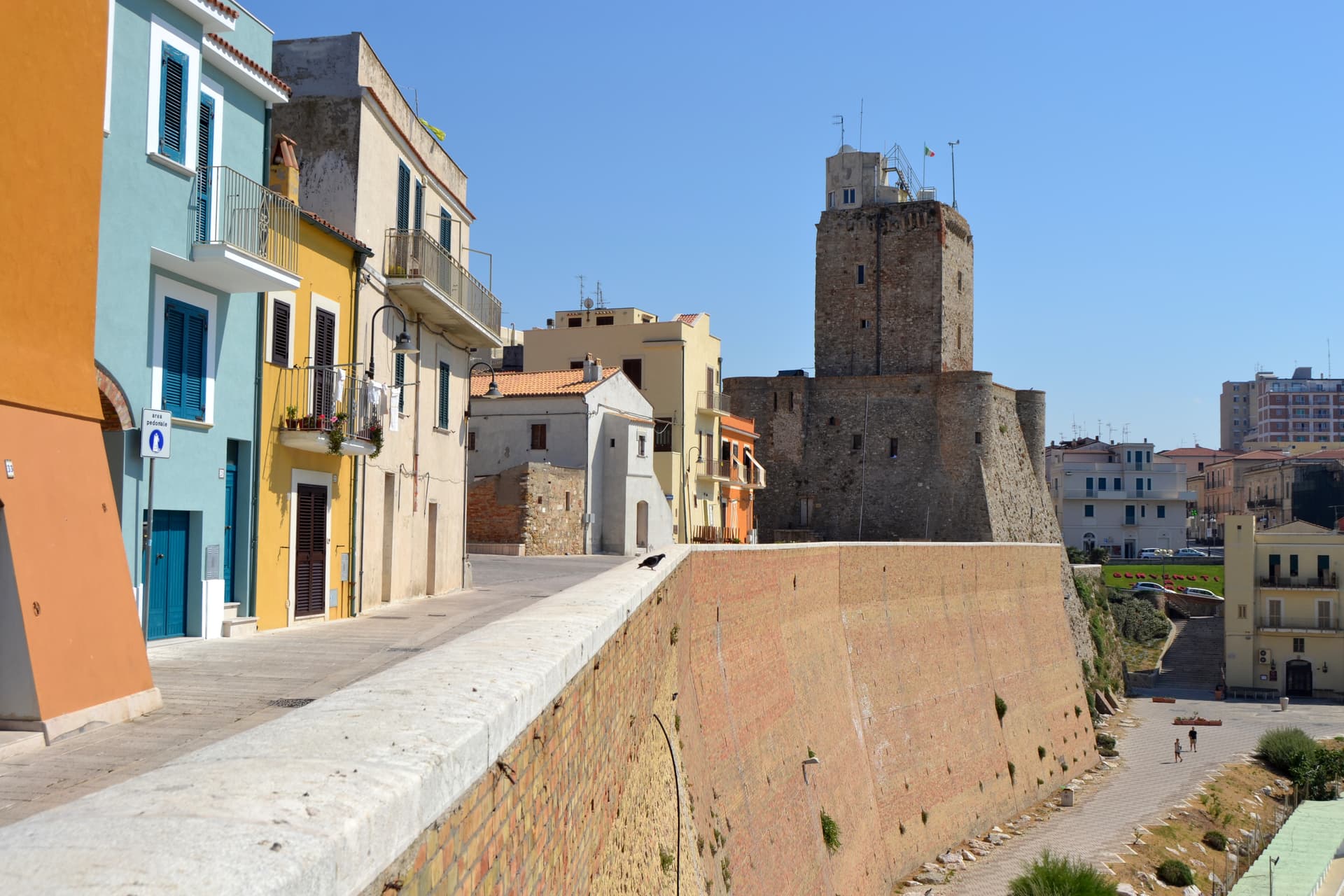
Molise's only port, a walled promontory of fishermen's houses on the Adriatic with a Frederick II castle and the ferry pier for the Tremiti islands.
Civitacampomarano
Province: Campobasso
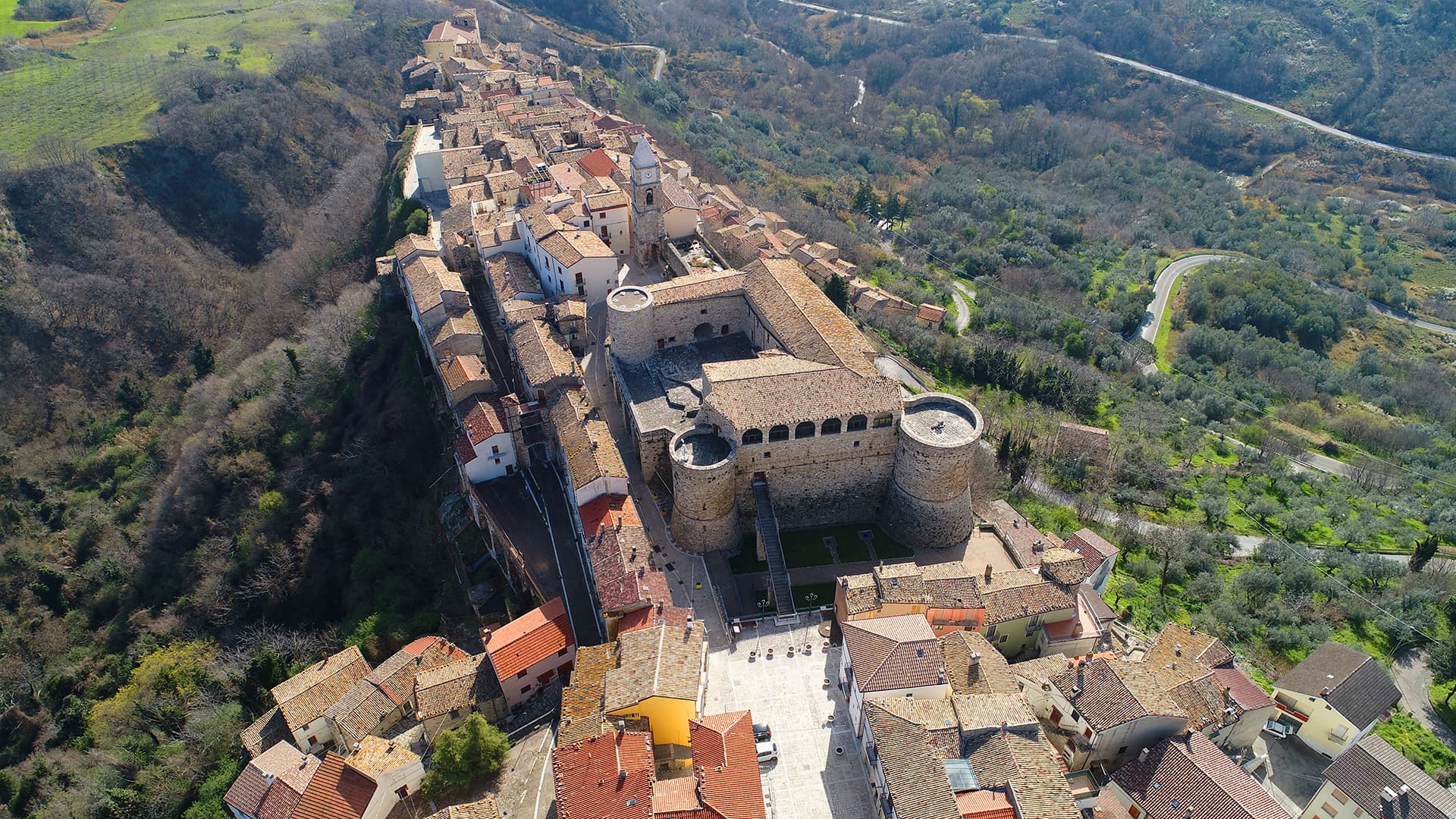
The Molisan ghost-borgo that became Italy's most ambitious street-art village — 302 residents and 30+ large-format murals by international artists (Bifido, Hitnes, Alice Pasquini, Borondo, Vesod) painted across the abandoned house-walls of the centro storico during the annual CVTà Street Fest since 2016, anchored by the 11th-c Castello Angioino on a tufa spur.
Petacciato
Province: Campobasso
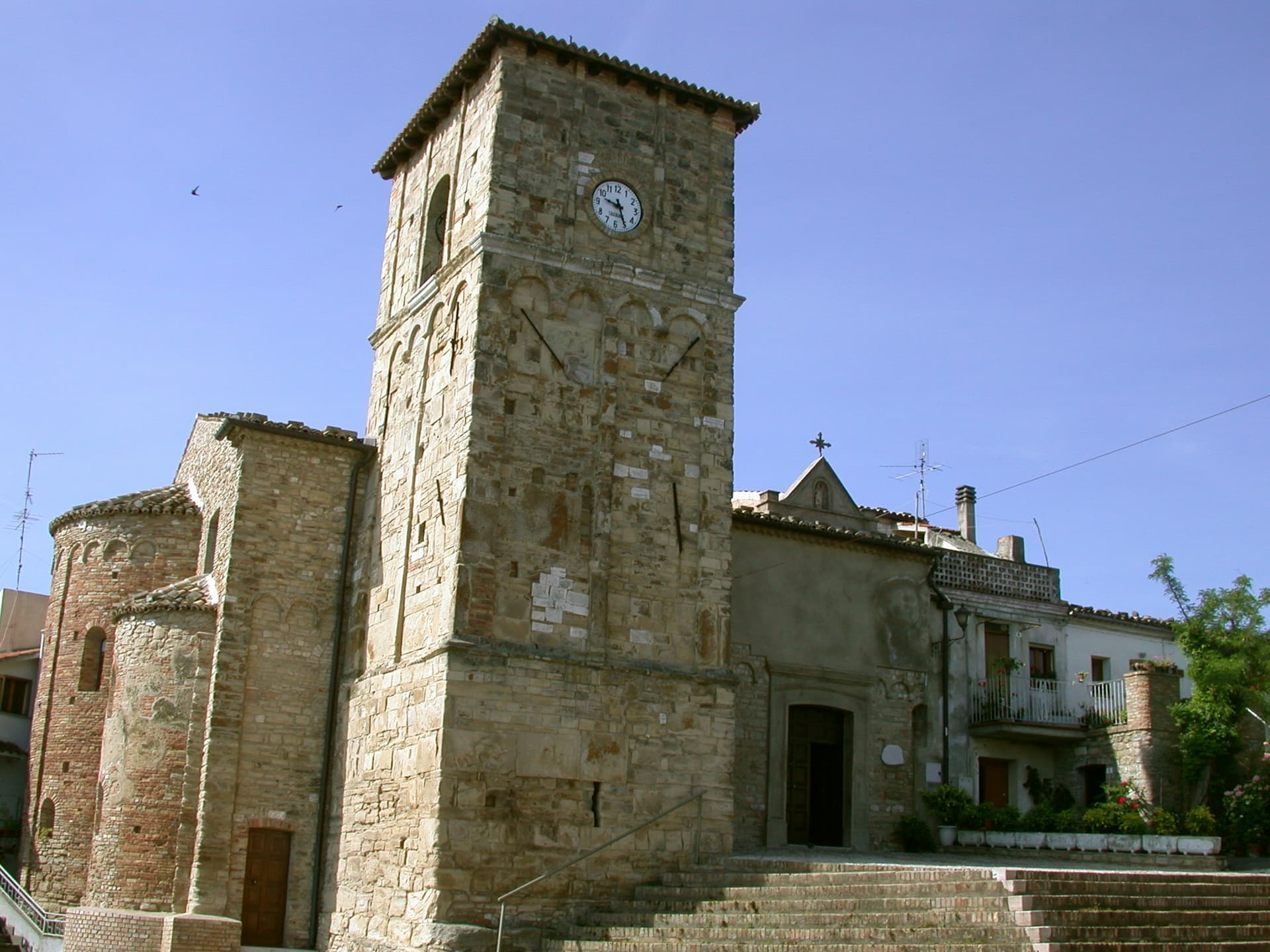
A hilltop village at 225 meters on the Adriatic, with a Romanesque church in tuff and sandstone and a long sand beach below.
🫒 Città dell'Olio
More Città dell'Olio towns in Molise
Ferrazzano
Province: Campobasso
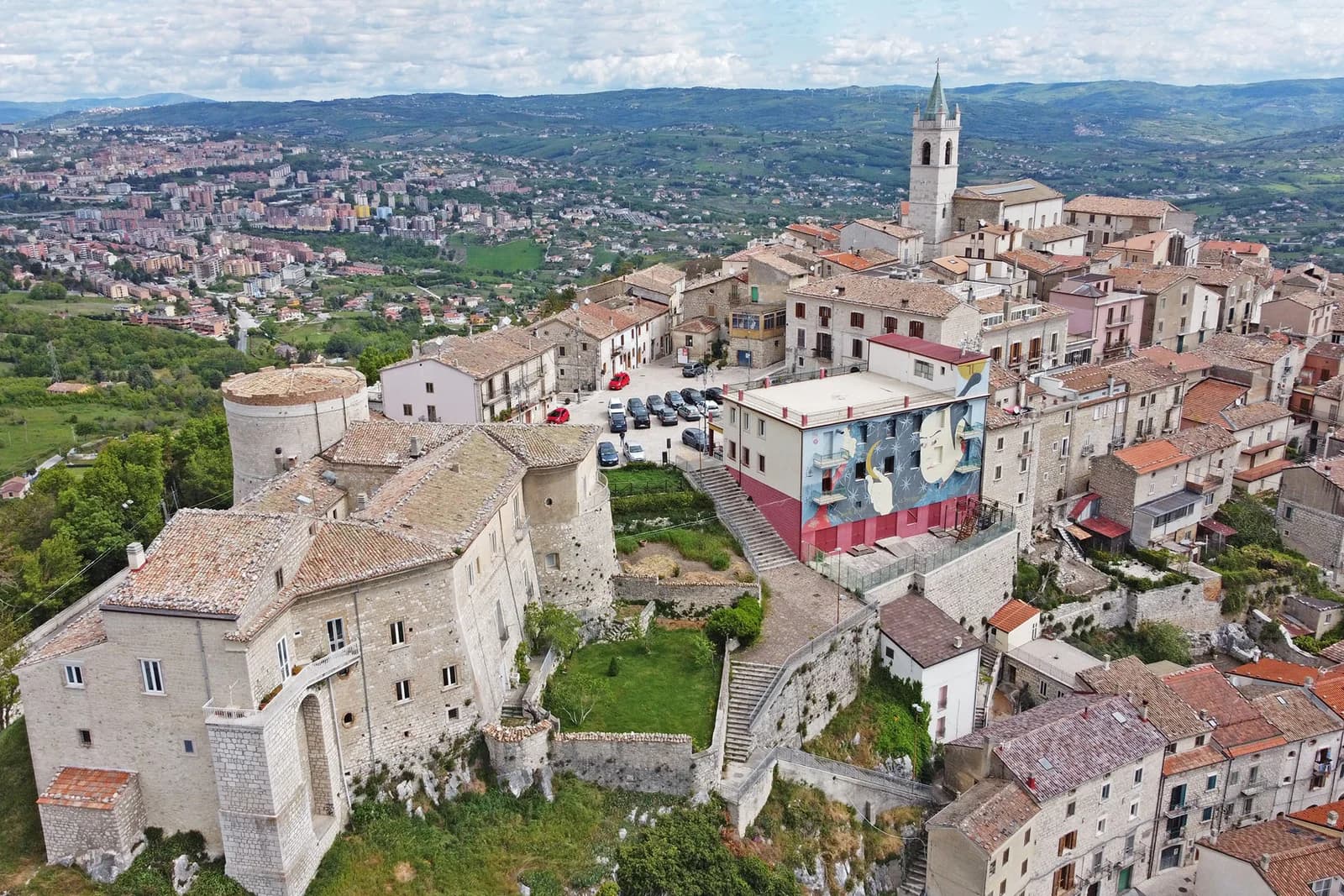
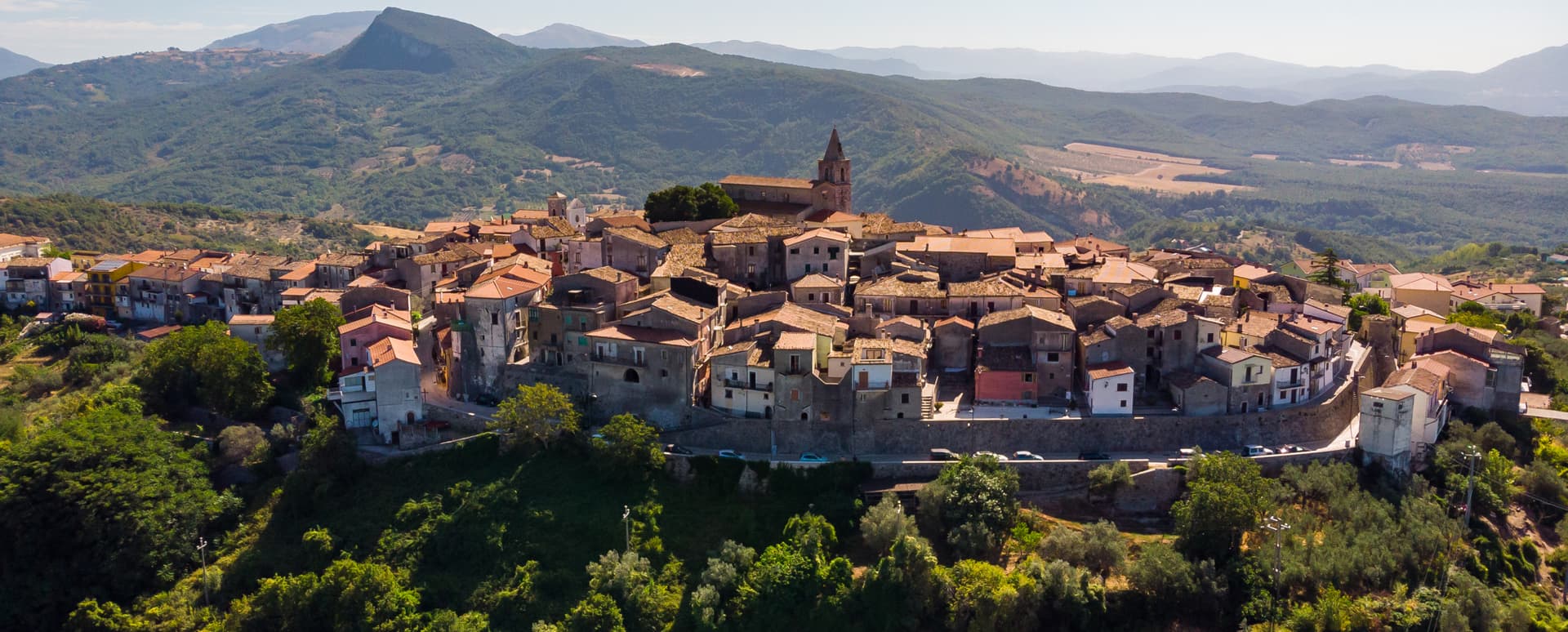
A hilltop borgo at 872 meters above Campobasso, called the Sentinel of Molise, where Robert De Niro's great-grandparents lived before sailing in 1887.
Fornelli
Province: Isernia
A walled medieval borgo at 530 meters with seven towers and the birthplace of Nancy Pelosi's mother, eight kilometers west of Isernia.
Roccavivara
Province: Campobasso
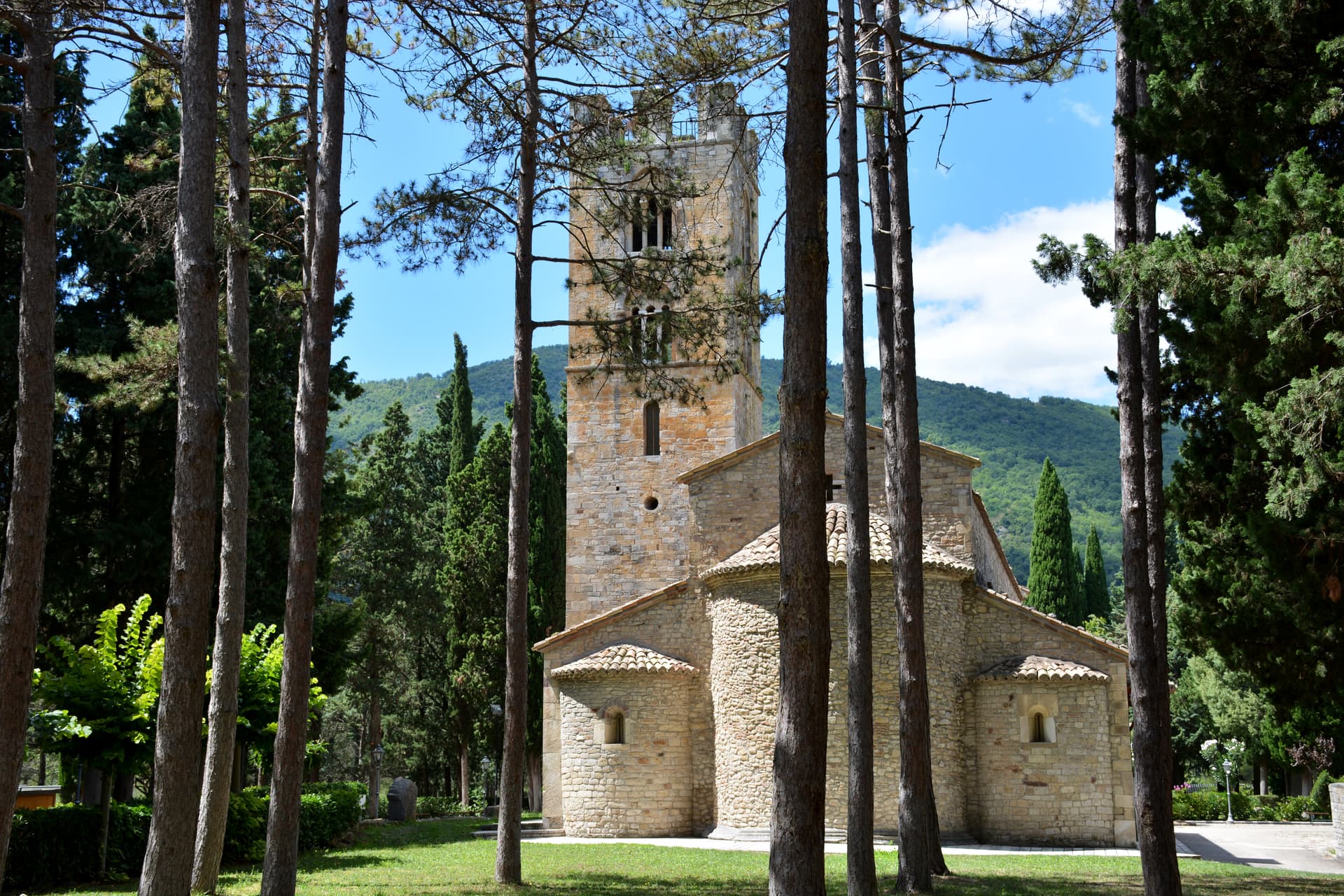
A 652-meter village above the Trigno river valley, home to the Romanesque Santuario della Madonna del Canneto with its 1223 ambone and 14th-century gothic Madonna del Sorriso.