
Bandiera Arancione
Bandiera Arancione in Tuscany
31 towns
Tuscany carries 31 of the Bandiera Arancione towns we cover. They cluster in the Siena, Pisa, and Grosseto provinces.
The three most recognised in our catalogue are Massa Marittima, Montalcino, and San Casciano dei Bagni. 28 more towns carry the mark alongside them.
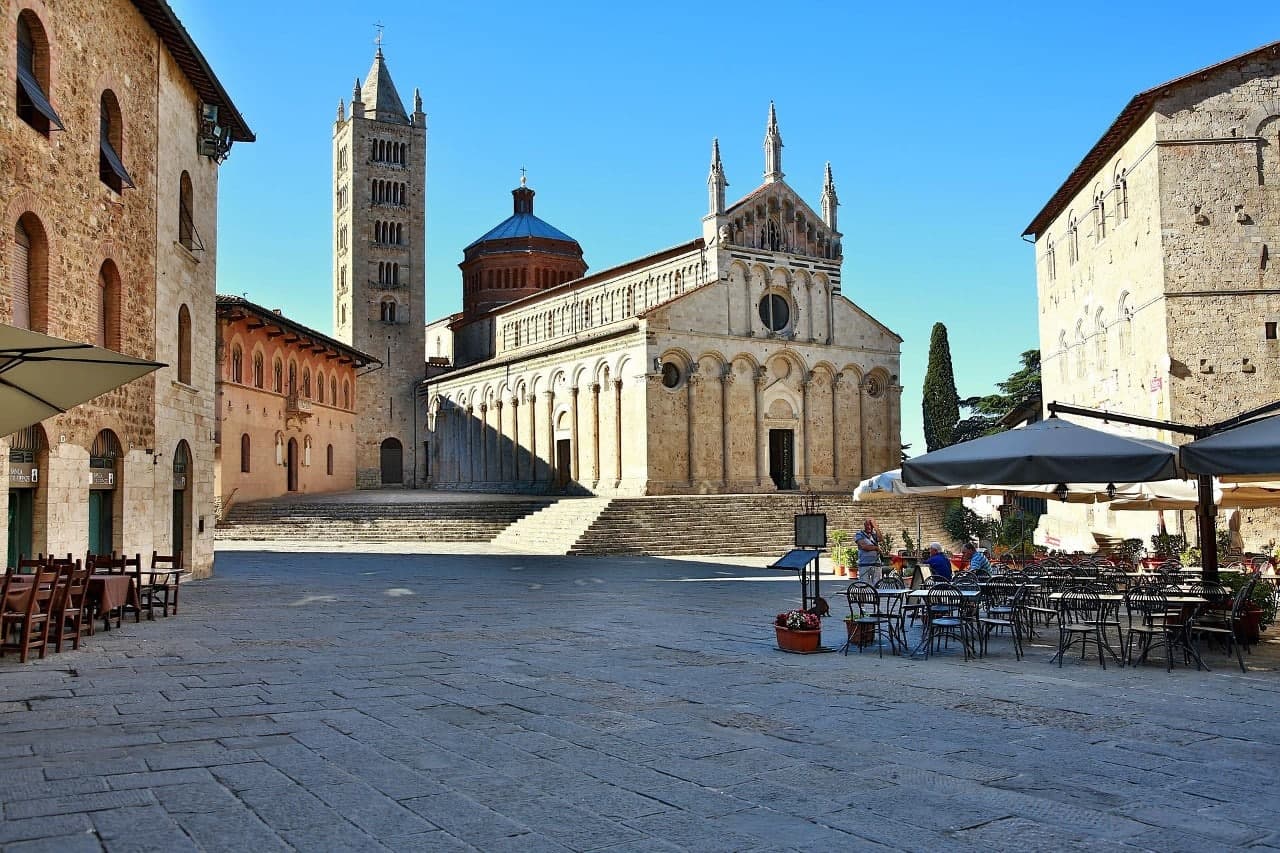
Massa Marittima
Province: Grosseto · 380 m
A medieval mining town at 380 meters in the Colline Metallifere, free commune from 1255 to 1337, whose cathedral holds the relics of San Cerbone.
- ✷ We've been
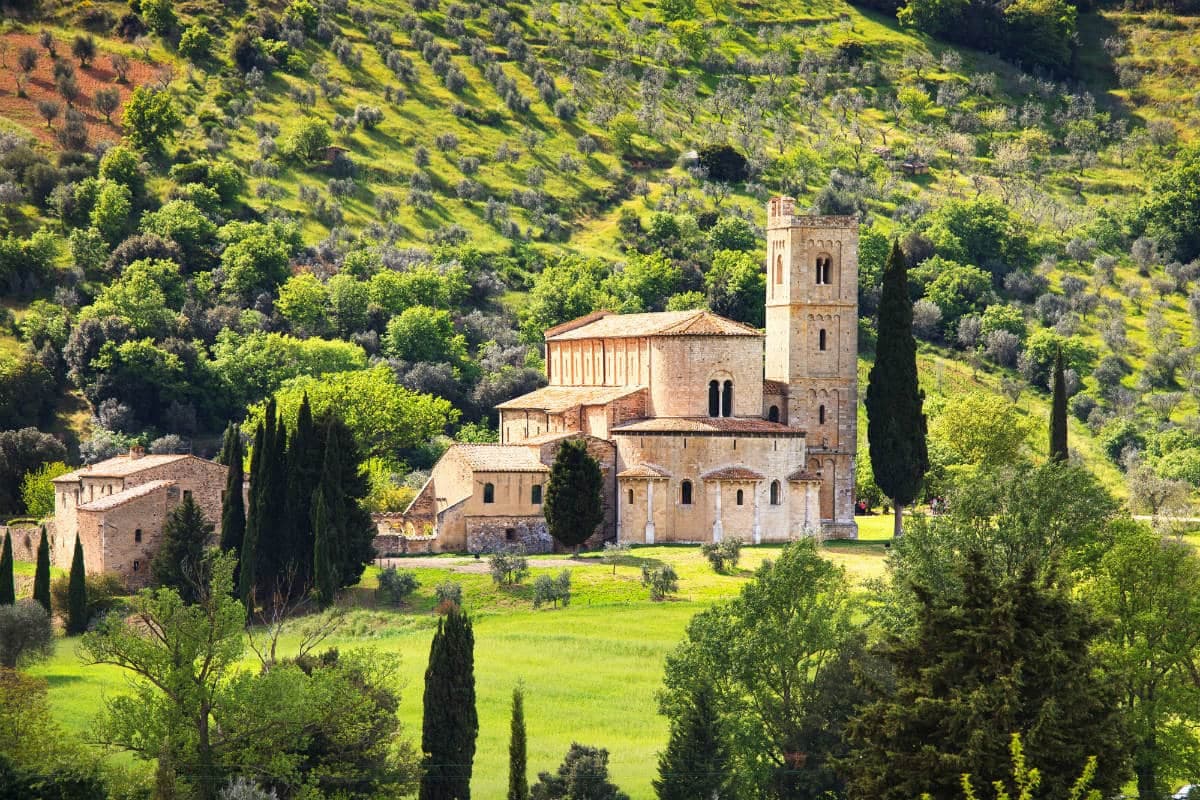
Montalcino
Province: Siena · 564 m
A walled hill town at 564 meters above the Val d'Orcia, the last fortress to hold out for the Sienese Republic and the birthplace of Brunello.
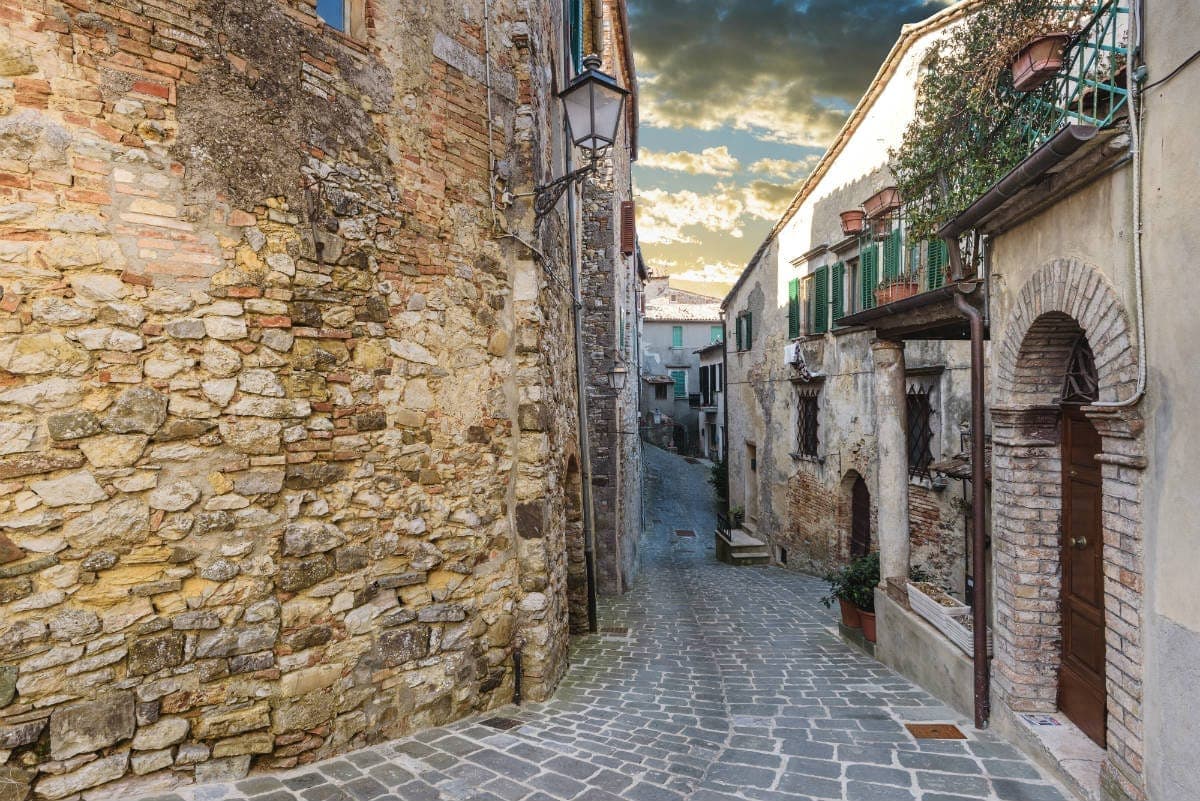
San Casciano dei Bagni
Province: Siena · 582 m
A hilltop borgo at 582 meters above 42 hot springs that produced the largest Etruscan bronze hoard of the last fifty years.
- ✷ We've been
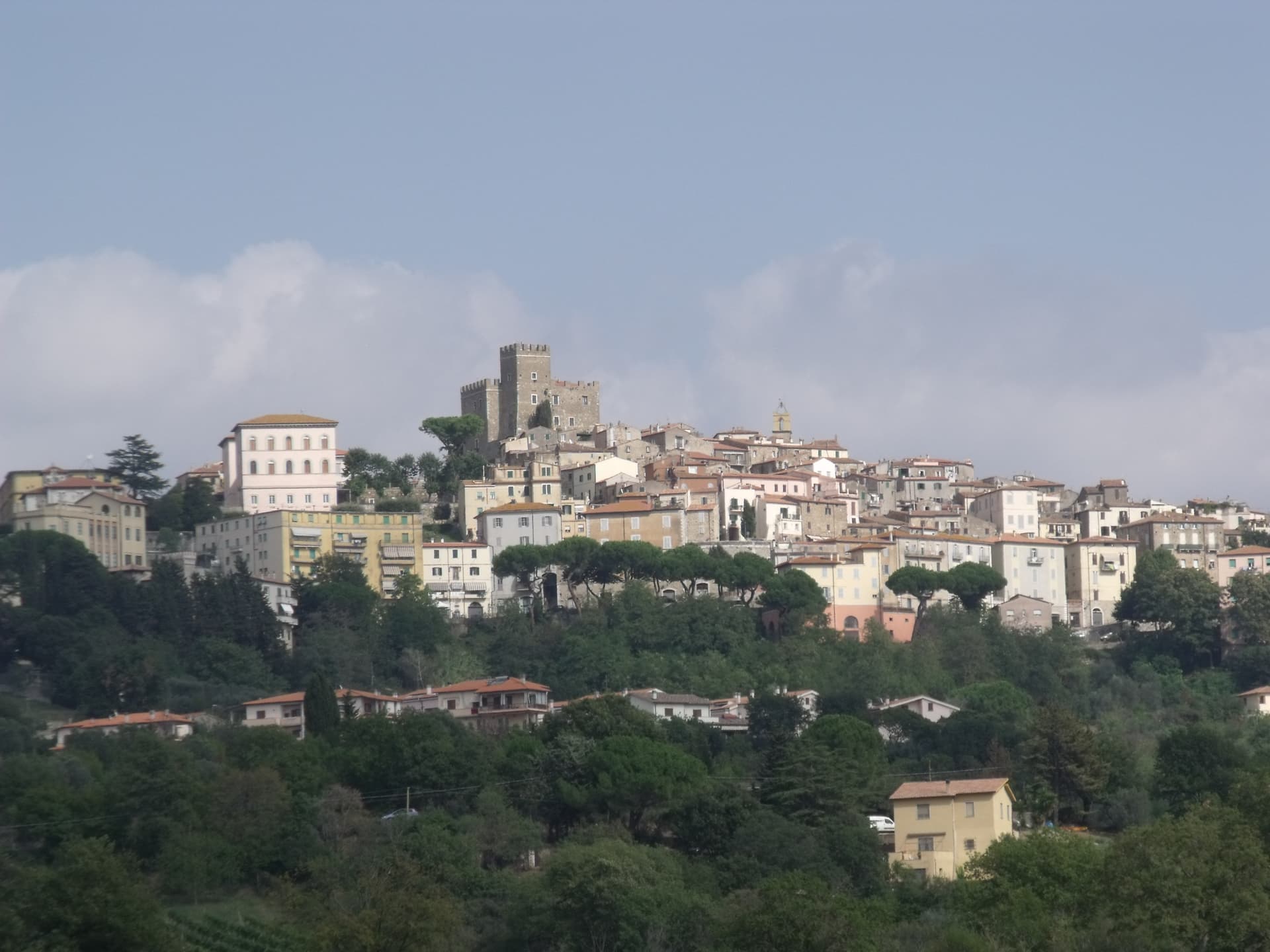
Manciano
Province: Grosseto · 444 m
A market town at 444 meters in the southern Maremma, with a Sienese fortress of 1424 and the thermal frazione of Saturnia in its territory.
- ✷ We've been
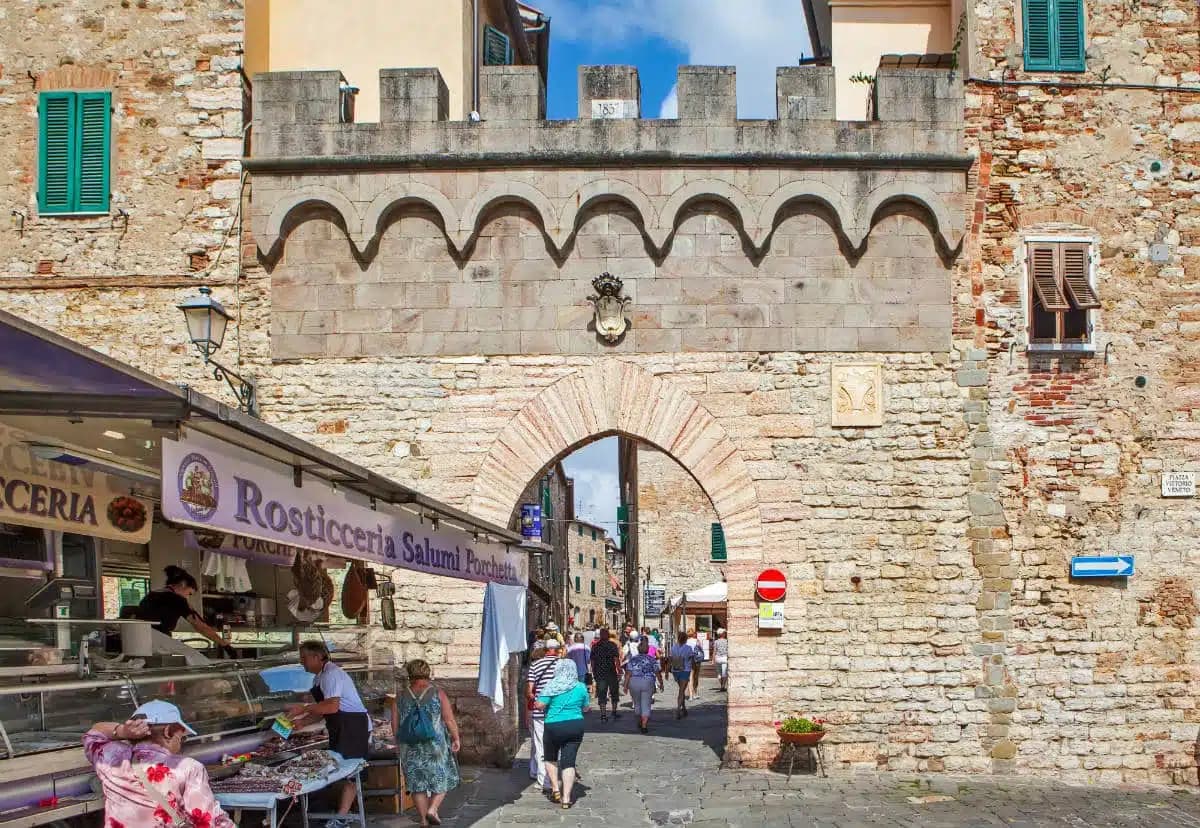
Suvereto
Province: Livorno · 127 m
A stone borgo at 127 meters above the Val di Cornia, named for the cork oaks of its forests and ruled from the Rocca Aldobrandesca since 973.
- ✷ We've been
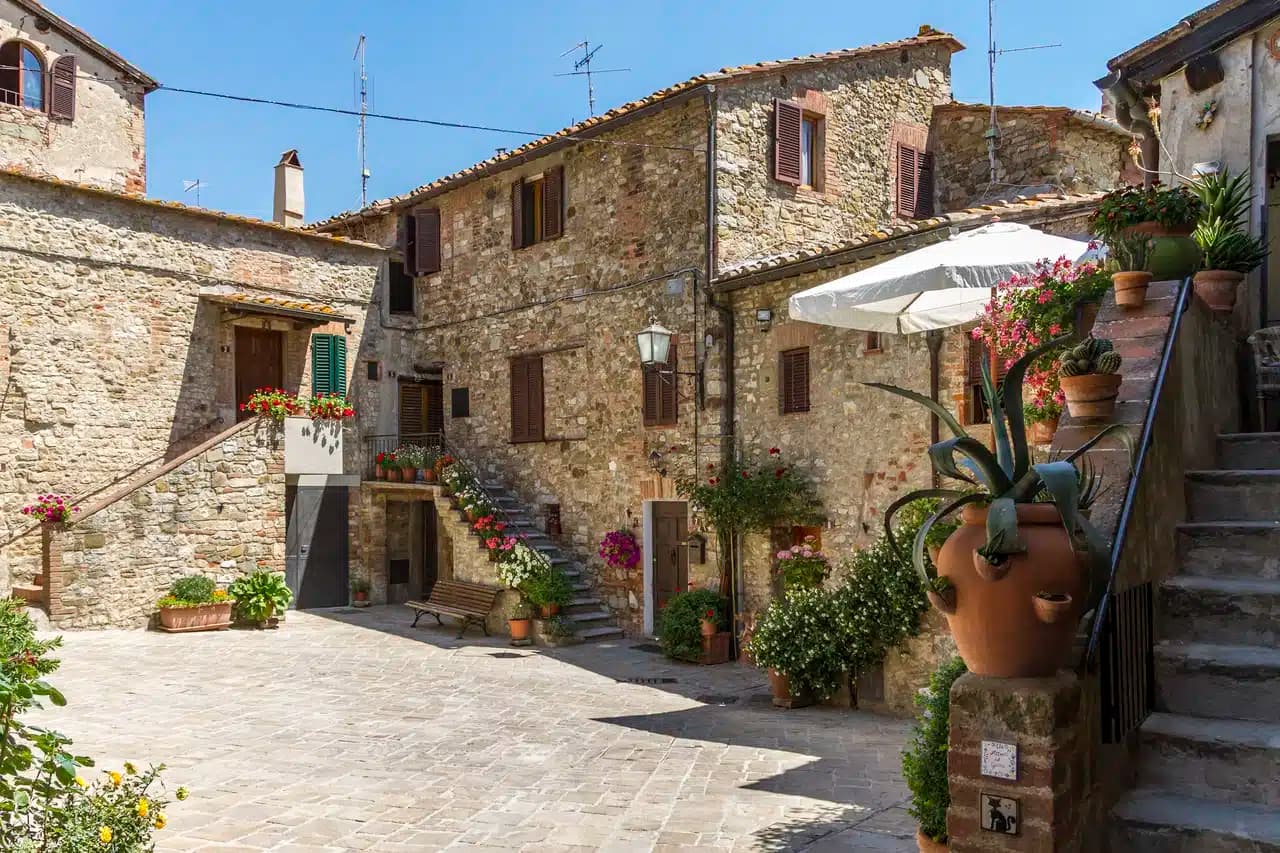
Castelnuovo Berardenga
Province: Siena · 351 m
A Chianti Classico commune at 351 meters between the Ombrone and the Crete Senesi, the last castle Siena built against Florence, in 1366.
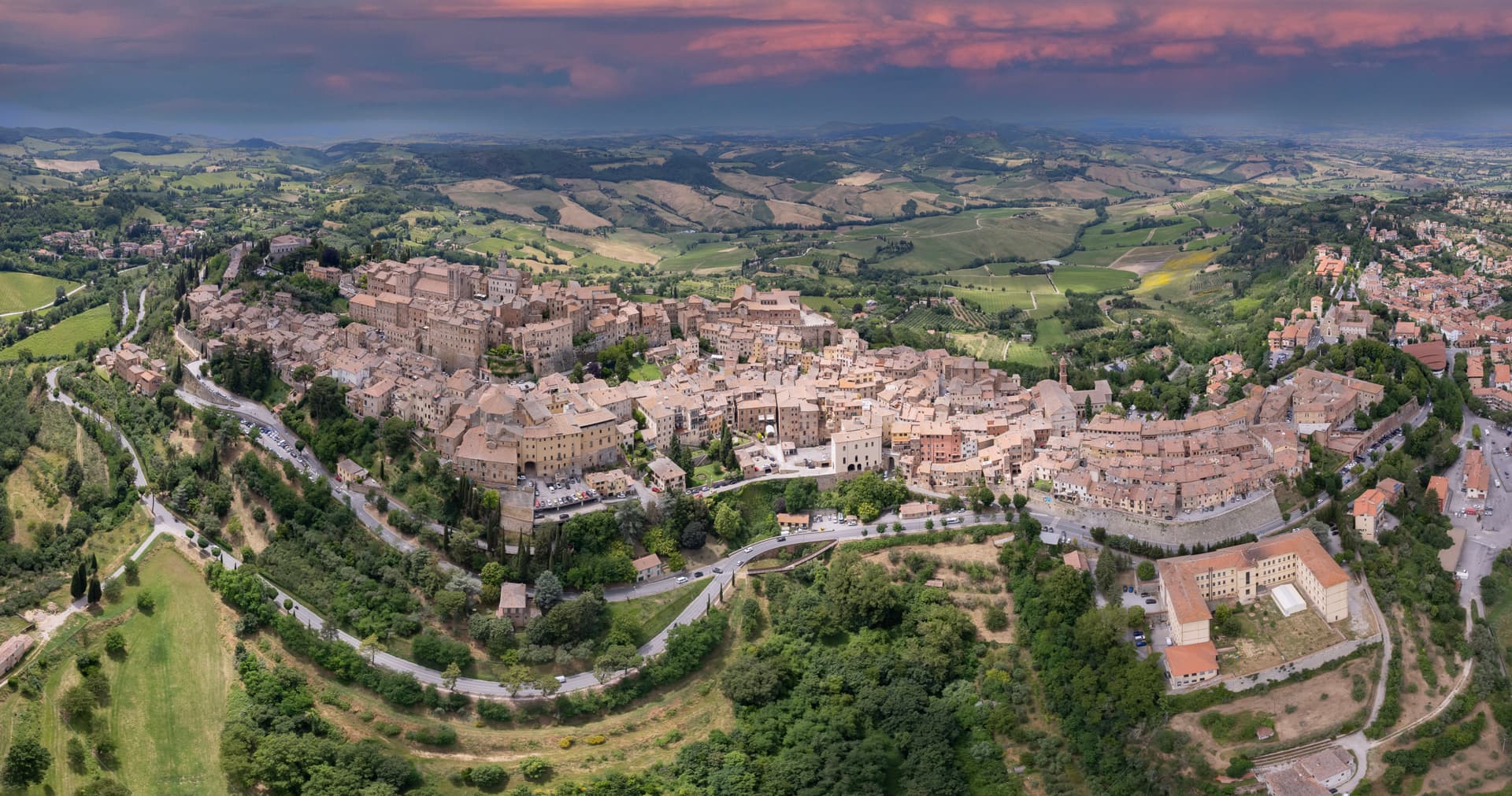
Montepulciano
Province: Siena · 605 m
A Renaissance hill town at 605 meters on a limestone ridge, where Vino Nobile is aged in vaulted cellars beneath the palazzi of Piazza Grande.
- ✷ We've been
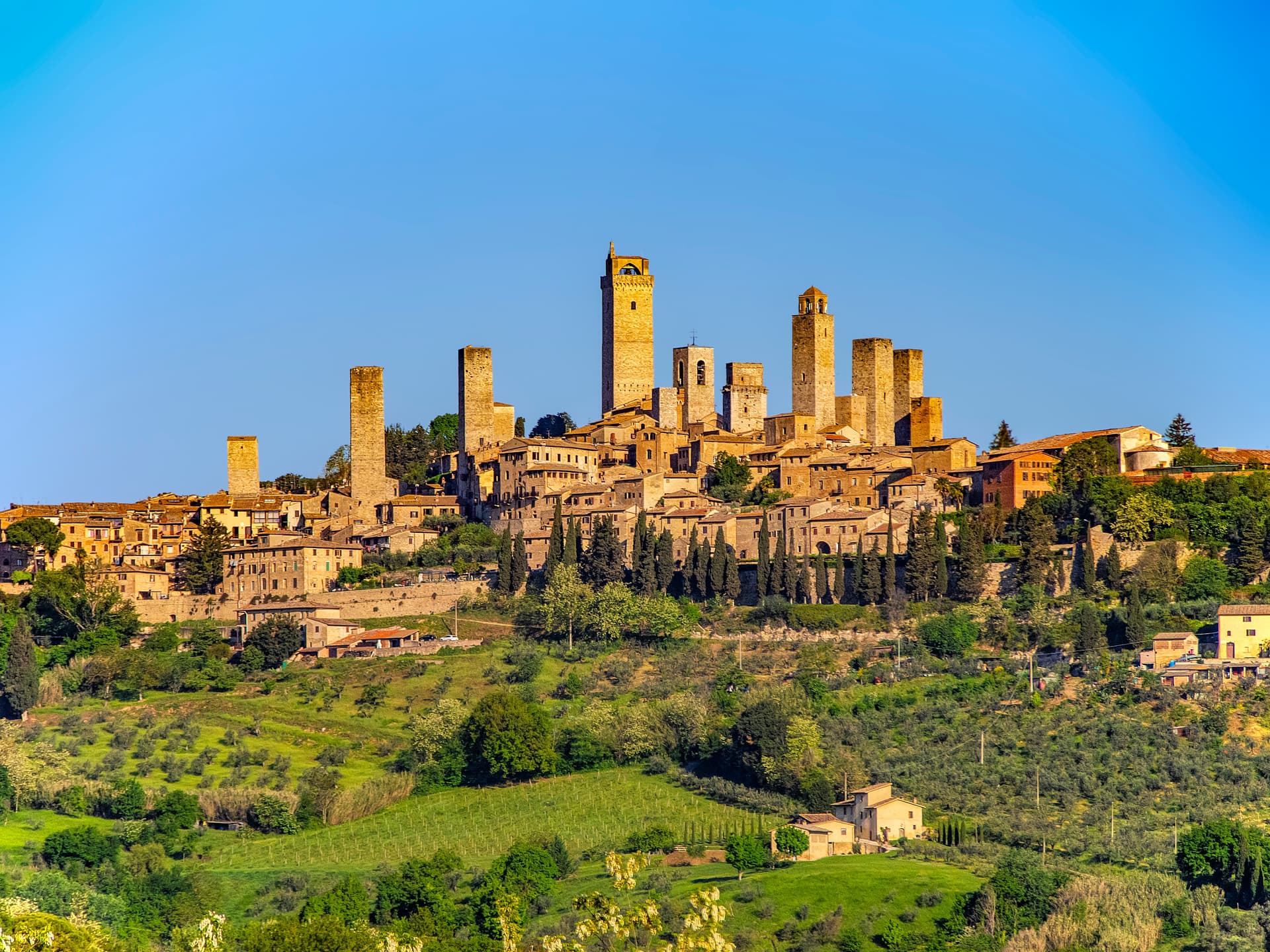
San Gimignano
Province: Siena · 334 m
A walled hill town at 334 meters with 14 surviving medieval towers, UNESCO listed since 1990 and the home of Vernaccia.
- ✷ We've been
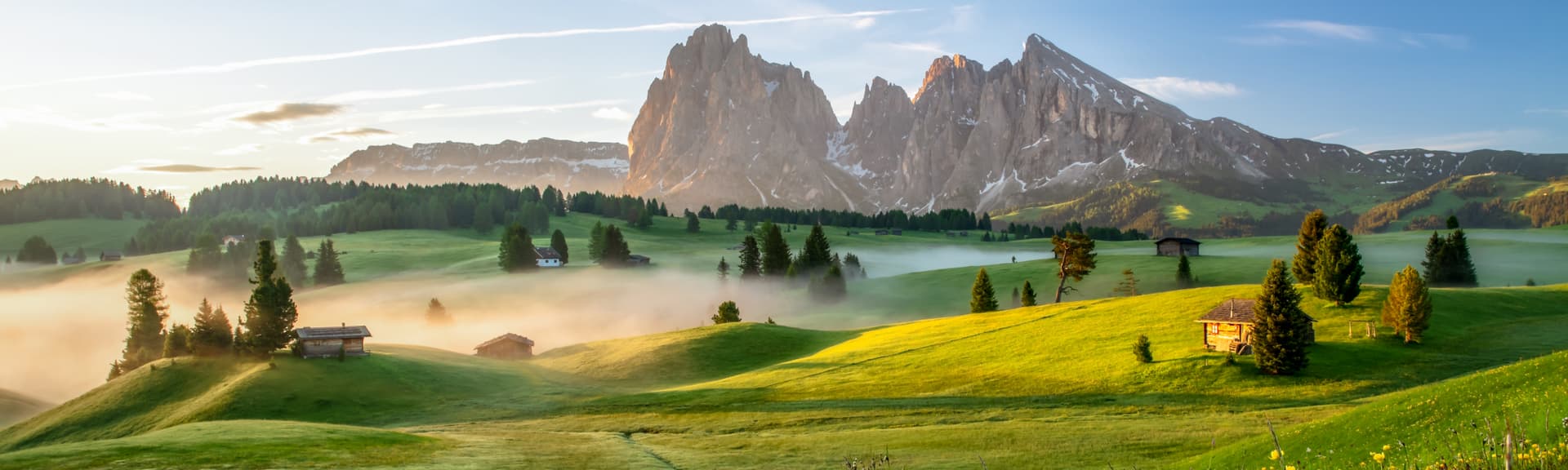
Abetone Cutigliano
Province: Pistoia · 1,388 m
The Apennine ski pass at 1,388 meters where the Granduca's two stone pyramids of 1778 mark the old Tuscan-Modenese border.
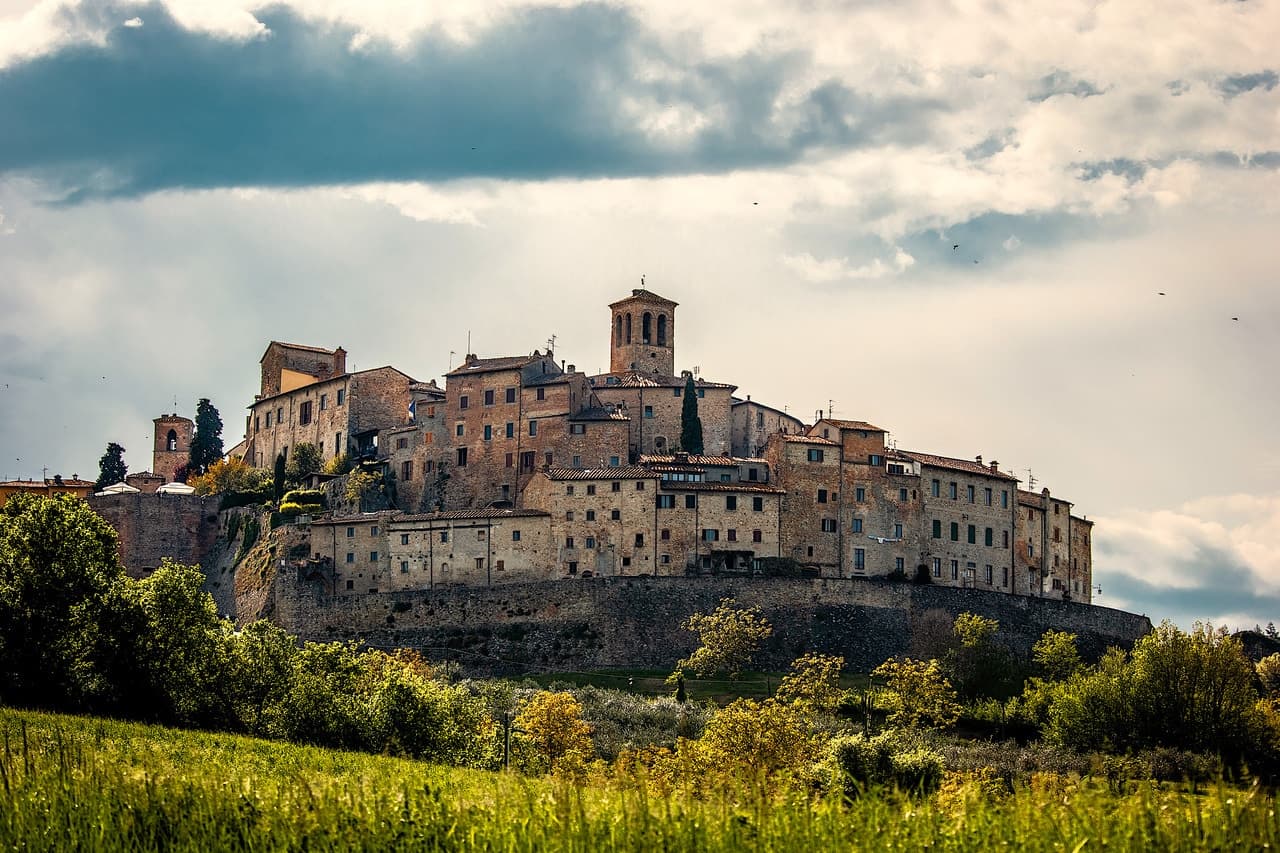
Anghiari
Province: Arezzo · 430 m
A walled medieval town at 430 meters over the upper Tiber valley, where Florence beat Milan in 1440 and Leonardo started the fresco he never finished.
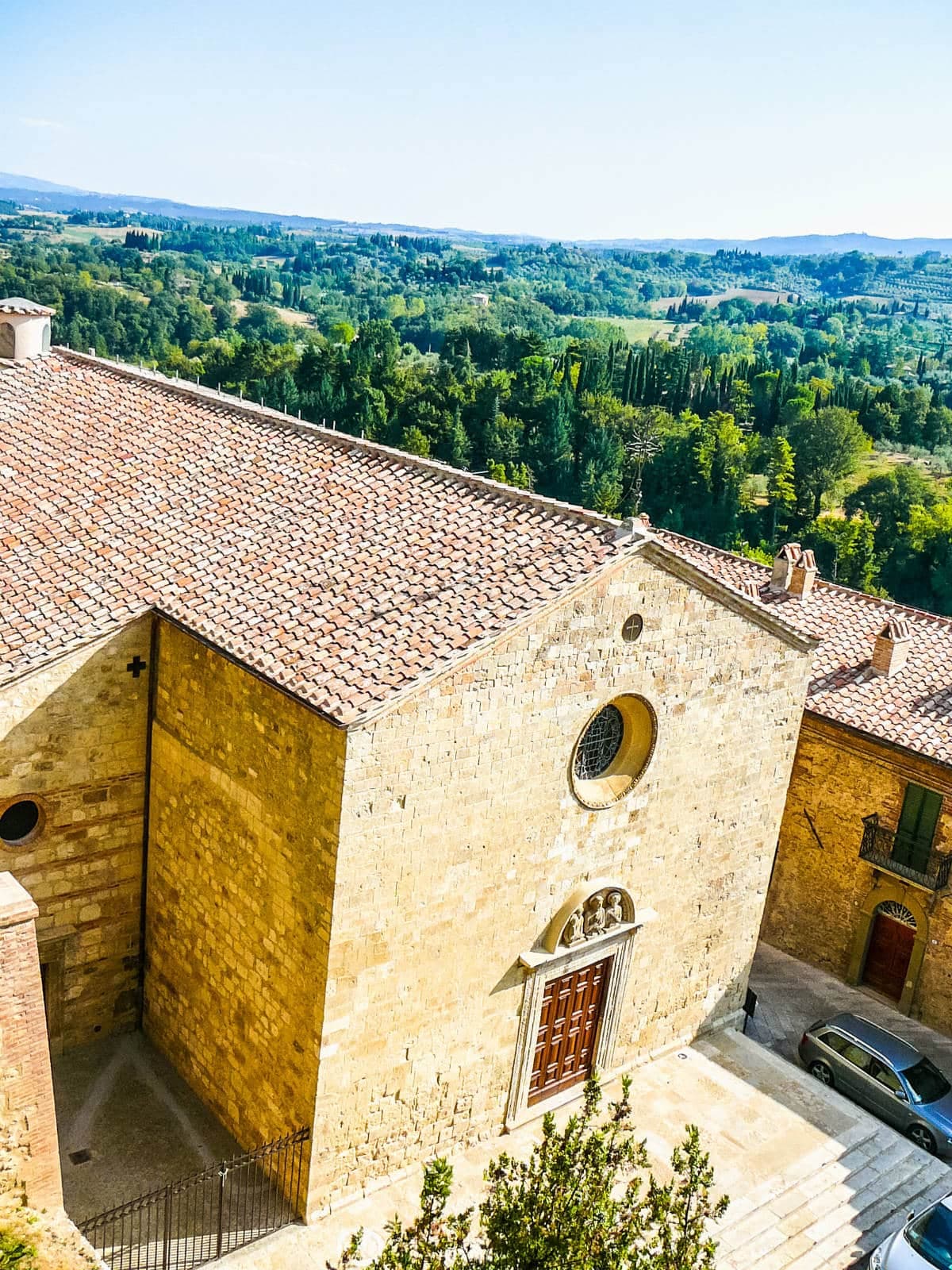
Cetona
Province: Siena · 384 m
A medieval borgo at 384 meters below Monte Cetona, sold by Cosimo I to the Vitelli in 1556 and the centro storico still shaped by their fortress reconstruction.
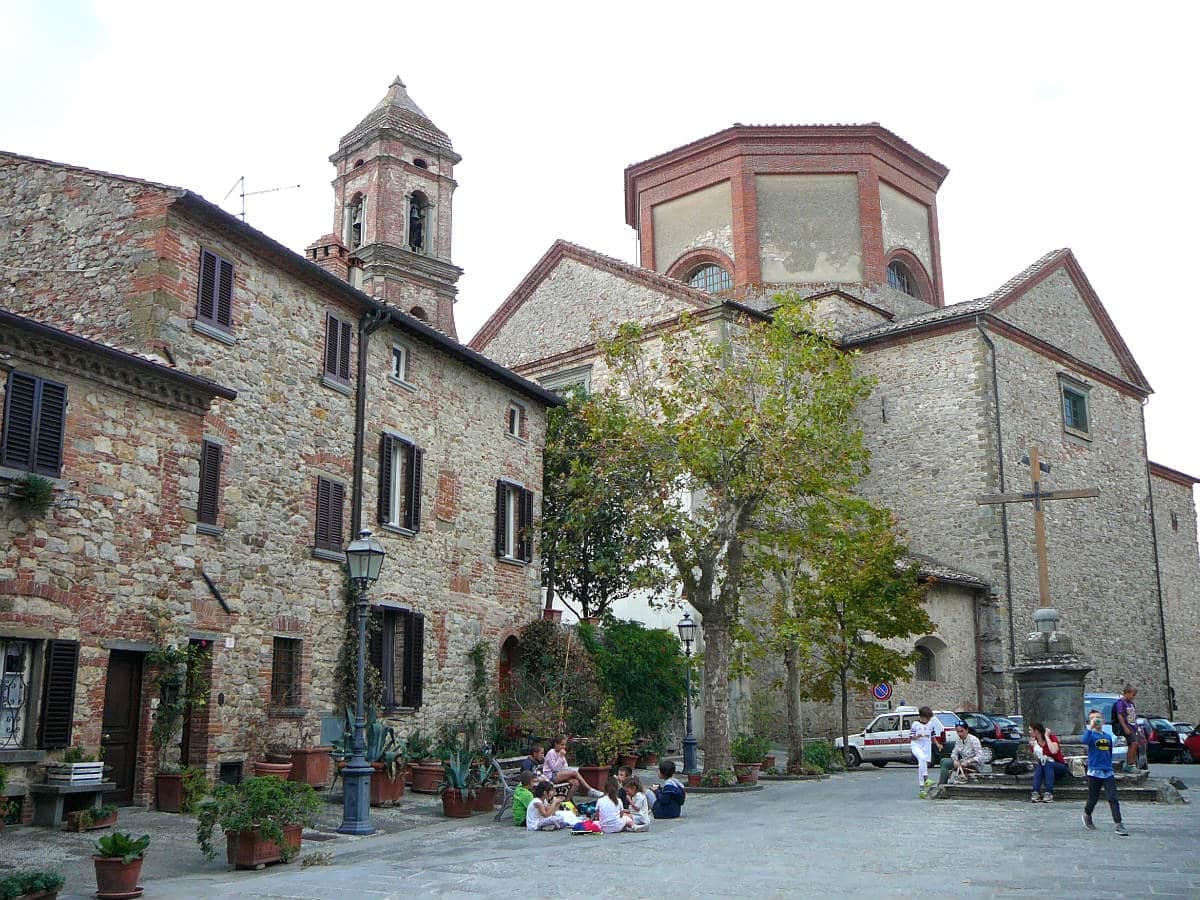
Lucignano
Province: Arezzo · 400 m
A walled elliptical hill town at 400 meters between Siena and Arezzo, planned in medieval concentric rings around the goldsmith's reliquary called the Tree of Life.
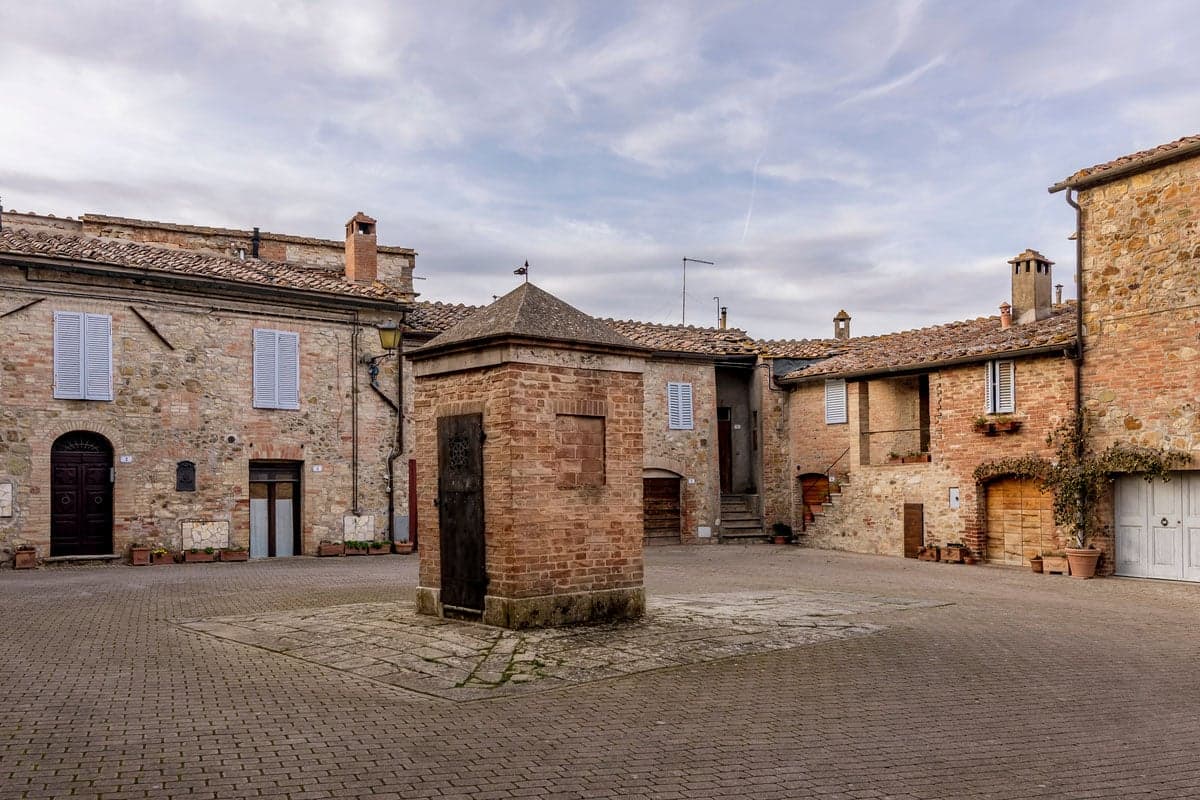
Murlo
Province: Siena · 314 m
A medieval bishops' fief twenty kilometers south of Siena, with an Etruscan princely palace on Poggio Civitate and the Cappellone statue as its symbol.
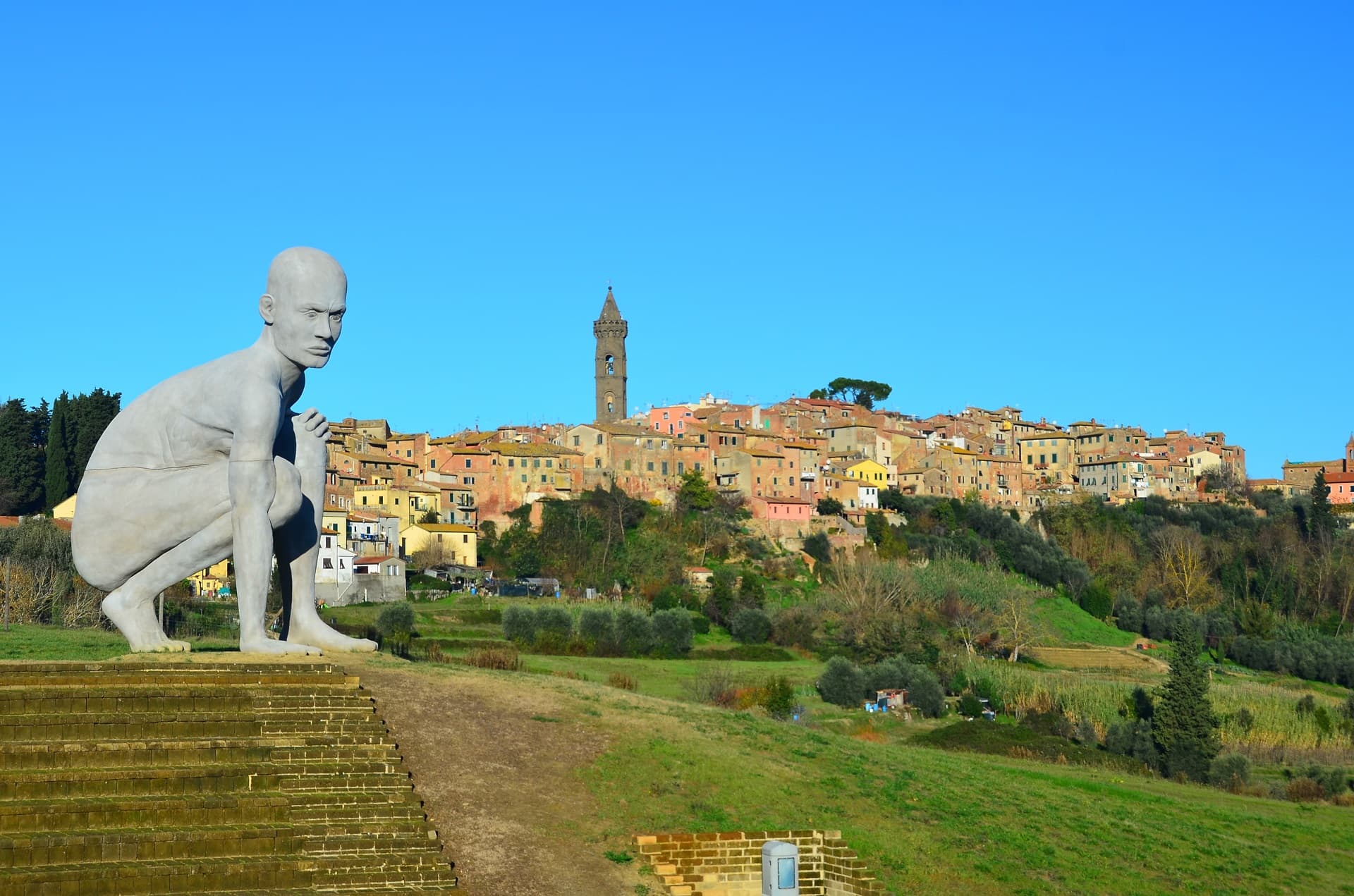
Peccioli
Province: Pisa · 144 m
Borgo dei Borghi 2024 in the Valdera hills, a medieval village that funded a public contemporary-art program with revenue from its landfill plant.
- ✷ We've been
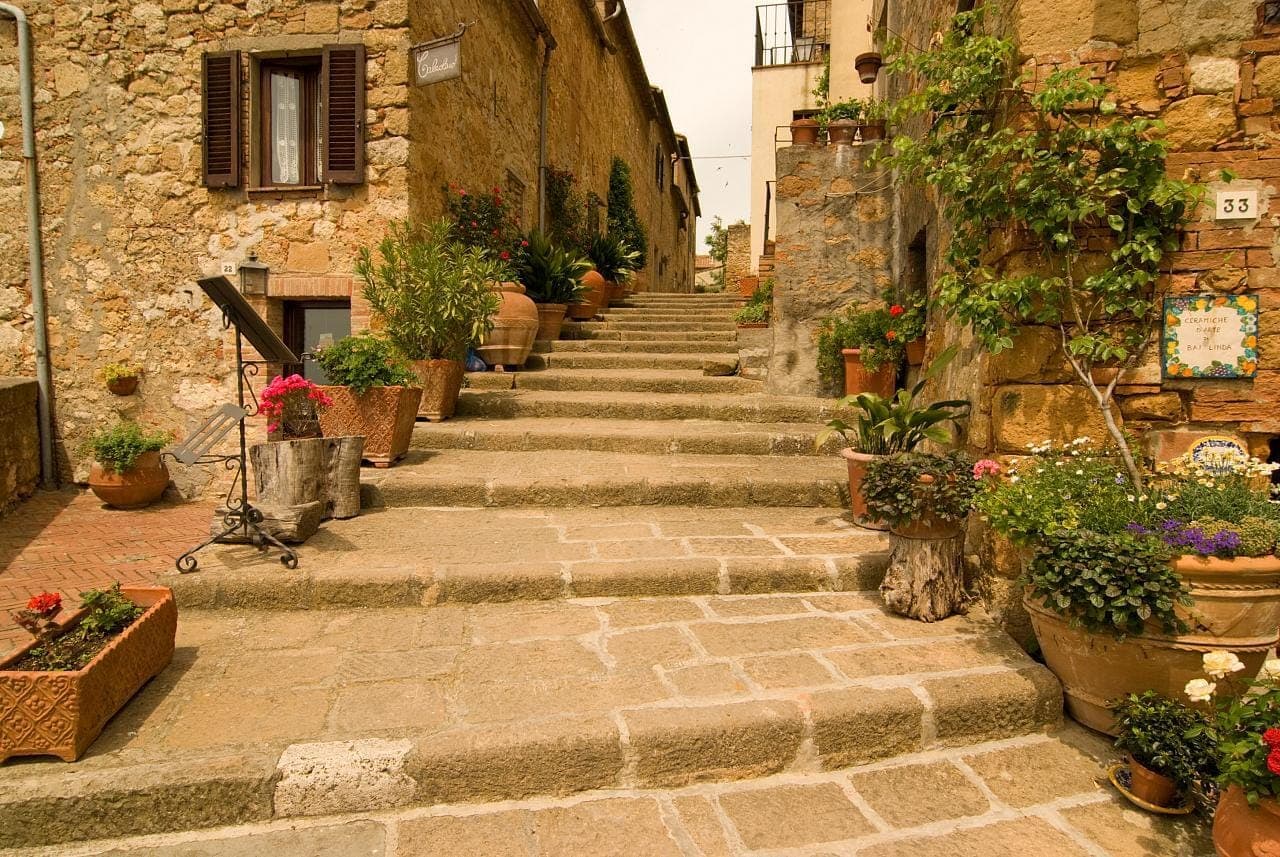
Pienza
Province: Siena · 491 m
The first Renaissance ideal city, built from 1459 by Bernardo Rossellino for Pope Pius II on the Val d'Orcia ridge.
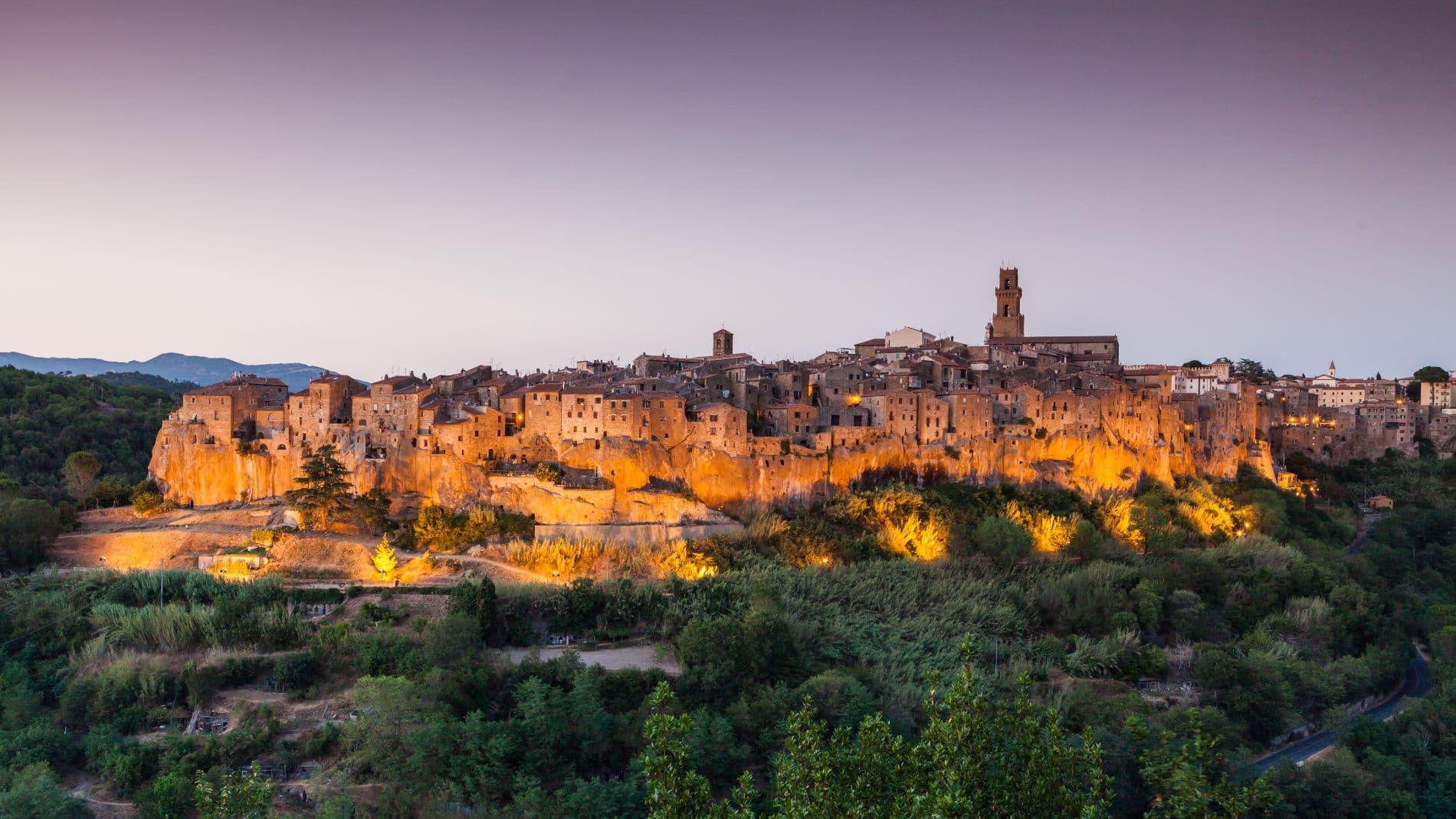
Pitigliano
Province: Grosseto · 313 m
The Little Jerusalem of southern Tuscany, carved into a tuff spur in the Maremma, where the houses, the synagogue and the streets are all cut from the same volcanic rock.
- ✷ We've been
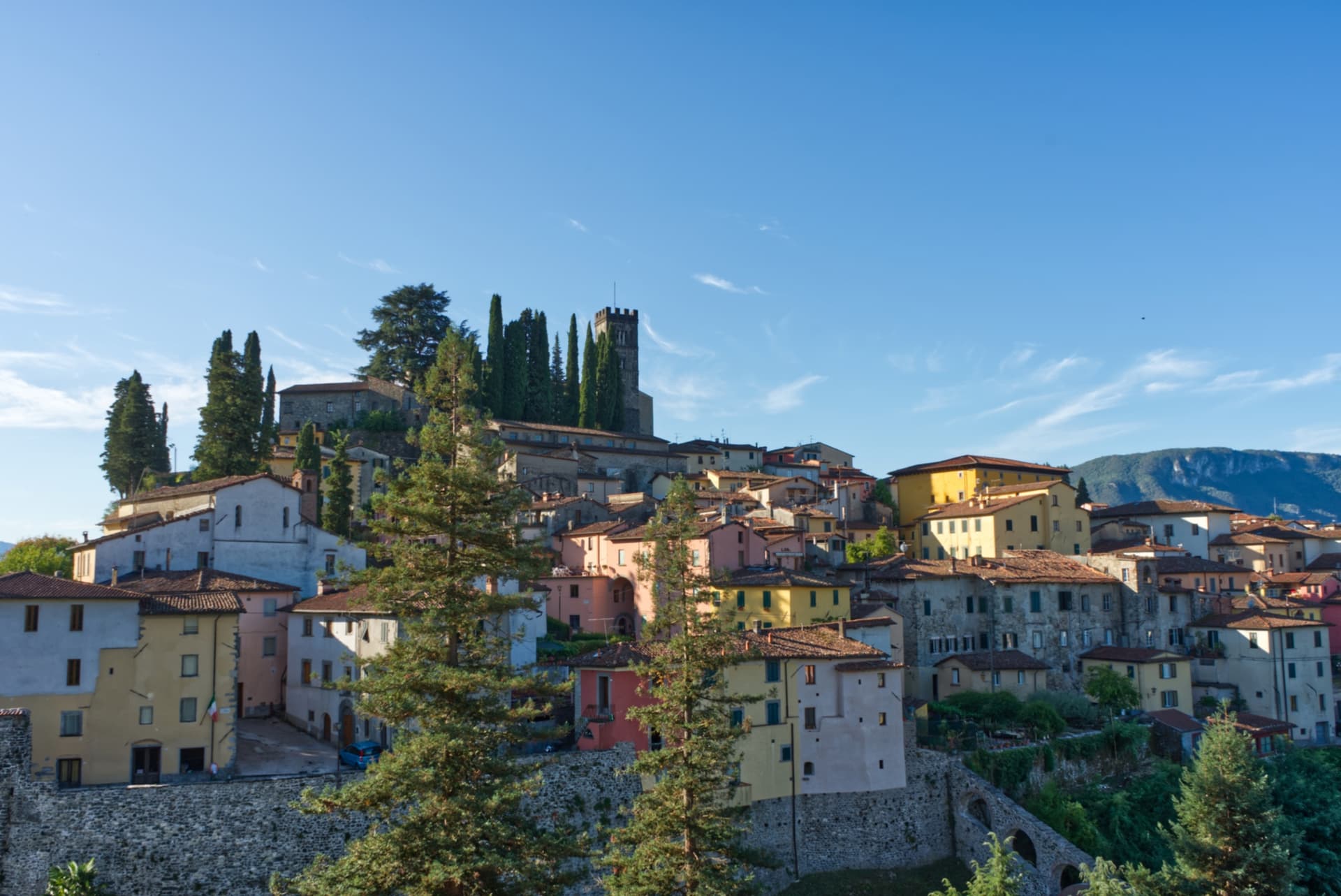
Barga
Province: Lucca · 410 m
A medieval hilltop town at 410 meters in the Serchio valley between the Apuan Alps and the Apennines, where Giovanni Pascoli wrote his last poems and the August festival serves fish and chips.
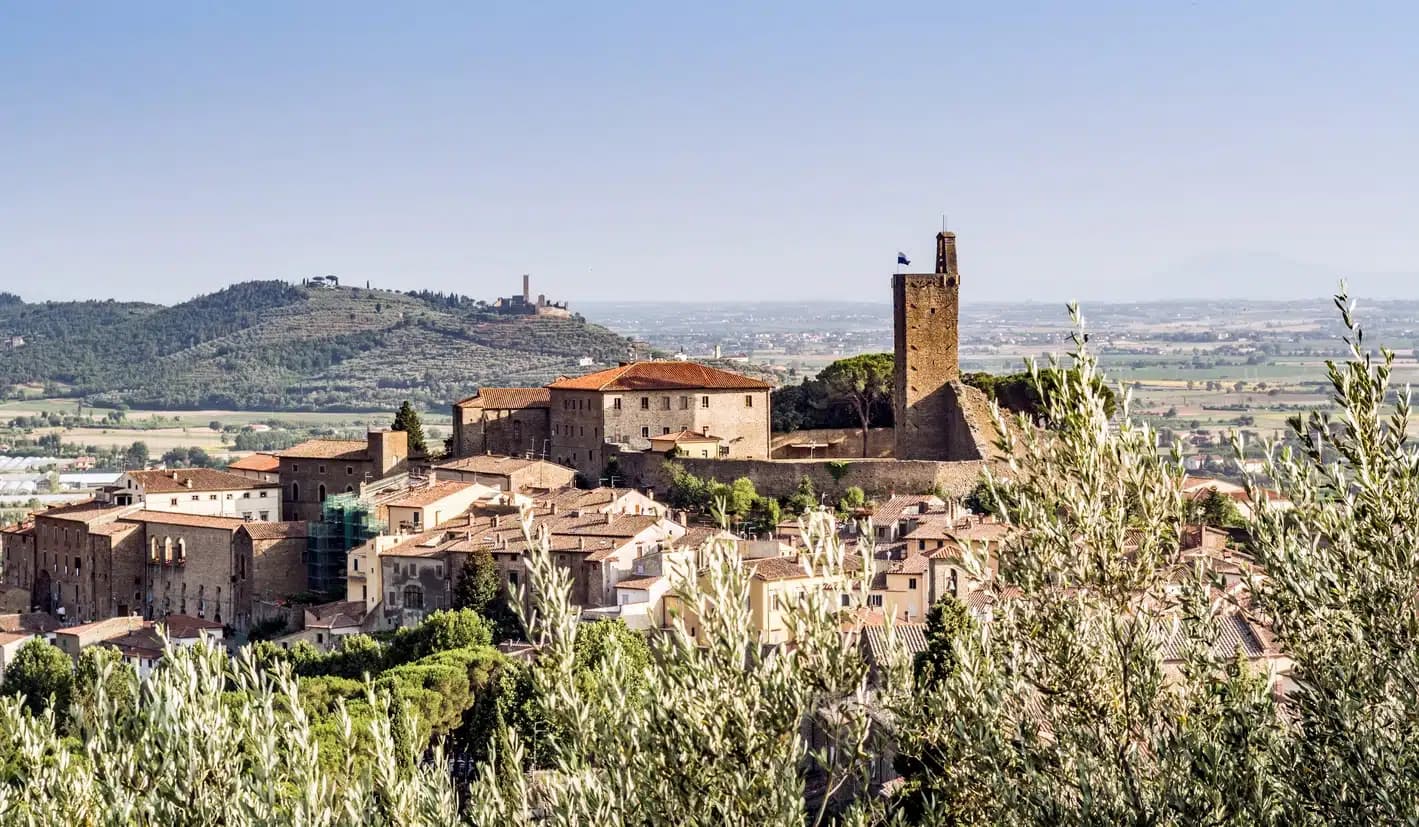
Castiglion Fiorentino
Province: Arezzo · 342 m
A walled hill town at 342 meters between Arezzo and Cortona, where Etruscan walls support the medieval Cassero and Vasari's loggia frames the Val di Chiana below.
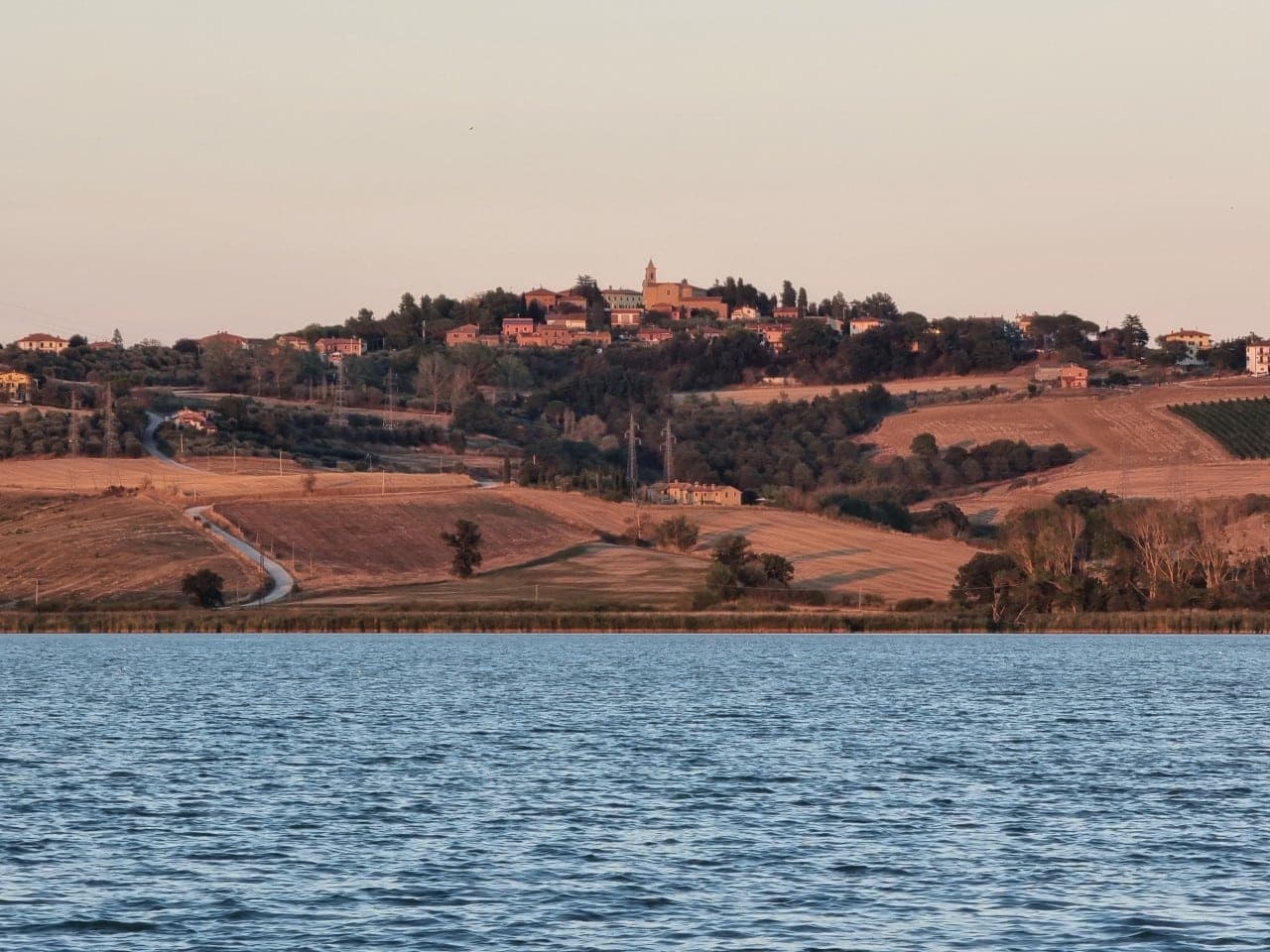
Chiusi
Province: Siena · 398 m
The Etruscan city of King Porsenna at 398 meters above the Val di Chiana, with one of Italy's major Etruscan museums and tunnels carved beneath the streets.
- ✷ We've been

Monteriggioni
Province: Siena · 274 m
A circular Sienese fortress built between 1213 and 1219 on a natural hill, fourteen towers on a 570-meter wall, intact and unbroken.
- ✷ We've been
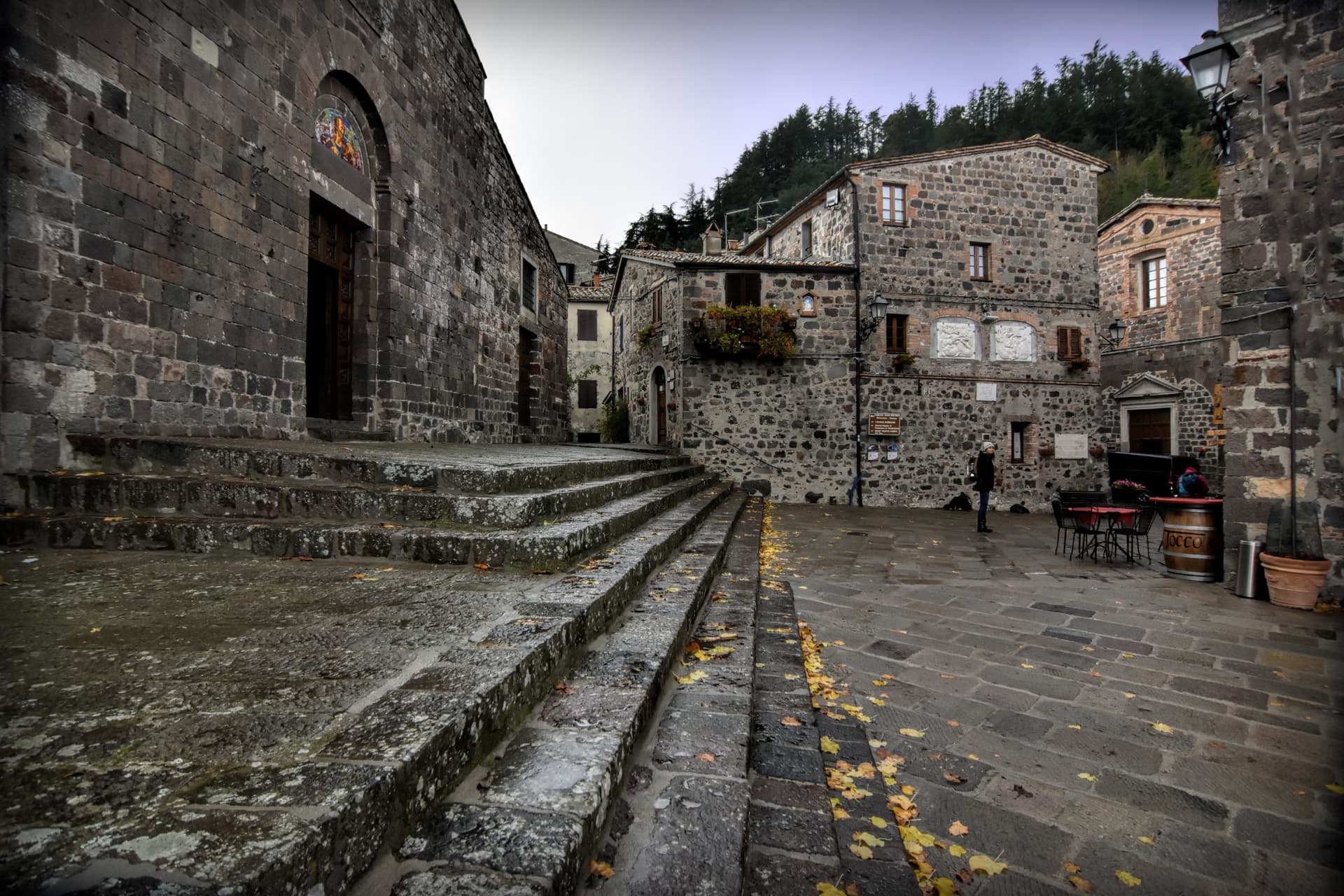
Radicofani
Province: Siena · 814 m
The Val d'Orcia's basalt watchtower — a 1,060-resident UNESCO-inscribed borgo at 814m on a volcanic basalt outcrop visible across half of southern Tuscany, with the spectacular Rocca di Radicofani (Ghino di Tacco's outlaw fortress, mentioned by Dante in Purgatorio + Boccaccio in the Decameron), the 16th-c Posta Medicea on the Via Francigena, and Bandiera Arancione + UNESCO + Via Francigena triple signal.
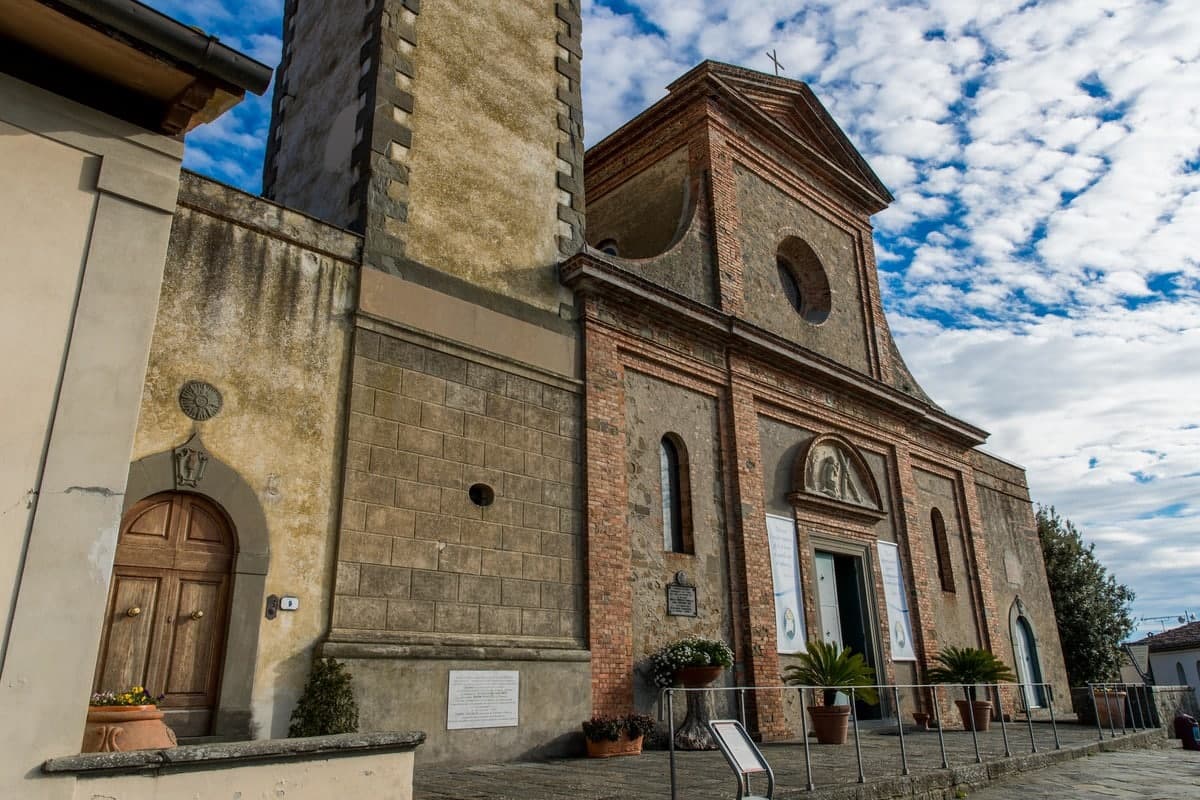
Vinci
Province: Firenze · 97 m
The hill town on Montalbano where Leonardo was born in 1452, with a ship-shaped castle that now holds his machines.
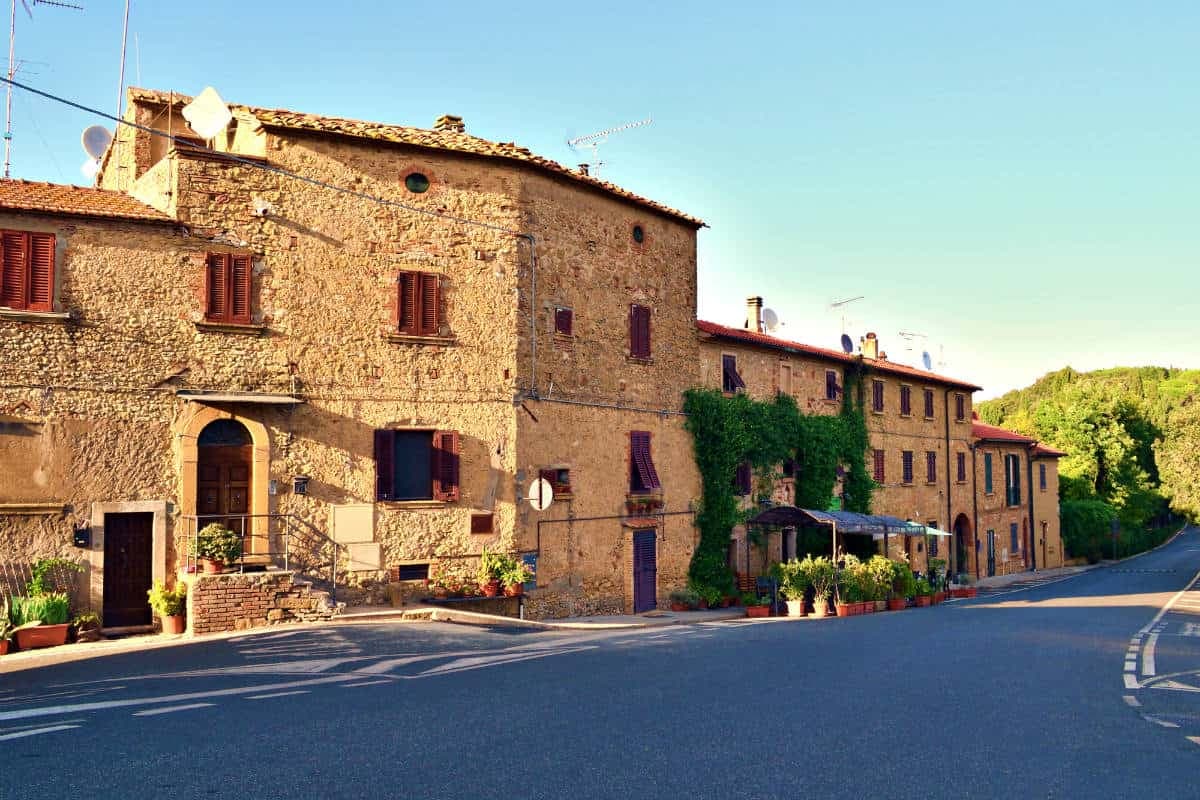
Casale Marittimo
Province: Pisa · 214 m
A concentric stone borgo at 214 meters above the Val di Cecina, built where a seventh-century BC Etruscan outpost of Volterra once stood.
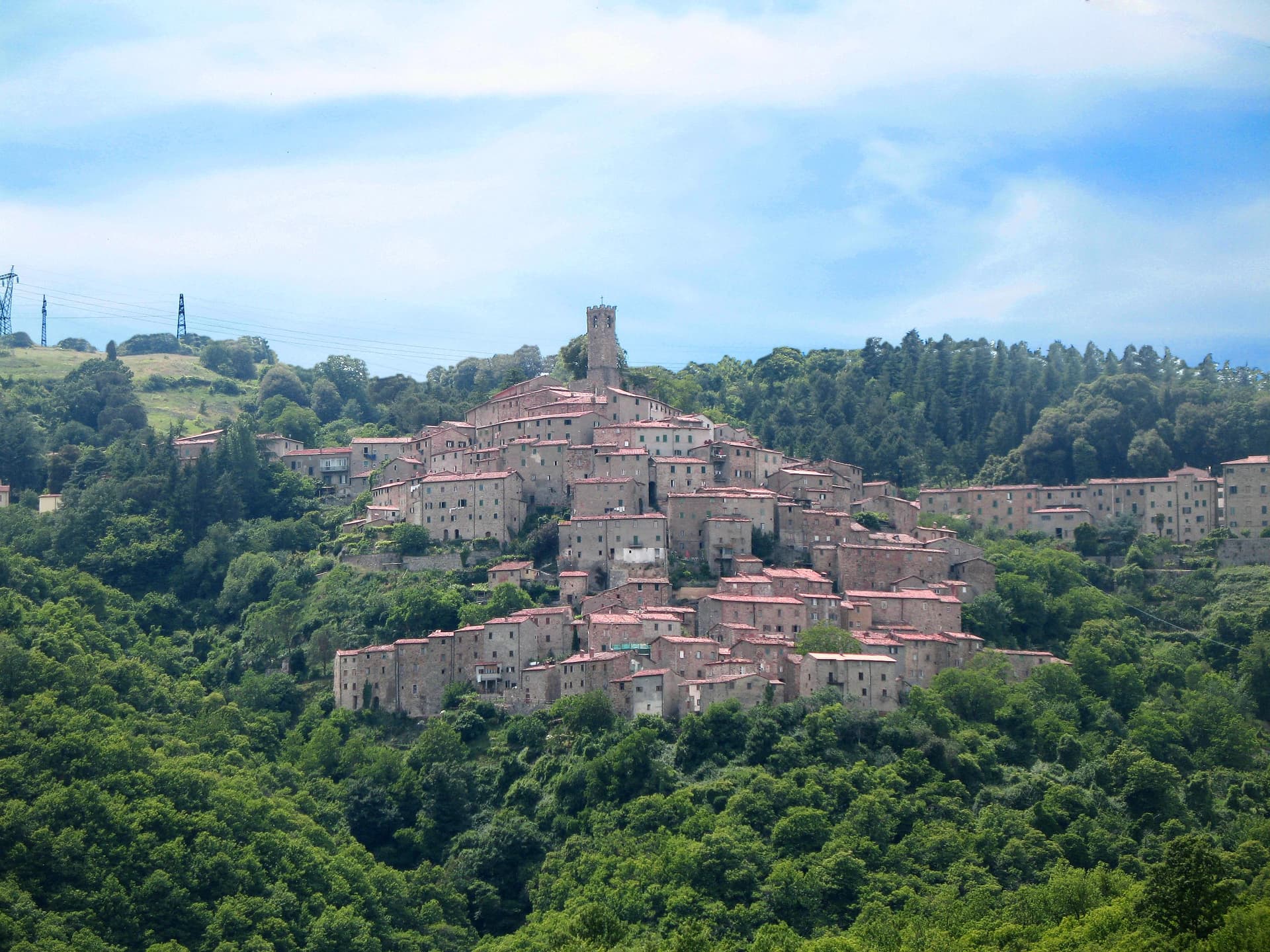
Castelnuovo di Val di Cecina
Province: Pisa · 576 m
A copper and geothermal borgo at 576 meters in the Cecina valley, where natural steam vents and medieval towers sit on the same hill.
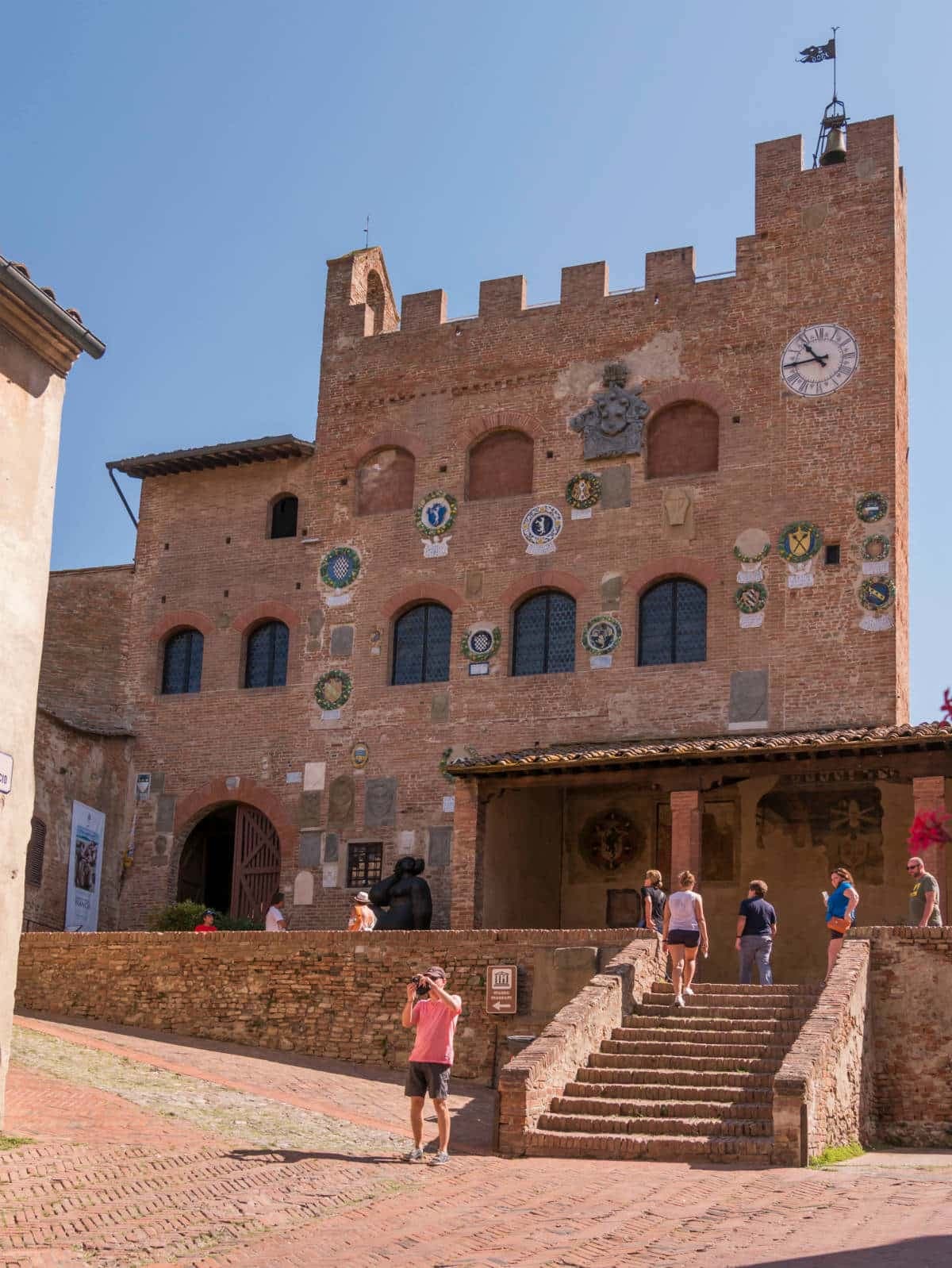
Certaldo
Province: Firenze · 67 m
The brick-built upper town in the Valdelsa where Boccaccio spent his last years, twenty-five kilometers from Florence on the medieval road to Siena.
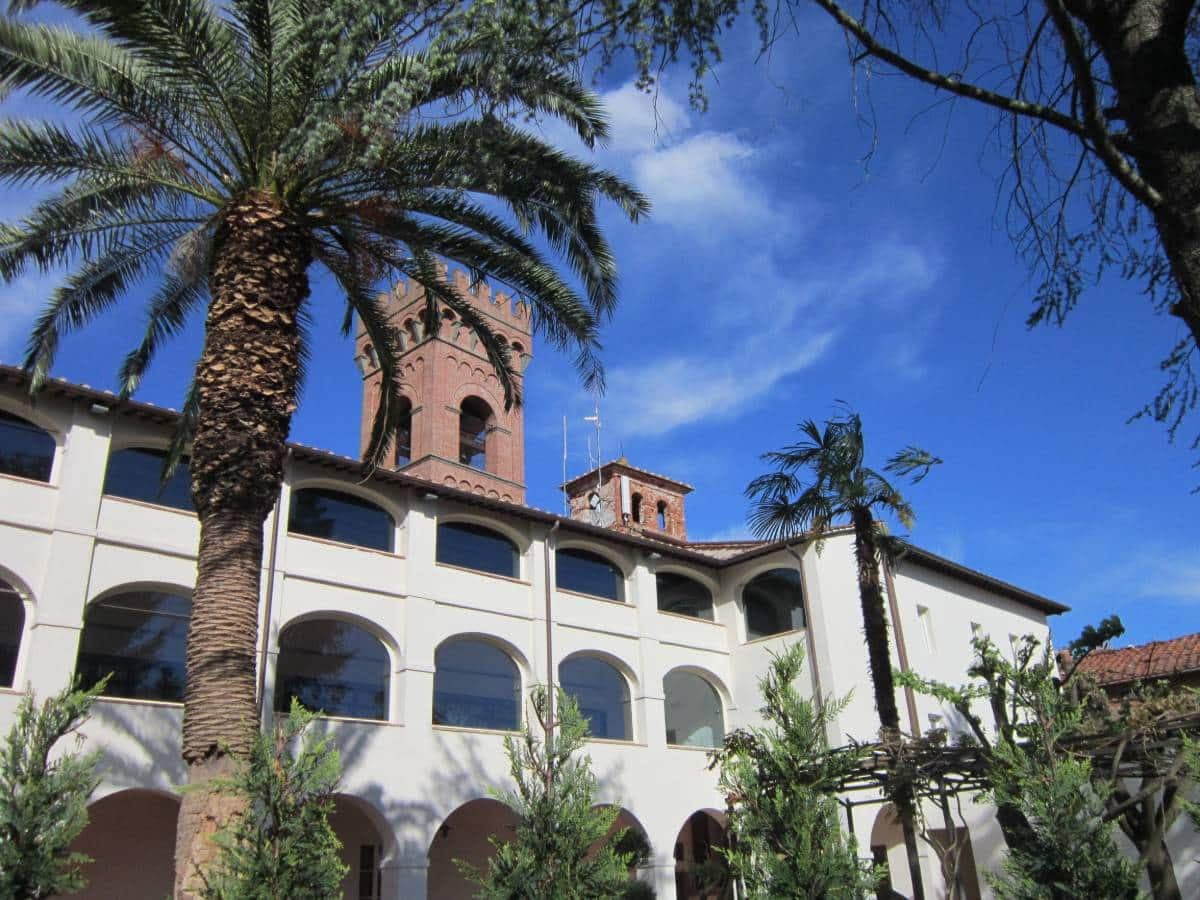
Montecarlo
Province: Lucca · 163 m
A walled hill village at 163 meters above the Lucca plain, founded by Emperor Charles IV in 1333 and named for him, surrounded by twenty wineries.
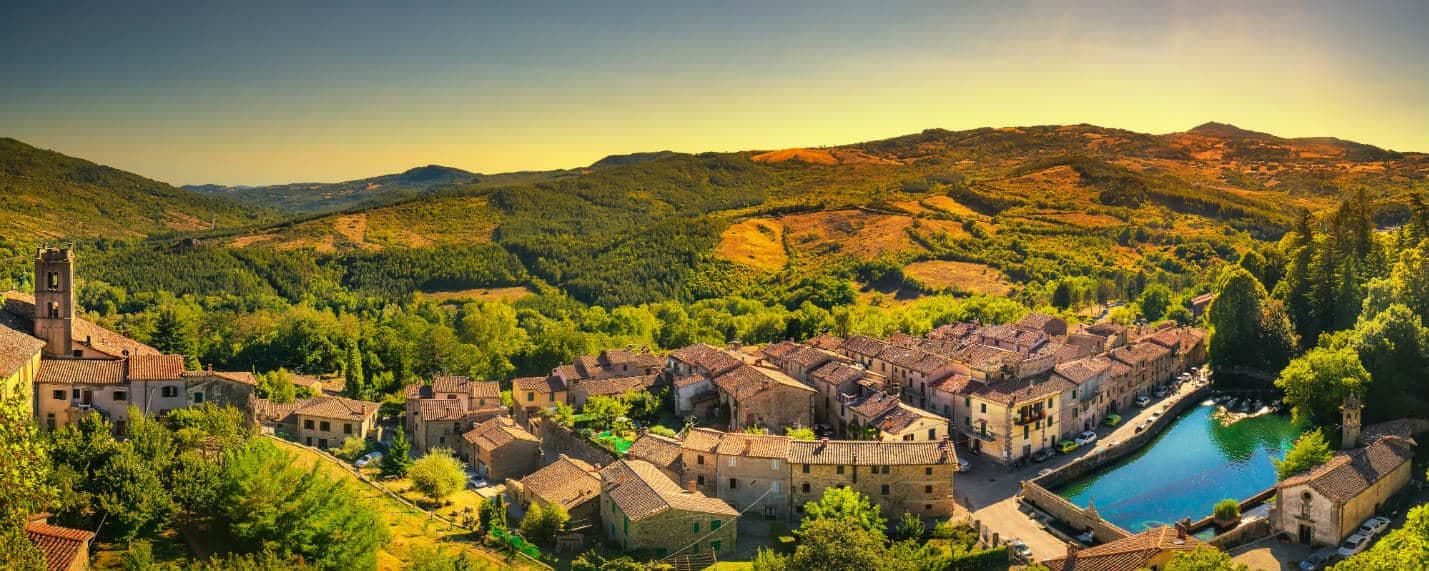
Santa Fiora
Province: Grosseto · 687 m
An Aldobrandeschi and Sforza mountain borgo on Monte Amiata at 687 meters, holding one of the world's largest collections of Della Robbia terracotta.
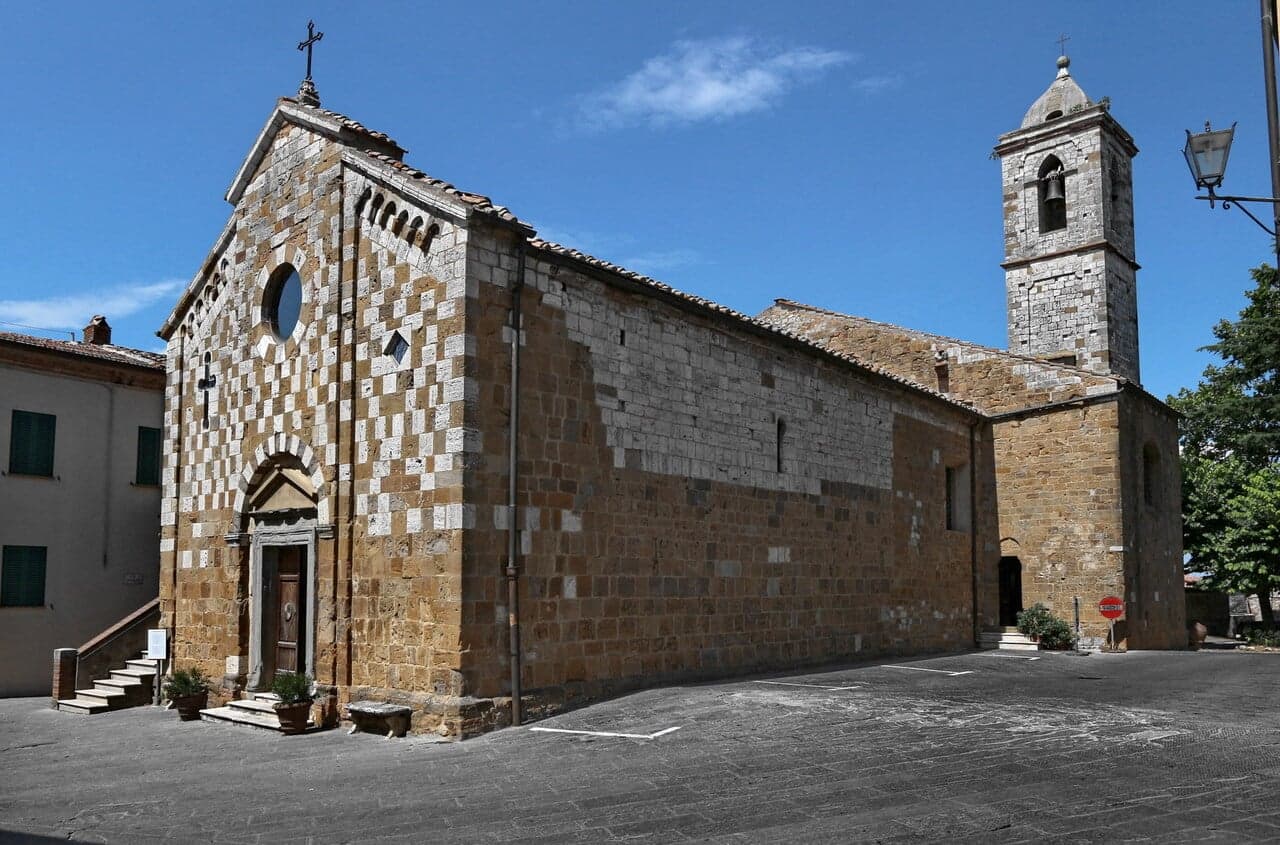
Trequanda
Province: Siena · 453 m
A village of 1,166 in three hilltop borghi between Crete Senesi and Val di Chiana, with the terracotta workshops of Petroio holding to a five-hundred-year craft.
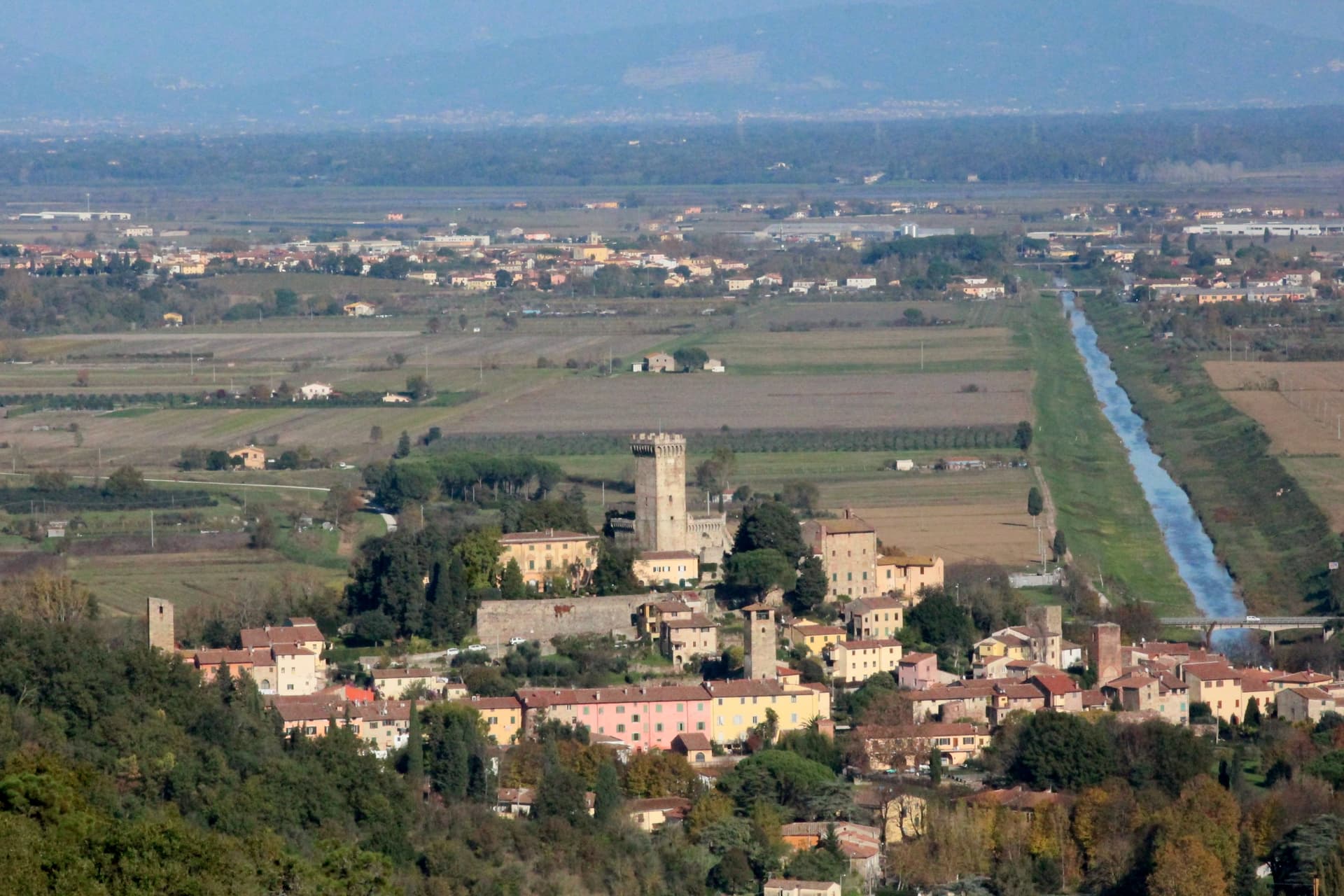
Vicopisano
Province: Pisa · 12 m
A medieval river port on the southern slope of Monte Pisano, rebuilt by Brunelleschi in 1434 after Florence took the town from Pisa.
- ✷ We've been

Volterra
Province: Pisa · 531 m
The Etruscan acropolis of Velathri at 531 meters, the alabaster town that has been carving the same stone for three thousand years.
- ✷ We've been
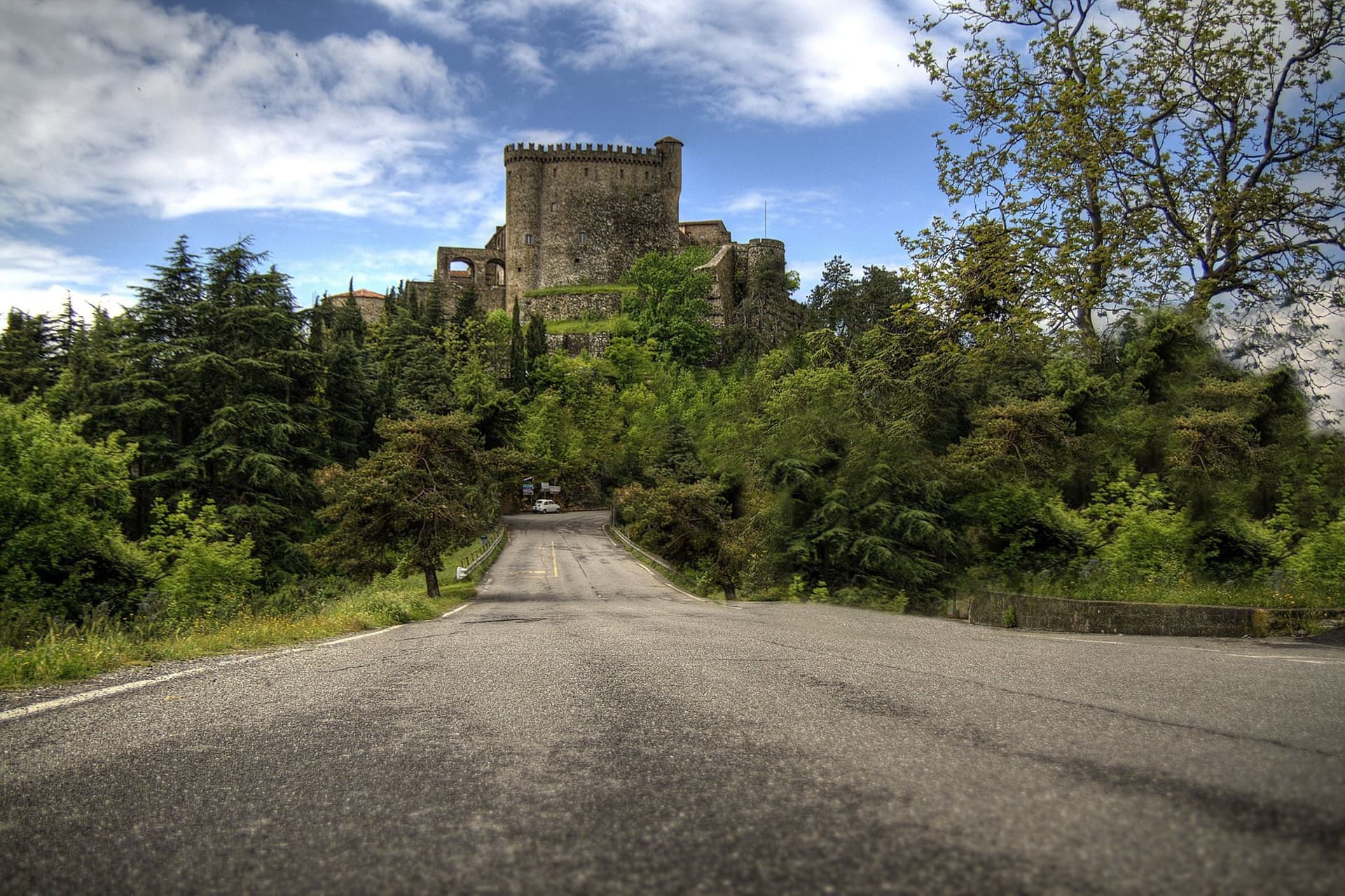
Fosdinovo
Province: Massa-Carrara · 500 m
The southern Lunigiana stronghold at 500 meters, the Malaspina castle where Dante took shelter in 1306 and later set a Purgatorio canto.
Subscribe — free
Get the best guides on hidden Italian towns.
One letter on Sundays. The week’s town, with the photo, the food, the festa. Free, by Peter & Sophia from Pietrasanta.
Substack sends a confirmation link to your inbox. The signup finishes when it’s clicked.
From elsewhere in Italy
Five more towns to discover
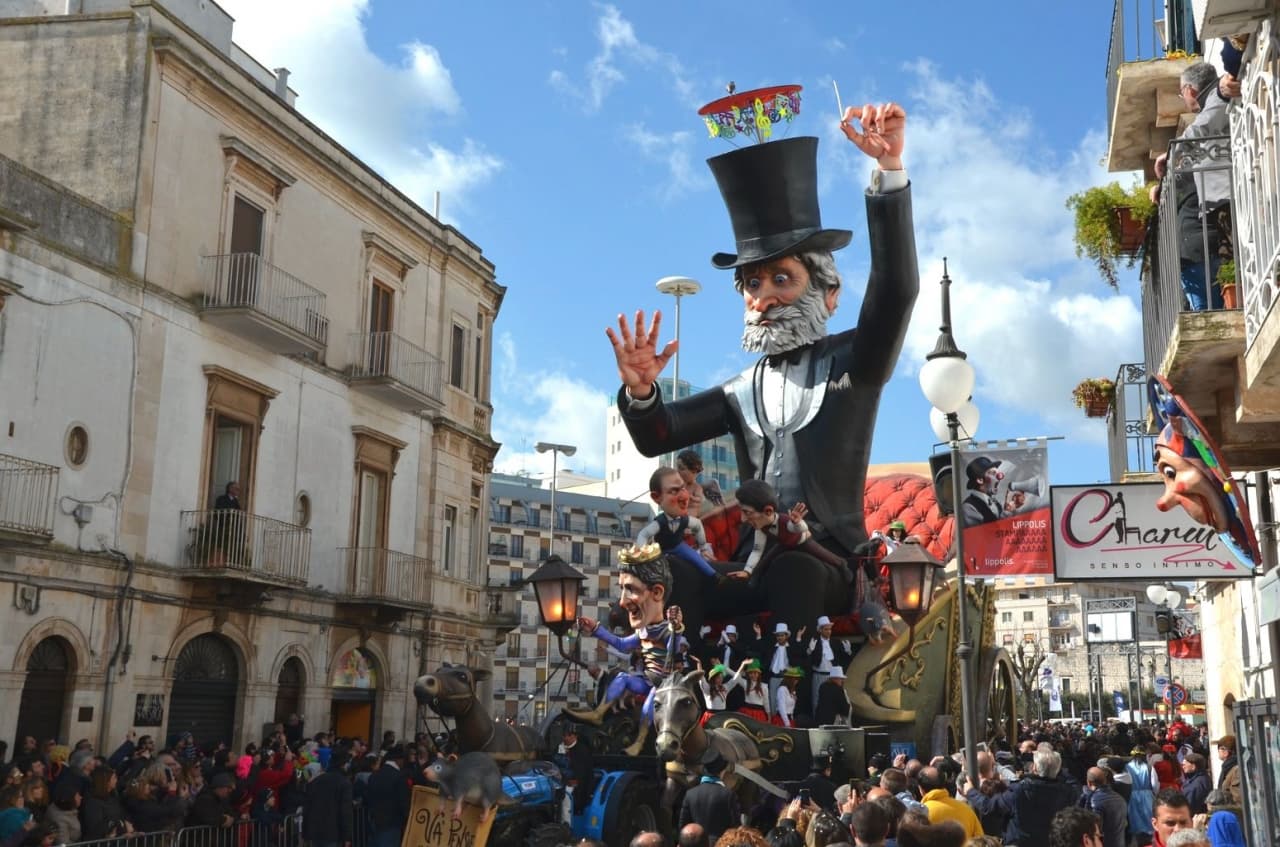
Putignano
Province: Bari
Europe's longest-running carnival — Putignano Carnevale has run continuously since 1394, with 631 years of cartapesta papier-mâché floats, a 26,000-resident Murgia town on the Bari–Lecce plateau, and the Grotta del Trullo karst cave inside the centro.

Pistoia
Province: Pistoia
Italy's nursery capital and the medieval Tuscan rival that gave its name to the pistol — a quietly extraordinary centro storico of zebra-striped Romanesque churches, Andrea della Robbia's polychrome frieze on the Ospedale del Ceppo, and Italy's Capital of Culture 2017, all 30 minutes from Florence by train.
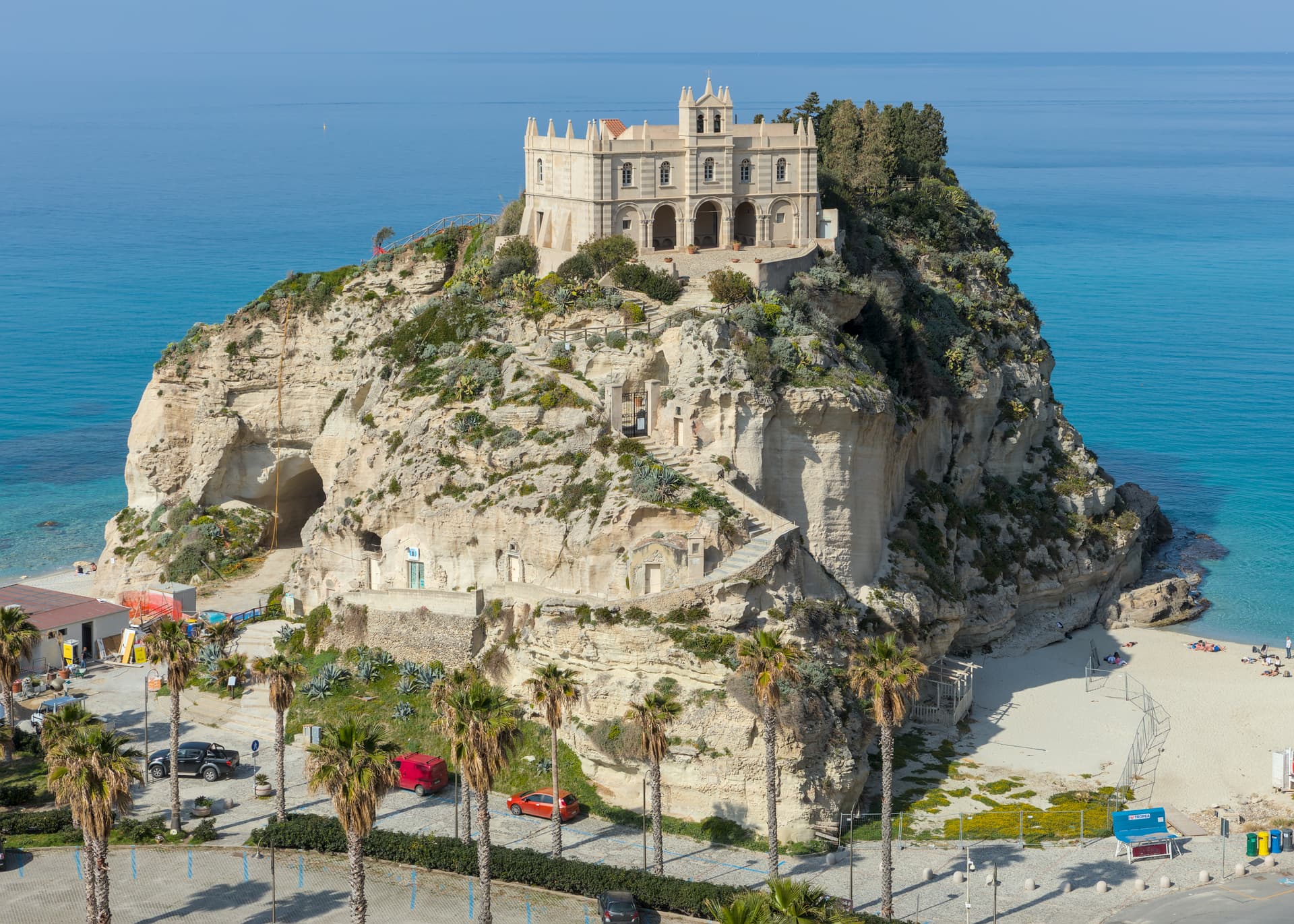
Tropea
Province: Vibo Valentia
Cliff town on a tufa headland over the Tyrrhenian Coast of the Gods, with a Norman monastery on a sea rock.
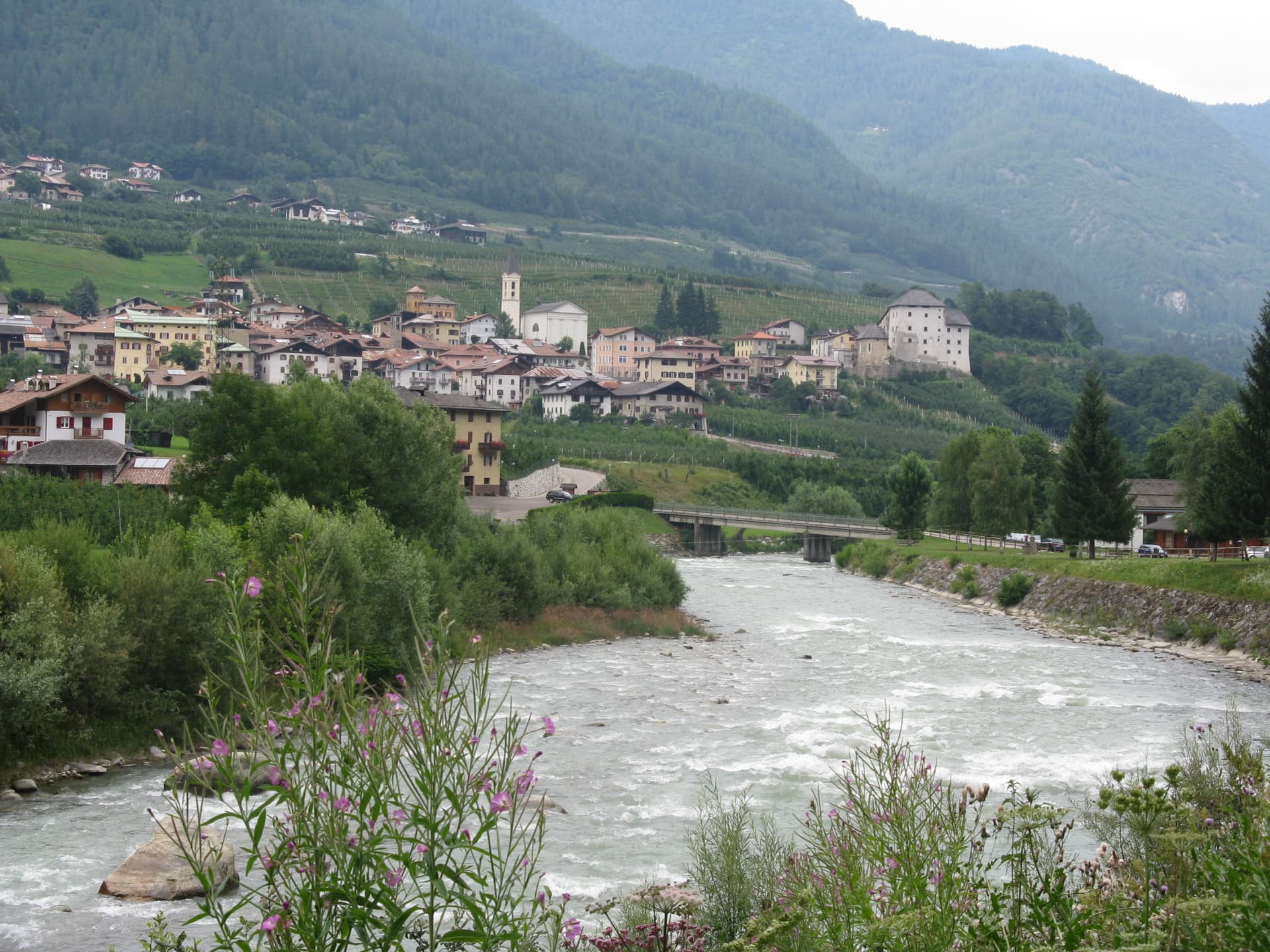
Caldes
Province: Trento
A scattered Val di Sole commune on the Noce, six hamlets gathered around a thirteenth-century tower-house castle that once belonged to the Thun family.
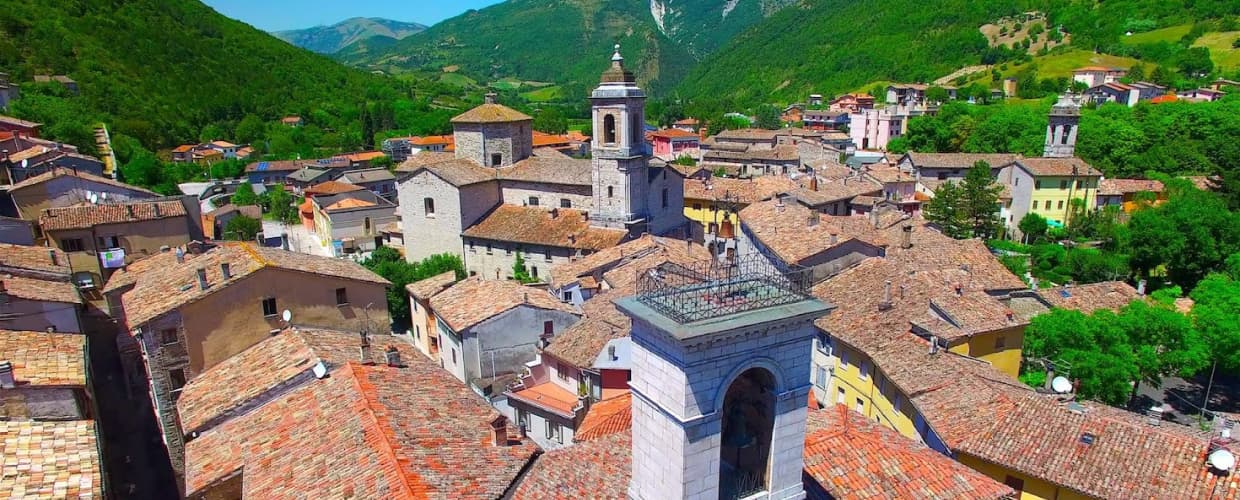
Cantiano
Province: Pesaro e Urbino
A border borgo at 374 meters under Monte Catria on the old Via Flaminia, known for the Good Friday Turba and the sour-cherry visciola harvest.