

Tuscany · Massa-Carrara
Fosdinovo
The southern Lunigiana stronghold at 500 meters, the Malaspina castle where Dante took shelter in 1306 and later set a Purgatorio canto.
Known for
MALASPINA
The same noble line held the castle from 1340 to 1916, one of the longest continuous dynastic holdings in Italian feudal history.
DANTE
Sheltered here by Moroello Malaspina in 1306, the visit became Canto VIII of the Purgatorio.
LINEA GOTICA
The Gothic Line ran through these hills in 1944, documented in the Museo Audiovisivo della Resistenza inside the walls.
When to visit
Best · Apr–Oct
- J
- F
- M
- A
- M
- J
- J
- A
- S
- O
- N
- D
- Best
- Hot or crowded
- Quiet
- Mostly closed
Why come
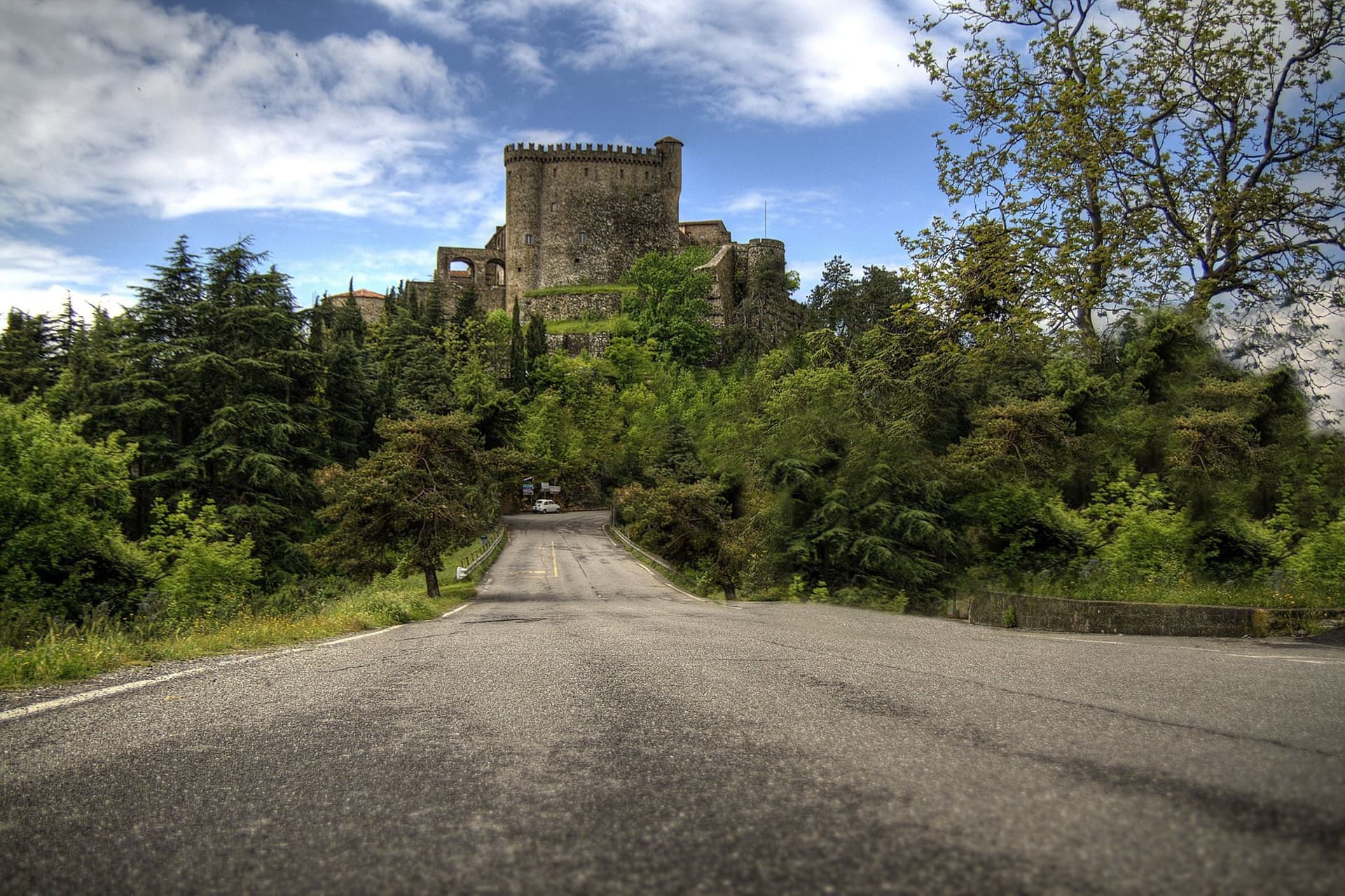
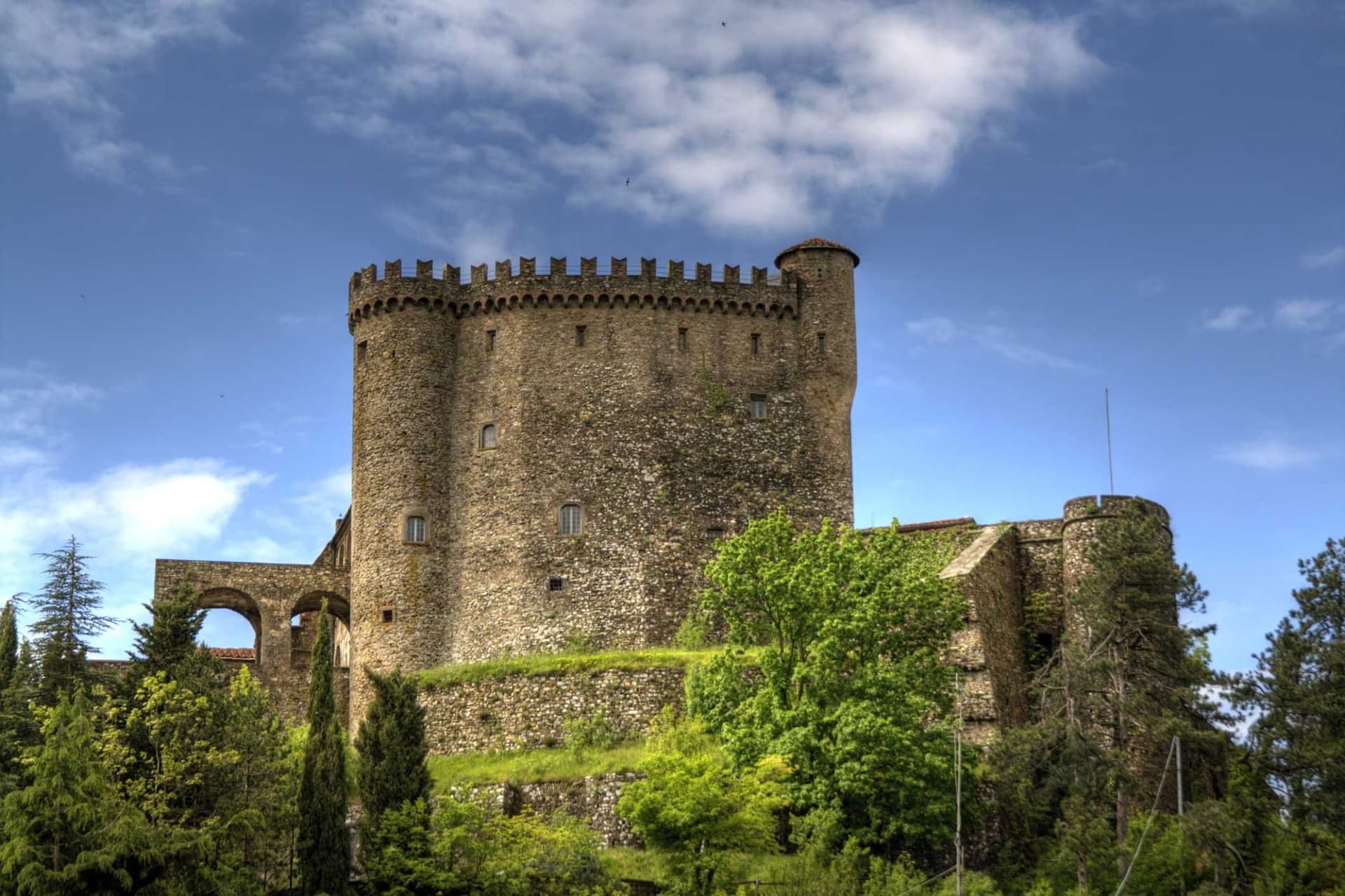
Fosdinovo sits at 500 meters on a ridge between the Apuan Alps and the Magra valley, with the Tyrrhenian visible on a clear day. The Castello Malaspina dominates the village: a fourteenth-century fortress on earlier foundations, continuously inhabited by the same family branch from 1340 until 1916, one of the longest unbroken castle dynasties in Europe. Dante took shelter here in 1306, hosted by Moroello Malaspina, and the encounter became Canto VIII of the Purgatorio.
The current owner is the same Malaspina line; the castle is open for guided tours that include the room where the poet is said to have slept. The town sits at the southern edge of the Lunigiana, with the marble peaks of the Apuane behind and the Versilia coast in front. The Linea Gotica ran through these hills in 1944, and the Museo Audiovisivo della Resistenza in the centro storico documents what happened to the villages below.
What to see
Castello Malaspina
Fourteenth-century fortress on earlier foundations, held by the same Malaspina branch from 1340 to 1916, with the Dante room open on guided tours.
Museo Audiovisivo della Resistenza
Documentation center on the Gothic Line and the partisan war in the Apuane and Lunigiana, with films and oral histories.
Centro storico
Walled village climbing the ridge below the castle, with stone houses and steep lanes between gardens facing the sea.
Oratorio dei Bianchi
Sixteenth-century confraternity oratory inside the walls, with a stuccoed baroque interior.
Belvedere di Fosdinovo
Panoramic terrace below the castle looking south to the Magra estuary, the Apuane to the east and the Versilia coast.
The slow-trip planner
Building a trip? Find where Fosdinovo fits in a slow Italy circuit.
Answer five questions. We will shape a geographically coherent slow trip from the 1,000 Italian towns most travelers skip. Yours to save and share.
We recommend
Where to eat and stay
Not our picks, but places the guides put their name to — a Michelin star, a Gambero Rosso fork, a Slow Food snail, a Michelin Key for the hotels. Worth a table, a counter, or a night when you pass through.
Locanda de BanchieriRistorante
One Michelin star for Locanda de Banchieri, along with two Gambero Rosso forks (85/100) and a place in L'Espresso's Top 300.
La BurlandaRistorante
A Slow Food snail, at La Burlanda.
The Sunday letter
Fosdinovo got its letter. One town every Sunday, free — the photo, the food, the festa.
By subscribing you agree to Substack’s Terms of Use, our Privacy Policy and our Information collection notice.
Living here
- Population 4,574
- In-betweeni
- Pharmacy in town
- High school within a 30-minute drive
- Nearest airport Florence / Pisa, 1 h 19 min drive
- Regional capital Firenze, 1 h 56 min drive
Tags & datadesignations · numbers · sources
Recognised as
The numbers
- Elevation: 500 m
- Population: 4,574
- Surface area: 48.63 km²
These figures were compiled from public directories — ISTAT, OpenStreetMap, Wikidata — and from the official listings of the guides named on this page. Town details change; verify with official sources before you travel.
Close by
More towns near Fosdinovo
Sarzana
Province: La Spezia
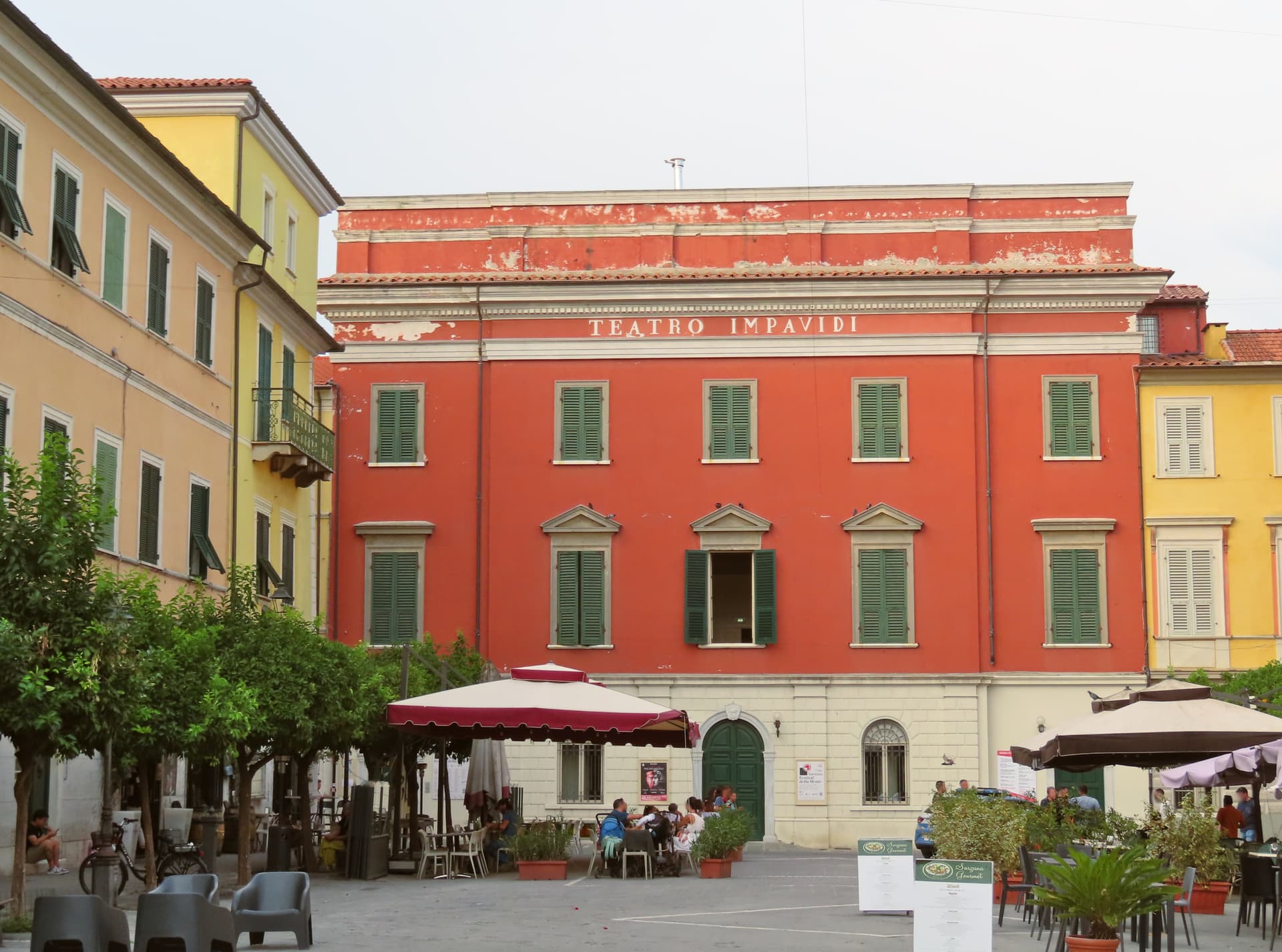
The unofficial capital of the Lunigiana on the Magra plain, birthplace of Pope Niccolò V and home to Italy's oldest dated painted crucifix.
Castelnuovo Magra
Province: La Spezia
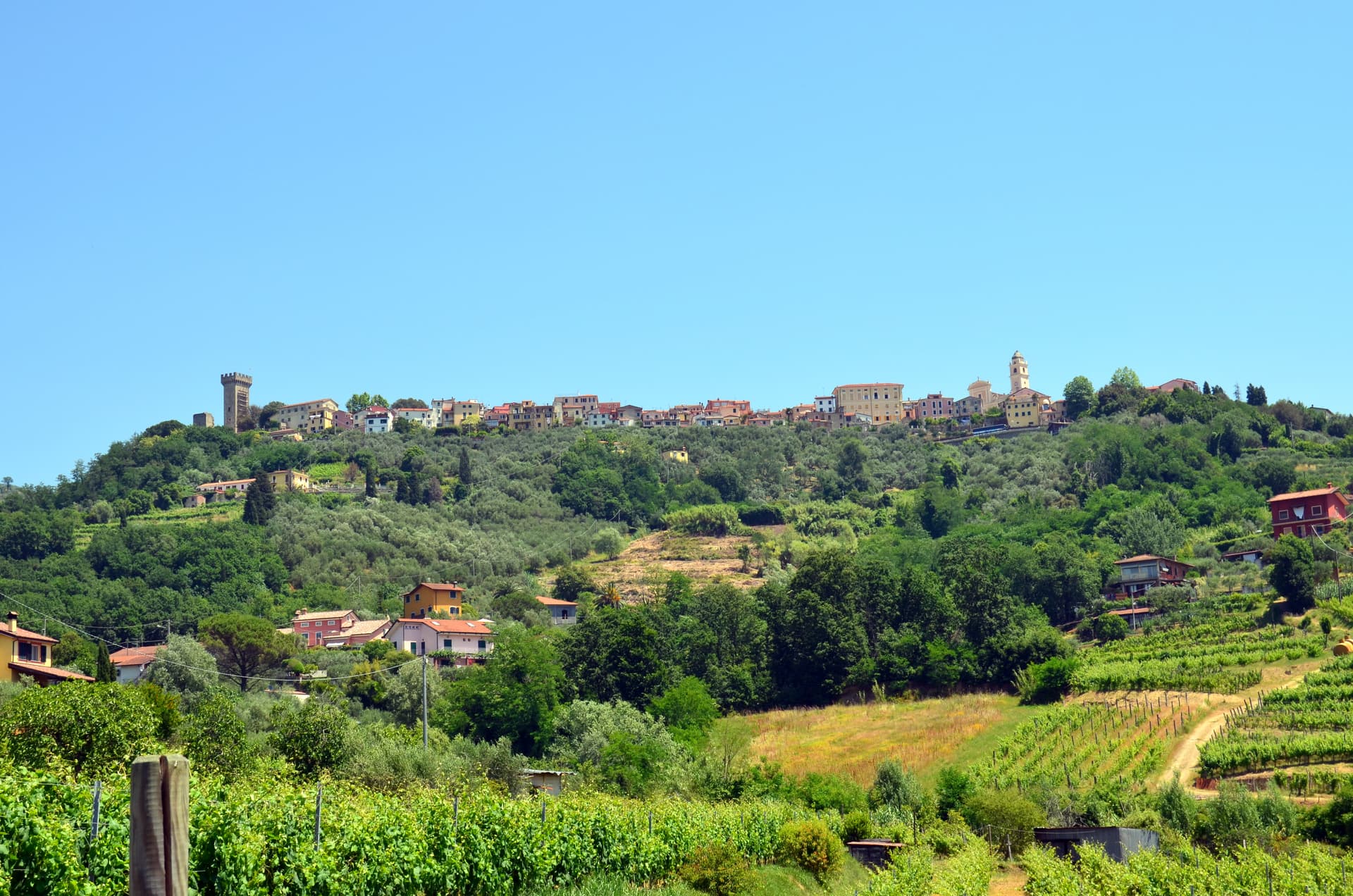
A ridge village on the Liguria-Tuscany border where Dante Alighieri signed the 1306 Peace of Castelnuovo on behalf of the Malaspina marquises.
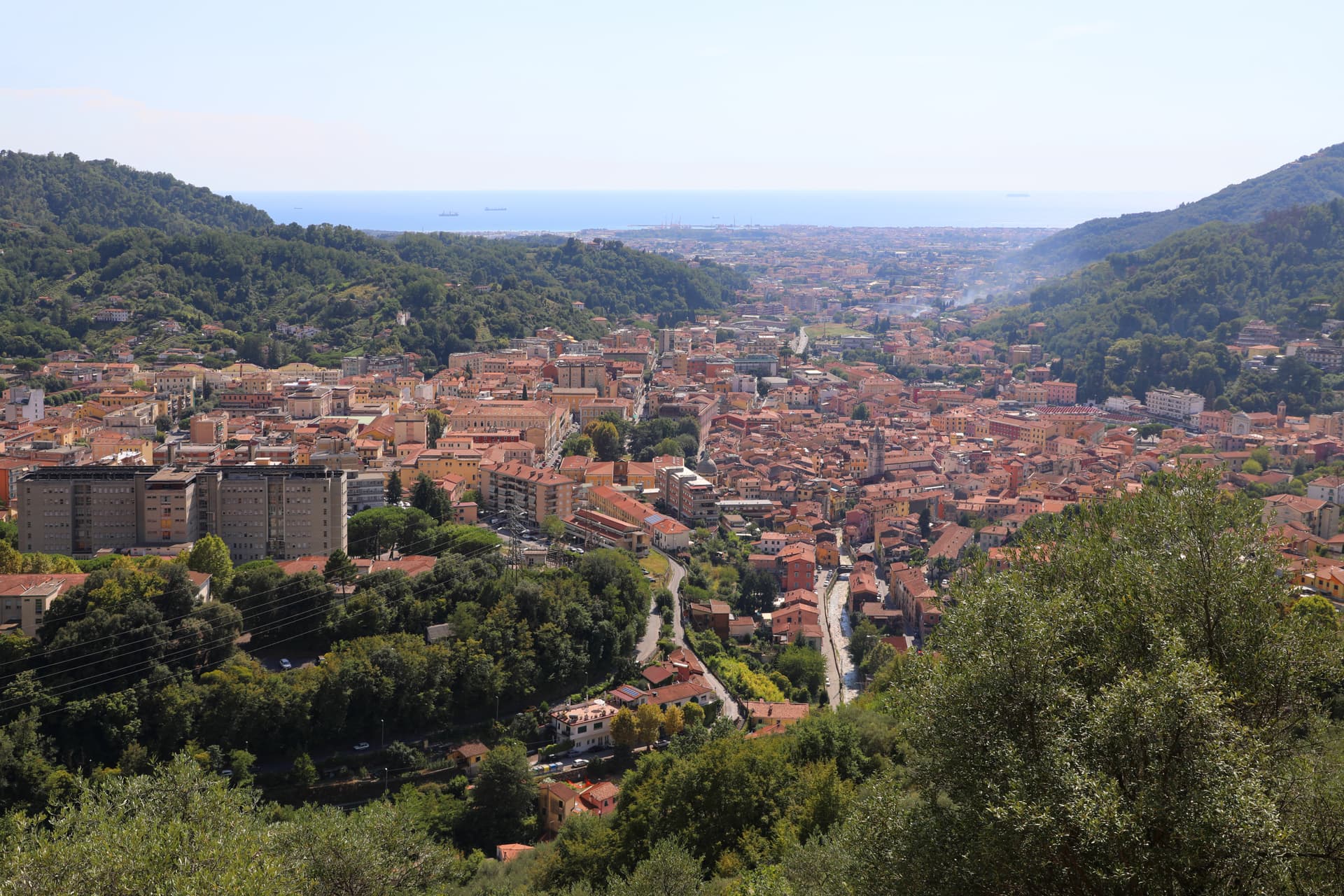
Carrara
Province: Massa-Carrara
The marble town at the foot of the Apuan Alps, with over 650 quarry sites in the valleys above and the stone that built the Pantheon, the Pietà and Michelangelo's David.
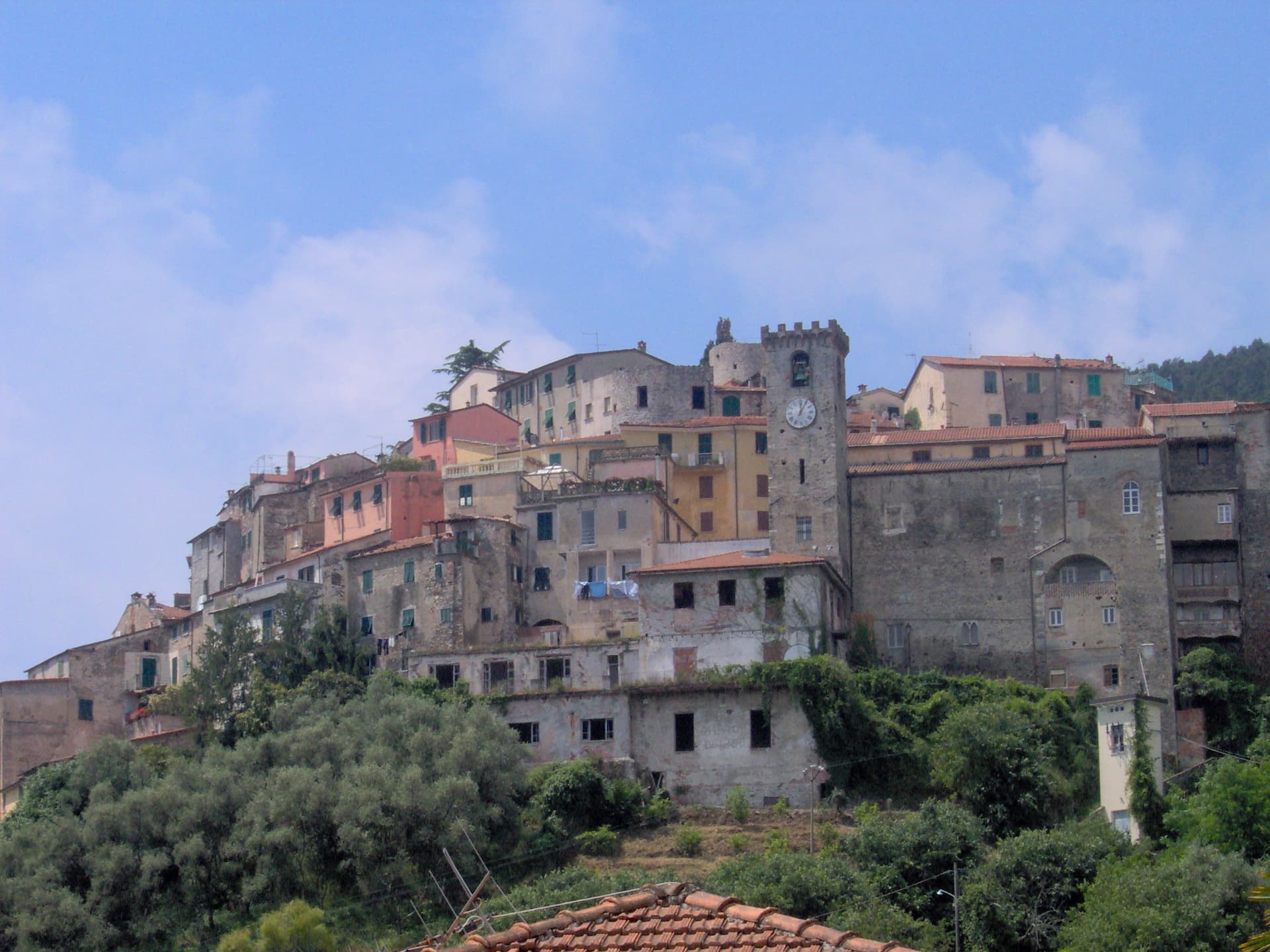
Ameglia
Province: La Spezia
A hilltop borgo at 89 meters above the mouth of the Magra, the Lunigiana edge of Liguria where the river meets the Gulf of Poets.
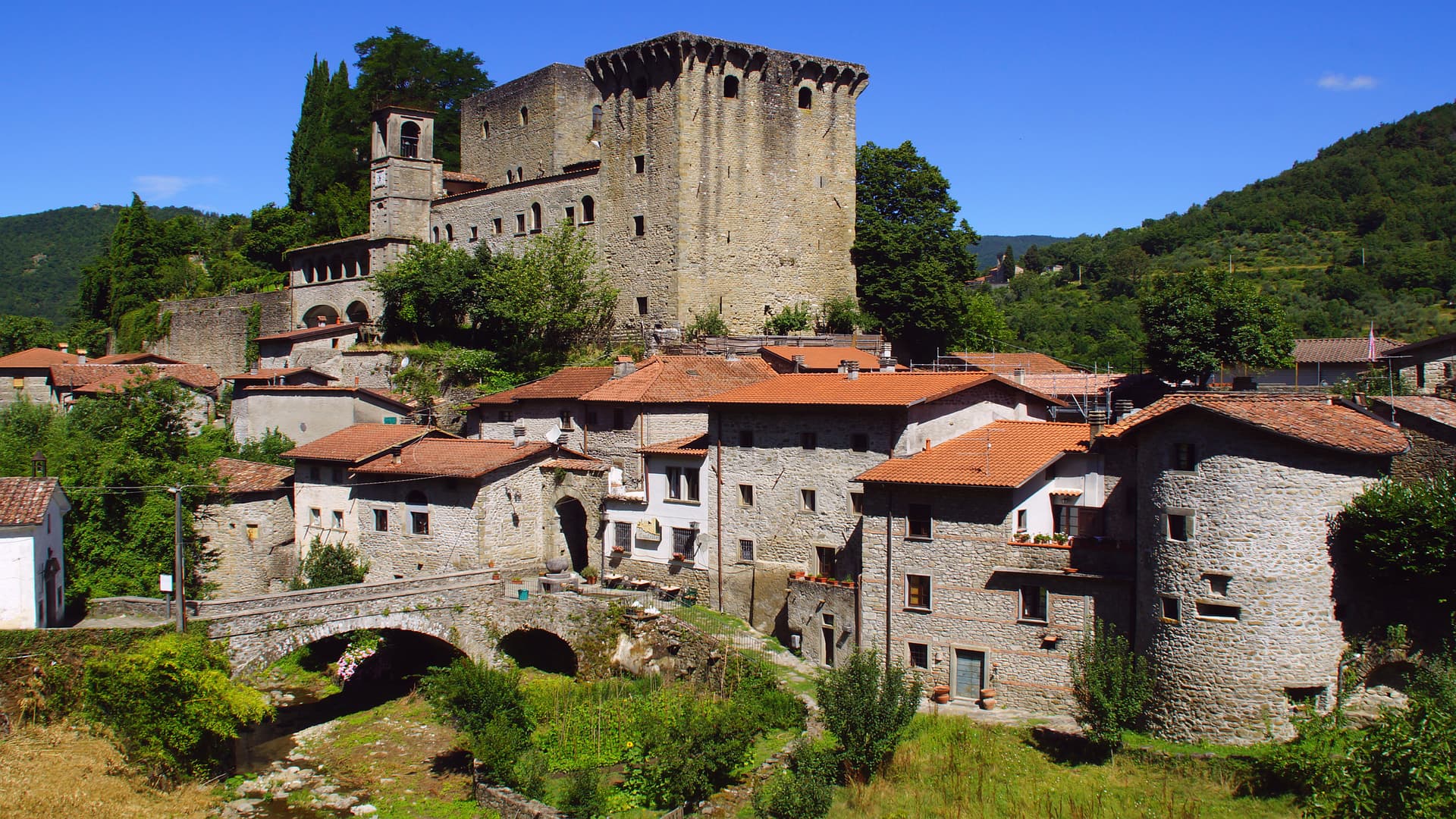
Fivizzano
Province: Massa-Carrara
Don't come for Fivizzano-the-town — come for the frazioni: Equi Terme with its thermal grotto-and-cave complex, Verrucola's intact Malaspina fortress, Gassano's mountain panorama, and a 264 km² Lunigiana commune covering 92 hamlets inside the Parco Nazionale dell'Appennino Tosco-Emiliano.
🟠 Bandiera Arancione
More Bandiera Arancione towns in Tuscany
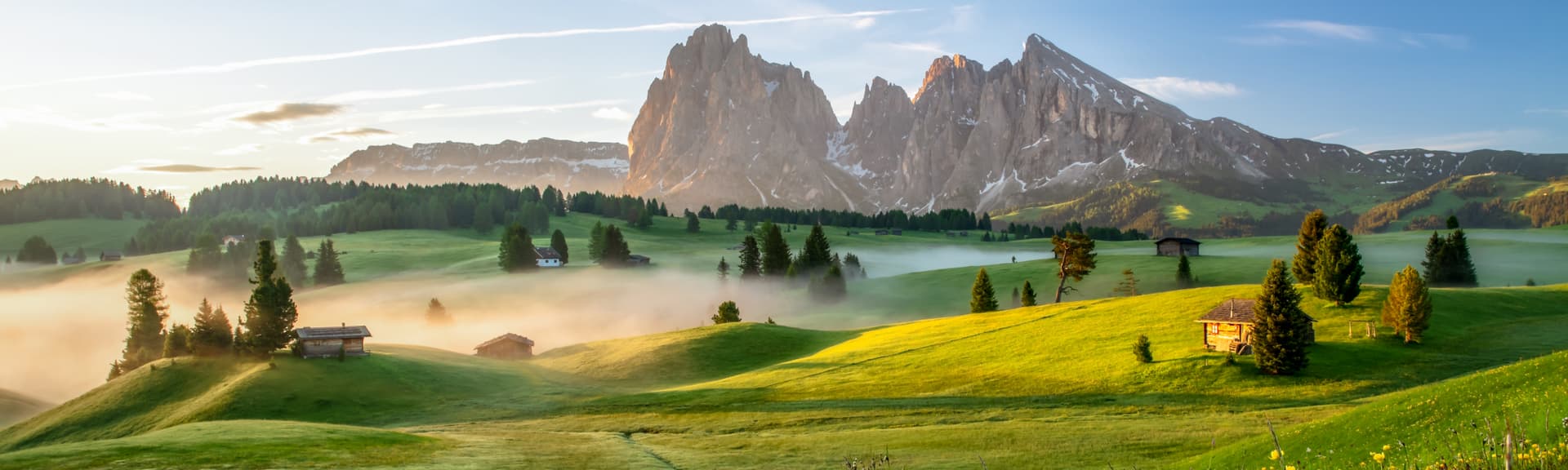
Abetone Cutigliano
Province: Pistoia
The Apennine ski pass at 1,388 meters where the Granduca's two stone pyramids of 1778 mark the old Tuscan-Modenese border.
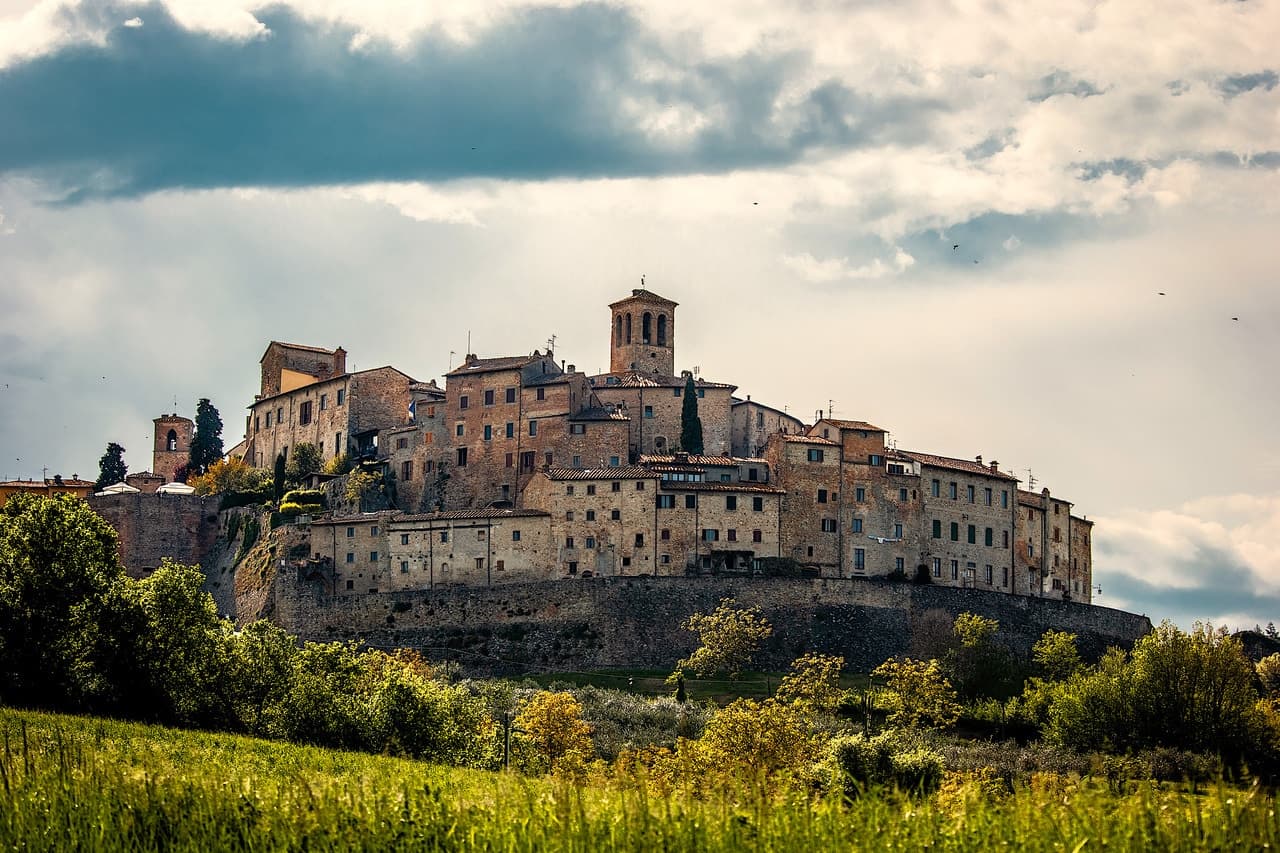
Anghiari
Province: Arezzo
A walled medieval town at 430 meters over the upper Tiber valley, where Florence beat Milan in 1440 and Leonardo started the fresco he never finished.
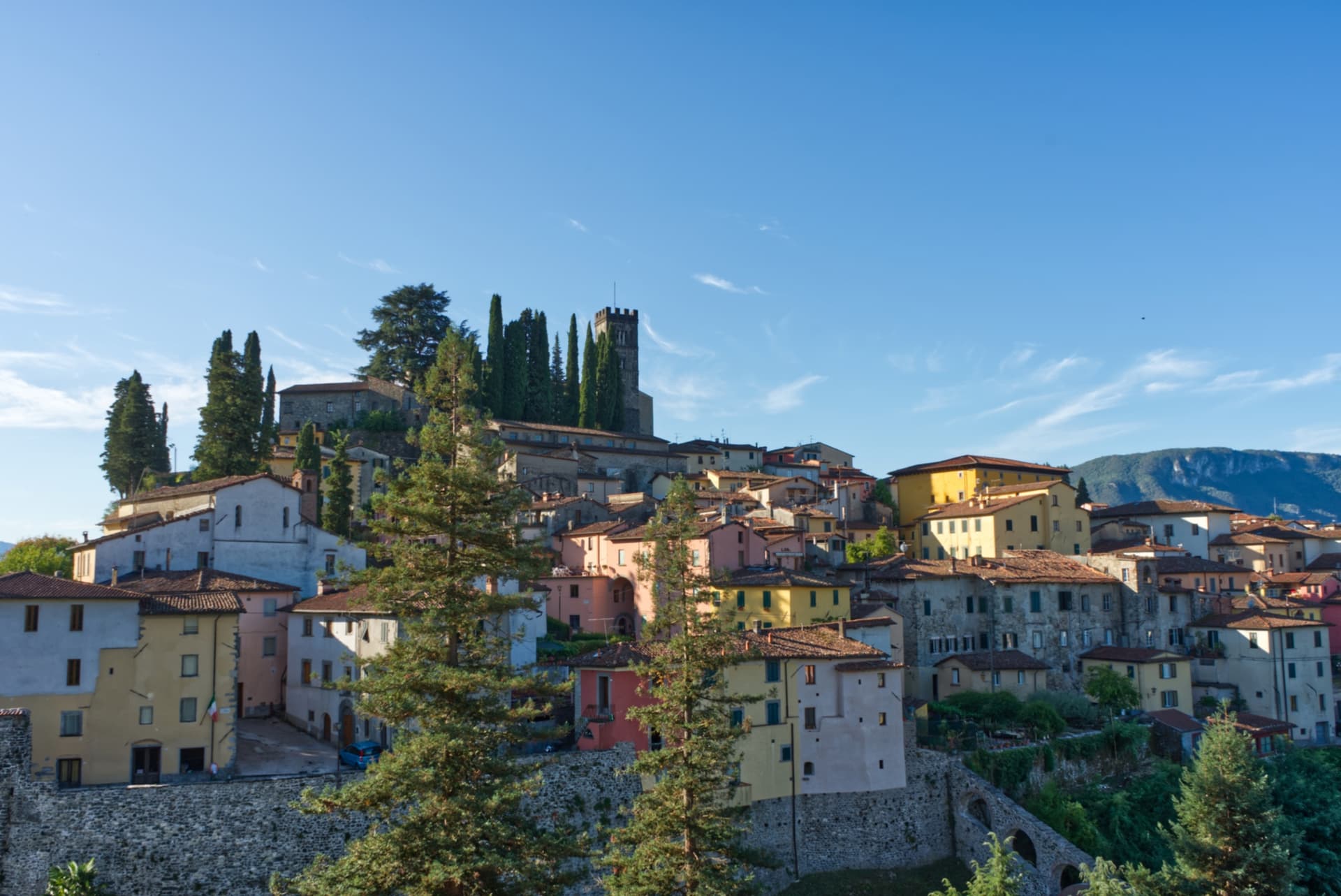
Barga
Province: Lucca
A medieval hilltop town at 410 meters in the Serchio valley between the Apuan Alps and the Apennines, where Giovanni Pascoli wrote his last poems and the August festival serves fish and chips.
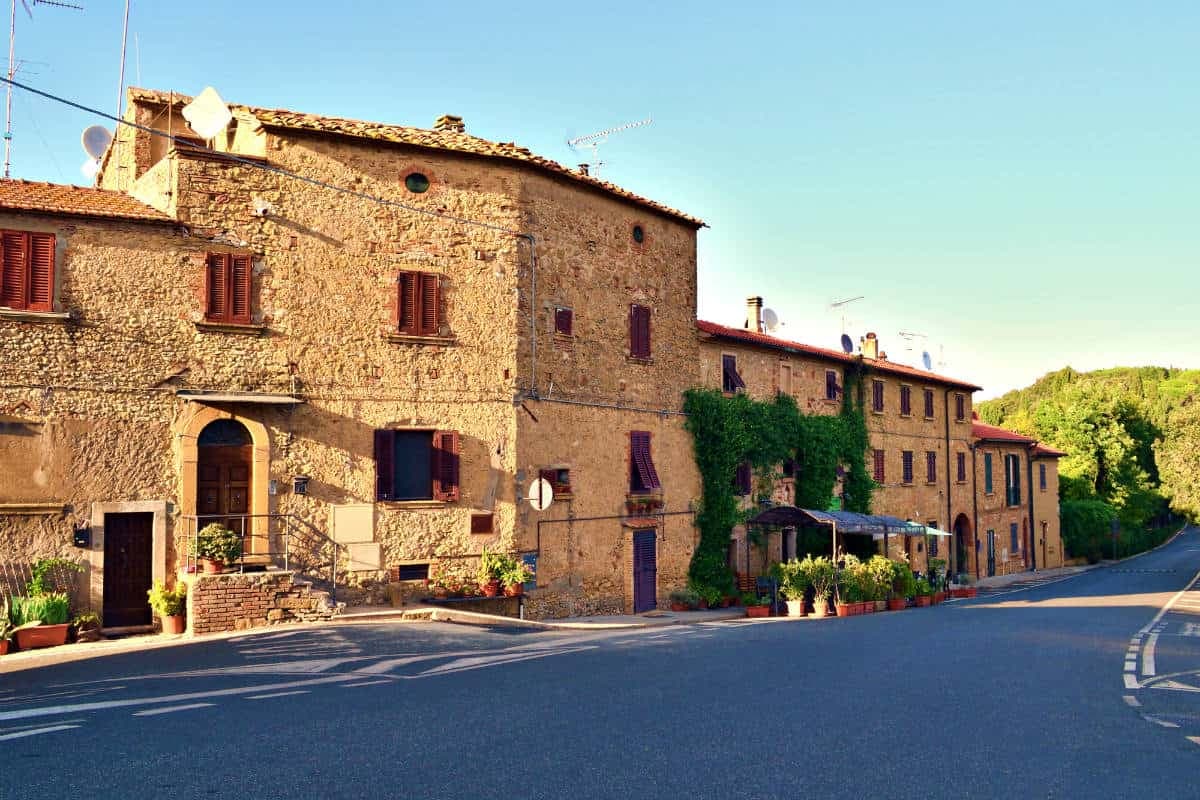
Casale Marittimo
Province: Pisa
A concentric stone borgo at 214 meters above the Val di Cecina, built where a seventh-century BC Etruscan outpost of Volterra once stood.
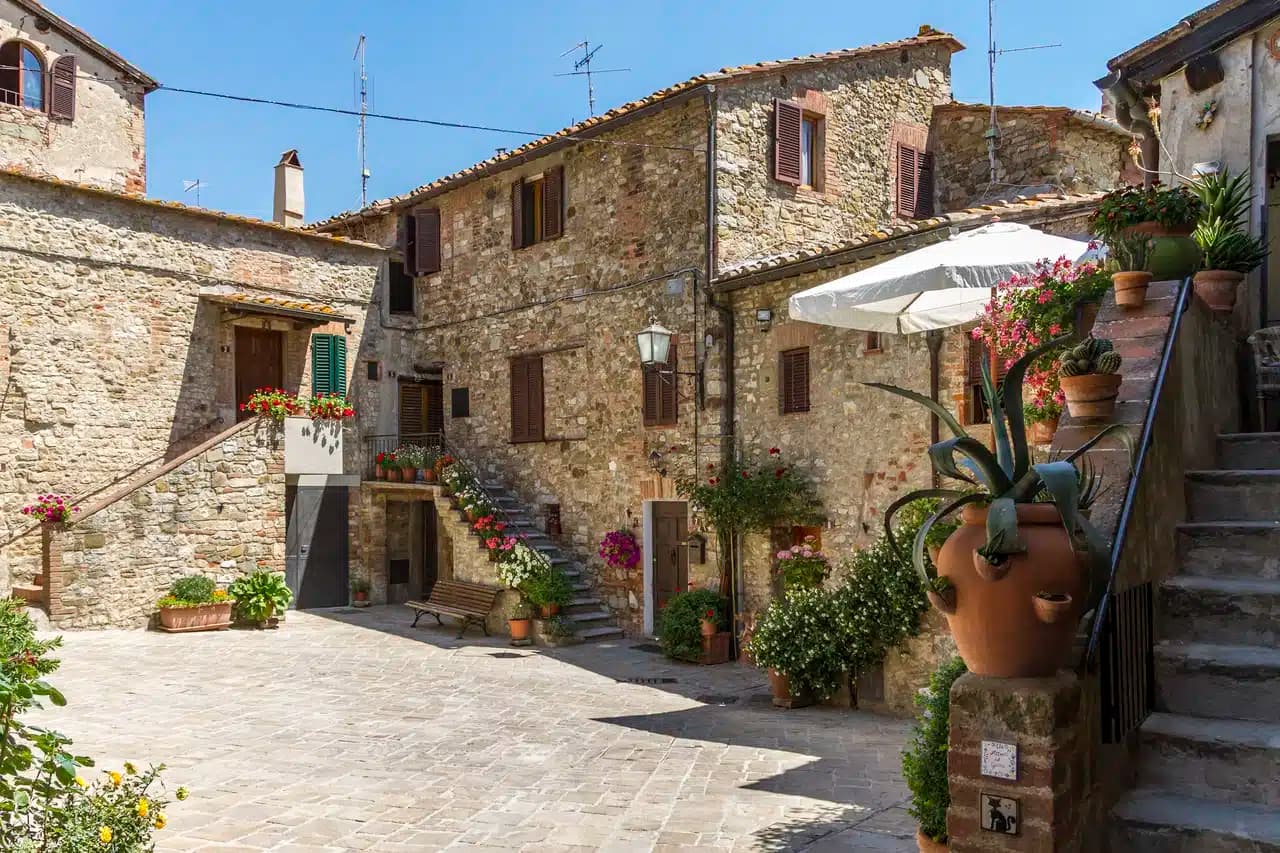
Castelnuovo Berardenga
Province: Siena
A Chianti Classico commune at 351 meters between the Ombrone and the Crete Senesi, the last castle Siena built against Florence, in 1366.