

Tuscany · Massa-Carrara
Fivizzano
Don't come for Fivizzano-the-town — come for the frazioni: Equi Terme with its thermal grotto-and-cave complex, Verrucola's intact Malaspina fortress, Gassano's mountain panorama, and a 264 km² Lunigiana commune covering 92 hamlets inside the Parco Nazionale dell'Appennino Tosco-Emiliano.
Known for
EQUI TERME (FRAZIONE)
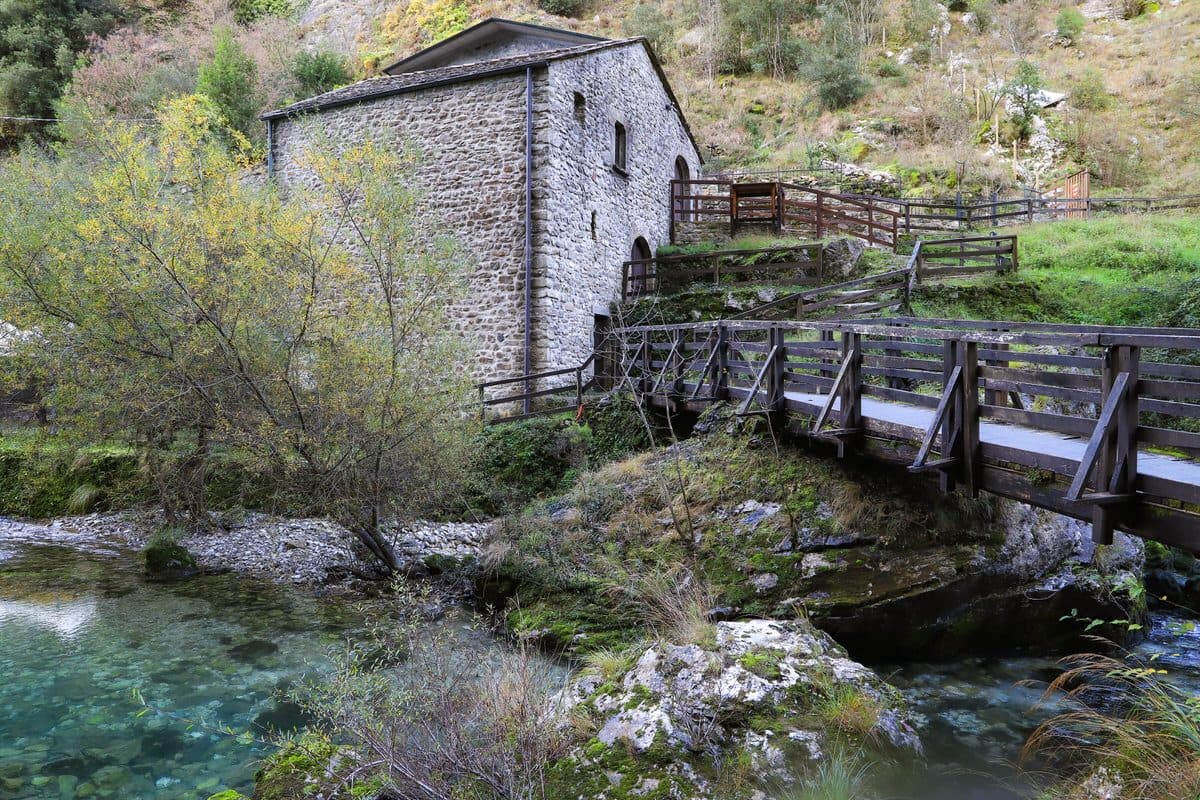
The reason most visitors come. Sulphurous thermal springs in a karst gorge, 3-km cave system with prehistoric remains, spa, vertical-walled walking trails.
VERRUCOLA (FRAZIONE)
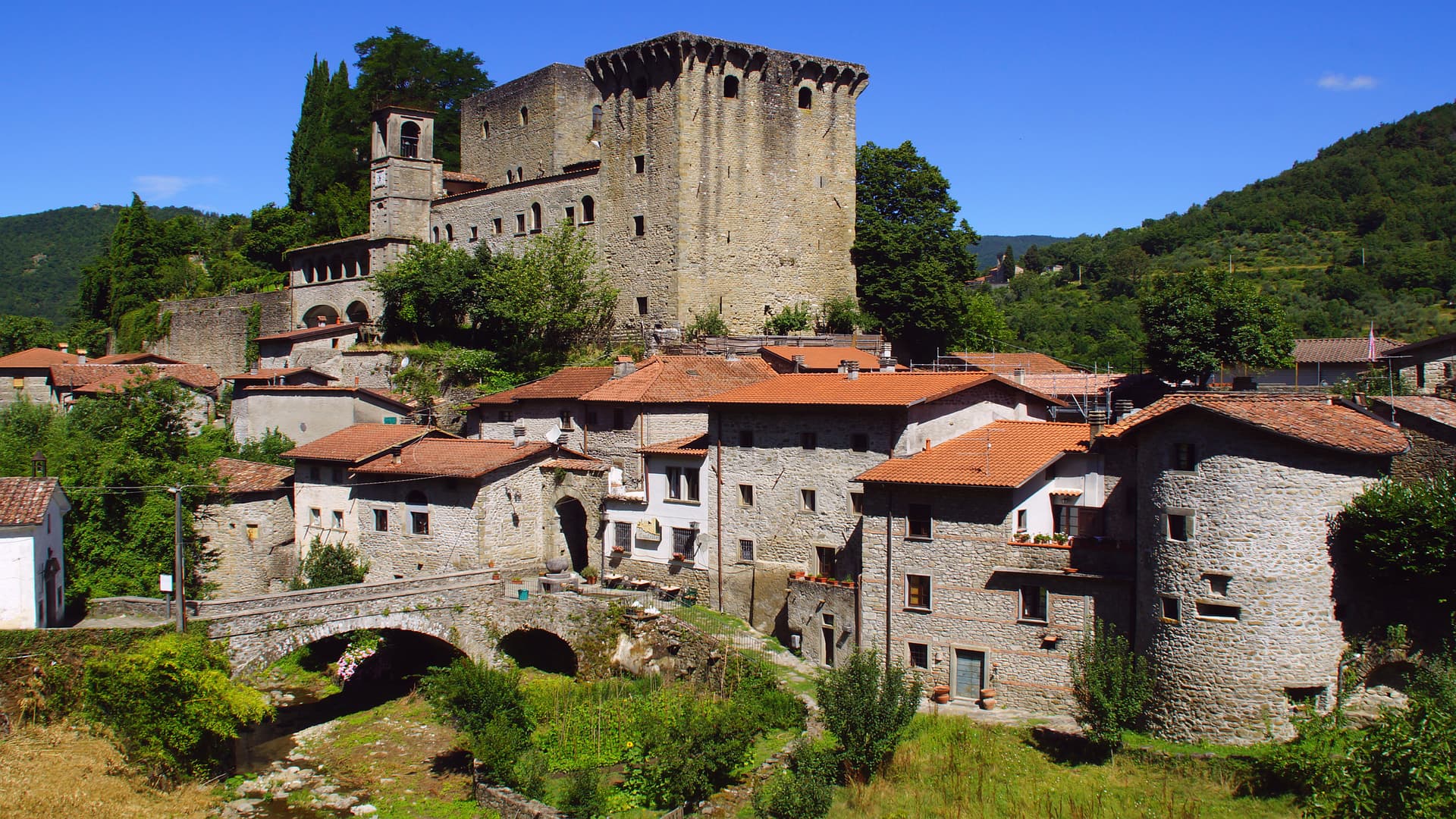
Intact Malaspina fortified borgo rebuilt by the painter Pietro Cascella as his studio + museum-house. Tiny, exquisite, free public access to the courtyard.
264 KM² OF LUNIGIANA
92 frazioni across the upper Lunigiana valley inside the Parco Nazionale dell'Appennino Tosco-Emiliano. The frazioni — not the capoluogo — are the destination.
TESTAROLI + PANIGACCI
Lunigiana's unique flat semi-cooked pasta + chestnut-flour terracotta-baked discs. Sagra del Testarolo mid-July.
When to visit
Best · May–Sep
- J
- F
- M
- A
- M
- J
- J
- A
- S
- O
- N
- D
- Best
- Hot or crowded
- Quiet
- Mostly closed
The festa: Antonio abate, 17 January
Why come
A note before you start: Fivizzano sits on the site because of its frazioni, not because of the central town. Fivizzano-capoluogo is a quietly handsome but small Lunigiana centro of 7,000 residents on the SS63 between La Spezia and Reggio Emilia — the medieval Medici-era piazza with the Fontana Medicea (1576), the porticoes, the parish church. Fine, walkable, worth an hour.
The real reason this commune is here is that it covers 264 km² and 92 frazioni spread across the upper Lunigiana mountains, inside the Parco Nazionale dell'Appennino Tosco-Emiliano, and several of those hamlets are individually destination-grade. **Equi Terme** is the headline frazione — a cluster of 11 thermal springs (sulphurous, 24°C) in a deep narrow gorge under vertical limestone walls, with the Grotta di Equi karst cave system (3 km of tunnels open to guided visits, prehistoric cave-bear remains found inside), the Solco di Equi gorge walking trail, and the Terme di Equi spa using the spring water for sulphur therapy since the Etruscans. **Verrucola** is the second frazione you go for — an intact Malaspina-family fortified borgo with the 14th-century Fortezza dei Malaspina rebuilt by the painter Pietro Cascella (who lived there until his death in 2008) as his studio and now a museum-house.
**Gassano** is the panoramic perched hamlet on a ridge with the great Apuane view. The wider commune covers Bottignana, Ceserano, Pieve San Paolo, Pognana, Soliera Apuana, Tenerano — all small Lunigiana mountain hamlets with stone-house centri and the Apuane peaks at the back. The food is Lunigiana-Tuscan: testaroli (a flat semi-cooked pasta unique to this valley, dressed with pesto or oil + parmesan), panigacci (chestnut-flour discs baked between terracotta plates), torta d'erbi (a vegetable-and-cheese pie), pasta with porcini, lardo di Colonnata from the nearby Apuane quarries, and the Lunigiana DOP olive oil from the lower-valley olive groves.
The Sagra del Testarolo (mid-July, at the Fivizzano centre) is the year's main food event. Like most ultraperiferico Apennine communes, depopulation is heavy — Fivizzano had 13,000 residents in 1951 and 7,000 today; some of the smaller frazioni are down to 20-30 winter residents.
What to see
Equi Terme (frazione) — thermal springs + Grotta
The headline frazione: 11 sulphurous thermal springs in a vertical limestone gorge, the 3-km Grotta di Equi karst cave system with prehistoric cave-bear remains, the Terme di Equi spa using the spring water for sulphur therapy since the Etruscans, the Solco di Equi gorge walking trail.
Verrucola (frazione) — Fortezza dei Malaspina
Intact 14th-c Malaspina-family fortified borgo, rebuilt by the painter Pietro Cascella as his studio (lived there until 2008) and now a museum-house. Small but exquisitely preserved.
Gassano + Lunigiana frazioni
Gassano is the panoramic perched hamlet on a ridge facing the Apuane. Bottignana, Ceserano, Pieve San Paolo, Pognana, Soliera Apuana, Tenerano — all small mountain hamlets with stone-house centri and Apennine + Apuane views.
Parco Nazionale Appennino Tosco-Emiliano
The commune sits inside the national park boundaries: beech and chestnut forests, the Apuane peaks (white-marble Carrara) visible on the southwest horizon, marked trails network.
Testaroli + panigacci Lunigiana food
Unique-to-this-valley flat semi-cooked pasta (testaroli), chestnut-flour discs (panigacci) baked between terracotta plates, torta d'erbi, Lunigiana DOP olive oil. Sagra del Testarolo mid-July.
The slow-trip planner
Building a trip? Find where Fivizzano fits in a slow Italy circuit.
Answer five questions. We will shape a geographically coherent slow trip from the 1,000 Italian towns most travelers skip. Yours to save and share.
We’ve tried
What we got up to
Restaurants, walks, swims — the things we actually did in Fivizzano, each with the piece we wrote about it.
A panigacci dinner that turned into a village dance at La Posta, Equi Terme.
The Sunday letter
Fivizzano got its letter. One town every Sunday, free — the photo, the food, the festa.
By subscribing you agree to Substack’s Terms of Use, our Privacy Policy and our Information collection notice.
Living here
- Population 7,071
- Off the beaten pathi
- Pharmacy in town
- High school within a 30-minute drive
- Train station in the comune
- Nearest airport Florence / Pisa, 1 h 44 min drive
- Regional capital Firenze, 2 h 21 min drive
Tags & datadesignations · numbers · sources
Recognised as
The numbers
- Elevation: 373 m
- Population: 7,071
- Surface area: 181.18 km²
These figures were compiled from public directories — ISTAT, OpenStreetMap, Wikidata — and from the official listings of the guides named on this page. Town details change; verify with official sources before you travel.
Close by
More towns near Fivizzano
Fosdinovo
Province: Massa-Carrara
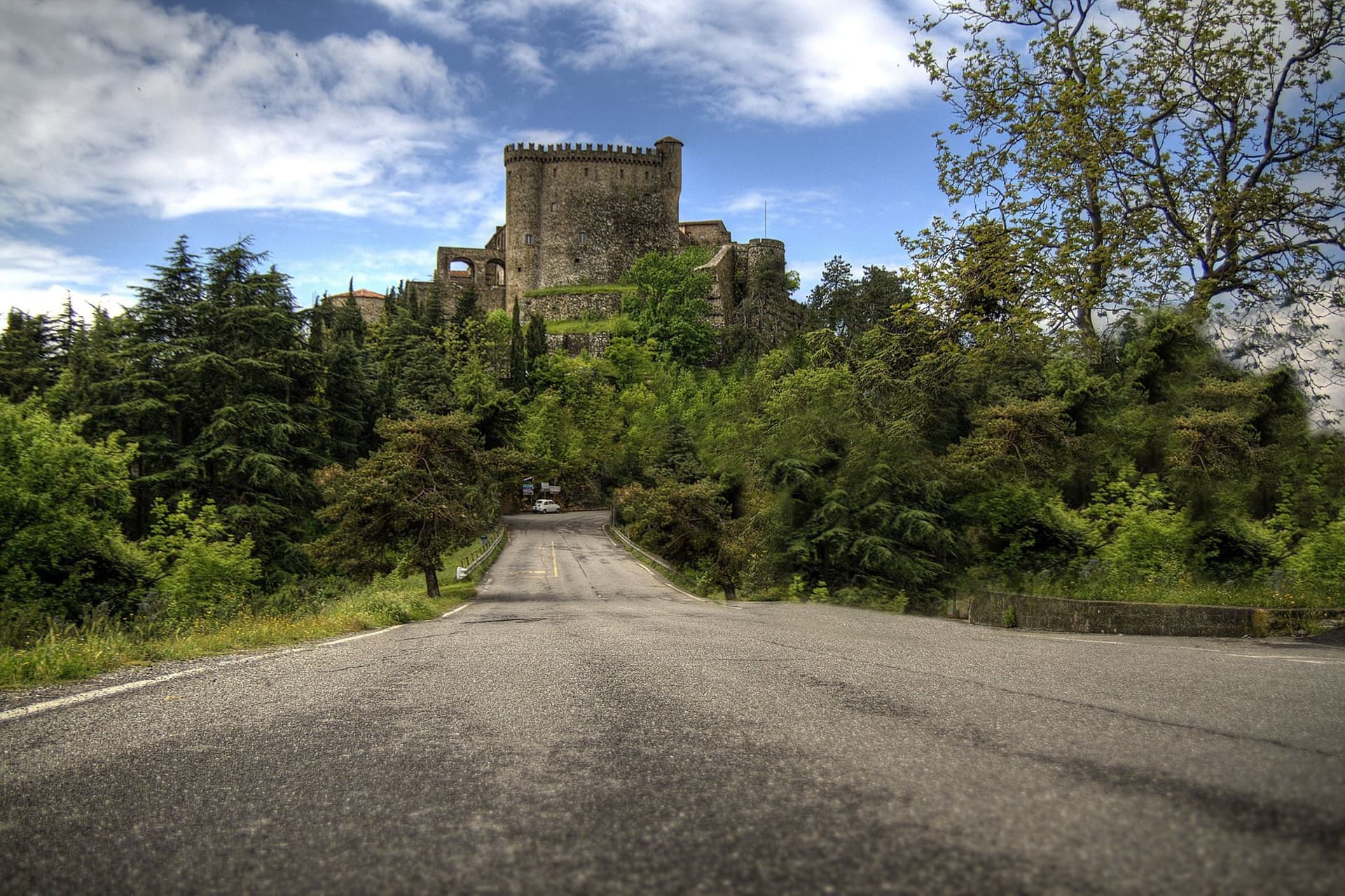
The southern Lunigiana stronghold at 500 meters, the Malaspina castle where Dante took shelter in 1306 and later set a Purgatorio canto.
Licciana Nardi
Province: Massa-Carrara
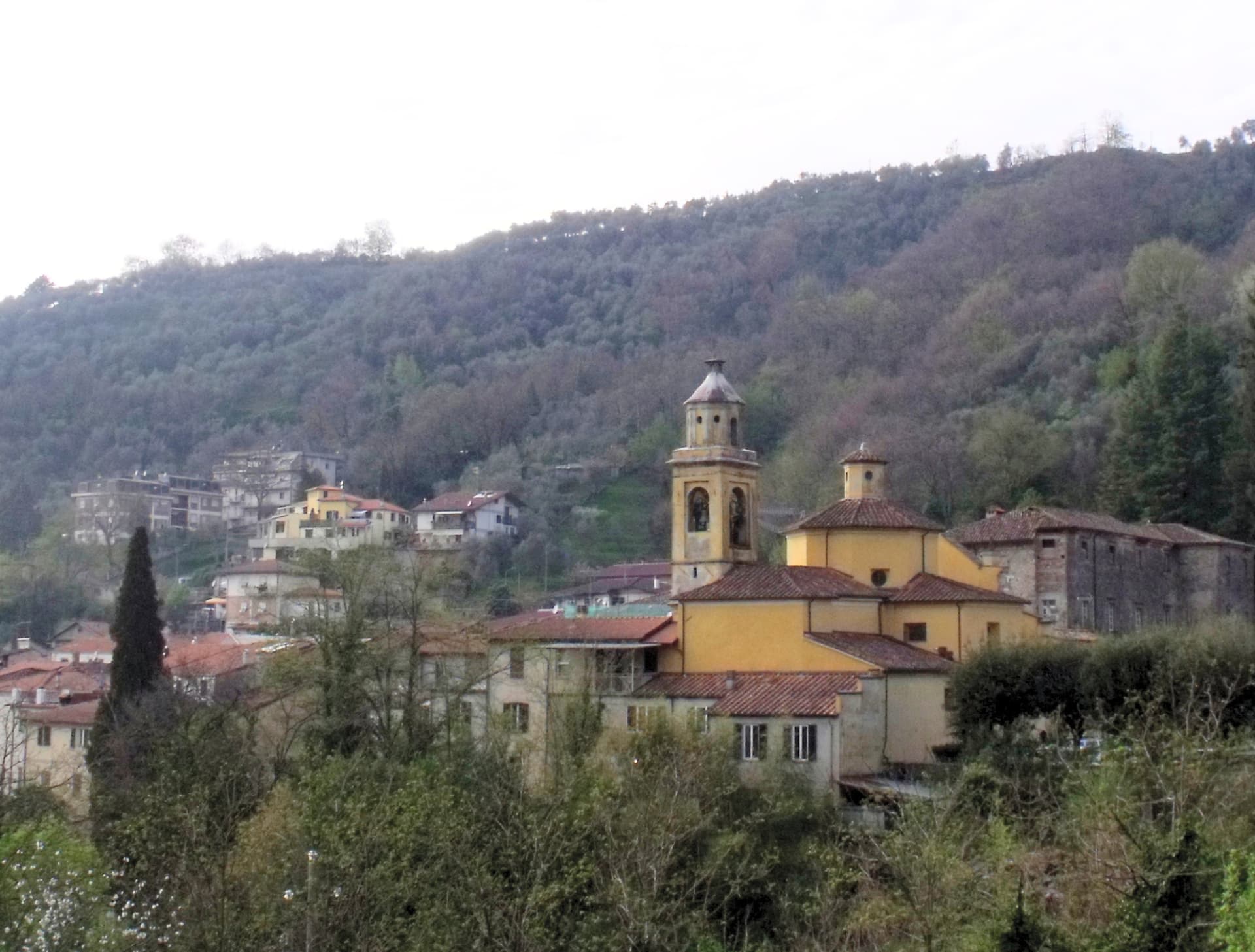
A Lunigiana Malaspina village at 215 meters in the Apennine Tosco-Emiliano park, named in 1933 for the Risorgimento patriot Anacarsi Nardi.
Sarzana
Province: La Spezia
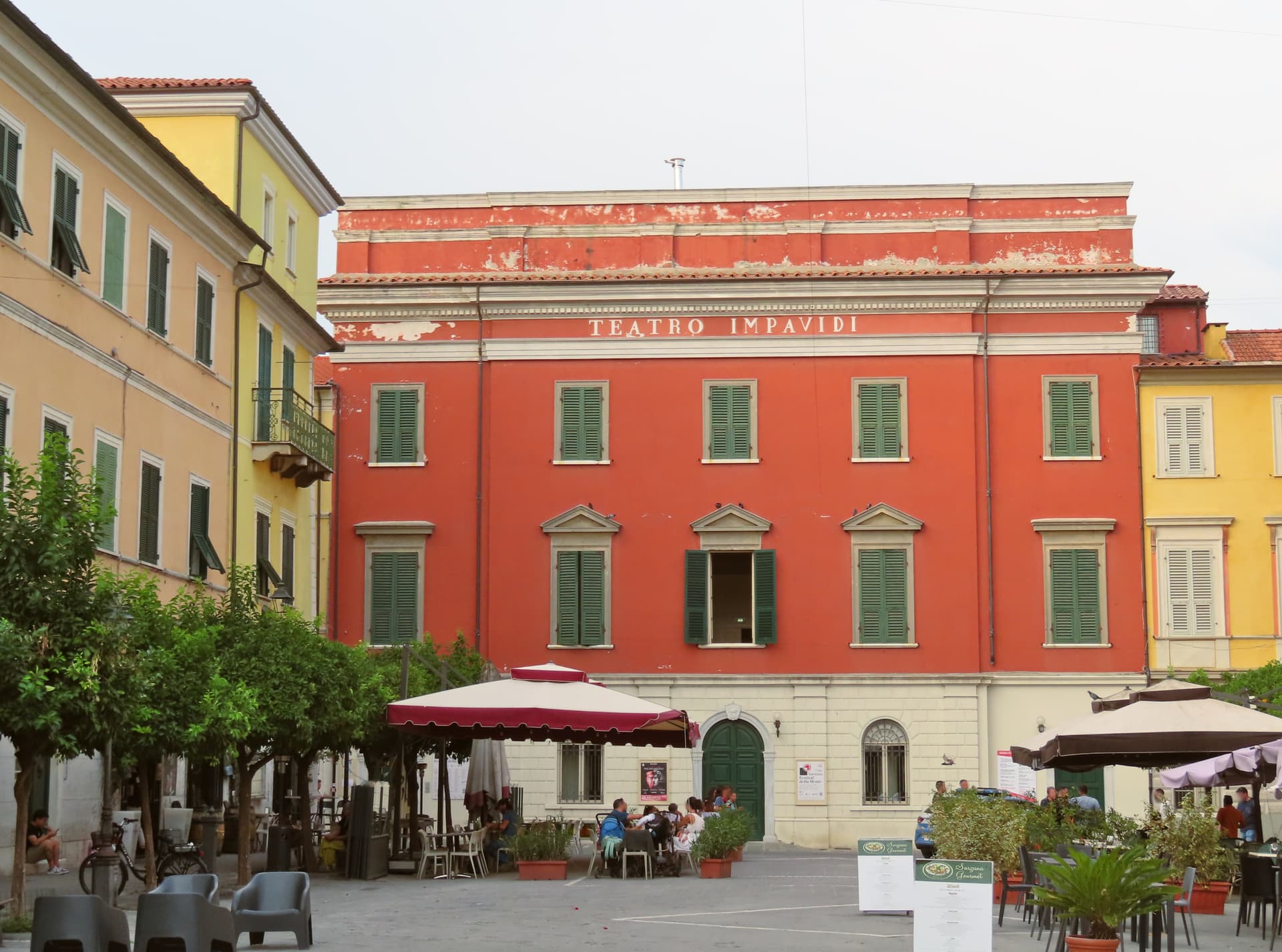
The unofficial capital of the Lunigiana on the Magra plain, birthplace of Pope Niccolò V and home to Italy's oldest dated painted crucifix.
Castelnuovo Magra
Province: La Spezia
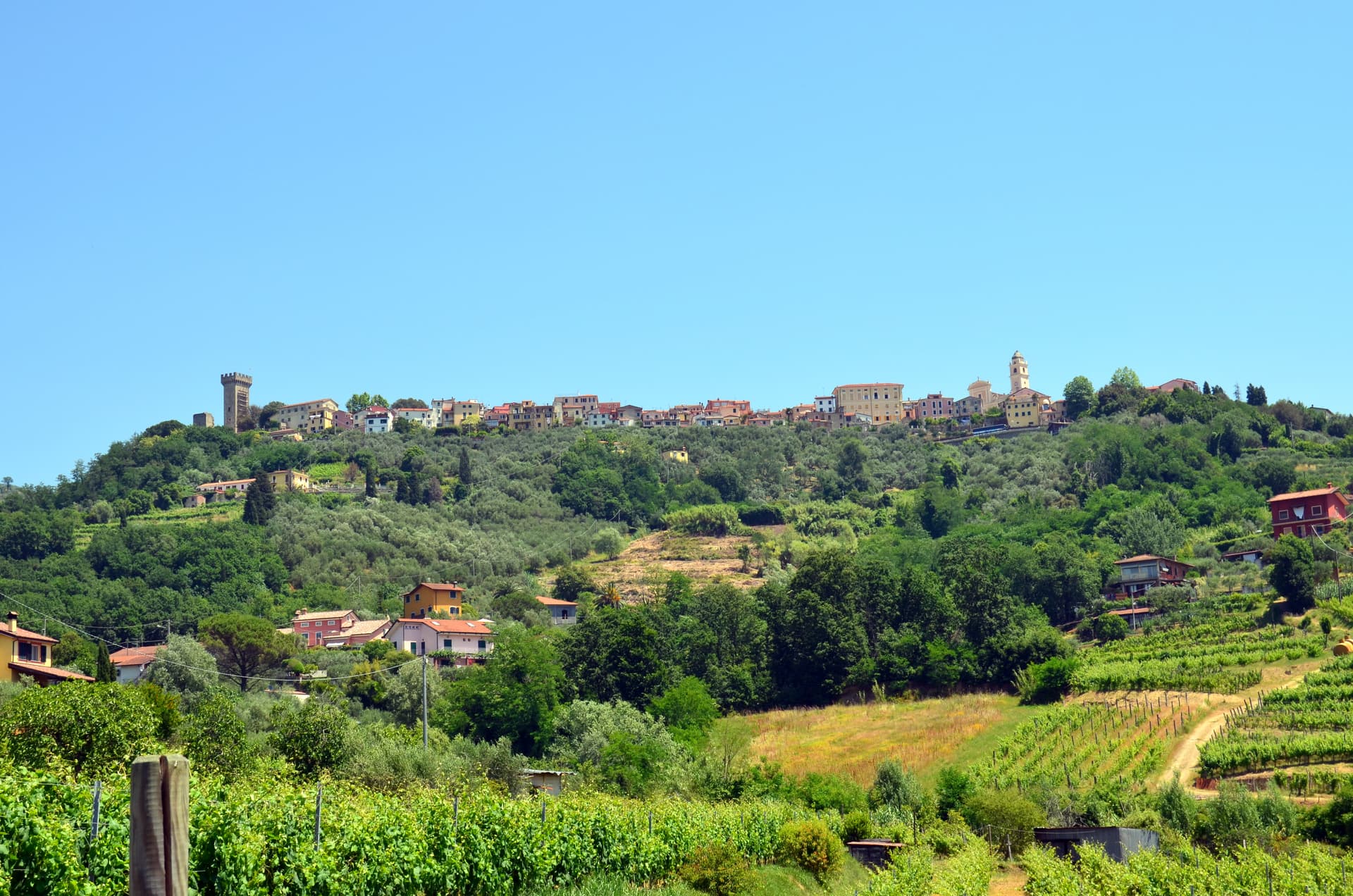
A ridge village on the Liguria-Tuscany border where Dante Alighieri signed the 1306 Peace of Castelnuovo on behalf of the Malaspina marquises.
Carrara
Province: Massa-Carrara
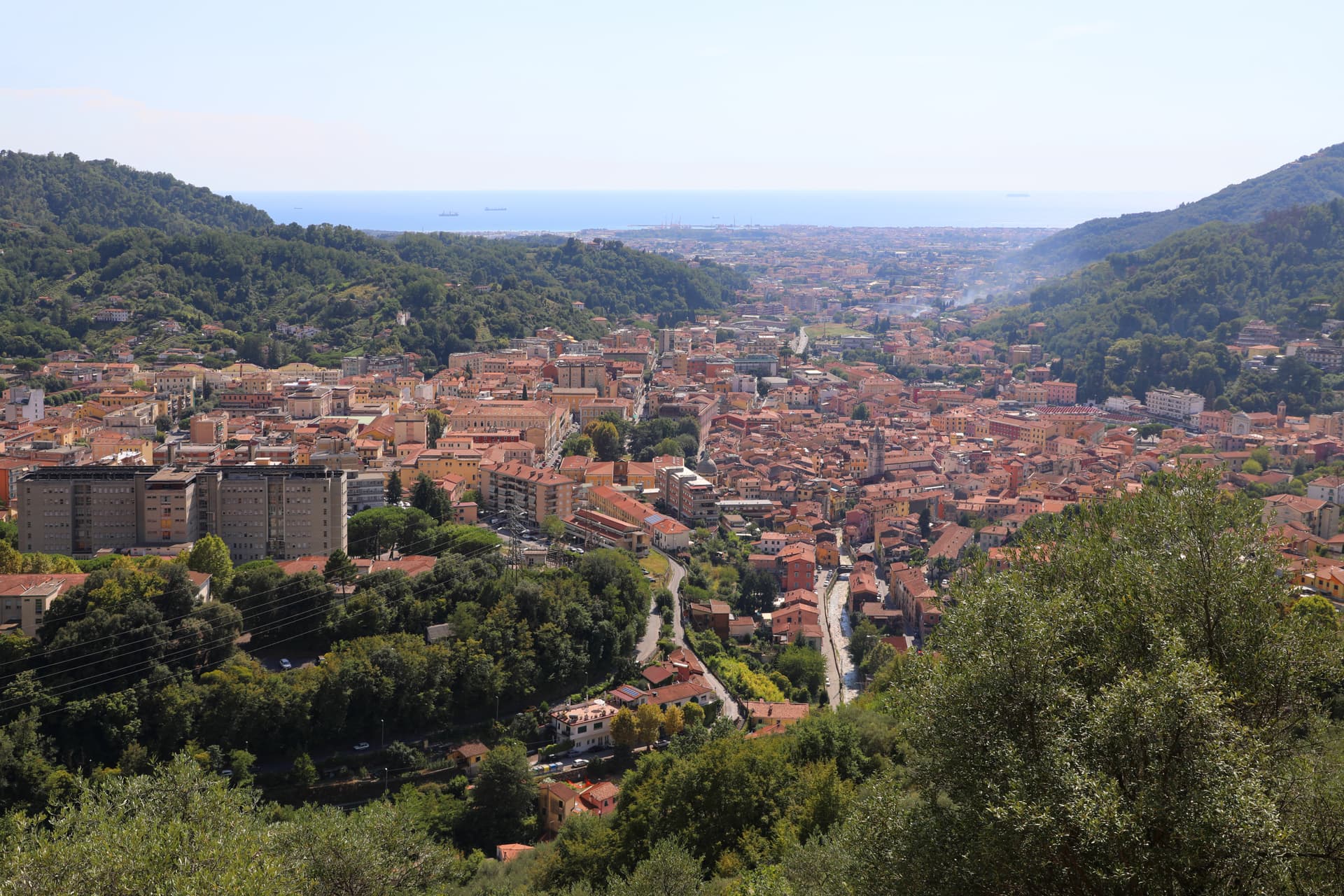
The marble town at the foot of the Apuan Alps, with over 650 quarry sites in the valleys above and the stone that built the Pantheon, the Pietà and Michelangelo's David.
🌲 Parco Nazionale
More Parco Nazionale towns in Tuscany
Capoliveri
Province: Livorno
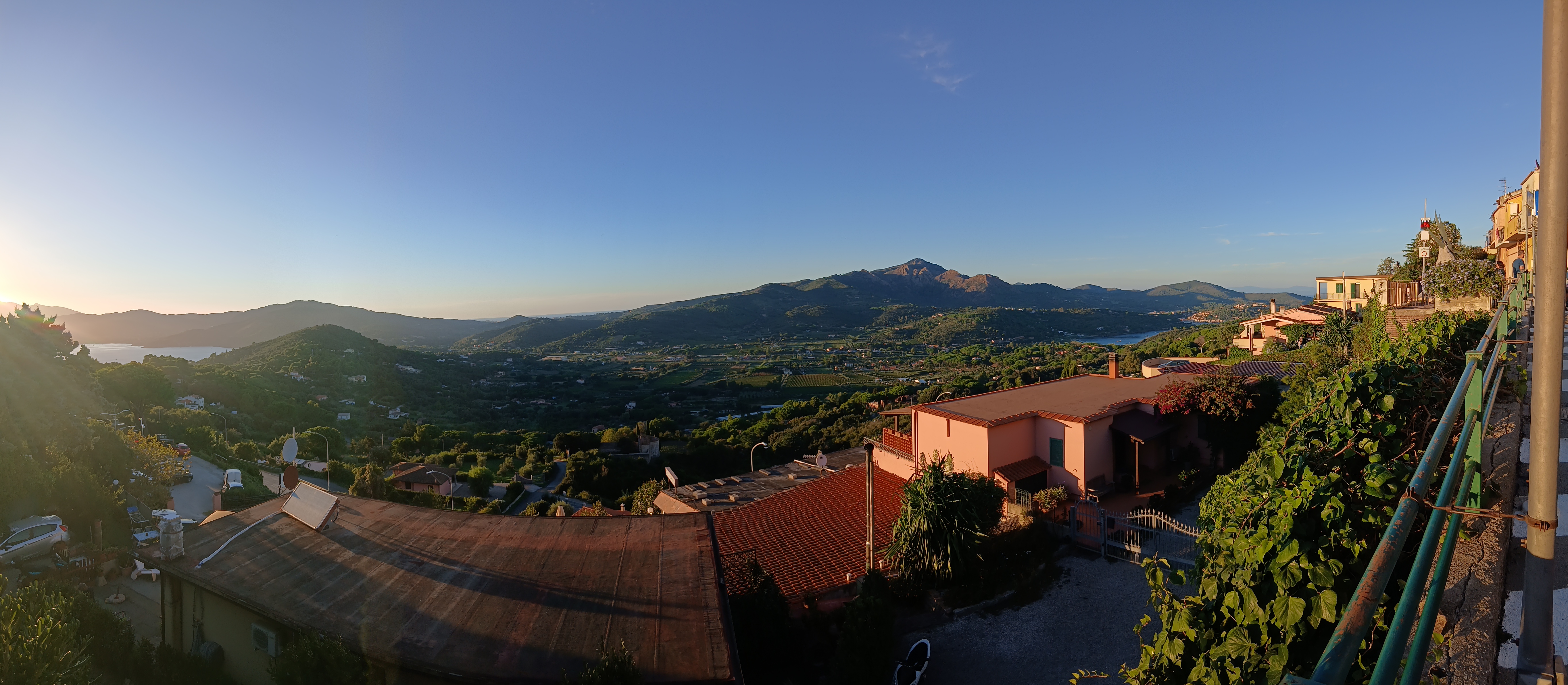
A medieval hill town at 167 meters on the eastern lobe of Elba, with 35 kilometers of coast and the iron mines of Monte Calamita below.
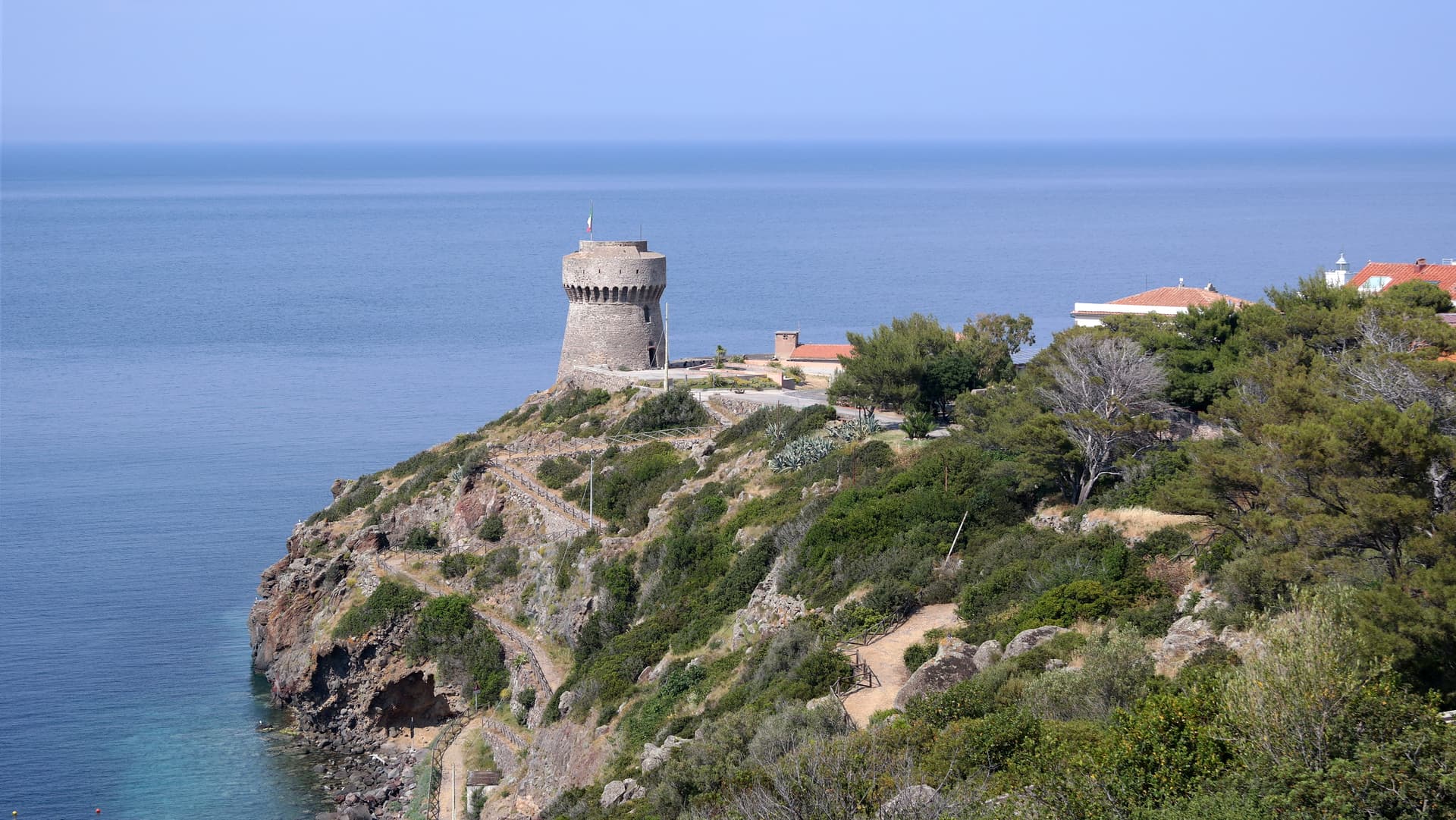
Capraia Isola
Province: Livorno
A volcanic island of 370 residents and one village, the third largest of the Tuscan Archipelago, a penal colony from 1873 to 1986 and a national park since.
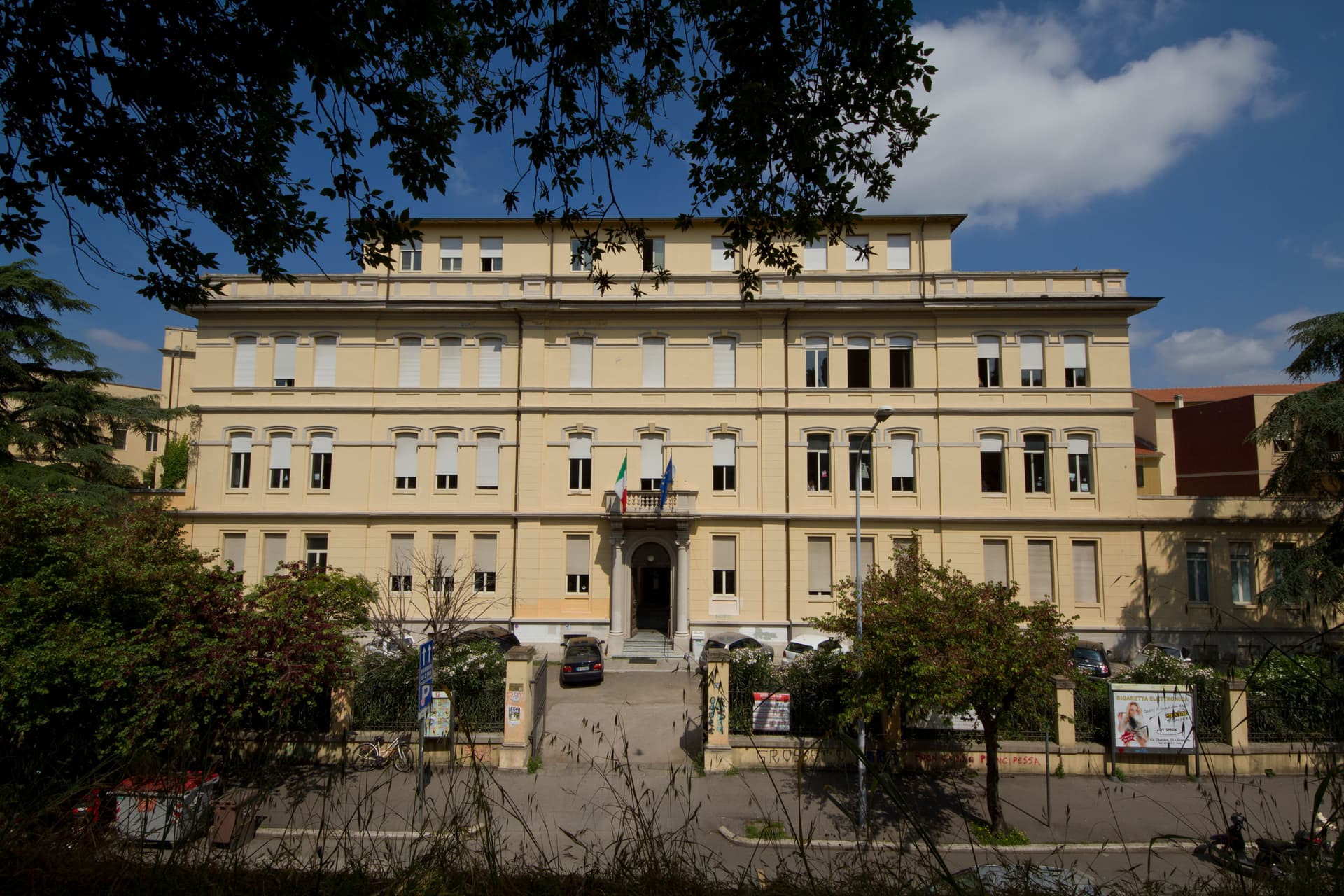
Grosseto
Province: Grosseto
The Maremma capital on the Ombrone river, ringed by hexagonal Medici walls of 1564 that now serve as the city's public park.
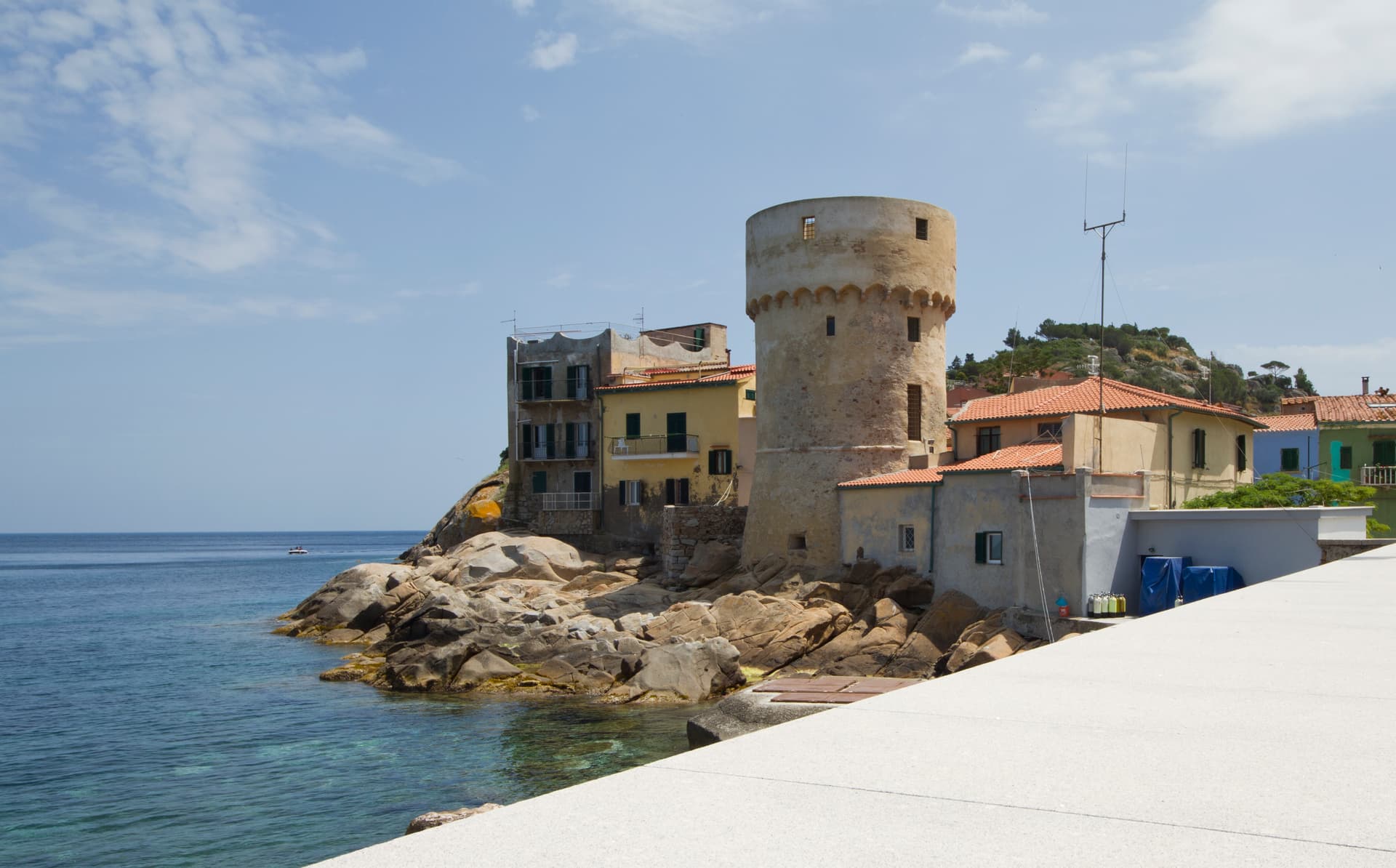
Isola del Giglio
Province: Grosseto
A granite island in the Tyrrhenian Archipelago, walled village on the ridge, port below, where the Costa Concordia ran aground in January 2012.
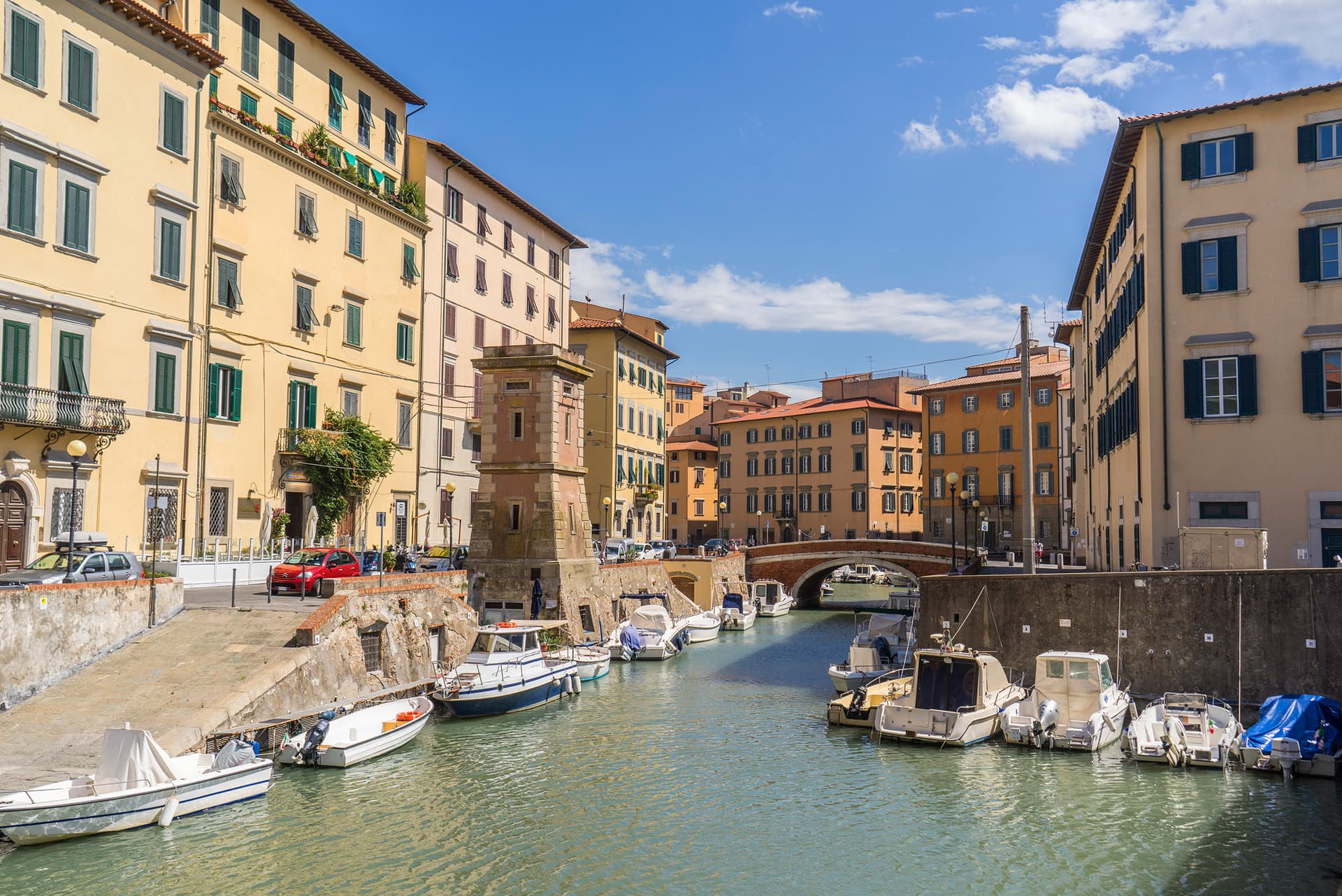
Livorno
Province: Livorno
Tuscany's working port and Medici-planned 'New City' — a 16th-century planned town built on reclaimed coast, with a Venice-like canal quarter, the Quattro Mori monument, and a 1.5-km seafront promenade that locals call the world's most beautiful balcony.