
Basilicata · Matera
Valsinni
Isabella Morra's tragic castle — a 1,344-resident Lucanian borgo on a hilltop above the Sinni river, with the 11th-c Castello Morra where the 16th-c Renaissance poet Isabella Morra was murdered by her brothers in 1545, a Touring Club Bandiera Arancione + Pollino park signal, and the annual Parco Letterario festival reading her poems in the rooms where she wrote them.
Known for
ISABELLA MORRA'S CASTLE
The Lucanian Renaissance poet (1520–45) lived + wrote + died here — murdered by her brothers at 25 over literary correspondence. Parco Letterario in the castle today.
BANDIERA ARANCIONE
Touring Club Italiano's small-village quality mark for cultural heritage + walkability + landscape.
POLLINO EAST FOOTHILLS
Inside Italy's largest national park. Loricato pine forests up-valley, the Sinni river below, marked trails from the village.
TU, ISABELLA FESTIVAL
Annual mid-July festival reading her sonnets in the rooms of the castle where she wrote them. Costumed performances, lectures, concerts.
When to visit
Best · Apr–Jun, Sep–Oct
- J
- F
- M
- A
- M
- J
- J
- A
- S
- O
- N
- D
- Best
- Hot or crowded
- Quiet
- Mostly closed
The festa: papa Fabiano, 10 May
Why come
Valsinni is here for Isabella Morra. The Lucanian Renaissance poet (1520–1545) lived her entire short life in the Castello Morra above this Sinni-valley borgo — the Morra family controlled the surrounding feud, her father was exiled in France for political reasons, and Isabella was kept under effective house arrest by her brothers, channelling her isolation into 13 Petrarchan sonnets and 3 canzoni that Benedetto Croce later called among the most authentic feminine voices of the Italian sixteenth century. In 1545, when her brothers discovered her correspondence with the Spanish nobleman Diego Sandoval de Castro (almost certainly literary, not romantic), they murdered Sandoval, two of his servants, and then Isabella herself — she was 25.
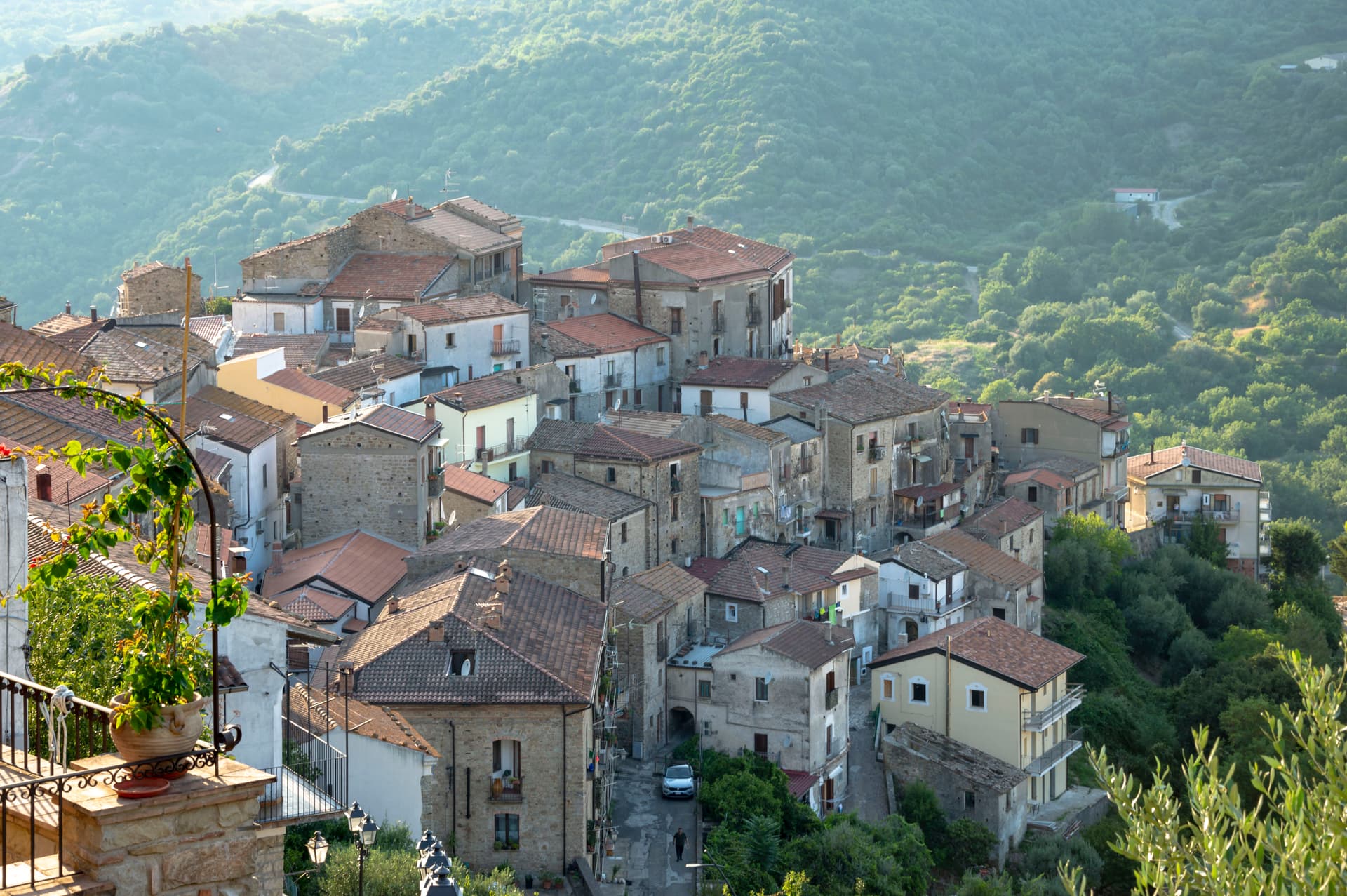
The case scandalised the Spanish viceroyalty of Naples and her brothers fled to France; her poems survived in a single manuscript and were first published in 1556. Today the Castello Morra (11th-c origin, expanded 14th-c) is the seat of the Parco Letterario Isabella Morra, with the rooms preserved + annotated and the annual Tu, Isabella festival (mid-July) reading her sonnets in those rooms. Valsinni holds the Bandiera Arancione (Touring Club Italiano's small-village quality mark) and sits inside the Parco Nazionale del Pollino — the Pollino's eastern foothills meet the Sinni river here, with Loricato pine forests up-valley to the south and the Maratea coast 60 km east.
The borgo is small but completely intact — stone-paved vicoli, the Chiesa Madre, the Belvedere over the Sinni valley. The food is Lucanian: lagane e ceci, peperoni cruschi, pasta con la mollica, capocollo and salsiccia lucana, the local Aglianico from the Vulture zone 100 km north. Like most small Lucanian comuni, depopulation is real — 3,500 residents in 1951 to 1,344 today.
The Sunday letter
We haven’t written Valsinni’s letter yet.
One town every Sunday, with the photo, the food, the festa. Be there when this one comes up. Free, by Peter & Sophia from Pietrasanta.
By subscribing you agree to Substack’s Terms of Use, our Privacy Policy and our Information collection notice.
What to see
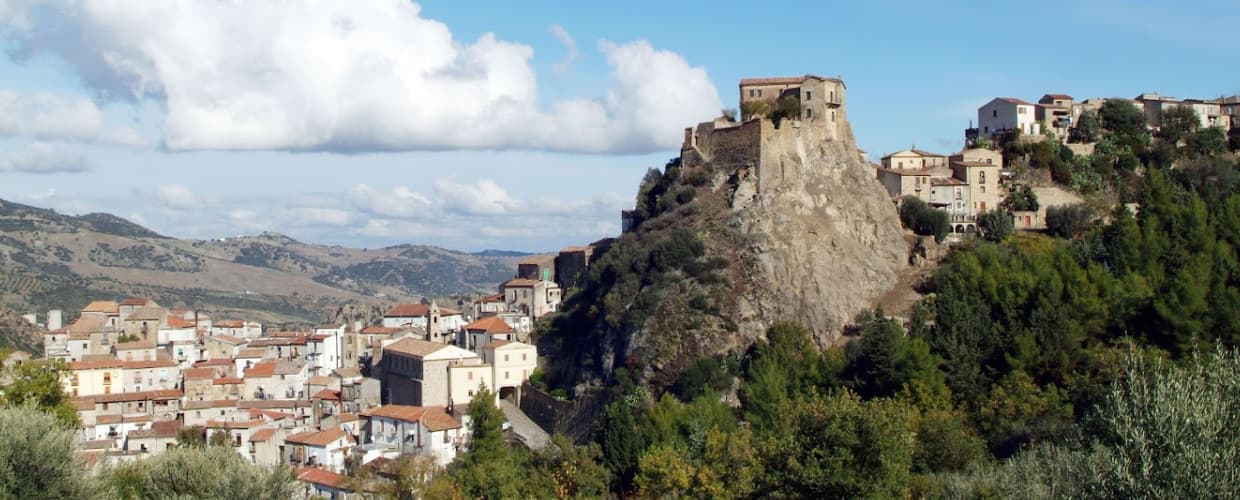
Castello Morra + Parco Letterario Isabella Morra
11th-c castle expanded 14th-c — seat of the Parco Letterario, with the rooms preserved + annotated. Annual Tu, Isabella festival (mid-July) reads her sonnets in the rooms where she wrote them.
Isabella Morra's sonnets
13 Petrarchan sonnets and 3 canzoni from 1540–45 — Benedetto Croce called them among the most authentic feminine voices of the Italian sixteenth century. First published 1556.
Centro storico + Bandiera Arancione
Touring Club Italiano's small-village quality mark — stone-paved vicoli, the Chiesa Madre, the Belvedere over the Sinni valley.
Parco Nazionale del Pollino
Italy's largest national park — the eastern foothills meet the Sinni here. Loricato pine forests up-valley to the south. Trail network from the village.
Lucanian kitchen
Lagane e ceci, peperoni cruschi, pasta con la mollica, capocollo and salsiccia lucana, Aglianico del Vulture from 100 km north.
The slow-trip planner
Building a trip? Find where Valsinni fits in a slow Italy circuit.
Answer five questions. We will shape a geographically coherent slow trip from the 1,000 Italian towns most travelers skip. Yours to save and share.
Living here
- Population 1,344
- Off the beaten pathi
- Pharmacy: none mapped
- Nearest high school over ~30 minutes away
- Nearest airport Bari / Brindisi, 2 h 24 min drive
- Regional capital Potenza, 2 h 6 min drive
Tags & datadesignations · numbers · sources
Recognised as
The numbers
- Elevation: 250 m
- Population: 1,344
- Surface area: 32.22 km²
These figures were compiled from public directories — ISTAT, OpenStreetMap, Wikidata — and from the official listings of the guides named on this page. Town details change; verify with official sources before you travel.
Close by
More towns near Valsinni
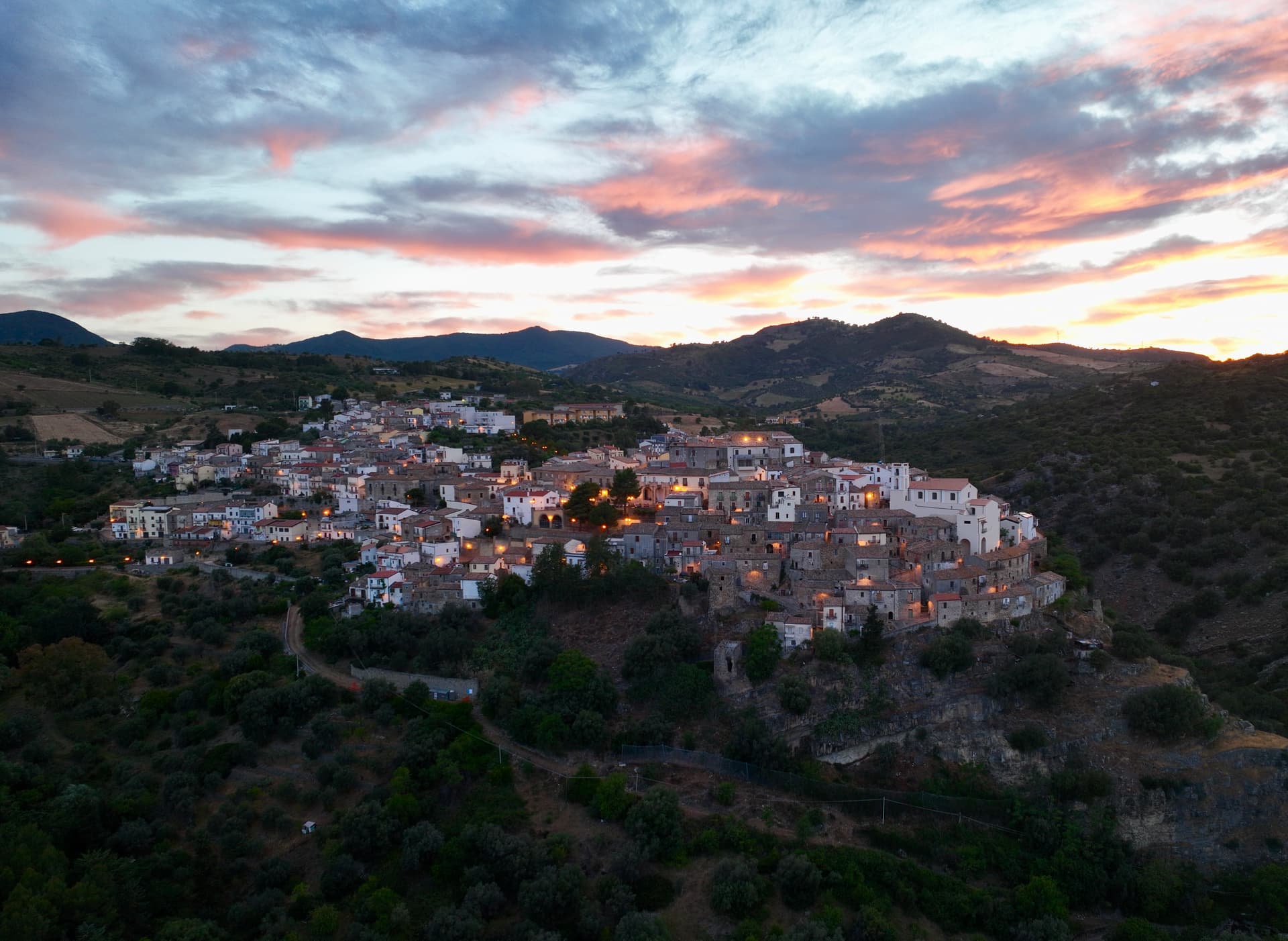
Rotondella
Province: Matera
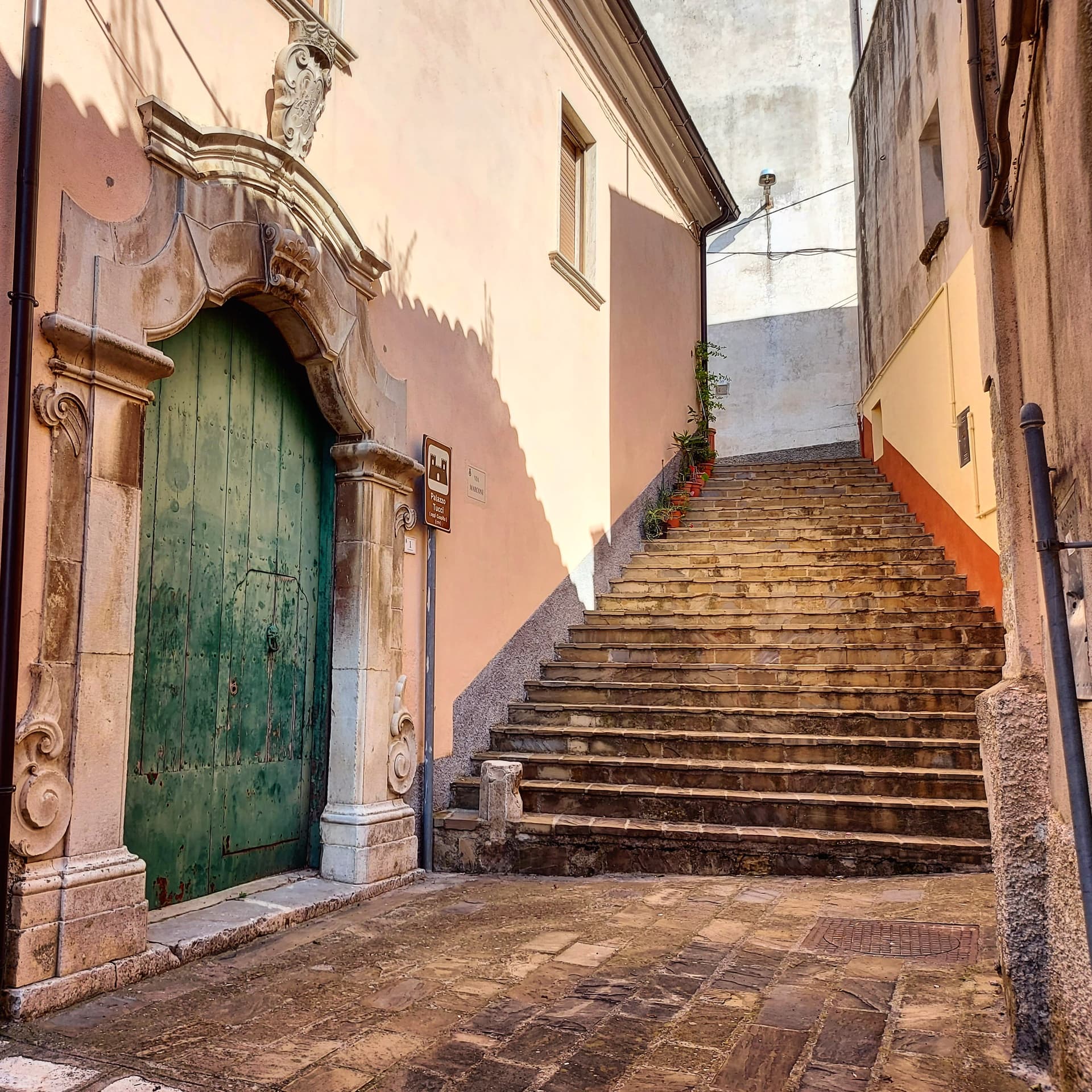
The 'Balcony of the Ionian' — a 2,400-resident Lucanian borgo on a 576m hilltop overlooking the Metapontino plain and the Ionian Sea, with intact medieval streets, the Chiesa di Santa Maria della Neve, and a high-quality DOP olive oil from the surrounding terraced groves.
Nova Siri
Province: Matera
A 350-meter Ionian hill town with a Blue Flag beach nine kilometers below, near the site of the ancient Greek colony of Siris.
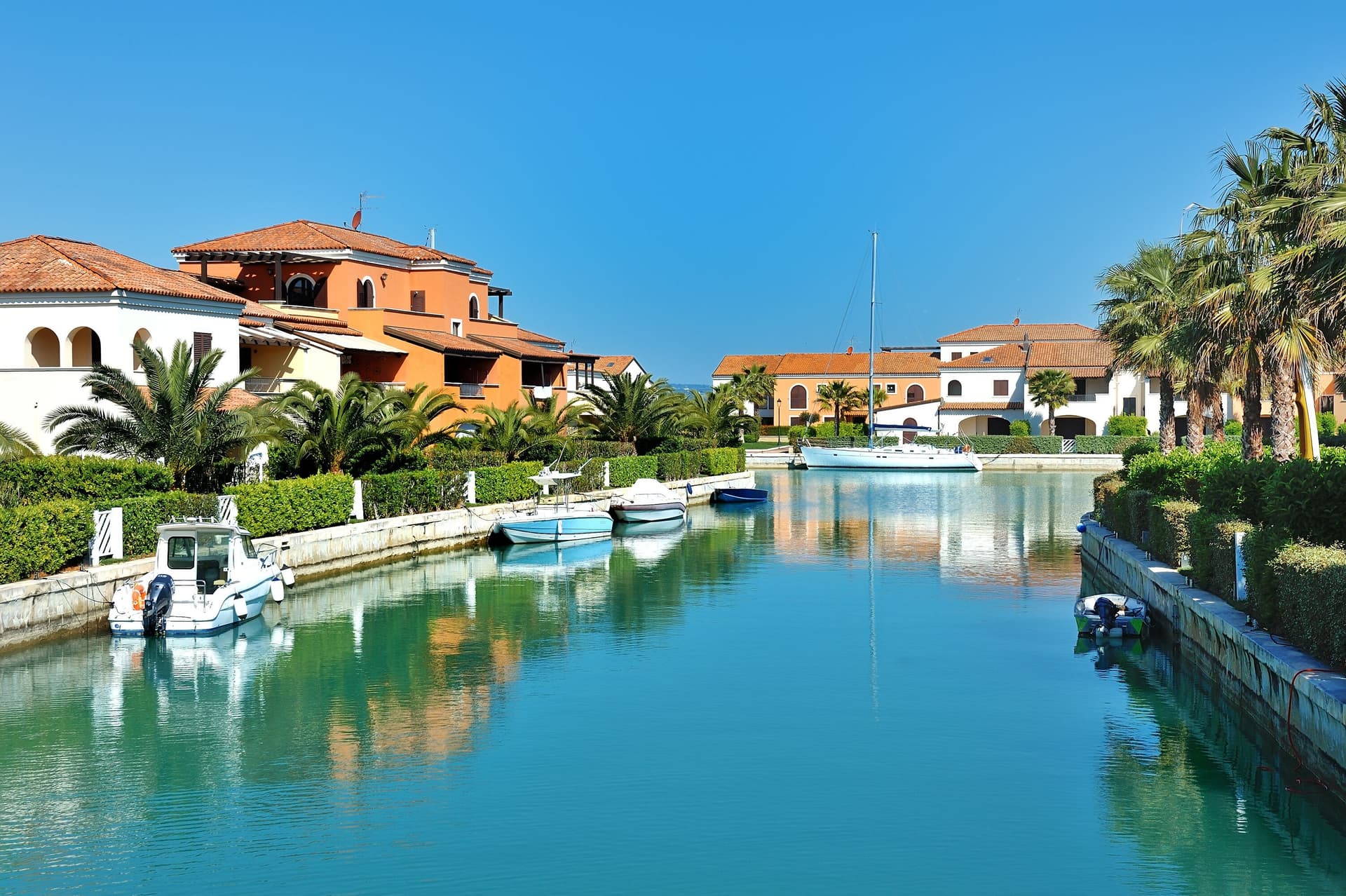
Policoro
Province: Matera
A Ionian-coast town on the Gulf of Taranto built on the ruins of the Greek polis of Heraclea — birthplace of the Tavole di Eraclea bronze inscriptions and home to one of the region's most-visited Bandiera Blu beaches and the National Museum of the Siritide.
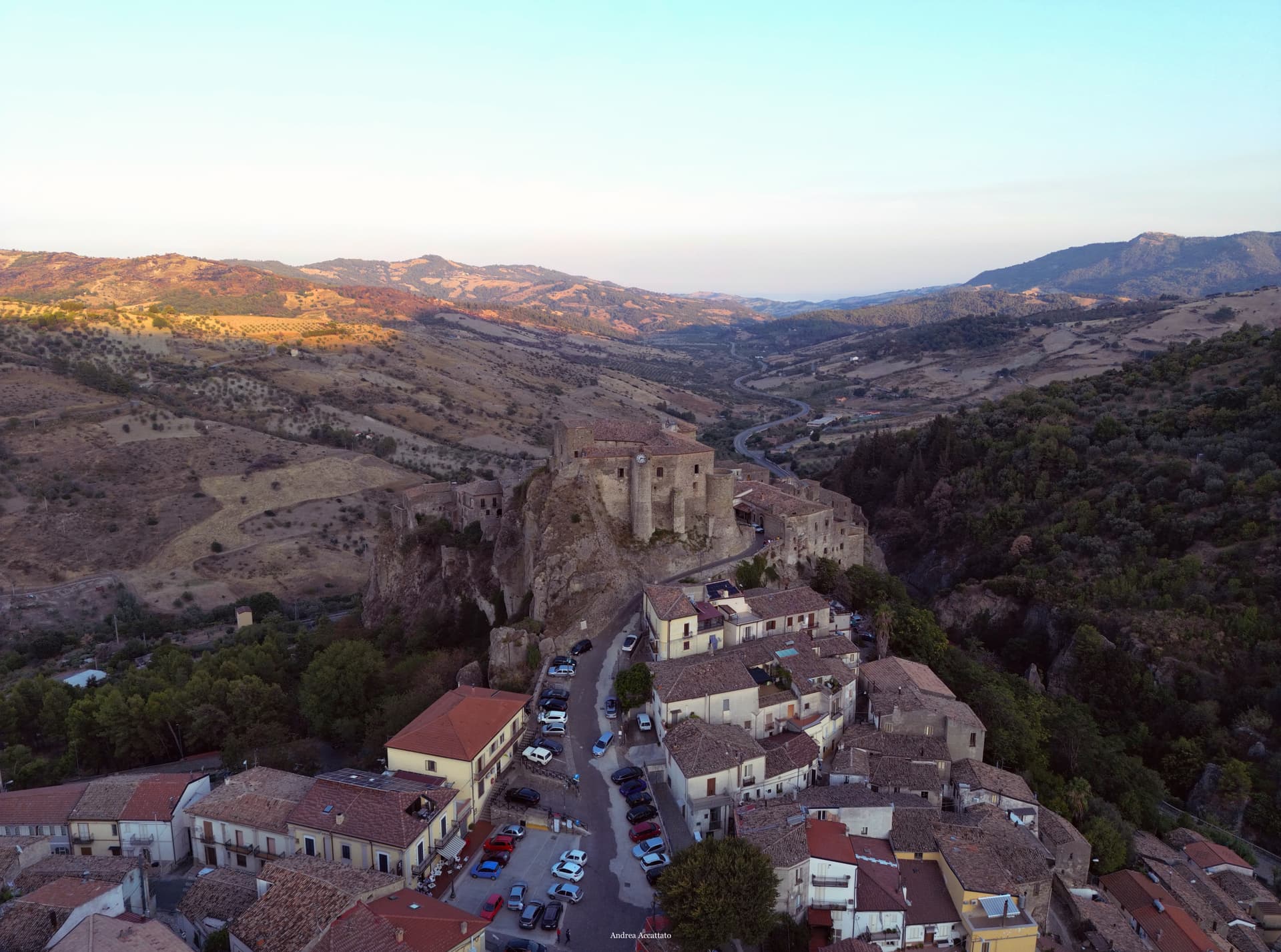
Oriolo
Province: Cosenza
A medieval borgo on a sandstone outcrop at 450 meters, on the eastern slopes of Pollino, twenty kilometers from the Ionian coast.
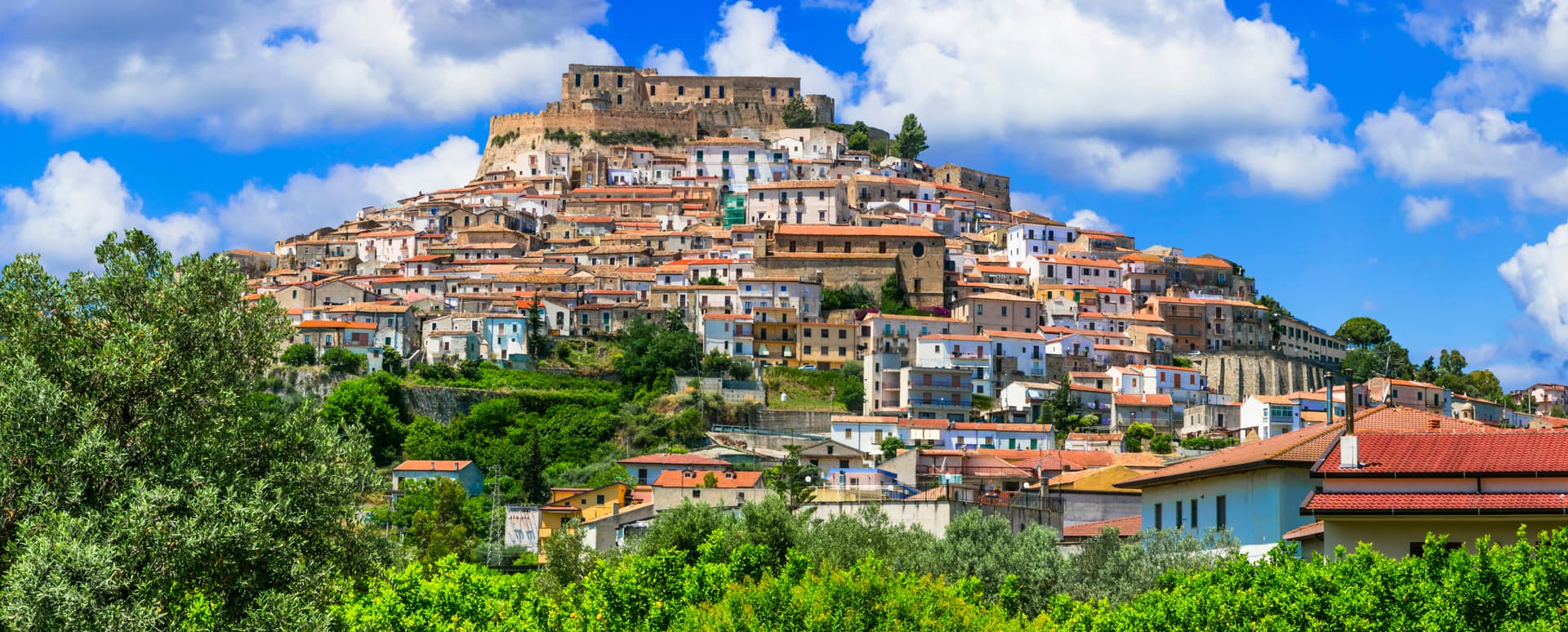
Rocca Imperiale
Province: Cosenza
Frederick II's Hohenstaufen fortress at the Calabria–Basilicata border — a Borgo più Bello d'Italia perched on a hill above the Ionian coast, with the 1225 castello at the summit, a Bandiera Blu beach at Rocca Imperiale Marina below, and the locally-grown limone di Rocca Imperiale IGP scenting the orchards.
🟠 Bandiera Arancione
More Bandiera Arancione towns in Basilicata
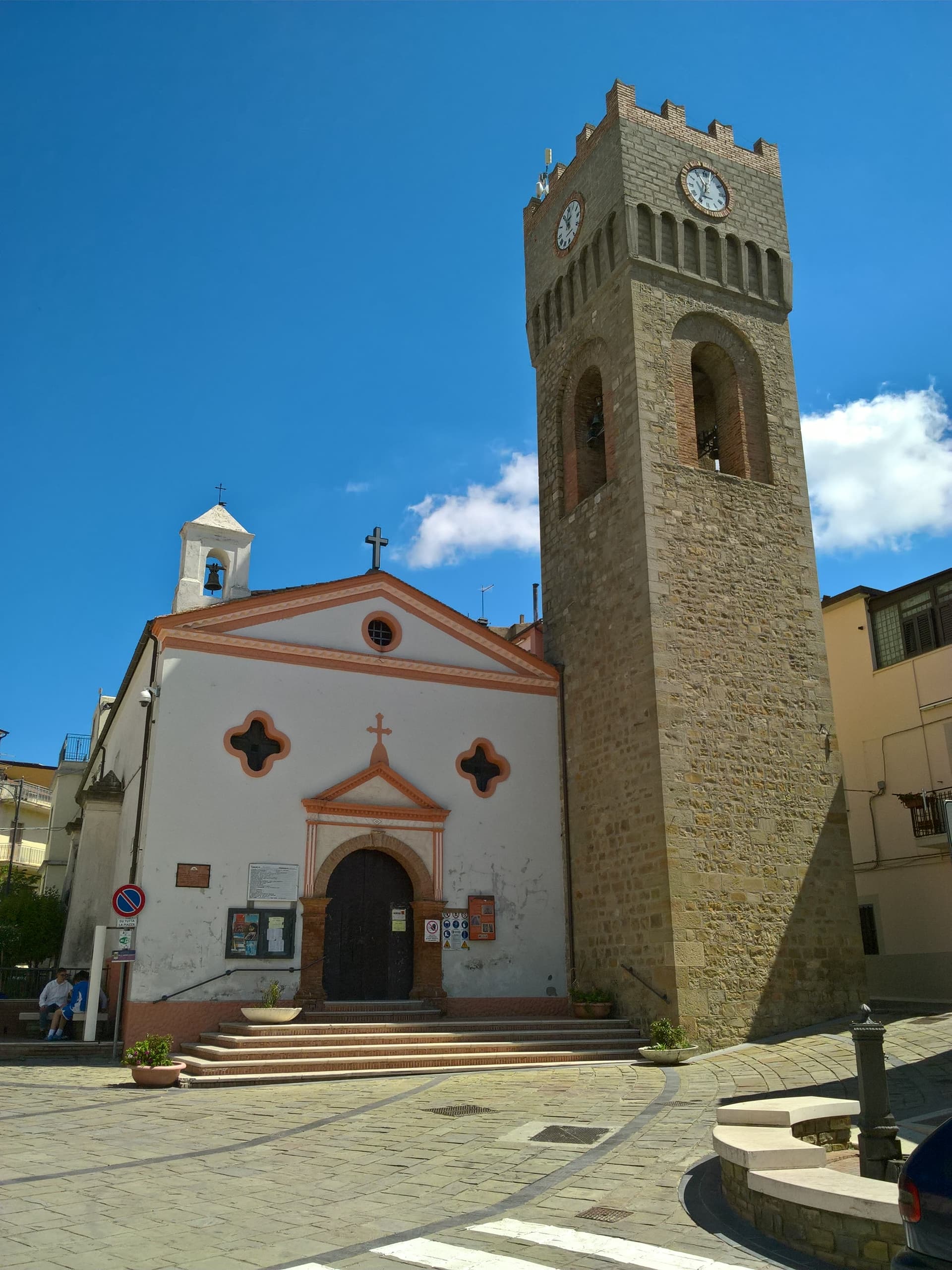
Aliano
Province: Matera
The clay-hill village at 555 meters above the Agri valley where Carlo Levi served his 1935 exile and is buried in the cemetery.
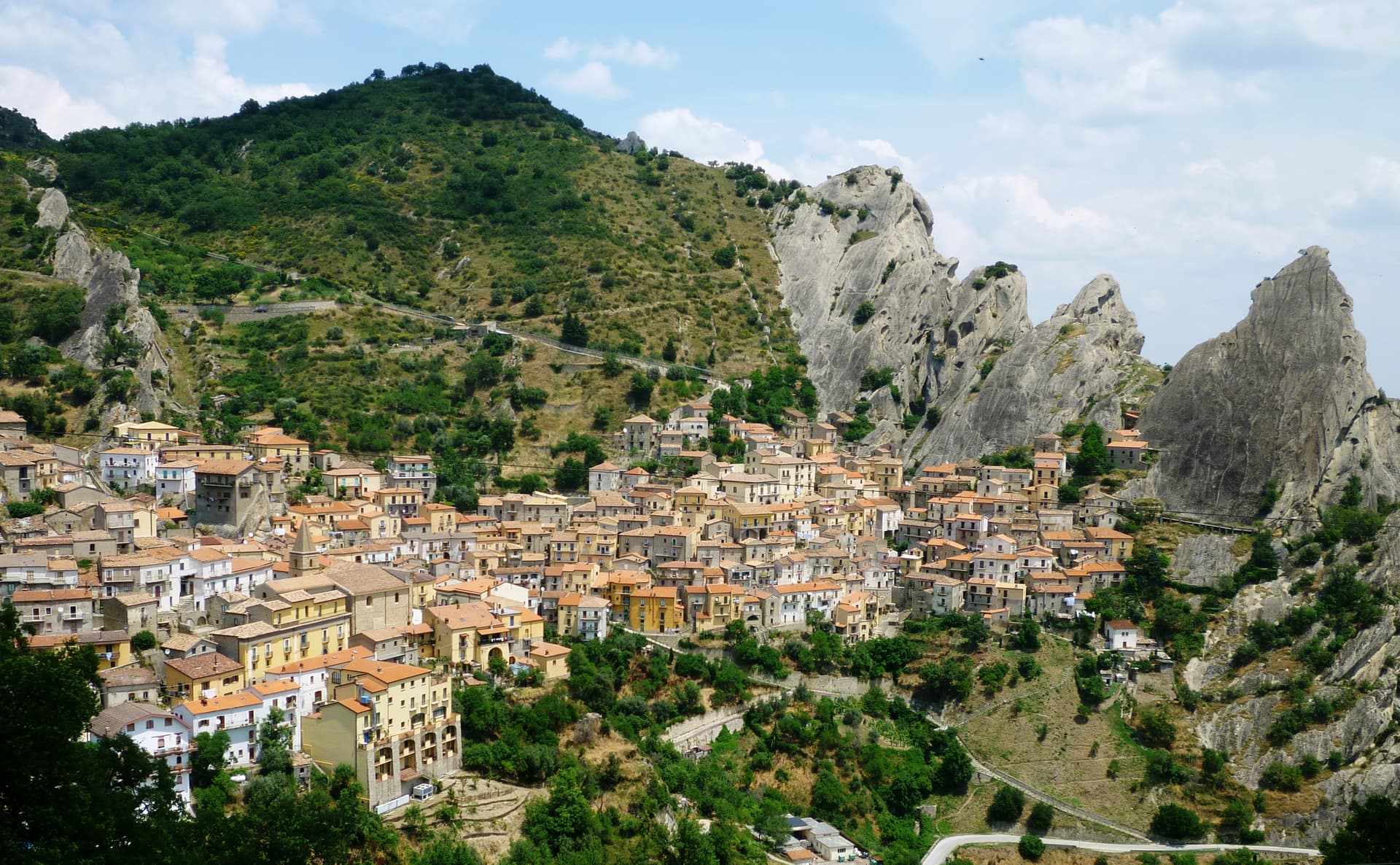
Castelmezzano
Province: Potenza
A medieval village at 750 meters wedged into the Dolomiti Lucane sandstone teeth, linked to Pietrapertosa by a 1,452-meter zipline since 2007.
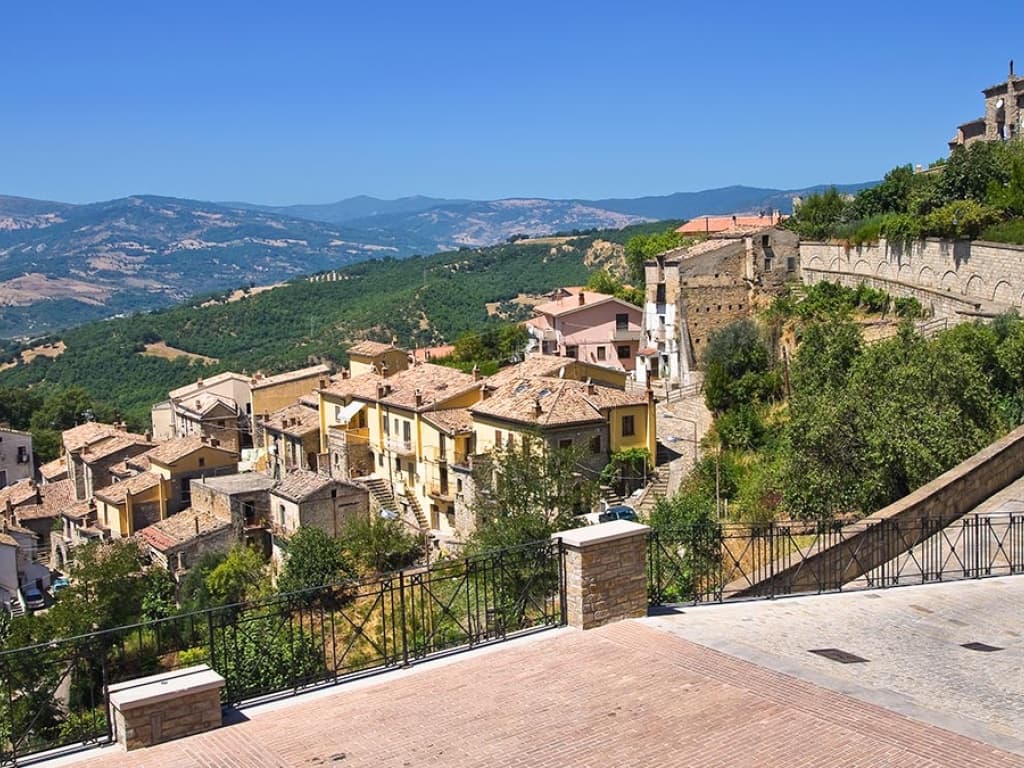
Guardia Perticara
Province: Potenza
The stone village at 678 meters above the Sauro valley, rebuilt block by block in Gorgoglione sandstone after the 1980 earthquake.
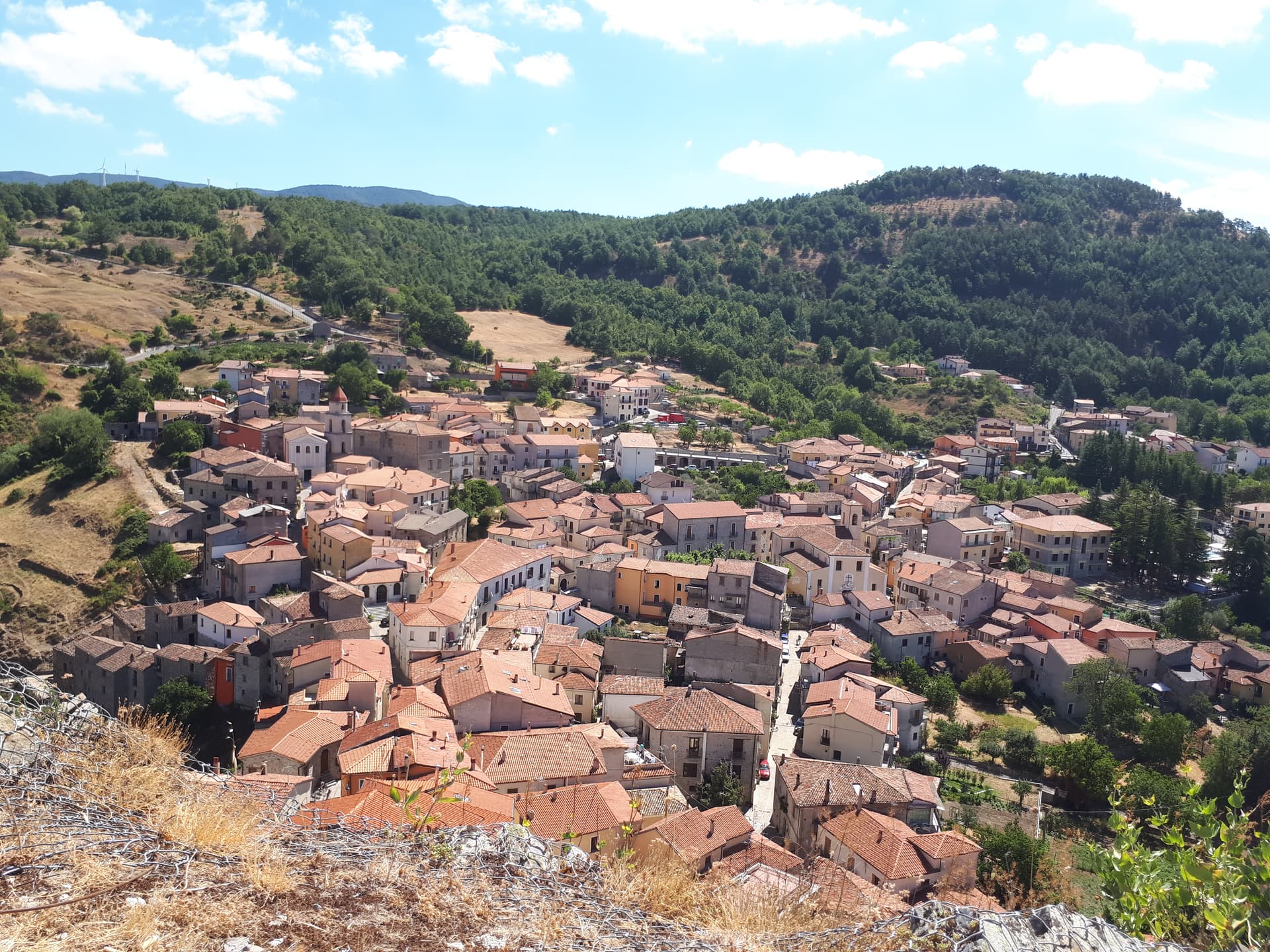
Sasso di Castalda
Province: Potenza
A 949-meter village in the Lucanian Apennines whose emigrants produced the engineer who launched Apollo 11, now crossed by a 300-meter Tibetan footbridge.