

Apulia · Barletta-Andria-Trani
Trani
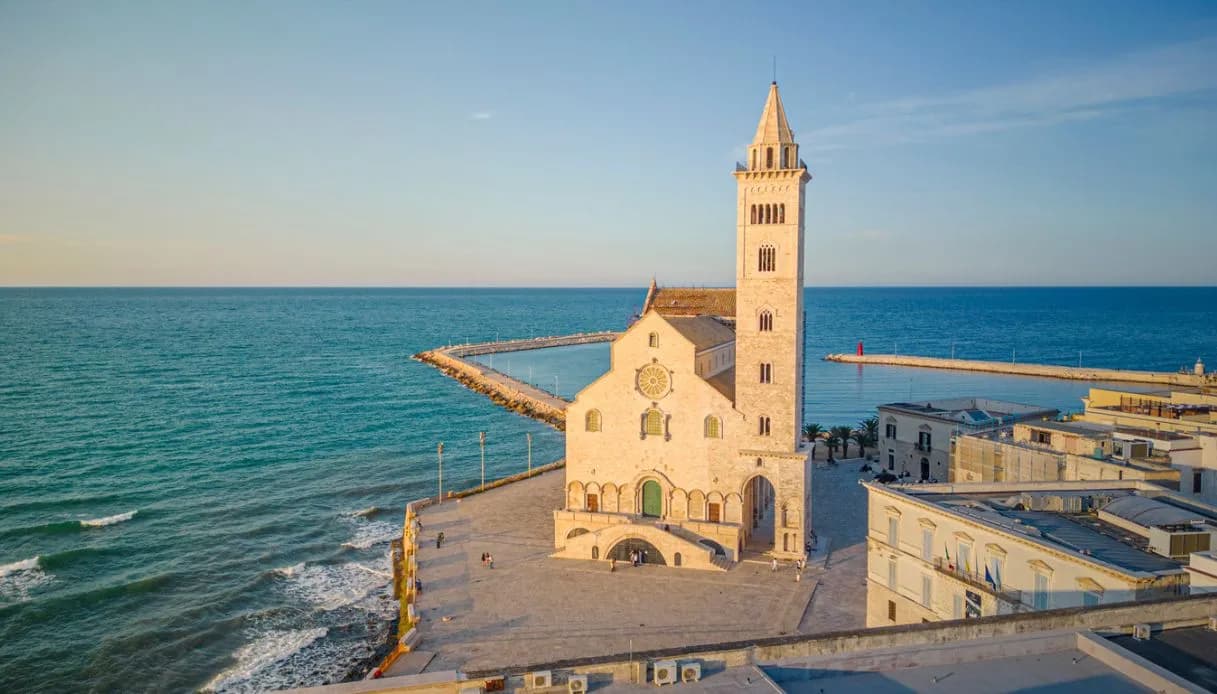
The Adriatic port whose pink-white Romanesque cathedral stands on the water, built for a Greek pilgrim who died here in 1094.
Known for
CATTEDRALE SUL MARE
Apulian Romanesque cathedral built on the water for a Greek pilgrim saint, the signature image of the southern Adriatic.
ORDINAMENTA MARIS
Twelfth-century maritime code drafted in Trani, one of the earliest written sea laws in the western Mediterranean.
MOSCATO DI TRANI
DOC sweet white from late-harvest moscato bianco grown on the limestone coast, served chilled with almond pastries.
When to visit
Best · May–Sep
- J
- F
- M
- A
- M
- J
- J
- A
- S
- O
- N
- D
- Best
- Hot or crowded
- Quiet
- Mostly closed
The festa: Nicola Pellegrino, first Saturday
Why come
Trani sits on the Adriatic forty-five kilometers west-northwest of Bari, one of the three capitals of the Barletta-Andria-Trani province. The cathedral is the reason most travelers come. Dedicated to Saint Nicholas the Pilgrim, a Greek who died in Trani in 1094, the church was begun in 1159 and built from the local calcareous tuff that quarries pink-white almost to the point of looking bleached.
The fifty-nine-meter bell tower was finished in the fourteenth century; the central bronze door is a 1175 work by Barisano da Trani. The Castello Svevo on the same harbor was built by Frederick II between 1233 and 1249 to guard the roadstead. Trani's eleventh- and twelfth-century maritime republic linked the Crusader Adriatic to the East and produced the Ordinamenta maris, one of the earliest western sea codes. The cathedral square at dusk, sea on one side and Castello Svevo on the other, is the photograph.
The Sunday letter
We haven’t written Trani’s letter yet.
One town every Sunday, with the photo, the food, the festa. Be there when this one comes up. Free, by Peter & Sophia from Pietrasanta.
By subscribing you agree to Substack’s Terms of Use, our Privacy Policy and our Information collection notice.
What to see
Cattedrale di San Nicola Pellegrino
Romanesque cathedral begun in 1159 on a sea-edge platform, built of local pink-white tuff, with a fifty-nine-meter bell tower and the 1175 bronze door by Barisano da Trani.
Castello Svevo
Frederick II fortress of 1233-1249 on a rock at the center of the harbor, designed by Filippo Cinardo, later a royal court seat and provincial prison until 1974.
Porto e lungomare
Working fishing harbor lined with palazzi and trattorie, with the cathedral at one end and the Castello Svevo at the other.
Sinagoga Scolanova
Thirteenth-century synagogue in the old Jewish quarter, returned to Jewish use in 2006 after centuries as a church, one of the oldest in active service in Europe.
Giudecca
Medieval Jewish quarter behind the harbor, a network of narrow lanes that produced four synagogues during the maritime republic and still carries their footprints.
The slow-trip planner
Building a trip? Find where Trani fits in a slow Italy circuit.
Answer five questions. We will shape a geographically coherent slow trip from the 1,000 Italian towns most travelers skip. Yours to save and share.
We recommend
Where to eat and stay
Not our picks, but places the guides put their name to — a Michelin star, a Gambero Rosso fork, a Slow Food snail, a Michelin Key for the hotels. Worth a table, a counter, or a night when you pass through.
QuintessenzaRistorante
Quintessenza has one Michelin star, two Gambero Rosso forks (82/100) and a place in L'Espresso's Top 300.
Casa SgarraRistorante
One Michelin star for Casa Sgarra, and two Gambero Rosso forks (84/100).
Le Lampare al FortinoRistorante
Le Lampare al Fortino carries two Gambero Rosso forks (85/100), plus a spot in the Michelin Guide.
TerradimareRistorante
One Gambero Rosso fork (79/100) for Terradimare, and a spot in the Michelin Guide.
Il MelogranoRistorante
A spot in the Michelin Guide, at Il Melograno.
LuceRistorante
Two Gambero Rosso forks (80/100), at Luce.
Osteria FrangipaneRistorante
Osteria Frangipane holds a spot in the Michelin Guide.
Living here
- Population 54,941
- A local hubi
- Pharmacy in town
- High school within a 30-minute drive
- Train station in the comune
- Nearest airport Bari / Brindisi, 35 min drive
- Regional capital Bari, 38 min drive
Tags & datadesignations · numbers · sources
Recognised as
The numbers
- Elevation: 7 m
- Population: 54,941
- Surface area: 103.41 km²
These figures were compiled from public directories — ISTAT, OpenStreetMap, Wikidata — and from the official listings of the guides named on this page. Town details change; verify with official sources before you travel.
Close by
More towns near Trani
Bisceglie
Province: Barletta-Andria-Trani
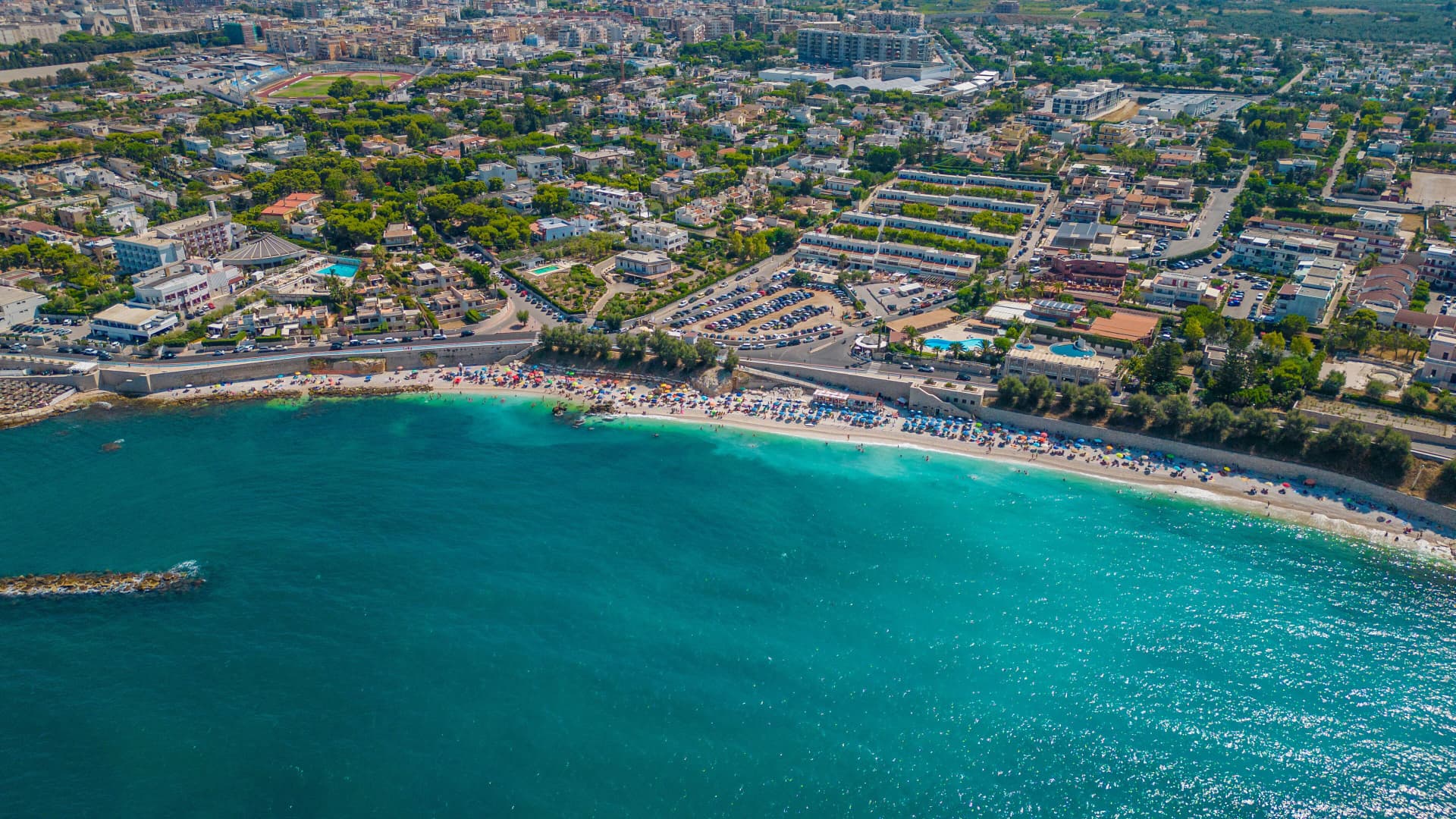
An Adriatic port town between Trani and Molfetta, named for Roman watchtowers, with five dolmens around it and a Norman cathedral begun in 1073.
Andria
Province: Barletta-Andria-Trani
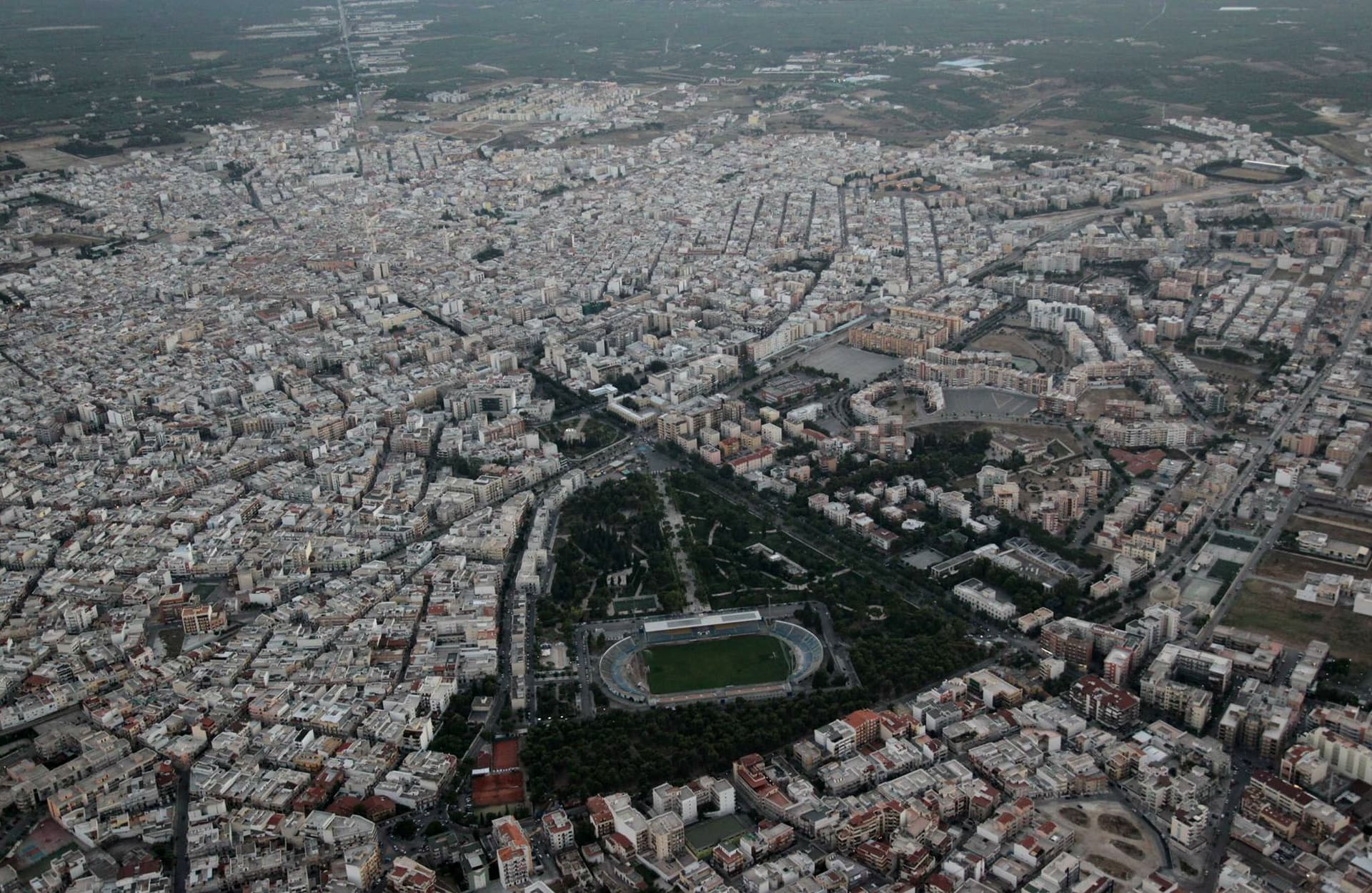
Frederick II's favourite Apulian city, the birthplace of burrata, with the octagonal Castel del Monte rising 540 meters above the Murge eighteen kilometers south.
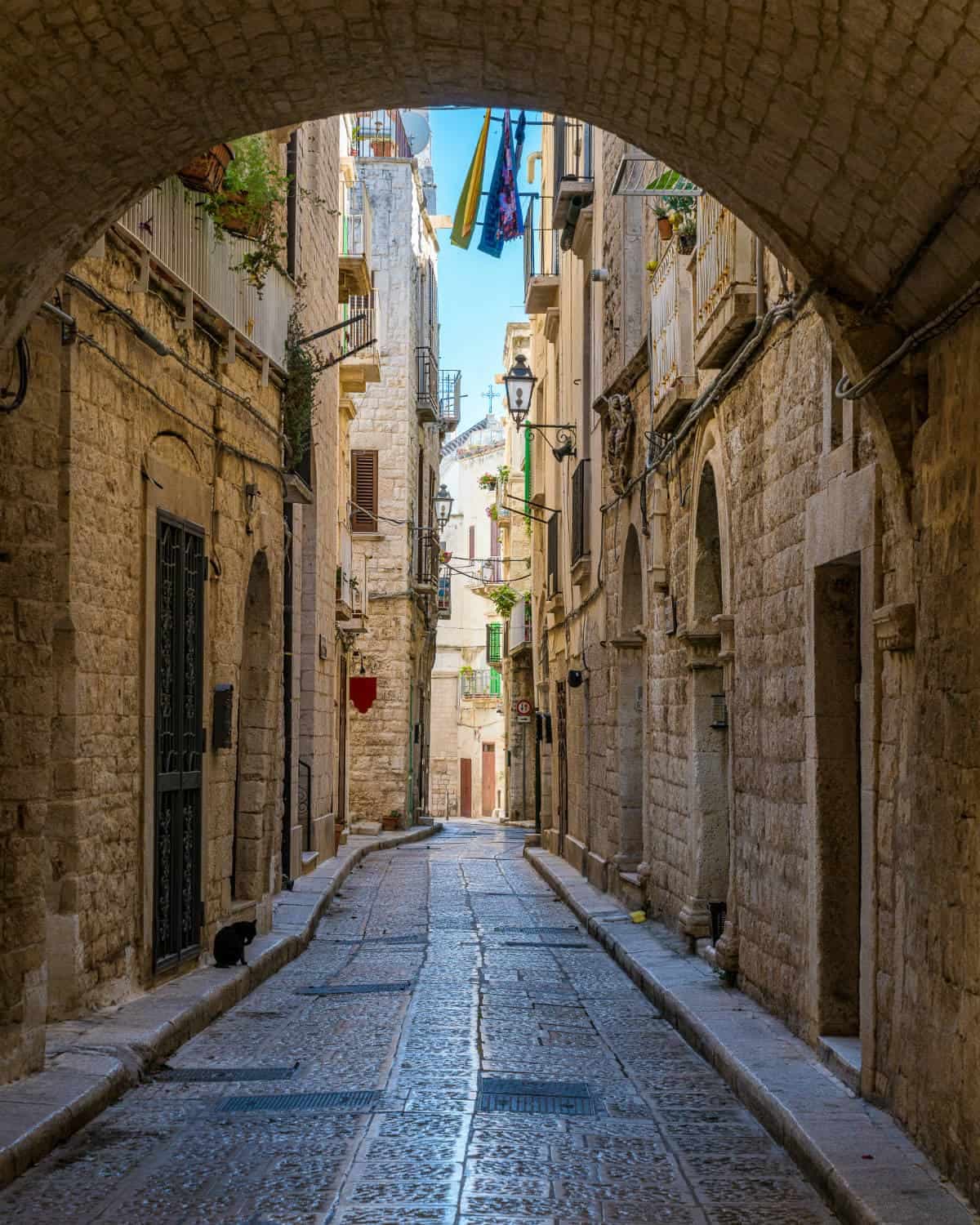
Giovinazzo
Province: Bari
An Adriatic fishing port twenty kilometers northwest of Bari, with a Norman cathedral and a Bronze Age dolmen in the agro inland.
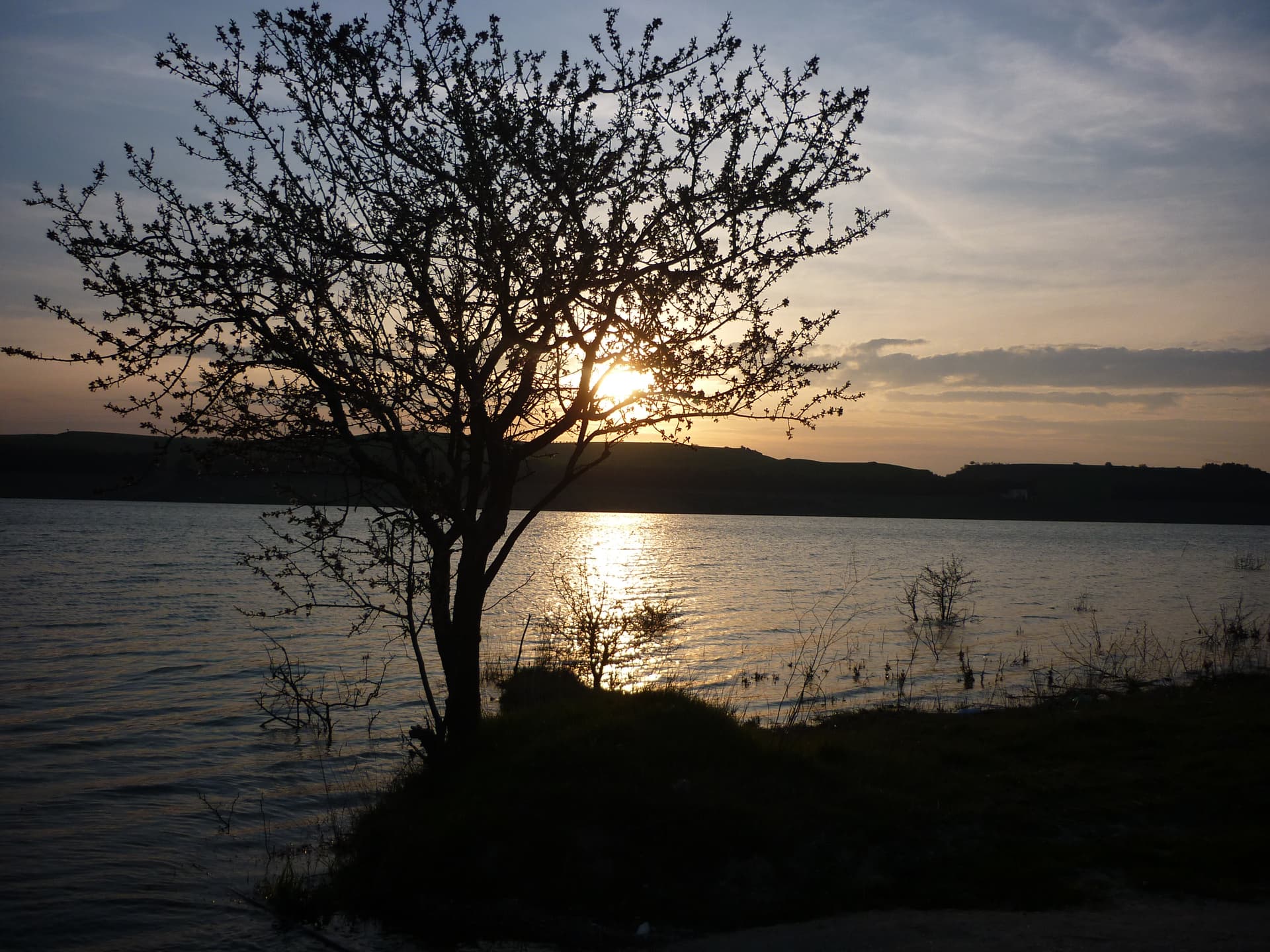
Minervino Murge
Province: Barletta-Andria-Trani
The Balcone di Puglia at 445 meters on the Alta Murgia, between the Ofanto valley and Monte Vulture, inside the national park.
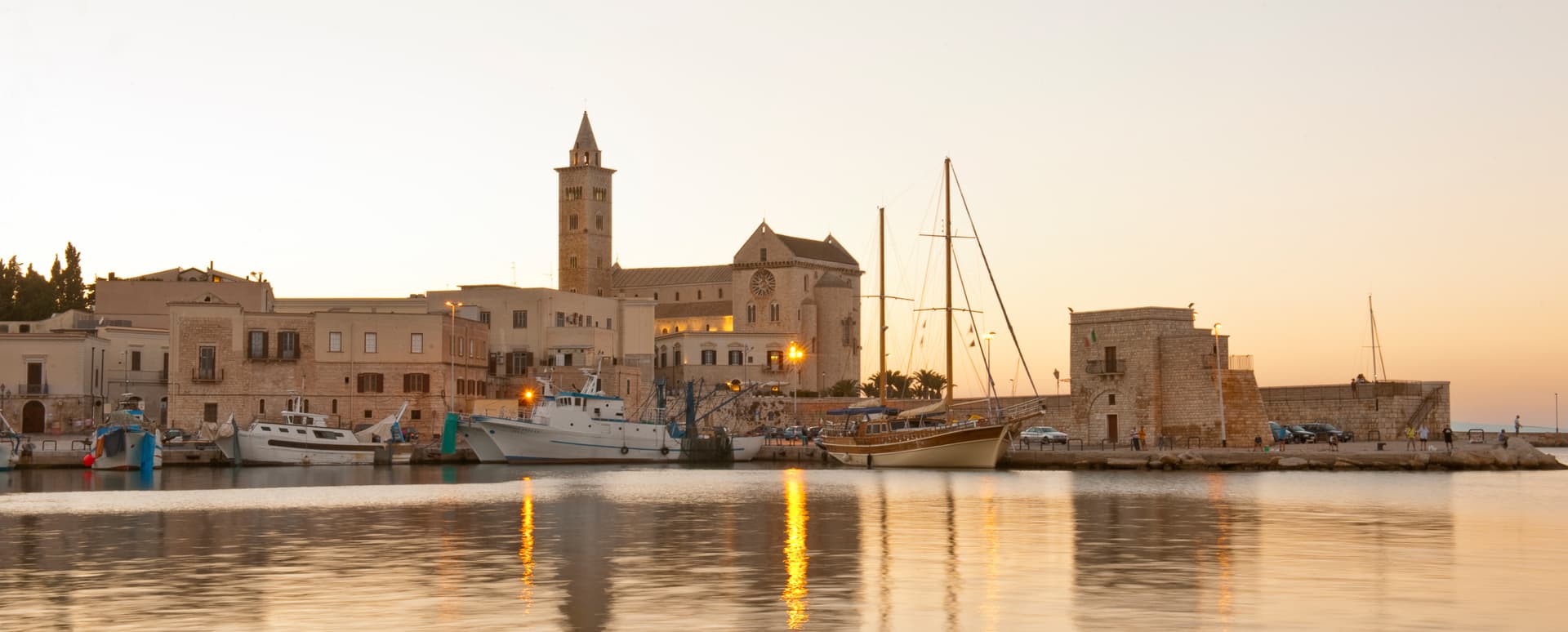
Trinitapoli
Province: Barletta-Andria-Trani
A Tavoliere town between the Saline di Margherita and the Ofanto, sitting on a Bronze Age sanctuary that still surprises archaeologists.
🐌 Cittaslow
More Cittaslow towns
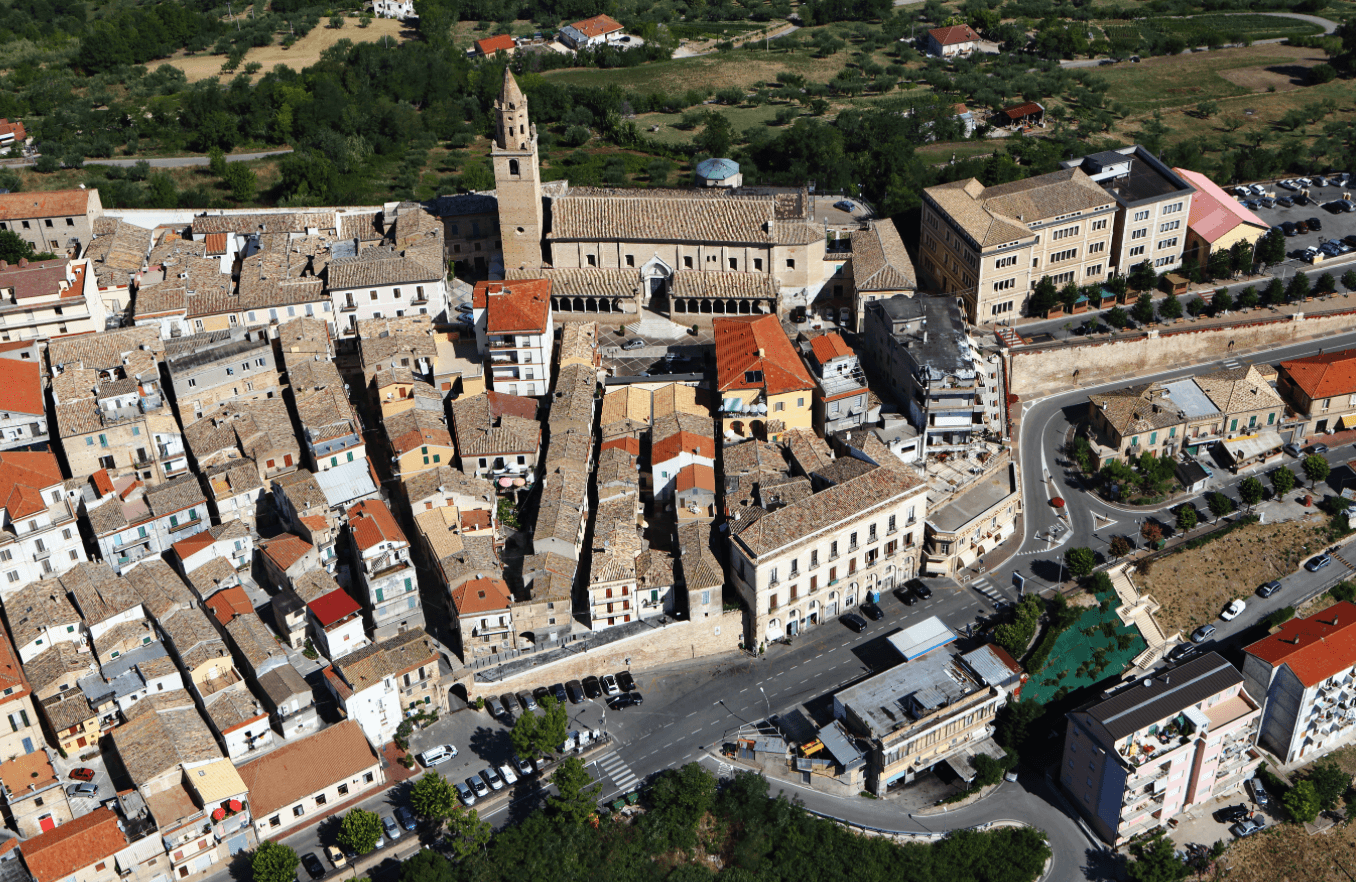
Città Sant'Angelo
Province: Pescara
A hilltop borgo at 320 meters between the Vestina hills and the Adriatic, named for the Archangel and known since 1352 as a Collegiata seat.
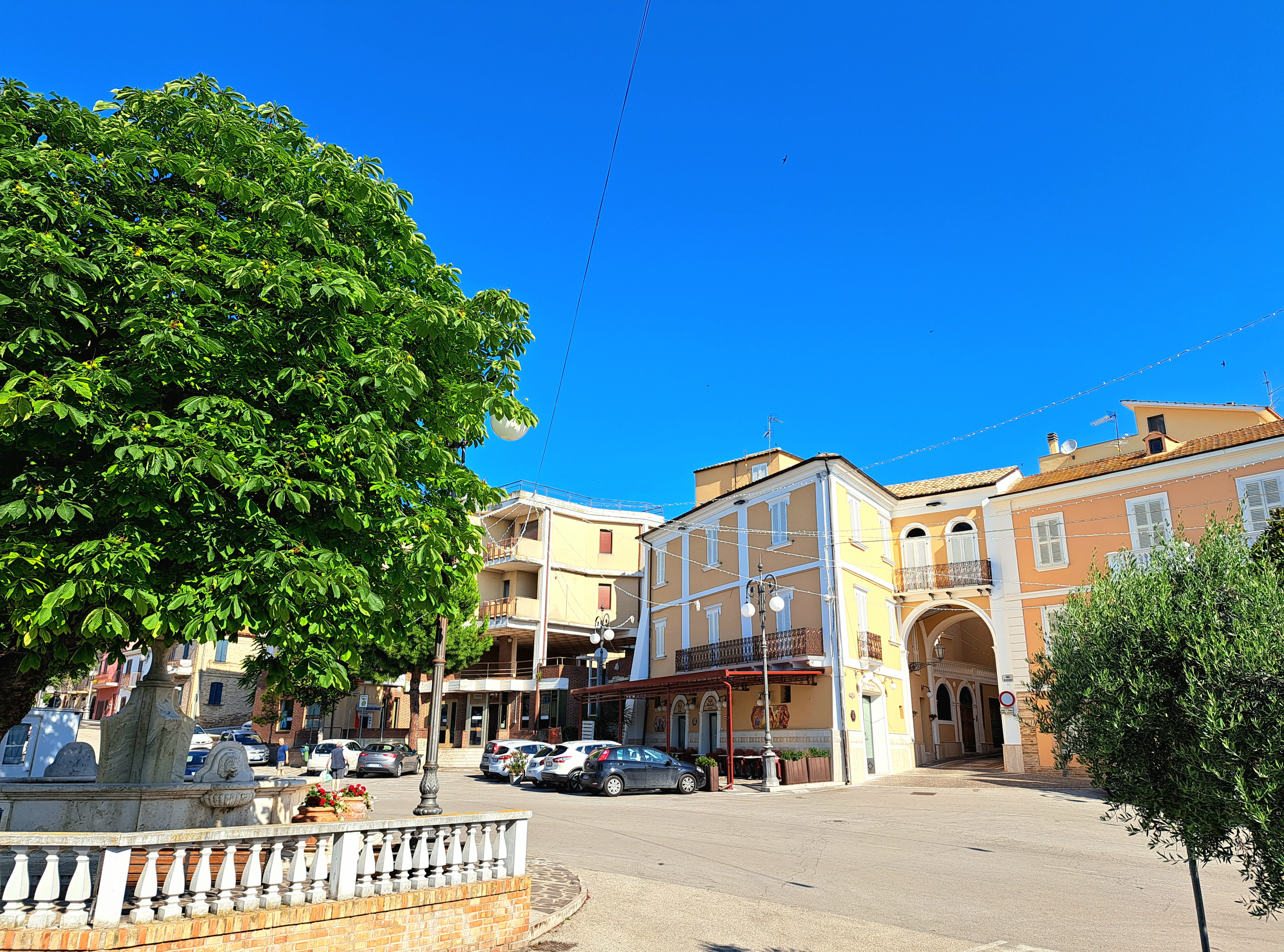
Controguerra
Province: Teramo
A 267-meter Val Vibrata wine village, seat of the Controguerra DOC since 1996, and a founding Cittaslow of the Teramo hills.
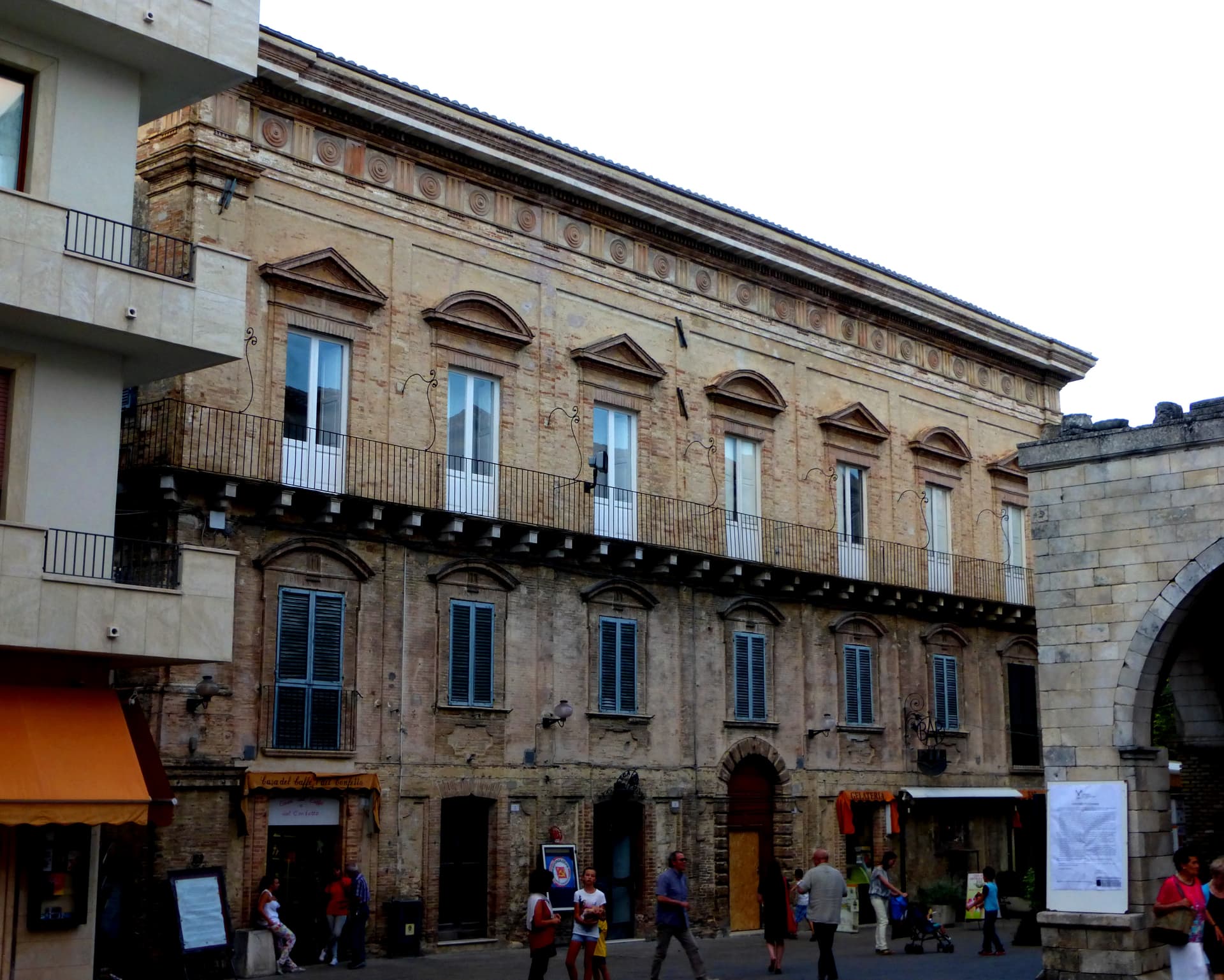
Guardiagrele
Province: Chieti
The 576-meter terrazza d'Abruzzo on the Majella's foothills, hometown of fifteenth-century goldsmith Nicola da Guardiagrele and seat of the Majella park.
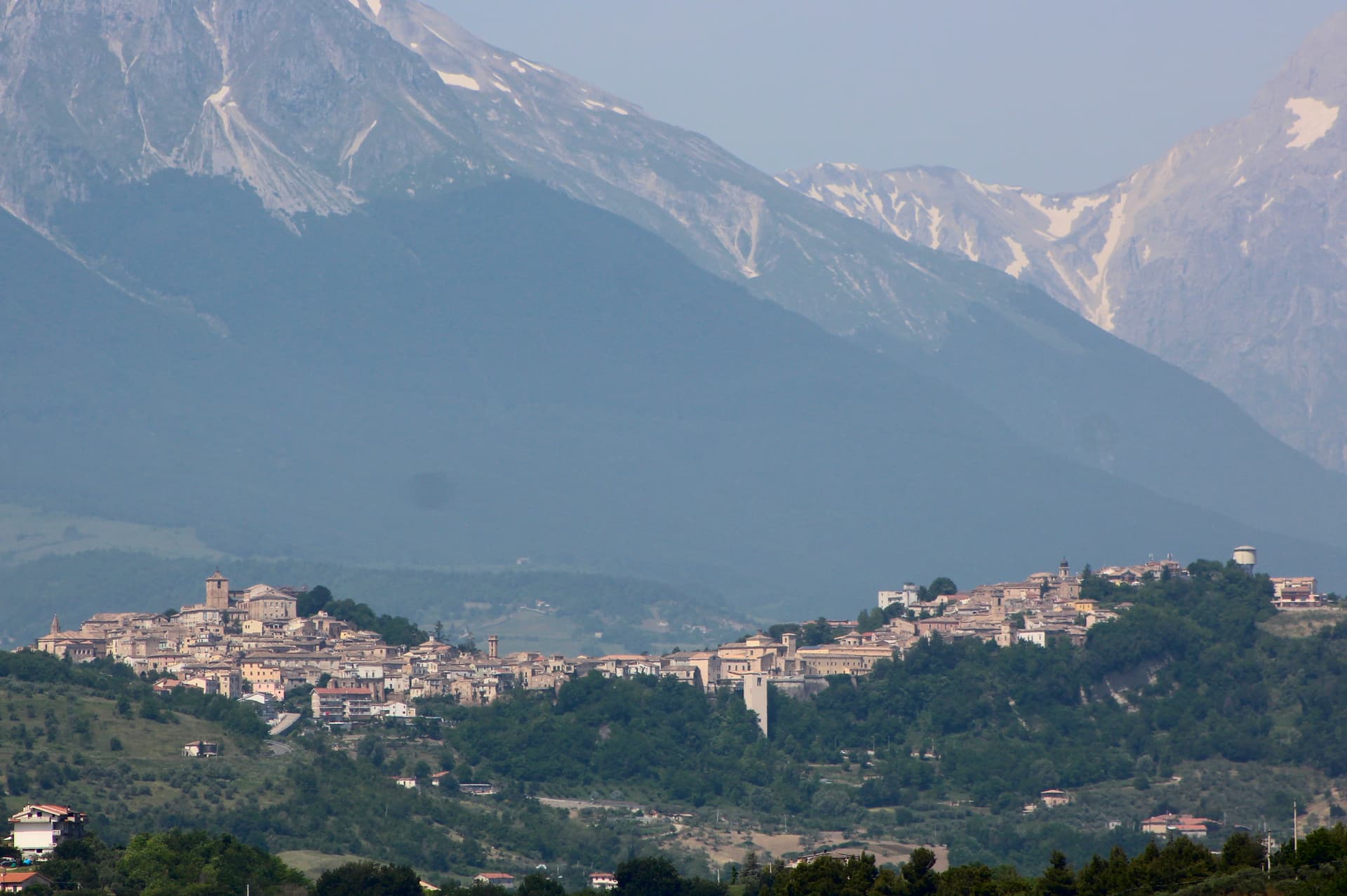
Penne
Province: Pescara
The brick city at 438 meters between the Tavo and Fino, ancient capital of the Vestini, rebuilt after Allied bombing and awarded the Silver Medal of Civic Merit.
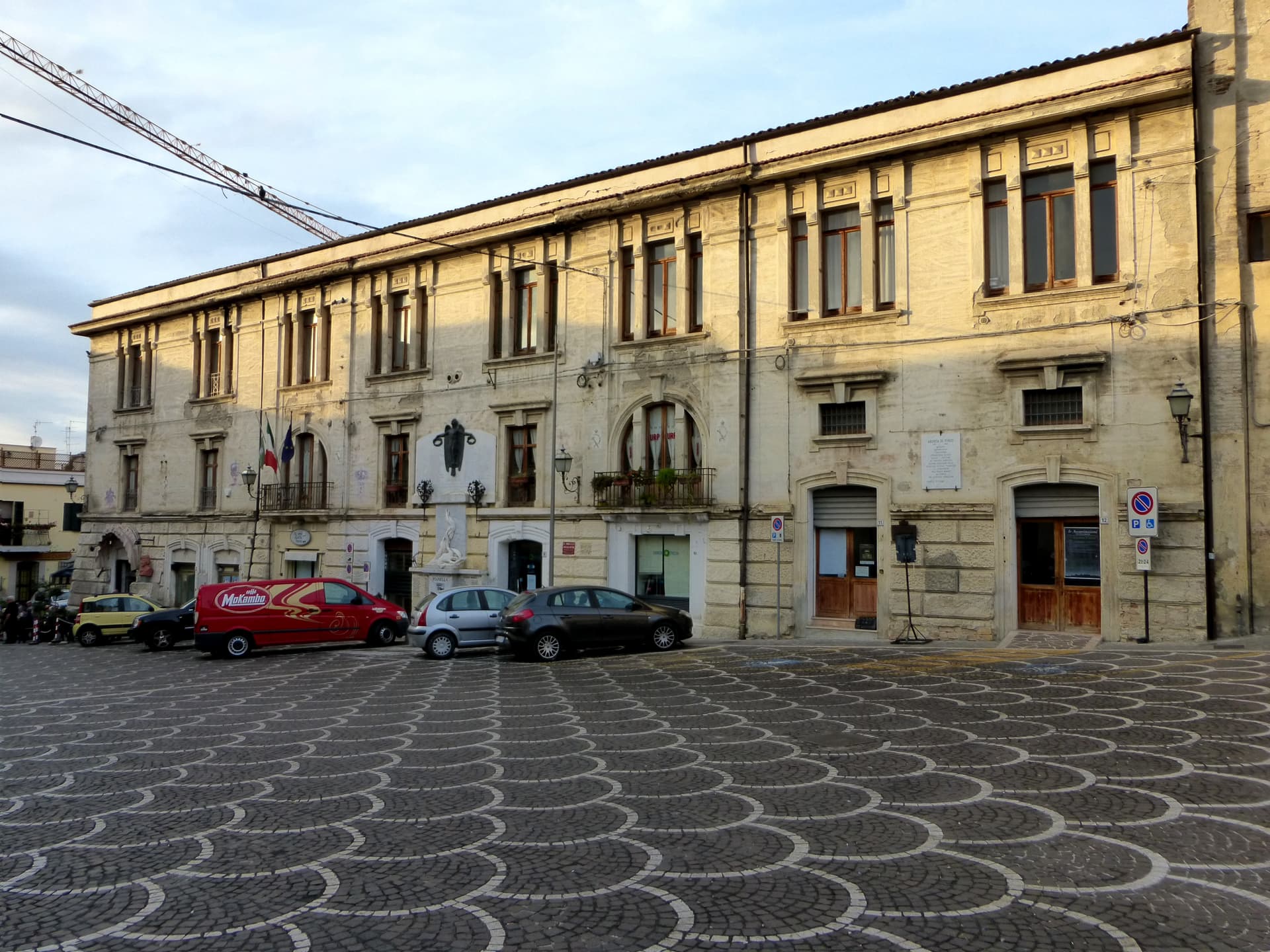
Pianella
Province: Pescara
A Cittaslow hill town at 236 meters between the Tavo and Pescara rivers, anchor of the Aprutino oil triangle and home of the dritta olive.